It’s been a couple of years since I last did a talk or workshop for the Wildlife Trust for Bedfordshire, Cambridgeshire & Northamptonshire. But I’m pleased to say that they’ve invited me back and you can join me tomorrow evening for an online introductory talk about pollinators and pollination in the UK.
The talk starts at 7pm UK time and full details of how to sign up are in the link below:
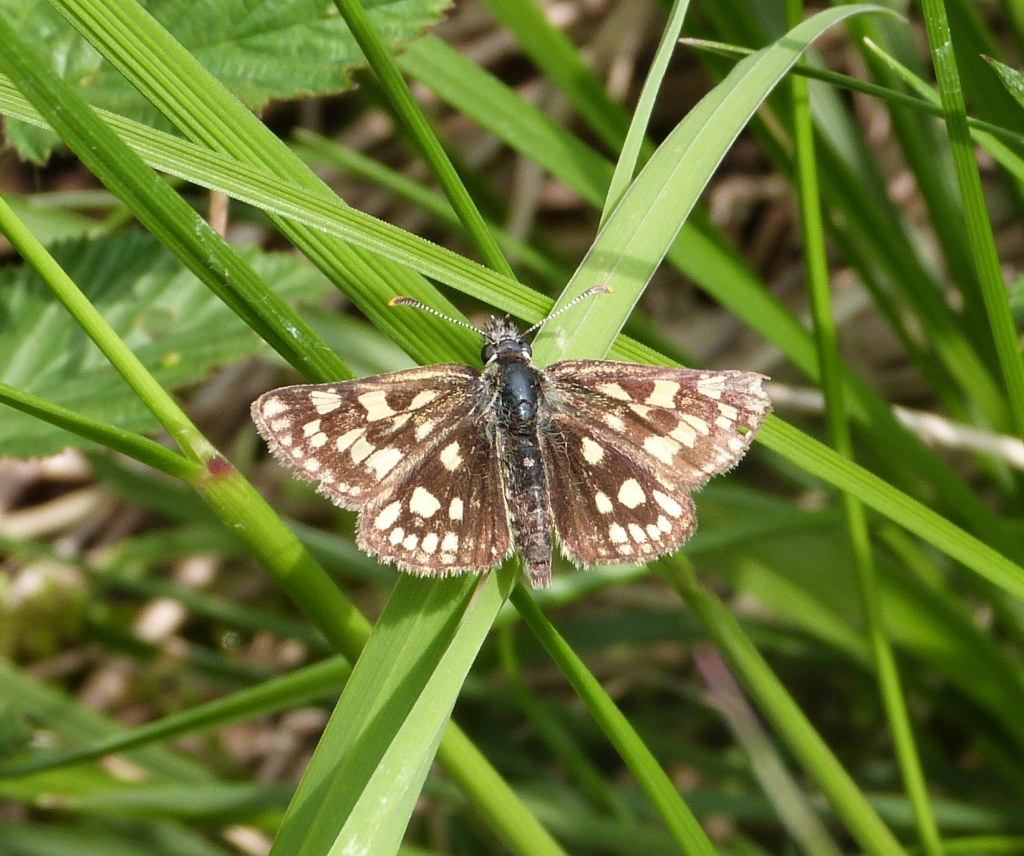
It’s been quite a while since I posted about the Chequered Skipper Reintroduction Project – see my earlier posts here and here. But my involvement has continued, albeit geographically removed from Northamptonshire, and I thought I’d give a brief update with two good news stories.
The headline story is, of course, the success of the project. Since its reintroduction in summer 2018, the Chequered Skipper population has thrived and grown and is now the first self-sustaining population in England since it went extinct there in 1976. Not only that, but the management within Rockingham Forest that was designed to improve the habitat for this butterfly has also benefitted a range of other species, including plants, insects and birds.
How do we know this? Well, the situation on the ground is being intensively monitored by the project team and the passionate volunteers who are helping to count butterflies and other species every year. The data collected from these activities has fed into Jamie Wildman’s PhD thesis where he’s collated and analysed the results. And that’s the second item of good news: yesterday Jamie successfully defended his PhD thesis and was awarded a pass with very minor corrections!
I’m actually not surprised because it’s a great thesis with some fascinating results that not only document this reintroduction but also rewrite the history of the decline and extinction of the English populations of Chequered Skipper. The first paper from that is out – see this post – and there’s more to follow shortly.
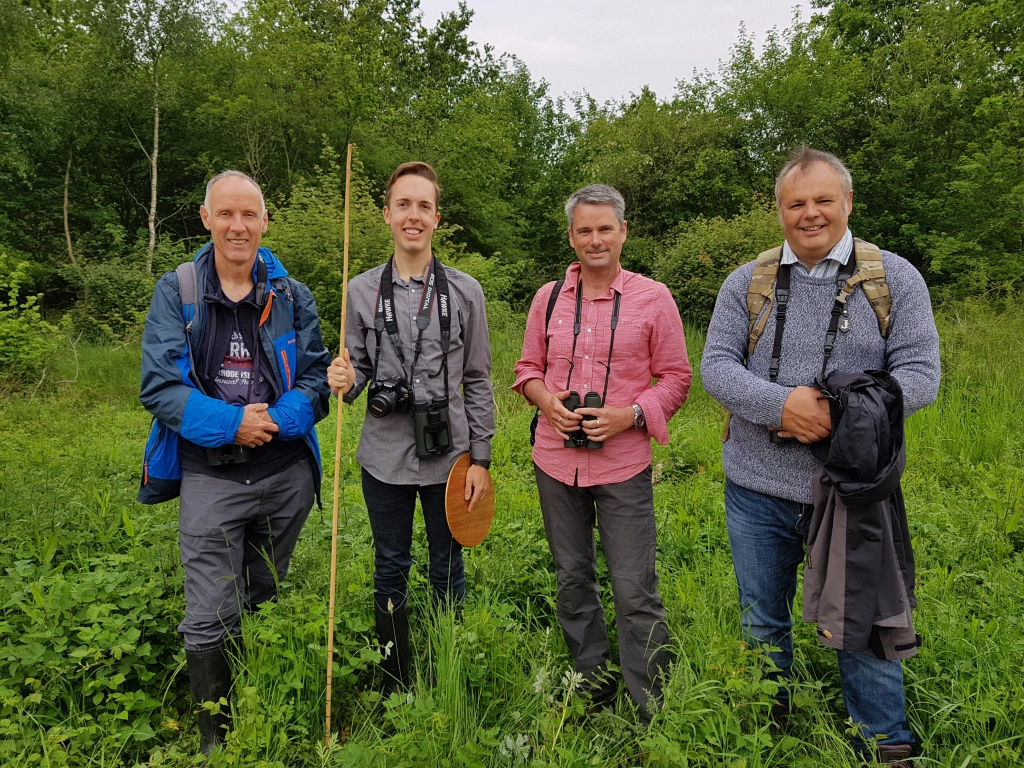
Once again, huge congratulations to Jamie and thanks to the project team and the other supervisors for their hard work. Here’s my favourite photo of Jamie, second from the left and just starting out on his PhD journey back in 2018.
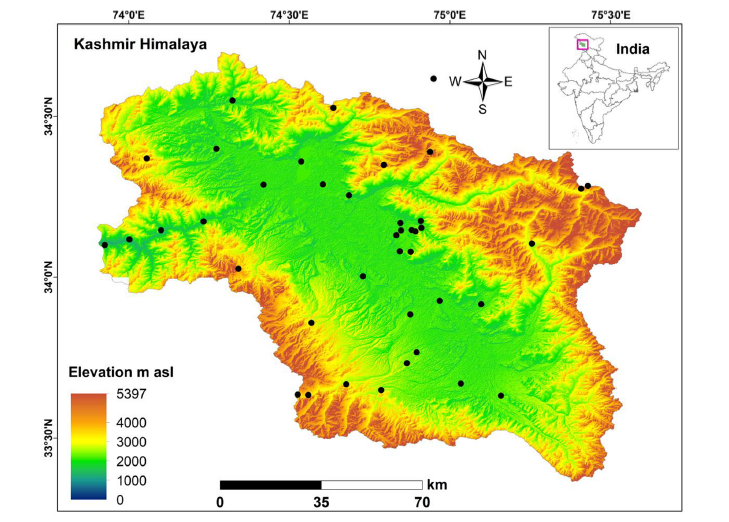
Although we sometimes like to think that we have a “global” perspective on plant-pollinator interactions, in truth there are large parts of the world where we have little or no information. That’s especially true of biodiversity hotspots. One such hotspot is the Kashmir Himalaya, a relatively small area (just 135 km long by 32 km wide) that nonetheless contains an estimated 2,000 species of flowering plant, more than 150 of which are endemic to the area. In addition, over 1,280 insect pollinator species have been described, including at least 29 species of bumblebees and as many as 40 species of butterflies.
Recently I’ve been collaborating with Dr Zubair Rather from the University of Kashmir and his colleagues on a data set that represents the first network analysis of plant-pollinator interactions from the region. The network is presented at a large spatial scale – what is often termed a “meta-network”. As Dr Kit Prendergast and I noted in our recent paper, scale matters when it comes to analysing these sorts of networks. Nonetheless (to quote the current paper):
“meta-networks represent the “backbone” of plant-pollinator interactions to which smaller, local networks are attached”
Even at this very large scale we’re seeing some fascinating patterns emerging with respect to the plants, for example the importance of cultivated apples in supporting the wider network of flower visitors. Also notable, and I believe demonstrated for the first time, is the fact that both the indigenous Asian Honeybee (Apis cerana) and the introduced Western Honeybee (A. mellifera) utilise exactly the same, extremely broad array of plants from which to collect nectar and pollen.
Our Kashmir meta-network is, hopefully, the starting point for further work on plant-pollinator interactions in this fascinating and diverse part of the world. The paper is published in a special issue of the journal Flora that’s dedicated to the importance of natural history when considering the ecology and evolution of plant-pollinator relationships. The special issue is a celebration of the work of Professor Marlies Sazima and is edited by Dr Pedro Bergamo.
Here’s the reference with a link to download a free copy which should be valid up to and including 23rd January 2023:
Plant-pollinator studies are increasingly using network analysis to investigate the structure and function of such communities. However, many areas of high biodiversity largely remain unexplored in this way. Our study describes a plant-pollinator meta-network from an understudied biodiversity hotspot, the Kashmir Himalaya, where we specifically investigate plant-pollinator network nestedness and modularity, as well as the influence of alien species and the impacts of simulating species extinctions on network structure. Natural history observations were used to document the meta-network between 230 plant and 80 pollinator species forming 1958 (11% of the possible) interactions. Among the plants Malus domestica and among the pollinators Apis mellifera and A. cerana formed the largest number of interactions with significant influence over the whole network. Network cumulative degree distribution depicted a higher number of degree levels in pollinators than plants. A moderately high number of realized interactions were revealed, thereby indicating potential structural and functional stability in the network. Eight strongly defined modules were observed in the network which varied in their composition. For example, the Ephedra module exclusively comprised of native species whereas the Apis module comprised of all the four different types of interacting species (i.e. native and alien plants and pollinators) and also integrated the highest number of alien species. In the network overall, 40% of interactions were by alien species, reflecting how well these were integrated. Extinction simulations suggested that the network would collapse more quickly when the most connected pollinators are removed, rather than the most connected plant species. Our study is the first assessment of a plant-pollinator network from this Himalayan biodiversity hotspot; and will help to inform the ecological and economic implications of plant-pollinator interactions in an era of global biodiversity crisis.
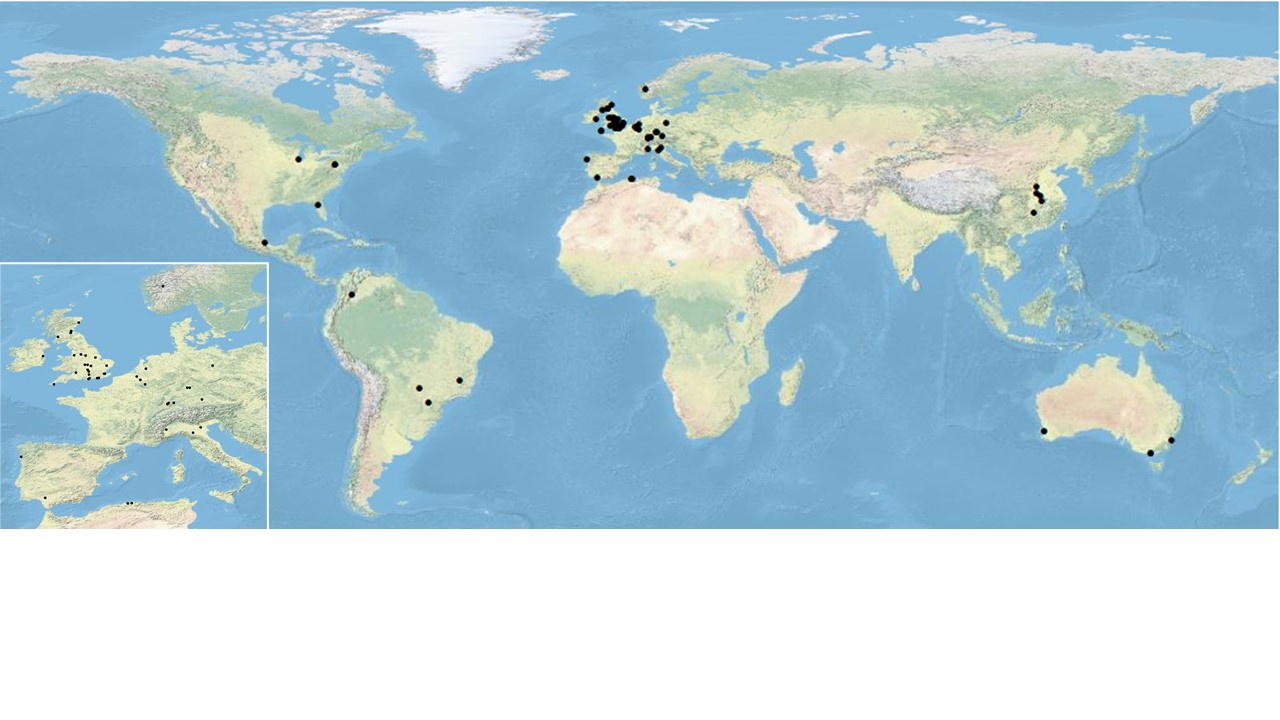
During the lockdown period of the COVID-19 pandemic in 2020, many pollination ecologists were stuck at home: universities and research institutes were closed and restrictions on travel meant that it was not possible to get out and do field work. In order to keep active and motivated, and to turn adversity into an opportunity, an ad hoc network of more than 70 researchers from 15 different countries (see the map above) decided to collect standardised data on the plant-pollinator networks in their own gardens and nearby public spaces.
When combined with information about location, size of garden, floral diversity, how the garden is managed, and so forth, this would provide some useful data about how gardens support pollinators. For those with kids at home it could also be a good way of getting them out into fresh air and giving them something to do!
The resulting data set of almost 47,000 visits by insects and birds to flowers, as well as information about flowers that were never visited, is freely available and will be an invaluable resource for pollination ecologists. For example, analysing the links between ornamental flowers that share pollinators with fruits and vegetables such as apples and beans, will allow us to make recommendations for the best plants to grow in home gardens that can increase yields of crops.
There’s an old saying about turning adversity into a positive outcome: “When life gives you lemons, make lemonade”, and the researchers were pleased to find that there’s one record of Citrus limon in the data set!
The paper describing the data set has just been published in the Journal of Pollination Ecology and you can download a PDF of the paper and the associated data for free by following this link.
Sincere thanks to all of my co-authors for their commitment to the project!
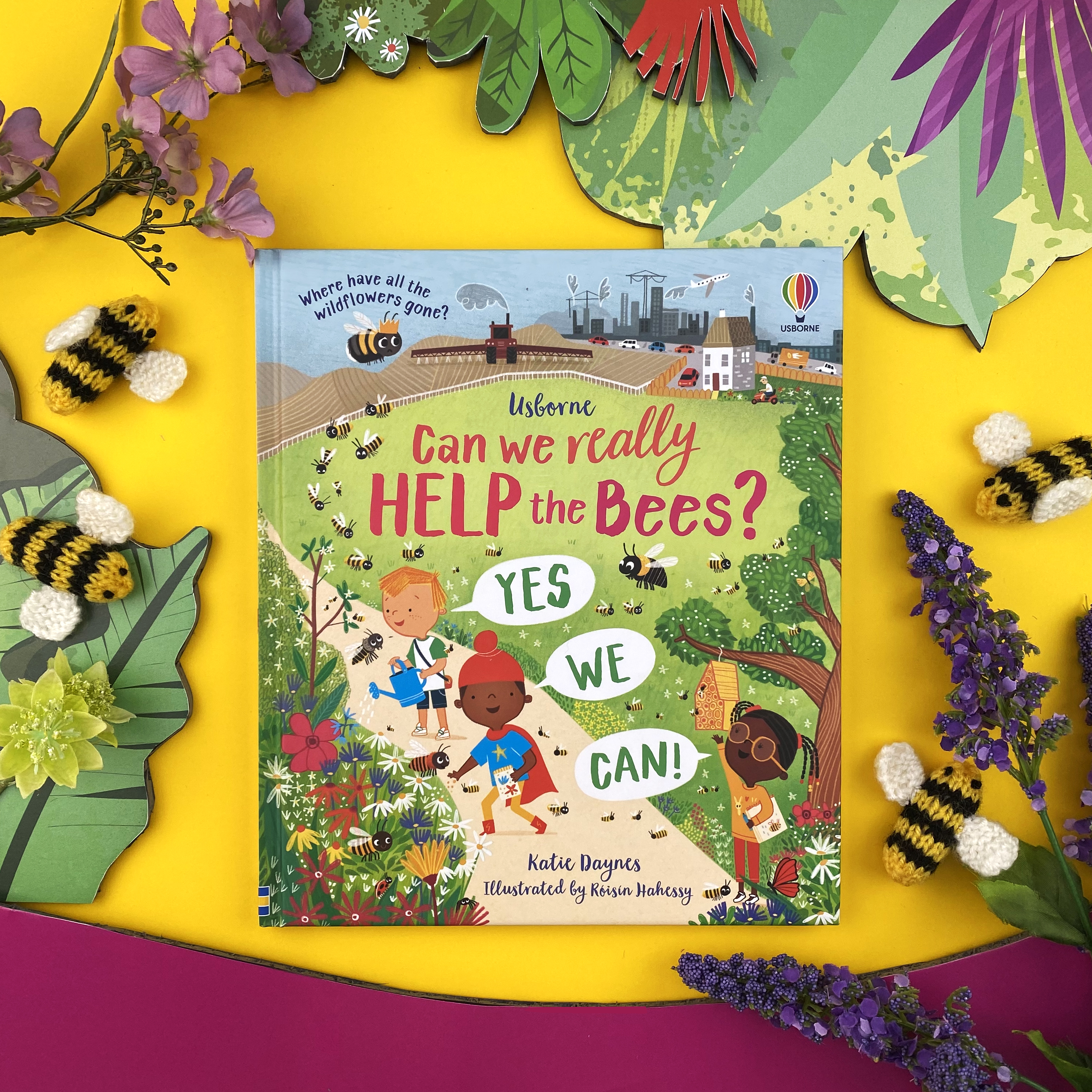
One of the projects with which I’ve been involved over the last year has been advising on a new book for children about bees and other pollinators, called Can We Really Help The Bees? Written by Katie Daynes and wonderfully illustrated by Róisín Hahessy, it tells the story of what happens when a swarm of bees comes to the window to let a group of children know that they, and their friends the other pollinators, are in trouble. Can they help? Yes they can!
It’s been a real pleasure working with Katie and Róisín on this project for Usborne Publishing and seeing the ideas, text, and illustrations evolve over time. I’ve written a short post over at the Usborne blog with some ideas about how to get children involved in helping the pollinators, and I think that it’s worth repeating one of the things that I wrote: everyone can make a difference to the wildlife around us and no one is too young to be involved!
Because of my involvement with Can We Really Help The Bees? I wasn’t able to include it on my curated list of the best books about bees and other pollinators at the Shepherd site. But it definitely should be on there and is highly recommended!
The Chequered Skipper Reintroduction Project has featured in several posts over the last few years – see here and here – and University of Northampton PhD researcher Jamie Wildman has been working hard to complete his thesis under the less-than-ideal conditions imposed by the COVID-19 pandemic. The first paper from the project has just been published and it deals with Jamie’s monumental efforts to bring together all of the scattered data relating to preserved Chequered Skipper specimens held in museums and private collections. An existing database contained just 266 records; Jamie’s efforts increased that by an order of magnitude, adding a further 3,533 new records that document where and when specimens were collected, and by whom.
This 1,328 % increase in data means that we now know much more about the historical distribution of this butterfly and how that changed over time.
The Chequered Skipper went extinct in England in 1976 and this enhanced database will allow us to understand why that extinction occurred. This initial paper documents the strategy used to find the additional records as a road map for how others might proceed in the future. The full reference with a link to the paper is here:
The chequered skipper butterfly Carterocephalus palaemon (Pallas, 1771) was declared extinct in England in 1976 after suffering a precipitous decline in range and abundance during the 20th Century. By searching and collating museum and other records, we show how a deeper understanding of this decline can be achieved, thus furthering conservation objectives. A preexisting Butterflies for the New Millennium (BNM) database of United Kingdom butterfly species records, created by Butterfly Conservation in conjunction with the Biological Records Centre (BRC), contained 266 historic C. palaemon records from England. United Kingdom (UK) museums and natural history societies were contacted for specimen data, and these sources added 2175 new records to the BNM. Owners of private specimen collections were also contacted, and these collections accounted for a further 465 records. Specimens originating from UK museums, other institutions, and private collections represent 2640 (71%) of total new records. Other sources, such as personal accounts held in museums, published and unpublished texts produced an additional 894 records. A further 437 records from museums, private collections, and other sources were considered partial and omitted from the data due to limited or misleading date and/or locality information. In summary, data from UK museums and other sources has infilled English C. palaemon distribution prior to 1976, offering further insight into potential environmental and anthropogenic drivers of decline at key sites. The quality and quantity of data obtained using the method outlined in this study suggests similar work could be carried out for other extinct or declining butterfly species to improve our knowledge of habitat requirements and historical distribution via modelling, identify causes of decline, and provide valuable information for potential reintroductions.
Yesterday a teacher got in touch with me via my Contact form to tell me about work he was doing with his students about pollinators. The students had done some online research and one of them, Olivia, came across a really interesting article about how to grow a butterfly garden. She has asked me to share it with my blog readers so here it is:
It’s great to see school kids getting inspired and engaged with conserving pollinators such as butterflies. Thank you for pointing this out to me Olivia, and good luck with your studies!
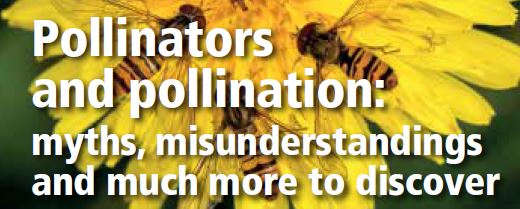
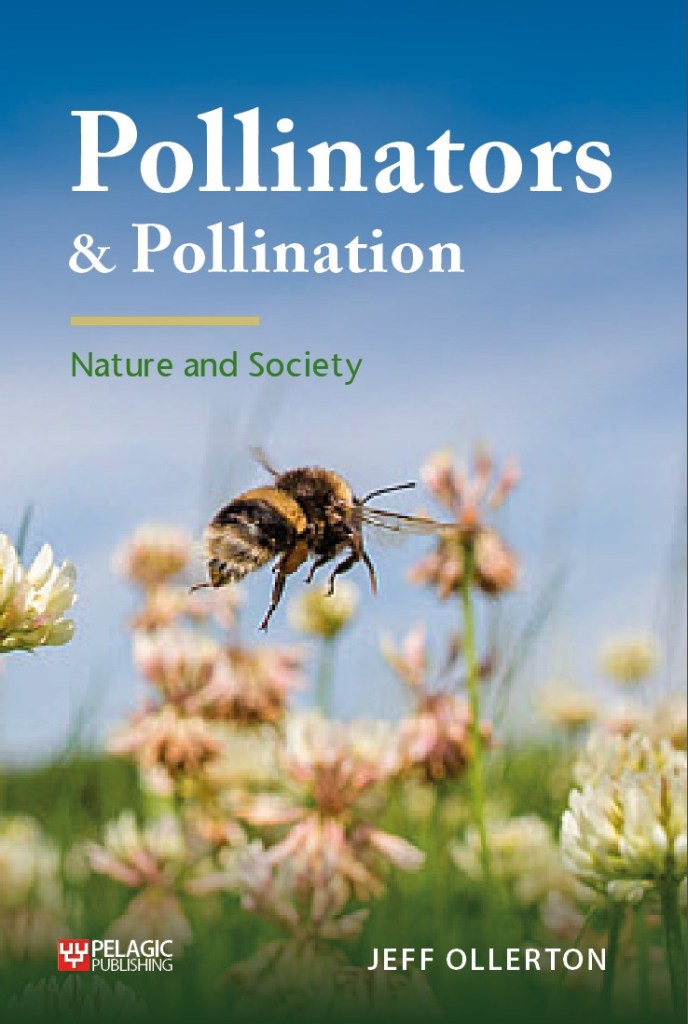
My first (and hopefully not my last) article for the magazine British Wildlife has just appeared in the April issue. Entitled ‘Pollinators and pollination: myths, misunderstandings and much more to discover’ you can get a preview here: https://www.britishwildlife.com/article/volume-32-number-5-page-316-323
The article focuses on some of the myths and misunderstandings that I dealt with in my book Pollinators & Pollination: Nature and Society. It also points out that, even in a place like Britain with a long tradition of natural history study, there’s still much for the patient observer to discover. If you’re interested in a PDF, drop me a line via the Contact page.
As I write a slow haze of fine snow is falling, covering our garden with a thin white dusting. Spring feels a long way off, despite the emerging spears of daffodil leaves. But you can get a taste of what the new season will bring by signing up for a short series of free evening online talks on the topic of pollinators that has been organised by the Yorkshire Dales Millennium Trust – here’s the link for the Bee Together programme – and here’s more details of the talks:
Thursday January 28 at 7pm: Pollinators and Pollination: Nature and Society An overview of the diversity of pollinators in Britain, why they are important, and the threats to that diversity with Jeff Ollerton.
Thursday February 18 (7pm): The B-Lines Project Buglife’s B-Lines network is an imaginative solution to the problem of the loss of flowers and pollinators. B-Lines are a series of ‘insect pathways’ running through our countryside and towns, along which Buglife are restoring and creating a series of wildflower-rich habitat stepping stones. Catherine Jones talks about mapping the recently completed B-Lines map and some of the projects that have already created habitat for pollinators.
Thursday February 25 (7pm): The Hidden Lives of Garden Bees Brigit Strawbridge Howard will explain some of the basic differences between bumblebees, solitary bees, and honeybees – including lifecycles and nesting behaviour; the problems they all face; and, most important, what we can do to help. Brigit is a wildlife gardener, amateur naturalist and advocate of bees. She writes and campaigns to raise awareness of the importance of native wild bees, and is the author of Dancing with Bees: A Journey Back to Nature.
I hope to see some of you there: Happy New Year everyone!
2 More than just bees: the diversity of pollinators
3 To be a flower
4 Fidelity and promiscuity in Darwin’s entangled bank
5 The evolution of pollination strategies
6 A matter of time: from daily cycles to climate change
7 Agricultural perspectives
8 Urban environments
9 The significance of gardens
10 The shifting fates of pollinators
11 New bees on the block
12 Managing, restoring and connecting habitats
13 The politics of pollination
14 Studying pollinators and pollination
As you can see it’s a very wide-ranging overview of the subject, and written to be accessible to both specialists and non-specialists alike. To quote what I wrote in the Preface:
“While the book is aimed at a very broad audience, and is intended to be comprehensible to anyone with an interest in science and the environment, and their intersection with human societies, I hope it will also be of interest to those dealing professionally with plants and pollinators. The subject is vast, and those working on bee or hoverfly biology, for example, or plant reproductive ecology, may learn something new about topics adjacent to their specialisms. I certainly learned a lot from writing the book.”
The book is about 100,000 words in length, lots of illustrations, and there will be an index. My copy editor reckons there’s 450 references cited, though I haven’t counted. I do know that they run to 28 pages in the manuscript, and that’s with 11pt text. All going well it will be published before Christmas.