Category Archives: China

Nature and national security: some recent developments

Back in January I wrote a post entitled Pollination as a matter of national security, prompted by the UK Government’s rather extraordinary publication of this report: Global biodiversity loss, ecosystem collapse and national security: a national security assessment. My argument was that although pollination is obviously not a national security issue in the traditional sense of defending a country against hostile states or terrorist attacks, the loss of pollinators threatens food production, supply chains and the functioning of ecosystems upon which societies ultimately depend. In other words, it is a threat to national resilience, which we can define a country’s capacity to anticipate, withstand, adapt to, and recover from major shocks or long-term pressures while maintaining the essential functions of society, the economy, government, and critical infrastructure. I’ll come back to this national-level framing at the end.

I concluded that post by suggesting that the real question was not whether pollination could be regarded as a national security issue, but whether national security thinking had fully adapted to the biological foundations on which societies depend.

Since January, several reports, papers and policy developments have convinced me that this is becoming a much wider and more serious discussion. Pollination is only one component of it. What is emerging is a view of nature itself as part of the infrastructure that makes societies secure.

Nature as infrastructure

Perhaps the clearest expression of this idea comes from a paper by Bradley Cardinale, Emmett Duffy and Rod Schoonover entitled Nature’s role in national security, published this summer in the journal Nature-Based Solutions.

The authors consider five areas where ecological disruption can generate national security risks: food security, water scarcity, health security, protection from natural disasters, and environmental crime. In each case, environmental degradation can create or amplify economic and social pressures which, under some circumstances, translate into political instability and security problems.

What I particularly like about the paper is its use of the term “natural infrastructure”. Functioning ecosystems, the authors argue, operate rather like electricity grids, communications systems and transport networks. They provide services and, crucially, buffer societies against shocks.

This is an important shift in emphasis. We usually talk about the benefits or ecosystem services that nature provides. Both are perfectly useful concepts, but describing ecosystems as infrastructure changes how we think about their loss. A degraded wetland is then not simply a conservation problem. It may represent the deterioration of flood-control infrastructure. Similarly, a damaged watershed is a weakening of water-security infrastructure, whilst a decline in pollinators can be understood as damage to parts of our food-production infrastructure.

Seen in that way, restoring ecosystems begins to look less like discretionary environmental spending and more like preventive investment in resilience.

Rewilding as defence

An even more striking example appeared in April in The RUSI Journal, published by the Royal United Services Institute, one of the world’s oldest defence and security think tanks.

Sam Jelliman, Brian Schmidt and Alan Chandler propose the concept of “defensive rewilding”: strategically restoring forests, wetlands, peatlands and other ecosystems in locations where they could also impede, divert or slow an invading military force. This infographic from the paper outlines their argument quite persuasively:

At first sight this sounds rather eccentric, but the logic is straightforward. Military planners since at least the time of Alexander the Great have always understood that terrain matters. At the Battle of Issus in 333 BCE, for example, Alexander fought the much larger Persian army on a narrow strip of land between the sea and the mountains, restricting its ability to manoeuvre and helping to neutralise its numerical advantage. Wetlands, forests, rivers, hedgerows and boggy ground can also provide advantage by restricting visibility and movement and make the passage of vehicles and troops much more difficult. We have seen examples of this during the war in Ukraine, just as we did in numerous earlier conflicts.

What Jelliman and colleagues suggest is that this defensive function could sometimes be deliberately combined with ecological restoration. Rewetting peatlands or restoring floodplains near vulnerable borders might simultaneously enhance biodiversity, store carbon, reduce flooding and create terrain that is difficult for armoured vehicles to cross. A win-win for both national defence and this wider concept of national security.

Clearly this is a concept that requires much more testing, and ecological restoration should not be distorted into a military land-management programme. There would also be difficult questions about land ownership, farming and the ecological appropriateness of particular interventions. But that is almost beside the point. The fact that rewilding is now being seriously discussed in a defence journal as potential security infrastructure is itself significant.

It challenges the assumption that spending on defence and spending on nature necessarily compete with one another, though we’ve long known that some areas of the UK than are used by the military are also important wildlife sites, Salisbury Plain being an obvious example, the largest known expanse of unimproved chalk grassland in north-west Europe precisely because it is used for military purposes rather than being converted to agriculture.

Losing nature can make countries poorer and less financially secure

Another recent study extends the argument into the financial system. Matthew Agarwala and colleagues published a paper in Nature Ecology & Evolution examining how losses of ecosystem services might affect the creditworthiness of nations, which is the degree to which lenders and investors judge that a country’s government can reliably meet its debt obligations in full and on time. Their model incorporated scenarios involving the deterioration of three services – wild pollination, marine fisheries and tropical timber – into sovereign credit assessments for 23 countries containing about 5.5 billion people.

The numbers produced by their scenarios are striking. Under partial ecosystem collapse, additional annual sovereign interest payments across the countries studied could reach around US$162 billion. India and China alone could experience tens of billions of dollars in increased annual debt-servicing costs. Some countries could suffer very large reductions in GDP.

These are modelled scenarios rather than predictions, of course, and the ecological assumptions that sit beneath such economic modelling need careful scrutiny. But the basic mechanism is compelling.

Governments depend upon functioning economies to raise taxes, borrow money and respond to crises. If ecological degradation reduces agricultural output, fisheries production and other forms of economic activity, the fiscal position of a country deteriorates. Borrowing becomes more expensive precisely when governments may need to spend more money adapting to environmental change.

This summer’s record breaking drought and wildfires in the UK, and the promise of further disruption due to a mega El Nino event, make such adaptation all the more urgent. Nature loss can create a nasty feedback loop: ecological degradation weakens economies, weaker economies have less capacity to invest in resilience and restoration, and that in turn increases their vulnerability to further ecological degradation.

All of this moves biodiversity loss well beyond the conventional environmental policy box and there are positive signs that these ideas are becoming embedded in government.

The UK security machinery is beginning to respond

In June the UK Government established its first Climate Security Taskforce, bringing together experts from the security, military, academic and environmental communities. Significantly, its remit explicitly encompasses not only climate change but nature loss. This is important as many of us have been arguing for years that you cannot disentangle the two and they should not be treated as separate domains of environmental concern. The Government’s announcement stated that climate change and nature loss are drivers of instability, economic disruption and security risk, and linked the Taskforce to the broader approach set out in the UK’s National Security Strategy.

That matters because one of the perennial problems with biodiversity has been institutional fragmentation. Nature tends to be dealt with by environment ministries, while finance ministries think about economic stability, agriculture departments think about food production, health ministries think about disease, and defence and intelligence agencies think about security. But ecological risks do not respect departmental boundaries.

A collapsing ecosystem can simultaneously affect food prices, water availability, infectious disease risks, migration, trade, government finances and geopolitical stability. Treating each of these consequences separately misses the common ecological cause.

China, where I’ve been spending quite a bit of time in recent years, provides an interesting comparison with the UK. Whereas the explicit framing of biodiversity loss as a national-security risk is relatively new in Britain, China has for some years incorporated “ecological security” into its much broader concept of national security. Its first national-security white paper, published in 2025, explicitly listed ecological security alongside military, economic, food, resource, biological and other forms of security. This has been reinforced in 2026 by China’s new Five-Year Plans for ecological protection and the construction of a “Beautiful China”, both of which link biodiversity conservation, ecosystem restoration and resilience to national ecological security. Chinese researchers have meanwhile developed an extensive literature on “ecological security patterns”, identifying the habitats, corridors and ecosystem services required to maintain resilient landscapes. The Chinese use of the term is not identical to the emerging British idea of “nature security”, but the overlap is striking: both ultimately recognise that the security of a state rests partly upon the ecological systems that support it.

From an intelligence assessment to Parliament

The UK Government’s January assessment has continued to reverberate through Westminster. On 2 September, the House of Commons Library published a new briefing ahead of a parliamentary debate on the assessment. The briefing does not constitute a new security assessment, but usefully brings together the original findings with subsequent parliamentary scrutiny, stakeholder responses and government action, including the creation of the Climate Security Taskforce and a new three-year Nature Security R&D Programme.

The briefing rightly emphasises an important point about the original security assessment. It is based on a reasonable worst-case scenario. It is not predicting that these ecosystems will suddenly collapse tomorrow. National security planning routinely explores high-impact possibilities precisely because governments need to understand what would happen if severe events occurred.

On 3 September the subject was then debated in Westminster Hall, following a cross-party initiative led by Adrian Ramsay MP. Whatever ultimately comes from that debate, this represents an interesting political transition. In January, biodiversity loss appeared in a national security assessment, and eight months later it had become the subject of a dedicated parliamentary research briefing and debate. That does not mean that nature has suddenly moved to the centre of British security policy. Far from it. But it suggests that the language of nature security is beginning to acquire institutional traction.

And then there is food

As if to underline the point, today (4 September) the National Audit Office has published a report on the Resilience of the food supply chain to disruptions. This is not primarily a biodiversity report. It examines the resilience of the UK food system to a much wider range of threats, including extreme weather, energy disruption, cyber-attacks, pandemics and animal and plant diseases. But there is a direct connection with the nature-security debate.

Food is one of the UK’s 13 designated Critical National Infrastructure sectors. The NAO concludes that although the food system has proved resilient to previous disruptions, the ability of the sector to withstand catastrophic events has not been tested and that Defra’s actions have not yet been sufficient to ensure resilience to such events.

This brings us back to where I started in January with pollination. Food security is not simply about having enough farms. It depends on soils, water, climatic stability, pollinators, pest regulation, genetic diversity, functioning supply chains, energy, transport and international trade. Pull at enough of those threads simultaneously and resilience begins to unravel.

So where does this leave us?

What interests me most about these developments is that they come from very different intellectual and institutional directions. Ecologists are describing ecosystems as natural infrastructure. Economists are beginning to incorporate biodiversity into sovereign financial risk. Defence researchers are thinking about restored landscapes as strategic assets. Government has created a taskforce dealing with climate and nature security. Parliament is discussing ecosystem collapse as a national security problem. And the National Audit Office is warning that one of the country’s most fundamental pieces of critical infrastructure, its food system, needs greater resilience.

These are not separate conversations, they are pieces of the same emerging picture.

There is, of course, a danger in pushing the national-security framing too far. Nature deserves protection for many reasons that have nothing to do with its usefulness to states, economies or human societies. I would be very uncomfortable with biodiversity conservation being justified solely because it makes Britain, or any other country, more secure.

But that is not the argument I am making. Rather, I think we have systematically underestimated the extent to which national security is built upon ecological stability. Forests, soils, rivers, wetlands, oceans, pollinators and the millions of other species that make ecosystems function are not scenery surrounding the human economy, they are part of its physical foundations.

Earlier this year I argued that conserving pollinators could be regarded as a form of preventive security investment. The developments since then suggest that the same argument can be made much more broadly: Protecting and restoring nature is not an alternative to investing in national resilience. It is one of the ways in which we invest in national resilience.

That feels like an idea whose time has arrived.

There is, however, an obvious limitation to framing all of this in purely national terms. Modern states are embedded in a globalised economy in which food, energy, raw materials, finance, manufactured goods and ecological impacts cross borders continuously. A country may strengthen the resilience of its own landscapes and infrastructure yet remain highly vulnerable to ecosystem degradation, crop failures or political instability elsewhere. In that sense, “national resilience” is also dependent on international ecological resilience: security at home increasingly rests on the stability of environmental and economic systems far beyond national borders. Just as individual trees in a forest are dependent upon one another to create the conditions in which all can thrive, regardless of species, so the too are countries mutually dependent. The leaders of the world’s nations would do well to remember that.
What China’s mountain meadows and forests can teach us about pollinators

For several years now I have been fortunate to collaborate with colleagues in China on the ecology of plant–pollinator interactions. One of the things that makes that work so exciting is the sheer variety of landscapes in which these interactions play out. In a newly published paper led by Dr Xin Xu, we have studied pollination networks on Yulong Snow Mountain in Yunnan, in south-west China, a place where forests and flower-rich meadows sit side by side in a spectacular high-elevation environment.

The question we asked was simple enough: how do these adjacent habitats – woodland and grassland – differ in the way that plants and pollinators interact? But answering it required a huge amount of field effort. Over two flowering seasons, the team recorded more than 11,000 interactions between 229 pollinating insect species and 89 flowering plant species. That is an extraordinary reminder of how much ecological complexity can be packed into a relatively small area of mountain landscape.

What emerged was a very clear pattern. The open meadows supported far more activity than the neighbouring forests: more visits, more pollinator species, more plant species, and more interaction links. In fact, nearly 9,700 of the recorded interactions took place in meadow habitat, compared with about 1,365 in forest. Meadows were especially important for bumblebees, which are among the key pollinators in these cool, high-elevation systems.

But the forests were not simply poor relations. They supported their own distinctive subset of the wider pollinator community, and the network of interactions there was structured differently. Some pollinator species altered their daily foraging schedules depending on whether they were in meadow or forest, suggesting that they are responding flexibly to changes in light, temperature, floral resources, and perhaps competition. That is one of the aspects of pollination ecology that fascinates me most: these are not static systems, but living networks that shift across space and time.

More broadly, the study reinforces something that has become increasingly clear from ecological research: habitat heterogeneity matters. A landscape made up of different, connected habitat types can support a richer and more resilient community than one that is uniform. On Yulong Snow Mountain, the meadows seem to act as hotspots of pollinator diversity, while the forests add further complexity and help shape how those pollinators behave. Conserving that mosaic is therefore likely to be crucial if we want to maintain pollination services and biodiversity in mountain regions facing rapid environmental change.

For me personally, this paper is also a reminder of why international collaboration is so valuable. Working with Chinese colleagues has opened a window onto ecological systems that are both scientifically important and visually stunning. Yunnan is one of the world’s great biodiversity regions, and studying pollination there helps us understand not only how these mountain ecosystems function, but also how species interactions may respond to climate change and habitat alteration in the future.

Pollination ecology is about more than just bees, birds, or other animals visiting flowers. As a focus of study, it is much richer. It is about networks of interactions, about the timing of activity through the day, about the way species respond to different habitats, and about how whole ecosystems are stitched together. High on a Chinese mountain, among meadows and forests, we can see that complexity in action.

Here’s the full reference:

Xu, X., Maruyama, P.K., Ollerton, J., Wang, H. & Ren, Z.-X. (2026) Spatio-temporal variation in plant–pollinator networks between adjacent meadow and forest habitats in a high-elevation environment. Oecologia (in press)

Here’s the abstract:

Understanding how habitat heterogeneity influences the structure and stability of ecological networks is critical for predicting ecosystem responses to environmental change. In alpine ecosystems, open meadows and forests represent contrasting habitats with distinct vegetation structures, resource availability, and microclimatic conditions. In this study, we integrated spatial and temporal data on pollinator-plant interactions to investigate network structure, species roles, and diurnal foraging dynamics across meadow and surrounding forest habitats during two flowering seasons on Yulong Snow Mountain, Yunnan, China. A total of 11,094 plant–pollinator interactions were recorded, involving 229 pollinator and 89 flowering plant species. Meadows supported significantly higher interaction frequencies, species richness, and α-diversity for both plants and pollinators, although they showed a striking numerical dominance of a single key pollinator, Bombus friseanus. Network dissimilarity analyses revealed substantial differences between habitats, with both species turnover and rewiring contributing to interaction dissimilarity. Diurnal foraging dynamic analysis revealed that some key species, such as Bombus lepidus, displayed distinct foraging patterns across habitats indicating behavioral adaptation and temporal niche partitioning to microclimate. Our findings highlight the strong influence of habitat type on pollination network architecture and reveal many shared pollinator species, indicating some degree of cross-habitat linkage. These results underscore the importance of habitat heterogeneity and spatial coupling in shaping pollination services and sustaining biodiversity in mountain ecosystems under environmental change.

Pollinators and politics in China

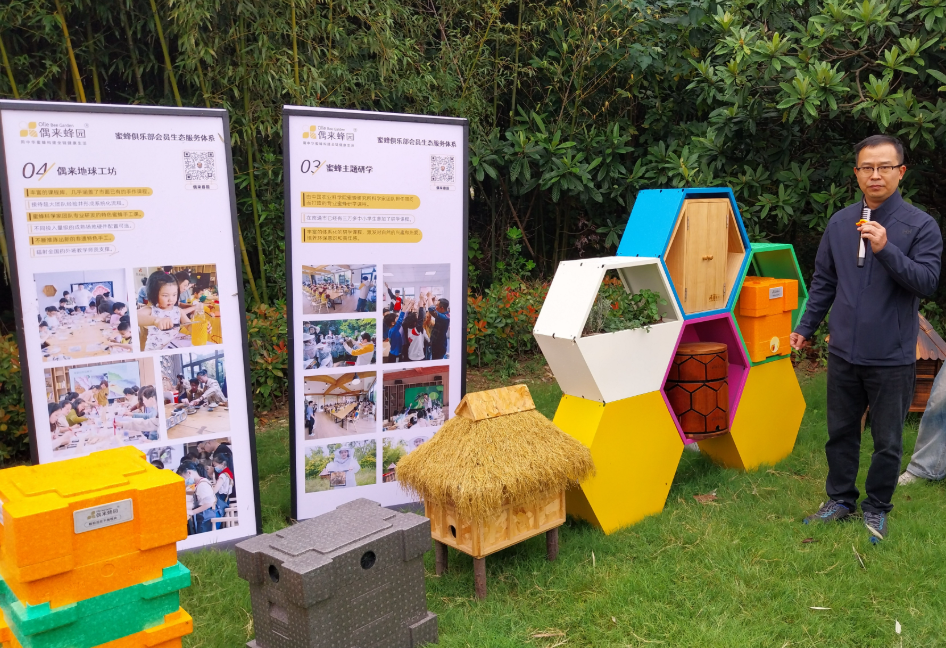
Last week I returned from a 14 day visit to China to colleagues at the Kunming Institute of Botany in Yunnan, part of a three-year commitment to working there that I documented on the blog last year, starting here. Some of my recent trip involved a long weekend in the city of Nantong, just north of Shanghai, where I was an invited speaker at the International Pollinator Insect Biology and Pollination Symposium. During a full day of talks from researchers and practitioners, via the excellent simultaneous interpretation service provided by the organisers, we learned about recent developments in the world of Chinese honey bees and wild pollinators. There were also international guest speakers from Australia, Argentina, and the UK, in person and online.

Too much was presented to give you a full account of the meeting – if you’re interested in details I’ve uploaded a copy of the English version of the symposium brochure here – but several themes emerged that I think are worth noting.

First of all, a number of speakers commented on the growing realisation in China that the value of crop pollination services by honey bees (both the native Asian Apis cerana and the European A. mellifera) far outweighs the value of the hive products such as honey, wax and royal jelly – see this from the 2021 study by Shibonage K Mashilingi and colleagues:

The total economic value of pollination amounted to US$ 106.08 billion in 2010, representing 19.12% of the total production value of Chinese agriculture

In comparison, the global honey market was valued at just US$ 9.01 billion in 2022. That such an understanding of the much greater economic value of pollinators to agriculture was relatively slow in coming is perhaps not surprising – it’s easier to weigh a physical product than it is to assess the contribution of bees and other insects to an apple harvest, for instance. But this awareness is a crucial step towards understanding the many reasons why pollinators need protection.

Which leads me to my next point: there was considerable political interest in the conference and in the topic more broadly. The meeting opened with almost an hour of introductory remarks by high-ranking Chinese officials, including the Vice Mayor of the regional government, the Vice President of the Chinese Academy of Agricultural Sciences, and the Secretary General of the Ministry of Agriculture and Rural Affairs of China. All of them commented on the importance of pollination to both crops and wild plants, and the need to reduce the amount pesticides being used in Chinese agriculture. I can’t recall ever being in a pollination symposium in any other country where there was such a political presence. I think that it says a lot about the Chinese willingness to translate science and technology into government policy and actions.

At the end of the opening session I had the chance to talk briefly with Liu Jian, former Vice Minister of Agriculture and Rural Affairs of China. Via an interpreter we agreed on the importance of pesticide reduction for protecting pollinators, a theme he had emphasised strongly in his talk, and I presented him with a copy of my book Pollinators & Pollination: Nature and Society:

Following the opening addresses there was a talk by the President of the Apicultural Science Association of China, Prof. Peng Wenjun, who gave us “An overview of the development of China’s bee pollination industry”. He described pollinators as the “invisible pillar” of agriculture, which is a wonderful phrase, and set out a strategy for greater integration of government policies, science, and technological innovation in order to support both managed and wild pollinators.

The first set of talks ended about 6pm, then it was back to the hotel for a quick dinner, before returning to the venue for a set of 15 shorter, but no less excellent, talks by postgraduate and postdoctoral researchers. This over-ran slightly and finally drew to a close at about 10pm, signalling the end of a very long, but very stimulating, day.

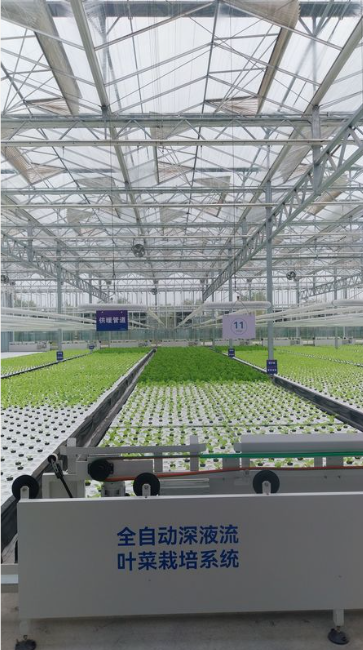
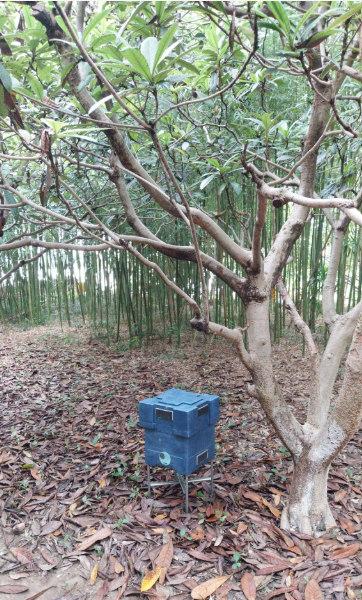
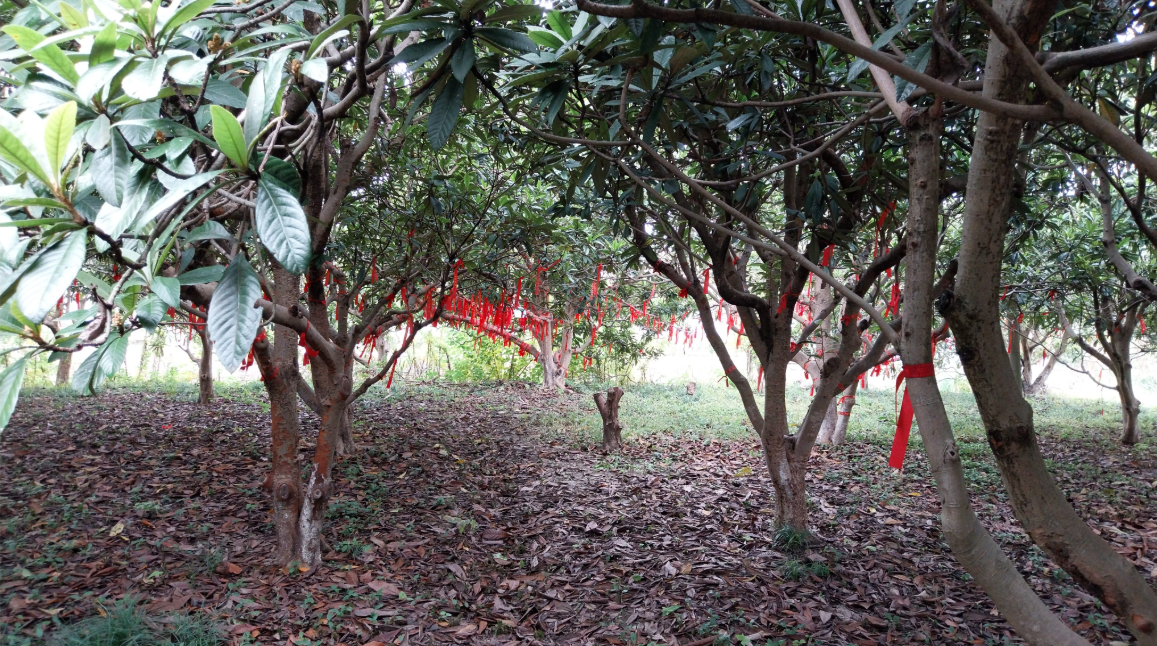
The following morning we were up early for a tour of some local agricultural facilities, including a high-tech glasshouse demonstration project and a loquat orchard that included trees which are thought to be around 300 years old. The thing that links these two contrasting agricultural systems is the requirement for managed pollinators to produce a crop: bumblebees (Bombus spp.) in the case of glasshouse tomatoes and the Asian honey bee (Apis cerana) for the winter-flowering loquat. Here are some photographs from that trip:

My sincere thanks to the organisers of the symposium for the invitation to speak and to my colleagues Zong-Xin Ren, Scarlett Howard, Yuansheng Fu, and Carlos Matallana-Puerto for their companionship on the trip. I’m grateful also to our personal translator-guides Yang and Gao who surprised us at the airport and made us feel so welcome:

Do birds pollinate the iconic Golden Lotus? A new study suggests that they do!

The Golden Lotus (Musella lasiocarpa) is one of China’s most iconic plants — a striking member of the banana family (Musaceae) that seems to bloom forever. Its brilliant yellow, lotus-like bracts have long made it a favourite of subtropical gardeners, though it also has utility as a food and fibre crop, and is associated with Chinese Buddhism. As you can see above it often features stylistically in Chinese temples, and in my visits to Yunnan we frequently encounter it during fieldwork on farms, planted to support terraced fields:

But despite its fame, one mystery has lingered for decades: what actually pollinates it?

Until now, Musella was thought to rely mainly on insects, particularly bees, for pollination. That assumption made it something of an outlier within the banana family, where most species are pollinated by birds or bats. But a new study, in which I was involved as part of an international team of predominantly Chinese and Brazilian researchers, has turned that view on its head.

By combining careful field observations with citizen science records, our team found that the Golden Lotus is regularly visited by an impressive diversity of birds — twelve species from five different families. As I documented in my recent book Birds & Flowers: An Intimate 50 Million Year Relationships, many of these visitors, such as bulbuls and sunbirds, are known nectar-feeders, and their behaviour at the flowers suggests that they are acting as effective pollinators. This discovery significantly expands what we know about the pollination ecology of the Golden Lotus, and places it firmly within the broader pattern of bird pollination that characterises much of the banana family.

Interestingly, the plant’s features — large, robust, vividly coloured bracts, abundant accessible nectar, and long-lived blooms — make perfect sense in this new light. These are traits that favour bird pollination rather than the short, concentrated visits typical of bees.

But the significance goes beyond one species. Bird pollination plays a vital, and often overlooked, role in China’s native flora, linking ecosystems from tropical rainforests to mountain valleys. Understanding these relationships is important not only for biodiversity conservation but also for horticulture — helping gardeners and landscape designers to create spaces that attract and sustain pollinators of all kinds.

The Golden Lotus has always been celebrated for its beauty and longevity. Now, we can add another layer to its story: a reminder that even the most familiar plants can still surprise us, and that nature’s partnerships are often more complex — and more colourful — than we imagine.

Here’s the reference with a link to the paper, which is open access:

Albuquerque-Lima, S., Ferreira, B. H. d. S., Rech, A. R., Ollerton, J., Lunau, K., Smagghe, G., Li, K.-Q., Oliveira, P. E., & Ren, Z.-X. (2025). Beyond Bees: Evidence of Bird Visitation and Putative Pollination in the Golden Lotus (Musella lasiocarpa)—One of the Six Buddhist Flowers—Through Field Surveys and Citizen Science. Plants, 14(20), 3157. https://doi.org/10.3390/plants14203157

Science ceramics – the perfect gift for the geek in your life!

Over at the Dynamic Ecology blog, Jeremy Fox has provided a link to a company called Not Quite Past that uses AI to generate an image for a ceramic tile in the style of Dutch Delftware based on the prompts that you give it. That part is free, but if you wish the company will then manufacture that tile and ship it to you (though there’s a minimum order of 10 tiles).

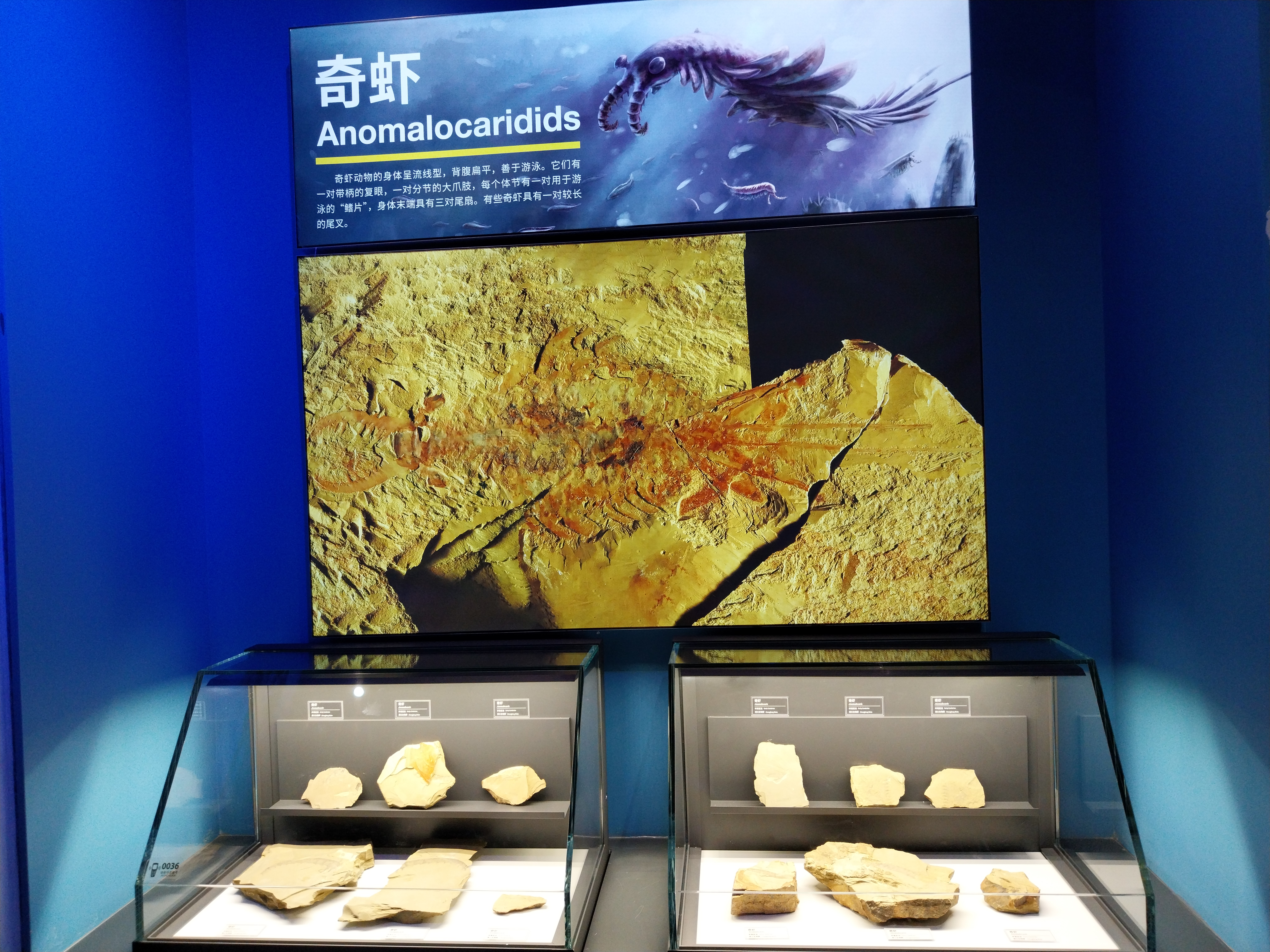
It reminded me that when I was working in China earlier this year, we visited the extraordinary Museum of Chengjiang Fossils, dedicated to an amazing assemblage of early Cambrian-age animals. This biota is comparable to the more famous Burgess Shale fauna in Canada: both are in excess of 500 million years old, and they share some animals in common.

One such taxon is the genus Anomalocaris, a group of predatory early arthropods, the disarticulated parts of which were originally misidentified as belonging to different animals. It was the late Stephen J. Gould who first brought the story to popular attention in his 1989 book Wonderful Life. I read this when it was first published and had the pleasure of seeing Gould give a lecture about it in Oxford, and the story of Anomalocaris stuck with me. So it was great to see actual fossils of this remarkable animal in China.

Not only did I get to view the fossils, but I was able to buy the plate that’s featured at the top of this post, featuring a hand-painted painted Anomalocaris in a traditional Chinese style. It’s perhaps the most geeky ceramic imaginable, though Jeremy’s Daphnia tile comes a close second!

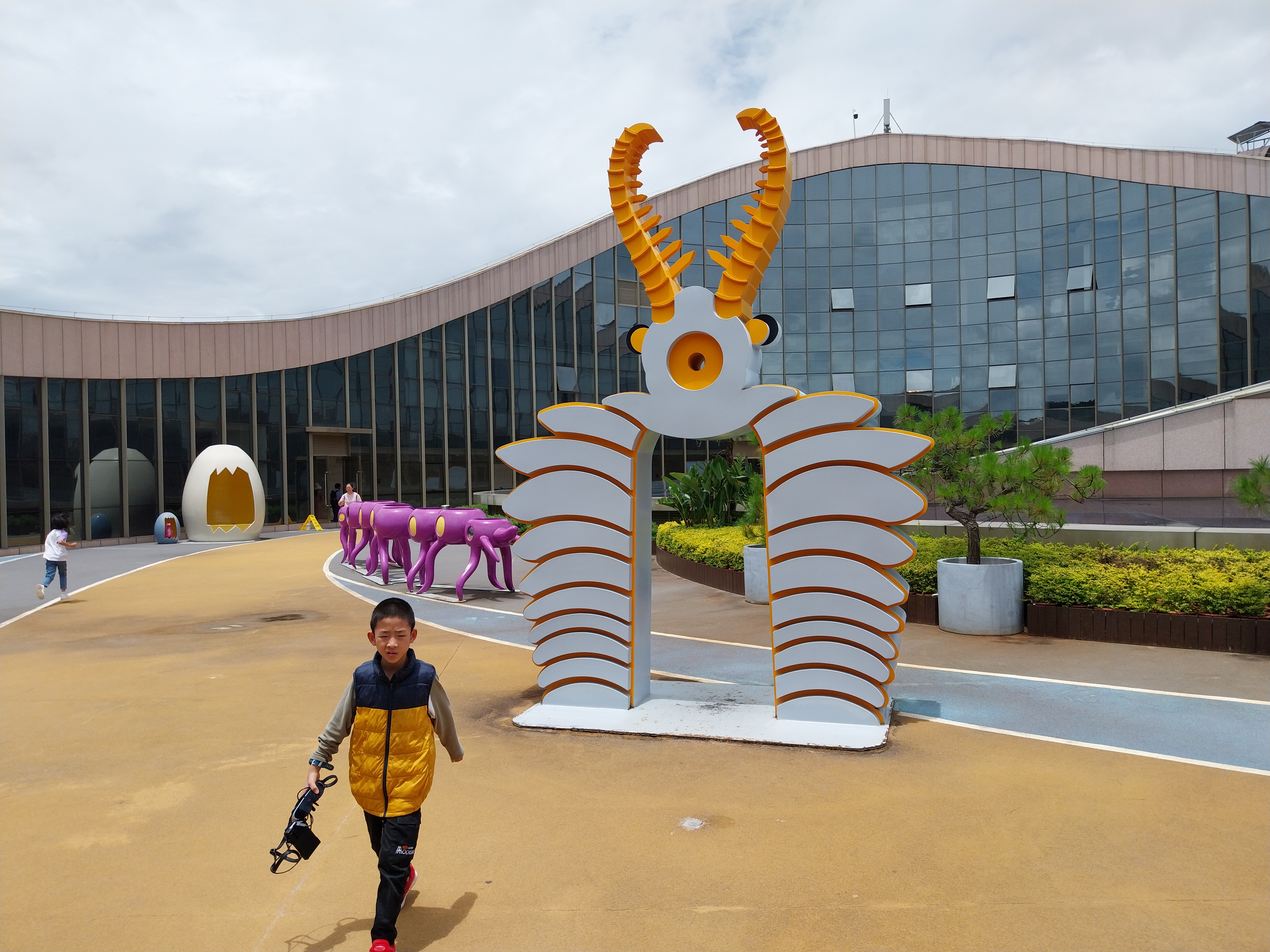
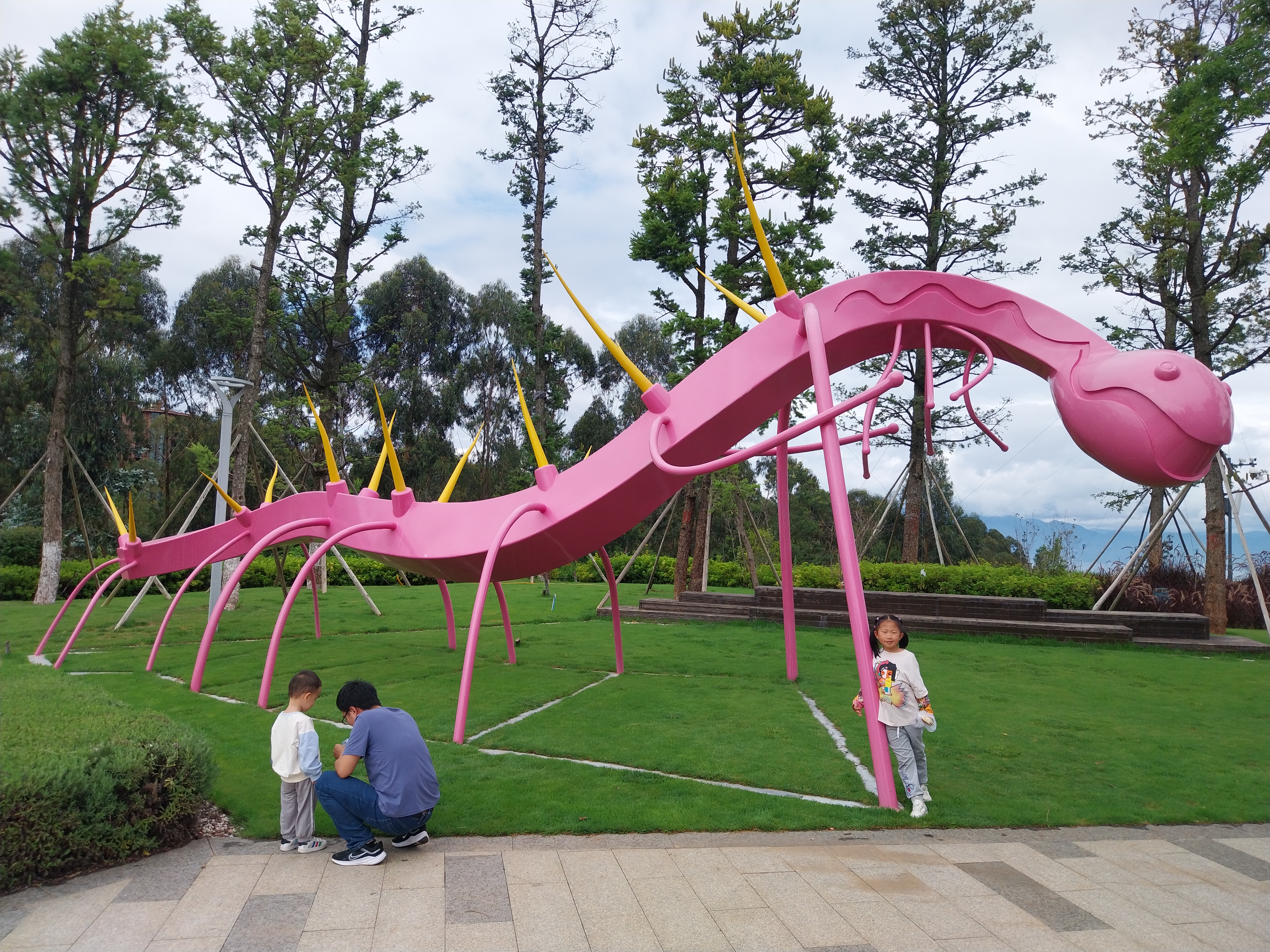
Here’s some more photos from the Chengjiang Museum, including sculptures of both Anomalocaris and the similarly mis-reconstructed Hallucigenia:

If osiers are all you know – China Diary 6

It’s very easy to get a fixed idea of what you think a particular group of plants ‘ought’ to look like, based on those that are most familiar to you from where you live. But exploring a good botanic garden always reveals surprises, as far as plant families are concerned. Willows (or osiers) provided me with a great example recently. Based on those that I am familiar with, I thought I had a pretty good idea of what to expect from the family Salicaceae, which includes not just willows (Salix spp.) but also aspens and poplars.

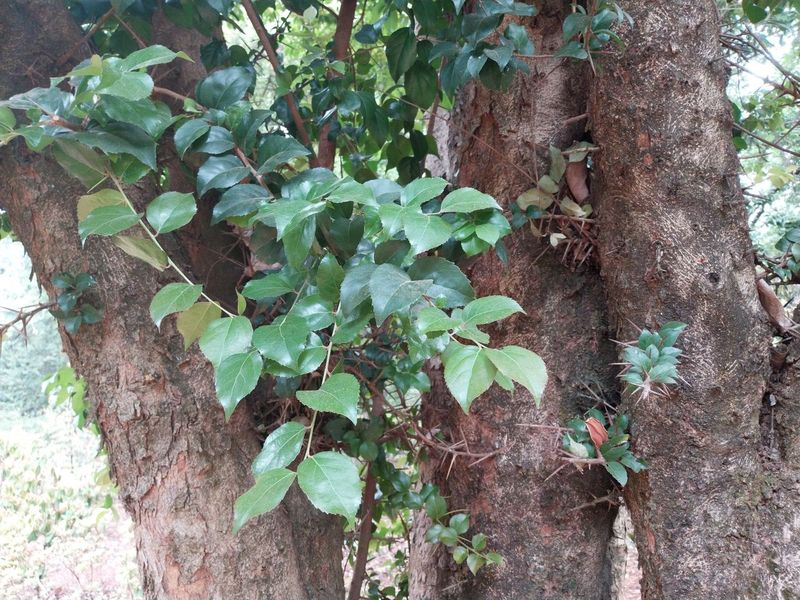
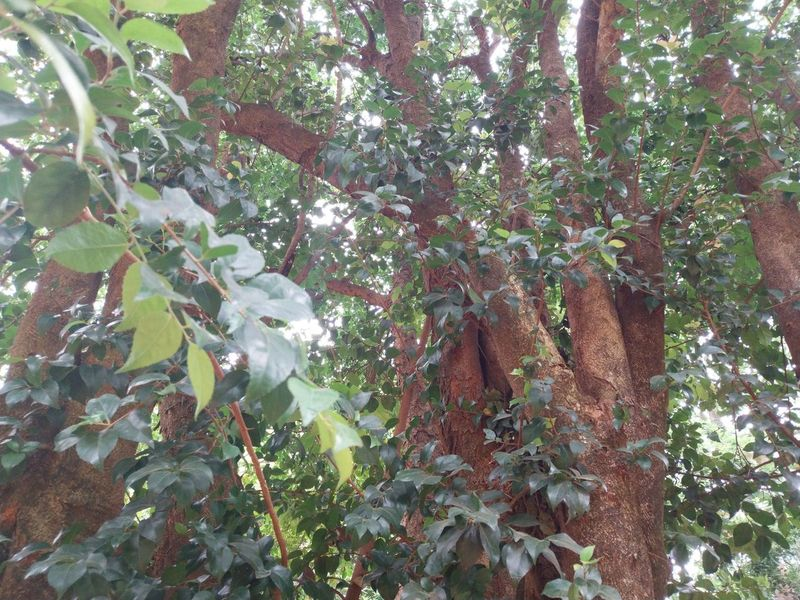
Then you encounter the trunk of a large tree that’s covered in vicious thorns that remind you of the rose family (Rosaceae) and particularly some species of cherries and plums, such as Blackthorn (Prunus spinosa). But it’s a big tree, larger than expected for that group, and the bark in particular doesn’t look right:

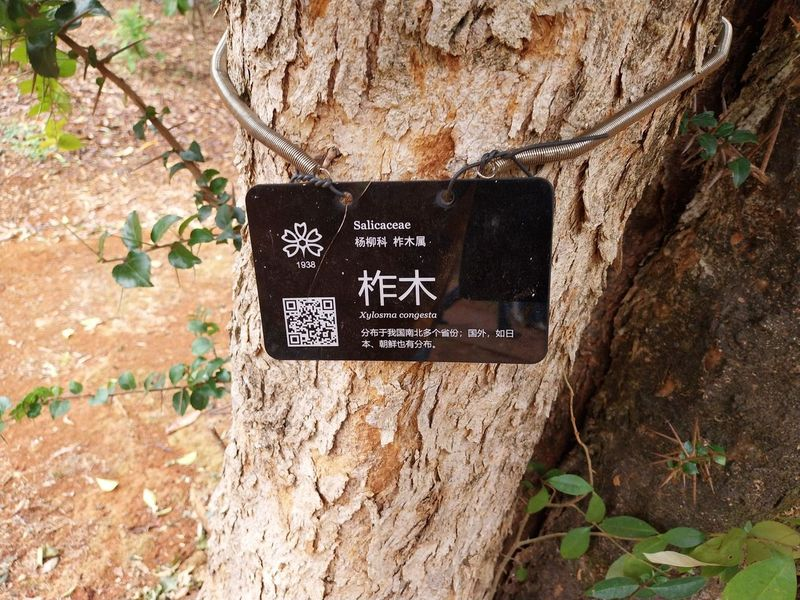
Fortunately, being a botanic garden, there’s a helpful label:

Lo and behold, it’s a member of the willow family! A species of Xylosma, quite a large genus of about 100 species, but not one with which I am familiar.

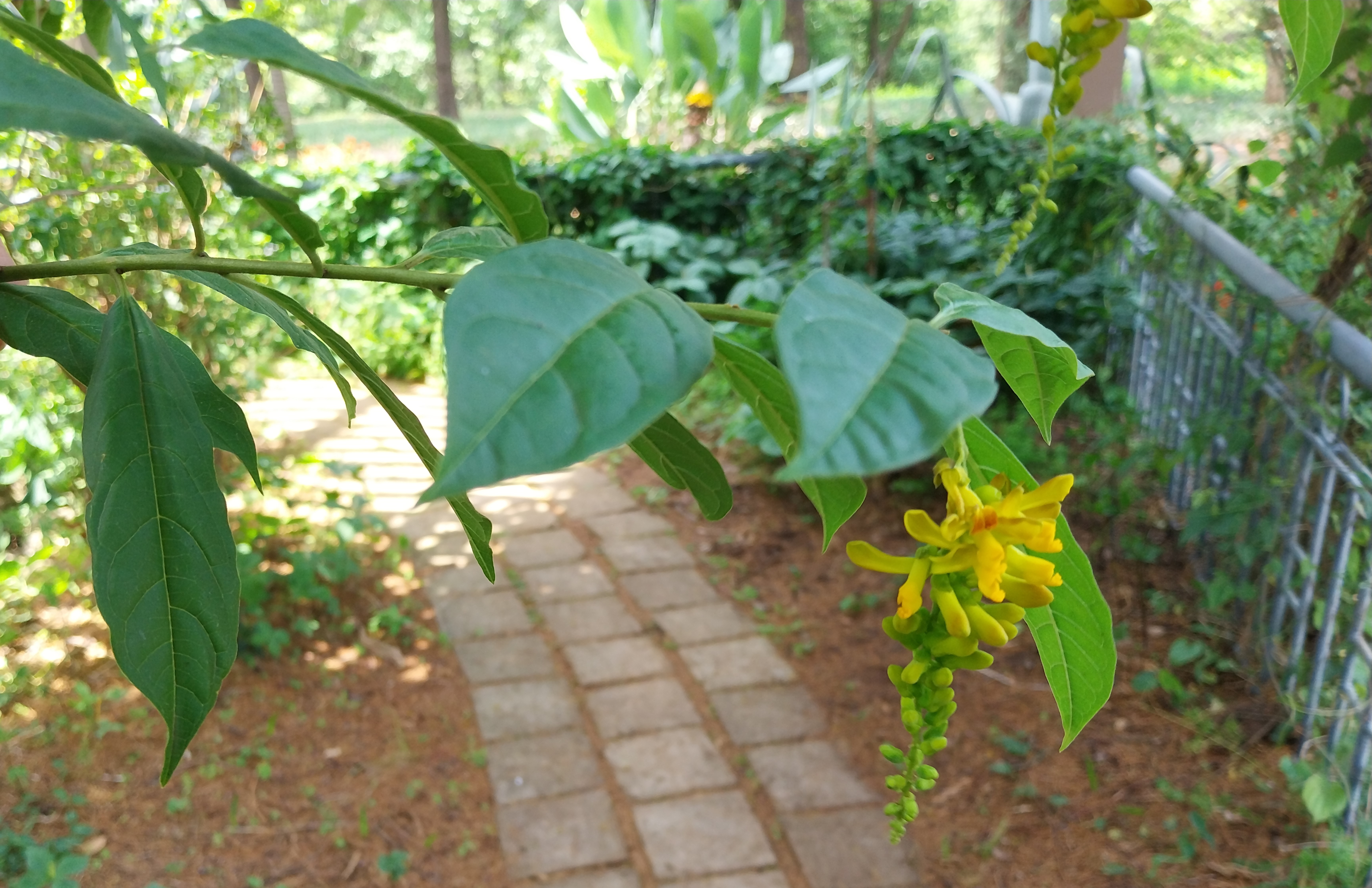
I encountered another example in the Chinese medicinal garden – a species of milkwort (Polygala). The milkworts that are native to Britain are low-growing, herbaceous species, not tall woody shrubs like this P. arillata. The rather legume-like flowers are familiar, but not displayed in these pendant inflorescences, laburnum style:

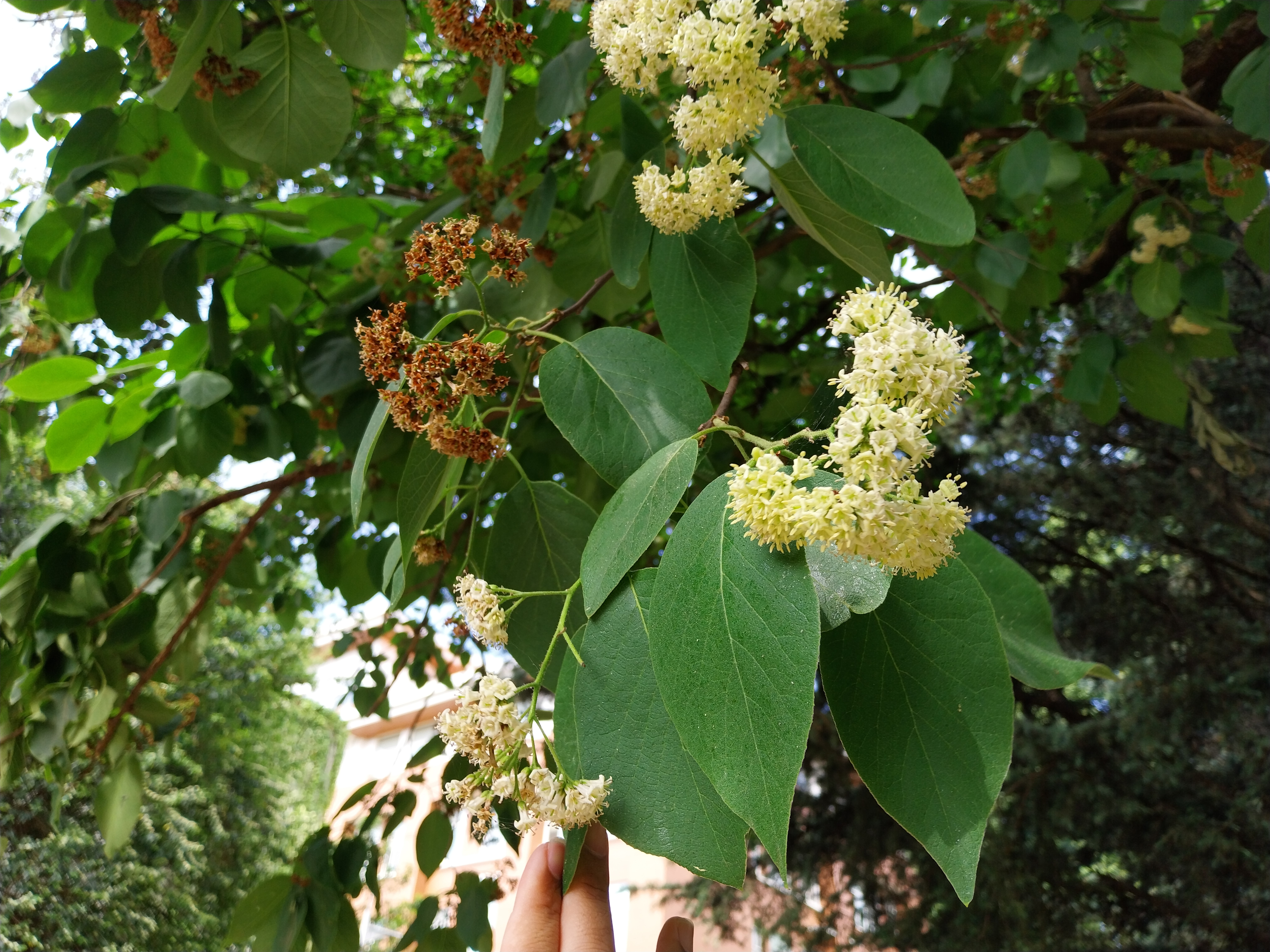
This wasn’t the biggest surprise of my China trip so far, however – how about these clusters of yellow-ish white, highly fragrant flowers, on a large (15 metre) tree? What family could it belong to?

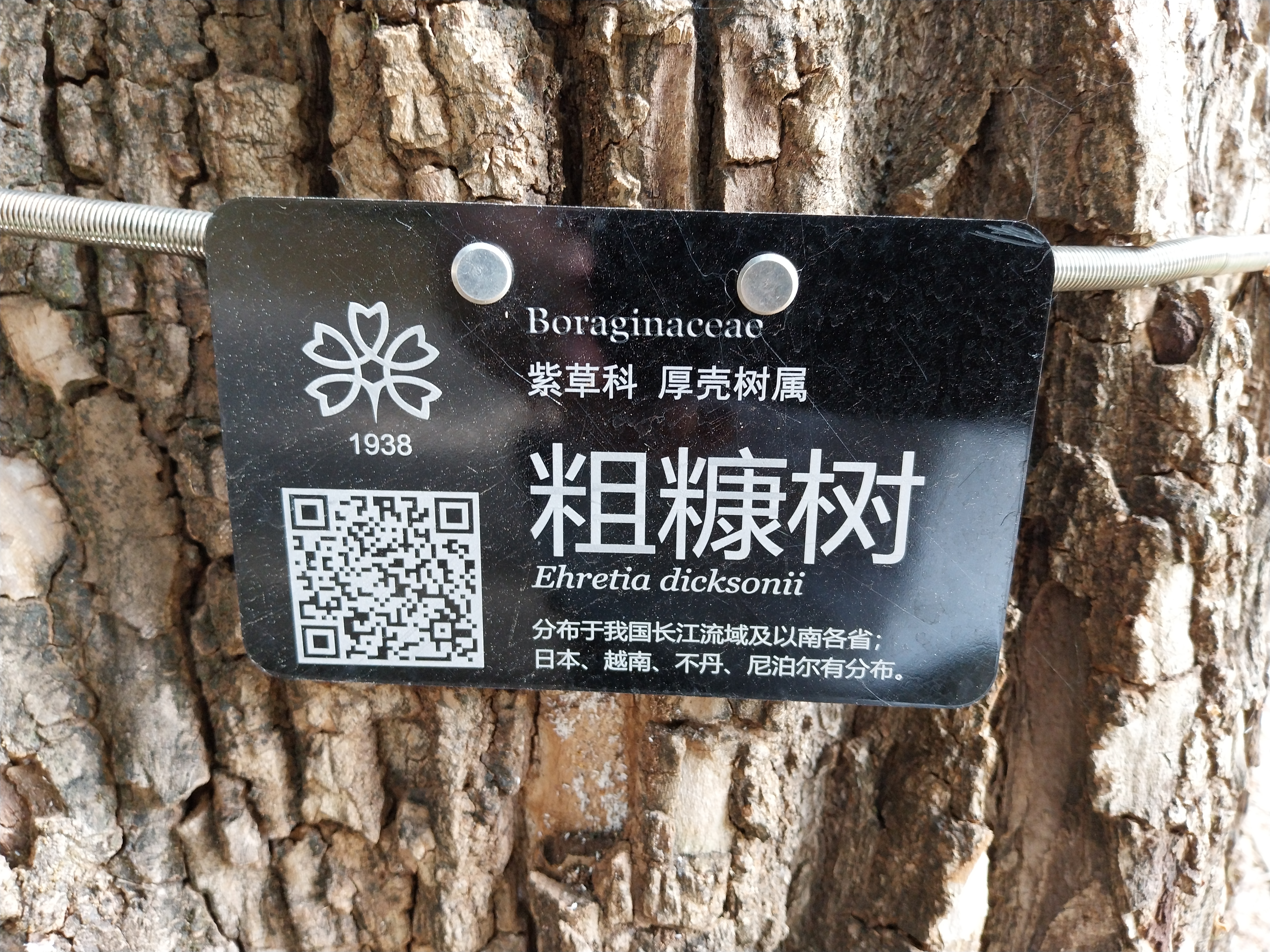
Again, Rosaceae comes to mind, but it turns out that it’s in the borage or forget-me-not family (Boraginaceae):

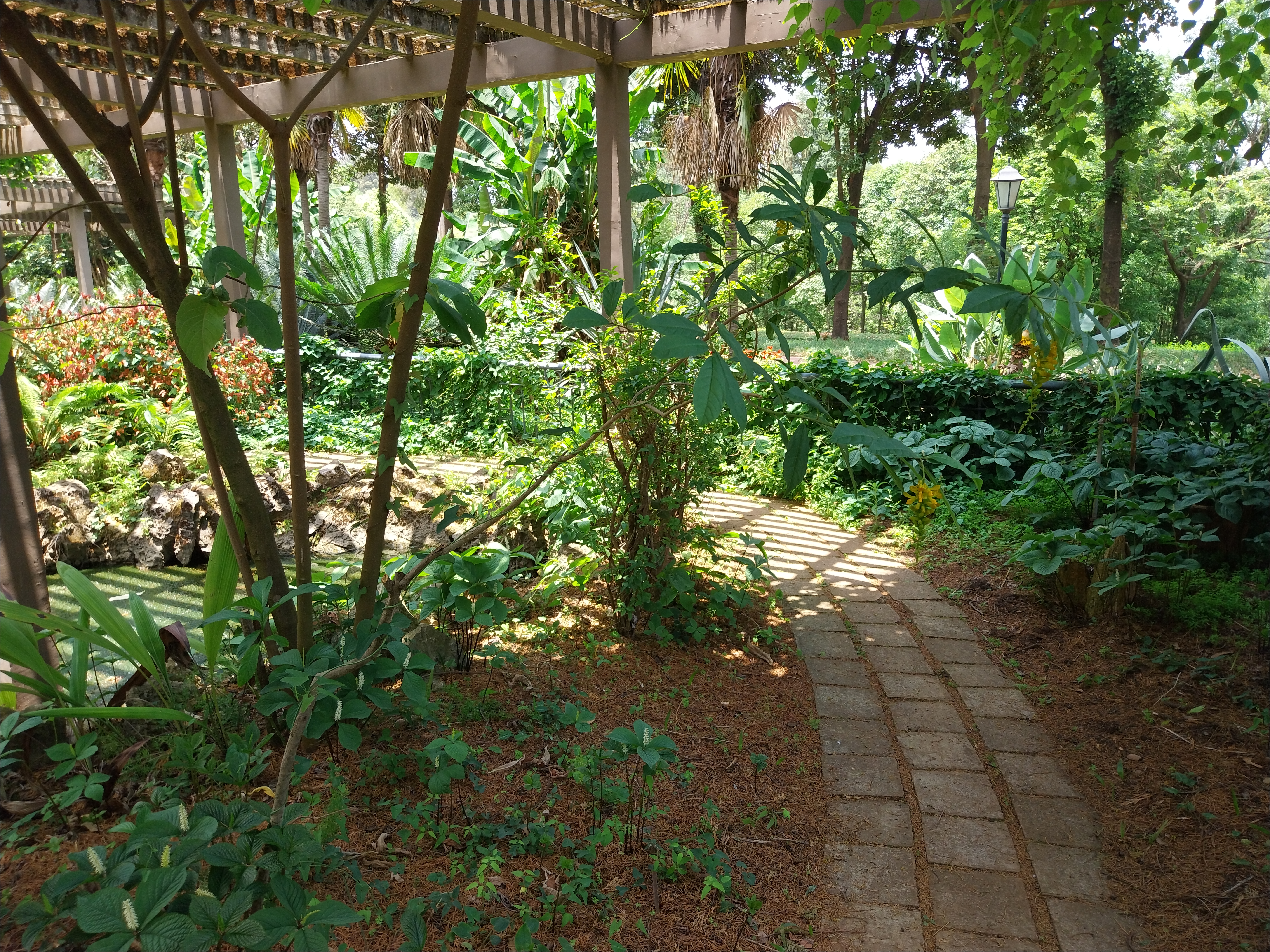
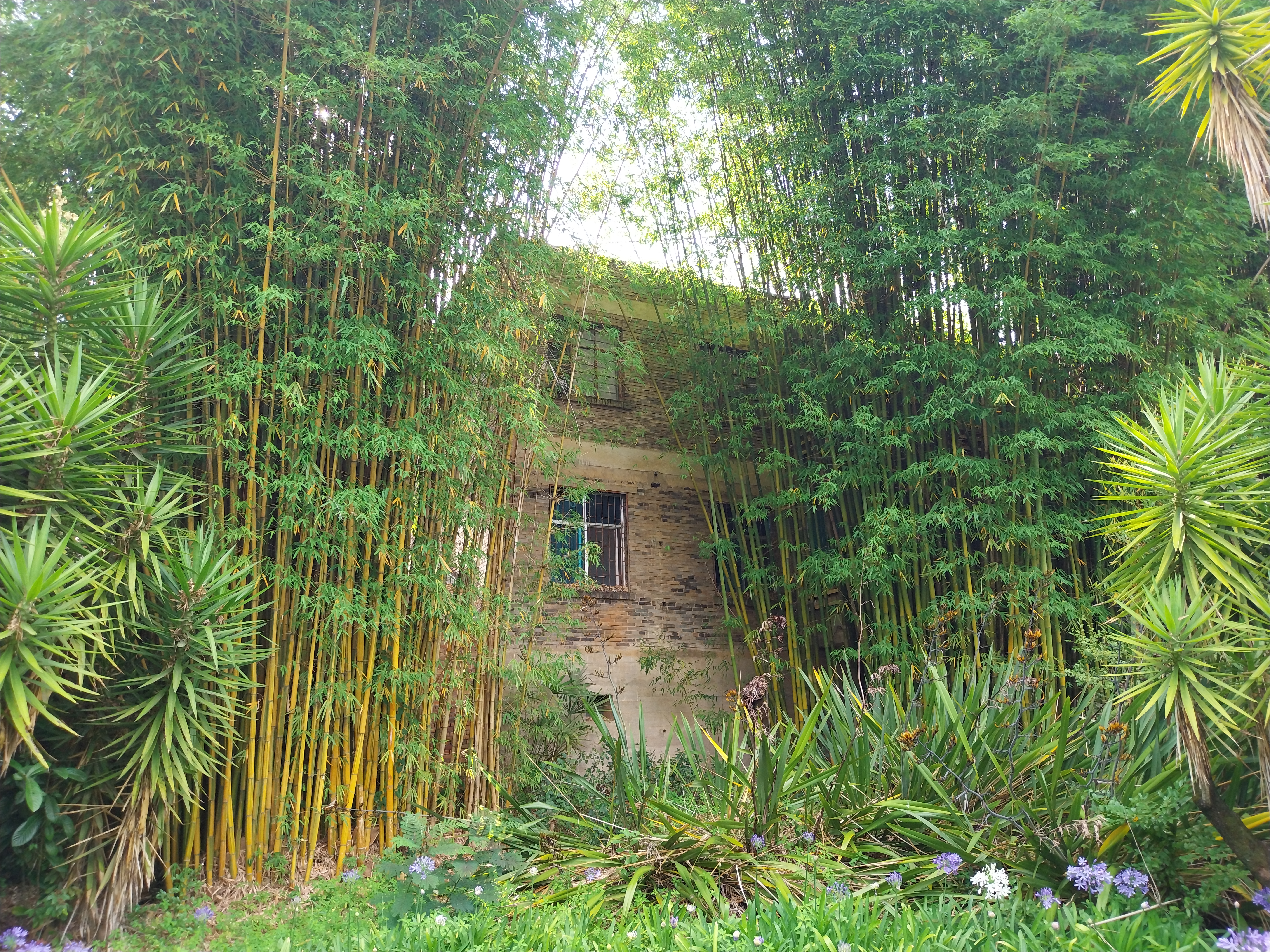
Those last two species are a nice example of a general trends in plant families and genera, which often contain smaller, herbaceous species in cooler, more temperate parts of the world and larger, woody species at lower latitudes in the tropics and subtropics. Bamboos (which are of course woody grasses) are a good example – and we have encountered some spectacular specimens in the garden:

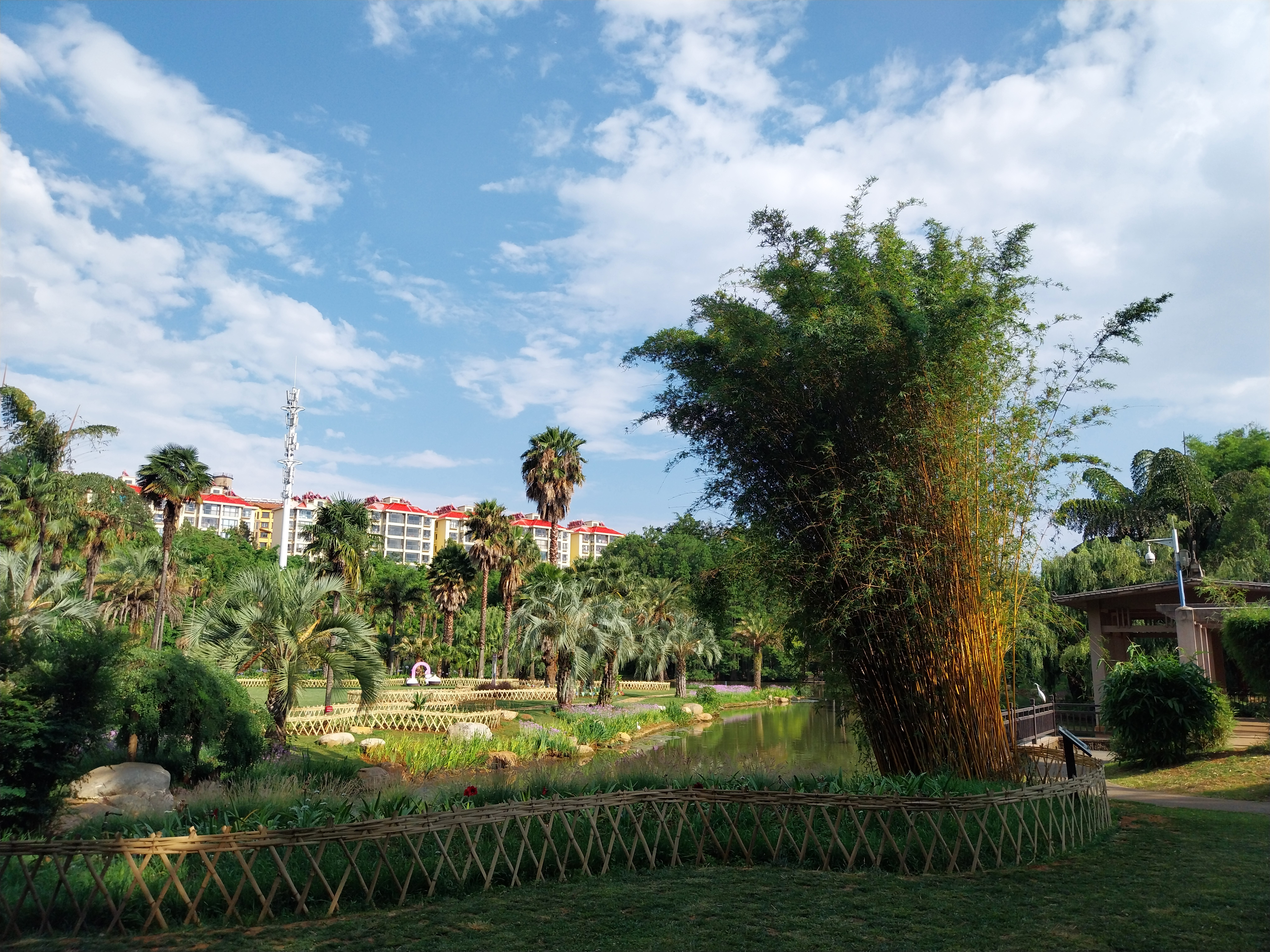
Of course there’s also some familiar species, including birds: how many Little Egrets can you spot in this picture?

Exploring botanic gardens are one of my favourite pastimes, it’s always worthwhile and, in the words of an old blog post of mine, Je ne egret rien.

Listen to my interview on the Crime Pays But Botany Doesn’t podcast!

Last week I had the pleasure of chatting for over two hours with Joey Santore for his Crime Pays But Botany Doesn’t podcast series about my two books Plants & Pollinators: Nature and Society and Birds & Flowers: An Intimate 50 Million Year Relationship.

I’m a long-standing fan of his YouTube video channel which Joey describes as “A Low-Brow, Crass Approach to Plant Ecology & Evolution as muttered by a Misanthropic Chicago Italian.”

It was a lot of fun to talk flowers and pollinators with him and although I tried to keep my swearing to a minimum, if you know Joey and his work, you know what you’re in for, so be warned! It’s not for the easily offended.

We had sound issues at a couple of points and note that at 54:20 I made an error, and said “hummingbirds” a couple of times when I meant “sunbirds”. Put it down to a lack of coffee that morning….

Here’s the link:

A doubly-parasitic orchid? – China Diary 5

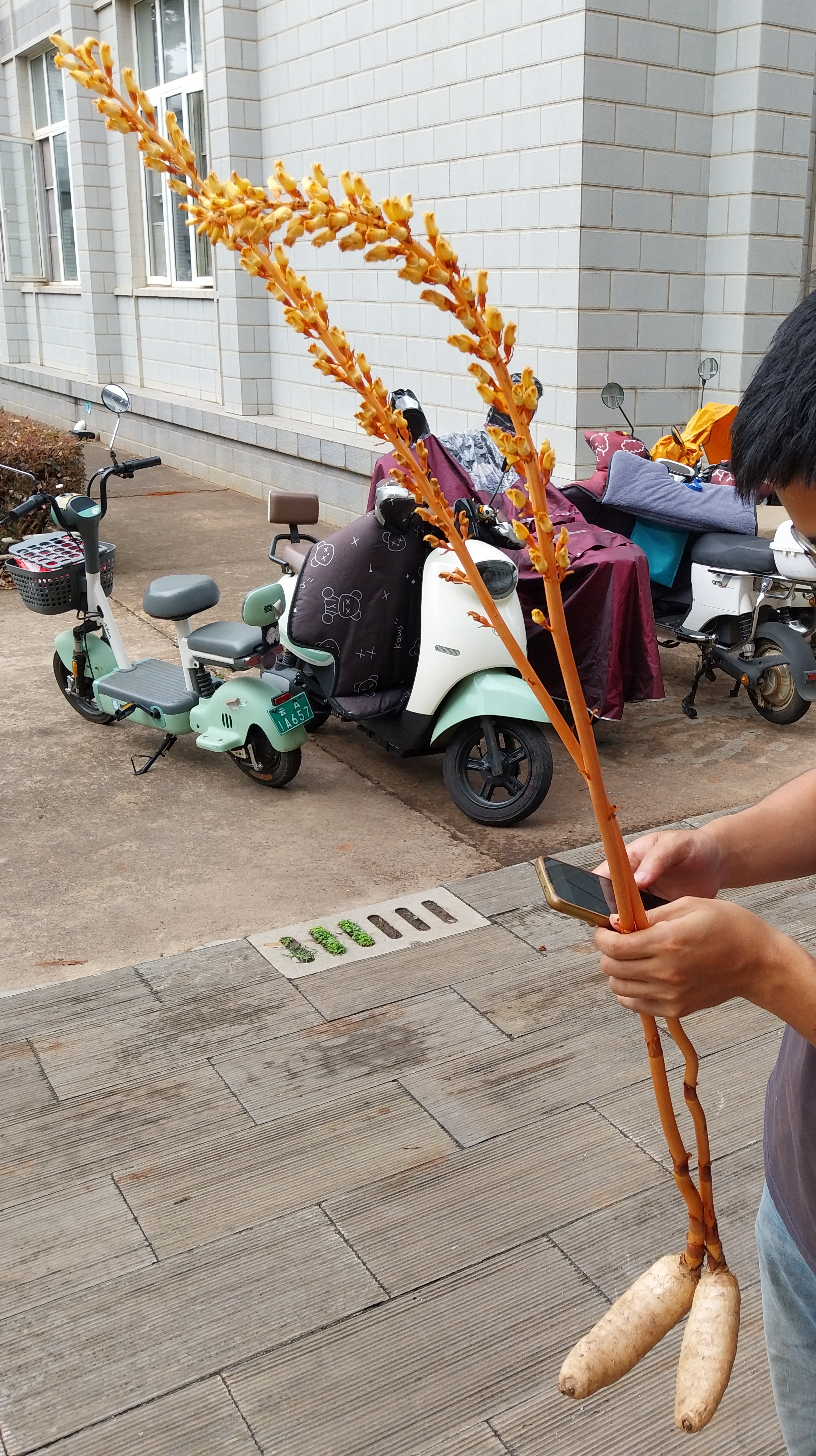
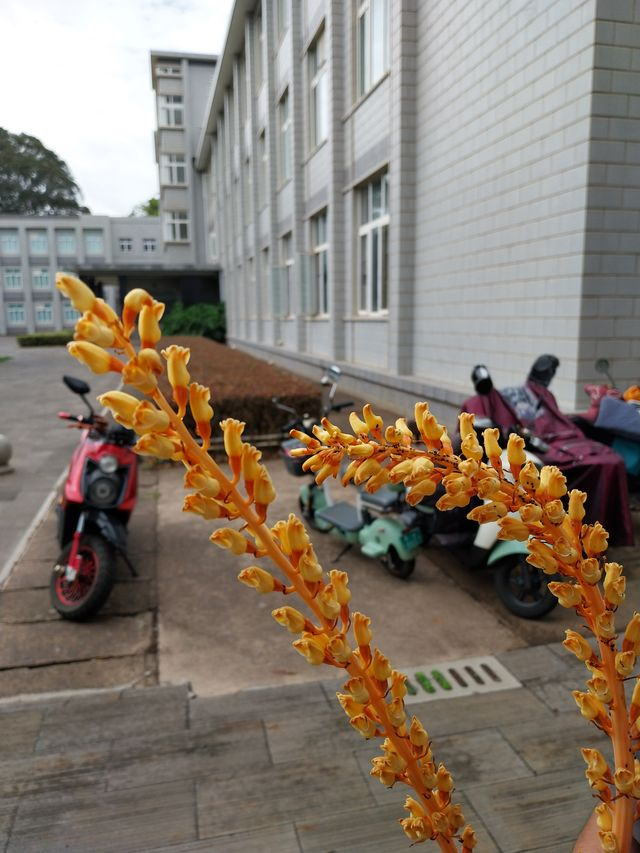
Walking into Kunming Institute of Botany yesterday morning, I passed a young guy who was carrying what I initially thought was a species of Orobanchaceae. I’ve a long-standing interest in the pollination ecology of these intriguing parasitic plants, so I stopped to have a chat. Turns out they were in fact orchids! Specifically, they were specimens of Gastrodia elata, one of the “potato orchids“, so named because those fat tubers are edible. They are widely used in South China – where they are known as Tianma, 天麻 – both as a food and medicinally. The tubers are eaten before the flowers are produced, and originally they were collected from the wild. But in the 1960s a Chinese botanist named Xuan Zhou discovered how to cultivate them and they are now grown in specialist nurseries. A fascinating account of the life of Xuan Zhou – “The Father of Gastrodia” – was published in the journal Plant Diversity last year, shortly after he died.
These orchids do not produce green leaves or stems, therefore they cannot photosynthesise. Instead, they gain all of their energy from a parasitic symbiotic relationship with a fungus – they are what is termed “myco-heterotrophic“. Most myco-heterotrophic plants have evolved from ancestors that were involved in mutualistic mycorrhizal relationships with fungi, in which the plant provides sugars to the fungus in return for mineral nutrients and water. In the case of Gastrodia elata, the fungus concerned is the non-mycorrhizal, wood-rotting Armillaria mellea. In the west we know this as Honey Fungus, a disease of trees and shrubs and the bane of many a gardener. This is also edible, incidentally, but best dried before cooking (and some have an intolerance to it, so take care).

I tweeted the photograph in a short thread just after taking it, and Stewart Nicol pointed me to a study of the orchid’s floral biology and pollination ecology in Japan by Naoto Sugiura. Turns out that, at least in the population which Naoto studied, the plant produces no nectar and deceives its pollinators, which are small bees, into visiting the flowers.

That’s why I’ve used the phrase “doubly-parasitic*” in the title of this post – the plant, it appears, parasitically exploits both the fungus from which it gains energy and the pollinators that ensure its reproduction. It’s (almost, but not quite) the flip side of “double mutualism” in which species provide two benefits for one another, e.g. the same bird is both a pollinator and a seed disperser of a particular plant, a phenomenon that I discussed in my recent book Birds & Flowers: An Intimate 50 Million Year Relationship.

But note the question mark in the title of this post. There’s an enormous amount that we don’t know about these myco-heterotrophic interactions and how they remain stable over the evolutionary history of the plant and the fungus. In order to be considered a parasite, by definition, an organism must have a negative impact on the reproductive fitness of its host. Do these orchids negatively impact either the fungus or the bees that pollinate it? As yet we don’t know. And I was intrigued by this comment from a 2005 review of ‘The evolutionary ecology of myco-heterotrophy‘ by Martin Bidartondo:
“no successful plant lineage would be expected to cheat both mycorrhizal fungi (by failing to provide photosynthates) and deceive insect pollinators (by failing to provide nectar or other rewards) due to the evolutionary instability inherent to specializing on two lineages.”

At first glance it appears that Gastrodia elata is a plant lineage that has done just that, though I’d like to see more work carried out on this system. Specifically, are all populations of the orchid bee pollinated and are all rewardless? And does this orchid really provide no benefit to the fungus, perhaps by synthesising secondary compounds that protect the Armillaria from infection by bacteria or being eaten by invertebrates. So many questions to be answered about this fascinating species interaction!

*With thanks to my wife Karin Blak for inspiring that phrase.

A use for invasive Yellow-legged Hornets? – China Diary 4

The UK media has fueled something of a moral panic over the last couple of years, in relation to the Yellow-legged Hornet (Vespa velutina) which has become established as an invasive species in Europe. It also looks likely to become established in Britain and Ireland, where beekeepers have claimed that it poses “a severe threat to pollinators“. The only study that I know of that’s tested this idea in Britain – by Thomas O’Shea-Wheller, Juliet Osborne, et al. – suggests that the impact on bumblebees, at least, is not as great as feared.

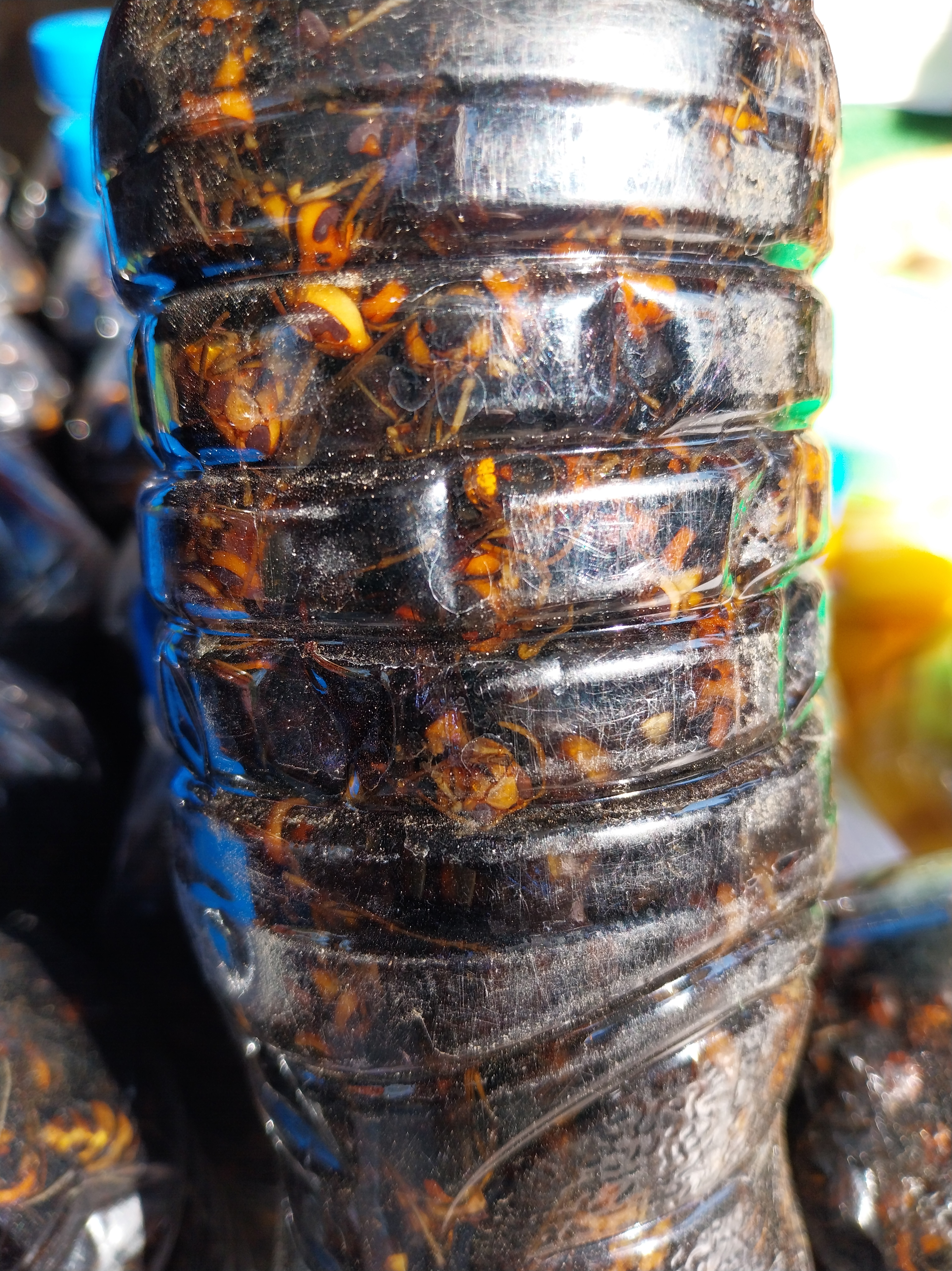
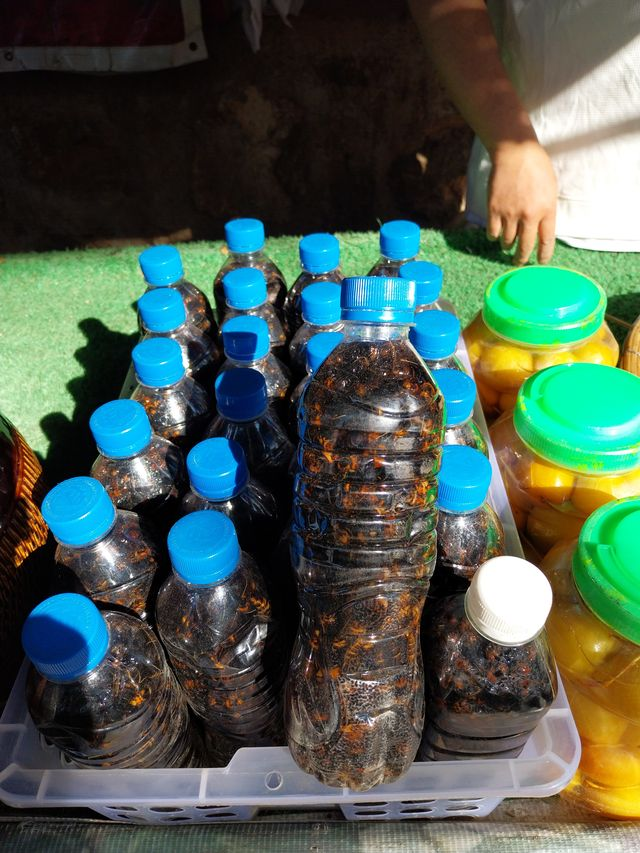
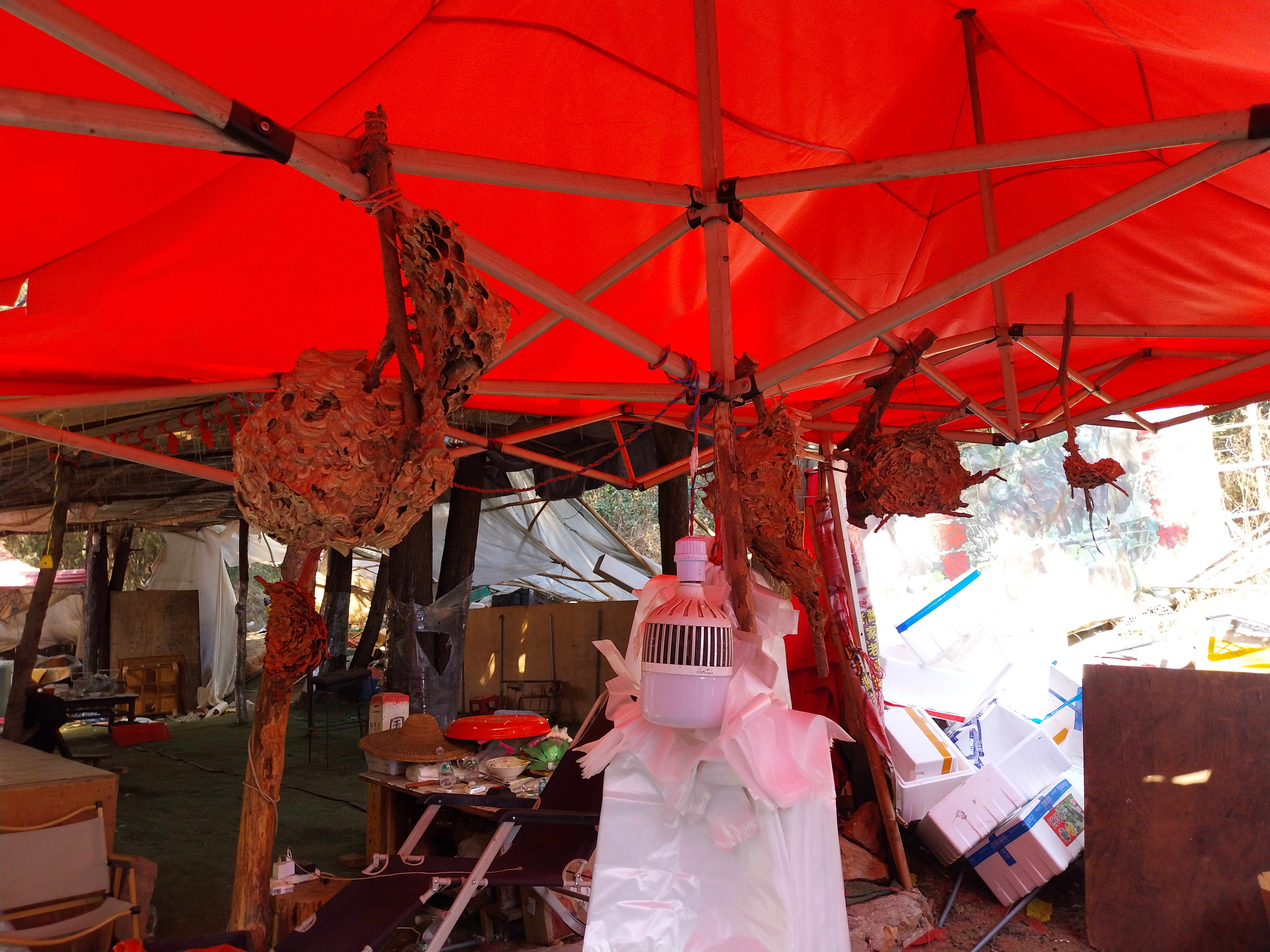
In Asia, where the species originates, they’ve lived with this hornet for centuries and learned to exploit it. On a visit to a recent farmer’s market near Kunming we encountered a local man selling bottles of adult hornets steeped in alcohol, to be used as a liniment. It’s rubbed on arthritic joints and (apparently) soothes the pain.

The guy who was selling the bottles of embrocation had several hornet’s nests on display:

Later, on a trip to Lijiang I also spotted a hornet’s nest on a building, not the usual place you expect to see one:

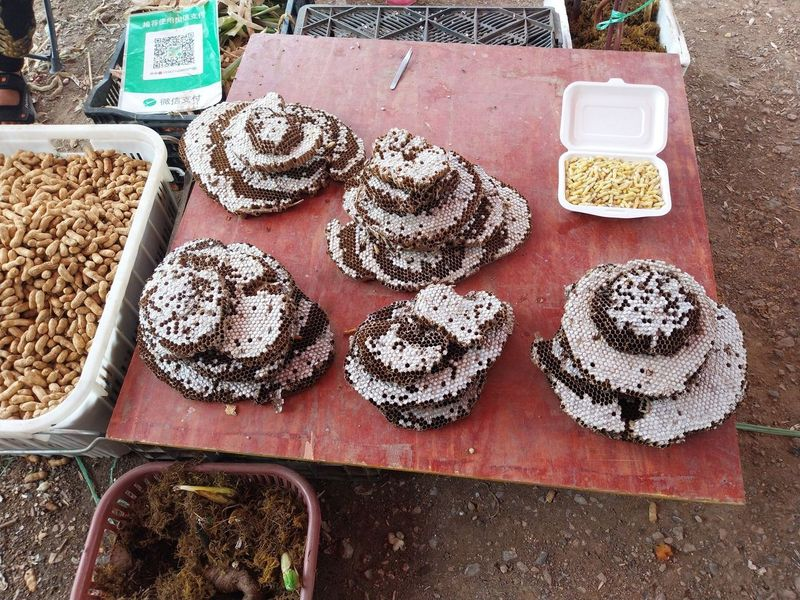
The other use for hornets is as food – the larvae are apparently quite delicious and very nutritious. This is from a different market and is a different species:

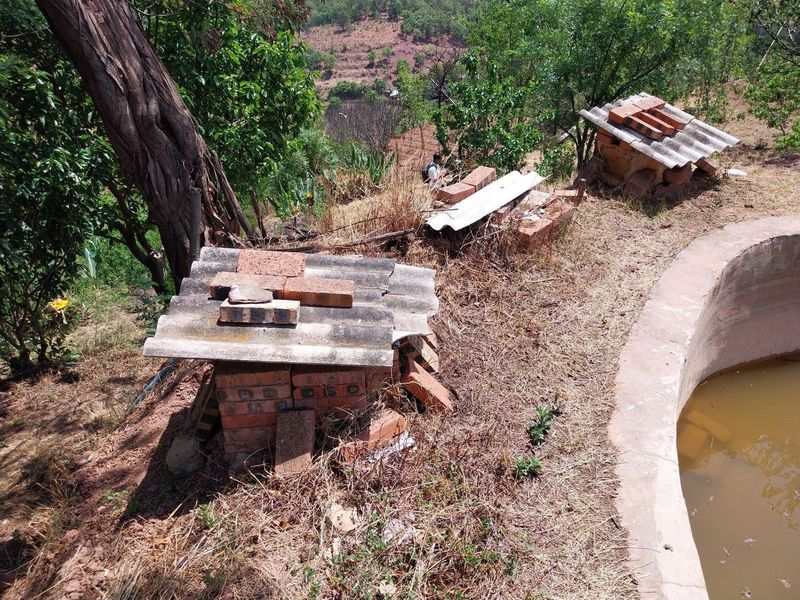
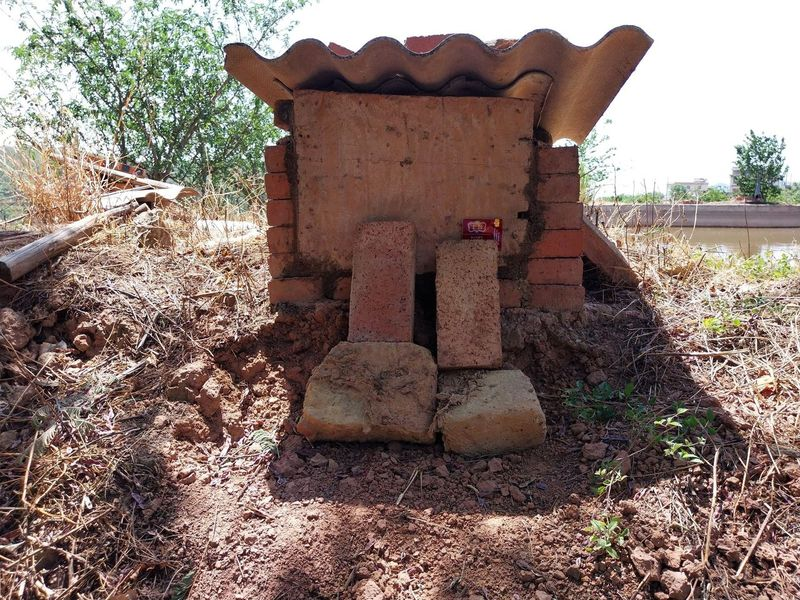
Later on the Lijiang trip we visited a farm that was part of a Yi community, one of the local ethnic minorities. They keep the indigenous honey bees (Apis cerana) in these small hives:

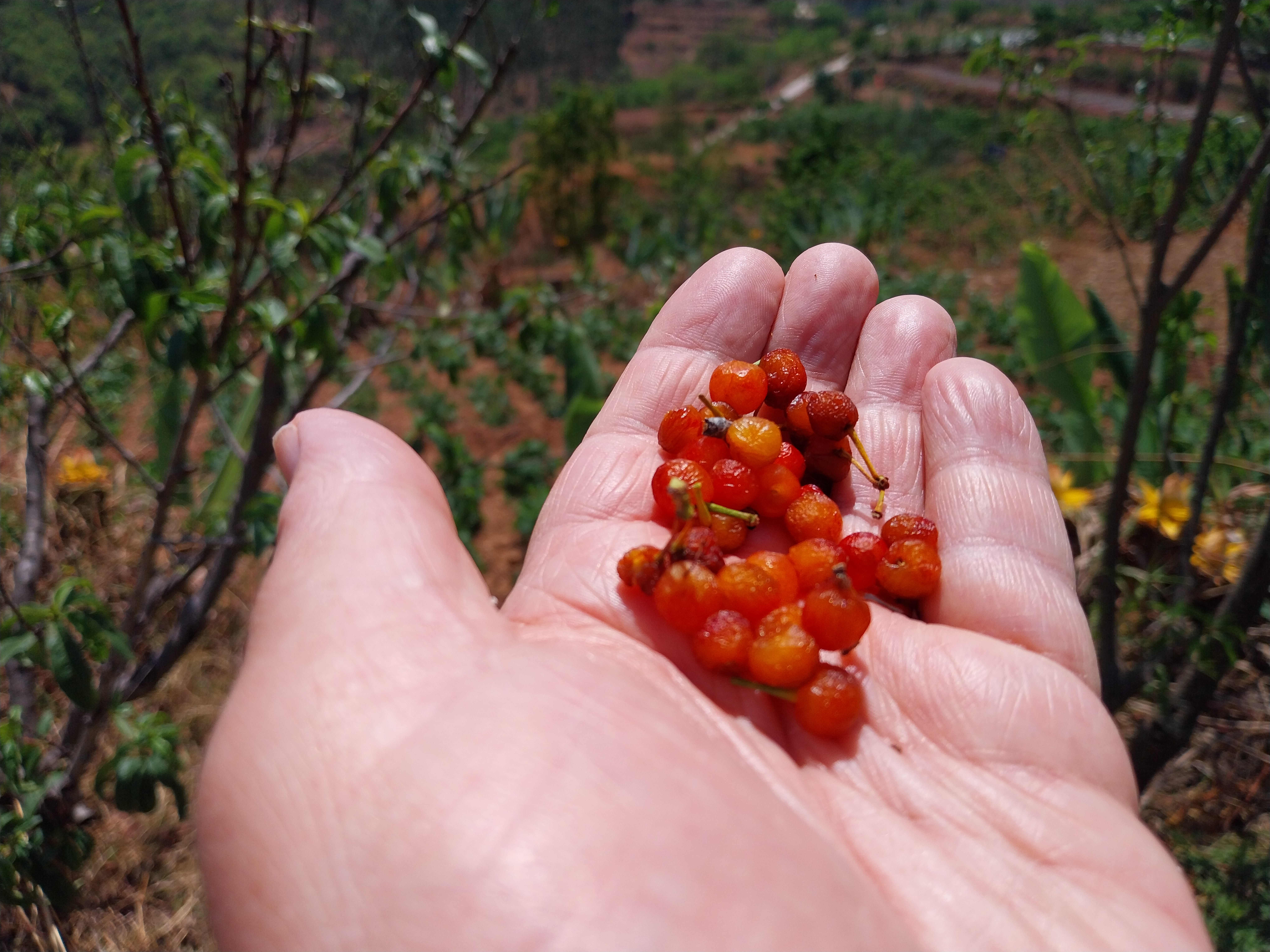
The honey bees pollinate an early-flowering local cherry variety that farmers grow in small orchards. The fruit is extremely small but also extraordinarily sweet:

These ones are past their best though still edible:

Much fresher cherries were being sold in farmer’s markets and at the roadside:

We’re still trying to work out what variety of cherry this is – possibly a landrace of the highly variable Chinese Cherry (Prunus pseudocerasus).

Of course, hornets can be pollinators too, though a study last year of the Yellow-legged Hornet in Spain showed that they negatively impact pollination of ivy in that region. These insects are definitely a cause for concern, though whether their impacts will be as great as some fear remains to be seen.

The mystery of what pollinates poinsettias – China Diary 3

Is it too early to talk about Christmas? Not if you’re interested in pollinators and pollination! The mid-winter festival has featured quite a number of times on my blog over the years, especially in relation to the iconic plants that represent this time of year in Northern Europe, and what one might describe as the ‘cultural biodiversity‘ of Christmas. The final plant that I included in that last post was the poinsettia (Euphorbia pulcherrima) – this is how I described it:

In many ways this is an unusual plant to have such a strong cultural association with Christmas: it’s a mildly toxic species of spurge from tropical Mexico that was introduced to North America in the 19th century, then subsequently to Europe. However its festive connotations date back to the earliest period of Spanish colonisation in the 16th century, so it’s older than some…other Christmasy traditions…

I also discuss poinsettia, and specifically its pollination, in my recent book Birds & Flowers: An Intimate 50 Million Year Relationship – this is what I say in the chapter called ‘Urban flowers for urban birds’:

Just occasionally one sees a bird-pollinated tree planted in a city. The most common in my experience are various banksias in Australia, and the Royal Poinciana (from Madagascar) and the African Tulip Tree in the urban tropics and subtropics elsewhere in the world. I’ve also occasionally encountered large specimens of Poinsettia: when they are given free rein they are a much more impressive plant than their Christmas cousins. The vivid red bracts that surround the clusters of flowers suggest that they may be hummingbird-pollinated in their native Central America, but as far as I know their pollination ecology has not been studied.

Here at the Kunming Botanic Garden there’s several quite large specimens of poinsettia that, as I write, are in full flower, their red bracts a signal to pollinators that can be seen for quite a distance. However we’ve not seen any of the local sunbirds or white-eyes visit the flowers, and, as I said in the book, as far as I know the pollination ecology of poinsettia has never been studied in the wild. Close inspection of the flowers in the garden revealed that almost all of the nectaries had at least one nectar-collecting ant sticking out from it, their prominent backsides a deterrent to the Asian Honey Bees (Apis cerana) that also wanted a piece of the action.

Based on the position of the nectaries in relation to the stamens, if the plant is hummingbird-pollinated then the pollen is likely to end up under the chin of the bird. That’s certainly been described in other plant-bird pollination systems. But it does not have to be birds that move the pollen around – red flowers are also associated with other kinds of pollinators, for example butterflies and beetles. But until someone in Mexico does the necessary field work, we’ll just have to speculate.