Category Archives: History of science

Could LLMs like ChatGPT ever replace part of the academic peer-review process?

Recently, I made a comment over on Steve Heard’s Scientist Sees Squirrel blog:

I have never published a paper that’s not been improved, to some degree, by peer review, and broadly the system works. But I do wonder if it’s sustainable in the long-term and whether in the future LLMs might actually be a more effective way of assessing manuscripts. I recognise that’s (currently) a controversial statement to make – but having recently run a few of my own manuscripts through ChatGPT and asked for its “opinion”, I can honestly say that the feedback has improved not just the writing but also the framing and focus of the work. It’s also picked up weaknesses and errors that I had otherwise missed.

That initiated an email conversation with Steve which resulted in me running a short experiment with ChatGPT model 5.5. I first loaded up the original manuscript that I’d submitted to a journal of this paper on pollinator effectiveness. I then asked ChatGPT to write a review of the manuscript as though it was a peer reviewer of the journal. Which it did – in some detail – in 28 seconds! If anyone is interested I can send them that review, but it’s the next bit that I think is especially interesting.

After ChatGPT had completed the review, I then uploaded the actual peer reviews I’d received from the journal, plus the editor’s comments, and asked it to summarise the degree to which its review agreed with those I had received.

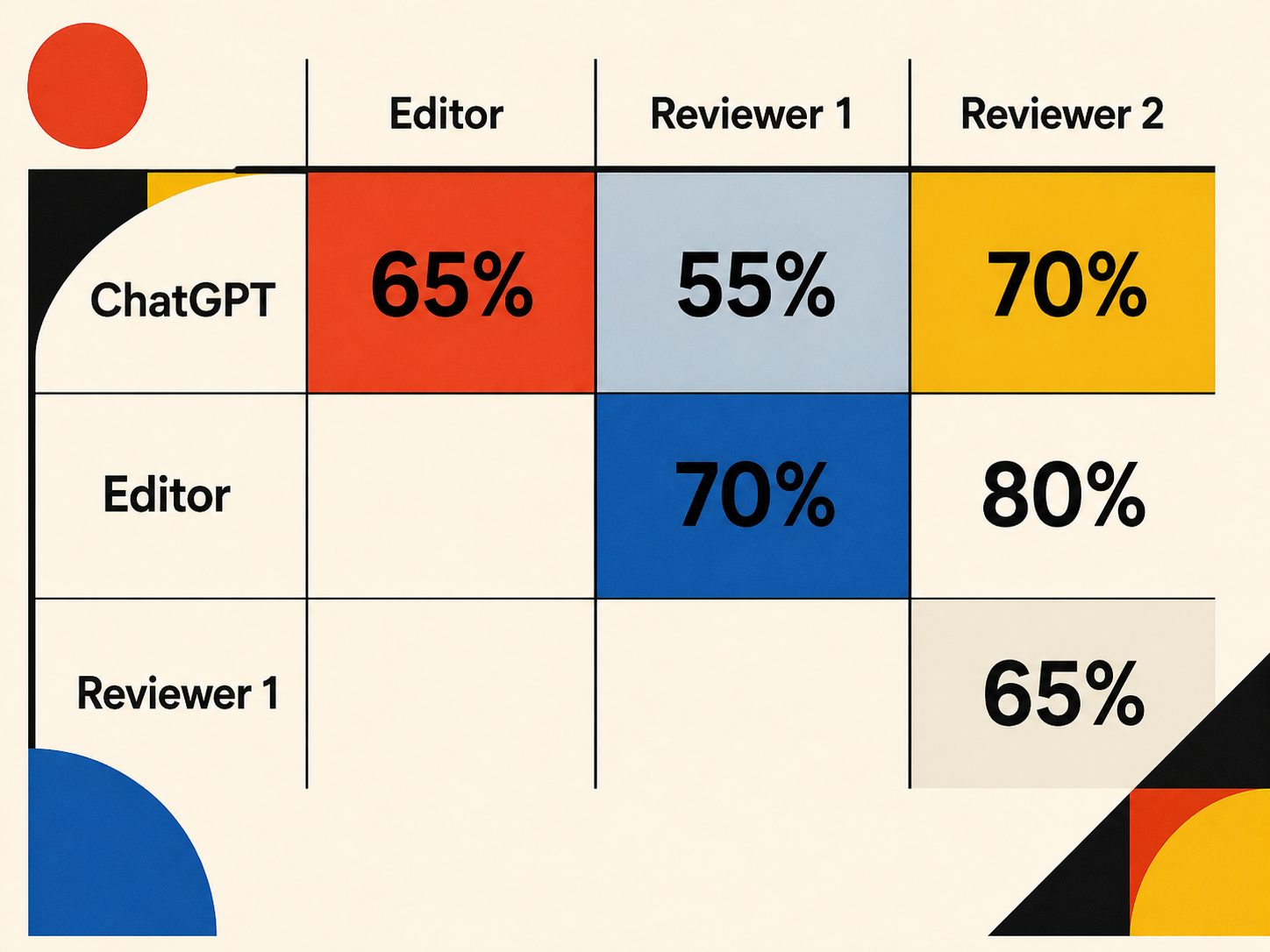
Below I have copied the response, but it’s the take-home message, summarised in the graphic above, which I think is the most intriguing aspect: there was a 55% agreement with Reviewer 1, a 70% agreement with Reviewer 2, and a 65% overall agreement between ChatGPT’s assessment of the manuscript and that of the Editor.

That may not sound like a large overlap, but note that it’s the level of agreement between the two reviewers was only 65%! In my not inconsiderable experience (>130 peer reviewed papers and chapters, hundreds of peer reviews of my own) this is fairly typical – reviewers ALWAYS pick up on different strengths and weaknesses in a manuscript!

What particularly impressed me about ChatGPT’s response below, is that it went far beyond simply looking at the language being used, it provided a critique of how the study was conducted, how data were analysed, and the conclusions drawn. Which is just what we expect a human reviewer to do! Not only that, but it was more critical of the work than the reviewers and the editor.

So where does this leave us? Could Large Language Models (LLMs) like ChatGPT replace part of the academic peer-review process? Clearly there need to be guide rails and human agency involved in final decisions, but I think that, yes, they may well have a role to play in the not-too-distant future. As always, I’d be interested in your comments.

If you want to dive into this more deeply, here’s the verbatim account of what ChatGPT wrote (including its emboldened parts) when I asked how much agreement there was between its assessment and those of the other two reviewers and the editor:

There is a fair amount of overlap, but not a perfect match.

I would say my review was moderately similar in substance, but noticeably more critical in tone and in editorial recommendation. The strongest areas of convergence were on the paper’s core strengths and on one key statistical concern. The biggest mismatch is that the actual editor and reviewers were much more positive overall, and most of their requested changes are closer to clarification, presentation, and framing than to a deep challenge to the paper’s publishability.

The clearest points of agreement are these. First, I highlighted the manuscript’s strengths as the multi-year design, the focus on different functional groups, and the interesting role of Lepidoptera; that aligns very closely with the guest editor, who explicitly says that “the roles of lepidopterans, the inclusion of flight distance measures, and the multi-year study are particularly notable,” and with Reviewer 2, who lists the multi-year field study, multiple pollinator groups, and the unexpected importance of Lepidoptera as strengths. Second, I flagged the Poisson treatment of an ordinal flight-distance variable as statistically weak; Reviewer 1 independently makes essentially the same point and explicitly recommends ordinal regression instead. Third, I thought the discussion was somewhat over-extended and not always tightly aligned with the evidence; Reviewer 2 likewise suggests embedding the work better in the broader literature and moving some material out of the conclusion into the discussion.

There is also a partial overlap around the manuscript’s central interpretation. I argued that the paper sometimes pushes too hard from pollen deposition and coarse movement classes to larger claims about true generalisation, outcrossing value, and broader evolutionary or environmental buffering. The editor does not object to those broad claims in the same way; instead, the editor actually asks for the discussion to connect the results more explicitly to the theoretical statement that plants should generalise on equally effective pollinators under dynamic environments, and even invites discussion of anthropogenic disturbance and future interactions. In other words, where I wanted that interpretive arc toned down, the editor mostly wanted it better developed and better supported.

The main differences are quite important.

First, I was more sceptical about inference than the real reviewers were. I was worried that the manuscript moved too quickly from non-significant or coarse flight-distance patterns to statements about butterfly superiority, reduced geitonogamy, and broader adaptive significance. Reviewer 1 only objected narrowly to the modelling choice; neither reviewer makes my broader inferential critique, and the editor seems broadly comfortable with the interpretive direction so long as it is supported with more descriptive data and clearer exposition.

Second, I was more concerned about the coarse pooling of visitor taxa. I thought the manuscript should be more cautious because “butterflies,” “hoverflies,” “bumblebees,” and especially “Others” are broad bins. The actual comments do touch this, but in a softer, more taxonomic way: the editor asks whether there is a species or morphotype list, and Reviewer 2 asks for more detail on the butterfly taxa and justification for putting solitary bees into “Others.” That is related to my concern, but it is narrower and more presentational than the conceptual objection I raised.

Third, I did not anticipate how much of the real feedback would focus on descriptive content and figures. The editor repeatedly asks for more floral biology data, clearer results presentation, more absolute numbers, more behavioural quantification, clearer site description, and better figure design and consistency. Reviewer 2 similarly asks for effect sizes, better figures, units, and clearer display of the underlying data distribution. I mentioned presentational issues only in a general way; the actual reports are much more detailed and concrete here.

Fourth, I did not raise the absence of random effects, whereas Reviewer 2 does. That is probably the single most important substantive point that I missed. Reviewer 2 specifically asks why insect individual and/or observation day were not modelled as random effects.

Fifth, my editorial recommendation was harsher. I recommended major revision. The actual reports read much more like minor-to-moderate revision. The editor calls it “an excellent piece of work” and says it is well executed with robust methodology; Reviewer 2 says they have “little to criticise,” mostly editorial suggestions plus a few statistical and figure issues; Reviewer 1 has only a short list of points. That collective tone is clearly more encouraging than mine.

So, in condensed form:

  • Where I matched well: multi-year dataset as a major strength; Lepidoptera result as a notable contribution; the Poisson-for-ordinal issue; some concern that discussion/framing needed tightening.
  • Where I was too severe: I treated the interpretive overreach as a major obstacle, whereas the real reviewers mostly saw a strong paper needing clarification and enrichment rather than retrenchment.
  • What I underplayed or missed: requests for more descriptive natural history and floral biology data, much more detailed figure/presentation criticism, and the random-effects issue.

My bottom-line judgement is that my review was directionally right on some key scientific points, especially the statistical issue and the general strengths, but too pessimistic about the paper’s editorial position. If I had seen these reports first, I would have shifted from “major revision because the evidence-conclusion fit is shaky” to something more like “moderate revision: good paper, but it needs clearer descriptive support, better figure presentation, and tighter statistical justification. If revised along those lines, I think the manuscript could become a credible and interesting contribution”.

Here is a concise version of the editorial decision in journal-review language:

This manuscript addresses an interesting and worthwhile question using a useful multi-year dataset and a stronger-than-usual measure of pollinator performance. However, the current version over-interprets some of the results, particularly those concerning movement behaviour, outcrossing implications, and the broader adaptive significance of generalised pollination. The statistical treatment of flight distance is also not fully convincing. I therefore recommend major revision. The manuscript has clear potential, but its conclusions need to be more tightly aligned with what the data actually demonstrate.

Should AI be thought of as a science tool or collaborator? A conversation with ChatGPT

In a piece that I posted before Christmas, I made the offhand comment that “we need to think of AI as a collaborator as much as a tool“. It’s offhand in the fact that I’d not thought too deeply about it, but some reading that I did over the holiday made me rethink this statement, or at least consider it more critically. The most recent post on the Dynamic Ecology blog – Meghan Duffy asking about using AI to find literature – also got me thinking about whether AI is just a tool.

Eventually I decided to ask the question of ChatGPT itself and we ended up having quite a long conversation on this topic. I then asked it to summarise the conversation and what you see below is my edited version of that summary:

Jeff: Is ChatGPT best thought of as a tool or a collaborator in science?
ChatGPT: ChatGPT is best understood as a tool with collaborator-like affordances. It supports analysis, writing, coding, and idea development, but it does not participate in collaboration as a social, epistemic, and accountable practice. It is also prone to errors.

Jeff: But human collaborators also make errors and sometimes avoid accountability. We do not expect people to be flawless.
ChatGPT: Exactly. The issue is not error versus error-free performance. It is about agency and accountability: human collaborators can explain their reasoning, revise their views, and be held responsible for their contributions.

Jeff: You said that ChatGPT does not participate in collaboration as a “social, epistemic, and accountable practice”. Yet you can still generate genuinely useful ideas and connections.
ChatGPT: Yes, and that is why calling ChatGPT part of the infrastructure (as I did in our longer conversation) is misleading. Unlike laptops or software platforms, I can actively generate ideas, cross-fertilise between disparate areas, and help explore conceptual space.

Jeff: If I ask a colleague to write R code, that is collaboration. If I ask you to write R code, why is that different?
ChatGPT: Because a human colleague brings intent, methodological judgement, and ownership of decisions. I generate code instrumentally, without understanding the scientific stakes or assuming responsibility for analytical choices.

Jeff: Earlier you said you cannot “stand behind a claim”. But you can cite papers and explain why something should be trusted. Is that really true?
ChatGPT: When I cite papers or summarise arguments, I reproduce the form of justification, but I still cannot stand behind a claim in the scientific sense. I do not judge evidential strength or accept responsibility; trust remains with the human scientist and the underlying sources.

Jeff: Yet the output of your code or analysis can be just as useful as that produced by a human collaborator.
ChatGPT: That is true. The distinction is not about usefulness or correctness, but about agency, authorship, and accountability within scientific practice.

Jeff: So what is ChatGPT, if it is neither a standard tool nor a collaborator?
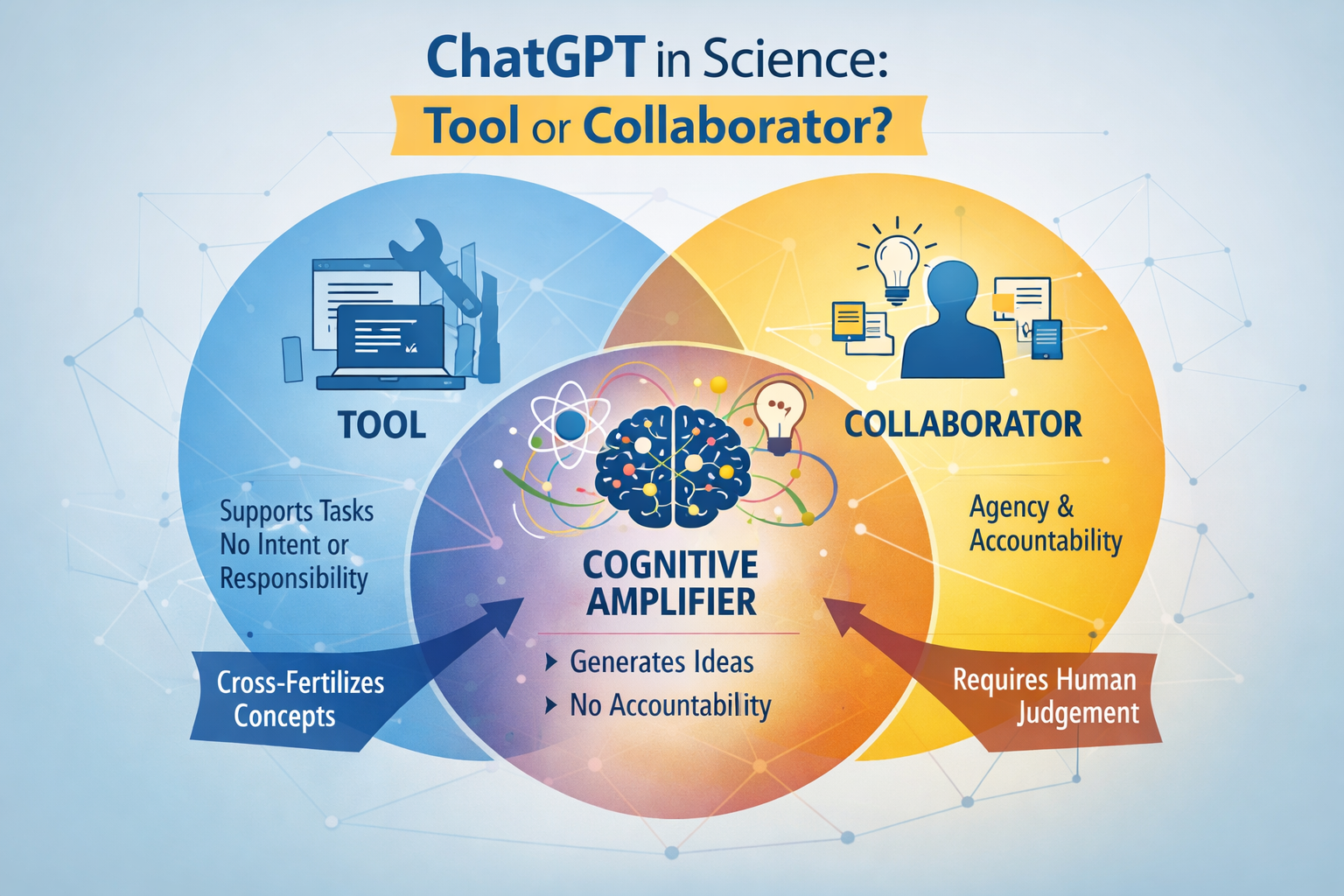
ChatGPT: It is best described as a cognitive amplifier or dialogic system: something that expands the range of ideas and connections available to researchers, without itself being an accountable scientific agent.

Jeff: And what does that imply for how we should use ChatGPT in science?
ChatGPT: It implies using ChatGPT to provoke, explore, and accelerate thinking, while recognising that scientific judgement, responsibility, and ownership remain entirely human.

Jeff: Produce an image that I can use on the blog which summarises this discussion.
ChatGPT: Certainly.

As a test of its ability to “provoke, explore, and accelerate thinking”, at the end of last week I uploaded a manuscript that I had written, just prior to submission, and asked ChatGPT to tell me its strengths and weaknesses and fit for the journal. Its feedback was spot-on – far more than I would expect from a “tool” – and I made a few final tweaks before I submitted the manuscript. ChatGPT also said “Don’t be surprised if the reviewers ask you to change X, Y and Z” and so it will be interesting to see whether it’s correctly gauged the manuscript and the reviewers’ responses.

What times we live in! At the moment I’m optimistic enough about AI to see all of this as an intriguing exploration of the capabilities of these large language models, an expedition through dense habitat in which we’ve barely left base camp and our view of what lies ahead is restricted and there may be nasty surprises along any path that we hack. But I appreciate that not everyone is so optimistic and, as always, I’d be interested in your thoughts on this topic – leave a comment or send me a message.

Was this the first online database of plant-pollinator interactions?

Over the past few years, the ways in which we collate and use large databases of plant-pollinator interactions, and make them publicly available according to FAIR data principles, has been much on my mind. These were and are important considerations for several projects, including the Pollinators of Apocynaceae Database; the pandemic garden pollinators initiative that I coordinated during lock-down; the WorldFAIR project; and, most recently, an EU-funded project called BUTTERFLY that launches in April and involves both the DoPI and GloBI databases.

The latter are just two of a growing number of databases making information about plant-pollinator interactions in wild and agricultural settings freely available to other scientists and to wider stakeholders. An intriguing question to those of us interested in the history of pollination ecology as a science is: what was the first such online database? I think that I have the answer, but I’m happy to be corrected. But first some background.

Since returning to Britain from Denmark in March, Karin and I have been renting a house from some friends as a temporary measure before we found somewhere else to live. A really nice property became available late last year and we decided to move in on 18th December. Then last week the final consignment of boxes and furniture that we’d had in storage arrived at our new home and we’ve been spending time deciding what we want to keep and what needs disposing of.

I’d be the first to admit that I’ve always been something of a hoarder when it comes to books and paperwork, so one of my priorities has been thinning out the contents of old folders and box files. Yesterday I opened one that contained a sheaf of papers related to the study that Sigrid Liede-Schumann and I published on pollination systems in the family Asclepiadaceae (now subsumed into Apocynaceae). One of the items I found is, I think, a fascinating piece of history with regard to online interaction databases.

As you can see in the image above, it’s a print-out* of an email that I received on 31st December 1995 from Mark Fishbein. If I recall correctly, I’d met Mark at a conference and he’d mentioned that he’d been compiling published and unpublished records of pollinators of North American Asclepiadaceae into a database. In this email he tells me that:

“I now have my data base accessible (primitively) on the World Wide Web. It would be easiest for me if you accessed the data base this way…Here’s what to do (if you have access to a web browser)…”

As we complete the first quarter of the 21st century it’s difficult to conceive that, less than 30 years ago, people were saying things like “if you have access to a web browser”! But the World Wide Web was only opened to public use in 1991 and even by the mid-90s, was not being widely used even in academia. Note also that Mark’s database was not password protected – it was freely (FAIRly?) available to anyone who could access it. In this regard Mark was certainly ahead of his time and, as far as I know, “pollrec” was the first online database of plant-pollinator interactions.

After we published our paper in 1997, Sigrid and I made what was then termed ASCLEPOL (including Mark’s and our own records) available online, and this was later merged with APOPOL to form the basis of the Pollinators of Apocynaceae Database. The latter is not formally available online, but it is available as supplementary information in the paper and has been merged into GloBI.

Thirty years is not a long time in real terms, but over that period there’s been huge cultural changes as far as society is concerned, and we take for granted things like online access to information that were hardly conceived of back then. But in 1995, Mark’s approach was revolutionary, even if we didn’t appreciate it at the time. When I emailed him about it yesterday he told me that he was “comfortable with my new role of being someone of historical interest”, followed by a smiley face emoji (another late 20th century development). So thank you Mark, this blog post is for you!

—————————————————————————————————

*Yes kids, back in the day grandpa printed out some important emails so as not to lose them.

Science ceramics – the perfect gift for the geek in your life!

Over at the Dynamic Ecology blog, Jeremy Fox has provided a link to a company called Not Quite Past that uses AI to generate an image for a ceramic tile in the style of Dutch Delftware based on the prompts that you give it. That part is free, but if you wish the company will then manufacture that tile and ship it to you (though there’s a minimum order of 10 tiles).

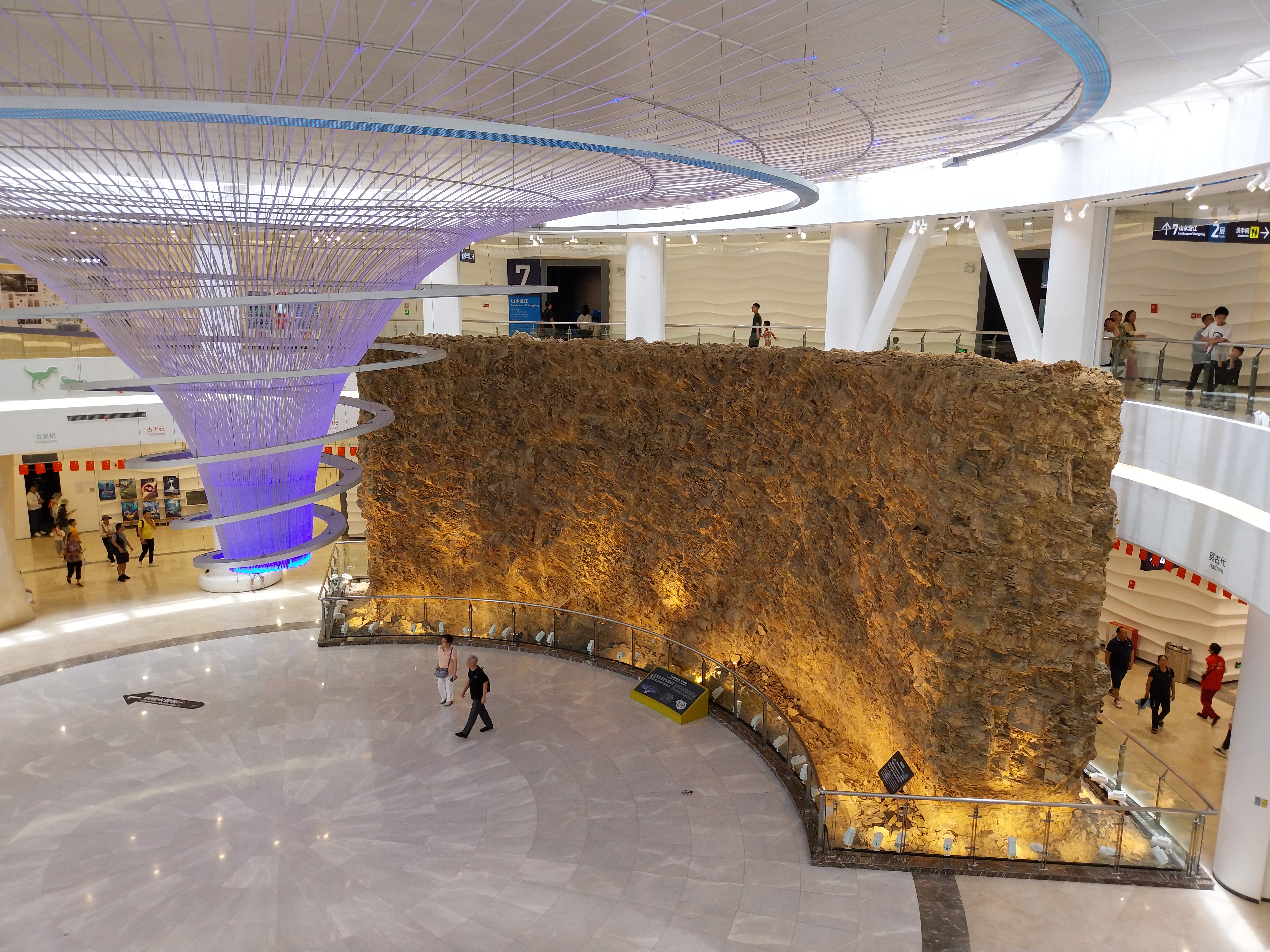
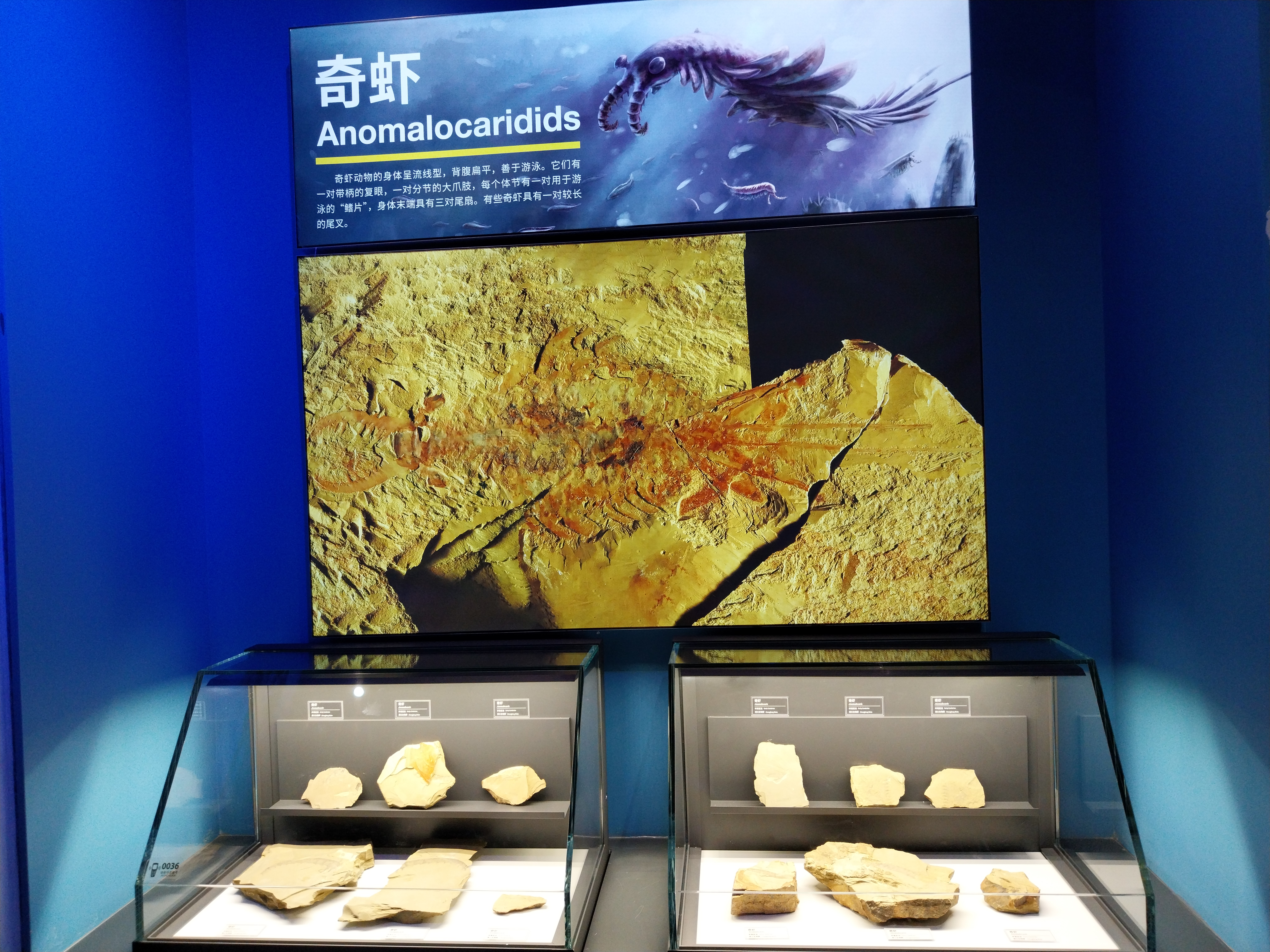
It reminded me that when I was working in China earlier this year, we visited the extraordinary Museum of Chengjiang Fossils, dedicated to an amazing assemblage of early Cambrian-age animals. This biota is comparable to the more famous Burgess Shale fauna in Canada: both are in excess of 500 million years old, and they share some animals in common.

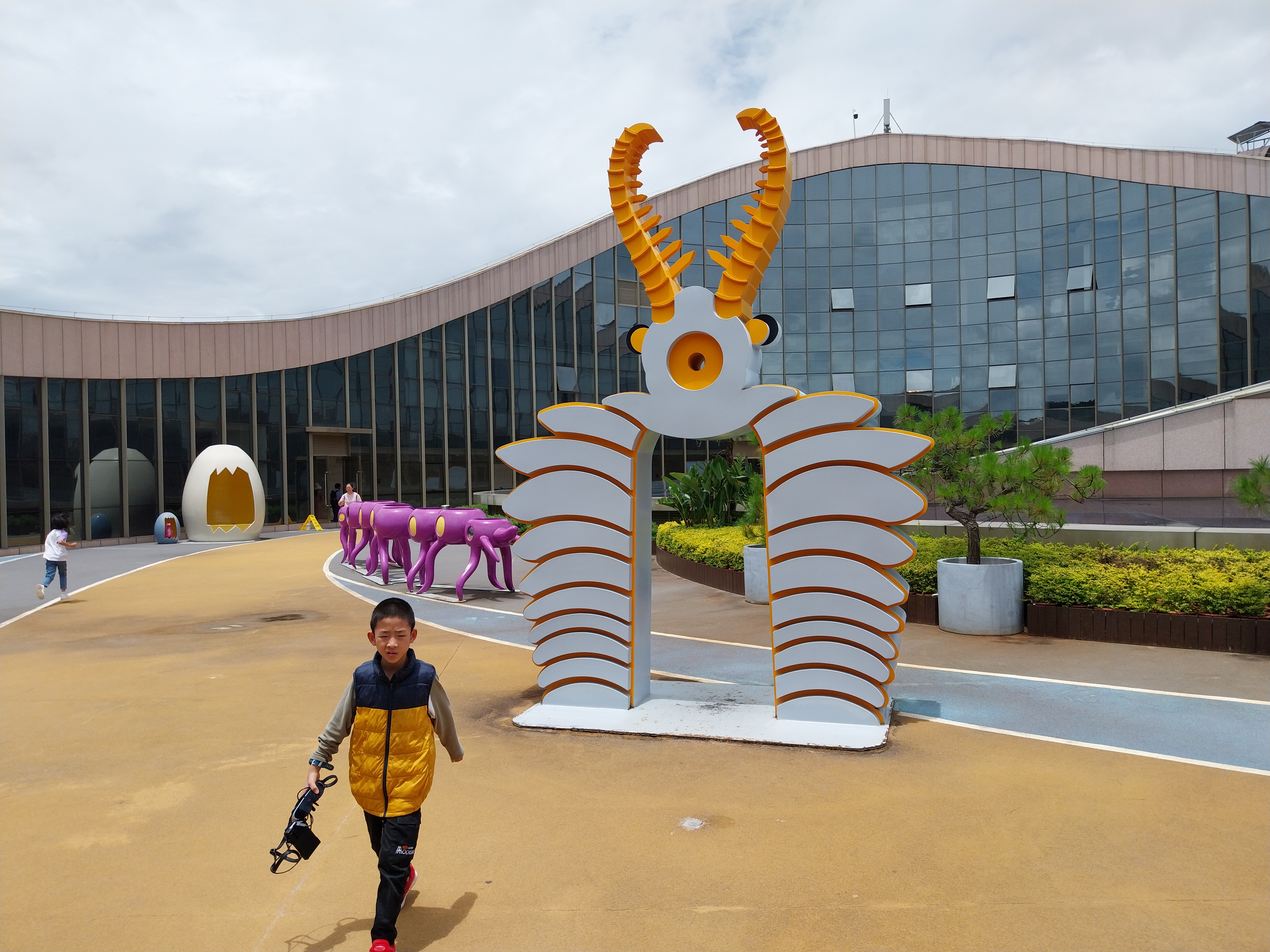
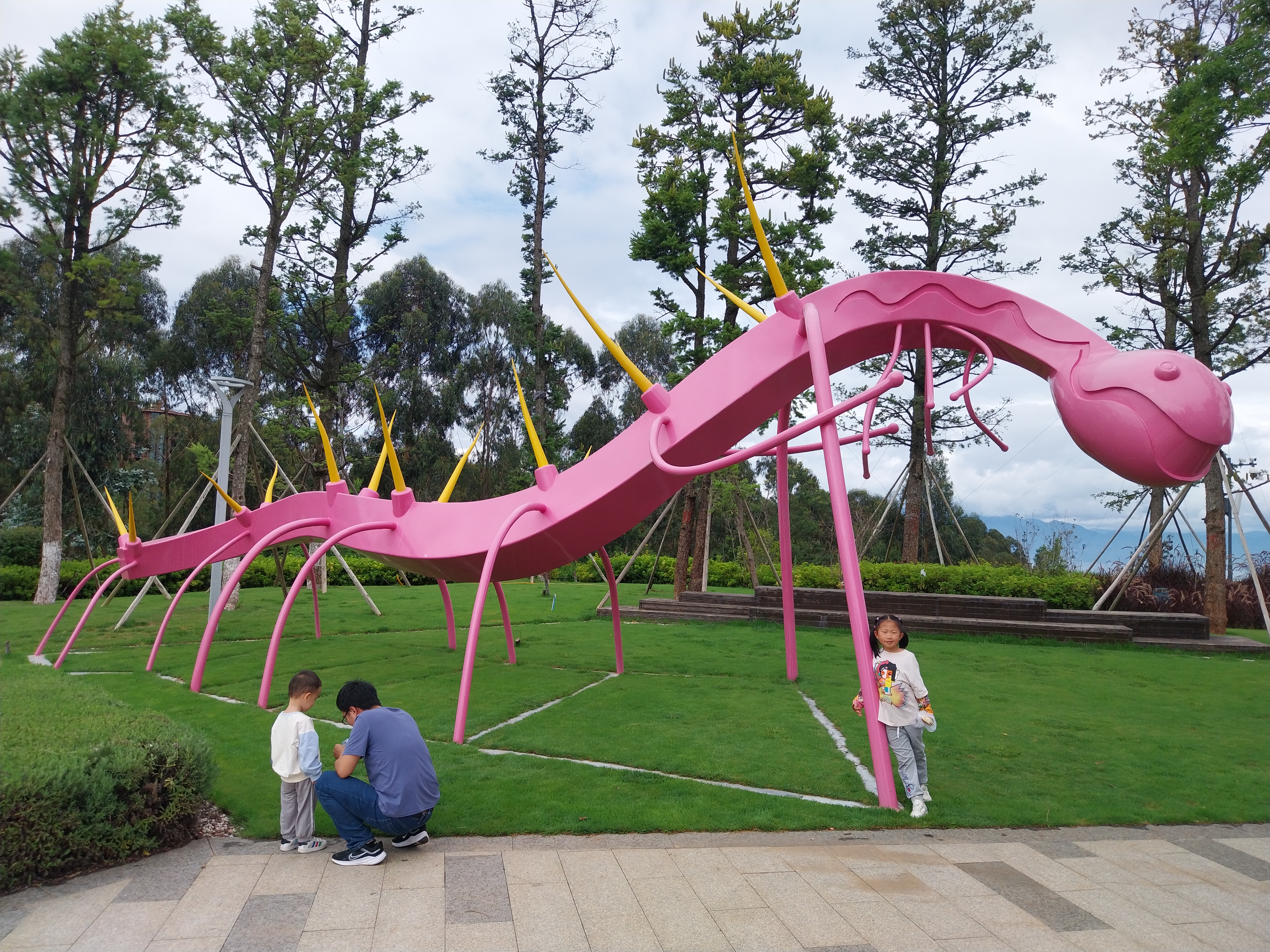
One such taxon is the genus Anomalocaris, a group of predatory early arthropods, the disarticulated parts of which were originally misidentified as belonging to different animals. It was the late Stephen J. Gould who first brought the story to popular attention in his 1989 book Wonderful Life. I read this when it was first published and had the pleasure of seeing Gould give a lecture about it in Oxford, and the story of Anomalocaris stuck with me. So it was great to see actual fossils of this remarkable animal in China.

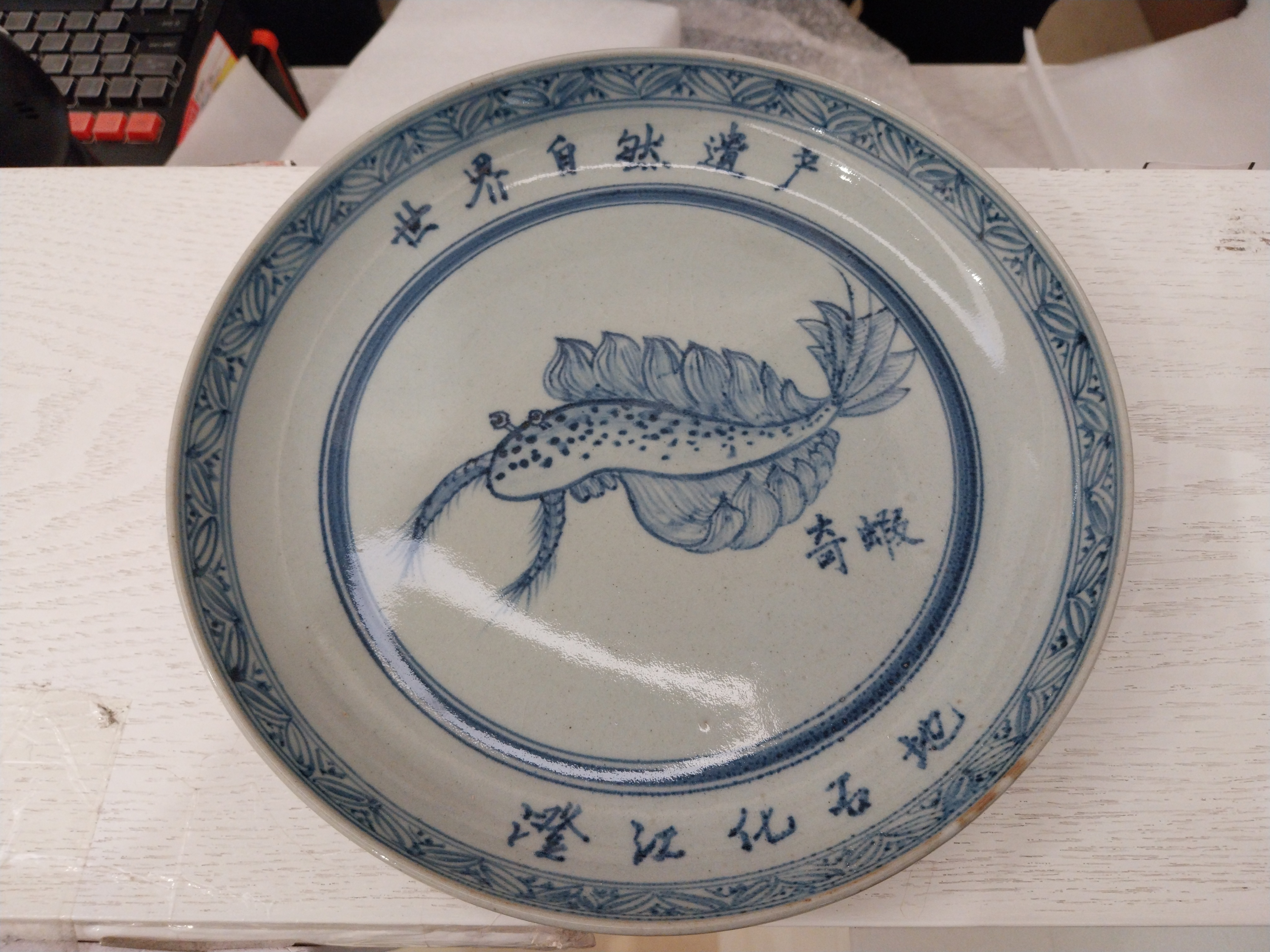
Not only did I get to view the fossils, but I was able to buy the plate that’s featured at the top of this post, featuring a hand-painted painted Anomalocaris in a traditional Chinese style. It’s perhaps the most geeky ceramic imaginable, though Jeremy’s Daphnia tile comes a close second!

Here’s some more photos from the Chengjiang Museum, including sculptures of both Anomalocaris and the similarly mis-reconstructed Hallucigenia:

Speaking at Oxford Ornithological Society – 11th September

Later this month I’ve been invited by the Oxford Ornithological Society to give a talk about my new book Birds & Flowers: An Intimate 50 Million Year Relationship. The talk will summarise the main themes from the book, particularly the sheer diversity of birds that can act as pollinators, what it means for the ecology and evolution of flowers, why the conservation of such interactions matters, and the cultural significance of bird-flower interactions. I’ll also deal with the question of why Europe is so odd when it comes to the question of birds as pollinators.

The talk is on Wednesday 11th September at Exeter Hall, Kidlington, starting at 7.45 pm; it’s free to society members, and non-members are invited to make a donation. Do come along if you’re in the area!

More details here: https://www.oos.org.uk/programme.php

I’ll bring a few copies of Birds & Flowers and Pollinators & Pollination: Nature and Society if anyone wants to buy a signed book.

Also in the diary are talks at South Leicester Birdwatchers (13th November) and Northamptonshire Bird Club (5th March).

If you represent a birding club or natural history society and wish to book me for a talk, please get in touch via my Contact page.

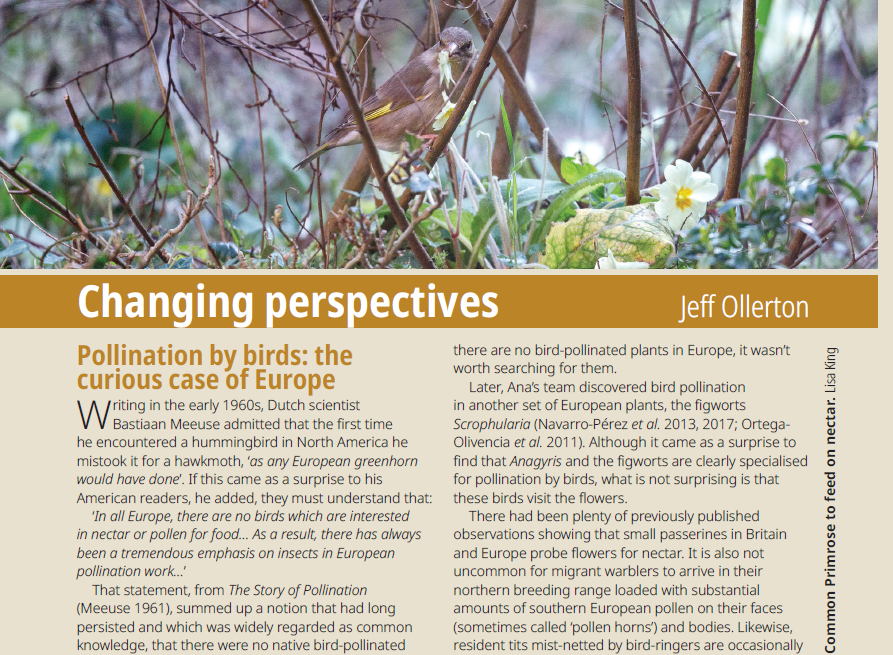
Pollination by birds: the curious case of Europe

Earlier this year I was invited by the editor of British Wildlife magazine to write a piece for their Changing Perspectives section about how odd Europe is when it comes to bird pollination. It’s based on one of the chapters in my book Birds & Flowers: An Intimate 50 Million Year Relationship.

If you subscribe to the magazine, it will appear in the August issue, though I’m happy to send a PDF to anyone who doesn’t subscribe (or has not read the book) – use the Contact Page. The main accompanying photograph is by one of my former students, Lisa King, who kindly allowed me to use it.

Read my author interview and get a 25% discount off ‘Birds & Flowers’, ‘Pollinators & Pollination’ and other books from Pelagic Publishing!

I recently did a short interview with Pelagic Publishing’s marketing person, Sarah Stott, which you can read here: https://pelagicpublishing.com/blogs/news/birds-and-flowers-author-interview.

On that page you can sign up to Pelagic’s newsletter (which I STRONGLY recommend, because they produce some great natural history and science books, and not just mine!) and by doing so you can receive a 25% discount on all orders.

What are you waiting for?

A new study shows that even short-tubed flowers can specialise on hawkmoths as pollinators

Of all of the “classical” pollination syndromes, flowers that are hawkmoth pollinated have one of the highest levels of predictability. If a flower is pale in colour, opens at night, is highly scented, and possesses a long tube at the bottom of which is a supply of nectar, there’s a very high likelihood that it’s pollinated by long-tongued hawkmoths (Sphingidae).

Indeed, one of the foundational stories about the development of our understanding of how pollination systems evolve, relates to Charles Darwin, the long-tubed orchid Angraecum sesquipedale and the hawkmoth Xanthopan morganii praedicta.

Fast forward 160 years and we now know that pollination syndromes are more complex than 19th and early 20th century scientists imagined – see my recent book Pollinators & Pollination: Nature and Society for a discussion of this topic. That’s not surprising because, as I point out, we probably have data on the interactions between plants and their pollinators for only about 10% of the estimated 352,000 species of flowering plants. There’s still much to be discovered!

As an example of how our understanding of specialised flower-hawkmoth interactions is developing, consider this recent study that I’ve just published with my Brazilian colleague Felipe Amorim and other collaborators. In it we have shown that, contrary to expectations, a species of Apocynaceae (Schubertia grandiflora) with a relatively short floral tube can specialise on hawkmoths with much longer tongues than we might predict.

The full reference with a link to the study is shown below, followed by the abstract. If you would like a PDF, please drop me a line via my Contact page:

Amorim, F.W., Marin, S., Sanz-Viega, P.A., Ollerton, J. & Oliveira, P.E. (2022) Short flowers for long tongues: functional specialization in a nocturnal pollination network of an asclepiad in long-tongued hawkmoths. Biotropica https://doi.org/10.1111/btp.13090

Abstract:

Since Darwin, very long and narrow floral tubes have been known to represent the main floral morphological feature for specialized long-tongued hawkmoth pollination. However, specialization may be driven by other contrivances instead of floral tube morphology. Asclepiads are plants with a complex floral morphology where primary hawkmoth pollination had never been described. We detailed here the intricate pollination mechanism of the South American asclepiad Schubertia grandiflora, where functional specialization on long-tongued hawkmoth pollinators occurs despite the short floral tube of this species. We studied two plant populations in the Brazilian Cerrado and recorded floral visitors using different approaches, such as light-trapped hawkmoths for pollen analysis, direct field observations, and IR motion-activated cameras. Finally, using a community-level approach we applied an ecological network analysis to identify the realized pollinator niche of S. grandiflora among the available niches in the pollinator community. Throughout a period of 17 years, long-tongued hawkmoths were consistently recorded as the main floral visitors and the only effective pollinators of S. grandiflora. Flowers rely on highly modified corona and gynostegium, and enlarged nectar chambers, to drive visitors and pollination mechanism. Despite its relative short-tube, network analysis placed S. grandiflora in the module including exclusively long-tongued hawkmoth pollinators and the most phenotypically specialized sphingophilous plants in the community. These results represent the first example of functional specialization in long-tongued hawkmoths in an asclepiad species. However, this specialization is uncoupled from the long floral tubes historically associated with the sphingophily syndrome.

The value of butterfly specimens for understanding species extinctions – a new study just published.

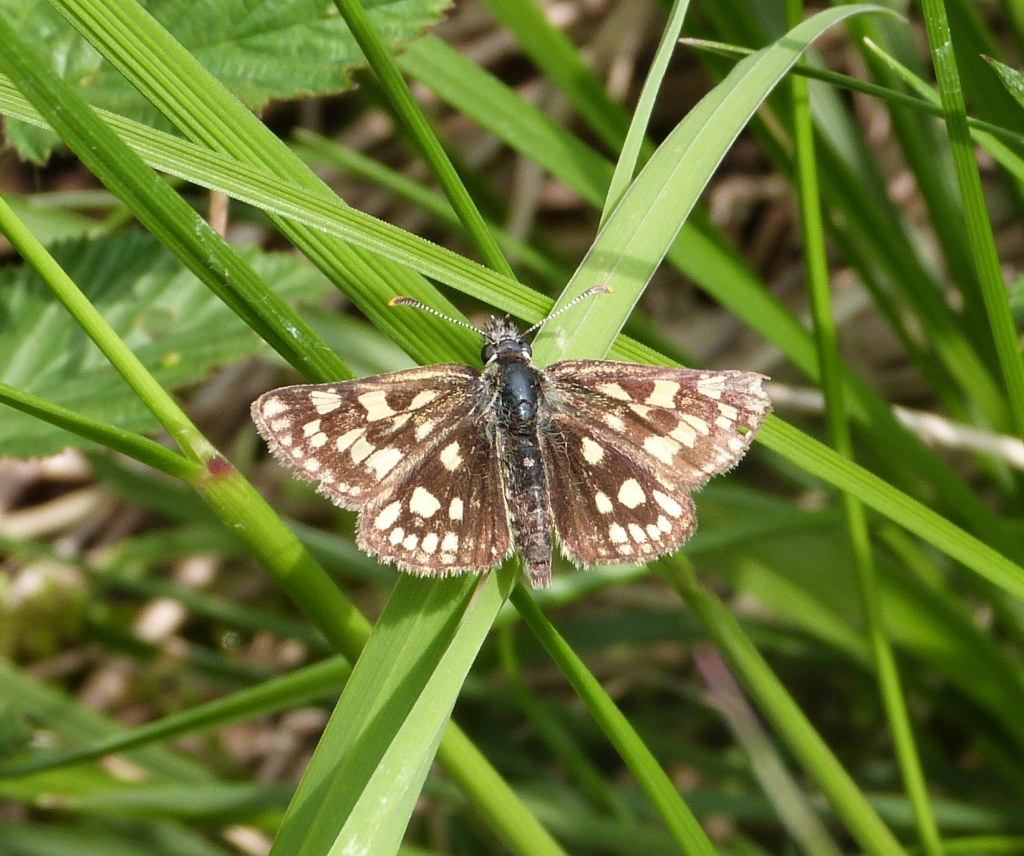
The Chequered Skipper Reintroduction Project has featured in several posts over the last few years – see here and here – and University of Northampton PhD researcher Jamie Wildman has been working hard to complete his thesis under the less-than-ideal conditions imposed by the COVID-19 pandemic. The first paper from the project has just been published and it deals with Jamie’s monumental efforts to bring together all of the scattered data relating to preserved Chequered Skipper specimens held in museums and private collections. An existing database contained just 266 records; Jamie’s efforts increased that by an order of magnitude, adding a further 3,533 new records that document where and when specimens were collected, and by whom.

This 1,328 % increase in data means that we now know much more about the historical distribution of this butterfly and how that changed over time.

The Chequered Skipper went extinct in England in 1976 and this enhanced database will allow us to understand why that extinction occurred. This initial paper documents the strategy used to find the additional records as a road map for how others might proceed in the future. The full reference with a link to the paper is here:

Wildman, J.P., Ollerton, J., Bourn, N.A.D., Brereton, T.M., Moore, J.L. & McCollin, D. (2022) The value of museum and other uncollated data in reconstructing the decline of the chequered skipper butterfly Carterocephalus palaemon (Pallas, 1771). Journal of Natural Science Collections 10: 31-44

This is the abstract:

The chequered skipper butterfly Carterocephalus palaemon (Pallas, 1771) was declared extinct in England in 1976 after suffering a precipitous decline in range and abundance during the 20th Century. By searching and collating museum and other records, we show how a deeper understanding of this decline can be achieved, thus furthering conservation objectives. A preexisting Butterflies for the New Millennium (BNM) database of United Kingdom butterfly species records, created by Butterfly Conservation in conjunction with the Biological Records Centre (BRC), contained 266 historic C. palaemon records from England. United Kingdom (UK) museums and natural history societies were contacted for specimen data, and these sources added 2175 new records to the BNM. Owners of private specimen collections were also contacted, and these collections accounted for a further 465 records. Specimens originating from UK museums, other institutions, and private collections represent 2640 (71%) of total new records. Other sources, such as personal accounts held in museums, published and unpublished texts produced an additional 894 records. A further 437 records from museums, private collections, and other sources were considered partial and omitted from the data due to limited or misleading date and/or locality information. In summary, data from UK museums and other sources has infilled English C. palaemon distribution prior to 1976, offering further insight into potential environmental and anthropogenic drivers of decline at key sites. The quality and quantity of data obtained using the method outlined in this study suggests similar work could be carried out for other extinct or declining butterfly species to improve our knowledge of habitat requirements and historical distribution via modelling, identify causes of decline, and provide valuable information for potential reintroductions.

Leonard B. Thien (1938-2021) – botanist and pollination biologist

I was saddened to learn recently of the death of Professor Leonard B. Thien of Tulane University who passed away at the end of October after a long illness. Although I didn’t know Professor Thien personally, I knew of his work in floral ecology, pollination biology and plant evolution, topics on which he had worked for since obtaining his PhD in 1968. Over the course of his career he published more than 80 articles on a huge range of botanical subjects, including ground-breaking work on mosquito pollination of orchids (Thien 1969). The orchid species Alaticaulia thienii is named in his honour.

The studies Leonard Thien published that really inspired me when I was first starting out on my journey as a researcher, however, involved his work on “relictual” angiosperms, i.e. flowering plants that have very long evolutionary histories and deep phylogenetic roots back to the early Cretaceous period, for example Magnolia and Illicium. Papers with titles such as “Patterns of pollination in the primitive angiosperms” (Thien 1980) piqued my interest and motivated me to work on Australian Piperaceae for a short while following my PhD (Ollerton 1996). It was a topic that I struggled to gain further funding for, and later molecular systematic studies changed many of our ideas about what constitutes the most basal groups of extant flowering plants. But nonetheless, the questions that Leonard inspired in me, regarding the ecologies of these relictual taxa, and whether we can infer the reproductive ecology of the earliest flowering plants from studies of their surviving descendants, are ones that intrigue me to this day (van der Kooi and Ollerton 2020).

Leonard Thien kept up this interest even as new DNA technologies over turned old ideas, and he was the first to study the reproductive ecology of Amborella trichopoda on New Caledonia, a species now considered to be the earliest surviving clade of flowering plants (Thien et al. 2003). This is just one part of a legacy of work that current and future generations will build upon as we develop our understanding of the relationships between pollinators, plants, and evolutionary processes.

I’m grateful to Peter Bernhardt for prompting this post and for sending me a copy of the In Memoriam article that he and and David White will publish in the Plant Sciences Newsletter in March, and to Lorraine Thien for providing the photograph that accompanies this post.

References

Ollerton, J. (1996) Interactions between gall midges (Diptera: Cecidomyiidae) and inflorescences of Piper novae-hollandiae (Piperaceae) in Australia. The Entomologist 115: 181-184

Thien, L.B. 1969. Mosquito pollination of Habenaria obtusata (Orchidaceae). American Journal of Botany 56: 232-237.

Thien, L.B. 1980. Patterns of pollination in the primitive angiosperms. Biotropica 12: 1-14

Thien, L.B., Sage, T.L., Jaffre, T., Bernhardt, P., Pontieri, V., Wesston, P.H., Malloch, D., Azuma, H., Graham, S.W., McPherson, M.A., Hardeep, S.., Sage, R.S. & Dupre, J.-L. 2003. The population structure and floral biology of Amborella trichopoda (Amborellaceae). Annals of the Missouri Botanical Garden 90: 466-490

van der Kooi, C.J. & Ollerton, J. (2020) The origins of flowering plants and pollinators. Science 368: 1306-1308