Tag Archives: Insects

Insects, human societies and the things that make life worth living – another new paper about why these small animals matter!

Over the past few weeks I’ve written about two new review papers that I’ve co-authored with international colleagues. The first looked at the importance of insects for birds, mammals and other vertebrates, while the second explored the extraordinary range of ecosystem services that insects provide.

Now a third paper has been published, this time led by Jessica Ware at the American Museum of Natural History, which brings the story much closer to home. Rather than concentrating on ecological functions, we’re asking a broader question: how do insects shape human societies, cultures and quality of life, and what might happen as their populations decline?

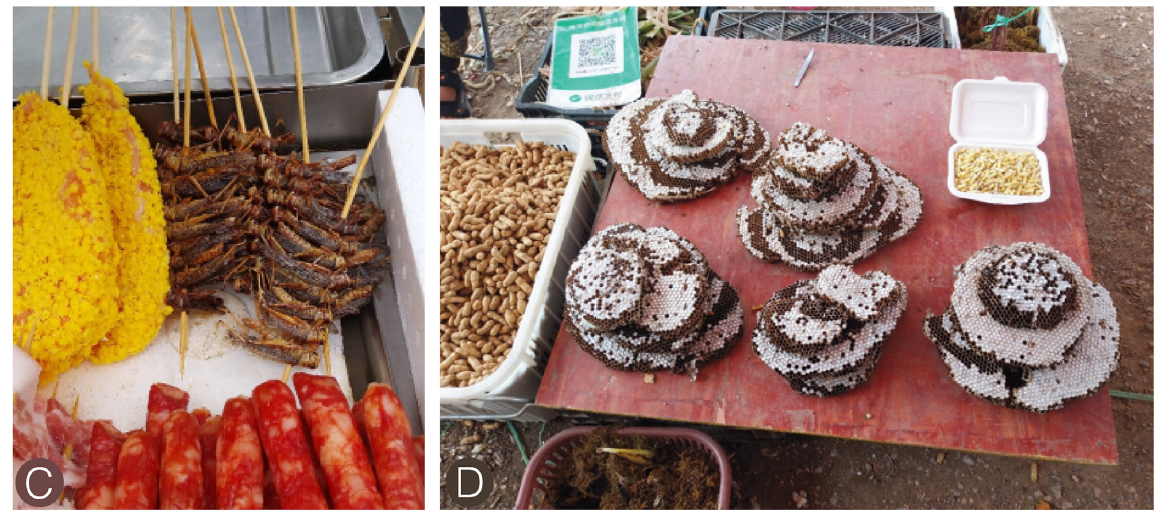
The answers extend well beyond the familiar examples of crop pollination, pest control and decomposition. For example, more than 1,600 insect species are traditionally eaten by people around the world, and collecting and selling them provides important livelihoods, particularly for women in parts of Africa and Asia. Insects also support tourism, from the spectacular gatherings of monarch butterflies in Mexico to the synchronised flashing of fireflies in North America and Asia.

Then there are the less tangible contributions. Insects have inspired art, music, literature, dance and religious traditions for thousands of years. They’re important in many Indigenous knowledge systems and cultural practices, and our childhood encounters with butterflies, beetles and other insects can shape how we think about nature for the rest of our lives.

Of course, not all our relationships with insects are positive. Mosquitoes transmit deadly diseases, agricultural pests destroy crops, and I’m not sure anyone would mourn the disappearance of bedbugs! We consider these negative interactions too, including how environmental change might alter the balance between harmful insects and the species that naturally regulate their populations.

On a personal note, I was pleased to contribute two photographs to the paper taken during my ongoing work in China, showing edible insects for sale in markets in Yunnan: grasshoppers in one, and hornet larvae in the other. They’re a reminder that what might seem unusual to people in Britain is an entirely familiar part of everyday life elsewhere.

All three reviews emerged from the international Status of Insects Research Coordination Network, and together they tell a compelling story about just how deeply insects are woven into the natural world and human society.

For me, one of the central messages is that insect conservation isn’t simply about protecting biodiversity or maintaining ecosystem services. It’s also about protecting livelihoods, traditions, cultural heritage and the many ways in which people experience and enjoy the natural world. And those are things that are very difficult to put a monetary value on.

Here’s the reference and link to the new paper:

Ware, J.L., Birrell, J.H., Elfin, J. et al. (2026) Insects and human cultural identity, social cohesion, and quality of life. Annals of the Entomological Society of America. https://doi.org/10.1093/aesa/saag039

My thanks to Jessica and all the colleagues involved in bringing together another wide-ranging review of why insects matter.

What to do if you have beewolves nesting in your garden? Leave them alone!

Earlier today we had a message from the owner of the AirBnB that we are staying in to let us know that he’s expecting a guy to come and spray pesticide around the house to kill the ‘invasive’ beewolves. The European beewolf (Philanthus triangulum) is a type of wasp in the family Crabronidae that is only distantly related to the typical wasps that you find trying to share your barbecue and beer. As its name suggests, it preys upon bees, but it’s actually a pollinator itself and visits a range of flowers.

I immediately got back to our host and pointed out that beewolves are gentle insects, completely harmless, and less dangerous than the pesticide the company would use to kill them, and that he was wasting his money. He informed us that the pest control company had told him that he needed to control them other wise he’d be ‘over-run’ with them next year!

When I explained to him that this was nonsense, and that the beewolves cause no damage to people or property, he promised to get back to the company to cancel the order, and thanked me for the information. I’m hoping that I’ve made a convert to the cause of insect conservation!

It maddens me that pest control companies are preying on people’s fear of insects to make money in this way. Insects are subjected to enough assaults by human activities without making up spurious reasons for poisoning them.

So if you are lucky enough to have beewolves in your garden, please treat them with respect and watch their fascinating behaviour:

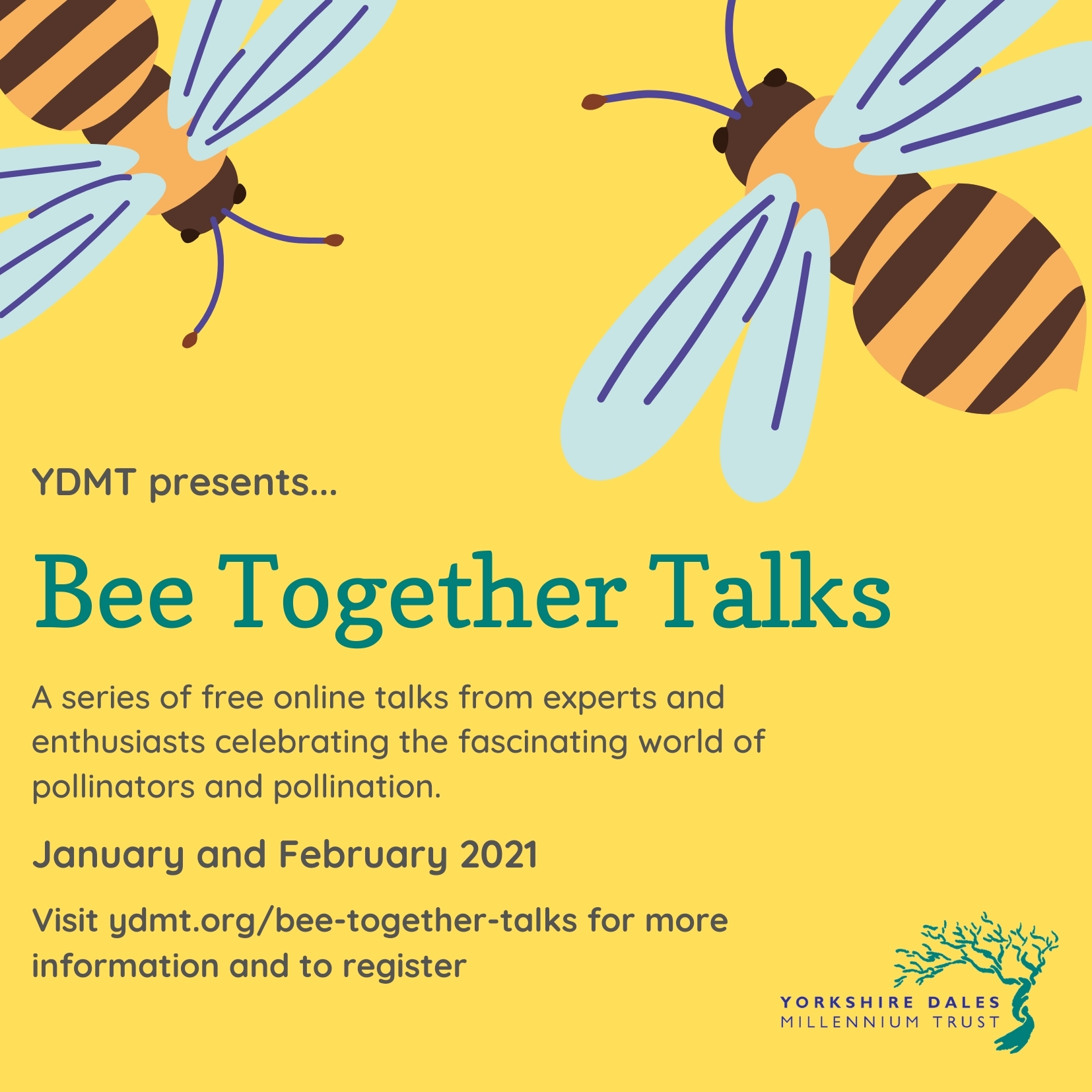
“Bee Together” with YDMT – pollinator online talks during January and February

As I write a slow haze of fine snow is falling, covering our garden with a thin white dusting. Spring feels a long way off, despite the emerging spears of daffodil leaves. But you can get a taste of what the new season will bring by signing up for a short series of free evening online talks on the topic of pollinators that has been organised by the Yorkshire Dales Millennium Trust – here’s the link for the Bee Together programme – and here’s more details of the talks:

Thursday January 28 at 7pm: Pollinators and Pollination: Nature and Society
An overview of the diversity of pollinators in Britain, why they are important, and the threats to that diversity with Jeff Ollerton.

Thursday February 18 (7pm): The B-Lines Project
Buglife’s B-Lines network is an imaginative solution to the problem of the loss of flowers and pollinators. B-Lines are a series of ‘insect pathways’ running through our countryside and towns, along which Buglife are restoring and creating a series of wildflower-rich habitat stepping stones. Catherine Jones talks about mapping the recently completed B-Lines map and some of the projects that have already created habitat for pollinators.

Thursday February 25 (7pm): The Hidden Lives of Garden Bees
Brigit Strawbridge Howard will explain some of the basic differences between bumblebees, solitary bees, and honeybees – including lifecycles and nesting behaviour; the problems they all face; and, most important, what we can do to help. Brigit is a wildlife gardener, amateur naturalist and advocate of bees. She writes and campaigns to raise awareness of the importance of native wild bees, and is the author of Dancing with Bees: A Journey Back to Nature.

I hope to see some of you there: Happy New Year everyone!

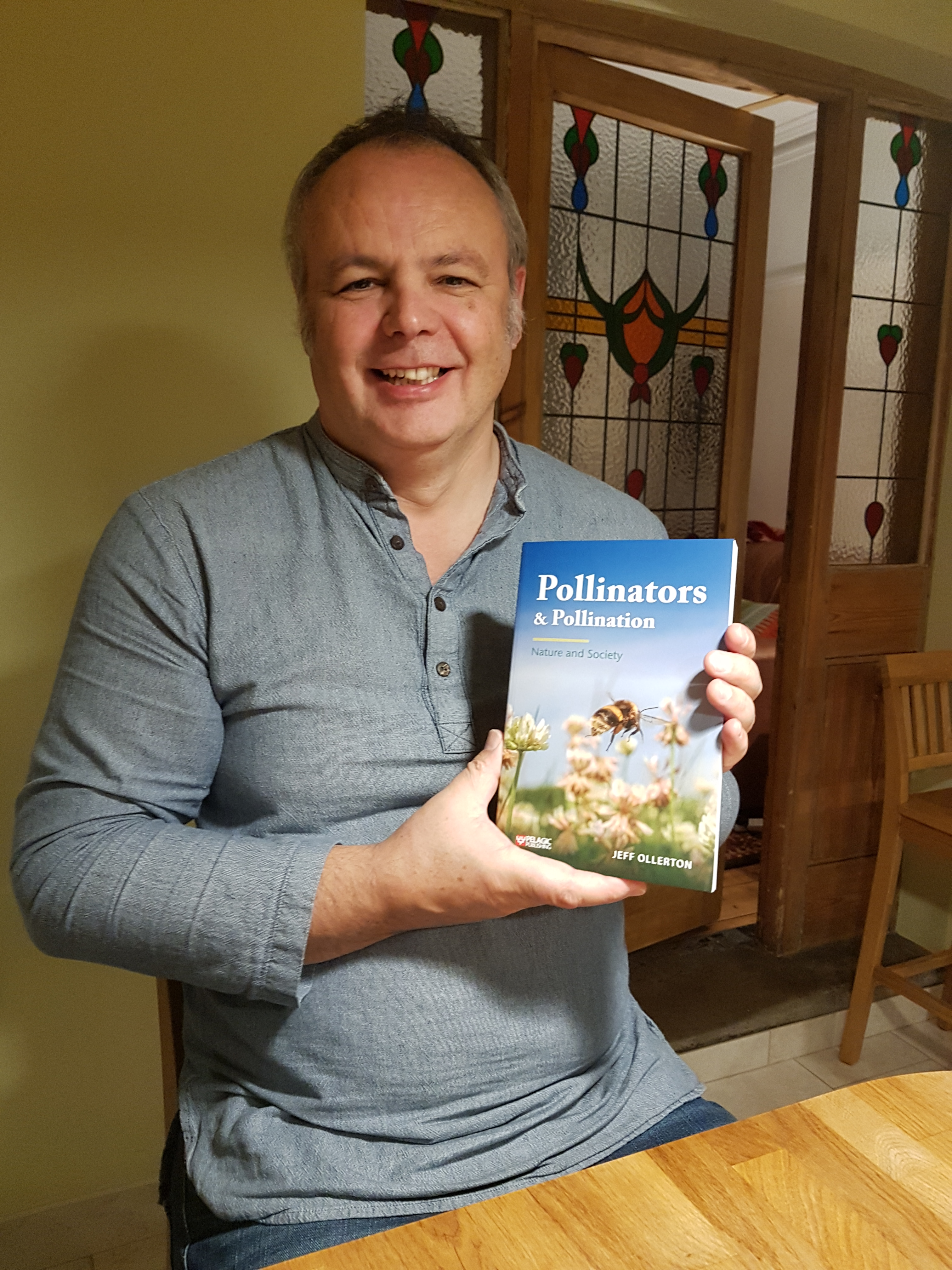
Finally, a physical copy of my book!

Yesterday I was delighted to finally receive an advance copy of my book Pollinators & Pollination: Nature and Society! It’s been over three years in the writing and production, much longer than I had anticipated. But, as I describe in its pages, the book is the culmination of >50 years of experience, study and research. So perhaps three years isn’t so bad…

If you’re interested in buying a copy you can order it direct from Pelagic Publishing and from most of the large online booksellers. Let me know what you think.