Category Archives: Brazil

Flowers, feathers and time: a new study of the temporal dynamics of plant-hummingbird interactions just published

What happens when you spend an entire year watching hummingbirds and the plants they visit in one of Brazil’s most unique ecosystems? You begin to unravel the complex, ever-changing relationships that tie together birds, flowers, and the environment they share.

In a new study jointly led by Steffani Queiroz and Marsal Amorim — and part of my ongoing collaboration with a brilliant team of Brazilian hummingbird researchers — we explored how plant–pollinator interactions shift over time in the Campo Rupestre, a montane tropical ecosystem rich in biodiversity and endemic species. Despite the region’s relatively stable climate, we found that the relationships between hummingbirds and flowers are anything but static.

Over the course of 624 hours of observation spread across a full year, we recorded over 9,000 hummingbird visits involving nine bird species and 47 plant species. Many of these plants — and one of the most frequent visitors, the stunning Hyacinth Visorbearer (Augastes scutatus) — are found nowhere else on Earth.

Our goal was to understand how the structure of this ecological network — which plants interact with which hummingbirds, and how often — changes over time, and what drives those changes. Are they shaped by morphological fit (the match between beak and flower shape)? By phenology (when plants bloom)? By nectar characteristics such as the amount produced and its sugar concentration?

What we discovered is that different factors dominate in different seasons. During the rainy season, when hummingbirds are more abundant, interactions were shaped mostly by morphological matching — suggesting that competition leads to greater niche partitioning. In contrast, during the dry season, the network became sparser and was more influenced by nectar sugar content and flowering patterns.

Interestingly, while the overall annual network wasn’t especially nested (a common pattern in mutualistic networks), it was highly modular — meaning that it contained distinct clusters of species that mostly interacted among themselves. This structure changed significantly across months, highlighting the dynamic nature of tropical plant-pollinator interactions, even in environments with relatively little climate variation.

This work highlights the importance of long-term, fine-scale studies in uncovering how interactions among species shift through time. It also underscores the remarkable biodiversity and ecological complexity of the Campo Rupestre — and the need to understand and protect it.

Here’s the reference – if anyone wants a copy, drop me a message via my Contact page:

Queiroz, S.N.P., Amorim, M.D., Lopes, S.A., Vizentin-Bugoni, J., Jorge, L.R., Ollerton, J., Santos, T. & Rech, A.R. (2025) Temporal dynamics of a Neotropical plant-hummingbird interaction network. Austral Ecology 50:e70089

And here’s the full abstract:

Species interaction networks are expected to vary following temporal changes in the environment and the composition of the local community. However, there are still gaps in our knowledge about temporal variation in networks in tropical areas, where less variable climates are expected to produce more stable community structures over time. Here we describe a plant-hummingbird network in the Brazilian Campo Rupestre ecosystem and investigate multiscale temporal variation of interactions in this community as well as the possible mechanisms underlying the frequencies of species interactions. Plants visited by hummingbirds were observed monthly for a year and each species had morphology, phenology and nectar traits measured. During 624 h of observation we recorded nine hummingbird species visiting 47 plant species, amounting to 9015 visits to flowers. Most plants (28 species) were endemic to the Campo Rupestre and mostly visited by the also endemic hummingbird Augastes scutatus (the Hyacinth Visorbearer). The annual network was not nested but presented high modularity and intermediate specialisation. While the overall (annual) frequencies of interaction were primarily defined by morphological matching and phenological overlap, we found a remarkable temporal change in community structure over the year, with different processes underlying interactions among plants and hummingbirds at different seasons. The interaction pattern during the rainy season was more similar to the annual network than the dry season (when nectar sugar content and plant phenology were also important), with more links per species and lower specialisation. The higher importance of morphology to predict interactions during the rainy season suggests higher niche partitioning when more hummingbird species are present in the community. Our results exemplify the importance of considering the temporal dynamics of the community to advance the understanding of the processes defining species interactions over time in the tropics.

My sincere thanks to Sinzinando Albuquerque-Lima for the photograph, which was taken in the Amazon, not where the research described above was conducted.

A new study shows how garden flowers keep city pollinators flying all year round

When we think of cities, gardens might not be the first thing that comes to mind. But these green patches — whether in private yards, parks, or balconies — play a surprisingly important role in supporting urban wildlife. Among their most crucial guests? Pollinators like bees, butterflies, and even birds and bats.

In a new study just published, I teamed up with some Brazilian colleagues to explore how the different features of garden flowers help sustain pollinators throughout the year in a subtropical urban garden. While we’ve long known that garden flowers provide food for pollinators, what’s less clear is how specific floral traits — like shape, flowering time, and type of nectar or pollen — influence who visits which plants and when.

To get a clearer picture, we conducted weekly surveys of pollinators visiting garden flowers over the course of a year. We paid close attention to traits such as the depth of flower, the kind of resources offered (nectar vs. pollen), how closely related different plants were, and when they flowered.

What we found was striking: the network of interactions between flowers and pollinators was highly organized. Plants grouped into clusters, or “modules,” that tended to share similar physical traits and evolutionary histories — but interestingly, not the same flowering times. This meant that within each module, different plants flowered at different times of year, effectively staggering their blooms so that there was always something on offer for pollinators.

Even more intriguing was the discovery that most plants had just a few connections in the network, usually restricted to a single module. These “peripheral” plants accounted for over 85% of all pollinator visits. Meanwhile, a few special species acted as bridges between modules — their role in linking different parts of the network made them key to its stability. These connector species didn’t flower at the same time, which helped to maintain a steady supply of food for pollinators across seasons.

Not all interactions between plants and pollinators are “legitimate” in the sense of leading to pollination. Some animals visit flowers just for the food, without helping with reproduction. But our study found that these interactions still played a valuable role in supporting a diverse pollinator community.

So what does all this mean for urban gardeners and city planners?

First, it highlights how important it is to plant a variety of flowers that bloom at different times of year. Second, it shows that even seemingly minor plants or interactions can contribute to the ecological resilience of urban green spaces. And finally, it underscores that thoughtful planting — considering things like flower shape, blooming schedules, and diversity — can help keep pollinators thriving, even in the heart of the city.

Urban gardens aren’t just pretty — they’re powerful allies in the fight to support biodiversity.

The study was led by Brazilian research student Luis de Sousa Perugini. Here’s the reference with a link to the paper:

de Sousa Perugini, L.G., Jorge, L.R., Ollerton, J., Milaneze‑Gutierre, M.A. & Rech, A.R. (2025) High modularity of plant-pollinator interactions in an urban garden is driven by phenological continuity and flower morphology. Urban Ecosystems 28, 126

Here’s the abstract:

Garden flowers play a vital role in urban environments, supporting pollinator communities. Yet, the extent to which floral traits shape urban pollination networks remains poorly understood. This study investigated how garden plants shape year-round pollination networks, sampled in weekly surveys in an urban subtropical garden. We focused on the role of floral morphology (corolla depth), type of resource, relatedness, and phenology in the organization of interactions. We determined whether modularity and species roles were influenced by these floral traits, comparing if legitimate pollination, illegitimate (i.e. non-pollinating) interactions and all interactions had similar drivers. All networks were modular, and in the overall network plants within the same module were morphologically and phylogenetically similar while their phenology was significantly overdispersed throughout the year. Peripheral species, those with few interactions and restricted to a single module, dominated all networks, representing over 85% of interactions. We found that phenology was related to the species role of overall network connectors (species that connect modules) and legitimate module hubs (species that connect their own modules). Both showed no overlap in their flowering periods, providing floral resources at different times of the year. Each module functioned as a distinct unit, showing year-round availability of resources to support its pollinators. This suggests that resource continuity and trait-based filtering may shape pollinator assemblages influencing ecological resilience in urban habitats. Even interactions that do not contribute to plant reproduction can sustain a diverse fauna, highlighting the importance of these interactions in urban green space planning and management.

The flower that’s pollinated by birds, bees….and the wind!

In my new book Birds & Flowers: An Intimate 50 Million Year Relationship I spend a bit of time discussing the idea of the bird pollination syndrome that we refer to as ‘ornithophily’, its limitations, and the fact that it has two distinct meanings that are often conflated. One of the problems with ornithophily, and indeed all of the syndromes, is that historically it’s sometimes blinkered scientists to the extent that they only look at the flower visitors that are “right” for the syndrome, ignoring the rest or dismissing them as “secondary pollinators”, a term I dislike.

Why do I dislike that term? Because it fails to capture the complexity of flower-pollinator interactions and relegates an important component of plant reproduction to a subsidiary role. I could go on about this at some length, but if you’re interested in discovering more, look at pages 62-65 of Birds & Flowers. There I contrast the classical Most Effective Pollinator Principle with the equally valid (but much less well studied) Least Effective Pollinator Principle, with a segue into one of my favourite tracks from Led Zeppelin’s second album: What is and What Should Never Be.

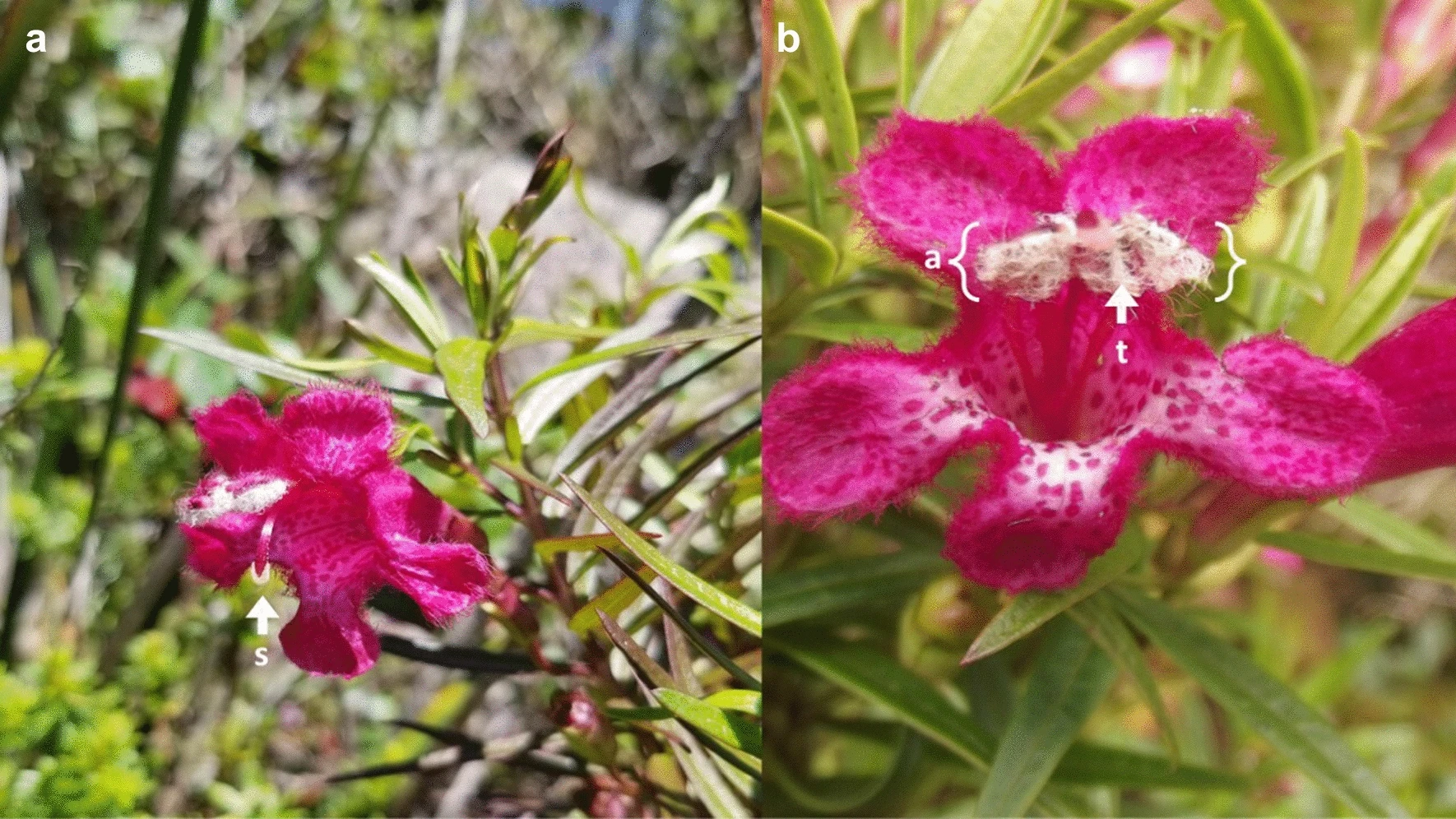
But back to the real subject of this post – a flower that corresponds to the classical bird pollination syndrome BUT is also pollinated by bees and (very surprisingly) wind! It’s such an interesting paper by Brazilian ecologists Amanda Pacheco, Pedro Bergamo & Leandro Freitas – here’s the reference and a link to the study:

Pacheco, A., Bergamo, P.J. & Freitas, L. (2024) An unexpected case of wind pollination: ambophily in an ornithophilous tropical mountaintop Orobanchaceae. Plant Systematics and Evolution 310, 9. https://doi.org/10.1007/s00606-024-01890-6

For over 100 years the classical pollination syndromes have acted as a framework for understanding the ecology and evolution of plant-pollinator interactions. But we’ve long known that while they can be a useful shorthand, they do not fully reflect the complexity of how pollination systems evolve. That shouldn’t surprise us because, as I point out in my two recent books, we have data (of any quality) on no more than 10% of the 350,000 or so species of flowering plants!

In addition, those plants for which we do have good data are NOT a random subset of the flowering plants: they have been specifically chosen by researchers because they look to be good systems with which to address particular ecological or evolutionary questions.

Which is fine, but we MUST recognise that this imposes significant restrictions on our understanding of the biodiversity of plant-pollinator interactions. The authors of this paper expressed it very well when they wrote that assumptions about:

“predictability may cause researchers to take for granted that only birds pollinate ornithophilous flowers, hindering research on the contribution of other vectors.”

To which I’d add: it also hinders our understanding of how these interactions evolve over long time scales and across multiple populations.

An obvious question is: how frequent are these sorts of complex pollination systems, involving different pollen vectors of an apparently specialised flower? The answer is that we simply don’t know, because most researchers would have not gone into this level of detail. So a huge congratulations to the authors for a great study – I hope it stimulates others to look beyond the ‘expected’ pollinators of flowers.

Photos: Nathália Susin Streher from the original paper.

Can coffee plantation design boost both productivity and sustainability? A new study says YES!

One of the most productive research collaborations in which I’ve had the pleasure to be involved has been with André Rodrigo Rech in Brazil. It started when he was a postgrad working on his PhD, and has now continued as André has developed into fully-fledged academic with his own research group. That productivity has been fueled by a lot of coffee, of course, as you’ll know if you’ve read my book Pollinators & Pollination: Nature and Society!

Our most recent paper concerns coffee production in Brazil and how the design and management of plantations can both support wild bee populations AND increase the quality and quantity of the crop. One of the lead authors Gudryan Baronio has written a post about the work over on The Applied Ecologist blog – here’s the link: https://appliedecologistsblog.com/2024/02/26/can-coffee-plantation-design-boost-both-productivity-and-sustainability/

Here’s the reference – if you want a PDF of the paper, please send me a message via my Contact page:

Pereira Machado, A.C., Baronio, G., Soares Novaes, C., Ollerton, J., Wolowski, M., Natalina Silva Lopes, D. & Rech, A. (2024) Optimizing coffee production: Increased floral visitation and bean quality at plantation edges with wild pollinators and natural vegetation. Journal of Applied Ecology (in press)

Here’s the abstract:

  1. Animal pollination is important for more than 75% of agricultural crops, including coffee, whose productivity can increase with adequate pollination. Bees, including many solitary species, are diverse pollinators, with around 85% of them considered more effective than honeybees in pollen transfer. We assessed the coffee plantation and its surrounding vegetation for solitary bee nesting throughout the coffee flowering season and measured their impact on coffee productivity.
  2. We installed collection stations with trap nests inside a coffee plantation, on the border and inside the native vegetation in a farm in Diamantina, MG, Brazil. We used 10 weekly monitored replicates at least 1 km apart. We evaluated fruiting by autogamy in relation to natural pollination and used the increase in fruit set from pollinators to calculate the farmer’s monetary gain. We recorded bee visits to the exposed flowers during coffee flowering considering both on the edge and inside the coffee plantation. Ripe fruits were dried, counted and weighed.
  3. We discovered 132 solitary bee nests outside the plantation, with 54% containing coffee pollen grains, indicating coffee as an essential resource for bees even outside the crop area. More bee visits occurred at the coffee plantation’s edge, resulting in increased fruit production, denser fruits, and rounder fruits in that area. Bagged flowers produced consistent seeds in all locations. The farmer could earn an extra US$1736.37 per hectare if the entire area received the same level of pollination contribution from bees as observed at the coffee border.
  4. Synthesis and applications. Our study emphasises the key role of pollinators in coffee production and their impact on fruit and seed characteristics. Bee visits were more frequent on border areas, emphasising their reliance on natural nesting sites. Bee-mediated pollination positively affected fruit traits and self-pollinated fruits in plantation borders had reduced mass. Solitary bee nesting was primarily observed in native vegetation, underlining its importance for bee populations. Pollen composition in nests varied with proximity to coffee plantations, indicating landscape vegetation influences pollinator foraging. These findings support optimising coffee plantation design by preserving native vegetation to increase coffee yields and conserve biodiversity.

Image © Ana Carolina Pereira Machado

Pollinator-flower interactions in gardens during the COVID-19 pandemic lockdown of 2020: the data paper has just been published!

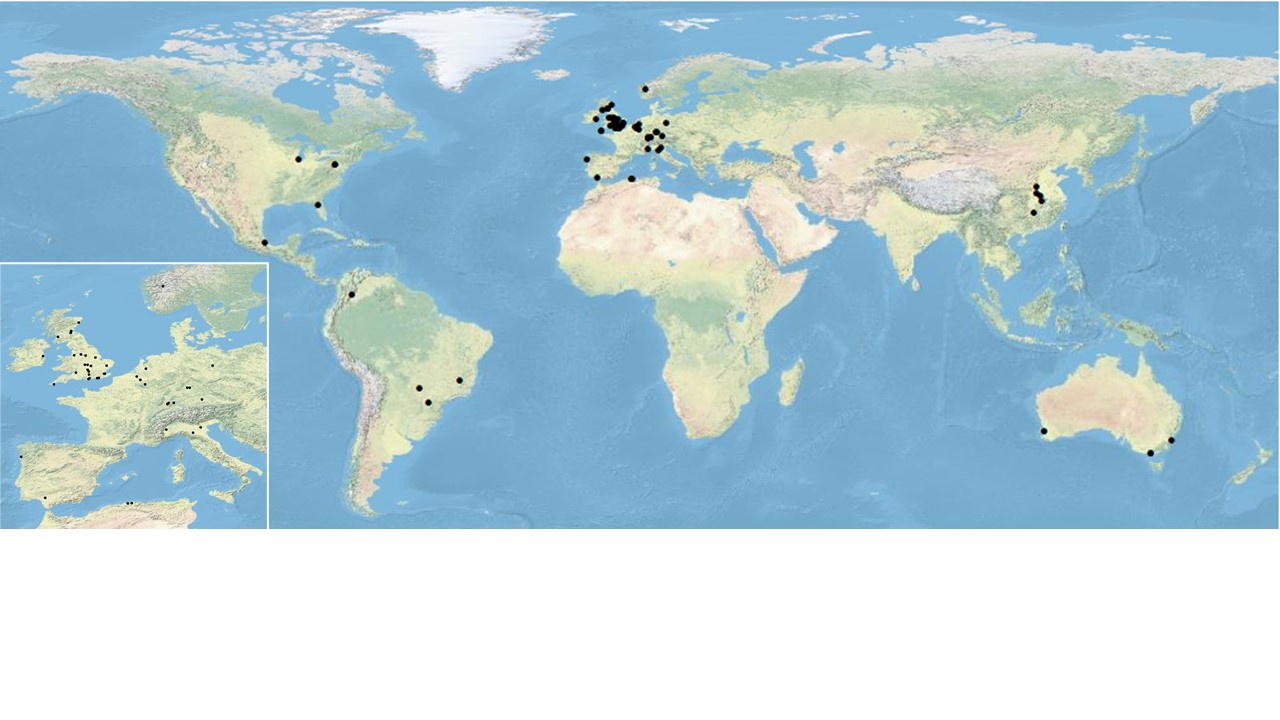
During the lockdown period of the COVID-19 pandemic in 2020, many pollination ecologists were stuck at home: universities and research institutes were closed and restrictions on travel meant that it was not possible to get out and do field work. In order to keep active and motivated, and to turn adversity into an opportunity, an ad hoc network of more than 70 researchers from 15 different countries (see the map above) decided to collect standardised data on the plant-pollinator networks in their own gardens and nearby public spaces.

When combined with information about location, size of garden, floral diversity, how the garden is managed, and so forth, this would provide some useful data about how gardens support pollinators. For those with kids at home it could also be a good way of getting them out into fresh air and giving them something to do!

Following discussions, several different protocols were instigated which depended upon the time available to the researchers, including one that mirrored the UK Pollinator Monitoring Scheme’s  FIT (Flower-Insect Timed) counts.

The resulting data set of almost 47,000 visits by insects and birds to flowers, as well as information about flowers that were never visited, is freely available and will be an invaluable resource for pollination ecologists. For example, analysing the links between ornamental flowers that share pollinators with fruits and vegetables such as apples and beans, will allow us to make recommendations for the best plants to grow in home gardens that can increase yields of crops.  

There’s an old saying about turning adversity into a positive outcome: “When life gives you lemons, make lemonade”, and the researchers were pleased to find that there’s one record of Citrus limon in the data set!

The paper describing the data set has just been published in the Journal of Pollination Ecology and you can download a PDF of the paper and the associated data for free by following this link.

Sincere thanks to all of my co-authors for their commitment to the project!

Tracking trends in Neotropical pollinators: how good is our understanding and is more data always better?

In my recent book Pollinators & Pollination: Nature and Society I discussed the current state of our knowledge of how populations of pollinators have changed over time. Although we have some quite detailed data for particular, often charismatic, species or for certain geographic localities or regions, for most species we know almost nothing. As I wrote in the chapter “The shifting fates of pollinators”:

“For most pollinators we are ‘data deficient’, in other words, we don’t know how their populations are performing. They could be doing well, but they may not be”

This is particularly true for those regions for the world that hold the greatest terrestrial biodiversity: the tropics. For the vast majority of species in the tropics we know precious little about trends in their populations and how their distributions have changed over time in the face of wide-scale land transformation and recent climatic shifts. Filling in some of the gaps in our knowledge of Neotropical pollinator distributions is one of its aims of SURPASS2, a collaboration between South American and UK ecologists, and one of several research and outreach projects with which I’m involved.

In a new study that’s come out of that work, led by Rob Boyd from the UK Centre for Ecology and Hydrology, we’ve used the GBIF database to look at the changing distributions of four important groups of pollinators: bees, hoverflies, leaf-nosed bats and hummingbirds. In particular we were interested in understanding the kinds of biases that come with such publicly available data, and whether recent efforts to add data to GBIF has improved our understanding of trends.

Our overall conclusion is that there are significant limitations and biases inherent in all of these data sets even for groups like hummingbirds which one would imagine are well documented by scientists and bird-watching naturalists. In addition, having more data does not necessarily help matters: it can introduce its own biases.

The paper is open access and feely available; here’s the reference with a link:

Boyd, R. J., Aizen, M.A., Barahona-Segovia, R.M., Flores-Prado, L., Fontúrbel, F.E., Francoy, T.M., Lopez-Aliste, M., Martinez, L., Morales, C.L., Ollerton, J., Pescott, O.L., Powney, G.D., Saraiva, A.M., Schmucki, R., Zattara, E.E., & Carvell, C. (2022) Inferring trends in pollinator distributions across the Neotropics from publicly available data remains challenging despite mobilization efforts. Diversity and Distributions (in press)

Here’s the abstract:

Aim
Aggregated species occurrence data are increasingly accessible through public databases for the analysis of temporal trends in the geographic distributions of species. However, biases in these data present challenges for statistical inference. We assessed potential biases in data available through GBIF on the occurrences of four flower-visiting taxa: bees (Anthophila), hoverflies (Syrphidae), leaf-nosed bats (Phyllostomidae) and hummingbirds (Trochilidae). We also assessed whether and to what extent data mobilization efforts improved our ability to estimate trends in species’ distributions.

Location
The Neotropics.

Methods
We used five data-driven heuristics to screen the data for potential geographic, temporal and taxonomic biases. We began with a continental-scale assessment of the data for all four taxa. We then identified two recent data mobilization efforts (2021) that drastically increased the quantity of records of bees collected in Chile available through GBIF. We compared the dataset before and after the addition of these new records in terms of their biases and estimated trends in species’ distributions.

Results
We found evidence of potential sampling biases for all taxa. The addition of newly-mobilized records of bees in Chile decreased some biases but introduced others. Despite increasing the quantity of data for bees in Chile sixfold, estimates of trends in species’ distributions derived using the postmobilization dataset were broadly similar to what would have been estimated before their introduction, albeit more precise.

Main conclusions
Our results highlight the challenges associated with drawing robust inferences about trends in species’ distributions using publicly available data. Mobilizing historic records will not always enable trend estimation because more data do not necessarily equal less bias. Analysts should carefully assess their data before conducting analyses: this might enable the estimation of more robust trends and help to identify strategies for effective data mobilization. Our study also reinforces the need for targeted monitoring of pollinators worldwide.

——————————————————–

SURPASS2 has been a hugely productive project as you’ll see if you look at the Publications page of the website. There’s much more to come and I’ll report on those research papers as they appear.

A new study shows that even short-tubed flowers can specialise on hawkmoths as pollinators

Of all of the “classical” pollination syndromes, flowers that are hawkmoth pollinated have one of the highest levels of predictability. If a flower is pale in colour, opens at night, is highly scented, and possesses a long tube at the bottom of which is a supply of nectar, there’s a very high likelihood that it’s pollinated by long-tongued hawkmoths (Sphingidae).

Indeed, one of the foundational stories about the development of our understanding of how pollination systems evolve, relates to Charles Darwin, the long-tubed orchid Angraecum sesquipedale and the hawkmoth Xanthopan morganii praedicta.

Fast forward 160 years and we now know that pollination syndromes are more complex than 19th and early 20th century scientists imagined – see my recent book Pollinators & Pollination: Nature and Society for a discussion of this topic. That’s not surprising because, as I point out, we probably have data on the interactions between plants and their pollinators for only about 10% of the estimated 352,000 species of flowering plants. There’s still much to be discovered!

As an example of how our understanding of specialised flower-hawkmoth interactions is developing, consider this recent study that I’ve just published with my Brazilian colleague Felipe Amorim and other collaborators. In it we have shown that, contrary to expectations, a species of Apocynaceae (Schubertia grandiflora) with a relatively short floral tube can specialise on hawkmoths with much longer tongues than we might predict.

The full reference with a link to the study is shown below, followed by the abstract. If you would like a PDF, please drop me a line via my Contact page:

Amorim, F.W., Marin, S., Sanz-Viega, P.A., Ollerton, J. & Oliveira, P.E. (2022) Short flowers for long tongues: functional specialization in a nocturnal pollination network of an asclepiad in long-tongued hawkmoths. Biotropica https://doi.org/10.1111/btp.13090

Abstract:

Since Darwin, very long and narrow floral tubes have been known to represent the main floral morphological feature for specialized long-tongued hawkmoth pollination. However, specialization may be driven by other contrivances instead of floral tube morphology. Asclepiads are plants with a complex floral morphology where primary hawkmoth pollination had never been described. We detailed here the intricate pollination mechanism of the South American asclepiad Schubertia grandiflora, where functional specialization on long-tongued hawkmoth pollinators occurs despite the short floral tube of this species. We studied two plant populations in the Brazilian Cerrado and recorded floral visitors using different approaches, such as light-trapped hawkmoths for pollen analysis, direct field observations, and IR motion-activated cameras. Finally, using a community-level approach we applied an ecological network analysis to identify the realized pollinator niche of S. grandiflora among the available niches in the pollinator community. Throughout a period of 17 years, long-tongued hawkmoths were consistently recorded as the main floral visitors and the only effective pollinators of S. grandiflora. Flowers rely on highly modified corona and gynostegium, and enlarged nectar chambers, to drive visitors and pollination mechanism. Despite its relative short-tube, network analysis placed S. grandiflora in the module including exclusively long-tongued hawkmoth pollinators and the most phenotypically specialized sphingophilous plants in the community. These results represent the first example of functional specialization in long-tongued hawkmoths in an asclepiad species. However, this specialization is uncoupled from the long floral tubes historically associated with the sphingophily syndrome.

Heterospecific pollen deposition is positively associated with reproductive success in a diverse hummingbird-pollinated plant community: a new study just published

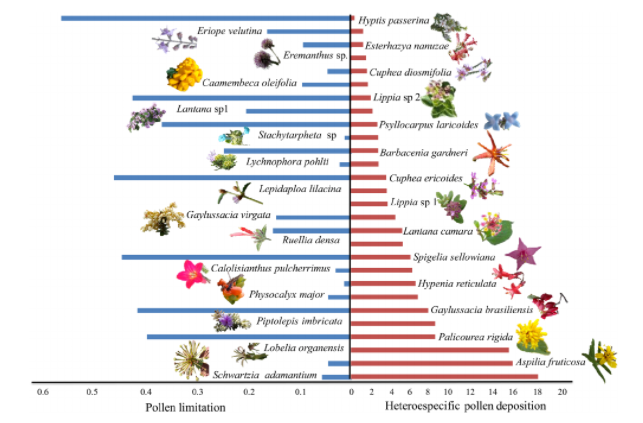
Plants which live in diverse communities with other species may often share pollinators, which means that their stigmas can receive the pollen from different types of plants as well from individuals of their own species. This “heterospecific” pollen deposition may have consequences for plant reproduction if it clogs up the stigmas and prevents “conspecific” pollen from gaining a foothold. However there’s still relatively little published on this phenomenon and its impact on reproduction, particularly in highly diverse tropical communities across different seasons. In a new study just published in the journal Oikos and led by Sabrina Aparecida Lopes, we have shown that in a Brazilian hummingbird-flower community heterospecific pollen deposition (HPD) shows seasonal patterns. Contrary to expectations, we also found a positive relationship between HPD and reproductive success, which by coincidence has also been shown this month for a high-Andean plant community in this paper just published by Sabrina Gavini and colleagues.

Here’s the full reference and the abstract for our Oikos paper:

Lopes, S.A, Bergamo, P.J, Queiroz, S.N.P., Ollerton, J., Santos, T. & Rech, A.R. (2021) Heterospecific pollen deposition is positively associated with reproductive success in a diverse hummingbird-pollinated plant community. Oikos (in press)

Heterospecific pollen deposition (HPD) is ubiquitous across plant communities, especially for generalized species which use a diversity of pollinators, and may have negative effects on plant reproduction. However, it is unclear whether temporal changes in the co-flowering community result in changes in HPD patterns. Moreover, community-level studies are required to understand which factors influence HPD and how the reproduction of different species is affected. We investigated the temporal variation of HPD, its relationship with level of specialization on pollinators and floral phenotypic specialization, and its association with reproductive success (pollen limitation and fruit set) in 31 hummingbird-pollinated plant species in a tropical Campo Rupestre. We found seasonality in HPD, with species flowering in the dry season having greater diversity of heterospecific pollen on stigmas and a higher frequency of stigmas containing heterospecific pollen, compared to the rainy season. Stigmas of ecologically generalized species had more heterospecific pollen, while the relationship for ecologically specialized species depended on floral phenotype. Surprisingly, and in contrast to theory, we found a positive relationship between HPD and reproductive success. Our results indicate benefits of generalization and facilitation, in which sharing pollinators brings greater reproductive success via increased conspecific pollen deposition, even if it incurs more HPD. We demonstrated how assessing HPD at a community-level can contribute to understanding the ecological causes and functional consequences of pollinator sharing.

If you’d like a PDF, please use the Contact page to request one.

Deforestation grabs the headlines: but what about the grasslands?

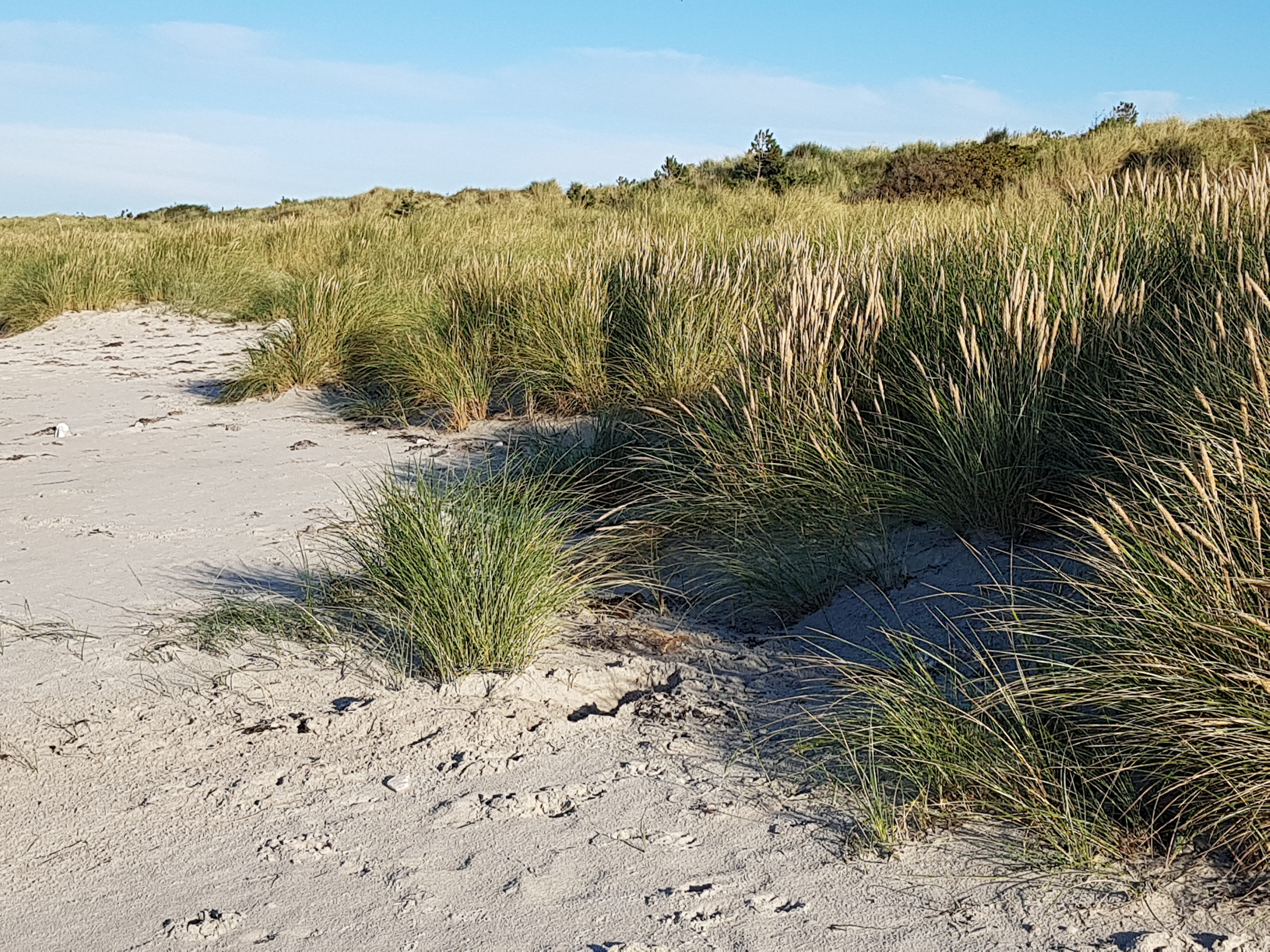
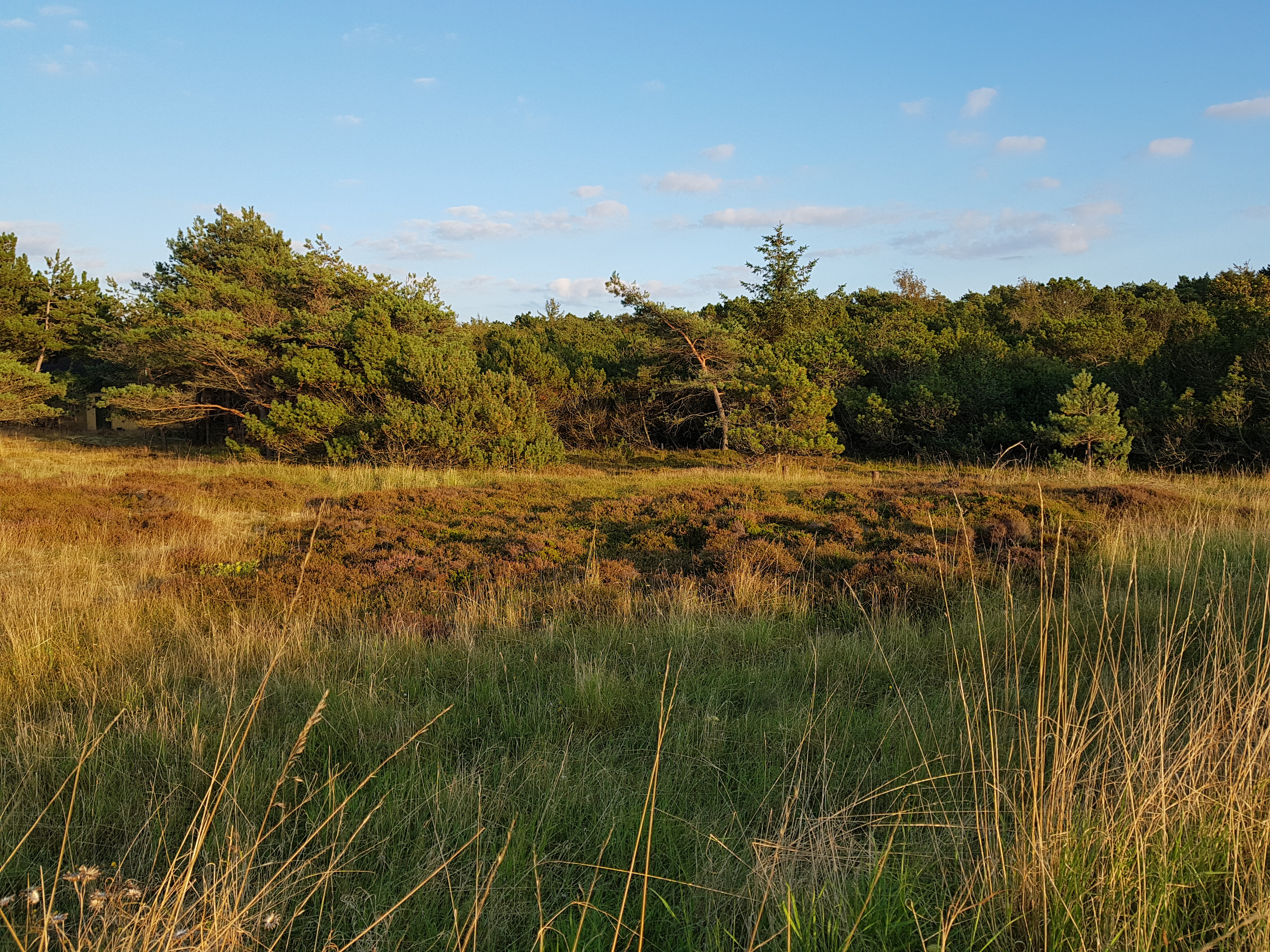
Perhaps it’s because we don’t have a fancy name for it? “Deforestation” rolls off the tongue in a rather satisfying way that emphasises the importance of conserving old growth and ancient woodlands. But how do we describe destruction of grasslands? “Degrasslandation” doesn’t really work, even though at its root is trying to describe the same effect: the loss of important, carbon-storing and biodiversity-preserving ecosystems. Grasslands, remember, are the world’s largest single terrestrial ecosystem.

Of course it’s not just grasslands that are disappearing: shrublands and savannahs such as the Brazilian cerrado are being lost even faster than forests are being cut down. But again “deshrublandisation” or “decerradoisation” just don’t have the same ring. Nor the political clout: Boris Johnson cannot wax lyrical about the “cathedrals of nature” of chalk grassland on Salisbury Plain or the species rich flood meadows along the Thames. However Britain has lost far more of them than we have of ancient woodlands: over 90% of such species diverse grasslands have now gone according to some estimates.

It’s clear that forests have great PR, are highly photogenic, and are ecologically incredibly important. So today’s announcement at COP26 that world leaders have committed to stopping deforestation by 2030 is welcome news: if they come through with their promises, which they didn’t following a similar announcement in 2014. But I’m in agreement with Gill Perkins who has just published this opinion piece in New Scientist. A commitment to stop grasslands, and other types of habitat, being built on, ploughed up or agriculturally “improved” could go a long way towards ensuring that carbon remains locked up in the world’s soils and vegetation. It doesn’t all have to be about the forests.

UPDATE: for more about the importance of grasslands and how they are being degraded worldwide, see this recent piece by Richard Bardgett, James Bullock, and colleagues entitled “Combatting global grassland degradation“.

Climate change history affects contemporary pollination systems – a new study just published

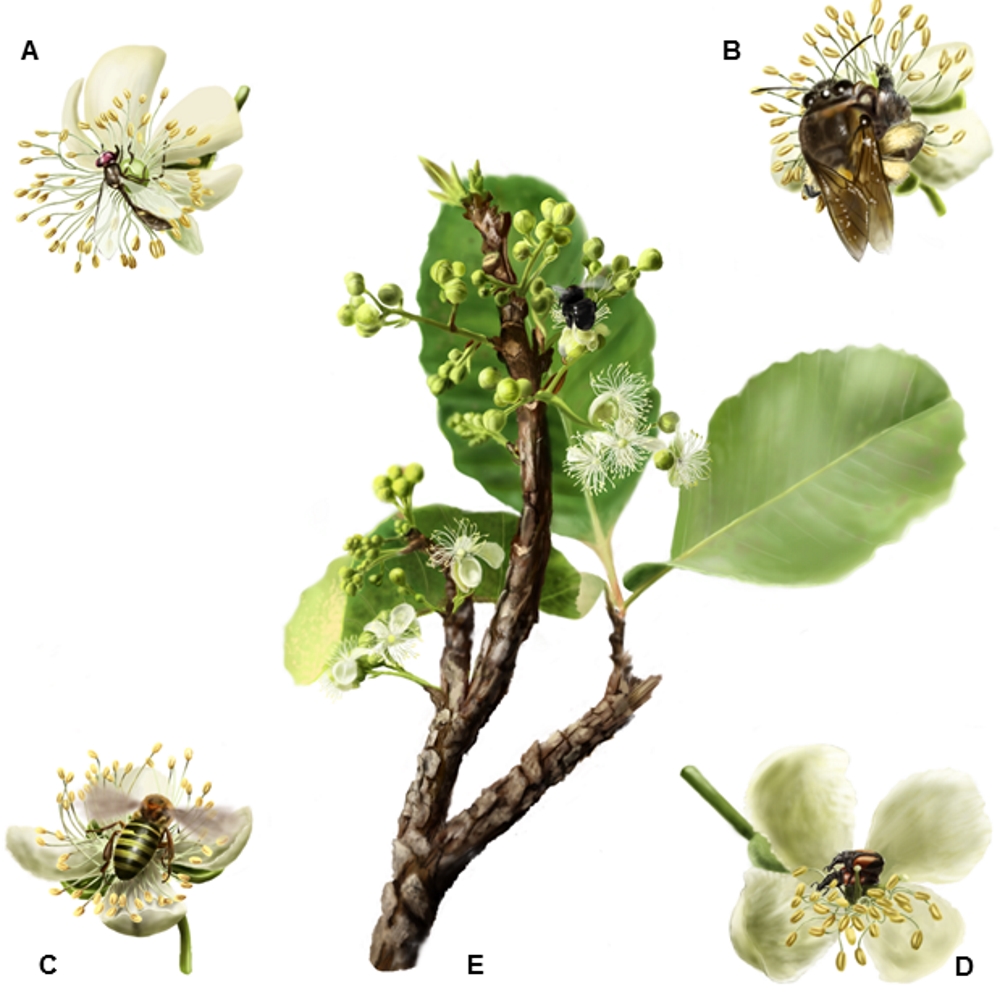
Illustration of Curatella americana and its pollinators by Pedro Lorenzo

The distribution of plants, animals and other organisms that we see around us is clearly influenced by climate: all species have limitations in terms of temperature, rainfall, etc., that affects where they can live and reproduce. As well as these contemporary “climatic niches” however, there are much more subtle effects of historical climate on species, and the ways in which they interact with one another. These are harder to study because it requires us to know about what climatic conditions were like in a particular region thousands or millions of years ago. But as our knowledge of paleoclimates grows, we can apply it to understand how contemporary ecology is shaped by the past. This in turn may tell us how species will react to future climate change.

In a new study that I’ve just published with Brazilian, Danish and American colleagues, we’ve shown that the frequency with which a South American savannah tree self-pollinates is determined mainly by the climatic stability experienced by a population since the Last Glacial Maximum. In contrast, and perhaps surprisingly, the current diversity and abundance of pollinators plays a much smaller role in how often plants self-pollinate.

The work was led by André Rodrigo Rech and formed part of his original PhD research. Here’s the full citation:

Rech, A.R., Ollerton, J., Dalsgaard, B., Jorge, L.R., Sandel, B., Svenning, J.-C., Baronio, G.J. & Sazima, M. (2021) Population-level plant pollination mode is influenced by Quaternary climate and pollinators. Biotropica (in press)

The abstract is below, first in English then in Portuguese. If anyone wants a PDF please add a comment or send me a message via my Contact page.

Abstract:

Patterns in ecology are the products of current factors interacting with history. Nevertheless, few studies have attempted to disentangle the contribution of historical and current factors, such as climate change and pollinator identity and behavior, on plant reproduction. Here, we attempted to separate the relative importance of current and historical processes on geographical patterns of the mating system of the tree species Curatella americana (Dilleniaceae). Specifically, we asked the following: (a) How do Quaternary and current climate affect plant mating system? (b) How does current pollinator abundance and diversity relate to plant mating system? (c) How does mating system relate to fruit/seed quantity and quality in C. americana? We recorded pollinators (richness, frequency, and body size) and performed pollination tests in ten populations of C. americana spread over 3,000 km in the Brazilian savannah. The frequency of self‐pollination in the absence of pollinators was strongly influenced by historical climatic instability and not by present‐day pollinators. In contrast, seed set from hand‐cross and natural pollination were affected by pollinators (especially large bees) and temperature, indicating the importance of current factors on out‐cross pollination. Two populations at the Southern edge of the species’ distribution showed high level of hand‐cross‐pollination and high flower visitation by large bees, but also a high level of autogamy resulting from recent colonization. Our results indicate that historical instability in climate has favored autogamy, most likely as a reproductive insurance strategy facilitating colonization and population maintenance over time, while pollinators are currently modulating the level of cross‐pollination.

Resumo:

Os padrões em ecologia são o produto de fatores contemporâneos interagindo a partir de uma bagagem histórica. Apesar desse reconhecimento, poucos estudos se ativeram em separar as contribuições dos fatores históricos e atuais como o clima, a identidade e comportamento de polinizadores sobre a reprodução de plantas. Neste trabalho nós decompomos a importância relativa dos processos contemporâneos e históricos no padrão geográfico do sistema reprodutivo da árvore comum no Cerrado, Curatella americana (Dilleniaceae). Especificamente nós perguntamos a) como o clima do presente e do quaternário afetam o sistema reprodutivo? b) Como a abundância e diversidade de polinizadores afeta o sistema reprodutivo da planta atualmente. c) Como o sistema reprodutivo se relaciona com a quantidade e qualidade dos frutos produzidos em C. americana? Para responder estas questões, nós registramos os polinizadores (riqueza, frequência e tamanho corporal) e realizamos testes de polinização em 10 populações de C. americana distribuídas em mais de 3.000 km de Cerrado no Brasil. A frutificação com autopolinização foi fortemente influenciada pela instabilidade climática do passado e não teve relação com os polinizadores no presente. Em contraste, a frutificação com polinização cruzada manual e natural foi afetada pelos polinizadores (especialmente abelhas grandes) e pela temperatura atual, revelando o papel de fatores ecológicos sobre a polinização cruzada. Duas populações na borda sul da distribuição de C. americana apresentaram alto nível de frutificação com polinização cruzada manual e altas taxas de visitação floral por abelhas grandes, mas também apresentaram alto nível de autogamia interpretadas como resultado da recente colonização dessas áreas. Nossos resultados indicam que a instabilidade climática do passado promoveu a autogamia como uma estratégia de segurança reprodutiva capaz de facilitar a colonização e manutenção de populações nesses locais com polinizadores imprevisíveis. Em contrapartida, nos locais com disponibilidade de polinizadores a polinização cruzada foi intensificada revelando a como processos históricos e contemporâneos atuam de forma sinérgica sobre o sistema reprodutivo das plantas.