Tag Archives: Nature

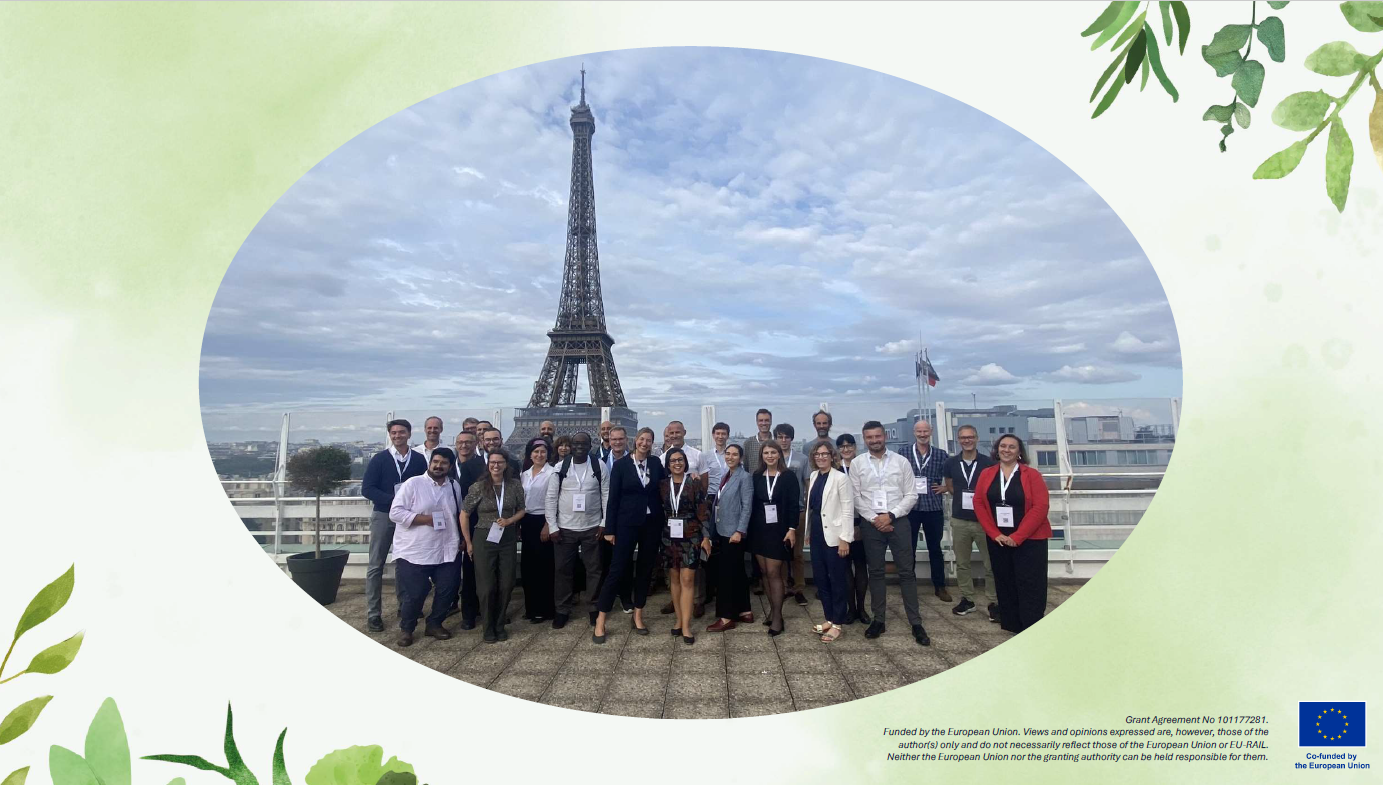
The SYMBIOSIS project kicks off in Paris!

Last week I had the pleasure of travelling to Paris via Eurostar for the launch meeting of the EU Agency for Railways-funded SYMBIOSIS project, held at the headquarters of UIC – the International Union of Railways. This is my second project working with UIC on questions concerning how the European rail network both impacts and supports biodiversity – see this blog post from June 2022. And once again I’ll be working closely with the UK Centre for Ecology and Hydrology, and principally Richard Pywell and Reto Schmucki, to deliver the work.

What is SYMBIOSIS about? Well, it’s not a research project as such, it’s actually a Coordination and Support Action (CSA) project designed to:

“improve cooperation between legal entities from the EU and associated countries to strengthen the European Research Area including, for example, standardisation, dissemination, awareness-raising, communication and networking activities, policy dialogues, mutual learning or studies”

SYMBIOSIS involves a series of work packages with some ambitious objectives that are aiming to mainstream biodiversity across a wide range of rail-related activities including infrastructure development, transport policy, environmental impact assessments, sustainability reporting, and procurement processes. It will also develop some practical tools for sustainable land management that can both enhance biodiversity and increase infrastructure resilience, mainly through the use of nature-based solutions to rail issues such as flooding and landslides.

The work package in which I am involved will assess what biodiversity monitoring rail operators are currently undertaking, and develop a standardised framework for recording and reporting such data. No small task! But we’re looking at some very hi-tech options including the use of real-time, AI-based monitoring.

The two day kick-off meeting was very successful, with over 40 representatives from a wide range of organisations attending both in person and remotely. There was a lot of energy in the room, as befits the Olympics host city, and a great willingness to work collaboratively on making SYMBIOSIS a success.

SYMBIOSIS has a three year programme of activities and as the project progresses, you can be sure that I’ll report back.

Speaking at Oxford Ornithological Society – 11th September

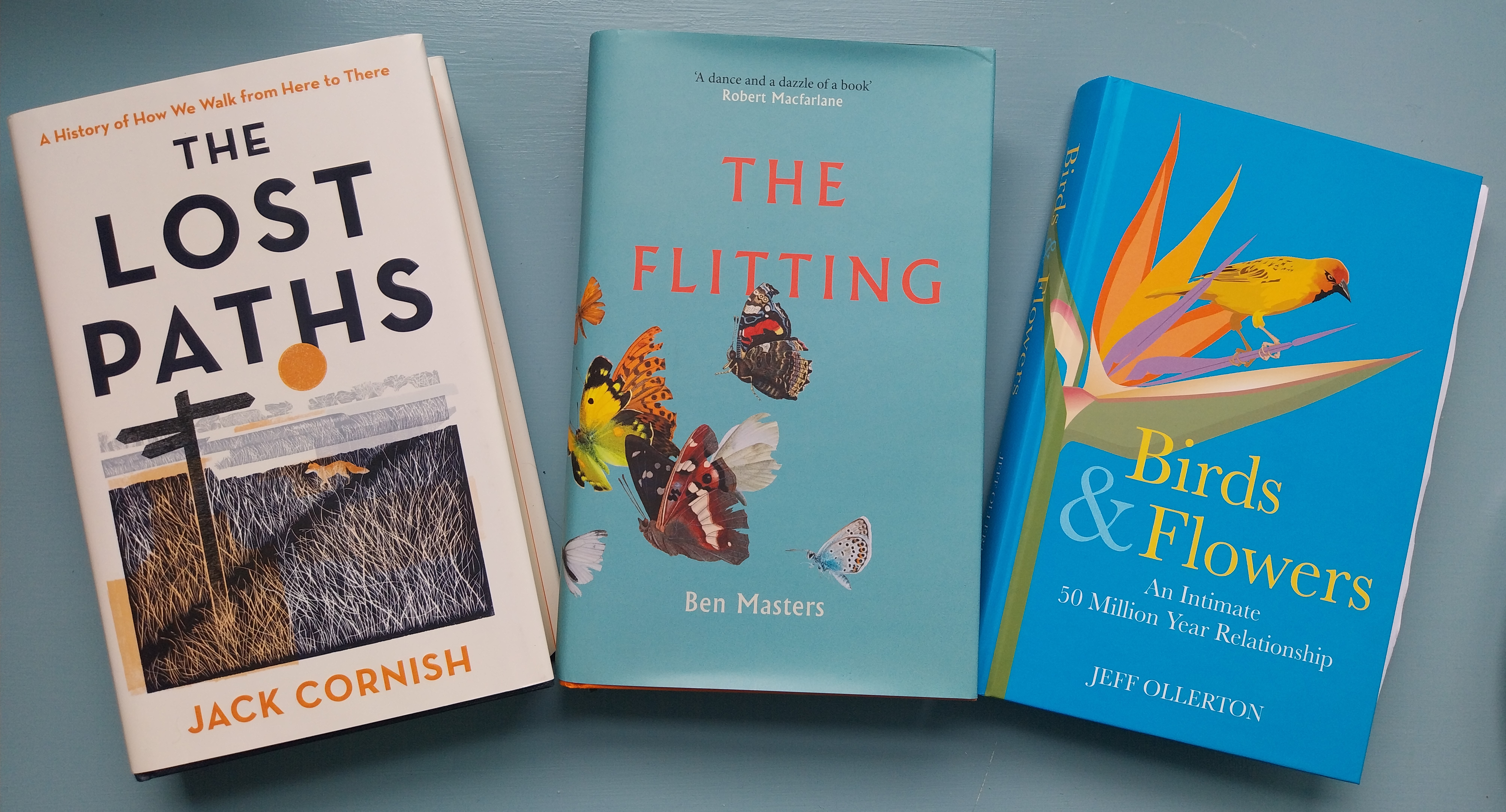
Later this month I’ve been invited by the Oxford Ornithological Society to give a talk about my new book Birds & Flowers: An Intimate 50 Million Year Relationship. The talk will summarise the main themes from the book, particularly the sheer diversity of birds that can act as pollinators, what it means for the ecology and evolution of flowers, why the conservation of such interactions matters, and the cultural significance of bird-flower interactions. I’ll also deal with the question of why Europe is so odd when it comes to the question of birds as pollinators.

The talk is on Wednesday 11th September at Exeter Hall, Kidlington, starting at 7.45 pm; it’s free to society members, and non-members are invited to make a donation. Do come along if you’re in the area!

More details here: https://www.oos.org.uk/programme.php

I’ll bring a few copies of Birds & Flowers and Pollinators & Pollination: Nature and Society if anyone wants to buy a signed book.

Also in the diary are talks at South Leicester Birdwatchers (13th November) and Northamptonshire Bird Club (5th March).

If you represent a birding club or natural history society and wish to book me for a talk, please get in touch via my Contact page.

Urban bees are often early bees says a new study

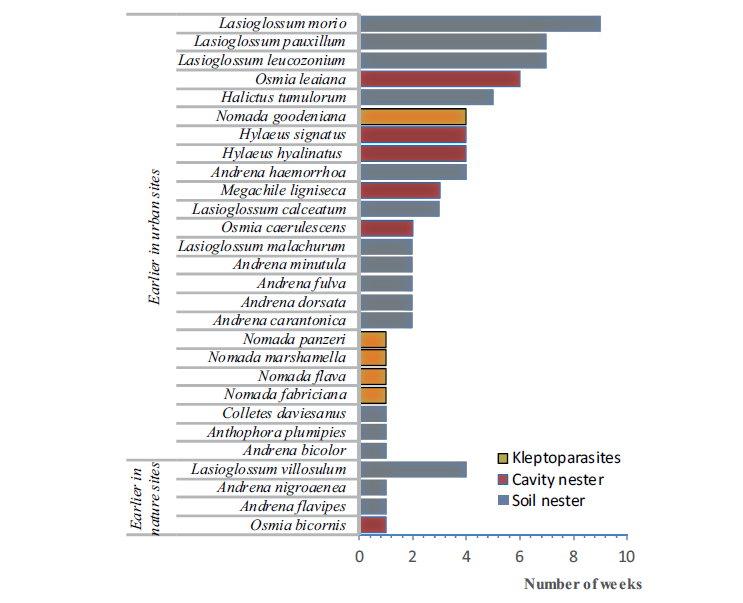
The latest paper from Muzafar Sirohi‘s PhD work on urban solitary bees has just been published in the journal Zoodiversity, a publication of the National Academy of Sciences of Ukraine. In this paper we looked at how the flight periods of urban populations of bees differ from those in surrounding nature reserves and other “natural” settings. One of the most interesting findings is that urban bees tend to emerge earlier, and be active longer, than their rural counterparts. The quote the study:

“We observed a substantial effect of urban microclimate on bee flight periods. A total of 153 individuals of nine bee species were recorded one to nine weeks before or after their expected flight periods. In contrast, only 14 individuals of four species were seen at unusual flight periods in nature sites.”

In my book Pollinators & Pollination: Nature and Society I discussed the importance of towns and cities for supporting pollinator populations, and conversely how important those populations are for urban food production. Likewise, in Birds and Flowers: An Intimate 50 Million Year Relationship I have a chapter entitled “Urban flowers for urban birds”. The relationship between our built environment and pollinators is a fascinating topic, but there’s still much we don’t understand about how these insects and vertebrates respond behaviorally to urbanisation. Are they adapting in an evolutionary sense, or simply responding flexibly to the different conditions that cities impose on their biologies? Will future climate change make towns and cities uninhabitable for these animals? Hopefully our paper will stimulate further work on these and other topics.

Here’s the full reference with a link to the paper (which is open access):

Sirohi, M. H., Jackson, J., & Ollerton, J. (2024). Comparison of Flight Periods of Solitary and Primitively Eusocial Bees in Urban Environments and Nature Conservation Areas: a Preliminary Report. Zoodiversity 58: 317-334

Here’s the abstract:

Solitary and primitively eusocial bees, an important group of pollinators, have declined in the past few decades. In view of the recent focus on safeguarding pollinating insects, it is vital to understand the basic ecology of species for their conservation, for example their phenologies. We observed the flight periods of solitary and primitively eusocial bees in both the urban core of a large British town and nearby nature conservation areas. The bee surveys were conducted with standardised methods, on warm sunny days from the first appearance of bees in March 2012 and continued until October 2012. This study confirmed that a high number of species are active in the spring season. The emergence dates of species in urban areas and nature sites varied; about 26 of the 35 species were recorded at least one week earlier in urban areas; in contrast, only four species were seen earlier in nature conservation sites. When comparing this with the expected flight periods recorded (largely in nature sites) in the literature, many species were recorded at their expected time. However, a few individuals were recorded after their usual flight activity time, suggesting that the populations were possibly affected by the microclimate in urban areas. More urban phenological data are needed to understand the phenological trends in bees in urban habitats.

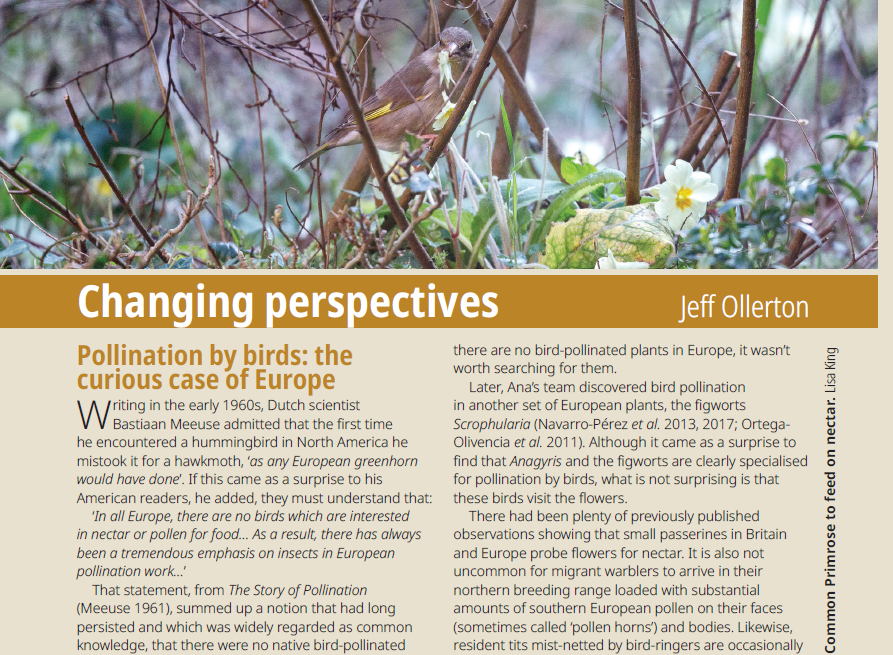
Pollination by birds: the curious case of Europe

Earlier this year I was invited by the editor of British Wildlife magazine to write a piece for their Changing Perspectives section about how odd Europe is when it comes to bird pollination. It’s based on one of the chapters in my book Birds & Flowers: An Intimate 50 Million Year Relationship.

If you subscribe to the magazine, it will appear in the August issue, though I’m happy to send a PDF to anyone who doesn’t subscribe (or has not read the book) – use the Contact Page. The main accompanying photograph is by one of my former students, Lisa King, who kindly allowed me to use it.

If osiers are all you know – China Diary 6

It’s very easy to get a fixed idea of what you think a particular group of plants ‘ought’ to look like, based on those that are most familiar to you from where you live. But exploring a good botanic garden always reveals surprises, as far as plant families are concerned. Willows (or osiers) provided me with a great example recently. Based on those that I am familiar with, I thought I had a pretty good idea of what to expect from the family Salicaceae, which includes not just willows (Salix spp.) but also aspens and poplars.

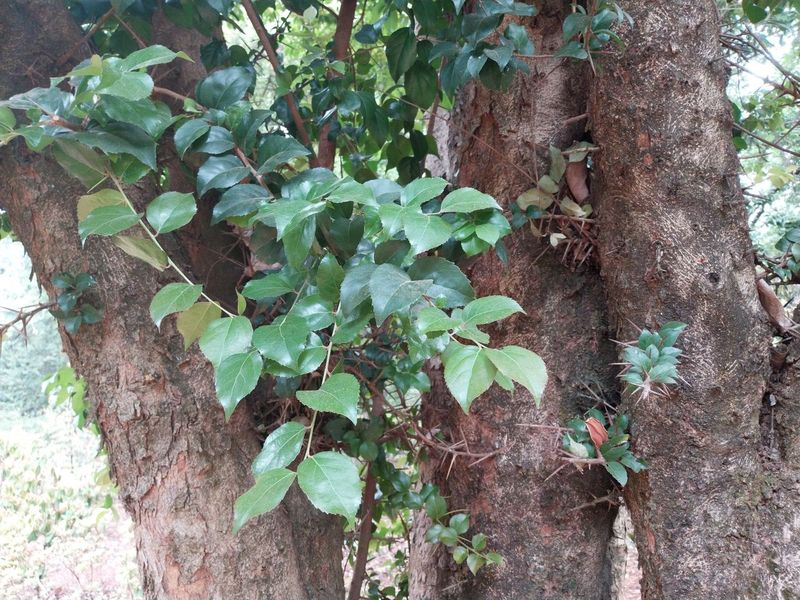
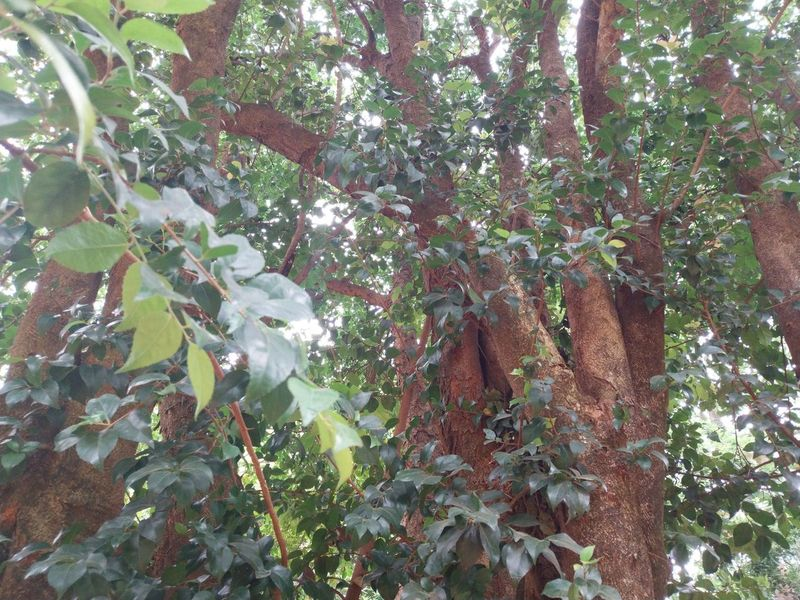
Then you encounter the trunk of a large tree that’s covered in vicious thorns that remind you of the rose family (Rosaceae) and particularly some species of cherries and plums, such as Blackthorn (Prunus spinosa). But it’s a big tree, larger than expected for that group, and the bark in particular doesn’t look right:

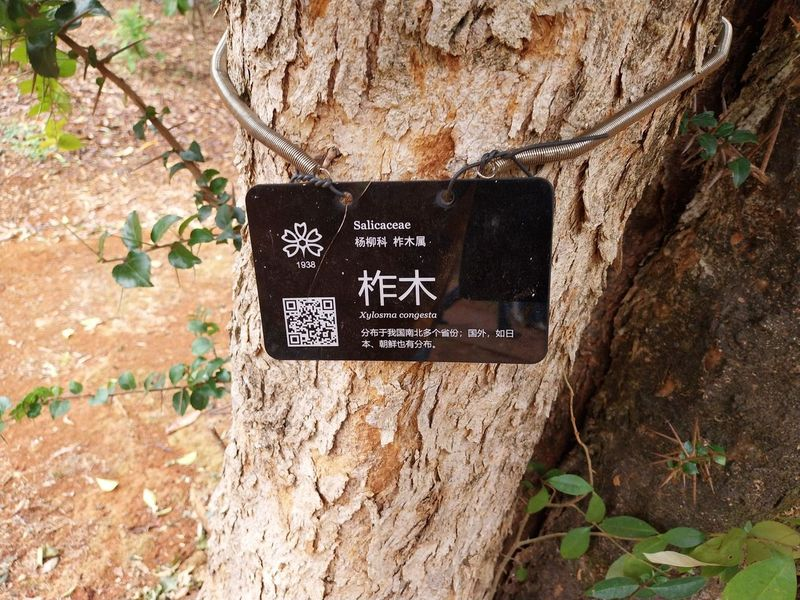
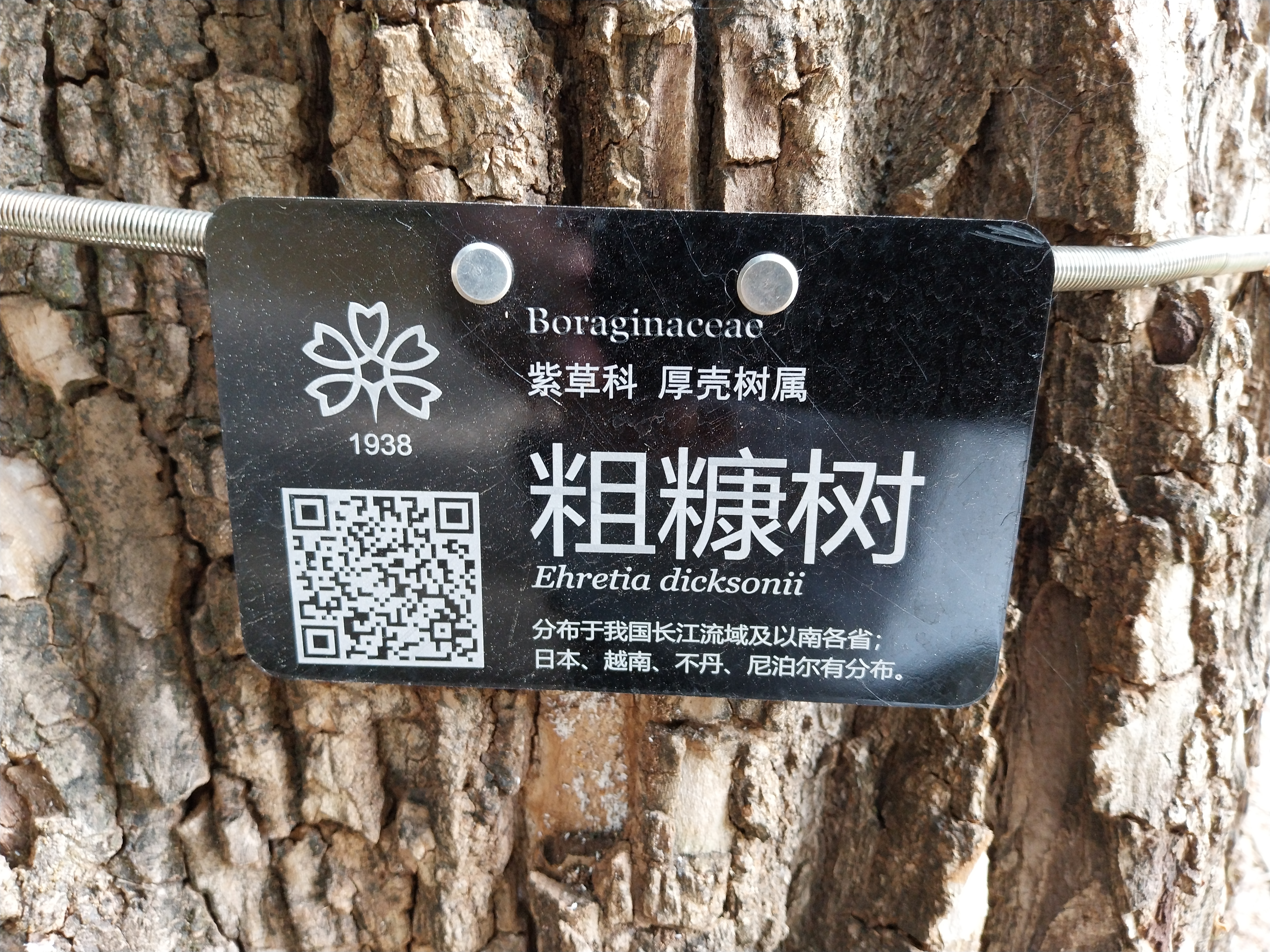
Fortunately, being a botanic garden, there’s a helpful label:

Lo and behold, it’s a member of the willow family! A species of Xylosma, quite a large genus of about 100 species, but not one with which I am familiar.

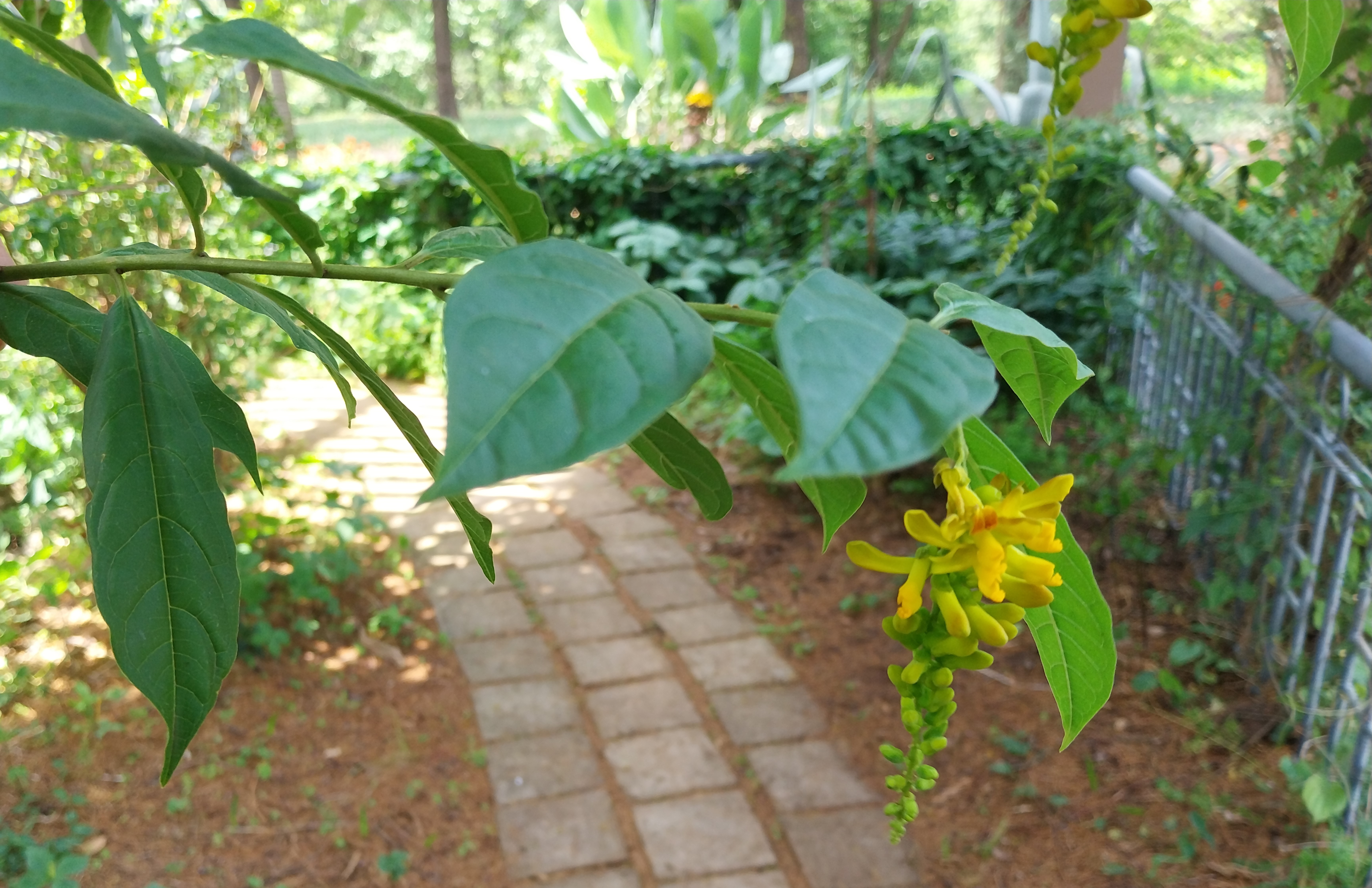
I encountered another example in the Chinese medicinal garden – a species of milkwort (Polygala). The milkworts that are native to Britain are low-growing, herbaceous species, not tall woody shrubs like this P. arillata. The rather legume-like flowers are familiar, but not displayed in these pendant inflorescences, laburnum style:

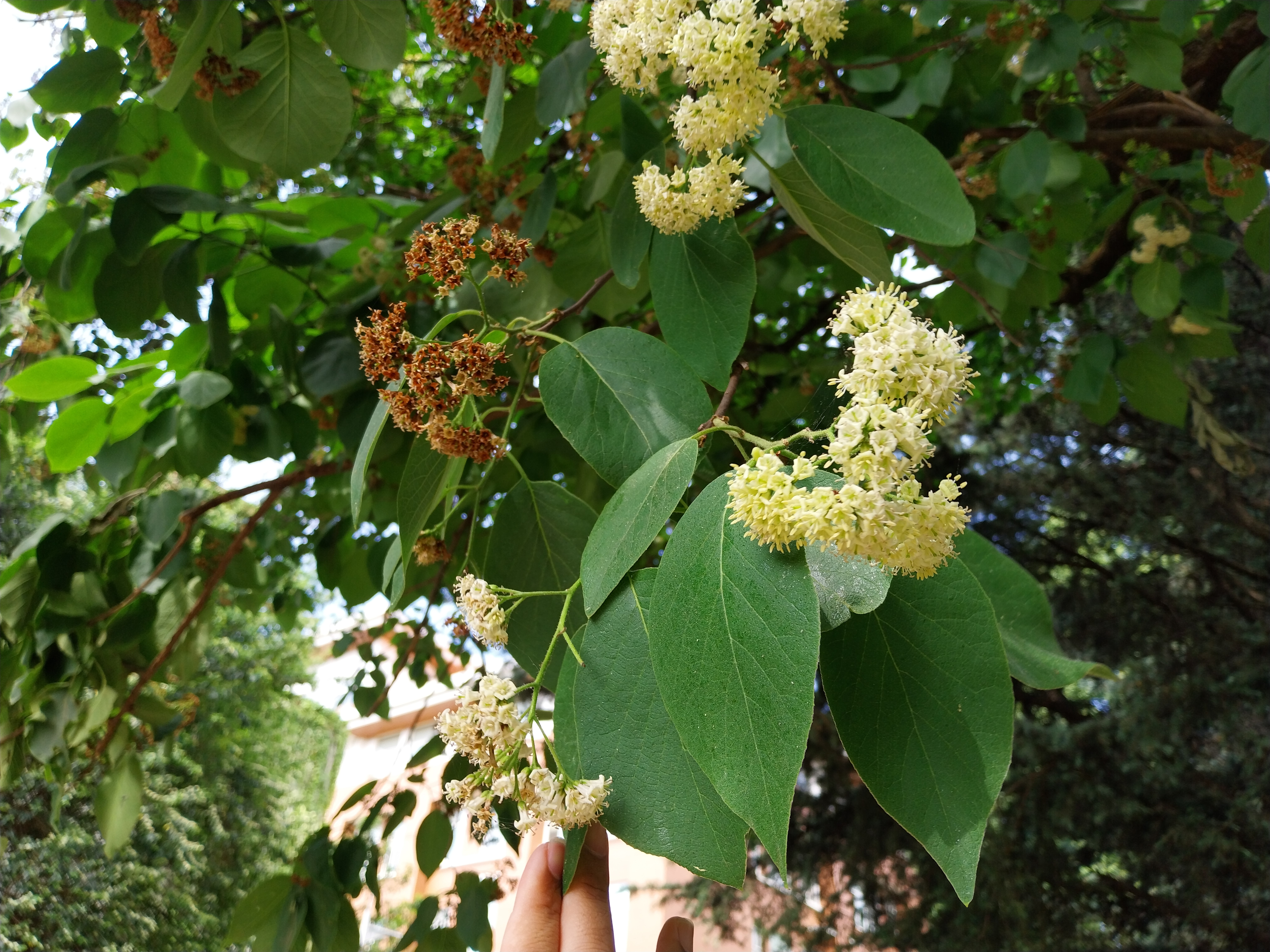
This wasn’t the biggest surprise of my China trip so far, however – how about these clusters of yellow-ish white, highly fragrant flowers, on a large (15 metre) tree? What family could it belong to?

Again, Rosaceae comes to mind, but it turns out that it’s in the borage or forget-me-not family (Boraginaceae):

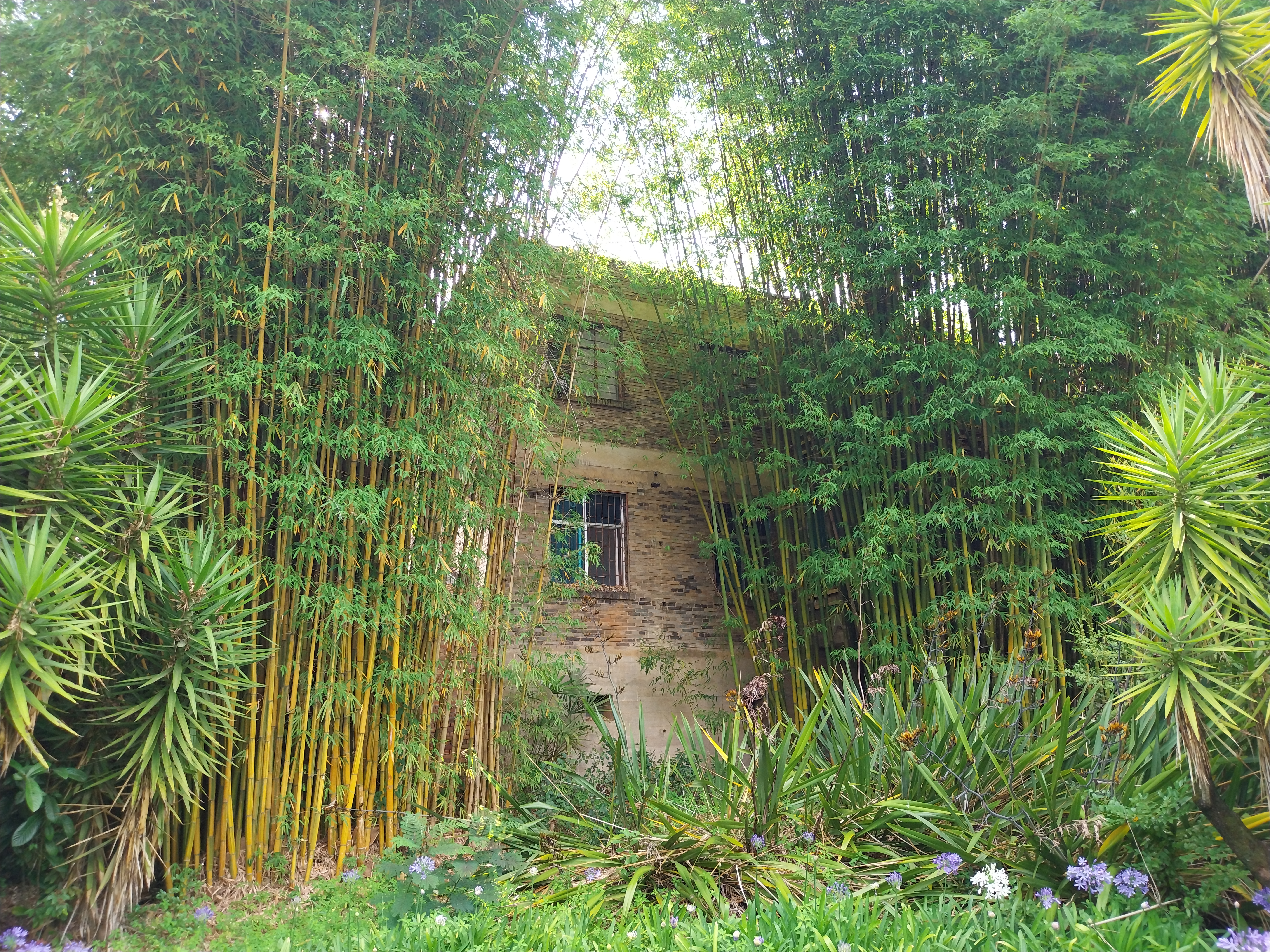
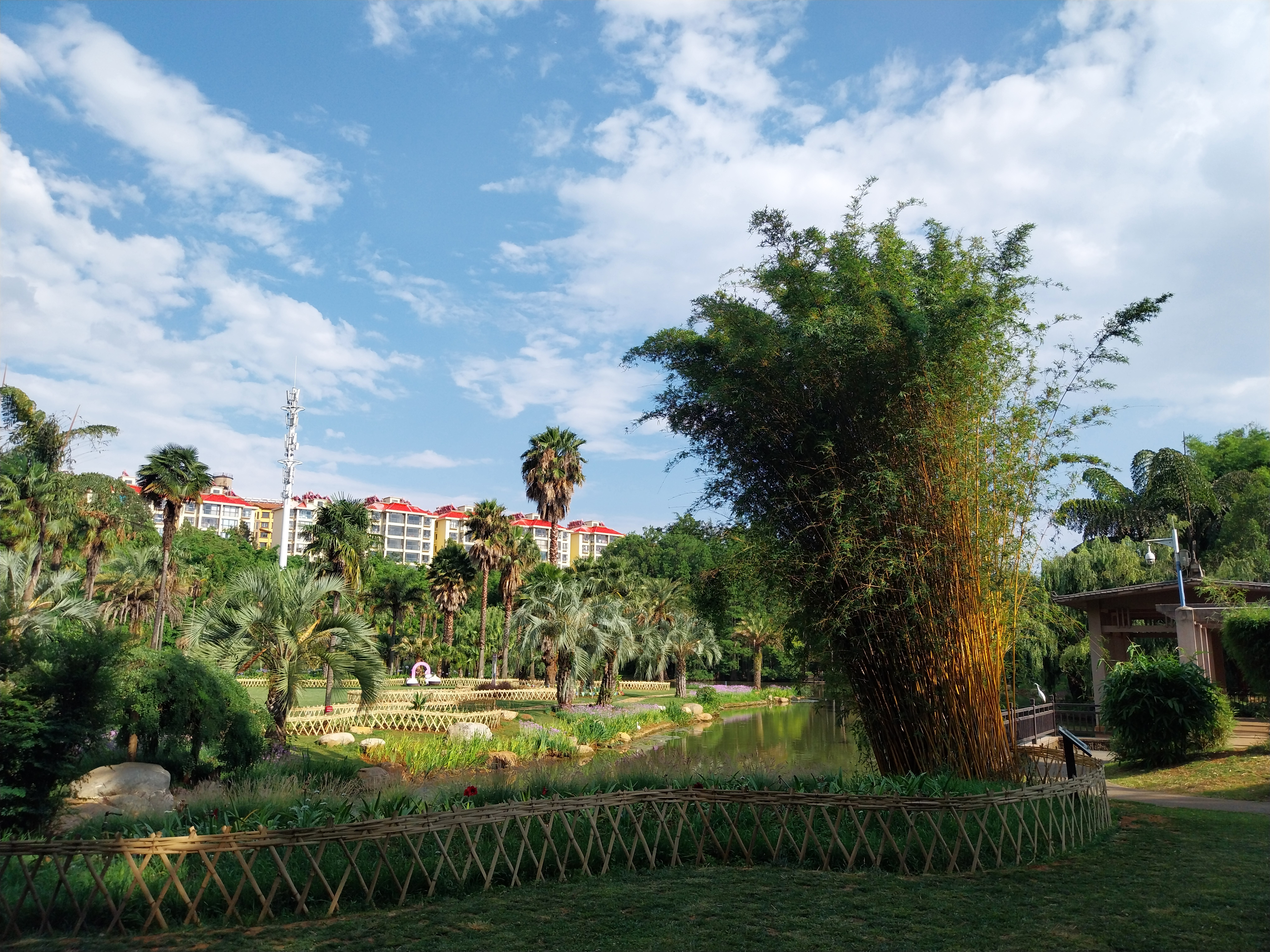
Those last two species are a nice example of a general trends in plant families and genera, which often contain smaller, herbaceous species in cooler, more temperate parts of the world and larger, woody species at lower latitudes in the tropics and subtropics. Bamboos (which are of course woody grasses) are a good example – and we have encountered some spectacular specimens in the garden:

Of course there’s also some familiar species, including birds: how many Little Egrets can you spot in this picture?

Exploring botanic gardens are one of my favourite pastimes, it’s always worthwhile and, in the words of an old blog post of mine, Je ne egret rien.

Listen to my interview on the Crime Pays But Botany Doesn’t podcast!

Last week I had the pleasure of chatting for over two hours with Joey Santore for his Crime Pays But Botany Doesn’t podcast series about my two books Plants & Pollinators: Nature and Society and Birds & Flowers: An Intimate 50 Million Year Relationship.

I’m a long-standing fan of his YouTube video channel which Joey describes as “A Low-Brow, Crass Approach to Plant Ecology & Evolution as muttered by a Misanthropic Chicago Italian.”

It was a lot of fun to talk flowers and pollinators with him and although I tried to keep my swearing to a minimum, if you know Joey and his work, you know what you’re in for, so be warned! It’s not for the easily offended.

We had sound issues at a couple of points and note that at 54:20 I made an error, and said “hummingbirds” a couple of times when I meant “sunbirds”. Put it down to a lack of coffee that morning….

Here’s the link:

A doubly-parasitic orchid? – China Diary 5

Walking into Kunming Institute of Botany yesterday morning, I passed a young guy who was carrying what I initially thought was a species of Orobanchaceae. I’ve a long-standing interest in the pollination ecology of these intriguing parasitic plants, so I stopped to have a chat. Turns out they were in fact orchids! Specifically, they were specimens of Gastrodia elata, one of the “potato orchids“, so named because those fat tubers are edible. They are widely used in South China – where they are known as Tianma, 天麻 – both as a food and medicinally. The tubers are eaten before the flowers are produced, and originally they were collected from the wild. But in the 1960s a Chinese botanist named Xuan Zhou discovered how to cultivate them and they are now grown in specialist nurseries. A fascinating account of the life of Xuan Zhou – “The Father of Gastrodia” – was published in the journal Plant Diversity last year, shortly after he died.

These orchids do not produce green leaves or stems, therefore they cannot photosynthesise. Instead, they gain all of their energy from a parasitic symbiotic relationship with a fungus – they are what is termed “myco-heterotrophic“. Most myco-heterotrophic plants have evolved from ancestors that were involved in mutualistic mycorrhizal relationships with fungi, in which the plant provides sugars to the fungus in return for mineral nutrients and water. In the case of Gastrodia elata, the fungus concerned is the non-mycorrhizal, wood-rotting Armillaria mellea. In the west we know this as Honey Fungus, a disease of trees and shrubs and the bane of many a gardener. This is also edible, incidentally, but best dried before cooking (and some have an intolerance to it, so take care).

I tweeted the photograph in a short thread just after taking it, and Stewart Nicol pointed me to a study of the orchid’s floral biology and pollination ecology in Japan by Naoto Sugiura. Turns out that, at least in the population which Naoto studied, the plant produces no nectar and deceives its pollinators, which are small bees, into visiting the flowers.

That’s why I’ve used the phrase “doubly-parasitic*” in the title of this post – the plant, it appears, parasitically exploits both the fungus from which it gains energy and the pollinators that ensure its reproduction. It’s (almost, but not quite) the flip side of “double mutualism” in which species provide two benefits for one another, e.g. the same bird is both a pollinator and a seed disperser of a particular plant, a phenomenon that I discussed in my recent book Birds & Flowers: An Intimate 50 Million Year Relationship.

But note the question mark in the title of this post. There’s an enormous amount that we don’t know about these myco-heterotrophic interactions and how they remain stable over the evolutionary history of the plant and the fungus. In order to be considered a parasite, by definition, an organism must have a negative impact on the reproductive fitness of its host. Do these orchids negatively impact either the fungus or the bees that pollinate it? As yet we don’t know. And I was intrigued by this comment from a 2005 review of ‘The evolutionary ecology of myco-heterotrophy‘ by Martin Bidartondo:

“no successful plant lineage would be expected to cheat both mycorrhizal fungi (by failing to provide photosynthates) and deceive insect pollinators (by failing to provide nectar or other rewards) due to the evolutionary instability inherent to specializing on two lineages.”

At first glance it appears that Gastrodia elata is a plant lineage that has done just that, though I’d like to see more work carried out on this system. Specifically, are all populations of the orchid bee pollinated and are all rewardless? And does this orchid really provide no benefit to the fungus, perhaps by synthesising secondary compounds that protect the Armillaria from infection by bacteria or being eaten by invertebrates. So many questions to be answered about this fascinating species interaction!

*With thanks to my wife Karin Blak for inspiring that phrase.

Introduced species shed friends as well as enemies – a new study published this week

As I’ve previously discussed on the blog, when species are moved to a different part of the world they lose many of the ‘enemies’ – such as predators, herbivores and pathogens – that would normally keep their populations in check. This can have implications for the likelihood of a species becoming invasive, and it’s called the Enemy Release Hypothesis (ERH) and has been well studied. Less well researched is the flip side of the ERH, the Missed Mutualist Hypothesis (MMH), in which species lose their ‘friends’, such as pollinators, seed dispersers, symbiotic fungi, and so forth. It’s a topic I’ve worked on with my colleagues at the University of New South Wales, principally Angela Moles and her former PhD student Zoe Xirocostas.

Another paper from Zoe’s PhD work has just been published and in it she carried out a comparison of European plants that have been transported to Australia, and asked whether they had fewer pollinators in their new range. It turns out that they do!

Here’s the full reference with a link to the paper, which is open access:

Xirocostas, Z.A., Ollerton, J., Peco, B., Slavich, E., Bonser, S.P., Pärtel, M., Raghu, S. & Moles, A.T. (2024) Introduced species shed friends as well as enemies. Scientific Reports 14: 11088

Here’s the abstract:

Many studies seeking to understand the success of biological invasions focus on species’ escape from negative interactions, such as damage from herbivores, pathogens, or predators in their introduced range (enemy release). However, much less work has been done to assess the possibility that introduced species might shed mutualists such as pollinators, seed dispersers, and mycorrhizae when they are transported to a new range. We ran a cross-continental field study and found that plants were being visited by 2.6 times more potential pollinators with 1.8 times greater richness in their native range than in their introduced range. Understanding both the positive and negative consequences of introduction to a new range can help us predict, monitor, and manage future invasion events.

The mystery of what pollinates poinsettias – China Diary 3

Is it too early to talk about Christmas? Not if you’re interested in pollinators and pollination! The mid-winter festival has featured quite a number of times on my blog over the years, especially in relation to the iconic plants that represent this time of year in Northern Europe, and what one might describe as the ‘cultural biodiversity‘ of Christmas. The final plant that I included in that last post was the poinsettia (Euphorbia pulcherrima) – this is how I described it:

In many ways this is an unusual plant to have such a strong cultural association with Christmas: it’s a mildly toxic species of spurge from tropical Mexico that was introduced to North America in the 19th century, then subsequently to Europe. However its festive connotations date back to the earliest period of Spanish colonisation in the 16th century, so it’s older than some…other Christmasy traditions…

I also discuss poinsettia, and specifically its pollination, in my recent book Birds & Flowers: An Intimate 50 Million Year Relationship – this is what I say in the chapter called ‘Urban flowers for urban birds’:

Just occasionally one sees a bird-pollinated tree planted in a city. The most common in my experience are various banksias in Australia, and the Royal Poinciana (from Madagascar) and the African Tulip Tree in the urban tropics and subtropics elsewhere in the world. I’ve also occasionally encountered large specimens of Poinsettia: when they are given free rein they are a much more impressive plant than their Christmas cousins. The vivid red bracts that surround the clusters of flowers suggest that they may be hummingbird-pollinated in their native Central America, but as far as I know their pollination ecology has not been studied.

Here at the Kunming Botanic Garden there’s several quite large specimens of poinsettia that, as I write, are in full flower, their red bracts a signal to pollinators that can be seen for quite a distance. However we’ve not seen any of the local sunbirds or white-eyes visit the flowers, and, as I said in the book, as far as I know the pollination ecology of poinsettia has never been studied in the wild. Close inspection of the flowers in the garden revealed that almost all of the nectaries had at least one nectar-collecting ant sticking out from it, their prominent backsides a deterrent to the Asian Honey Bees (Apis cerana) that also wanted a piece of the action.

Based on the position of the nectaries in relation to the stamens, if the plant is hummingbird-pollinated then the pollen is likely to end up under the chin of the bird. That’s certainly been described in other plant-bird pollination systems. But it does not have to be birds that move the pollen around – red flowers are also associated with other kinds of pollinators, for example butterflies and beetles. But until someone in Mexico does the necessary field work, we’ll just have to speculate.

First footsteps in Kunming – China Diary 1

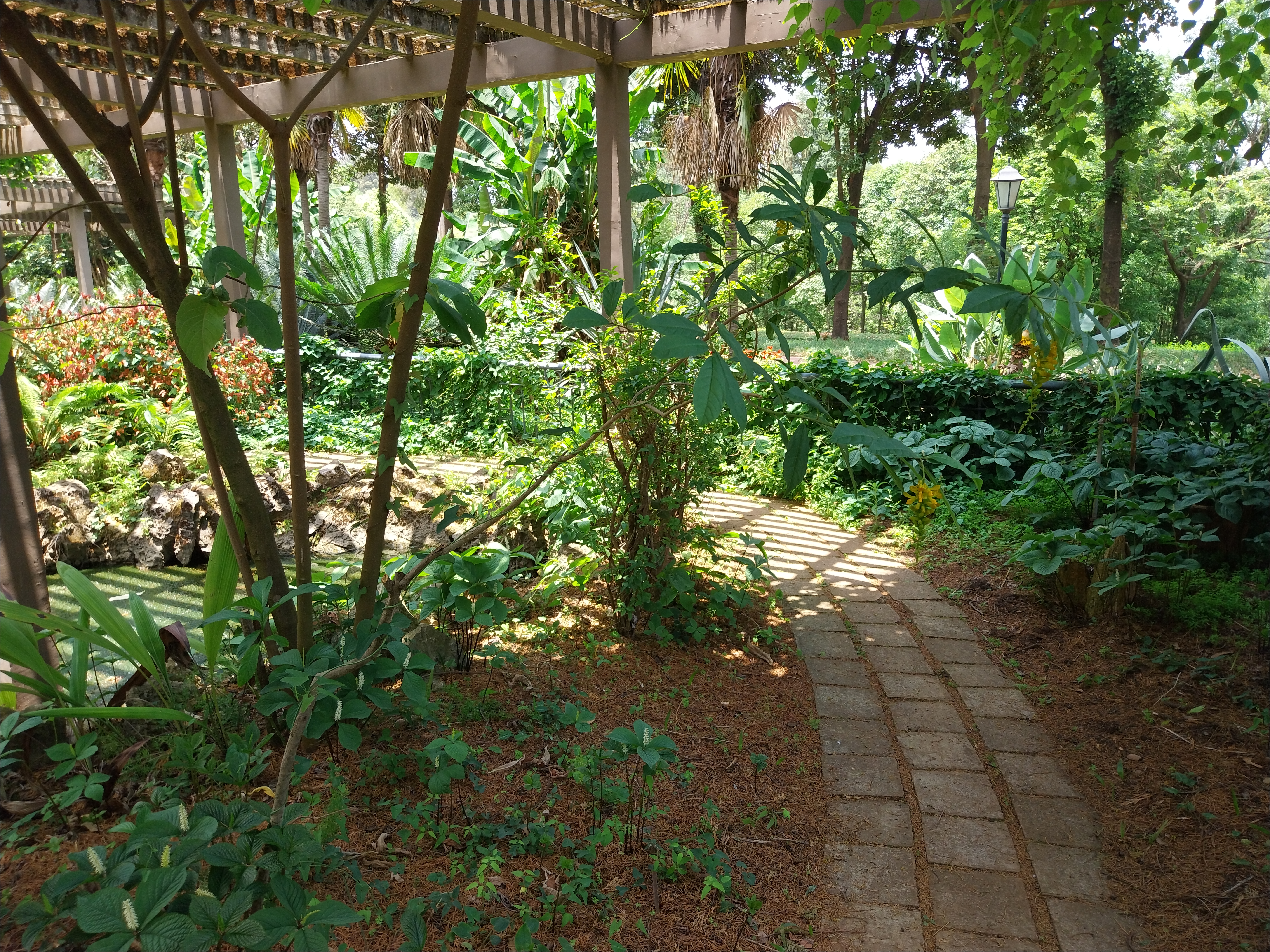
Just over a week ago I arrived in China to spend three months as a visiting professor at the Kunming Institute of Botany (KIB), of the Chinese Academy of Sciences. I am being hosted by my colleague Dr Zong-Xin Ren, and I will repeat this trip each year over the next three years. This is my first visit to Kunming because my last visiting professorship here had to be conducted remotely due to the COVID-19 pandemic. As you can see above, KIB is adjacent to, and works closely with, Kunming Botanical Garden and I have the good fortune of being able to walk to work each day through the gardens:

As I’ve said before, I love botanic gardens because I always, always see plants that amaze and surprise me. For example, I struggled to recognise the family that this very large tree belonged to – and was surprised by the answer!

I’ll be spending my time working on some data and writing manuscripts, carrying out field work, and talking with KIB postgrads and postdocs about their projects. I’ll also give some lectures here and at other institutions in China. The first of these was last Thursday where I spoke about the role of plant-pollinator interactions in underpinning the United Nations Sustainable Development Goals:

Thanks to Brazilian researcher Sinzinando ‘Nando’ Albuquerque-Lima for those last two photographs. As part of a Brazilian-funded project, Nando is here for about 8 months studying a range of plants and their pollinators.

Further afield, Zong-Xin and Nando have introduced me to some of the amazing markets and restaurants in the city and I’ve already added three new plant families to my life list of those I’ve consumed: Phyllanthaceae (the rather sour fruit of a Phyllanthus species); Alismataceae (deep-fried, ‘crisped’ roots of a Sagittaria species); and Meliaceae (the young leaves of Toona sinensis are used as a spinach):

That last photo does not show rhubarb! They are the stems of a variety of taro (Colocasia esculenta) an Araceae species. Yunnan is especially famous for its wild-collected fungi:

On Sunday afternoon Zong-Xin’s research group gave some presentations about their research, which is diverse and exciting and I look forward to discussing it with them some more in the coming months. The afternoon started with a talk by Zong-Xin himself about the history and opportunities of studying pollinators and pollination in China:

And then we all went to dinner!

That’s all for now, I’ll add updates as the weeks go by.