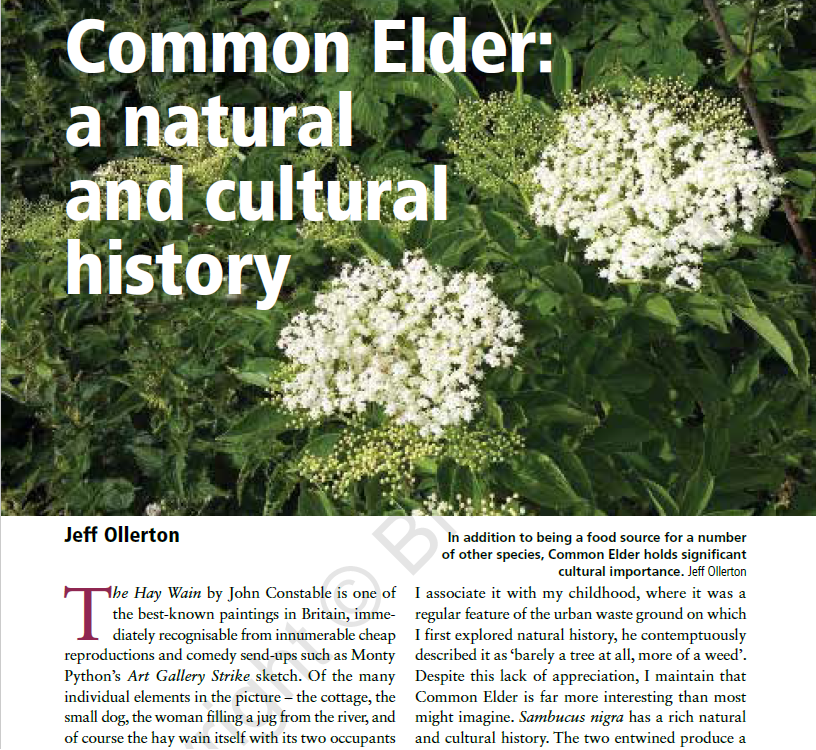
Common Elder (Sambucus nigra) is a plant that has fascinated me since my childhood, when I spent many happy hours scrambling around in its branches and pelting friends with the small fruits that stained our clothes and skin. I was therefore delighted to be able to finally write about my fascination in an article in the May issue of British Wildlife magazine. Although many dismiss it as a rather weedy, commonplace plant, I hope that readers are pleasantly surprised by just how interesting Common Elder is, in terms of its utilitarian value, the mythology and superstitions associated with it, and of course the wildlife that it supports.
I’m developing a talk based on this article, which I’m happy to present online for any natural history or botanical groups. If it’s of interest, drop me a line via my Contact page.
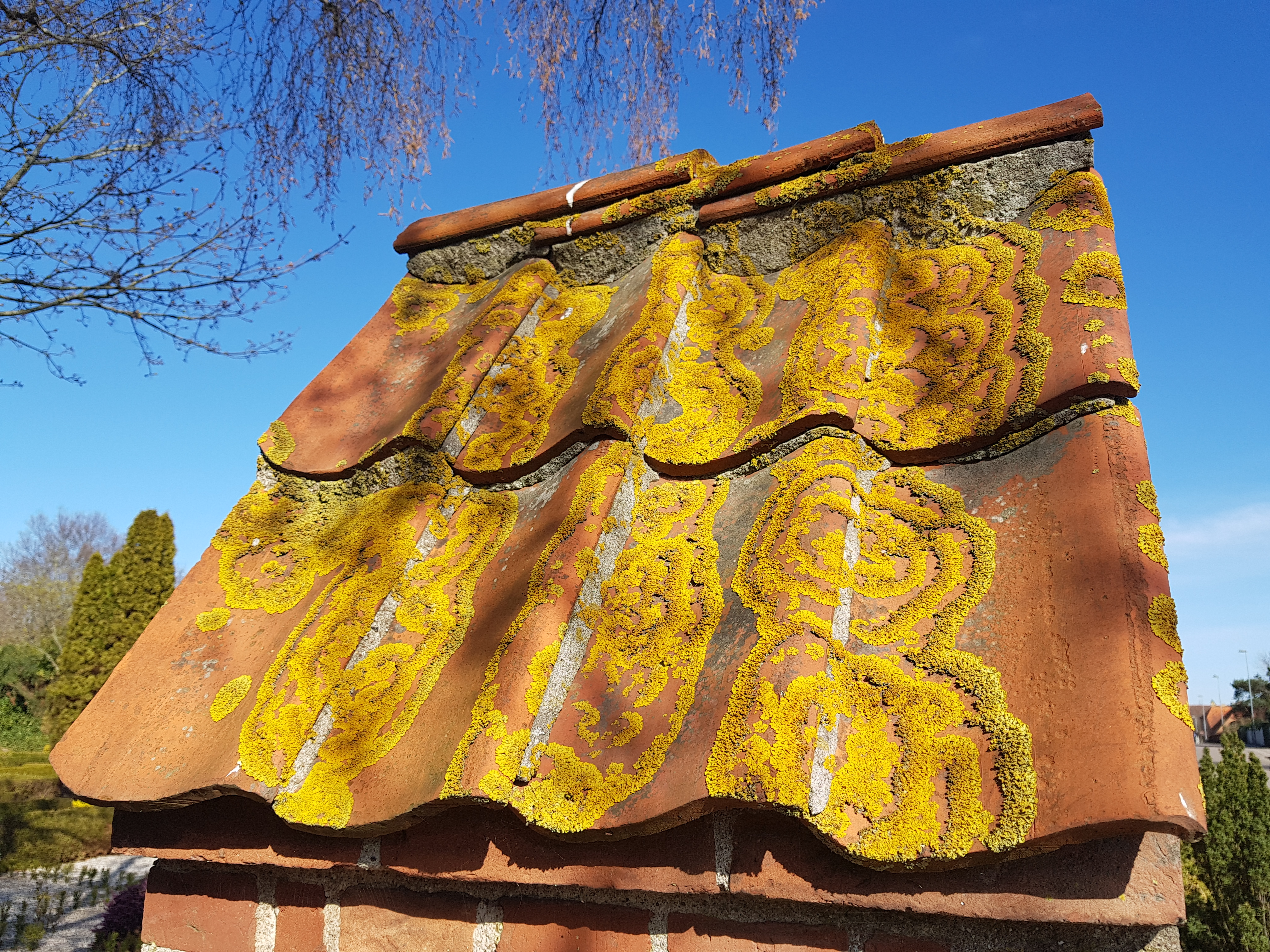
Following on from my recent blog post about biological crusts, I was intrigued by the patterns formed by these lichens on the clay tiles capping the brick gate columns of our local cemetery. It looks as though they have been created by successive waves of growth, but I may be wrong about that. Any lichen experts out there who can tell me what’s going on?
I think the species is Xanthoria parietina, but again I’m happy to be corrected. Below is a cropped close-up from a slightly different angle.
The invasion of Ukraine by hostile Russian forces is a humanitarian disaster the likes of which Europe has not seen for decades, and hoped never to see again. Like many people, Karin and I have been watching the news about the war with a sense of helplessness, bewilderment and alarm, wondering how such things can come to pass in the 21st century. We thought we were past the stage where aggressive, narrow-minded dictators could bully their way into adjacent countries.
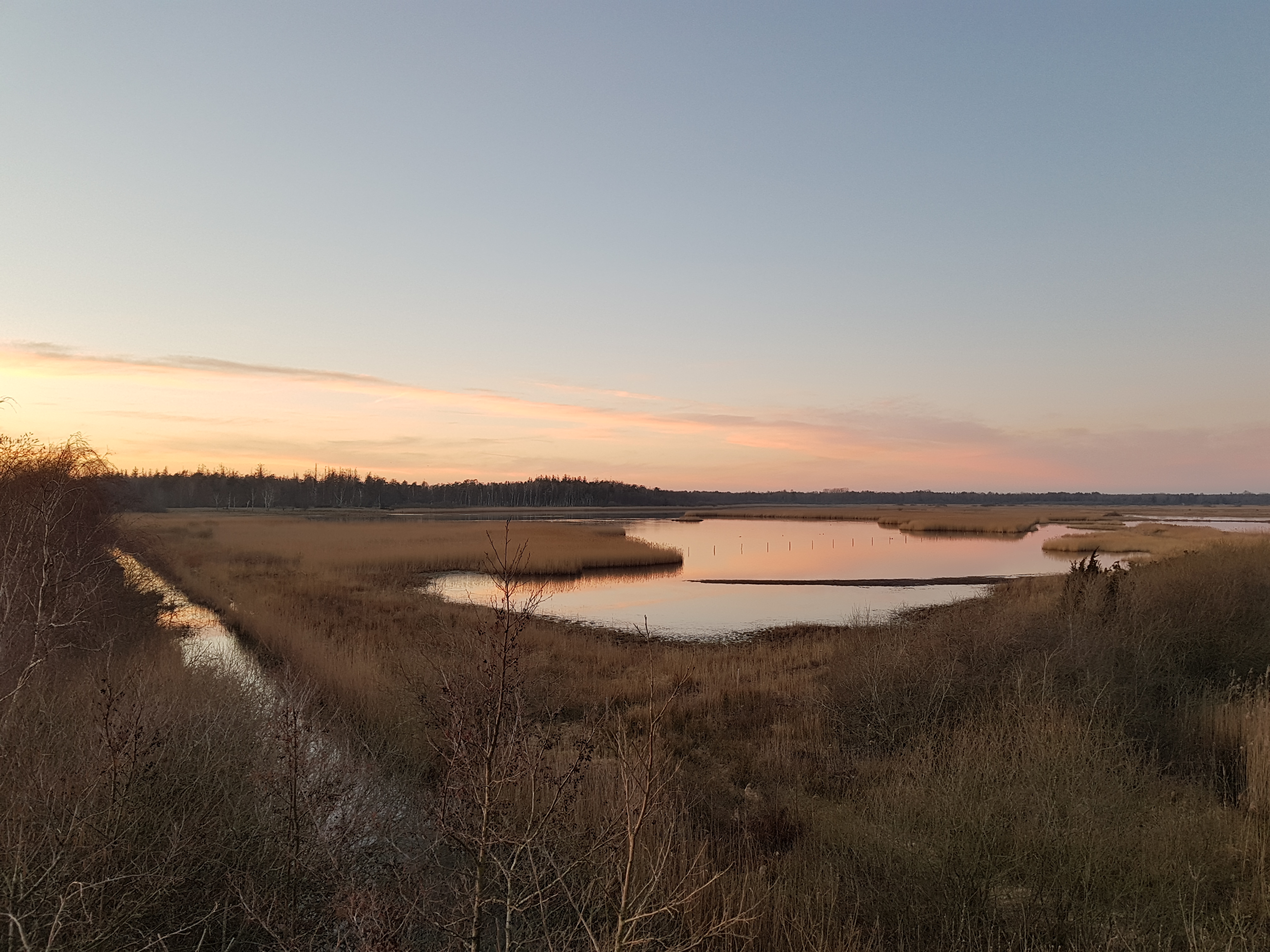
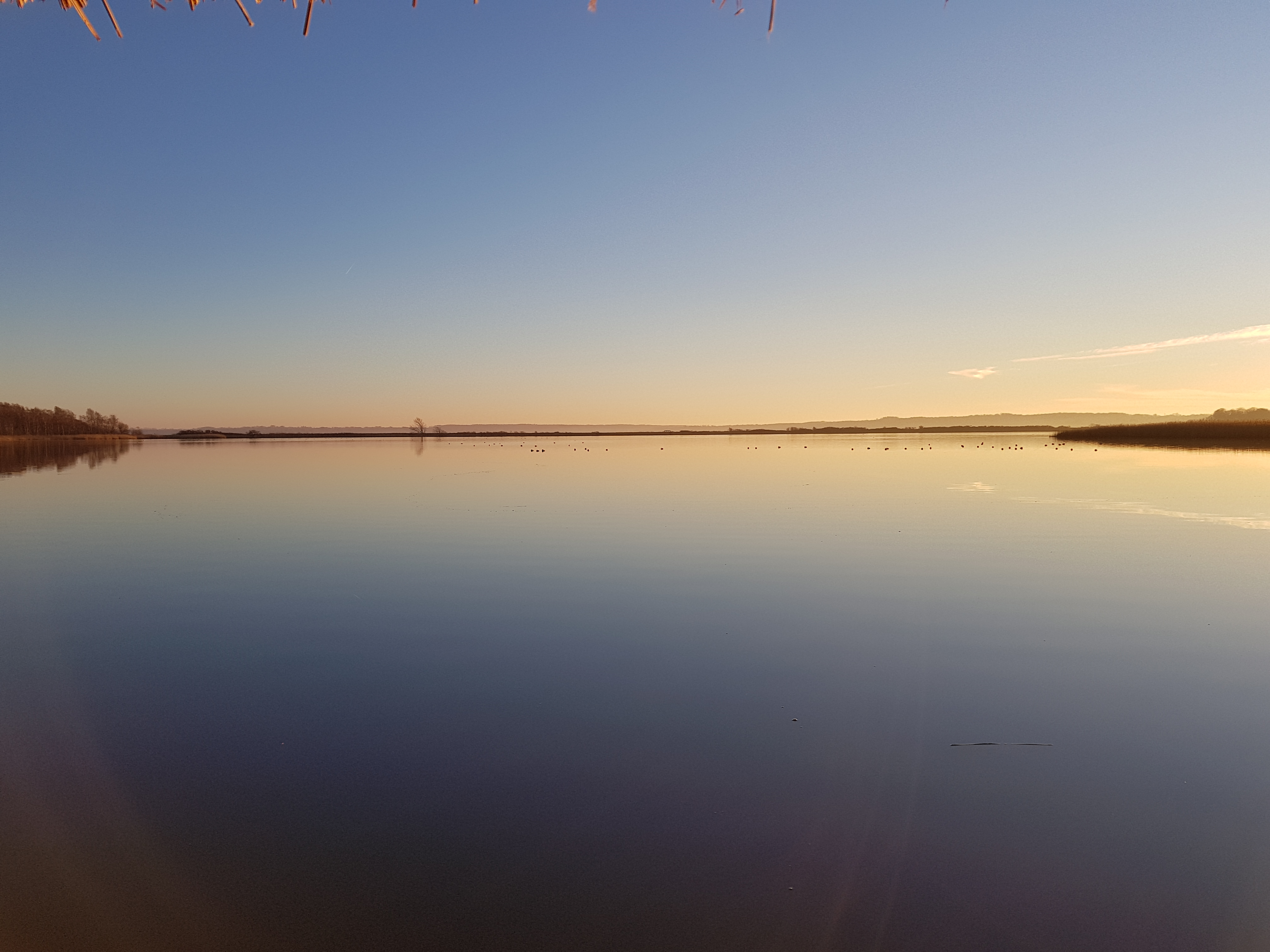
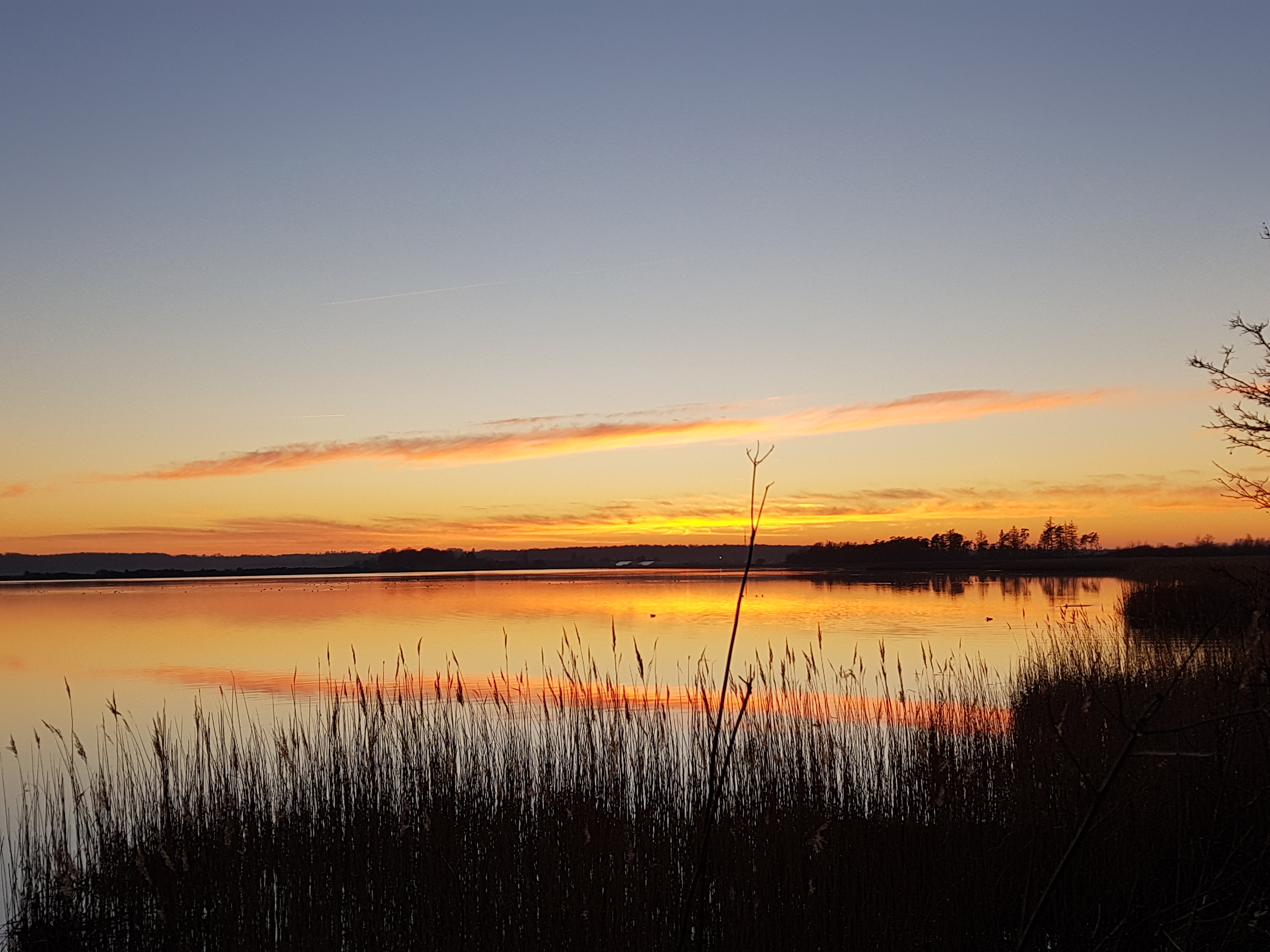
Faced with 24 hour media coverage of such desperate events, it’s easy to lose touch with the world around us. Karin and I are fortunate to be able to bicycle to some beautiful local spots where we can reflect and try to find some solace in nature. That’s what we did yesterday with a late afternoon visit to the Hov Vig bird reserve. In addition to my photos, which I’ll let speak for themselves, Karin filmed a short video for her YouTube channel which includes a marvelous array of bird calls.
Tonight we are taking part in a fund-raising event at the local culture house. Please think about how you can help to support Ukraine, in however modest a way, but also don’t forget to connect with nature. It will always endure, despite the destructive efforts of humans.
I was recently invited to chat about careers and writing and pollinators and pollination with the folks from National Association of Environmental Professionals for their Environmental Professional’s Radio podcast. You can listen to it here:
This is a guest post by Helen Tedds who is currently researching for a PhD at the University of Northampton. Although Helen’s work is far removed from my usual research and consultancy interests of plant-pollinator interactions, I’m proud to be part of her supervisory team! Amphibians were one of my early natural history obsessions, and invasive plants and pollinators are a long standing interest of mine. In this post Helen discusses her research on the UK reptile and amphibian pet trade.
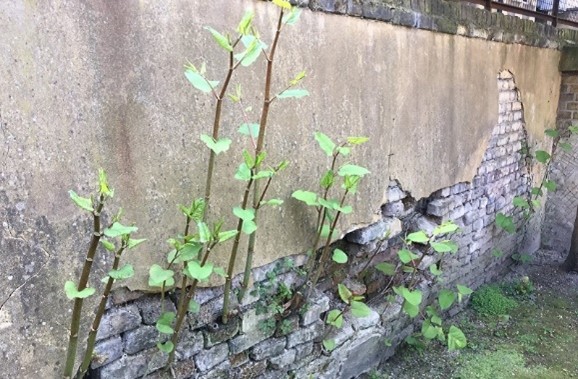
This week (24th-30th May 2021) is Invasive Species Week, an annual event led by the GB NNSS (Non-Native Species Secretariat) to raise awareness of invasive species and how we can help prevent their spread. Generally, the term ‘invasive species’ is defined as an introduced organism that has an adverse impact on its environment by causing ecological and economic damage. They are one of the top five causes of worldwide biodiversity loss through habitat damage, preying on or out-competing other species. They can also spread disease to other species, including humans. The estimated cost of invasive species to the UK’s economy is more than £1.7 billion [1] which is caused by things like damage to buildings [e.g. from the dreaded Japanese Knotweed (Fallopia japonica – fig. 1)], interference with food production, delays on work projects, and the expense of dealing with them. The number of new species being introduced to the UK is rapidly on the increase and can be exacerbated by climate change. This is an urgent problem that without intervention will continue to escalate!
Fig. 1: Japanese knotweed (Fallopia japonica) damaging a brick wall
In 2015 I embarked on a PhD that aimed to quantify the pet herpetofauna (reptile and amphibian) trade across England, mainly to understand the associated socio-economic factors and animal welfare consequences of this. Investigating invasive species was low on my already-full agenda, however, it has been a rabbit hole I ended up going down (pun intended: rabbits were named Britain’s most costly invasive species in 2010 according to The Guardian[2])!
The exotic pet trade has long been known to be a means of new species entering an environment (either through escape or deliberate release), but according to a recent study in Frontiers of Ecology it now ranks as a primary cause of invasive species[3]. It has long been illegal to release any non-native species into the wild under the Wildlife and Countryside Act 1981, however more recent legislation has been enacted to prohibit the trade of invasive species. Whilst the term ‘invasive’ can be subjective, in the UK a species officially considered to be invasive is listed in retained EU law: Invasive non-native (alien) animal species: rules in England and Wales. That’s not to say that other ‘feral’ pets are not ‘invasive’. There are concerns that Indian ring-necked parakeets (Psittacula krameria – fig. 2) that have spread across the UK are potentially out-competing some of our native birds for nesting sites in tree hollows[4]. However there needs to be a body of evidence built to support these claims before a species is added to the legislation.
Fig. 2: Indian ring-necked parakeet (Psittacula krameria)
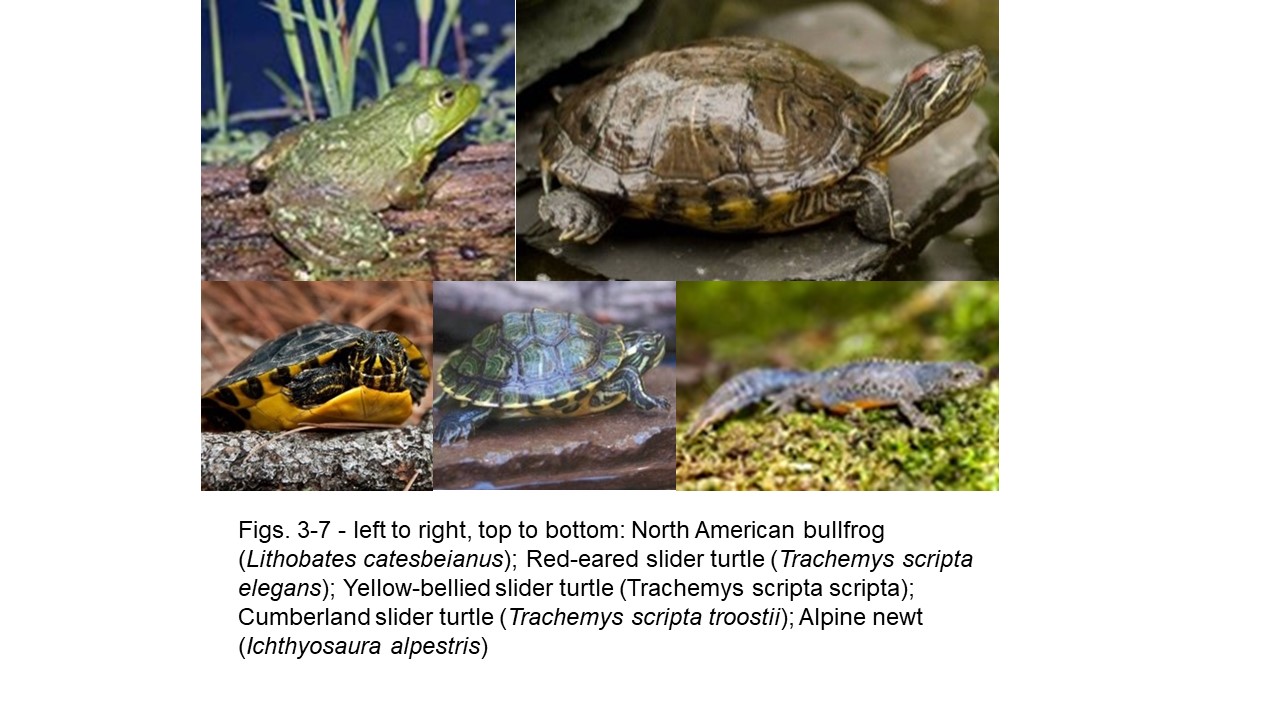
In terms of herpetofauna, there is only one invasive species of amphibian listed in the legislation, the North American bullfrog (Lithobates catesbeianus- fig. 3), and one species of reptile, the common slider turtle (Trachemys scripta) along with all sub-species, including T. s. elegans, T. s. scripta, and T. s. troostii -fig. 4-6)[5]. North American bullfrogs pose a threat to our already vulnerable native amphibians as they will eat frogs, newts, and other similar sized animals[6], and slider turtles threaten our waterfowl as they will eat bird eggs, as well as insect larvae[7].
The law has prohibited anyone from keeping, breeding, and selling these species since August 2016. If you owned one before the law came into force (turtles can be very long-lived) then you have what are called ‘grandfather rights’ where the animal can remain in your possession until the end of its days. If an owner can no longer take care of the turtle they cannot re-sell it- it is best to relinquish them to a rehoming centre that has the relevant license where they can live out the rest of their lives[8], such as The National Turtle Sanctuary at Lincolnshire Wildlife Park[9].
Part of my research into quantifying the herpetofauna trade has involved sampling from pet shops and online classified adverts as to what species are for sale. So far, I have officially documented 431 different reptile species, and 122 different amphibian species[10], and this number is set to grow as I continue to analyse four years’ worth of data. All these species are non-native, and whilst most of them would not survive in our British climate, there are some causes for concern.
In October 2020 a fellow PhD student, Ali North, got in touch with me as she is currently investigating the drivers of establishment and spread of a non-native amphibian in the UK, the alpine newt (Ichthyosaura alpestris- fig. 7). Her project uses distribution data of alpine newts in their native range across mid-Europe with an aim to predict the invasion risk of this species in the UK[11]. I was interested to learn from her that these newts have established various populations in the UK but most concerningly are known to be a vector of chytridiomycosis which can be transmitted to our native amphibians[12]. As part of her research at the University of Plymouth, ZSL Institute of Zoology, and the ARC Trust, Ali wanted to know how often alpine newts had occurred in my data sampling seeing as the pet trade is a potential route for non-native species entering the wild. It turns out that my data set had only 16 records of alpine newts (out of tens of thousands of records) which is not very many, however, do not be fooled by small numbers! It does not take many individual pets being released into the wild for a potentially invasive species to wreak havoc on an ecosystem. Whilst the understanding of alpine newts as an invader is in its infancy, I was delighted to be able to assist Ali with this part of her research and I look forward to reading her final thesis. If you have spotted an alpine newt in the UK you can also help towards her project by reporting it here: https://www.arc-trust.org/news/have-you-seen-an-alpine-newt-in-the-uk
Another interesting thing that my data collection has highlighted is that despite slider turtles being banned from sale for over four years now, they are still appearing on online classified websites such as Preloved, Pets4Homes, and Gumtree. Not only is this illegal, but it is also against the minimum standards set out by the Pet Advertising Advisory Group (PAAG) which these websites agree to adhere to as voluntary members[13]. Since I started collecting data in July 2017 to the time of publishing this blog there have been at least 102 adverts selling slider turtles, and these were the more obvious ones. On deeper investigation some adverts selling yellow-bellied sliders listed them as just the letters ‘YBS’ meaning that they would not be flagged when searching using key words. These adverts have consistently appeared in my data set at a rate of about two per month, with a noticeable spike in Oct-Dec 2020 at a rate of five per month, so there does not appear to be a downward trend since the legislation came into force. Also, some other adverts just listed animals using the word ‘turtle’ or ‘terrapin’; not only does this allow the potential for slider adverts to slip through the net but it also further violates PAAG minimum standards by not advising potential buyers what the species is. How can someone research the correct care information if they don’t know what species they are buying?
Another invasive species that I came into close contact with recently, coincidentally whilst in the process of writing this blog, was in my local park- Elmdon Park in Solihull. An invasive water weed, Azolla filiculoides, or red water fern (fig. 8), had suddenly appeared in one of the park’s ponds. This weed is believed to have entered UK water systems from the ornamental pond and aquarium trade either by spreading via birds’ legs between ponds or from people emptying fish tanks into wild water bodies. It spreads on the surface of water bodies, blocking out sunlight and decreasing oxygen, thereby killing native wildlife[14].
Fig. 8: Red water fern (Azolla filiculoides) in Elmdon Park, Solihull
I sit as Secretary on Elmdon Park Support Group’s[15] committee and run their social media pages, so I found myself reading more about this weed and treatments used to control it, in order to inform the local community on what would happen. The Warwickshire Wildlife Trust lease the land and therefore must foot the treatment bill, which turns out to be the use of a weevil (Stenopelmus rufinasus- fig. 9), affectionately known as ‘Weevil Knievel’ The weevil eats the weed but doesn’t come cheap at a cost of a few hundred pounds for just one container of them[16]. So here we have another casualty to our native wildlife because of the pet trade.
Fig 9: ‘Weevil Knievel’ (Stenopelmus rufinasus)
So, what can we do? Further research into identifying potentially invasive species will help in raising public awareness, whilst initiatives such as Invasive Species Week will spread the message on the consequences of releasing non-native species into our UK ecosystems. But there persists a deeper problem whereby some people fail to properly research the needs of the pets they buy, or fully understand how big they will grow, and feel that it’s easier to release them into the wild rather than to relinquish them via more responsible methods. This is perhaps the area of human-animal interactions that needs more attention and research.
Tedds, H.L., Sneddon, S., Ollerton, J., Clubb, R., and McCormick, W.D., Herps across England: investigating the scale of the reptile and amphibian trade: UFAW Recent Advances in Animal Welfare Science VII Conference Poster, 30th June- 1st July 2020, online.
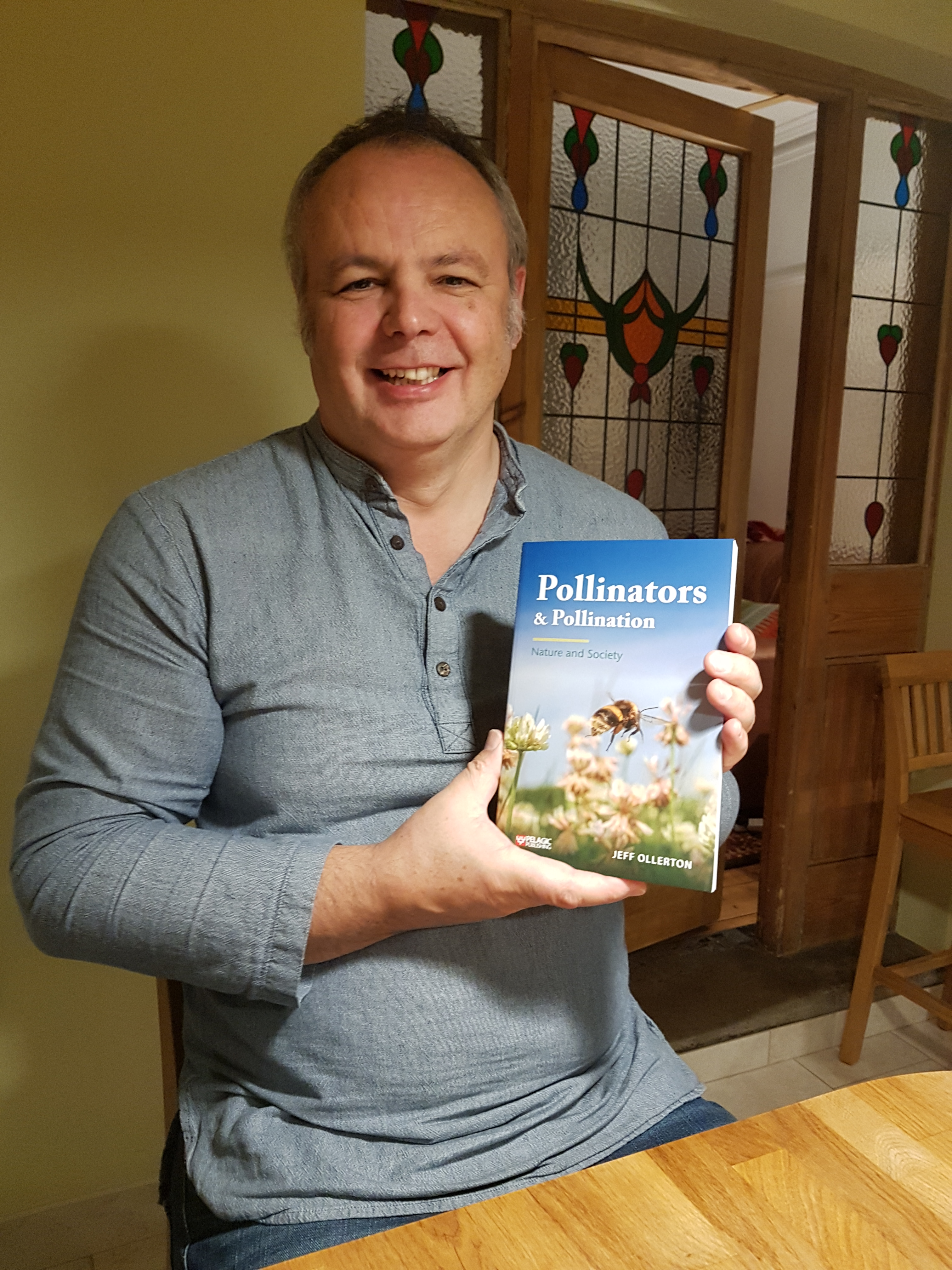
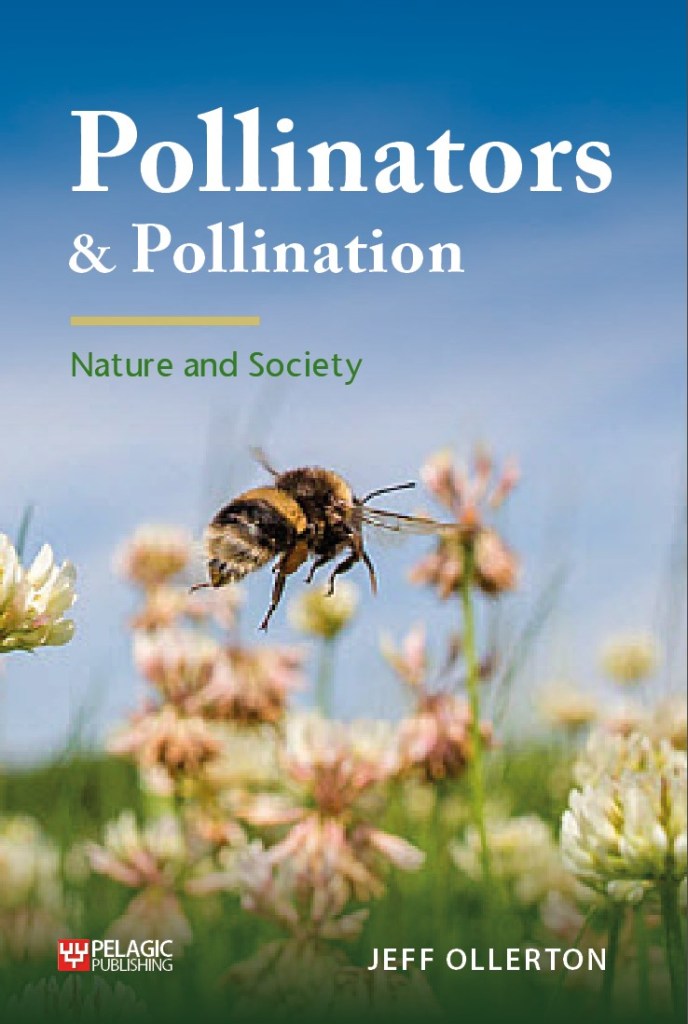
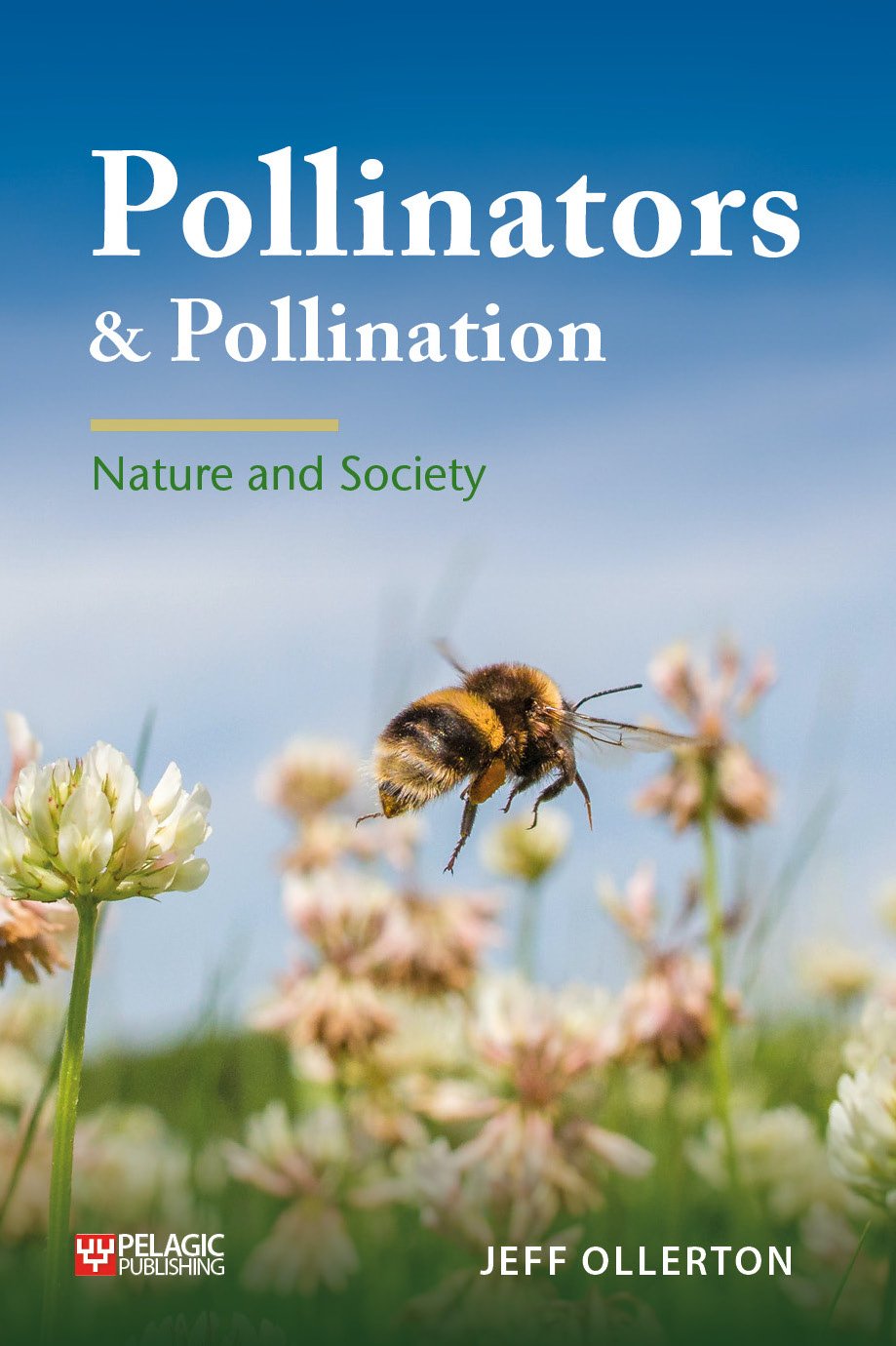
Yesterday I was delighted to finally receive an advance copy of my book Pollinators & Pollination: Nature and Society! It’s been over three years in the writing and production, much longer than I had anticipated. But, as I describe in its pages, the book is the culmination of >50 years of experience, study and research. So perhaps three years isn’t so bad…
If you’re interested in buying a copy you can order it direct from Pelagic Publishing and from most of the large online booksellers. Let me know what you think.
2 More than just bees: the diversity of pollinators
3 To be a flower
4 Fidelity and promiscuity in Darwin’s entangled bank
5 The evolution of pollination strategies
6 A matter of time: from daily cycles to climate change
7 Agricultural perspectives
8 Urban environments
9 The significance of gardens
10 The shifting fates of pollinators
11 New bees on the block
12 Managing, restoring and connecting habitats
13 The politics of pollination
14 Studying pollinators and pollination
As you can see it’s a very wide-ranging overview of the subject, and written to be accessible to both specialists and non-specialists alike. To quote what I wrote in the Preface:
“While the book is aimed at a very broad audience, and is intended to be comprehensible to anyone with an interest in science and the environment, and their intersection with human societies, I hope it will also be of interest to those dealing professionally with plants and pollinators. The subject is vast, and those working on bee or hoverfly biology, for example, or plant reproductive ecology, may learn something new about topics adjacent to their specialisms. I certainly learned a lot from writing the book.”
The book is about 100,000 words in length, lots of illustrations, and there will be an index. My copy editor reckons there’s 450 references cited, though I haven’t counted. I do know that they run to 28 pages in the manuscript, and that’s with 11pt text. All going well it will be published before Christmas.
In the next few months my new book Pollinators & Pollination: Nature and Society will be published. As you can imagine, I’m very excited! The book is currently available to pre-order: you can find full details here at the Pelagic Publishing website. If you do pre-order it you can claim a 30% discount by using the pre-publication offer code POLLINATOR.
As with my blog, the book is aimed at a very broad audience including the interested public, gardeners, conservationists, and scientists working in the various sub-fields of pollinator and pollination research. The chapter titles are as follows:
Preface and Acknowledgements
1. The importance of pollinators and pollination
2. More than just bees: the diversity of pollinators
3. To be a flower
4. Fidelity and promiscuity in Darwin’s entangled bank
5. The evolution of pollination strategies
6. A matter of time: from daily cycles to climate change
7. Agricultural perspectives
8. Urban environments
9. The significance of gardens
10. Shifting fates of pollinators
11. New bees on the block
12. Managing, restoring and connecting habitats
13. The politics of pollination
14. Studying pollinators and pollination
References
Index
Yesterday Karin and I took the day off and explored an area along the Nottinghamshire/Leicestershire border with friends. In the small village of Normanton on Soar we found a very unusual headstone in the churchyard, carved in granite and surmounted by a bird bath. Around the bowl some lead text reads: “The time of the singing of birds is come”
The bowl was empty when we arrived so I filled it: it’s going to be a hot weekend and the birds might appreciate it.
The headstone marks the burial place of Edward Hands and Ethel Maud Hands, presumably husband and wife; the smaller marker commemorates Derek Hands (their son?). None had a long life; Edward was 42 when he died, Ethel 56, and Derek just 36. The headstone was erected originally for Edward (who pre-deceased his wife by 20 years) so perhaps it was he who was keen on birds?
I’ve never seen a headstone in the form of a bird bath though I can’t believe that it’s unique: does anyone know of others?
Here’s the full grave; it was only after I took the picture that I noticed the feather.
The text around the bird bath is from the Bible, the Song of Solomon 2:12. The fuller version is:
“The flowers appear on the earth; the time of the singing of birds is come, and the voice of the turtle is heard in our land.”
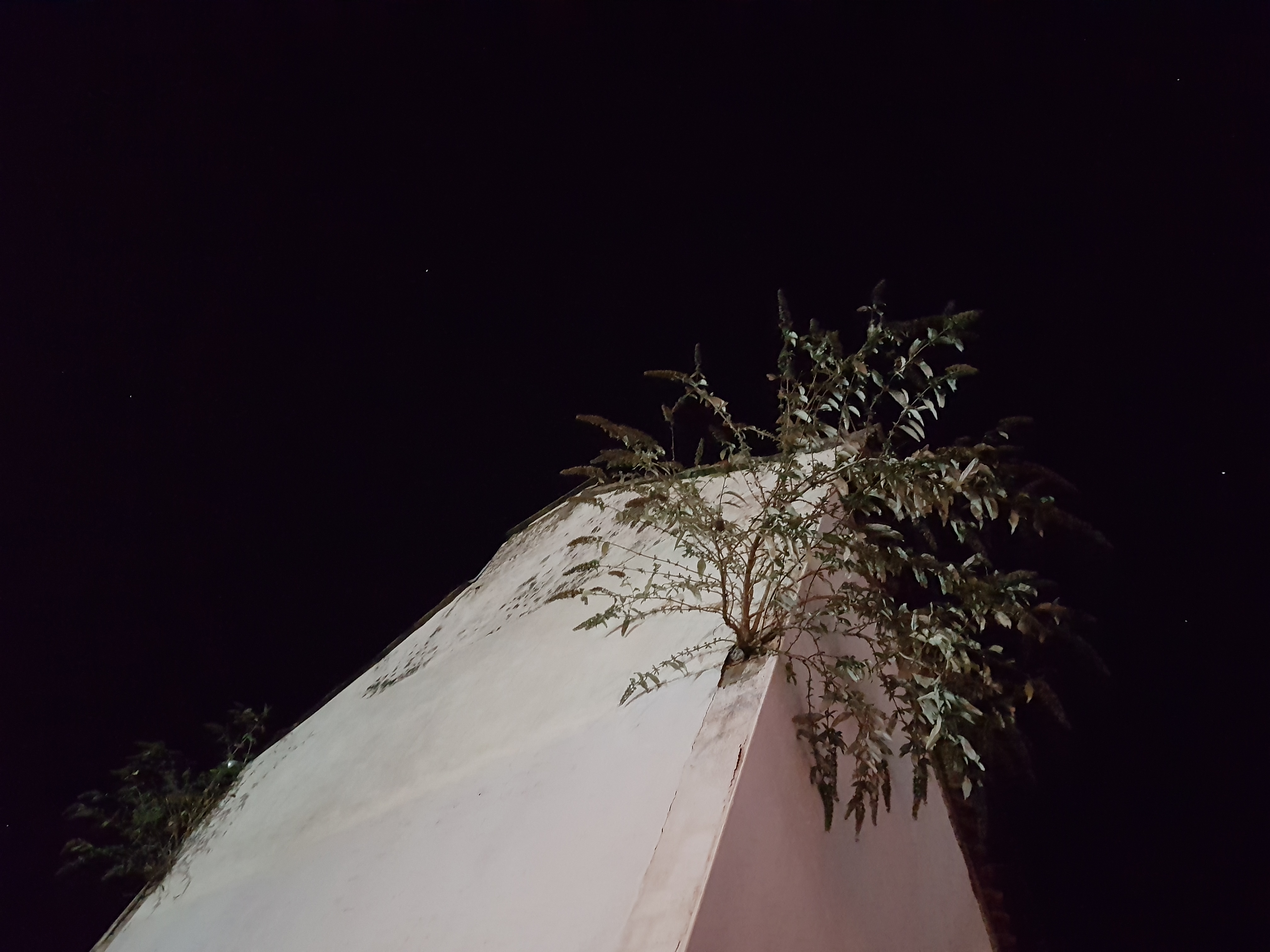
We didn’t hear any turtles, but here were plenty of flowers around the village, including a buddleia that was smothered in very fresh looking painted lady butterflies that are likely to have been born nearby rather than migrating over from the continent:
It was also a time of bees such as this very active feral honey bee colony in a lovely 15th century timber framed house:
A feral honey bee colony in the Old Post Office, Normanton on Soar, Notts. The building dates to 1454. #beespic.twitter.com/XZw48K29il