Category Archives: Personal biodiversity

Book review: “Urban Plants” by Trevor Dines

Earlier this year I received an unexpected invitation from Bloomsbury Publishing to attend a book launch at Philip Mould’s gallery in London. Looking at the details I immediately said yes, because it combined three of my passions: natural history, art, and books! Not only that, but the topic of the book was one very close to my heart – the wildlife of our towns and cities.

Urban Plants is the latest addition to Bloomsbury’s British Wildlife Collection, a stunningly produced series that has set a new benchmark for natural history literature in this country. The author, Trevor Dines, formerly worked for the charity Plantlife, and is a real authority on urban botany. My expectations for this book were very high! So on the day of the book launch, Karin and I trundled down to the capital and spent part of the day at the National Gallery where, among other things, we enjoyed an exhibition by José María Velasco. As well as being a superb documenter of the 19th century landscapes of Mexico, Velasco was also profoundly interested in botany. We’d not planned it that way, but it was a nice coincidence.

The book launch itself was well attended and I found myself catching up with a few familiar faces from the world of British wildlife, and Trevor (whom I’d corresponded with but never met) treated us to a short reading:

I took the opportunity to buy a copy, had a quick chat with Trevor, who kindly signed the book, and then we headed back to catch a train.

So what do I think of Urban Plants?

It’s actually hard to praise the book too much without sounding unnecessarily gushy! But it really is one of the best books that I’ve read for a long time. In part that’s because it stirs deep emotions of me as a child, taking my first faltering steps into the world of natural history on the bomb sites and post-industrial landscapes of my native Sunderland. But it’s more than that: the author writes with elegance and authority on a topic about which he’s deeply passionate, and this comes through on every one of the amply illustrated pages. Trevor should be congratulated on producing a book that will be the go-to reference on the topic for many years to come.

And an important topic it is too: there’s no doubt naturalists who will sneer at the idea of urban botany, but (as the author points out) for many people in this country, the plants that they see every day in their home towns are almost their only connection to wildlife. For that reason alone it’s a subject to be taken seriously, and if a book like this can inspire more people to take a closer look at the plants with which we share our streets, roofs and walls, so much the better.

So do yourself a favour and take a walk with Trevor through the complex ecology and botany of built-up British landscapes. I learned a lot from Urban Plants and I highly recommend it as an addition to anyone’s Christmas list.

Mindful Mow May!

As April comes to a close, many people with gardens will be considering having a No Mow May in which, to quote Plantlife, you ‘pack away the lawnmower, let wildflowers grow freely and help nature’. On the face of it this is a positive thing and (hopefully) it gets people thinking a bit more about the impact of gardening practices on wildlife. However, I do worry that its message is too simplistic, as I’ll explain in the rest of this post. Let me say at the outset that I’m using the word ‘mindful’ in its sense of ‘paying attention to’, rather than in relation to mental health mindfulness. Though there are certainly connections between lawns and both meanings of this word, for example mindfully watching pollinators in your garden.

I’ve previously written about the garden that Karin and I developed in Northampton, including a ‘defence’ of its lawn. During the lockdown spring and summer of 2020, when I coordinated a loose consortium of scientists to collect standardised data on the flowers and pollinators in their own garden, our lawn was one of the areas that I surveyed. In that year, as every year, we had no intention of not mowing the lawn, but of mowing it in a mindful way that left some flowering patches of the main nectar sources: Dandelion (Taraxacum officinale), White Clover (Trifolium repens), and Daisy (Bellis perennis). It also allowed a patch of Common Ragwort (Jacobaea vulgaris), and the Cinnabar Moths (Tyria jacobaeae) that depend on it, to come back year after year.

In the graph below you can see the nectar production of dandelions, clovers and daisies over the course of the late spring to late summer. For each species, I have multiplied the number of flower heads I counted by the average amount of nectar sugar per flower head from the data collected by the Agriland project. Clover produces 48.97 micrograms of sugar per day, by far the highest amount of the three. Daisy produces the least, just 0.84 micrograms, and dandelion is in the middle with 22.57 micrograms.

Because these species vary in their peak flowering, there’s a continuous supply of nectar in the lawn over this time period and mowing does impact the immediate availability of nectar. Using green shading, I’ve marked the two days when I know for certain the lawn was mown and you can see that there’s an immediate drop in the nectar. Here you can also seen that both dandelions and daisies re-flower quite soon afterwards – it’s not a permanent effect by any means. The same is probably true of clover later in the season, but unfortunately I didn’t record the exact mowing dates.

The important thing to appreciate here is that without mowing, these three species would probably disappear from the lawn because all require that grasses are suppressed in order for them to flourish. Not only that, but most ground-nesting bee species need either very short turf or bare soil in which to nest. And most bees, at least in the UK, are ground-nesting.

The image at the top of this post is from my book Pollinators & Pollination: Nature and Society, and it shows two views of the same grassy, south-facing bank in Kettering, Northamptonshire. I included it because it’s a nice example of the mindful approach to lawn mowing that I am describing: bees are able to nest in the low-cut turf and collect the nectar and pollen from the flowers in the unmown areas. Later in the season that unmown area will be cut. This is referred to as ‘matrix mowing’, which is to say that by cutting some areas and leaving others, you create a matrix of different lawn lengths that has a greater overall benefit than is obtained by either cutting everything at the same time or cutting nothing for a whole month. It’s even better if you have the space to leave some patches unmown for a year or two. That way you create longer grassy areas in which insects can over winter and some bumblebees can nest.

It’s worth mentioning at this point that I know of only one published study that’s assessed the impact on No Mow May on pollinators, and that study was retracted shortly after it appeared. If I’ve missed other studies please do let me know in the comments.

I’ll finish with the Royal Horticultural Society, which was in the news recently with an announcement that it’s collaborated with gardener Monty Don to come up with ‘hard-wearing flower lawn that is good for pollinators, dogs and people’. This is hardly rocket surgery, it’s the sort of diverse, low-input, low maintenance lawn that many of us have been advocating for years, but if it brings these ideas to popular attention, so much the better.

So, consider engaging in Mindful Mow May (and April, and June, and all the other months!) As always, feel free to comment below or get in touch with me via my Contact page.

The diverse nature of ‘nature writing’: in conversation with Jack Cornish and Ben Masters – 5th October

Why do authors write about ‘nature’? What are their motivations and how did they start their writing journey? Do they even recognise this label of ‘nature writer’?

These are just some of the questions I’ll be exploring with two other authors at the Market Harborough Book Festival on Saturday 5th October.

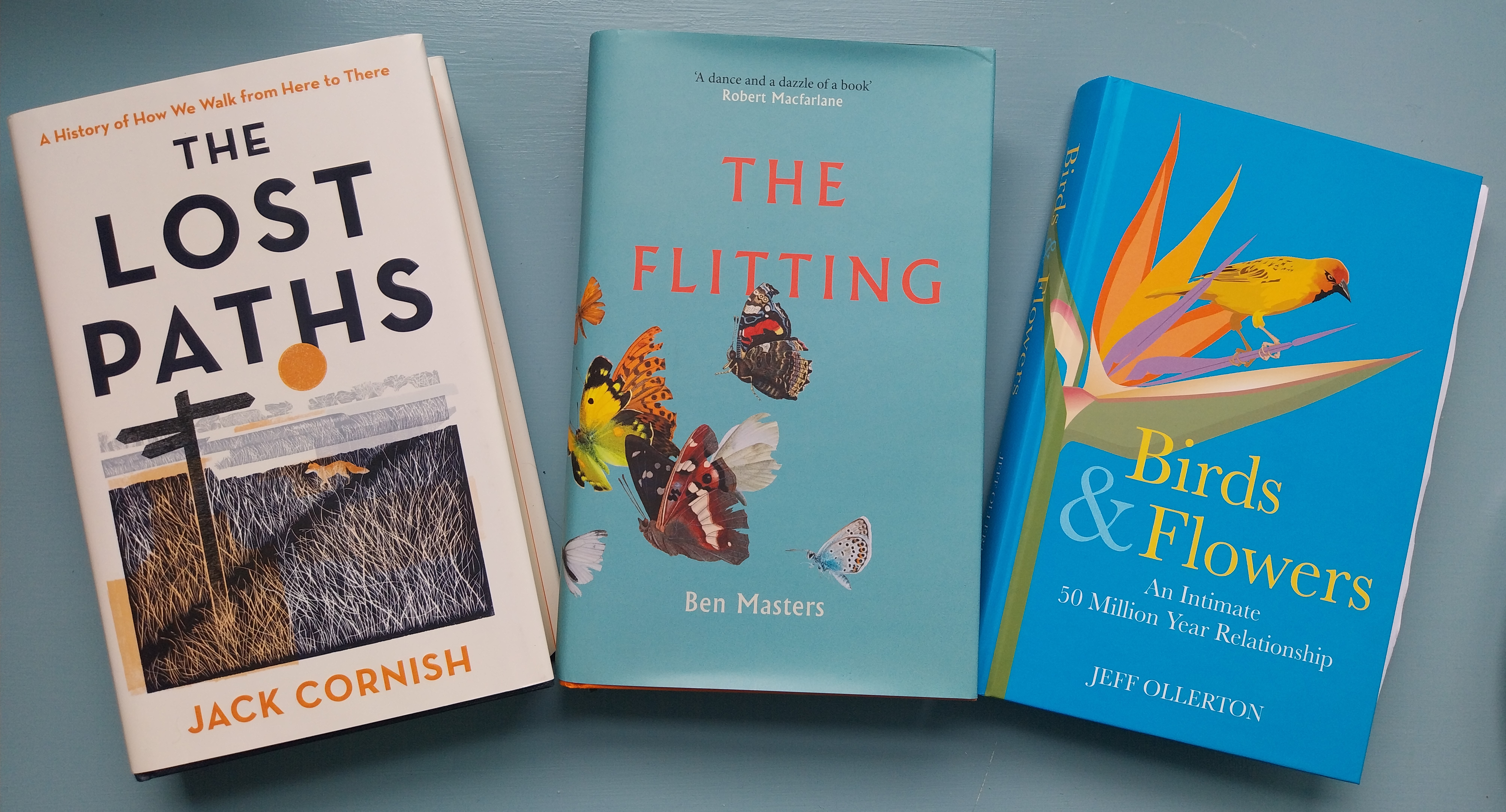
Jack Cornish is author of The Lost Paths, an exploration of the ancient pathways that have criss-crossed England and Wales since prehistoric times, the peoples who made them, and the landscapes through which they currently run. It’s a reminder of ‘just how precious these paths are, and have been, to the human story of this island’. I’ve only just started The Lost Paths, but what I’ve read so far is wonderful. Check out this recent review on The Great Outdoors site.

Ben Masters’ most recent book is The Flitting, an account of the final months of his relationship with his late father, a keen natural historian with a devotion to butterflies, and how they come to share ‘passions, lessons and regrets as they run out of time’. There’s a nice review of The Flitting by Mark Avery on his blog, and I have to agree with him, it’s a lovely book.

Coincidentally, earlier this year Mark wrote a review of the book that I will be discussing, my recent Birds & Flowers: An Intimate 50 Million Year Relationship, though I may also dip into Pollinators & Pollination: Nature and Society, because there’s at least one thing that unites the three of us as writers: a love of the poet John Clare! Ben discusses him at length in The Flitting, and indeed Clare provided the title of the book. Likewise, Jack name checks Clare in The Lost Paths, and I used the poet as the jumping off point for a couple of explorations of the importance and conservation of bees and other pollinators.

As well as discussing our roles as ‘nature writers’ we’ll be reading extracts from our books and answering audience questions. There will also be an opportunity to buy personally signed copies of our books. We look forward to seeing you there!

Pollinators and mental health: join us for a free webinar!

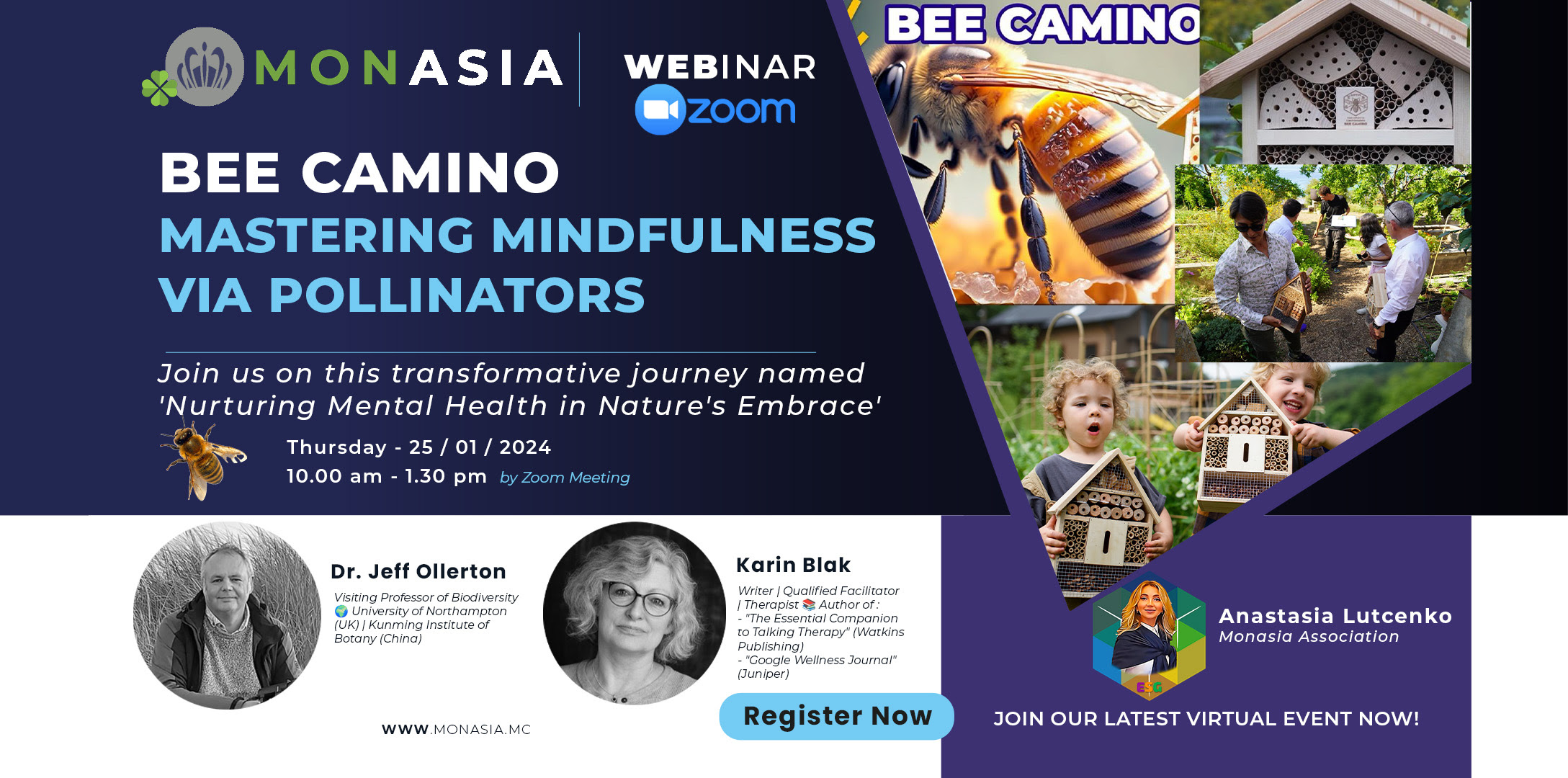
In recent months, Karin and I have worked with the charity MONASIA and their Bee Camino project to develop a joint webinar. Here are the details, taken directly from MONASIA’s publicity:

In the intricate choreography of nature, the honey bee’s life mirrors the enchantment of a mystical well: ‘The more you draw from it, the more it fills with water.’ Karl Von Frisch’s profound words beautifully capture the essence of the honey bee’s existence. Honey bees are only one type of bee, however, and there are many other pollinators, whose tireless efforts sustain the delicate balance of ecosystems. Much like a well that replenishes when quenched, the pollinator’s purpose appears boundless, offering a timeless wellspring of inspiration for those attuned to the marvels of the natural world.

Inspired by the Bee Camino project, MONASIA brings you a transformative experience connecting nature and mindfulness.

Join us on this transformative journey named ‘Nurturing Mental Health in Nature’s Embrace,’ as we draw from the enchanting well of the bee’s life—a source of wisdom, sustainability, and a profound connection to the intricate rhythms of our planet.

The event takes place on Thursday 25th January, 10:00 to 13:30 CET, and you can book a free place by following this link: https://www.eventbrite.co.uk/e/bee-camino-mastering-mindfulness-via-pollinators-tickets-796075783097

A “weed” that you should be eating and an introduction to our new garden

It’s been a rather nomadic couple of years. After Karin and I sold our house in Northampton, we travelled around in the UK and then in Denmark, renting places as we needed them, plus we spent a month in Kenya. We’ve now become more settled in Sjælland and, after some deliberation about whether to buy a house or continue renting, we’ve reached a compromise and bought into an andelsbolig, one of the many Danish cooperative housing schemes – see this article in The Guardian for more details.

The development of twenty-eight small properties has been newly built to the highest standards of insulation and is plugged into the district heating system which uses a combination of solar warming and gas (in part using methane generated from food waste).

It’s nice to have a garden again. I hadn’t realised how much I’d missed having a space in which to plant and potter. All gardens present challenges, of course, and this one is no exception. Until about 600 years ago the area was under the shallow Kattegat sea. It’s now above sea level due to post-glacial rebound and in fact this whole region of Odsherred is a UNESCO Global Geopark because of the postglacial landscape.

What this means for us is that we are gardening on “soil” which has a very high sand content and is filled with stones, large and small.

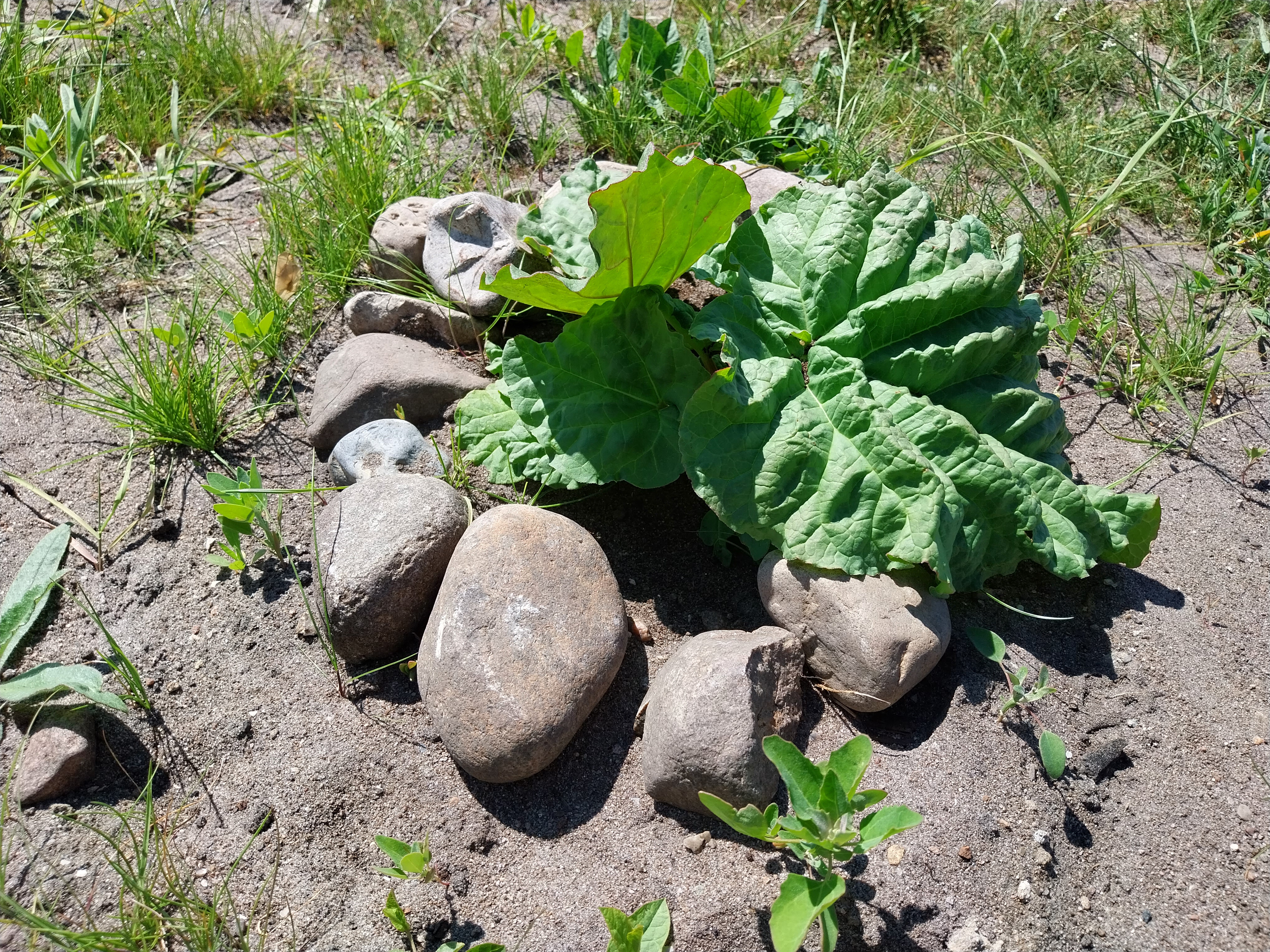
Added to that, we’re in one of the driest parts of Denmark (certainly this year) and a persistent coastal wind rapidly strips the moisture from the soil. So as we dig up or find large stones we are using them around plants to retain water and mulching with the smaller stones that we find in abundance. As yet we don’t have any rain water butts so we’re using the kitchen water from washing up to supplement the hosepipe.

It’s not easy gardening here, but we like a challenge and we’re calling in favours from friends and family to provide us with cuttings and divisions of plants from their own gardens, which should mean that they are better adapted to the local conditions than most of the shop-bought plants. We’ve also started a small vegetable and fruit patch and planted apples and pears around a paved patio that over time we will train as self-supporting espaliers.

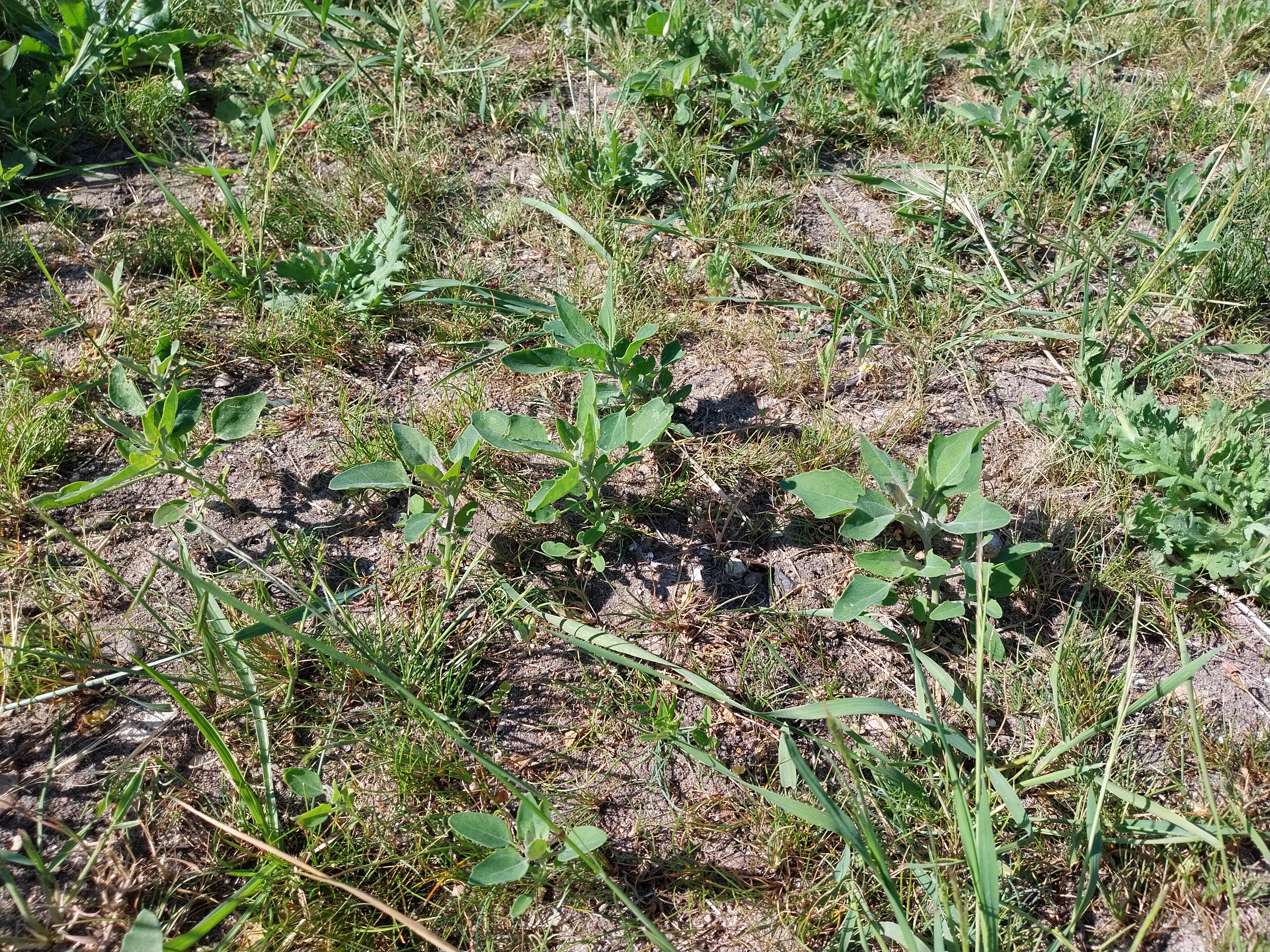
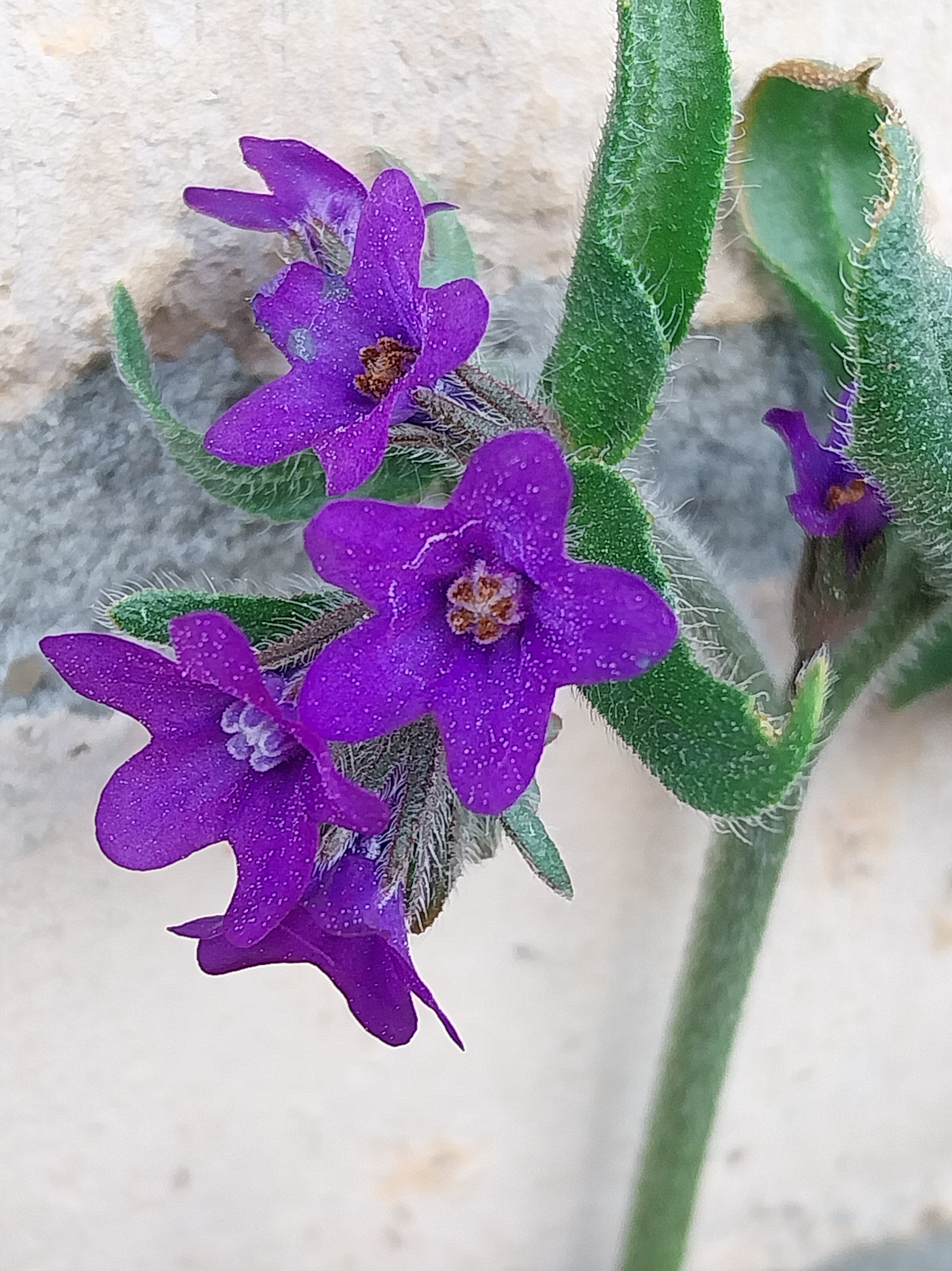
Gradually we’ll fill up the space and move things around as needed. But for now I’m also interested in seeing what plants come up spontaneously, especially the annual species that are benefitting from the disturbance. I don’t use the term “weed” to refer to these: weeds are just plants in the wrong place at the wrong time. Many such plants are ecologically important, especially as nectar and pollen sources for bees and other insects. This includes Common Bugloss (Anchusa officinalis) with its richly purple, velvet-textured flowers.

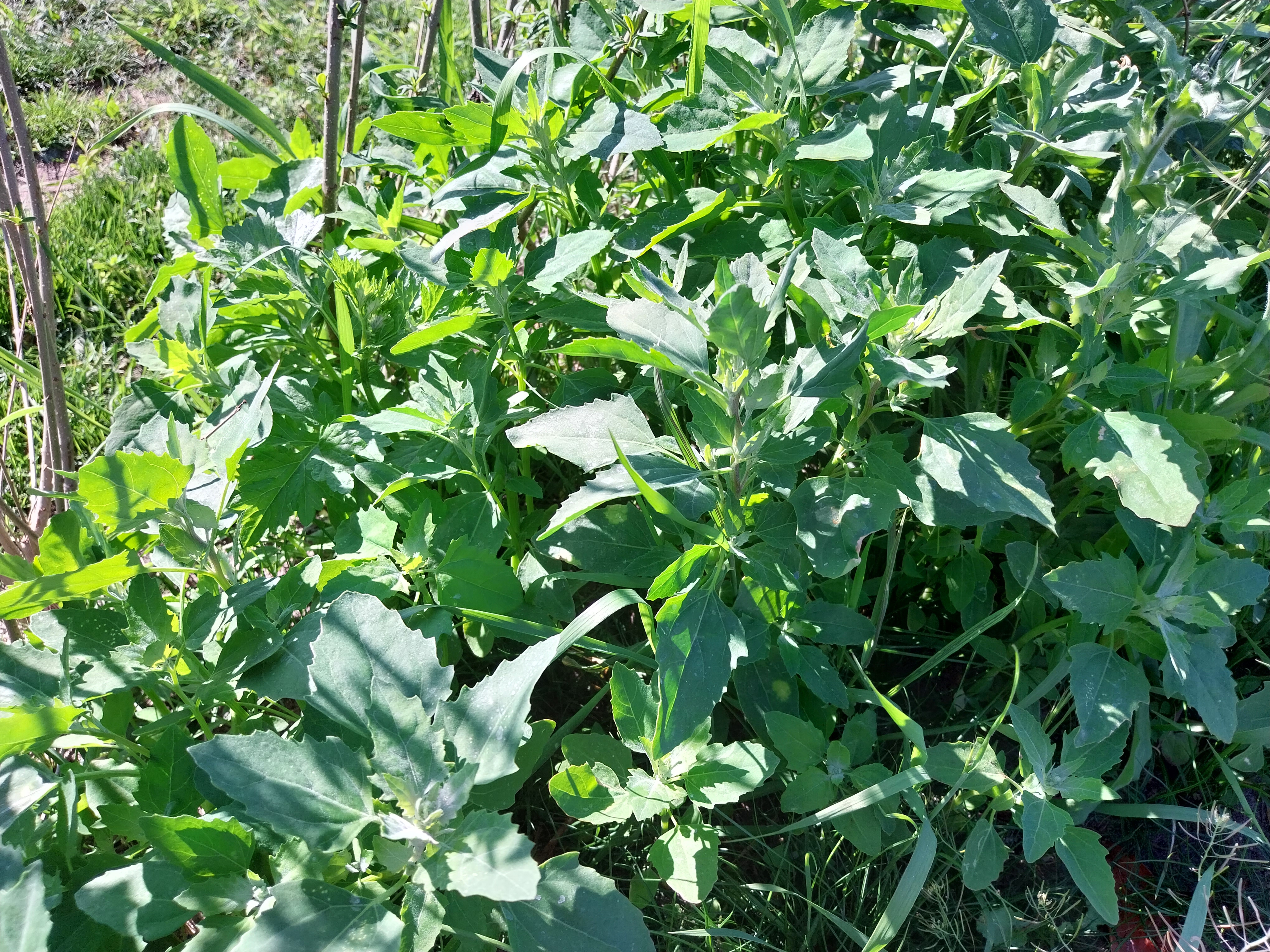
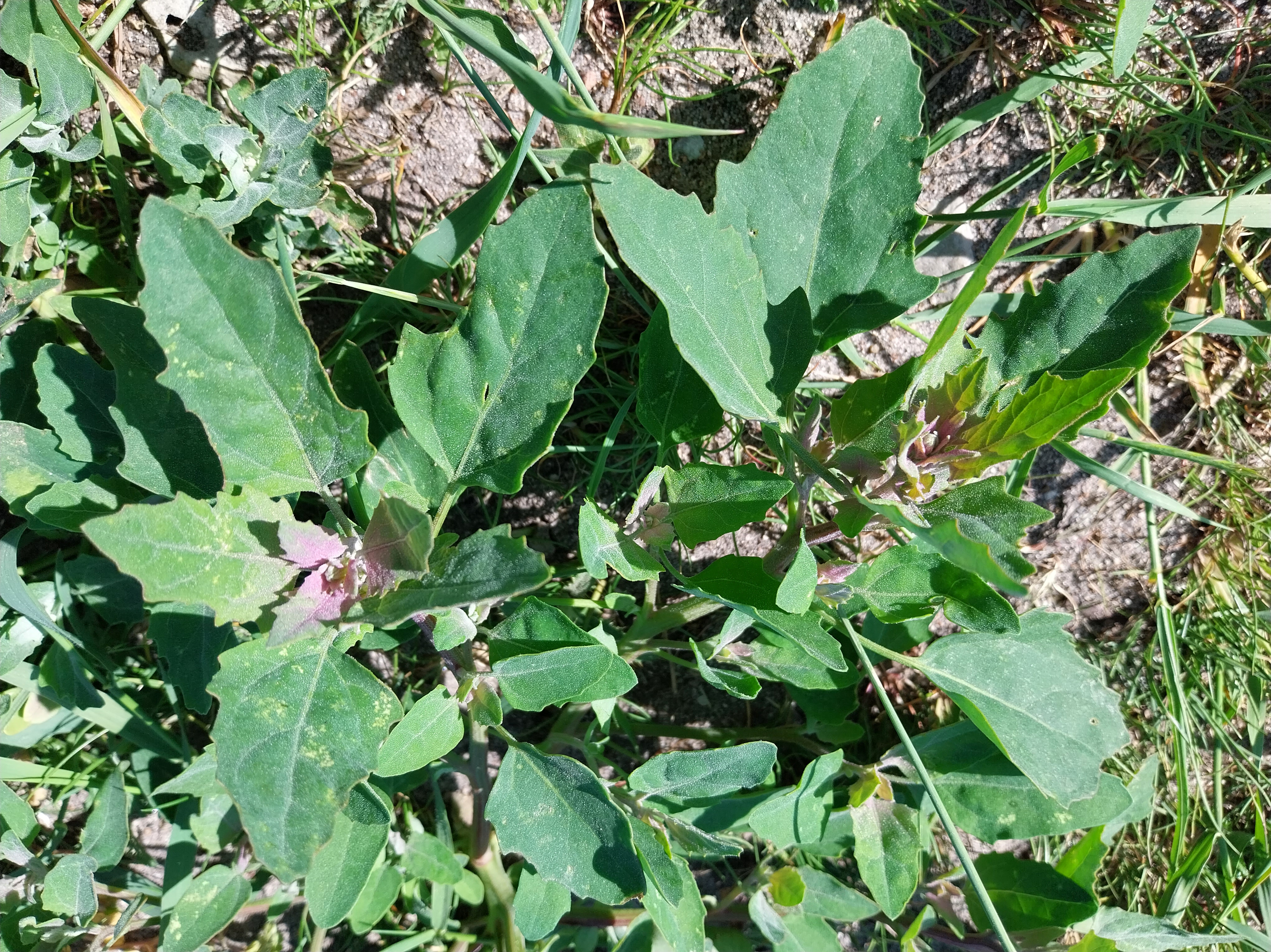
Another plant that we are tolerating is a fast-growing relative of spinach that’s variously called Goosefoot or Fat Hen (Chenopodium album). I’d long known that it was edible (it’s grown as a crop in parts of Asia) but until last night I’d not cooked with it.

In fact it’s delicious! I threw some roughly chopped leaves and stems into a mushroom omelette and I have to say that it was better than any commercial spinach I’ve bought or grown. In particular, the texture is much nicer as the leaves are very water-repellant which mean that they don’t absorb as much moisture during cooking. Highly recommended as an alternative to spinach but make sure you correctly identify the plant before you try it – there’s some good advice on this website: https://www.wildfooduk.com/edible-wild-plants/fat-hen/.

As well as Fat Hen we also have the close relative Tree Spinach (Chenopodium giganteum), with it’s beautiful magenta-tinged leaves, coming up in the garden. I’m looking forward to trying that too:

I’ll try to post more as the garden progresses, if I have time. But as I mentioned yesterday, even though the manuscript is complete and submitted to the publisher, there’s still lots to do on my next book! Have a good weekend.

Can gardening bring couples together? Listen to this podcast and find out!

Over the years, gardening has featured heavily on this blog and some of the observations that I made in the garden that Karin and I developed in Northampton appeared in my book Pollinators & Pollination: Nature and Society. At the same time that I was writing this, Karin was writing her first book – The Essential Companion to Talking Therapy – and we often discussed the links between nature, gardening, mental health and relationships between couples.

Fast forward a couple of years to last August. While we were in Kenya teaching on the Tropical Biology Association Field Course, Karin was interviewed by BBC Gardeners’ World presenter Adam Frost for his podcast series about gardening and health. In the interview Karin and Adam chat about how gardens and gardening together can positively affect relationships in couples. The interview has just been released and despite the fact that at the time Karin was recovering from COVID I think that she did very well! Here’s the link to the podcast: https://www.gardenersworld.com/podcast/adam-frosts-gardening-for-health-building-relationships/

Karin has also posted some thoughts about this, in her own inimitable way, on her blog at Medium.

The significance of the photo that accompanies this post is that it’s Karin sitting in front of the tent that we shared in Kenya, enjoying some watermelon, which was just about all she could manage to eat when she had COVID!

Pollinator-flower interactions in gardens during the COVID-19 pandemic lockdown of 2020: the data paper has just been published!

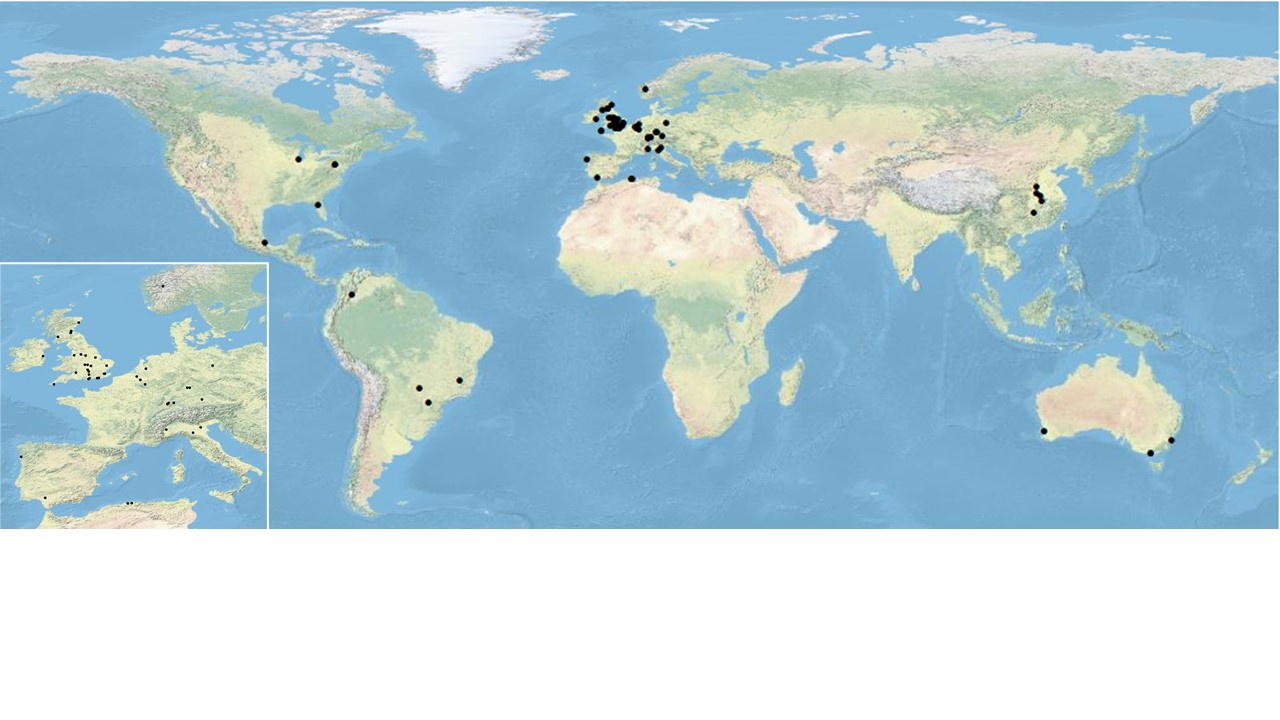
During the lockdown period of the COVID-19 pandemic in 2020, many pollination ecologists were stuck at home: universities and research institutes were closed and restrictions on travel meant that it was not possible to get out and do field work. In order to keep active and motivated, and to turn adversity into an opportunity, an ad hoc network of more than 70 researchers from 15 different countries (see the map above) decided to collect standardised data on the plant-pollinator networks in their own gardens and nearby public spaces.

When combined with information about location, size of garden, floral diversity, how the garden is managed, and so forth, this would provide some useful data about how gardens support pollinators. For those with kids at home it could also be a good way of getting them out into fresh air and giving them something to do!

Following discussions, several different protocols were instigated which depended upon the time available to the researchers, including one that mirrored the UK Pollinator Monitoring Scheme’s  FIT (Flower-Insect Timed) counts.

The resulting data set of almost 47,000 visits by insects and birds to flowers, as well as information about flowers that were never visited, is freely available and will be an invaluable resource for pollination ecologists. For example, analysing the links between ornamental flowers that share pollinators with fruits and vegetables such as apples and beans, will allow us to make recommendations for the best plants to grow in home gardens that can increase yields of crops.  

There’s an old saying about turning adversity into a positive outcome: “When life gives you lemons, make lemonade”, and the researchers were pleased to find that there’s one record of Citrus limon in the data set!

The paper describing the data set has just been published in the Journal of Pollination Ecology and you can download a PDF of the paper and the associated data for free by following this link.

Sincere thanks to all of my co-authors for their commitment to the project!

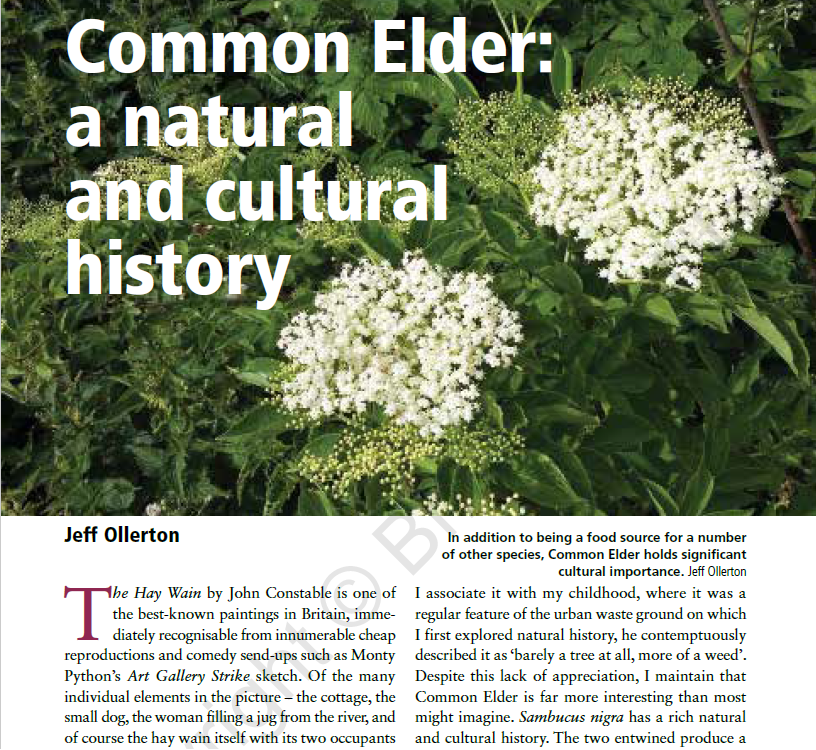
Common Elder: a natural and cultural history – new article just published

Common Elder (Sambucus nigra) is a plant that has fascinated me since my childhood, when I spent many happy hours scrambling around in its branches and pelting friends with the small fruits that stained our clothes and skin. I was therefore delighted to be able to finally write about my fascination in an article in the May issue of British Wildlife magazine. Although many dismiss it as a rather weedy, commonplace plant, I hope that readers are pleasantly surprised by just how interesting Common Elder is, in terms of its utilitarian value, the mythology and superstitions associated with it, and of course the wildlife that it supports.

I’m developing a talk based on this article, which I’m happy to present online for any natural history or botanical groups. If it’s of interest, drop me a line via my Contact page.

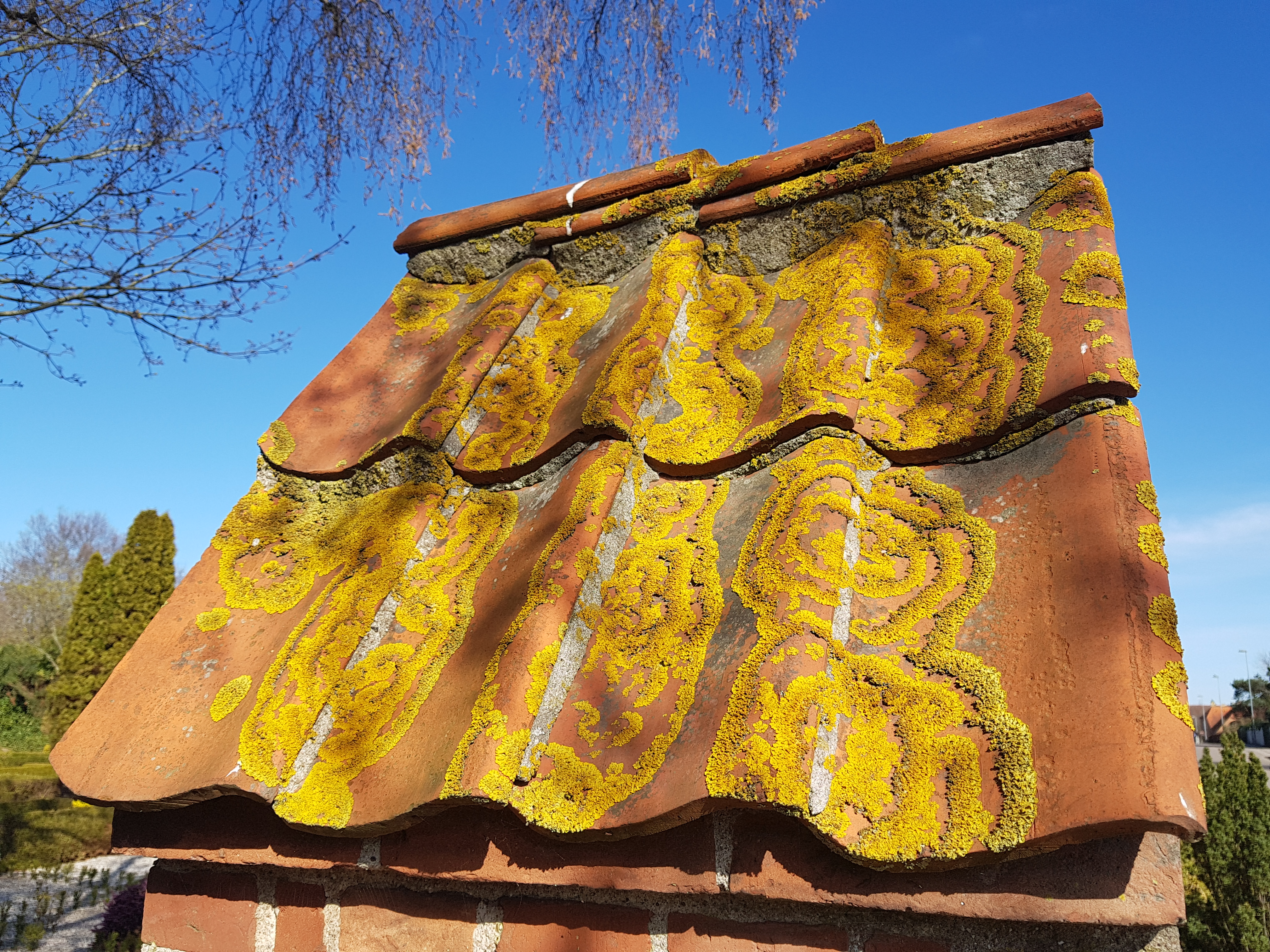
Nature’s graffiti: lichens pattern clay tiles

Following on from my recent blog post about biological crusts, I was intrigued by the patterns formed by these lichens on the clay tiles capping the brick gate columns of our local cemetery. It looks as though they have been created by successive waves of growth, but I may be wrong about that. Any lichen experts out there who can tell me what’s going on?

I think the species is Xanthoria parietina, but again I’m happy to be corrected. Below is a cropped close-up from a slightly different angle.

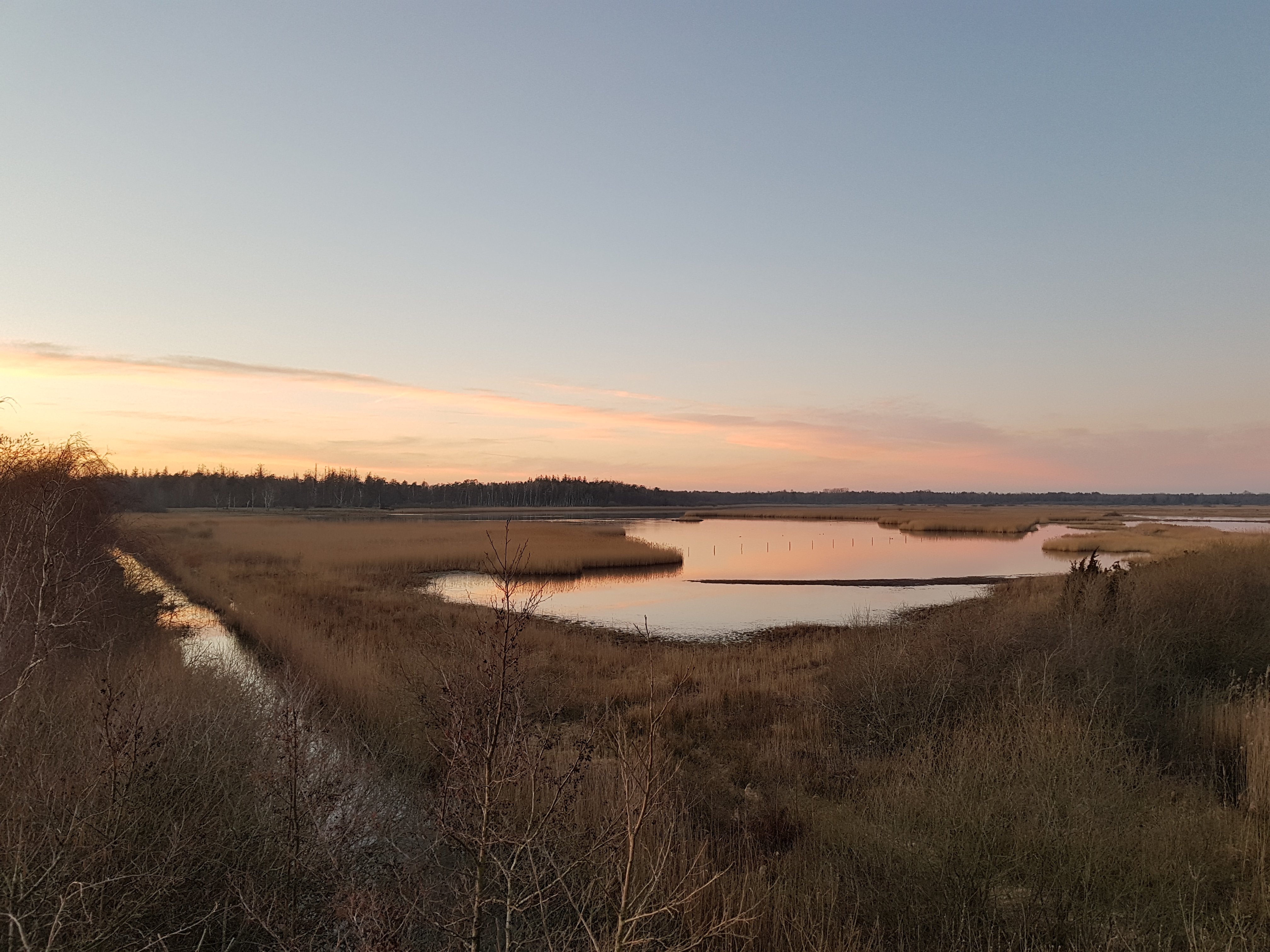
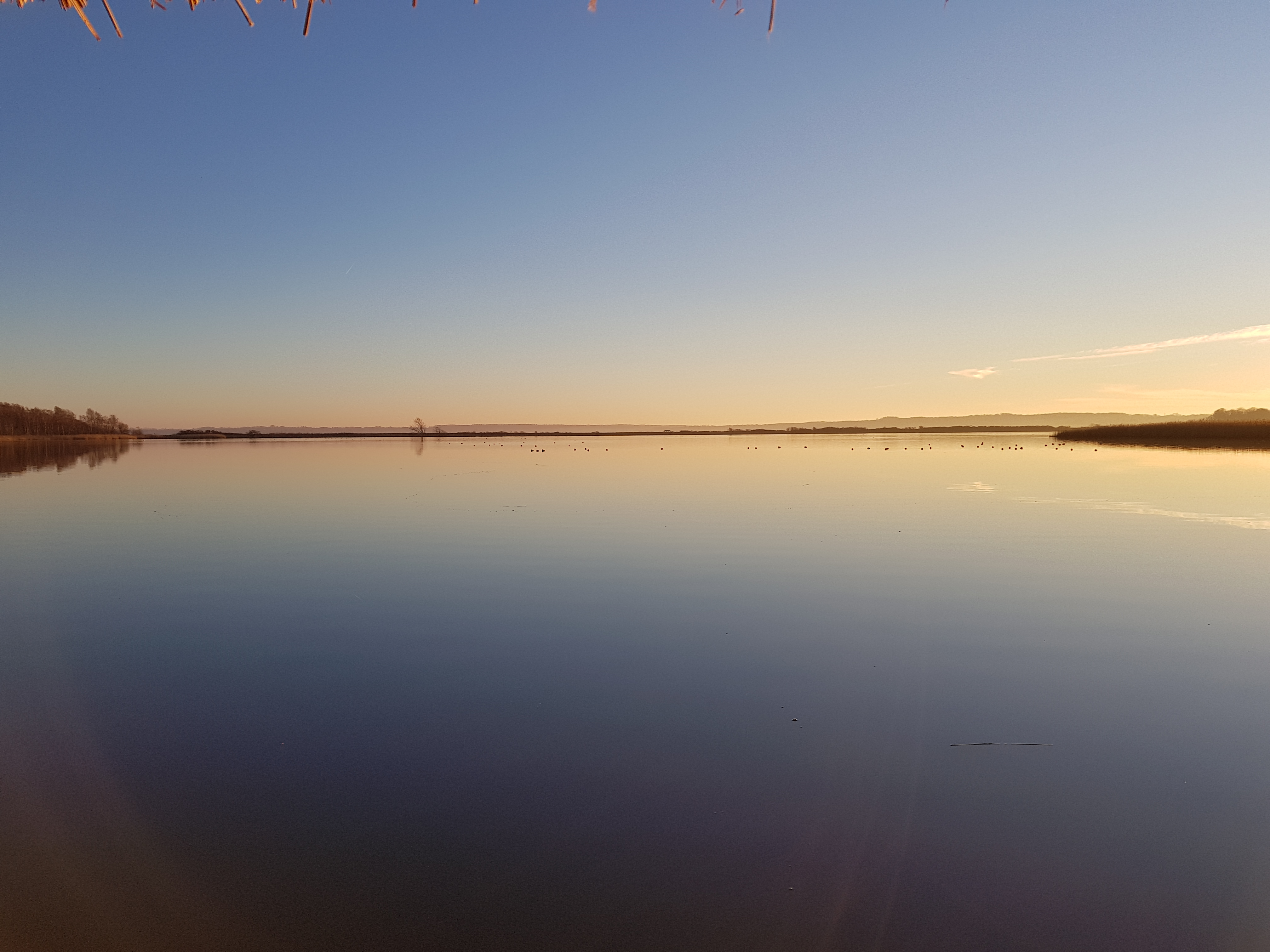
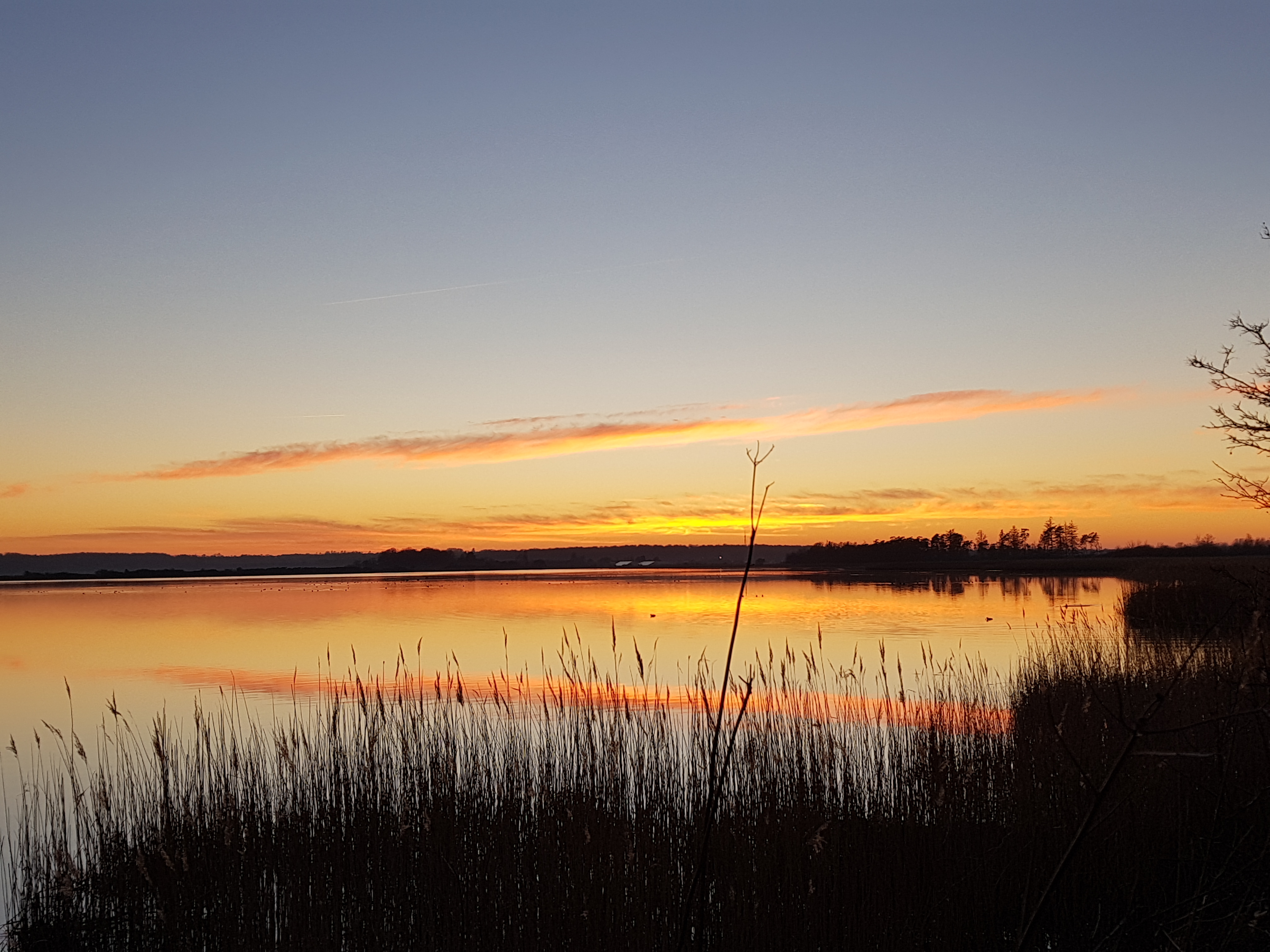
Solace in nature: sunset over Hov Vig bird reserve

The invasion of Ukraine by hostile Russian forces is a humanitarian disaster the likes of which Europe has not seen for decades, and hoped never to see again. Like many people, Karin and I have been watching the news about the war with a sense of helplessness, bewilderment and alarm, wondering how such things can come to pass in the 21st century. We thought we were past the stage where aggressive, narrow-minded dictators could bully their way into adjacent countries.

Faced with 24 hour media coverage of such desperate events, it’s easy to lose touch with the world around us. Karin and I are fortunate to be able to bicycle to some beautiful local spots where we can reflect and try to find some solace in nature. That’s what we did yesterday with a late afternoon visit to the Hov Vig bird reserve. In addition to my photos, which I’ll let speak for themselves, Karin filmed a short video for her YouTube channel which includes a marvelous array of bird calls.

Tonight we are taking part in a fund-raising event at the local culture house. Please think about how you can help to support Ukraine, in however modest a way, but also don’t forget to connect with nature. It will always endure, despite the destructive efforts of humans.