Category Archives: Birds

Books as gifts this Christmas – here’s some ideas for adults and children

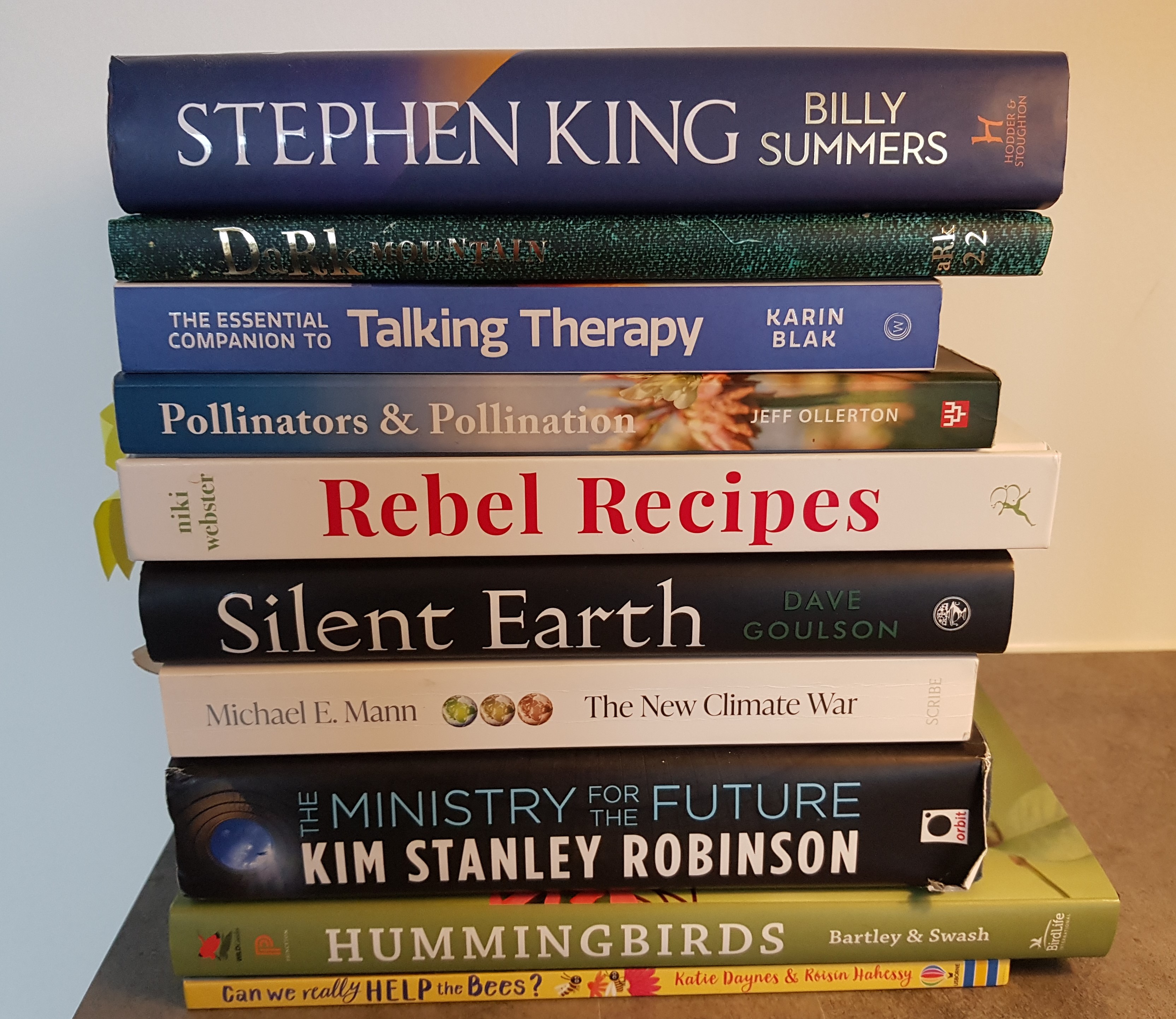
Although we are still in the early part of November, it’s never too soon to be thinking about buying Christmas gifts for friends and family. And what better gift than a book? Here’s a few suggestions for some that I’ve read this year that I think will make fine presents.

Who doesn’t love a good story, and Stephen King is a master storyteller. I’ve really enjoyed his more recent novels and Billy Summers stands out for me. It’s part thriller, part romance, and as always there’s a little touch of the uncanny. Very different, but just as much a page turner, is The Ministry for the Future by Kim Stanley Robinson. Although Robinson is known as a science fiction writer, this novel is set in the near future when climate change breakdown is forcing governments and businesses into making radical changes. As much as anything this is a road map for how we can get ourselves out of the current climate crisis.

Talking of which, Michael Mann’s The New Climate War should be read by everyone interested in understanding how big corporations have colluded with the media and governments to trivialise and misrepresent the problems that we currently face. I reviewed this and a book about the insect biodiversity crisis, Silent Earth by Dave Goulson, in this blog post.

If you are looking for a book to help young children understand the importance of bees and other pollinators then I can highly recommend Can We Really Help the Bees? by Katie Daynes and Róisín Hahessy, for which I acted as science advisor.

For the ornithologically minded you might want to consider the lavishly illustrated Hummingbirds: A Celebration of Nature’s Jewels by Glenn Bartley and Andy Swash. Those who love writing and art with an environmental focus would appreciate an annual subscription to Dark Mountain, which gives you two beautifully produced volumes every year. A couple of my essays appeared in earlier volumes and the quality of the contributions never fails to impress me.

There’s lots of great natural history authors and books to choose from on Pelagic Publishing’s list, including of course my own Pollinators & Pollination: Nature and Society! I especially enjoyed Ian Carter’s recent memoir Human, Nature: A Naturalist’s Thoughts on Wildlife and Wild Places.

For the budding or experienced cook, Niki Webster’s Rebel Recipes serves up some amazing vegan dishes that Karin and I have really enjoyed trying. And speaking of my wife, of course I have to include her Essential Companion to Talking Therapy as the perfect gift for anyone considering or currently undergoing counselling or therapy, or who is thinking about becoming a practitioner.

Finally, if you’re looking for particular book ideas or just like browsing through lists of what others recommend, there’s lots of inspiration over at the independent Shepherd site.

I hope that you’ve found this useful. Feel free to comment with suggestions for other books that you’ve enjoyed.

Are cactus pollination systems more specialised in the tropics? A new study suggests yes…and no!

The question of whether interactions between different species are more specialised in tropical environments (as theory predicts) has intrigued me for a couple of decades. In fact it’s just occurred to me that August 2022 was the 20th anniversary of my paper in Oikos co-authored with Louise Cranmer entitled: Latitudinal trends in plant-pollinator interactions: are tropical plants more specialised? That paper was one of the first to seriously challenge an idea that was long-embedded in the scientific and (especially) popular literature, that tropical ecology was in a sense “special” and that the ways in which species parasitised, consumed, or engaged in mutualistic relationships in the tropics was different to what was happening in the subtropics and temperate zones.

Since then I’ve written about this subject in a number of publications, most recently in my book Pollinators & Pollination: Nature and Society and it’s inspired some other researchers to address the topic.

One of the real challenges with asking questions about how plant-pollinator relationships change over large geographical areas is obtaining good, robust data to analyse. It’s a challenge to convince science funding agencies to give money to spend many years travelling the world and collecting the kind of data that are needed. However we can gain some idea of the patterns, and potential processes, that drive the macroecology of plant-pollinator interactions by piecing together databases of interactions for particular taxa, gleaned from published and unpublished sources.

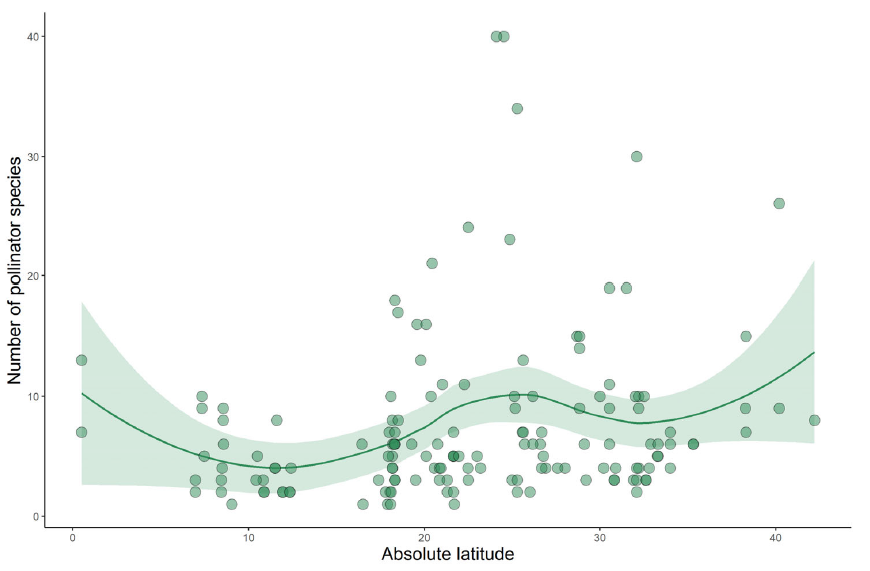
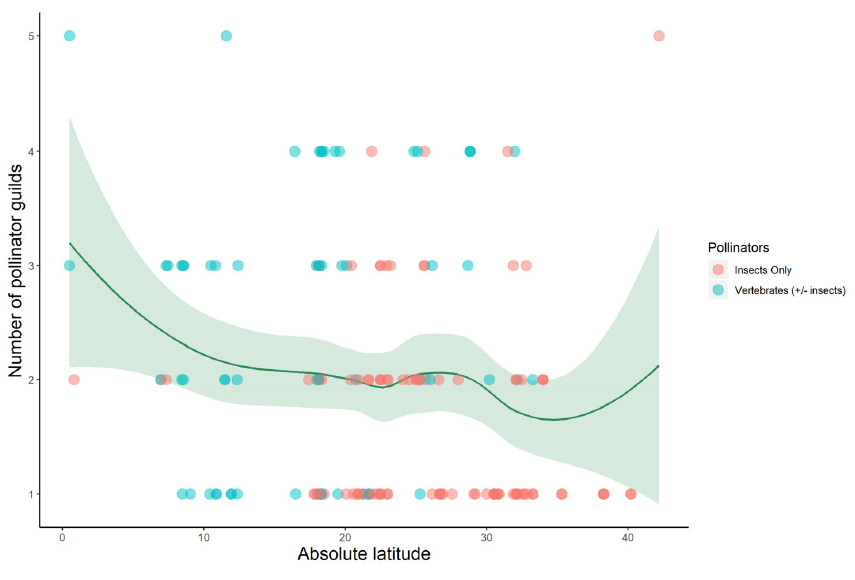
That’s what we have done for the family Cactaceae in a new study led by Pablo Gorostiague from the Universidad Nacional de Salta in Argentina. This collaboration started when Pablo visited Northampton back in 2018 and spent some time with my research group, including helping out with field work in Tenerife. Since then the usual issues (work, COVID, etc.) have delayed publication of our paper, but now it’s finally out. Amongst other results we find that, yes, tropical cacti are pollinated by fewer species on average (though it’s hugely variable – see the figure above) but that functional specialisation (i.e. the number of pollinator guilds that are used by species) is no different in the tropics compared to the extra-tropics (that’s the figure at the end of this post).

The full reference with a link to the paper is below; if anyone wants a PDF, please send me a message via the Contact page:

Gorostiague, P., Ollerton, J. and Ortega-Baes, P. (2022) Latitudinal gradients in biotic interactions: Are cacti pollination systems more specialized in the tropics? Plant Biology https://doi.org/10.1111/plb.13450

Here’s the abstract:

Biotic interactions are said to be more specialized in the tropics, and this was also proposed for the pollination systems of columnar cacti from North America. However, this has not yet been tested for a wider set of cactus species. Here, we use the available information about pollination in the Cactaceae to explore the geographic patterns of this mutualistic interaction, and test if there is a latitudinal gradient in its degree of specialization.

We performed a bibliographic search of all publications on the pollination of cacti species and summarized the information to build a database. We used generalized linear models to evaluate if the degree of specialization in cacti pollination systems is affected by latitude, using two different measures: the number of pollinator guilds (functional specialization) and the number of pollinator species (ecological specialization).

Our database contained information about the pollination of 148 species. The most frequent pollinator guilds were bees, birds, moths and bats. There was no apparent effect of latitude on the number of guilds that pollinate a cactus species. However, latitude had a small but significant effect on the number of pollinator species that service a given cactus species.

Bees are found as pollinators of most cactus species, along a wide latitudinal gradient. Bat and bird pollination is more common in the tropics than in the extra-tropics. The available information suggests that cacti pollination systems are slightly more ecologically specialized in the tropics, but it does not support any trend with regard to functional specialization.

Pollinator-flower interactions in gardens during the COVID-19 pandemic lockdown of 2020: the data paper has just been published!

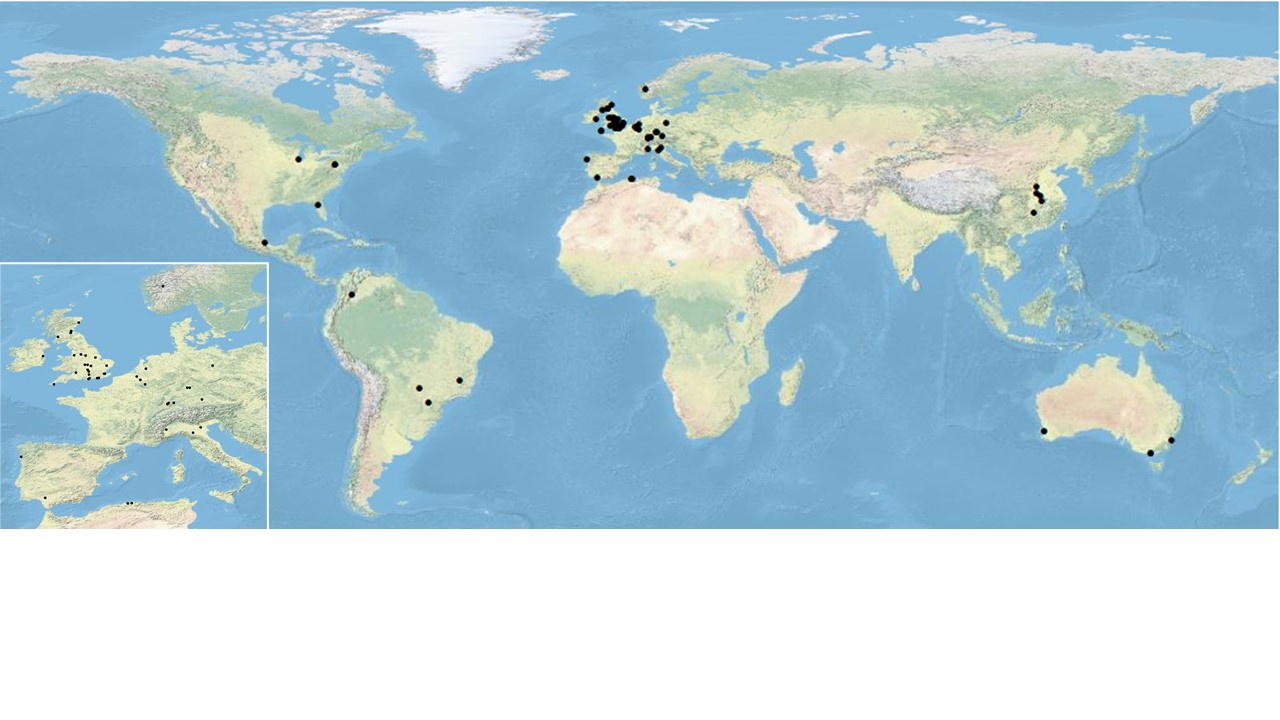
During the lockdown period of the COVID-19 pandemic in 2020, many pollination ecologists were stuck at home: universities and research institutes were closed and restrictions on travel meant that it was not possible to get out and do field work. In order to keep active and motivated, and to turn adversity into an opportunity, an ad hoc network of more than 70 researchers from 15 different countries (see the map above) decided to collect standardised data on the plant-pollinator networks in their own gardens and nearby public spaces.

When combined with information about location, size of garden, floral diversity, how the garden is managed, and so forth, this would provide some useful data about how gardens support pollinators. For those with kids at home it could also be a good way of getting them out into fresh air and giving them something to do!

Following discussions, several different protocols were instigated which depended upon the time available to the researchers, including one that mirrored the UK Pollinator Monitoring Scheme’s  FIT (Flower-Insect Timed) counts.

The resulting data set of almost 47,000 visits by insects and birds to flowers, as well as information about flowers that were never visited, is freely available and will be an invaluable resource for pollination ecologists. For example, analysing the links between ornamental flowers that share pollinators with fruits and vegetables such as apples and beans, will allow us to make recommendations for the best plants to grow in home gardens that can increase yields of crops.  

There’s an old saying about turning adversity into a positive outcome: “When life gives you lemons, make lemonade”, and the researchers were pleased to find that there’s one record of Citrus limon in the data set!

The paper describing the data set has just been published in the Journal of Pollination Ecology and you can download a PDF of the paper and the associated data for free by following this link.

Sincere thanks to all of my co-authors for their commitment to the project!

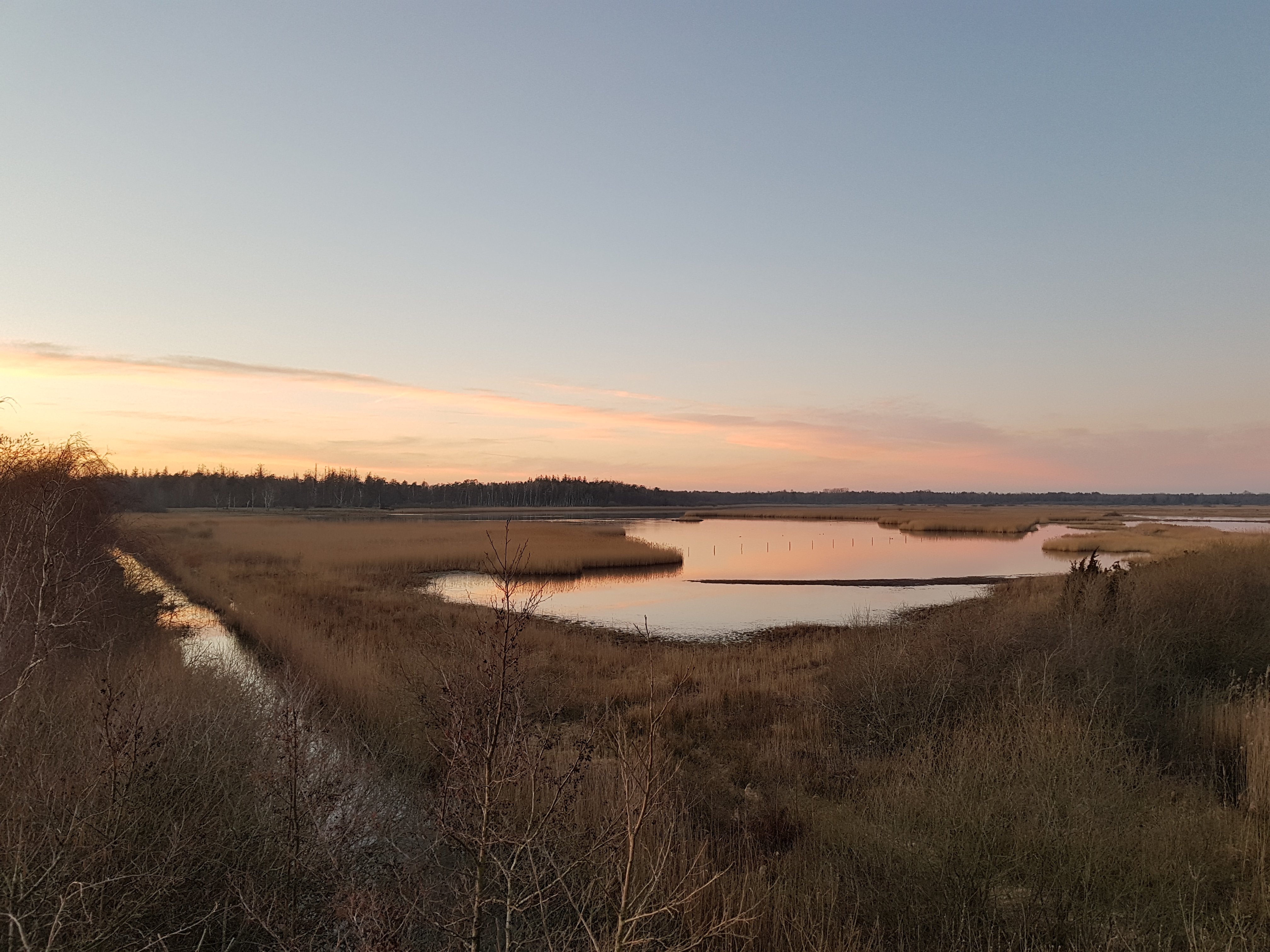
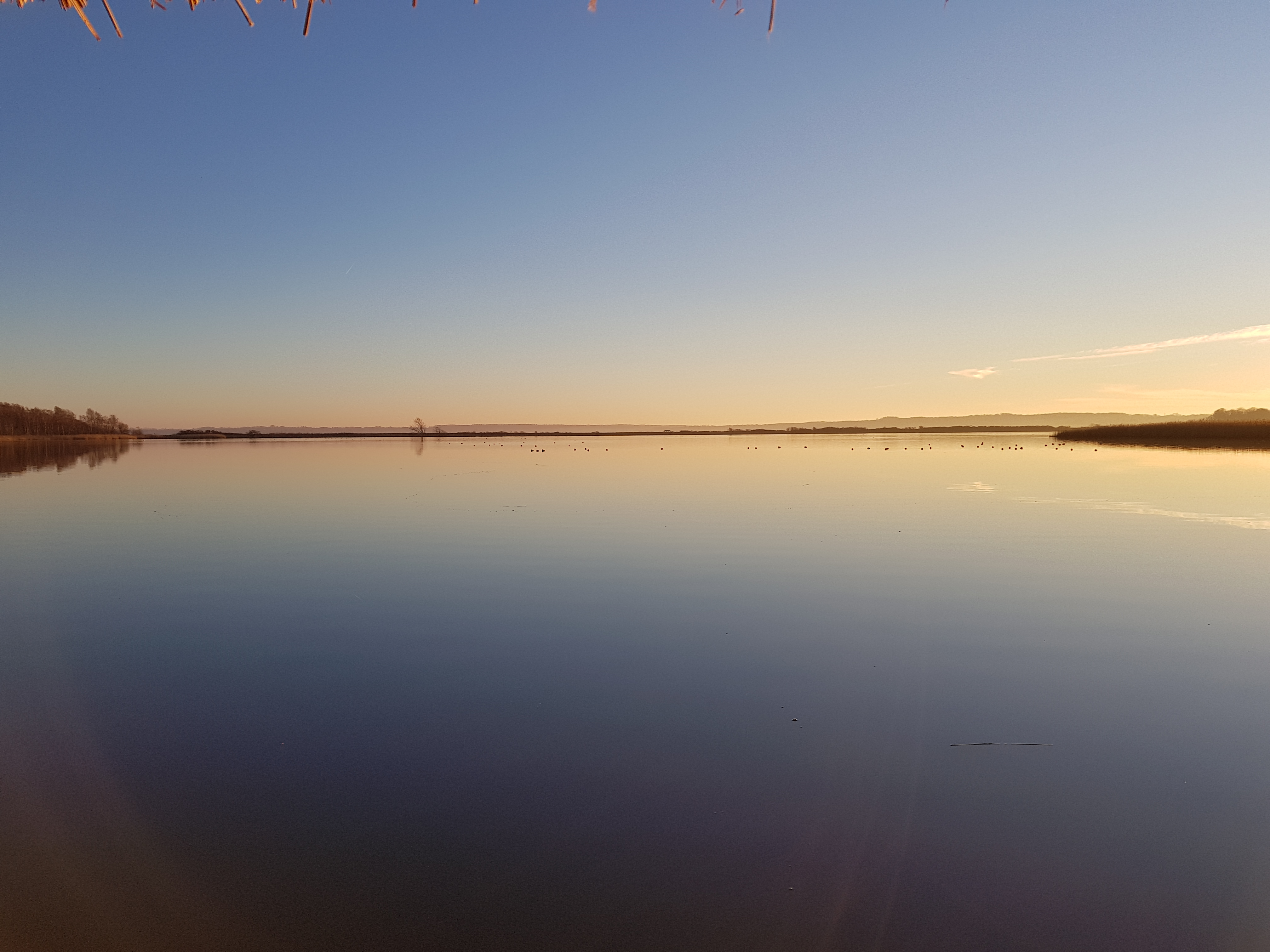
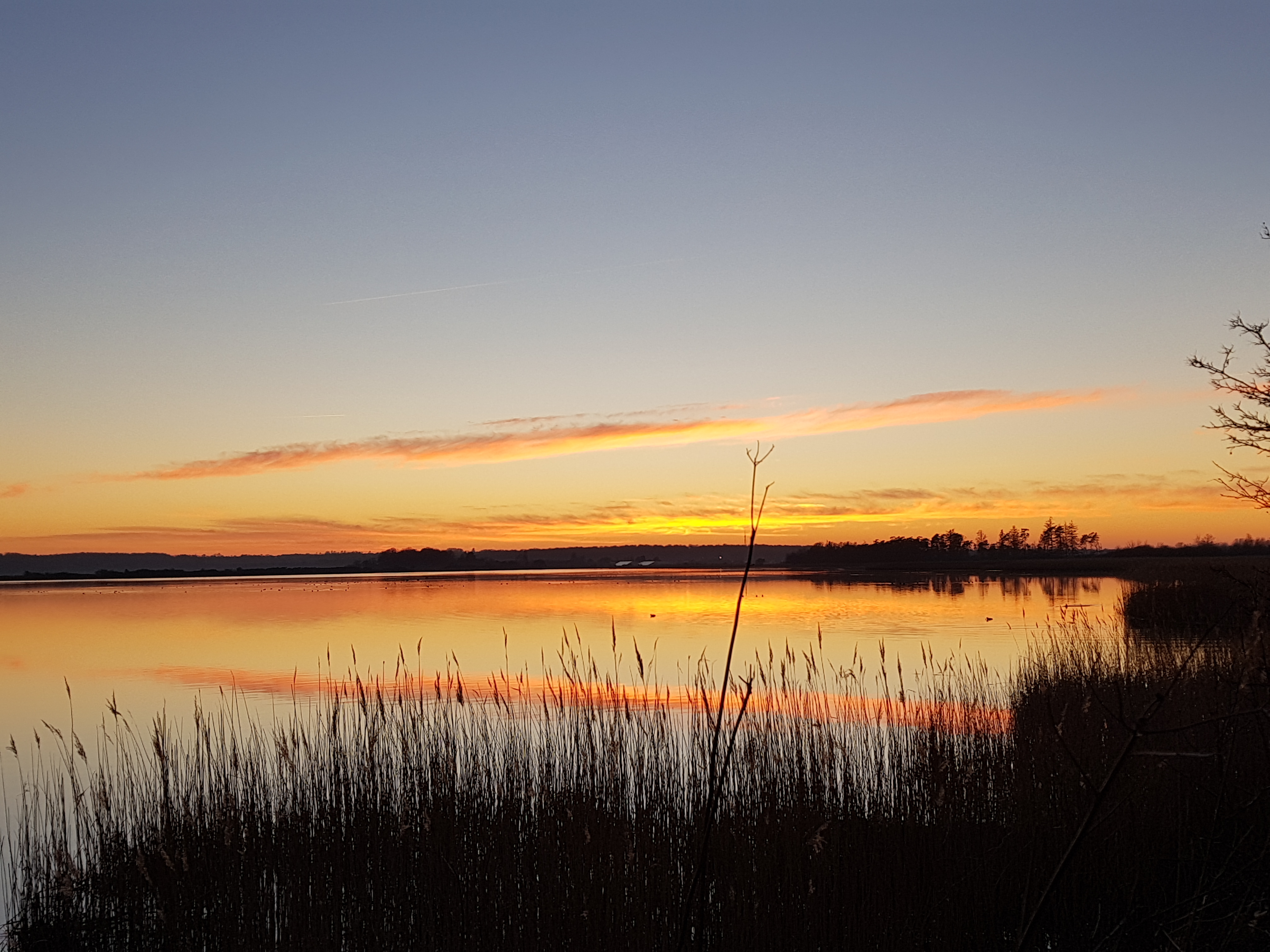
Solace in nature: sunset over Hov Vig bird reserve

The invasion of Ukraine by hostile Russian forces is a humanitarian disaster the likes of which Europe has not seen for decades, and hoped never to see again. Like many people, Karin and I have been watching the news about the war with a sense of helplessness, bewilderment and alarm, wondering how such things can come to pass in the 21st century. We thought we were past the stage where aggressive, narrow-minded dictators could bully their way into adjacent countries.

Faced with 24 hour media coverage of such desperate events, it’s easy to lose touch with the world around us. Karin and I are fortunate to be able to bicycle to some beautiful local spots where we can reflect and try to find some solace in nature. That’s what we did yesterday with a late afternoon visit to the Hov Vig bird reserve. In addition to my photos, which I’ll let speak for themselves, Karin filmed a short video for her YouTube channel which includes a marvelous array of bird calls.

Tonight we are taking part in a fund-raising event at the local culture house. Please think about how you can help to support Ukraine, in however modest a way, but also don’t forget to connect with nature. It will always endure, despite the destructive efforts of humans.

Heterospecific pollen deposition is positively associated with reproductive success in a diverse hummingbird-pollinated plant community: a new study just published

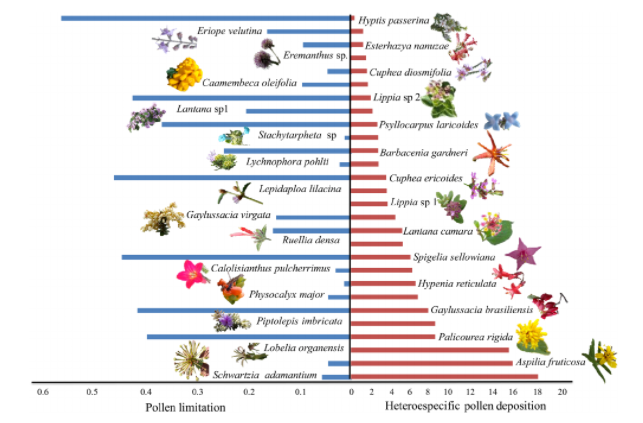
Plants which live in diverse communities with other species may often share pollinators, which means that their stigmas can receive the pollen from different types of plants as well from individuals of their own species. This “heterospecific” pollen deposition may have consequences for plant reproduction if it clogs up the stigmas and prevents “conspecific” pollen from gaining a foothold. However there’s still relatively little published on this phenomenon and its impact on reproduction, particularly in highly diverse tropical communities across different seasons. In a new study just published in the journal Oikos and led by Sabrina Aparecida Lopes, we have shown that in a Brazilian hummingbird-flower community heterospecific pollen deposition (HPD) shows seasonal patterns. Contrary to expectations, we also found a positive relationship between HPD and reproductive success, which by coincidence has also been shown this month for a high-Andean plant community in this paper just published by Sabrina Gavini and colleagues.

Here’s the full reference and the abstract for our Oikos paper:

Lopes, S.A, Bergamo, P.J, Queiroz, S.N.P., Ollerton, J., Santos, T. & Rech, A.R. (2021) Heterospecific pollen deposition is positively associated with reproductive success in a diverse hummingbird-pollinated plant community. Oikos (in press)

Heterospecific pollen deposition (HPD) is ubiquitous across plant communities, especially for generalized species which use a diversity of pollinators, and may have negative effects on plant reproduction. However, it is unclear whether temporal changes in the co-flowering community result in changes in HPD patterns. Moreover, community-level studies are required to understand which factors influence HPD and how the reproduction of different species is affected. We investigated the temporal variation of HPD, its relationship with level of specialization on pollinators and floral phenotypic specialization, and its association with reproductive success (pollen limitation and fruit set) in 31 hummingbird-pollinated plant species in a tropical Campo Rupestre. We found seasonality in HPD, with species flowering in the dry season having greater diversity of heterospecific pollen on stigmas and a higher frequency of stigmas containing heterospecific pollen, compared to the rainy season. Stigmas of ecologically generalized species had more heterospecific pollen, while the relationship for ecologically specialized species depended on floral phenotype. Surprisingly, and in contrast to theory, we found a positive relationship between HPD and reproductive success. Our results indicate benefits of generalization and facilitation, in which sharing pollinators brings greater reproductive success via increased conspecific pollen deposition, even if it incurs more HPD. We demonstrated how assessing HPD at a community-level can contribute to understanding the ecological causes and functional consequences of pollinator sharing.

If you’d like a PDF, please use the Contact page to request one.

Hooded crows as strandline scavengers: some observations on an intriguing behaviour

When I was teaching undergraduate ecology I always impressed upon my students the idea that the categorisations we use to describe “communities” and “ecosystems” are really loose, artificial attempts to put boundaries around borderless ecological systems. Nowhere is this more true than in coastal ecosystems, where the transition from “sea” to “shore” to “sand dune” to “coastal woodland”, for example, is a blur of overlapping habitat types linked by the movement of organisms, nutrients and energy from one to another.

Birds are especially important linkages in this respect, because they are highly mobile and thus effective at connecting “land” to “sea”. Consider gulls, for example, which may be feeding in coastal waters and on grasslands some distance away, and defecating and being preyed upon in both, resulting in transfer of sea-derived nutrients and energy into terrestrial ecosystems, and vice versa. There’s considerable interest amongst ecosystem ecologists in understanding such transfers; for example, here’s the opening sentences from the abstract from the 2013 paper Donor-Control of Scavenging Food Webs at the Land-Ocean Interface by Thomas Scholar and colleagues:

Food webs near the interface of adjacent ecosystems are potentially subsidised by the flux of organic matter across system boundaries. Such subsidies, including carrion of marine provenance, are predicted to be instrumental on open-coast sandy shores where in situ productivity is low and boundaries are long and highly permeable to imports from the sea. 

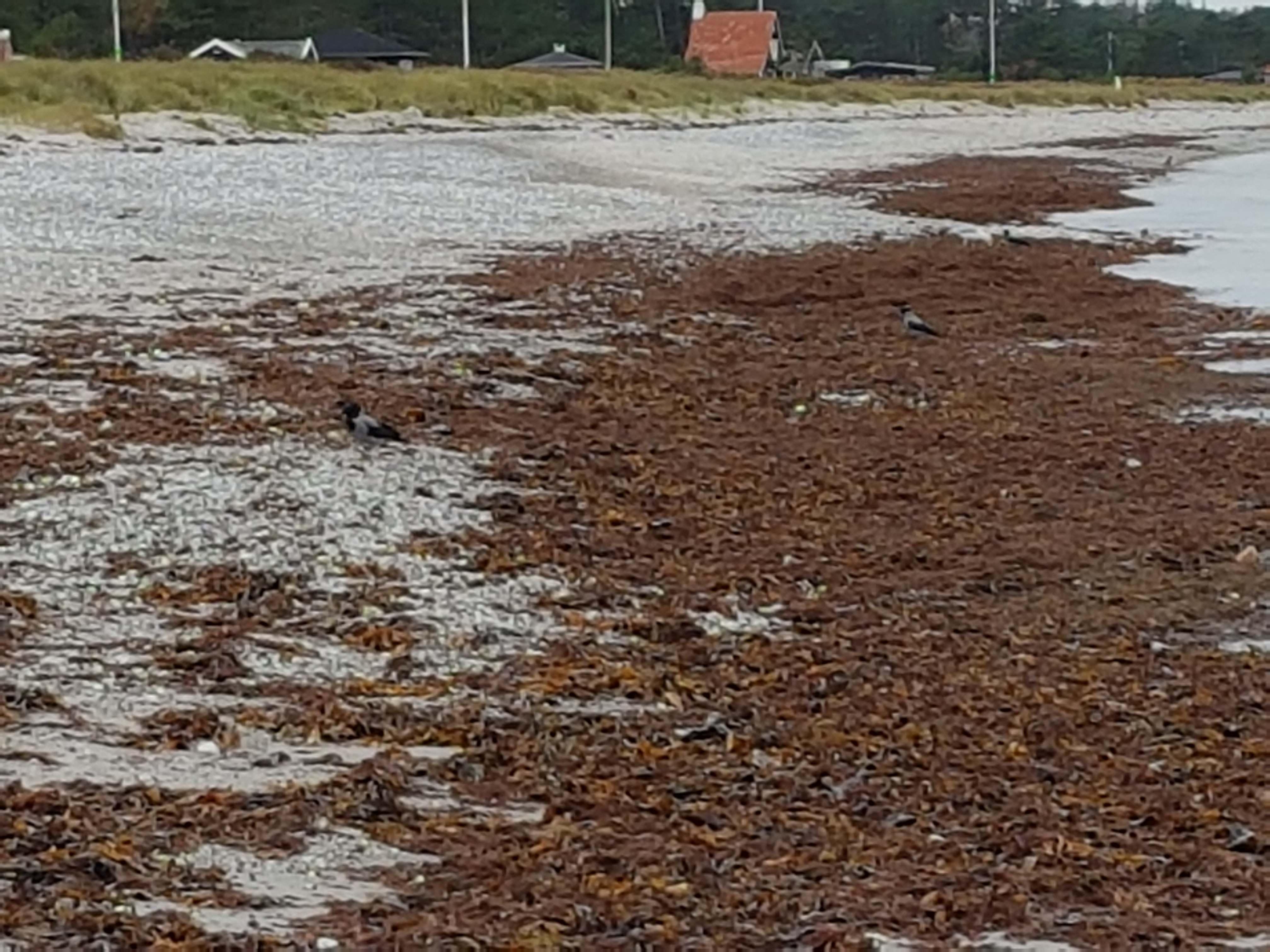
Here on the coastal beaches of the Kattegat I’ve been intrigued by the behaviour of hooded crows (Corvus cornix), which are acting, it appears, as just such facilitators of the “flux of organic matter” from sea to land.

There are six corvid species in the area, and hooded crows are by no means the most common: there’s at least as many rooks (Corvus frugilegus) and jackdaws (Coloeus monedula), and we often see all three species foraging together on ploughed fields or suburban grassland. That’s not surprising, because like many members of the crow family these species are opportunistic omnivores that eat a wide range of animal and plant material, both living and dead, as well as clearing up human food waste, which I described a few years ago during a visit to Kathmandu.

But hooded crows are the only species that we see scavenging on the shoreline.

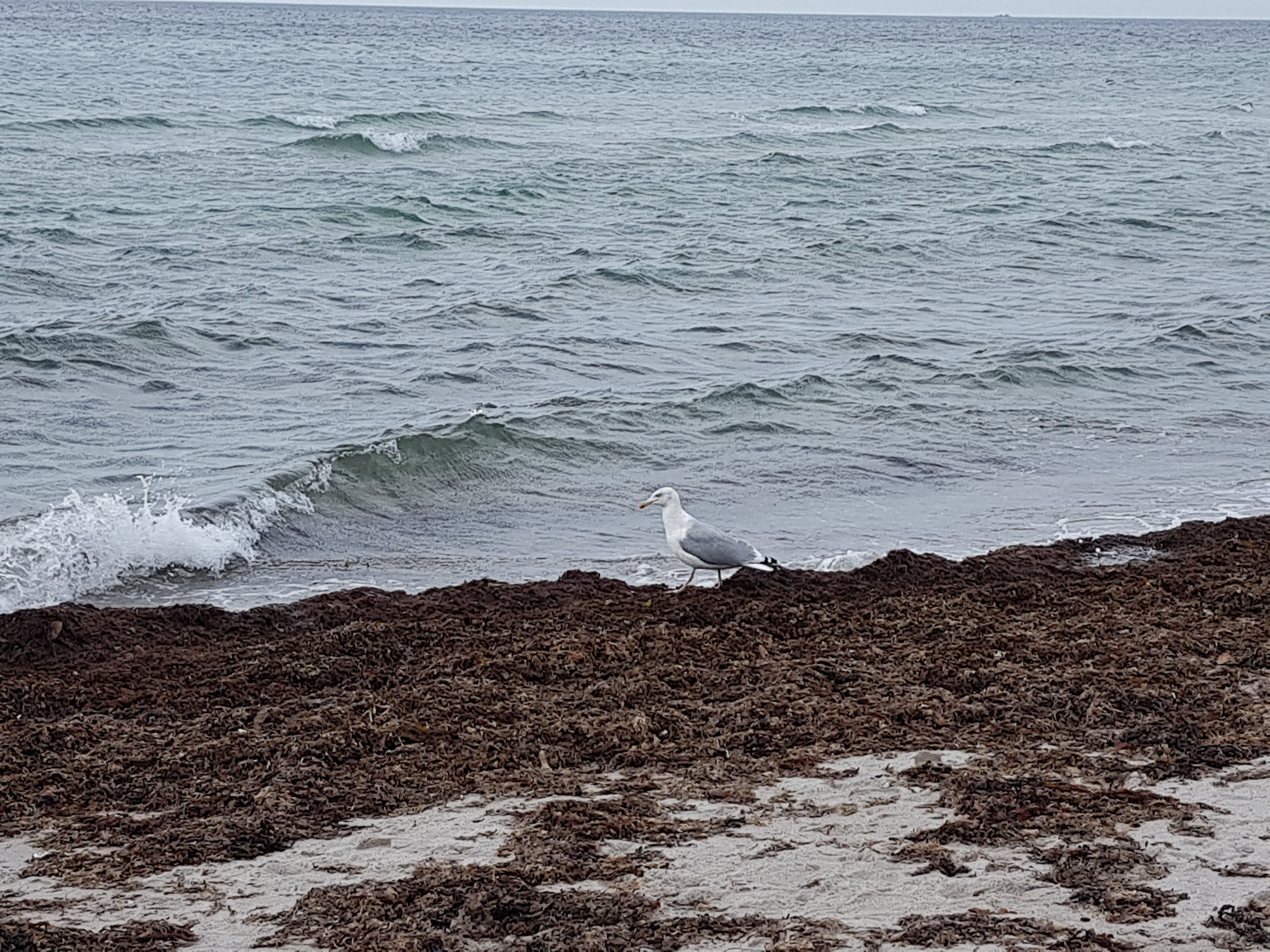
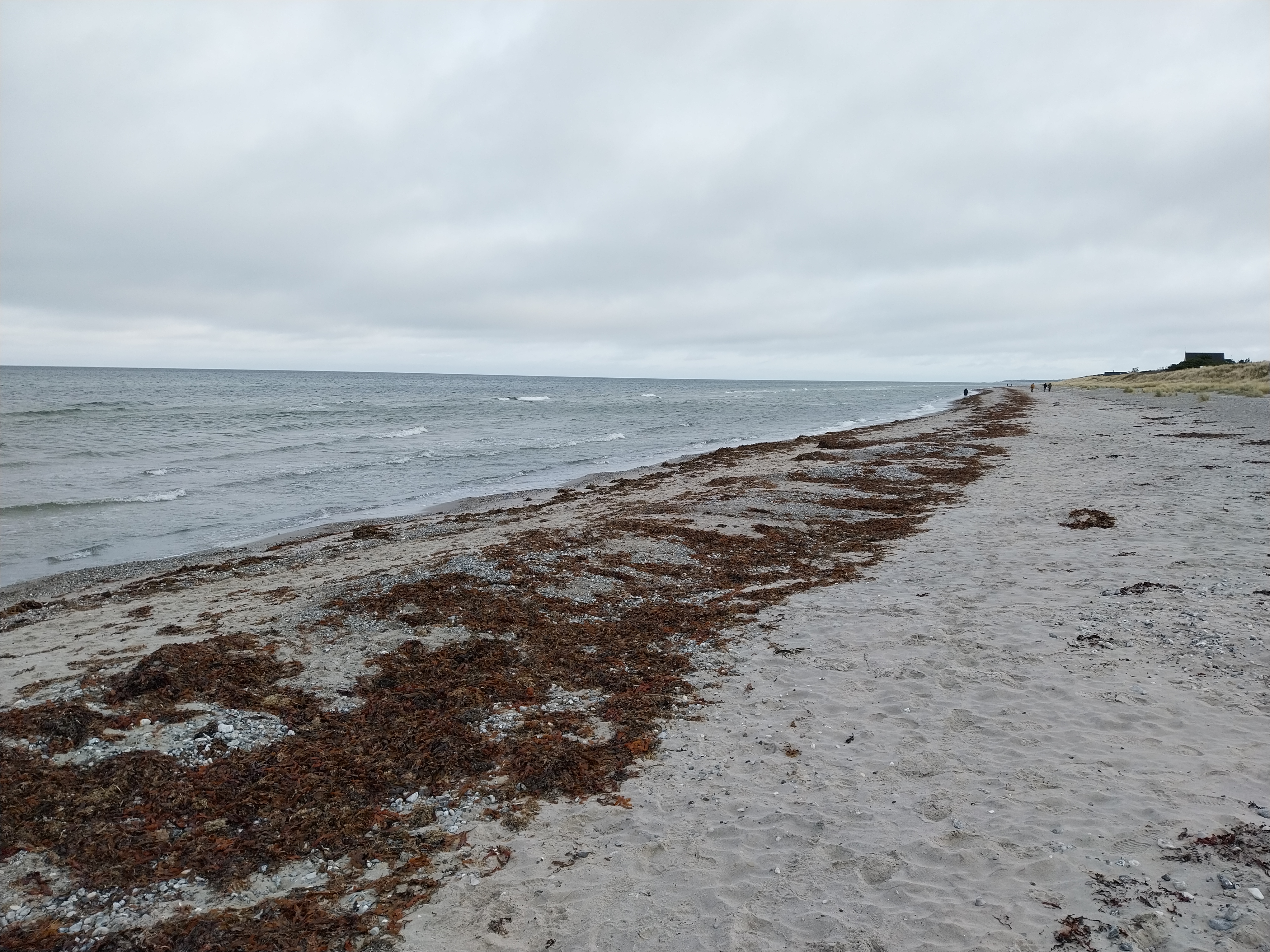
On Sunday, for example, I took a late afternoon stroll along the local beach with my binoculars and, as usual, I saw hooded crows in small groups of two or three, sometimes in the company of gulls. As I watched, in quick succession I saw two lesser black-backed gulls (Larus fuscus) paddle onto the beach, one with a large, flapping flatfish in its beak, the other with a struggling shore crab. As the gulls tore apart their respective prey they were quickly joined by some hooded crows that had been hanging around nearby. Once the gulls had eaten their fill the crows moved in and demolished the rest. The crows seem to be particularly adept at getting the last bit of meat from inside crab carapaces.

That’s behaviour I’ve seen a many times since we arrived here in August, crows picking over the remains of fish or crabs or (in one instance) a dead harbour porpoise that had also attracted the interest of gulls.

This focus on relatively large carrion items by the crows is understandable, but relatively rare because it’s controlled by the frequency with which such dead animals become available on the shore. It´s much more common to see the crows working their way systematically along the strandline, turning over seaweed in search of insects, crustaceans, and other small food items. I’ve even seen them hack away at washed-up acorns in the beach. It must be a productive way of finding food because they do it with such regularity.

But there’s a number of things about this behaviour that are puzzling me.

For example, why is it only the crows that work the strandline? Why do we never see jackdaws or rooks, which are at least as common, and equally omnivorous scavengers? They are also just as intelligent as the hooded crows and presumably could learn that this is a good place to find food. Also, are the crows that we see strandline “specialists” that spend most of the time on the beach, and nest in the nearby dune woodlands? Or is there a constant turnover of individual birds from the surrounding countryside to the beach and back? Do the birds learn this behaviour from one another and is it passed down from parents to offspring?

I’d be interested in your comments on these observations, as always. If you’d like to know more about corvid behaviour and ecology, I can highly recommend Dr Kaeli Swift’s Corvid Research Blog.

Ivy binds the landscape and bridges the seasons: a new article just published

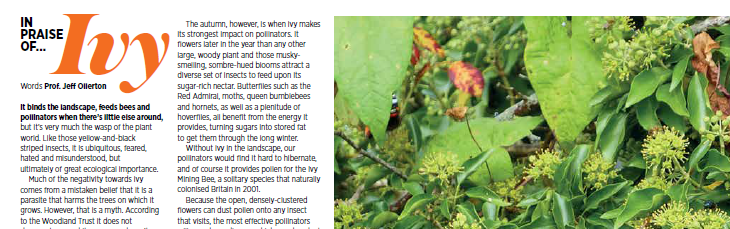
If you check out the latest issue of Bees and Other Pollinators Quarterly you’ll see that, as well as having a piece on the forthcoming COP26 climate change meeting and what it means for pollinators, the magazine has also published a short opinion piece by me called “In Praise of….Ivy”. The magazine is currently in the shops or you can subscribe by following this link: https://bq-mag.store/.

Although it can be invasive and an environmental nuisance in parts of the world where it’s introduced, common or European ivy (Hedera helix) is clearly one of the most vital plants across its native range of Europe, southern Scandinavia and the Mediterranean. Its clinging stems bind the landscape and provide habitat for a diversity of creatures. By offering nectar at a time when there’s few other plants in flower, and berries at a crucial point in the winter, ivy bridges a food gap for both nectar feeding insect and fruit eating birds and mammals.

Ivy is a very popular subject for student research because it’s in flower at the start of the university academic year. In the past I’ve had several students carry out their final year projects using ivy to test ideas about pollinator effectiveness and plant reproductive success. Because the open, densely-clustered flowers can dust pollen onto any insect that visits, the most effective pollinators will vary depending on which are abundant at any time and place, and include various types of flies and bees, plus those much-misunderstood wasps!

Perhaps we should leave the final word on ivy to the Northamptonshire ‘Peasant Poet’ John Clare who wrote ‘To the Ivy’ in the early 19th century:

Dark creeping Ivy, with thy berries brown,

That fondly twists’ on ruins all thine own,

Old spire-points studding with a leafy crown

Which every minute threatens to dethrone;

With fearful eye I view thy height sublime,

And oft with quicker step retreat from thence

Where thou, in weak defiance, striv’st with Time,

And holdst his weapons in a dread suspense.

But, bloom of ruins, thou art dear to me,

When, far from danger’s way, thy gloomy pride

Wreathes picturesque around some ancient tree

That bows his branches by some fountain-side:

Then sweet it is from summer suns to be,

With thy green darkness overshadowing me.

Further reading

Bradbury, K. (2015) English ivy: berry good for birds. https://www.theguardian.com/lifeandstyle/gardening-blog/2015/feb/19/english-ivy-berry-good-for-birds

Bumblebee Conservation Trust (2021) Ivy mining bee: https://www.bumblebeeconservation.org/ivyminingbee/

Jacobs, J.H., Clark, S.J., Denholm, I., Goulson D., Stoate, C. & Osborne J.L. (2010) Pollinator effectiveness and fruit set in common ivy, Hedera helix (Araliaceae). Arthropod-Plant Interactions 4: 19–28

Ollerton, J. (2021) Pollinators & Pollination: Nature and Society. Pelagic Publishing, Exeter, UK

Ollerton, J., Killick, A., Lamborn, E., Watts, S. & Whiston, M. (2007) Multiple meanings and modes: on the many ways to be a generalist flower. Taxon 56: 717-728

Woodland Trust (2021) Ivy. https://www.woodlandtrust.org.uk/trees-woods-and-wildlife/plants/wild-flowers/ivy/

Birding in Denmark: my first visit to the Hov Vig Reserve

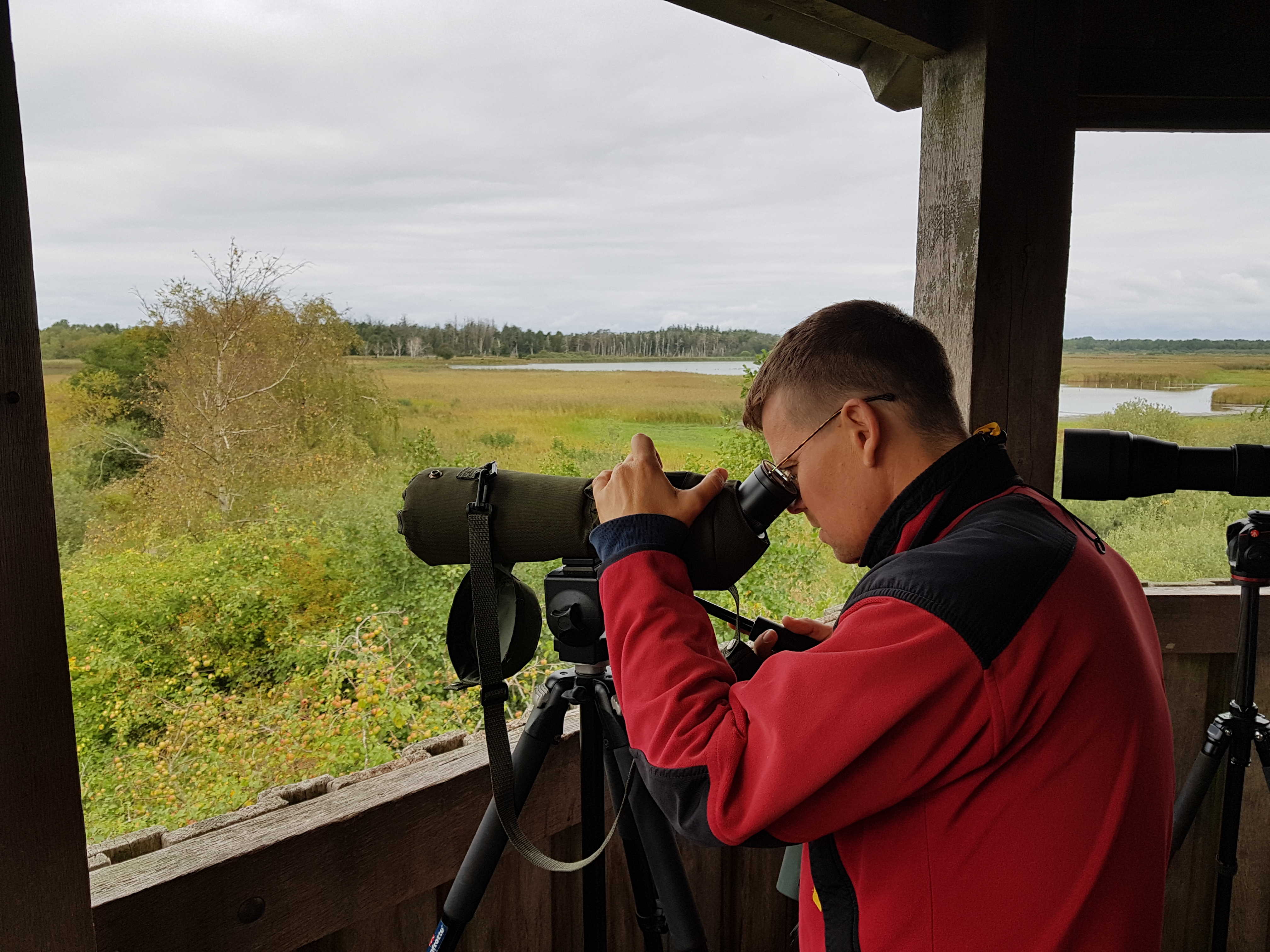
As well as working on a variety of writing and research projects, Karin and I have spent the last few weeks getting out and about in the Odsherred region of Denmark, exploring the culture and ecology of our new home. Not far from where we are living is the Hov Vig bird reserve which I’d put off visiting until last weekend when my friend and colleague Bo Dalsgaard was due to come and stay with us. Bo is primarily an ornithologist (we’ve collaborated on quite a few hummingbird-flower network studies), so it was going to be a good opportunity to get to know more about the birds of this part of the world.

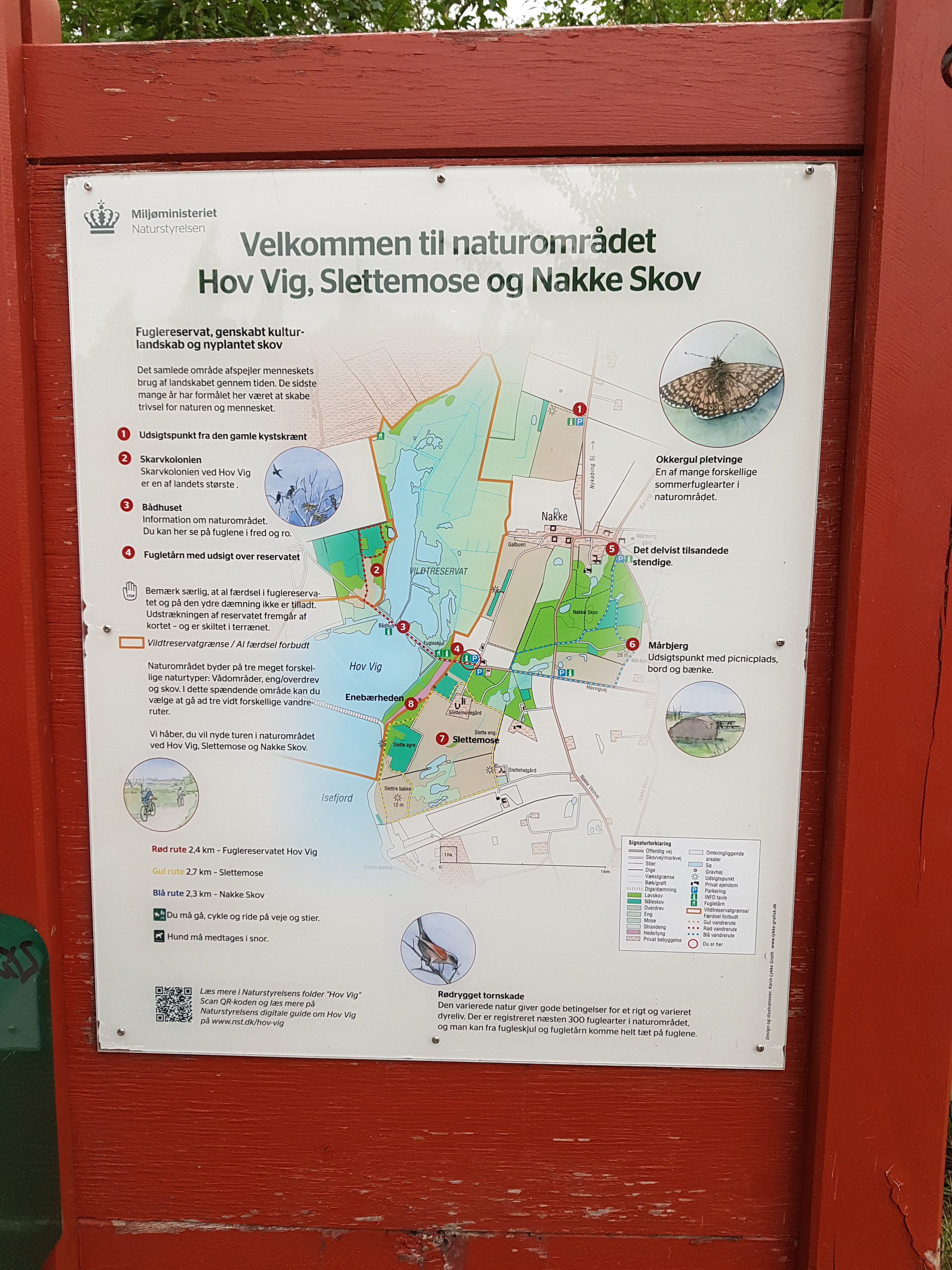
After an early breakfast we set out for Hog Vig and I have to say that I was extremely impressed by the reserve. As you can see from the map below it’s been created by installing a low causeway across a bay in the fjord, resulting in a shallow, brackish lagoon that is absolutely teeming with bird life! Shallow lagoons like this are very productive, with lots of invertebrates and plants on which the birds can feed.

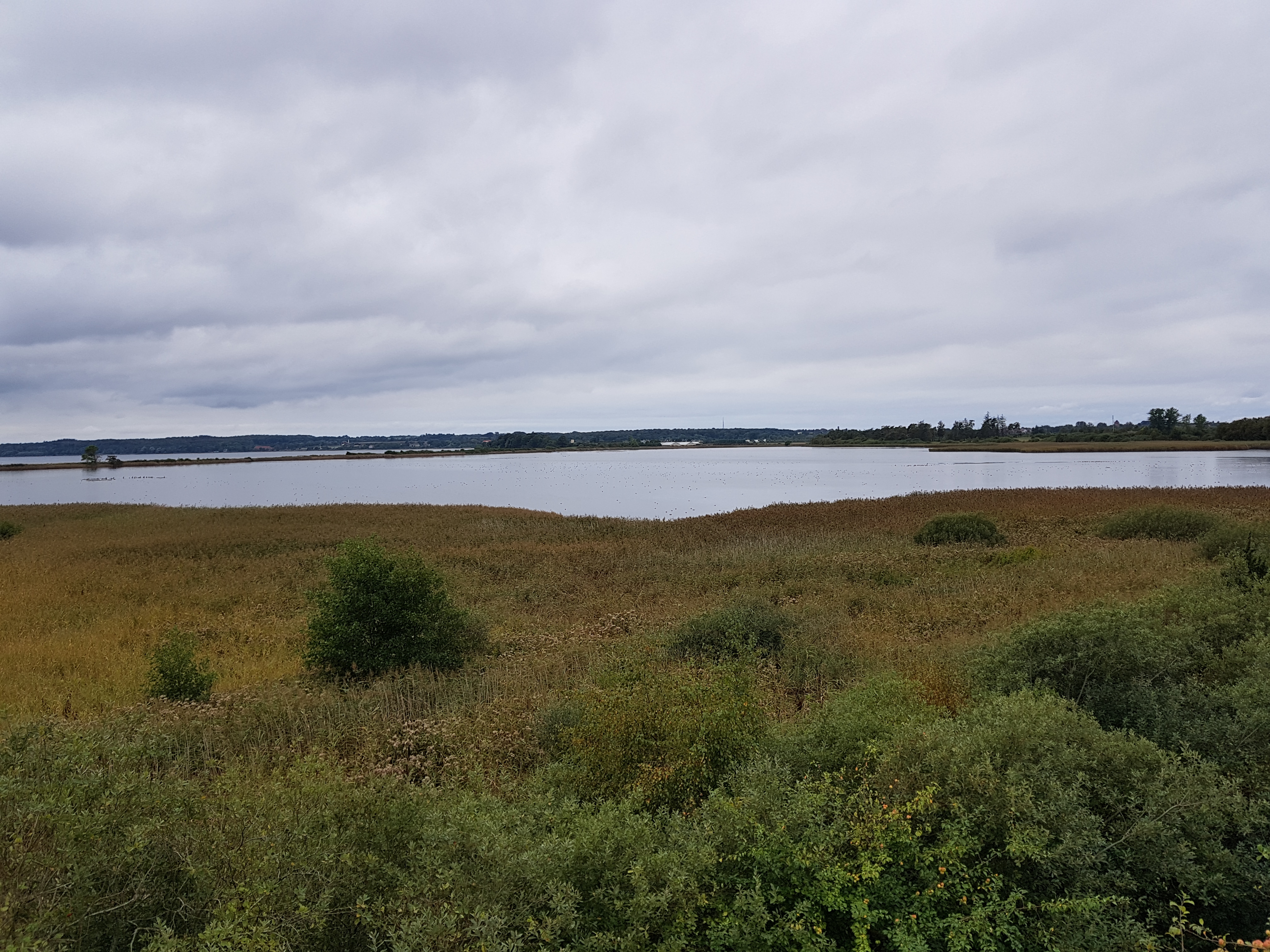
You can see the start of the causeway on the middle left of this photo:

I hadn’t realised just how shallow the lagoon was until I spotted a Great White Egret wading across the centre, the water barely reaching the middle of its legs. In all we counted 8 of these egrets, though a local birder we encountered told us he’d seen 14 that day. Interestingly, Little Egrets are considered quite uncommon here, a reverse of the situation in the UK.

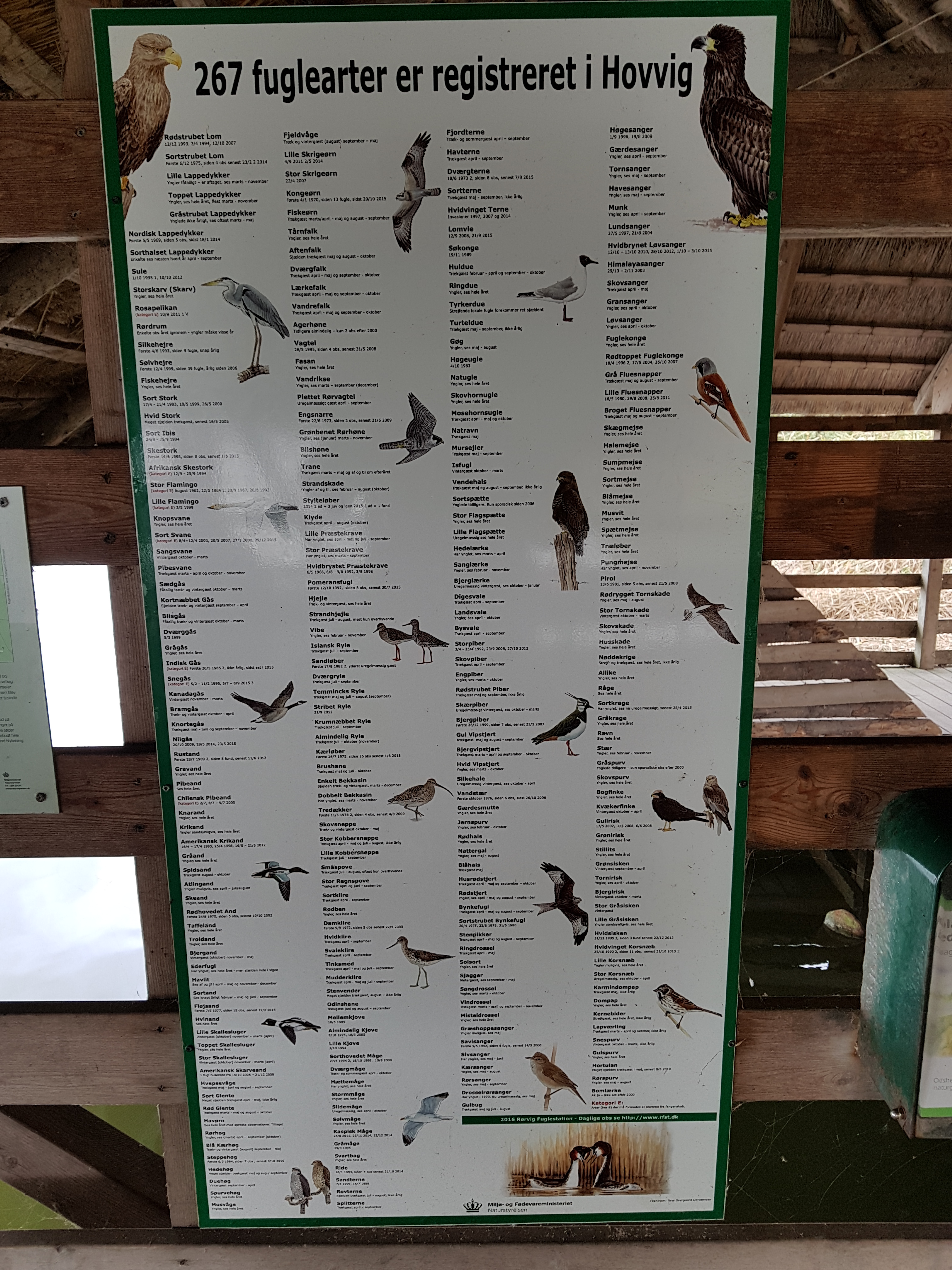
Although the total area of the reserve, including woodland, is only 334 ha, an extraordinary 267 species of birds have been recorded there:

On the reserve itself we identified 39 species, and a handful more when we visited the nearby coast. Including those that we were unsure of we had just over 50 species, not bad for a day of birding. As well as the egrets, particular highlights were huge numbers of Teal, on the water, large active flocks of Golden Plovers and Lapwings set into motion by a hunting Sparrowhawk, and Bar-tailed Godwits, Stonechats and Eiders.

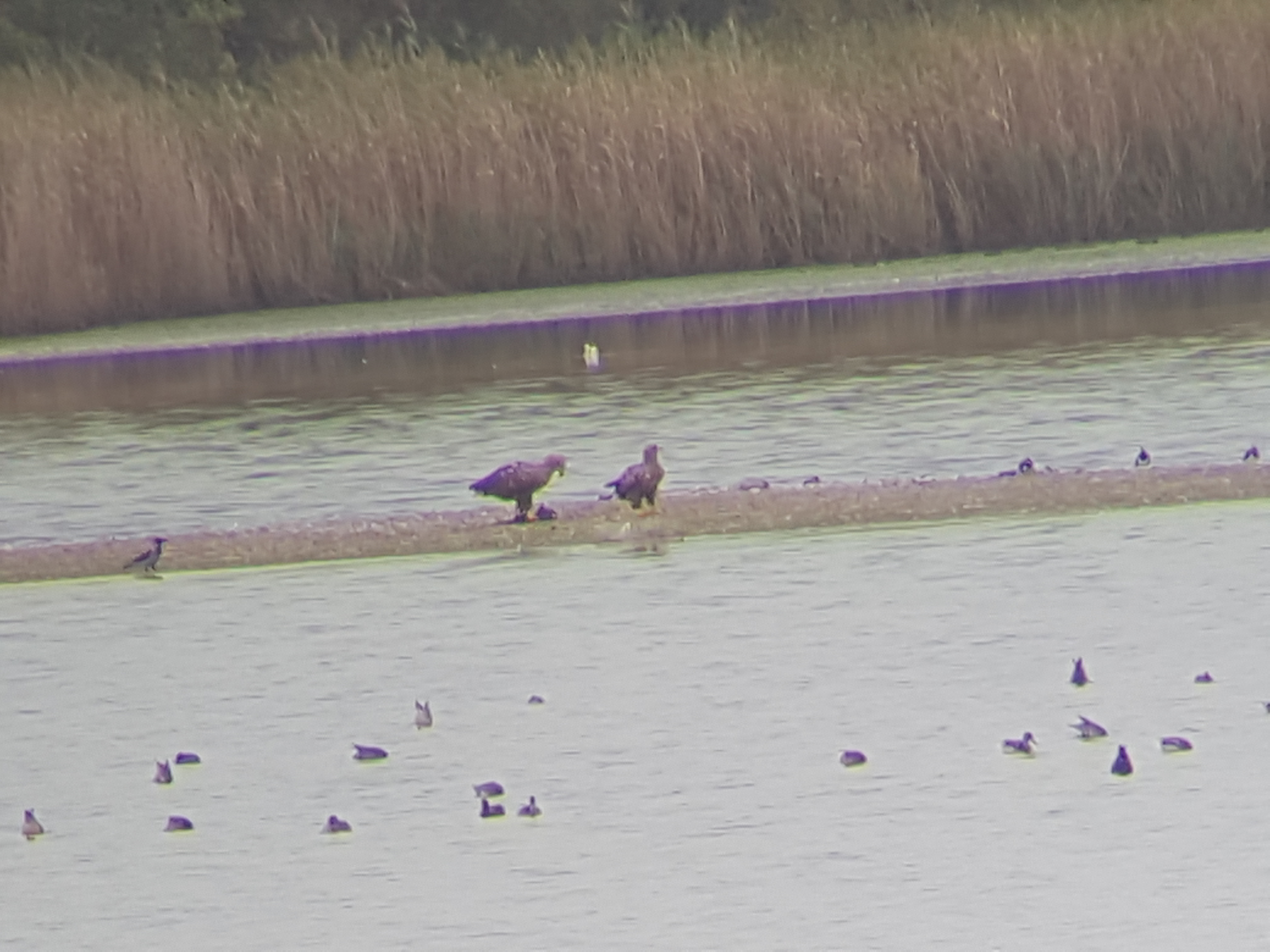
The most exciting birds for us, however, was a pair of White-tailed Sea Eagles that descended onto one of the low islands in the lagoon to feed on a dead cormorant! The locals describe these birds as ‘flying doors’, very apt given their huge wingspans. Needless to say, their appearance also sent much of the bird life into the air. Here’s a poor photo taken with my camera through Bo’s telescope:

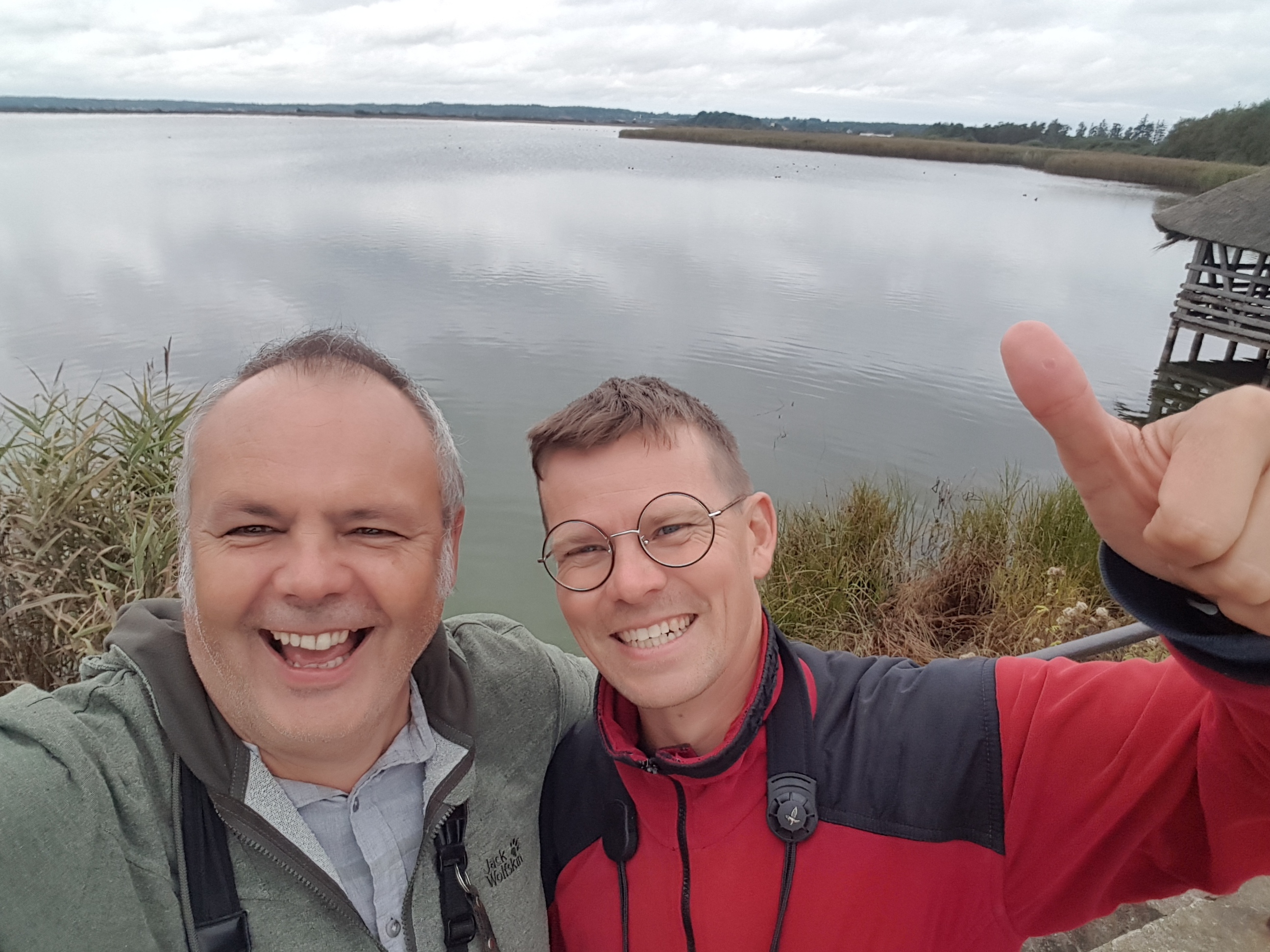
And here are two very happy birders!

Global effects of land-use intensity on pollinator biodiversity: a new study just published

Humans affect the land on which they live in many different ways, and this in turn influences local biodiversity. Sometimes this has positive effects on local wildlife: consider the diversity of birds to be found in well-managed suburban gardens, for example. But often the effect is negative, especially when the land is intensively managed or habitats are destroyed, for example via deforestation or urban development.

This is not a new phenomenon – according to a recent study, most of the habitable parts of the planet have been shaped by humans for at least 12,000 years (see Ellis et al. 2021). What is new, however, is the scale and the speed with which land-use is changing, which are far greater than they have been historically. An important question is the extent to which this change in land-use intensity is affecting pollinator diversity in different parts of the world. Over the past 18 months I’ve been collaborating on a project led by Joe Millard (as part of his PhD) and Tim Newbold which uses the Projecting Responses of Ecological Diversity In Changing Terrestrial Systems (PREDICTS) database to address that very question.

A paper from that collaboration is published today in the journal Nature Communications; it’s open access and can be downloaded by following this link.

The study was global in scale and used data from 12,170 sites to assess the affect of land-use intensity on 4502 pollinating species. The findings are really fascinating; highlights include:

  • In comparison to natural vegetation, low levels of land-use intensity can have a positive effect on the diversity of pollinators.
  • For most land categories, greater intensity of land-use results in significant reductions in diversity and abundance of pollinators, however. For example, for urban sites there’s a 43% drop in number of species and a drop in 62% pollinator abundance from the least to the most intensive urban sites.
  • On cropland, strong negative responses of pollinators to increasing intensity are only found in tropical areas, although different taxonomic groups vary in their responses.
  • The latter finding is especially concerning given that: (i) most pollinator diversity is found in the tropics; (ii) the majority of tropical crops are insect pollinated; and (3) tropical agriculture is becoming increasingly intensive and land use is likely to rapidly change in the coming decades.

The full reference for the study, with all authors, is:

Millard, J., Outhwaite, C.L., Kinnersley, R., Freeman, R., Gregory, R.D., Adedoja, O., Gavini, S., Kioko, E., Kuhlmann, M., Ollerton, J., Ren, Z.-X. & Newbold, T. (2021) Global effects of land-use intensity on local pollinator biodiversity. Nature Communications 12, 2902. https://doi.org/10.1038/s41467-021-23228-3

Recent pollinator and pollination related research that’s caught my eye

2020-07-30 16.25.26

As I near completion of the copy-editing phase of my forthcoming book it’s frustrating to see all of the great research that’s been produced in recent weeks that I probably won’t be able to cite!  Here’s a few things that caught my eye:

Damon Hall and Dino Martins have a short piece on Human dimensions of insect pollinator conservation in Current Opinion in Insect Science.  My favourite line is: “any call to ‘save the bees’ must be a call to stabilize agriculture”.  Amen to that.

In the journal New Phytologist, Rhiannon Dalrymple and colleagues, including Angela Moles who hosted me during my recent stay in Australia, have a great study entitled Macroecological patterns in flower colour are shaped by both biotic and abiotic factors.  The title pretty much sums it up: in order to fully understand how flowers evolve we need to consider more than just their interactions with pollinators.  It’s another demonstration of how we must look beyond simplistic ideas about pollination syndromes to fully understand the complexities of the relationship between flowering plants and pollinators…..

…..talking of which, again in New Phytologist, Agnes Dellinger asks: Pollination syndromes in the 21st century: where do we stand and where may we go?  It’s an insightful and far-reaching review of a topic that has intrigued me for more than 25 years.  There are still a lot of questions that need to be asked about a conceptual framework that, up until the 1990s, most people in ecology and biology accepted rather uncritically.  One of the main unanswered questions for me is how further study of largely unexplored floras will reveal the existence of new pollination systems/syndromes.  Which leads nicely to….

…..an amazing paper in Nature this week by Rodrigo Cámara-Leret et al. showing that New Guinea has the world’s richest island flora.  The described flora includes 13,634 plant species, 68% of which are endemic to New Guinea!  And the description of new species each year is not leveling off, there’s still more to be discovered.  A commentary on the paper by Vojtech Novotny and Kenneth Molem sets some wider context to the work, and quite a number of media outlets have covered the story.  Why is this relevant to pollinators and pollination?  Well, we actually know very little about this critical aspect of the ecology of the island: there’s only a handful of published studies of plant-pollinator interactions from New Guinea, mostly focused on figs, bird-flower interactions, and a couple of crops.  For such a biodiverse part of the world that’s a big gap in our understanding.

Finally, James Reilly, Rachael Winfree and colleagues have a paper in Proceedings of the Royal Society series B showing that: Crop production in the USA is frequently limited by a lack of pollinators.  Most significant findings to me were that of the seven crops studied, five of them have their yields limited by lack of pollinators, and that even in areas of highly intensive farming, wild bees provided as much pollination service as honeybees.

That’s a few of the things that I spotted this week; what have you seen that’s excited or intrigued you?  Feel free to comment.