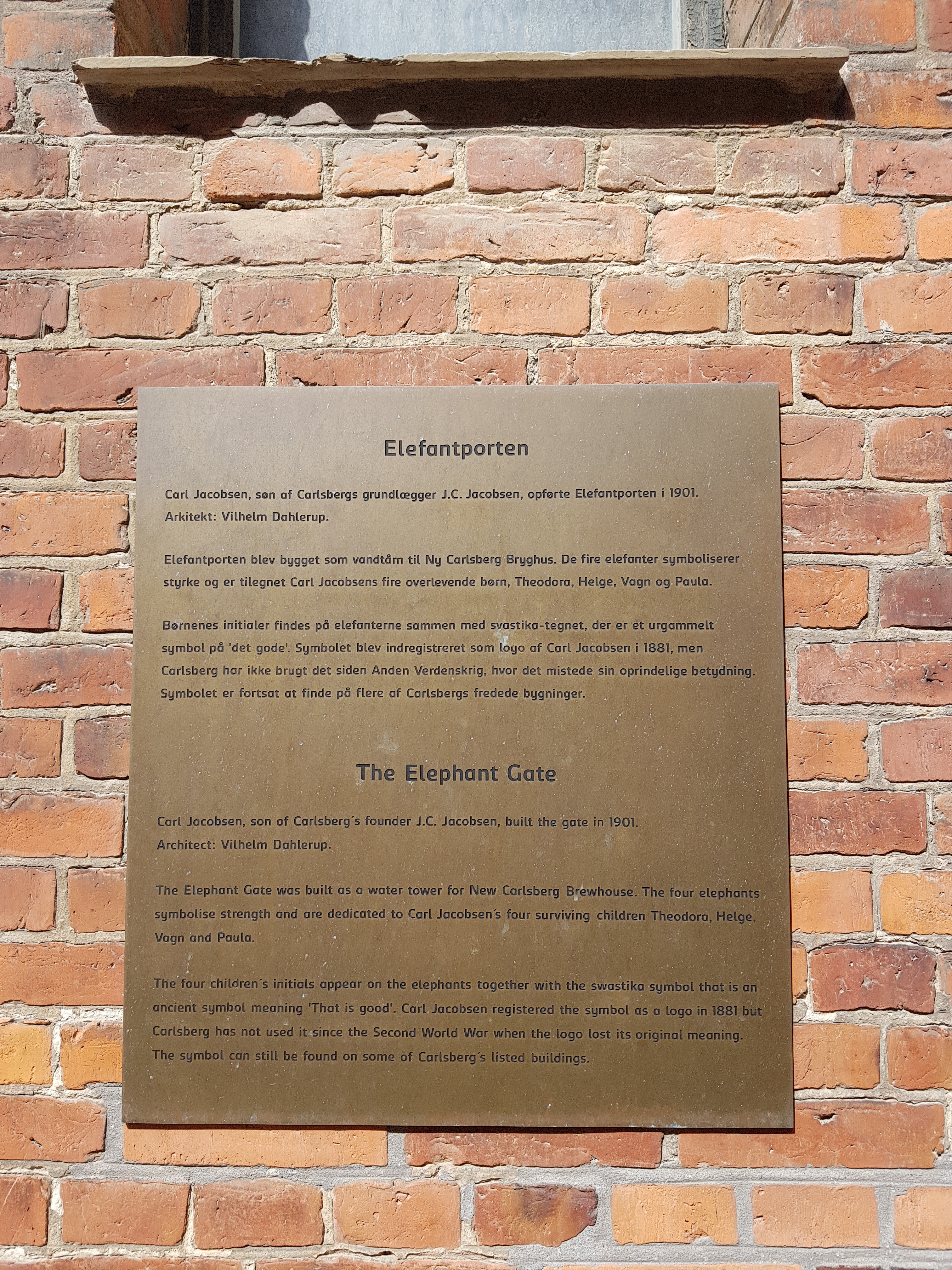
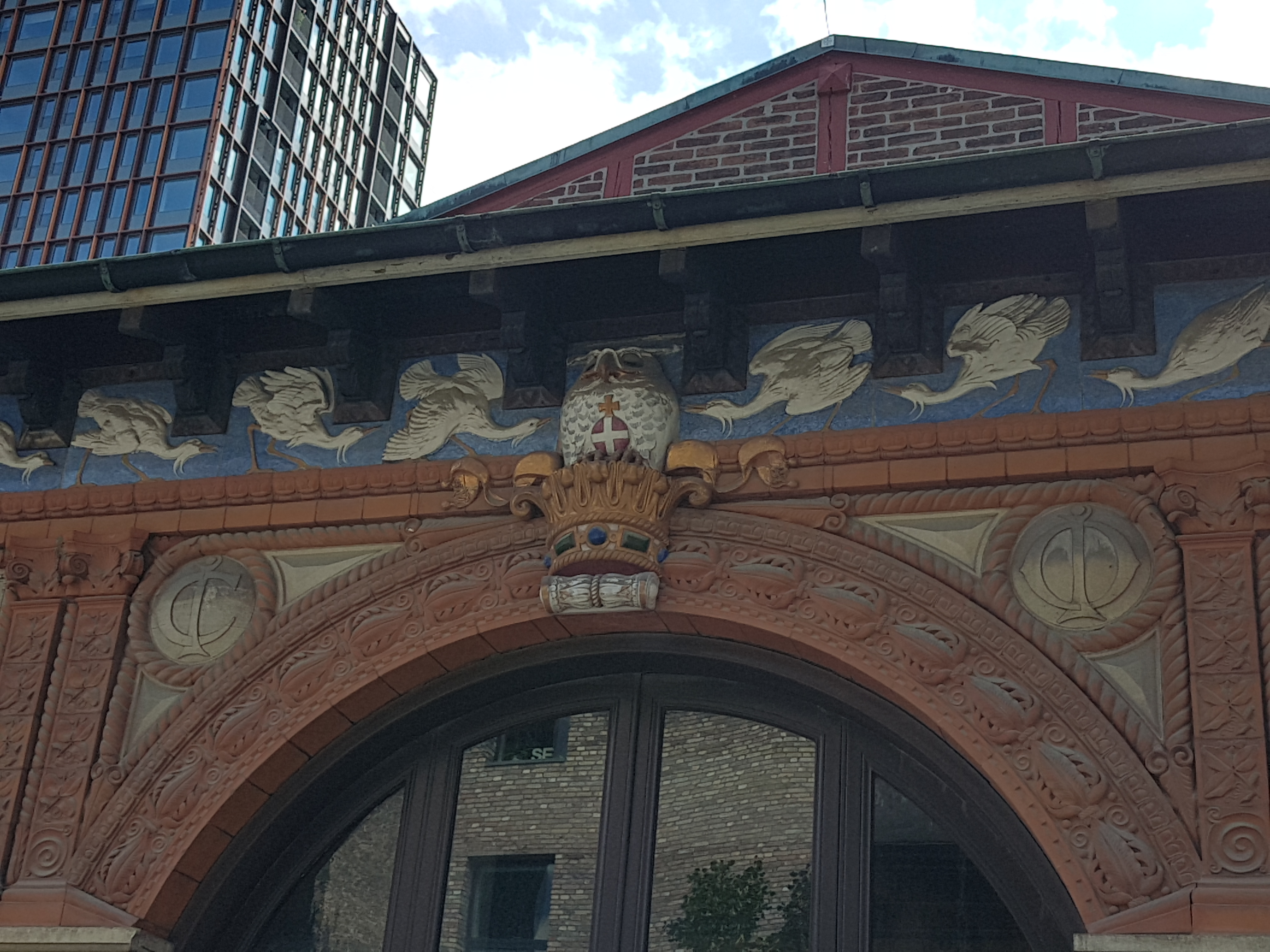
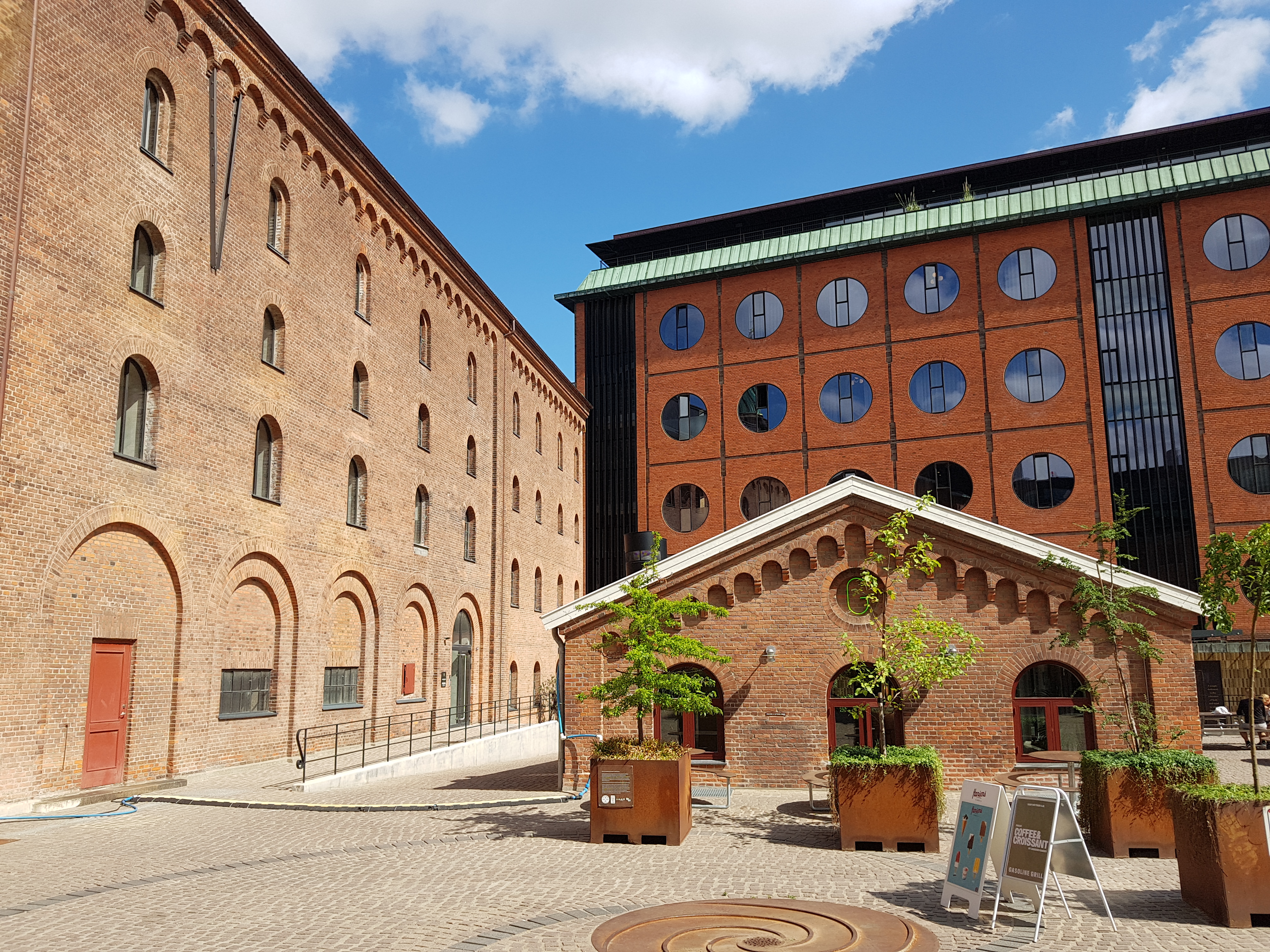
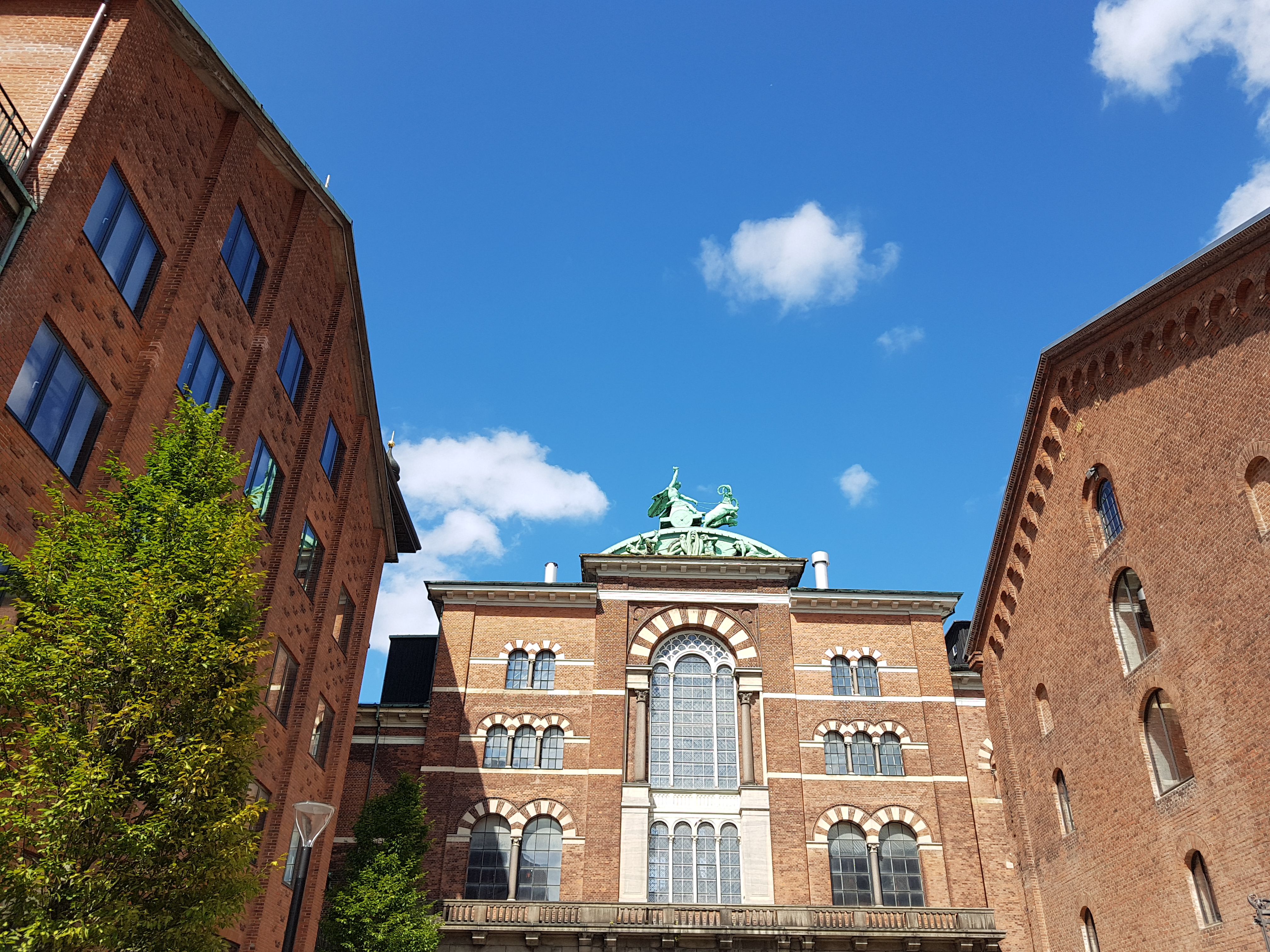
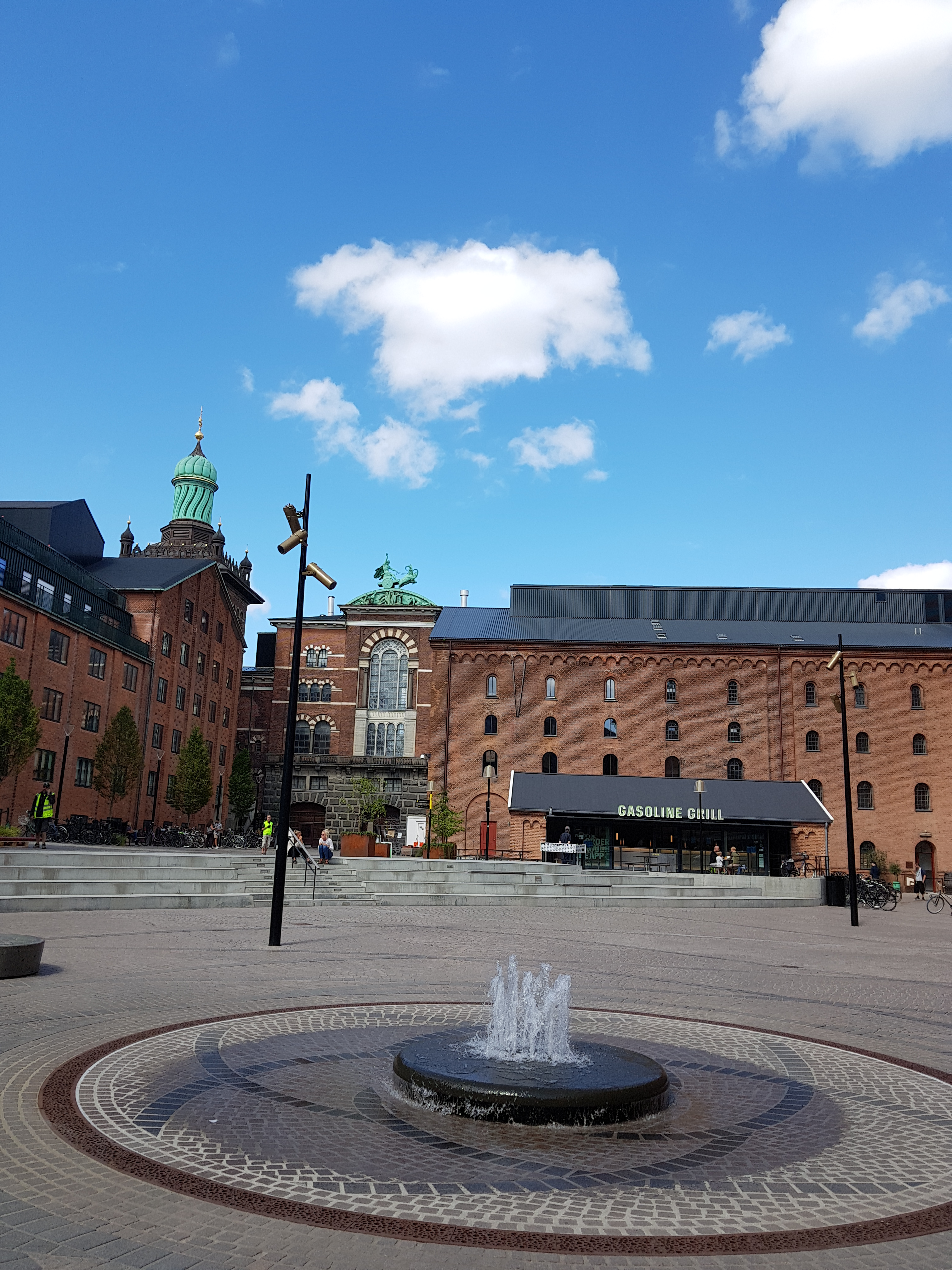
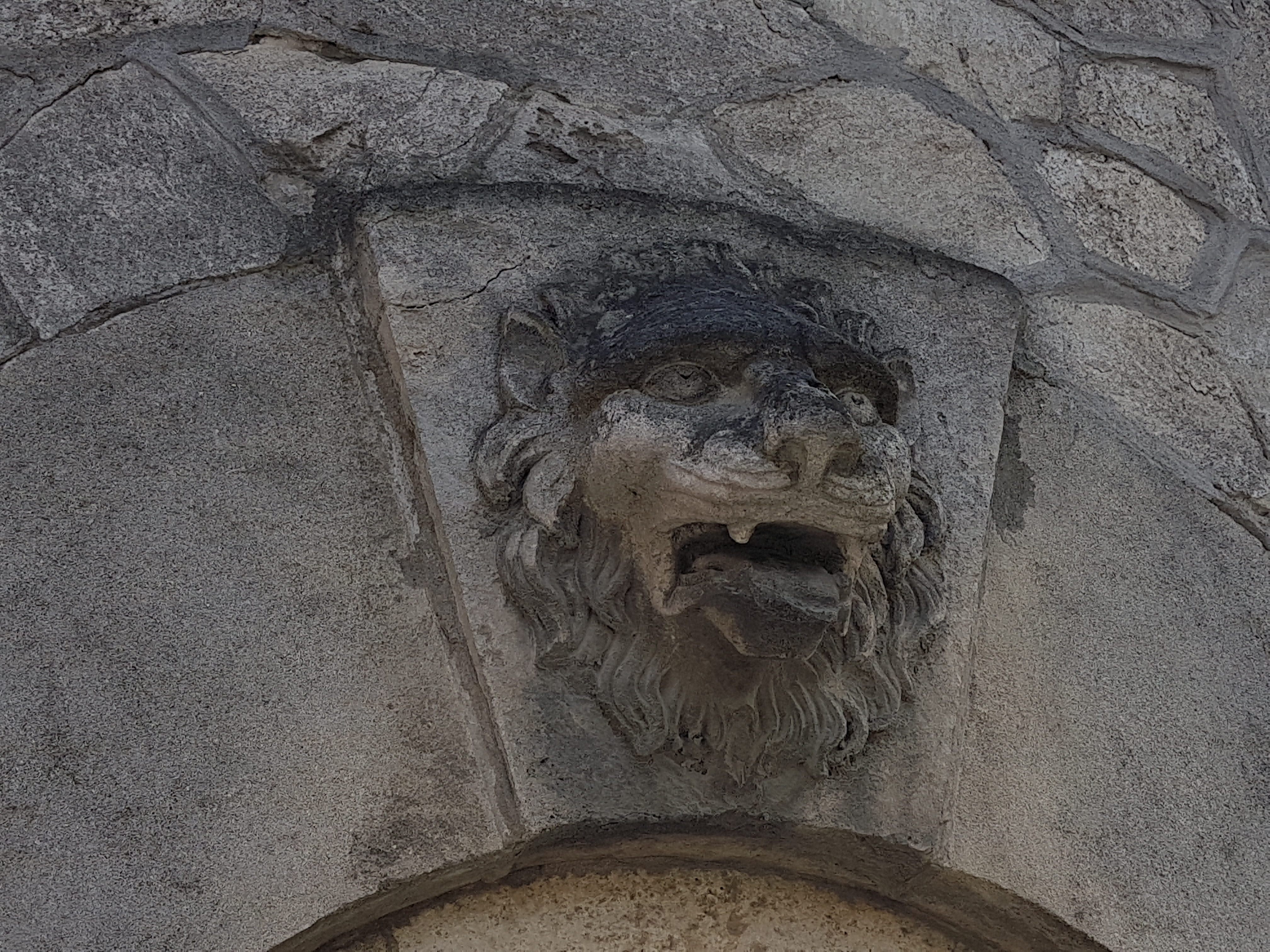
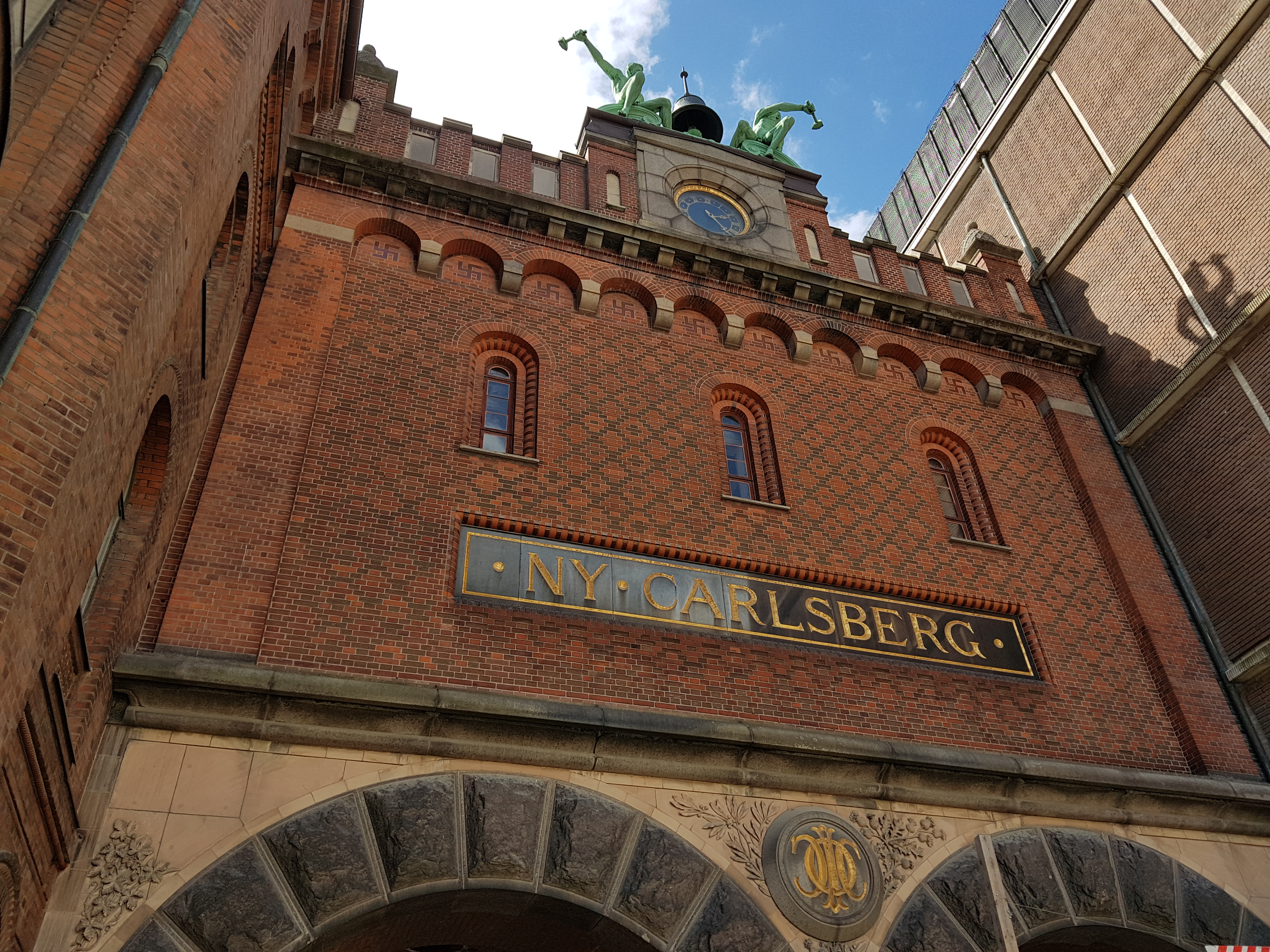
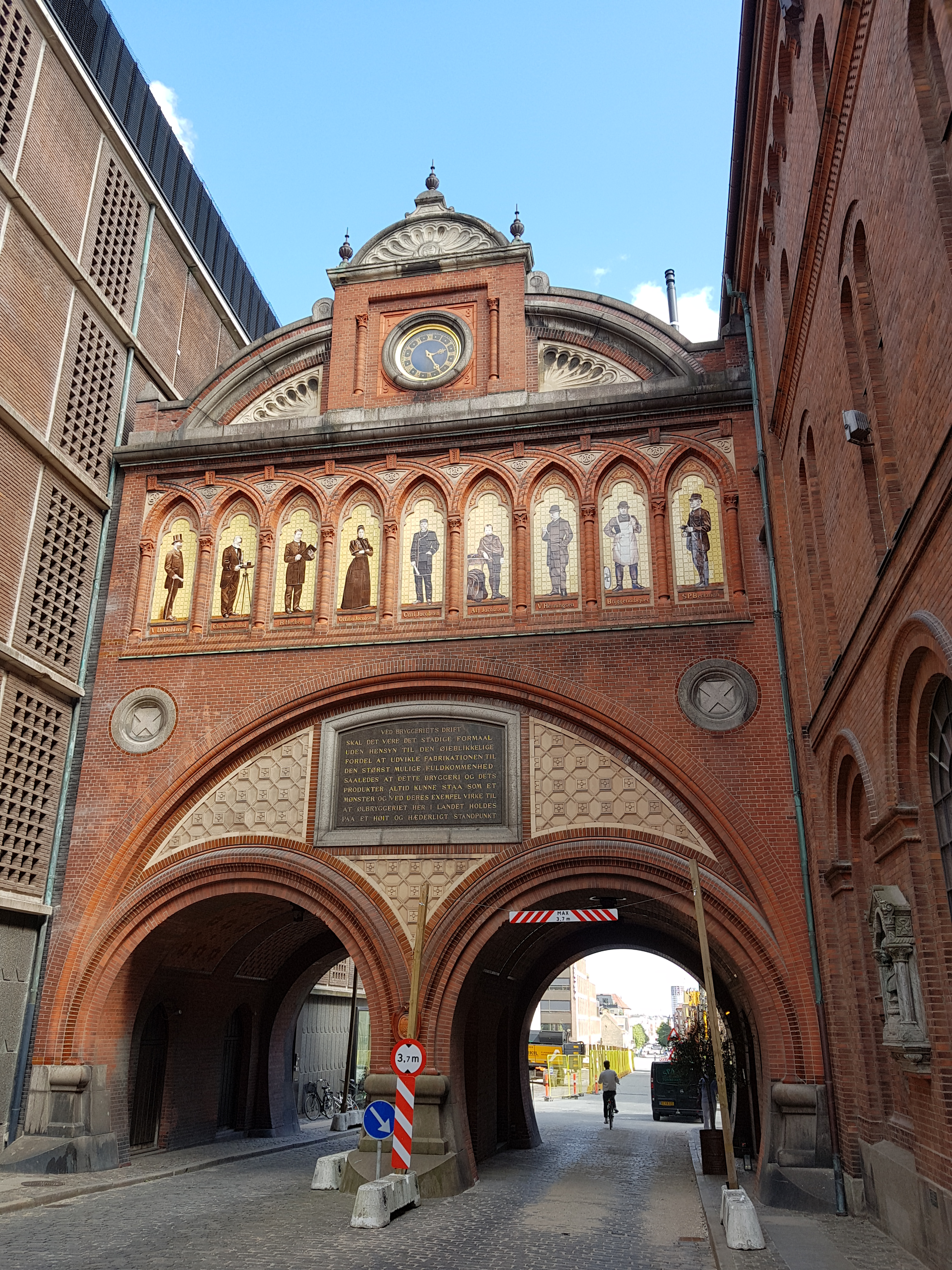
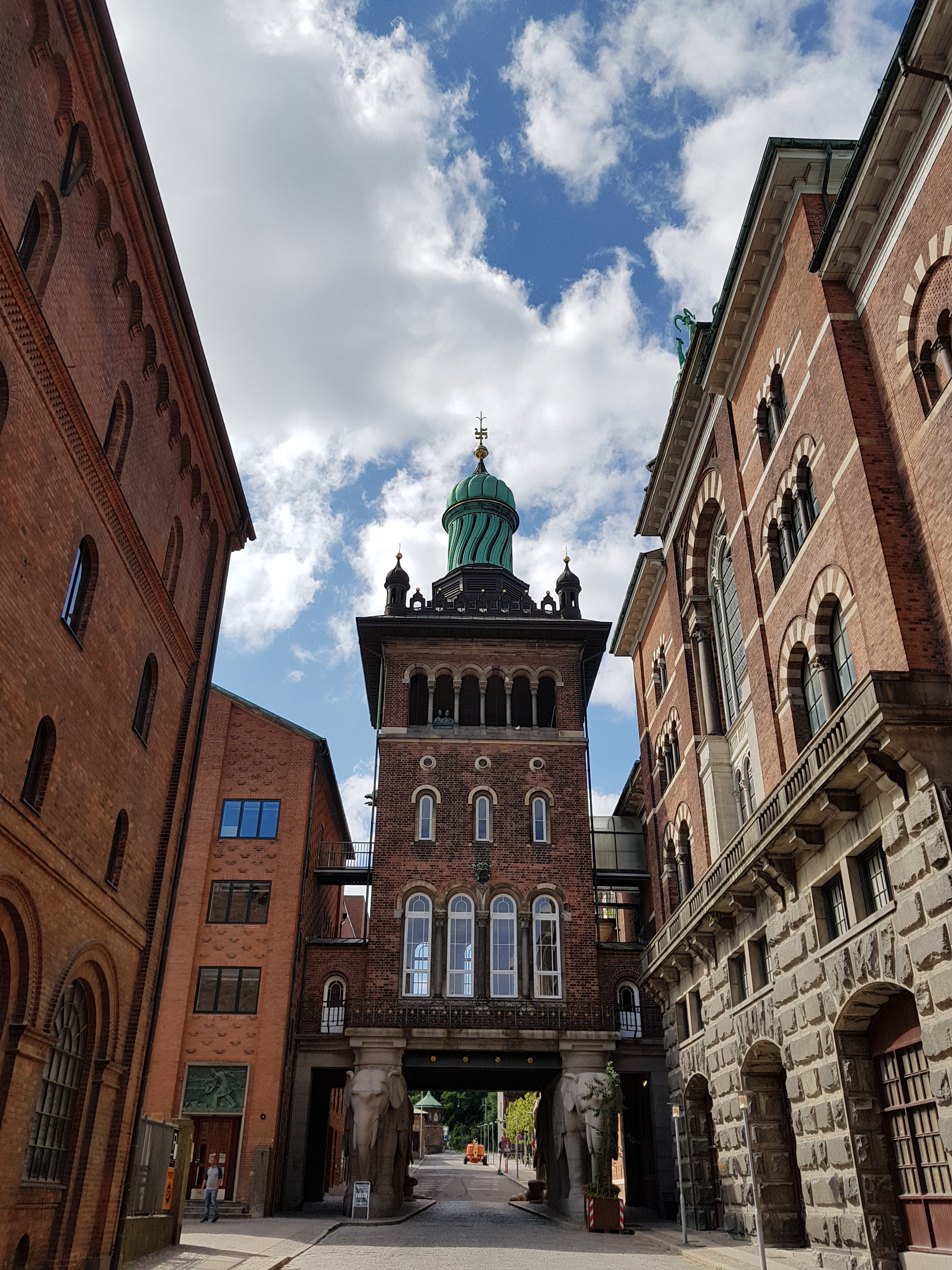
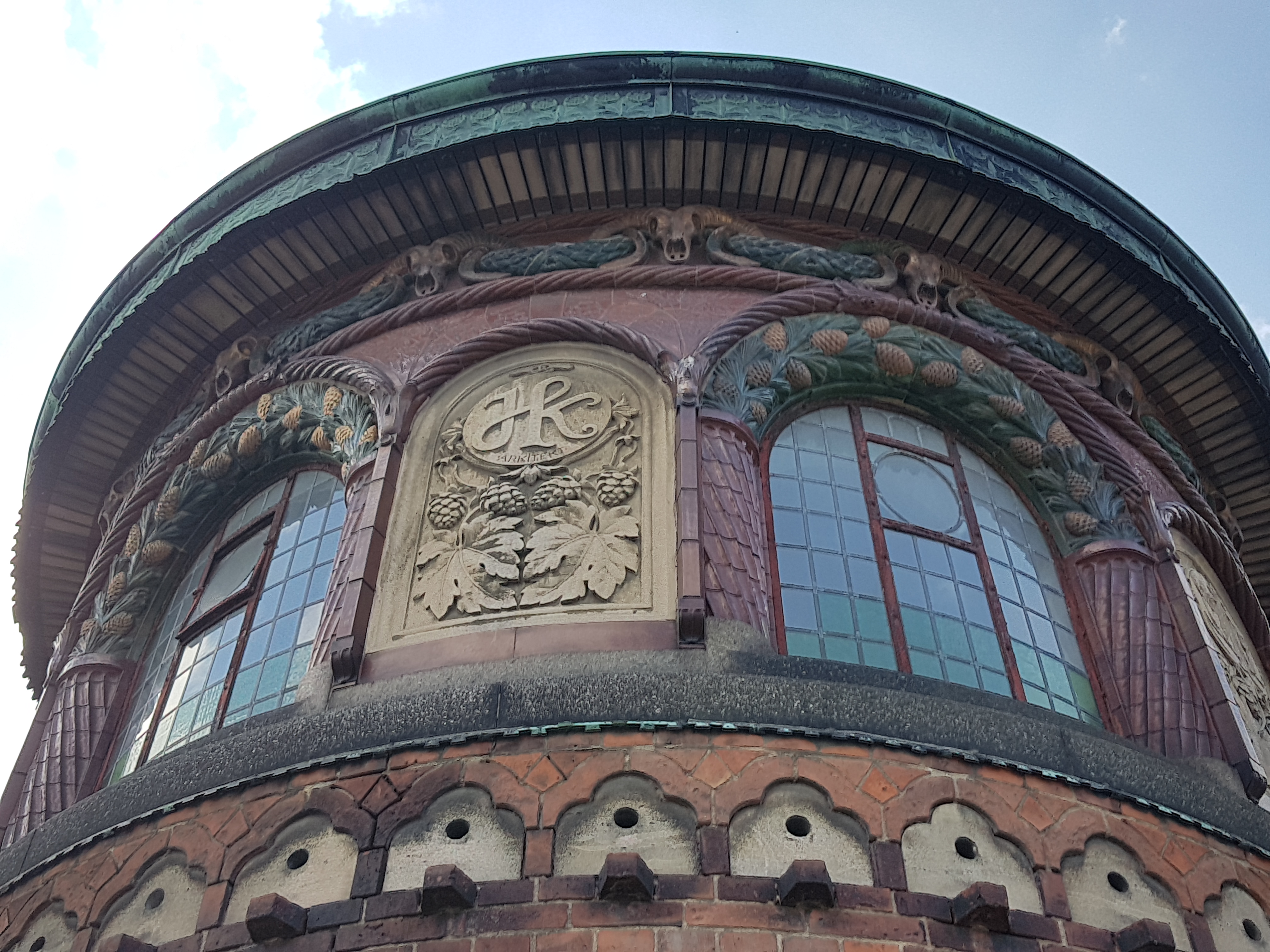
For the second part of my Copenhagen Bestiary series I’m devoting the post to our visit last week to the old Carlsberg Brewery site, and specifically its Elephant Gate. I’ve included some images that aren’t of beasts because I really enjoyed seeing how the old brewery buildings have been renovated and incorporated into a new living and working neighborhood called Carlsberg Byen. It’s the best example of regeneration of culturally important post-industrial buildings in the world. Probably….
This is a guest post by Helen Tedds who is currently researching for a PhD at the University of Northampton. Although Helen’s work is far removed from my usual research and consultancy interests of plant-pollinator interactions, I’m proud to be part of her supervisory team! Amphibians were one of my early natural history obsessions, and invasive plants and pollinators are a long standing interest of mine. In this post Helen discusses her research on the UK reptile and amphibian pet trade.
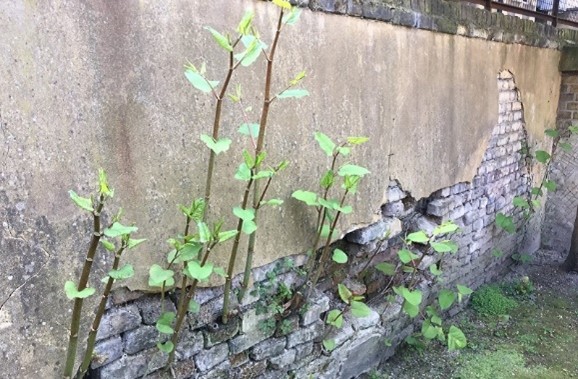
This week (24th-30th May 2021) is Invasive Species Week, an annual event led by the GB NNSS (Non-Native Species Secretariat) to raise awareness of invasive species and how we can help prevent their spread. Generally, the term ‘invasive species’ is defined as an introduced organism that has an adverse impact on its environment by causing ecological and economic damage. They are one of the top five causes of worldwide biodiversity loss through habitat damage, preying on or out-competing other species. They can also spread disease to other species, including humans. The estimated cost of invasive species to the UK’s economy is more than £1.7 billion [1] which is caused by things like damage to buildings [e.g. from the dreaded Japanese Knotweed (Fallopia japonica – fig. 1)], interference with food production, delays on work projects, and the expense of dealing with them. The number of new species being introduced to the UK is rapidly on the increase and can be exacerbated by climate change. This is an urgent problem that without intervention will continue to escalate!
Fig. 1: Japanese knotweed (Fallopia japonica) damaging a brick wall
In 2015 I embarked on a PhD that aimed to quantify the pet herpetofauna (reptile and amphibian) trade across England, mainly to understand the associated socio-economic factors and animal welfare consequences of this. Investigating invasive species was low on my already-full agenda, however, it has been a rabbit hole I ended up going down (pun intended: rabbits were named Britain’s most costly invasive species in 2010 according to The Guardian[2])!
The exotic pet trade has long been known to be a means of new species entering an environment (either through escape or deliberate release), but according to a recent study in Frontiers of Ecology it now ranks as a primary cause of invasive species[3]. It has long been illegal to release any non-native species into the wild under the Wildlife and Countryside Act 1981, however more recent legislation has been enacted to prohibit the trade of invasive species. Whilst the term ‘invasive’ can be subjective, in the UK a species officially considered to be invasive is listed in retained EU law: Invasive non-native (alien) animal species: rules in England and Wales. That’s not to say that other ‘feral’ pets are not ‘invasive’. There are concerns that Indian ring-necked parakeets (Psittacula krameria – fig. 2) that have spread across the UK are potentially out-competing some of our native birds for nesting sites in tree hollows[4]. However there needs to be a body of evidence built to support these claims before a species is added to the legislation.
Fig. 2: Indian ring-necked parakeet (Psittacula krameria)
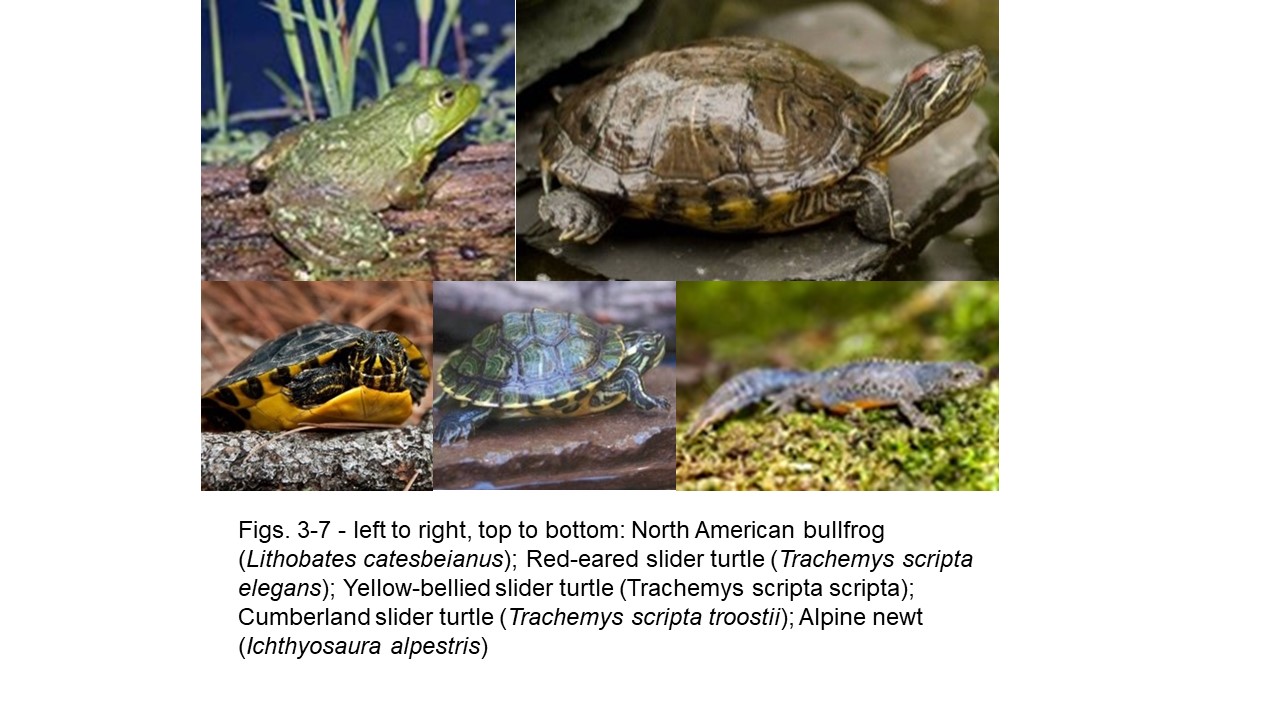
In terms of herpetofauna, there is only one invasive species of amphibian listed in the legislation, the North American bullfrog (Lithobates catesbeianus- fig. 3), and one species of reptile, the common slider turtle (Trachemys scripta) along with all sub-species, including T. s. elegans, T. s. scripta, and T. s. troostii -fig. 4-6)[5]. North American bullfrogs pose a threat to our already vulnerable native amphibians as they will eat frogs, newts, and other similar sized animals[6], and slider turtles threaten our waterfowl as they will eat bird eggs, as well as insect larvae[7].
The law has prohibited anyone from keeping, breeding, and selling these species since August 2016. If you owned one before the law came into force (turtles can be very long-lived) then you have what are called ‘grandfather rights’ where the animal can remain in your possession until the end of its days. If an owner can no longer take care of the turtle they cannot re-sell it- it is best to relinquish them to a rehoming centre that has the relevant license where they can live out the rest of their lives[8], such as The National Turtle Sanctuary at Lincolnshire Wildlife Park[9].
Part of my research into quantifying the herpetofauna trade has involved sampling from pet shops and online classified adverts as to what species are for sale. So far, I have officially documented 431 different reptile species, and 122 different amphibian species[10], and this number is set to grow as I continue to analyse four years’ worth of data. All these species are non-native, and whilst most of them would not survive in our British climate, there are some causes for concern.
In October 2020 a fellow PhD student, Ali North, got in touch with me as she is currently investigating the drivers of establishment and spread of a non-native amphibian in the UK, the alpine newt (Ichthyosaura alpestris- fig. 7). Her project uses distribution data of alpine newts in their native range across mid-Europe with an aim to predict the invasion risk of this species in the UK[11]. I was interested to learn from her that these newts have established various populations in the UK but most concerningly are known to be a vector of chytridiomycosis which can be transmitted to our native amphibians[12]. As part of her research at the University of Plymouth, ZSL Institute of Zoology, and the ARC Trust, Ali wanted to know how often alpine newts had occurred in my data sampling seeing as the pet trade is a potential route for non-native species entering the wild. It turns out that my data set had only 16 records of alpine newts (out of tens of thousands of records) which is not very many, however, do not be fooled by small numbers! It does not take many individual pets being released into the wild for a potentially invasive species to wreak havoc on an ecosystem. Whilst the understanding of alpine newts as an invader is in its infancy, I was delighted to be able to assist Ali with this part of her research and I look forward to reading her final thesis. If you have spotted an alpine newt in the UK you can also help towards her project by reporting it here: https://www.arc-trust.org/news/have-you-seen-an-alpine-newt-in-the-uk
Another interesting thing that my data collection has highlighted is that despite slider turtles being banned from sale for over four years now, they are still appearing on online classified websites such as Preloved, Pets4Homes, and Gumtree. Not only is this illegal, but it is also against the minimum standards set out by the Pet Advertising Advisory Group (PAAG) which these websites agree to adhere to as voluntary members[13]. Since I started collecting data in July 2017 to the time of publishing this blog there have been at least 102 adverts selling slider turtles, and these were the more obvious ones. On deeper investigation some adverts selling yellow-bellied sliders listed them as just the letters ‘YBS’ meaning that they would not be flagged when searching using key words. These adverts have consistently appeared in my data set at a rate of about two per month, with a noticeable spike in Oct-Dec 2020 at a rate of five per month, so there does not appear to be a downward trend since the legislation came into force. Also, some other adverts just listed animals using the word ‘turtle’ or ‘terrapin’; not only does this allow the potential for slider adverts to slip through the net but it also further violates PAAG minimum standards by not advising potential buyers what the species is. How can someone research the correct care information if they don’t know what species they are buying?
Another invasive species that I came into close contact with recently, coincidentally whilst in the process of writing this blog, was in my local park- Elmdon Park in Solihull. An invasive water weed, Azolla filiculoides, or red water fern (fig. 8), had suddenly appeared in one of the park’s ponds. This weed is believed to have entered UK water systems from the ornamental pond and aquarium trade either by spreading via birds’ legs between ponds or from people emptying fish tanks into wild water bodies. It spreads on the surface of water bodies, blocking out sunlight and decreasing oxygen, thereby killing native wildlife[14].
Fig. 8: Red water fern (Azolla filiculoides) in Elmdon Park, Solihull
I sit as Secretary on Elmdon Park Support Group’s[15] committee and run their social media pages, so I found myself reading more about this weed and treatments used to control it, in order to inform the local community on what would happen. The Warwickshire Wildlife Trust lease the land and therefore must foot the treatment bill, which turns out to be the use of a weevil (Stenopelmus rufinasus- fig. 9), affectionately known as ‘Weevil Knievel’ The weevil eats the weed but doesn’t come cheap at a cost of a few hundred pounds for just one container of them[16]. So here we have another casualty to our native wildlife because of the pet trade.
Fig 9: ‘Weevil Knievel’ (Stenopelmus rufinasus)
So, what can we do? Further research into identifying potentially invasive species will help in raising public awareness, whilst initiatives such as Invasive Species Week will spread the message on the consequences of releasing non-native species into our UK ecosystems. But there persists a deeper problem whereby some people fail to properly research the needs of the pets they buy, or fully understand how big they will grow, and feel that it’s easier to release them into the wild rather than to relinquish them via more responsible methods. This is perhaps the area of human-animal interactions that needs more attention and research.
Tedds, H.L., Sneddon, S., Ollerton, J., Clubb, R., and McCormick, W.D., Herps across England: investigating the scale of the reptile and amphibian trade: UFAW Recent Advances in Animal Welfare Science VII Conference Poster, 30th June- 1st July 2020, online.
Over the past few months I’ve done a large number of online talks for a variety of audiences, including natural history and gardening societies, beekeeping groups, private companies, university estates departments, and ecological consultancies. I thought it would be useful to provide a list of what I offer, with a short description. All talks are accessible and understandable to a broad audience, and can be tailored to the individual needs of the group:
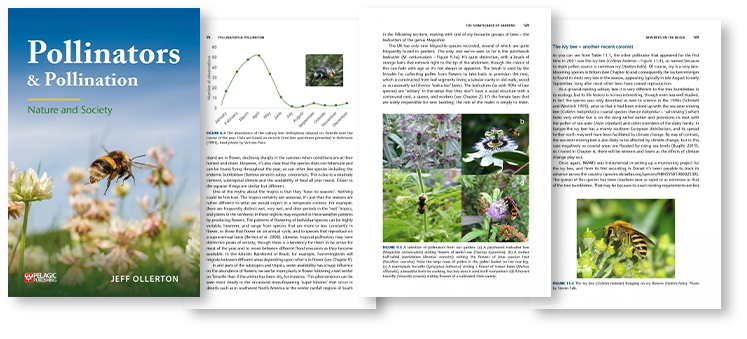
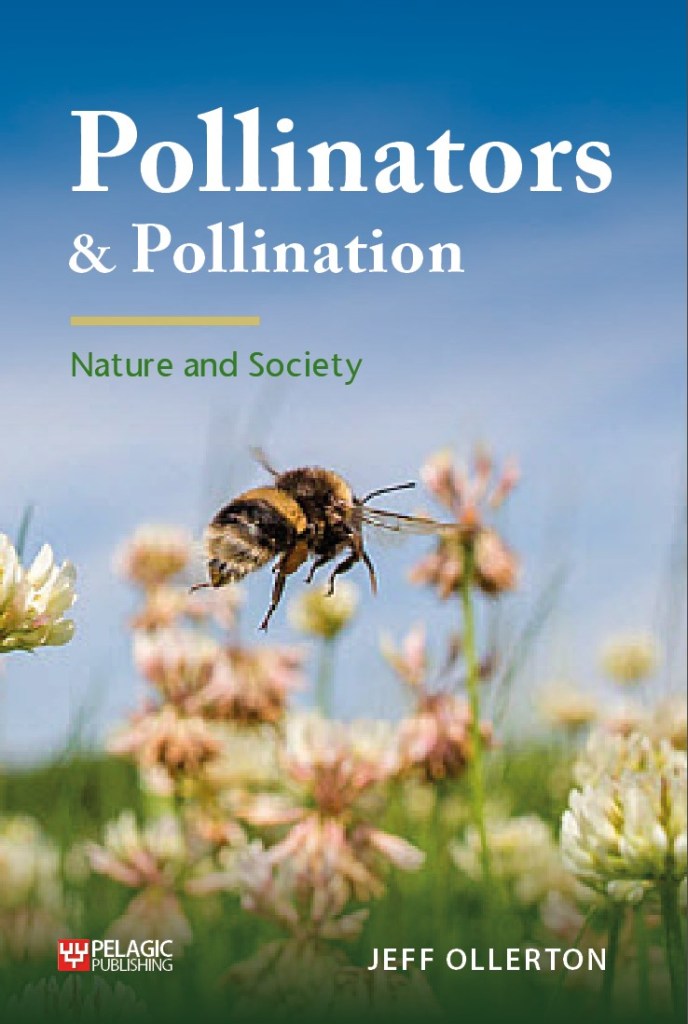
Pollinators & Pollination: Nature and Society is an introduction to the importance of pollinators and the pollination services that they provide to both wild and crop plants. The name, of course, reflects that of my recent book.
The Politics of Pollination is an account of how society (governments, organisations and individuals) has responded to the current “pollination crisis” (if that’s what it actually is…)
Bees in Cities: an Introduction to Urban Pollinatorsfocuses on the positive roles that urban environments can play for pollinators, and the potential threats of city living.
Pollinators in Gardens gives practical advice on how to make your garden “pollinator friendly”.
Pollinator Conservation: Threats and Opportunities describes how and why pollinators are declining and what we can do about it at the individual and societal level.
Habitat Creation and Management for Pollinators gives an introduction to how NGOs, estates departments, consultancies, and so forth, can effectively support pollinators in ways that go beyond just planting flowers and putting up a few “bee hotels”.
To Be a Flower is an introduction to how flowers function and the ways in which they manipulate the behaviour of their pollinators to ensure reproduction.
Darwin’s Unrequited Isle: a Personal Natural History of Tenerife describes some of the field work that we’ve been doing on this most fascinating of the Canary Islands.
Biodiversity: What Is It and Why Should We Care? gives a very general overview of the topic of biodiversity and ecosystem services.
Talks typically last for around 50 minutes, following which I’m happy to answer questions and discuss any issues that have arisen. I also offer a half- or full-day of training for those organisations that need more depth, for example ecological consultancies. Note that I charge for all of my talks and training. If you would like to enquire about any of this, please use the form on the Contact page.
The nice people at NHBS recently did a wide-ranging interview with me about my new book Pollinators & Pollination: Nature and Society and what led me to write it. It covers a lot of ground, including climate change, food security, the UK Pollinator Monitoring Scheme, and growing up in Sunderland.
Pollinators are responsible for producing much of the traditional Christmas food that we enjoy at this time of the year, and add considerable value to the holly and mistletoethat decorates our homes in northern Europe and elsewhere. The link between pollinators and Christmas is something that I discuss in my new book Pollinators & Pollination: Nature and Society. As a special seasonal gift, the publishers (Pelagic) are offering a 30% discount on orders in the run up to Christmas. To claim the discount follow that previous link and use the code CHRISTMAS30 at the checkout. UPDATE: Apologies, the publisher tells me that the discount period has now passed.
Although the book has not yet been formally reviewed in any journal or other form of media, I’ve had some very nice (and unsolicited) comments about it via Twitter . Here’s some examples:
This new book is SUPERB. It contains everything I’ve spent the last 10 years trying to grasp, all in one book, AND written in a way I can understand! I cannot tell you how much I’m learning from it already. It makes such a difference to a non-scientist (like me) to be able to grasp the facts, and the science behind the facts, without having to first look up dozens of terms I don’t understand.
Brigit Strawbridge Howard – author of Dancing With Bees
Good to see discussions of ecology, culture and politics together.
Anon
I was delighted to receive this superb book over the weekend. It’s an extremely informative read for anyone interested in the subject of pollination!
Anon
Looking forward to reading this. I like the tone of what I’ve dipped into so far, really engaging and none of that turgid academic English that gives me a headache!
Steven Falk – author of Field Guide to the Bees of Great Britain and Ireland
Yesterday I was delighted to finally receive an advance copy of my book Pollinators & Pollination: Nature and Society! It’s been over three years in the writing and production, much longer than I had anticipated. But, as I describe in its pages, the book is the culmination of >50 years of experience, study and research. So perhaps three years isn’t so bad…
If you’re interested in buying a copy you can order it direct from Pelagic Publishing and from most of the large online booksellers. Let me know what you think.
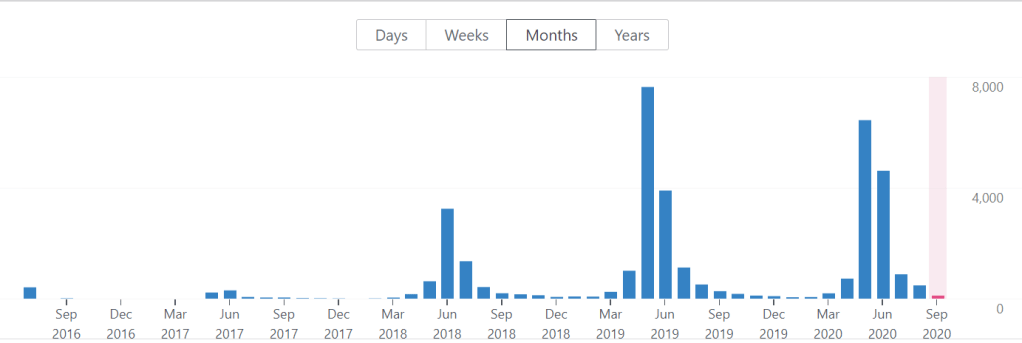
I conclude that Leather (2020) is correct in his assertion that insect-related posts such as these “show a correlation (OK, not tested) with the time of year associated with the appropriate part of the life cycle”. Furthermore, one of the research councils should give us a wodge of cash to explore this phenomenon in more detail*
—————————————————————————————————————–
*Only slightly tongue-in-cheek – I think that Simon’s results and those above are telling us something quite interesting about the ways in which people engage with insects throughout the year. Check out Simon’s piece for a fuller discussion of the phenomenon.
This is a short guest post by Dr Peter Bernhardt who recently retired as a professor at St Louis University and continues to be active in pollination biology.
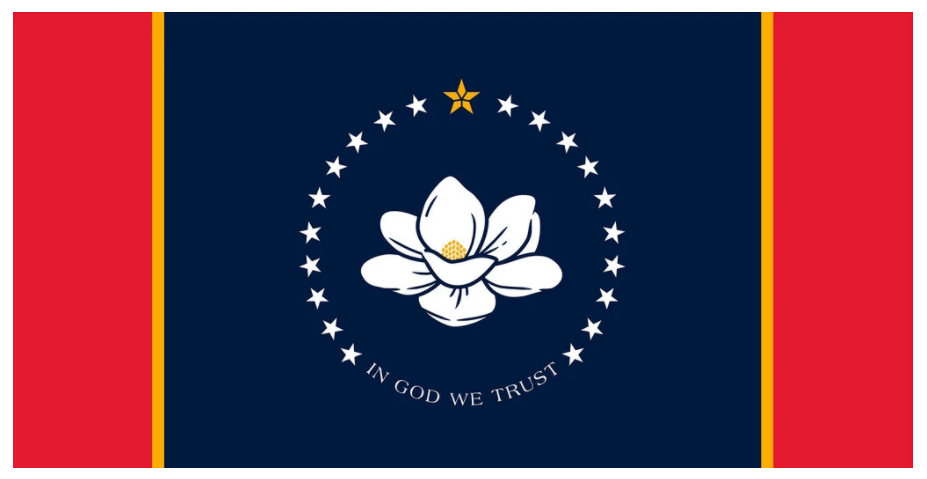
Each of the 50 American states has its own flag. On Election Day in November 2020 the citizens of the state of Mississippi will vote on whether they want a new flag featuring the flower of their state tree, the southern magnolia or bull bay (Magnolia grandiflora). Of the eight Magnolia species native to the continental United States six have natural distributions including the state of Mississippi.
By voting in the magnolia flag Mississippians drop its 126-year old predecessor, which incorporated an emblem (the stainless banner) adopted by southern states during the American Civil War (1861-1865). This will also mean that Mississippi will be the only state with a flag depicting a flower in which tepals, stamens and carpels are all arranged in a continuous spiral and is pollinated by beetles (see Leonard Thien’s study published in 1974).
The popularity of M. grandifora far exceeds silviculture in the American south as successful exports stretch over two centuries and its cultigens are found as far as China and Australia.
Politics in America have turned floral in the last months of 2020: kamala, as in vice-presidential candidate Kamala Harris, is an Indian word for sacred lotus (Nelumbo nucifera).
To which Jeff adds: the flag above is the one that Mississippi citizens will be voting on – follow the link at the start to get the full story of the competition that was run to select a new flag.
2 More than just bees: the diversity of pollinators
3 To be a flower
4 Fidelity and promiscuity in Darwin’s entangled bank
5 The evolution of pollination strategies
6 A matter of time: from daily cycles to climate change
7 Agricultural perspectives
8 Urban environments
9 The significance of gardens
10 The shifting fates of pollinators
11 New bees on the block
12 Managing, restoring and connecting habitats
13 The politics of pollination
14 Studying pollinators and pollination
As you can see it’s a very wide-ranging overview of the subject, and written to be accessible to both specialists and non-specialists alike. To quote what I wrote in the Preface:
“While the book is aimed at a very broad audience, and is intended to be comprehensible to anyone with an interest in science and the environment, and their intersection with human societies, I hope it will also be of interest to those dealing professionally with plants and pollinators. The subject is vast, and those working on bee or hoverfly biology, for example, or plant reproductive ecology, may learn something new about topics adjacent to their specialisms. I certainly learned a lot from writing the book.”
The book is about 100,000 words in length, lots of illustrations, and there will be an index. My copy editor reckons there’s 450 references cited, though I haven’t counted. I do know that they run to 28 pages in the manuscript, and that’s with 11pt text. All going well it will be published before Christmas.
As I near completion of the copy-editing phase of my forthcoming book it’s frustrating to see all of the great research that’s been produced in recent weeks that I probably won’t be able to cite! Here’s a few things that caught my eye:
Damon Hall and Dino Martins have a short piece on Human dimensions of insect pollinator conservation in Current Opinion in Insect Science. My favourite line is: “any call to ‘save the bees’ must be a call to stabilize agriculture”. Amen to that.
In the journal New Phytologist, Rhiannon Dalrymple and colleagues, including Angela Moles who hosted me during my recent stay in Australia, have a great study entitled Macroecological patterns in flower colour are shaped by both biotic and abiotic factors. The title pretty much sums it up: in order to fully understand how flowers evolve we need to consider more than just their interactions with pollinators. It’s another demonstration of how we must look beyond simplistic ideas about pollination syndromes to fully understand the complexities of the relationship between flowering plants and pollinators…..
…..talking of which, again in New Phytologist, Agnes Dellinger asks: Pollinationsyndromes in the 21st century: where do we stand and where may we go? It’s an insightful and far-reaching review of a topic that has intrigued me for more than 25 years. There are still a lot of questions that need to be asked about a conceptual framework that, up until the 1990s, most people in ecology and biology accepted rather uncritically. One of the main unanswered questions for me is how further study of largely unexplored floras will reveal the existence of new pollination systems/syndromes. Which leads nicely to….
…..an amazing paper in Nature this week by Rodrigo Cámara-Leret etal. showing that New Guinea has the world’s richest island flora. The described flora includes 13,634 plant species, 68% of which are endemic to New Guinea! And the description of new species each year is not leveling off, there’s still more to be discovered. A commentary on the paper by Vojtech Novotny and Kenneth Molem sets some wider context to the work, and quite a number of media outlets have covered the story. Why is this relevant to pollinators and pollination? Well, we actually know very little about this critical aspect of the ecology of the island: there’s only a handful of published studies of plant-pollinator interactions from New Guinea, mostly focused on figs, bird-flower interactions, and a couple of crops. For such a biodiverse part of the world that’s a big gap in our understanding.
Finally, James Reilly, Rachael Winfree and colleagues have a paper in Proceedings of the Royal Society series B showing that: Crop production in the USA is frequently limited by a lack of pollinators. Most significant findings to me were that of the seven crops studied, five of them have their yields limited by lack of pollinators, and that even in areas of highly intensive farming, wild bees provided as much pollination service as honeybees.
That’s a few of the things that I spotted this week; what have you seen that’s excited or intrigued you? Feel free to comment.