Tag Archives: Wildlife

Deforestation grabs the headlines: but what about the grasslands?

Perhaps it’s because we don’t have a fancy name for it? “Deforestation” rolls off the tongue in a rather satisfying way that emphasises the importance of conserving old growth and ancient woodlands. But how do we describe destruction of grasslands? “Degrasslandation” doesn’t really work, even though at its root is trying to describe the same effect: the loss of important, carbon-storing and biodiversity-preserving ecosystems. Grasslands, remember, are the world’s largest single terrestrial ecosystem.

Of course it’s not just grasslands that are disappearing: shrublands and savannahs such as the Brazilian cerrado are being lost even faster than forests are being cut down. But again “deshrublandisation” or “decerradoisation” just don’t have the same ring. Nor the political clout: Boris Johnson cannot wax lyrical about the “cathedrals of nature” of chalk grassland on Salisbury Plain or the species rich flood meadows along the Thames. However Britain has lost far more of them than we have of ancient woodlands: over 90% of such species diverse grasslands have now gone according to some estimates.

It’s clear that forests have great PR, are highly photogenic, and are ecologically incredibly important. So today’s announcement at COP26 that world leaders have committed to stopping deforestation by 2030 is welcome news: if they come through with their promises, which they didn’t following a similar announcement in 2014. But I’m in agreement with Gill Perkins who has just published this opinion piece in New Scientist. A commitment to stop grasslands, and other types of habitat, being built on, ploughed up or agriculturally “improved” could go a long way towards ensuring that carbon remains locked up in the world’s soils and vegetation. It doesn’t all have to be about the forests.

UPDATE: for more about the importance of grasslands and how they are being degraded worldwide, see this recent piece by Richard Bardgett, James Bullock, and colleagues entitled “Combatting global grassland degradation“.
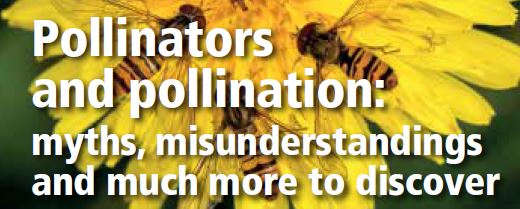
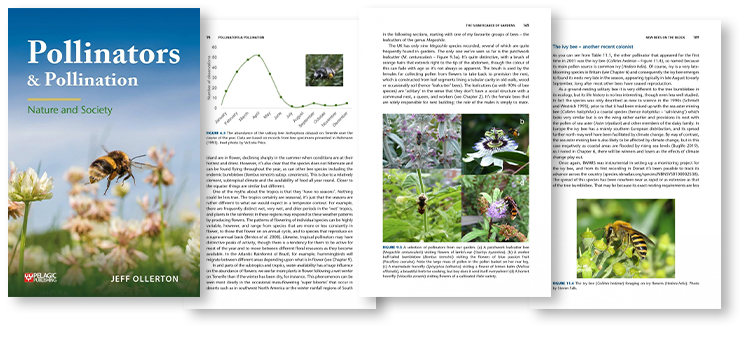
New article just published: ‘Pollinators and pollination: myths, misunderstandings and much more to discover’

My first (and hopefully not my last) article for the magazine British Wildlife has just appeared in the April issue. Entitled ‘Pollinators and pollination: myths, misunderstandings and much more to discover’ you can get a preview here: https://www.britishwildlife.com/article/volume-32-number-5-page-316-323

The article focuses on some of the myths and misunderstandings that I dealt with in my book Pollinators & Pollination: Nature and Society. It also points out that, even in a place like Britain with a long tradition of natural history study, there’s still much for the patient observer to discover. If you’re interested in a PDF, drop me a line via the Contact page.

Online talks and training: here’s a selection of what I offer

Over the past few months I’ve done a large number of online talks for a variety of audiences, including natural history and gardening societies, beekeeping groups, private companies, university estates departments, and ecological consultancies. I thought it would be useful to provide a list of what I offer, with a short description. All talks are accessible and understandable to a broad audience, and can be tailored to the individual needs of the group:

Pollinators & Pollination: Nature and Society is an introduction to the importance of pollinators and the pollination services that they provide to both wild and crop plants. The name, of course, reflects that of my recent book.

The Politics of Pollination is an account of how society (governments, organisations and individuals) has responded to the current “pollination crisis” (if that’s what it actually is…)

Bees in Cities: an Introduction to Urban Pollinators focuses on the positive roles that urban environments can play for pollinators, and the potential threats of city living.

Pollinators in Gardens gives practical advice on how to make your garden “pollinator friendly”.

Pollinator Conservation: Threats and Opportunities describes how and why pollinators are declining and what we can do about it at the individual and societal level.

Habitat Creation and Management for Pollinators gives an introduction to how NGOs, estates departments, consultancies, and so forth, can effectively support pollinators in ways that go beyond just planting flowers and putting up a few “bee hotels”.

To Be a Flower is an introduction to how flowers function and the ways in which they manipulate the behaviour of their pollinators to ensure reproduction.

Darwin’s Unrequited Isle: a Personal Natural History of Tenerife describes some of the field work that we’ve been doing on this most fascinating of the Canary Islands.

Biodiversity: What Is It and Why Should We Care? gives a very general overview of the topic of biodiversity and ecosystem services.

Talks typically last for around 50 minutes, following which I’m happy to answer questions and discuss any issues that have arisen. I also offer a half- or full-day of training for those organisations that need more depth, for example ecological consultancies. Note that I charge for all of my talks and training. If you would like to enquire about any of this, please use the form on the Contact page.

Why did I write the book? An interview with NHBS

The nice people at NHBS recently did a wide-ranging interview with me about my new book Pollinators & Pollination: Nature and Society and what led me to write it. It covers a lot of ground, including climate change, food security, the UK Pollinator Monitoring Scheme, and growing up in Sunderland.

Here’s the link:
https://www.nhbs.com/blog/jeff-ollerton-pollinators-pollination

Flowers can be assholes – quite literally!

2003-572 s G Bochum

WARNING: There’s a high yuck factor to this post, it’s not for the squeamish or easily offended!

One of my Twitter contacts, Traci Birge in Finland, has been reading Pollinators & Pollination: Nature and Society, and making some very nice comments about it. I had to laugh at this one in which she describes some plants as “assholes” because of the way in which they deceive pollinators into visiting their flowers but offer no reward in return:

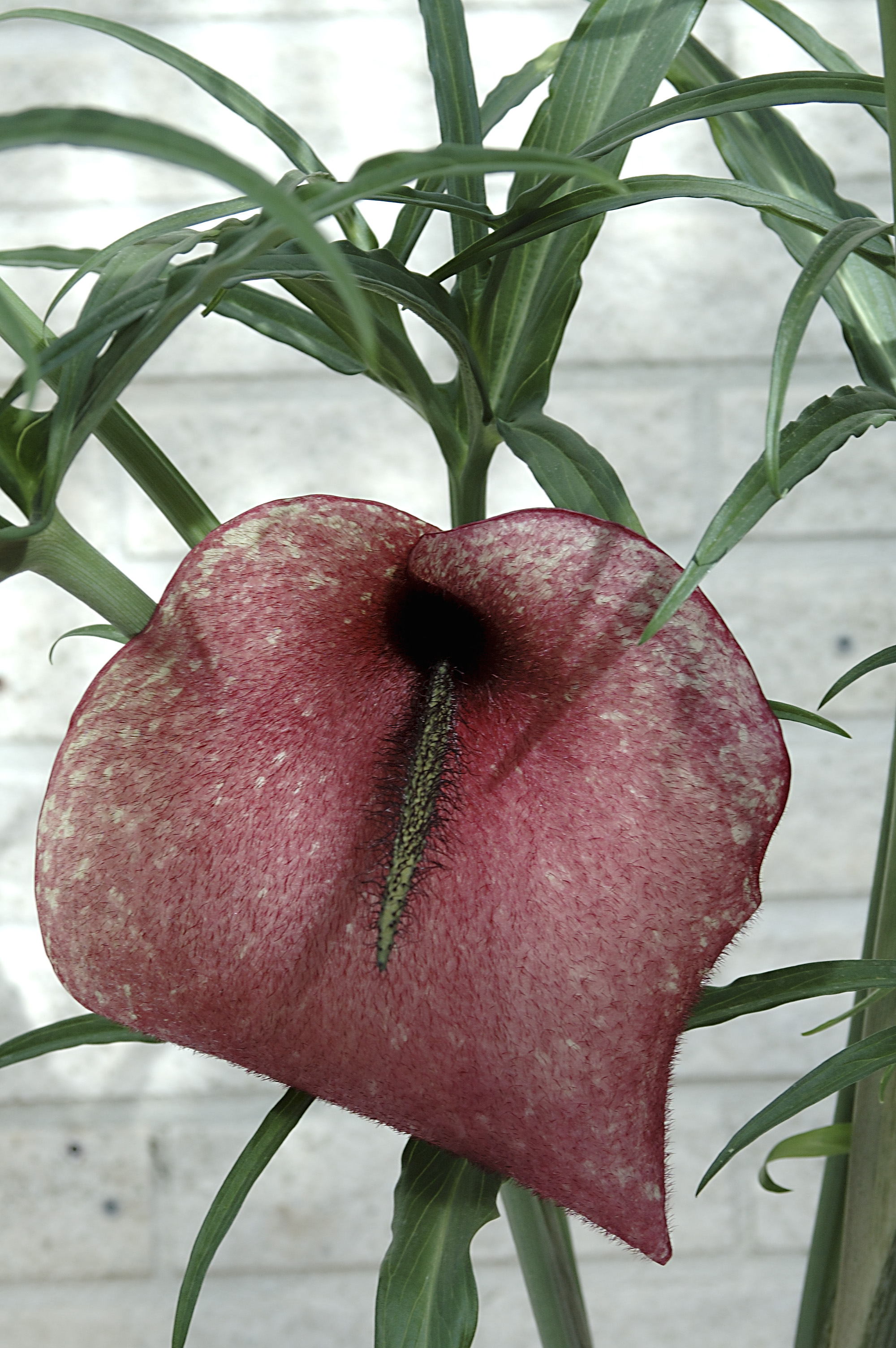
If you follow that thread you can see that Traci was closer to the truth than perhaps she realised: there are some plants with flowers that appear to mimic the anuses of dead mammals, particularly in the families Apocynaceae and Araceae. By their smell, texture, colour and hairiness they are fooling flies into visiting the flowers, because assholes, like any mammalian orifice, provide an entry point for maggots of carrion-feeding flies. Sometimes the deception is so great that the flies lay their eggs on these blooms, though of course the maggots starve.

A great example of an anus-mimicking bloom is the Dead Horse Arum (Helicodiceros muscivorus). Check out the image above: if that doesn’t look like a horse’s ass, I don’t know what does!

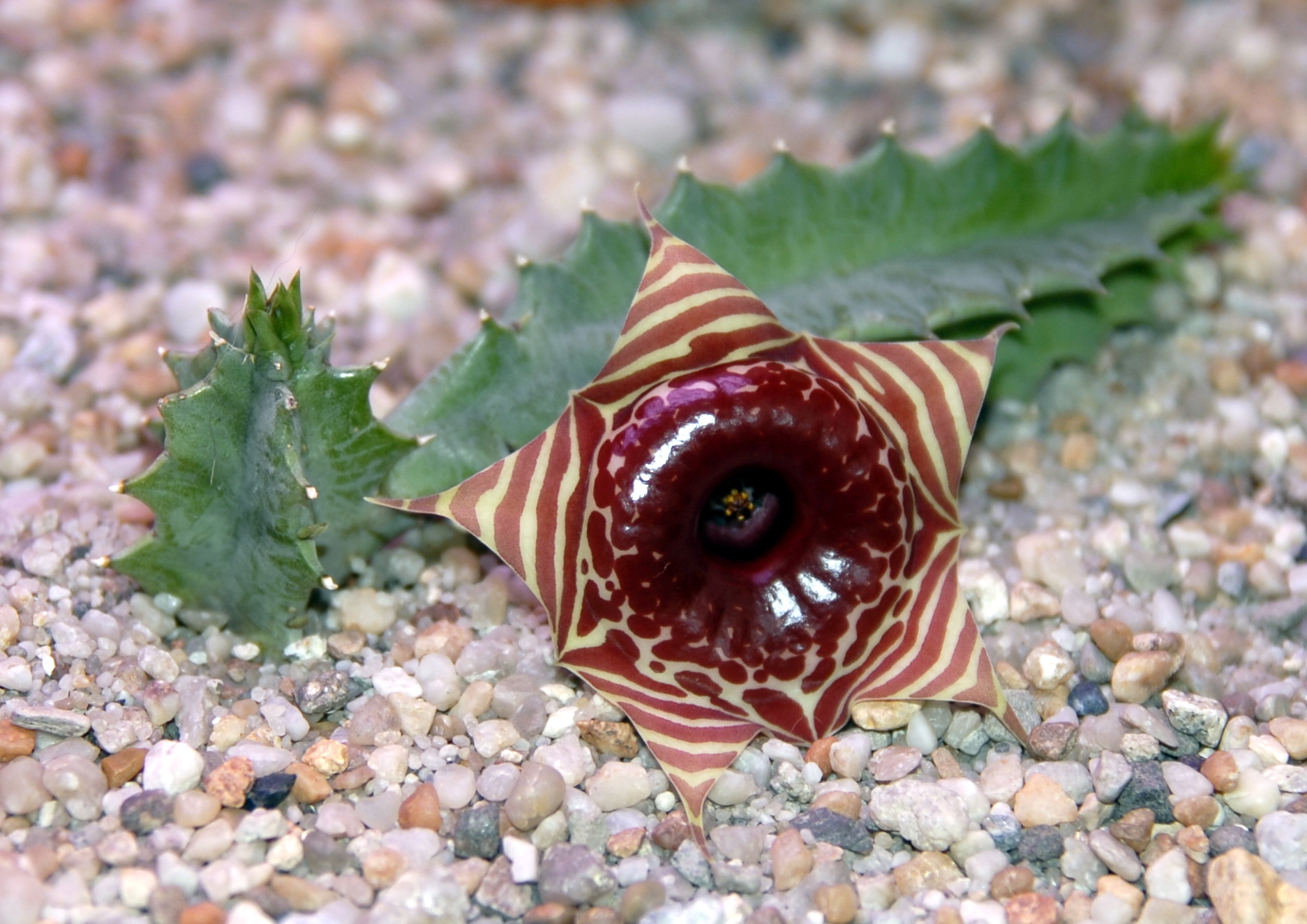
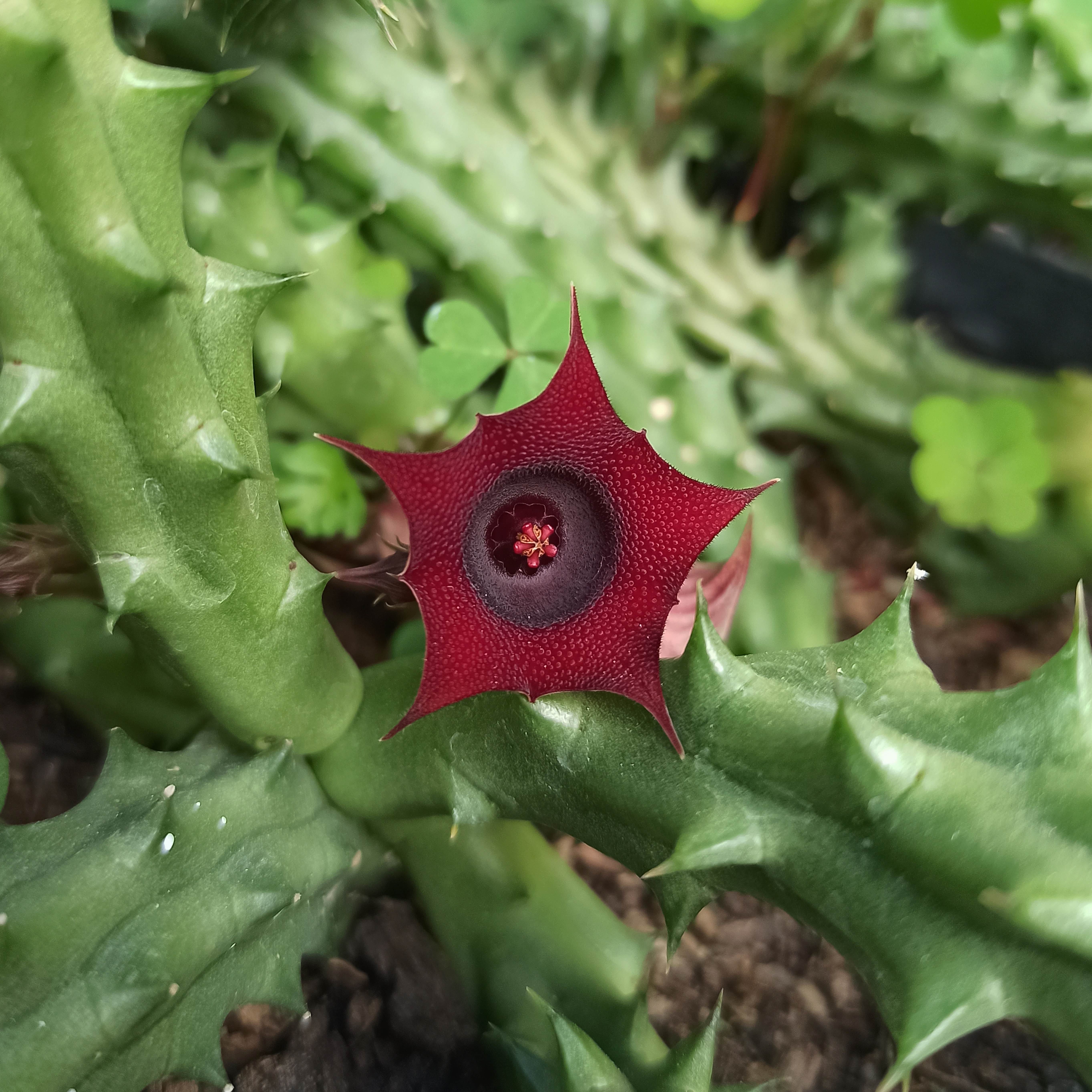
Other examples might be found within the stapeliads, especially the genus Huernia which often have a thickened annulus to the centre of the flower. However that could also be interpreted as mimicking an open, inflamed wound on the side of an animal:

As I point out in the book, you might imagine that there would be strong natural selection against flies visiting these flowers if they lose fitness by laying eggs on such an unsuitable substrate. But the flowers are tapping into really deep-seated behaviours and clearly the flies can’t distinguish the flowers from the real thing.

This is flower pollination that is far removed from the deliciously perfumed, cute-and-cuddly, heart-warming world of bees and flowers. Isn’t nature wonderful?

All photos from Wikipedia, as follows:

Helicodiceros muscivorus: Göteborgs botaniska trädgård (photographer: Ingemar Johansson) – http://www.mynewsdesk.com/se/pressroom/goteborgs_botaniska_tradgard/image/view/dracunculus-muscivorus-128973, CC BY 3.0, https://commons.wikimedia.org/w/index.php?curid=19265330

Huernia zebrina: Enzo^ – Own work, CC BY 3.0, https://commons.wikimedia.org/w/index.php?curid=10963668

Huernia schneideriana: Juan Carlos Fonseca Mata – Own work, CC BY-SA 4.0, https://commons.wikimedia.org/w/index.php?curid=94705877

“Bee Together” with YDMT – pollinator online talks during January and February

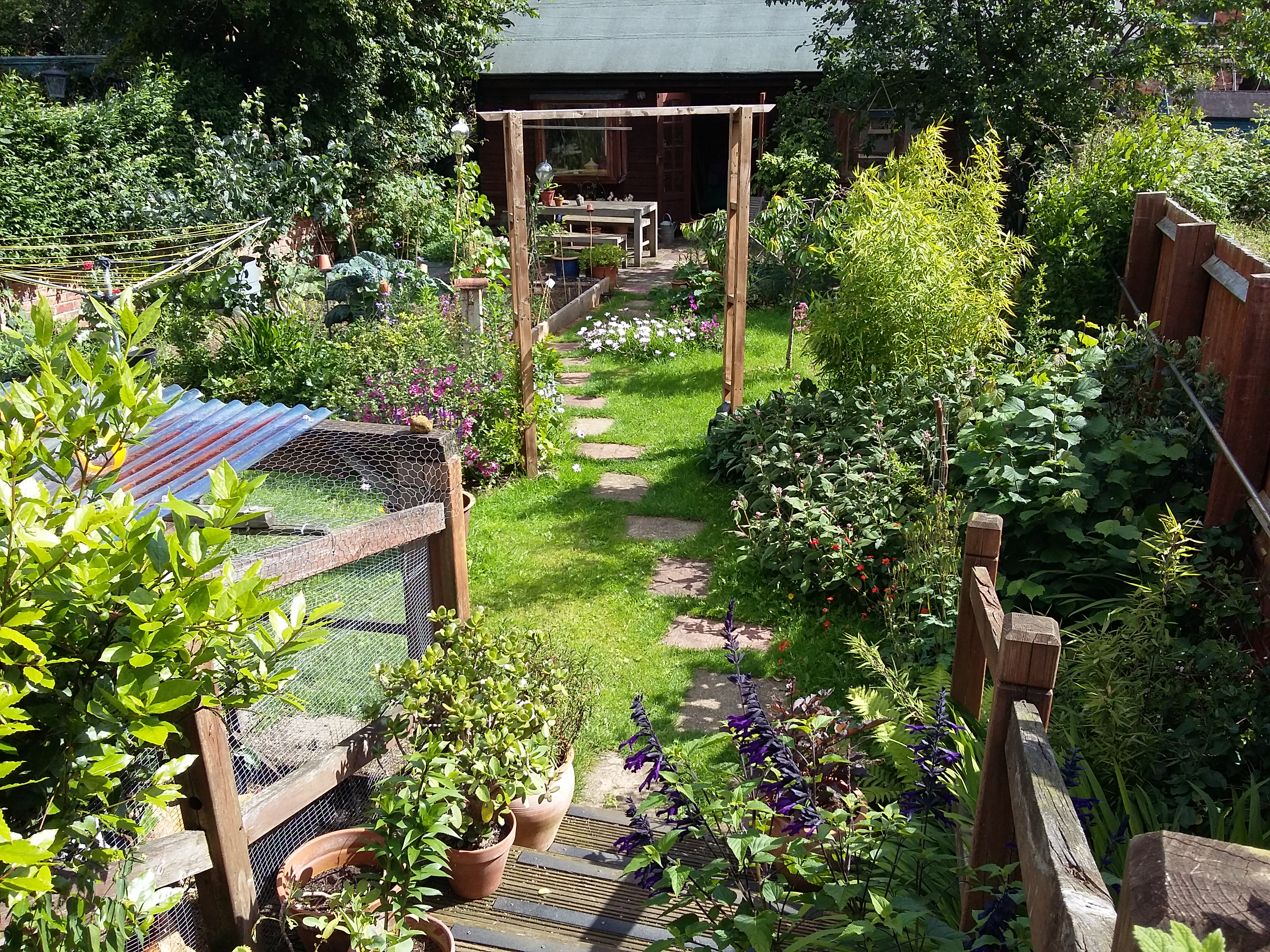
As I write a slow haze of fine snow is falling, covering our garden with a thin white dusting. Spring feels a long way off, despite the emerging spears of daffodil leaves. But you can get a taste of what the new season will bring by signing up for a short series of free evening online talks on the topic of pollinators that has been organised by the Yorkshire Dales Millennium Trust – here’s the link for the Bee Together programme – and here’s more details of the talks:

Thursday January 28 at 7pm: Pollinators and Pollination: Nature and Society
An overview of the diversity of pollinators in Britain, why they are important, and the threats to that diversity with Jeff Ollerton.

Thursday February 18 (7pm): The B-Lines Project
Buglife’s B-Lines network is an imaginative solution to the problem of the loss of flowers and pollinators. B-Lines are a series of ‘insect pathways’ running through our countryside and towns, along which Buglife are restoring and creating a series of wildflower-rich habitat stepping stones. Catherine Jones talks about mapping the recently completed B-Lines map and some of the projects that have already created habitat for pollinators.

Thursday February 25 (7pm): The Hidden Lives of Garden Bees
Brigit Strawbridge Howard will explain some of the basic differences between bumblebees, solitary bees, and honeybees – including lifecycles and nesting behaviour; the problems they all face; and, most important, what we can do to help. Brigit is a wildlife gardener, amateur naturalist and advocate of bees. She writes and campaigns to raise awareness of the importance of native wild bees, and is the author of Dancing with Bees: A Journey Back to Nature.

I hope to see some of you there: Happy New Year everyone!

Pollinators, landscape and friends: our recent trip to the Danish island of Sejerø

2018-07-15 11.16.02

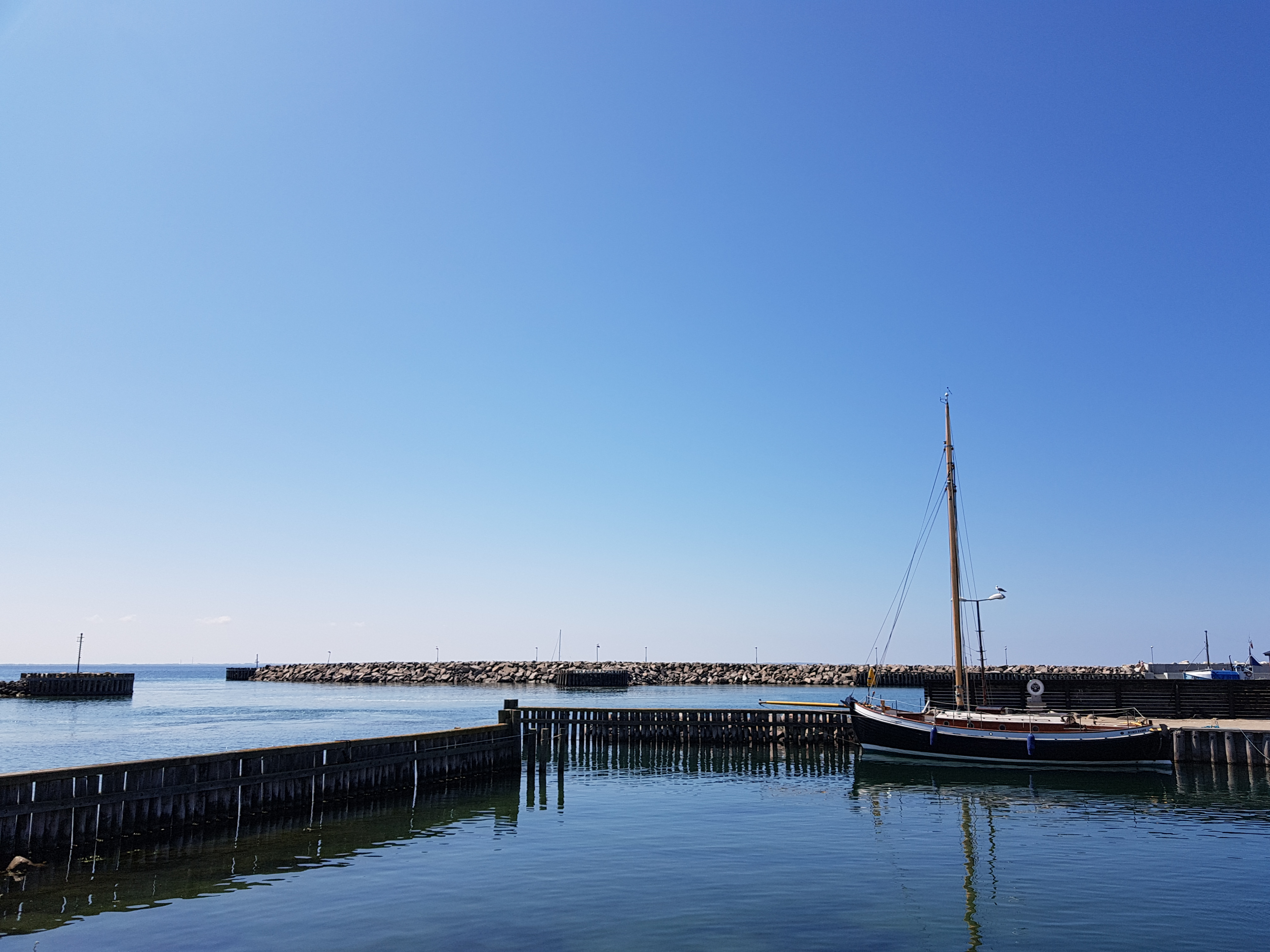
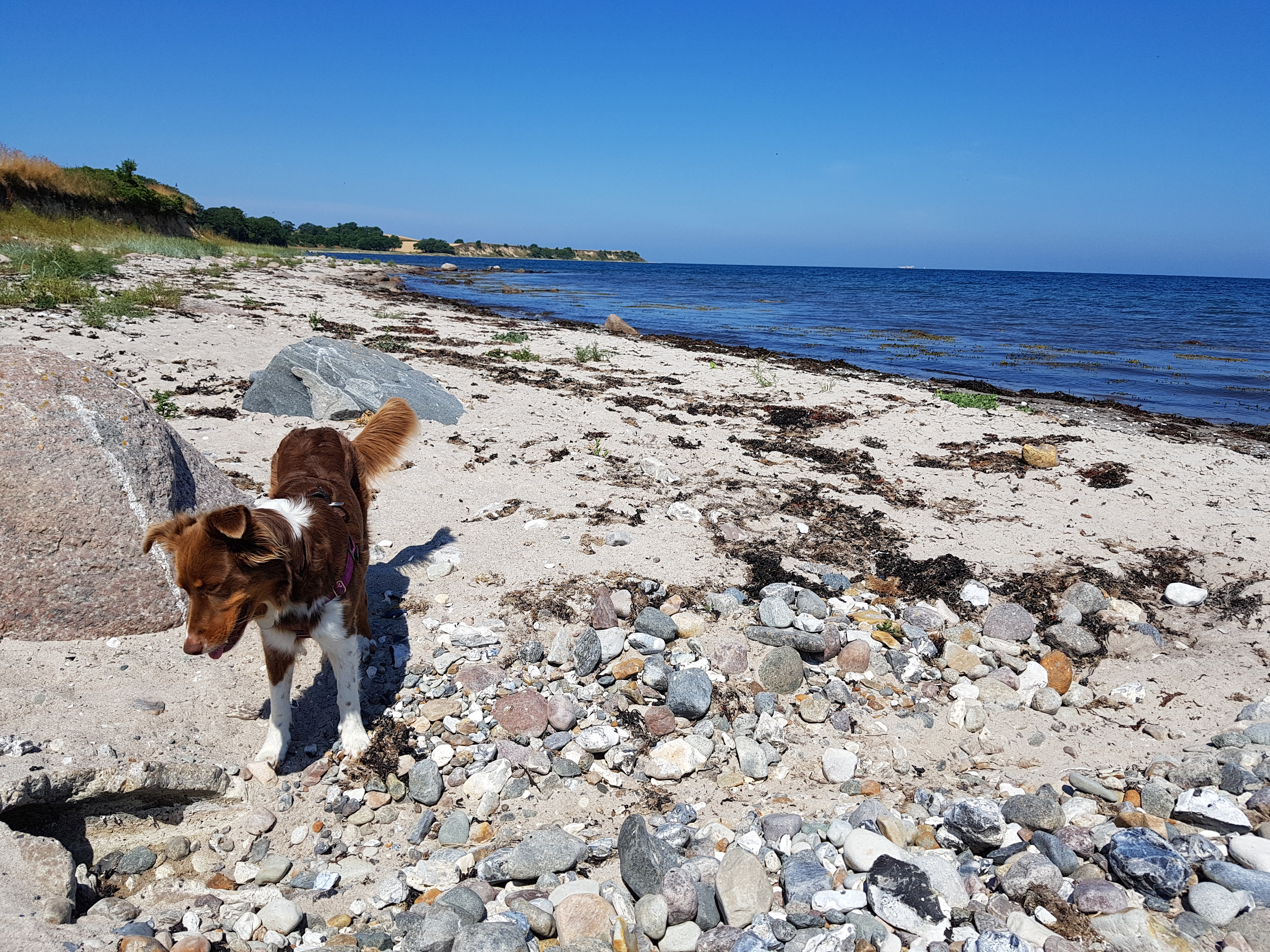
This is not the first time I’ve written about the beautiful Danish island of Sejerø – see my post “Why do bumblebees follow ferries?“.  It’s home to our friends Pia and Stephen Valentine (Stephen is the very talented artist who produced the fabulous study of waxwings that Karin commissioned for my birthday last year).  Earlier this month we traveled over to stay with them and to explore some more of the island.  Here are some photos and thoughts from that trip.

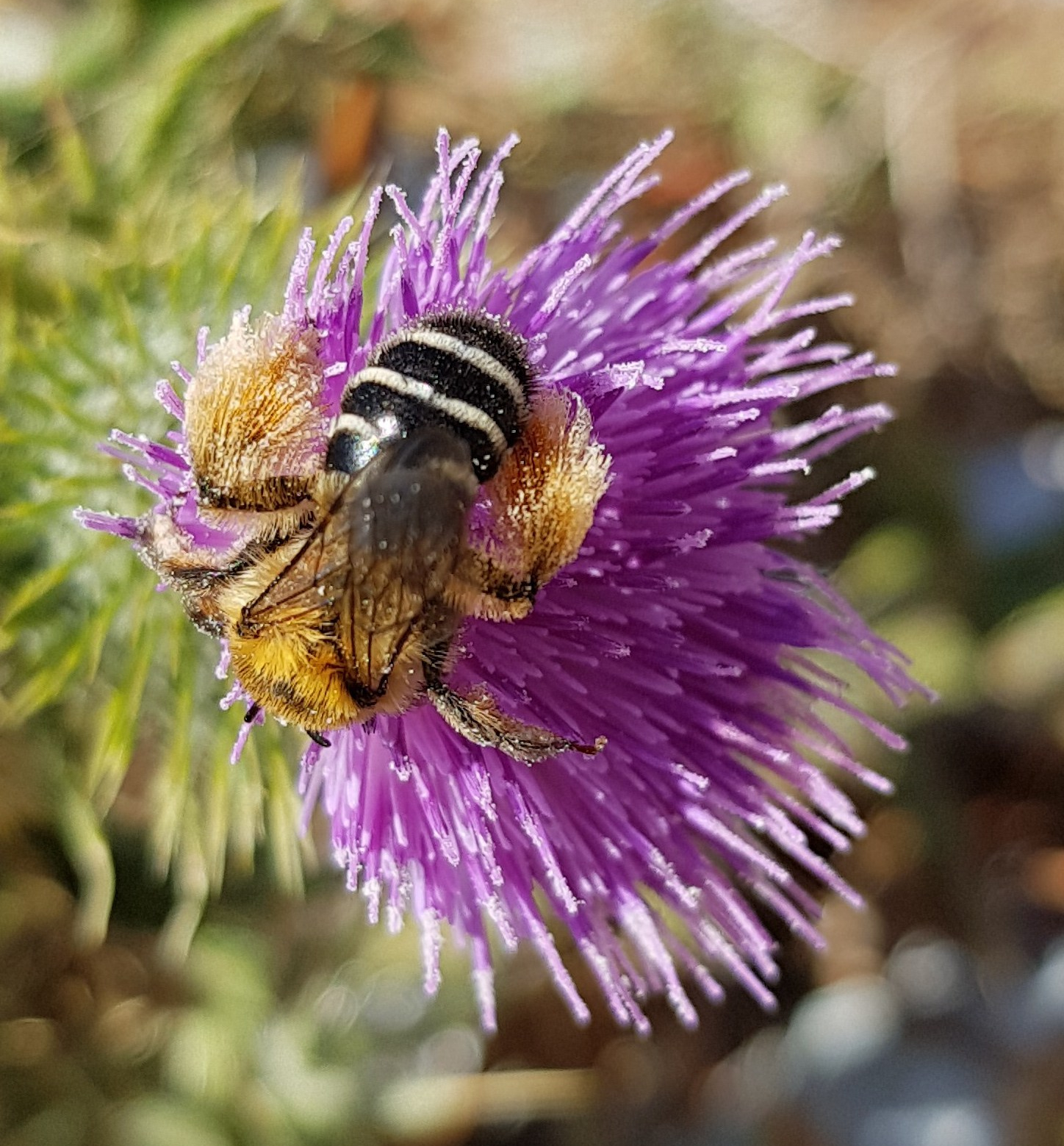
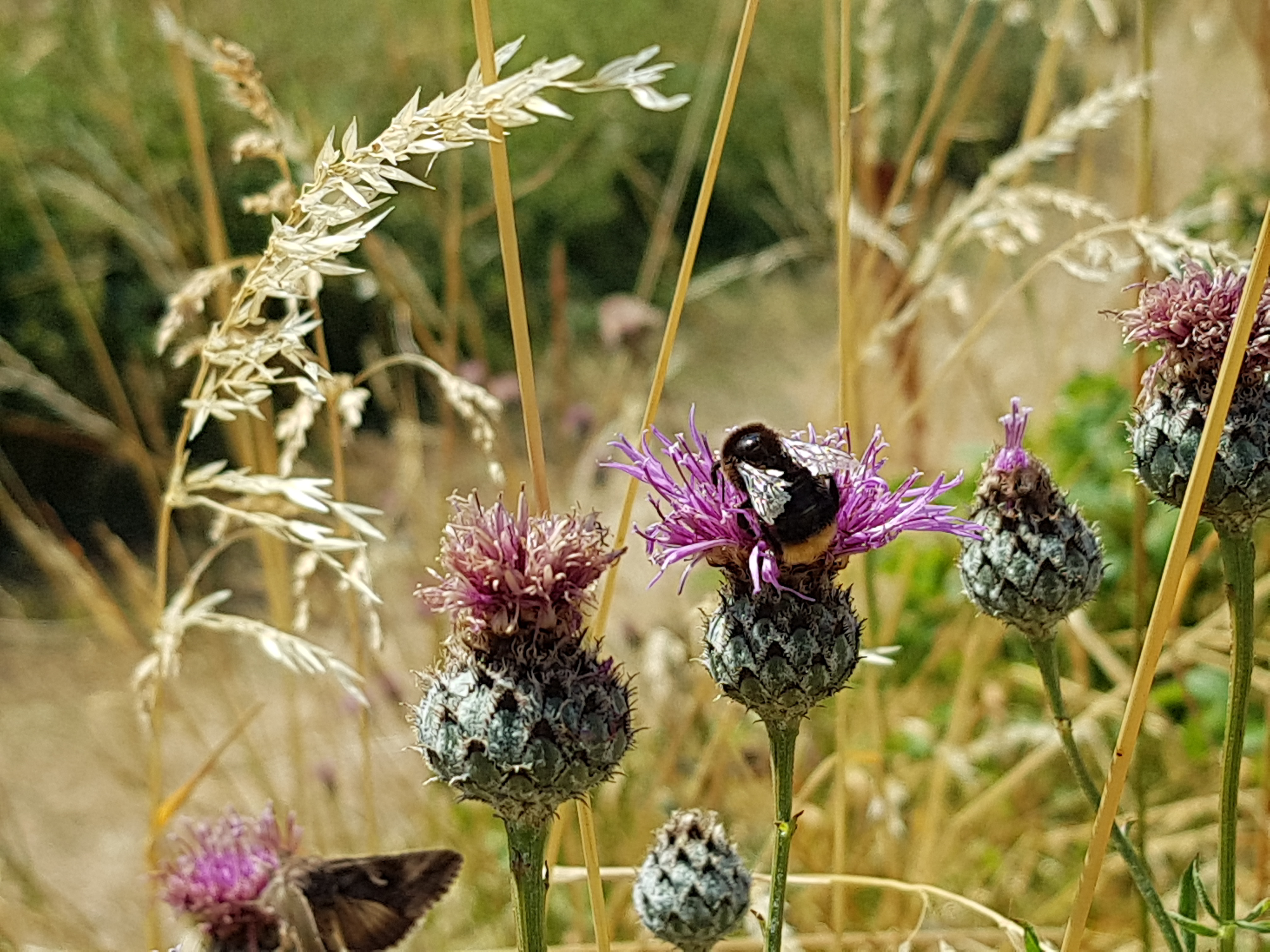
Despite the hot, dry weather that northern Europe has been experiencing recently there were pollinators aplenty.  Thistles and knapweeds (both groups from the daisy family Asteraceae) are well known to be drought tolerant and attract a lot of insect interest.  This is a Pantaloon Bee (Dasypoda sp.)  If it was Britain I’d say that it was D. hirtipes, but there are other species on the continent so I can’t be sure.  These bees are well named: the “pantaloons” are found only on the females and are used to collect pollen, especially from Asteraceae.

2018-07-14 14.44.18

I believe that this is the male of this species; note the absence of the pollen-collecting hairs on the rear legs and the yellow face, typical of many male bees:

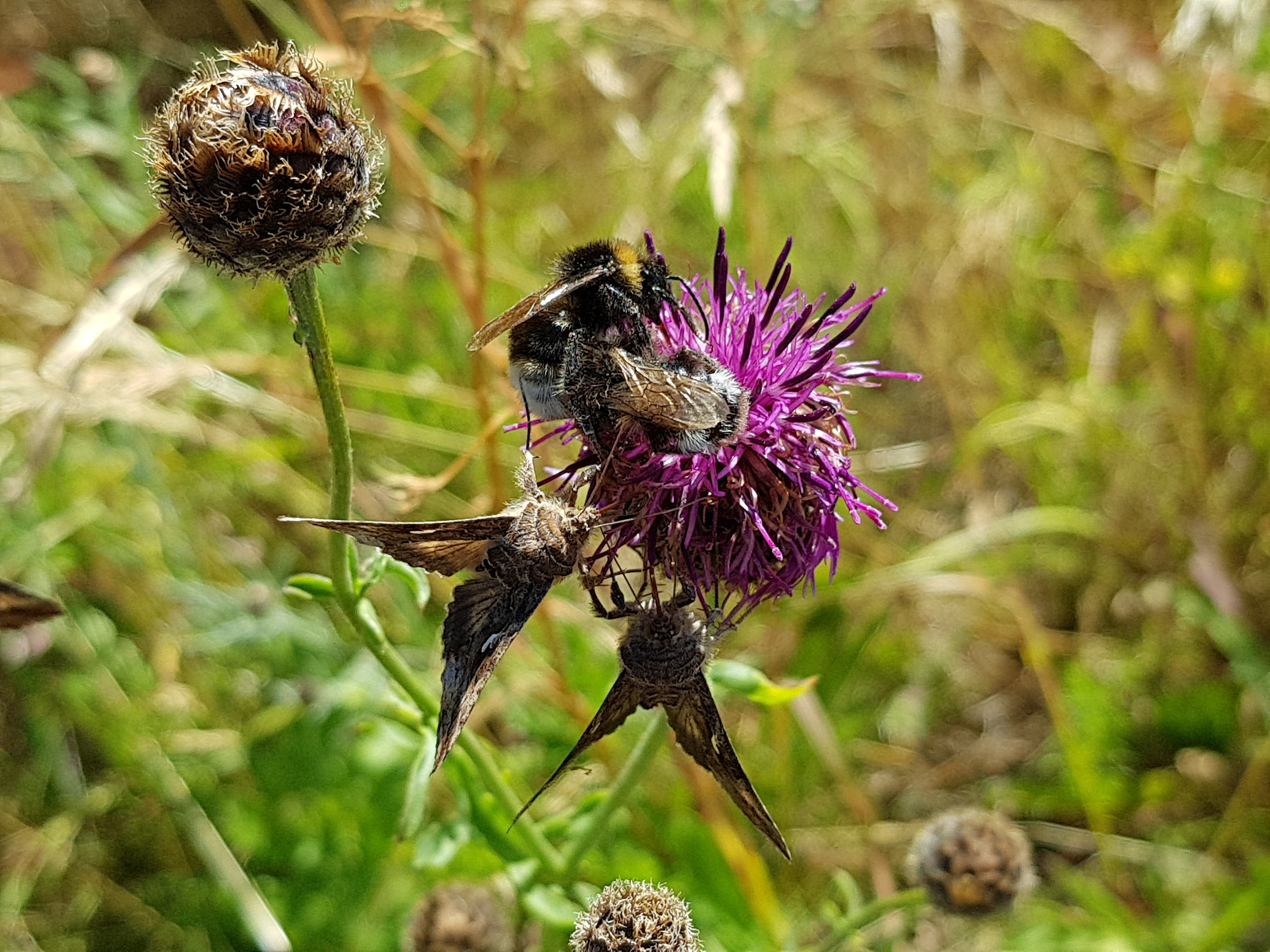
The flower heads of the knapweeds were highly sought after; on this one, two different bumblebees (Bombus spp.) were competing with two Silver Y moths (Autographa gamma):

2018-07-14 14.59.22

Sometimes the bumblebees got an inflorescence to themselves, though the photobombing Silver Ys were never far away:

2018-07-13 13.41.07

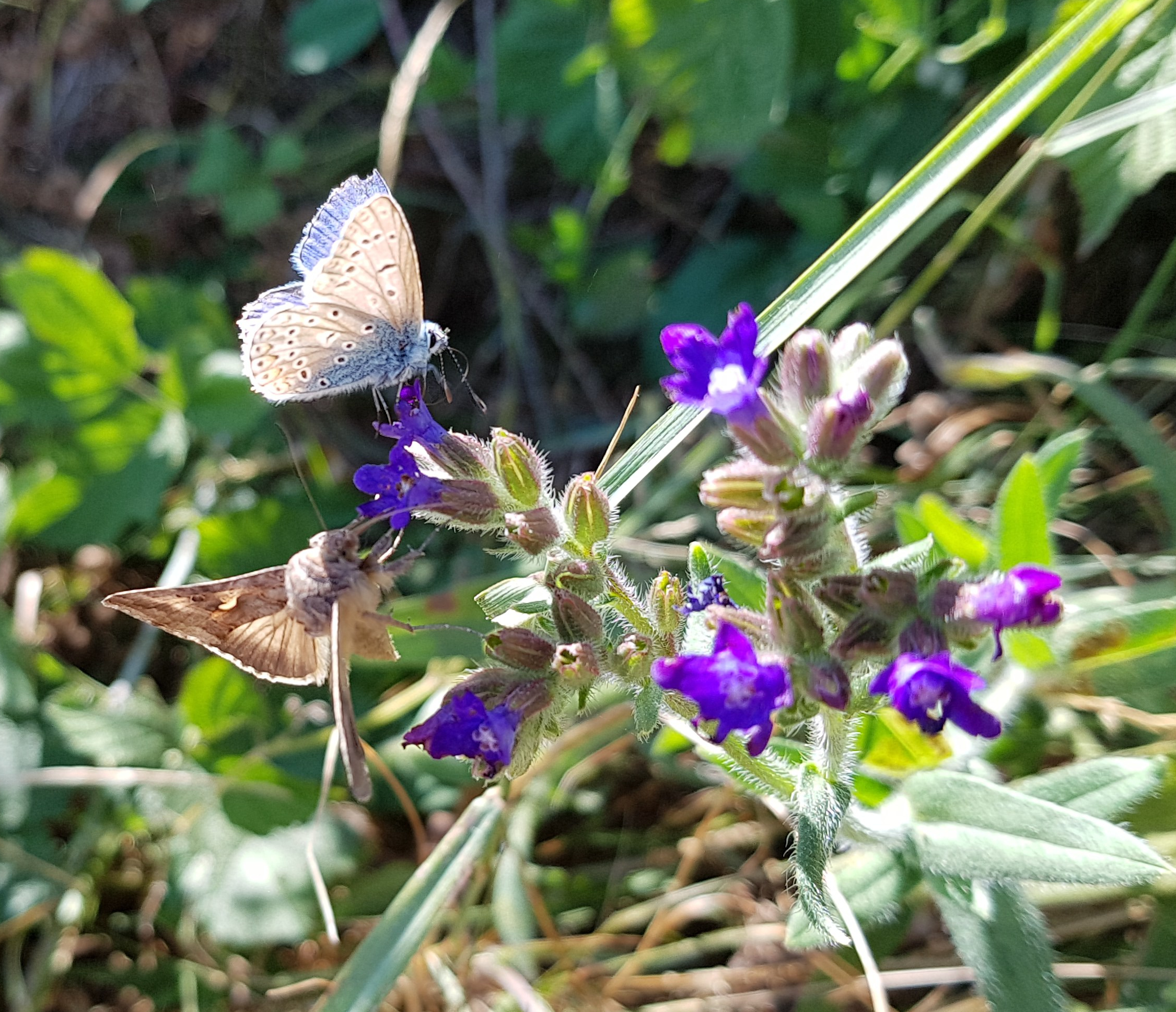
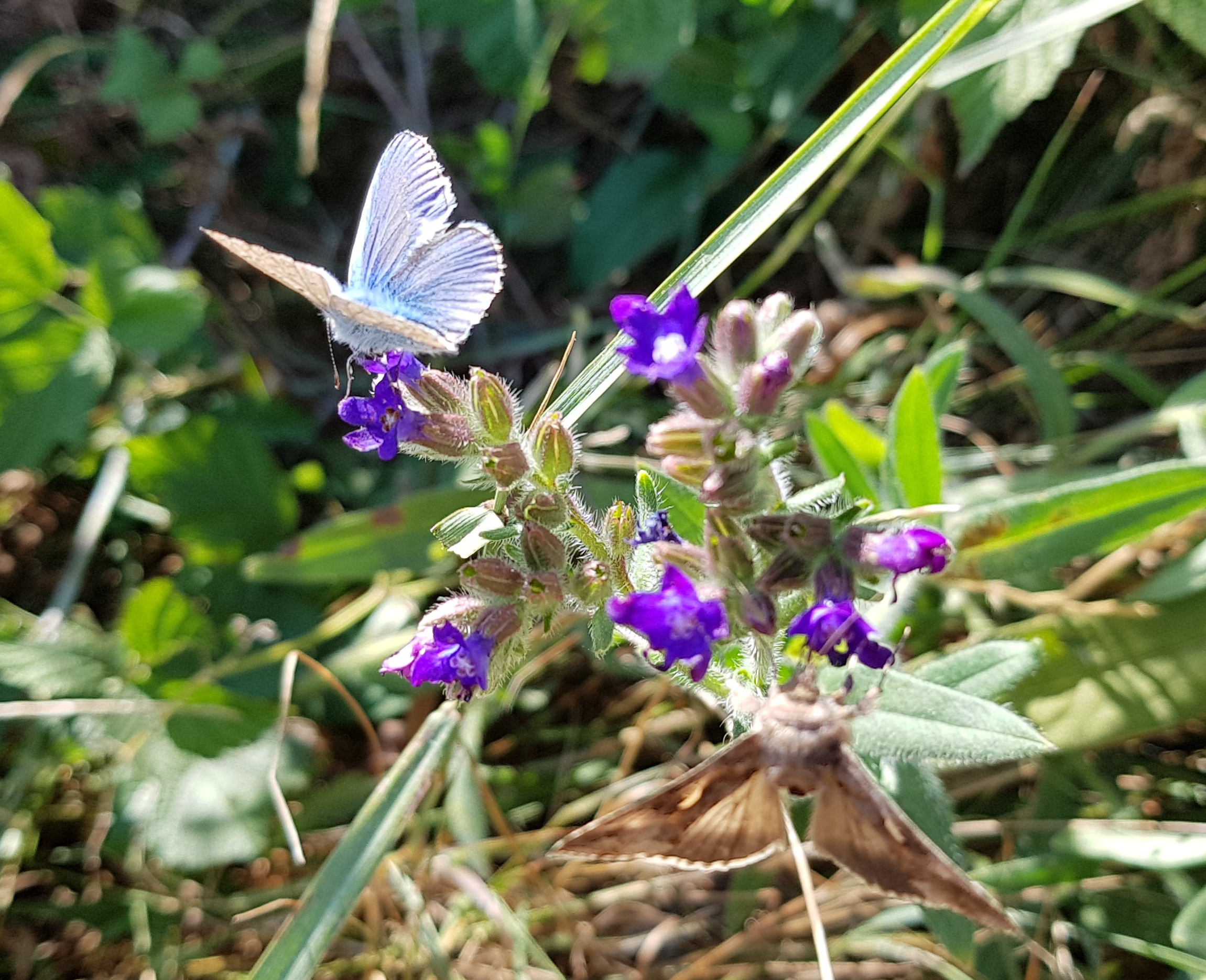
It’s been a good year for the Silver Y, large numbers have migrated northwards from southern Europe and we’ve had lots in our garden too.  On Sejerø they were everywhere, on all kinds of plants: 

2018-07-14 14.53.52

The butterfly is one of the Blues (Lycaenidae), possibly Common Blue (Polyommatus icarus), but again this being Denmark they may have other species that I’m not familiar with.  Note the Silver Y photobombing once more…:

2018-07-14-14-53-46.jpg

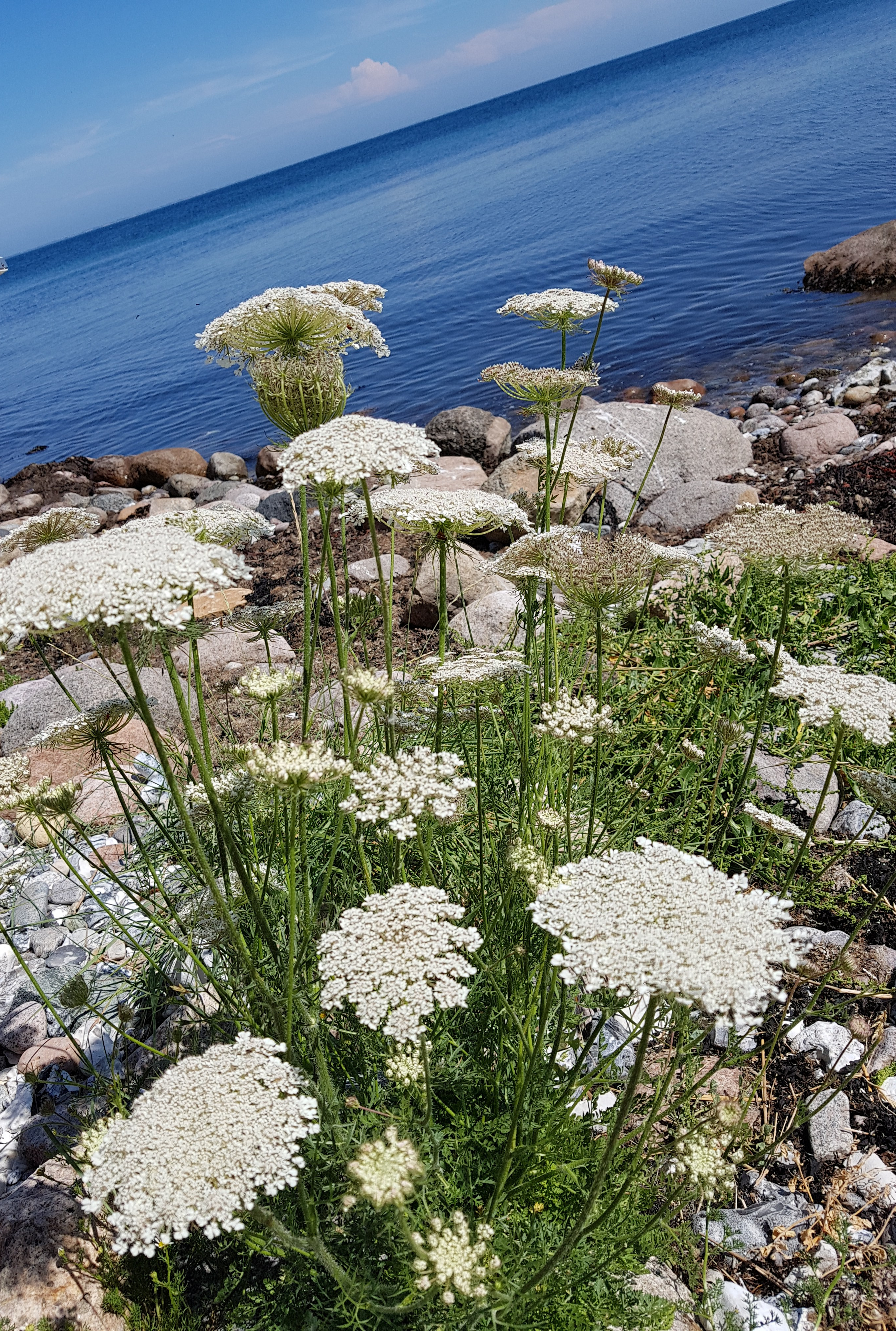
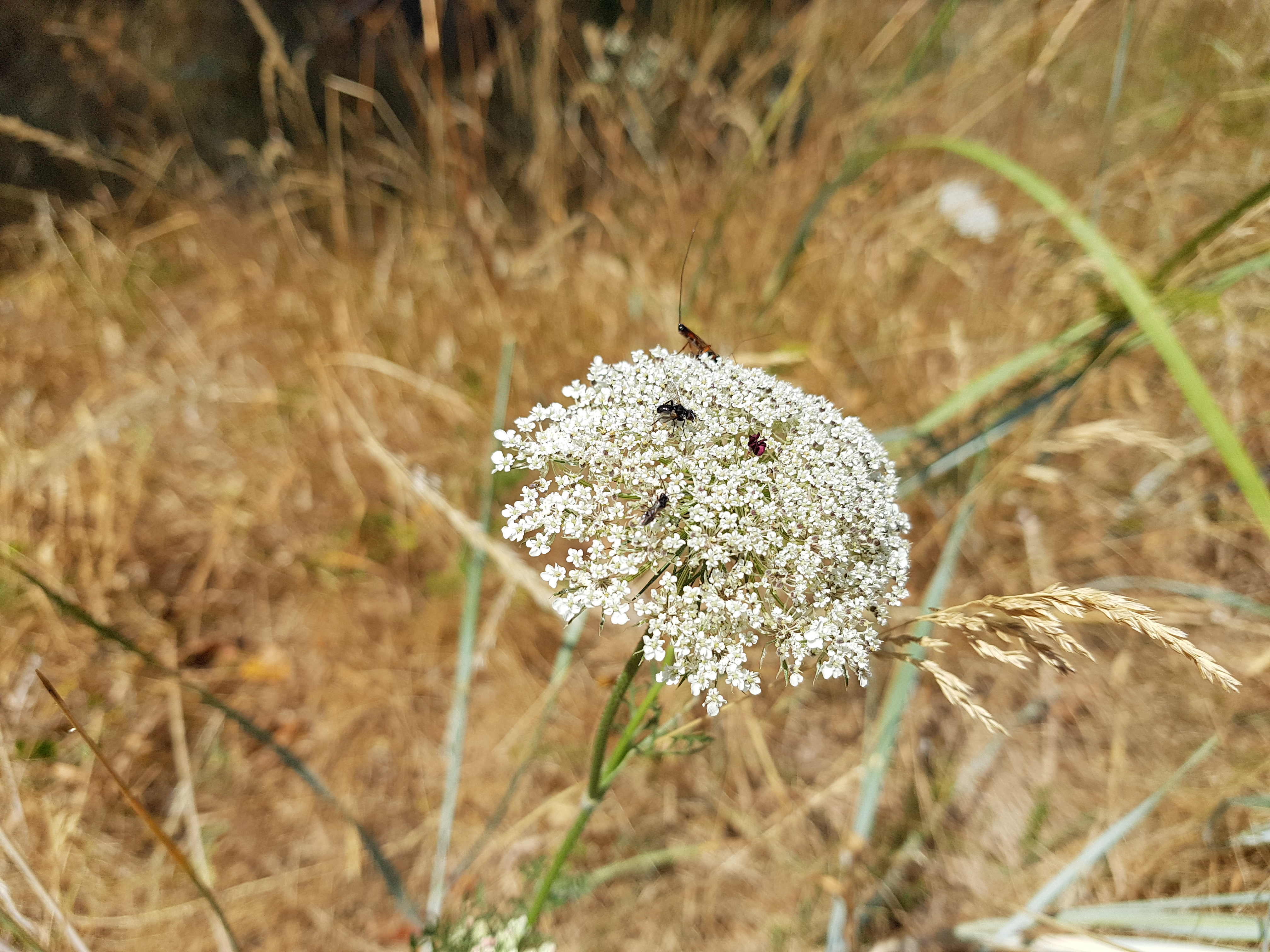
Wild carrot (Daucus carota) was common on the island and always attracts a wide range of flies, wasps and beetles:

2018-07-13-12-54-08.jpg

2018-07-13 11.53.40

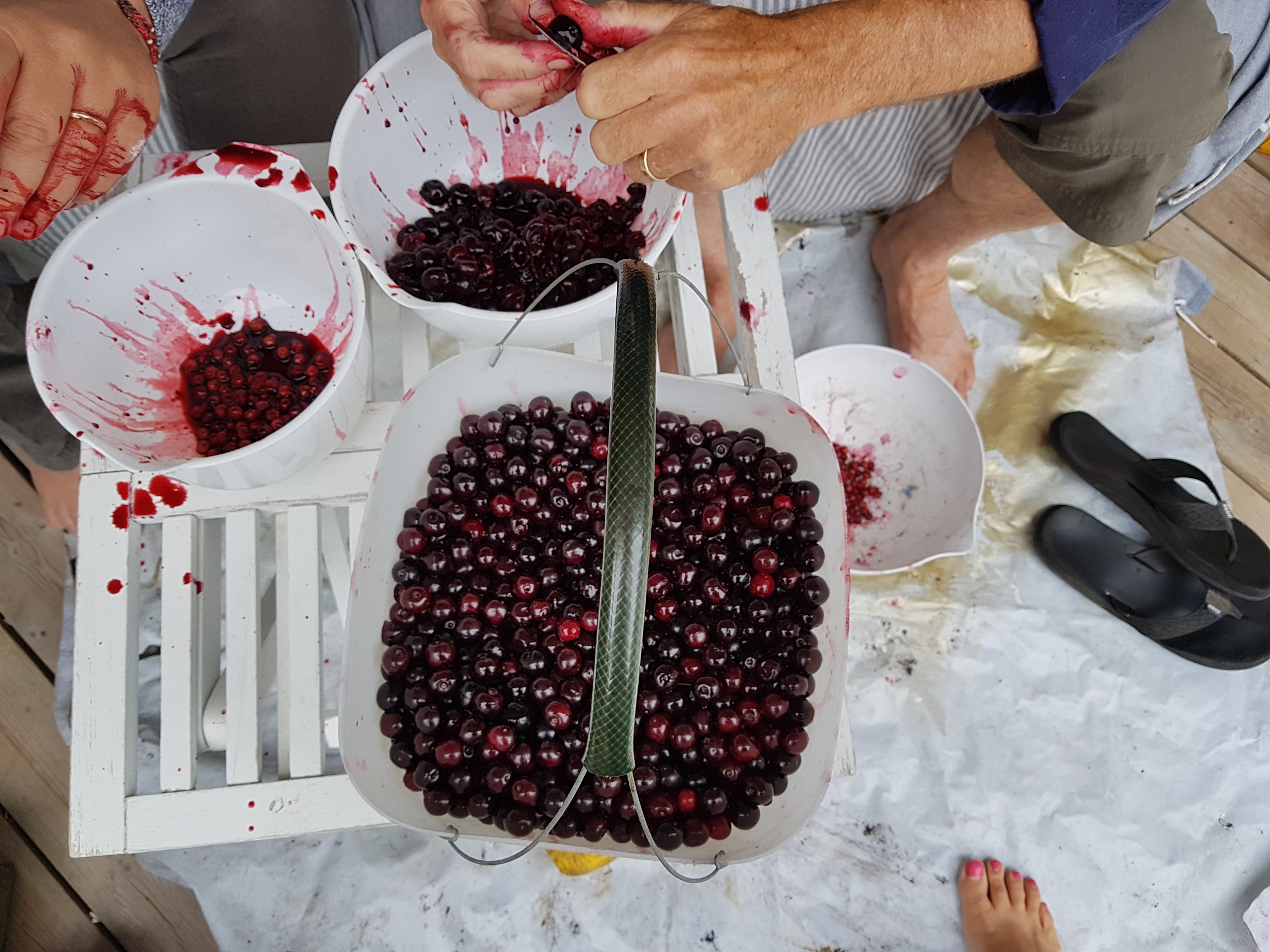
Close to home we found a huge cherry tree laden with the fruits of pollination and collected a couple of kilos for Stephen to make into jam.  Stoning them was messy but fun and a nice opportunity to sit and chat about nature and people:

2018-07-14 11.05.32

I was very impressed with Stephen’s up-cycled general purpose baskets, made from plastic containers he finds on the beach, wire, and lengths of old hosepipe:

2018-07-14 11.06.17

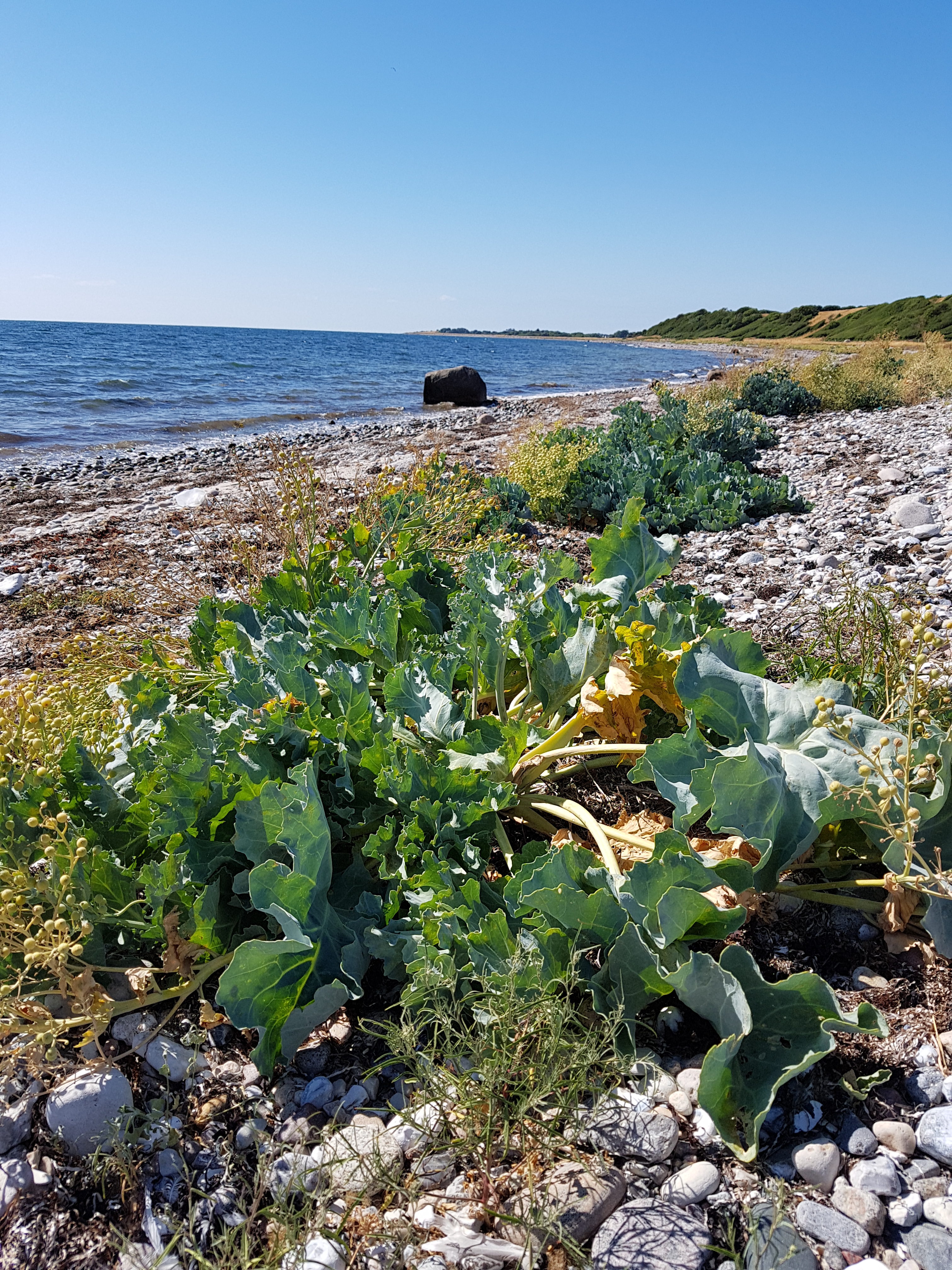
Along the shore another edible plant, Sea Kale (Crambe maritima) was attracting a lot of attention from white butterflies (Pieridae) whose caterpillars feed on this and other members of the cabbage family (Brassicaceae):

2018-07-13 11.20.10

I tried a piece of raw leaf; it tasted ok, salty and a little bitter.  Apparently it’s very nice if you blanch the young leaves.  It’s a distinctive and impressive component of the beach flora:

2018-07-14 14.41.16

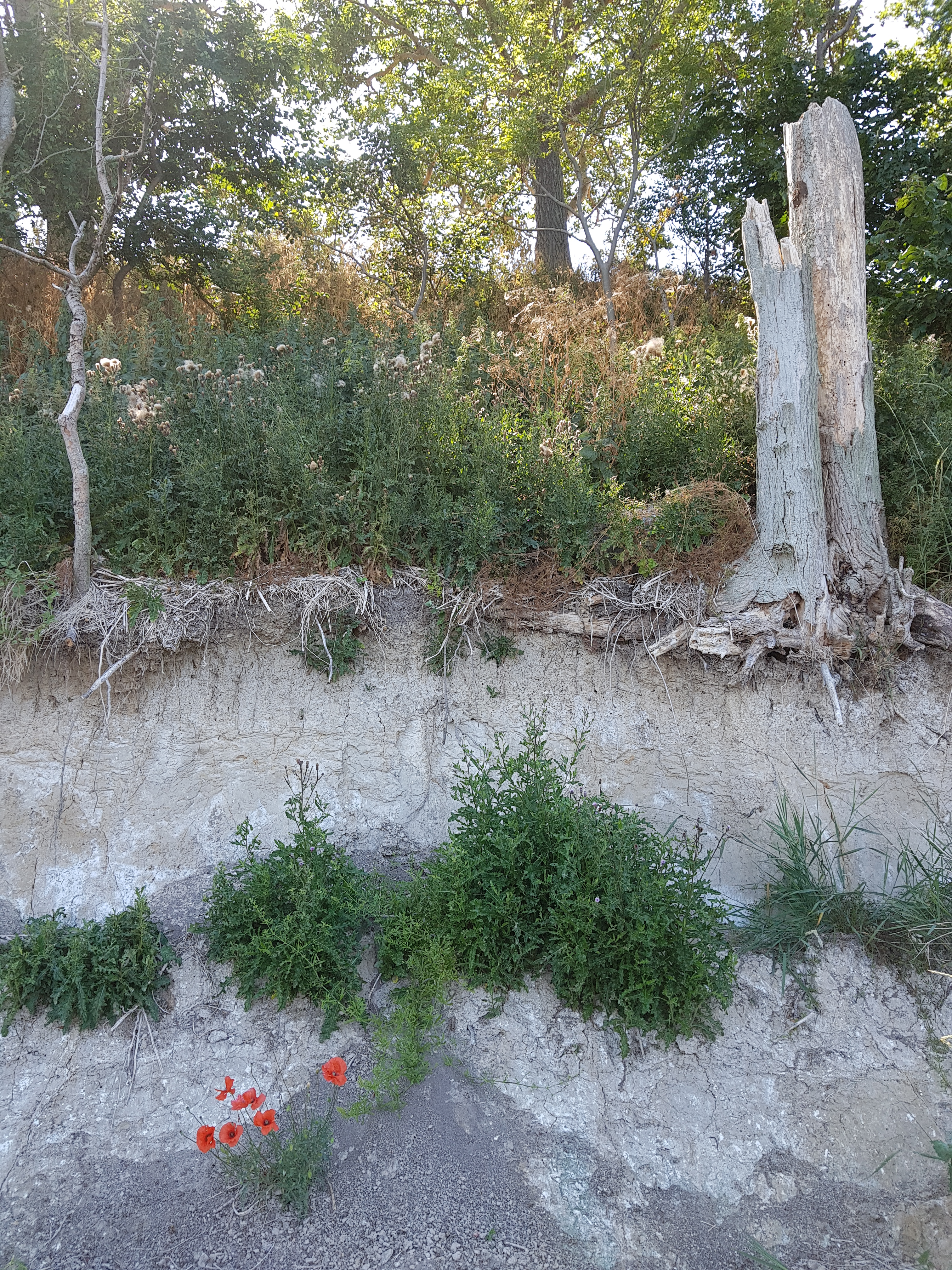
Amidst the greens, buffs and browns of the beach landscape we encountered the occasional scarlet of a patch of poppies (Papaver sp.):

2018-07-13 13.29.52

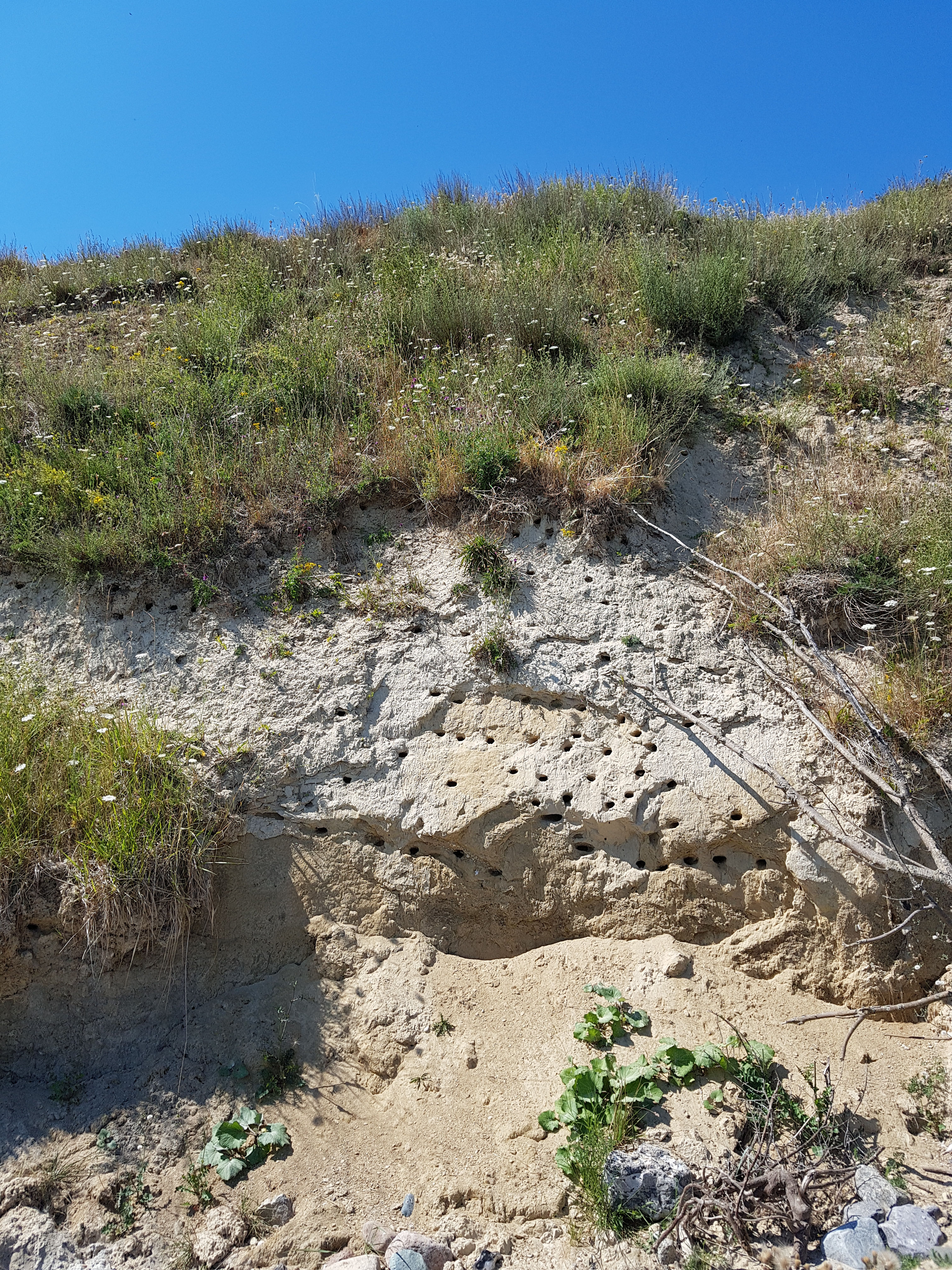
Everywhere on the island we saw evidence of the link between life on land and in the sea, and the cycles and processes upon which that life depends.  Sand martins (Riparia riparia – an apt name – “riparian” refers to the interface between land and water) are common and their nest excavations speed up the return of sediments back to the sea:

2018-07-13 12.02.21.jpg

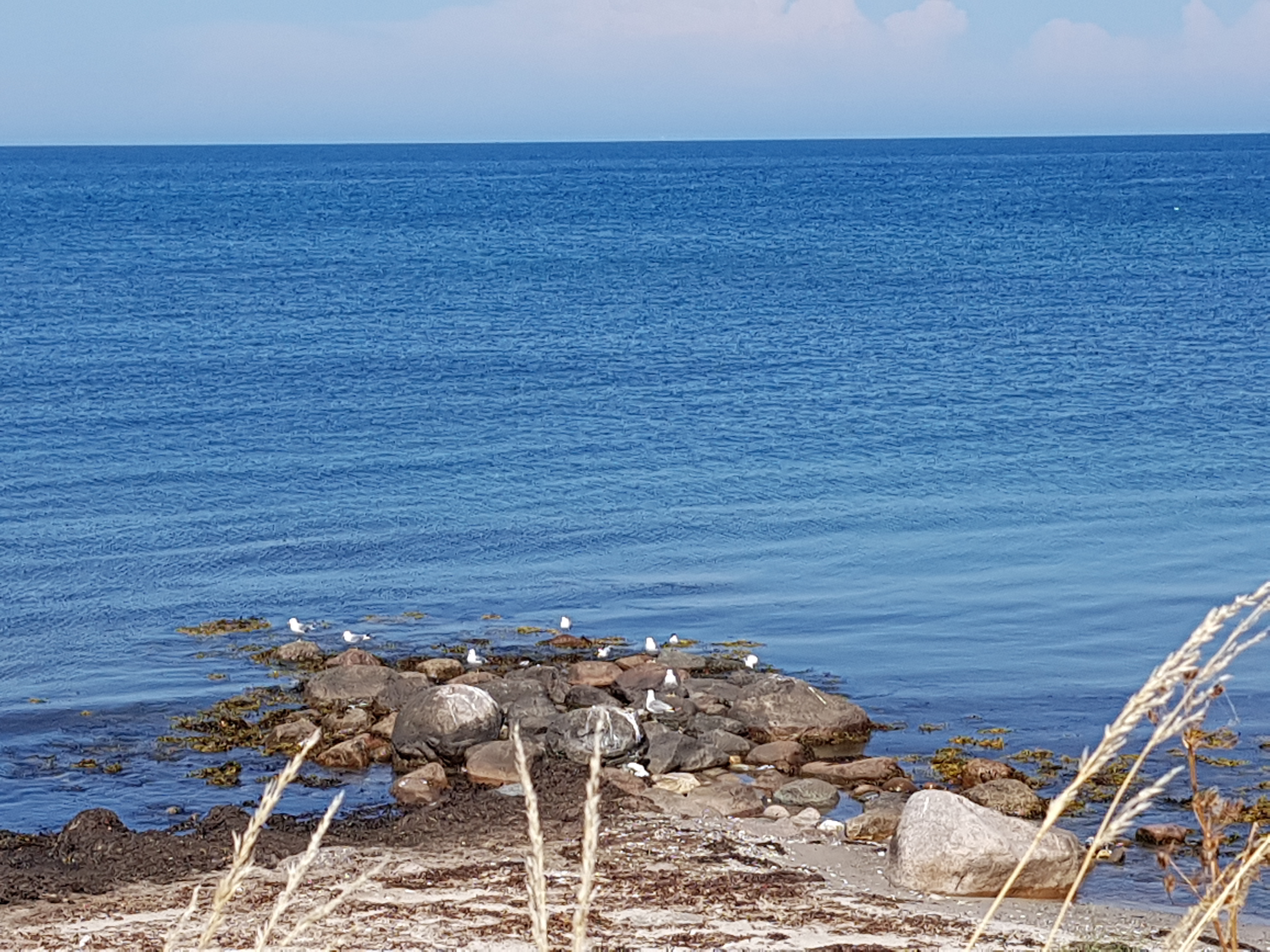
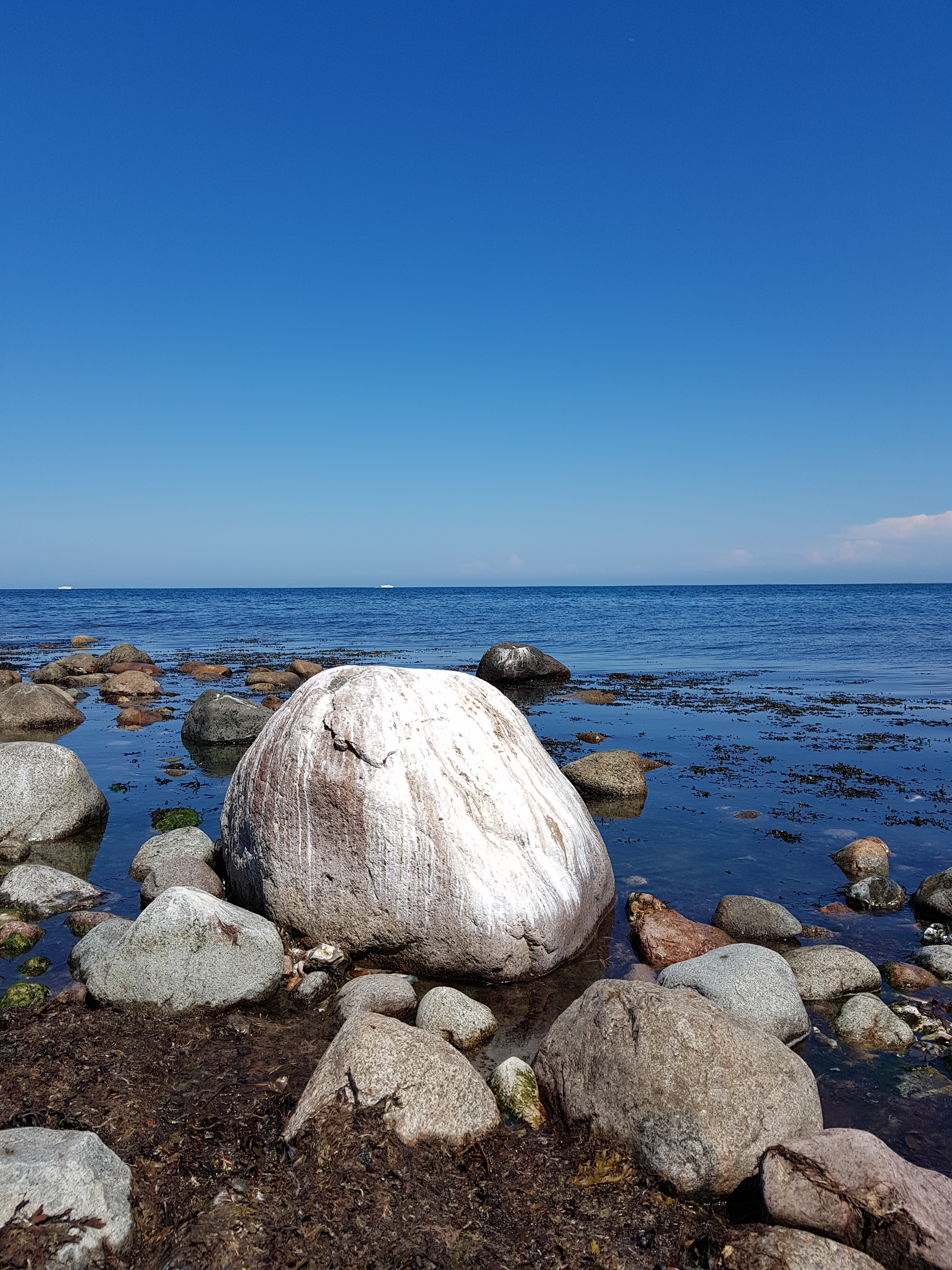
Favoured rocks have been used by gulls and other sea birds for generations, their guano helping to enrich these coastal waters and fueling the primary production of seaweeds and diatoms, which in turn feed other shore life:

2018-07-13 13.39.11

2018-07-13 12.26.00

2018-07-13 12.25.32

2018-07-14 15.55.25.jpg

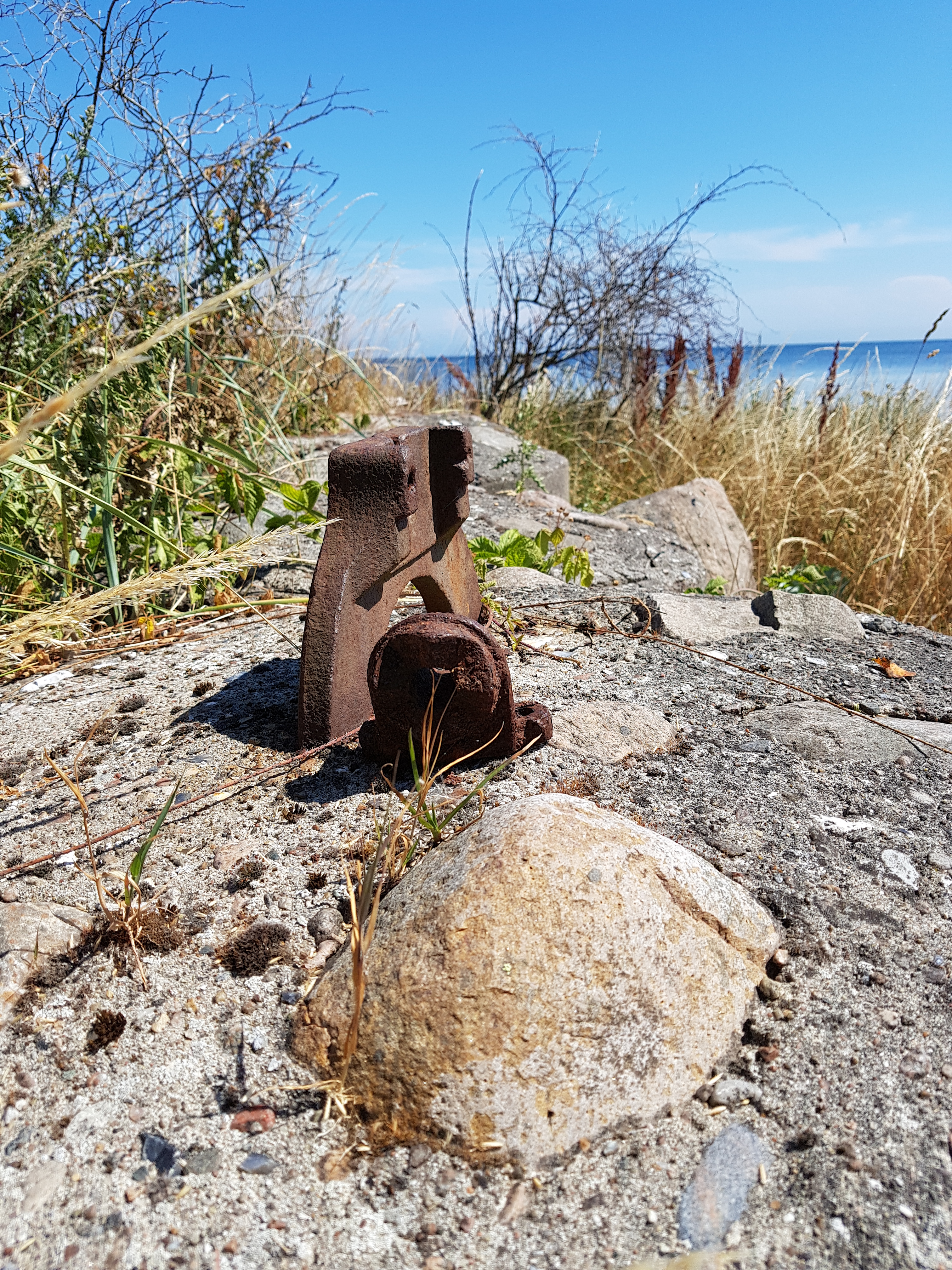
Evidence of human activities was never far away, though, concrete and steel blending with nature:

2018-07-13 11.55.46

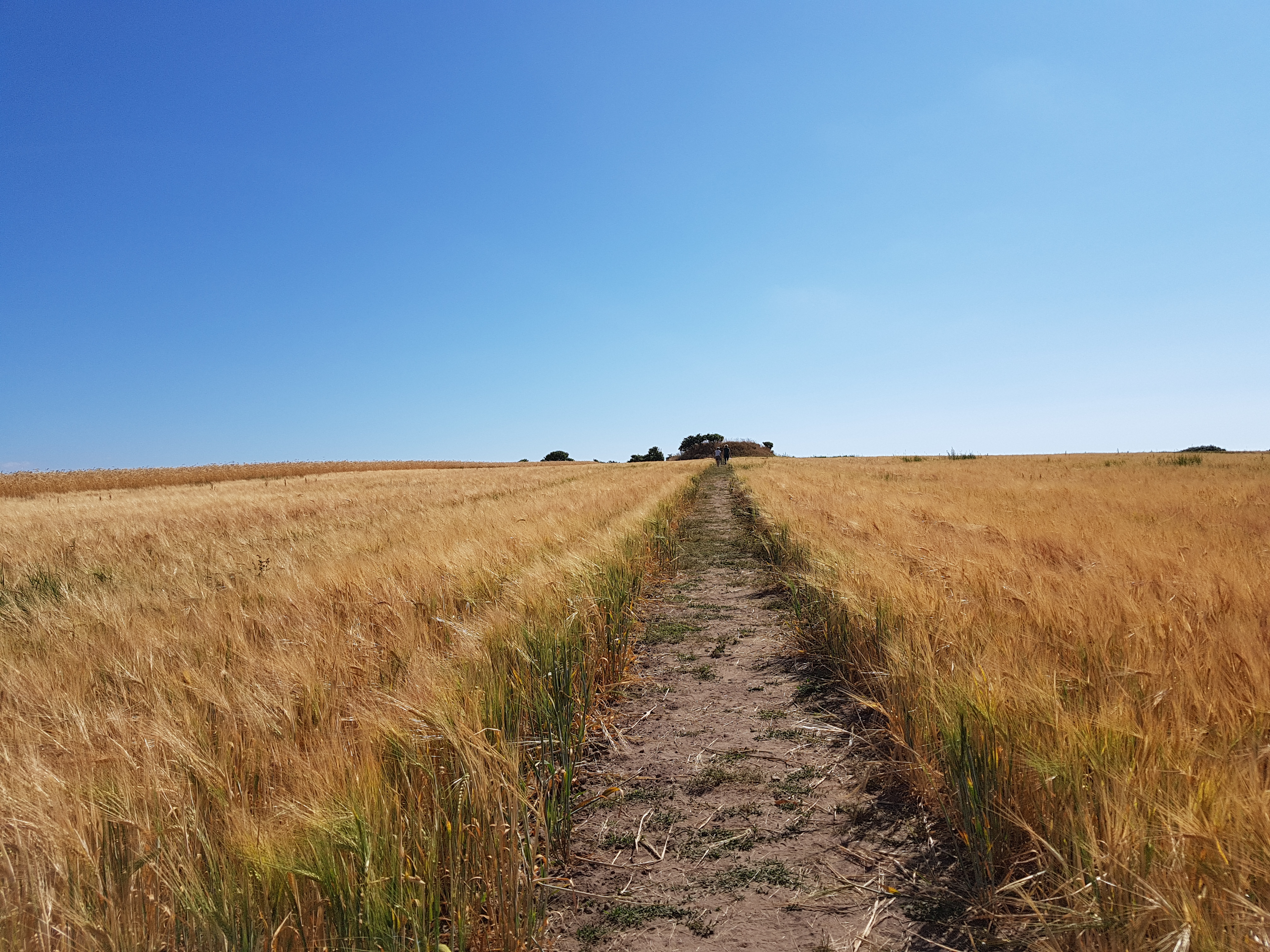
Wheat fields merging with the sky:

2018-07-14 15.13.26

Thanks to Pia and Stephen, and of course Zenja, for making this such a wonderful trip and allowing us to join them in exploring their home island:

2018-07-14 15.19.05

2018-07-13 11.09.36

2018-07-14 15.07.14


Some upcoming public lectures

2014-08-16 15.36.53

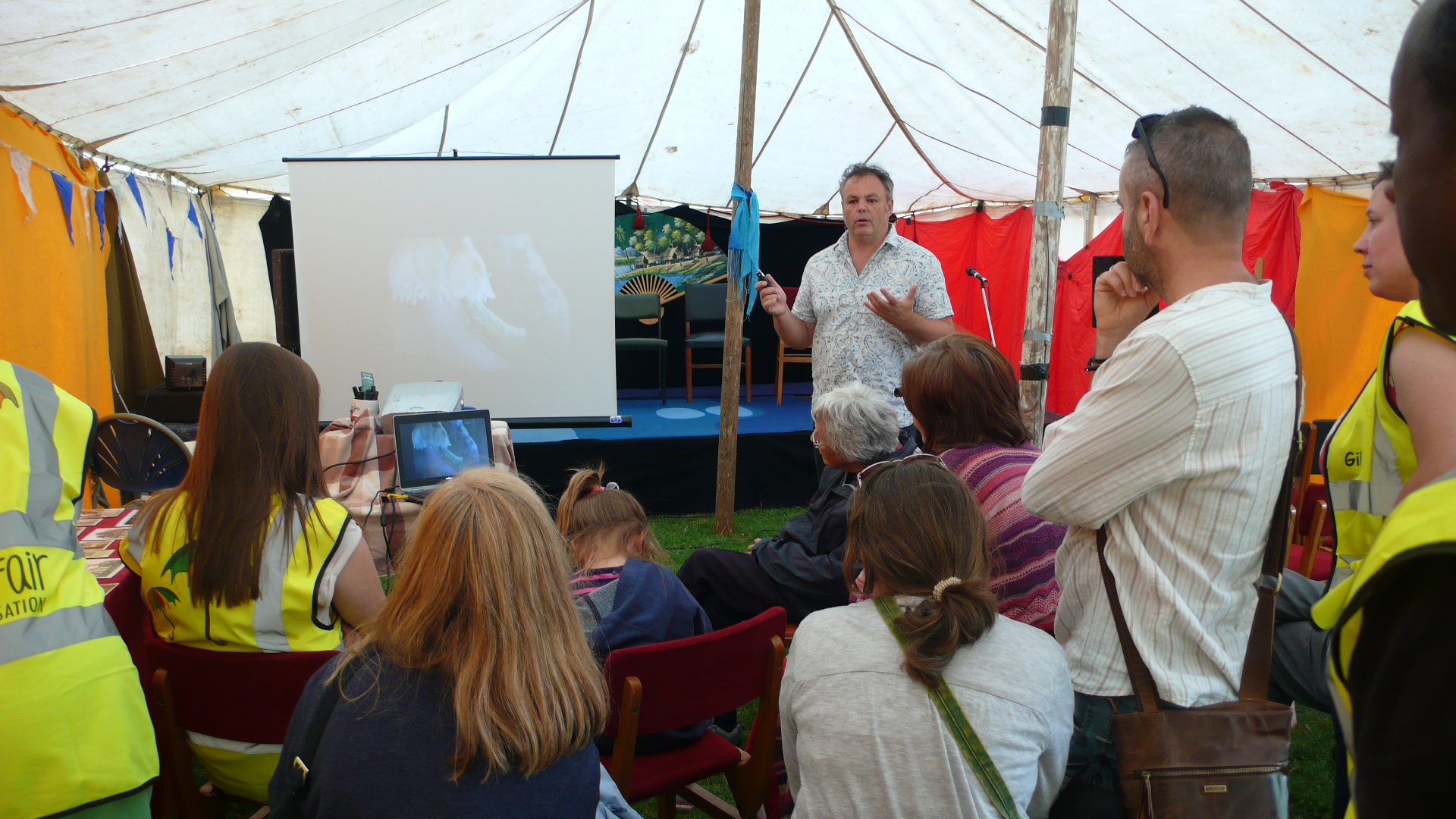
Giving public lectures to special interest groups in and around Northamptonshire is always a pleasure as the audiences are usually very receptive.  Just been through my diary and realised that I’m giving five such lectures over the next few months, on pollinators, conservation,  ecosystem services, and so on:

8th March – “Bees for dinner?  The importance of pollinators in a changing world” – Long Buckby Women’s Institute – open to all and not just women!

22nd March – “A city without trees is like a bird without feathers” – Litchborough Gardening Club [title is slightly wrong on that link…]

5th April 2 – “Darwin’s Unrequited Isle: a personal natural history of Tenerife” – Friends of Linford Lakes (Milton Keynes)

27th June – “Pollinator diversity” – Chalfonts Beekeepers (Buckinghamshire)

12th July – “Plants & pollinators – more than just honey bees” – Cancer Research UK ladies lunch club fundraiser at Wellingborough Golf Club

Some of these will certainly be open to guests if you’re not a member and want to come along and hear what I have to say.

Happy to discuss giving a talk to other groups, please do get in touch, though I’m probably not available until after the summer as I’m also giving a keynote lecture at the PopBio conference in Germany in May and a couple of short talks at the International Botanical Congress in China in July.

International Wildlife Gardening Conference – 23rd November

20160702_100724An International Wildlife Gardening conference is to be held at the Natural History Museum in London on 23rd November this year, organised by the Wildlife Gardening Forum.  The theme is:  “What European wildlife and nature gardeners can learn from each other” – very apt in these post-Brexit times.  The cost is £50 for the day (including lunch) and you can book by following this link.

Here is the programme for the day:

10.00 Registration and tea/coffee

10.30 Introduction and background; The Forum and the Wildlife gardening movement in England and Wales – Dr Steve Head (WLGF)

10.50 Nature gardening in Germany: an historical view from the start to today. How useful is the concept of native plants for wildlife? – Dr Reinhard Witt (President of Naturgarten e.V. [Nature Gardeners’ Association], Germany)

11.25 Naturgarten e.V.: nature-oriented design in gardens, educational institutions and public space in an era of climate change – Ulrike Aufderheide (Naturgarten e.V. [Nature Gardeners’ Association], Germany)

12.00 Lunch and networking (optional guided tour of the Wildlife Garden)

1.30 Biodiversity path in a heritage park: a case study – Jérôme Constant and Carole Paleco (Royal Belgian Institute of Natural Sciences) (Afternoon Session Chair: Andrew Salisbury)

2.05 Looking for oases – Marianne van Lier and Willy Leufgen (Stichting Oase [Oasis Foundation], Netherlands)

2.40 Tea/coffee

3.00 Looking after our roots and the brown stuff – Sarah Rubalcava (Ireland)

3.35 19 years of Garden for Life: working together to promote wildlife gardening in Scotland – Dr Deborah Long and Juliette Camburn (Garden for Life Forum, Scotland)

4.10 Panel session with speakers (led by Adrian Thomas)

4.30 Summing up and Close

(Please note; this programme may be subject to late changes)

Urban bee diversity – a new study

Bee on apple blossom 2 - 1st May 2015

Over the past couple of years I’ve mentioned urban pollinators, and specifically the work of my PhD student Muzafar Hussain Sirohi, several times; for example here and here.  Muzafar is currently finishing off the writing of his thesis, and during that time he’s also managed to publish the first paper from the study.

We are really pleased with this paper because not only is it the product of a lot of hard work to systematically sample and identify the bees, but the results are really exciting: Muzafar has shown that the centre of Northampton is home to a more diverse set of bee species than expected. In fact at least 50 species of bees are thought to live within a 500m radius of All Saints Church, which is significantly more than are found in the nature reserves at the edge of the town.

Muzafar’s work involved surveying the small gardens, road verges, traffic islands, and other patches of plants in the urban centre of Northampton.  These areas provide important nectar and pollen sources for the bees, whilst old stone walls and bare soil offer opportunities for nesting sites. This community of bees includes one nationally rare Red Data Book species called Coelioxys quadridentata that is known from rather few sites.

Our estimate of about 50 species of bees is certainly too low because we focussed on the more neglected groups of bees and didn’t include the social bumblebees. The true figure is likely to be over 60 species, a remarkable number given the small area surveyed.

As I’ve discussed many times on this blog, pollinators such as bees are hugely important both ecologically (most plants require them for reproduction) and economically (much of our food production relies directly or indirectly on pollination by animals). However a significant proportion of bee species in the UK are declining in abundance, and some have gone extinct. Understanding how these bees are distributed across the landscape, including urban areas, is crucial to the conservation of such pollinators in a rapidly changing world. The project therefore has implications not only for conservation of biodiversity, but also food security, given the number of urban gardeners who grow their own food, and the ability of many bees to travel significant distance from urban to rural areas.

The research is published in the international, peer-reviewed Journal of Insect Conservation. The full reference (with a link to the abstract) is:

Sirohi, M.H., Jackson, J., Edwards, M. & Ollerton, J. (2015) Diversity and abundance of solitary and primitively eusocial bees in an urban centre: a case study from Northampton (England). Journal of Insect Conservation DOI 10.1007/s10841-015-9769-2

If anyone would like to receive a PDF of the paper, please leave a comment below or drop me an email: jeff.ollerton[at]northampton.ac.uk