Category Archives: Pollinators

Do birds pollinate the iconic Golden Lotus? A new study suggests that they do!

The Golden Lotus (Musella lasiocarpa) is one of China’s most iconic plants — a striking member of the banana family (Musaceae) that seems to bloom forever. Its brilliant yellow, lotus-like bracts have long made it a favourite of subtropical gardeners, though it also has utility as a food and fibre crop, and is associated with Chinese Buddhism. As you can see above it often features stylistically in Chinese temples, and in my visits to Yunnan we frequently encounter it during fieldwork on farms, planted to support terraced fields:

But despite its fame, one mystery has lingered for decades: what actually pollinates it?

Until now, Musella was thought to rely mainly on insects, particularly bees, for pollination. That assumption made it something of an outlier within the banana family, where most species are pollinated by birds or bats. But a new study, in which I was involved as part of an international team of predominantly Chinese and Brazilian researchers, has turned that view on its head.

By combining careful field observations with citizen science records, our team found that the Golden Lotus is regularly visited by an impressive diversity of birds — twelve species from five different families. As I documented in my recent book Birds & Flowers: An Intimate 50 Million Year Relationships, many of these visitors, such as bulbuls and sunbirds, are known nectar-feeders, and their behaviour at the flowers suggests that they are acting as effective pollinators. This discovery significantly expands what we know about the pollination ecology of the Golden Lotus, and places it firmly within the broader pattern of bird pollination that characterises much of the banana family.

Interestingly, the plant’s features — large, robust, vividly coloured bracts, abundant accessible nectar, and long-lived blooms — make perfect sense in this new light. These are traits that favour bird pollination rather than the short, concentrated visits typical of bees.

But the significance goes beyond one species. Bird pollination plays a vital, and often overlooked, role in China’s native flora, linking ecosystems from tropical rainforests to mountain valleys. Understanding these relationships is important not only for biodiversity conservation but also for horticulture — helping gardeners and landscape designers to create spaces that attract and sustain pollinators of all kinds.

The Golden Lotus has always been celebrated for its beauty and longevity. Now, we can add another layer to its story: a reminder that even the most familiar plants can still surprise us, and that nature’s partnerships are often more complex — and more colourful — than we imagine.

Here’s the reference with a link to the paper, which is open access:

Albuquerque-Lima, S., Ferreira, B. H. d. S., Rech, A. R., Ollerton, J., Lunau, K., Smagghe, G., Li, K.-Q., Oliveira, P. E., & Ren, Z.-X. (2025). Beyond Bees: Evidence of Bird Visitation and Putative Pollination in the Golden Lotus (Musella lasiocarpa)—One of the Six Buddhist Flowers—Through Field Surveys and Citizen Science. Plants, 14(20), 3157. https://doi.org/10.3390/plants14203157

Pollinators need more space and 10% habitat is not enough says a new study just published in Science

Pollinators such as wild bees, butterflies, and hoverflies are in trouble worldwide. A major new study, published in Science and led by Gabriella Bishop and other scientists at Wageningen University & Research, shows that the oft-quoted figure of 10% semi-natural habitat in farmland landscapes is far too little to safeguard pollinators. Instead, the evidence points to a need for somewhere between 16% and 37% habitat cover, depending on the type of pollinator, if we are serious about halting declines. Suitable habitats include hedgerows, patches of woodland, species-rich grasslands, and flowering margins, and as a general rule, hoverflies need less of it whilst bumblebees and butterflies require more.

I was fortunate to play a part in this global assessment, contributing an unpublished dataset collected with my former PhD student, Sam Tarrant, who studied plant-pollinator interactions on restored landfill and established grassland sites. Seeing those data joined with dozens of other studies from around the world underlines something we have known for years: no single dataset, however carefully gathered, can give us the whole picture. To really understand what is happening to biodiversity—and to design conservation solutions that work—we need these kinds of global, mega-author syntheses that draw together evidence from many landscapes, taxa, and approaches.

The message from this analysis is stark but hopeful. More habitat means more pollinators, across all groups. Richer habitats with abundant flowers give an additional boost, but the overriding priority must be to increase the sheer area of natural habitat in farmed landscapes. Small-scale fixes like wildflower strips offer short-term benefits, but without enough space they can’t deliver recovery at scale. Long-term, secure habitat creation—on the order of decades, not seasons—is what pollinators, farmers, and ecosystems need.

Although the policy debate in Europe provided the backdrop for this study, the lessons (and the data) are global. Wherever agriculture dominates, the health of pollinator populations—and by extension our food security and biodiversity—depends on our willingness to give these insects the space and quality of habitat they require.

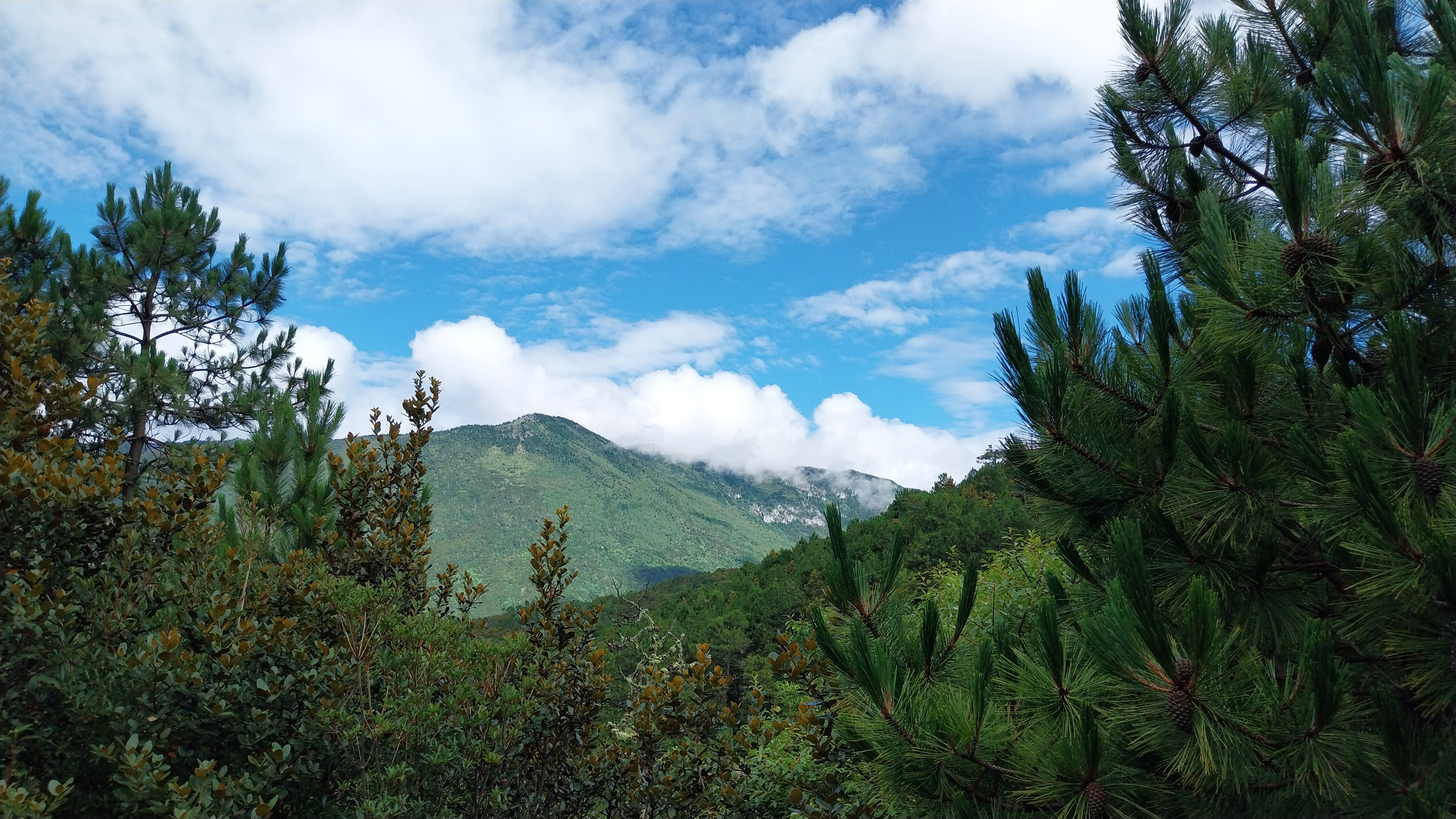
Looking ahead, we need to think bigger and work together. That means more international collaborations, more sharing of data, and more commitment to long-term solutions that transcend borders. The image at the start of this post is from my trip back to China in July this year. I deliberately chose it because, as you’ll see from the map below which is taken from the paper, there was no suitable data available for the study from that country. Or from Africa. Or Australasia. Or from most of tropical South America. That shows that as pollination ecologists we need to coordinate more in advance on these types of syntheses, and maximise the value of the kinds of data that we collect. The main take away from this study, however, is that if we want to reverse the declines in biodiversity, scientists, policymakers, businesses, farmers, and citizens all have a role to play. Pollinators remind us that nature is interconnected and global—our conservation efforts must be, too.

Here’s the full reference with a link to the study:

Bishop, G.A., Kleijn, D., Albrecht, M., Bartomeus, I., Isaacs, R., Kremen, C., Magrach, A., Ponisio, L.C., Potts, S.G., Scheper, J., Smith, H.G., Tscharntke, T., Albrecht, J., Badenhausser, I., Åström, J., Báldi, A., Basu, P., Berggren, N., Beyer, N., Blüthgen, R., Bommarco, B.J., Brosi, H., Cohen, L.J., Cole, K.R., Denning, M., Devoto, J., Ekroos, F., Fornoff, B.L., Foster, M.A.K., Gillespie, J.L., Gonzalez-Andujar, J.P., González-Varo, J.P., Goulson, D., Grass, I., Hass, A.L., Herrera, J.M., Holzschuh, A., Hopfenmüller, S., Izquierdo, J., Jauker, B., Kallioniemi, E.P., Kirsch, F., Klein, A.-M., Kovács-Hostyánszki, A., Krauss, J., Krimmer, E., Kunin, B., Laha, S.A.M., Lindström, Y., Mandelik, G., Marcacci, D.I., McCracken, M., Monasterolo, L.A., Morandin, J., Morrison, S., Mudri Stojnic, J., Ollerton, J., Persson, A.S., Phillips, B.B., Piko, J.I., Power, E.F., Quinlan, G.M., Rundlöf, M., Raderschall, C.A., Riggi, L.G.A., Roberts, S.P.M., Roth, T., Senapathi, D., Stanley, D.A., Steffan-Dewenter, I., Stout, J.C., Sutter, L., Tanis, M.F., Tarrant, S., van Kolfschoten, L., Vanbergen, A.J., Vilà, M., von Königslöw, V., Vujic, A., WallisDeVries, M.F., Wen, A., Westphal, C., Wickens, J.B., Wickens, V.J., Wilkinson, N.I., Wood, T.J., Fijen, T.P.M. (2025) Critical habitat thresholds for effective pollinator conservation in agricultural landscapes. Science 389: 1314-1319

Here’s the abstract:

Biodiversity in human-dominated landscapes is declining, but evidence-based conservation targets to guide international policies for such landscapes are lacking. We present a framework for informing habitat conservation policies based on the enhancement of habitat quantity and quality and define thresholds of habitat quantity at which it becomes effective to also prioritize habitat quality. We applied this framework to insect pollinators, an important part 5 of agroecosystem biodiversity, by synthesizing 59 studies from 19 countries. Given low habitat quality, hoverflies had the lowest threshold at 6% semi-natural habitat cover, followed by solitary bees (16%), bumble bees (18%), and butterflies (37%). These figures represent minimum habitat thresholds in agricultural landscapes, but when habitat quantity is restricted, marked increases in quality are required to reach similar outcomes.

Surveying for Pollinators: join me for an online live webinar on 2nd October!

On Thursday, October 2 at 6:30pm, I’m running an online webinar on the theme of Surveying for Pollinators. Follow that link for more details and to book a ticket.

Here’s an overview of what I’ll be covering:

Pollinators like bees, butterflies, hoverflies and even beetles play a vital role in keeping our ecosystems thriving. They help plants reproduce, support biodiversity, boost food production, and contribute billions to the global economy. Beyond their ecological importance, they’re also excellent indicators of environmental health — when pollinators are doing well, nature usually is too.

But how do we actually find out what’s happening with pollinators?

In this webinar, we’ll explore the fascinating world of pollinator surveys — from simple, hands-on methods anyone can try, to more advanced techniques used by experienced entomologists and ecologists. You’ll get an overview of popular approaches, including:

  • Flower-Insect Timed Counts – A quick and accessible method inspired by the UK Pollinator Monitoring Scheme (PoMS).
  • Transect Walks – Great for spotting pollinators along a fixed route and comparing habitats.
  • Plant-focused sampling – for when you really want to delve deep into the pollinators of a species.
  • Trapping methods – including pan traps, vane traps, Malaise traps, and moth traps.
  • Camera Traps – A non-intrusive way to capture who’s visiting flowers when you’re not looking.

We’ll break down the pros and cons of each technique, which approaches are best suited to the question being asked, what to consider before starting your own survey, and how your efforts can feed into national monitoring schemes like PoMS, the UK Butterfly Monitoring Scheme, and BeeWalk.

Whether you’re a curious beginner, a budding citizen scientist, a research student, or a conservation professional, this session will give you the knowledge and tools to design a pollinator survey that fits your goals — and helps protect the buzz behind biodiversity.

The 90-minute event will consist of a 1-hour presentation followed by a Q&A with the tutor using questions provided by the live audience.

The presentations will be recorded and shared with those who booked, alongside Q&A transcripts and relevant links following the event via a password-protected website.

A new review gives us a deeper understanding of the evolution of plant-pollinator interactions

If you’ve read my book Birds & Flowers: An Intimate 50 Million Year Relationship, you’ll know that I spend a few pages discussing the long-standing paradigm of how interactions between plants and their pollinators evolve and result in the formation of new plant species. This is referred to as the Stebbins (or Grant-Stebbins) Most Effective Pollinator Principle (MEPP). The MEPP is fairly straightforward and intuitive: flowers evolve their colour, shape, scent, rewards, and so forth as adaptations to the type of flower visitor that successfully moves the most pollen between flowers.

However, the MEPP is not the only Principle in town – there’s also Aigner’s Least Effective Pollinator Principle (LEPP) which is not so intuitive. In the LEPP, flowers can adapt to pollinators that are less successful at pollination, as long as those adaptations do no interfere with the pollination services provided by other flower visitors.

As I note in Birds & Flowers, we don’t know which of these Principles is more frequent in nature, because the LEPP has been much less intensively studied than the MEPP. That’s in part because it’s less well known, but also because the field work and experimental procedures required to test the LEPP are much more challenging.

Hopefully this is about to change with the publication of a brilliant critical review of the MEPP by pollination ecologists Kathleen Kay and Bruce Anderson published in the journal Annals of Botany, entitled: Beyond the Grant–Stebbins model: floral adaptive landscapes and plant speciation. The paper is open access – follow that link and you can download a copy.

Kathleen and Bruce discuss not just the MEPP v the LEPP, but also other ways in which flowers can evolve, framed around the idea of floral evolution as movement across an “adaptive landscape,” where plants are not shaped only by one pollinator but by the need to maximise overall reproductive success. This perspective allows us to explore how flowers evolve when influenced by multiple pollinators, how transitions between floral forms take place, and how speciation occurs through a combination of factors beyond pollination alone. It emphasises that pollinators are important drivers of floral change, but speciation is more likely when divergence happens across several aspects of a plant’s ecology, not just through its flowers.

It’s a great review and well worth your time reading in detail. Perhaps my favourite line in the paper comes from the abstract: “The Grant–Stebbins model, while inspiring decades of empirical studies, is a caricature of pollinator-driven speciation and explains only a limited range of adaptive outcomes.” This is something that many of us have been arguing for years: the natural world is extremely complex, so we should not expect these ecologically critical interactions between flowers and their pollinators to have simple origins or ecologies.

Join me for a “Birds & Flowers” talk in Cambridge on the 12th September!

If you are in or around Cambridge next week, I’m giving a talk on Friday 12th September at the Cambridgeshire Bird Club about my recent book Birds & Flowers: An Intimate 50 Million Year Relationship.

The event takes place in the Wilkinson Room, St. John’s Church, Hills Road. Doors open at 7pm and the talk begins at 7.30pm. There’s a £2.00 charge for non-members – more details can be found by following this link.

I’ll bring copies of both Birds & Flowers and Pollinators & Pollination: Nature and Society, if anyone wants to buy a signed book.

I hope to see you there!

Flowers, feathers and time: a new study of the temporal dynamics of plant-hummingbird interactions just published

What happens when you spend an entire year watching hummingbirds and the plants they visit in one of Brazil’s most unique ecosystems? You begin to unravel the complex, ever-changing relationships that tie together birds, flowers, and the environment they share.

In a new study jointly led by Steffani Queiroz and Marsal Amorim — and part of my ongoing collaboration with a brilliant team of Brazilian hummingbird researchers — we explored how plant–pollinator interactions shift over time in the Campo Rupestre, a montane tropical ecosystem rich in biodiversity and endemic species. Despite the region’s relatively stable climate, we found that the relationships between hummingbirds and flowers are anything but static.

Over the course of 624 hours of observation spread across a full year, we recorded over 9,000 hummingbird visits involving nine bird species and 47 plant species. Many of these plants — and one of the most frequent visitors, the stunning Hyacinth Visorbearer (Augastes scutatus) — are found nowhere else on Earth.

Our goal was to understand how the structure of this ecological network — which plants interact with which hummingbirds, and how often — changes over time, and what drives those changes. Are they shaped by morphological fit (the match between beak and flower shape)? By phenology (when plants bloom)? By nectar characteristics such as the amount produced and its sugar concentration?

What we discovered is that different factors dominate in different seasons. During the rainy season, when hummingbirds are more abundant, interactions were shaped mostly by morphological matching — suggesting that competition leads to greater niche partitioning. In contrast, during the dry season, the network became sparser and was more influenced by nectar sugar content and flowering patterns.

Interestingly, while the overall annual network wasn’t especially nested (a common pattern in mutualistic networks), it was highly modular — meaning that it contained distinct clusters of species that mostly interacted among themselves. This structure changed significantly across months, highlighting the dynamic nature of tropical plant-pollinator interactions, even in environments with relatively little climate variation.

This work highlights the importance of long-term, fine-scale studies in uncovering how interactions among species shift through time. It also underscores the remarkable biodiversity and ecological complexity of the Campo Rupestre — and the need to understand and protect it.

Here’s the reference – if anyone wants a copy, drop me a message via my Contact page:

Queiroz, S.N.P., Amorim, M.D., Lopes, S.A., Vizentin-Bugoni, J., Jorge, L.R., Ollerton, J., Santos, T. & Rech, A.R. (2025) Temporal dynamics of a Neotropical plant-hummingbird interaction network. Austral Ecology 50:e70089

And here’s the full abstract:

Species interaction networks are expected to vary following temporal changes in the environment and the composition of the local community. However, there are still gaps in our knowledge about temporal variation in networks in tropical areas, where less variable climates are expected to produce more stable community structures over time. Here we describe a plant-hummingbird network in the Brazilian Campo Rupestre ecosystem and investigate multiscale temporal variation of interactions in this community as well as the possible mechanisms underlying the frequencies of species interactions. Plants visited by hummingbirds were observed monthly for a year and each species had morphology, phenology and nectar traits measured. During 624 h of observation we recorded nine hummingbird species visiting 47 plant species, amounting to 9015 visits to flowers. Most plants (28 species) were endemic to the Campo Rupestre and mostly visited by the also endemic hummingbird Augastes scutatus (the Hyacinth Visorbearer). The annual network was not nested but presented high modularity and intermediate specialisation. While the overall (annual) frequencies of interaction were primarily defined by morphological matching and phenological overlap, we found a remarkable temporal change in community structure over the year, with different processes underlying interactions among plants and hummingbirds at different seasons. The interaction pattern during the rainy season was more similar to the annual network than the dry season (when nectar sugar content and plant phenology were also important), with more links per species and lower specialisation. The higher importance of morphology to predict interactions during the rainy season suggests higher niche partitioning when more hummingbird species are present in the community. Our results exemplify the importance of considering the temporal dynamics of the community to advance the understanding of the processes defining species interactions over time in the tropics.

My sincere thanks to Sinzinando Albuquerque-Lima for the photograph, which was taken in the Amazon, not where the research described above was conducted.

A new study examines why data quality matters in plant–pollinator databases

Imagine trying to put together a giant puzzle where each piece represents an interaction between a flower and the insect, bird, bat or other animal that helps it reproduce. In recent years, scientists have gathered millions of these “puzzle pieces” into massive online databases, offering an unprecedented view of how plants and their pollinators connect around the world.

But there’s a catch: not every entry in these databases is equally reliable. Did the researcher actually watch the insect brush pollen against the flower’s stigma? Or did they simply note that the insect visited the blossom and assume pollination happened? Without clues about how each plant–pollinator link was documented, users can’t tell solid evidence from a best guess.

That’s why a growing number of projects are now tagging every interaction with a “data quality badge”—a short note explaining the exact kind of proof behind the record. For example:

  • Direct observation: A scientist observed an animal pollinating a specific flower.
  • Pollen analysis: Pollen grains matching that flower were found on the insect’s body.
  • Inferred pollinator: The animal regularly visits those flowers and shares similar traits with known pollinators.

Initiatives like the Pollinators of Apocynaceae Database and the Database of Pollinator Interactions (DoPI) have already adopted these quality flags. The upcoming USDA-NRCS PLANTS database is doing the same, and Brazil’s REBIPP network has developed a standardized set of terms—rooted in the global Darwin Core standard—to make sure everyone speaks the same “pollinator language.”

Why is this important? When you know the strength of the evidence behind each plant–pollinator link, you can:

  • Fill in real knowledge gaps with confidence.
  • Identify weak spots in our understanding that need more fieldwork.
  • Build better conservation plans, targeting the most critical pollinators for at-risk plants.

Ultimately, adding clear data-quality labels turns these massive collections of observations into powerful tools for science, restoration, and education. And that’s good news not only for researchers, but for every garden, farm, and wild ecosystem that depends on diverse and abundant pollinator communities.

These issues are explored in a new, open-access paper written by colleagues from Brazil, the USA and myself. In the paper we discuss the importance of data quality in plant-pollinator databases and suggest methodologies for improving it. Here’s the reference with a link to the paper:

Ollerton, J., Taliga, C., Salim, J.A., Poelen, J.H., & Drucker, D.P. (2025) Incorporating measures of data quality into plant-pollinator databases. Journal of Pollination Ecology 38: 151-160

This paper is a direct output from the EU-funded WorldFAIR Project in which I was involved, though we also acknowledge the SURPASS2 project as a precursor to this. Looking ahead, we’re also going to be adopting the recommendations from our paper in the new Butterfly Project (also EU-funded). Finally, by way of a teaser, I can tell you that our new paper will also be relevant to another large project in which I’m involved, that has successfully secured funding…but you’ll have to wait until later in the year to hear about that!

Thanks to Chris Taliga for the photo.

A new study shows how garden flowers keep city pollinators flying all year round

When we think of cities, gardens might not be the first thing that comes to mind. But these green patches — whether in private yards, parks, or balconies — play a surprisingly important role in supporting urban wildlife. Among their most crucial guests? Pollinators like bees, butterflies, and even birds and bats.

In a new study just published, I teamed up with some Brazilian colleagues to explore how the different features of garden flowers help sustain pollinators throughout the year in a subtropical urban garden. While we’ve long known that garden flowers provide food for pollinators, what’s less clear is how specific floral traits — like shape, flowering time, and type of nectar or pollen — influence who visits which plants and when.

To get a clearer picture, we conducted weekly surveys of pollinators visiting garden flowers over the course of a year. We paid close attention to traits such as the depth of flower, the kind of resources offered (nectar vs. pollen), how closely related different plants were, and when they flowered.

What we found was striking: the network of interactions between flowers and pollinators was highly organized. Plants grouped into clusters, or “modules,” that tended to share similar physical traits and evolutionary histories — but interestingly, not the same flowering times. This meant that within each module, different plants flowered at different times of year, effectively staggering their blooms so that there was always something on offer for pollinators.

Even more intriguing was the discovery that most plants had just a few connections in the network, usually restricted to a single module. These “peripheral” plants accounted for over 85% of all pollinator visits. Meanwhile, a few special species acted as bridges between modules — their role in linking different parts of the network made them key to its stability. These connector species didn’t flower at the same time, which helped to maintain a steady supply of food for pollinators across seasons.

Not all interactions between plants and pollinators are “legitimate” in the sense of leading to pollination. Some animals visit flowers just for the food, without helping with reproduction. But our study found that these interactions still played a valuable role in supporting a diverse pollinator community.

So what does all this mean for urban gardeners and city planners?

First, it highlights how important it is to plant a variety of flowers that bloom at different times of year. Second, it shows that even seemingly minor plants or interactions can contribute to the ecological resilience of urban green spaces. And finally, it underscores that thoughtful planting — considering things like flower shape, blooming schedules, and diversity — can help keep pollinators thriving, even in the heart of the city.

Urban gardens aren’t just pretty — they’re powerful allies in the fight to support biodiversity.

The study was led by Brazilian research student Luis de Sousa Perugini. Here’s the reference with a link to the paper:

de Sousa Perugini, L.G., Jorge, L.R., Ollerton, J., Milaneze‑Gutierre, M.A. & Rech, A.R. (2025) High modularity of plant-pollinator interactions in an urban garden is driven by phenological continuity and flower morphology. Urban Ecosystems 28, 126

Here’s the abstract:

Garden flowers play a vital role in urban environments, supporting pollinator communities. Yet, the extent to which floral traits shape urban pollination networks remains poorly understood. This study investigated how garden plants shape year-round pollination networks, sampled in weekly surveys in an urban subtropical garden. We focused on the role of floral morphology (corolla depth), type of resource, relatedness, and phenology in the organization of interactions. We determined whether modularity and species roles were influenced by these floral traits, comparing if legitimate pollination, illegitimate (i.e. non-pollinating) interactions and all interactions had similar drivers. All networks were modular, and in the overall network plants within the same module were morphologically and phylogenetically similar while their phenology was significantly overdispersed throughout the year. Peripheral species, those with few interactions and restricted to a single module, dominated all networks, representing over 85% of interactions. We found that phenology was related to the species role of overall network connectors (species that connect modules) and legitimate module hubs (species that connect their own modules). Both showed no overlap in their flowering periods, providing floral resources at different times of the year. Each module functioned as a distinct unit, showing year-round availability of resources to support its pollinators. This suggests that resource continuity and trait-based filtering may shape pollinator assemblages influencing ecological resilience in urban habitats. Even interactions that do not contribute to plant reproduction can sustain a diverse fauna, highlighting the importance of these interactions in urban green space planning and management.

Have we passed “peak honey bee” in Britain? An update of hive numbers for World Bee Day 2025

Since publishing what I believe are the most comprehensive data on the number of honey bee hives in Britain in my book Pollinators & Pollination: Nature and Society, I’ve posted occasional updates on my blog as more recent data become available. I believe that the last of these was in 2022 – see Have honey bees declined in Britain? An update of the numbers – so it feels like it’s time for another. And what’s more appropriate than to post this on World Bee Day 2025?!

Rather than the complex, multi-coloured graph that I’ve produced in the past, I’ve decided to streamline the presentation and simply fit a smoothed LOESS line with a 95% confidence ribbon to the (sometimes contradictory) data points, in order to show the overall trend (see the graph above). If you compare it with the 2022 update you’ll see that the general message from the data is the same: a peak in numbers of hives in the late 1940s (which may or may not be an artefact*), then a steep decline into the 1970s and 1980s, followed by recovery from the 1990s onwards. Note that I’ve removed the two very early data points because I don’t think that they are at all accurate.

The most recent data (2015 to 2024) come from the National Bee Unit which relies on beekeepers to submit their own records, but are probably no less accurate than some of the other data that’s available! If we take a close look at that time period we see something interesting – honey bee hive numbers are decreasing:

What are we to make of this? In an analogy with peak oil, why do we seem to have passed ‘peak honey bee’? If this is a real pattern (and only time will tell) I suspect that it’s because of at least two factors. The first is that interest in beekeeping reached a peak in the early 2020s, after which some initial enthusiasts discovered that beekeeping is actually quite a technical and demanding hobby, and gave it up. The second factor is that word has spread that, globally, managed Western honey bees are not declining, and too many bee hives in an area can have negative impacts on other, wild pollinators. This may have convinced those people who were persuaded by “Save the Bee” campaigns to take up the hobby, to give up beekeeping.

There could well be other reasons that I’ve not considered and, as always, I’d be interested in your thoughts – please leave a comment below. I’ll finish by saying that I make no judgement on this. There’s no doubt that there are too many hives in some parts of Britain, especially in London, and if the trend I describe reduces the pressures on wild pollinators, that’s a good thing. At the same time, honey bees are important agricultural pollinators in some circumstances, especially where there’s mass-flowering crops that require huge numbers of pollinating bees to be available over a short time period. And I like honey as much as the next person.

Happy World Bee Day to my readers!

*There’s a long-standing suggestion that beekeepers in the post-war years inflated the number of hives that they kept in order to obtain a larger sugar ration.

Mindful Mow May!

As April comes to a close, many people with gardens will be considering having a No Mow May in which, to quote Plantlife (who have trademarked the phrase!), you ‘pack away the lawnmower, let wildflowers grow freely and help nature’. On the face of it this is a positive thing and (hopefully) it gets people thinking a bit more about the impact of gardening practices on wildlife. However, I do worry that its message is too simplistic, as I’ll explain in the rest of this post. Let me say at the outset that I’m using the word ‘mindful’ in its sense of ‘paying attention to’, rather than in relation to mental health mindfulness. Though there are certainly connections between lawns and both meanings of this word, for example mindfully watching pollinators in your garden.

I’ve previously written about the garden that Karin and I developed in Northampton, including a ‘defence’ of its lawn. During the lockdown spring and summer of 2020, when I coordinated a loose consortium of scientists to collect standardised data on the flowers and pollinators in their own garden, our lawn was one of the areas that I surveyed. In that year, as every year, we had no intention of not mowing the lawn, but of mowing it in a mindful way that left some flowering patches of the main nectar sources: Dandelion (Taraxacum officinale), White Clover (Trifolium repens), and Daisy (Bellis perennis). It also allowed a patch of Common Ragwort (Jacobaea vulgaris), and the Cinnabar Moths (Tyria jacobaeae) that depend on it, to come back year after year.

In the graph below you can see the nectar production of dandelions, clovers and daisies over the course of the late spring to late summer. For each species, I have multiplied the number of flower heads I counted by the average amount of nectar sugar per flower head from the data collected by the Agriland project. Clover produces 48.97 micrograms of sugar per day, by far the highest amount of the three. Daisy produces the least, just 0.84 micrograms, and dandelion is in the middle with 22.57 micrograms.

Because these species vary in their peak flowering, there’s a continuous supply of nectar in the lawn over this time period and mowing does impact the immediate availability of nectar. Using green shading, I’ve marked the two days when I know for certain the lawn was mown and you can see that there’s an immediate drop in the nectar. Here you can also seen that both dandelions and daisies re-flower quite soon afterwards – it’s not a permanent effect by any means. The same is probably true of clover later in the season, but unfortunately I didn’t record the exact mowing dates.

The important thing to appreciate here is that without mowing, these three species would probably disappear from the lawn because all require that grasses are suppressed in order for them to flourish. Not only that, but most ground-nesting bee species need either very short turf or bare soil in which to nest. And most bees, at least in the UK, are ground-nesting.

The image at the top of this post is from my book Pollinators & Pollination: Nature and Society, and it shows two views of the same grassy, south-facing bank in Kettering, Northamptonshire. I included it because it’s a nice example of the mindful approach to lawn mowing that I am describing: bees are able to nest in the low-cut turf and collect the nectar and pollen from the flowers in the unmown areas. Later in the season that unmown area will be cut. This is referred to as ‘matrix mowing’, which is to say that by cutting some areas and leaving others, you create a matrix of different lawn lengths that has a greater overall benefit than is obtained by either cutting everything at the same time or cutting nothing for a whole month. It’s even better if you have the space to leave some patches unmown for a year or two. That way you create longer grassy areas in which insects can over winter and some bumblebees can nest.

It’s worth mentioning at this point that I know of only one published study that’s assessed the impact on No Mow May on pollinators, and that study was retracted shortly after it appeared. If I’ve missed other studies please do let me know in the comments.

I’ll finish with the Royal Horticultural Society, which was in the news recently with an announcement that it’s collaborated with gardener Monty Don to come up with ‘hard-wearing flower lawn that is good for pollinators, dogs and people’. This is hardly rocket surgery, it’s the sort of diverse, low-input, low maintenance lawn that many of us have been advocating for years, but if it brings these ideas to popular attention, so much the better.

So, consider engaging in Mindful Mow May* (and April, and June, and all the other months!) As always, feel free to comment below or get in touch with me via my Contact page.

*In the past I’ve also used the term “Matrix Mow May” which amounts to the same thing – being mindful of exactly where is mown and where is not.