Regular readers of the blog will know that I’m a keen gardener as well as having a deep interest in the natural world, and I know from personal experience how being amongst plants, flowers, birds and insects can lift a person’s mood and improve their health.
It was interesting, therefore, to get a message via my Contact page from a tutor on the Students For Research programme. They had been looking at my blog and the tutor had challenged her students to find a web resource that they thought might interest me. And indeed they succeeded! They found this web page about Clinical Trials on the Positive Effects of Gardening and Experiencing Nature and it makes for very interesting reading. There’s a lot of good research happening in this area.
There’s a frequently cited statistic that one third of the food produced for human consumption is wasted every year. That waste occurs for a variety of reasons, including spoilage, over-production and inefficient processing methods. This has clear environmental (and therefore human) consequences, for example in terms of increased carbon dioxide and other greenhouse gas production; excessive use of fertilisers and pesticides; unsustainable water extraction; and conversion of natural habitats to farmland.
Much of the wastage occurs before the food ever reaches shops and markets, so individual consumers have little control over the waste, other than to try to pressure business and political leadership into action. However, we can all do our bit when it comes to reducing food waste in our home, which has positive impacts on our health and our bank balance.
When it comes to fruit and vegetables, we in the west often throw away perfectly edible parts, I suspect because it doesn’t fit with our expectations of what the food “should” look like. A good example is radishes (Raphanus raphanistrum subsp. sativus) where it’s not uncommon to discard the perfectly edible leaves. People who grow them often pull out plants that have flowered, despite the fact that the seed pods are delicious and arguably nicer than the roots, as I discussed in this blog post from a few years ago.
There’s lots of other examples like this, one of my favourites being the crunchy central pith that you find in the thick stems of broccoli (Brassica oleracea var. italica). I love it raw and it has a flavour quite distinct from the normal part that we consume.
It was only quite recently that Karin introduced me to the fact that the mature pods of peas (Pisum sativum) are also edible, if you know how to process them correctly. If you eat the pod as it is, the texture is tough and stringy and not very pleasant. But if you carefully peel away and discard the thin inner membrane of the pod, the remaining flesh is sweet and delicious. It’s fiddly and takes a bit of practice. The easiest way is to gently snap one corner of the half-pod and peel from there – see the example third from the top in the accompanying photograph. Below that in the photo is the thin membrane, which can be put into your food waste or composted, and below that the edible portion of the pod.
Karin and I just eat this raw, but no doubt you could add the pod flesh to any number of dishes. If you have children or grandkids, set them the task of removing the membrane in one piece – it’s not easy!
Please leave a comment below and let me know your favourite bits of edible fruit and veg that are normally discarded.
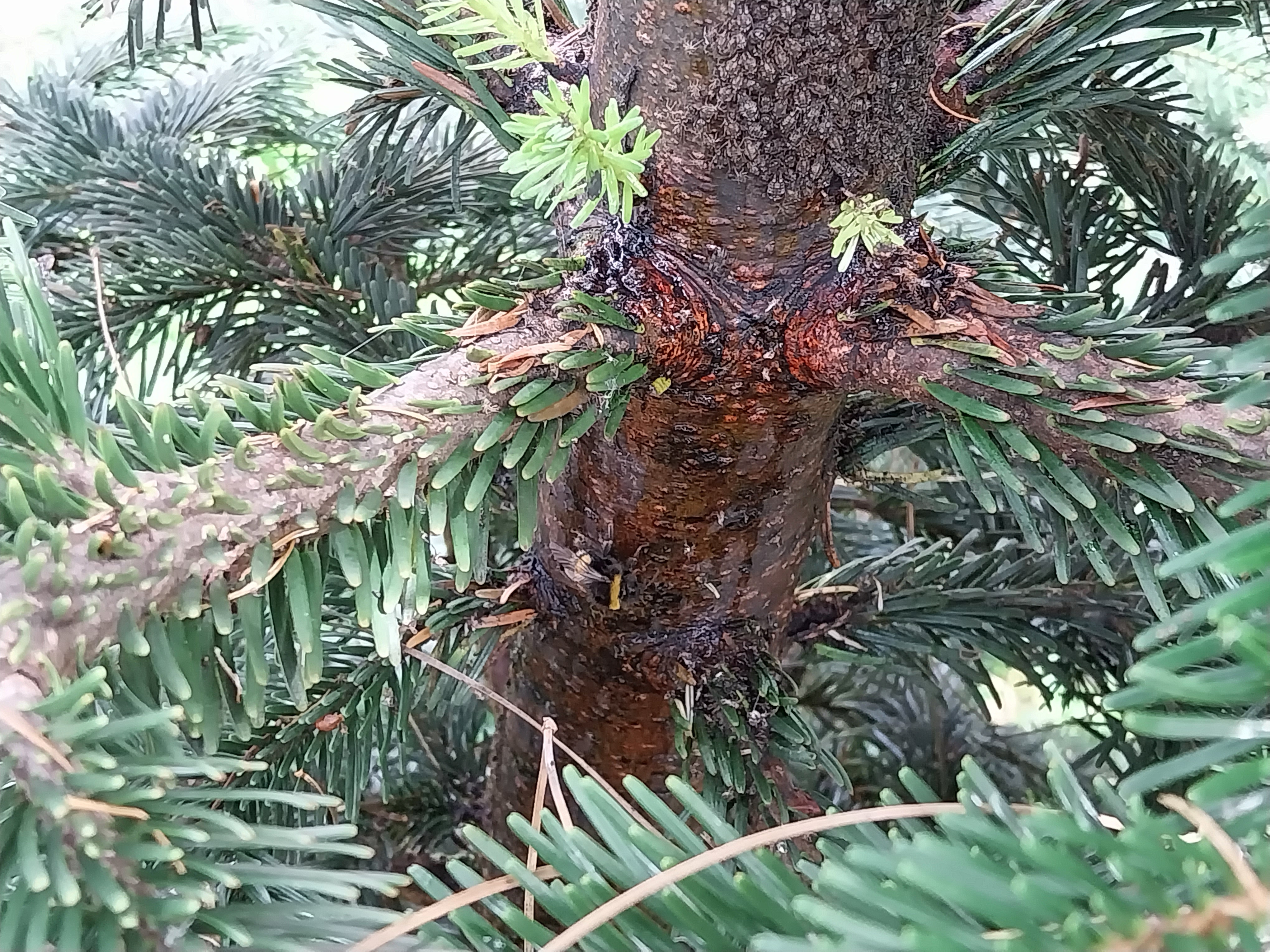
At the moment Karin and I are in the UK for a couple of weeks. I had work to do as an external examiner at the University of Swansea, plus we wanted to catch up with some family and friends. Our main base has been the home of our mates Ian and Simone and we’ve enjoyed some warm, muggy evenings sitting in their garden chewing the fat. Every now and again my eyes have been drawn to the activities of bumblebees as they move in and out of the foliage of a small Silver Fir. The bees are attracted to the large colonies of an aphid that is feeding on the tree’s trunk, from which they are collecting honeydew, as you can see in the photograph above.
When we think of the diets of bees we automatically think “nectar and pollen”. Honeydew, as a sugar-rich fluid, fits broadly into this concept, though as far as I know there’s been little study of its relative importance as a food source for bees. Aside from a few “vulture bees”, all of the 20,000 or so species are vegetarian. And therein lies a problem. Bees evolved from carnivorous wasps and so the evolution of bees, and their complex ecologies, is tied into this profound dietary shift toward a plant-based diet.
A particular issue that has hardly been investigated until recently is that the ratio of elements within meat is very different to that of plants. In particular, animal tissue has a high ratio of sodium (Na) relative to potassium (K), whereas for plants the ratio is reversed – high ratio of K:Na.
In a new conceptual review paper with my colleagues Zuzanna Filipiak and Michał Filipiak, we have explored the implications of this difference in elemental ratios for bee ecology and evolution, and for the conservation of these important insects. The paper is open access and you can download a copy by following a link in this reference:
Bees provide important ecological services, and many species are threatened globally, yet our knowledge of wild bee ecology and evolution is limited. While evolving from carnivorous ancestors, bees had to develop strategies for coping with limitations imposed on them by a plant-based diet, with nectar providing energy and essential amino acids and pollen as an extraordinary, protein- and lipid-rich food nutritionally similar to animal tissues. Both nectar and pollen display one characteristic common to plants, a high ratio of potassium to sodium (K:Na), potentially leading to bee underdevelopment, health problems, and death. We discuss why and how the ratio of K:Na contributes to bee ecology and evolution and how considering this factor in future studies will provide new knowledge, more accurately depicting the relationship of bees with their environments. Such knowledge is essential for understanding how plants and bees function and interact and is needed to effectively protect wild bees.
It’s been a rather nomadic couple of years. After Karin and I sold our house in Northampton, we travelled around in the UK and then in Denmark, renting places as we needed them, plus we spent a month in Kenya. We’ve now become more settled in Sjælland and, after some deliberation about whether to buy a house or continue renting, we’ve reached a compromise and bought into an andelsbolig, one of the many Danish cooperative housing schemes – see this article in The Guardianfor more details.
The development of twenty-eight small properties has been newly built to the highest standards of insulation and is plugged into the district heating system which uses a combination of solar warming and gas (in part using methane generated from food waste).
It’s nice to have a garden again. I hadn’t realised how much I’d missed having a space in which to plant and potter. All gardens present challenges, of course, and this one is no exception. Until about 600 years ago the area was under the shallow Kattegat sea. It’s now above sea level due to post-glacial rebound and in fact this whole region of Odsherred is a UNESCO Global Geopark because of the postglacial landscape.
What this means for us is that we are gardening on “soil” which has a very high sand content and is filled with stones, large and small.
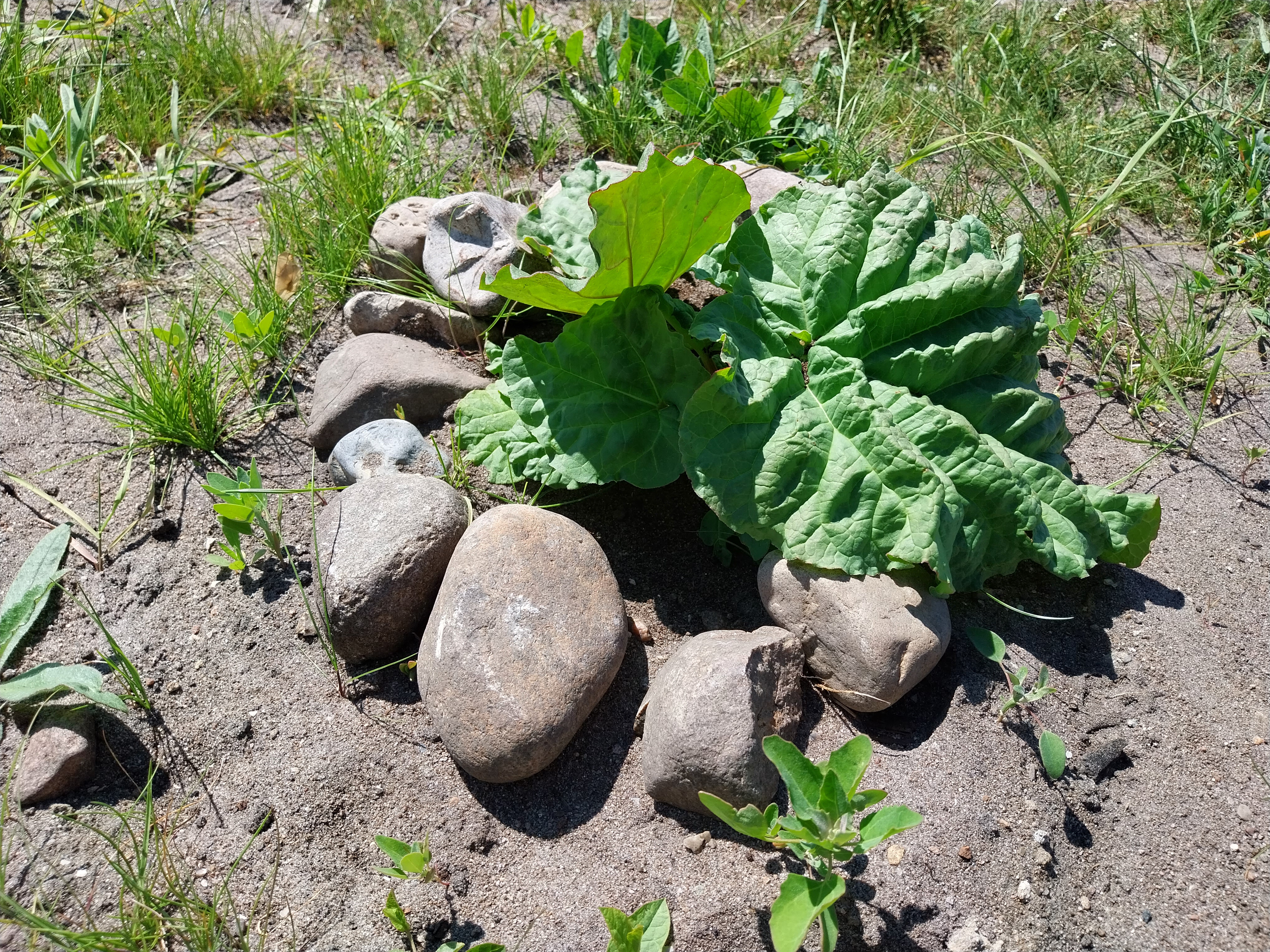
Added to that, we’re in one of the driest parts of Denmark (certainly this year) and a persistent coastal wind rapidly strips the moisture from the soil. So as we dig up or find large stones we are using them around plants to retain water and mulching with the smaller stones that we find in abundance. As yet we don’t have any rain water butts so we’re using the kitchen water from washing up to supplement the hosepipe.
It’s not easy gardening here, but we like a challenge and we’re calling in favours from friends and family to provide us with cuttings and divisions of plants from their own gardens, which should mean that they are better adapted to the local conditions than most of the shop-bought plants. We’ve also started a small vegetable and fruit patch and planted apples and pears around a paved patio that over time we will train as self-supporting espaliers.
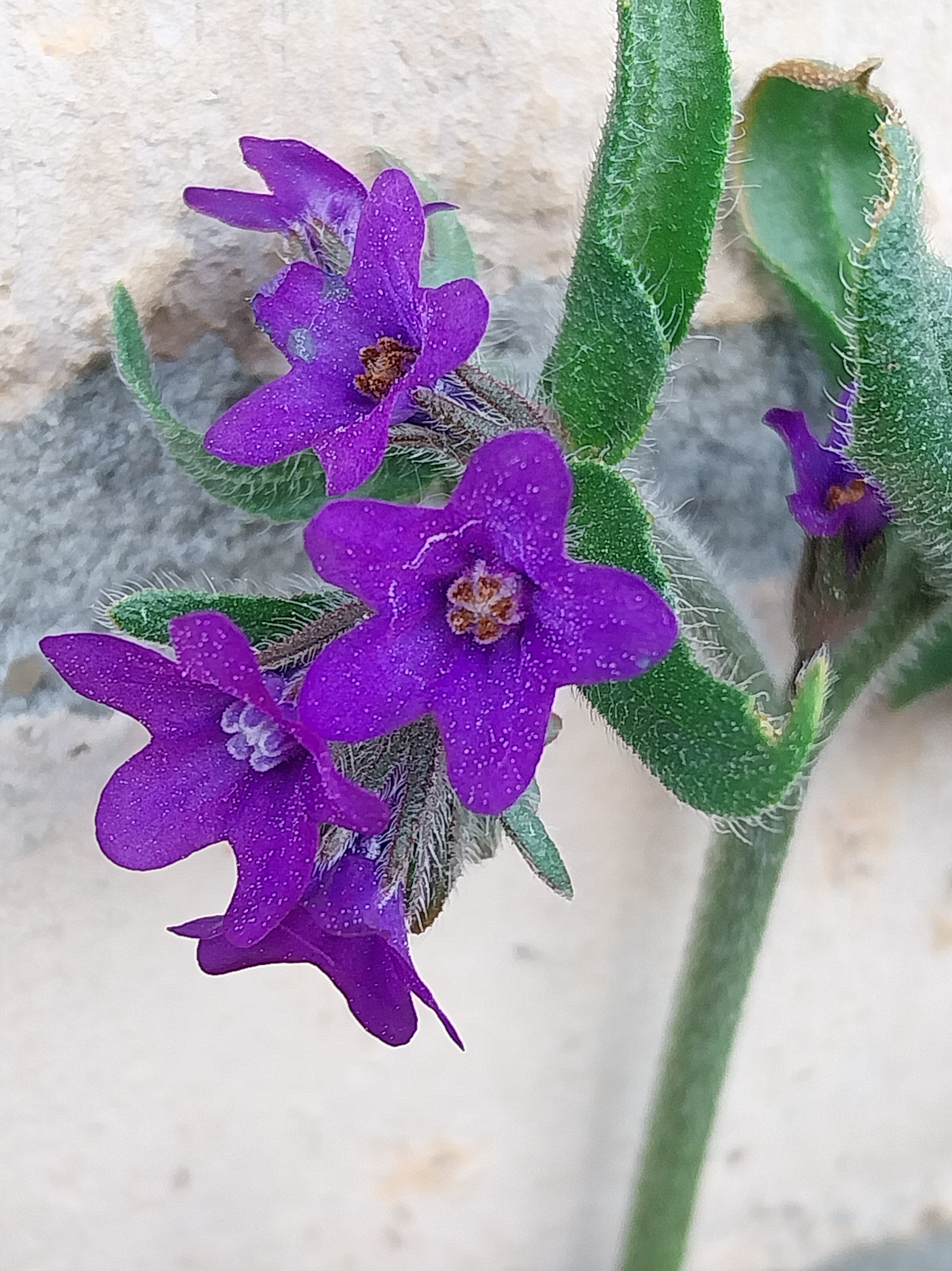
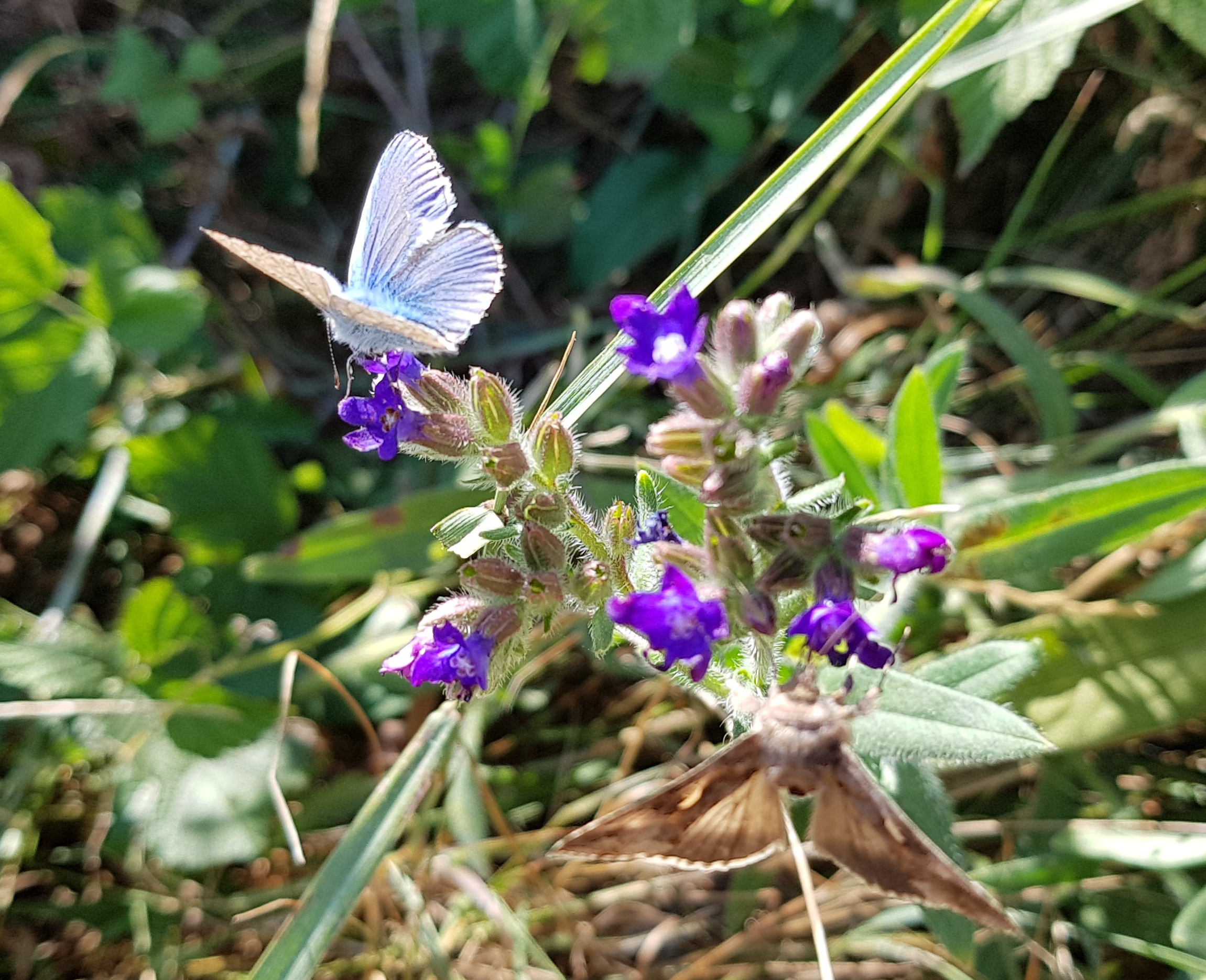
Gradually we’ll fill up the space and move things around as needed. But for now I’m also interested in seeing what plants come up spontaneously, especially the annual species that are benefitting from the disturbance. I don’t use the term “weed” to refer to these: weeds are just plants in the wrong place at the wrong time. Many such plants are ecologically important, especially as nectar and pollen sources for bees and other insects. This includes Common Bugloss (Anchusa officinalis) with its richly purple, velvet-textured flowers.
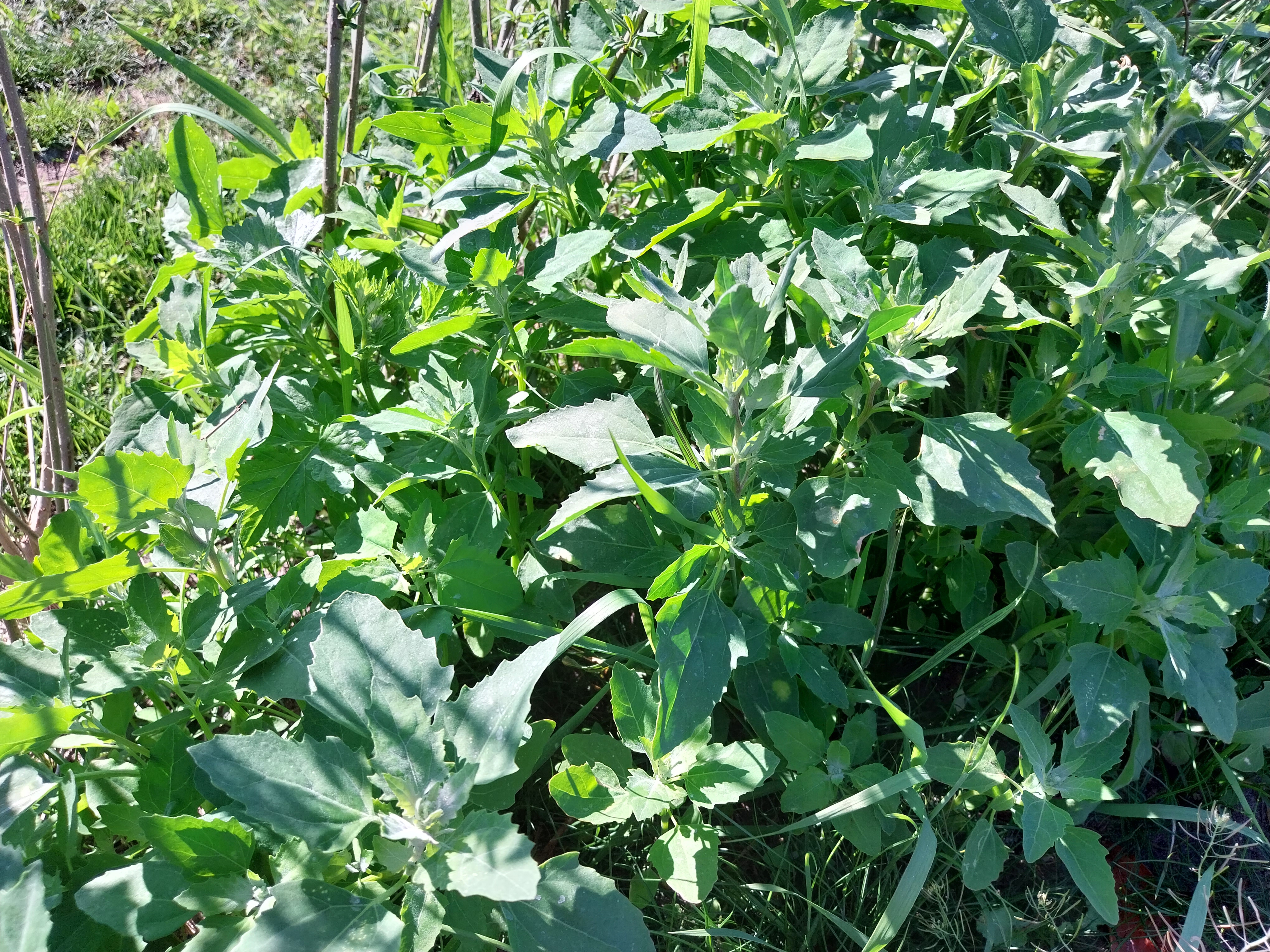
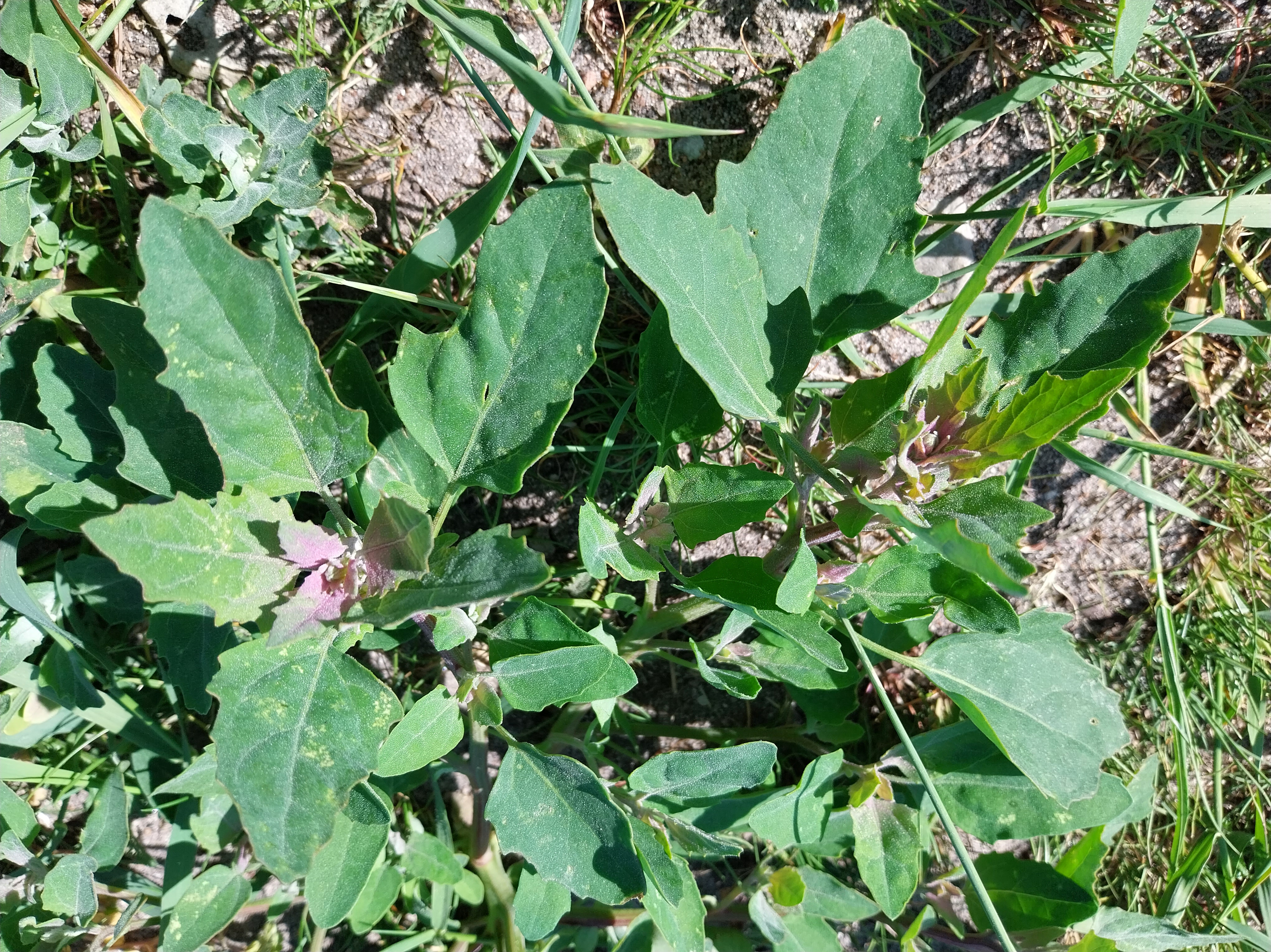
Another plant that we are tolerating is a fast-growing relative of spinach that’s variously called Goosefoot or Fat Hen (Chenopodium album). I’d long known that it was edible (it’s grown as a crop in parts of Asia) but until last night I’d not cooked with it.
In fact it’s delicious! I threw some roughly chopped leaves and stems into a mushroom omelette and I have to say that it was better than any commercial spinach I’ve bought or grown. In particular, the texture is much nicer as the leaves are very water-repellant which mean that they don’t absorb as much moisture during cooking. Highly recommended as an alternative to spinach but make sure you correctly identify the plant before you try it – there’s some good advice on this website: https://www.wildfooduk.com/edible-wild-plants/fat-hen/.
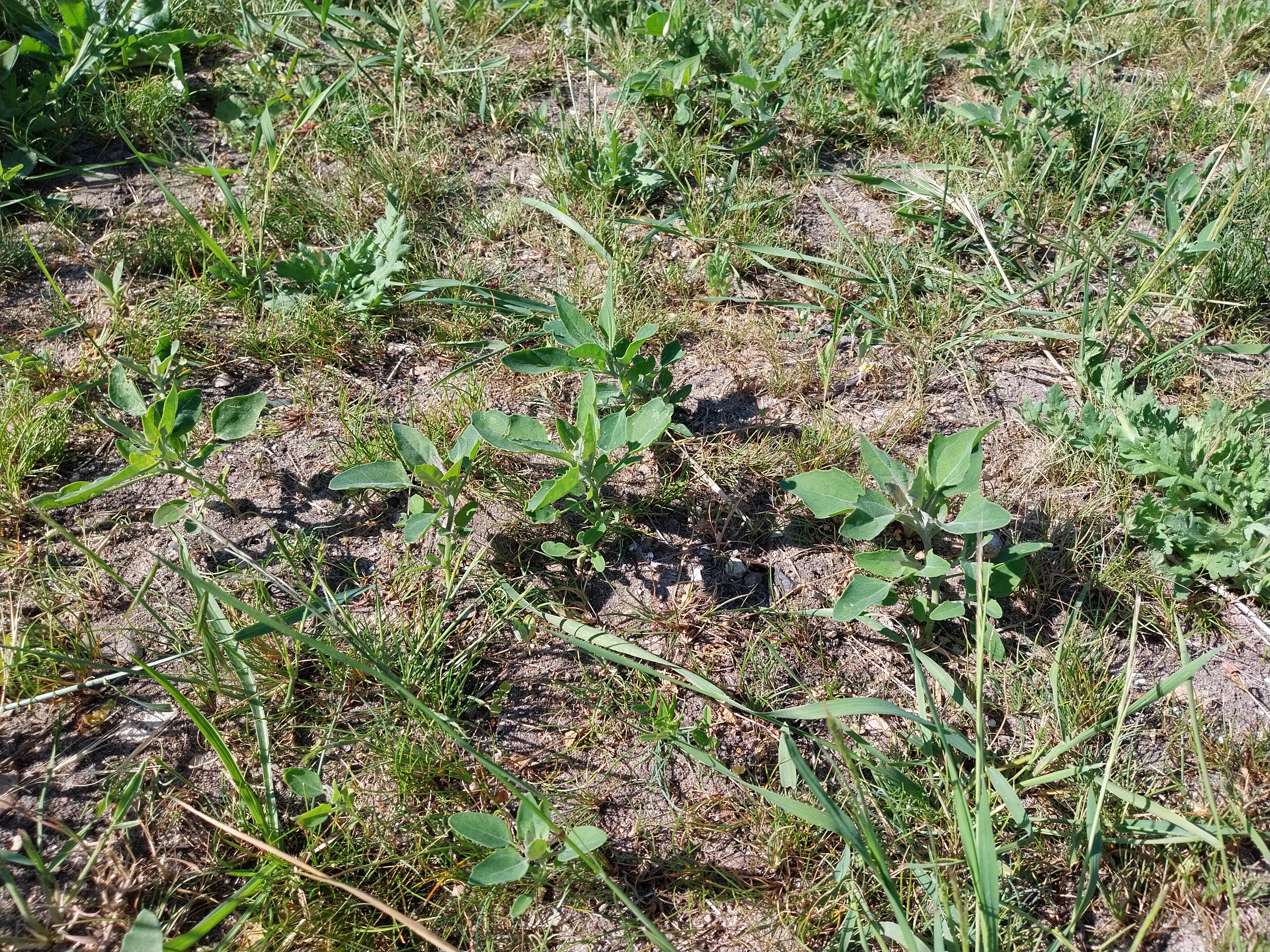
As well as Fat Hen we also have the close relative Tree Spinach (Chenopodium giganteum), with it’s beautiful magenta-tinged leaves, coming up in the garden. I’m looking forward to trying that too:
I’ll try to post more as the garden progresses, if I have time. But as I mentioned yesterday, even though the manuscript is complete and submitted to the publisher, there’s still lots to do on my next book! Have a good weekend.
Over the years, gardening has featured heavily on this blog and some of the observations that I made in the garden that Karin and I developed in Northampton appeared in my book Pollinators & Pollination: Nature and Society. At the same time that I was writing this, Karin was writing her first book – The Essential Companion to Talking Therapy – and we often discussed the links between nature, gardening, mental health and relationships between couples.
Karin has also posted some thoughts about this, in her own inimitable way, on her blog at Medium.
The significance of the photo that accompanies this post is that it’s Karin sitting in front of the tent that we shared in Kenya, enjoying some watermelon, which was just about all she could manage to eat when she had COVID!
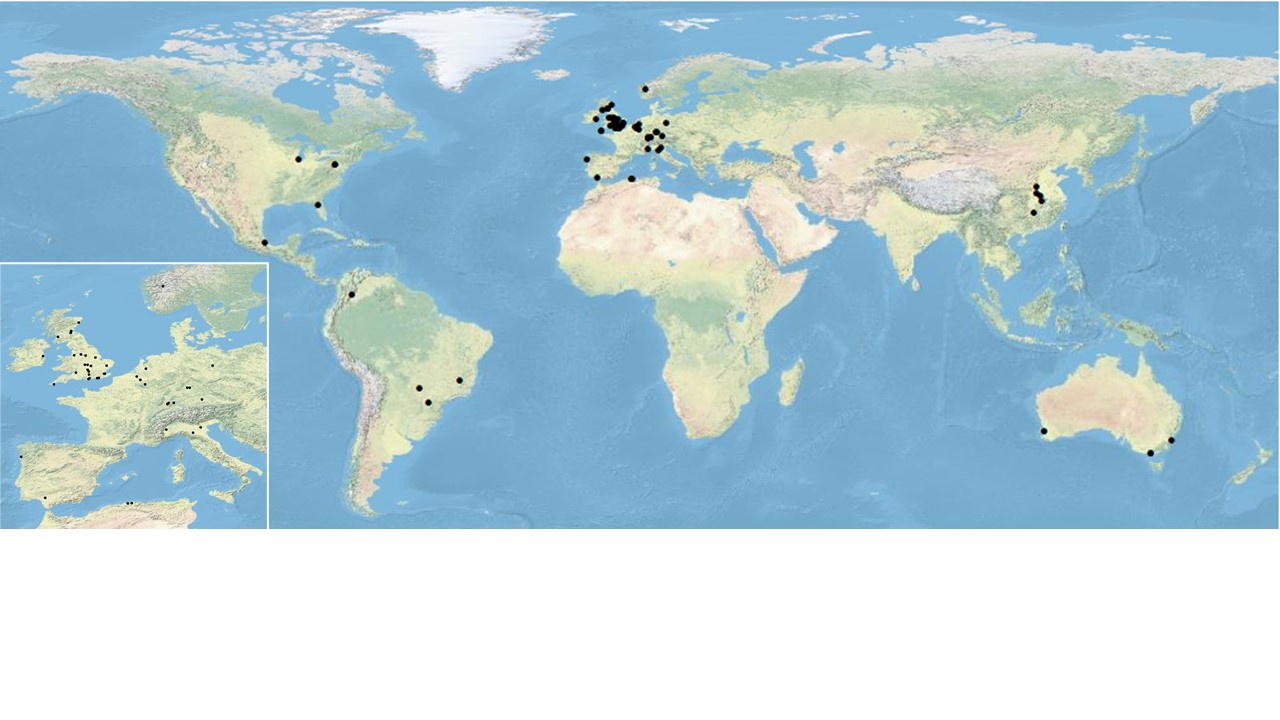
During the lockdown period of the COVID-19 pandemic in 2020, many pollination ecologists were stuck at home: universities and research institutes were closed and restrictions on travel meant that it was not possible to get out and do field work. In order to keep active and motivated, and to turn adversity into an opportunity, an ad hoc network of more than 70 researchers from 15 different countries (see the map above) decided to collect standardised data on the plant-pollinator networks in their own gardens and nearby public spaces.
When combined with information about location, size of garden, floral diversity, how the garden is managed, and so forth, this would provide some useful data about how gardens support pollinators. For those with kids at home it could also be a good way of getting them out into fresh air and giving them something to do!
The resulting data set of almost 47,000 visits by insects and birds to flowers, as well as information about flowers that were never visited, is freely available and will be an invaluable resource for pollination ecologists. For example, analysing the links between ornamental flowers that share pollinators with fruits and vegetables such as apples and beans, will allow us to make recommendations for the best plants to grow in home gardens that can increase yields of crops.
There’s an old saying about turning adversity into a positive outcome: “When life gives you lemons, make lemonade”, and the researchers were pleased to find that there’s one record of Citrus limon in the data set!
The paper describing the data set has just been published in the Journal of Pollination Ecology and you can download a PDF of the paper and the associated data for free by following this link.
Sincere thanks to all of my co-authors for their commitment to the project!
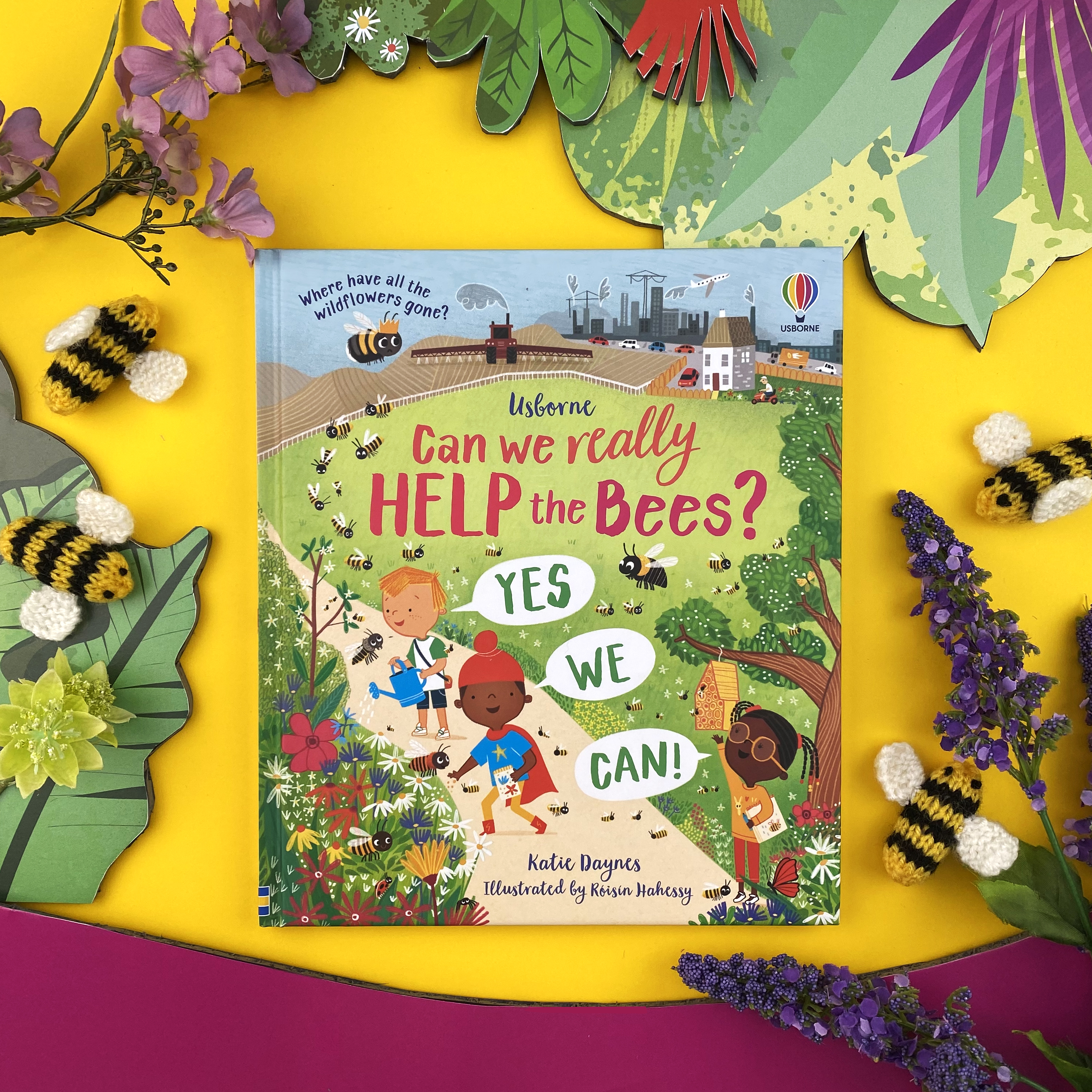
One of the projects with which I’ve been involved over the last year has been advising on a new book for children about bees and other pollinators, called Can We Really Help The Bees? Written by Katie Daynes and wonderfully illustrated by Róisín Hahessy, it tells the story of what happens when a swarm of bees comes to the window to let a group of children know that they, and their friends the other pollinators, are in trouble. Can they help? Yes they can!
It’s been a real pleasure working with Katie and Róisín on this project for Usborne Publishing and seeing the ideas, text, and illustrations evolve over time. I’ve written a short post over at the Usborne blog with some ideas about how to get children involved in helping the pollinators, and I think that it’s worth repeating one of the things that I wrote: everyone can make a difference to the wildlife around us and no one is too young to be involved!
Because of my involvement with Can We Really Help The Bees? I wasn’t able to include it on my curated list of the best books about bees and other pollinators at the Shepherd site. But it definitely should be on there and is highly recommended!
Yesterday a teacher got in touch with me via my Contact form to tell me about work he was doing with his students about pollinators. The students had done some online research and one of them, Olivia, came across a really interesting article about how to grow a butterfly garden. She has asked me to share it with my blog readers so here it is:
It’s great to see school kids getting inspired and engaged with conserving pollinators such as butterflies. Thank you for pointing this out to me Olivia, and good luck with your studies!
First the misleading title. This ‘debunks’ claim actually compares two different things: 75% of CROPS being dependent on pollinators versus 10% of crop YIELD. However, even if we focus on the 10% claim, a small increase in yield can be the difference between profit and bankruptcy for small-scale farmers. And most of the world’s farmers are small-scale and living on the borderline between loss and break-even. In addition, there’s no acknowledgement of the food production from home gardens, allotments, and community gardens, which is significant but largely unquantified.
Next, by focusing on yield and comparing, say, wind-pollinated wheat with insect-pollinated apples, the article takes no account of the fact that many of these crops that depend to some extent on pollinators mainly provide essential vitamins and minerals – not calories – to diets. When I tweeted about this earlier in the week, one person commented that they describe the insect-pollinated foods as ‘an important source of flavour and colour in our diets, rice and wheat are all well and good, but you do kinda need something more than grey slop to live’. Another said: ‘I’m so glad you mentioned this. I’m sick of reading articles that praise innovations to increase calories, when what we need is better nutrition from vitamins, minerals & fibres’.
Both great points, and well made.
That essay was also factually incorrect when it described roots crops such as carrots or some of the leafy cabbages and lettuces as not requiring pollinators. Many varieties of these crops ARE pollinator dependent: how do they think we get the seed for the next year’s crop?! And there are many crops and varieties that have not been evaluated for their dependency on pollinators: the 75% figure actually refers to the 115 most productive crop plants (Klein et al. 2007).
When I tweeted about the essay I commented that I was very disappointed by ‘Our World in Data’ – they are usually better than this when it comes to the facts. What I hadn’t appreciated at the time was that in fact the Genetic Literacy Project had highjacked the original piece by Hannah Ritchie and reworked it to give it a very different slant*.
This is where it starts to get dishonest and in fact the Genetic Literacy Project (GLP) has form in this area. The Sourcewatch site describes the GLP as ‘a corporate front group that was formerly funded by Monsanto’ with a remit to ‘shame scientists and highlight information helpful to Monsanto and other chemical producers’. In other words it’s heavily tied to Big Agriculture which, of course, would like us to believe that there’s not an issue with declining pollinators, that pesticides and agricultural intensification are our friends, and that Everything Is OK. Read the full account here.
Frankly, the GLP is so tainted that I’d not believe anything that they publish.
Pollinator decline and the role of pollinators in agriculture are complex issues. If you’d like to know more about the importance of pollinators to agriculture, complete with some accurate and objective facts, then there’s a whole chapter devoted to the topic in my book Pollinators & Pollination: Nature and Society.
*Note that I’ve been communicating with Hannah about the root and leaf crop issue and she accepts that this needs to change in the original. She’s also asked the Genetic Literacy Project to take down their version as it contravenes copyright.
Reference
Klein, A.-M., Vaissière, B.E., Cane, J.H. et al. (2007) Importance of pollinators in changing landscapes for world crops. Proceedings of the Royal Society of London B 274: 303–313.
Earlier today we had a message from the owner of the AirBnB that we are staying in to let us know that he’s expecting a guy to come and spray pesticide around the house to kill the ‘invasive’ beewolves. The European beewolf (Philanthus triangulum) is a type of wasp in the family Crabronidae that is only distantly related to the typical wasps that you find trying to share your barbecue and beer. As its name suggests, it preys upon bees, but it’s actually a pollinator itself and visits a range of flowers.
I immediately got back to our host and pointed out that beewolves are gentle insects, completely harmless, and less dangerous than the pesticide the company would use to kill them, and that he was wasting his money. He informed us that the pest control company had told him that he needed to control them other wise he’d be ‘over-run’ with them next year!
When I explained to him that this was nonsense, and that the beewolves cause no damage to people or property, he promised to get back to the company to cancel the order, and thanked me for the information. I’m hoping that I’ve made a convert to the cause of insect conservation!
It maddens me that pest control companies are preying on people’s fear of insects to make money in this way. Insects are subjected to enough assaults by human activities without making up spurious reasons for poisoning them.
So if you are lucky enough to have beewolves in your garden, please treat them with respect and watch their fascinating behaviour:






 Prof. Jeff Ollerton - ecological scientist and author