Author Archives: Jeff Ollerton

Unknown's avatar

About Jeff Ollerton

Independent consulting scientist and author, working on understanding and conserving biodiversity

Seeds have power far beyond their size – China Diary 2

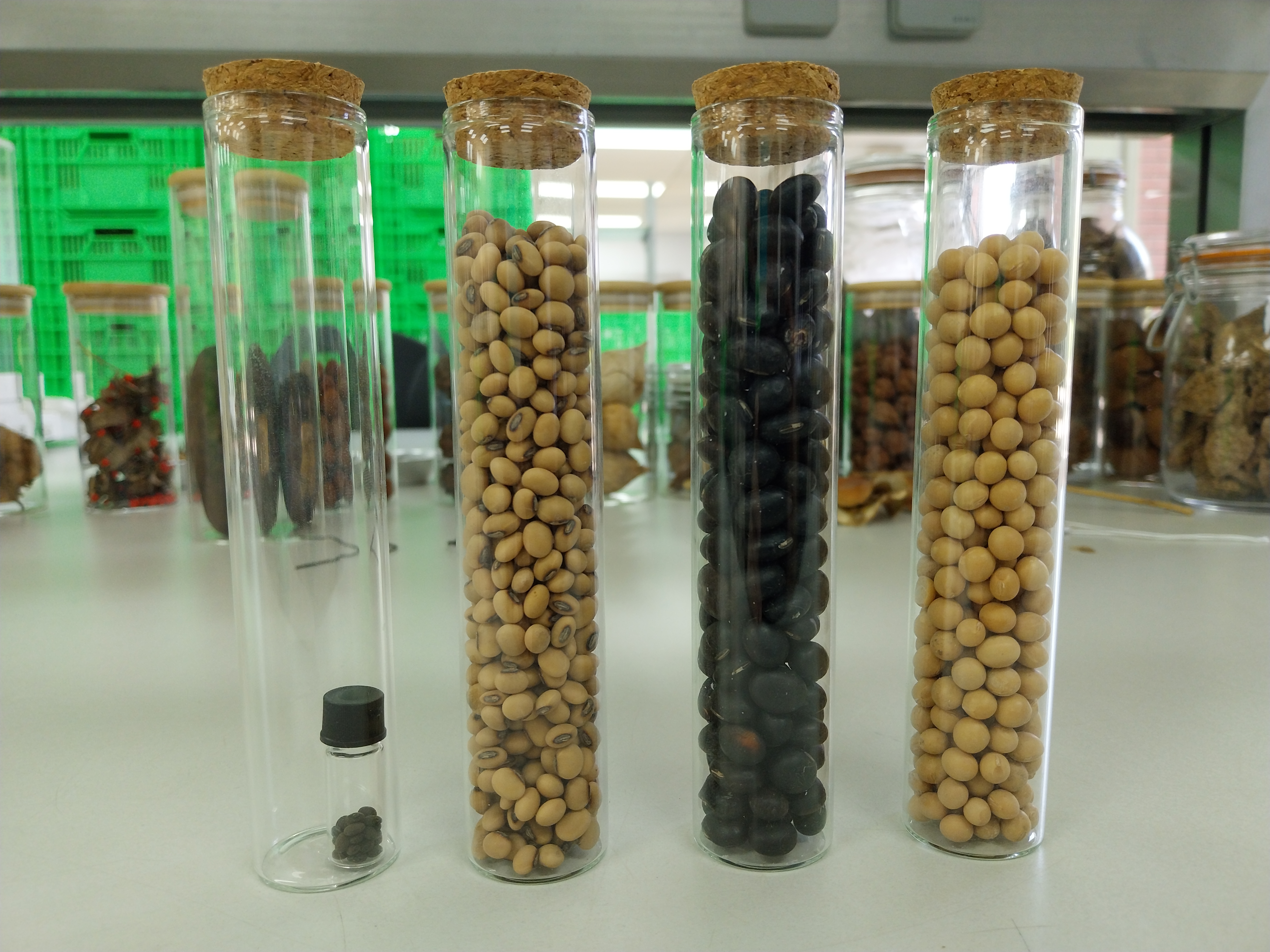
In the image above, the three glass tubes on the right contain different cultivated varieties of soybean (Glycine max), one of the world’s most important (and controversial) legume crops. The tube on the left contains the seeds of what is considered the wild ancestor of soybean (Glycine soja). Archaeological evidence suggests that by about 5,000 years ago farmers in several areas of Asia had artificially selected varieties that had much bigger seeds than the wild type. I like this image because it’s a great demonstration of the power of humans to positively influence the food that we eat – and the power of those seeds to affect us via our diets and farming methods.

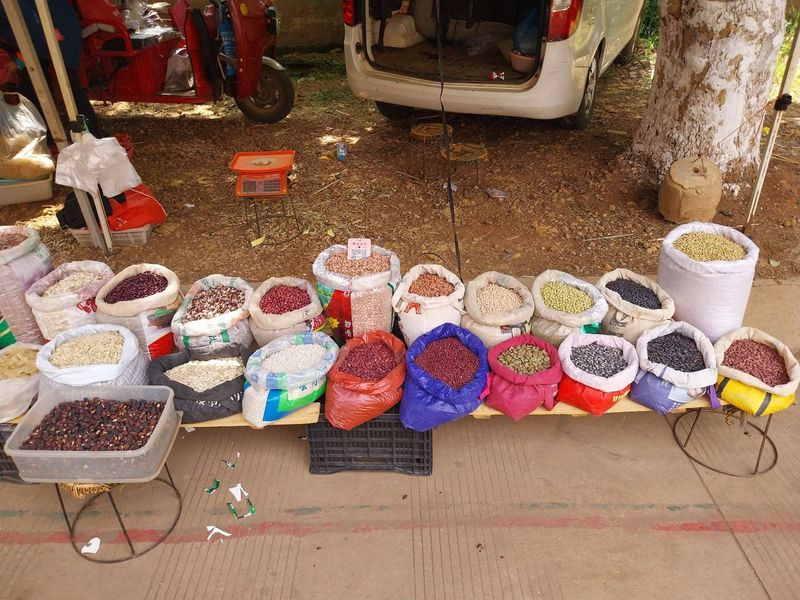
Of course it’s not just soybean that’s been subject to this sort of artificial selection – we’re encountering many other species and varieties of beans at the various farmer’s markets we’re visiting here in Yunnan:

Many of these beans require pollinators such as bees to initiate or at least enhance the crop, as we found in our recent study of soybean as part of the SURPASS2 project.

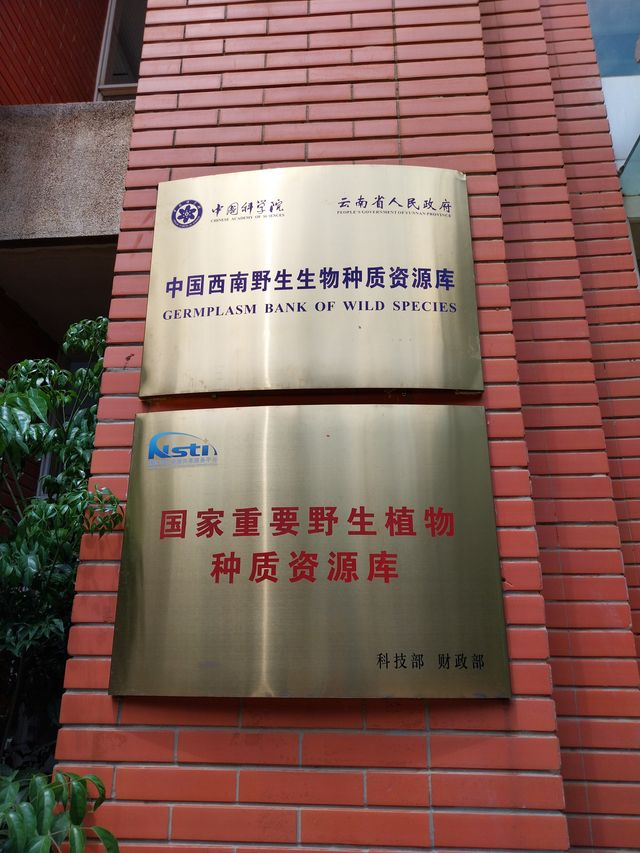
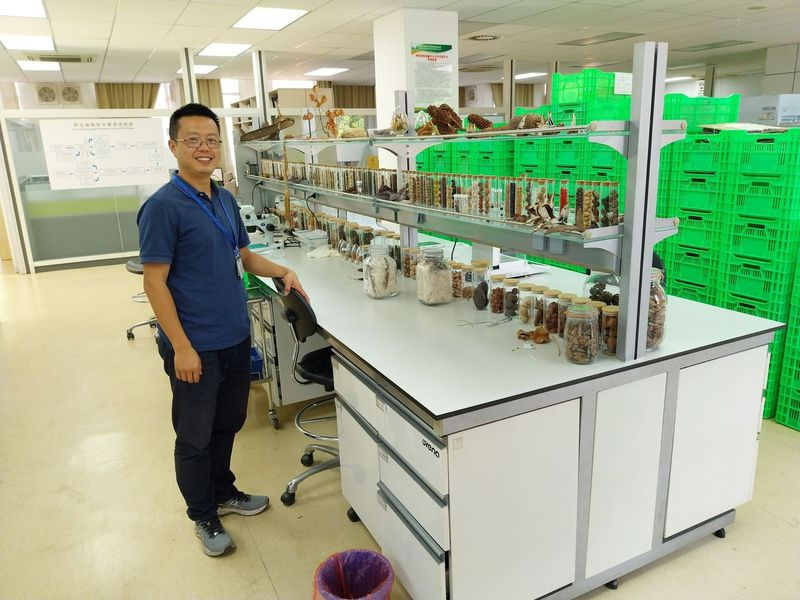
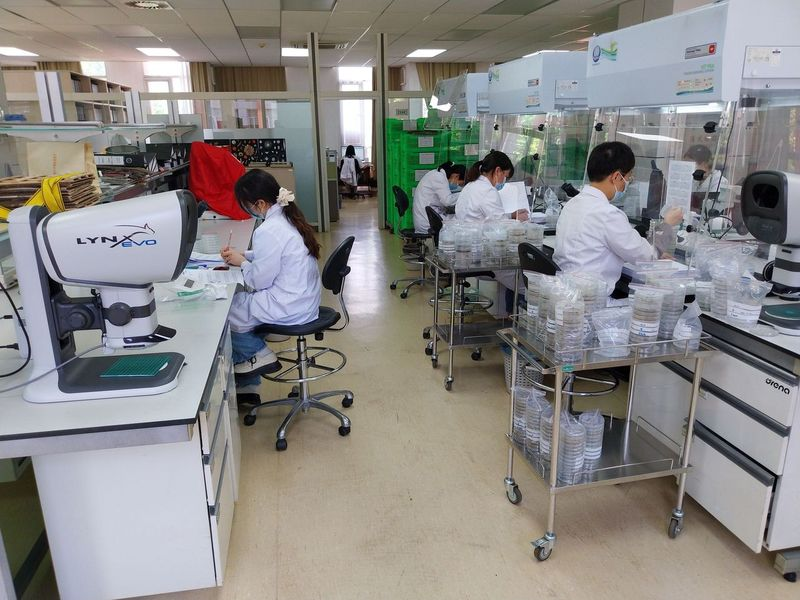
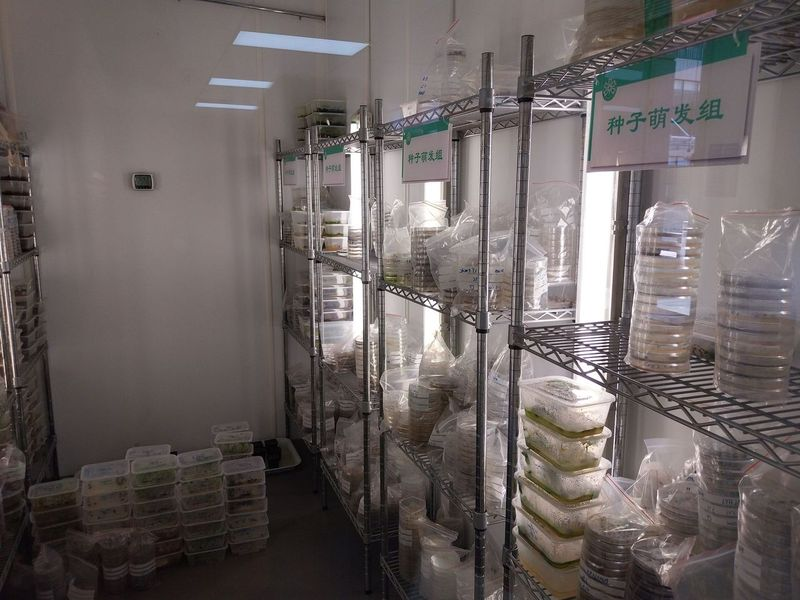
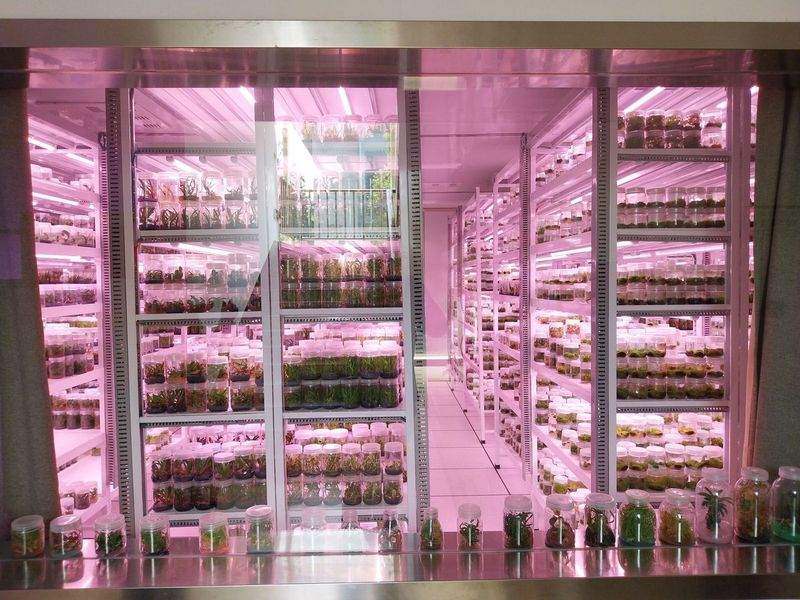
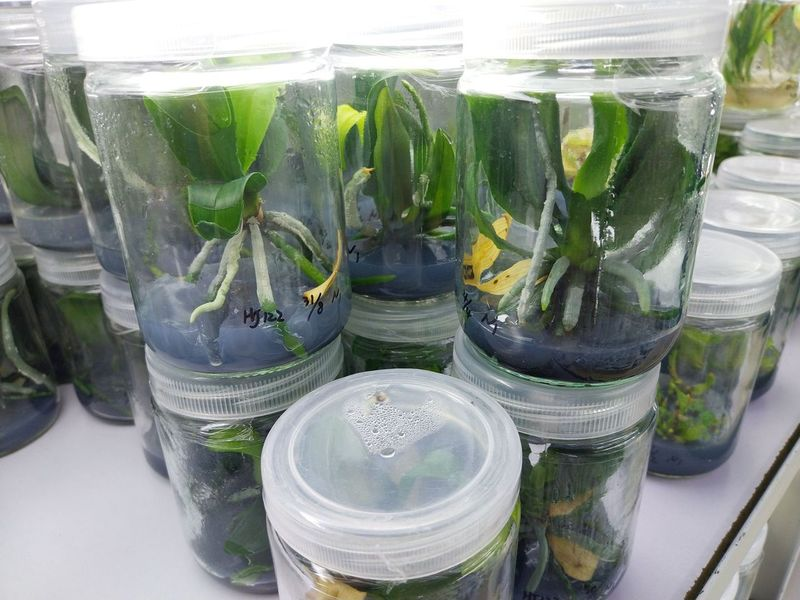
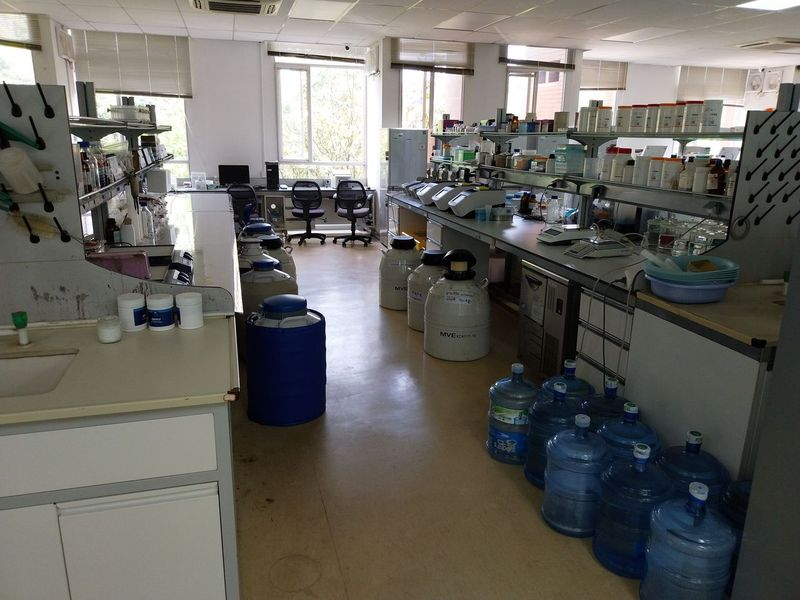
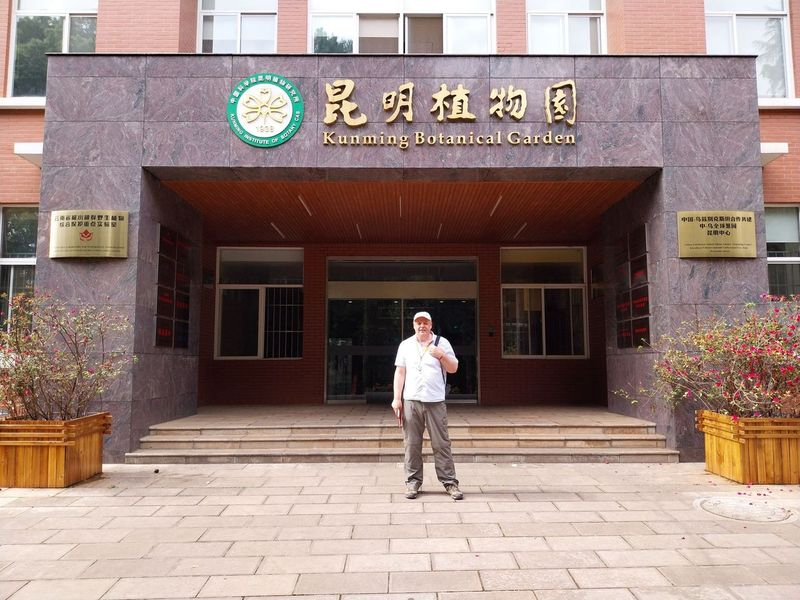
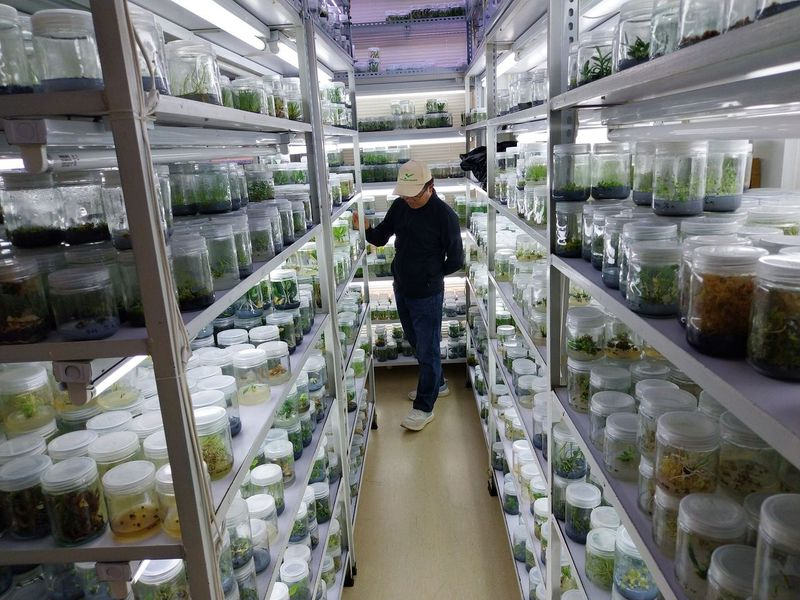
I took the main image last week when I had a tour of the Germplasm Bank at the Kunming Institute of Botany, a really impressive facility that stores both seeds in deep freeze and living plants in tissue culture. It’s one of the ways in which we can help to conserve the genetic diversity of wild and cultivated plants. Here are a few more photographs from that visit:
Dr Jie Cai, the manager of the seed bank, kindly hosted the tour and introduced the facility:

Seeds are stored at about -20C in huge, security-controlled freezers:

Collected seeds are first cleaned, sorted, and then counted – a laborious task that requires patience:

Samples of seeds are also germinated at various points to assess how well they are responding to storage:

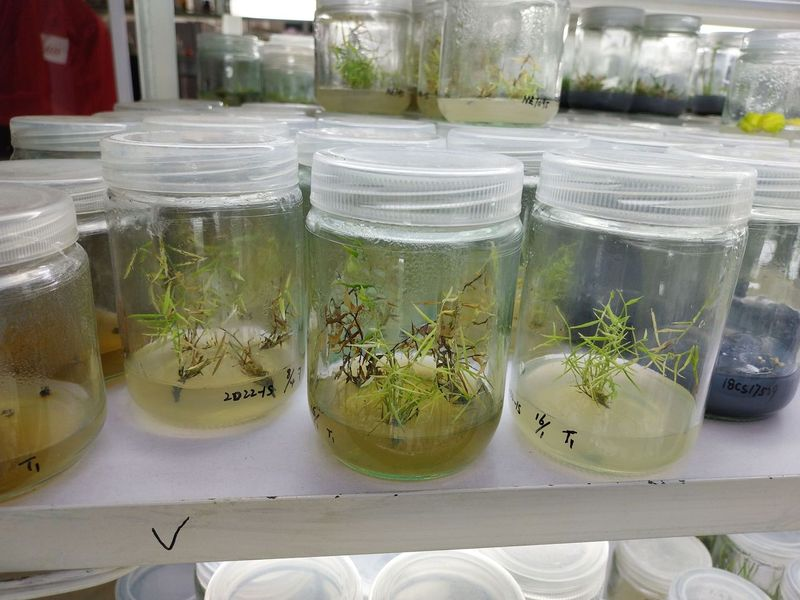
Plants with seeds that do not respond well to being stored, such as many orchids and bamboos, are grown in tissue culture:

The building also hosts the genetic sequencing facility, another extremely impressive set of laboratories in which progress of sequencing the Chinese flora can be seen in real time:

First footsteps in Kunming – China Diary 1

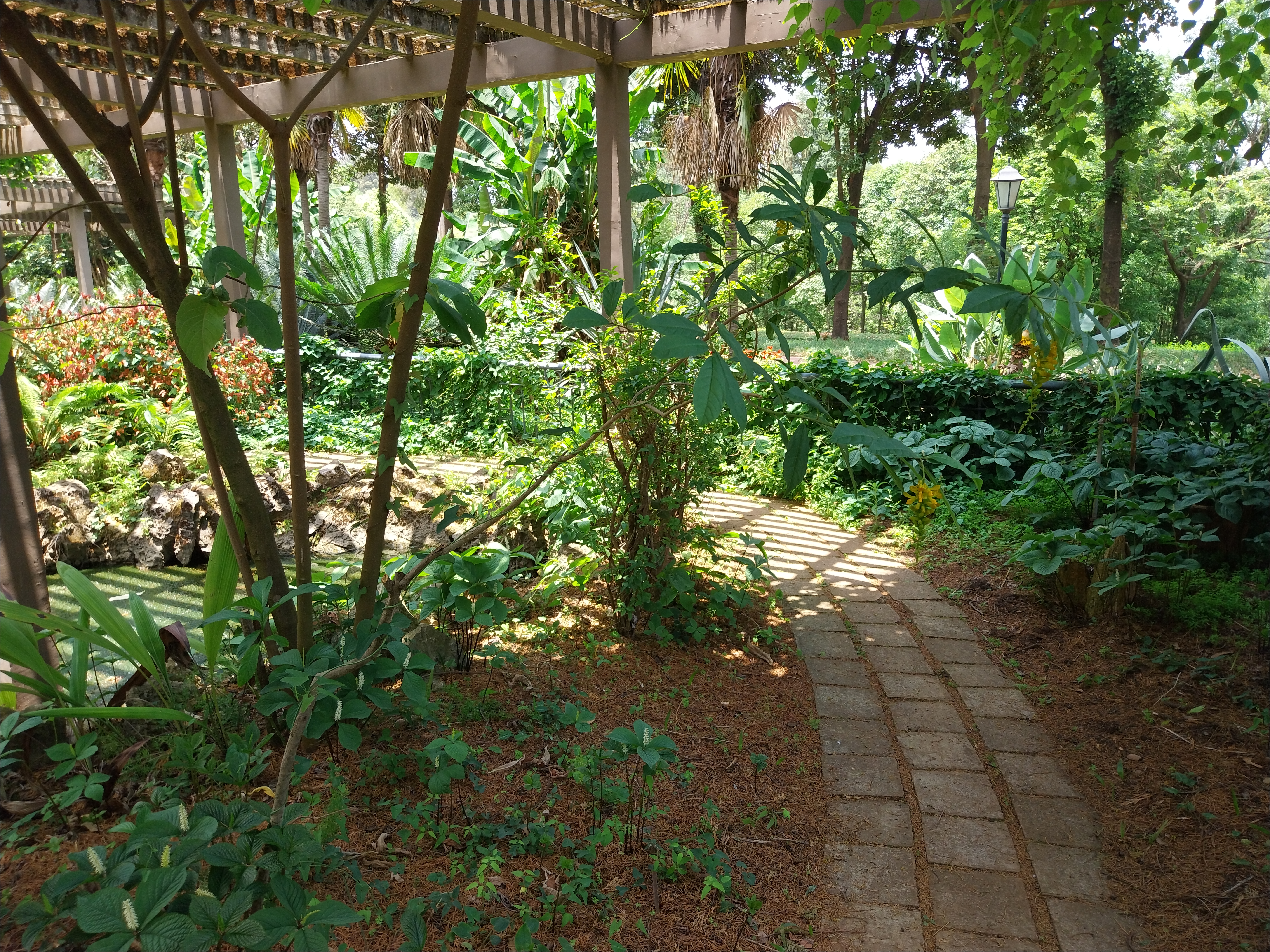
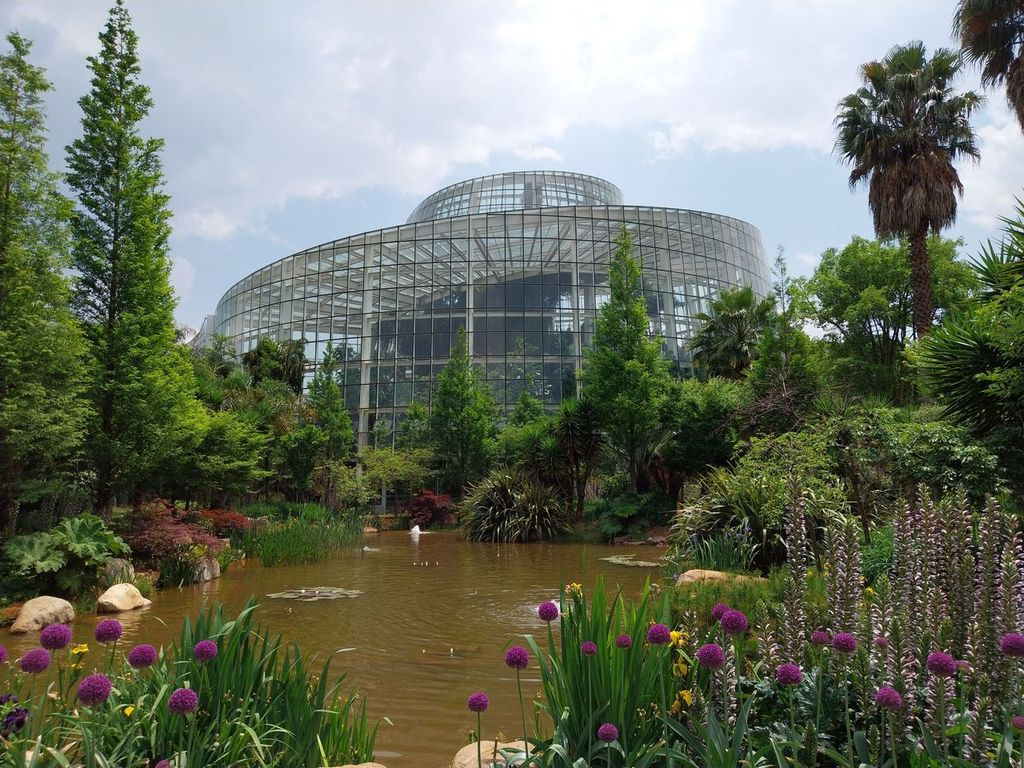
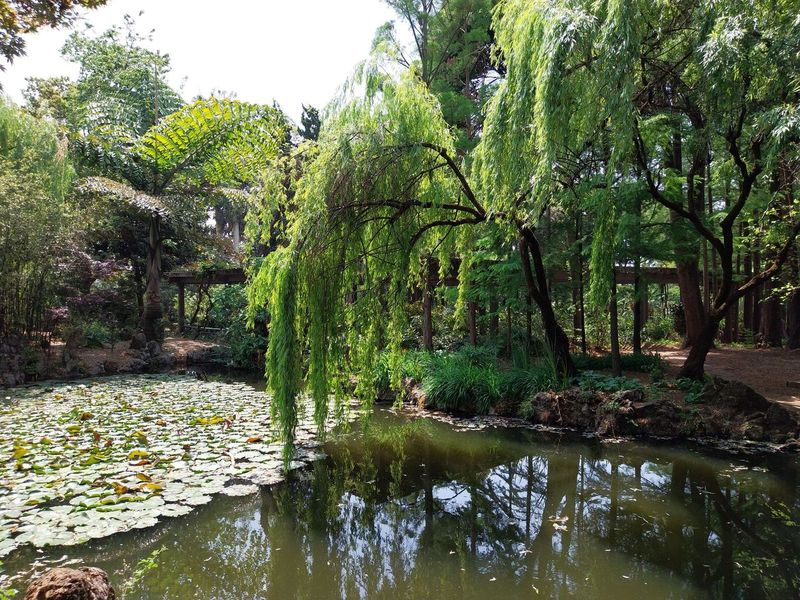
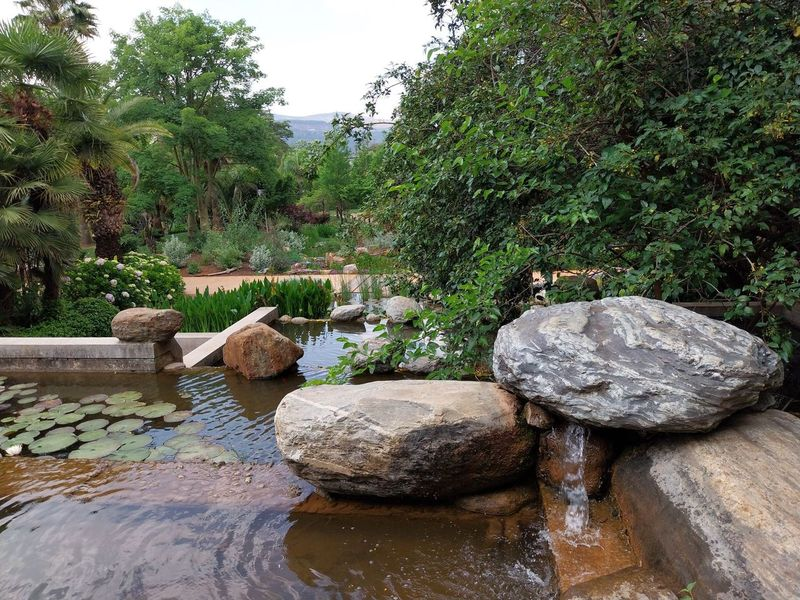
Just over a week ago I arrived in China to spend three months as a visiting professor at the Kunming Institute of Botany (KIB), of the Chinese Academy of Sciences. I am being hosted by my colleague Dr Zong-Xin Ren, and I will repeat this trip each year over the next three years. This is my first visit to Kunming because my last visiting professorship here had to be conducted remotely due to the COVID-19 pandemic. As you can see above, KIB is adjacent to, and works closely with, Kunming Botanical Garden and I have the good fortune of being able to walk to work each day through the gardens:

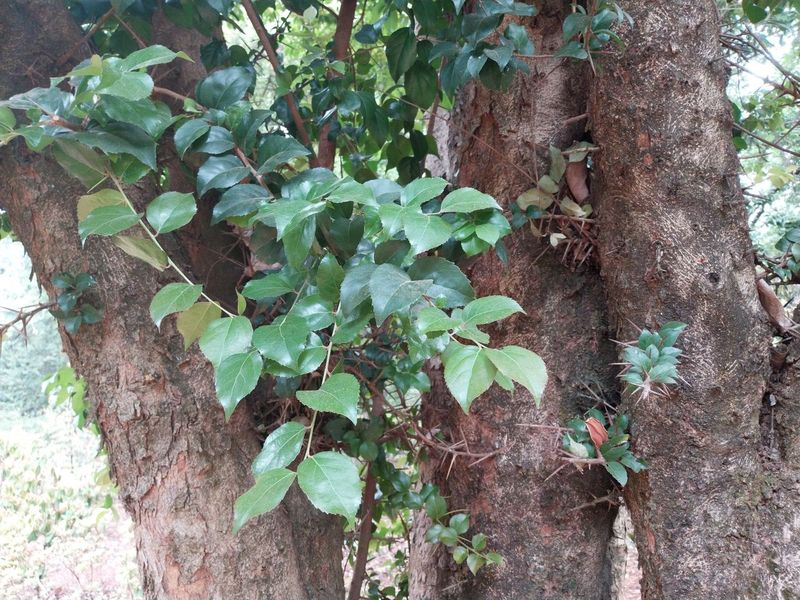
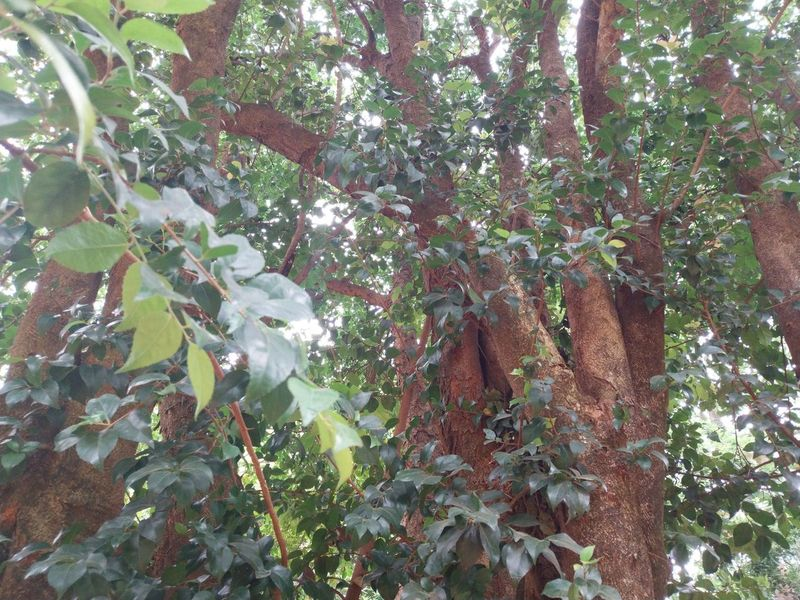
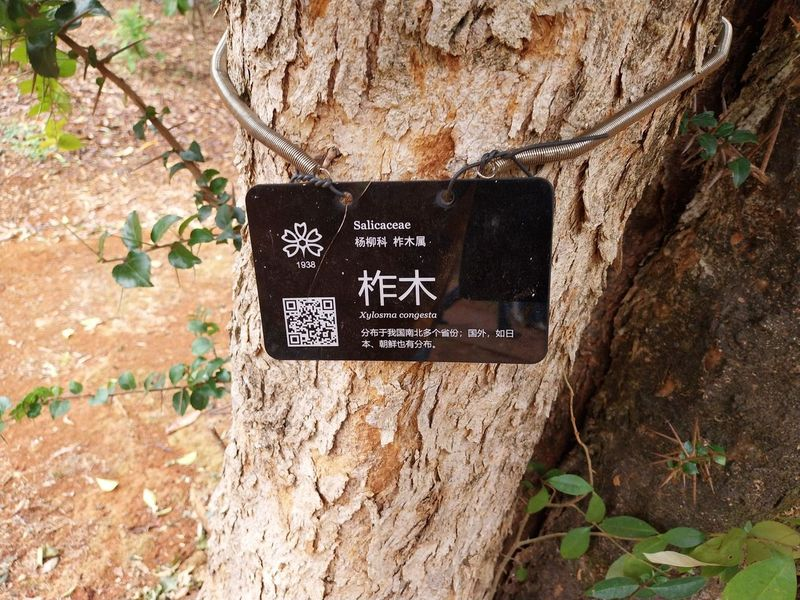
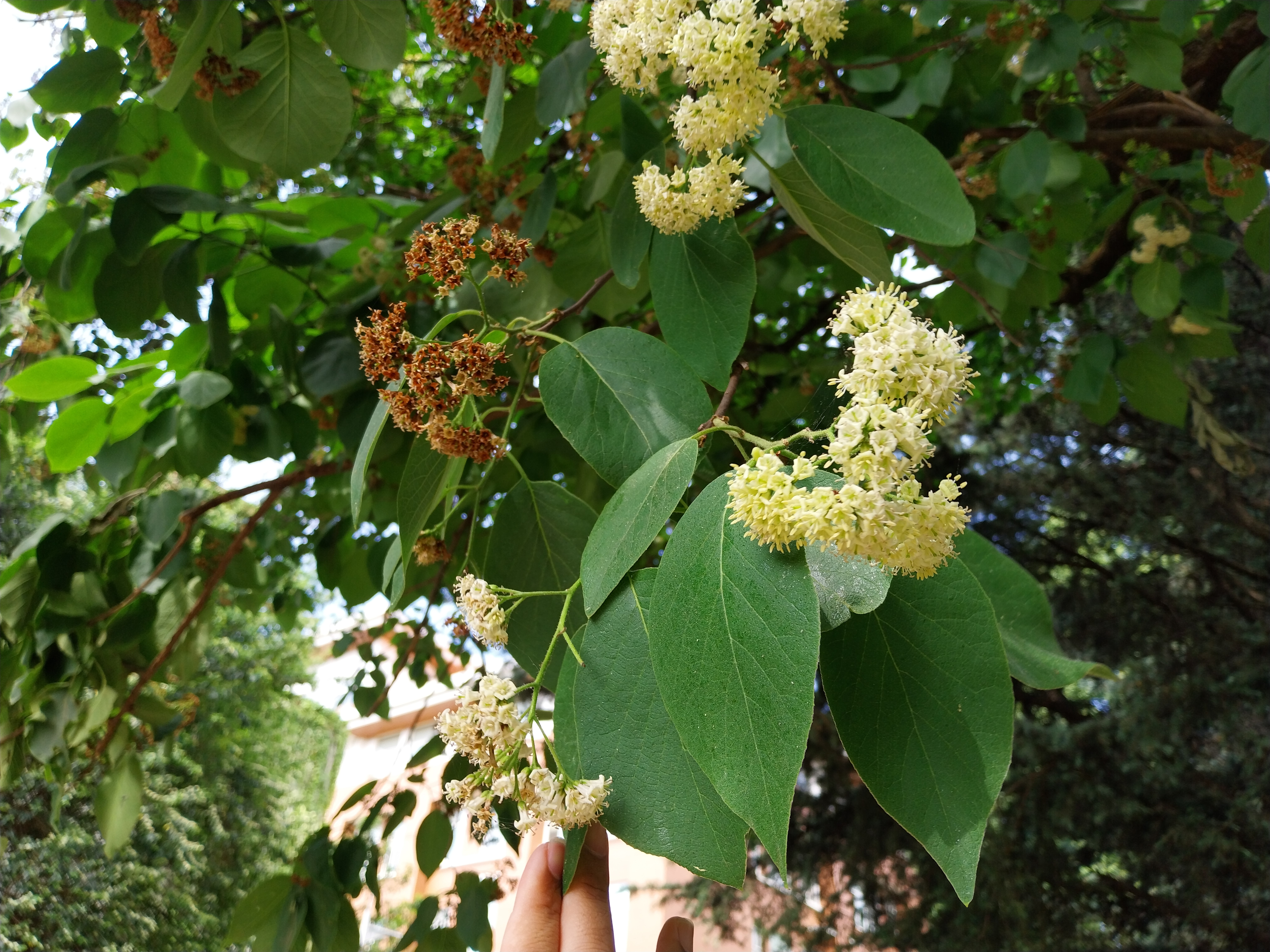
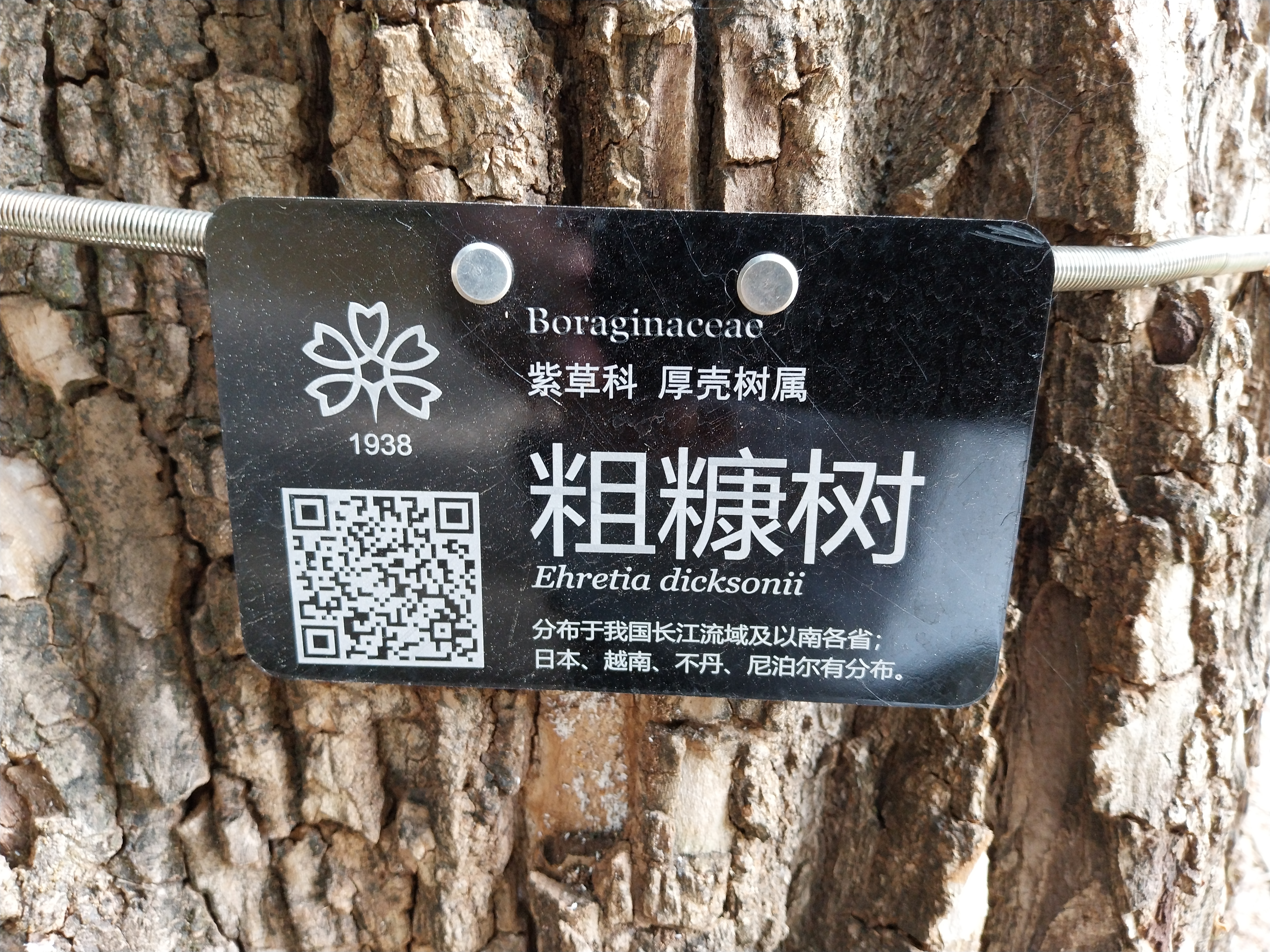
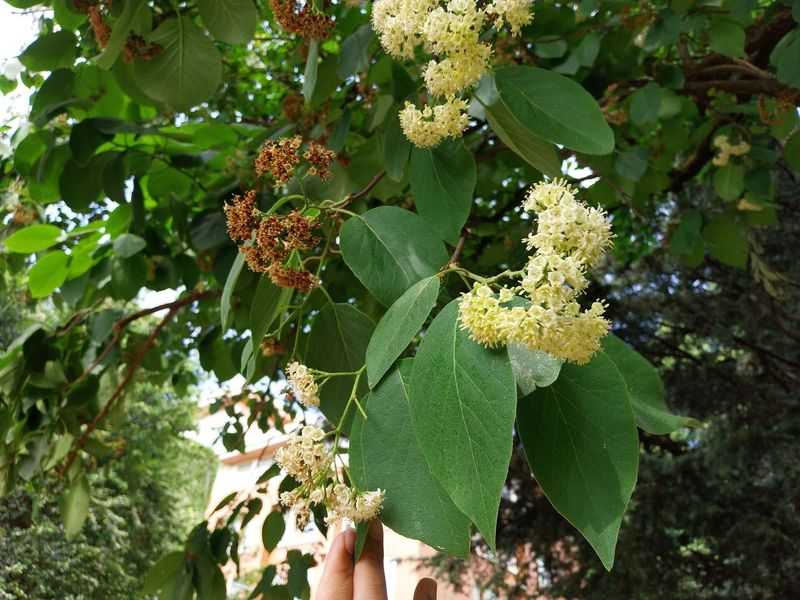
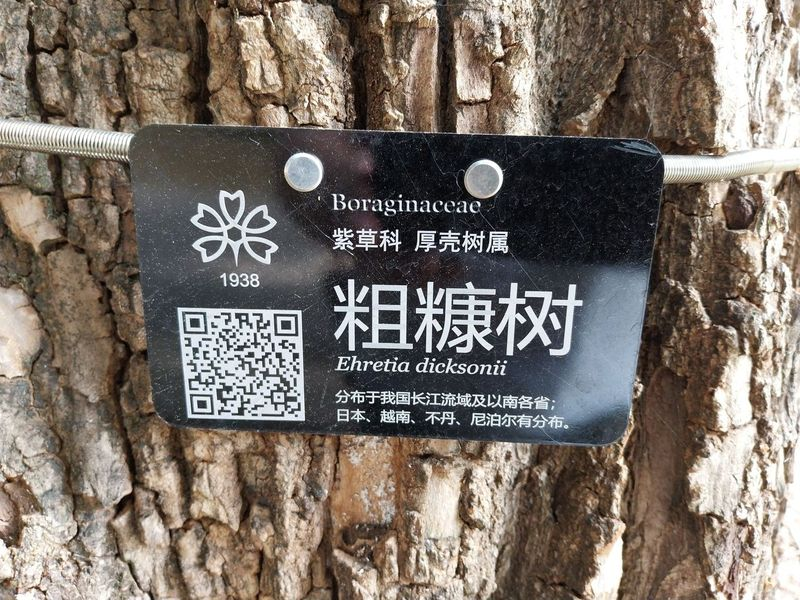
As I’ve said before, I love botanic gardens because I always, always see plants that amaze and surprise me. For example, I struggled to recognise the family that this very large tree belonged to – and was surprised by the answer!

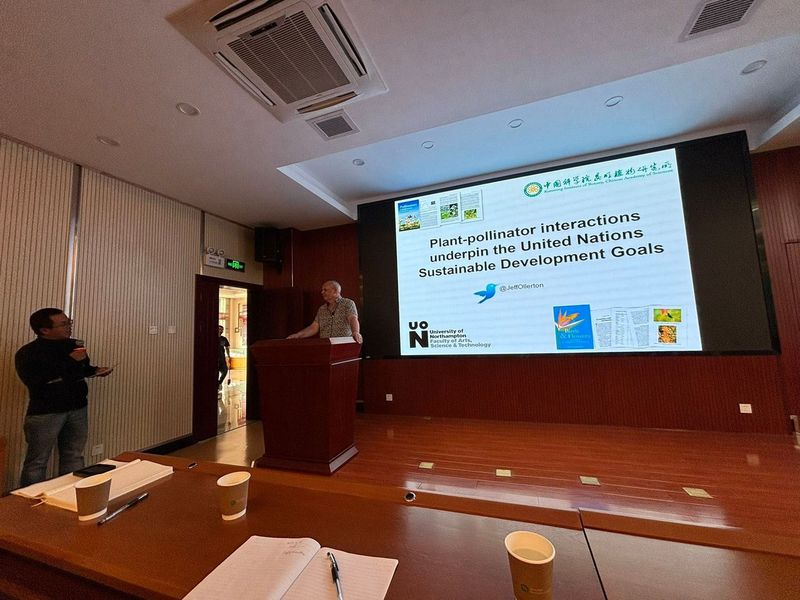
I’ll be spending my time working on some data and writing manuscripts, carrying out field work, and talking with KIB postgrads and postdocs about their projects. I’ll also give some lectures here and at other institutions in China. The first of these was last Thursday where I spoke about the role of plant-pollinator interactions in underpinning the United Nations Sustainable Development Goals:

Thanks to Brazilian researcher Sinzinando ‘Nando’ Albuquerque-Lima for those last two photographs. As part of a Brazilian-funded project, Nando is here for about 8 months studying a range of plants and their pollinators.

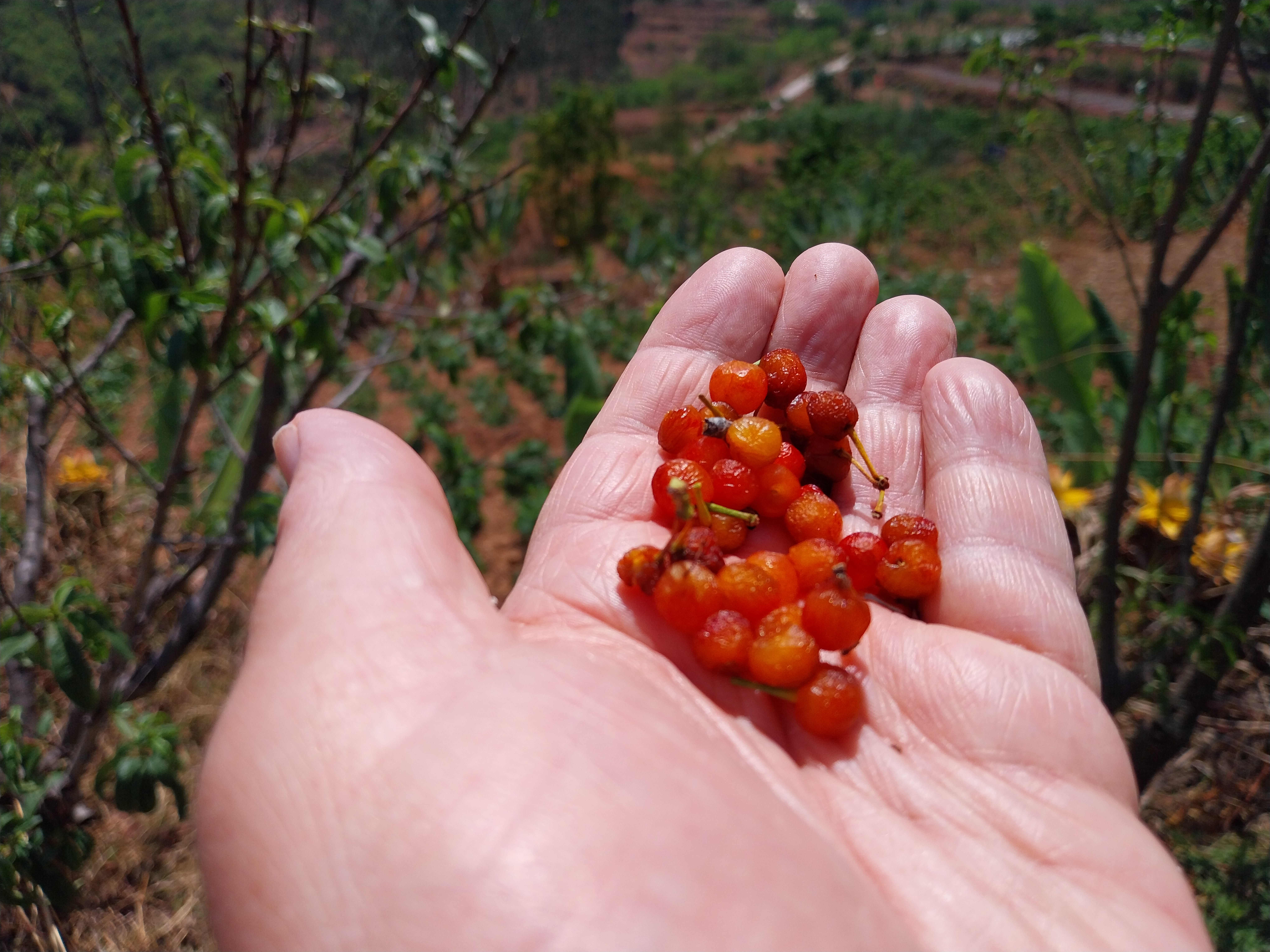
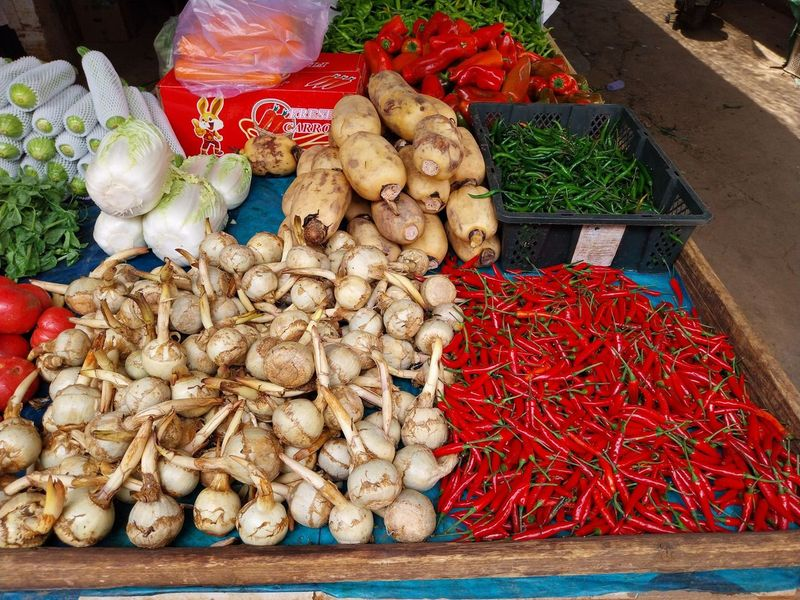
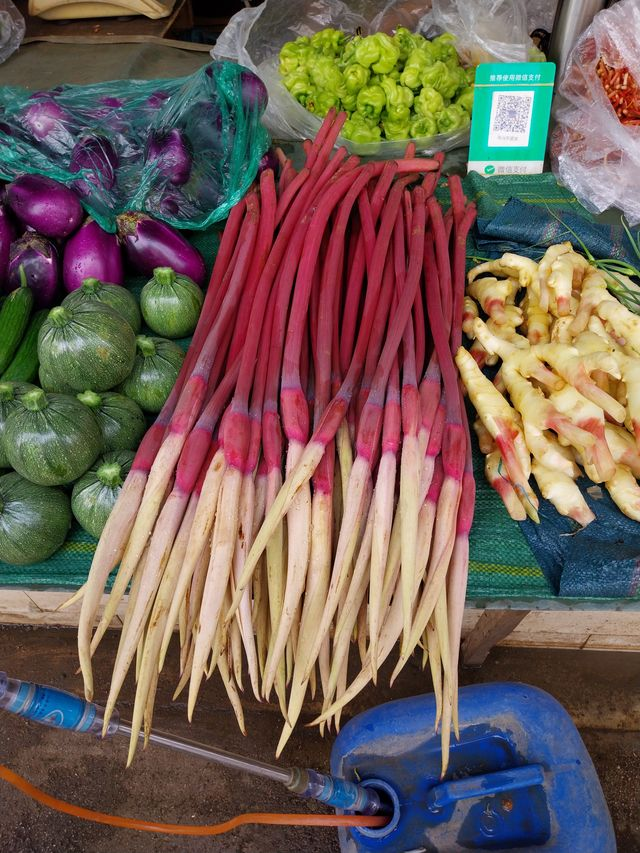
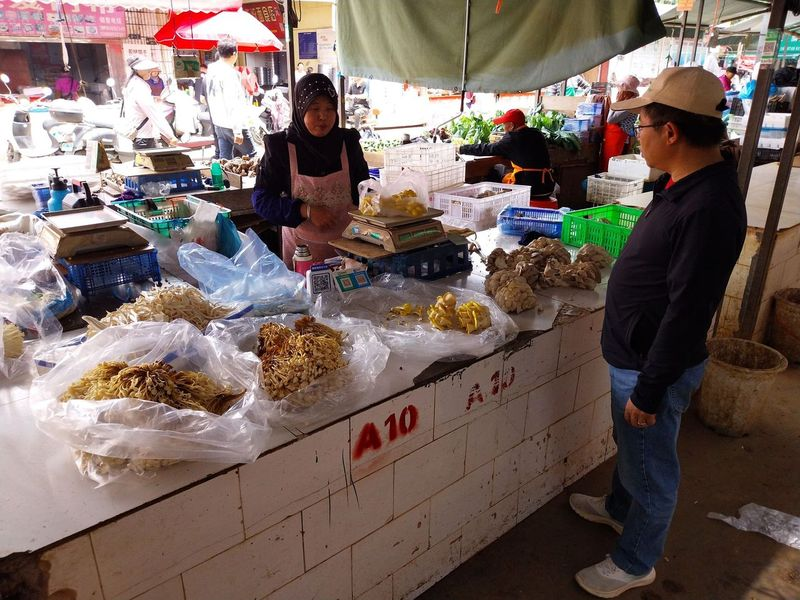
Further afield, Zong-Xin and Nando have introduced me to some of the amazing markets and restaurants in the city and I’ve already added three new plant families to my life list of those I’ve consumed: Phyllanthaceae (the rather sour fruit of a Phyllanthus species); Alismataceae (deep-fried, ‘crisped’ roots of a Sagittaria species); and Meliaceae (the young leaves of Toona sinensis are used as a spinach):

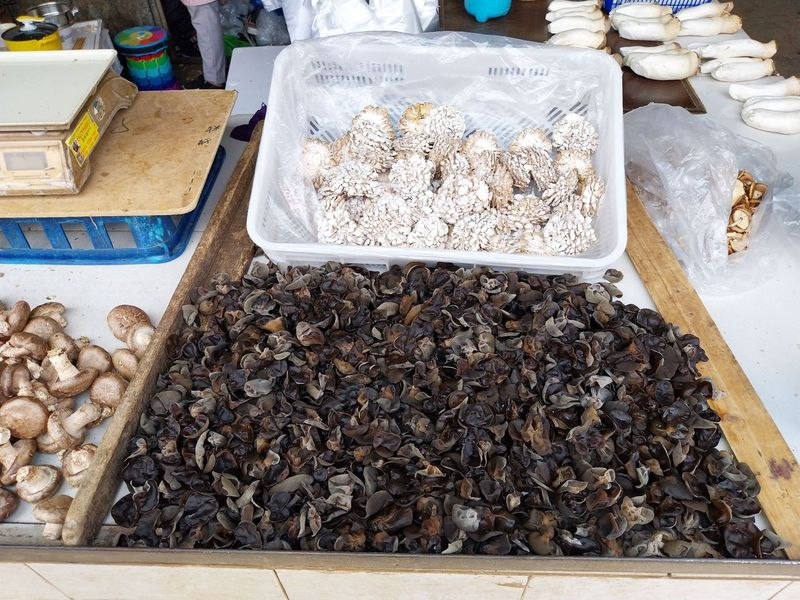
That last photo does not show rhubarb! They are the stems of a variety of taro (Colocasia esculenta) an Araceae species. Yunnan is especially famous for its wild-collected fungi:

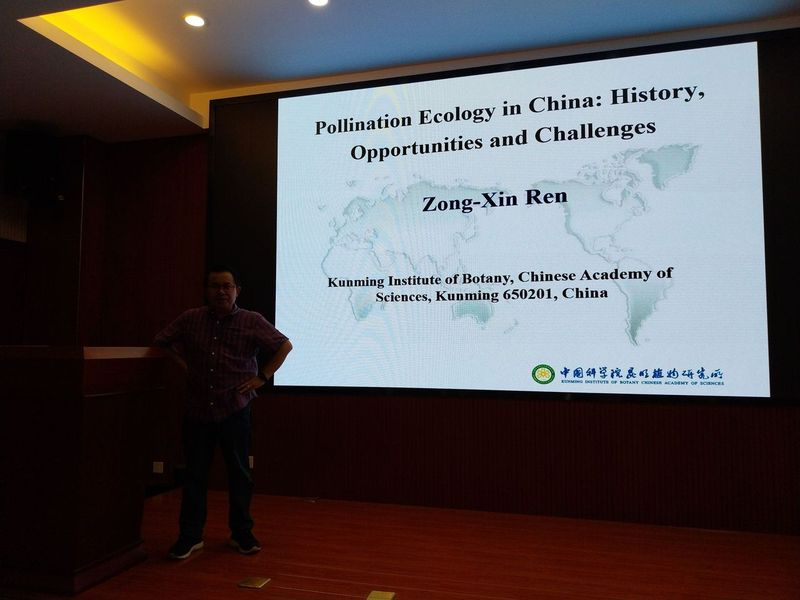
On Sunday afternoon Zong-Xin’s research group gave some presentations about their research, which is diverse and exciting and I look forward to discussing it with them some more in the coming months. The afternoon started with a talk by Zong-Xin himself about the history and opportunities of studying pollinators and pollination in China:

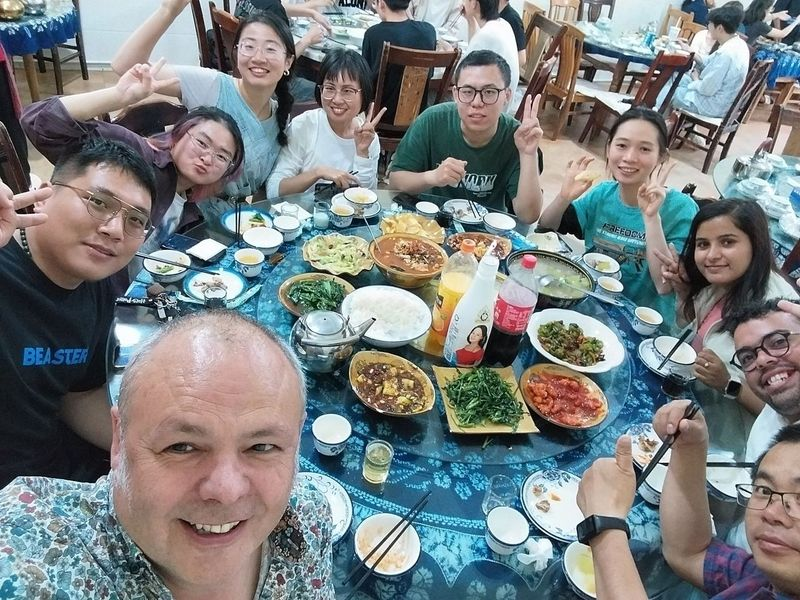
And then we all went to dinner!

That’s all for now, I’ll add updates as the weeks go by.

Using photographic mark-recapture to estimate population size, movement, and lifespan of a reintroduced butterfly – new study just published

The reintroduction of the Chequered Skipper butterfly to England is one of the outstanding conservation success stories of the last ten years. I’ve been proud to play a part – see these old posts here, here and here – and in particular supervising Jamie Wildman’s PhD work. The second paper from his thesis has just been published and in it Jamie documents how you can identify individual butterflies by their markings and use this information to estimate the population size, life-span, and movements of Chequered Skippers. The technique could also be applied to other distinctively marked butterflies.

Here’s the reference with a link to a read-only version of the study:

Wildman, J.P., Ollerton, J., Bourn, N.A.D., O’Riordan, S. & McCollin, D., (2024) Using photographic mark-recapture to estimate population size, movement, and lifespan of a reintroduced butterfly. Biodiversity and Conservation (in press)

If you need a PDF, get in touch via my Contact page.

Here’s the abstract:

The chequered skipper butterfly Carterocephalus palaemon was reintroduced to Fineshade Wood, England in 2018 as part of a Butterfly Conservation-led project following several years of planning. From 2019–2022, the population was sampled each May–June by the lead author, timed count volunteers, Butterfly Conservation staff, and casual observers.

A novel photographic mark-recapture (PMR) technique was trialled as an alternative to mark-release-recapture (MRR). In conjunction with timed counts, PMR was used to photoidentify individual C. palaemon through each butterfly’s upperside (ups) wing markings, estimate daily and gross population size, detect movements, and determine lifespan. As capture and recapture can be achieved non-invasively using PMR, habitat disturbance, the potential to influence butterfly behaviour, accelerate wing wear, affect mate selection and predation, and heighten mortality risk through handling are eliminated. We found PMR to be a viable alternative to MRR for a sensitive reintroduction of a low-density species with unique ups markings such as C. palaemon. Using capture histories generated through PMR, from a known founder population size of 42 butterflies in 2018, we estimated the population at Fineshade Wood had increased to 618 butterflies (+ 1371.43%) by 2022.

Movements of up to 2.22 km over a time period of 17 days were also detected. Lastly, we discuss the implications of PMR for population sampling of other Lepidopterans, and the potential to improve cost-efficiency of the technique using machine-based learning tools.

Aggressive dominance of acacia floral resources by wild East African lowland honey bees – a new study just published

Back in August 2022, Karin and I traveled to Kenya where I was teaching on a Tropical Biology Association field course at the Mpala Research Centre – see my posts from the time here and here.

Students on the course have to complete an extended group project, with supervision by teaching staff. Two of the groups looked at the visitors to flower heads of one of the dominant savannah acacias and the interactions between wild honey bees of the native subspecies and the other insects. There have been rather few studies of this honey bee in the wild and so we wrote up the work as a short research note that has now been published in the African Journal of Ecology.

The photo above shows the authors – ‘Team Etbaica’ – from left to right: Luis Pfeifer, Swithin Kashulwe, me, Caka Karlsson, and Janeth Mngulwi.

Here’s the reference with a link to the publisher’s site – the paper is open access:

Kashulwe, S., Mngulwi, J. B., Karlsson, C., Pfeifer, L., & Ollerton, J. (2024) Aggressive dominance of acacia floral resources by wild east African lowland honey
bees. African Journal of Ecology 62, e13271. https://doi.
org/10.1111/aje.13271.

Here’s the abstract:

The East African lowland honey bee (Apis mellifera scutellata) is reported as an aggressive subspecies of the Western honey bee, but few studies have investigated the impact of its aggressiveness on other insect pollinators. Observations of flower visitors to Vachellia (Acacia) etbaica and interactions between honey bees and other insects were conducted in 2022 in Mpala, Kenya. A total of 873 individual flower visitors were recorded, the most frequent being Hymenoptera, followed by Diptera and Lepidoptera. Honey bees dominated floral resources in the morning and late afternoon. When honey bees encountered other types of insects, they displaced the latter from flowers 100% of the time. This has never been observed in other Western honey bee subspecies, and we recommend further research on these taxa.

From Cannock to Kunming is (only) 8,757 km

It must be the best part of a decade since the last time I visited Cannock Chase Area of Outstanding Natural Beauty. When I was still teaching at the University of Northampton we took students there every year to show them the diverse lowland heath landscapes, the ancient oak forest, the birch woods and the alder carr that runs through one of the small valleys.

Now that Karin and I have moved back to Britain, I can revisit some of these old haunts to see how much they have changed. Yesterday I returned to Cannock Chase with a group of friends, all former or current academics, a mix of geographers and ecologists. As we walked we discussed the local ecology and geomorphology, speculating or enlightening, as our knowledge allowed.

Highlights for me included a stunning, newly emerged male Orange Tip butterfly (Anthocharis cardamines) basking in the warm sunshine. I was also intrigued by these hour-glass shaped Hawthorn trees (Crataegus monogyna), presumably the product of grazing of older trees by deer that can cannot reach the highest stems (I said there was a bit of speculation going on!)

The swampy Sherbrook Valley always fascinates me, with its primeval atmosphere and dominating tussock grasses:

Look closer, however, and you see some real flowering gems such as Wood Sorrel (Oxalis acetosella) clinging to mossy stumps and broken branches:

All in all it was a great day: good company, wonderful landscape and wildlife, perfect weather, and lunch in a nearby pub.

You might be wondering about the title to this post. Well, next week I head to the Kunming Institute of Botany for three months of fieldwork and paper writing, and to deliver some talks. Then I’m briefly back in the UK before heading to the International Botanical Congress in Madrid for a week. During that time I’ll try to post about my adventures on the blog.

New study just published: The effect of elevation, latitude, and plant richness on robustness of pollination networks at a global scale

During the 2020 lockdown caused by the COVID-19 pandemic, I coordinated an international network of pollination ecologists who used standardised methods to collect data in their gardens. I blogged about it at the time – see here and here for instance – and also put up a post when the data paper from that work was published.

Several research groups are now working with that huge data set and interrogating it for answers to a wide range of questions. The first group to actually publish a paper from the data is a largely Chinese set of researchers from the Key Laboratory of Plant Resources, Conservation and Sustainable Utilization, at the South China Botanical Garden in Guangzhou, assisted by Kit Prendergast and myself.

In this paper we’ve considered how robust these plant-pollinator networks are to simulated extinctions of species, and how this is affected by the elevation, latitude, and plant species diversity of the network.

Here’s the full reference with a link to the study:

Wang, X.-P., Ollerton, J., Prendergast, K.S., Cai, J.-C., Tong, M.-Y., Shi, M.-M., Zhao, Z.-T., Li, S.-J. & Tu, T.-Y. (2024) The effect of elevation, latitude, and plant richness on robustness of pollination networks at a global scale. Arthropod-Plant Interactions (in press) https://doi.org/10.1007/s11829-024-10056-7

If you can’t access it and need a PDF, please send me a request via my Contact page.

Here’s the abstract:

Plant-pollinator interactions play a vital role in the maintenance of biodiversity and ecosystem function. Geographical variation in environmental factors can influence the diversity of pollinators and thus, affect the structure of pollination networks. Given the current global climate change, understanding the variation of pollination network structure along environmental gradients is vital to predict how global change will affect the ecological interaction processes. Here, we used a global plant-pollinator interaction data collection by the same sampling method at the same period to explore the effects of elevation, latitude, and plant richness on the structure and robustness of pollination networks. We analyzed a total of 87 networks of plant-pollinator interactions on 47 sites from 14 countries. We conducted a piecewise structural equation model to examine the direct and indirect effects of elevation, latitude, and plant richness on the network robustness and analyzed the function of network structure in elucidating the relationship between robustness and these gradients. We found that plant richness had both positive effects on robustness under random and specialist-first scenarios. Elevation, latitude, and plant richness affected network connectance and modularity, and ultimately affected network robustness which were mediated by nestedness under specialist-first and random scenarios, and by connectance under the generalist-first scenario. This study reveals the indirect effects of elevation, latitude, and plant richness on pollination network robustness were mediated by nestedness or connectance depended on the order of species extinctions, implying that communities with different pollination network structures can resist different extinction scenarios.

Bumblebee Pollen Citizen Science Project – get involved!

Researchers at the University of East Anglia (UEA) are calling for volunteers to contribute to their investigation of the springtime pollen diets of bumblebees in the UK countryside.

Spring is a critical season for colony-establishing bumblebees, but little is known about what types of pollen they collect at this time. In particular, trees, shrubs, and woodland flowers may make significant contributions to bumblebee pollen diets.

Volunteers are needed from across the UK to collect pollen samples from live bumblebees in April and May this year. These will then be analysed by the researchers to determine their taxonomic composition.

Volunteers can collect as many or as few samples as they like – every contribution will help! For an information pack detailing what is involved, and to receive a registration form, please email Guthrie Allen (BIO – Postgraduate Researcher): G.Allen [at] uea.ac.uk.

A new review of ‘Birds & Flowers’ in the Journal of Pollination Ecology

The reviews of Birds & Flowers: An Intimate 50 Million Year Relationship are starting to appear in blogs, magazines and journals. The latest, by Diane Campbell, has just been published in the Journal of Pollination Ecology and I’m so pleased that it was positive! I’ve only met Diane a couple of times at conferences but I have a lot of respect for her work. The review is fair and balanced, and gratifyingly enthusiastic, for example:

In this delightful book, [Ollerton] describes the ways that birds and flowers interact. As in his previous book, Pollinators & Pollination: Nature and Society, [he] takes a deeply personal approach to the subject. He combines anecdotes from his research travels around the world, to mountains of Kenya and Tanzania, the Andes of Peru, Brazil, and Nepal, among other places, with his contributions to, and masterful knowledge of, the recent literature…

The review is free to read and download from Journal of Pollination Ecology. I’m so glad that people are enjoying the book – if you’ve bought or borrowed a copy, please do leave a comment and let me know what you think.

Reusing Plant-Pollinator Datasets – a free WorldFAIR webinar on 18th April

A message from Dr Debora Drucker, WorldFAIR Agricultural Biodiversity Case Study Lead:

Registration is open to our contribution to the WorldFAIR webinar series – “Reusing Plant-Pollinator Datasets: a Global Perspective with Guidelines and Recommendations inspired by Pilot Studies from Africa, the Americas and Europe”.

It will be held on April 18 at 2:00 pm – 3:00 pm (Times in UTC) – https://worldfair-project.eu/event/the-worldfair-webinar-series-reusing-plant-pollinator-datasets-a-global-perspective-with-guidelines-and-recommendations-inspired-by-pilot-studies-from-africa-the-americas-and-europe/

We will present results from Deliverables 10.2 & 10.3, with focus on our pilot studies:

Drucker, D., Salim, J. A., Poelen, J., Soares, F. M., Gonzalez-Vaquero, R. A., Ollerton, J., Devoto, M., Rünzel, M., Robinson, D., Kasina, M., Taliga, C., Parr, C., Cox-Foster, D., Hill, E., Maues, M. M., Saraiva, A. M., Agostini, K., Carvalheiro, L. G., Bergamo, P., Varassin, I.; Alves, D. A., Marques, B., Tinoco, F. C., Rech, A. R., Cardona-Duque, J., Idárraga, M., Agudelo-Zapata, M. C., Marentes Herrera, E. Trekels, M. (2024). WorldFAIR (D10.2) Agricultural Biodiversity Standards, Best Practices and Guidelines Recommendations (Version 1). Zenodo. https://doi.org/10.5281/zenodo.10666593

Drucker, D. P., Salim, J. A., Poelen, J., Soares, F. M., Gonzalez-Vaquero, R. A., Devoto, M., Ollerton, J., Kasina, M., Carvalheiro, L. G., Bergamo, P. J., Alves, D. A., Varassin, I., Tinoco, F. C., Rünzel, M., Robinson, D., Cardona-Duque, J., Idárraga, M., Agudelo-Zapata, M. C., Marentes Herrera, E., Taliga, C., Parr, C.S., Cox-Foster, D., Hill, E., Maués, M.M. Agostini, K. Rech, A.R., Saraiva, A. (2024). WorldFAIR (D10.3) Agricultural biodiversity FAIR data assessment rubrics (Version 1). Zenodo. https://doi.org/10.5281/zenodo.10719265

We reserved a good amount of time for Q&A – I hope to see you there and have a nice discussion!

The flower that’s pollinated by birds, bees….and the wind!

In my new book Birds & Flowers: An Intimate 50 Million Year Relationship I spend a bit of time discussing the idea of the bird pollination syndrome that we refer to as ‘ornithophily’, its limitations, and the fact that it has two distinct meanings that are often conflated. One of the problems with ornithophily, and indeed all of the syndromes, is that historically it’s sometimes blinkered scientists to the extent that they only look at the flower visitors that are “right” for the syndrome, ignoring the rest or dismissing them as “secondary pollinators”, a term I dislike.

Why do I dislike that term? Because it fails to capture the complexity of flower-pollinator interactions and relegates an important component of plant reproduction to a subsidiary role. I could go on about this at some length, but if you’re interested in discovering more, look at pages 62-65 of Birds & Flowers. There I contrast the classical Most Effective Pollinator Principle with the equally valid (but much less well studied) Least Effective Pollinator Principle, with a segue into one of my favourite tracks from Led Zeppelin’s second album: What is and What Should Never Be.

But back to the real subject of this post – a flower that corresponds to the classical bird pollination syndrome BUT is also pollinated by bees and (very surprisingly) wind! It’s such an interesting paper by Brazilian ecologists Amanda Pacheco, Pedro Bergamo & Leandro Freitas – here’s the reference and a link to the study:

Pacheco, A., Bergamo, P.J. & Freitas, L. (2024) An unexpected case of wind pollination: ambophily in an ornithophilous tropical mountaintop Orobanchaceae. Plant Systematics and Evolution 310, 9. https://doi.org/10.1007/s00606-024-01890-6

For over 100 years the classical pollination syndromes have acted as a framework for understanding the ecology and evolution of plant-pollinator interactions. But we’ve long known that while they can be a useful shorthand, they do not fully reflect the complexity of how pollination systems evolve. That shouldn’t surprise us because, as I point out in my two recent books, we have data (of any quality) on no more than 10% of the 350,000 or so species of flowering plants!

In addition, those plants for which we do have good data are NOT a random subset of the flowering plants: they have been specifically chosen by researchers because they look to be good systems with which to address particular ecological or evolutionary questions.

Which is fine, but we MUST recognise that this imposes significant restrictions on our understanding of the biodiversity of plant-pollinator interactions. The authors of this paper expressed it very well when they wrote that assumptions about:

“predictability may cause researchers to take for granted that only birds pollinate ornithophilous flowers, hindering research on the contribution of other vectors.”

To which I’d add: it also hinders our understanding of how these interactions evolve over long time scales and across multiple populations.

An obvious question is: how frequent are these sorts of complex pollination systems, involving different pollen vectors of an apparently specialised flower? The answer is that we simply don’t know, because most researchers would have not gone into this level of detail. So a huge congratulations to the authors for a great study – I hope it stimulates others to look beyond the ‘expected’ pollinators of flowers.

Photos: Nathália Susin Streher from the original paper.