Tag Archives: Wildlife

If osiers are all you know – China Diary 6

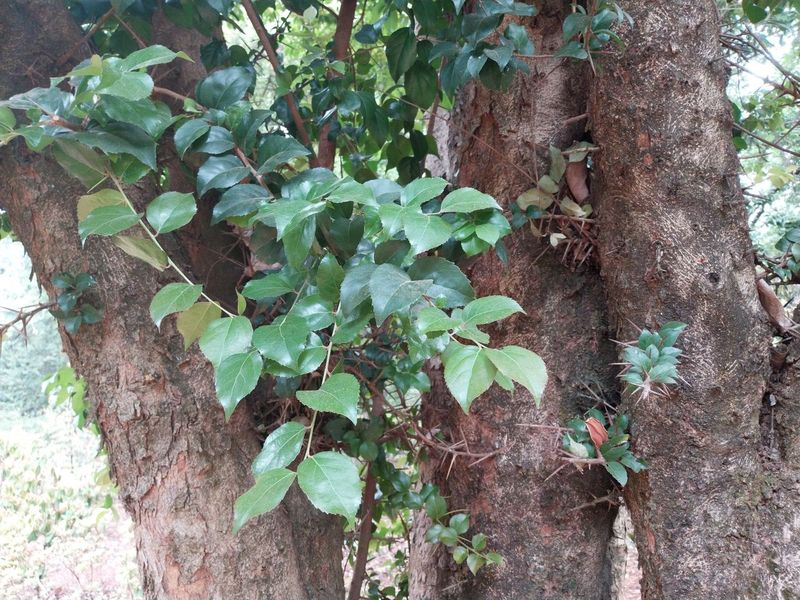
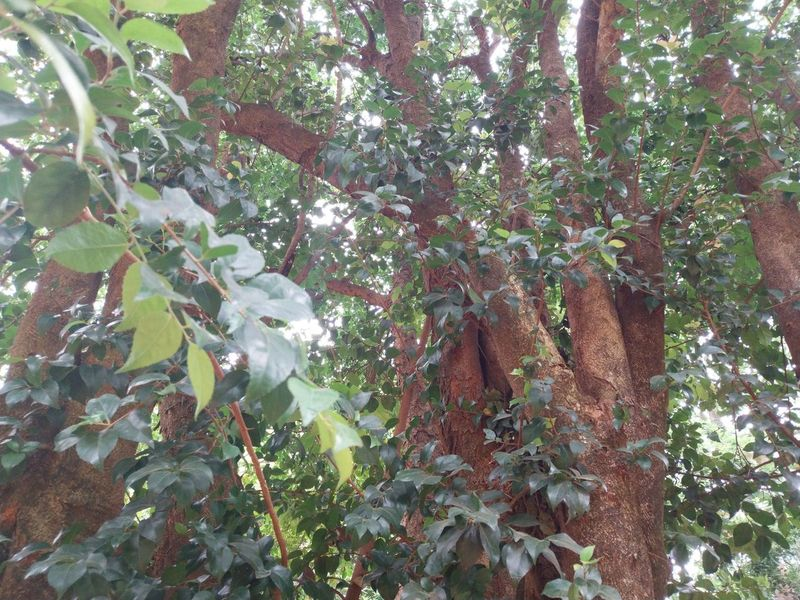
It’s very easy to get a fixed idea of what you think a particular group of plants ‘ought’ to look like, based on those that are most familiar to you from where you live. But exploring a good botanic garden always reveals surprises, as far as plant families are concerned. Willows (or osiers) provided me with a great example recently. Based on those that I am familiar with, I thought I had a pretty good idea of what to expect from the family Salicaceae, which includes not just willows (Salix spp.) but also aspens and poplars.

Then you encounter the trunk of a large tree that’s covered in vicious thorns that remind you of the rose family (Rosaceae) and particularly some species of cherries and plums, such as Blackthorn (Prunus spinosa). But it’s a big tree, larger than expected for that group, and the bark in particular doesn’t look right:

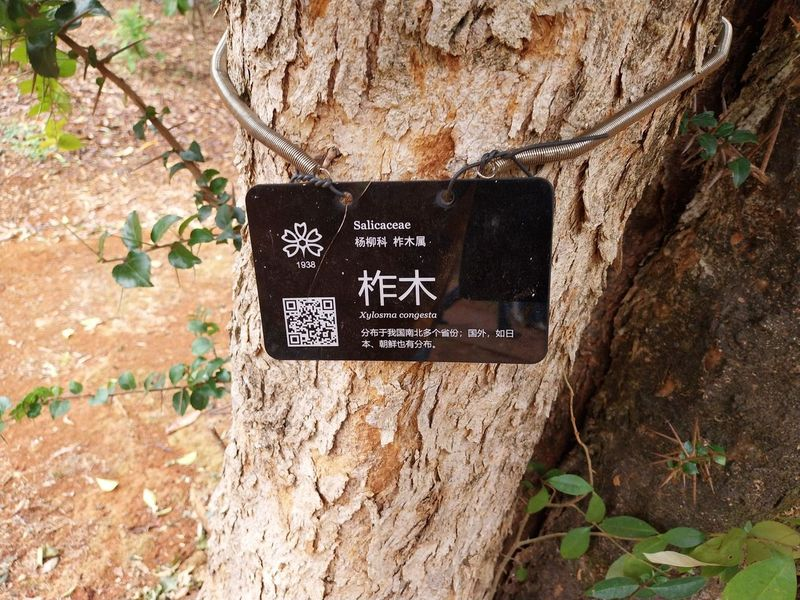
Fortunately, being a botanic garden, there’s a helpful label:

Lo and behold, it’s a member of the willow family! A species of Xylosma, quite a large genus of about 100 species, but not one with which I am familiar.

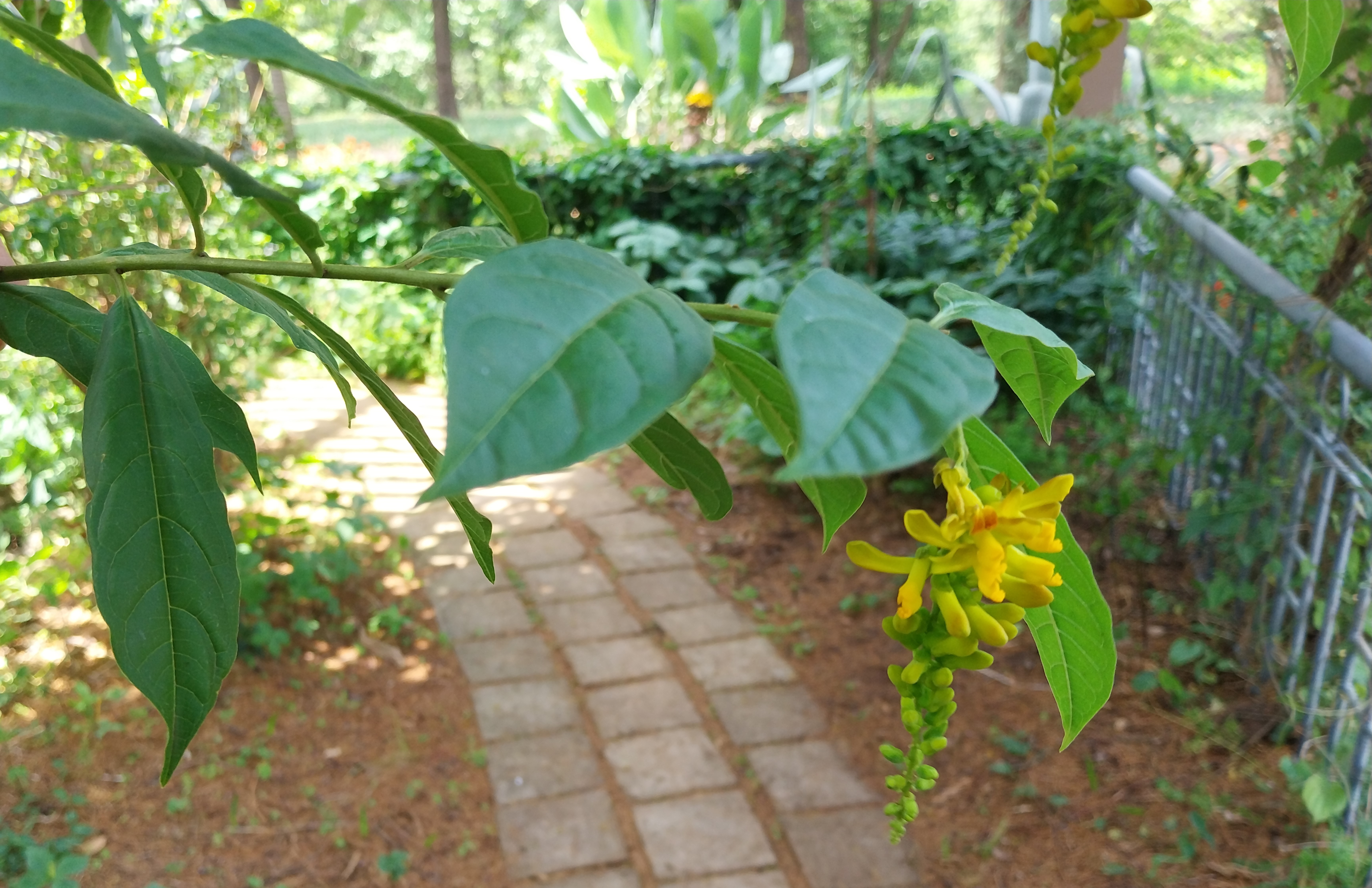
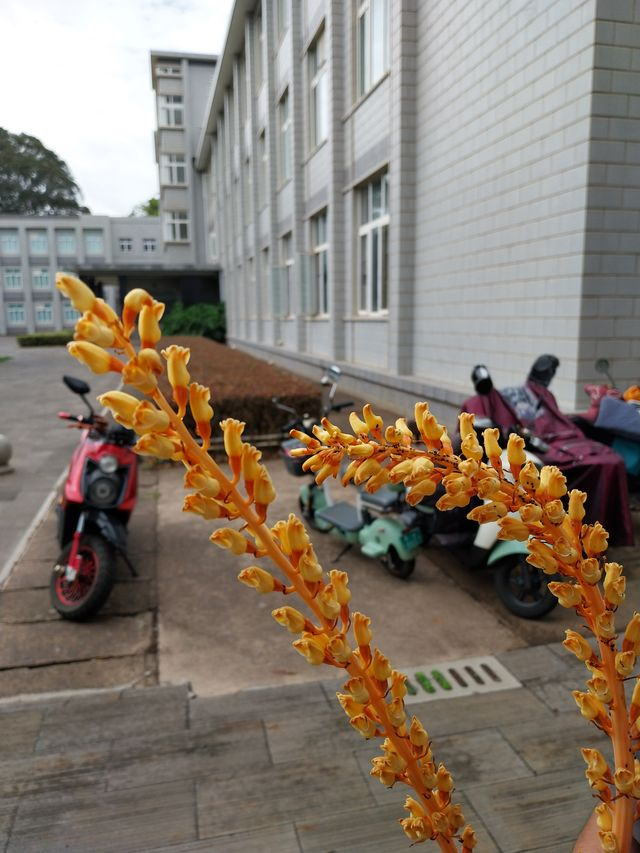
I encountered another example in the Chinese medicinal garden – a species of milkwort (Polygala). The milkworts that are native to Britain are low-growing, herbaceous species, not tall woody shrubs like this P. arillata. The rather legume-like flowers are familiar, but not displayed in these pendant inflorescences, laburnum style:

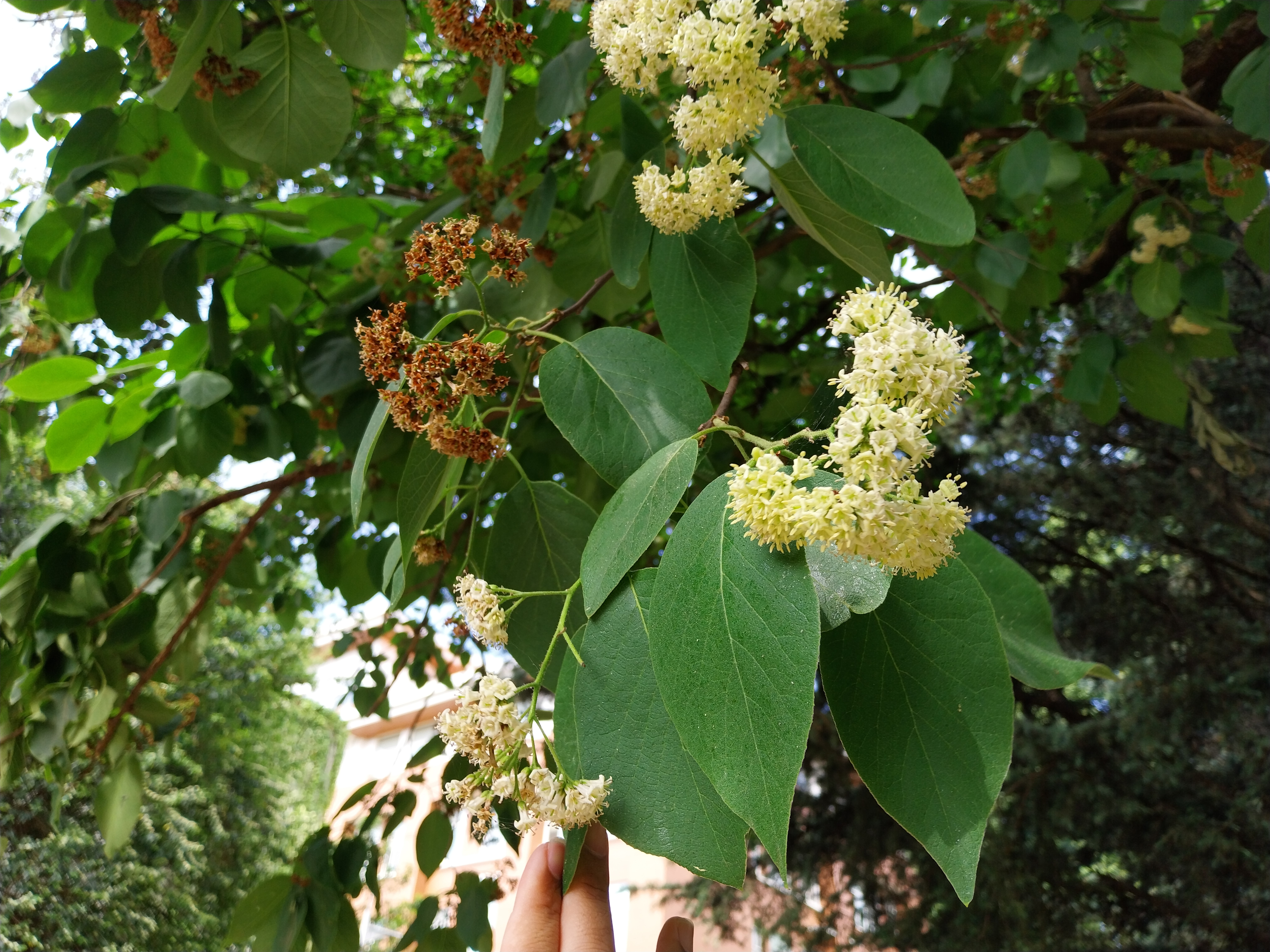
This wasn’t the biggest surprise of my China trip so far, however – how about these clusters of yellow-ish white, highly fragrant flowers, on a large (15 metre) tree? What family could it belong to?

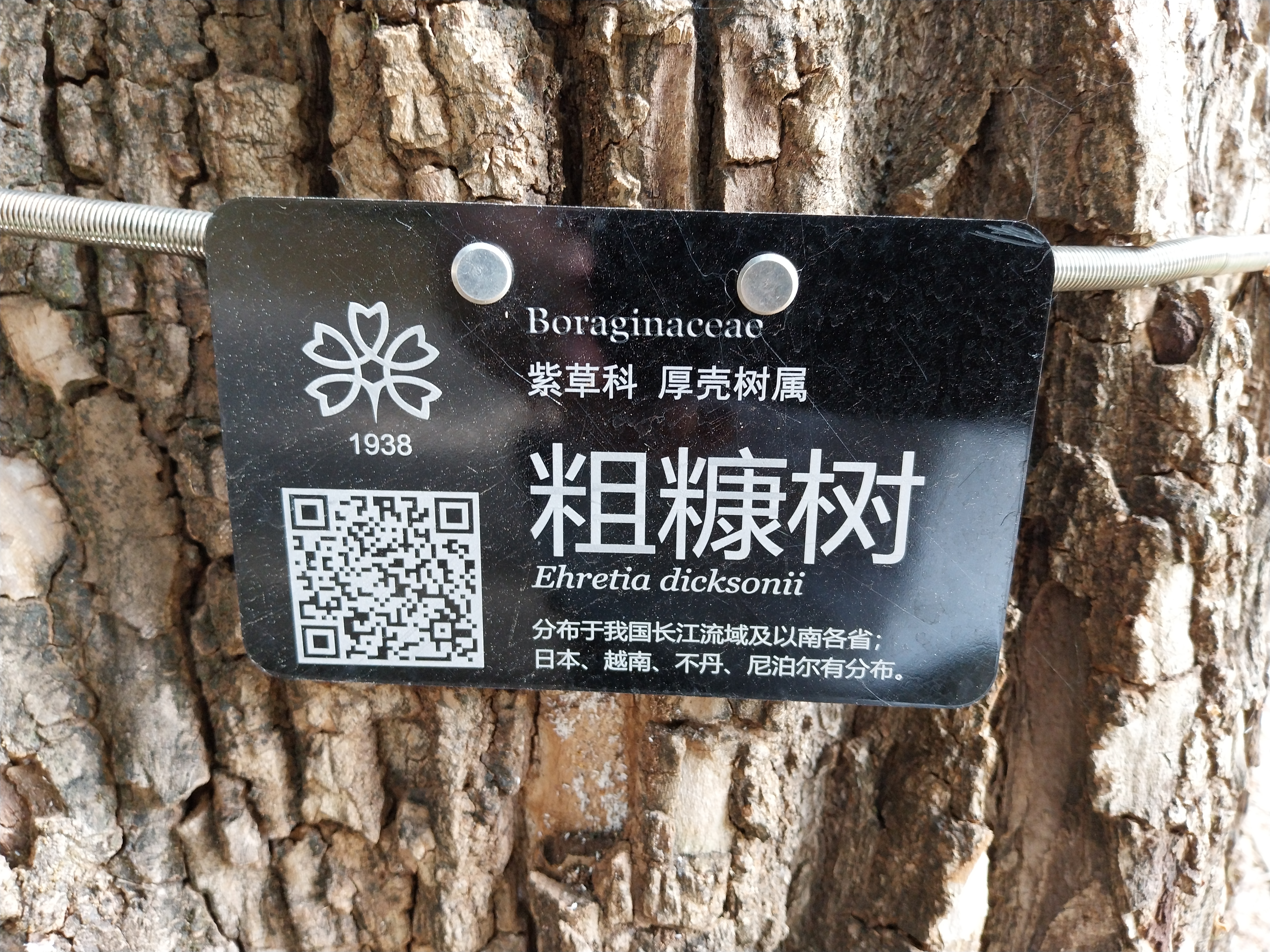
Again, Rosaceae comes to mind, but it turns out that it’s in the borage or forget-me-not family (Boraginaceae):

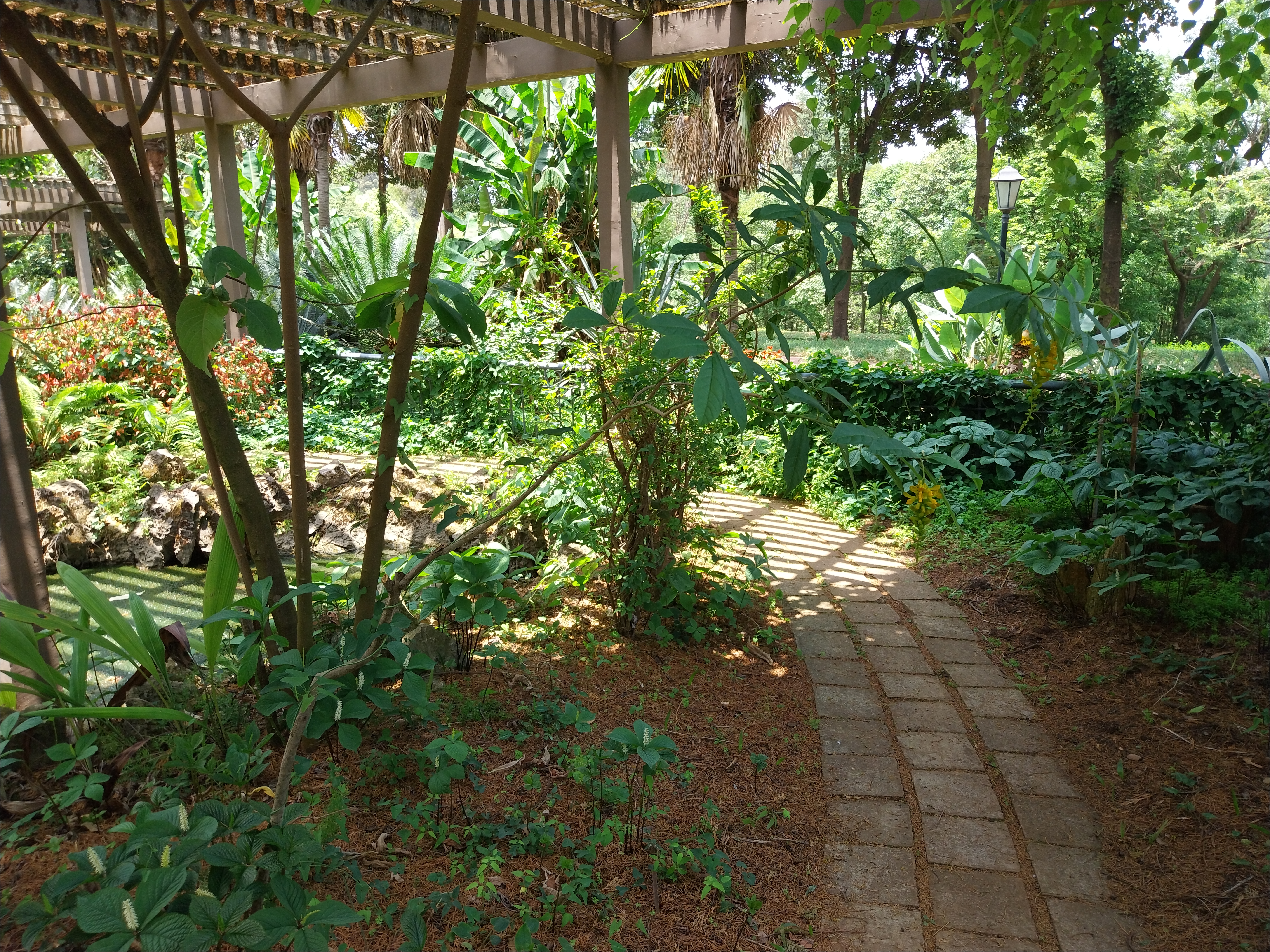
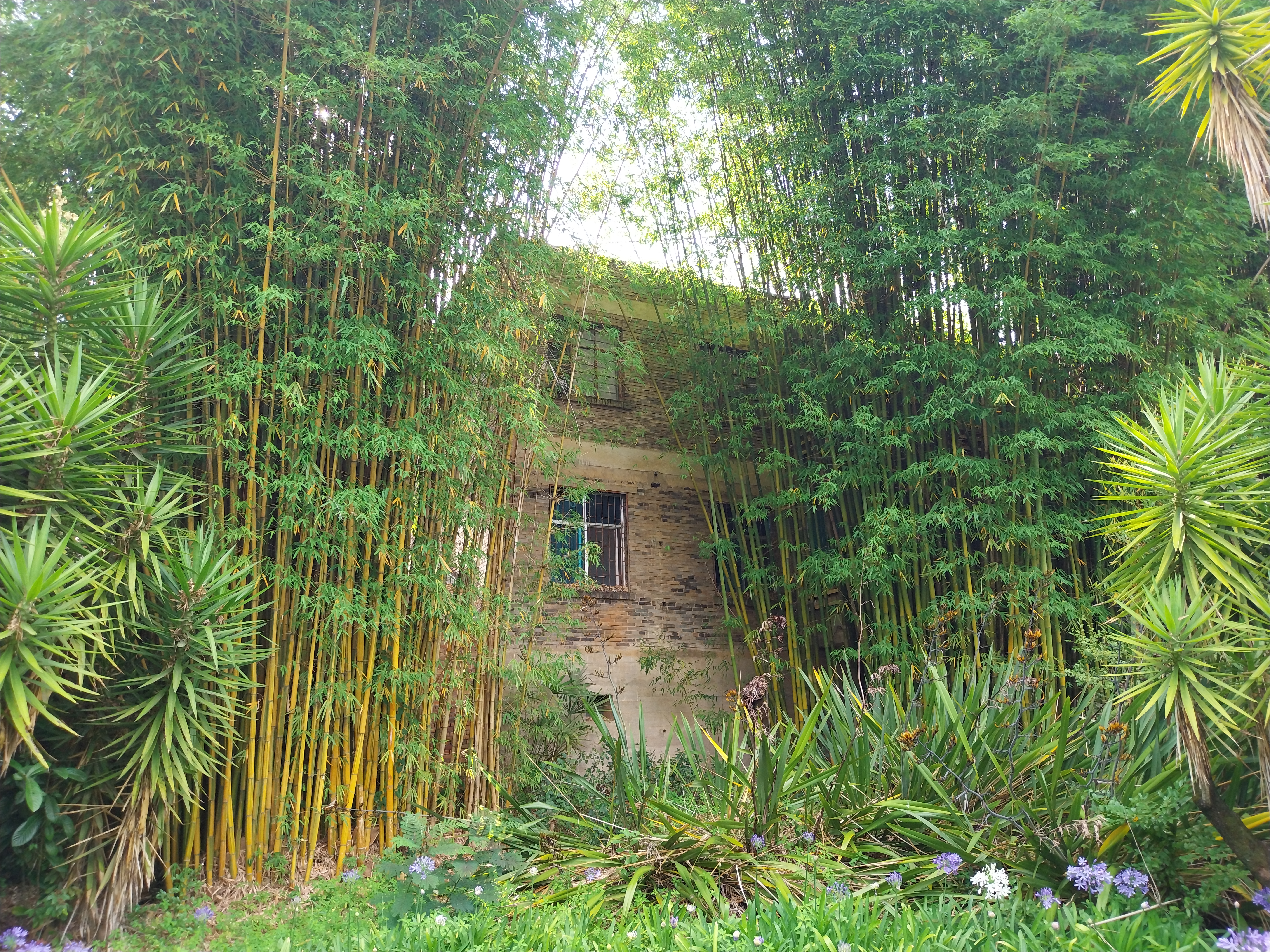
Those last two species are a nice example of a general trends in plant families and genera, which often contain smaller, herbaceous species in cooler, more temperate parts of the world and larger, woody species at lower latitudes in the tropics and subtropics. Bamboos (which are of course woody grasses) are a good example – and we have encountered some spectacular specimens in the garden:

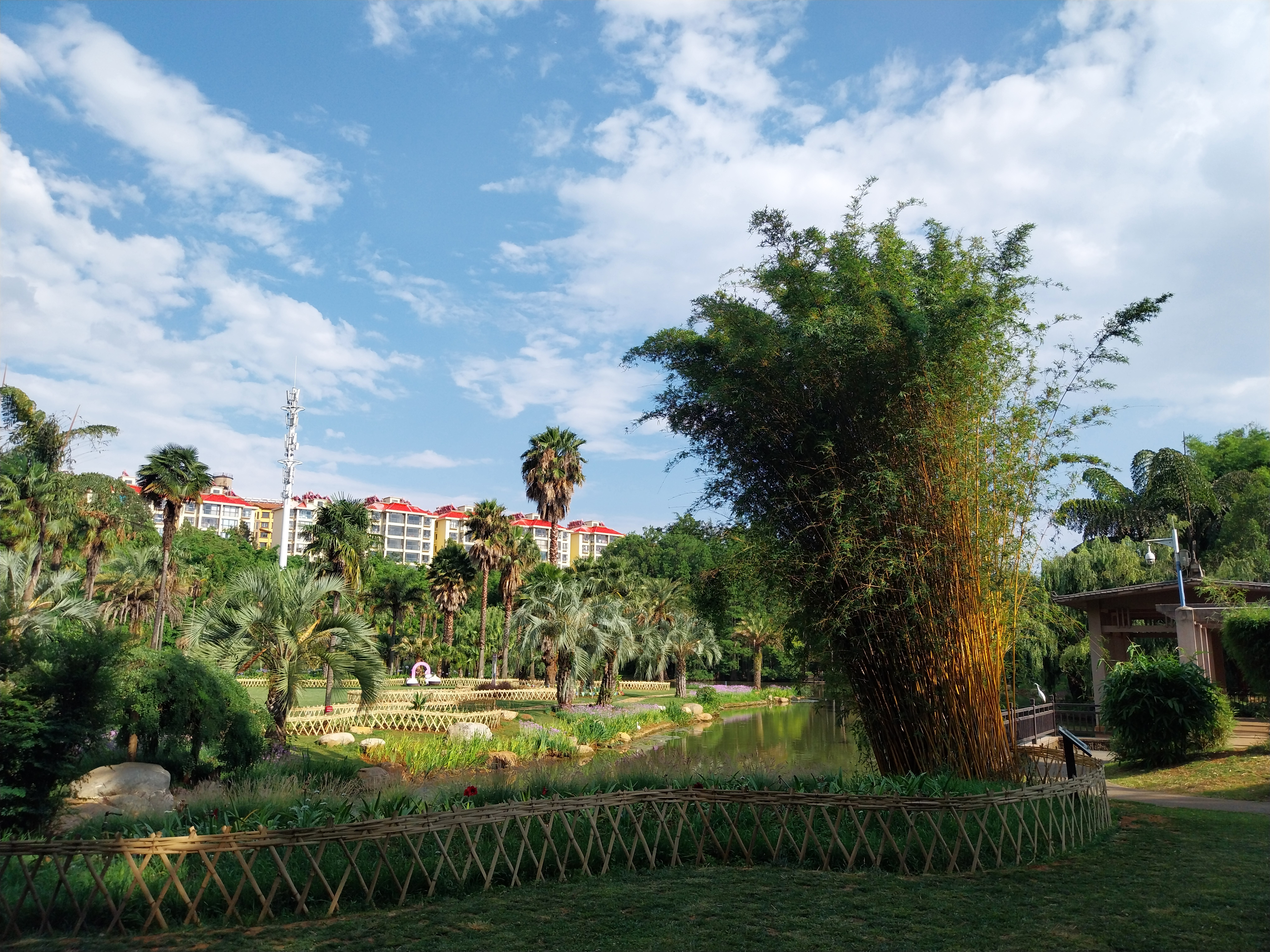
Of course there’s also some familiar species, including birds: how many Little Egrets can you spot in this picture?

Exploring botanic gardens are one of my favourite pastimes, it’s always worthwhile and, in the words of an old blog post of mine, Je ne egret rien.

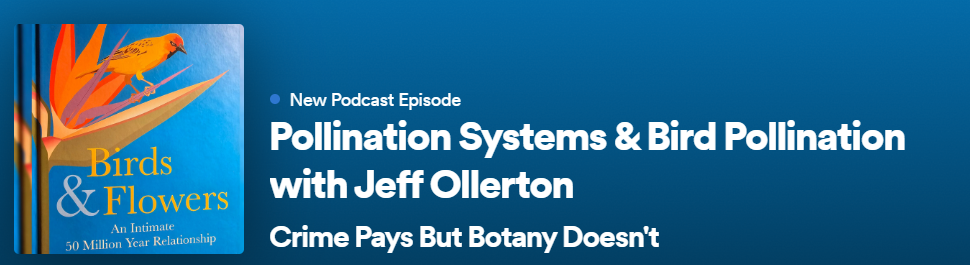
Listen to my interview on the Crime Pays But Botany Doesn’t podcast!

Last week I had the pleasure of chatting for over two hours with Joey Santore for his Crime Pays But Botany Doesn’t podcast series about my two books Plants & Pollinators: Nature and Society and Birds & Flowers: An Intimate 50 Million Year Relationship.

I’m a long-standing fan of his YouTube video channel which Joey describes as “A Low-Brow, Crass Approach to Plant Ecology & Evolution as muttered by a Misanthropic Chicago Italian.”

It was a lot of fun to talk flowers and pollinators with him and although I tried to keep my swearing to a minimum, if you know Joey and his work, you know what you’re in for, so be warned! It’s not for the easily offended.

We had sound issues at a couple of points and note that at 54:20 I made an error, and said “hummingbirds” a couple of times when I meant “sunbirds”. Put it down to a lack of coffee that morning….

Here’s the link:

A doubly-parasitic orchid? – China Diary 5

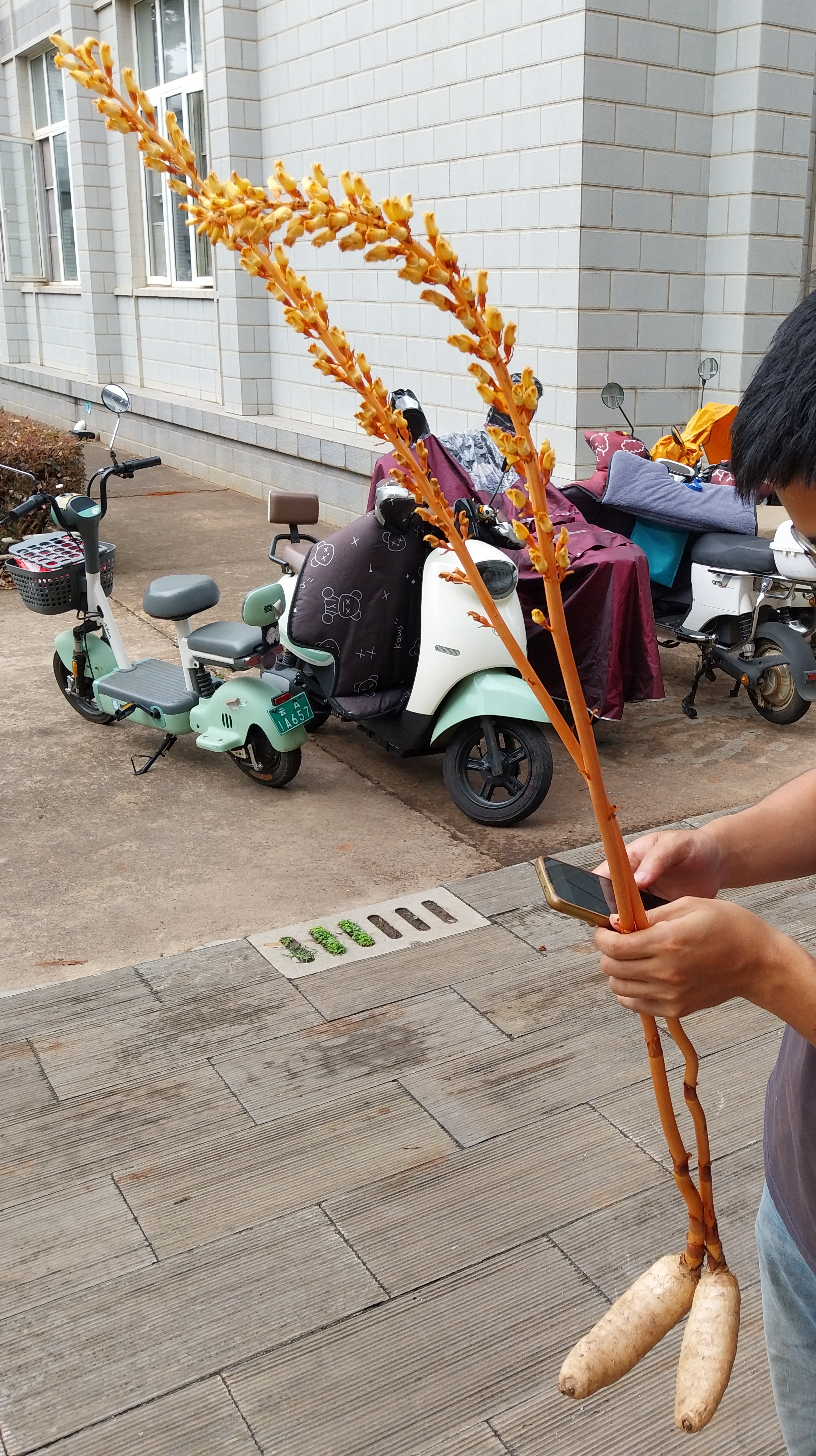
Walking into Kunming Institute of Botany yesterday morning, I passed a young guy who was carrying what I initially thought was a species of Orobanchaceae. I’ve a long-standing interest in the pollination ecology of these intriguing parasitic plants, so I stopped to have a chat. Turns out they were in fact orchids! Specifically, they were specimens of Gastrodia elata, one of the “potato orchids“, so named because those fat tubers are edible. They are widely used in South China – where they are known as Tianma, 天麻 – both as a food and medicinally. The tubers are eaten before the flowers are produced, and originally they were collected from the wild. But in the 1960s a Chinese botanist named Xuan Zhou discovered how to cultivate them and they are now grown in specialist nurseries. A fascinating account of the life of Xuan Zhou – “The Father of Gastrodia” – was published in the journal Plant Diversity last year, shortly after he died.

These orchids do not produce green leaves or stems, therefore they cannot photosynthesise. Instead, they gain all of their energy from a parasitic symbiotic relationship with a fungus – they are what is termed “myco-heterotrophic“. Most myco-heterotrophic plants have evolved from ancestors that were involved in mutualistic mycorrhizal relationships with fungi, in which the plant provides sugars to the fungus in return for mineral nutrients and water. In the case of Gastrodia elata, the fungus concerned is the non-mycorrhizal, wood-rotting Armillaria mellea. In the west we know this as Honey Fungus, a disease of trees and shrubs and the bane of many a gardener. This is also edible, incidentally, but best dried before cooking (and some have an intolerance to it, so take care).

I tweeted the photograph in a short thread just after taking it, and Stewart Nicol pointed me to a study of the orchid’s floral biology and pollination ecology in Japan by Naoto Sugiura. Turns out that, at least in the population which Naoto studied, the plant produces no nectar and deceives its pollinators, which are small bees, into visiting the flowers.

That’s why I’ve used the phrase “doubly-parasitic*” in the title of this post – the plant, it appears, parasitically exploits both the fungus from which it gains energy and the pollinators that ensure its reproduction. It’s (almost, but not quite) the flip side of “double mutualism” in which species provide two benefits for one another, e.g. the same bird is both a pollinator and a seed disperser of a particular plant, a phenomenon that I discussed in my recent book Birds & Flowers: An Intimate 50 Million Year Relationship.

But note the question mark in the title of this post. There’s an enormous amount that we don’t know about these myco-heterotrophic interactions and how they remain stable over the evolutionary history of the plant and the fungus. In order to be considered a parasite, by definition, an organism must have a negative impact on the reproductive fitness of its host. Do these orchids negatively impact either the fungus or the bees that pollinate it? As yet we don’t know. And I was intrigued by this comment from a 2005 review of ‘The evolutionary ecology of myco-heterotrophy‘ by Martin Bidartondo:

“no successful plant lineage would be expected to cheat both mycorrhizal fungi (by failing to provide photosynthates) and deceive insect pollinators (by failing to provide nectar or other rewards) due to the evolutionary instability inherent to specializing on two lineages.”

At first glance it appears that Gastrodia elata is a plant lineage that has done just that, though I’d like to see more work carried out on this system. Specifically, are all populations of the orchid bee pollinated and are all rewardless? And does this orchid really provide no benefit to the fungus, perhaps by synthesising secondary compounds that protect the Armillaria from infection by bacteria or being eaten by invertebrates. So many questions to be answered about this fascinating species interaction!

*With thanks to my wife Karin Blak for inspiring that phrase.

Bumblebee Pollen Citizen Science Project – get involved!

Researchers at the University of East Anglia (UEA) are calling for volunteers to contribute to their investigation of the springtime pollen diets of bumblebees in the UK countryside.

Spring is a critical season for colony-establishing bumblebees, but little is known about what types of pollen they collect at this time. In particular, trees, shrubs, and woodland flowers may make significant contributions to bumblebee pollen diets.

Volunteers are needed from across the UK to collect pollen samples from live bumblebees in April and May this year. These will then be analysed by the researchers to determine their taxonomic composition.

Volunteers can collect as many or as few samples as they like – every contribution will help! For an information pack detailing what is involved, and to receive a registration form, please email Guthrie Allen (BIO – Postgraduate Researcher): G.Allen [at] uea.ac.uk.

Adaptable Elder – and a nice review of my book by Mark Avery!

One of the many things that I love about Common Elder (Sambucus nigra), and which I didn’t have space to properly convey in my article about the species last year, is just how adaptable it is as a species. The tree possesses a lot of what biologists term “phenotypic plasticity“. This is the ability of an organism to flexibly change aspects of its morphology or behaviour or physiology in response to differences in the environment. Plants are especially good at this because, if they find themselves growing in less-than-optimal conditions, they can’t just uproot themselves and leave for pastures new. This is obvious to anyone who has seen a houseplant struggling in a dark corner of a room: the poor plant will etiolate and bend as its yellowing foliage tries to reach the light from a distant window. The same plant grown on a sunny windowsill will be more compact, greener, and healthier.

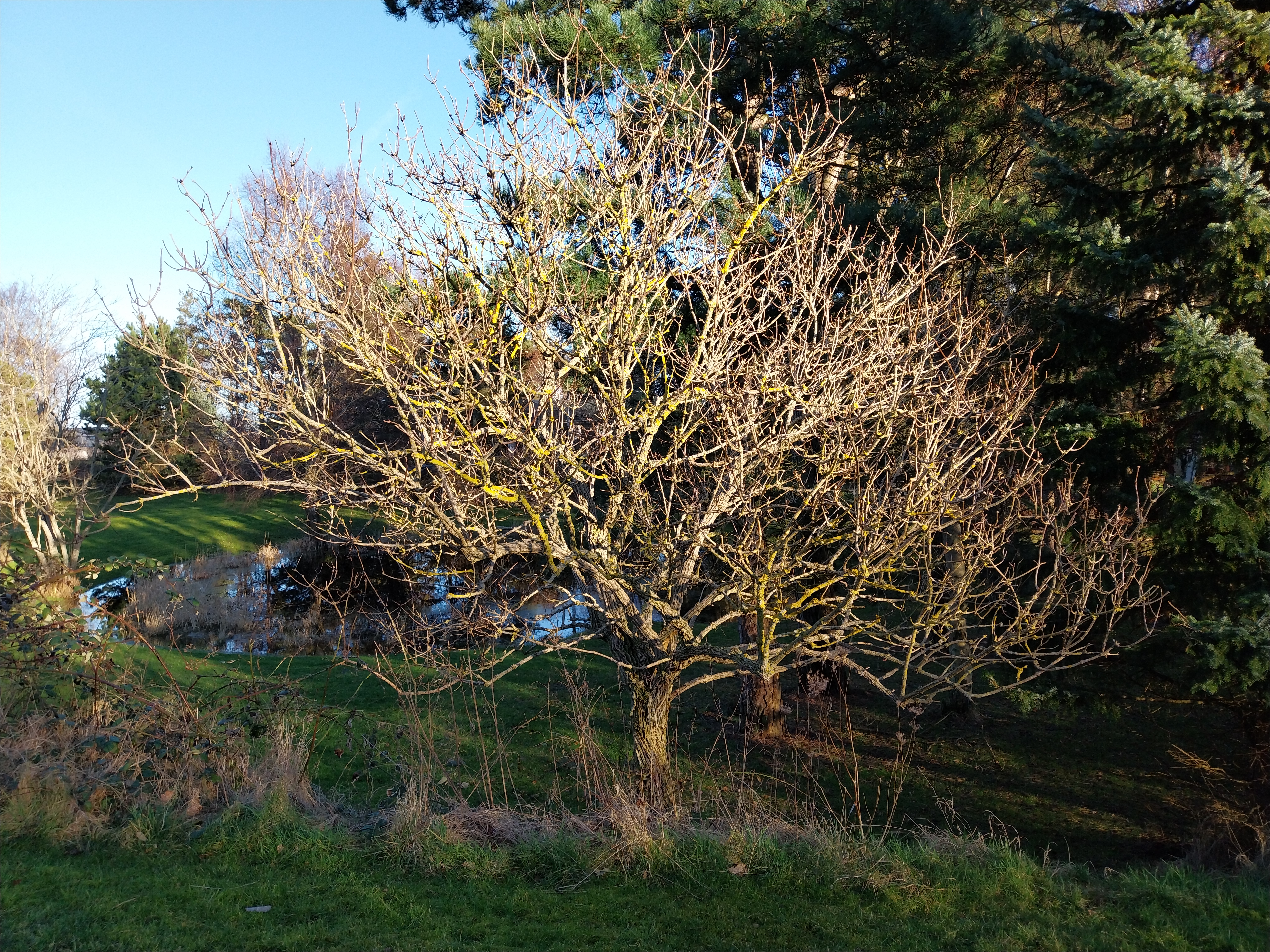
When it comes to Elder, and indeed other trees, winter is often the best time to see this plasticity, when the trunks and boughs are not cloaked in greenery. On a coastal walk at Klintebjerg yesterday, I spotted three rather different phenotypes of Common Elder which nicely illustrate this environmental context dependency.

The first was a wind-tortured tree growing at the base of a low hill, directly in the teeth of the prevailing Kattegat weather, its trunk bent away from the sea and its branches lopsidedly pruned:

The second was a more fortunate specimen, growing in the lee of that same hill and allowed to spread its symmetrical arms, as though waiting to embrace any passing birds. It had clearly never been pruned back by the landowner, who had allowed it to grow as a fine, single-trunked small tree:

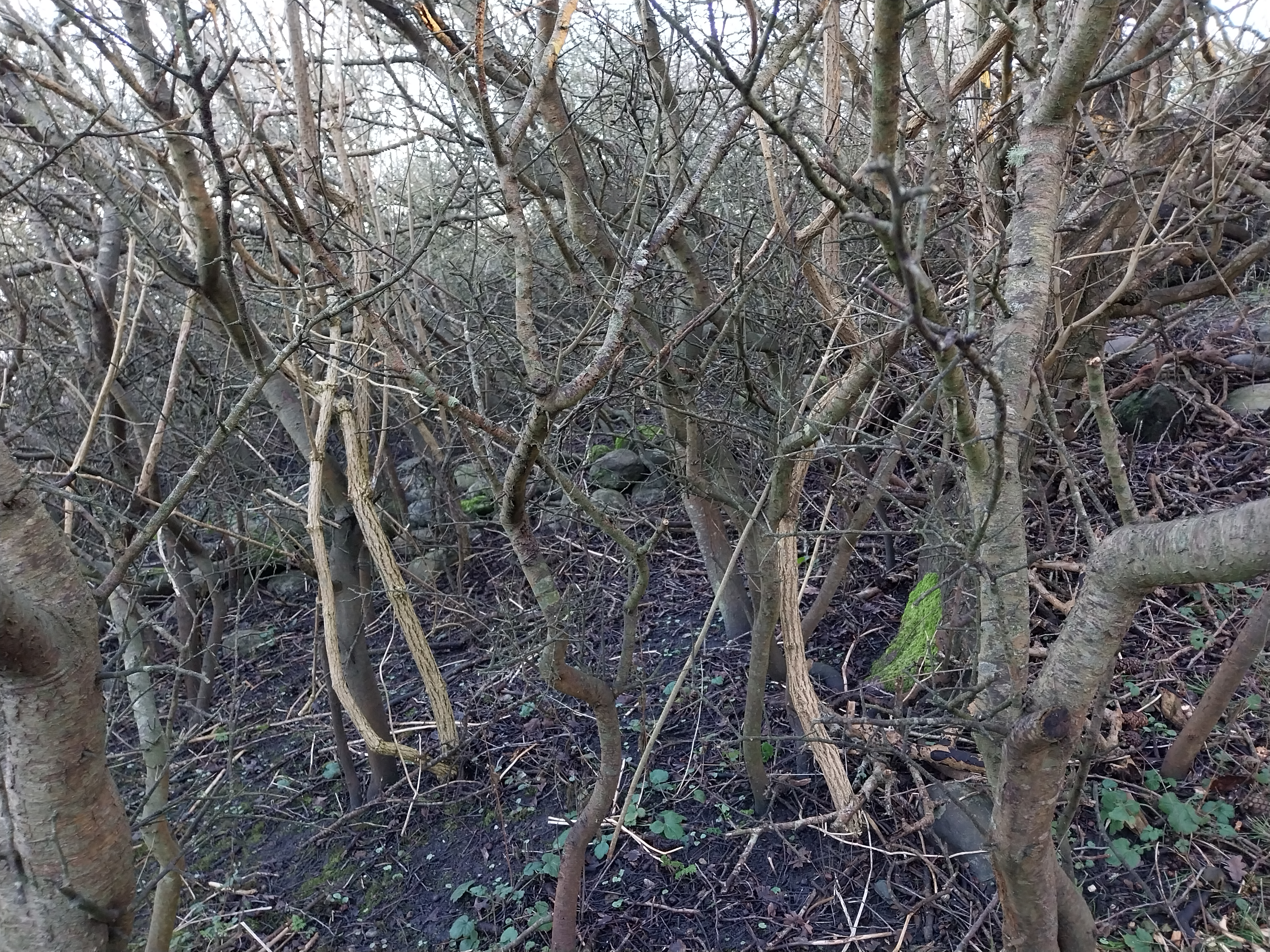
As we walked back down the hill via a narrow path, enclosed and over-topped by a fairy tale canopy of dense, twisted Blackthorn (Prunus spinosa), I spotted another phenotype, different again. I initially thought that they were the stems of a woody climber, perhaps Old Man’s Beard (Clematis vitalba) or European Honeysuckle (Lonicera periclymenum). When I looked closer it was clear that these were Elder, growing narrow and long, using the Blackthorn as support, as they struggled to reach up through the canopy to gain the light:

There were several individuals like this, presumably the result of seed dispersal by birds perched within the Blackthorn. I don’t think that I’ve ever seen Elder growing in quite this way before, but then how often do we get to peer deeply into the secrets hidden within a dense Blackthorn patch?

I had only planned to write about Common Elder today, but I can’t resist mentioning that, over on his blog, ornithologist Mark Avery has written a very nice review of Birds & Flowers: An Intimate 50 Million Year Relationship. He describes my book as having:

…a lightness of touch and tone that should not be taken for lightness of understanding….This is a fine example of a book which is pitched to increase the public understanding of ecology and evolution, and succeeds.

Thank you Mark, that’s very gratifying to read, and I’m glad that you enjoyed it!

Read my author interview and get a 25% discount off ‘Birds & Flowers’, ‘Pollinators & Pollination’ and other books from Pelagic Publishing!

I recently did a short interview with Pelagic Publishing’s marketing person, Sarah Stott, which you can read here: https://pelagicpublishing.com/blogs/news/birds-and-flowers-author-interview.

On that page you can sign up to Pelagic’s newsletter (which I STRONGLY recommend, because they produce some great natural history and science books, and not just mine!) and by doing so you can receive a 25% discount on all orders.

What are you waiting for?

Leveraging Biodiversity Net Gain to address invertebrate declines in England – a new pre-print is available

Back in October I posted about a report I’d written that considered Biodiversity Net Gain (BNG) and what it could mean for pollinators. The report generated some interest and has helped to inform a study by University of Oxford PhD researcher Natalie (Nat) Duffus that has just been posted as a pre-print entitled “Leveraging Biodiversity Net Gain to address invertebrate declines in England” – here’s the link to it: https://ecoevorxiv.org/repository/view/6667/

In this work, Nat has asked a group of us who are interested in this topic to assess the limitations of the current BNG system and how it might be improved to better support invertebrate populations. Please do read the study and comment either on the blog or directly on the pre-print. We’re interested in people’s views on this and whether we have missed anything important.

Here’s the abstract:

Meeting ambitions such as the Global Biodiversity Framework 2030 targets will require multiple conservation mechanisms that benefit the widest possible range of habitats and species. Using England as a case study, here we evaluate the likely impact of a novel and ambitious ecological compensation policy, Biodiversity Net Gain (BNG), on terrestrial insects, spiders, and other arthropods (‘invertebrates’), a functionally important but rapidly declining component of biodiversity. Current implementation of BNG in England sets out to provide a 10% uplift in biodiversity when infrastructure development (such as housebuilding) occurs. However, BNG is a habitat-driven approach, which risks overlooking important considerations relevant to invertebrate conservation, threatens to further reduce the size and quality of their habitats, and may increase habitat fragmentation. BNG – as currently implemented – therefore represents a missed opportunity to use a universally applied policy to benefit invertebrates and other functionally important components of biodiversity. We suggest ways forward to realign BNG with what we know to be crucial for successful invertebrate conservation, and with other policy mechanisms such as the National Pollinator Strategy. This will ensure that appropriate habitats and conditions for invertebrates are retained, enhanced, and created at a landscape scale, and that BNG is optimised to contribute to broader national conservation targets. As biodiversity accounting and offsetting schemes such as BNG are increasingly adopted around the world, the experience of BNG in England provides valuable insights into how ecological compensation programmes could be better designed, implemented, and monitored to ensure that benefits for a wide variety of taxa are achieved.

It’s publication day – “Birds & Flowers” is officially out!

After what seems like a long wait, for me at least, today marks the official publication of Birds & Flowers: An Intimate 50 Million Year Relationship! I received my advance copies on Friday, an event that Karin commemorated with a short unboxing video:

https://www.facebook.com/100000638827245/videos/2177574652581431

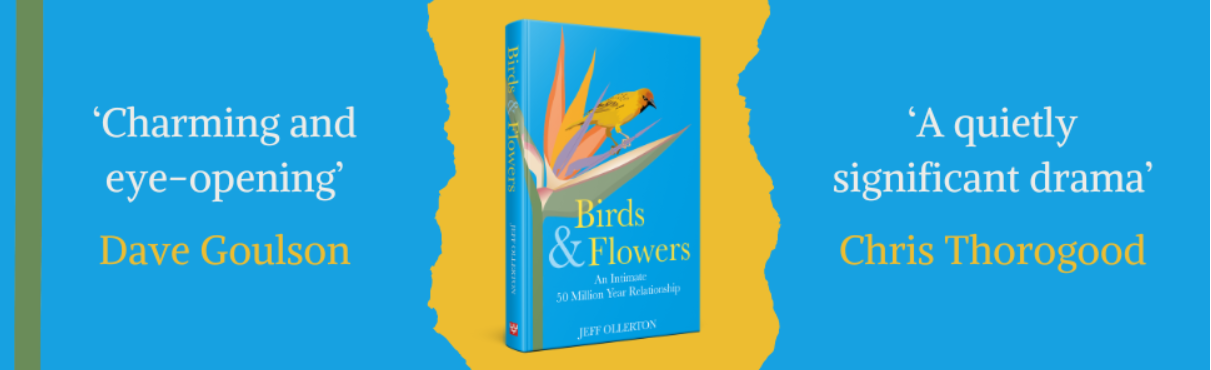
It’s been a long journey from pitching the initial idea to Pelagic Publishing back in early 2021, through the various drafts that have culminated in the finished book. As you can see from the images on this post and the endorsements on the publisher’s web site, Birds & Flowers has so far been warmly received. I hope that future reviews are as positive!

A few people have asked me what’s next. In fact I have definite plans (as in topics, provisional titles, the start of chapter structure, and even some initial writing) for three more books. The next one is actually about half written, but then I have been working at it, on and off, for 30 years! Watch this space for more details…

In the shorter term, Karin and I are returning (permanently) to the UK at the start of March. We’ve enjoyed our time in Denmark, it’s been a fun two and a half years, but we’re missing our immediate family plus we both have some interesting work possibilities to pursue. In mid-April I will be going to China for three months to work with my colleague Zong-Xin Ren at the Kunming Institute of Botany. I’ll be sure to blog about my adventures there!

In the meantime, if you buy my book or borrow it from the library or from a friend, please let me know what you think in the comments section below.

New report on Colorado’s native insect pollinators just published – download a free copy

Yesterday I received an email containing the following press release. I thought it might interest readers of the blog so I am copying it in full with no edits. I had a quick look over the report and it’s amazingly detailed and comprehensive. It’s a shame that the report only covers insects, but that probably reflects my current bias given that my next book, due out in February, is about pollinating birds! Press release follows:

Governor Polis and the Department of Natural Resources Release Pollinator Report

BROOMFIELD – Today, Governor Polis in partnership with The Colorado Department of Natural Resources (DNR), Colorado State University Extension, Xerces Society for Invertebrate Conservation, and University of Colorado Museum of Natural History released the Colorado Native Pollinating Insects Health Study which is the most robust and detailed account of pollinator health ever undertaken in Colorado history. As directed by SB22-199, Native Pollinating Insects Protection Study, sponsored by Senators Sonya Jaquez Lewis and Kevin Priola, and Representatives Cathy Kipp and Meg Froelich, signed by Governor Polis on May 27, 2022, the study assesses the health of Colorado’s native pollinators, evaluates state policies for safeguarding pollinators, and makes recommendations on how to preserve and protect pollinators in Colorado. 
 

“Pollinators play a critical role in Colorado life. From Crested Butte’s beautiful spring meadows to Palisade Peaches and Rocky Ford melons, Colorado’s pollinators sustain our flora and enable many foundational industries in every corner of the state. As our climate changes, we must safeguard the pollinators that generate and regenerate the Colorful Colorado we love,” said Governor Polis 
 

Colorado is home to various native insects and bats whose pollinating services are at the heart of healthy environments and economies. Pollinators are critical to Colorado’s economy and our agricultural production and food systems, and they are essential for flowering plants that support the state’s wildlife ecosystem and add color to Colorado’s beautiful landscapes. 

“Colorado is fortunate to have a tremendous diversity of plants and animals, but pollinating insects are perhaps the least studied but most beneficial for our ecosystems, economy and quality of life,” said Dan Gibbs, Executive Director, Colorado Department of Natural Resources. “I greatly appreciate the time and effort of the study authors who truly did a deep dive into the current state of pollinating insects and state policies and structures. I look forward to working with Colorado legislators and stakeholders in pursuing the best policies to ensure pollinating insect protection and long-term health.”
 

Colorado is home to over 1,000 species of bees—nearly 30% of North America’s and approximately 5% of the world’s bee species—and nearly 300 species of butterflies, representing over 40% of the diversity of butterflies in North America north of Mexico, some of which are already listed under the federal Endangered Species Act. This report underscores the importance of the Polis administration’s goals to tackle Colorado’s greenhouse gas emissions, prepare industries for the impending effects of climate change, and create more sustainable living in Colorado for pollinator populations. 
 

“Our ecosystems rely on pollinators, which is why I’ve championed measures that limit toxic chemicals from harming pollinators and put forth a statewide assessment to better understand the problems our pollinators face and identify practices to better sustain them,” said Senator Sonya Jaquez Lewis, D-Longmont. “Today’s report shows that there’s plenty to do moving forward, and I am looking forward to continuing our work to protect pollinators and the ecosystems that are dependent on them.”
 

“I’m excited that we have this report to help us understand the extent of pollinator decline in Colorado. While Colorado ranks fifth nationally for the rate of honey-bee die-offs, we haven’t known as much about native pollinating insects. This threatens our food production, biodiversity and health of our ecosystems,” said Rep. Cathy Kipp, D-Fort Collins. “We created the Native Pollinating Insects Protection Study in 2022 to identify ways to better protect and support the native Colorado pollinators, like different bee species, butterflies, and moths, that are also essential to maintaining a healthy environment. These findings will help direct future legislation to create a safer environment for our pollinators, protect our food supply and support biodiversity.”
 

Promoting policies that benefit native pollinating insects represents an opportunity to foster healthy and sustainable pollinator populations, especially in agricultural and urban habitats. This includes enhancing pollinator-friendly native plantings along I-76 following its designation as a Colorado Pollinator Highway by the Colorado Department of Transportation and other existing state plans such as the state’s Natural Areas Program, and Wildlife Action Plan among others. 

“Working on the Pollinator Health Study has been an amazing opportunity to collaborate with so many locally, nationally, and internationally recognized experts in the field of pollinator conservation. In addition to the immense amount of information within the report, this study highlights the importance of collaboration between scientists and land management agencies to bring together the many facets needed for conserving native pollinating insects,” said Deryn Davidson, Sustainable Landscape State Specialist, Colorado State University Extension. “Having the existing research on Colorado pollinators paired with recommended land management practices in one, comprehensive document is an incredible tool for policy makers, land managers, and really anyone interested in actionable steps for pollinator conservation.”

Areas of immediate action and priorities highlighted by the Pollinator Report include:
 

  • Priority 1: Protect imperiled native pollinating insects.
  • Priority 2: Protect, restore, and connect pollinator habitats.
  • Priority 3: Mitigate environmental changes that negatively impact pollinators and their habitats.
  • Priority 4: Reduce the risks from pesticides to pollinating insects.
  • Priority 5: Monitor and support native and managed pollinator health.

Governor Polis announced his annual budget proposal on November 1, focusing on ensuring Colorado is more affordable, sustainable, and liveable. The Governor included $100,000  to support education and incentives to encourage the use of pesticide alternatives in agricultural production and residential or commercial landscaping. On May 17, 2023, Governor Polis signed Neonic Pesticides as Limited-Use Pesticides, sponsored by Senators Kevin Priola and Sonya Jaquez Lewis and Representatives Kyle Brown and Cathy Kipp, which protects pollinators from harmful toxins. 

Want to keep up with what’s going on in nature conservation and biodiversity? Subscribe to Mike Shanahan’s ‘Nature Beat’!

The world of nature conservation is fast moving and complex. New opportunities for wildlife and threats to biodiversity seem to arrive almost daily, there are regular high-level meetings focused on conventions and policies, and an endless stream of scientific research being published in the world’s journals. Keeping up with all of this is impossible; trying to keep up with it is exhausting.

For this reason I’ve recently subscribed to Mike Shanahan’s newsletter The Nature Beat on Substack. Mike’s a writer with a background in science research. His PhD was on fig ecology and he wrote an excellent book about the ecological and cultural importance of these fascinating trees called Ladders to Heaven which was one of my five book choices on the Shepherd site.

The Nature Beat is described by Mike as being:

primarily aimed at journalists covering topics such as biodiversity, conservation, wildlife trade, ecological restoration and so on. Of course, non-journalists may also find it useful.

As a non-journalist trying to keep abreast of what’s happening in this complex and rapidly evolving arena, I find it extremely useful! For the past couple of months I’ve opted for the free subscription, but from today I’m going to pay. The kind of insights and expertise that Mike brings to his newsletter are invaluable for anyone interested in how our world is changing, for the worse and for the better. Please subscribe and if you find the content useful, and can afford it, consider upgrading to the paid version.