Category Archives: Urban biodiversity

Join me at the Wildlife Gardening Virtual Symposium 14th January 2026 – Registration Now Open!

At a time when the UK’s wildlife is under increasing pressure, the everyday spaces we manage—especially gardens—are becoming ever more important. Although interest in wildlife-friendly gardening has grown enormously in recent years, the evidence behind different approaches is not always clear. Well-meaning interventions can be highly effective, but some can miss the mark without a grounding in sound ecological knowledge.

That’s exactly why the Wildlife Gardening Virtual Symposium has become such a valuable annual event. It brings together researchers, practitioners, and anyone involved in managing green spaces to explore what the science is actually telling us about creating gardens that support biodiversity.

This year’s programme, chaired by Hafsah Hafeji of the Wildlife Gardening Forum, features four invited talks covering ponds, pollinators, fungi, and urban mammals, along with an update on emerging policies and projects shaping the wildlife-gardening landscape.

2026 Speaker Programme

  • Fragments of Paradise: Garden Ponds as Wildlife Habitat
    Dr Mike Jeffries – Northumbria University
  • Gardening for Pollinators: It’s About More Than Just Flowers!
    Prof Jeff Ollerton – University of Northampton & Kunming Institute of Botany
  • How Fungi Make Gardens Flourish
    Dr Jassy Drakulic – Royal Horticultural Society
  • Recording Wild Mammals in Urban Spaces: A Multidecadal Study
    David Wembridge – People’s Trust for Endangered Species

Whether you’re involved in ecology, horticulture, landscaping, consultancy, education, or simply interested in the future of wildlife in our gardens, the symposium offers a concise way to catch up on current evidence and emerging thinking.

Reserve your place here: https://www.eventbrite.co.uk/e/wildlife-gardening-virtual-symposium-2026-tickets-1419239717199

Book review: “Urban Plants” by Trevor Dines

Earlier this year I received an unexpected invitation from Bloomsbury Publishing to attend a book launch at Philip Mould’s gallery in London. Looking at the details I immediately said yes, because it combined three of my passions: natural history, art, and books! Not only that, but the topic of the book was one very close to my heart – the wildlife of our towns and cities.

Urban Plants is the latest addition to Bloomsbury’s British Wildlife Collection, a stunningly produced series that has set a new benchmark for natural history literature in this country. The author, Trevor Dines, formerly worked for the charity Plantlife, and is a real authority on urban botany. My expectations for this book were very high! So on the day of the book launch, Karin and I trundled down to the capital and spent part of the day at the National Gallery where, among other things, we enjoyed an exhibition by José María Velasco. As well as being a superb documenter of the 19th century landscapes of Mexico, Velasco was also profoundly interested in botany. We’d not planned it that way, but it was a nice coincidence.

The book launch itself was well attended and I found myself catching up with a few familiar faces from the world of British wildlife, and Trevor (whom I’d corresponded with but never met) treated us to a short reading:

I took the opportunity to buy a copy, had a quick chat with Trevor, who kindly signed the book, and then we headed back to catch a train.

So what do I think of Urban Plants?

It’s actually hard to praise the book too much without sounding unnecessarily gushy! But it really is one of the best books that I’ve read for a long time. In part that’s because it stirs deep emotions of me as a child, taking my first faltering steps into the world of natural history on the bomb sites and post-industrial landscapes of my native Sunderland. But it’s more than that: the author writes with elegance and authority on a topic about which he’s deeply passionate, and this comes through on every one of the amply illustrated pages. Trevor should be congratulated on producing a book that will be the go-to reference on the topic for many years to come.

And an important topic it is too: there’s no doubt naturalists who will sneer at the idea of urban botany, but (as the author points out) for many people in this country, the plants that they see every day in their home towns are almost their only connection to wildlife. For that reason alone it’s a subject to be taken seriously, and if a book like this can inspire more people to take a closer look at the plants with which we share our streets, roofs and walls, so much the better.

So do yourself a favour and take a walk with Trevor through the complex ecology and botany of built-up British landscapes. I learned a lot from Urban Plants and I highly recommend it as an addition to anyone’s Christmas list.

(Bee) Sex in the city: a new study shows how urban life skews pollinator populations

Bees are among the most important pollinators in the natural world, quietly sustaining ecosystems and food production. While honeybees often steal the spotlight, a vast number of solitary and primitively eusocial bees play equally vital roles. But across both urban and natural landscapes, many of these species are facing worrying declines.

As cities expand, they’re increasingly being seen not just as threats to biodiversity, but as potential refuges for pollinators. Yet urban environments are very different from natural ones. The heat generated by buildings and concrete – known as the urban heat island effect – and the way green spaces are managed (often with little consideration for flowering plants) could be affecting bees in ways we’re only beginning to understand.

As part of a recent study led by my former PhD student Muzafar Sirohi, we explored how urban conditions might be influencing the timing of bee emergence and the sex ratios of different species. This work formed part of Muzafar’s PhD research, and I was pleased to be part of the team that supported and collaborated on the project.

We found that several solitary bee species were producing females before males – a reversal of the more typical pattern known as ‘protandry’, where males emerge first. Most bees in the families Apidae and Megachilidae did follow the usual male-first pattern, but there were some interesting exceptions, including Nomada marshamella and Nomada fabriciana. Soil-nesting species also showed a lot of variation in emergence timing, likely influenced by microclimatic differences in urban soils.

When we looked at overall sex ratios, patterns varied across bee families. In Halictidae, females were more common, whereas Apidae and Megachilidae were skewed towards males. Interestingly, the Colletidae family showed no strong bias either way. However, in five species from the Andrenidae and Halictidae families, we saw a clear difference between urban and natural environments: urban populations had a higher proportion of males.

This could suggest that urban habitats – especially those with limited floral resources due to mowing, paving, or the removal of wild plants – may not be supporting as many female bees. Since females are the ones responsible for nest-building and potentially pollination, as they visit more flowers, this imbalance could have long-term effects on bee populations and the pollination services they provide.

Our study adds to the growing body of evidence that urban environments can support pollinators – but only if managed thoughtfully. Cities need more than just green space: they need flowering plants, nesting habitats, and careful planning that recognises the delicate balance of bee ecology. With the right actions, we can make urban areas part of the solution to pollinator decline.

Here’s the reference with a link to the study:

Sirohi, M.H., Jackson, J. & Ollerton, J. (2025) Sex ratios and sex-biased emergence of solitary and primitively eusocial bees in urban settings and nature conservation areas. Ethology Ecology & Evolution (in press)

Here’s the abstract:

Solitary and primitively eusocial bees are essential pollinators of plants. However, recent observations indicate a decline in their populations in both urban and natural environments. Urban areas are increasingly recognized as potential habitats for bee conservation. Nonetheless, these urban habitats can influence the taxonomic and functional diversity of bee populations. Therefore, we hypothesize that the distinctive warmer climate of urban areas – resulting from the urban heat island effect – along with the potential scarcity of floral resources, contributes to shifts in emergence patterns and the sex ratio of solitary and primitively eusocial bees. We found that many solitary bee species produced females before males. Additionally, most species within the Apidae family were recorded as protandrous, with the exceptions of Nomada marshamella and Nomada fabriciana. All species of Megachilidae were found to be protandrous. We also observed significant variation in the emergence patterns of soil-nesting species. Notably, we did not find any relationship between sociality and nesting preferences in relation to sex-biased emergence. The overall sex ratio varied among different bee species and families. In Halictidae family, sex ratios were biased towards females, while the Apidae and Megachilidae families exhibited a skewed ratio towards males. The sex ratio in the Colletidae family did not show any significant difference. However, among the Andrenidae and Halictidae families, we identified five species with significantly different sex ratios between urban and nature areas, with a higher proportion of males observed in urban sites. This suggests that these species may have been affected by limited food resources, potentially due to urban management practices such as the removal of floral resources. This could lead to increased competition for resources among the species.

A new study shows how garden flowers keep city pollinators flying all year round

When we think of cities, gardens might not be the first thing that comes to mind. But these green patches — whether in private yards, parks, or balconies — play a surprisingly important role in supporting urban wildlife. Among their most crucial guests? Pollinators like bees, butterflies, and even birds and bats.

In a new study just published, I teamed up with some Brazilian colleagues to explore how the different features of garden flowers help sustain pollinators throughout the year in a subtropical urban garden. While we’ve long known that garden flowers provide food for pollinators, what’s less clear is how specific floral traits — like shape, flowering time, and type of nectar or pollen — influence who visits which plants and when.

To get a clearer picture, we conducted weekly surveys of pollinators visiting garden flowers over the course of a year. We paid close attention to traits such as the depth of flower, the kind of resources offered (nectar vs. pollen), how closely related different plants were, and when they flowered.

What we found was striking: the network of interactions between flowers and pollinators was highly organized. Plants grouped into clusters, or “modules,” that tended to share similar physical traits and evolutionary histories — but interestingly, not the same flowering times. This meant that within each module, different plants flowered at different times of year, effectively staggering their blooms so that there was always something on offer for pollinators.

Even more intriguing was the discovery that most plants had just a few connections in the network, usually restricted to a single module. These “peripheral” plants accounted for over 85% of all pollinator visits. Meanwhile, a few special species acted as bridges between modules — their role in linking different parts of the network made them key to its stability. These connector species didn’t flower at the same time, which helped to maintain a steady supply of food for pollinators across seasons.

Not all interactions between plants and pollinators are “legitimate” in the sense of leading to pollination. Some animals visit flowers just for the food, without helping with reproduction. But our study found that these interactions still played a valuable role in supporting a diverse pollinator community.

So what does all this mean for urban gardeners and city planners?

First, it highlights how important it is to plant a variety of flowers that bloom at different times of year. Second, it shows that even seemingly minor plants or interactions can contribute to the ecological resilience of urban green spaces. And finally, it underscores that thoughtful planting — considering things like flower shape, blooming schedules, and diversity — can help keep pollinators thriving, even in the heart of the city.

Urban gardens aren’t just pretty — they’re powerful allies in the fight to support biodiversity.

The study was led by Brazilian research student Luis de Sousa Perugini. Here’s the reference with a link to the paper:

de Sousa Perugini, L.G., Jorge, L.R., Ollerton, J., Milaneze‑Gutierre, M.A. & Rech, A.R. (2025) High modularity of plant-pollinator interactions in an urban garden is driven by phenological continuity and flower morphology. Urban Ecosystems 28, 126

Here’s the abstract:

Garden flowers play a vital role in urban environments, supporting pollinator communities. Yet, the extent to which floral traits shape urban pollination networks remains poorly understood. This study investigated how garden plants shape year-round pollination networks, sampled in weekly surveys in an urban subtropical garden. We focused on the role of floral morphology (corolla depth), type of resource, relatedness, and phenology in the organization of interactions. We determined whether modularity and species roles were influenced by these floral traits, comparing if legitimate pollination, illegitimate (i.e. non-pollinating) interactions and all interactions had similar drivers. All networks were modular, and in the overall network plants within the same module were morphologically and phylogenetically similar while their phenology was significantly overdispersed throughout the year. Peripheral species, those with few interactions and restricted to a single module, dominated all networks, representing over 85% of interactions. We found that phenology was related to the species role of overall network connectors (species that connect modules) and legitimate module hubs (species that connect their own modules). Both showed no overlap in their flowering periods, providing floral resources at different times of the year. Each module functioned as a distinct unit, showing year-round availability of resources to support its pollinators. This suggests that resource continuity and trait-based filtering may shape pollinator assemblages influencing ecological resilience in urban habitats. Even interactions that do not contribute to plant reproduction can sustain a diverse fauna, highlighting the importance of these interactions in urban green space planning and management.

The Black Cats go green, and go up!

It’s impossible to be a native of Sunderland and not to have at least a passing interest in football. If you’ve seen the Netflix series Sunderland ‘Til I Die, you’ll know that in my home town, football is more of a religion than a leisure activity. It’s a passion that extends back to the foundation of Sunderland Association Football Club (SAFC) in 1879, whose nickname is the Black Cats.

Growing up, football was always a topic of discussion in our house. My dad played Sunday League football for many years and my Uncle Gordon Howe was a professional footballer. But to the general disappointment of my family, I’ve never had a deep interest in the sport, though I do keep a watch on how well the team of my birthplace is doing. And as of yesterday they are doing extremely well! The team beat Sheffield United (ironically, one of the teams that Uncle Gordon played for) in a thrilling, close-run match to earn promotion back into the Premier League. I watched it live with friends in a local pub, and there was a great reception to the win, even among customers who had no vested interest in the club.

It brought back memories of the mid-1970s when I attended matches at SAFC’s old Roker Park stadium, buoyed up by the club’s ‘giant killing’ win over Leeds United in the 1973 FA Cup Final. But even after my childhood interest in football waned, replaced by a growing fascination with natural history, home matches were frequently a backdrop to Saturdays. The famous Roker Roar always signaled that the team had scored. That shout echoed across the town and down through the Magnesian Limestone gorge of the River Wear, part of which you can see in the photograph above. Exploring the exposed geology, and the grassland and brownfield habitats of that river valley, is an important reason why I became an ecologist, as I recounted on the blog a decade ago.

The shot was taken in early 1986 and it shows the view from the back of the house in which I grew up. On the south side of the river, you can see cranes and sheds associated with the shipbuilding industry, for hundreds of years one of the two main engines of the local economy. Directly ahead, situated on a promontory, you can see an example of the second engine: Wearmouth Colliery, a 2,000 ft deep coal mine that extended out under the North Sea. The mine employed quite a number of members of my family, including my grandfather and several uncles*, one of whom was killed in the early 1900s after a pit pony kicked him. My dad was also a miner for a time but he worked further up river at the Hylton Colliery, which produced more than its fair share of professional footballers, as well as coal.

In 1993 Wearmouth Colliery closed and the site was quickly cleared – see this amazing set of photos that was taken at the time. Four years later, SAFC closed Roker Park and moved to a new purpose-built stadium on the colliery site. They called it The Stadium of Light, a name that honours the ‘miners at Wearmouth Colliery [who] carried with them a Davy lamp as part of their working lives’. Here’s a shot of the stadium perched above the river, taken by my good friend Mark:

Not only have Sunderland gone up, they have also gone green, with a commitment to be carbon neutral and generate their own power from solar installations (though that scheme has attracted some controversy). They are also making the team’s kit from recycled plastic bottles and looking at more environmentally friendly ways of dealing with match day waste – see this press release on their ‘Ready Eco’ initiative. There’s also a plan to tap into the geothermal potential of the mine to heat local houses, though that has been delayed, unless anyone has more recent news on the scheme?

Biodiversity, always the Cinderella of environmental mission statements, is missing from that initiative, which is a shame because the stadium lies adjacent to some very interesting habitats. To the left of the stadium, on the steep slopes of the gorge, you can see patches of Magnesian Limestone Grassland, a relatively rare plant community that is virtually confined to the North East of England.

This minor gripe aside, it’s great to see Sunderland being promoted and taking a lead in thinking about how football as the national sport has an environmental impact. It makes me even prouder of my home town.

*When I was researching this post I came across the following article from the local newspaper. It mentions my Uncle Walter Ollerton who earned a safety badge that is still in my possession. At the outbreak of World War 2 he enlisted and fought in the Far East, where he was captured by the Japanese and held in a prisoner of war camp. After his release he returned to his job as a miner in Sunderland, but his health was never the same:

Mindful Mow May!

As April comes to a close, many people with gardens will be considering having a No Mow May in which, to quote Plantlife, you ‘pack away the lawnmower, let wildflowers grow freely and help nature’. On the face of it this is a positive thing and (hopefully) it gets people thinking a bit more about the impact of gardening practices on wildlife. However, I do worry that its message is too simplistic, as I’ll explain in the rest of this post. Let me say at the outset that I’m using the word ‘mindful’ in its sense of ‘paying attention to’, rather than in relation to mental health mindfulness. Though there are certainly connections between lawns and both meanings of this word, for example mindfully watching pollinators in your garden.

I’ve previously written about the garden that Karin and I developed in Northampton, including a ‘defence’ of its lawn. During the lockdown spring and summer of 2020, when I coordinated a loose consortium of scientists to collect standardised data on the flowers and pollinators in their own garden, our lawn was one of the areas that I surveyed. In that year, as every year, we had no intention of not mowing the lawn, but of mowing it in a mindful way that left some flowering patches of the main nectar sources: Dandelion (Taraxacum officinale), White Clover (Trifolium repens), and Daisy (Bellis perennis). It also allowed a patch of Common Ragwort (Jacobaea vulgaris), and the Cinnabar Moths (Tyria jacobaeae) that depend on it, to come back year after year.

In the graph below you can see the nectar production of dandelions, clovers and daisies over the course of the late spring to late summer. For each species, I have multiplied the number of flower heads I counted by the average amount of nectar sugar per flower head from the data collected by the Agriland project. Clover produces 48.97 micrograms of sugar per day, by far the highest amount of the three. Daisy produces the least, just 0.84 micrograms, and dandelion is in the middle with 22.57 micrograms.

Because these species vary in their peak flowering, there’s a continuous supply of nectar in the lawn over this time period and mowing does impact the immediate availability of nectar. Using green shading, I’ve marked the two days when I know for certain the lawn was mown and you can see that there’s an immediate drop in the nectar. Here you can also seen that both dandelions and daisies re-flower quite soon afterwards – it’s not a permanent effect by any means. The same is probably true of clover later in the season, but unfortunately I didn’t record the exact mowing dates.

The important thing to appreciate here is that without mowing, these three species would probably disappear from the lawn because all require that grasses are suppressed in order for them to flourish. Not only that, but most ground-nesting bee species need either very short turf or bare soil in which to nest. And most bees, at least in the UK, are ground-nesting.

The image at the top of this post is from my book Pollinators & Pollination: Nature and Society, and it shows two views of the same grassy, south-facing bank in Kettering, Northamptonshire. I included it because it’s a nice example of the mindful approach to lawn mowing that I am describing: bees are able to nest in the low-cut turf and collect the nectar and pollen from the flowers in the unmown areas. Later in the season that unmown area will be cut. This is referred to as ‘matrix mowing’, which is to say that by cutting some areas and leaving others, you create a matrix of different lawn lengths that has a greater overall benefit than is obtained by either cutting everything at the same time or cutting nothing for a whole month. It’s even better if you have the space to leave some patches unmown for a year or two. That way you create longer grassy areas in which insects can over winter and some bumblebees can nest.

It’s worth mentioning at this point that I know of only one published study that’s assessed the impact on No Mow May on pollinators, and that study was retracted shortly after it appeared. If I’ve missed other studies please do let me know in the comments.

I’ll finish with the Royal Horticultural Society, which was in the news recently with an announcement that it’s collaborated with gardener Monty Don to come up with ‘hard-wearing flower lawn that is good for pollinators, dogs and people’. This is hardly rocket surgery, it’s the sort of diverse, low-input, low maintenance lawn that many of us have been advocating for years, but if it brings these ideas to popular attention, so much the better.

So, consider engaging in Mindful Mow May (and April, and June, and all the other months!) As always, feel free to comment below or get in touch with me via my Contact page.

Project ‘Butterfly’ takes flight in Paris!

At the end of last week I joined researchers from across Europe and beyond who gathered at Norway House on the campus of the Cité Internationale Universitaire de Paris, for the official launch of the EU-funded project ‘Butterfly’. This bold, four-year interdisciplinary initiative is focused on the future of pollinators and the ecosystems that depend on them, and is one of a series of projects that have spun out from the EU’s Pollinators Initiative.

Over two days of lively discussion, the project’s key themes came into focus: the urgent need to restore pollinator populations, the value of integrating ecological and economic data, and the importance of including people—farmers, citizens, policymakers—in shaping practical, long-term solutions to pollinator decline.

Connecting Science and Policy

I arrived in Paris early Wednesday evening to be fresh for the meeting’s opening session the following morning. This set the stage by grounding the project in real-world policy contexts, including the EU Pollinators Initiative and the Nature Restoration Law. These frameworks are increasingly recognising the vital role pollinators play not just in nature, but in the economy and public well-being.

Nine Work Packages, One Mission

Participants got a crash course in the project’s structure through short presentations from each of the nine work packages. These range from ecological modelling and ecosystem valuation to resilience thinking, communication tools, and understanding human relationships with pollinators. A strong emphasis was placed on collaboration—how each work package connects with the others and contributes to the project’s broader vision. For example, one of my roles will be to work closely with Maria Clara Castellanos and her team at the University of Sussex on the integration of the UK-focused Database of Pollinator Interactions (DoPI) and the Global Biotic Interactions (GloBI) platform, to create an online European Atlas of Plant-Pollinator Associations (EuroAPPA). This in turn will feed plant-pollinator data into the modelling and economic valuation tasks in some of the other work packages.

Living Labs and Global Perspectives

One of the most exciting aspects of the Butterfly project is the network of “Living Labs” being established across Europe and the test sites in overseas territories. From Murcia to Martinique, each site represents a unique ecological and cultural landscape with its own pollination challenges. These test sites, some of which are shared with a parallel project called RestPoll, will serve as experimental spaces to co-develop and test strategies for enhancing pollinator resilience in real-world contexts. Another of my roles in the project is to help with the field work on the Caribbean island of Curaçao, where we will be assessing birds and bats as pollinators, as well as insects.

Thematic Sessions and Cross-Pollination

The meeting featured targeted discussion sessions on everything from economic modelling chains and ecosystem indicators to human dimensions like eco-literacy, historical agency, and “slow hope.” Again, one of my contributions will be to the work package dedicated to understanding and reacting to the human dimensions of pollinator decline, where I hope to provide a case study that builds on the work I published almost a decade ago on how the auction prices of holly and mistletoe are a reflection of the work of wild pollinators. In the evening we had a “cross-pollination” networking buffet dinner, themed around pollinator-dependent food crops, that provided an opportunity for participants to mix across disciplines, brainstorm, and spark new collaborations in an informal setting.

Laying the Groundwork for Action

Day two shifted toward practicalities—data sharing, financial management, ethics, and stakeholder engagement—as well as discussions about how Butterfly will connect with other major EU-funded projects, including VALOR, which is Butterfly’s partner and with which we will closely collaborate. Thematic sessions continued to dive deep into topics like mainstreaming pollinator stewardship and developing indicators to track the societal impacts of pollinator loss.

Looking Ahead

The meeting wrapped up with a plenary session with the project’s Advisory Board, reinforcing the importance of external perspectives in guiding the project’s evolution. Dinner that evening was an informal affair (not funded by the project!) at a really wonderful, traditionally French restaurant – Le Temps des Cerises – where service was slow, the food and wine were delicious, and the conversations continued to flow.

For those of us who stayed an extra day, a field visit on Saturday offered a first-hand look at urban pollinator research at the Jardin Écologique within the Jardin des Plantes—a fitting reminder of why this work matters! Here’s some photographs from that trip:

My sincere thanks to all of the colleagues who made the Butterfly kick-off meeting such a success: I look forward to working with you all over the next four years! Particular thanks to Paolo Biella who allowed me to use the photo at the top of the post, of a female mason bee outside our venue. We kept an eye on her during the meeting and I’m pleased to report that she successfully sealed up her nest. May her offspring thrive!

If you’d like to delve deeper into Butterfly’s objectives, here’s the project summary from our funding application:

Butterfly aims to significantly enhance society’s capacity to appraise, foresee, and respond to the threats posed by cascading impacts of pollinator decline. To reach that goal it will establish a test system of geographically well spread multi-actor communities across sectors for co-creating proactive pollinator restoration solutions and: (1) collect, integrate, manage and share ecological and spatial information on a wide range of known and lesser known pollinators and pollination services provided for wild and cultivated plants, across Europe and selected overseas territories; (2) advance the monetary and non-monetary valuation of marketed and not marketed direct and indirect ecosystem functions and services provided by pollinators, and advance ecosystem accounting; (3) comprehensively model and quantify the macro-economic implications of pollinator decline and country-specific economic butterfly effects of dependencies on pollinators, and assess policy options and scenarios; (4) assess how five key biomass supply chains (food/micronutrients, pharmaceuticals, cosmetics, biomaterials, biomass energy) depend on pollination and co-create pollinator restoration options that increase resilience of these supply chains; (5) devise, co-create, test and implement transferable tools, interactive atlases and guidelines that enable systematic mainstreaming of proactive pollinator stewardship in vulnerable sectors; (6) conceive indicators for human dimensions and assess and exploit the socio-cultural capacity of the concepts: ‘pollinator stewardship’, ‘ecoliteracy’, ‘historical agency’ and ‘slow hope’ in reversing pollinator decline. It will inform EU policy processes and build strategic alliances for high-level impact. The Butterfly network of Living Labs will accelerate knowledge transfer and uptake of new business models and serve as breeding place for multi-actor co-creation of knowledge and sustainable solutions, paving the way to pollinator stewardship in all sectors.

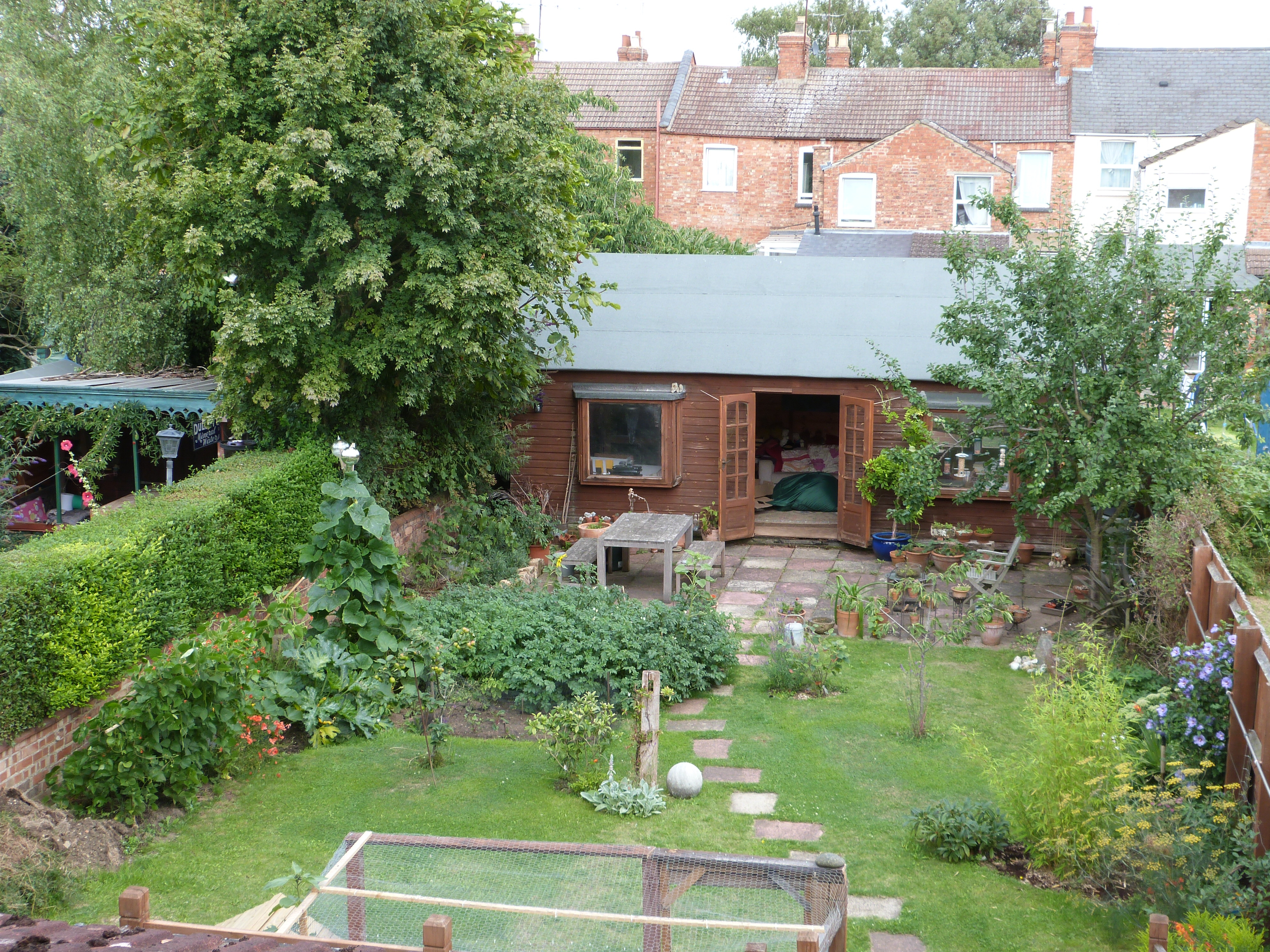
How urban spaces support pollinators – a new study just published

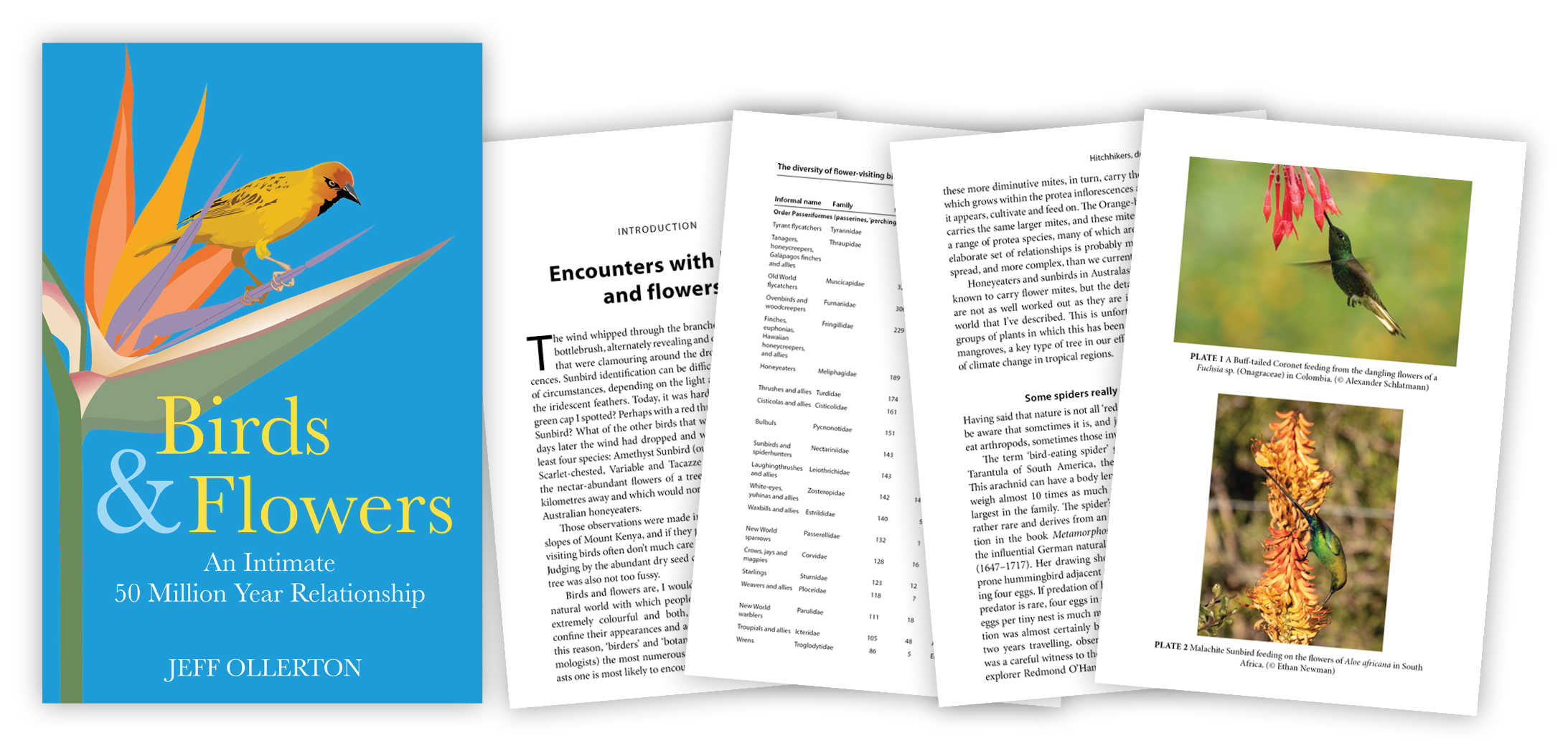
Bees play a vital role in pollination, supporting both natural ecosystems and our food supply. However, their numbers are declining globally due to multiple threats—including urbanisation. As cities expand, understanding how different habitats within urban areas affect pollinator populations is crucial for conservation efforts and for supporting urban and peri-urban agriculture. It’s a topic to which I devoted whole chapters in my books Pollinators & Pollination: Nature and Society and Birds & Flowers: An Intimate 50 Million Year Relationship.

The latest paper from Muzafar Sirohi‘s PhD thesis has just been published in the journal Urban Ecosystems. It follows on from his two other recent papers on plant–bee interactions and resource utilisation and how the timing of emergence of solitary bees varies between urban and non-urban settings.

This element of Muzafar’s work explored how solitary and primitively eusocial bees (those that live alone or in simple social groups) respond to different aspects of city landscapes. He examined local habitat factors such as floral diversity, bare soil availability, and sunlight exposure, alongside broader urban features like green spaces, roads, and paved areas.

The findings highlight that small-scale habitat conditions—especially the variety of flowering plants and access to sunlight—had a greater influence on bee diversity and abundance than overall habitat size. While larger landscape features, such as urban green spaces, played a role at a broader scale, even small patches of wild vegetation and roadsides were found to be important for bees.

These results challenge the idea that bees need large, uninterrupted green spaces to thrive. Instead, even fragmented urban habitats, when managed thoughtfully, can support pollinators. By planting diverse flowers, preserving patches of wild vegetation, and maintaining sunlit areas, cities can become havens for these essential insects.

Simple changes—like creating wildflower-rich roadside verges or maintaining natural pockets of greenery—can make a significant difference. As urbanisation continues, ensuring that bees have the resources they need to survive will be key to supporting biodiversity and maintaining the critical pollination services they provide.

Here’s the reference with a link to the published study; if you are not able to access it, send me a request for a PDF via my Contact page:

Sirohi, M.H., Jackson, J. & Ollerton, J. (2025) Influence of urban land cover and habitat quality on wild bees. Urban Ecosystems 28:78 – https://doi.org/10.1007/s11252-025-01687-6

Here’s the abstract:

Solitary and primitively eusocial bees are important pollinators of plants, which are experiencing a global decline. Urbanisation is one of the contributing factors to this decline. It is crucial to understand the complex community dynamics of solitary and primitively eusocial bees in urban areas as urbanization grows globally. For bee communities, the local habitat as well as the surrounding urban landscape play an important role. The study considered four local habitat variables: habitat size, floral species richness, bare soil and shade. Moreover, five common land cover types (green space, buildings, roads, car parks, and paved surfaces) were assessed at multiple spatial scales from 40 m to 200 m from the centre of the sites with 20 m steps, analysing their potential impacts on the bee community. The study found a greater effect of local habitat compared to landscape variables at a smaller spatial scale. However, landscapes affected the bee community at larger spatial scales. The size of the habitat did not affect the bee community in urban areas. However, habitats with a higher number of plant species and exposed to sunlight attracted relatively more bees. This study suggests that urban areas are capable of conserving solitary and primitively eusocial bees. Although green space is important for the dispersal of species at larger landscape scales, small patches of wild, leftover vegetation and roadsides are equally important for bees. The management of bee friendly open vegetation with wildflowers would be beneficial for the successful conservation of solitary and primitively eusocial bees in urban areas.

Join me ‘In Conservation With’ David Lindo – The Urban Birder – Thursday 7th November 7pm GMT: free and online!

This Thursday at 7pm I’ll be chatting online with David Lindo – the Urban Birder – who is an award-winning broadcaster, writer, speaker, tour leader and educator. According to David’s website,’his mission is to engage city folk around the world with the environment through the medium of birds’.

We will be talking about my recent book Birds & Flowers: An Intimate 50 Million Year Relationship, and the urban birding theme is very relevant as chapter 16 is called ‘Urban flowers for urban birds’. Our conversation will range much wider than that, however, to include the importance and diversity of birds as pollinators, threats to that diversity, habitat restoration schemes, and the cultural importance of flower-visiting birds.

David’s had some really stellar guests on his ‘In Conservation* With…’ series (which he describes as ‘Zoom interviews with some of the leading figures in the natural history sector’) including Kate Bradbury, Stephen Moss, Mark Cocker, Bella Lack, Ben Fogle, Caroline Lucas, Iolo Williams, and Margaret Atwood!

You can sign up for this free event by following this link. I’m really looking forward to it and I hope that you can join us.

———————————————————————————————–

*A deliberate pun, not a typo!

Biodiversity Net Gain and pollinators: catch up with my talk on YouTube

Yesterday I delivered a webinar for the Biological Recording Company on the topic of what Biodiversity Net Gain (BNG) could mean for pollinator conservation. It’s a topic that clearly has a lot of resonance for the ecology community: almost one thousand people (994 to be precise) booked to attend, of which 380 actually watched. That’s a fairly typical ratio for free webinars, in my experience – many people book a place in the expectation that they will receive a link to watch the recording later.

The talk was indeed recorded and can be viewed by following this link to YouTube. There was a Q&A session afterwards which is not part of the recording but the questions and my answers have been transcribed and can be viewed on the Biological Recording Company’s blog, together with links to all of the references and data sources that I cited. Here’s the link to the blog.

I had a lot of really positive feedback during and after my talk, plus some extremely useful comments about where my interpretation of BNG was incorrect (or at least didn’t tell the whole story). As I stressed during my talk, BNG is a journey not an end point and we are all at the start of that journey! It’s going to be fascinating and important to see whether BNG can positively impact declining pollinator populations.