The final deliverable from the WorldFAIR Project with which I’m involved has recently been published and can be freely downloaded from Zenodo by following the link below. The report is called “Agricultural biodiversity FAIR data assessment rubrics” and in it we present the results from a series of six pilot studies that adopted the FAIR* standards and our recommendations from the previous report.
This document complements the previous one by giving examples and setting out guidelines that allow researchers and practitioners to ensure FAIRness in their plant-pollinator interaction data.
Here’s the full reference:
Drucker, D. P., Salim, J. A., Poelen, J., Soares, F. M., Gonzalez-Vaquero, R. A., Devoto, M., Ollerton, J., Kasina, M., Carvalheiro, L. G., Bergamo, P. J., Alves, D. A., Varassin, I., Tinoco, F. C., Rünzel, M., Robinson, D., Cardona-Duque, J., Idárraga, M., Agudelo-Zapata, M. C., Marentes Herrera, E., Taliga, C., Parr, C.S., Cox-Foster, D., Hill, E., Maués, M.M. Agostini, K. Rech, A.R., Saraiva, A. (2024). WorldFAIR (D10.3) Agricultural biodiversity FAIR data assessment rubrics (Version 1). Zenodo. https://doi.org/10.5281/zenodo.10719265
Although this is the last formal deliverable from our WorldFAIR work package, it’s not the final output that we have planned. I’ll report back on the journal paper(s) that we are writing as and when they are published.
*Findable, Accessible, Interoperable & Reusable (or sometimes Reproducible)
Biodiversity Net Gain (or BNG) promises to transform the way that we approach nature conservation in the UK. I’ve been giving a lot of thought to what this might mean for insect pollinators and have produced a new report that summarises the opportunities that BNG presents and how we can make the most of them. You can download a copy of that report by following this link.
This is meant to be a working document and as BNG progresses, and our understanding of its impacts on pollinators increases, I will update it. In the meantime, please do feel free to comment.
Earlier this week, the East Midlands Environment Agency proudly tweeted that they had placed honey bee hives on an ecologically important site that they own. As you might imagine, the response from pollinator experts such as myself, conservation NGOs, and some beekeepers, was not positive, as you can see if you look at the comments beneath my tweet:
If this is an important site for nature conservation, as claimed, then the #EnvironmentAgency should NOT put hives of honey #bees on it!
— Prof. Jeff Ollerton – @JeffOllerton@ecoevo.social (@JeffOllerton) July 12, 2023
By coincidence, overnight I received a message from someone in the USA asking for advice. Here’s a redacted version of their message:
My community has a 4 acre serpentine barren site that is part of a larger string of these unique barrens ….. Honey bee hives have recently been located adjacent to the barrens. Can you advise me as to the best way to determine whether there are, and to document any, adverse effects to the serpentine barrens native pollinators?
Going back to the question of how to assess any impacts, the simple answer is that it’s not easy and it relies on having good data. This was my response to my American correspondent:
Ideally you would need to take a before-and-after approach where you have data on things like number of native pollinator species, their abundance (including nest sites), rates of visitation of different pollinators to flowers, and fruit or seed set from particular plants. You’d then compare what was going on before the hives arrived with what’s occurring since their arrival.
If you don’t have the “before” data it’s much more difficult to assess if there has been an impact from the honey bees. However, the advice of most conservation groups is to adopt the “precautionary principle” and not site hives on or adjacent to areas of nature conservation value, especially if they are relatively small areas. See for example the Bumblebee Conservation Trust’s advice: https://www.bumblebeeconservation.org/managed-honeybees/
The precautionary principle is a well established concept across a range of areas, including health and engineering, as well as nature conservation. In the latter it needs to be more widely applied, especially when it comes to questions of where to site honey bee hives, and how many.
I’m excited to announce that in March 2024 I will teach a week-long, Master’s-level residential course entitled “Pollination as an Ecosystem Service” at the University of Pavia in Italy. It will be taught in English. Here’s a summary of the course and a brief description of the the syllabus, which is broadly accurate but subject to change as it develops:
POLLINATION AS AN ECOSYSTEM SERVICE
A 3 credit Master’s course for the University of Pavia
Overview
The pollination of crops by bees, flies, birds, bats and other animals, is an ecosystem service that increases crop yields and quality. This is valued at hundreds of billions of Euros each year to European and global agriculture. In addition, these same animals pollinate around 90% of the world’s wild plants which in turn provide us with ecosystem services such as wild food, flood alleviation, microclimate modification, and carbon capture.
In this course, students will explore pollination as an ecosystem service from its first principles and historical roots through to the latest research findings around the consequences of pollinator decline and climate change. The emphasis of the course is on the students learning by actively participating during classes. Each day has a particular theme and will be a mix of interactive lectures, short video clips to illustrate particular points, discussion seminars (for which they will be expected to do some guided reading) and local excursions.
At the end of the course the students will have a developed a deep understanding of the diversity of pollinators, the ecological nature of their interactions with flowers, and the importance of these relationships to nature and to society.
Assessment
At the end of the course, the students will be asked to give a 10 minute presentation based on one of the topics covered in the course, and posed as a question such as “What is….?”, “Why does….?”, “What would happen if….?”, and so forth. The questions will be agreed with me in advance. Presentations will take place on the final day of the course and at the end of each presentation the students will have 5 minutes to answer questions posed by their peers and myself.
Syllabus
Day 1
Theme: Pollinators and pollination – first principles; including historical perspectives, the diversity of pollinators and flowers, and the biology of pollination. Introducing the course assessment.
Excursion: a walk around the local area to observe flowers and pollinators in action.
Day 2
Theme: Pollination as an ecosystem service; including the types of crops that are animal pollinated, how we calculate the value of pollination, and going beyond agriculture to look at the other ecosystem services provided by pollinators; approaches to studying pollinators and pollination.
Day 3
Theme: Pollinator conservation: including reasons for pollinator decline, impacts of climate change, the “politics of pollination”, the consequences of that decline for crop and wild plant pollination, how we can manage and restore habitats for pollinators.
Day 4
Theme: Urban pollinators: understanding the importance of pollinators in an urban setting and in gardens, and how towns and cities support pollinators. Excursion: How is the city of Pavia supporting pollinator populations and what could be improved?
Day 5
Theme: Summing up what we’ve learned, followed by assessed student presentations.
As part of our roles as ambassadors of the new conservation organisation Restore (more of which later this year), several of us including Dave Goulson, George McGavin, and myself, are promoting this online petition to get the government to take the issue of neonicotinoid pesticides seriously. Here’s some text from Dave explaining the situation with a link to a petition that you can sign:
“For three years in a row our government has granted farmers special permission to use banned neonicotinoid pesticides on sugar beet. This is contrary to the expert advice of their own Expert Committee on Pesticides, who specifically recommended that permission should not be granted. It also flies in the face of a huge body of scientific evidence showing that these chemicals are phenomenally toxic to all insect life, and that their use on any crop contaminates soils, hedgerow plants, and nearby streams and ponds for years to come. We are in a crisis, with insect populations in freefall. It is about time our government woke up to this, and acted accordingly. This petition https://petition.parliament.uk/petitions/631948 is a necessary means of holding the government to account. Please sign and share, as signing will ensure the issue is debated in Parliament.”
This petition now has more than 15,000 signatures which ensures that it gets a response from the Government. If it reaches 100,000 mark, it will trigger a debate in Parliament. Please sign and promote this important initiative!
Although I’m one of the speakers, I can’t make it in person as I’ve got teaching commitments at Roskilde University, so I’ve recorded my ten minute piece and I’m happy to answer questions via the Contact page on my website.
It’s been a couple of years since I last did a talk or workshop for the Wildlife Trust for Bedfordshire, Cambridgeshire & Northamptonshire. But I’m pleased to say that they’ve invited me back and you can join me tomorrow evening for an online introductory talk about pollinators and pollination in the UK.
The talk starts at 7pm UK time and full details of how to sign up are in the link below:
It’s been an interesting start to the year in the world of pollinators and pollination. The European Union has revised its 2018 initiative for pollinator conservation with an update called “A New Deal for Pollinators“. At the same time the UK Government has released its plans for Post-Brexit farm subsidies, many of which focus on environmental action that can support pollinators, such as planting hedgerows. I think that it’s fair to say that there’s been a mixed response to these planned subsidies. There’s also mixed news in Butterfly Conservation’s State of the UK’s Butterflies 2022 report. The headline figure is that 80% of butterflies in the UK have decreased since the 1970s. However there are enough positive conservation stories in that report to demonstrate that this decline does not have to be irreversible, we can turn things around.
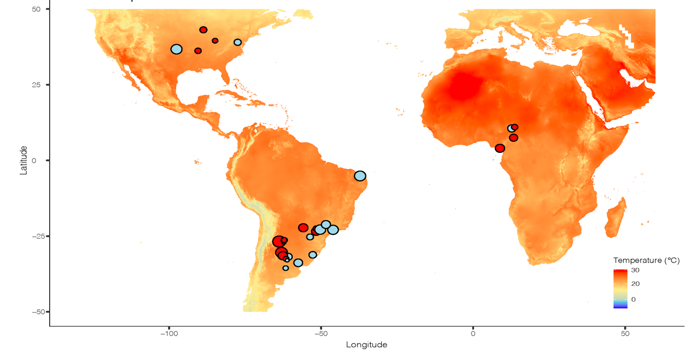
Against this wider backdrop of pollinator actions, I was pleased to have a new research paper published this week, which is an output from the SURPASS2 project with which I’ve been involved. Led by Brazilian researcher Nicolay Leme da Cunha, this paper assess the variability of soybean dependence on pollinators. Although soybean is one of the most widely grown crops globally, there’s still much that we don’t understand about which of the many different varieties have improved yields when visited by bees, and which are purely self-pollinating. One of our main findings was that for some varieties, especially in the tropics, an absence of pollinators results in a decline in yield of about 50%.
The paper is open access and you can download a copy by following the link in the reference:
Identifying large-scale patterns of variation in pollinator dependence (PD) in crops is important from both basic and applied perspectives. Evidence from wild plants indicates that this variation can be structured latitudinally. Individuals from populations at high latitudes may be more selfed and less dependent on pollinators due to higher environmental instability and overall lower temperatures, environmental conditions that may affect pollinator availability. However, whether this pattern is similarly present in crops remains unknown. Soybean (Glycine max), one of the most important crops globally, is partially self-pollinated and autogamous, exhibiting large variation in the extent of PD (from a 0 to ∼50% decrease in yield in the absence of animal pollination). We examined latitudinal variation in soybean’s PD using data from 28 independent studies distributed along a wide latitudinal gradient (4–43 degrees). We estimated PD by comparing yields between open-pollinated and pollinator-excluded plants. In the absence of pollinators, soybean yield was found to decrease by an average of ∼30%. However, PD decreases abruptly at high latitudes, suggesting a relative increase in autogamous seed production. Pollinator supplementation does not seem to increase seed production at any latitude. We propose that latitudinal variation in PD in soybean may be driven by temperature and photoperiod affecting the expression of cleistogamy and androsterility. Therefore, an adaptive mating response to an unpredictable pollinator environment apparently common in wild plants can also be imprinted in highly domesticated and genetically-modified crops
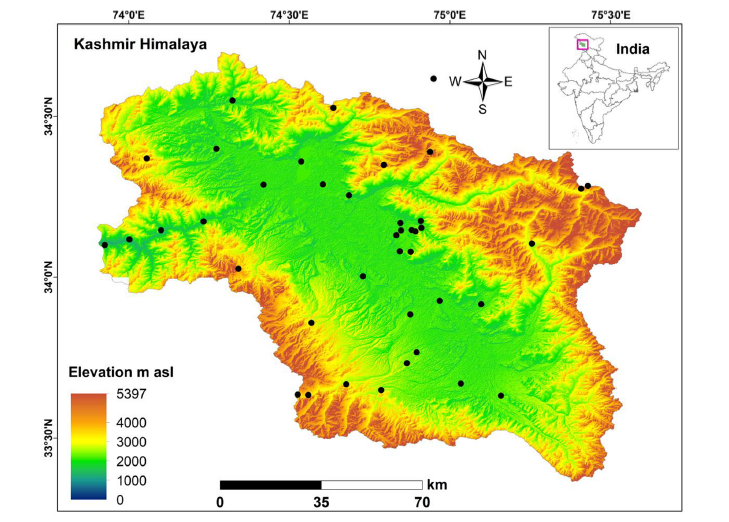
Although we sometimes like to think that we have a “global” perspective on plant-pollinator interactions, in truth there are large parts of the world where we have little or no information. That’s especially true of biodiversity hotspots. One such hotspot is the Kashmir Himalaya, a relatively small area (just 135 km long by 32 km wide) that nonetheless contains an estimated 2,000 species of flowering plant, more than 150 of which are endemic to the area. In addition, over 1,280 insect pollinator species have been described, including at least 29 species of bumblebees and as many as 40 species of butterflies.
Recently I’ve been collaborating with Dr Zubair Rather from the University of Kashmir and his colleagues on a data set that represents the first network analysis of plant-pollinator interactions from the region. The network is presented at a large spatial scale – what is often termed a “meta-network”. As Dr Kit Prendergast and I noted in our recent paper, scale matters when it comes to analysing these sorts of networks. Nonetheless (to quote the current paper):
“meta-networks represent the “backbone” of plant-pollinator interactions to which smaller, local networks are attached”
Even at this very large scale we’re seeing some fascinating patterns emerging with respect to the plants, for example the importance of cultivated apples in supporting the wider network of flower visitors. Also notable, and I believe demonstrated for the first time, is the fact that both the indigenous Asian Honeybee (Apis cerana) and the introduced Western Honeybee (A. mellifera) utilise exactly the same, extremely broad array of plants from which to collect nectar and pollen.
Our Kashmir meta-network is, hopefully, the starting point for further work on plant-pollinator interactions in this fascinating and diverse part of the world. The paper is published in a special issue of the journal Flora that’s dedicated to the importance of natural history when considering the ecology and evolution of plant-pollinator relationships. The special issue is a celebration of the work of Professor Marlies Sazima and is edited by Dr Pedro Bergamo.
Here’s the reference with a link to download a free copy which should be valid up to and including 23rd January 2023:
Plant-pollinator studies are increasingly using network analysis to investigate the structure and function of such communities. However, many areas of high biodiversity largely remain unexplored in this way. Our study describes a plant-pollinator meta-network from an understudied biodiversity hotspot, the Kashmir Himalaya, where we specifically investigate plant-pollinator network nestedness and modularity, as well as the influence of alien species and the impacts of simulating species extinctions on network structure. Natural history observations were used to document the meta-network between 230 plant and 80 pollinator species forming 1958 (11% of the possible) interactions. Among the plants Malus domestica and among the pollinators Apis mellifera and A. cerana formed the largest number of interactions with significant influence over the whole network. Network cumulative degree distribution depicted a higher number of degree levels in pollinators than plants. A moderately high number of realized interactions were revealed, thereby indicating potential structural and functional stability in the network. Eight strongly defined modules were observed in the network which varied in their composition. For example, the Ephedra module exclusively comprised of native species whereas the Apis module comprised of all the four different types of interacting species (i.e. native and alien plants and pollinators) and also integrated the highest number of alien species. In the network overall, 40% of interactions were by alien species, reflecting how well these were integrated. Extinction simulations suggested that the network would collapse more quickly when the most connected pollinators are removed, rather than the most connected plant species. Our study is the first assessment of a plant-pollinator network from this Himalayan biodiversity hotspot; and will help to inform the ecological and economic implications of plant-pollinator interactions in an era of global biodiversity crisis.
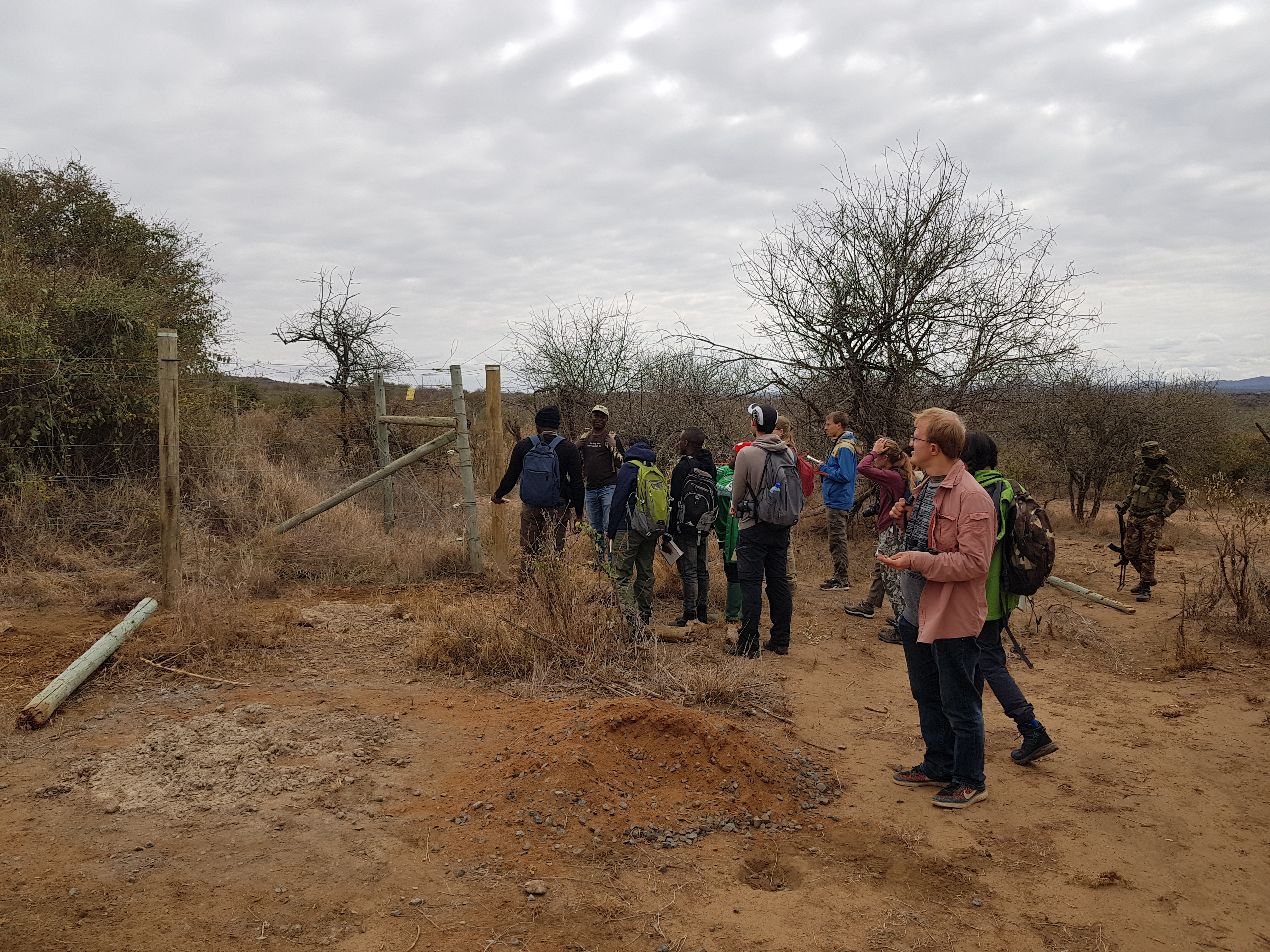
The blog has been quiet over August because Karin and I have been in Kenya for most of the month at the Mpala Research Centre. I’m here teaching on a Tropical Biology Association (TBA) field course, as well as doing some writing. In addition to sharing the adventure, Karin is also writing and acting as unofficial field course therapist!
This is the second TBA field course on which I have taught, the other being in Tanzania back in 2011, and it’s a pleasure to give some time to this remarkable organisation. The model is a very simple one: take 24 students, half from Africa and half from Europe, and embed them in a field work environment for a month, where they learn from one another and from their tutors about ecology and conservation. It’s been hugely successful and TBA alumni now hold senior positions in national conservation departments and NGOs, and universities, across Africa and Europe. Some of the African alumni are also returning to help teach on the field course.
We’re back in Denmark around the 9th September but in the meantime here’s a selection of photographs showing where we are staying and the work that we are doing.
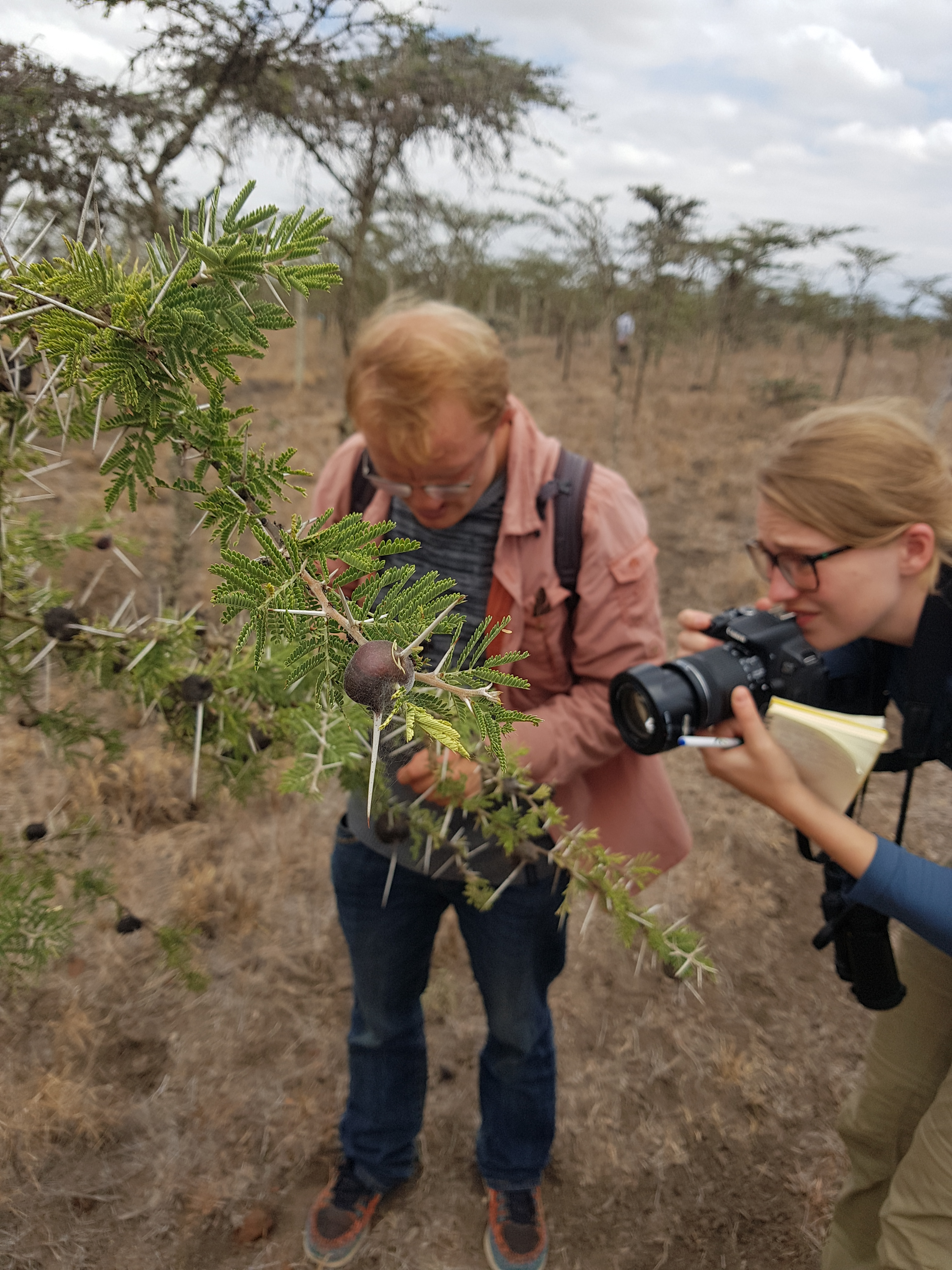
Getting up close with an Acacia species that defends itself by housing colonies of ants in its inflated thorns.
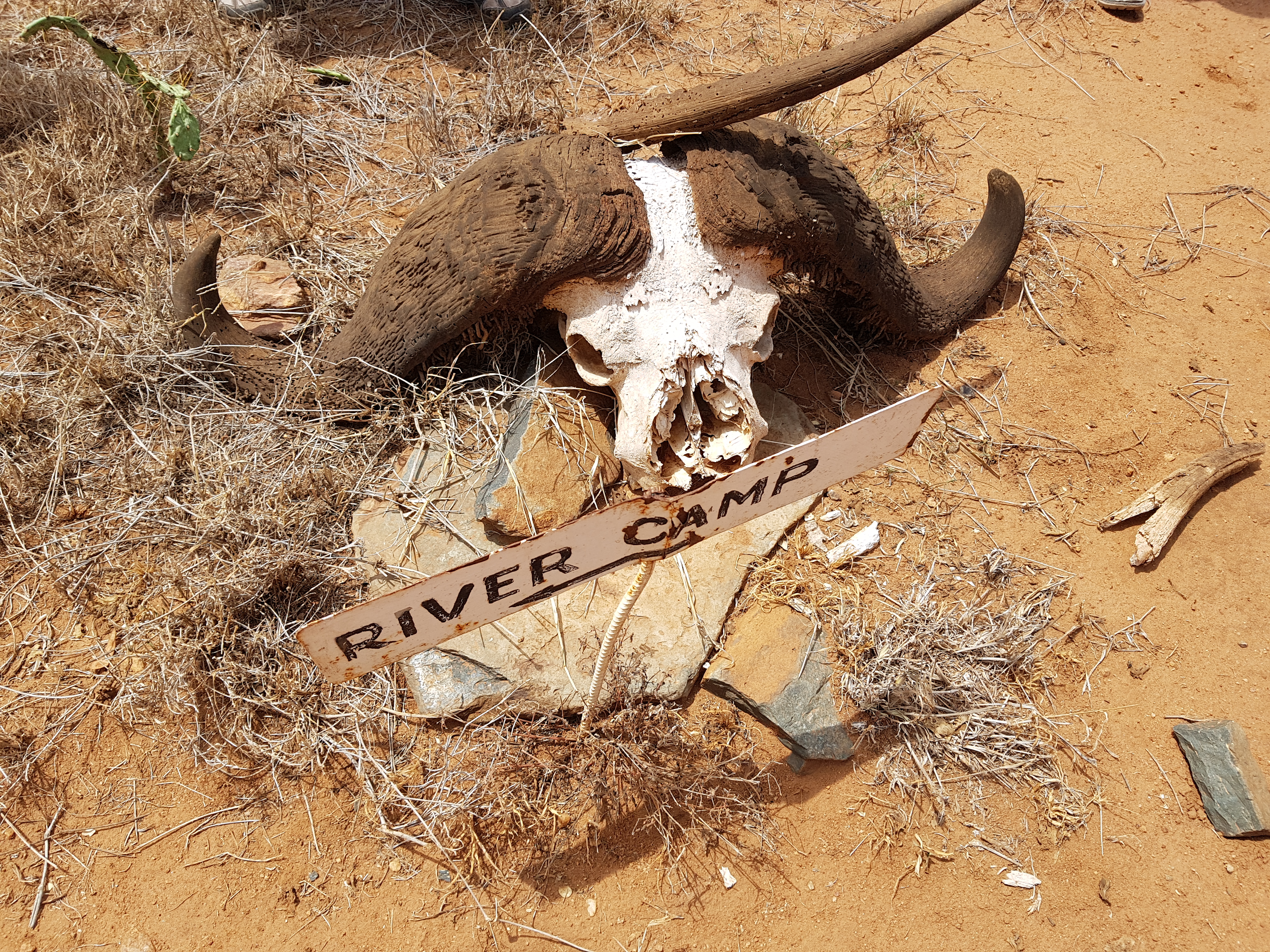
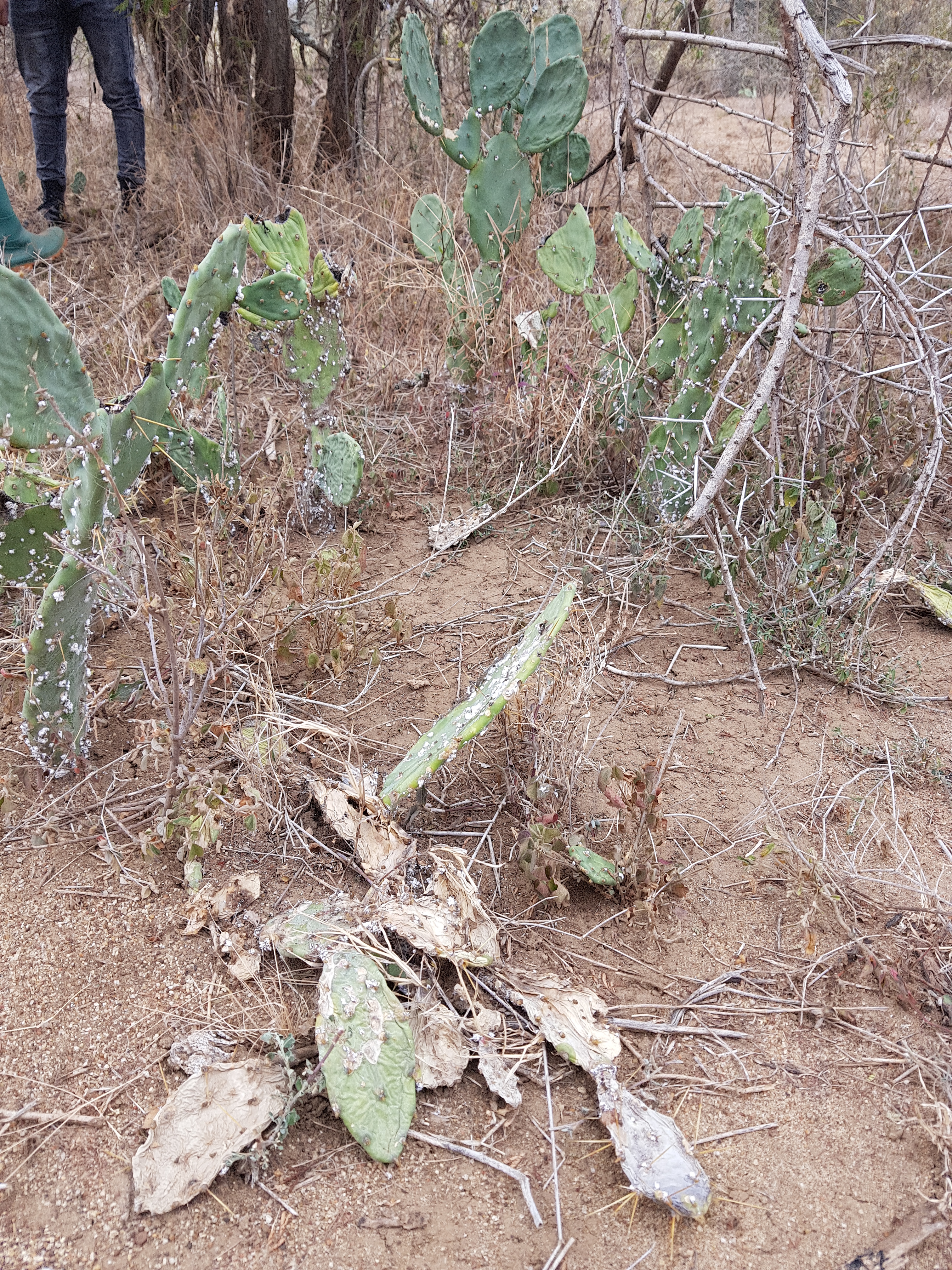
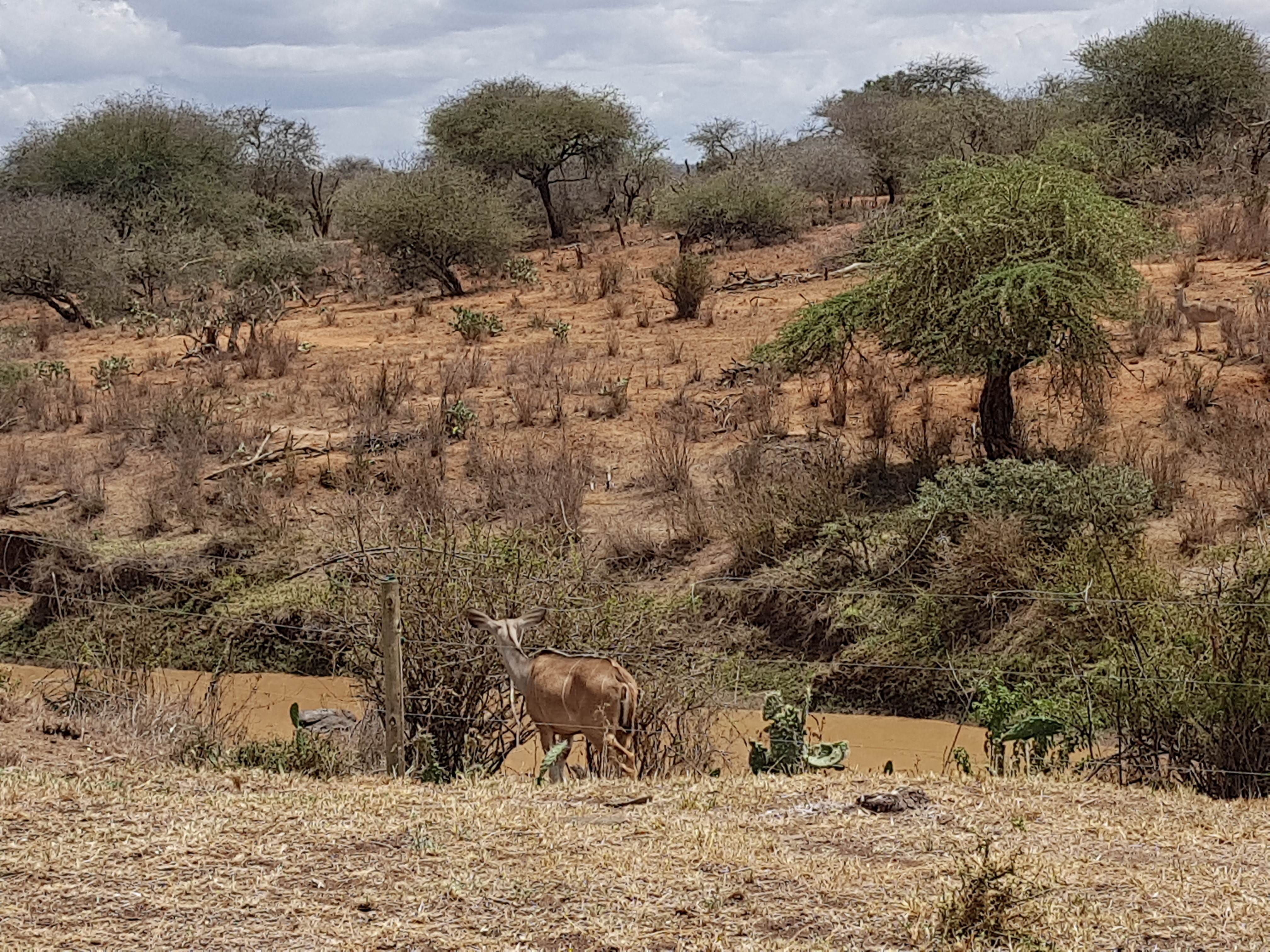
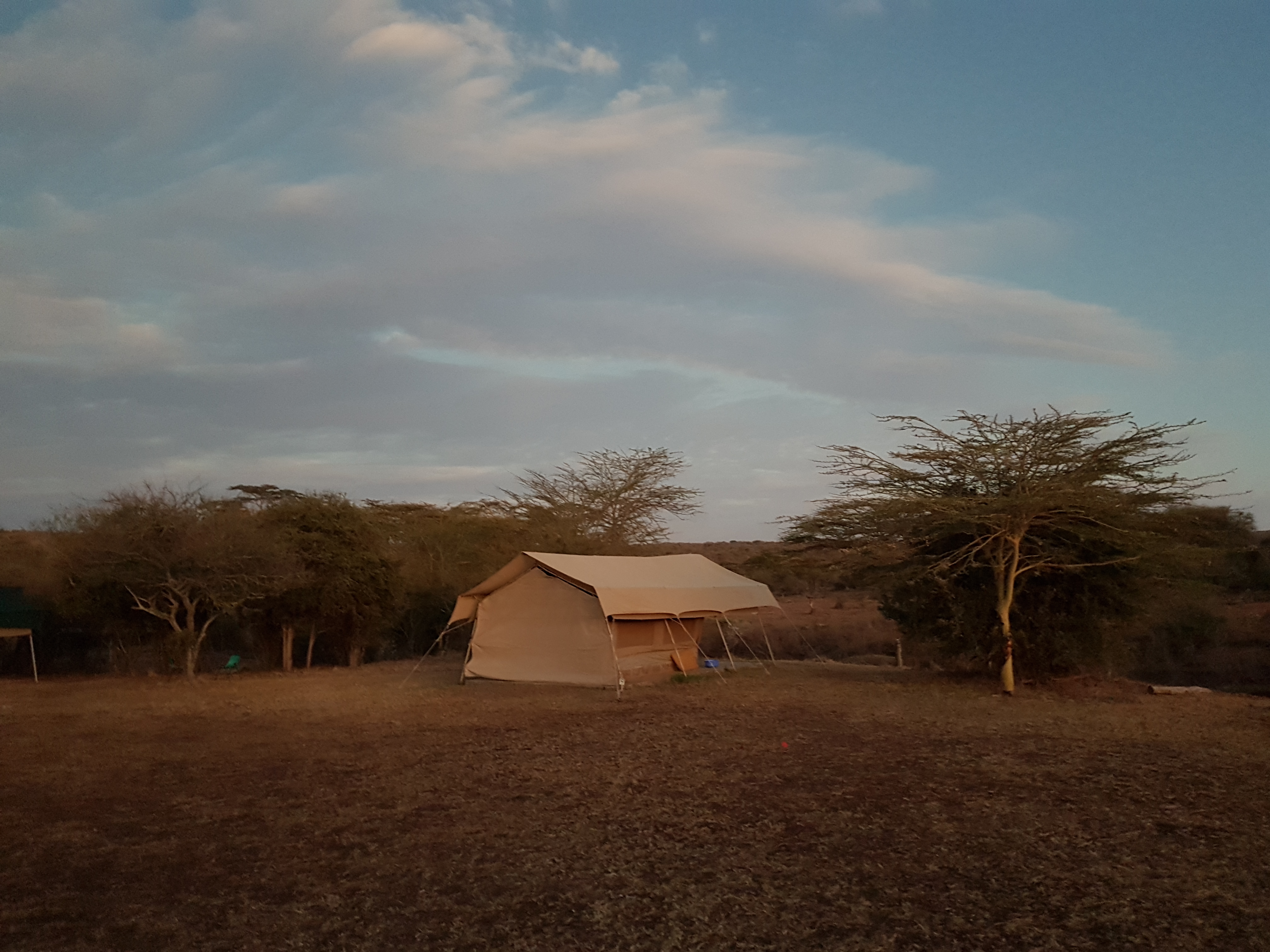
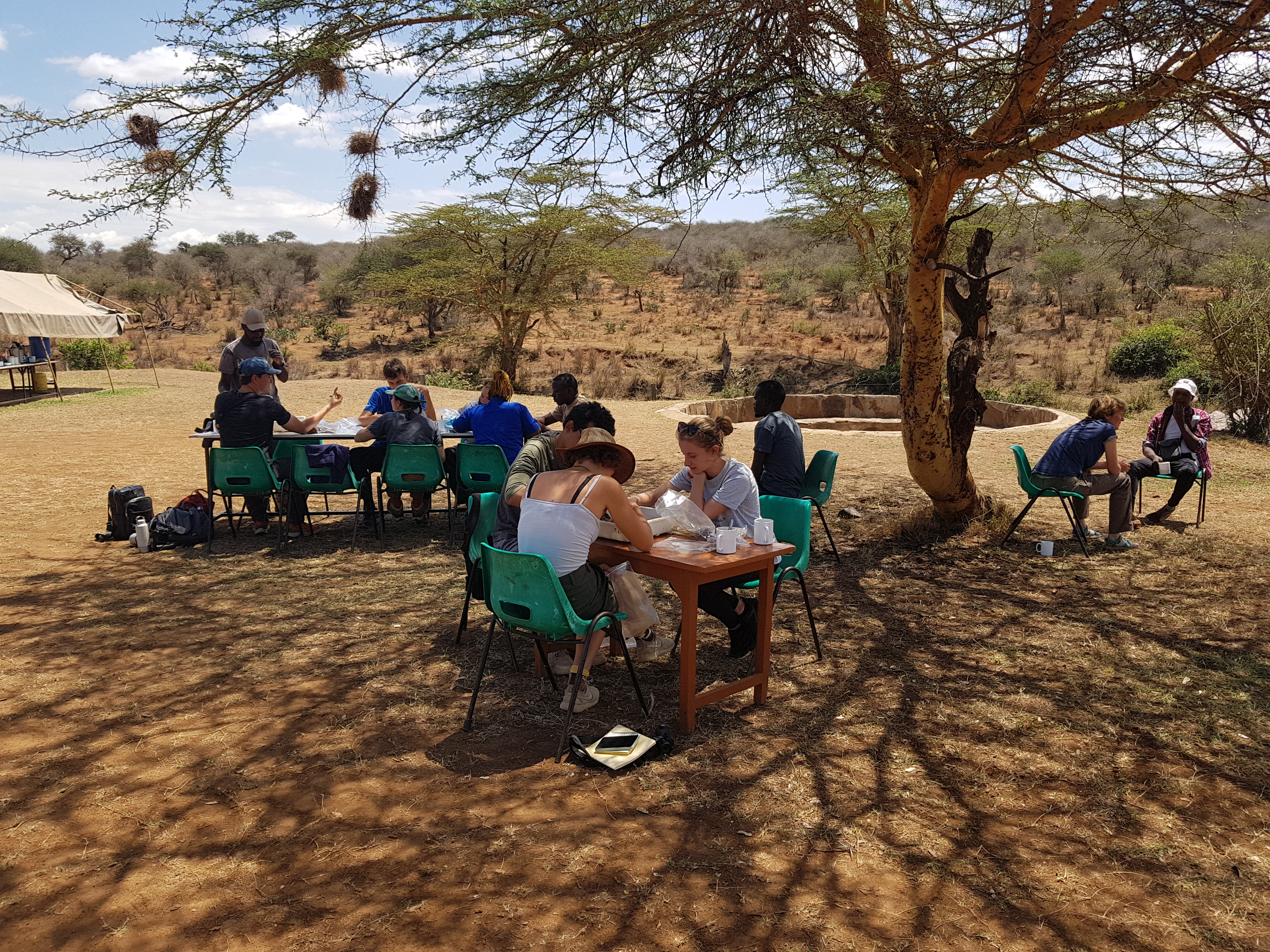
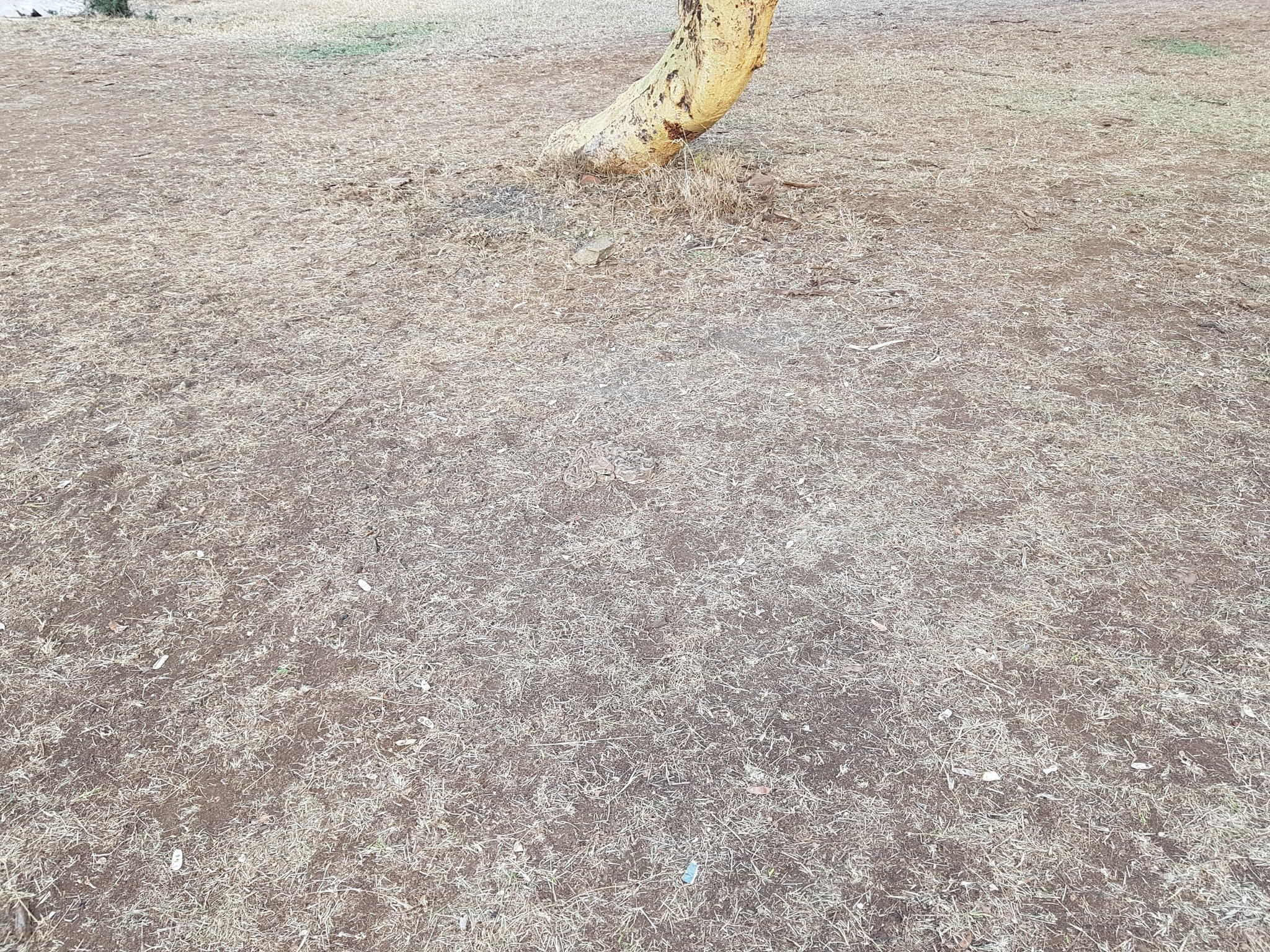
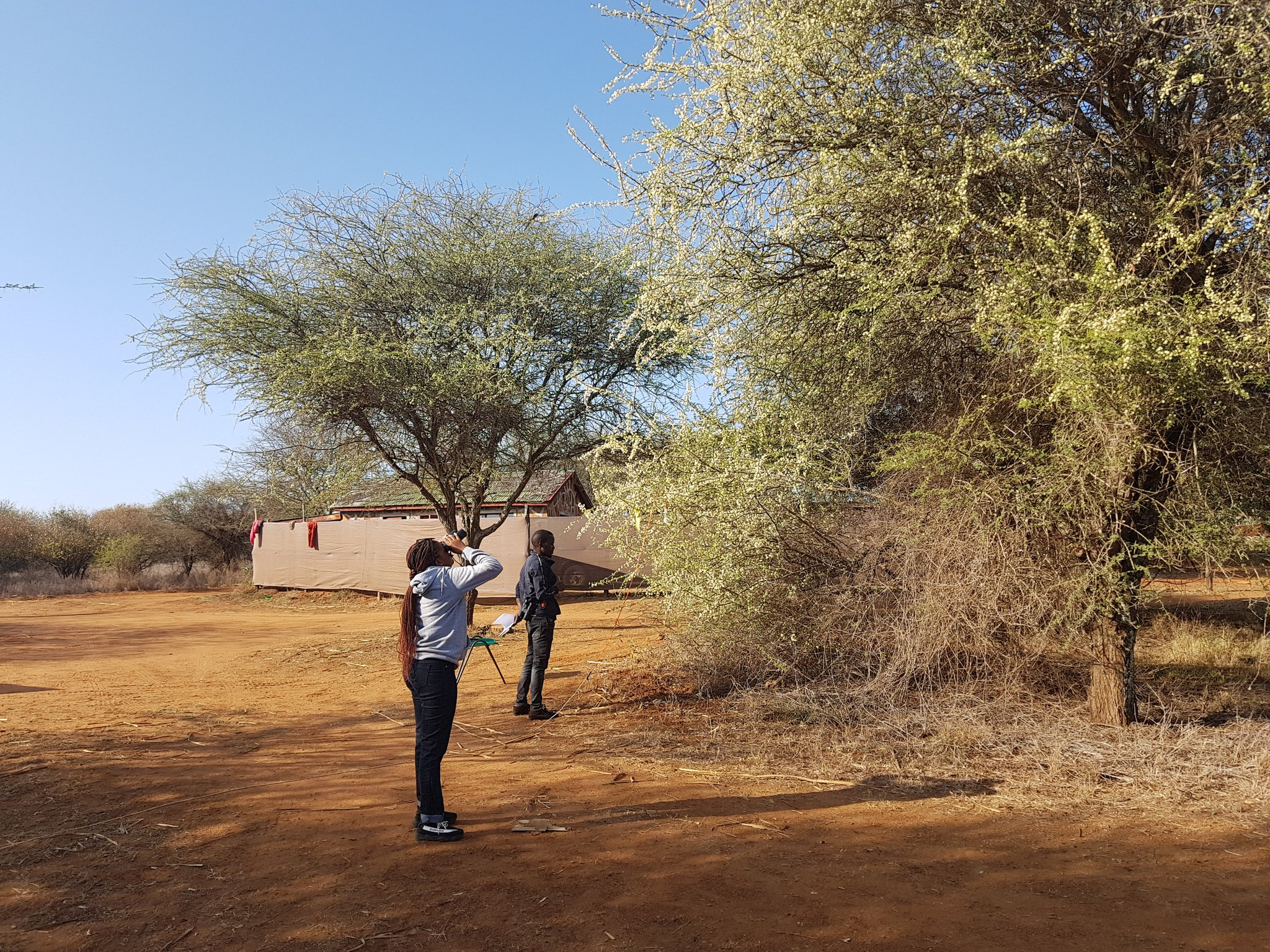
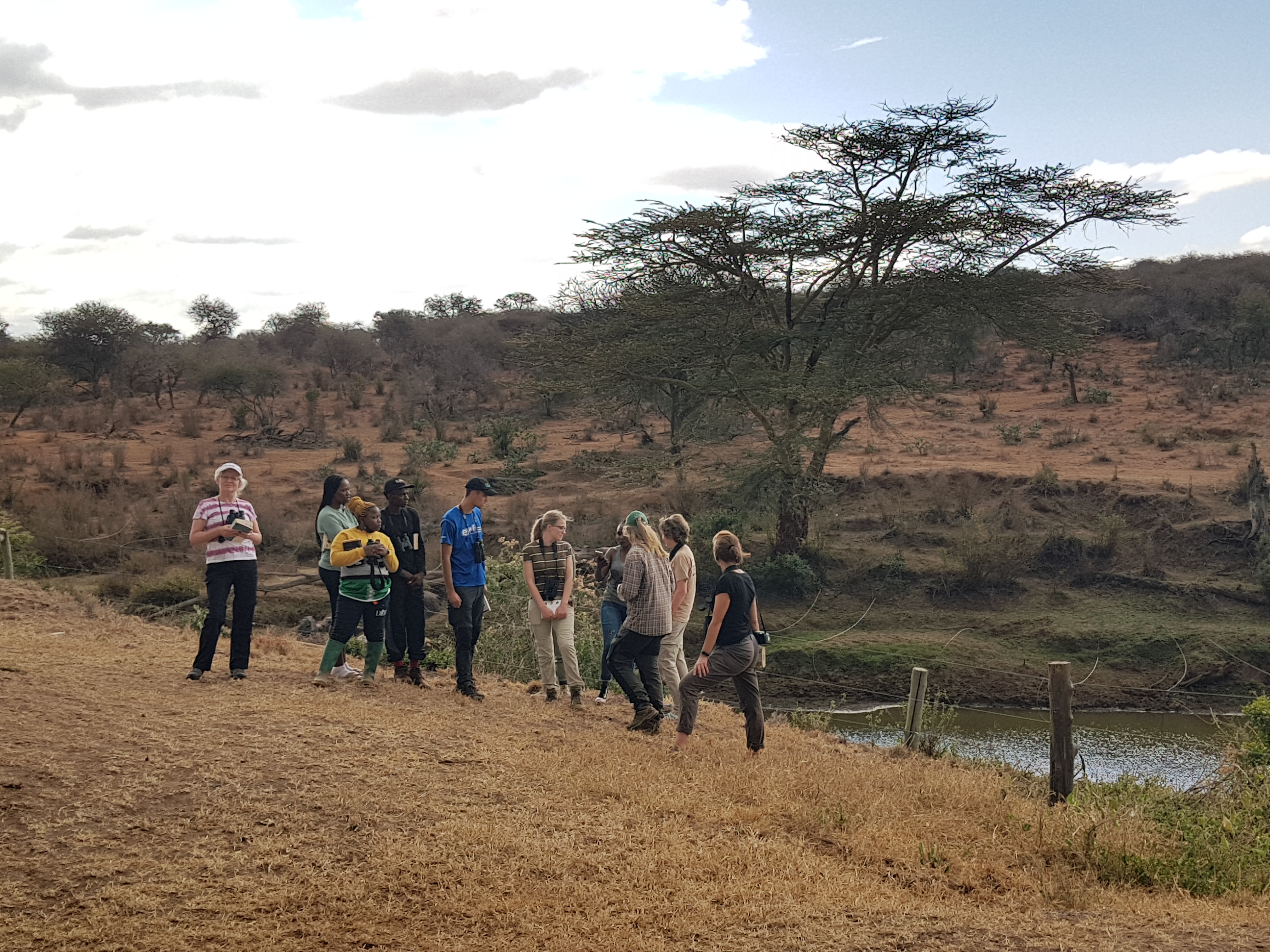
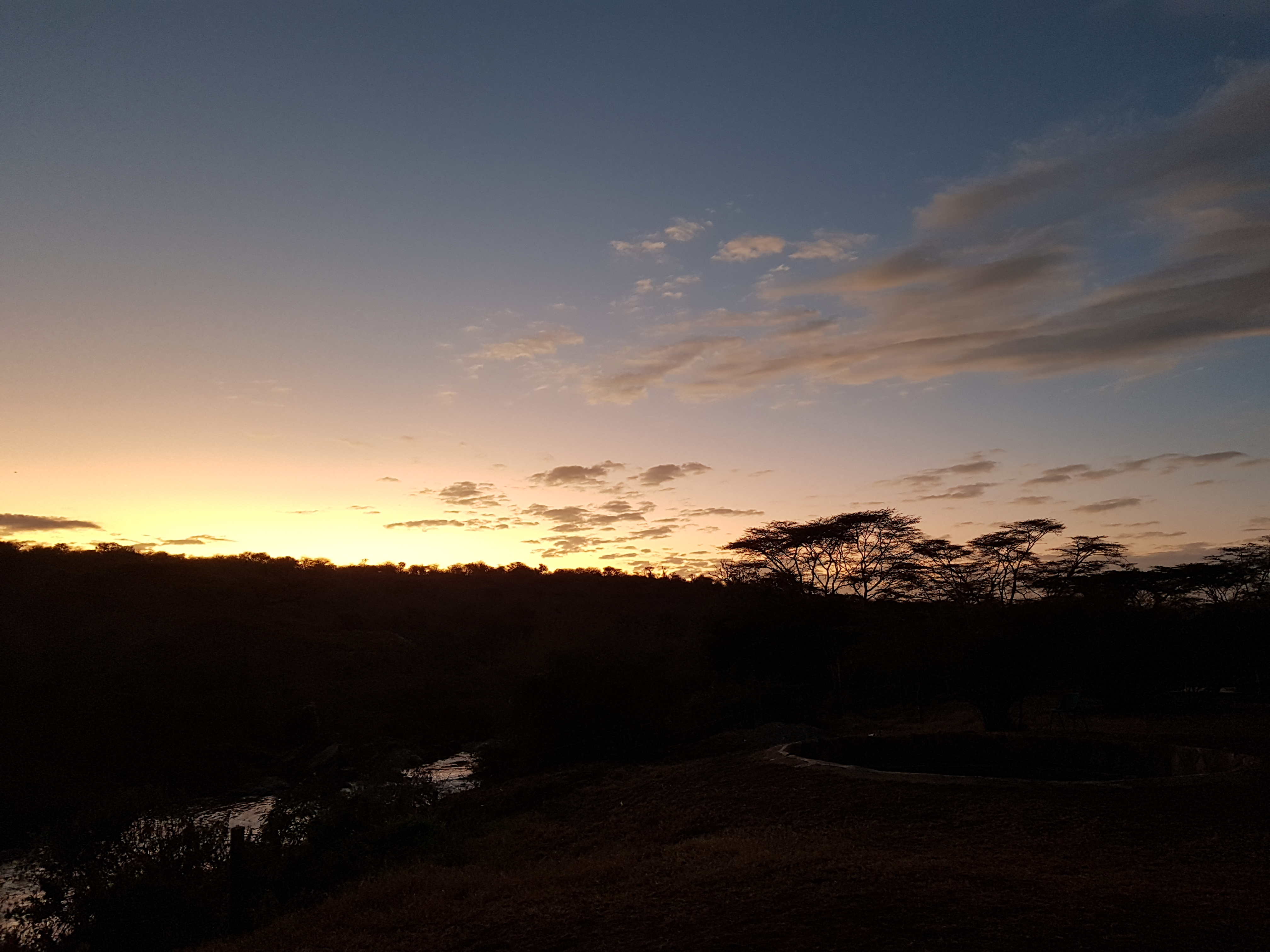
Invasive Prickly Pears (Opuntia spp.) are a growing problem in Kenya, where the cochineal bug has been introduced to help control them.Although there’s an electric fence around the camp site, antelope such as Kudu and Dik Dik are regular visitors. This tent has been our home for most of August. Early in the trip we were confined to it when we both caught COVID. There are worse places to recuperate! The students sorting samples in our open-air classroom, while the White-browed Sparrow Weavers tolerate our intrusionsSpot the snake! The Puff Adder is one of the most deadly snakes in Africa. Fortunately one of the students is an experienced herpetologist and qualified to handle these venomous reptiles.As I write, our TBA students are hard at work on their projects. This is Janeth and Swithin who are looking at competition between honey bees and other pollinators on flowers of this Acacia species.Karin in African ornithologist mode!Examining the Kenya Long-term Exclosure Experiment (KLEE) aimed at understanding the role of mega-herbivores in maintaining savanna biodiversityI’ve donated a copy of my book to the TBA’s Africa library and it’s already inspired some student projects.Sunrise on the savanna



 Prof. Jeff Ollerton - ecological scientist and author