Category Archives: Fossils

Evolutionary implications of a deep-time perspective on insect pollination – a new review just published

When we think of pollination, we often picture bees buzzing around flowers or butterflies flitting from bloom to bloom. This relationship between plants and pollinators is one of the most well-known interactions in nature. But insect pollination didn’t begin with the colorful flowers we see today. In fact, pollinators were at work millions of years before flowering plants (angiosperms) even existed. In a new review led by Spanish researchers David Peris and Ricardo Pérez-de la Fuente, to which I added a modern ecological perspective, we explored this topic and why it’s relevant to our current understanding of plant-pollinator relationships.

Despite centuries of research on pollination, the fossil record of pollinating insects has only gained serious attention in the past few decades. What palaeontologists have uncovered is reshaping our understanding of pollination’s origins. It turns out that insects were pollinating plants long before flowers evolved—playing a crucial role in the reproduction of ancient gymnosperms, the group of seed-producing plants that includes conifers, cycads, and ginkgos.

Most people assume that insect pollination began with flowering plants, but the evidence tells a different story. Fossilised insects with specialised body structures for carrying pollen—such as hairy bodies or mouthparts adapted for nectar-feeding—have been found in deposits dating back hundreds of millions of years. These early pollinators likely visited gymnosperms, helping them reproduce in a world that looked vastly different from today’s landscapes.

Ancient pollination was driven by a diverse range of insects, many of which are now extinct. The fossil record reveals that various insect groups—including beetles, flies, wasps, and even some long-lost relatives of modern lacewings—were already acting as pollinators long before the first flower bloomed. This means that pollination as an ecological process has far deeper evolutionary roots than many realise.

As plants evolved, so did their pollinators. The rise of flowering plants during the Cretaceous period (around 100 million years ago) transformed pollination systems, leading to the incredible diversity of plant-pollinator relationships we see today. Many of the insect groups that once dominated pollination in prehistoric times have since declined or disappeared, replaced by the bees, butterflies, and other familiar pollinators that thrive in modern ecosystems.

Understanding this long history is essential—not just for scientists, but for anyone interested in biodiversity and conservation. When we focus only on present-day pollinators and plants, we miss a crucial part of the story. The fossil record helps us see how pollination has changed over time, which in turn can offer insights into how today’s ecosystems might respond to environmental pressures such as climate change and habitat loss.

Recognising the ancient history of insect pollination isn’t just an academic exercise—it has real-world implications. If we understand how pollination evolved and adapted to past environmental changes, we can better predict how it might shift in the future. Conservation efforts that aim to protect pollinators today can benefit from a long-term perspective, ensuring that we’re not just responding to recent trends but also considering deep-time ecological processes.

So the next time you see a bee visiting a flower, remember—you’re witnessing the latest chapter in a story that began hundreds of millions of years ago. The relationship between plants and pollinators is far older, more complex, and more fascinating than we ever imagined.

Here’s the reference with a link to the paper. It should be open access, but if you have problems obtaining it, send me a message via my Contact page:
Peris, D., Ollerton, J., Sauquet, H., Hidalgo, O., Peñalver, E., Magrach, A., Álvarez-Parra, S., Peña-Kairath, C., Condamine, F.L., Delclòs, X. & Pérez-de la Fuente, R. (2025) Evolutionary implications of a deep-time perspective on insect pollination. Biological Reviews (in press)

What are the limits to pollinator diversity? A new article poses the question

The most globally significant groups of pollinators are well known and have been studied for a long time: bees and wasps, flies, butterflies and moths, birds, bats and beetles are all familiar to those of us with an interest in pollination ecology. However, every few years a new type of pollinator or a novel pollination system is described from nature or from the fossil record, or we add further examples of previously neglected pollinator groups such as cockroaches.

This begs the question: how much is there still to discover? How close are we to describing the full diversity of animals that act as pollen vectors? Can looking at the past help us to predict what we might find in the future? That’s the topic of a Perspective article that I was invited to write for the special issue of the Journal of Applied Entomology on the theme of  The Neglected Pollinators that I mentioned last month. It’s a subject that I’ve thought about a lot over the last few decades and it was great to get an opportunity to air some ideas and speculation.

The article is open access and you can download a copy by following the link in this reference:

Ollerton, J. (2024) What are the phylogenetic limits to pollinator diversity? Journal of Applied Entomology (in press)

Here’s the abstract:

Although huge progress has been made over the past 200 years in identifying the diversity of pollinators of angiosperms and other plants, new discoveries continue to be made each year, especially in tropical areas and in the fossil record. In this perspective article I address the following questions: Just how diverse are the pollinators and what are the phylogenetic limits to that diversity? Which other groups of animals, not currently known to regularly engage with flowers, might be found to be pollinators in the future? Can we predict, from the fossil record and from discoveries in under-researched parts of the world, which animal groups might turn out in the future to contain pollinators? I also discuss why adding to our knowledge of plant–pollinator interactions is important, but also stress that an incomplete knowledge may not be a bad thing if it means that remote, inaccessible and relatively pristine parts of the world remain that way.

Science ceramics – the perfect gift for the geek in your life!

Over at the Dynamic Ecology blog, Jeremy Fox has provided a link to a company called Not Quite Past that uses AI to generate an image for a ceramic tile in the style of Dutch Delftware based on the prompts that you give it. That part is free, but if you wish the company will then manufacture that tile and ship it to you (though there’s a minimum order of 10 tiles).

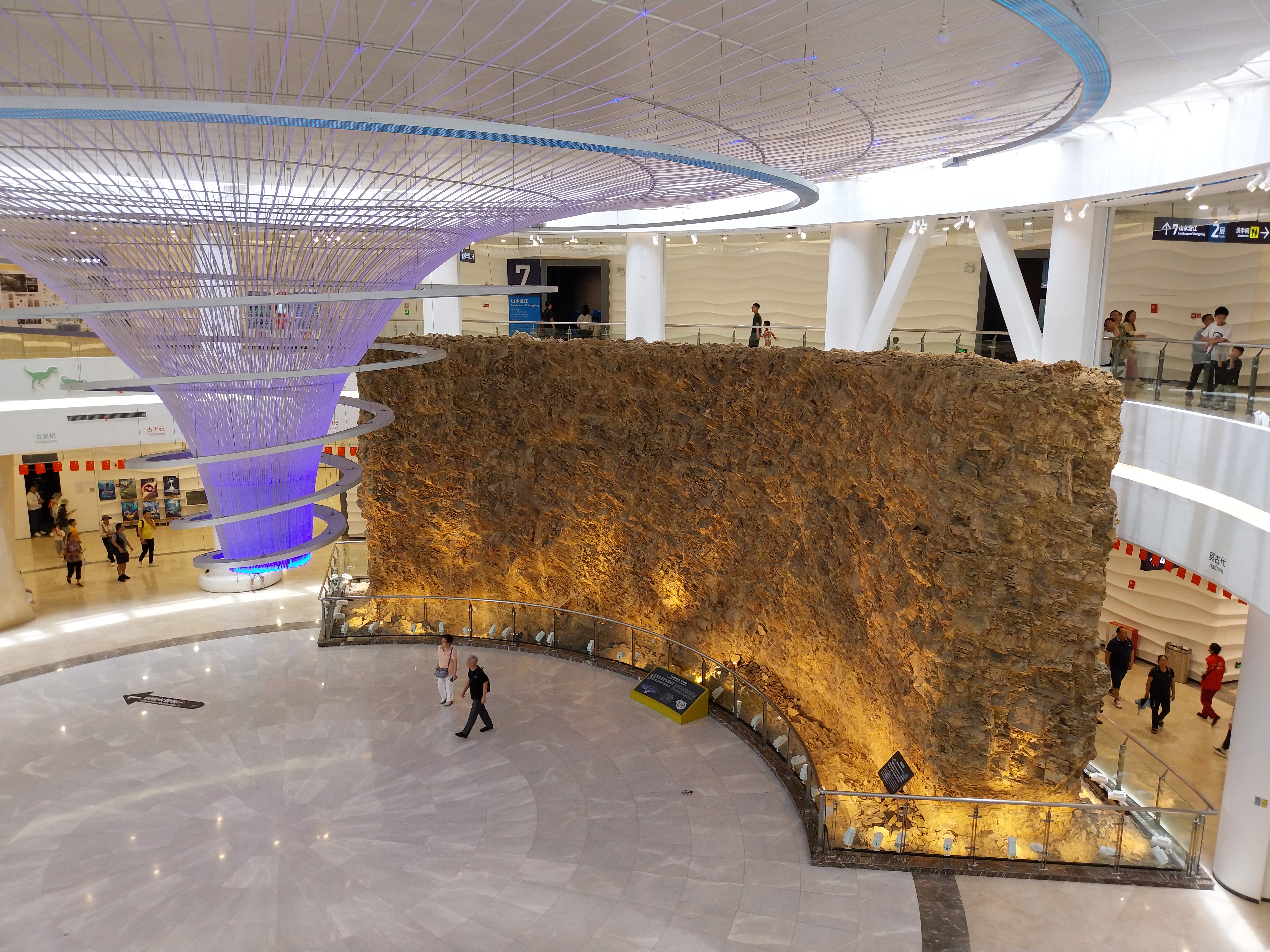
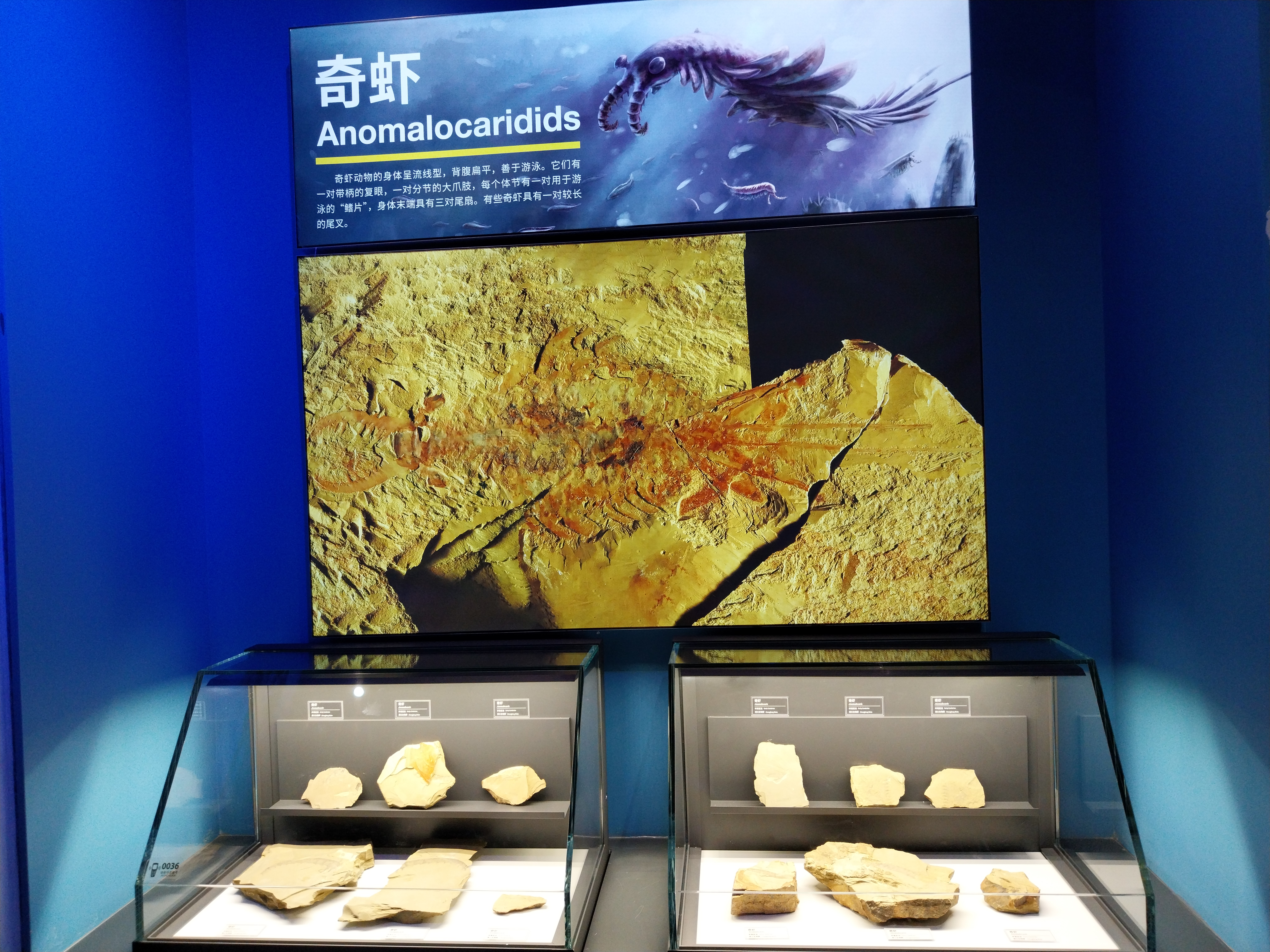
It reminded me that when I was working in China earlier this year, we visited the extraordinary Museum of Chengjiang Fossils, dedicated to an amazing assemblage of early Cambrian-age animals. This biota is comparable to the more famous Burgess Shale fauna in Canada: both are in excess of 500 million years old, and they share some animals in common.

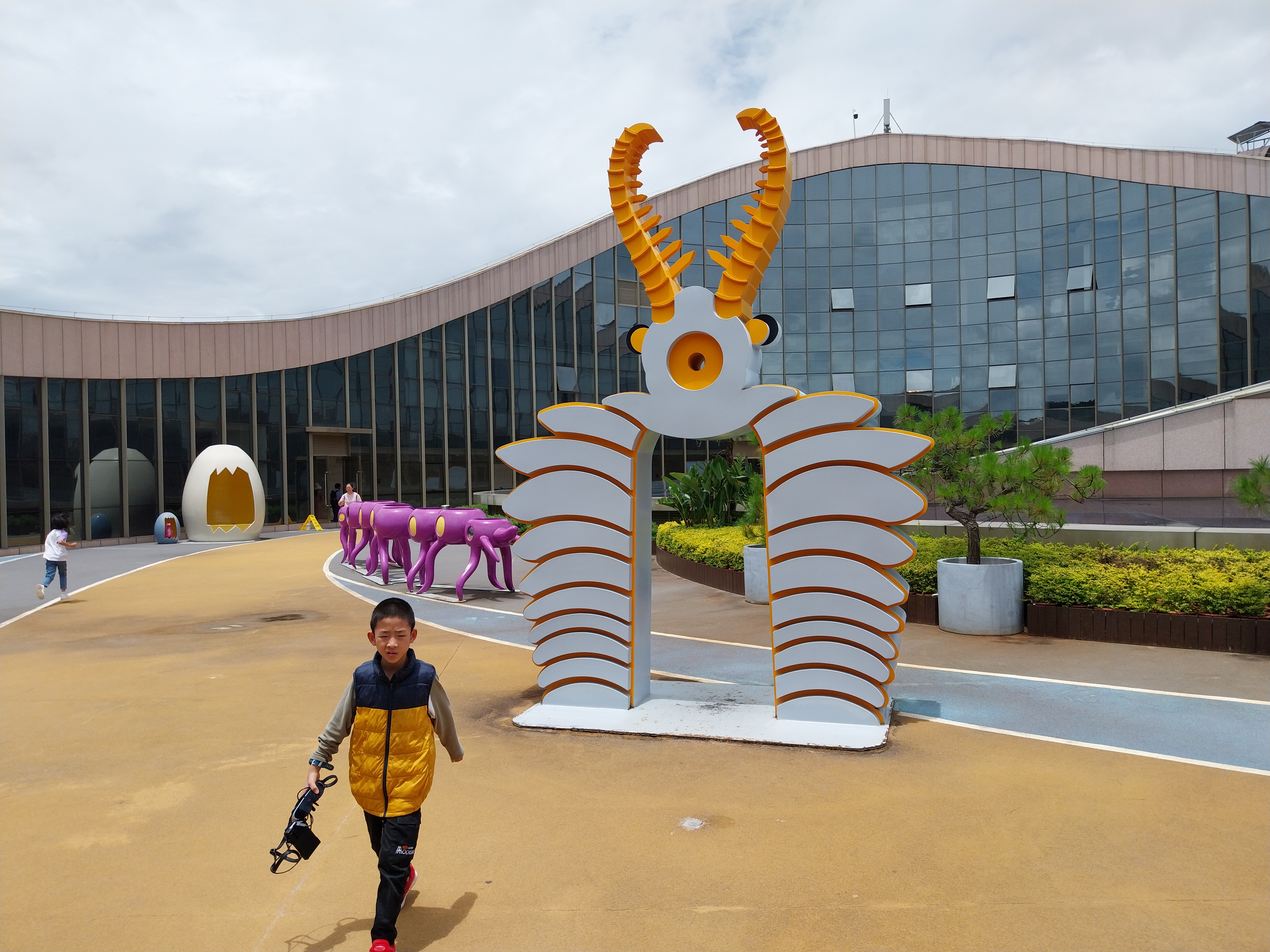
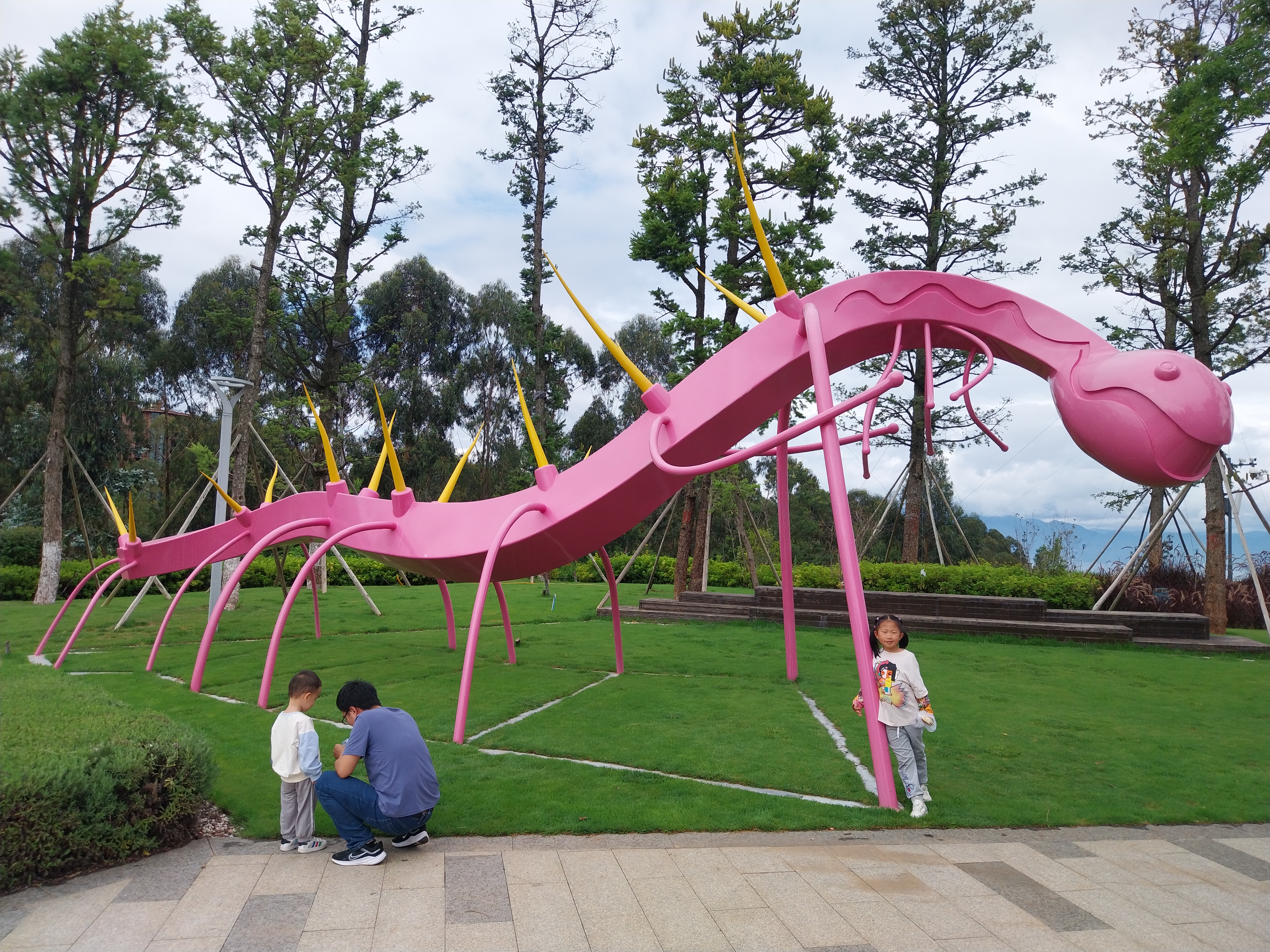
One such taxon is the genus Anomalocaris, a group of predatory early arthropods, the disarticulated parts of which were originally misidentified as belonging to different animals. It was the late Stephen J. Gould who first brought the story to popular attention in his 1989 book Wonderful Life. I read this when it was first published and had the pleasure of seeing Gould give a lecture about it in Oxford, and the story of Anomalocaris stuck with me. So it was great to see actual fossils of this remarkable animal in China.

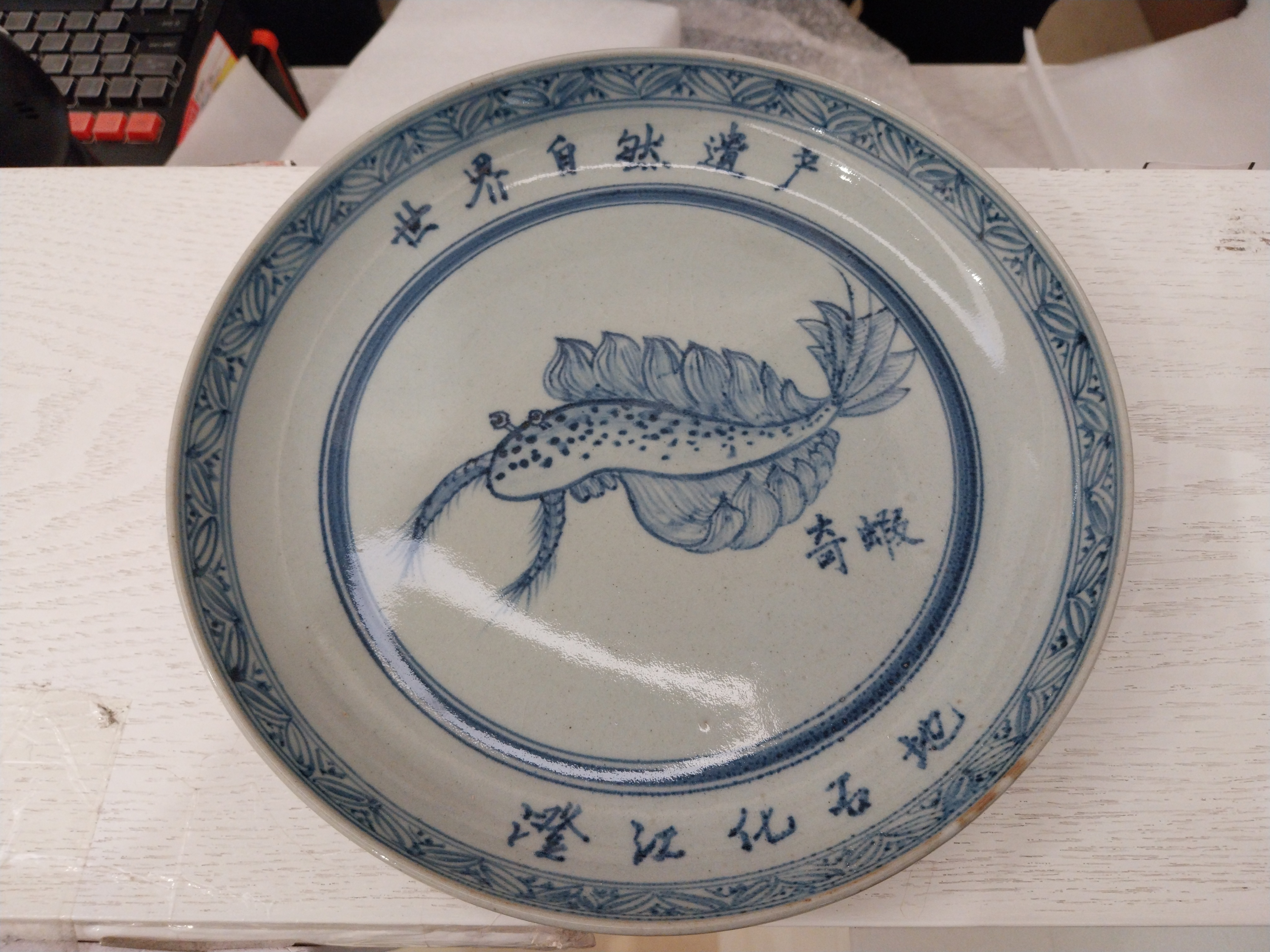
Not only did I get to view the fossils, but I was able to buy the plate that’s featured at the top of this post, featuring a hand-painted painted Anomalocaris in a traditional Chinese style. It’s perhaps the most geeky ceramic imaginable, though Jeremy’s Daphnia tile comes a close second!

Here’s some more photos from the Chengjiang Museum, including sculptures of both Anomalocaris and the similarly mis-reconstructed Hallucigenia: