Category Archives: Food and biodiversity

Urban bees are often early bees says a new study

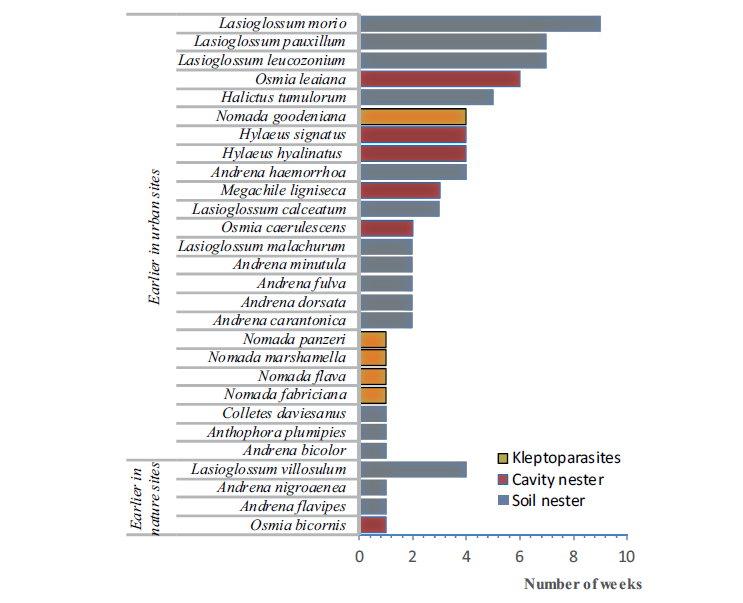
The latest paper from Muzafar Sirohi‘s PhD work on urban solitary bees has just been published in the journal Zoodiversity, a publication of the National Academy of Sciences of Ukraine. In this paper we looked at how the flight periods of urban populations of bees differ from those in surrounding nature reserves and other “natural” settings. One of the most interesting findings is that urban bees tend to emerge earlier, and be active longer, than their rural counterparts. The quote the study:

“We observed a substantial effect of urban microclimate on bee flight periods. A total of 153 individuals of nine bee species were recorded one to nine weeks before or after their expected flight periods. In contrast, only 14 individuals of four species were seen at unusual flight periods in nature sites.”

In my book Pollinators & Pollination: Nature and Society I discussed the importance of towns and cities for supporting pollinator populations, and conversely how important those populations are for urban food production. Likewise, in Birds and Flowers: An Intimate 50 Million Year Relationship I have a chapter entitled “Urban flowers for urban birds”. The relationship between our built environment and pollinators is a fascinating topic, but there’s still much we don’t understand about how these insects and vertebrates respond behaviorally to urbanisation. Are they adapting in an evolutionary sense, or simply responding flexibly to the different conditions that cities impose on their biologies? Will future climate change make towns and cities uninhabitable for these animals? Hopefully our paper will stimulate further work on these and other topics.

Here’s the full reference with a link to the paper (which is open access):

Sirohi, M. H., Jackson, J., & Ollerton, J. (2024). Comparison of Flight Periods of Solitary and Primitively Eusocial Bees in Urban Environments and Nature Conservation Areas: a Preliminary Report. Zoodiversity 58: 317-334

Here’s the abstract:

Solitary and primitively eusocial bees, an important group of pollinators, have declined in the past few decades. In view of the recent focus on safeguarding pollinating insects, it is vital to understand the basic ecology of species for their conservation, for example their phenologies. We observed the flight periods of solitary and primitively eusocial bees in both the urban core of a large British town and nearby nature conservation areas. The bee surveys were conducted with standardised methods, on warm sunny days from the first appearance of bees in March 2012 and continued until October 2012. This study confirmed that a high number of species are active in the spring season. The emergence dates of species in urban areas and nature sites varied; about 26 of the 35 species were recorded at least one week earlier in urban areas; in contrast, only four species were seen earlier in nature conservation sites. When comparing this with the expected flight periods recorded (largely in nature sites) in the literature, many species were recorded at their expected time. However, a few individuals were recorded after their usual flight activity time, suggesting that the populations were possibly affected by the microclimate in urban areas. More urban phenological data are needed to understand the phenological trends in bees in urban habitats.
A doubly-parasitic orchid? – China Diary 5

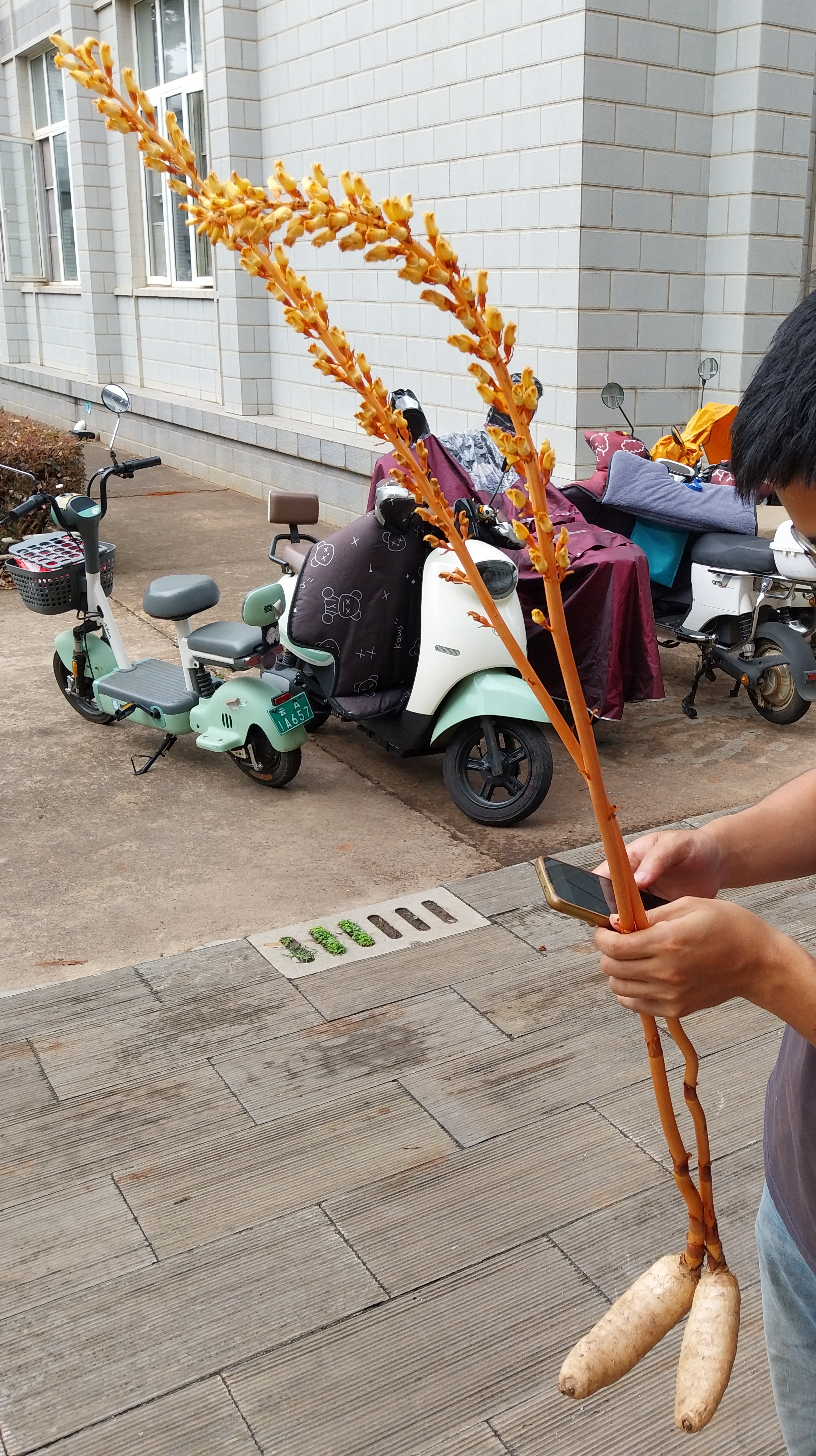
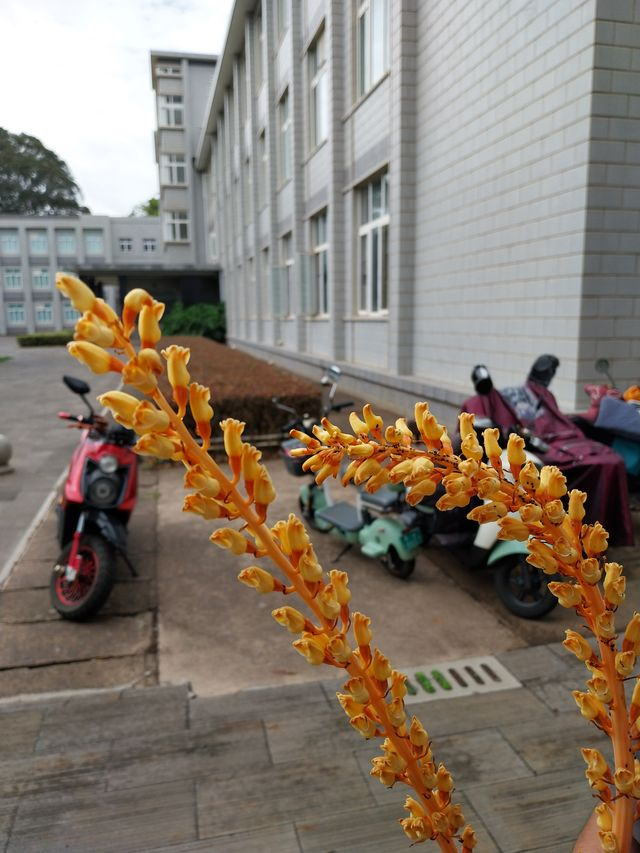
Walking into Kunming Institute of Botany yesterday morning, I passed a young guy who was carrying what I initially thought was a species of Orobanchaceae. I’ve a long-standing interest in the pollination ecology of these intriguing parasitic plants, so I stopped to have a chat. Turns out they were in fact orchids! Specifically, they were specimens of Gastrodia elata, one of the “potato orchids“, so named because those fat tubers are edible. They are widely used in South China – where they are known as Tianma, 天麻 – both as a food and medicinally. The tubers are eaten before the flowers are produced, and originally they were collected from the wild. But in the 1960s a Chinese botanist named Xuan Zhou discovered how to cultivate them and they are now grown in specialist nurseries. A fascinating account of the life of Xuan Zhou – “The Father of Gastrodia” – was published in the journal Plant Diversity last year, shortly after he died.

These orchids do not produce green leaves or stems, therefore they cannot photosynthesise. Instead, they gain all of their energy from a parasitic symbiotic relationship with a fungus – they are what is termed “myco-heterotrophic“. Most myco-heterotrophic plants have evolved from ancestors that were involved in mutualistic mycorrhizal relationships with fungi, in which the plant provides sugars to the fungus in return for mineral nutrients and water. In the case of Gastrodia elata, the fungus concerned is the non-mycorrhizal, wood-rotting Armillaria mellea. In the west we know this as Honey Fungus, a disease of trees and shrubs and the bane of many a gardener. This is also edible, incidentally, but best dried before cooking (and some have an intolerance to it, so take care).

I tweeted the photograph in a short thread just after taking it, and Stewart Nicol pointed me to a study of the orchid’s floral biology and pollination ecology in Japan by Naoto Sugiura. Turns out that, at least in the population which Naoto studied, the plant produces no nectar and deceives its pollinators, which are small bees, into visiting the flowers.

That’s why I’ve used the phrase “doubly-parasitic*” in the title of this post – the plant, it appears, parasitically exploits both the fungus from which it gains energy and the pollinators that ensure its reproduction. It’s (almost, but not quite) the flip side of “double mutualism” in which species provide two benefits for one another, e.g. the same bird is both a pollinator and a seed disperser of a particular plant, a phenomenon that I discussed in my recent book Birds & Flowers: An Intimate 50 Million Year Relationship.

But note the question mark in the title of this post. There’s an enormous amount that we don’t know about these myco-heterotrophic interactions and how they remain stable over the evolutionary history of the plant and the fungus. In order to be considered a parasite, by definition, an organism must have a negative impact on the reproductive fitness of its host. Do these orchids negatively impact either the fungus or the bees that pollinate it? As yet we don’t know. And I was intrigued by this comment from a 2005 review of ‘The evolutionary ecology of myco-heterotrophy‘ by Martin Bidartondo:

“no successful plant lineage would be expected to cheat both mycorrhizal fungi (by failing to provide photosynthates) and deceive insect pollinators (by failing to provide nectar or other rewards) due to the evolutionary instability inherent to specializing on two lineages.”

At first glance it appears that Gastrodia elata is a plant lineage that has done just that, though I’d like to see more work carried out on this system. Specifically, are all populations of the orchid bee pollinated and are all rewardless? And does this orchid really provide no benefit to the fungus, perhaps by synthesising secondary compounds that protect the Armillaria from infection by bacteria or being eaten by invertebrates. So many questions to be answered about this fascinating species interaction!

*With thanks to my wife Karin Blak for inspiring that phrase.

A use for invasive Yellow-legged Hornets? – China Diary 4

The UK media has fueled something of a moral panic over the last couple of years, in relation to the Yellow-legged Hornet (Vespa velutina) which has become established as an invasive species in Europe. It also looks likely to become established in Britain and Ireland, where beekeepers have claimed that it poses “a severe threat to pollinators“. The only study that I know of that’s tested this idea in Britain – by Thomas O’Shea-Wheller, Juliet Osborne, et al. – suggests that the impact on bumblebees, at least, is not as great as feared.

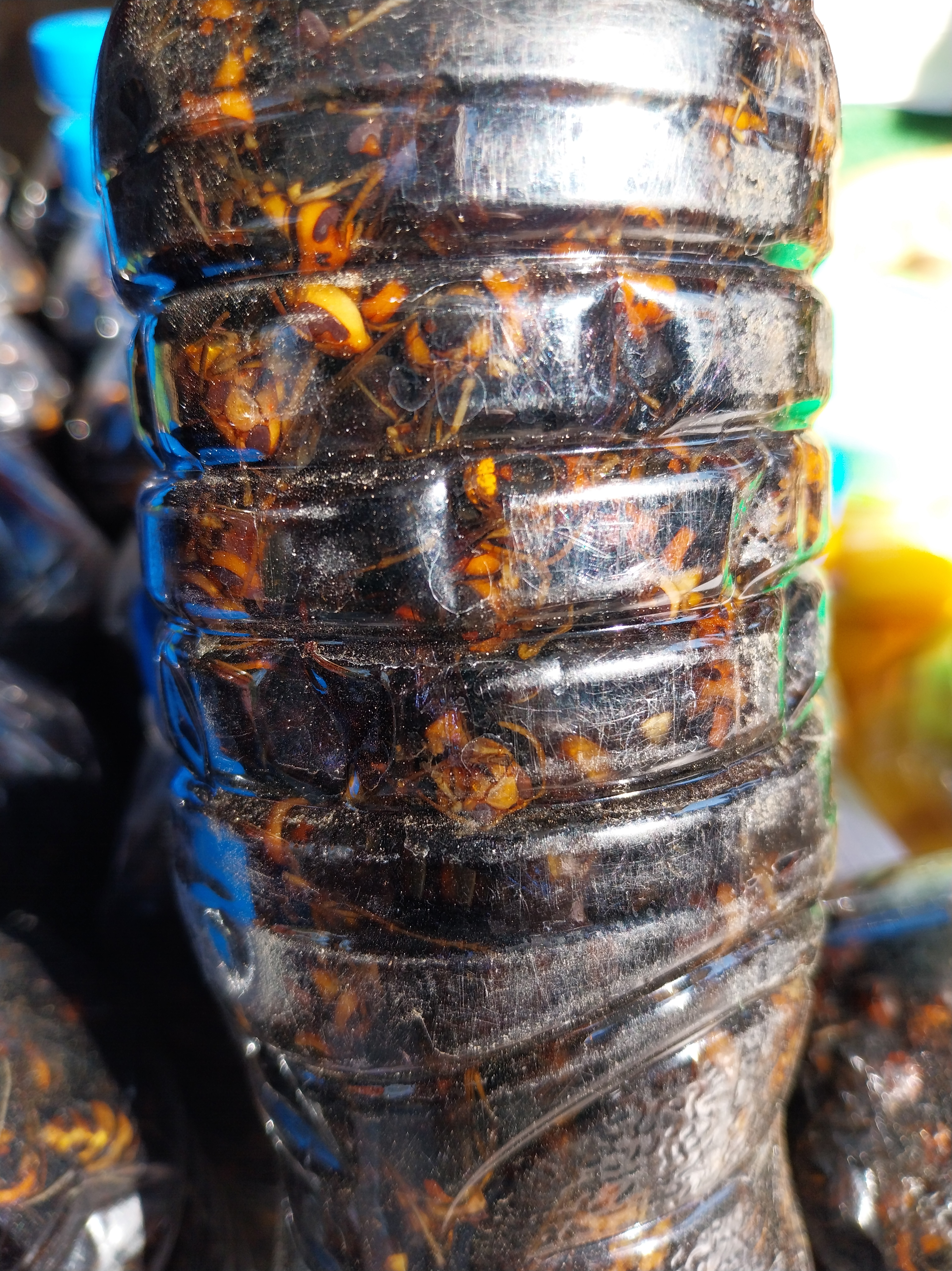
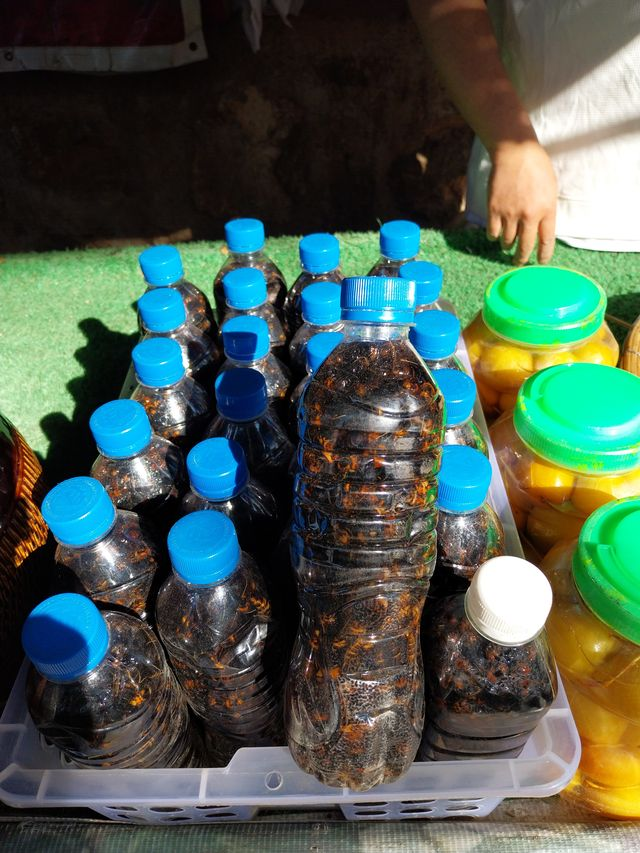
In Asia, where the species originates, they’ve lived with this hornet for centuries and learned to exploit it. On a visit to a recent farmer’s market near Kunming we encountered a local man selling bottles of adult hornets steeped in alcohol, to be used as a liniment. It’s rubbed on arthritic joints and (apparently) soothes the pain.

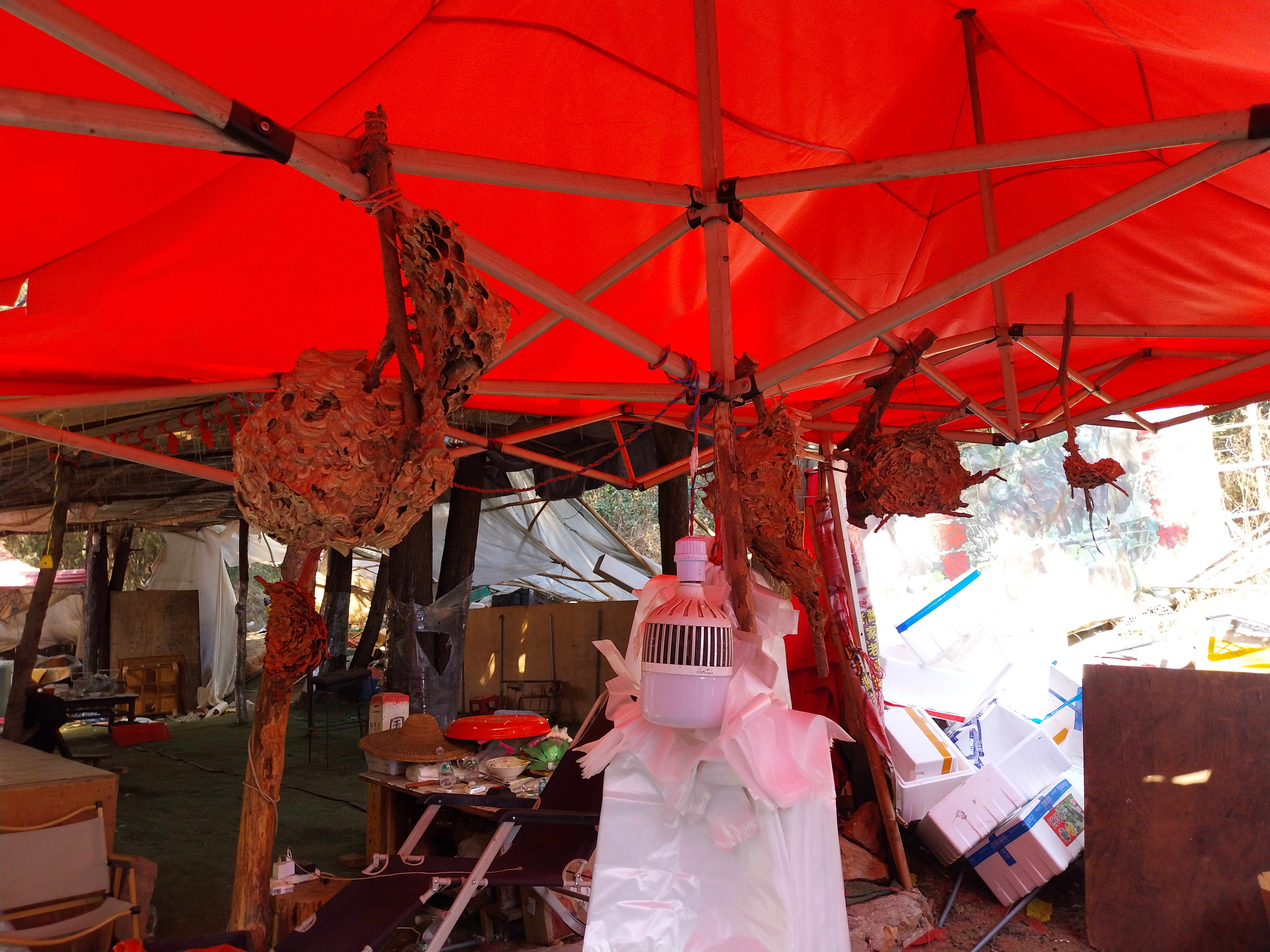
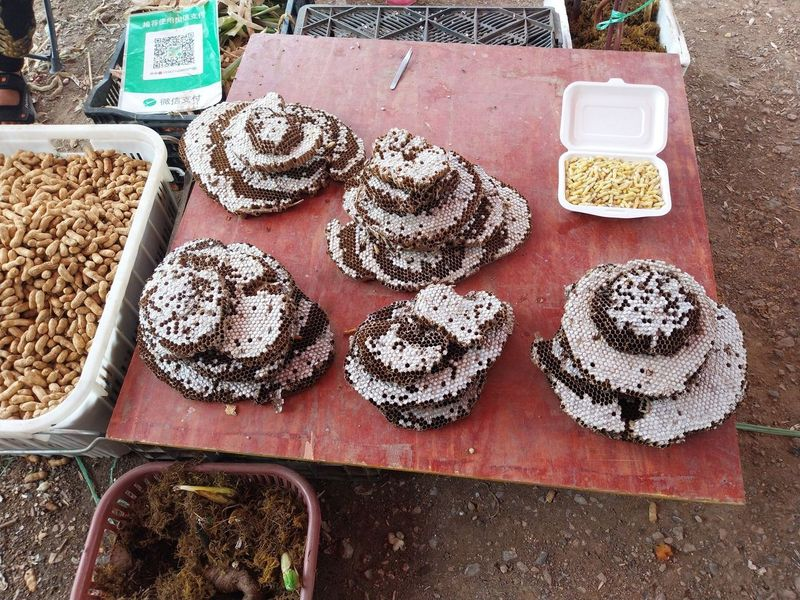
The guy who was selling the bottles of embrocation had several hornet’s nests on display:

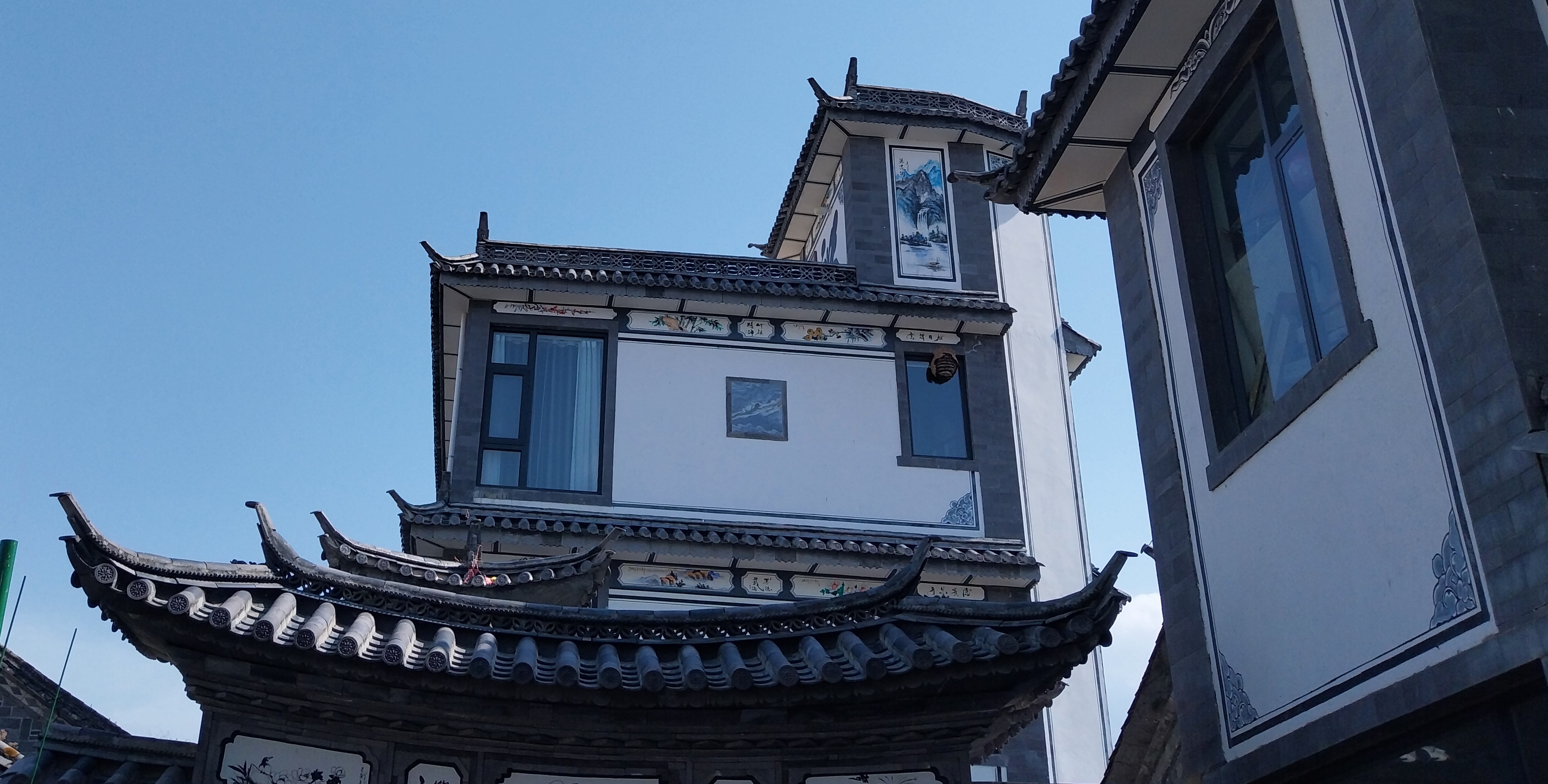
Later, on a trip to Lijiang I also spotted a hornet’s nest on a building, not the usual place you expect to see one:

The other use for hornets is as food – the larvae are apparently quite delicious and very nutritious. This is from a different market and is a different species:

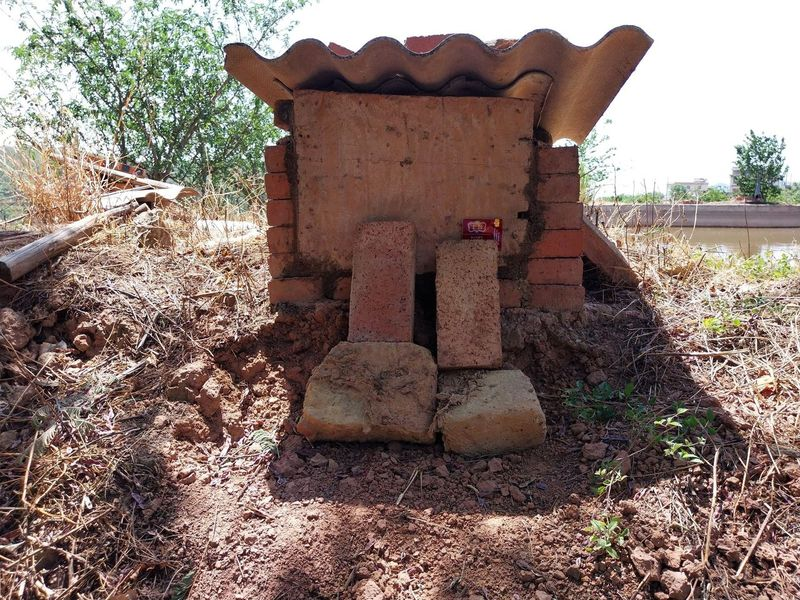
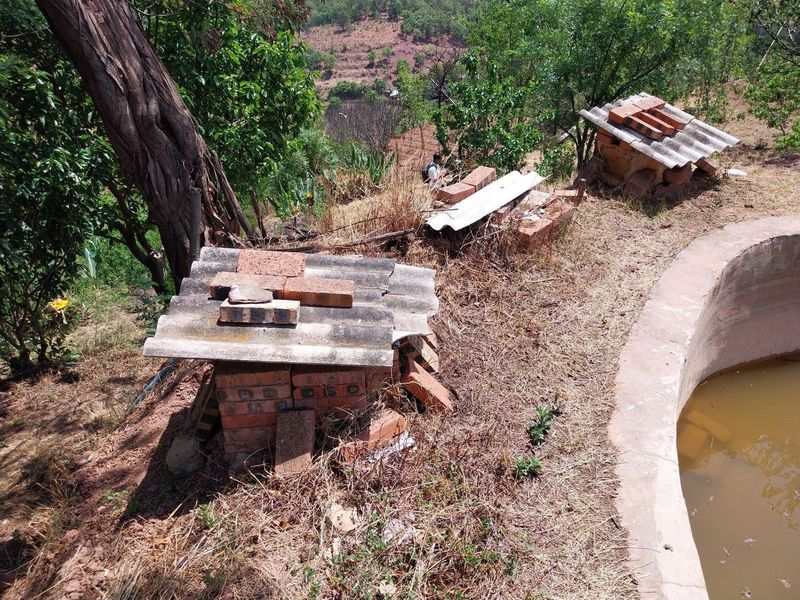
Later on the Lijiang trip we visited a farm that was part of a Yi community, one of the local ethnic minorities. They keep the indigenous honey bees (Apis cerana) in these small hives:

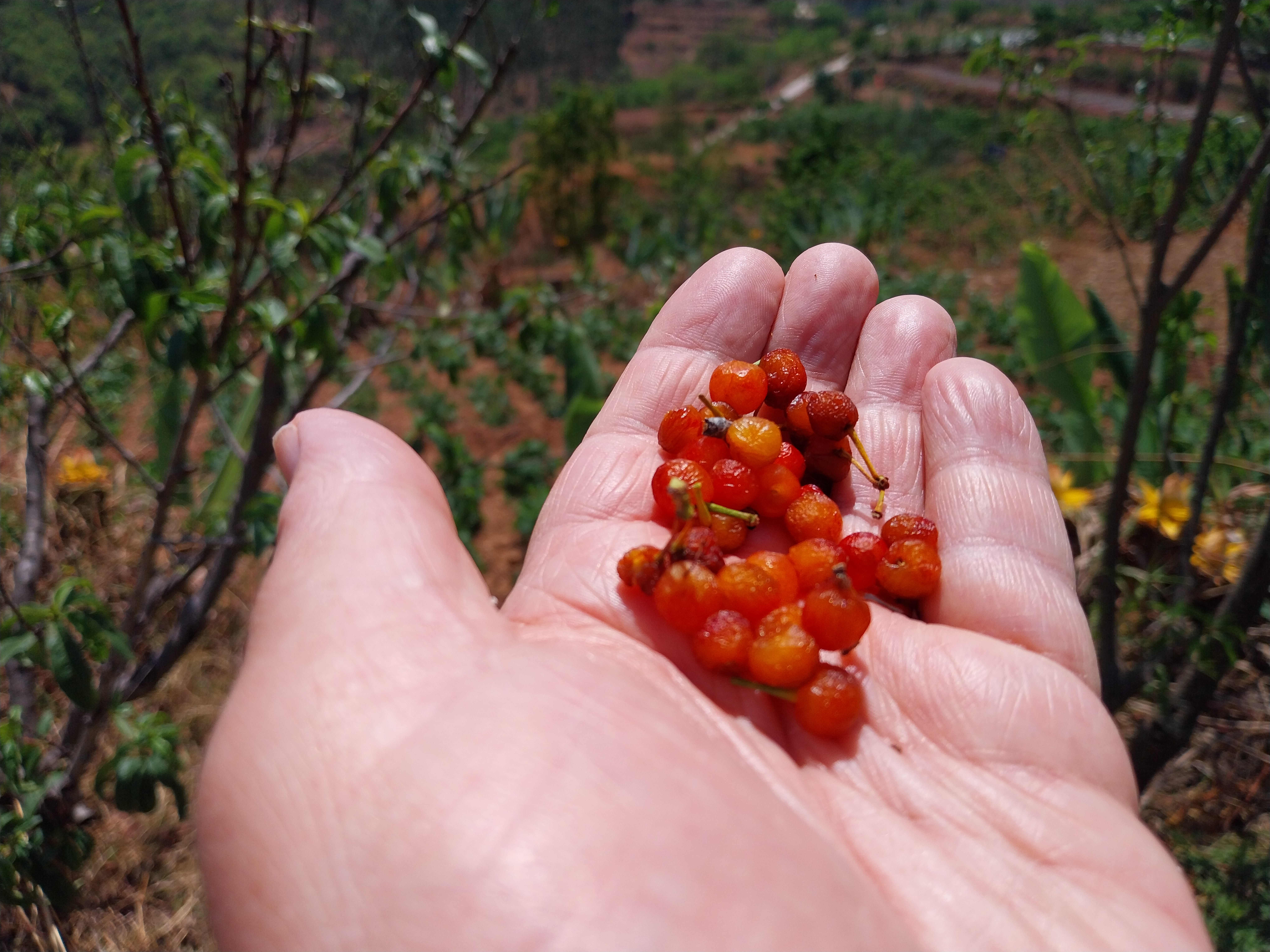
The honey bees pollinate an early-flowering local cherry variety that farmers grow in small orchards. The fruit is extremely small but also extraordinarily sweet:

These ones are past their best though still edible:

Much fresher cherries were being sold in farmer’s markets and at the roadside:

We’re still trying to work out what variety of cherry this is – possibly a landrace of the highly variable Chinese Cherry (Prunus pseudocerasus).

Of course, hornets can be pollinators too, though a study last year of the Yellow-legged Hornet in Spain showed that they negatively impact pollination of ivy in that region. These insects are definitely a cause for concern, though whether their impacts will be as great as some fear remains to be seen.

Seeds have power far beyond their size – China Diary 2

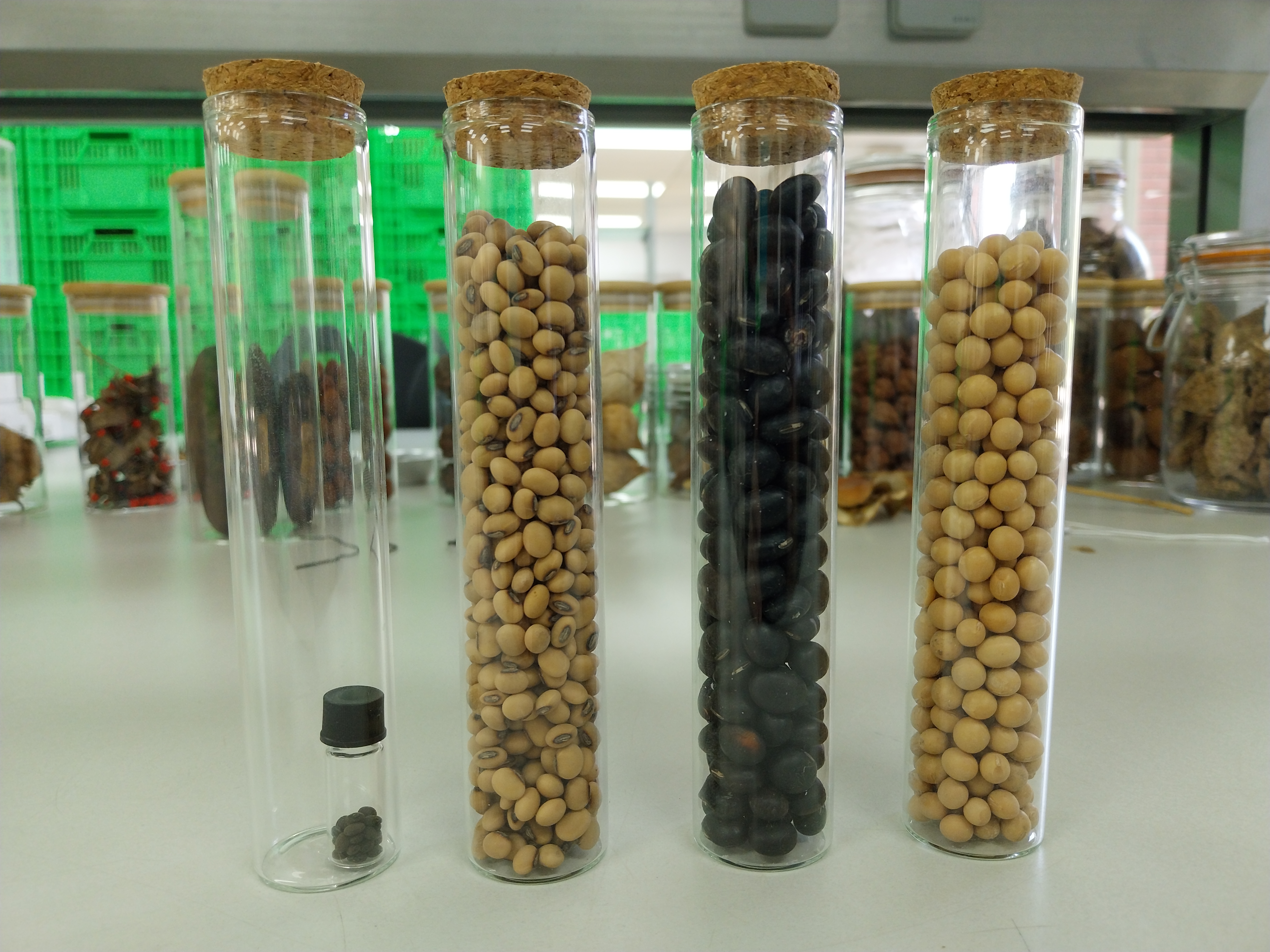
In the image above, the three glass tubes on the right contain different cultivated varieties of soybean (Glycine max), one of the world’s most important (and controversial) legume crops. The tube on the left contains the seeds of what is considered the wild ancestor of soybean (Glycine soja). Archaeological evidence suggests that by about 5,000 years ago farmers in several areas of Asia had artificially selected varieties that had much bigger seeds than the wild type. I like this image because it’s a great demonstration of the power of humans to positively influence the food that we eat – and the power of those seeds to affect us via our diets and farming methods.

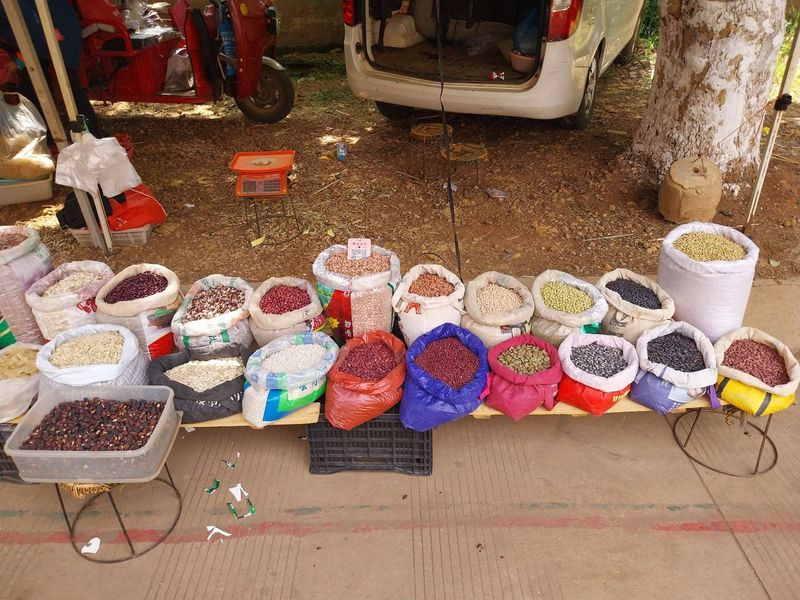
Of course it’s not just soybean that’s been subject to this sort of artificial selection – we’re encountering many other species and varieties of beans at the various farmer’s markets we’re visiting here in Yunnan:

Many of these beans require pollinators such as bees to initiate or at least enhance the crop, as we found in our recent study of soybean as part of the SURPASS2 project.

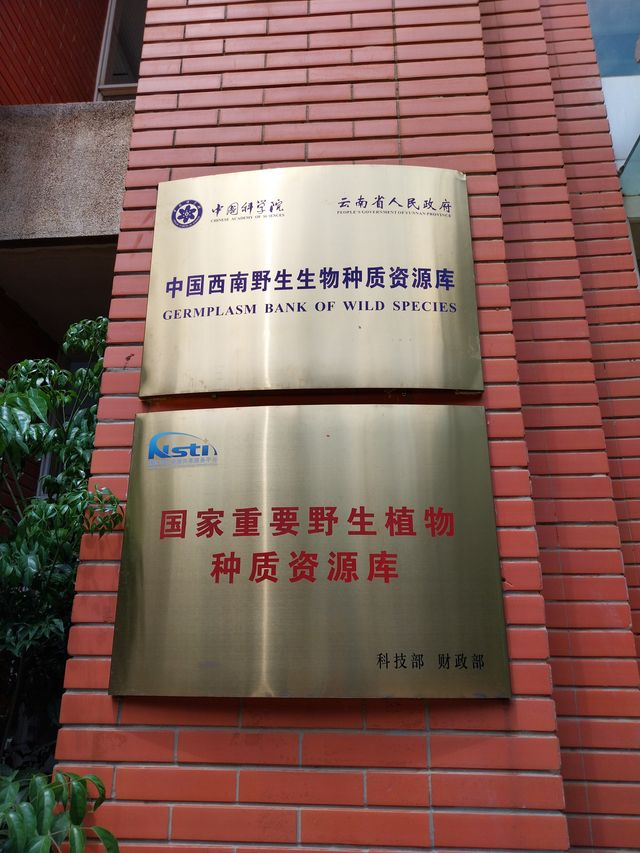
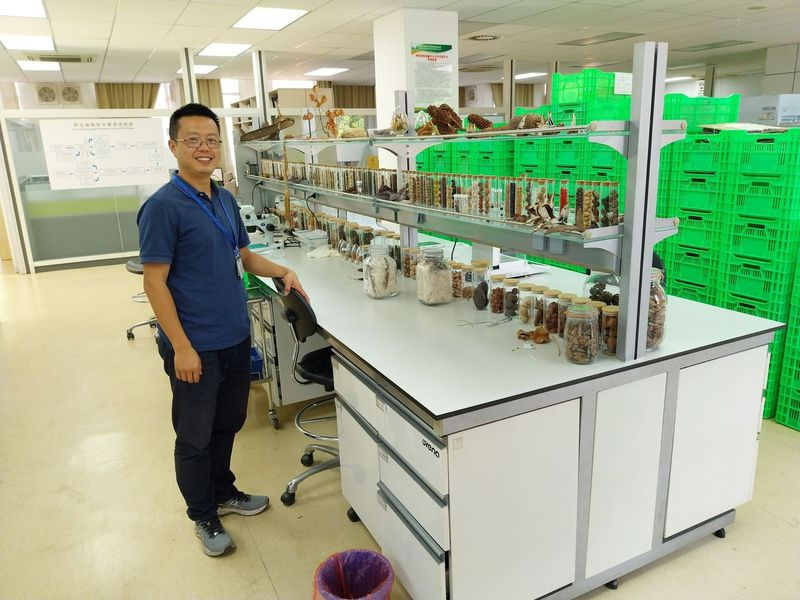
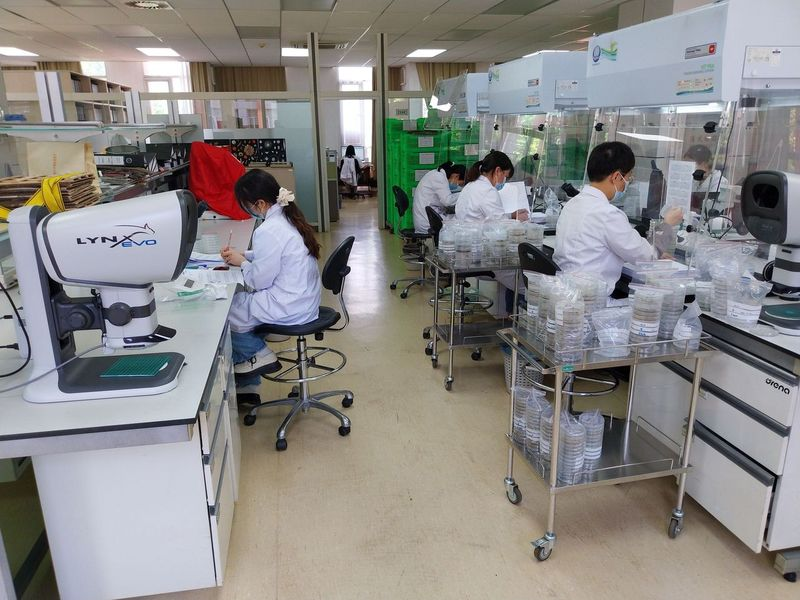
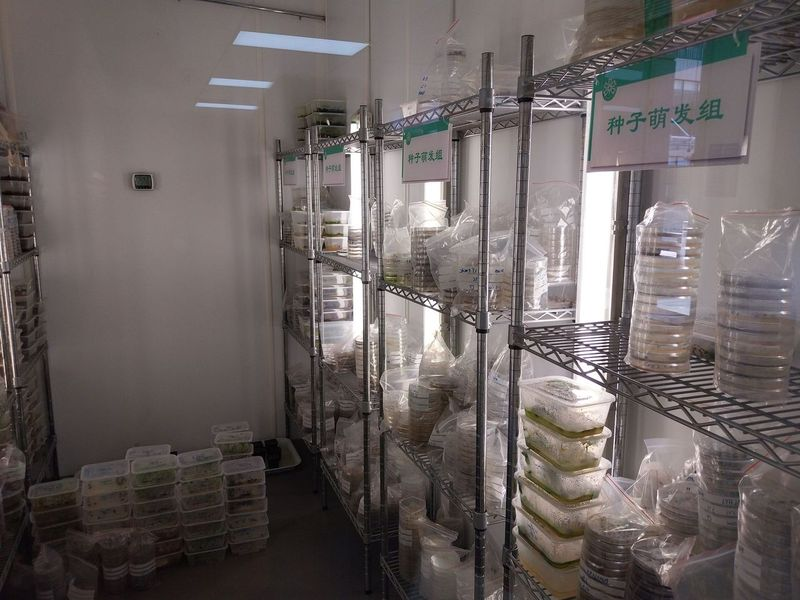
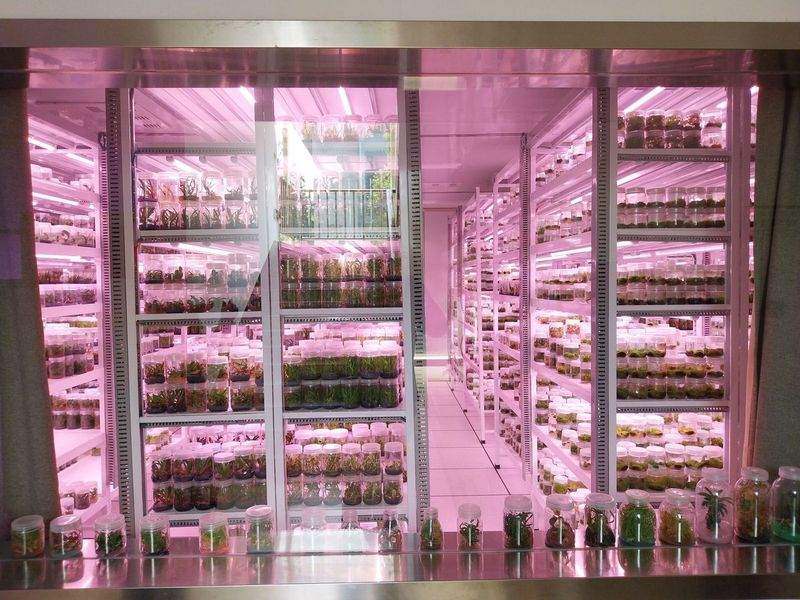
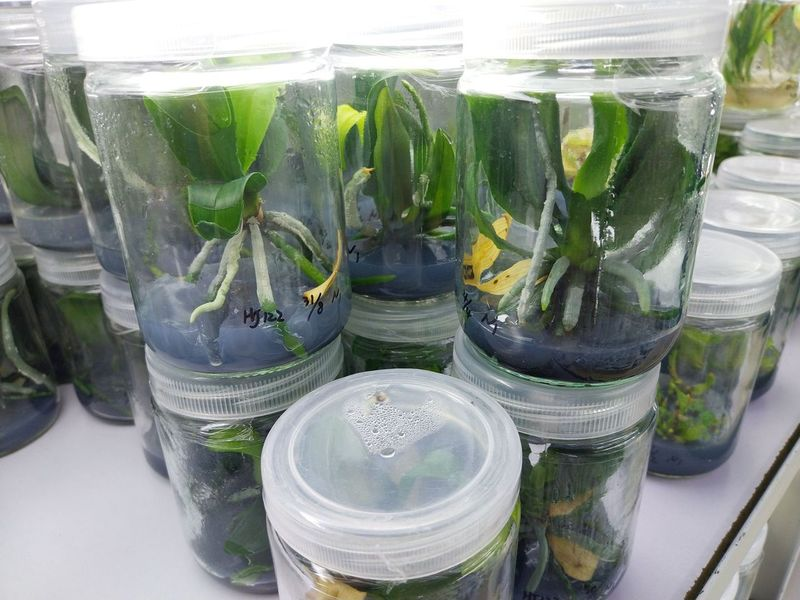
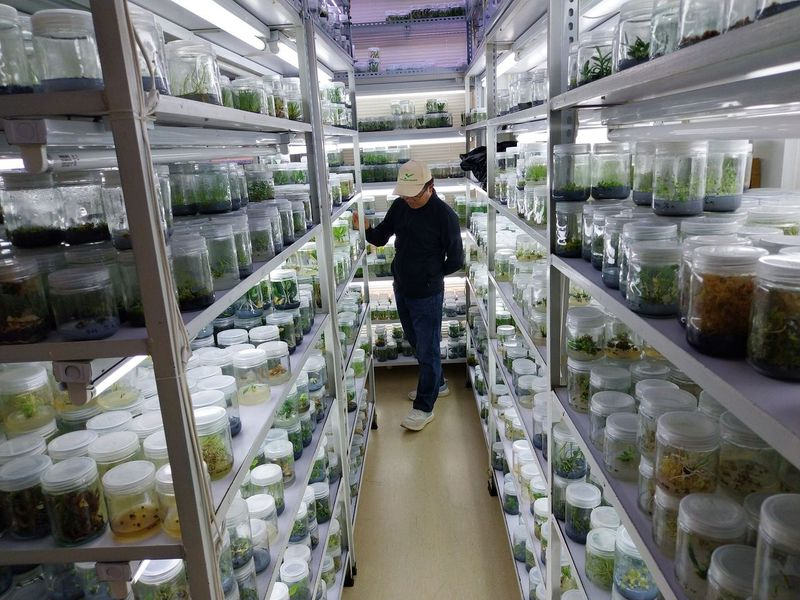
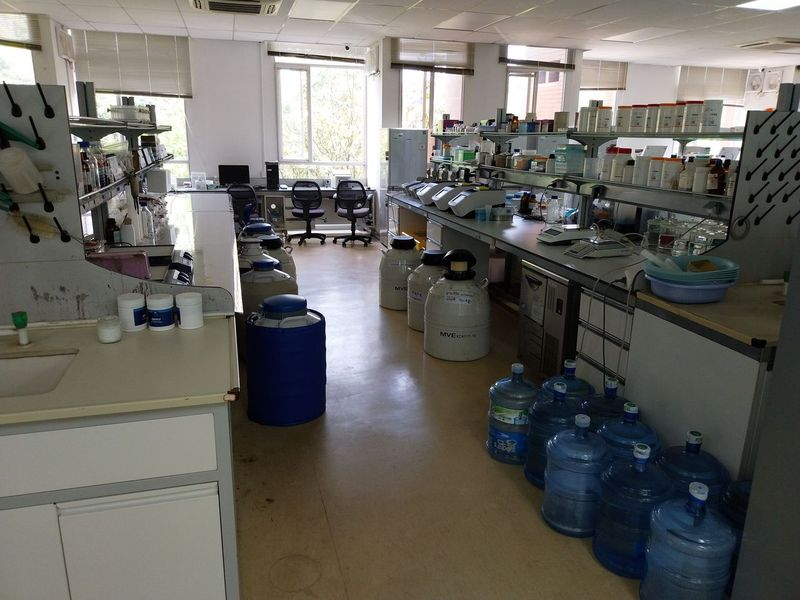
I took the main image last week when I had a tour of the Germplasm Bank at the Kunming Institute of Botany, a really impressive facility that stores both seeds in deep freeze and living plants in tissue culture. It’s one of the ways in which we can help to conserve the genetic diversity of wild and cultivated plants. Here are a few more photographs from that visit:
Dr Jie Cai, the manager of the seed bank, kindly hosted the tour and introduced the facility:

Seeds are stored at about -20C in huge, security-controlled freezers:

Collected seeds are first cleaned, sorted, and then counted – a laborious task that requires patience:

Samples of seeds are also germinated at various points to assess how well they are responding to storage:

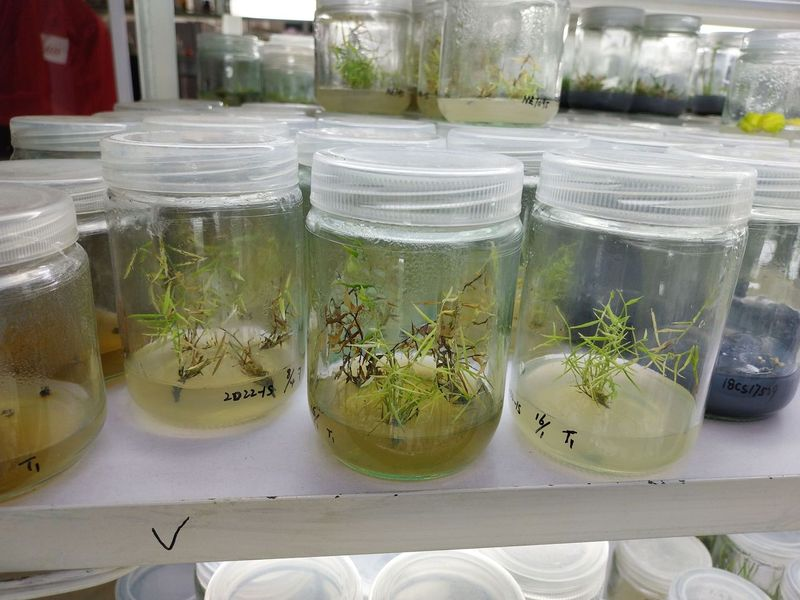
Plants with seeds that do not respond well to being stored, such as many orchids and bamboos, are grown in tissue culture:

The building also hosts the genetic sequencing facility, another extremely impressive set of laboratories in which progress of sequencing the Chinese flora can be seen in real time:

First footsteps in Kunming – China Diary 1

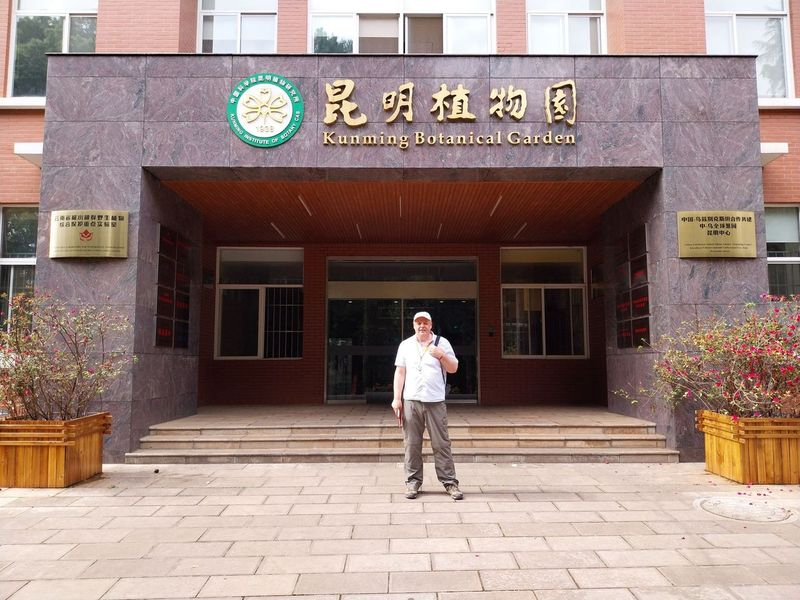
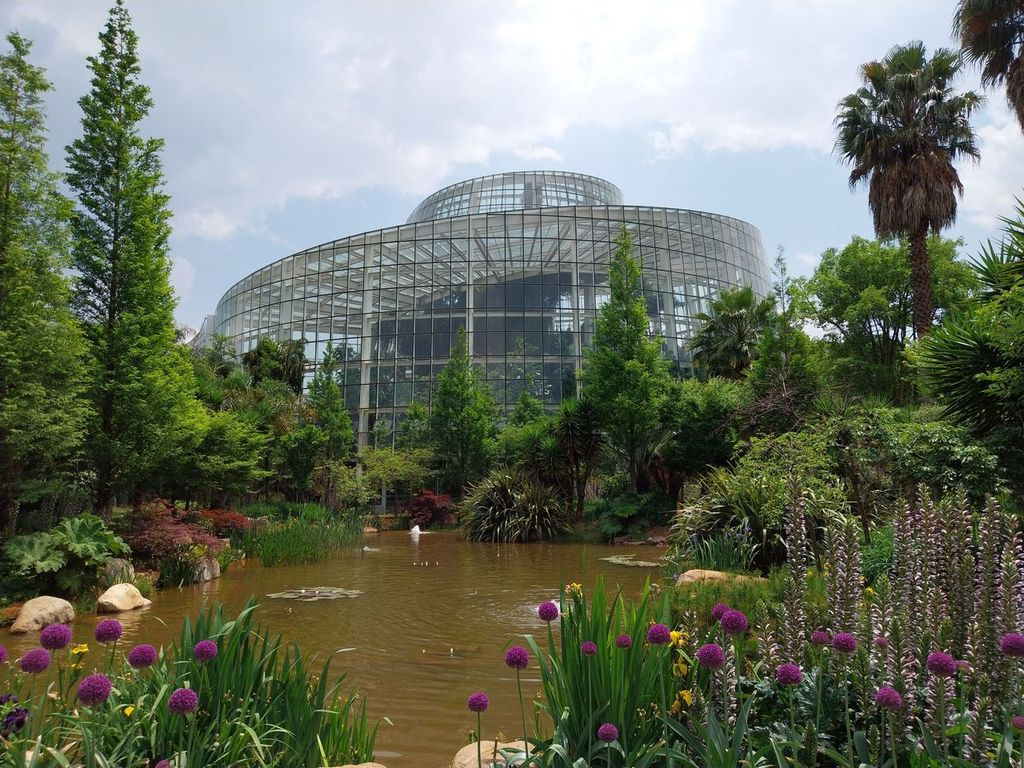
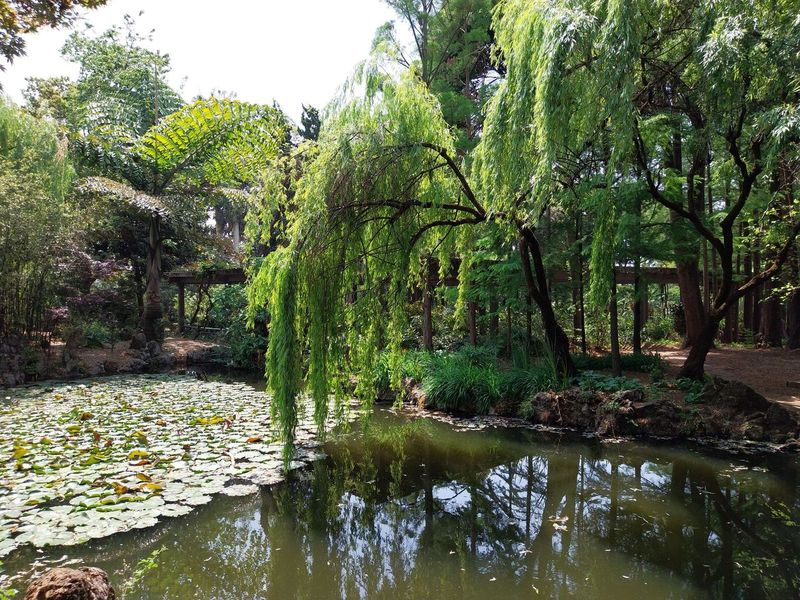
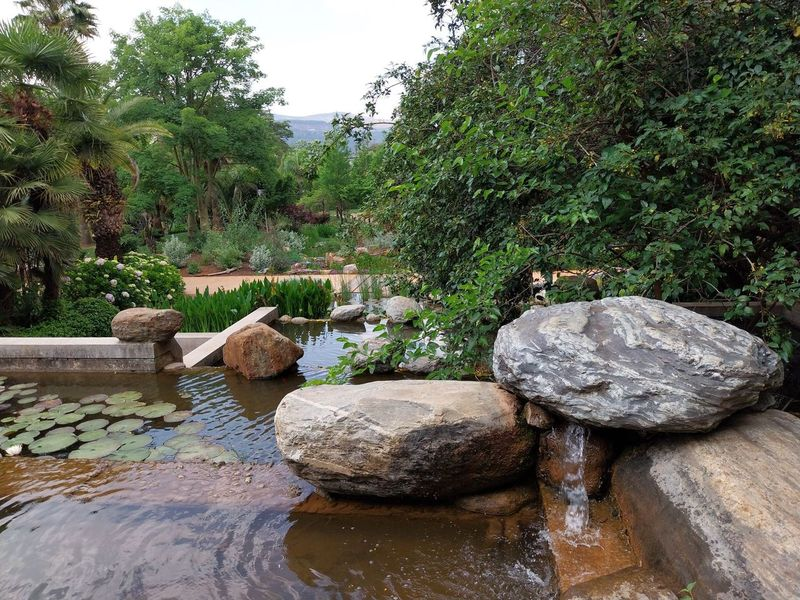
Just over a week ago I arrived in China to spend three months as a visiting professor at the Kunming Institute of Botany (KIB), of the Chinese Academy of Sciences. I am being hosted by my colleague Dr Zong-Xin Ren, and I will repeat this trip each year over the next three years. This is my first visit to Kunming because my last visiting professorship here had to be conducted remotely due to the COVID-19 pandemic. As you can see above, KIB is adjacent to, and works closely with, Kunming Botanical Garden and I have the good fortune of being able to walk to work each day through the gardens:
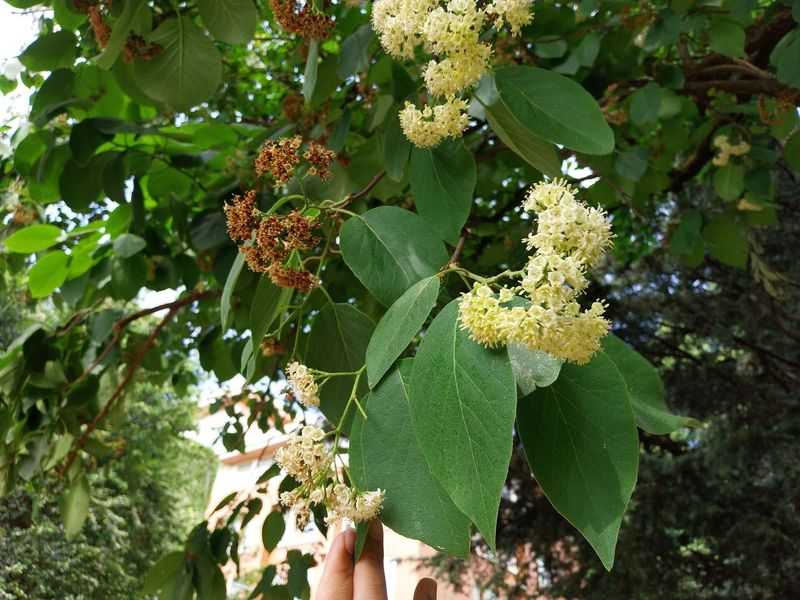
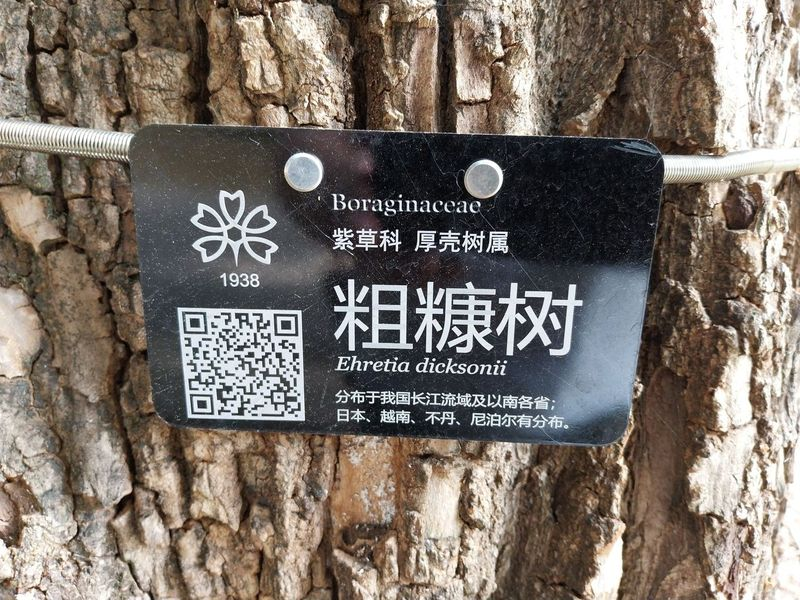
As I’ve said before, I love botanic gardens because I always, always see plants that amaze and surprise me. For example, I struggled to recognise the family that this very large tree belonged to – and was surprised by the answer!

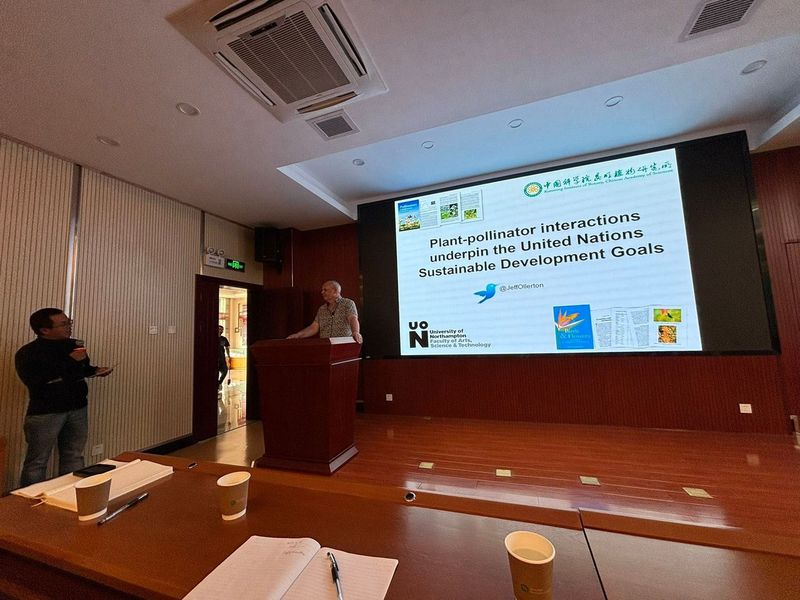
I’ll be spending my time working on some data and writing manuscripts, carrying out field work, and talking with KIB postgrads and postdocs about their projects. I’ll also give some lectures here and at other institutions in China. The first of these was last Thursday where I spoke about the role of plant-pollinator interactions in underpinning the United Nations Sustainable Development Goals:

Thanks to Brazilian researcher Sinzinando ‘Nando’ Albuquerque-Lima for those last two photographs. As part of a Brazilian-funded project, Nando is here for about 8 months studying a range of plants and their pollinators.

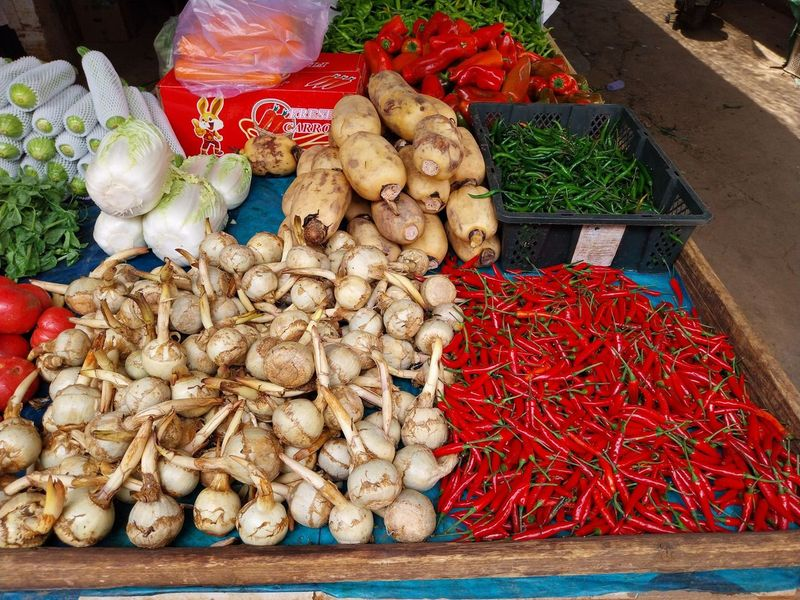
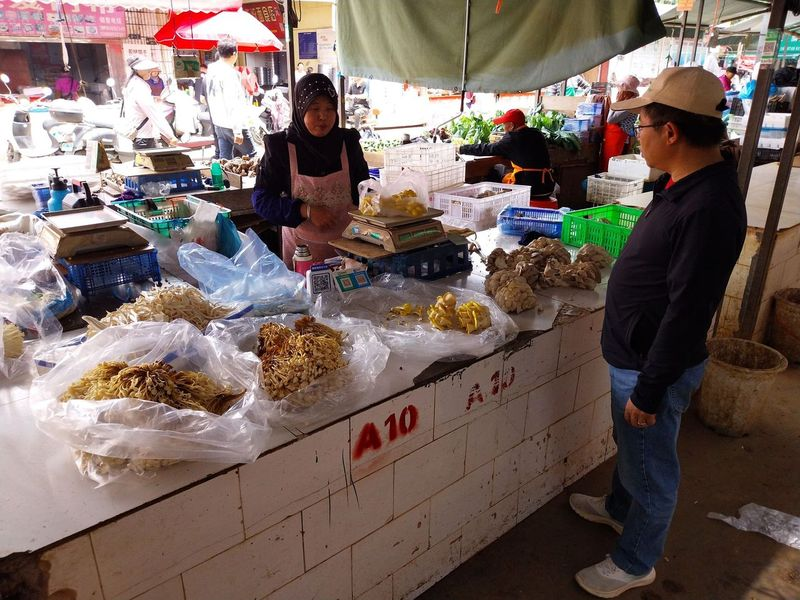
Further afield, Zong-Xin and Nando have introduced me to some of the amazing markets and restaurants in the city and I’ve already added three new plant families to my life list of those I’ve consumed: Phyllanthaceae (the rather sour fruit of a Phyllanthus species); Alismataceae (deep-fried, ‘crisped’ roots of a Sagittaria species); and Meliaceae (the young leaves of Toona sinensis are used as a spinach):

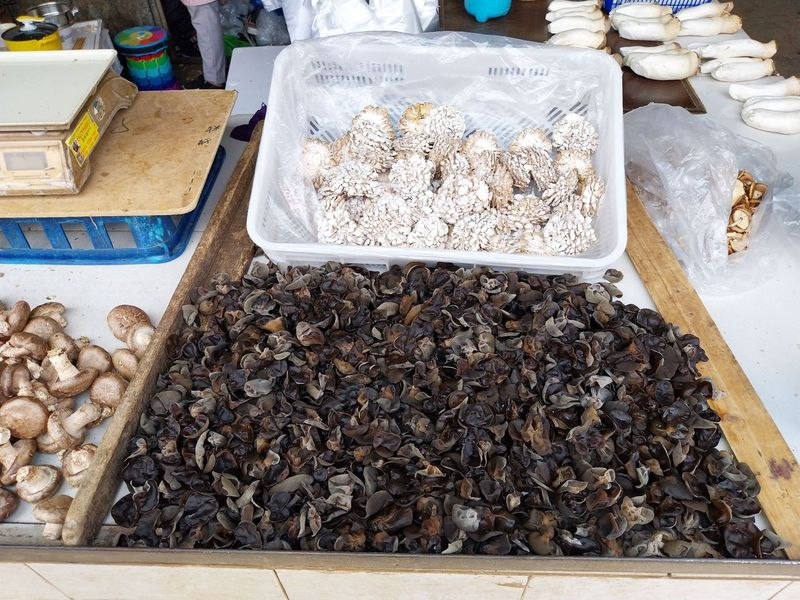
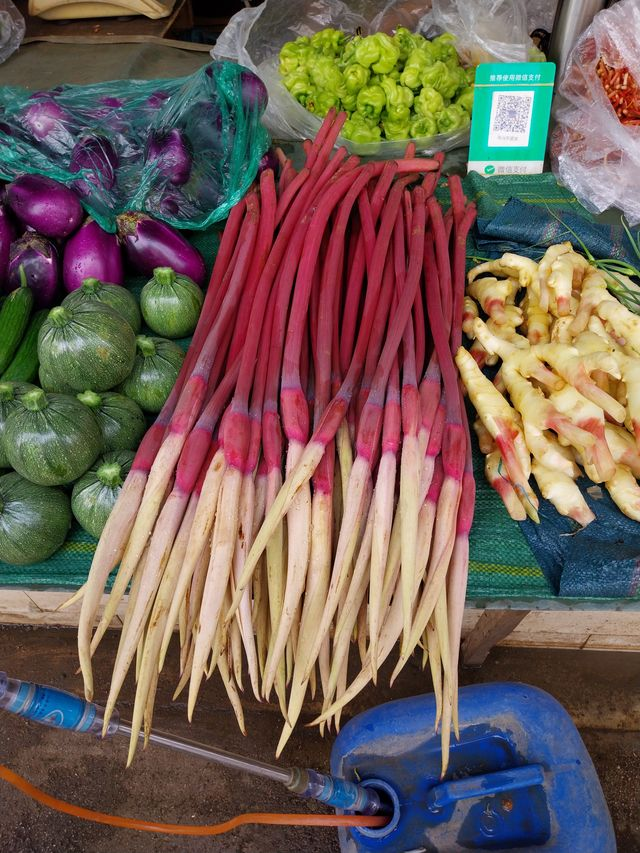
That last photo does not show rhubarb! They are the stems of a variety of taro (Colocasia esculenta) an Araceae species. Yunnan is especially famous for its wild-collected fungi:

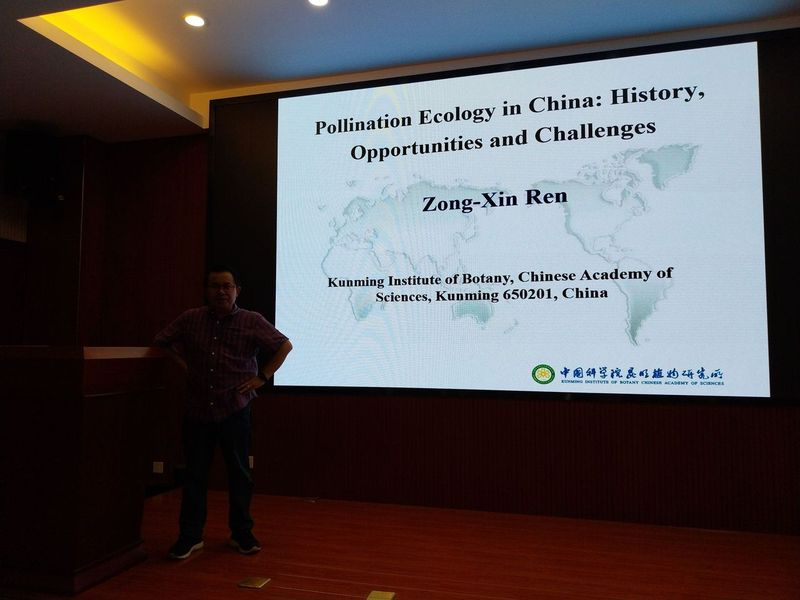
On Sunday afternoon Zong-Xin’s research group gave some presentations about their research, which is diverse and exciting and I look forward to discussing it with them some more in the coming months. The afternoon started with a talk by Zong-Xin himself about the history and opportunities of studying pollinators and pollination in China:

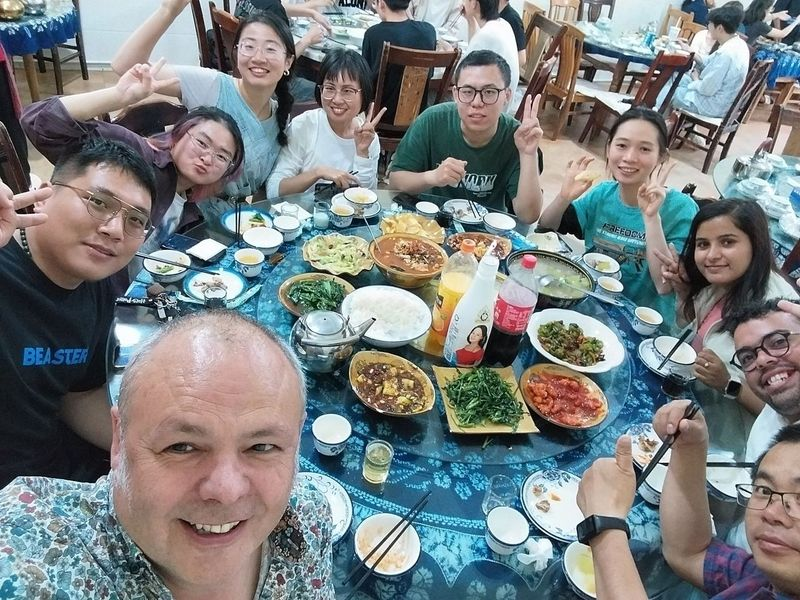
And then we all went to dinner!

That’s all for now, I’ll add updates as the weeks go by.

More from the WorldFAIR Project: Agricultural biodiversity FAIR data assessment rubrics for plant-pollinator interactions

The final deliverable from the WorldFAIR Project with which I’m involved has recently been published and can be freely downloaded from Zenodo by following the link below. The report is called “Agricultural biodiversity FAIR data assessment rubrics” and in it we present the results from a series of six pilot studies that adopted the FAIR* standards and our recommendations from the previous report.

This document complements the previous one by giving examples and setting out guidelines that allow researchers and practitioners to ensure FAIRness in their plant-pollinator interaction data.

Here’s the full reference:

Drucker, D. P., Salim, J. A., Poelen, J., Soares, F. M., Gonzalez-Vaquero, R. A., Devoto, M., Ollerton, J., Kasina, M., Carvalheiro, L. G., Bergamo, P. J., Alves, D. A., Varassin, I., Tinoco, F. C., Rünzel, M., Robinson, D., Cardona-Duque, J., Idárraga, M., Agudelo-Zapata, M. C., Marentes Herrera, E., Taliga, C., Parr, C.S., Cox-Foster, D., Hill, E., Maués, M.M. Agostini, K. Rech, A.R., Saraiva, A. (2024). WorldFAIR (D10.3) Agricultural biodiversity FAIR data assessment rubrics (Version 1). Zenodo. https://doi.org/10.5281/zenodo.10719265

Although this is the last formal deliverable from our WorldFAIR work package, it’s not the final output that we have planned. I’ll report back on the journal paper(s) that we are writing as and when they are published.

*Findable, Accessible, Interoperable & Reusable (or sometimes Reproducible)

Can coffee plantation design boost both productivity and sustainability? A new study says YES!

One of the most productive research collaborations in which I’ve had the pleasure to be involved has been with André Rodrigo Rech in Brazil. It started when he was a postgrad working on his PhD, and has now continued as André has developed into fully-fledged academic with his own research group. That productivity has been fueled by a lot of coffee, of course, as you’ll know if you’ve read my book Pollinators & Pollination: Nature and Society!

Our most recent paper concerns coffee production in Brazil and how the design and management of plantations can both support wild bee populations AND increase the quality and quantity of the crop. One of the lead authors Gudryan Baronio has written a post about the work over on The Applied Ecologist blog – here’s the link: https://appliedecologistsblog.com/2024/02/26/can-coffee-plantation-design-boost-both-productivity-and-sustainability/

Here’s the reference – if you want a PDF of the paper, please send me a message via my Contact page:

Pereira Machado, A.C., Baronio, G., Soares Novaes, C., Ollerton, J., Wolowski, M., Natalina Silva Lopes, D. & Rech, A. (2024) Optimizing coffee production: Increased floral visitation and bean quality at plantation edges with wild pollinators and natural vegetation. Journal of Applied Ecology (in press)

Here’s the abstract:

  1. Animal pollination is important for more than 75% of agricultural crops, including coffee, whose productivity can increase with adequate pollination. Bees, including many solitary species, are diverse pollinators, with around 85% of them considered more effective than honeybees in pollen transfer. We assessed the coffee plantation and its surrounding vegetation for solitary bee nesting throughout the coffee flowering season and measured their impact on coffee productivity.
  2. We installed collection stations with trap nests inside a coffee plantation, on the border and inside the native vegetation in a farm in Diamantina, MG, Brazil. We used 10 weekly monitored replicates at least 1 km apart. We evaluated fruiting by autogamy in relation to natural pollination and used the increase in fruit set from pollinators to calculate the farmer’s monetary gain. We recorded bee visits to the exposed flowers during coffee flowering considering both on the edge and inside the coffee plantation. Ripe fruits were dried, counted and weighed.
  3. We discovered 132 solitary bee nests outside the plantation, with 54% containing coffee pollen grains, indicating coffee as an essential resource for bees even outside the crop area. More bee visits occurred at the coffee plantation’s edge, resulting in increased fruit production, denser fruits, and rounder fruits in that area. Bagged flowers produced consistent seeds in all locations. The farmer could earn an extra US$1736.37 per hectare if the entire area received the same level of pollination contribution from bees as observed at the coffee border.
  4. Synthesis and applications. Our study emphasises the key role of pollinators in coffee production and their impact on fruit and seed characteristics. Bee visits were more frequent on border areas, emphasising their reliance on natural nesting sites. Bee-mediated pollination positively affected fruit traits and self-pollinated fruits in plantation borders had reduced mass. Solitary bee nesting was primarily observed in native vegetation, underlining its importance for bee populations. Pollen composition in nests varied with proximity to coffee plantations, indicating landscape vegetation influences pollinator foraging. These findings support optimising coffee plantation design by preserving native vegetation to increase coffee yields and conserve biodiversity.

Image © Ana Carolina Pereira Machado

Just published – WorldFAIR Agricultural Biodiversity Standards, Best Practices and Guidelines Recommendations for plant-pollinator interactions

One of the projects in which I’m currently involved is the WorldFAIR project. Funded by the European Commission, WorldFAIR is exploring how to make data FAIR – Findable, Accessible, Interoperable and Reusable – across a range of different disciplines in the sciences and humanities.

My involvement is specifically with Work Package 10, which is focused on data standards for plant-pollinator interactions, particularly as they relate to pollination of agricultural crops.

I’m delighted to say that the second deliverable from that work – a set of standards, best practices and guidelines recommendations – is now available for free download if you follow the link in this reference:

Drucker, D., Salim, J. A., Poelen, J., Soares, F. M., Gonzalez-Vaquero, R. A., Ollerton, J., Devoto, M., Rünzel, M., Robinson, D., Kasina, M., Taliga, C., Parr, C., Cox-Foster, D., Hill, E., Maues, M. M., Saraiva, A. M., Agostini, K., Carvalheiro, L. G., Bergamo, P., … Trekels, M. (2024) WorldFAIR (D10.2) Agricultural Biodiversity Standards, Best Practices and Guidelines Recommendations (Version 1). Zenodo. https://doi.org/10.5281/zenodo.10666593

Here’s the first paragraph of the summary:

The WorldFAIR Case Study on Agricultural Biodiversity (WP10) addresses the challenges of advancing interoperability and mobilising plant-pollinator interactions data for reuse. Previous efforts, reported in Deliverable 10.1 – from our discovery phase – provided an overview of projects, best practices, tools, and examples for creating, managing and sharing data related to plant-pollinator interactions, along with a work plan for conducting pilot studies. The current report presents the results from the pilot phase of the Case Study, which involved six pilot studies adopting standards and recommendations from the discovery phase. The pilots enabled the handling  of concrete examples and the generation of reusable materials tailored to this domain, as well as providing better estimates for the overall costs of adoption for future projects.

Key tropical crops at risk from pollinator loss due to climate change and land use – a new study just published

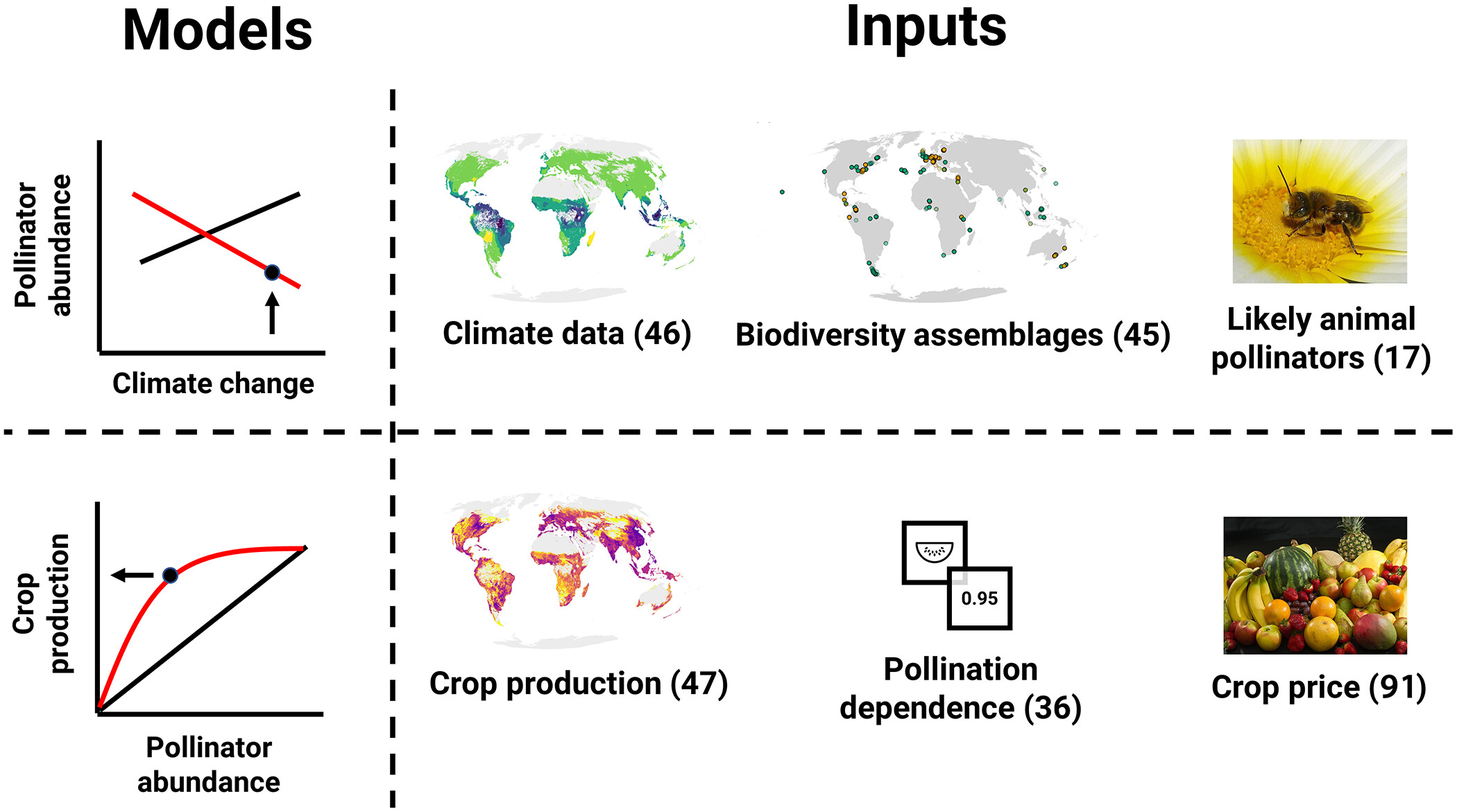
PREDICTS (Projecting Responses of Ecological Diversity In Changing Terrestrial Systems) is one of the most important sources of data for large-scale modelling of how changes in land use is impacting biodiversity. Marry that with future climate models and you have a powerful tool for understanding how these two major factors in global change will shape both biodiversity and human society over the coming decades.

In recent years it’s been a privilege to be part of a project led by Joe Millard and Tim Newbold that’s using PREDICTS to model how pollinators and pollination services are likely to be impacted by human activities. The first paper from that work (which was Joe’s PhD) was entitled ‘Global effects of land-use intensity on local pollinator biodiversity’ and came out in 2021, as I documented on my blog at the time.

Yesterday a second paper was published, this time focused on how land use and anthropogenic climate change interact to potentially affect insect-pollinated crops across the world.

Our main finding is that it’s tropical crops, especially cocoa, mango, watermelon, and coffee, that in the future will suffer the greatest negative impacts from loss of pollinators. Although we can have perfectly healthy diets without consuming any of those, they currently support tens of millions of farmers across the tropics and are part of global supply chains worth billions of dollars per year.

Here’s the full reference with a link to the paper, which is open access:

Millard, J., Outhwaite, C.L., Ceaușu, S., Luísa G. Carvalheiro, da Silva e Silva, F.D., Dicks, L.V., Ollerton, J. & Newbold, T. (2023) Key tropical crops at risk from pollinator loss due to climate change and land use. Science Advances 9, eadh0756

Here’s the abstract:

Insect pollinator biodiversity is changing rapidly, with potential consequences for the provision of crop pollination. However, the role of land use–climate interactions in pollinator biodiversity changes, as well as consequent economic effects via changes in crop pollination, remains poorly understood. We present a global assessment of the interactive effects of climate change and land use on pollinator abundance and richness and predictions of the risk to crop pollination from the inferred changes. Using a dataset containing 2673 sites and 3080 insect pollinator species, we show that the interactive combination of agriculture and climate change is associated with large reductions in insect pollinators. As a result, it is expected that the tropics will experience the greatest risk to crop production from pollinator losses. Localized risk is highest and predicted to increase most rapidly, in regions of sub-Saharan Africa, northern South America, and Southeast Asia. Via pollinator loss alone, climate change and agricultural land use could be a risk to human well-being.

‘…people would need to be very weak in the head… before it would occur to them to go into the garden and eat snails…’

‘…people would need to be very weak in the head… before it would occur to them to go into the garden and eat snails…’

Anon. (1867)

Delighted to announce that my essay “A short history of snail-eating in Britain” will be in October’s issue of British Wildlife magazine. This is a topic that’s intrigued me for many years because it has a close connection to the snail-eating habits of folks (my own family included) in the area of the north-east of England where I grew up. Hopefully it will also interest, and surprise, the readers of British Wildlife!