Category Archives: Climate change

Biodiversity and climate change: a hierarchy of options

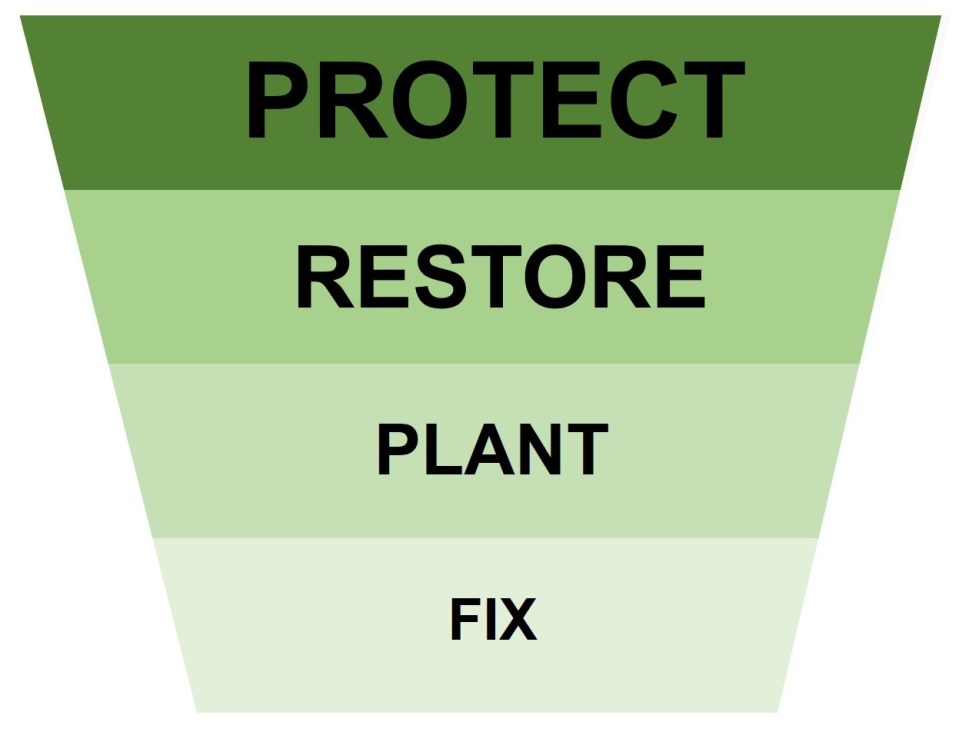
Conservation hierarchy image

The related issues of how to conserve biodiversity and reduce the impacts of climate change have never had such a high public profile as they do at the moment.  The activities of Extinction Rebellion caught the attention of the media around the world, for example here in London.  Numerous organisations, cities, regions and countries have declared a Climate Emergency.  And IPBES – the Intergovernmental Science-Policy Platform on Biodiversity and Ecosystem Services – has released a summary of its first global assessment with the full report due later this year, and explicitly makes the link between conservation of biodiversity and reducing the effects of climate change.

Timed to coincide with all of this, the University of Cambridge has announced that it is setting up a Centre for Climate Repair in order to explore hi-tech “fixes” to climate change, such as spraying sea water into the atmosphere in order to reduce warming at the poles, and sucking CO2 out of the air using large machines.  I think it’s fair to say that this was met with some scepticism on social media; here’s some examples:

Other people have pointed out that nature-based solutions are the most likely to be successful, and provide a boost for biodiversity at the same time:

All of this reminds me of the Waste Hierarchy in its various iterations – you know the sort of thing – “Reduce > Reuse > Recycle”, where reduction in waste produced is best, followed by reuse of waste resources, with recycling being the least good option (but still better than just land-filling the waste).  As far as the link between conservation of biodiversity and reduction of the effects of climate change goes, there’s a parallel hierarchy – see the image at the top of this post – that sets out the order of priorities:

PROTECTION of ecosystems using the full force of national and international laws and conventions has got to be the top priority.  Otherwise any of the other activities will result in, at best, humanity running to catch up with what the world is losing.  Let’s stop cutting down ancient forests and degrading peatlands that have accumulated millions of tons of carbon over thousands of years!

FIX – by which I mean the kind of hi-tech solutions proposed above – should be the lowest priority: they do little or nothing directly for biodiversity and there is no compelling evidence that they will even work as intended.

Between these two are RESTORATION of currently degraded habitats (such as re-wetting peatlands as in the Great Fen Project) and PLANTING of trees, which can be a form of habitat restoration under some circumstances.  Large scale examples of this include

Grain for Green – China’s attempt to restore vegetation to abandoned farmland to reduce soil erosion and flooding.

Great Green Wall – a multinational initiative in Africa aimed at restoring the vegetation on the southern edge of the Sahara to combat desertification and mitigate climate change.

While doing a bit of research for this blog post* I became aware that a Conservation Hierarchy has already been developed by the Convention on Biological Diversity but that really only deals with habitat destruction, mitigation of destructive activities, etc.  What I’m suggesting is related more to the direct link between conservation of biodiversity and mitigation of climate change.  So what to call this particular hierarchy?  Perhaps the BioCC Hierarchy?  Can anyone suggest a better name?  Maybe it doesn’t need a name at all, it just needs people to be aware of it and for governments to act logically.


*I googled the term “Conservation Hierarchy” – you get the quality of research you pay for on this blog….


Is pollination really an ecosystem service?

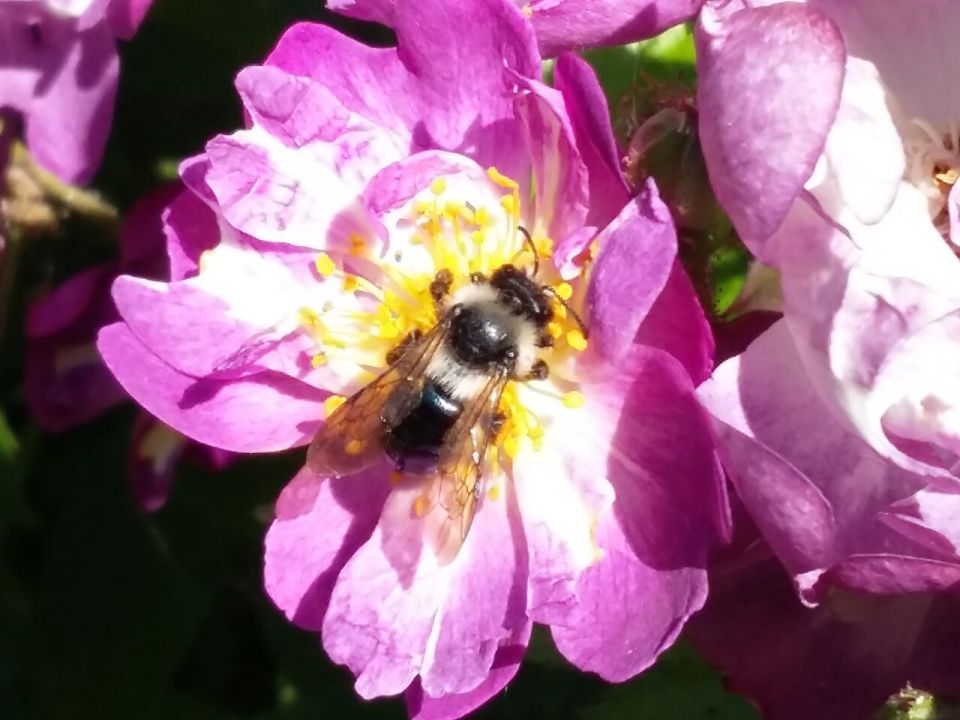
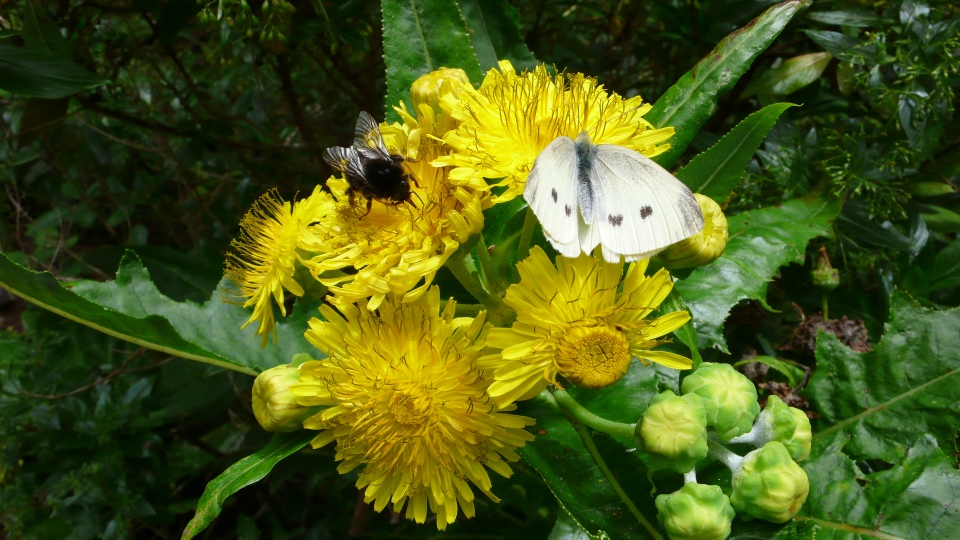
Ashy Mining Bee 2017-06-17 10.55.53

Yesterday on Twitter Prof. James Bullock from the Centre for Ecology and Hydrology posted a slightly provocative tweet asking: “why pollination is so often called an ecosystem service. To my mind it is an ecosystem process which can, in some circumstances (e.g. crop pollination), support services such as food provision”.

I confess to being a bit surprised to see this; I’d always referred to pollination (at least by animals) as an ecosystem service, and it’s classified in that way in large status-and-trend reports such as the Millennium Ecosystem Assessment and (more recently) the IPBES Assessment Report on Pollinators, Pollination and Food Production which describes animal pollination as “a regulating ecosystem service that underpins food production and its contribution to gene flows and restoration of ecosystems”.

The crux of James’s question is illustrated in this diagram from a paper by Prof. Georgina Mace and colleagues in 2012 entitled Biodiversity and ecosystem services: a multilayered relationship.  However note that even here, pollination straddles the line between ecosystem processes and services:

Mace ES image

My initial response to James’s tweet was that animal pollination is really a community process as the interaction, and its outcomes, between animal and crop plant is dependent mainly on species diversity and abundance.  Remember, an ecosystem is the sum of the biotic (i.e. community) plus abiotic (e.g. energy, water, mineral nutrients, etc.).  So as far as crop pollination is concerned, the abiotic components of an ecosystem don’t really come into it except in as much as they influence diversity and abundance of all life on Earth.  This is in contrast to more strictly ecosystem processes that link directly to the abiotic factors, such as primary productivity and soil formation, that then support ecosystem services.

It’s further complicated by the fact that many of the plants that perform ecosystem services, such as carbon capture by trees, are themselves dependent upon animal pollination to maintain their populations.  It’s the plants that are providing the ecosystem services but the animals are playing an important role in supporting that.

If you’d like to follow that discussion, which has some interesting contribution from a range of people, here’s the link:


But ultimately I feel that these are fairly arbitrary definitions across a continuum of causes and effects: we know what animal pollination of crops and wild plants is and why it’s important, so what we call it doesn’t really matter, does it?  Other things are much more concerning.  At the moment the UK is experiencing unprecedented weather: for the first time ever, earlier today, a temperature of in excess of 20 Centigrade has been recorded in winter.  It currently feels more like late April or early May than February.  I’m already seeing a lot of pollinator activity in the garden and beyond, and each day more plants come into flower, far earlier than expected.

The current and future effects of such changes in the climate are far more important than discussions of the semantics of processes versus services, however interesting that might be.

Should environmentalists be optimistic in a time of uncertainty?

zoogeo-ussr

Over at the Ideas for Sustainability blog Joern Fischer posted a really interesting piece on 1st January called “A new kind of hope” about the current state of the world and whether, from an environmental perspective, there’s really anything to be optimistic about.  If environmental collapse via climate change and over-exploitation is inevitable, the collapse of civilization is not far behind.  Joern’s piece is well worth reading, lots to think about in there, and I highly recommend that you take a look.

I posted a comment there which I’m going to copy here and add to because I think it bears repeating.

Going back to at least my student days I always thought that there was only a slim chance of our civilization making it to the end of the 20th century without some kind of catastrophe wiping us out.   So it was a surprise to celebrate the millennium as December 1999 segued into January 2000. Since then, whilst I think there’s lots to be optimistic about such as the increase in renewable energy, large-scale habitat restoration in some regions, and a growing recognition of the environmental damage of biocides and plastics, there’s also the nagging fear that it’s too little, too late.

These days I alternate between wild optimism and deep depression over the fate of humanity and of the planet. It’s so easy to get sucked into the vortex of negative environmental narratives and ignore the positive ones. Especially so if you actively use social media.  So I try hard to be optimistic and resist the urge to just give up, but the political situation across much of the world makes that difficult. As I learn more about the natural world through my own research and that of others’, and as world events such as Brexit and the rise of the Far Right unfold, I realise how little any of us really know about anything at all. Thus I have a deep suspicion of anyone who spouts certainties, whether they be moral, philosophical, religious, scientific, political, or artistic. All we can do is feel our way into the future, cautiously.

With respect to the question that Joern poses of “If we have to re-build something after some kind of collapse … do we have ideas for what that something will be?”, this is the rationale behind the Dark Mountain Project, a loose collaboration of writers, artists, thinkers, etc., who are trying to look for new narratives for humanity and the planet we depend upon. I’ve written a couple of pieces for their journal, most recently for issue 10 where I discussed the role of poetry in science.  And although I don’t buy into their certainty that there will be a collapse, I think it’s an important project for understanding where we are now, where we’ve been, and where we might be going to.  Here’s a link to the project’s website.

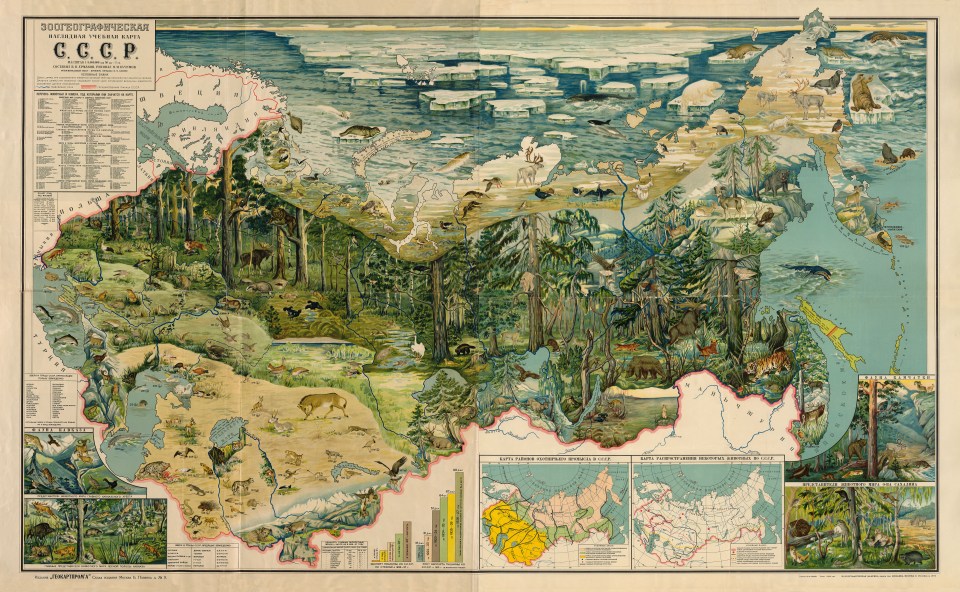
The discussion over whether we should be optimistic about the future of the planet that supports us, and how that optimism will play out, is important for scientists, and society at large, to be having.  By coincidence as I was writing this post the map above started circulating on Twitter.  It’s a Russian teaching aid from 1928 showing the different biomes of the USSR and can be downloaded from this site.

What really struck me about this graphic was the certainty with which it represents the natural world, as if all of this could never change. There are polar bears on ice flows and a frozen tundra in the far north; water still fills the Aral Sea, hyenas feast in the steppe, snow leopards haunt the mountains, Siberian tigers prowl the pine forests.  And an optimistic looking whale heads towards Japan.  Some of this is gone, some will almost certainly change, but a lot of it we could save, if we want to, saving ourselves in the process.

Climate change at Christmas: did the hot, dry summer of 2018 cause the record-breaking prices of holly and mistletoe?

Over the past two festive seasons I have posted about the research we published assessing the auction prices of holly and mistletoe, two culturally important seasonal crops that are 100% pollinator dependent for berry production.  The first post was called Insect pollinators boost the market price of holly and mistletoe: a new study just published; the second was The holly, the mistletoe, and the pollinators: an update on an old story.

Follow those two links to get the full background to this research and a link to the original paper published in the Journal of Pollination Ecology.

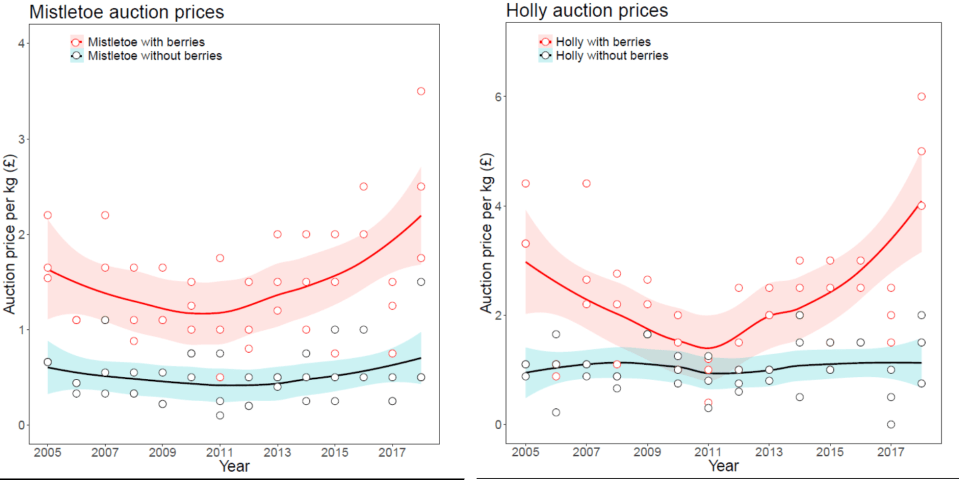
I’ve collated the auction prices for the 2018 season and added them to the time series data set, and it’s clear that something very interesting has occurred.  Both berried holly and mistletoe have achieved record-breaking average prices, whilst auction prices for material without berries have hardly changed at all.  Here are the updated graphs; each data point is the average price per kilo paid at an auction:

Holly and mistletoe prices 2018

So what’s gone on this year?  What could have affected the auction prices?  One interesting possibility is that the long, dry summer of 2018, a likely consequence of climate change, has negatively affected berry production in these two species.  This could come about if the holly or the mistletoe host trees are water stressed and shed part of their berry crops.  It’s unlikely to be a consequence of too few pollinators as these species flower too early in the year to have been affected by the dry weather.   We have more work planned in the future using these data and this will be an interesting question to address.

Yesterday I popped out to do some Christmas shopping and tried to buy mistletoe at a local garden centre.  That’s the second time I’ve tried this year (the first was at a nearby green grocer’s) and the second time that I’ve been told that they have none because it’s very expensive this year and not worth stocking.  That seems predictable from the wholesale auction results I’ve just described.  Has anyone else in the UK had similar experiences this year?

The British holly and mistletoe market is relatively small and clearly seasonal, and probably not worth more than a few millions of pounds each year.  However it seems to be very sensitive to external factors and may be a microcosm for how some crops, at least, might respond to future extreme weather brought about by climate change.  Brexit might also have an effect in the coming years as we import a large amount of mistletoe from northern France.  But then Brexit is going to have an effect on large areas of British society…..

On that sour note, Happy Christmas to all of my readers, however you voted in the referendum.  I hope you have a restful holiday, spending it as you wish, with the people you want to!  And if you, or someone you know, are spending the festive season on your own this year, take a look at Karin’s latest blog post:  Preparing a Christmas Just For You.

A once in a lifetime sunset?

2018-08-09 20.37.34

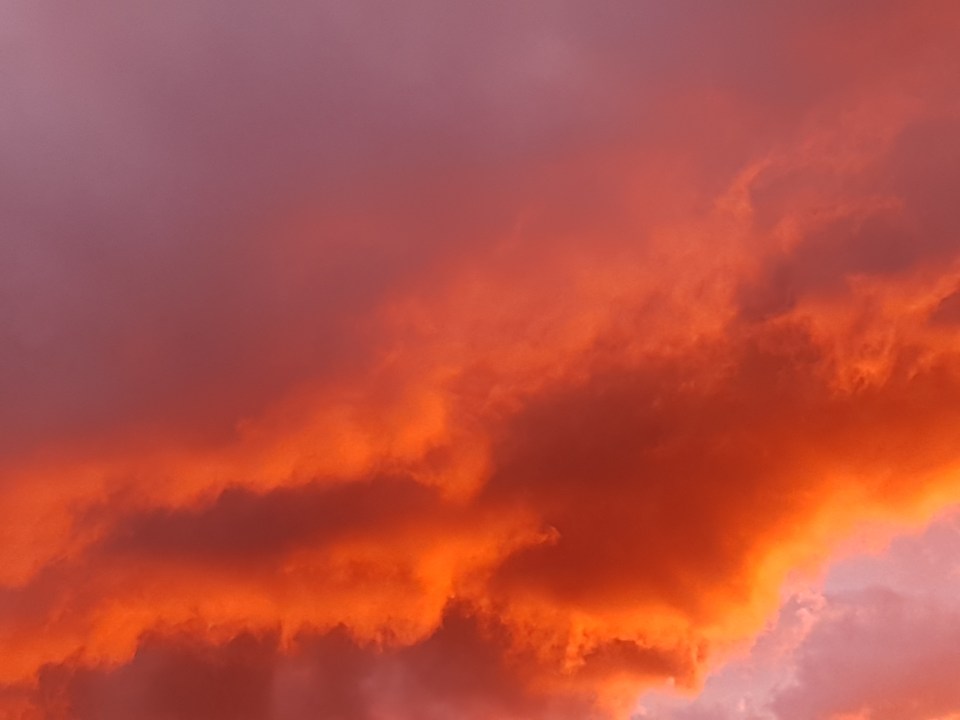
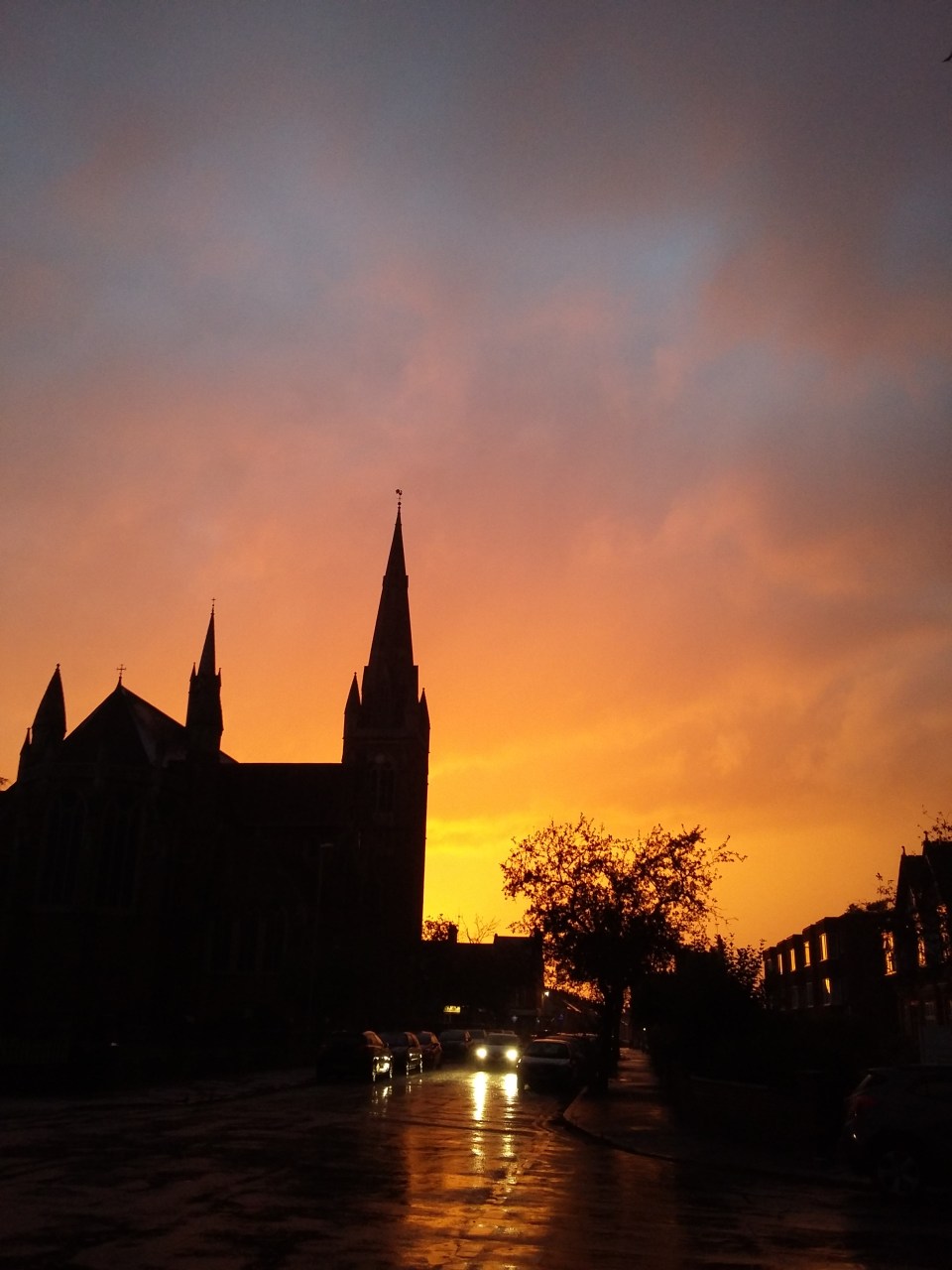
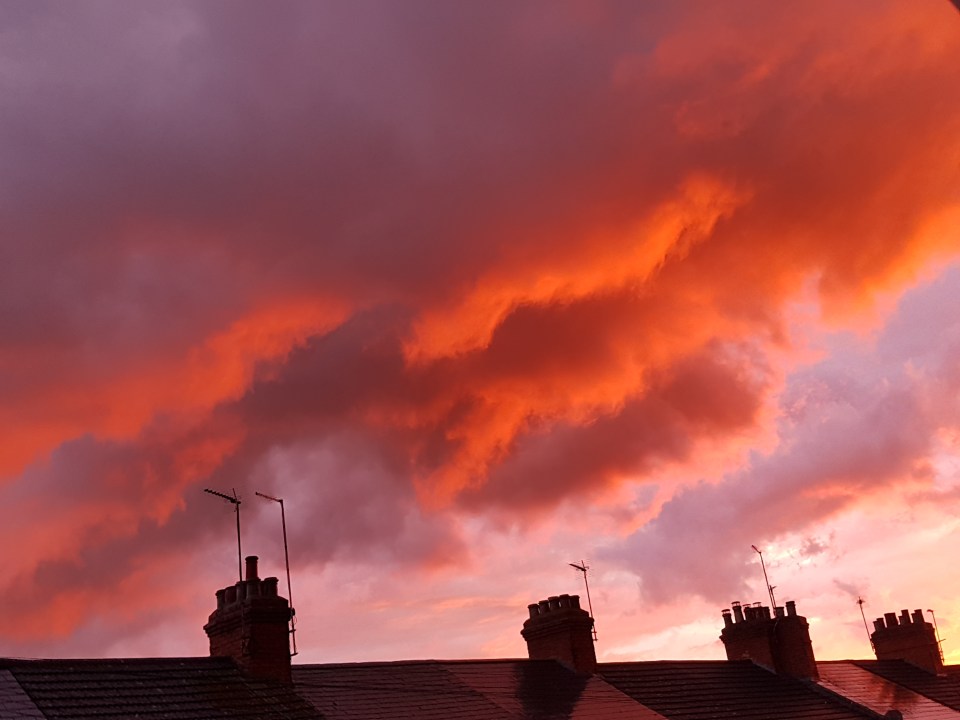
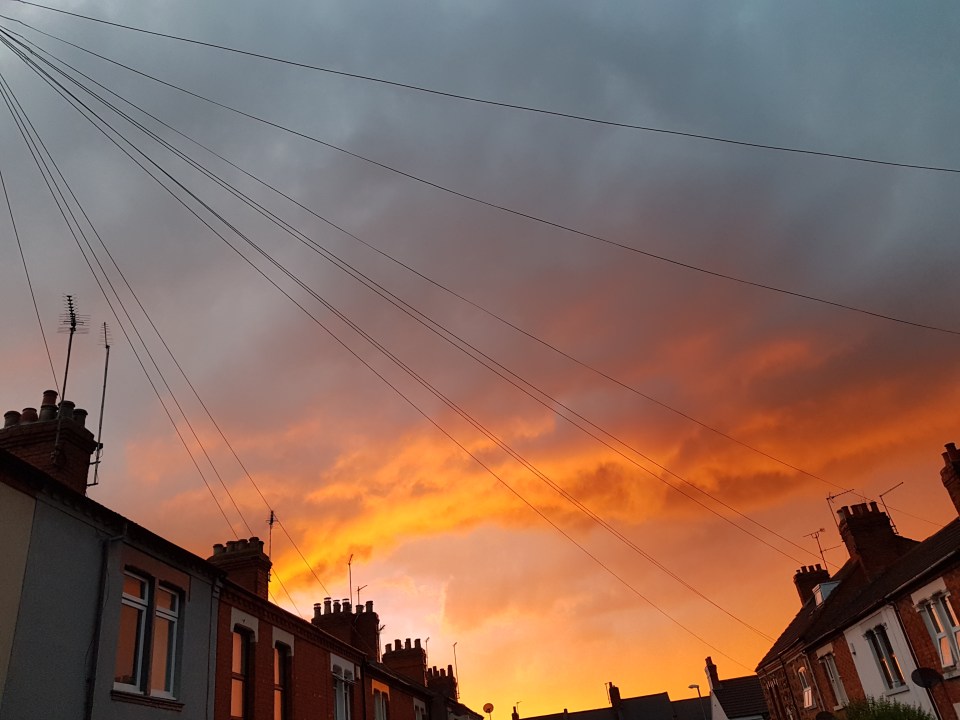
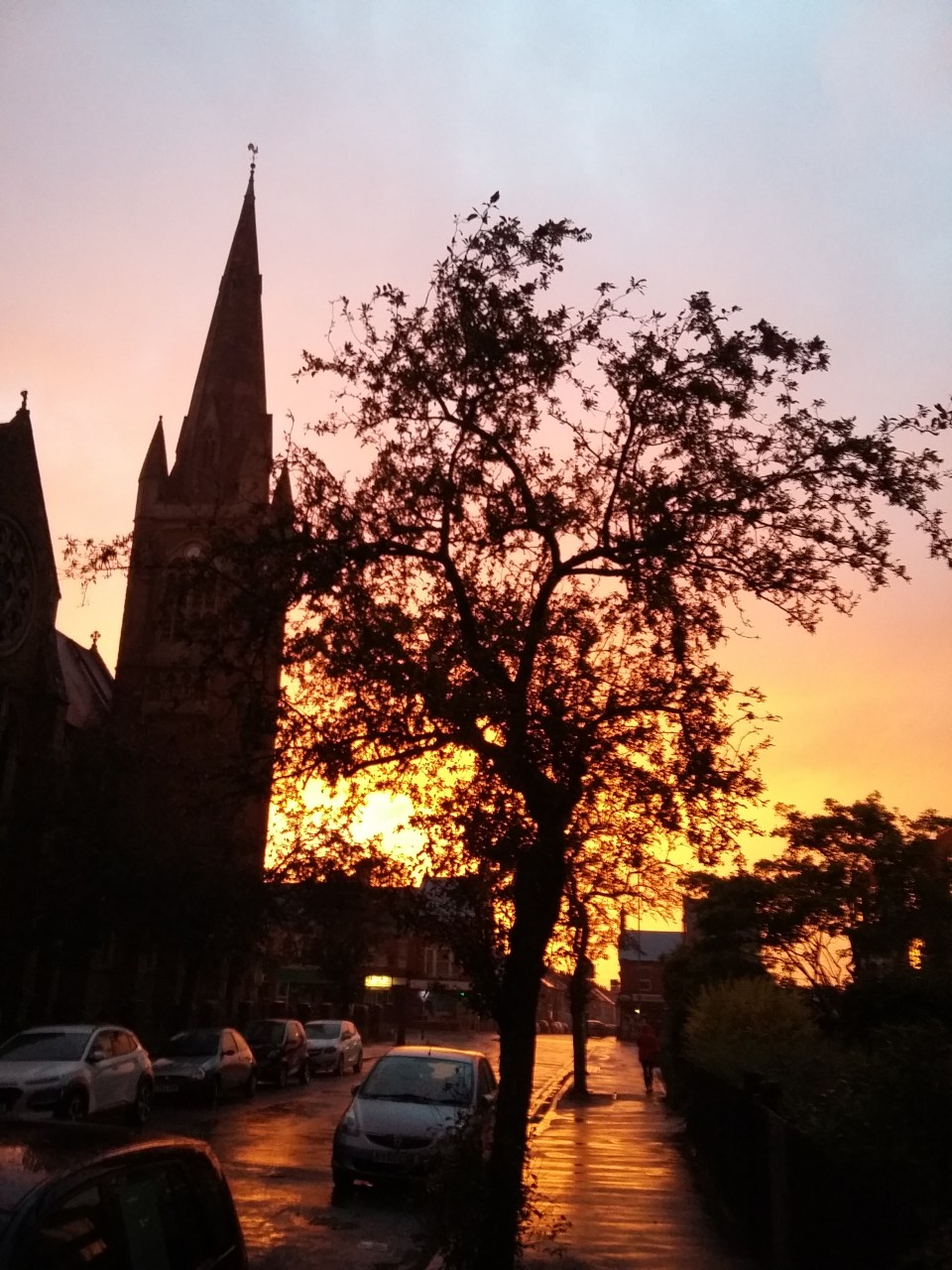
It’s been a curious year in the UK, weather wise, with an early, mild spring interspersed by sudden cold snaps that may (or may not) have had a profound impact on pollinators, and then a summer that was hotter and drier than any in living memory.  There’s been some amazing thunderstorms and torrential rains, and weeks when there was no rain at all.  Then, on Thursday evening, as Karin and I were coming back from a walk around Abington Park (via a quick stop in the pub) the heavy, rain-bloated skies conspired with the setting sun to produce, for a brief period, a display of light and clouds that was more vibrant and gorgeous than any I’ve ever seen.  The sky reflecting from the rain-soaked pavements of Northampton added further drama to what may well be a once in a lifetime experience.

Here are a few shots I managed to take using the camera on my phone; I’ve not altered the colour or played with images in any way, but they do partial justice to the quality of the light that evening.

2018-08-09 20.31.46

2018-08-09 20.38.56

2018-08-09 20.35.55

2018-08-09 20.32.46

Pollinator biodiversity and why it’s important: a new review just published – download it for free

P1110763

In a new review paper that’s just been published in the Annual Review of Ecology, Evolution and Systematics I have looked at the question of just how diverse the pollinators are, and why pollinator biodiversity is ecologically important and therefore worthy of conservation.  I’ve taken a deep time and wide space approach to this, starting with what the fossil record tells us about when animal pollination evolved and the types of organisms that acted as pollinators in the past (the answer may surprise you if you’re unfamiliar with the recent paleontological literature on this topic).  Some of the most prominent biogeographical patterns have been highlighted, and I have tried to estimate the global diversity of currently known pollinators.  A conclusion is that as many as 1 in 10 described animal species may act as pollen vectors.

As well as this descriptive part of the review I’ve summarised some recent literature on why pollinator diversity matters, and how losing that diversity can affect fruit and seed set in natural and agricultural contexts.  Extinction of pollinator species locally, regionally, and globally should concern us all.

Although I was initially a little worried that the review was too broad and unfocused, having re-read it I’m pleased that I decided to approach the topic in this way.  The research literature, public policy, and conservation efforts are currently moving at such a fast pace that I think it’s a good time to pause and look at the bigger picture of what “Saving the Pollinators” actually means and why it’s so important.  I hope you agree and I’d be happy to receive feedback.

You can download a PDF of the review entitled Pollinator Diversity: Distribution, Ecological Function, and Conservation by following that link.

Pollination ecologists should also note that in this same volume of Annual Review of Ecology, Evolution and Systematics there’s a review by Spencer Barrett and Lawrence Harder called The Ecology of Mating and Its Evolutionary Consequences in Seed Plants.  If you contact those authors I’m sure they’d let you have a copy.

Have we broken the planet?

sea-ice-graph-november-2016

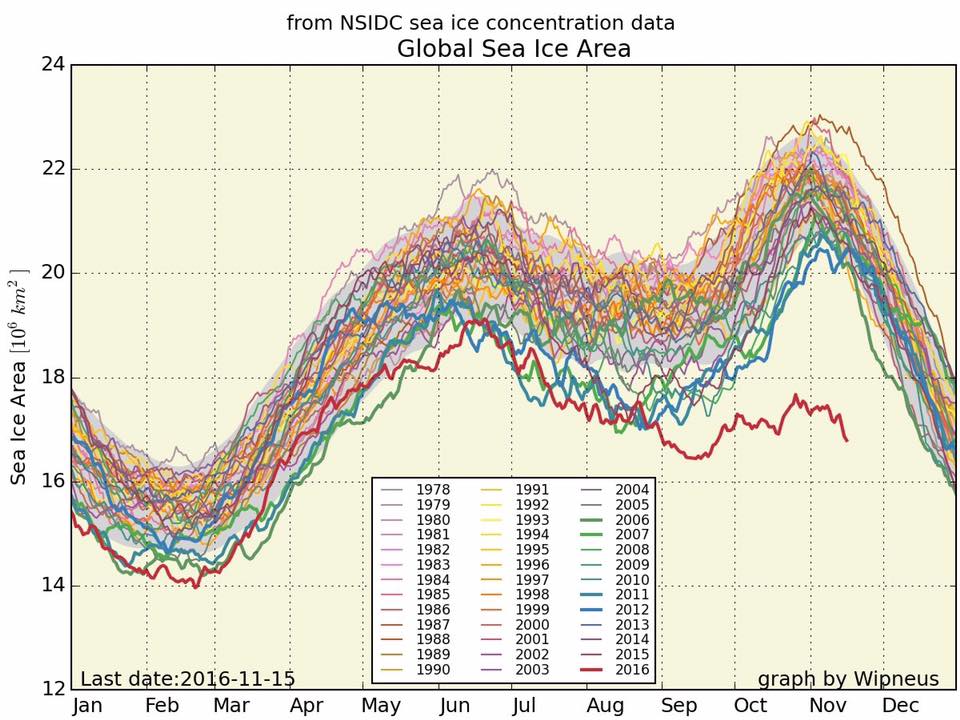
A graph showing this year’s figures for area of global sea ice, in comparison with the same data for the past c. 40 years, was widely shared on Twitter yesterday, resulting in a lot of discussion and consternation.  I’m not on Twitter (yet…) and picked this up from Terry McGlynn’s Facebook feed.  The graph shows an anomalously low extent of sea ice compared with what we would expect at this time of the year, in fact a drop of about 25%.

As you can see, something looks to be seriously wrong.  For more discussion about the graph, see this piece over at The Verge.

I’ve not discussed climate change much on this blog, it’s not my area of specialism and there are plenty of other good bloggers out there who are far more knowledgeable than I.  But graphs like this are hugely worrying because they not only suggest that aspects of our climate may be at a tipping point where they change from one state/predictable pattern to another.  That’s a concern on a global level, because it’s strong evidence for global warming.  However the reduction in sea ice also has huge implications for the biodiversity that depends upon the ice.

If I hear any more news on this I’ll post it, but in the meantime it’s worth pondering whether perhaps the UK’s signing up for the Paris Climate Agreement this week is a bit too late.  As my colleague Duncan McCollin put it: “we’ve broken the planet”.  I hope he’s wrong.

The macroecology of animal versus wind pollination – a new study just published

In collaboration with colleagues in Brazil, Denmark, and elsewhere in the UK, we’ve just published a new research paper which looks at the global spatial distribution of wind and animal pollinated plant species, and the underlying historical and contemporary ecological causes of that distribution.  It’s a study that builds on my “How many flowering plants are animal pollinated?” paper in Oikos, and has been a long time in its gestation.  We’re very excited by its findings and plan to develop this project in the future.

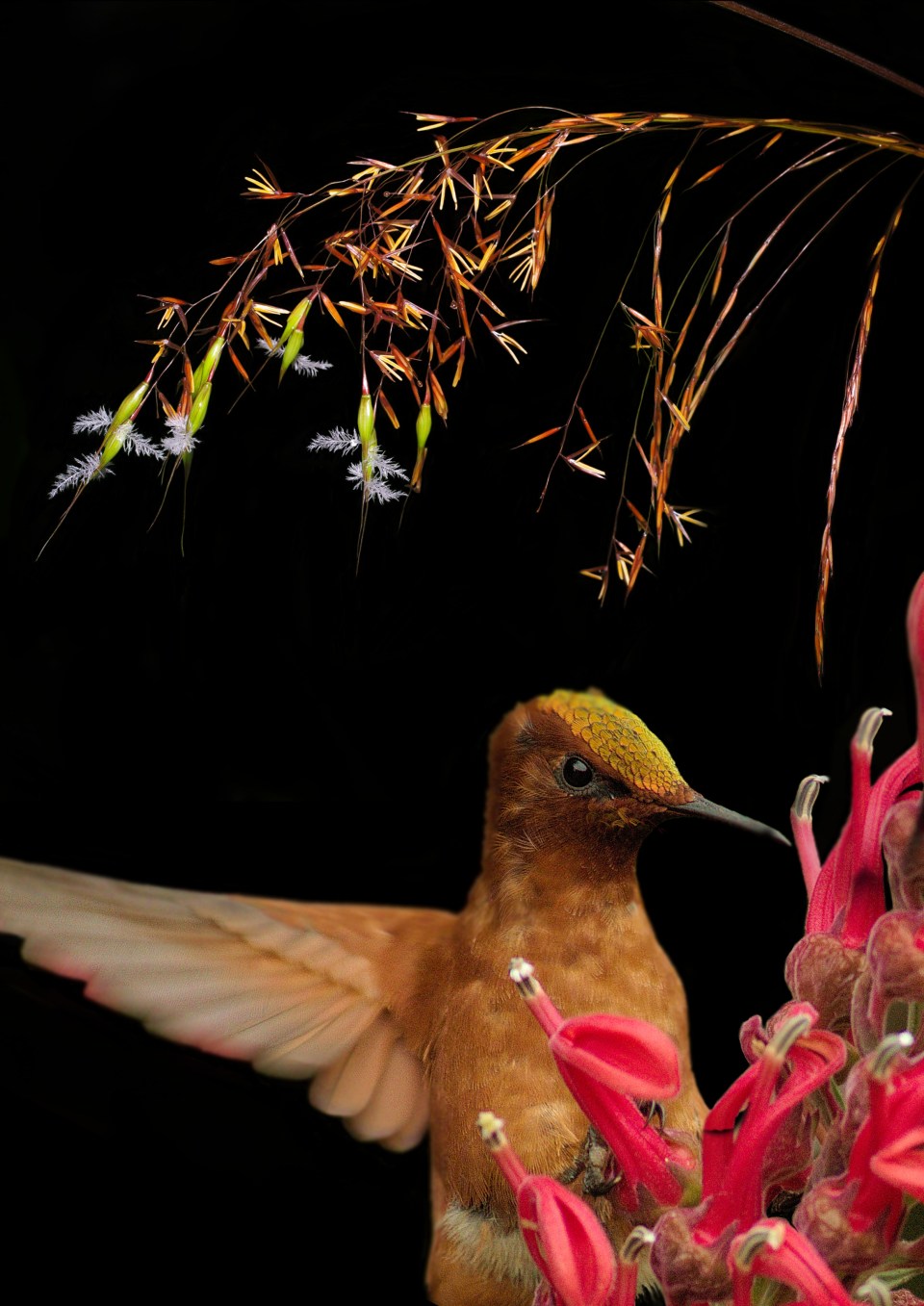
As a bonus we made the cover of the journal with the amazing image below!  Big thanks to Pedro Viana and Jesper Sonne for the photos.

Here’s the citation with a link to the publisher’s website; the abstract is below.  If anyone wants a PDF copy, please ask.

Rech AR, Dalsgaard B, Sandel B, Sonne J, Svenning J-C, Holmes N & Ollerton J (2016) The macroecology of animal versus wind pollination: ecological factors are more important than historical climate stability. Plant Ecology & Diversity 9: 253-262


Abstract:

Background: The relative frequency of wind- and animal-pollinated plants are non-randomly distributed across the globe and numerous hypotheses have been raised for the greater occurrence of wind pollination in some habitats and towards higher latitudes. To date, however, there has been no comprehensive global investigation of these hypotheses.

Aims: Investigating a range of hypotheses for the role of biotic and abiotic factors as determinants of the global variation in animal vs. wind pollination.

Methods: We analysed 67 plant communities ranging from 70º north to 34º south. For these we determined habitat type, species richness, insularity, topographic heterogeneity, current climate and late-Quaternary climate change. The predictive effects of these factors on the proportion of wind- and animal-pollinated plants were tested using correlations, ordinary least squares (OLS) and logistic regression analyses with information-theoretic model selection.

Results: The proportion of animal-pollinated plant species was positively associated with plant species richness and current temperature. Furthermore, in forest, animal pollination was positively related to precipitation. Historical climate was only weakly and idiosyncratically correlated with animal pollination.

Conclusion: Results were consistent with the hypothesised reduced chance for wind-transported pollen reaching conspecific flowers in species-rich communities, fewer constraints on nectar production in warm and wet habitats, and reduced relative effectiveness of wind dispersal in humid areas. There was little evidence of a legacy of historical climate change affecting these patterns.

andre-capa-1


“Progress in pollination and pollinator research” meeting – University of Reading – 20th April

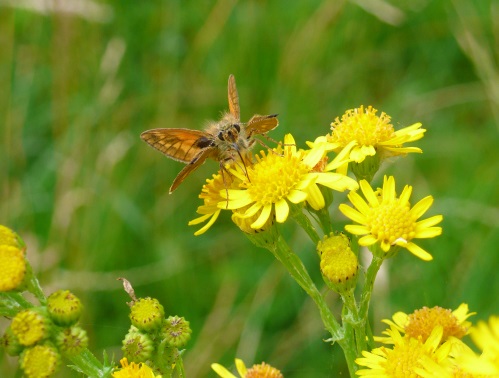
Skipper on ragwort - cropped

There is to be a joint meeting of the Royal Entomological Society’s Insect Pollination and Insects & Sustainable Agriculture Special Interest Groups on “Progress in pollination and pollinator research” at the University of Reading, 20th April 2016.  Unfortunately I can’t make it (I have meetings at the university all that day and need to get myself organised before heading off to Tenerife for field work on the 22nd) but I thought I’d advertise what looks like a very interesting one day conference.

The programme for the meeting is below and registration is open.  Please register before the meeting via The Royal Entomological Society using the form which can be downloaded from the RES website:

http://www.royensoc.co.uk/content/joint-meeting-insect-pollination-sustainable-agriculture-special-interest-groups-20-april-20

The registration fee will be £20 and includes lunch and all refreshments.

Convenors are Mike Garratt (Insect Pollination SIG) and John Holland (Insects & Sustainable Agriculture SIG) so please contact them if you’d like further information.

Programme

9.30-9.55 – Registration & Coffee

9.55-10.00 – Welcome

10.00-10.20 – Ecological intensification, pollinator diversity, and crop yield gaps in small- and large-holdings (Lucas Garibaldi, Instituto de Investigaciones en Recursos Naturales, Agroecología y Desarrollo Rural, Argentina)

10.20-10.40 – Welfare impact of pollinator decline on the international trade (Nicola Gallai, Ecole Nationale de Formation Agronomique, France)

10.40-11.00 – Conserving one beneficial at the cost of another; does success in promoting pollinators risk farmers ignoring other beneficial insects? (Mark Ramsden, ADAS)

11.00-11.20 – Coffee break

11.20-11.40 – Quantification of the floral landscape in agro-ecosystems and its effect on bumblebee colonies (Ellen Rotheray, University of Sussex)

11.40-12.00 – How many Bumblebees can our landscapes support? Using bumblebee colony models as a conservation management tool in agricultural landscapes (Grace Twiston-Davies, University of Exeter)

12.00-12.20 – Are current agri-environment schemes providing appropriate resources to the wider farmland bee community? (Thomas Wood, University of Sussex)

Short presentations:

12.20-12.25 – Pollination studies in the QuESSA Project (John Holland, Game & Wildlife Conservation Trust)
12.25-12.30 – Pollinator initiatives and research at the Royal Horticultural Society (Andrew Salisbury, RHS Garden Wisley)

12.30-12.35 – Collating evidence on plant traits and ecosystem services to inform multifunctional field margin design (Claire Blowers, Harper Adams University)

12.35-12.40 – Rare bee species and agriculture (Steven Falk, Freelance Entomologist)

12.40-12.45 – Fenland ditch banks as pollinator refuges: Environmental variable influence on pollination service measurements (Hilary Conlan, Anglia Ruskin University)

12.45-12.50 – What’s for dinner? Investigating the foraging preferences of honeybees using pollen DNA metabarcoding (Natasha de Vere, National Botanic Garden of Wales)

12.50-13.00 – Questions

13.00-13.45 – Lunch

13.45-13.50 – The National Pollinator and Pollination Monitoring Framework (Claire Carvell, Centre for Ecology and Hydrology)

13.50-13.55 – Impacts of climate change on plant-pollinator interactions in agro-ecosystems (Ellen Moss, Newcastle University)

13.55-14.00 – Reproductive resilience through outcrossing: pollen movement by insects is more important when plants are under stress (Jake Bishop, University of Reading)

14.00-14.05 – DNA metabarcoding reveals pollen transport by Eristalis hoverflies in grasslands (Andrew Lucas, National Botanic Garden of Wales)

14.05-14.10 – Raspberry pollination (Anders Nielsen, University of Oslo)

14.10-14.15 – Interaction between pollinators and pesticide use in agricultural crops: An ecological-economical modeling approach in South West France (Giorgos Kleftodimos, University of Toulouse)

14.15-14.20 – Estimating the net economic consequences of losing pollination services: evaluating contributions from single protected areas (Fabrizia Ratto, University of Southampton)

14.20-14.30 – Questions

14.30-14.50 – Insect pollinators: utilisation of resources through space and time in an intensive grassland landscape (Lorna Cole, SRUC)

14.50-15.10 – Insecticides and pollinators – Are they really incompatible? (Lin Field, Rothamsted Research)

15.00-15.20 – Monitoring the effects of chronic, larval exposure to neonicotinoids on the solitary bee Osmia bicornis (Beth Nicholls, University of Sussex)

15.20-15.30 – Discussion and close of meeting

Nature Improvement Area final report published today by Defra

As regular readers of the blog will be aware, over the past three years my research group has been involved as a lead partner in the Nene Valley Nature Improvement Area (NIA) project, one of 12 NIA schemes across England.  I’ve posted regular updates on the the Nene Valley NIA, for example see my posts entitled Angry Birds! (and startled bees), To Dream a River, and Biodiversity conservation pays its way.

Although our group still has work to do on writing up the results for our ecosystem services assessment of the Nene Valley, the NIA scheme has formally ended, and today Defra has issued a final NIA Monitoring and Evaluation Report, plus an accompanying press release.  Defra (and the government) judges the NIA scheme to be a resounding success and I have to agree with them.  To quote from the press release and from the final report:

  • Nearly 20,000 hectares of natural habitat – the equivalent of almost 23,000 football pitches – has been created, restored or preserved across England.
  • The Nature Improvement Areas have also helped people reconnect with nature, with volunteers contributing over 47,000 days, school children earning their green fingers by planting trees, and communities getting involved in decision making.
  • The NIA partnerships mobilised resources with an equivalent value of £26.2 million (including the financial value of volunteer time and services in-kind) in addition to the initial government grant funding. Of this total, £15.3 million was from non-public sources (e.g. private sector and nongovernmental organisations).
  • Learnings from the Nature Improvement Areas will now help to inform Defra’s 25 year plan for action on the environment which will be published later in the year as part of a comprehensive, long-term vision to protect the country’s natural heritage.

This last point is a critical one; much was achieved with the government’s initial investment of £7.5 million over three years.  Continuation of this type of funding, for the original 12 NIAs and additional projects, would achieve so much more, especially if it was tied in with upland and river restoration projects that focused on natural flood defences (which we know will work).  The potential savings from such investment could run into 100s of millions of pounds.  Let’s hope Defra has the strategic vision to make this happen.