Category Archives: Biodiversity and culture

Book review: “Urban Plants” by Trevor Dines

Earlier this year I received an unexpected invitation from Bloomsbury Publishing to attend a book launch at Philip Mould’s gallery in London. Looking at the details I immediately said yes, because it combined three of my passions: natural history, art, and books! Not only that, but the topic of the book was one very close to my heart – the wildlife of our towns and cities.

Urban Plants is the latest addition to Bloomsbury’s British Wildlife Collection, a stunningly produced series that has set a new benchmark for natural history literature in this country. The author, Trevor Dines, formerly worked for the charity Plantlife, and is a real authority on urban botany. My expectations for this book were very high! So on the day of the book launch, Karin and I trundled down to the capital and spent part of the day at the National Gallery where, among other things, we enjoyed an exhibition by José María Velasco. As well as being a superb documenter of the 19th century landscapes of Mexico, Velasco was also profoundly interested in botany. We’d not planned it that way, but it was a nice coincidence.

The book launch itself was well attended and I found myself catching up with a few familiar faces from the world of British wildlife, and Trevor (whom I’d corresponded with but never met) treated us to a short reading:

I took the opportunity to buy a copy, had a quick chat with Trevor, who kindly signed the book, and then we headed back to catch a train.

So what do I think of Urban Plants?

It’s actually hard to praise the book too much without sounding unnecessarily gushy! But it really is one of the best books that I’ve read for a long time. In part that’s because it stirs deep emotions of me as a child, taking my first faltering steps into the world of natural history on the bomb sites and post-industrial landscapes of my native Sunderland. But it’s more than that: the author writes with elegance and authority on a topic about which he’s deeply passionate, and this comes through on every one of the amply illustrated pages. Trevor should be congratulated on producing a book that will be the go-to reference on the topic for many years to come.

And an important topic it is too: there’s no doubt naturalists who will sneer at the idea of urban botany, but (as the author points out) for many people in this country, the plants that they see every day in their home towns are almost their only connection to wildlife. For that reason alone it’s a subject to be taken seriously, and if a book like this can inspire more people to take a closer look at the plants with which we share our streets, roofs and walls, so much the better.

So do yourself a favour and take a walk with Trevor through the complex ecology and botany of built-up British landscapes. I learned a lot from Urban Plants and I highly recommend it as an addition to anyone’s Christmas list.

Do birds pollinate the iconic Golden Lotus? A new study suggests that they do!

The Golden Lotus (Musella lasiocarpa) is one of China’s most iconic plants — a striking member of the banana family (Musaceae) that seems to bloom forever. Its brilliant yellow, lotus-like bracts have long made it a favourite of subtropical gardeners, though it also has utility as a food and fibre crop, and is associated with Chinese Buddhism. As you can see above it often features stylistically in Chinese temples, and in my visits to Yunnan we frequently encounter it during fieldwork on farms, planted to support terraced fields:

But despite its fame, one mystery has lingered for decades: what actually pollinates it?

Until now, Musella was thought to rely mainly on insects, particularly bees, for pollination. That assumption made it something of an outlier within the banana family, where most species are pollinated by birds or bats. But a new study, in which I was involved as part of an international team of predominantly Chinese and Brazilian researchers, has turned that view on its head.

By combining careful field observations with citizen science records, our team found that the Golden Lotus is regularly visited by an impressive diversity of birds — twelve species from five different families. As I documented in my recent book Birds & Flowers: An Intimate 50 Million Year Relationships, many of these visitors, such as bulbuls and sunbirds, are known nectar-feeders, and their behaviour at the flowers suggests that they are acting as effective pollinators. This discovery significantly expands what we know about the pollination ecology of the Golden Lotus, and places it firmly within the broader pattern of bird pollination that characterises much of the banana family.

Interestingly, the plant’s features — large, robust, vividly coloured bracts, abundant accessible nectar, and long-lived blooms — make perfect sense in this new light. These are traits that favour bird pollination rather than the short, concentrated visits typical of bees.

But the significance goes beyond one species. Bird pollination plays a vital, and often overlooked, role in China’s native flora, linking ecosystems from tropical rainforests to mountain valleys. Understanding these relationships is important not only for biodiversity conservation but also for horticulture — helping gardeners and landscape designers to create spaces that attract and sustain pollinators of all kinds.

The Golden Lotus has always been celebrated for its beauty and longevity. Now, we can add another layer to its story: a reminder that even the most familiar plants can still surprise us, and that nature’s partnerships are often more complex — and more colourful — than we imagine.

Here’s the reference with a link to the paper, which is open access:

Albuquerque-Lima, S., Ferreira, B. H. d. S., Rech, A. R., Ollerton, J., Lunau, K., Smagghe, G., Li, K.-Q., Oliveira, P. E., & Ren, Z.-X. (2025). Beyond Bees: Evidence of Bird Visitation and Putative Pollination in the Golden Lotus (Musella lasiocarpa)—One of the Six Buddhist Flowers—Through Field Surveys and Citizen Science. Plants, 14(20), 3157. https://doi.org/10.3390/plants14203157

Why are there large gaps in the British distribution of Common Elder?

Back in mid-April, Karin and I spent a long weekend in the New Forest, exploring the walking trails around the village of Brockenhurst and watching the bird life of the coastal wetlands near Lymington. After a few days something odd struck me: the hedgerows and woodland edges in the area contained almost no Common Elder (Sambucus nigra). Why is that odd? Well, in the article I wrote about Common Elder in 2022 for British Wildlife, I described the plant as ‘so commonplace that we hardly give it a second glance’. Common Elder is such a ubiquitous species that, as Sherlock Holmes observed in The Adventure of Silver Blaze, its absence in a landscape struck me as a ‘curious incident’.

At first I thought that I was so preoccupied with the New Forest’s birds and other wildlife and just not spotting elder, which early in the season, before it flowers, tends to merge into the general greenery of the countryside. Because elder is everywhere, right? In fact this map from the Biological Flora of the British Isles account of the species showing the occurrence of the species in 10km squares suggests just that:

Similarly, if you look at the distribution map of Sambucus nigra from the NBN Atlas, it also appears that it’s everywhere, a big blob of elderlyness across the whole country:

That’s not surprising, I can imagine you’re thinking, after all its berries are eaten by a range of birds and mammals, that disperse its seeds far and wide. It’s just the kind of species that you would expect to be widespread across the country. Which of course it is – it’s a very common species. But once you focus more closely on specific parts of Britain you see that there are some striking gaps in where elder is commonly found. Indeed one of these elder lacunae is in and around the New Forest:

So my impression was correct – the New Forest really is an elder cold spot, along with most of the Isle of Wight. Zoom back out and we see that this lacuna is part of a wider band of elder absence that extends across the southeast of England. There’s also gaps further west, in Somerset and in Devon.

It’s not just in southern England that these elder lacunae occur – look at its absence from much of Lincolnshire, for instance:

What’s going on here? Why do these gaps in the distribution of this common species occur? Part of the answer is that, being so common, Common Elder tends not to be recorded because naturalists often focus on rare and unusual species, neglecting the commoners. This form of bias is often encountered when dealing with biodiversity databases – we found it in our study of trends in diversity and abundance of Neotropical pollinators, for instance. I’m certain that this is a factor in the NBN Atlas account of Common Elder, because if we look at a part of Britain with which I am very familiar, centered on the town of Northampton, I know for a fact that elder is extremely abundant even if the map suggests otherwise:

But lack of records cannot be the only answer to these gaps: Common Elder really is not very common in the New Forest – I’ve (not) seen it with my own eyes! So what else could be going on? It doesn’t seem to relate to underlying geology or soil type, and indeed Common Elder is tolerant of a wide range of edaphic conditions: the Biological Flora account shows that it occurs on sandy, chalky and loamy soils, ranging from pH 4.2 to pH 8.7. So I wonder if the answer has a more cultural basis? Has Common Elder been actively removed from some areas in the past, perhaps because of its supernatural associations (something that I discussed in my article) or, more prosaically, because it’s believed by farmers to be toxic to stock, or just not a very good hedging plant?

As always, I’d love to hear your thoughts on this, please comment below or send me a message via my Contact page.

Project ‘Butterfly’ takes flight in Paris!

At the end of last week I joined researchers from across Europe and beyond who gathered at Norway House on the campus of the Cité Internationale Universitaire de Paris, for the official launch of the EU-funded project ‘Butterfly’. This bold, four-year interdisciplinary initiative is focused on the future of pollinators and the ecosystems that depend on them, and is one of a series of projects that have spun out from the EU’s Pollinators Initiative.

Over two days of lively discussion, the project’s key themes came into focus: the urgent need to restore pollinator populations, the value of integrating ecological and economic data, and the importance of including people—farmers, citizens, policymakers—in shaping practical, long-term solutions to pollinator decline.

Connecting Science and Policy

I arrived in Paris early Wednesday evening to be fresh for the meeting’s opening session the following morning. This set the stage by grounding the project in real-world policy contexts, including the EU Pollinators Initiative and the Nature Restoration Law. These frameworks are increasingly recognising the vital role pollinators play not just in nature, but in the economy and public well-being.

Nine Work Packages, One Mission

Participants got a crash course in the project’s structure through short presentations from each of the nine work packages. These range from ecological modelling and ecosystem valuation to resilience thinking, communication tools, and understanding human relationships with pollinators. A strong emphasis was placed on collaboration—how each work package connects with the others and contributes to the project’s broader vision. For example, one of my roles will be to work closely with Maria Clara Castellanos and her team at the University of Sussex on the integration of the UK-focused Database of Pollinator Interactions (DoPI) and the Global Biotic Interactions (GloBI) platform, to create an online European Atlas of Plant-Pollinator Associations (EuroAPPA). This in turn will feed plant-pollinator data into the modelling and economic valuation tasks in some of the other work packages.

Living Labs and Global Perspectives

One of the most exciting aspects of the Butterfly project is the network of “Living Labs” being established across Europe and the test sites in overseas territories. From Murcia to Martinique, each site represents a unique ecological and cultural landscape with its own pollination challenges. These test sites, some of which are shared with a parallel project called RestPoll, will serve as experimental spaces to co-develop and test strategies for enhancing pollinator resilience in real-world contexts. Another of my roles in the project is to help with the field work on the Caribbean island of Curaçao, where we will be assessing birds and bats as pollinators, as well as insects.

Thematic Sessions and Cross-Pollination

The meeting featured targeted discussion sessions on everything from economic modelling chains and ecosystem indicators to human dimensions like eco-literacy, historical agency, and “slow hope.” Again, one of my contributions will be to the work package dedicated to understanding and reacting to the human dimensions of pollinator decline, where I hope to provide a case study that builds on the work I published almost a decade ago on how the auction prices of holly and mistletoe are a reflection of the work of wild pollinators. In the evening we had a “cross-pollination” networking buffet dinner, themed around pollinator-dependent food crops, that provided an opportunity for participants to mix across disciplines, brainstorm, and spark new collaborations in an informal setting.

Laying the Groundwork for Action

Day two shifted toward practicalities—data sharing, financial management, ethics, and stakeholder engagement—as well as discussions about how Butterfly will connect with other major EU-funded projects, including VALOR, which is Butterfly’s partner and with which we will closely collaborate. Thematic sessions continued to dive deep into topics like mainstreaming pollinator stewardship and developing indicators to track the societal impacts of pollinator loss.

Looking Ahead

The meeting wrapped up with a plenary session with the project’s Advisory Board, reinforcing the importance of external perspectives in guiding the project’s evolution. Dinner that evening was an informal affair (not funded by the project!) at a really wonderful, traditionally French restaurant – Le Temps des Cerises – where service was slow, the food and wine were delicious, and the conversations continued to flow.

For those of us who stayed an extra day, a field visit on Saturday offered a first-hand look at urban pollinator research at the Jardin Écologique within the Jardin des Plantes—a fitting reminder of why this work matters! Here’s some photographs from that trip:

My sincere thanks to all of the colleagues who made the Butterfly kick-off meeting such a success: I look forward to working with you all over the next four years! Particular thanks to Paolo Biella who allowed me to use the photo at the top of the post, of a female mason bee outside our venue. We kept an eye on her during the meeting and I’m pleased to report that she successfully sealed up her nest. May her offspring thrive!

If you’d like to delve deeper into Butterfly’s objectives, here’s the project summary from our funding application:

Butterfly aims to significantly enhance society’s capacity to appraise, foresee, and respond to the threats posed by cascading impacts of pollinator decline. To reach that goal it will establish a test system of geographically well spread multi-actor communities across sectors for co-creating proactive pollinator restoration solutions and: (1) collect, integrate, manage and share ecological and spatial information on a wide range of known and lesser known pollinators and pollination services provided for wild and cultivated plants, across Europe and selected overseas territories; (2) advance the monetary and non-monetary valuation of marketed and not marketed direct and indirect ecosystem functions and services provided by pollinators, and advance ecosystem accounting; (3) comprehensively model and quantify the macro-economic implications of pollinator decline and country-specific economic butterfly effects of dependencies on pollinators, and assess policy options and scenarios; (4) assess how five key biomass supply chains (food/micronutrients, pharmaceuticals, cosmetics, biomaterials, biomass energy) depend on pollination and co-create pollinator restoration options that increase resilience of these supply chains; (5) devise, co-create, test and implement transferable tools, interactive atlases and guidelines that enable systematic mainstreaming of proactive pollinator stewardship in vulnerable sectors; (6) conceive indicators for human dimensions and assess and exploit the socio-cultural capacity of the concepts: ‘pollinator stewardship’, ‘ecoliteracy’, ‘historical agency’ and ‘slow hope’ in reversing pollinator decline. It will inform EU policy processes and build strategic alliances for high-level impact. The Butterfly network of Living Labs will accelerate knowledge transfer and uptake of new business models and serve as breeding place for multi-actor co-creation of knowledge and sustainable solutions, paving the way to pollinator stewardship in all sectors.

The diverse nature of ‘nature writing’: in conversation with Jack Cornish and Ben Masters – 5th October

Why do authors write about ‘nature’? What are their motivations and how did they start their writing journey? Do they even recognise this label of ‘nature writer’?

These are just some of the questions I’ll be exploring with two other authors at the Market Harborough Book Festival on Saturday 5th October.

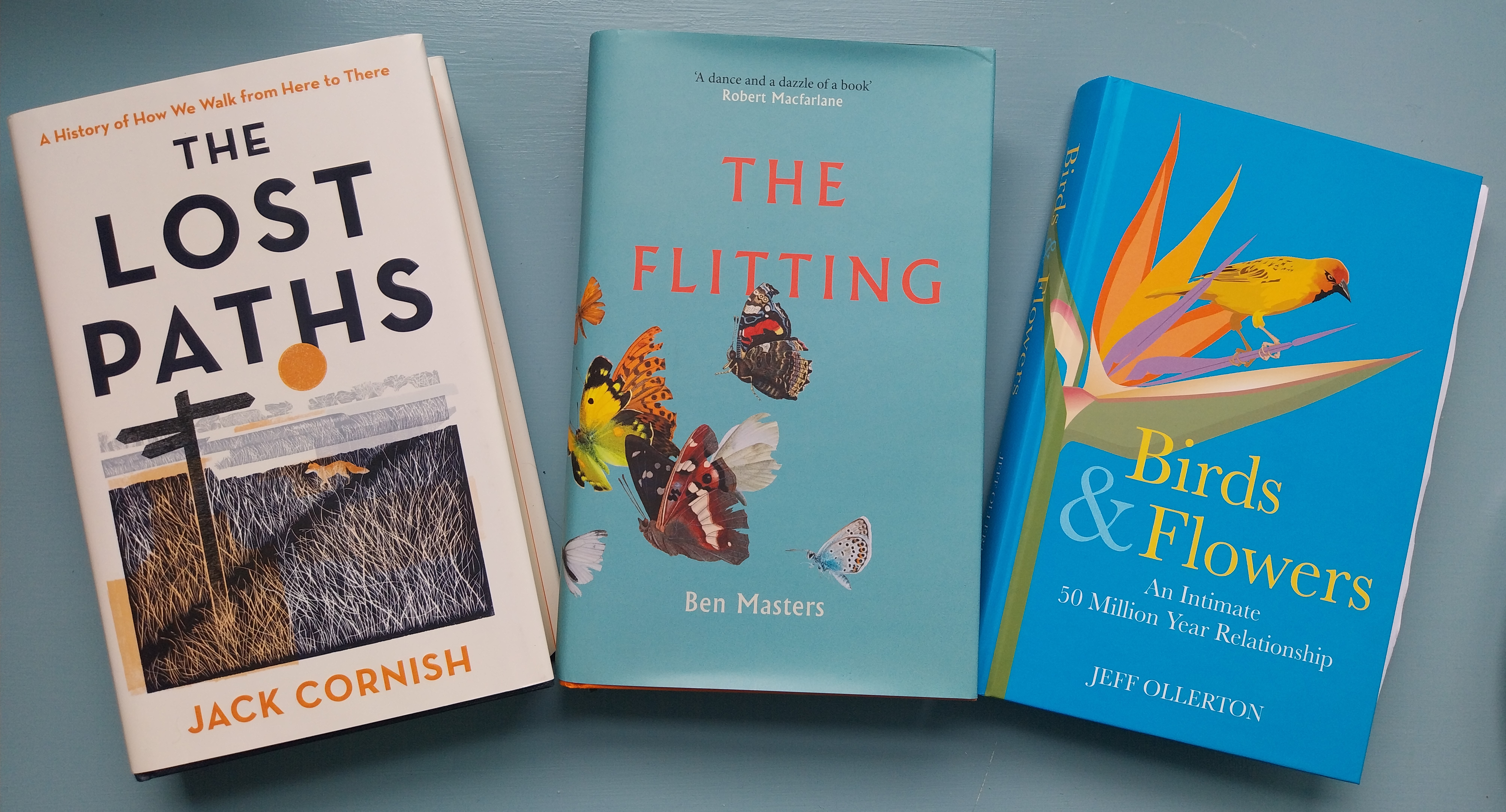
Jack Cornish is author of The Lost Paths, an exploration of the ancient pathways that have criss-crossed England and Wales since prehistoric times, the peoples who made them, and the landscapes through which they currently run. It’s a reminder of ‘just how precious these paths are, and have been, to the human story of this island’. I’ve only just started The Lost Paths, but what I’ve read so far is wonderful. Check out this recent review on The Great Outdoors site.

Ben Masters’ most recent book is The Flitting, an account of the final months of his relationship with his late father, a keen natural historian with a devotion to butterflies, and how they come to share ‘passions, lessons and regrets as they run out of time’. There’s a nice review of The Flitting by Mark Avery on his blog, and I have to agree with him, it’s a lovely book.

Coincidentally, earlier this year Mark wrote a review of the book that I will be discussing, my recent Birds & Flowers: An Intimate 50 Million Year Relationship, though I may also dip into Pollinators & Pollination: Nature and Society, because there’s at least one thing that unites the three of us as writers: a love of the poet John Clare! Ben discusses him at length in The Flitting, and indeed Clare provided the title of the book. Likewise, Jack name checks Clare in The Lost Paths, and I used the poet as the jumping off point for a couple of explorations of the importance and conservation of bees and other pollinators.
As well as discussing our roles as ‘nature writers’ we’ll be reading extracts from our books and answering audience questions. There will also be an opportunity to buy personally signed copies of our books. We look forward to seeing you there!

Speaking at Oxford Ornithological Society – 11th September

Later this month I’ve been invited by the Oxford Ornithological Society to give a talk about my new book Birds & Flowers: An Intimate 50 Million Year Relationship. The talk will summarise the main themes from the book, particularly the sheer diversity of birds that can act as pollinators, what it means for the ecology and evolution of flowers, why the conservation of such interactions matters, and the cultural significance of bird-flower interactions. I’ll also deal with the question of why Europe is so odd when it comes to the question of birds as pollinators.
The talk is on Wednesday 11th September at Exeter Hall, Kidlington, starting at 7.45 pm; it’s free to society members, and non-members are invited to make a donation. Do come along if you’re in the area!

More details here: https://www.oos.org.uk/programme.php

I’ll bring a few copies of Birds & Flowers and Pollinators & Pollination: Nature and Society if anyone wants to buy a signed book.

Also in the diary are talks at South Leicester Birdwatchers (13th November) and Northamptonshire Bird Club (5th March).

If you represent a birding club or natural history society and wish to book me for a talk, please get in touch via my Contact page.

A doubly-parasitic orchid? – China Diary 5

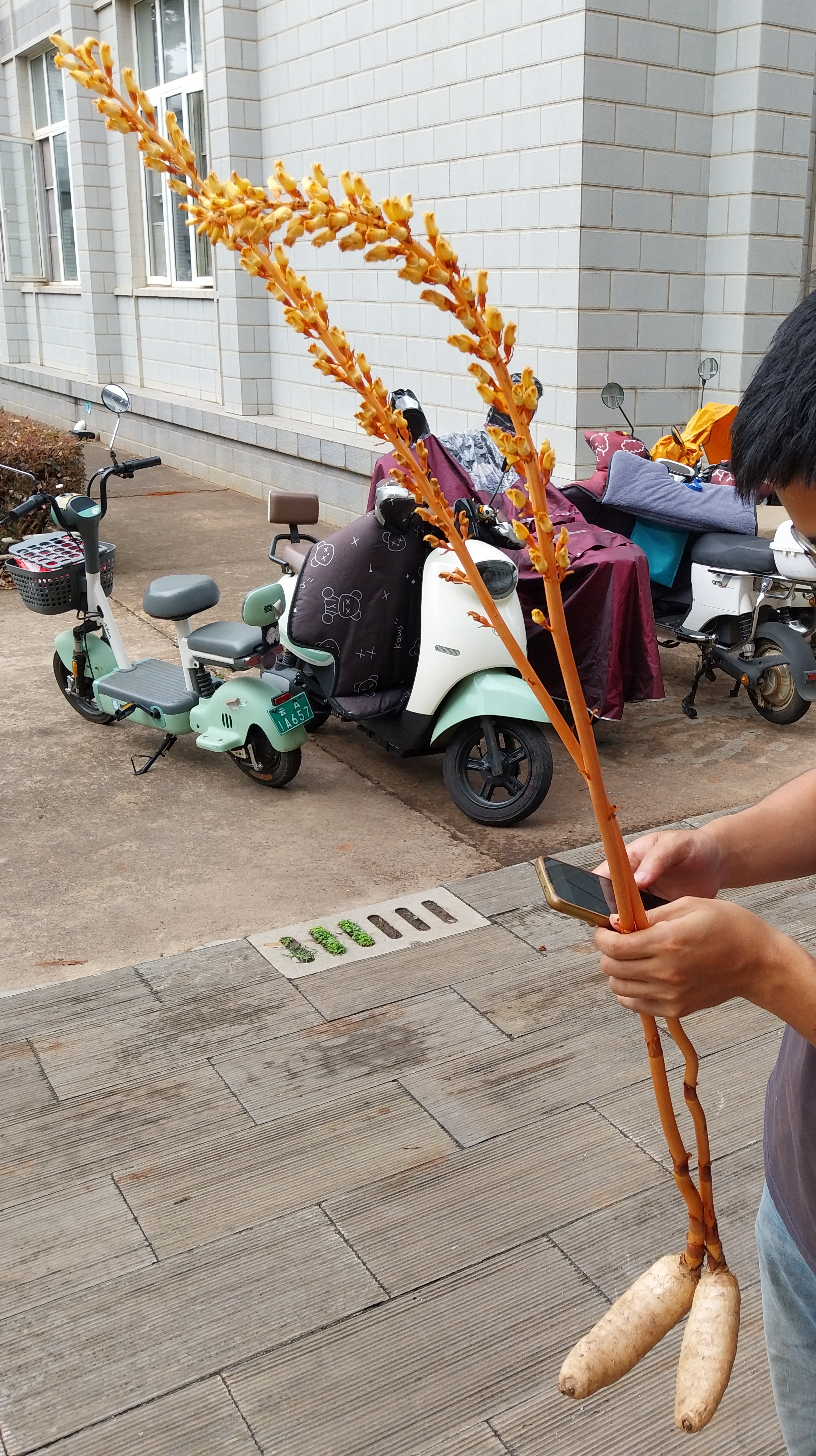
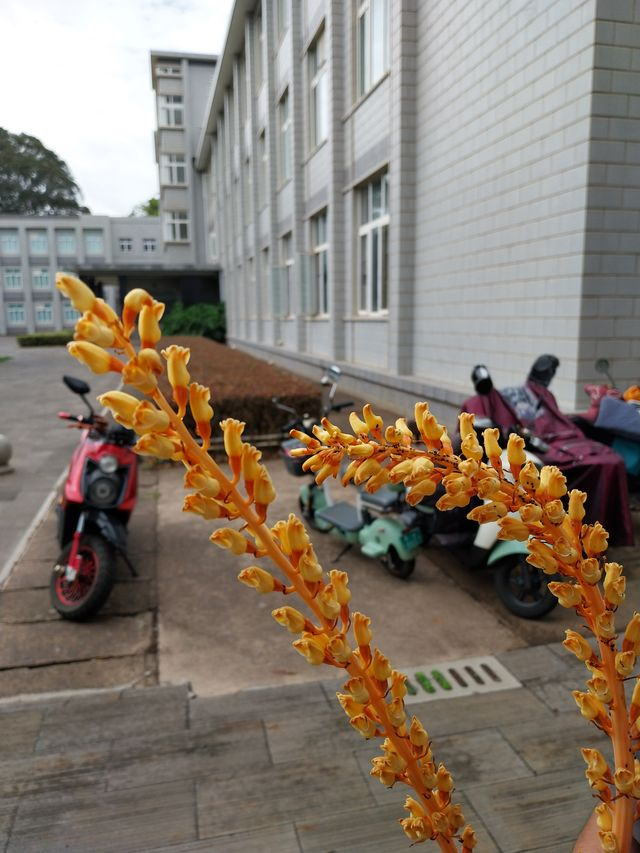
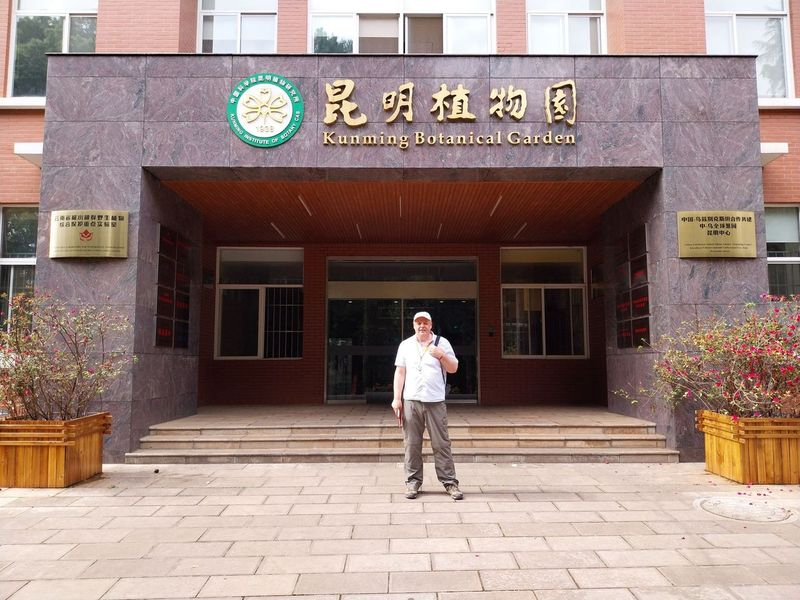
Walking into Kunming Institute of Botany yesterday morning, I passed a young guy who was carrying what I initially thought was a species of Orobanchaceae. I’ve a long-standing interest in the pollination ecology of these intriguing parasitic plants, so I stopped to have a chat. Turns out they were in fact orchids! Specifically, they were specimens of Gastrodia elata, one of the “potato orchids“, so named because those fat tubers are edible. They are widely used in South China – where they are known as Tianma, 天麻 – both as a food and medicinally. The tubers are eaten before the flowers are produced, and originally they were collected from the wild. But in the 1960s a Chinese botanist named Xuan Zhou discovered how to cultivate them and they are now grown in specialist nurseries. A fascinating account of the life of Xuan Zhou – “The Father of Gastrodia” – was published in the journal Plant Diversity last year, shortly after he died.

These orchids do not produce green leaves or stems, therefore they cannot photosynthesise. Instead, they gain all of their energy from a parasitic symbiotic relationship with a fungus – they are what is termed “myco-heterotrophic“. Most myco-heterotrophic plants have evolved from ancestors that were involved in mutualistic mycorrhizal relationships with fungi, in which the plant provides sugars to the fungus in return for mineral nutrients and water. In the case of Gastrodia elata, the fungus concerned is the non-mycorrhizal, wood-rotting Armillaria mellea. In the west we know this as Honey Fungus, a disease of trees and shrubs and the bane of many a gardener. This is also edible, incidentally, but best dried before cooking (and some have an intolerance to it, so take care).

I tweeted the photograph in a short thread just after taking it, and Stewart Nicol pointed me to a study of the orchid’s floral biology and pollination ecology in Japan by Naoto Sugiura. Turns out that, at least in the population which Naoto studied, the plant produces no nectar and deceives its pollinators, which are small bees, into visiting the flowers.
That’s why I’ve used the phrase “doubly-parasitic*” in the title of this post – the plant, it appears, parasitically exploits both the fungus from which it gains energy and the pollinators that ensure its reproduction. It’s (almost, but not quite) the flip side of “double mutualism” in which species provide two benefits for one another, e.g. the same bird is both a pollinator and a seed disperser of a particular plant, a phenomenon that I discussed in my recent book Birds & Flowers: An Intimate 50 Million Year Relationship.

But note the question mark in the title of this post. There’s an enormous amount that we don’t know about these myco-heterotrophic interactions and how they remain stable over the evolutionary history of the plant and the fungus. In order to be considered a parasite, by definition, an organism must have a negative impact on the reproductive fitness of its host. Do these orchids negatively impact either the fungus or the bees that pollinate it? As yet we don’t know. And I was intrigued by this comment from a 2005 review of ‘The evolutionary ecology of myco-heterotrophy‘ by Martin Bidartondo:
“no successful plant lineage would be expected to cheat both mycorrhizal fungi (by failing to provide photosynthates) and deceive insect pollinators (by failing to provide nectar or other rewards) due to the evolutionary instability inherent to specializing on two lineages.”

At first glance it appears that Gastrodia elata is a plant lineage that has done just that, though I’d like to see more work carried out on this system. Specifically, are all populations of the orchid bee pollinated and are all rewardless? And does this orchid really provide no benefit to the fungus, perhaps by synthesising secondary compounds that protect the Armillaria from infection by bacteria or being eaten by invertebrates. So many questions to be answered about this fascinating species interaction!

*With thanks to my wife Karin Blak for inspiring that phrase.

The mystery of what pollinates poinsettias – China Diary 3

Is it too early to talk about Christmas? Not if you’re interested in pollinators and pollination! The mid-winter festival has featured quite a number of times on my blog over the years, especially in relation to the iconic plants that represent this time of year in Northern Europe, and what one might describe as the ‘cultural biodiversity‘ of Christmas. The final plant that I included in that last post was the poinsettia (Euphorbia pulcherrima) – this is how I described it:

In many ways this is an unusual plant to have such a strong cultural association with Christmas: it’s a mildly toxic species of spurge from tropical Mexico that was introduced to North America in the 19th century, then subsequently to Europe. However its festive connotations date back to the earliest period of Spanish colonisation in the 16th century, so it’s older than some…other Christmasy traditions…

I also discuss poinsettia, and specifically its pollination, in my recent book Birds & Flowers: An Intimate 50 Million Year Relationship – this is what I say in the chapter called ‘Urban flowers for urban birds’:

Just occasionally one sees a bird-pollinated tree planted in a city. The most common in my experience are various banksias in Australia, and the Royal Poinciana (from Madagascar) and the African Tulip Tree in the urban tropics and subtropics elsewhere in the world. I’ve also occasionally encountered large specimens of Poinsettia: when they are given free rein they are a much more impressive plant than their Christmas cousins. The vivid red bracts that surround the clusters of flowers suggest that they may be hummingbird-pollinated in their native Central America, but as far as I know their pollination ecology has not been studied.

Here at the Kunming Botanic Garden there’s several quite large specimens of poinsettia that, as I write, are in full flower, their red bracts a signal to pollinators that can be seen for quite a distance. However we’ve not seen any of the local sunbirds or white-eyes visit the flowers, and, as I said in the book, as far as I know the pollination ecology of poinsettia has never been studied in the wild. Close inspection of the flowers in the garden revealed that almost all of the nectaries had at least one nectar-collecting ant sticking out from it, their prominent backsides a deterrent to the Asian Honey Bees (Apis cerana) that also wanted a piece of the action.

Based on the position of the nectaries in relation to the stamens, if the plant is hummingbird-pollinated then the pollen is likely to end up under the chin of the bird. That’s certainly been described in other plant-bird pollination systems. But it does not have to be birds that move the pollen around – red flowers are also associated with other kinds of pollinators, for example butterflies and beetles. But until someone in Mexico does the necessary field work, we’ll just have to speculate.

First footsteps in Kunming – China Diary 1

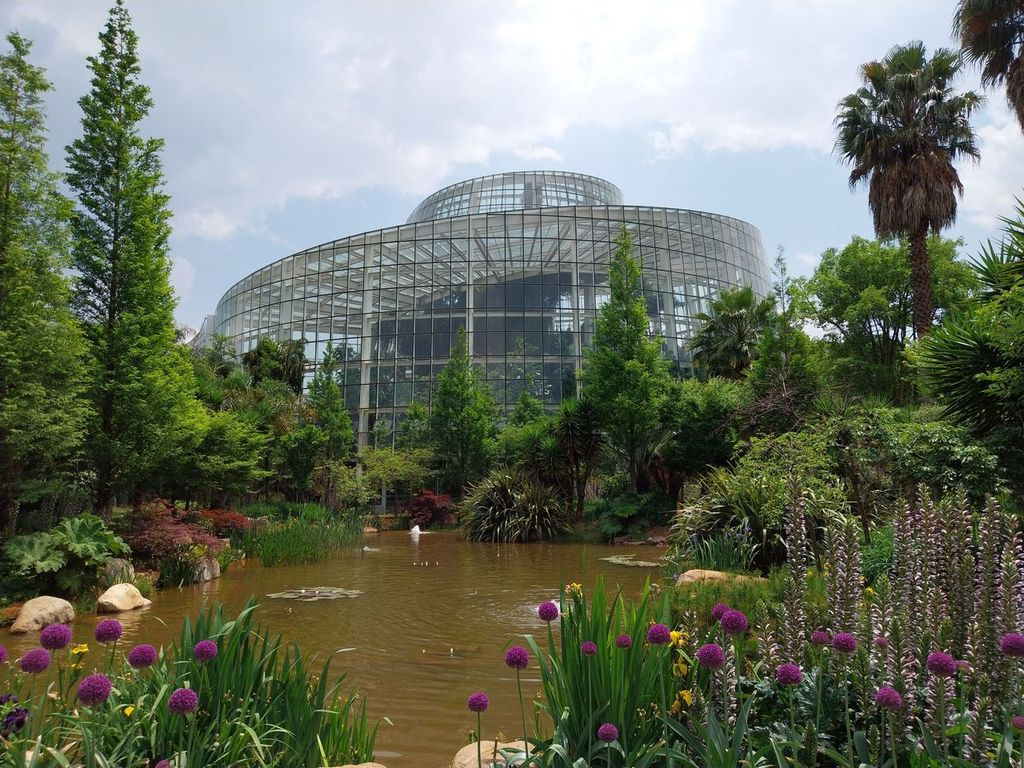
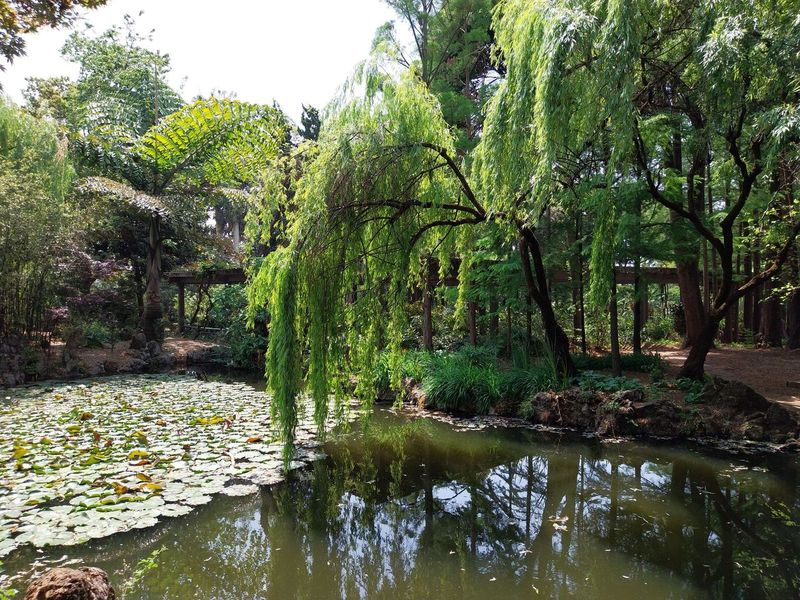
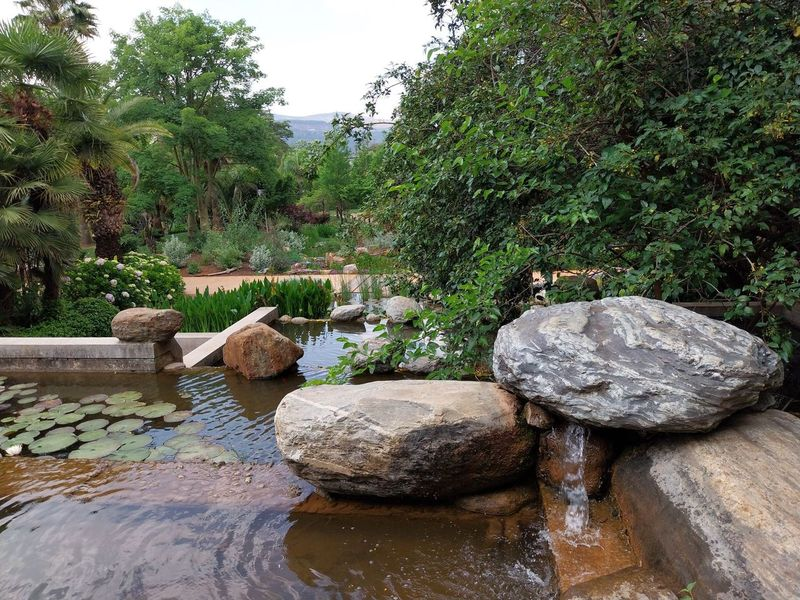
Just over a week ago I arrived in China to spend three months as a visiting professor at the Kunming Institute of Botany (KIB), of the Chinese Academy of Sciences. I am being hosted by my colleague Dr Zong-Xin Ren, and I will repeat this trip each year over the next three years. This is my first visit to Kunming because my last visiting professorship here had to be conducted remotely due to the COVID-19 pandemic. As you can see above, KIB is adjacent to, and works closely with, Kunming Botanical Garden and I have the good fortune of being able to walk to work each day through the gardens:

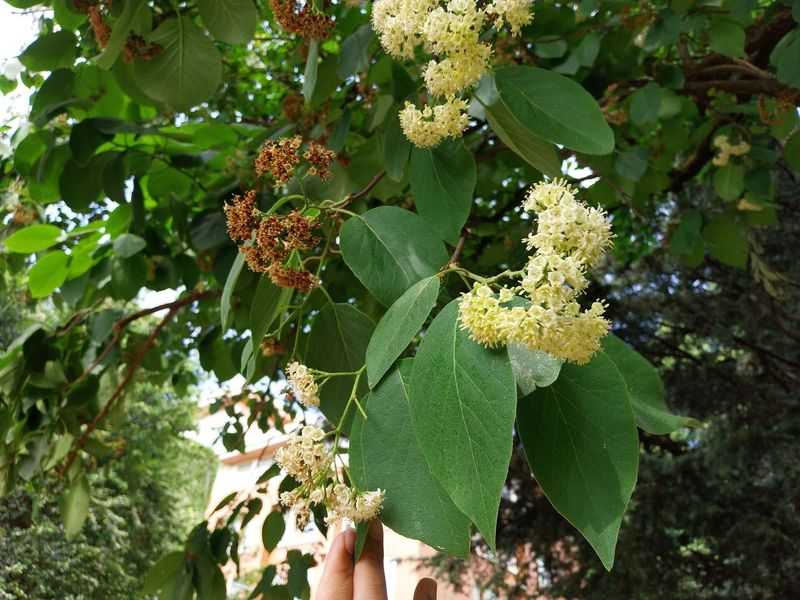
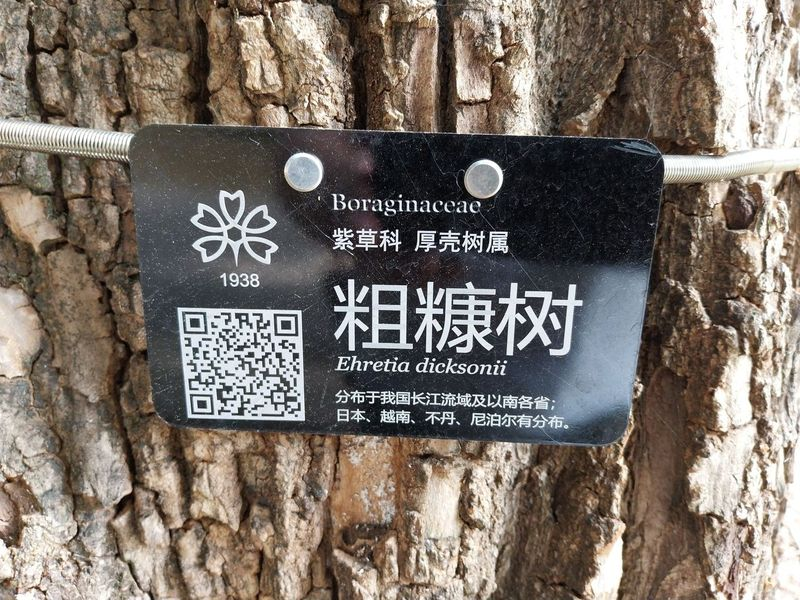
As I’ve said before, I love botanic gardens because I always, always see plants that amaze and surprise me. For example, I struggled to recognise the family that this very large tree belonged to – and was surprised by the answer!

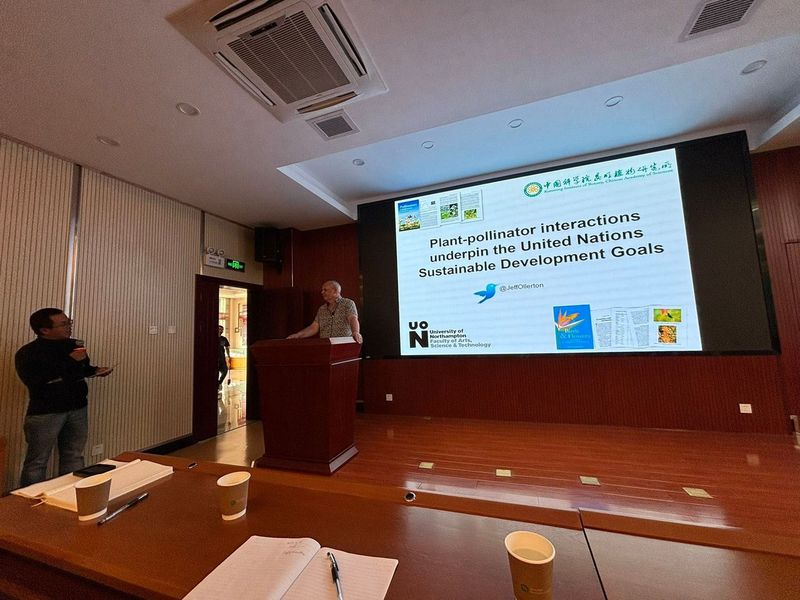
I’ll be spending my time working on some data and writing manuscripts, carrying out field work, and talking with KIB postgrads and postdocs about their projects. I’ll also give some lectures here and at other institutions in China. The first of these was last Thursday where I spoke about the role of plant-pollinator interactions in underpinning the United Nations Sustainable Development Goals:

Thanks to Brazilian researcher Sinzinando ‘Nando’ Albuquerque-Lima for those last two photographs. As part of a Brazilian-funded project, Nando is here for about 8 months studying a range of plants and their pollinators.

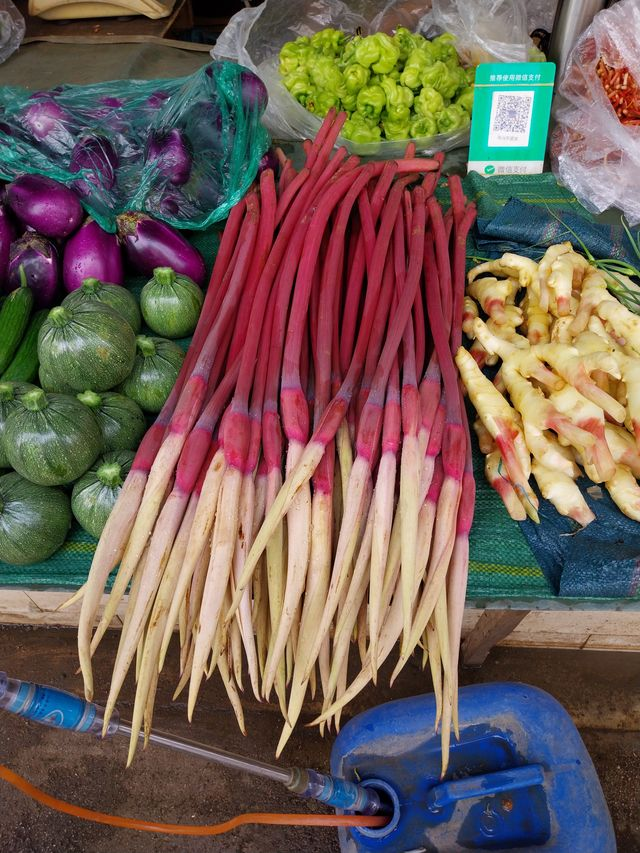
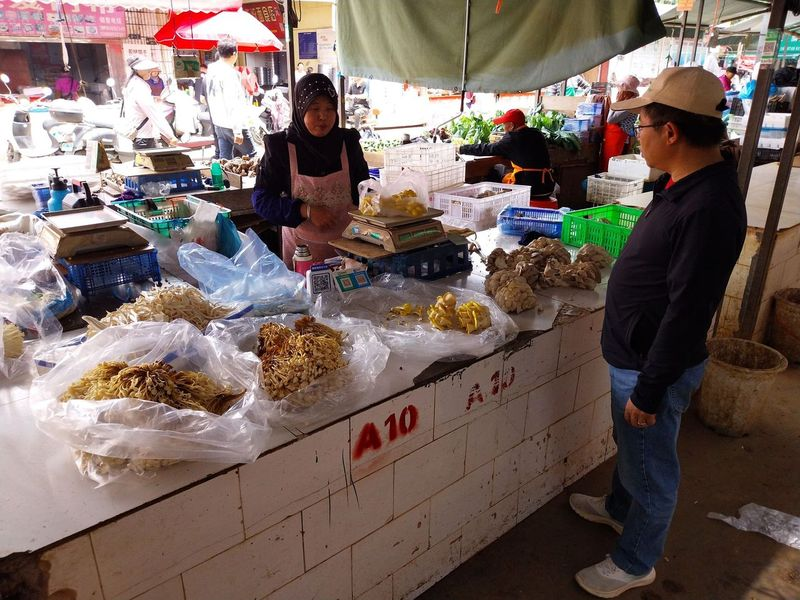
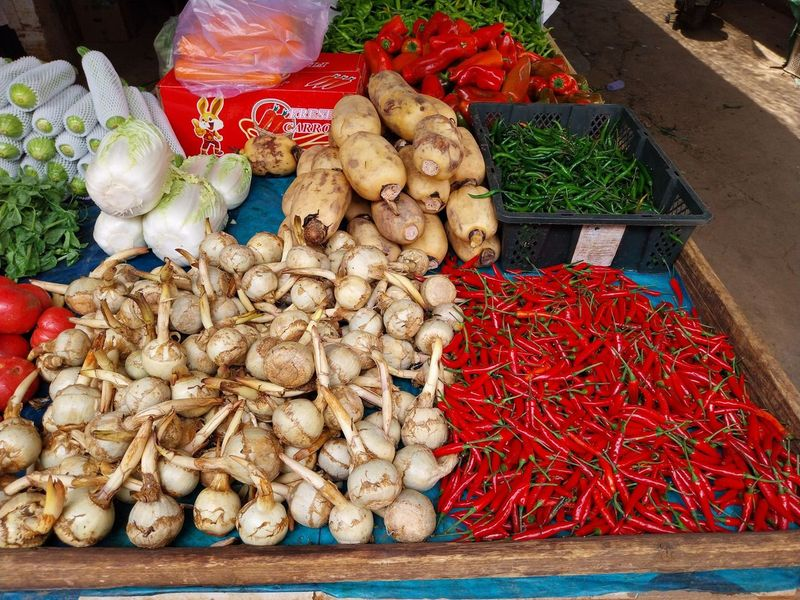
Further afield, Zong-Xin and Nando have introduced me to some of the amazing markets and restaurants in the city and I’ve already added three new plant families to my life list of those I’ve consumed: Phyllanthaceae (the rather sour fruit of a Phyllanthus species); Alismataceae (deep-fried, ‘crisped’ roots of a Sagittaria species); and Meliaceae (the young leaves of Toona sinensis are used as a spinach):

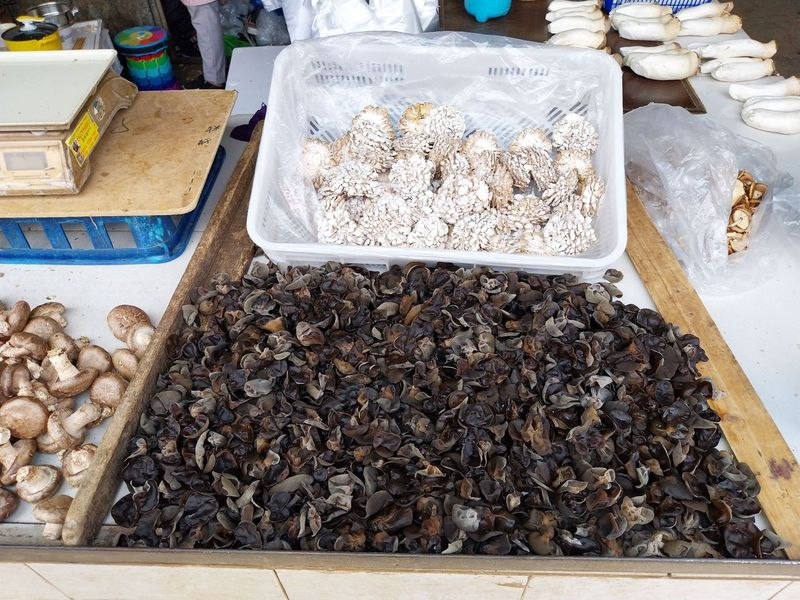
That last photo does not show rhubarb! They are the stems of a variety of taro (Colocasia esculenta) an Araceae species. Yunnan is especially famous for its wild-collected fungi:

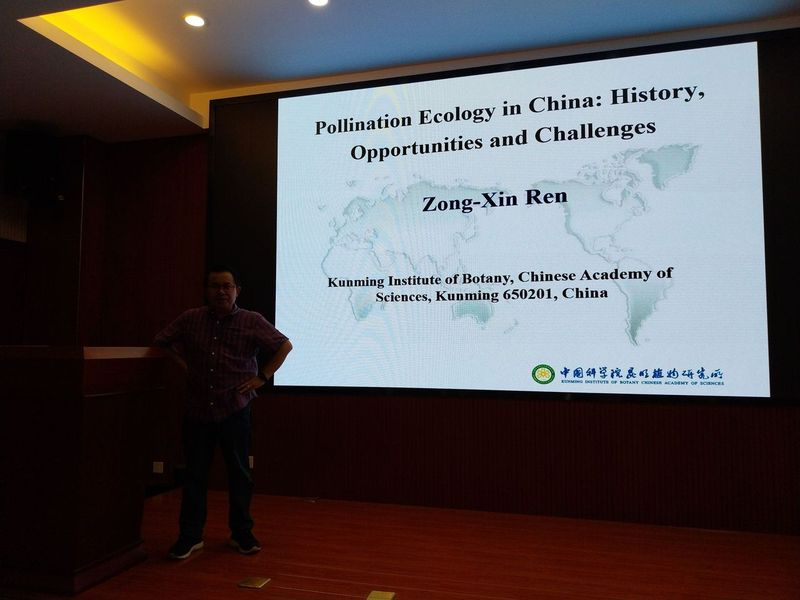
On Sunday afternoon Zong-Xin’s research group gave some presentations about their research, which is diverse and exciting and I look forward to discussing it with them some more in the coming months. The afternoon started with a talk by Zong-Xin himself about the history and opportunities of studying pollinators and pollination in China:

And then we all went to dinner!

That’s all for now, I’ll add updates as the weeks go by.

Adaptable Elder – and a nice review of my book by Mark Avery!

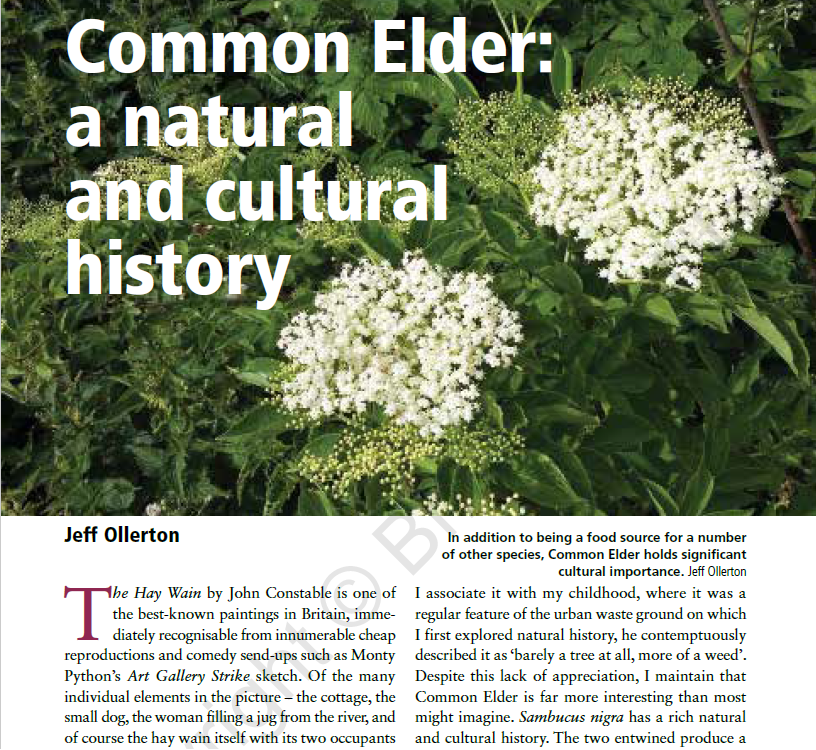
One of the many things that I love about Common Elder (Sambucus nigra), and which I didn’t have space to properly convey in my article about the species last year, is just how adaptable it is as a species. The tree possesses a lot of what biologists term “phenotypic plasticity“. This is the ability of an organism to flexibly change aspects of its morphology or behaviour or physiology in response to differences in the environment. Plants are especially good at this because, if they find themselves growing in less-than-optimal conditions, they can’t just uproot themselves and leave for pastures new. This is obvious to anyone who has seen a houseplant struggling in a dark corner of a room: the poor plant will etiolate and bend as its yellowing foliage tries to reach the light from a distant window. The same plant grown on a sunny windowsill will be more compact, greener, and healthier.

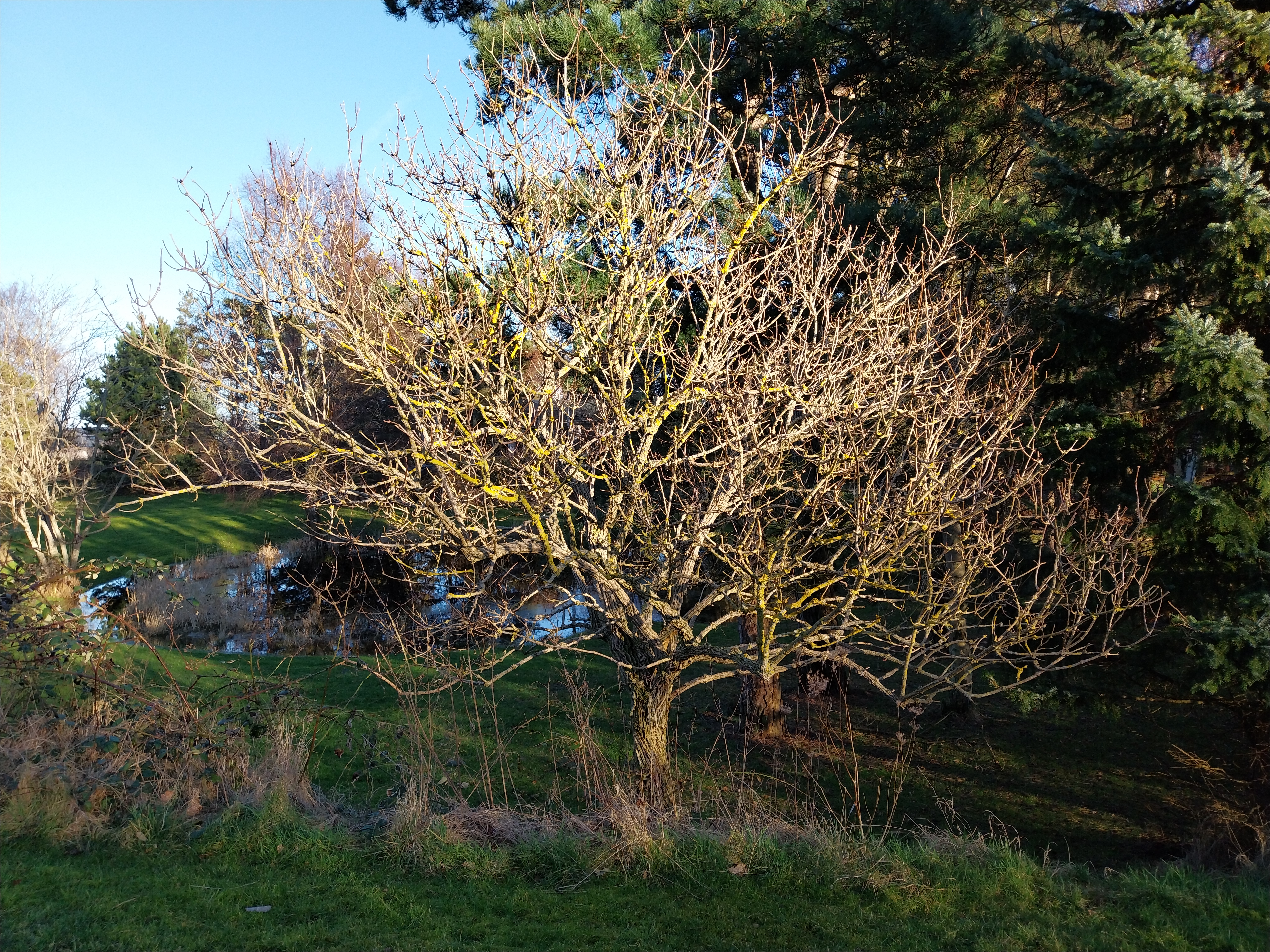
When it comes to Elder, and indeed other trees, winter is often the best time to see this plasticity, when the trunks and boughs are not cloaked in greenery. On a coastal walk at Klintebjerg yesterday, I spotted three rather different phenotypes of Common Elder which nicely illustrate this environmental context dependency.

The first was a wind-tortured tree growing at the base of a low hill, directly in the teeth of the prevailing Kattegat weather, its trunk bent away from the sea and its branches lopsidedly pruned:

The second was a more fortunate specimen, growing in the lee of that same hill and allowed to spread its symmetrical arms, as though waiting to embrace any passing birds. It had clearly never been pruned back by the landowner, who had allowed it to grow as a fine, single-trunked small tree:

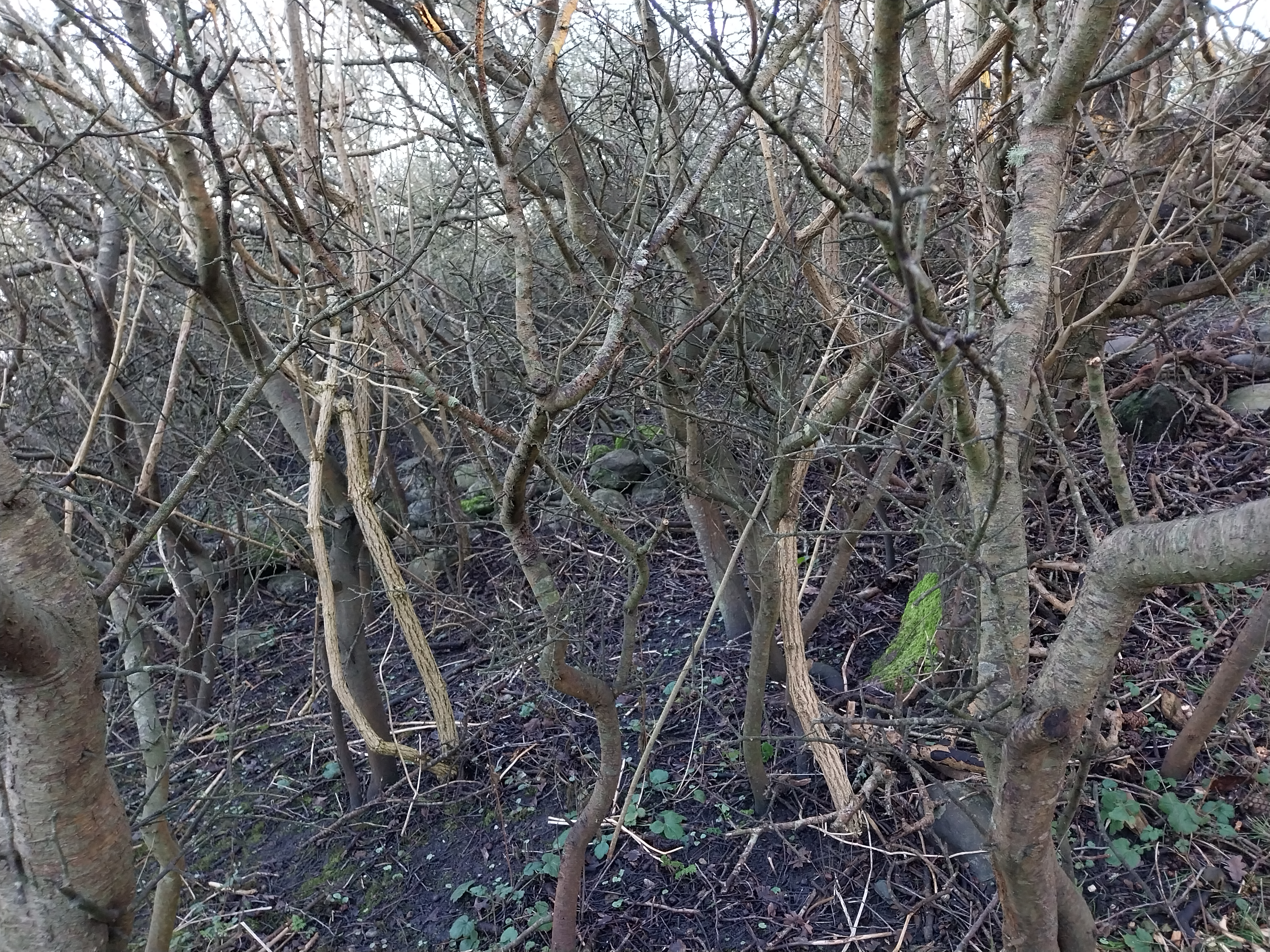
As we walked back down the hill via a narrow path, enclosed and over-topped by a fairy tale canopy of dense, twisted Blackthorn (Prunus spinosa), I spotted another phenotype, different again. I initially thought that they were the stems of a woody climber, perhaps Old Man’s Beard (Clematis vitalba) or European Honeysuckle (Lonicera periclymenum). When I looked closer it was clear that these were Elder, growing narrow and long, using the Blackthorn as support, as they struggled to reach up through the canopy to gain the light:

There were several individuals like this, presumably the result of seed dispersal by birds perched within the Blackthorn. I don’t think that I’ve ever seen Elder growing in quite this way before, but then how often do we get to peer deeply into the secrets hidden within a dense Blackthorn patch?

I had only planned to write about Common Elder today, but I can’t resist mentioning that, over on his blog, ornithologist Mark Avery has written a very nice review of Birds & Flowers: An Intimate 50 Million Year Relationship. He describes my book as having:

…a lightness of touch and tone that should not be taken for lightness of understanding….This is a fine example of a book which is pitched to increase the public understanding of ecology and evolution, and succeeds.

Thank you Mark, that’s very gratifying to read, and I’m glad that you enjoyed it!