Category Archives: Bees

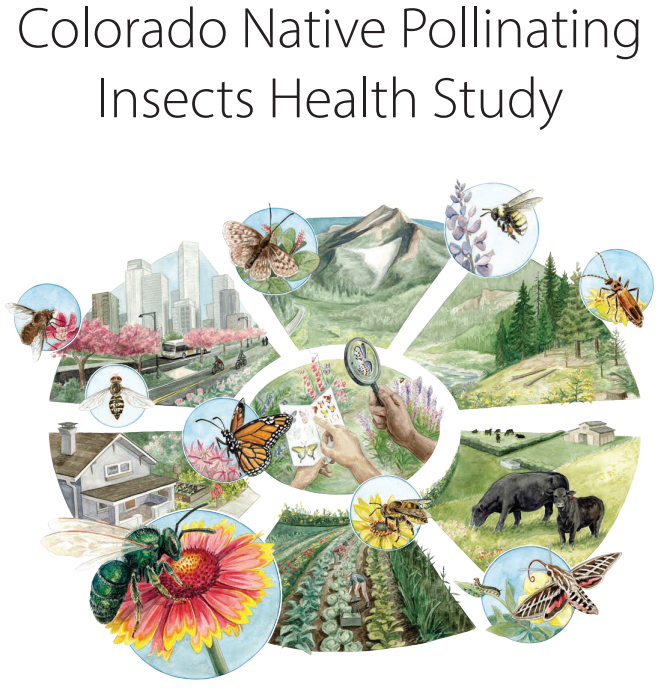
New report on Colorado’s native insect pollinators just published – download a free copy

Yesterday I received an email containing the following press release. I thought it might interest readers of the blog so I am copying it in full with no edits. I had a quick look over the report and it’s amazingly detailed and comprehensive. It’s a shame that the report only covers insects, but that probably reflects my current bias given that my next book, due out in February, is about pollinating birds! Press release follows:

Governor Polis and the Department of Natural Resources Release Pollinator Report

BROOMFIELD – Today, Governor Polis in partnership with The Colorado Department of Natural Resources (DNR), Colorado State University Extension, Xerces Society for Invertebrate Conservation, and University of Colorado Museum of Natural History released the Colorado Native Pollinating Insects Health Study which is the most robust and detailed account of pollinator health ever undertaken in Colorado history. As directed by SB22-199, Native Pollinating Insects Protection Study, sponsored by Senators Sonya Jaquez Lewis and Kevin Priola, and Representatives Cathy Kipp and Meg Froelich, signed by Governor Polis on May 27, 2022, the study assesses the health of Colorado’s native pollinators, evaluates state policies for safeguarding pollinators, and makes recommendations on how to preserve and protect pollinators in Colorado. 
 

“Pollinators play a critical role in Colorado life. From Crested Butte’s beautiful spring meadows to Palisade Peaches and Rocky Ford melons, Colorado’s pollinators sustain our flora and enable many foundational industries in every corner of the state. As our climate changes, we must safeguard the pollinators that generate and regenerate the Colorful Colorado we love,” said Governor Polis 
 

Colorado is home to various native insects and bats whose pollinating services are at the heart of healthy environments and economies. Pollinators are critical to Colorado’s economy and our agricultural production and food systems, and they are essential for flowering plants that support the state’s wildlife ecosystem and add color to Colorado’s beautiful landscapes. 

“Colorado is fortunate to have a tremendous diversity of plants and animals, but pollinating insects are perhaps the least studied but most beneficial for our ecosystems, economy and quality of life,” said Dan Gibbs, Executive Director, Colorado Department of Natural Resources. “I greatly appreciate the time and effort of the study authors who truly did a deep dive into the current state of pollinating insects and state policies and structures. I look forward to working with Colorado legislators and stakeholders in pursuing the best policies to ensure pollinating insect protection and long-term health.”
 

Colorado is home to over 1,000 species of bees—nearly 30% of North America’s and approximately 5% of the world’s bee species—and nearly 300 species of butterflies, representing over 40% of the diversity of butterflies in North America north of Mexico, some of which are already listed under the federal Endangered Species Act. This report underscores the importance of the Polis administration’s goals to tackle Colorado’s greenhouse gas emissions, prepare industries for the impending effects of climate change, and create more sustainable living in Colorado for pollinator populations. 
 

“Our ecosystems rely on pollinators, which is why I’ve championed measures that limit toxic chemicals from harming pollinators and put forth a statewide assessment to better understand the problems our pollinators face and identify practices to better sustain them,” said Senator Sonya Jaquez Lewis, D-Longmont. “Today’s report shows that there’s plenty to do moving forward, and I am looking forward to continuing our work to protect pollinators and the ecosystems that are dependent on them.”
 

“I’m excited that we have this report to help us understand the extent of pollinator decline in Colorado. While Colorado ranks fifth nationally for the rate of honey-bee die-offs, we haven’t known as much about native pollinating insects. This threatens our food production, biodiversity and health of our ecosystems,” said Rep. Cathy Kipp, D-Fort Collins. “We created the Native Pollinating Insects Protection Study in 2022 to identify ways to better protect and support the native Colorado pollinators, like different bee species, butterflies, and moths, that are also essential to maintaining a healthy environment. These findings will help direct future legislation to create a safer environment for our pollinators, protect our food supply and support biodiversity.”
 

Promoting policies that benefit native pollinating insects represents an opportunity to foster healthy and sustainable pollinator populations, especially in agricultural and urban habitats. This includes enhancing pollinator-friendly native plantings along I-76 following its designation as a Colorado Pollinator Highway by the Colorado Department of Transportation and other existing state plans such as the state’s Natural Areas Program, and Wildlife Action Plan among others. 

“Working on the Pollinator Health Study has been an amazing opportunity to collaborate with so many locally, nationally, and internationally recognized experts in the field of pollinator conservation. In addition to the immense amount of information within the report, this study highlights the importance of collaboration between scientists and land management agencies to bring together the many facets needed for conserving native pollinating insects,” said Deryn Davidson, Sustainable Landscape State Specialist, Colorado State University Extension. “Having the existing research on Colorado pollinators paired with recommended land management practices in one, comprehensive document is an incredible tool for policy makers, land managers, and really anyone interested in actionable steps for pollinator conservation.”

Areas of immediate action and priorities highlighted by the Pollinator Report include:
 

  • Priority 1: Protect imperiled native pollinating insects.
  • Priority 2: Protect, restore, and connect pollinator habitats.
  • Priority 3: Mitigate environmental changes that negatively impact pollinators and their habitats.
  • Priority 4: Reduce the risks from pesticides to pollinating insects.
  • Priority 5: Monitor and support native and managed pollinator health.

Governor Polis announced his annual budget proposal on November 1, focusing on ensuring Colorado is more affordable, sustainable, and liveable. The Governor included $100,000  to support education and incentives to encourage the use of pesticide alternatives in agricultural production and residential or commercial landscaping. On May 17, 2023, Governor Polis signed Neonic Pesticides as Limited-Use Pesticides, sponsored by Senators Kevin Priola and Sonya Jaquez Lewis and Representatives Kyle Brown and Cathy Kipp, which protects pollinators from harmful toxins. 

The one thing I wish more people understood about flower pollination

Obviously the title of this post is click-bait, as there’s LOTS of things that I wish more people knew about pollination! But here’s one that really gets my (Yule) goat.

I’ve lost track of the number of times that I’ve read statements in books and research papers such as “bees collect lots of pollen from flowers therefore they are good pollinators”. Even worse, I sometimes see studies where pollen has been removed from “pollen baskets” or other scopae, then used as a measure of the importance of those bees as pollinators.

In both cases it seems to have been forgotten that bees are collecting pollen to feed their larvae and pollen that ends up in scopae is generally not available for pollination.

That’s the purpose of the Venn diagram at the top of this short post, to remind us that there can be a disconnect between what bees are doing and what plants require: foraging for pollen only partly correlates with flower pollination. Indeed, the same argument applies to any animal that feeds itself or its young on pollen, including pollen wasps (Maserinae), Heliconia butterflies, and some flower-visiting hoverflies, birds and bats.

It’s not only loss of pollen from reproduction that’s important here: depending on the size and behaviour of the bees relative to the shape and size of the flower, they may go nowhere near the stigma, so even if they are carrying viable pollen, it can be lost as far as the plant is concerned.

Note also that many bee species will collect pollen from wind-pollinated plants such as grasses, oaks, etc. Indeed in some species the availability of such pollen is extremely important – see Manu Saunders’ review on this topic and more recent papers that cite it. Again, it emphasises the partial disconnect between pollen collecting by bees and pollination of flowers by bees.

Assessing which flower visitors are actually pollinators is not technically demanding but it can be time consuming. The minimum that you need is single visit deposition (SVD) experiments in which you expose unvisited flowers to one visit by the potential pollinator. Then you assess how much pollen has landed on the stigma or (better) whether the visit results in seed set.

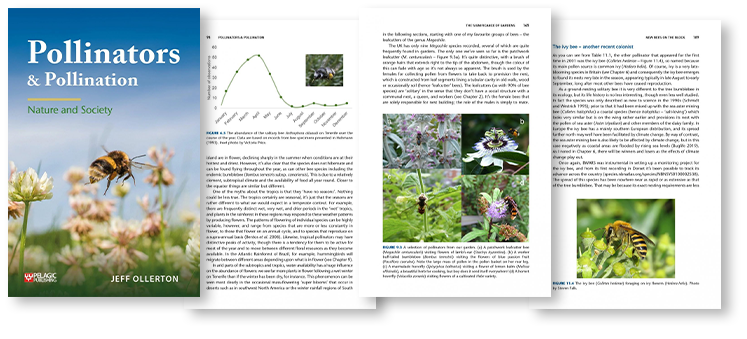
If you want to know more about the evidence that’s required to determine if a flower visitor is or is not a pollinator, they are codified in the “Cox-Knox Postulates” that I discuss in my book Pollinators & Pollination: Nature and Society.

Biodiversity Net Gain and what it could mean for pollinators – read the new report

Biodiversity Net Gain (or BNG) promises to transform the way that we approach nature conservation in the UK. I’ve been giving a lot of thought to what this might mean for insect pollinators and have produced a new report that summarises the opportunities that BNG presents and how we can make the most of them. You can download a copy of that report by following this link.

This is meant to be a working document and as BNG progresses, and our understanding of its impacts on pollinators increases, I will update it. In the meantime, please do feel free to comment.

Should honey bee hives be placed on or near conservation sites?

Earlier this week, the East Midlands Environment Agency proudly tweeted that they had placed honey bee hives on an ecologically important site that they own. As you might imagine, the response from pollinator experts such as myself, conservation NGOs, and some beekeepers, was not positive, as you can see if you look at the comments beneath my tweet:

By coincidence, overnight I received a message from someone in the USA asking for advice. Here’s a redacted version of their message:

My community has a 4 acre serpentine barren site that is part of a larger string of these unique barrens ….. Honey bee hives have recently been located adjacent to the barrens. Can you advise me as to the best way to determine whether there are, and to document any, adverse effects to the serpentine barrens native pollinators?

The question of how managed honey bees can impact wild pollinators and the pollination of wild plants is one that frequently comes up in the talks and training that I do. Many beekeepers share these concerns – see for example this very detailed blog post by Mark Patterson.

Going back to the question of how to assess any impacts, the simple answer is that it’s not easy and it relies on having good data. This was my response to my American correspondent:

Ideally you would need to take a before-and-after approach where you have data on things like number of native pollinator species, their abundance (including nest sites), rates of visitation of different pollinators to flowers, and fruit or seed set from particular plants. You’d then compare what was going on before the hives arrived with what’s occurring since their arrival.

If you don’t have the “before” data it’s much more difficult to assess if there has been an impact from the honey bees. However, the advice of most conservation groups is to adopt the “precautionary principle” and not site hives on or adjacent to areas of nature conservation value, especially if they are relatively small areas. See for example the Bumblebee Conservation Trust’s advice: https://www.bumblebeeconservation.org/managed-honeybees/

The precautionary principle is a well established concept across a range of areas, including health and engineering, as well as nature conservation. In the latter it needs to be more widely applied, especially when it comes to questions of where to site honey bee hives, and how many.

Plant-based diets are a problem for bees! A new study of the significance of the ratio of food K:Na in bee ecology and evolution

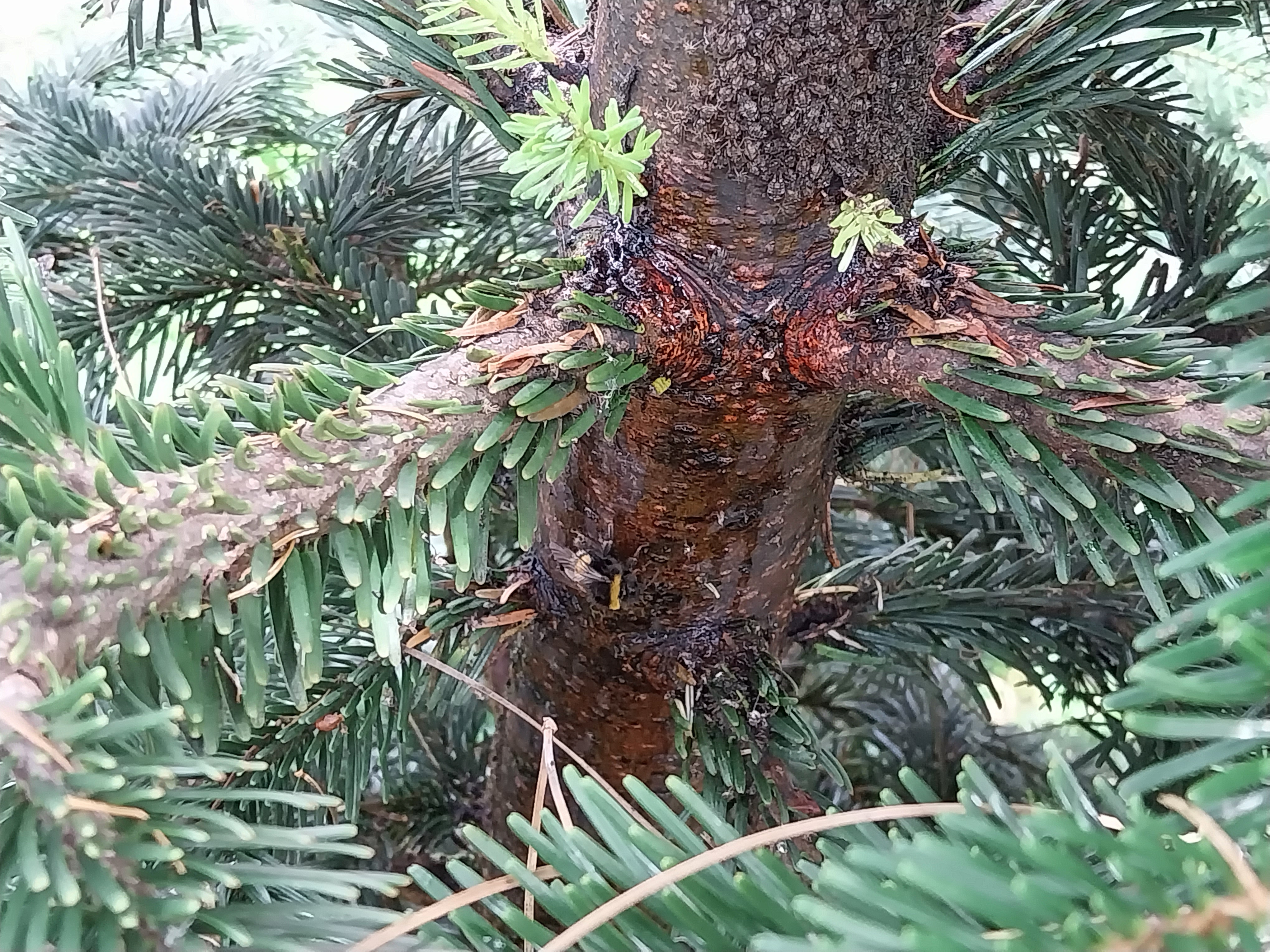
At the moment Karin and I are in the UK for a couple of weeks. I had work to do as an external examiner at the University of Swansea, plus we wanted to catch up with some family and friends. Our main base has been the home of our mates Ian and Simone and we’ve enjoyed some warm, muggy evenings sitting in their garden chewing the fat. Every now and again my eyes have been drawn to the activities of bumblebees as they move in and out of the foliage of a small Silver Fir. The bees are attracted to the large colonies of an aphid that is feeding on the tree’s trunk, from which they are collecting honeydew, as you can see in the photograph above.

When we think of the diets of bees we automatically think “nectar and pollen”. Honeydew, as a sugar-rich fluid, fits broadly into this concept, though as far as I know there’s been little study of its relative importance as a food source for bees. Aside from a few “vulture bees”, all of the 20,000 or so species are vegetarian. And therein lies a problem. Bees evolved from carnivorous wasps and so the evolution of bees, and their complex ecologies, is tied into this profound dietary shift toward a plant-based diet.

A particular issue that has hardly been investigated until recently is that the ratio of elements within meat is very different to that of plants. In particular, animal tissue has a high ratio of sodium (Na) relative to potassium (K), whereas for plants the ratio is reversed – high ratio of K:Na.

In a new conceptual review paper with my colleagues Zuzanna Filipiak and Michał Filipiak, we have explored the implications of this difference in elemental ratios for bee ecology and evolution, and for the conservation of these important insects. The paper is open access and you can download a copy by following a link in this reference:

Filipiak, Z.M., Ollerton, J. & Filipiak, M. (2023) Uncovering the significance of the ratio of food K:Na in bee ecology and evolution. Ecology e4110. https://doi.org/10.1002/ecy.4110

Here’s the abstract:

Bees provide important ecological services, and many species are threatened globally, yet our knowledge of wild bee ecology and evolution is limited. While evolving from carnivorous ancestors, bees had to develop strategies for coping with limitations imposed on them by a plant-based diet, with nectar providing energy and essential amino acids and pollen as an extraordinary, protein- and lipid-rich food nutritionally similar to animal tissues. Both nectar and pollen display one characteristic common to plants, a high ratio of potassium to sodium (K:Na), potentially leading to bee underdevelopment, health problems, and death. We discuss why and how the ratio of K:Na contributes to bee ecology and evolution and how considering this factor in future studies will provide new knowledge, more accurately depicting the relationship of bees with their environments. Such knowledge is essential for understanding how plants and bees function and interact and is needed to effectively protect wild bees.

Week-long Master’s course in Italy – March 2024 – on Pollination as an Ecosystem Service

I’m excited to announce that in March 2024 I will teach a week-long, Master’s-level residential course entitled “Pollination as an Ecosystem Service” at the University of Pavia in Italy. It will be taught in English. Here’s a summary of the course and a brief description of the the syllabus, which is broadly accurate but subject to change as it develops:

POLLINATION AS AN ECOSYSTEM SERVICE

A 3 credit Master’s course for the University of Pavia

Overview

The pollination of crops by bees, flies, birds, bats and other animals, is an ecosystem service that increases crop yields and quality. This is valued at hundreds of billions of Euros each year to European and global agriculture. In addition, these same animals pollinate around 90% of the world’s wild plants which in turn provide us with ecosystem services such as wild food, flood alleviation, microclimate modification, and carbon capture.

In this course, students will explore pollination as an ecosystem service from its first principles and historical roots through to the latest research findings around the consequences of pollinator decline and climate change. The emphasis of the course is on the students learning by actively participating during classes. Each day has a particular theme and will be a mix of interactive lectures, short video clips to illustrate particular points, discussion seminars (for which they will be expected to do some guided reading) and local excursions.

At the end of the course the students will have a developed a deep understanding of the diversity of pollinators, the ecological nature of their interactions with flowers, and the importance of these relationships to nature and to society.  

Assessment

            At the end of the course, the students will be asked to give a 10 minute presentation based on one of the topics covered in the course, and posed as a question such as “What is….?”, “Why does….?”, “What would happen if….?”, and so forth. The questions will be agreed with me in advance. Presentations will take place on the final day of the course and at the end of each presentation the students will have 5 minutes to answer questions posed by their peers and myself.

Syllabus

Day 1

Theme: Pollinators and pollination – first principles; including historical perspectives, the diversity of pollinators and flowers, and the biology of pollination. Introducing the course assessment.

Excursion: a walk around the local area to observe flowers and pollinators in action.

Day 2

Theme: Pollination as an ecosystem service; including the types of crops that are animal pollinated, how we calculate the value of pollination, and going beyond agriculture to look at the other ecosystem services provided by pollinators; approaches to studying pollinators and pollination.

Day 3

Theme: Pollinator conservation: including reasons for pollinator decline, impacts of climate change, the “politics of pollination”, the consequences of that decline for crop and wild plant pollination, how we can manage and restore habitats for pollinators.

Day 4

Theme: Urban pollinators: understanding the importance of pollinators in an urban setting and in gardens, and how towns and cities support pollinators. Excursion: How is the city of Pavia supporting pollinator populations and what could be improved?

Day 5

Theme: Summing up what we’ve learned, followed by assessed student presentations.

The course is open to all and there’s details of how to apply (in Italian and English) in the following link: https://portale.unipv.it/it/didattica/corsi-di-laurea/ammissioni/casi-particolari-di-iscrizione/iscriversi-ai-corsi-singoli

The brochure with all available courses can be downloaded here: http://news.unipv.it/?p=84031

I’d be very happy to talk with other universities who might be interested in running such a course.

If you have any questions, please use my Contact page to get in touch.

A “weed” that you should be eating and an introduction to our new garden

It’s been a rather nomadic couple of years. After Karin and I sold our house in Northampton, we travelled around in the UK and then in Denmark, renting places as we needed them, plus we spent a month in Kenya. We’ve now become more settled in Sjælland and, after some deliberation about whether to buy a house or continue renting, we’ve reached a compromise and bought into an andelsbolig, one of the many Danish cooperative housing schemes – see this article in The Guardian for more details.

The development of twenty-eight small properties has been newly built to the highest standards of insulation and is plugged into the district heating system which uses a combination of solar warming and gas (in part using methane generated from food waste).

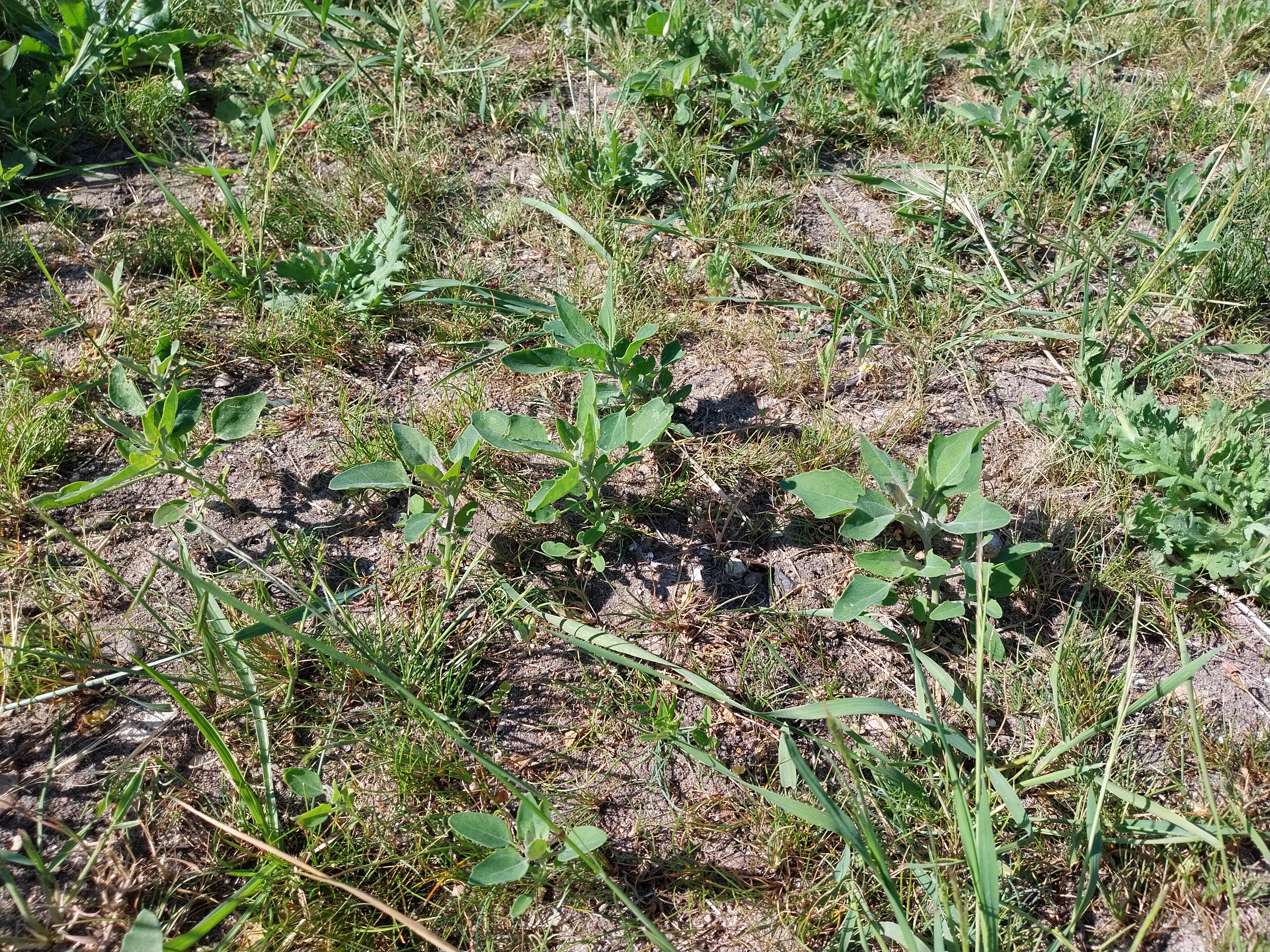
It’s nice to have a garden again. I hadn’t realised how much I’d missed having a space in which to plant and potter. All gardens present challenges, of course, and this one is no exception. Until about 600 years ago the area was under the shallow Kattegat sea. It’s now above sea level due to post-glacial rebound and in fact this whole region of Odsherred is a UNESCO Global Geopark because of the postglacial landscape.

What this means for us is that we are gardening on “soil” which has a very high sand content and is filled with stones, large and small.

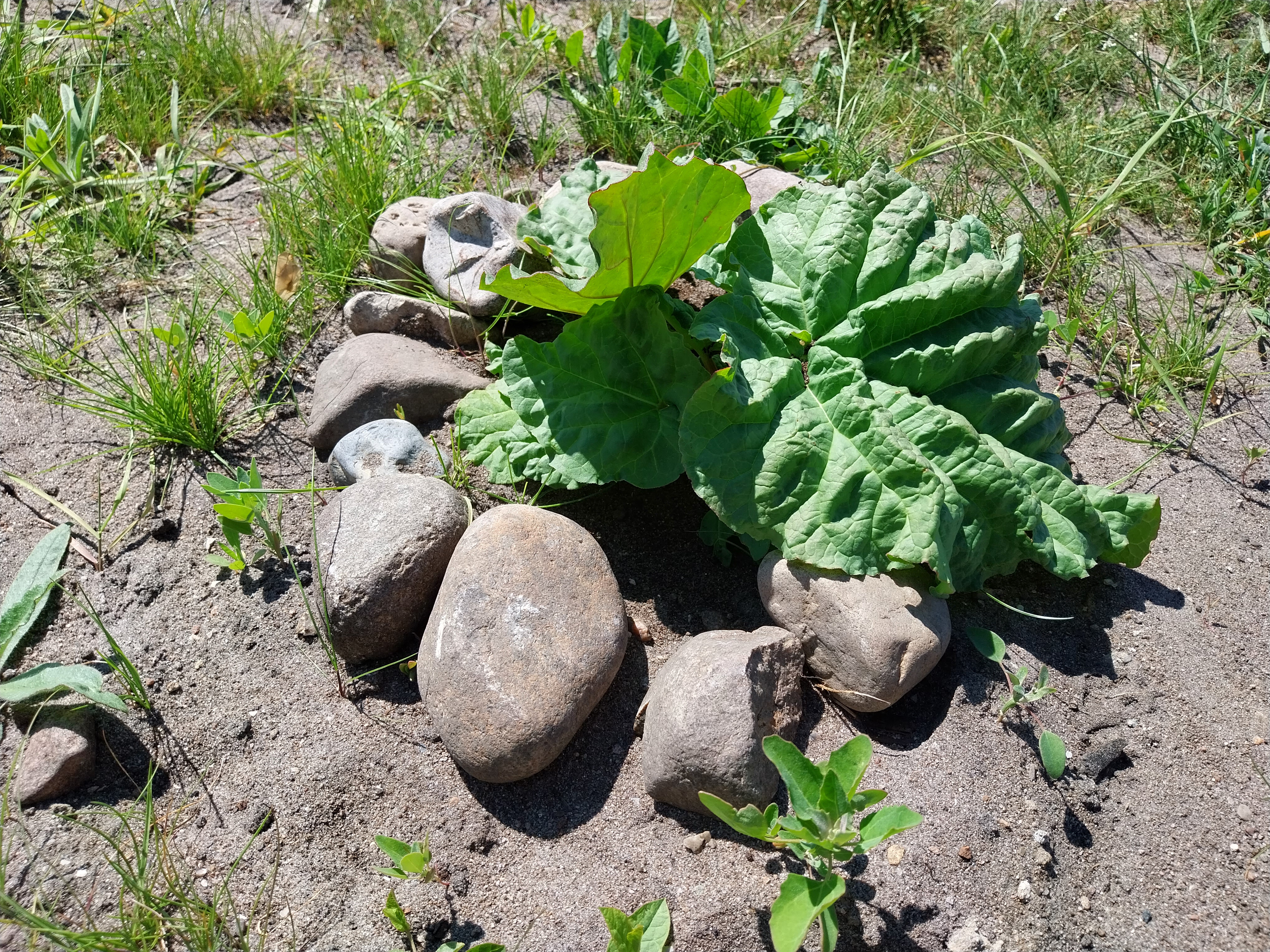
Added to that, we’re in one of the driest parts of Denmark (certainly this year) and a persistent coastal wind rapidly strips the moisture from the soil. So as we dig up or find large stones we are using them around plants to retain water and mulching with the smaller stones that we find in abundance. As yet we don’t have any rain water butts so we’re using the kitchen water from washing up to supplement the hosepipe.

It’s not easy gardening here, but we like a challenge and we’re calling in favours from friends and family to provide us with cuttings and divisions of plants from their own gardens, which should mean that they are better adapted to the local conditions than most of the shop-bought plants. We’ve also started a small vegetable and fruit patch and planted apples and pears around a paved patio that over time we will train as self-supporting espaliers.

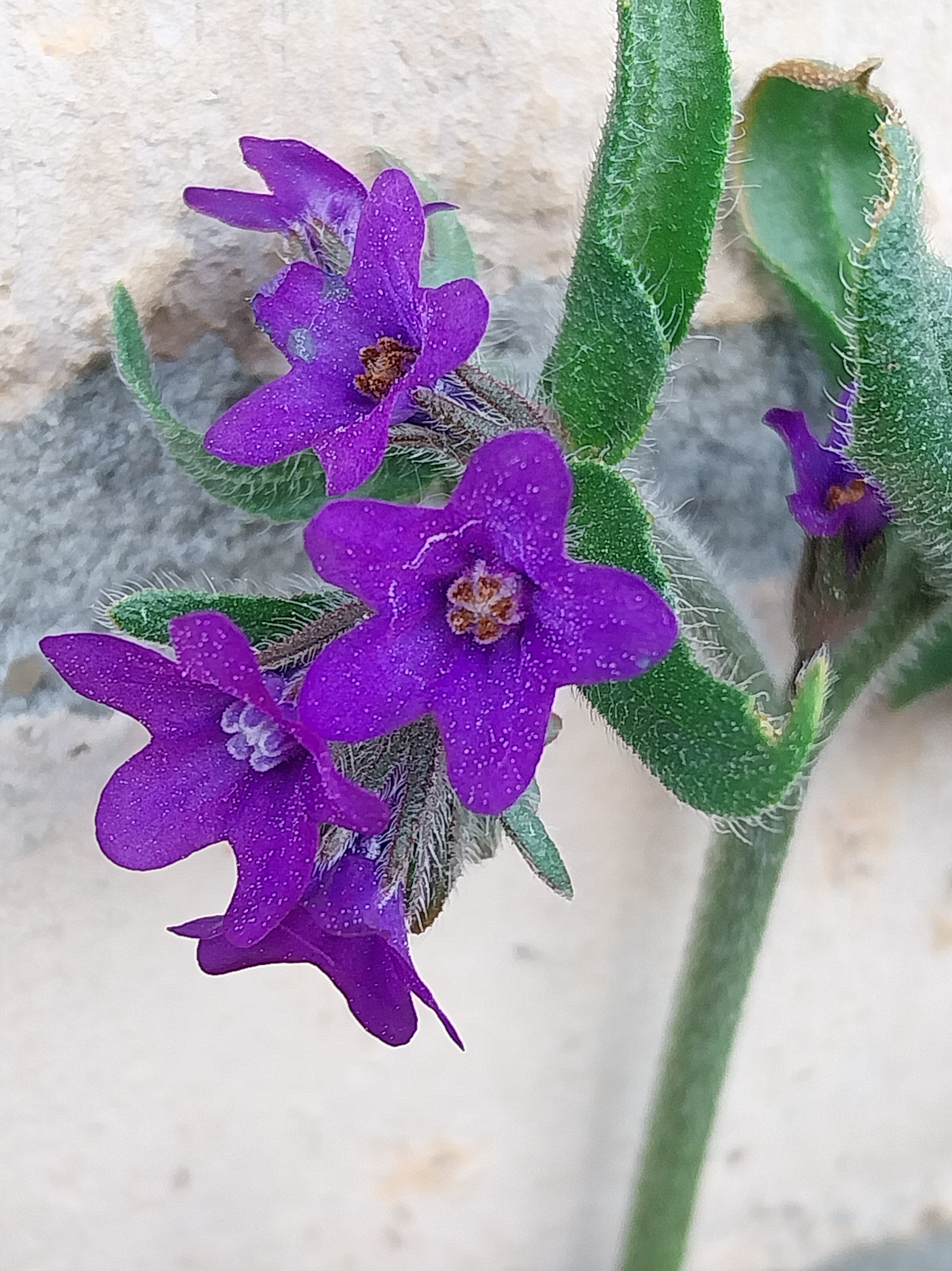
Gradually we’ll fill up the space and move things around as needed. But for now I’m also interested in seeing what plants come up spontaneously, especially the annual species that are benefitting from the disturbance. I don’t use the term “weed” to refer to these: weeds are just plants in the wrong place at the wrong time. Many such plants are ecologically important, especially as nectar and pollen sources for bees and other insects. This includes Common Bugloss (Anchusa officinalis) with its richly purple, velvet-textured flowers.

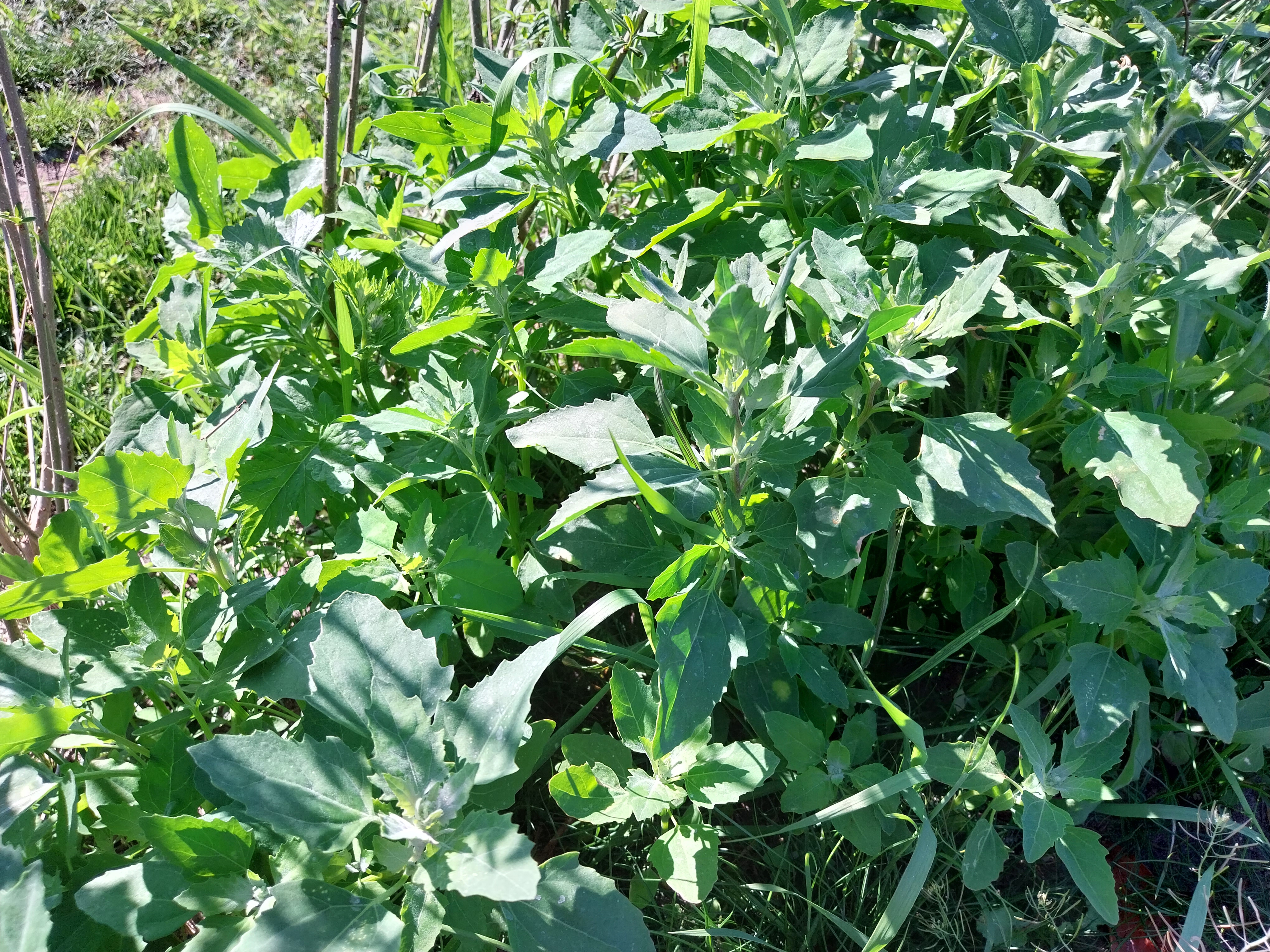
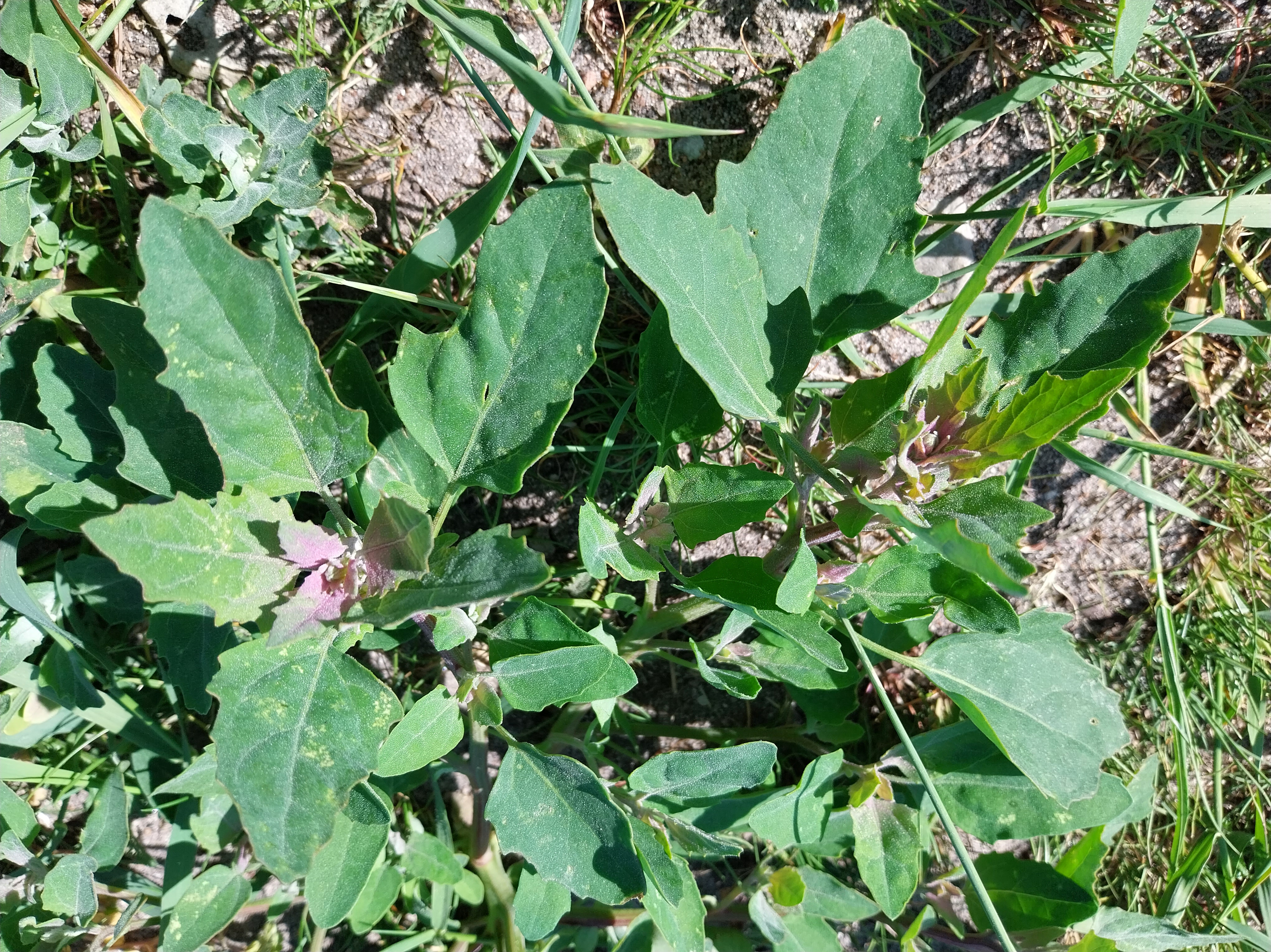
Another plant that we are tolerating is a fast-growing relative of spinach that’s variously called Goosefoot or Fat Hen (Chenopodium album). I’d long known that it was edible (it’s grown as a crop in parts of Asia) but until last night I’d not cooked with it.

In fact it’s delicious! I threw some roughly chopped leaves and stems into a mushroom omelette and I have to say that it was better than any commercial spinach I’ve bought or grown. In particular, the texture is much nicer as the leaves are very water-repellant which mean that they don’t absorb as much moisture during cooking. Highly recommended as an alternative to spinach but make sure you correctly identify the plant before you try it – there’s some good advice on this website: https://www.wildfooduk.com/edible-wild-plants/fat-hen/.

As well as Fat Hen we also have the close relative Tree Spinach (Chenopodium giganteum), with it’s beautiful magenta-tinged leaves, coming up in the garden. I’m looking forward to trying that too:

I’ll try to post more as the garden progresses, if I have time. But as I mentioned yesterday, even though the manuscript is complete and submitted to the publisher, there’s still lots to do on my next book! Have a good weekend.

Pesticides and pollinators: please sign this petition!

As part of our roles as ambassadors of the new conservation organisation Restore (more of which later this year), several of us including Dave Goulson, George McGavin, and myself, are promoting this online petition to get the government to take the issue of neonicotinoid pesticides seriously. Here’s some text from Dave explaining the situation with a link to a petition that you can sign:

“For three years in a row our government has granted farmers special permission to use banned neonicotinoid pesticides on sugar beet. This is contrary to the expert advice of their own Expert Committee on Pesticides, who specifically recommended that permission should not be granted.  It also flies in the face of a huge body of scientific evidence showing that these chemicals are phenomenally toxic to all insect life, and that their use on any crop contaminates soils, hedgerow plants, and nearby streams and ponds for years to come. We are in a crisis, with insect populations in freefall. It is about time our government woke up to this, and acted accordingly. This petition https://petition.parliament.uk/petitions/631948 is a necessary means of holding the government to account. Please sign and share, as signing will ensure the issue is debated in Parliament.”

This petition now has more than 15,000 signatures which ensures that it gets a response from the Government. If it reaches 100,000 mark, it will trigger a debate in Parliament. Please sign and promote this important initiative! 

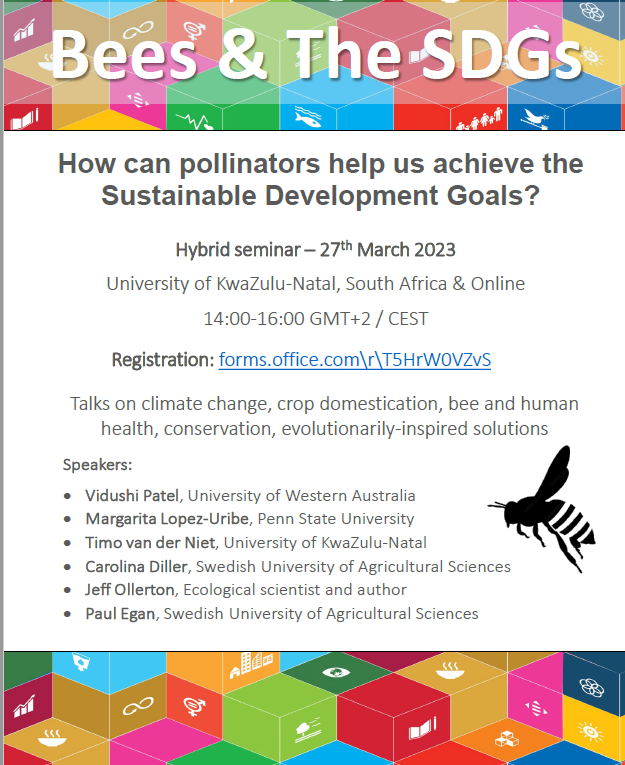
Pollinators and the UN Sustainable Development Goals – free webinar on Monday!

There’s been a lot of discussion recently about how pollinators can contribute to the United Nations’ 17 Sustainable Development Goals. It’s a topic that I reflected on in Pollinators & Pollination: Nature and Society, and I’ve seen a few papers and articles that raise the subject – see here for instance. This free webinar on Monday 27th March is therefore very timely! To register, follow this link: forms.office.com\r\T5HrW0VZvS

Although I’m one of the speakers, I can’t make it in person as I’ve got teaching commitments at Roskilde University, so I’ve recorded my ten minute piece and I’m happy to answer questions via the Contact page on my website.

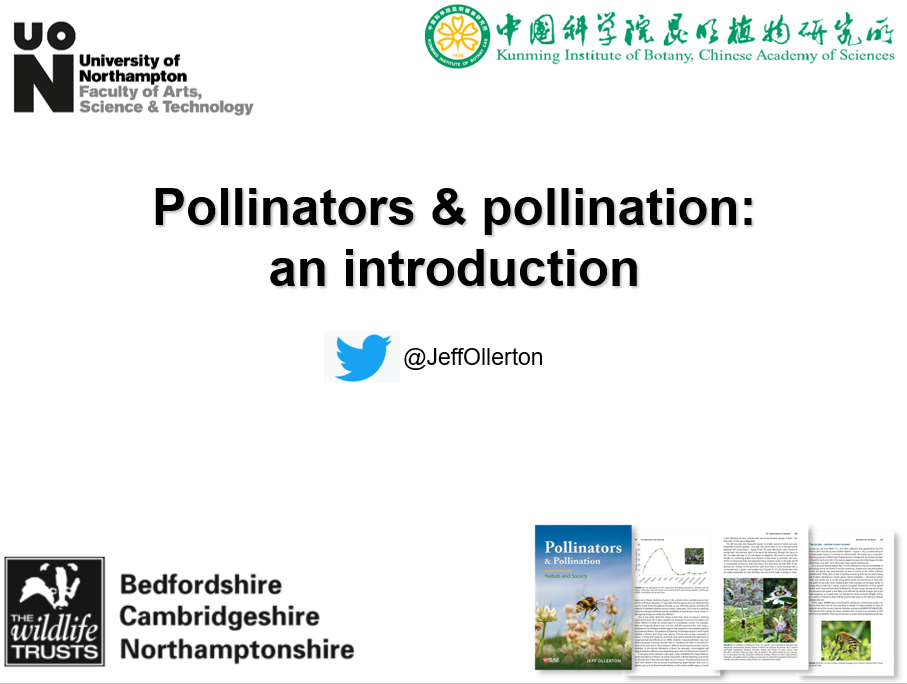
Join me tomorrow evening for an online talk about pollinators in the UK!

It’s been a couple of years since I last did a talk or workshop for the Wildlife Trust for Bedfordshire, Cambridgeshire & Northamptonshire. But I’m pleased to say that they’ve invited me back and you can join me tomorrow evening for an online introductory talk about pollinators and pollination in the UK.

The talk starts at 7pm UK time and full details of how to sign up are in the link below:

https://www.wildlifebcn.org/events/2023-02-22-online-pollinators-and-pollination-professor-jeff-ollerton

I look forward to seeing some of you there!