This Thursday at 7pm I’ll be chatting online with David Lindo – the Urban Birder – who is an award-winning broadcaster, writer, speaker, tour leader and educator. According to David’s website,’his mission is to engage city folk around the world with the environment through the medium of birds’.
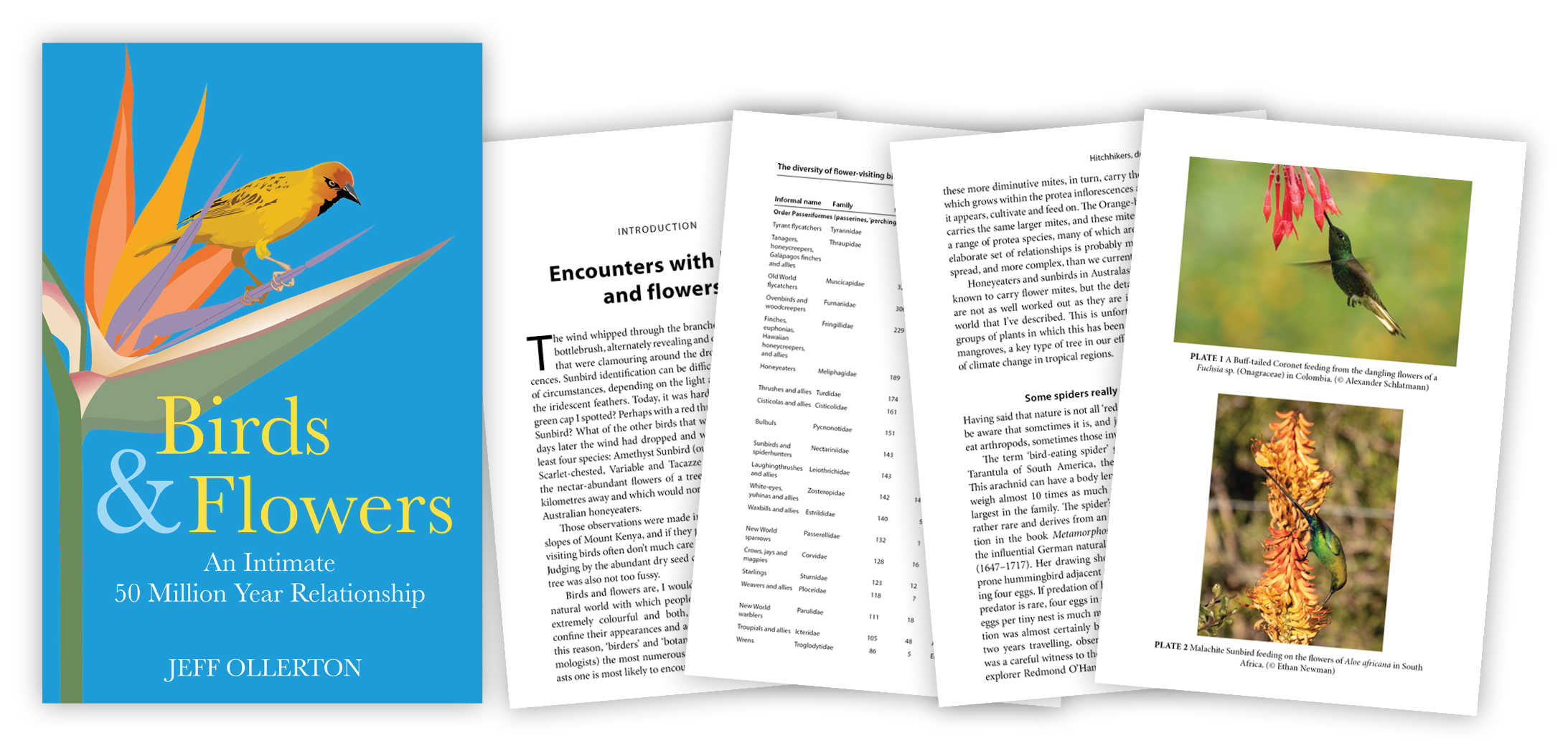
We will be talking about my recent book Birds & Flowers: An Intimate 50 Million Year Relationship, and the urban birding theme is very relevant as chapter 16 is called ‘Urban flowers for urban birds’. Our conversation will range much wider than that, however, to include the importance and diversity of birds as pollinators, threats to that diversity, habitat restoration schemes, and the cultural importance of flower-visiting birds.
David’s had some really stellar guests on his ‘In Conservation* With…’ series (which he describes as ‘Zoom interviews with some of the leading figures in the natural history sector’) including Kate Bradbury, Stephen Moss, Mark Cocker, Bella Lack, Ben Fogle, Caroline Lucas, Iolo Williams, and Margaret Atwood!
You can sign up for this free event by following this link. I’m really looking forward to it and I hope that you can join us.
Yesterday I delivered a webinar for the Biological Recording Company on the topic of what Biodiversity Net Gain (BNG) could mean for pollinator conservation. It’s a topic that clearly has a lot of resonance for the ecology community: almost one thousand people (994 to be precise) booked to attend, of which 380 actually watched. That’s a fairly typical ratio for free webinars, in my experience – many people book a place in the expectation that they will receive a link to watch the recording later.
The talk was indeed recorded and can be viewed by following this link to YouTube. There was a Q&A session afterwards which is not part of the recording but the questions and my answers have been transcribed and can be viewed on the Biological Recording Company’s blog, together with links to all of the references and data sources that I cited. Here’s the link to the blog.
I had a lot of really positive feedback during and after my talk, plus some extremely useful comments about where my interpretation of BNG was incorrect (or at least didn’t tell the whole story). As I stressed during my talk, BNG is a journey not an end point and we are all at the start of that journey! It’s going to be fascinating and important to see whether BNG can positively impact declining pollinator populations.
Biodiversity Net Gain is generating a lot of attention in the UK at the moment, some of it positive*:
“when designed and delivered well, BNG can secure benefits for nature, people and places, and for the economy”
“[BNG is] a game-changer for health and wellbeing”
And some of it extremely negative*:
“Biodiversity Net Gain is a lie but most people without enough ecological knowledge cannot see this & are fooled by the lie”
“[BNG is] a horrible legalistic contrivance, and it means nothing”
Regardless of how you feel about BNG, it’s here to stay, at least for the foreseeable future, and so we need to explore it and understand how (or whether) it can positively improve the state of nature in Britain.
Although I don’t pretend to be an expert on BNG**, I have thought a lot about how it might impact the group that I do have some expertise in, pollinators, and the implications for the pollination services that they provide to wild and crop plants.
Last October I produced a short report that considered the implications of BNG for insect pollinators – you can download a copy from the original blog post, though do be aware that some of the dates I mentioned were later revised by the then government and I have yet to revise the document.
As a follow up to this I have been invited by the Biological Recording Company to lead a one-hour webinar discussing this topic on Monday 28th October at 1pm. It’s free to attend and you can book a ticket by following this link. There’ll be a short presentation (30 minutes or so) followed by a live Q&A.
I hope that some of you can join me!
——————————————————————
*Real quotes, culled from reports and social media.
**Indeed, it’s such a new approach to development and nature conservation, can anybody consider themselves an expert?
The most globally significant groups of pollinators are well known and have been studied for a long time: bees and wasps, flies, butterflies and moths, birds, bats and beetles are all familiar to those of us with an interest in pollination ecology. However, every few years a new type of pollinator or a novel pollination system is described from nature or from the fossil record, or we add further examples of previously neglected pollinator groups such as cockroaches.
This begs the question: how much is there still to discover? How close are we to describing the full diversity of animals that act as pollen vectors? Can looking at the past help us to predict what we might find in the future? That’s the topic of a Perspective article that I was invited to write for the special issue of the Journal of Applied Entomology on the theme of The Neglected Pollinators that I mentioned last month. It’s a subject that I’ve thought about a lot over the last few decades and it was great to get an opportunity to air some ideas and speculation.
The article is open access and you can download a copy by following the link in this reference:
Although huge progress has been made over the past 200 years in identifying the diversity of pollinators of angiosperms and other plants, new discoveries continue to be made each year, especially in tropical areas and in the fossil record. In this perspective article I address the following questions: Just how diverse are the pollinators and what are the phylogenetic limits to that diversity? Which other groups of animals, not currently known to regularly engage with flowers, might be found to be pollinators in the future? Can we predict, from the fossil record and from discoveries in under-researched parts of the world, which animal groups might turn out in the future to contain pollinators? I also discuss why adding to our knowledge of plant–pollinator interactions is important, but also stress that an incomplete knowledge may not be a bad thing if it means that remote, inaccessible and relatively pristine parts of the world remain that way.
Why do authors write about ‘nature’? What are their motivations and how did they start their writing journey? Do they even recognise this label of ‘nature writer’?
These are just some of the questions I’ll be exploring with two other authors at the Market Harborough Book Festival on Saturday 5th October.
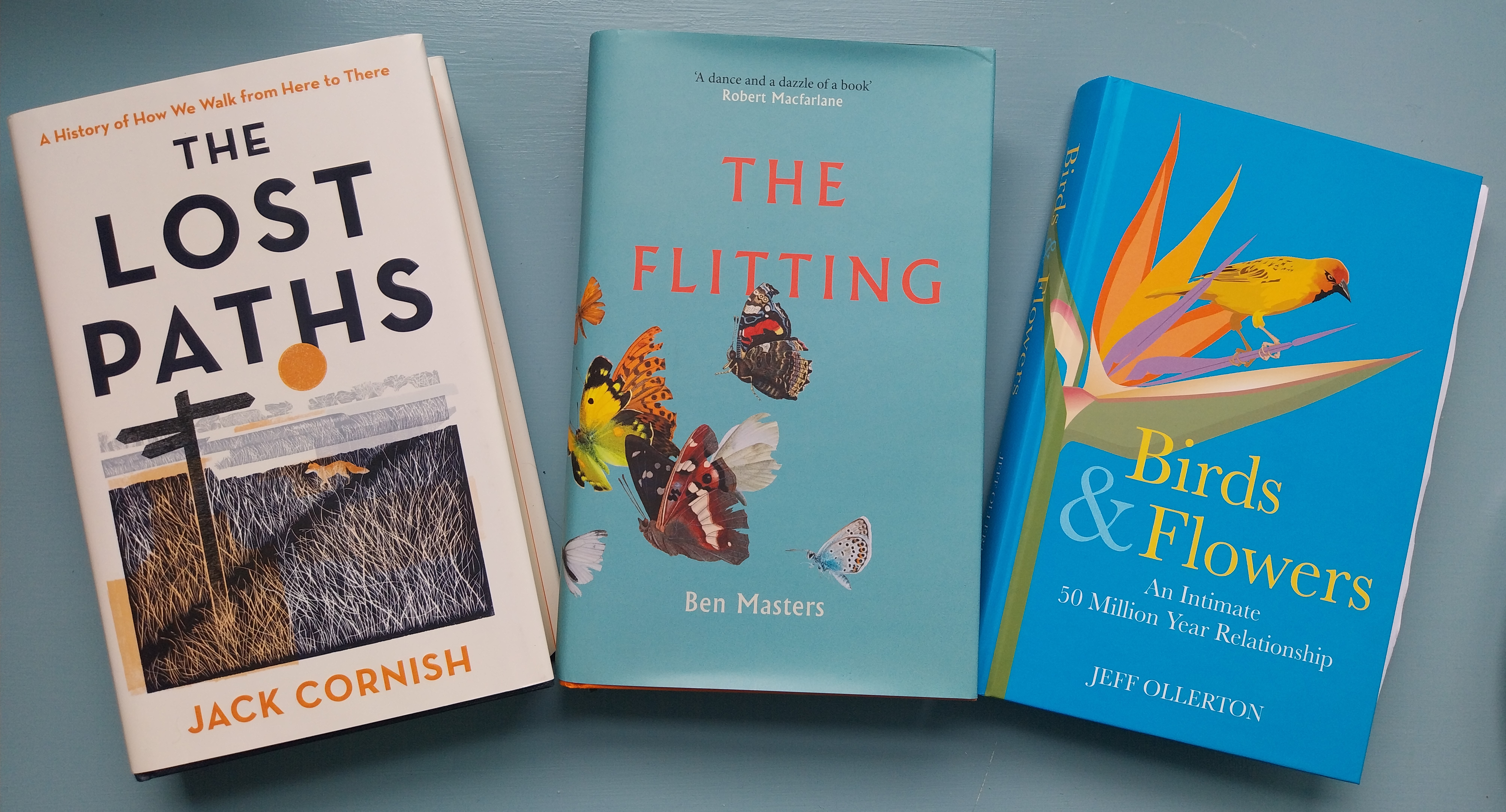
Jack Cornish is author of The Lost Paths, an exploration of the ancient pathways that have criss-crossed England and Wales since prehistoric times, the peoples who made them, and the landscapes through which they currently run. It’s a reminder of ‘just how precious these paths are, and have been, to the human story of this island’. I’ve only just started The Lost Paths, but what I’ve read so far is wonderful. Check out this recent review on The Great Outdoors site.
Ben Masters’ most recent book is The Flitting, an account of the final months of his relationship with his late father, a keen natural historian with a devotion to butterflies, and how they come to share ‘passions, lessons and regrets as they run out of time’. There’s a nice review of The Flitting by Mark Avery on his blog, and I have to agree with him, it’s a lovely book.
Coincidentally, earlier this year Mark wrote a review of the book that I will be discussing, my recent Birds & Flowers: An Intimate 50 Million Year Relationship, though I may also dip into Pollinators & Pollination: Nature and Society, because there’s at least one thing that unites the three of us as writers: a love of the poet John Clare! Ben discusses him at length in The Flitting, and indeed Clare provided the title of the book. Likewise, Jack name checks Clare in The Lost Paths, and I used the poet as the jumping off point for a couple of explorations of the importance and conservation of bees and other pollinators.
As well as discussing our roles as ‘nature writers’ we’ll be reading extracts from our books and answering audience questions. There will also be an opportunity to buy personally signed copies of our books. We look forward to seeing you there!
Over at the Dynamic Ecology blog, Jeremy Fox has provided a link to a company called Not Quite Past that uses AI to generate an image for a ceramic tile in the style of Dutch Delftware based on the prompts that you give it. That part is free, but if you wish the company will then manufacture that tile and ship it to you (though there’s a minimum order of 10 tiles).
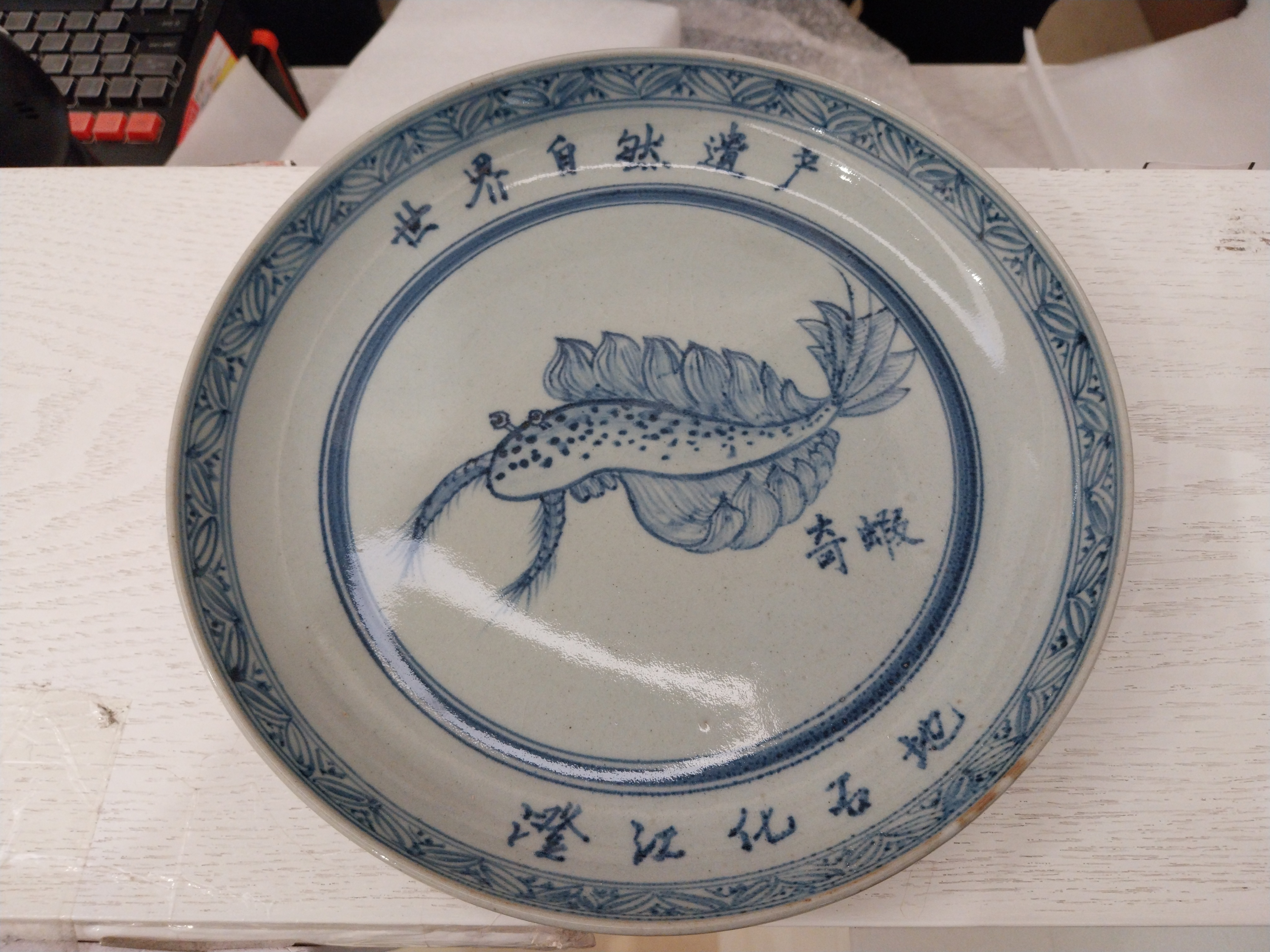
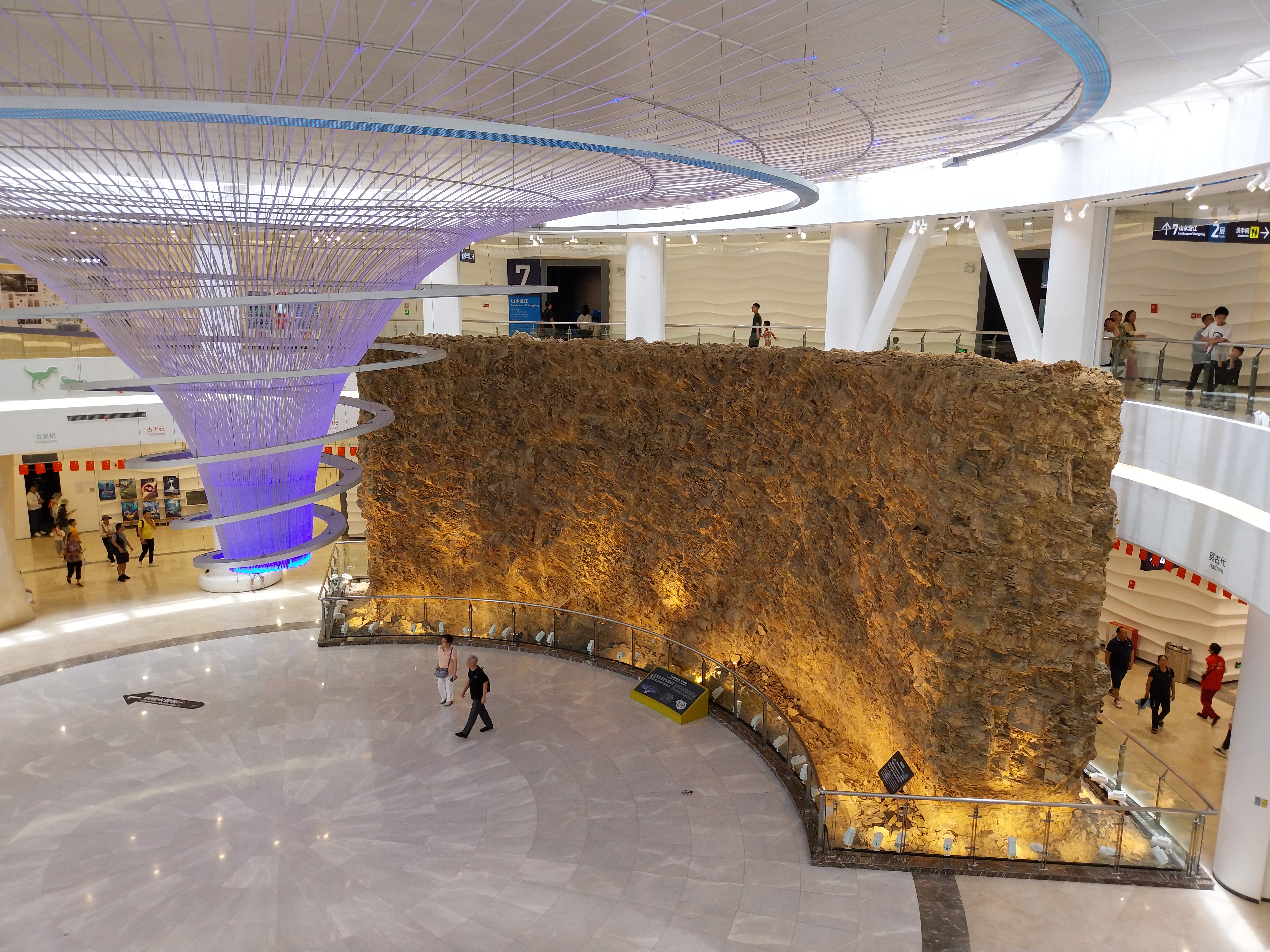
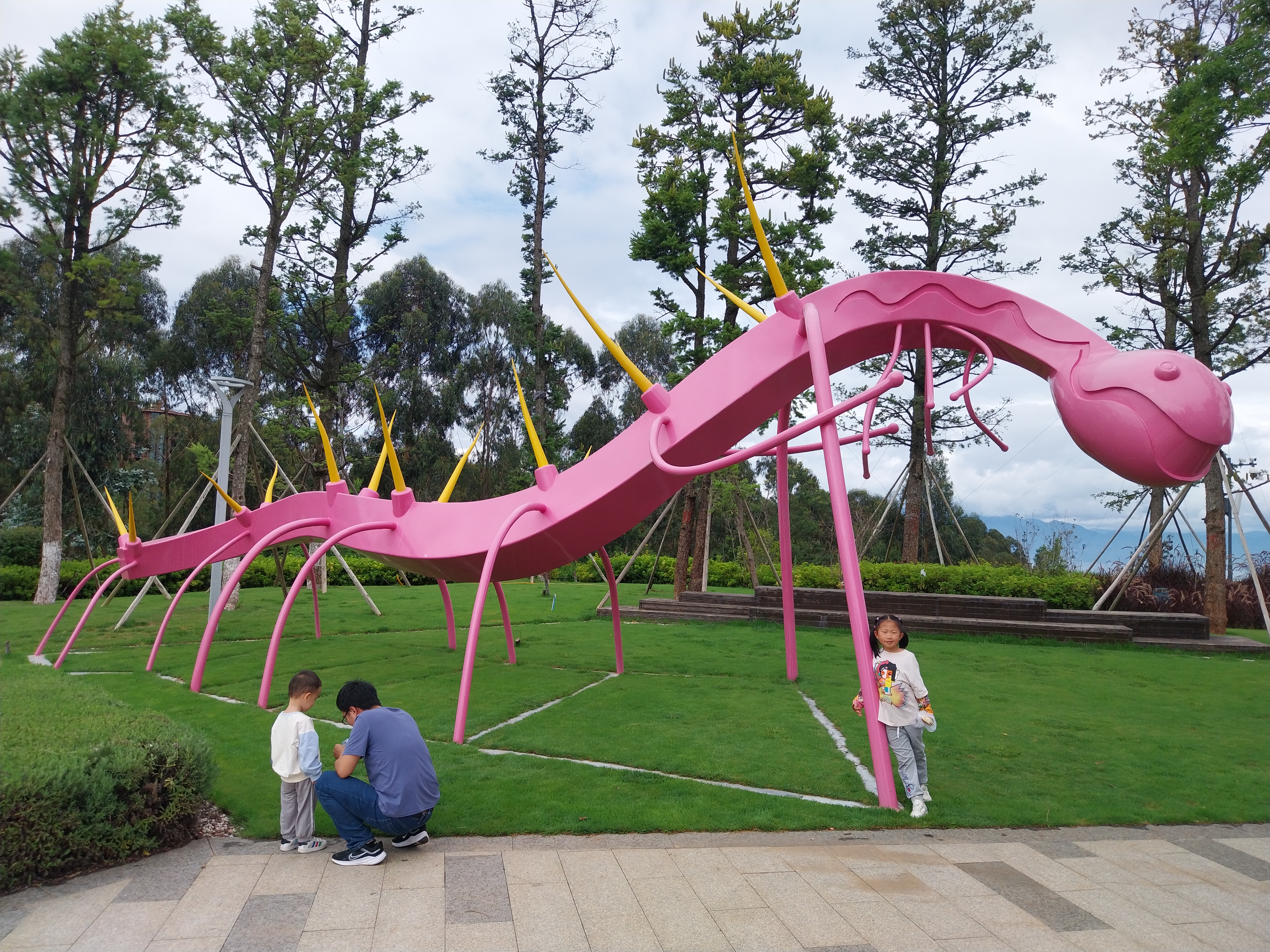
It reminded me that when I was working in China earlier this year, we visited the extraordinary Museum of Chengjiang Fossils, dedicated to an amazing assemblage of early Cambrian-age animals. This biota is comparable to the more famous Burgess Shale fauna in Canada: both are in excess of 500 million years old, and they share some animals in common.
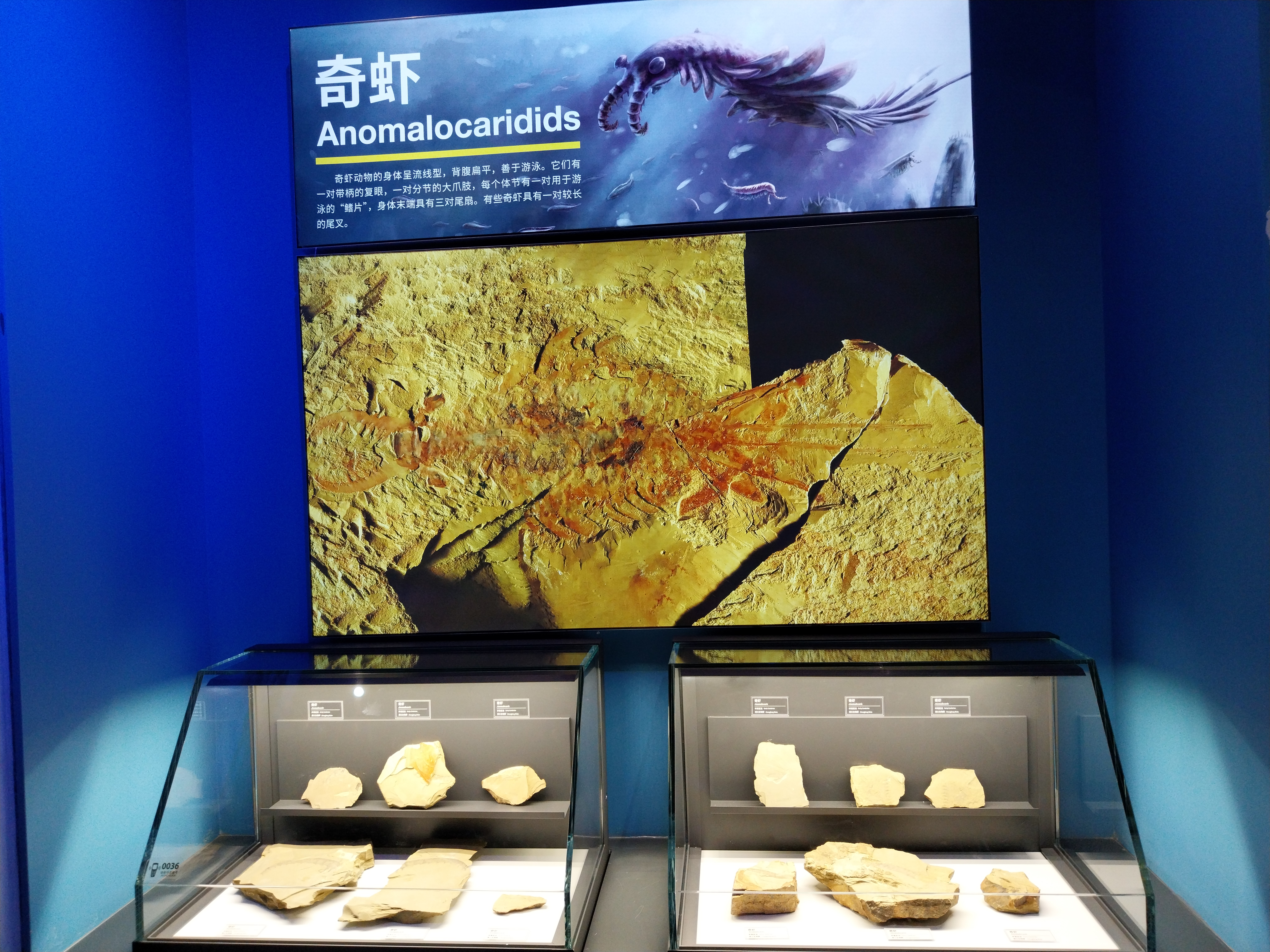
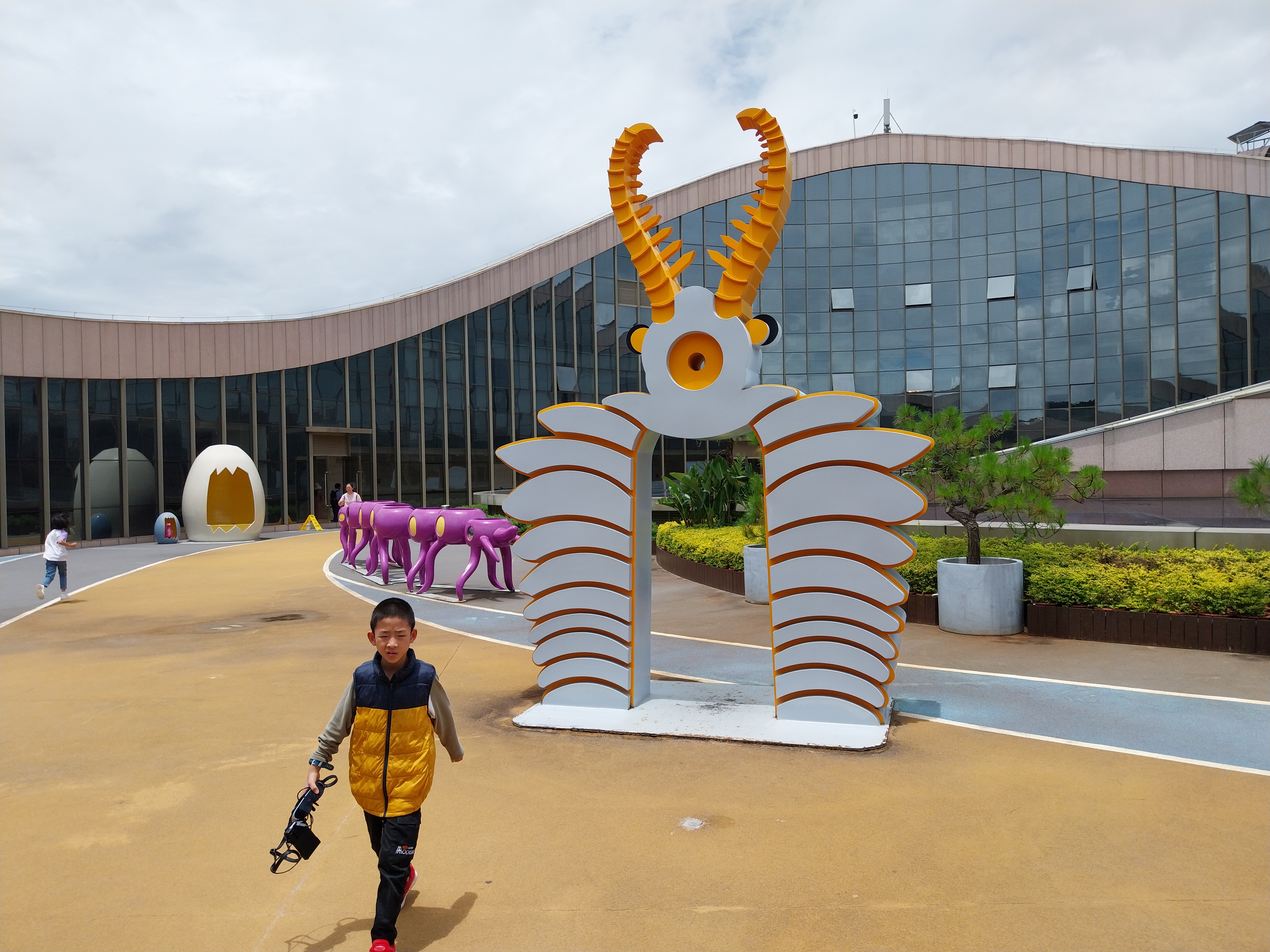
One such taxon is the genus Anomalocaris, a group of predatory early arthropods, the disarticulated parts of which were originally misidentified as belonging to different animals. It was the late Stephen J. Gould who first brought the story to popular attention in his 1989 book Wonderful Life. I read this when it was first published and had the pleasure of seeing Gould give a lecture about it in Oxford, and the story of Anomalocaris stuck with me. So it was great to see actual fossils of this remarkable animal in China.
Not only did I get to view the fossils, but I was able to buy the plate that’s featured at the top of this post, featuring a hand-painted painted Anomalocaris in a traditional Chinese style. It’s perhaps the most geeky ceramic imaginable, though Jeremy’s Daphnia tile comes a close second!
Here’s some more photos from the Chengjiang Museum, including sculptures of both Anomalocaris and the similarly mis-reconstructed Hallucigenia:
Just after I arrived in Northampton in 1995, I set about looking for suitable local sites for conducting pollination ecology field work for myself and students. The campus on which we were situated at the time was adjacent to an urban park – Bradlaugh* Fields – parts of which were designated as local nature reserves. In the intervening years, data from that area have made their way into a wide range of published studies, including:
I still have data collected during that time that have never been published, but good data are hard won and they may see the light of day at some point. Case in point is that we’ve just published a paper based on data from Bradlaugh Fields, the first of which were collected in 2001!
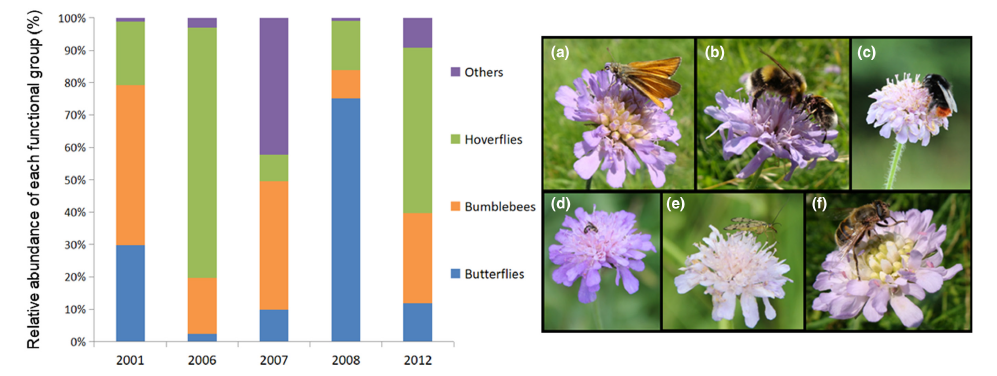
In this paper we’ve tested how effective hoverflies, butterflies and bumblebees are at pollinating the flowers of a common generalist grassland plant, colloquially called Field Scabious (Knautia arvensis). The expectation was that bumblebees, being generally larger, hairier and more flower-focused than the other groups, would be the most effective at transferring pollen to stigmas. To our surprise, they were not: hoverflies and butterflies performed just as well! In fact we argue that butterflies may be MORE important as pollinators of this plant because they fly further distances between individual plants, rather than hopping between the inflorescences of the same plants, as bumblebees tend to do.
Crucially, the importance of these different groups of pollinators varies enormously as the relative abundance of the insects visiting the flowers differs between seasons. In some years butterflies dominate as pollinators, in other years bumblebees or hoverflies. This is driven, we think, both by fluctuations in the populations of these insects and by the availability of other, more preferred flowers that may bloom at the same time.
The paper is part of a special issue of the Journal of Applied Entomology devoted to The Neglected Pollinators. It’s open access and you can download a copy by following the link in this reference:
Plant-pollinator interactions exist along a continuum from complete specialisation to highly generalised, that may vary in time and space. A long-held assumption is that large bees are usually the most effective pollinators of generalist plants. We tested this by studying the relative importance of different groups of pollinators of Knautia arvensis (L.) Coult. (Caprifoliaceae: Dipsacoideae). This plant is suitable for such a study because it attracts a diversity of flower visitors, belonging to different functional groups. We asked whether all functional groups of pollinators are equally effective, or if one group is most effective, which has been documented in other species with apparently generalised pollination systems. We studied two subpopulations of K. arvensis, one at low and one at high density in Northampton, UK. To assess pollinator importance we exposed unvisited inflorescences to single visits by different groups of pollinators (butterflies, bumblebees, hoverflies and others) and assessed the proportion of pollinated stigmas. We then multiplied the effectiveness of each pollinator group with their proportional visitation frequency in five different years. For each group we also compared time spent on flowers and flight distance between visits. The relative importance of each pollinator group varied between years, as did their flight distances between flower visits. Butterflies were the best pollinators on a per visit basis (in terms of the proportion of stigmas pollinated) and flew further after visiting an inflorescence. Different measures and proxies of pollinator effectiveness varied between taxa, subpopulations, and years, and no one group of pollinators was consistently more effective than the others. Our results demonstrate the adaptive value of generalised pollination strategies when variation in relative abundance of different types of pollinators is considered. Such strategies may have buffered the ability of plants to reproduce during past periods of environmental change and may do so in the future.
What is SYMBIOSIS about? Well, it’s not a research project as such, it’s actually a Coordination and Support Action (CSA) project designed to:
“improve cooperation between legal entities from the EU and associated countries to strengthen the European Research Area including, for example, standardisation, dissemination, awareness-raising, communication and networking activities, policy dialogues, mutual learning or studies”
SYMBIOSIS involves a series of work packages with some ambitious objectives that are aiming to mainstream biodiversity across a wide range of rail-related activities including infrastructure development, transport policy, environmental impact assessments, sustainability reporting, and procurement processes. It will also develop some practical tools for sustainable land management that can both enhance biodiversity and increase infrastructure resilience, mainly through the use of nature-based solutions to rail issues such as flooding and landslides.
The work package in which I am involved will assess what biodiversity monitoring rail operators are currently undertaking, and develop a standardised framework for recording and reporting such data. No small task! But we’re looking at some very hi-tech options including the use of real-time, AI-based monitoring.
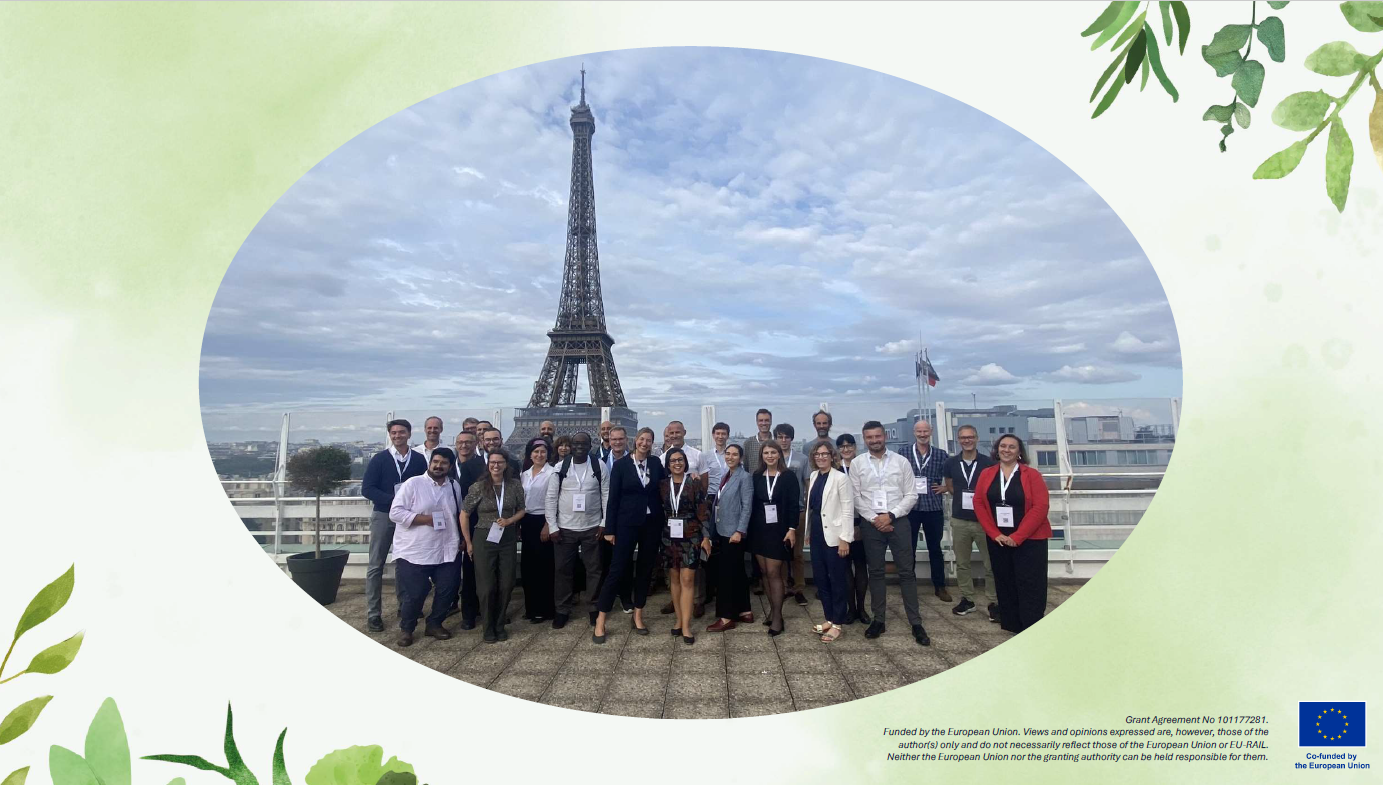
The two day kick-off meeting was very successful, with over 40 representatives from a wide range of organisations attending both in person and remotely. There was a lot of energy in the room, as befits the Olympics host city, and a great willingness to work collaboratively on making SYMBIOSIS a success.
SYMBIOSIS has a three year programme of activities and as the project progresses, you can be sure that I’ll report back.
Later this month I’ve been invited by the Oxford Ornithological Society to give a talk about my new book Birds & Flowers: An Intimate 50 Million Year Relationship. The talk will summarise the main themes from the book, particularly the sheer diversity of birds that can act as pollinators, what it means for the ecology and evolution of flowers, why the conservation of such interactions matters, and the cultural significance of bird-flower interactions. I’ll also deal with the question of why Europe is so odd when it comes to the question of birds as pollinators.
The talk is on Wednesday 11th September at Exeter Hall, Kidlington, starting at 7.45 pm; it’s free to society members, and non-members are invited to make a donation. Do come along if you’re in the area!
Despite claims to the contrary, the total demise of the ecology blogosphere has not yet occurred. Some of us are still going strong, and others such as Dynamic Ecology and Jabberwocky Ecology have reactivated after a prolonged hiatus. It seems timely, therefore, to revisit the whole notion of ecological blogging, what it’s for, and what bloggers and readers get from it, personally as well as professionally. That’s the purpose of a new opinion piece just published in the Annals of Applied Biology.
The article is part of a special issue of that journal dedicated to the late Prof. Simon Leather, who was both its former Editor-in-Chief and a dedicated blogger. Simon, with his insightful, often very funny, blogging voice on Don’t Forget the Roundabouts, is sorely missed.
The full reference with a link to the journal is below. If anyone needs a PDF, please do ask via my Contact page:
Communicating results and ideas to a wider audience has been an important, but challenging component of scientists working in an academic environment. Particularly in recent decades, various social media platforms have become increasingly important to facilitate this. In addition, many scientists have used blogging platforms to communicate and discuss their work. Although the online dynamics of science communication are continuously changing, blogging has been used in a remarkably stable form for several decades. For this work, we brought several ecology bloggers to reflect on blogging as a science communication medium. We argue that blogging can be a powerful way to present new ideas and discuss them with a wide audience. Although blogs are not the same as scientific articles, they often serve as the initial brainstorm session. Importantly, we argue that blogs are most effective when bloggers and readers actively engage in conversations. We believe that blogging will be here to stay in science communication because of its unique and independent form of outreach.






 Prof. Jeff Ollerton - ecological scientist and author