Tag Archives: Gardening

How urban spaces support pollinators – a new study just published

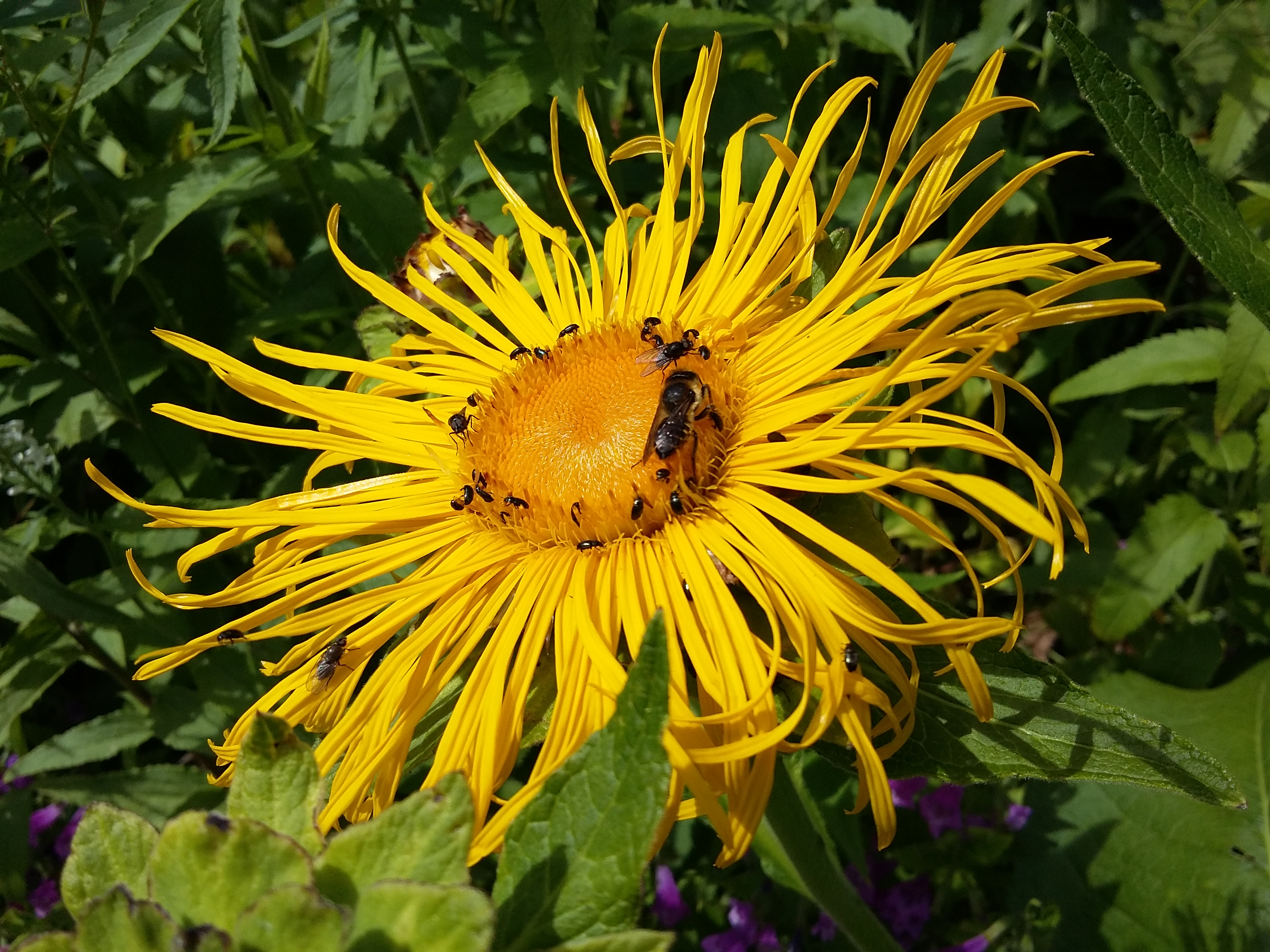
Bees play a vital role in pollination, supporting both natural ecosystems and our food supply. However, their numbers are declining globally due to multiple threats—including urbanisation. As cities expand, understanding how different habitats within urban areas affect pollinator populations is crucial for conservation efforts and for supporting urban and peri-urban agriculture. It’s a topic to which I devoted whole chapters in my books Pollinators & Pollination: Nature and Society and Birds & Flowers: An Intimate 50 Million Year Relationship.

The latest paper from Muzafar Sirohi‘s PhD thesis has just been published in the journal Urban Ecosystems. It follows on from his two other recent papers on plant–bee interactions and resource utilisation and how the timing of emergence of solitary bees varies between urban and non-urban settings.

This element of Muzafar’s work explored how solitary and primitively eusocial bees (those that live alone or in simple social groups) respond to different aspects of city landscapes. He examined local habitat factors such as floral diversity, bare soil availability, and sunlight exposure, alongside broader urban features like green spaces, roads, and paved areas.

The findings highlight that small-scale habitat conditions—especially the variety of flowering plants and access to sunlight—had a greater influence on bee diversity and abundance than overall habitat size. While larger landscape features, such as urban green spaces, played a role at a broader scale, even small patches of wild vegetation and roadsides were found to be important for bees.

These results challenge the idea that bees need large, uninterrupted green spaces to thrive. Instead, even fragmented urban habitats, when managed thoughtfully, can support pollinators. By planting diverse flowers, preserving patches of wild vegetation, and maintaining sunlit areas, cities can become havens for these essential insects.

Simple changes—like creating wildflower-rich roadside verges or maintaining natural pockets of greenery—can make a significant difference. As urbanisation continues, ensuring that bees have the resources they need to survive will be key to supporting biodiversity and maintaining the critical pollination services they provide.

Here’s the reference with a link to the published study; if you are not able to access it, send me a request for a PDF via my Contact page:

Sirohi, M.H., Jackson, J. & Ollerton, J. (2025) Influence of urban land cover and habitat quality on wild bees. Urban Ecosystems 28:78 – https://doi.org/10.1007/s11252-025-01687-6

Here’s the abstract:

Solitary and primitively eusocial bees are important pollinators of plants, which are experiencing a global decline. Urbanisation is one of the contributing factors to this decline. It is crucial to understand the complex community dynamics of solitary and primitively eusocial bees in urban areas as urbanization grows globally. For bee communities, the local habitat as well as the surrounding urban landscape play an important role. The study considered four local habitat variables: habitat size, floral species richness, bare soil and shade. Moreover, five common land cover types (green space, buildings, roads, car parks, and paved surfaces) were assessed at multiple spatial scales from 40 m to 200 m from the centre of the sites with 20 m steps, analysing their potential impacts on the bee community. The study found a greater effect of local habitat compared to landscape variables at a smaller spatial scale. However, landscapes affected the bee community at larger spatial scales. The size of the habitat did not affect the bee community in urban areas. However, habitats with a higher number of plant species and exposed to sunlight attracted relatively more bees. This study suggests that urban areas are capable of conserving solitary and primitively eusocial bees. Although green space is important for the dispersal of species at larger landscape scales, small patches of wild, leftover vegetation and roadsides are equally important for bees. The management of bee friendly open vegetation with wildflowers would be beneficial for the successful conservation of solitary and primitively eusocial bees in urban areas.
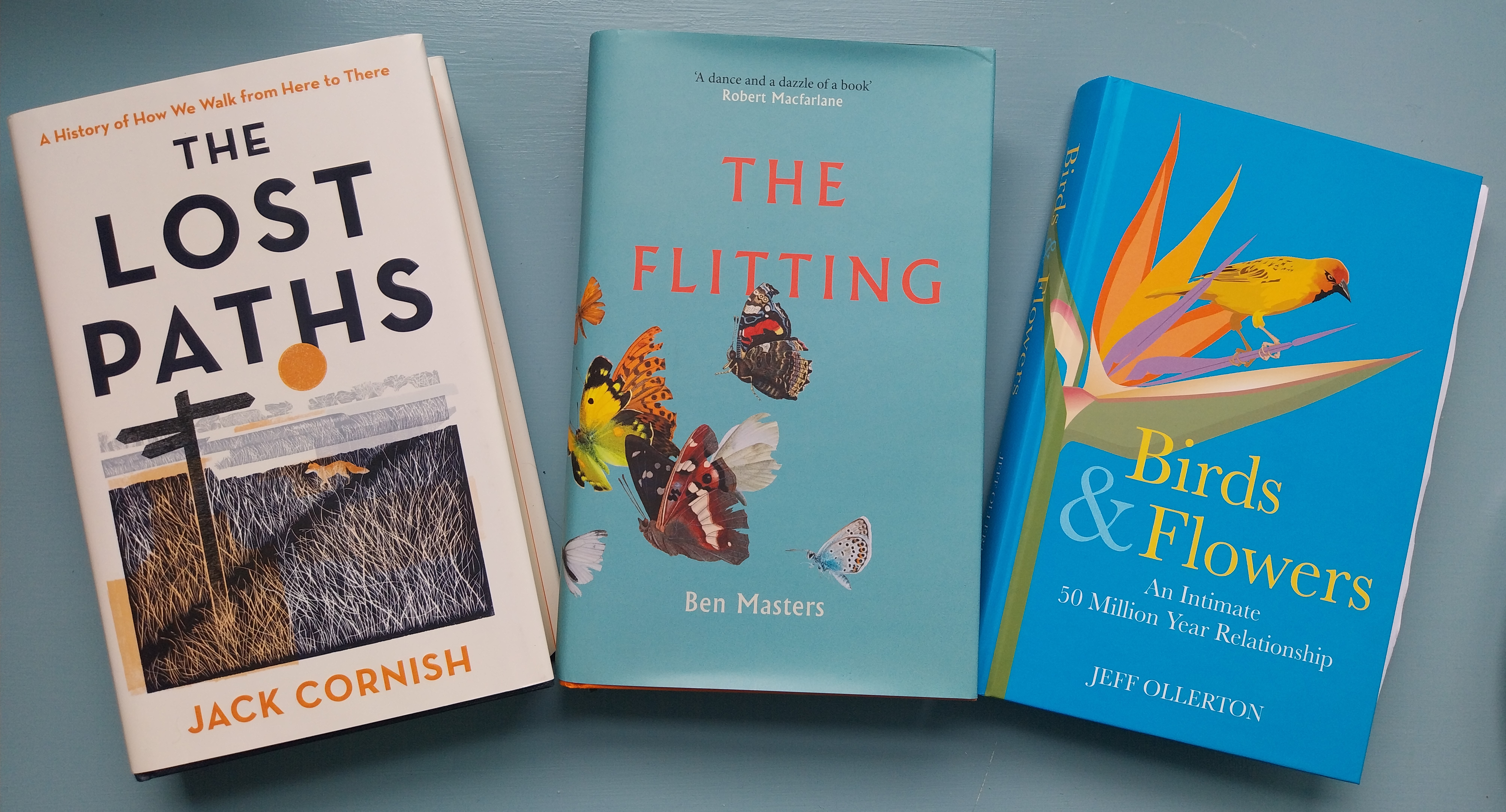
The diverse nature of ‘nature writing’: in conversation with Jack Cornish and Ben Masters – 5th October

Why do authors write about ‘nature’? What are their motivations and how did they start their writing journey? Do they even recognise this label of ‘nature writer’?

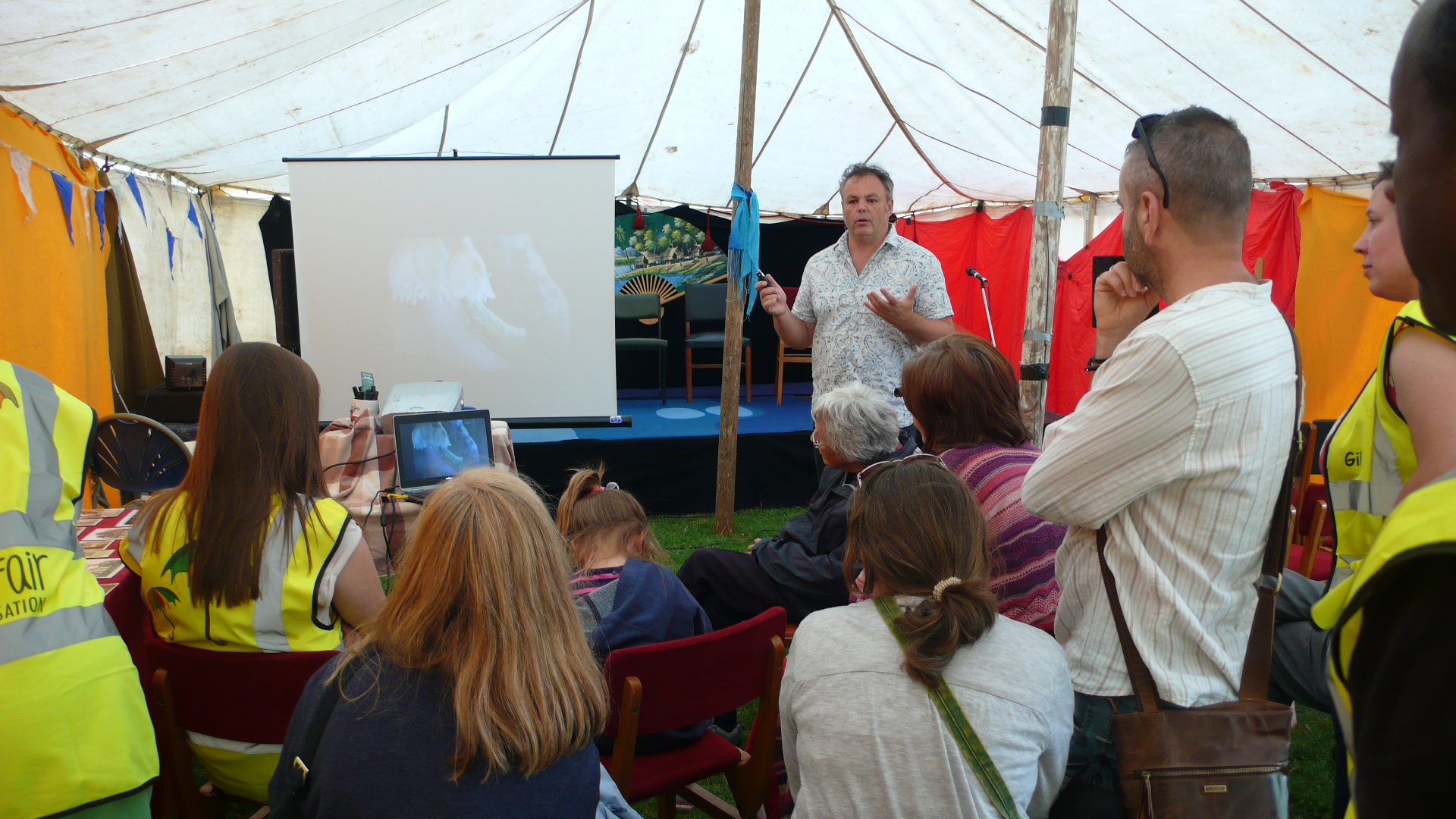
These are just some of the questions I’ll be exploring with two other authors at the Market Harborough Book Festival on Saturday 5th October.

Jack Cornish is author of The Lost Paths, an exploration of the ancient pathways that have criss-crossed England and Wales since prehistoric times, the peoples who made them, and the landscapes through which they currently run. It’s a reminder of ‘just how precious these paths are, and have been, to the human story of this island’. I’ve only just started The Lost Paths, but what I’ve read so far is wonderful. Check out this recent review on The Great Outdoors site.

Ben Masters’ most recent book is The Flitting, an account of the final months of his relationship with his late father, a keen natural historian with a devotion to butterflies, and how they come to share ‘passions, lessons and regrets as they run out of time’. There’s a nice review of The Flitting by Mark Avery on his blog, and I have to agree with him, it’s a lovely book.

Coincidentally, earlier this year Mark wrote a review of the book that I will be discussing, my recent Birds & Flowers: An Intimate 50 Million Year Relationship, though I may also dip into Pollinators & Pollination: Nature and Society, because there’s at least one thing that unites the three of us as writers: a love of the poet John Clare! Ben discusses him at length in The Flitting, and indeed Clare provided the title of the book. Likewise, Jack name checks Clare in The Lost Paths, and I used the poet as the jumping off point for a couple of explorations of the importance and conservation of bees and other pollinators.

As well as discussing our roles as ‘nature writers’ we’ll be reading extracts from our books and answering audience questions. There will also be an opportunity to buy personally signed copies of our books. We look forward to seeing you there!

Positive Effects of Gardening and Experiencing Nature – clinical trials underway!

Regular readers of the blog will know that I’m a keen gardener as well as having a deep interest in the natural world, and I know from personal experience how being amongst plants, flowers, birds and insects can lift a person’s mood and improve their health.

It was interesting, therefore, to get a message via my Contact page from a tutor on the Students For Research programme. They had been looking at my blog and the tutor had challenged her students to find a web resource that they thought might interest me. And indeed they succeeded! They found this web page about Clinical Trials on the Positive Effects of Gardening and Experiencing Nature and it makes for very interesting reading. There’s a lot of good research happening in this area.

It’s a topic that my wife Karin and I have discussed a lot and which, as a therapist and author, she’s written about several times – see for example this piece about How Pollinators Benefit Our Wellbeing and the BBC Gardeners’ World podcast interview she did about how gardens help to build relationships.

So many thanks to the students on the programme for finding that resource and to the tutor for sending it to me.

Get more out of your fruit and veg: eat the parts we often throw away!

There’s a frequently cited statistic that one third of the food produced for human consumption is wasted every year. That waste occurs for a variety of reasons, including spoilage, over-production and inefficient processing methods. This has clear environmental (and therefore human) consequences, for example in terms of increased carbon dioxide and other greenhouse gas production; excessive use of fertilisers and pesticides; unsustainable water extraction; and conversion of natural habitats to farmland.

Much of the wastage occurs before the food ever reaches shops and markets, so individual consumers have little control over the waste, other than to try to pressure business and political leadership into action. However, we can all do our bit when it comes to reducing food waste in our home, which has positive impacts on our health and our bank balance.

When it comes to fruit and vegetables, we in the west often throw away perfectly edible parts, I suspect because it doesn’t fit with our expectations of what the food “should” look like. A good example is radishes (Raphanus raphanistrum subsp. sativus) where it’s not uncommon to discard the perfectly edible leaves. People who grow them often pull out plants that have flowered, despite the fact that the seed pods are delicious and arguably nicer than the roots, as I discussed in this blog post from a few years ago.

There’s lots of other examples like this, one of my favourites being the crunchy central pith that you find in the thick stems of broccoli (Brassica oleracea var. italica). I love it raw and it has a flavour quite distinct from the normal part that we consume.

It was only quite recently that Karin introduced me to the fact that the mature pods of peas (Pisum sativum) are also edible, if you know how to process them correctly. If you eat the pod as it is, the texture is tough and stringy and not very pleasant. But if you carefully peel away and discard the thin inner membrane of the pod, the remaining flesh is sweet and delicious. It’s fiddly and takes a bit of practice. The easiest way is to gently snap one corner of the half-pod and peel from there – see the example third from the top in the accompanying photograph. Below that in the photo is the thin membrane, which can be put into your food waste or composted, and below that the edible portion of the pod.

Karin and I just eat this raw, but no doubt you could add the pod flesh to any number of dishes. If you have children or grandkids, set them the task of removing the membrane in one piece – it’s not easy!

Please leave a comment below and let me know your favourite bits of edible fruit and veg that are normally discarded.

A “weed” that you should be eating and an introduction to our new garden

It’s been a rather nomadic couple of years. After Karin and I sold our house in Northampton, we travelled around in the UK and then in Denmark, renting places as we needed them, plus we spent a month in Kenya. We’ve now become more settled in Sjælland and, after some deliberation about whether to buy a house or continue renting, we’ve reached a compromise and bought into an andelsbolig, one of the many Danish cooperative housing schemes – see this article in The Guardian for more details.

The development of twenty-eight small properties has been newly built to the highest standards of insulation and is plugged into the district heating system which uses a combination of solar warming and gas (in part using methane generated from food waste).

It’s nice to have a garden again. I hadn’t realised how much I’d missed having a space in which to plant and potter. All gardens present challenges, of course, and this one is no exception. Until about 600 years ago the area was under the shallow Kattegat sea. It’s now above sea level due to post-glacial rebound and in fact this whole region of Odsherred is a UNESCO Global Geopark because of the postglacial landscape.

What this means for us is that we are gardening on “soil” which has a very high sand content and is filled with stones, large and small.

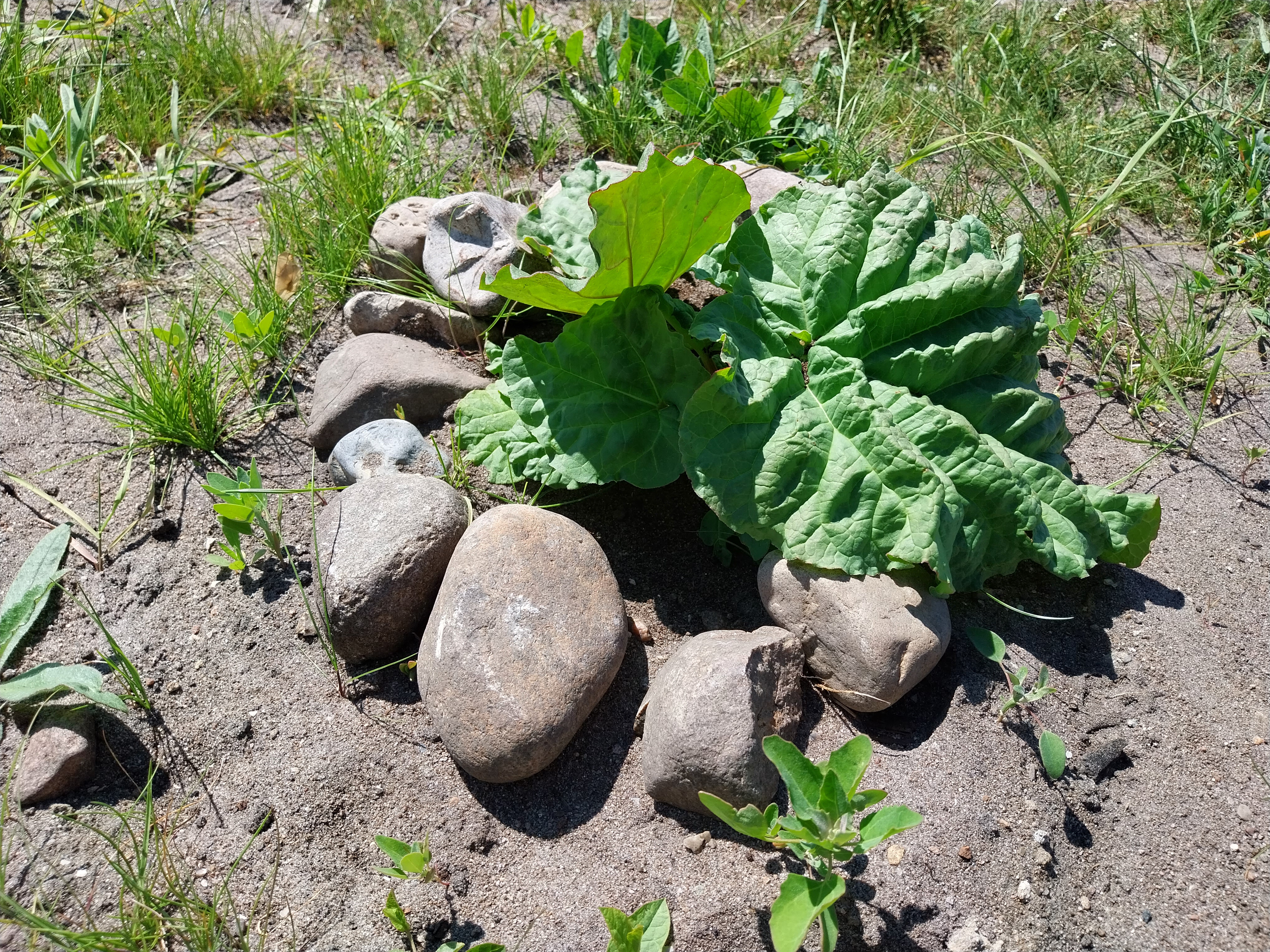
Added to that, we’re in one of the driest parts of Denmark (certainly this year) and a persistent coastal wind rapidly strips the moisture from the soil. So as we dig up or find large stones we are using them around plants to retain water and mulching with the smaller stones that we find in abundance. As yet we don’t have any rain water butts so we’re using the kitchen water from washing up to supplement the hosepipe.

It’s not easy gardening here, but we like a challenge and we’re calling in favours from friends and family to provide us with cuttings and divisions of plants from their own gardens, which should mean that they are better adapted to the local conditions than most of the shop-bought plants. We’ve also started a small vegetable and fruit patch and planted apples and pears around a paved patio that over time we will train as self-supporting espaliers.

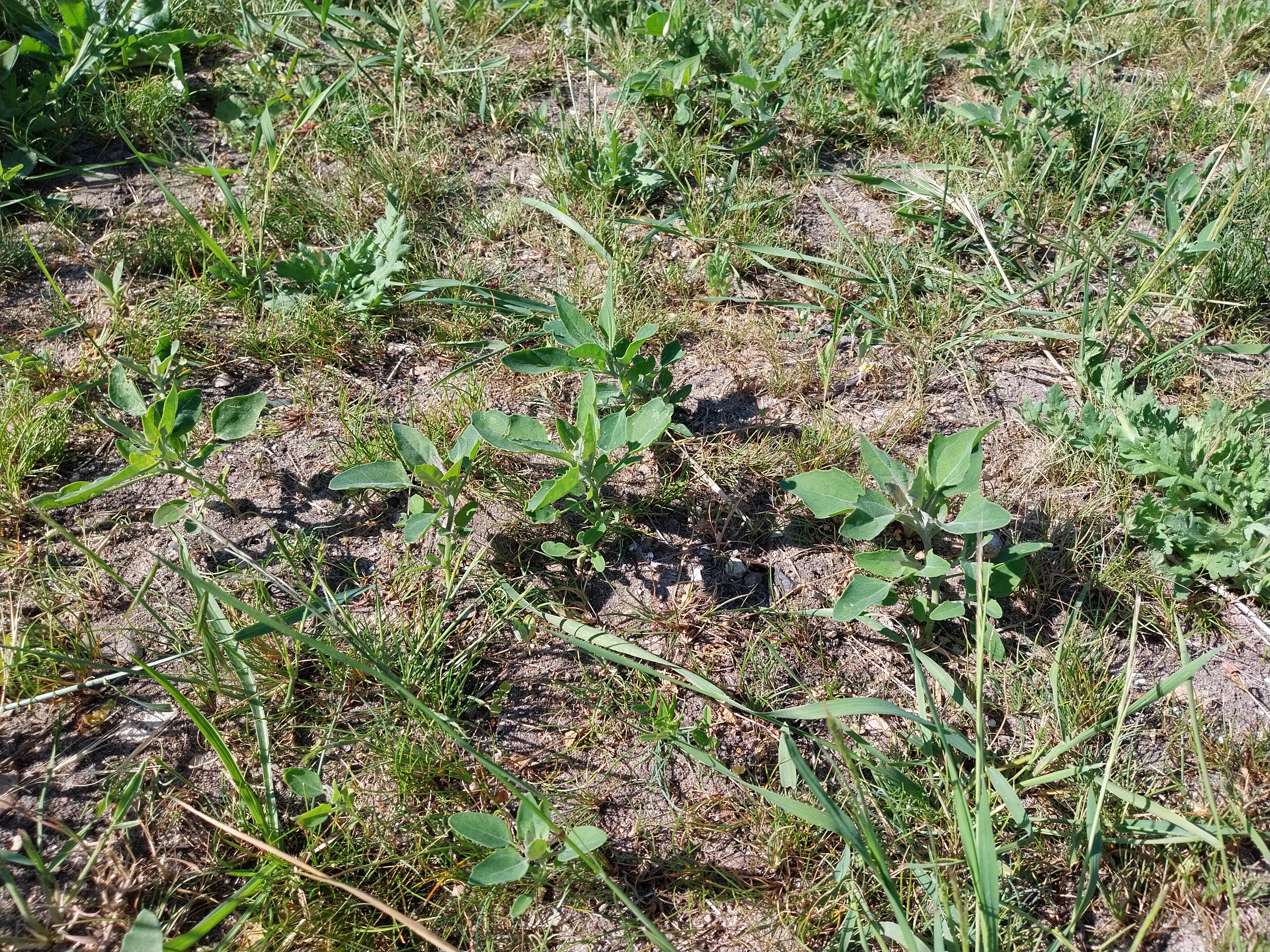
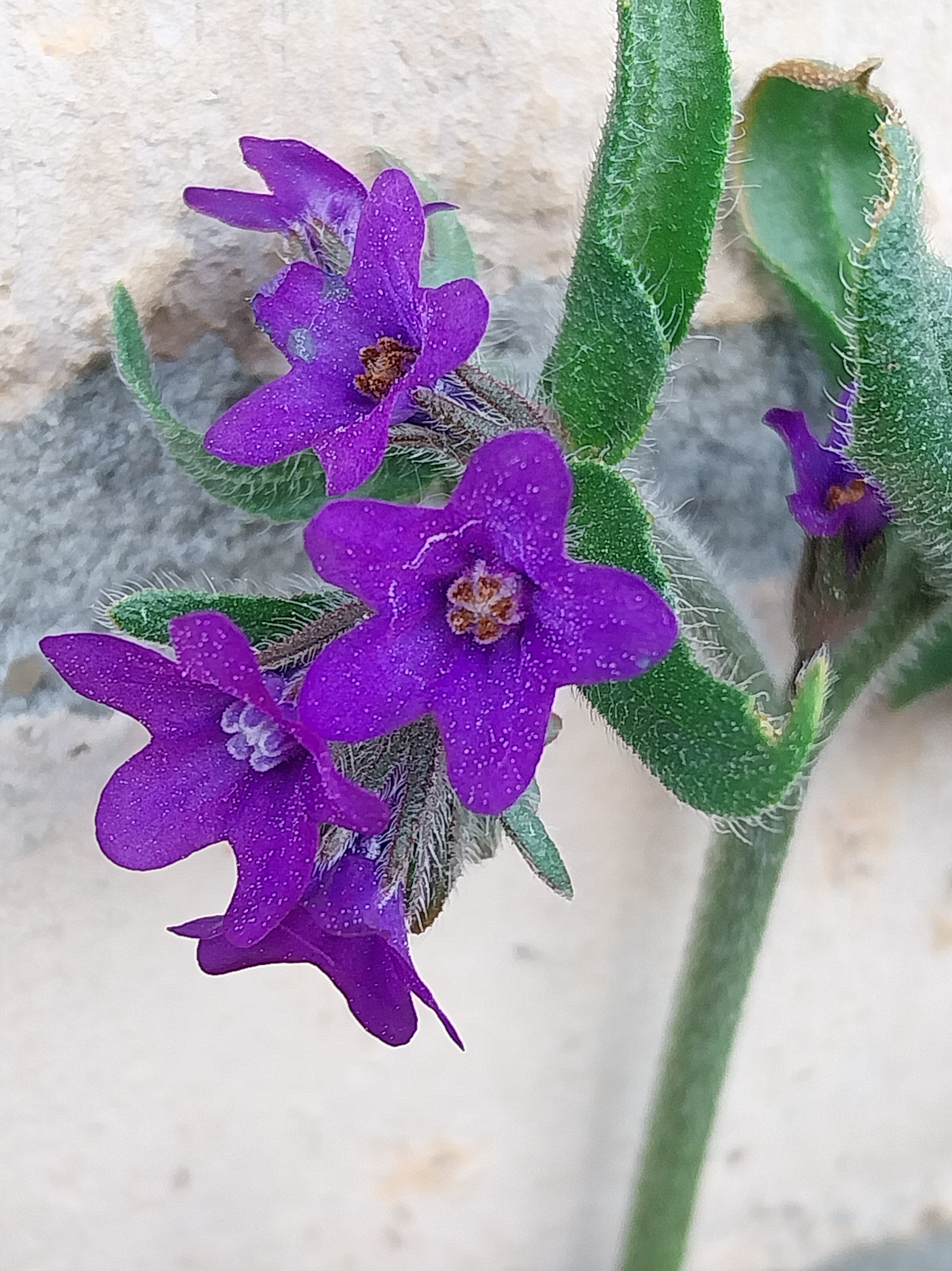
Gradually we’ll fill up the space and move things around as needed. But for now I’m also interested in seeing what plants come up spontaneously, especially the annual species that are benefitting from the disturbance. I don’t use the term “weed” to refer to these: weeds are just plants in the wrong place at the wrong time. Many such plants are ecologically important, especially as nectar and pollen sources for bees and other insects. This includes Common Bugloss (Anchusa officinalis) with its richly purple, velvet-textured flowers.

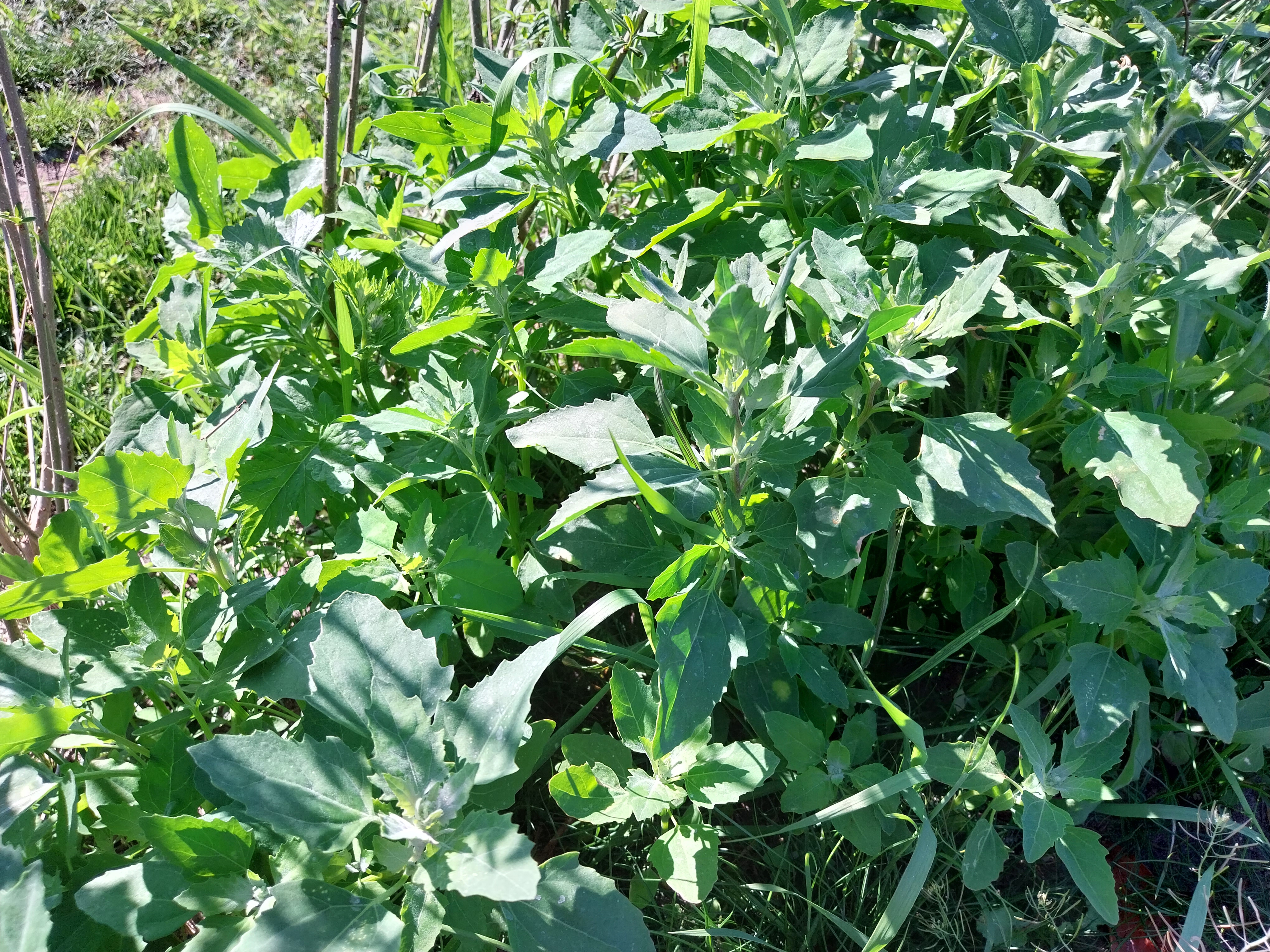
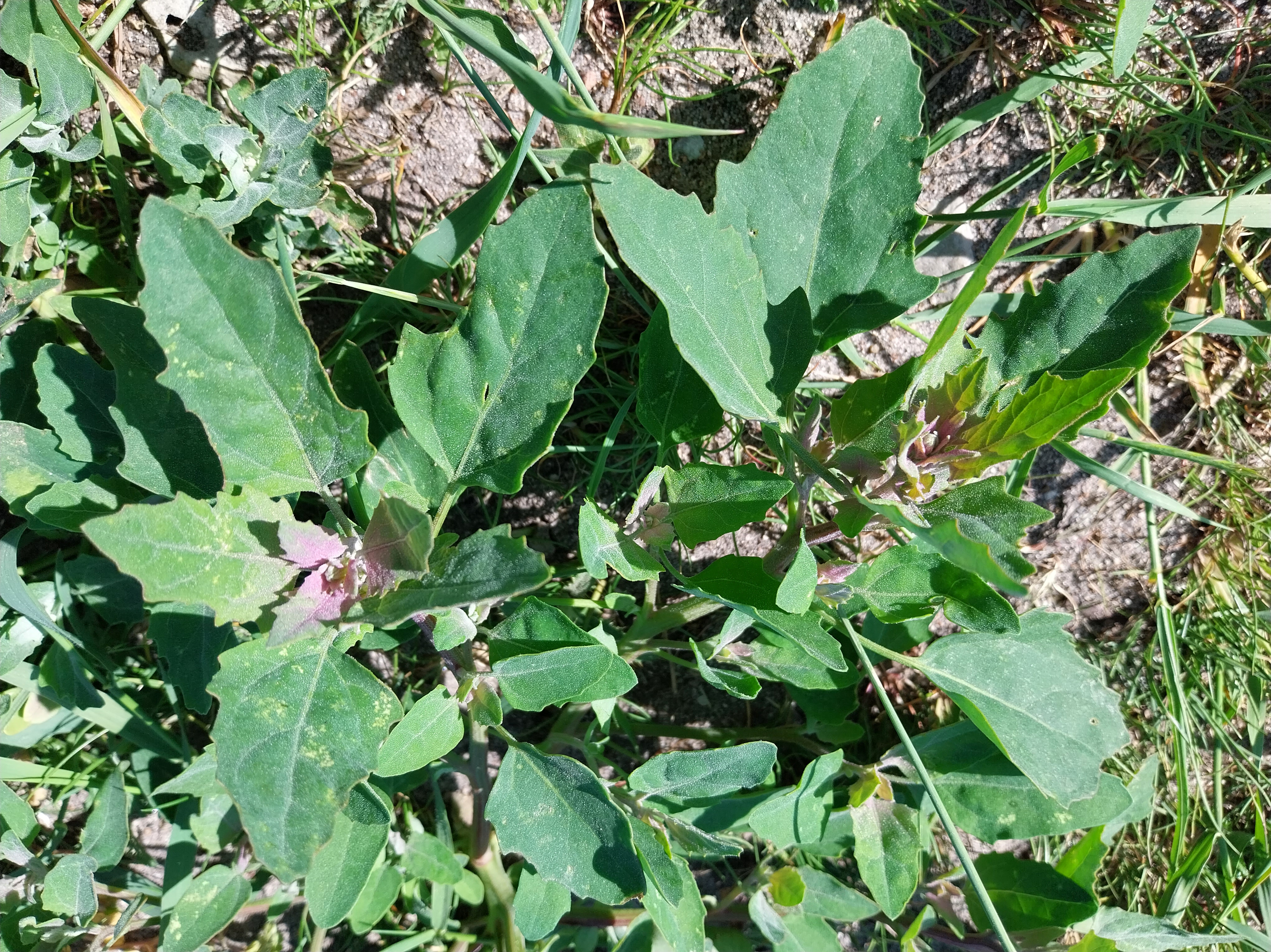
Another plant that we are tolerating is a fast-growing relative of spinach that’s variously called Goosefoot or Fat Hen (Chenopodium album). I’d long known that it was edible (it’s grown as a crop in parts of Asia) but until last night I’d not cooked with it.

In fact it’s delicious! I threw some roughly chopped leaves and stems into a mushroom omelette and I have to say that it was better than any commercial spinach I’ve bought or grown. In particular, the texture is much nicer as the leaves are very water-repellant which mean that they don’t absorb as much moisture during cooking. Highly recommended as an alternative to spinach but make sure you correctly identify the plant before you try it – there’s some good advice on this website: https://www.wildfooduk.com/edible-wild-plants/fat-hen/.

As well as Fat Hen we also have the close relative Tree Spinach (Chenopodium giganteum), with it’s beautiful magenta-tinged leaves, coming up in the garden. I’m looking forward to trying that too:

I’ll try to post more as the garden progresses, if I have time. But as I mentioned yesterday, even though the manuscript is complete and submitted to the publisher, there’s still lots to do on my next book! Have a good weekend.

Book review: Everything you hadn’t realised you need to know about houseplants

When I was growing up, my dad took out a subscription to the Reader’s Digest book club. One of the books he bought was called Success With Houseplants, which first appeared in 1979. I still have it and I think that it’s one of the best volumes on this topic that’s ever appeared in print. Over the years I’ve often dipped into its pages and it provided my first introduction to exotic plant families that I would later see in the wild, including Gesneriaceae, Commelinaceae, and of course my beloved Apocynaceae.

Dad loved propagating and the windowsills of our small house were cluttered with jars of water-rooted cuttings and trays of sown seed. Growing houseplants is still a passion for me though now that it’s become a social media craze it’s hard to keep up with the latest trends in plants for the home.

Enter Jane Perrone, whose writing and podcasting has opened up the world of houseplants to a wider audience and helps us navigate this sometimes confusing and faddish world with humour and sensible advice. Jane has now published a book called Legends of the Leaf: Unearthing the secrets to help your plants thrive. and I’ve had the mixed pleasure of reading it over the last few days. “Mixed” not because there’s anything wrong with the book (far from it) but because Karin and I have COVID and we’ve been laid low for the past five days and counting. The silver lining is that it’s forced me to get on with the ever-mounting to-read pile, in between scratching away at the last few chapters of my next book.

In Legends of the Leaf, Jane has taken 25 iconic house plants, and provided us with a potted (sorry) account not only of their growing requirements, but also of their origin, ecology, history in cultivation, and some fascinating cultural and sociological context. I learned a lot from this book and it elevates the plants with which we share our homes from being simply decorative to become co-habitants with rich and fascinating stories to tell us. The author also has an imaginative line in metaphors, for example likening the flowers of hearts-on-a-string (Ceropegia woodii) to miniature turkey basters, or the dried seed capsules of living stones (Lithops spp.) to a Trivial Pursuit game counter.

A huge amount of research has gone into this book and Jane does not shy away from telling us about some of the darker aspects of houseplant history including colonial attitudes, treatment of enslaved peoples, and misogynous attitudes. It all makes for an absorbing read and I guarantee that you’ll never look at your leopard lily (Dieffenbachia seguine) the same way again.

Full disclosure: I advised on the section about Ceropegia woodii which earned me a mention, which seems fitting: seeing the account of this species in Success With Houseplants was what started me on a quest to understand the pollination biology of Ceropegia.

Ivy binds the landscape and bridges the seasons: a new article just published

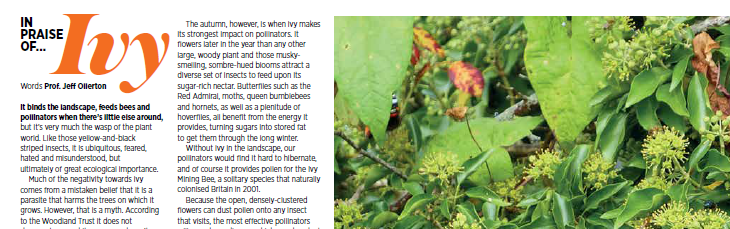
If you check out the latest issue of Bees and Other Pollinators Quarterly you’ll see that, as well as having a piece on the forthcoming COP26 climate change meeting and what it means for pollinators, the magazine has also published a short opinion piece by me called “In Praise of….Ivy”. The magazine is currently in the shops or you can subscribe by following this link: https://bq-mag.store/.

Although it can be invasive and an environmental nuisance in parts of the world where it’s introduced, common or European ivy (Hedera helix) is clearly one of the most vital plants across its native range of Europe, southern Scandinavia and the Mediterranean. Its clinging stems bind the landscape and provide habitat for a diversity of creatures. By offering nectar at a time when there’s few other plants in flower, and berries at a crucial point in the winter, ivy bridges a food gap for both nectar feeding insect and fruit eating birds and mammals.

Ivy is a very popular subject for student research because it’s in flower at the start of the university academic year. In the past I’ve had several students carry out their final year projects using ivy to test ideas about pollinator effectiveness and plant reproductive success. Because the open, densely-clustered flowers can dust pollen onto any insect that visits, the most effective pollinators will vary depending on which are abundant at any time and place, and include various types of flies and bees, plus those much-misunderstood wasps!

Perhaps we should leave the final word on ivy to the Northamptonshire ‘Peasant Poet’ John Clare who wrote ‘To the Ivy’ in the early 19th century:

Dark creeping Ivy, with thy berries brown,

That fondly twists’ on ruins all thine own,

Old spire-points studding with a leafy crown

Which every minute threatens to dethrone;

With fearful eye I view thy height sublime,

And oft with quicker step retreat from thence

Where thou, in weak defiance, striv’st with Time,

And holdst his weapons in a dread suspense.

But, bloom of ruins, thou art dear to me,

When, far from danger’s way, thy gloomy pride

Wreathes picturesque around some ancient tree

That bows his branches by some fountain-side:

Then sweet it is from summer suns to be,

With thy green darkness overshadowing me.

Further reading

Bradbury, K. (2015) English ivy: berry good for birds. https://www.theguardian.com/lifeandstyle/gardening-blog/2015/feb/19/english-ivy-berry-good-for-birds

Bumblebee Conservation Trust (2021) Ivy mining bee: https://www.bumblebeeconservation.org/ivyminingbee/

Jacobs, J.H., Clark, S.J., Denholm, I., Goulson D., Stoate, C. & Osborne J.L. (2010) Pollinator effectiveness and fruit set in common ivy, Hedera helix (Araliaceae). Arthropod-Plant Interactions 4: 19–28

Ollerton, J. (2021) Pollinators & Pollination: Nature and Society. Pelagic Publishing, Exeter, UK

Ollerton, J., Killick, A., Lamborn, E., Watts, S. & Whiston, M. (2007) Multiple meanings and modes: on the many ways to be a generalist flower. Taxon 56: 717-728

Woodland Trust (2021) Ivy. https://www.woodlandtrust.org.uk/trees-woods-and-wildlife/plants/wild-flowers/ivy/

Houseplants & Happiness: join me at the LEAF Houseplant Festival – 30th & 31st May!

One of my earliest exposures to botany was growing houseplants as a teenager, encouraged by my dad who, as I discussed in Pollinators & Pollination: Nature and Society, was a very keen gardener. It was my dad who taught me about rooting cuttings in water, how to germinate seeds, and so forth. These are gifts of knowledge that I will always treasure and which I have passed on to my own offspring.

So I was delighted to accept an invitation to run a workshop at the LEAF Houseplant Festival in Market Harborough that takes place from 30th to 31st May this year. Tickets can be booked by following that link, though be aware that they are limited due to social-distancing regulations, and it’s first come, first served.

The workshop that I am running is called ‘Potting Up’ and will focus on the different kinds of potting media to use, how to tailor your compost to specific types of plants, and so forth. As you might expect, I’ll be using my knowledge of plant ecology to explain why different plants have different requirements, and what those requirements are.

As well as running the workshop, Karin and I will be selling off some of our own collection of houseplants on a ‘Pre-loved Plants’ stall. We are in the process of selling our house in Northampton and we need to downsize!

Finally, I will also have a limited number of copies of Pollinators & Pollination: Nature and Society for sale. If you would like to reserve a signed copy to pick up on the day, please use the Contact form.

I look forward to seeing some of you there: it will be great to actually mix with people, have face-to-face discussions, and interact with an audience that’s in the same room as me!

Big Garden Birdwatch – our first six years of data

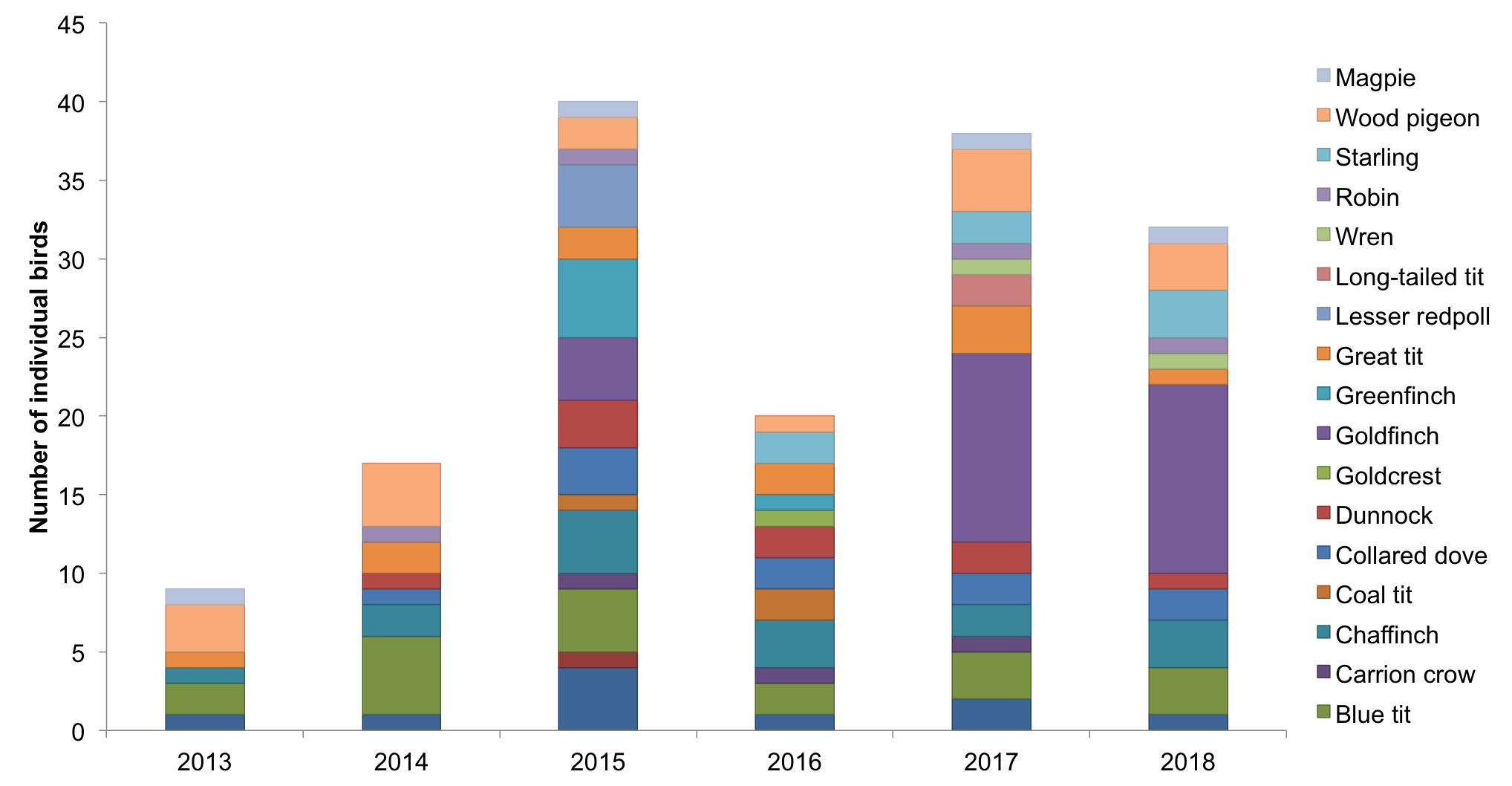
Big garden bird watch

This morning I spent an hour gazing out of our bedroom window with a coffee, a notebook, and a pair of binoculars.  Not sure what the neighbours opposite us thought I was doing but I was happy – this weekend is the RSPB’s Big Garden Birdwatch!  I’ve taken part in it every year since Karin and I moved into our present house in February 2012, and I thought it was time to show the results to date.

As you can see in the graph above, for the first couple of years there were relatively few birds (only 6 species in 2013, 8 in 2014).  Then in 2015 it jumped to 15 species, including some that I’ve not recorded in the garden since such as Lesser redpoll.  Two reasons for this sudden increase I think.  First of all, January 2015 was particualrly cold which meant that more birds were moving into urban areas looking for food and a little more warmth.  But secondly, and the reason why higher bird diversity has been maintained since then, is that we’ve been developing the garden and planting more shrubs, small trees, etc.

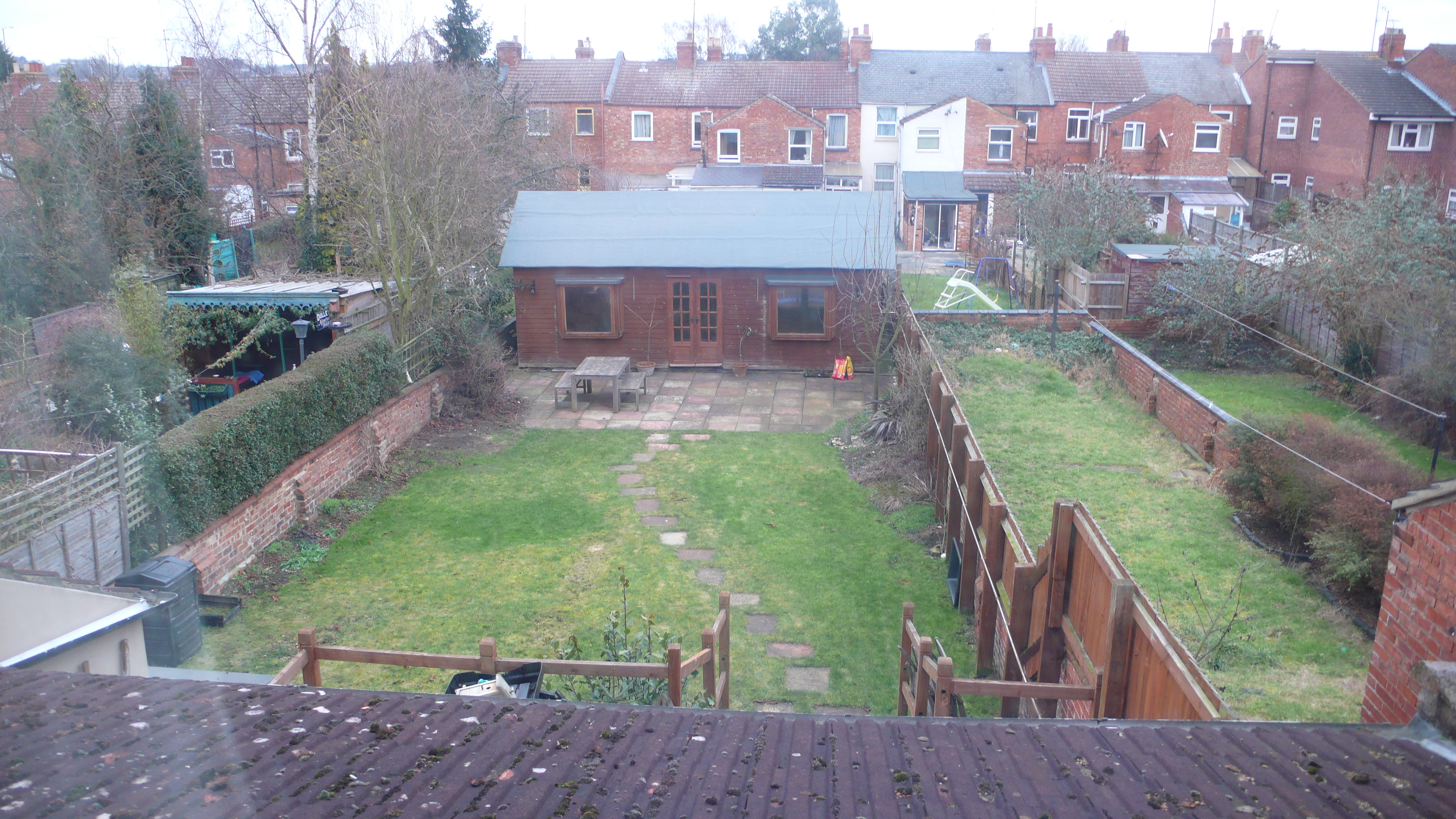
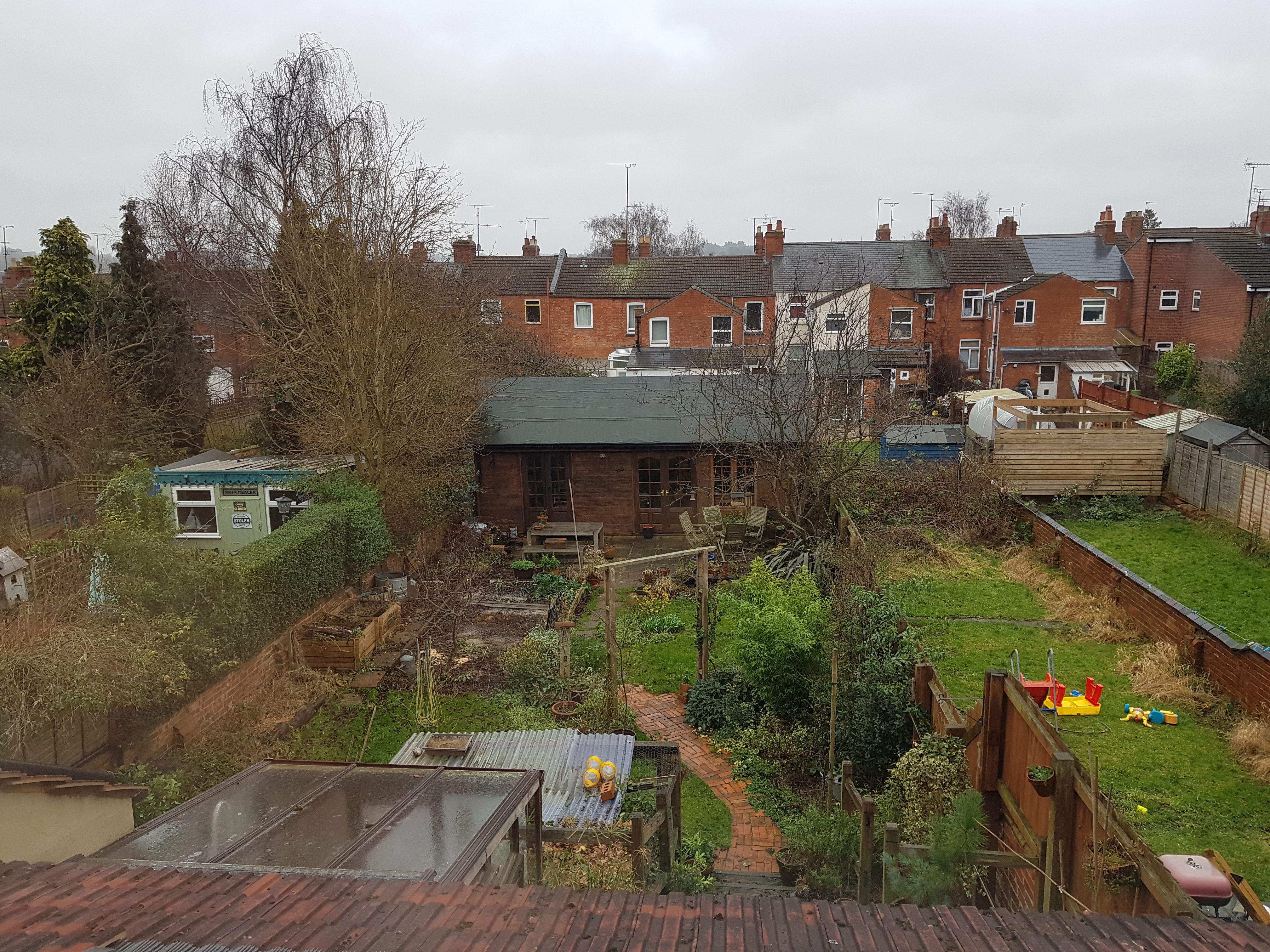
So since 2012 we’ve gone from this:

2012-02-22 10.19.23

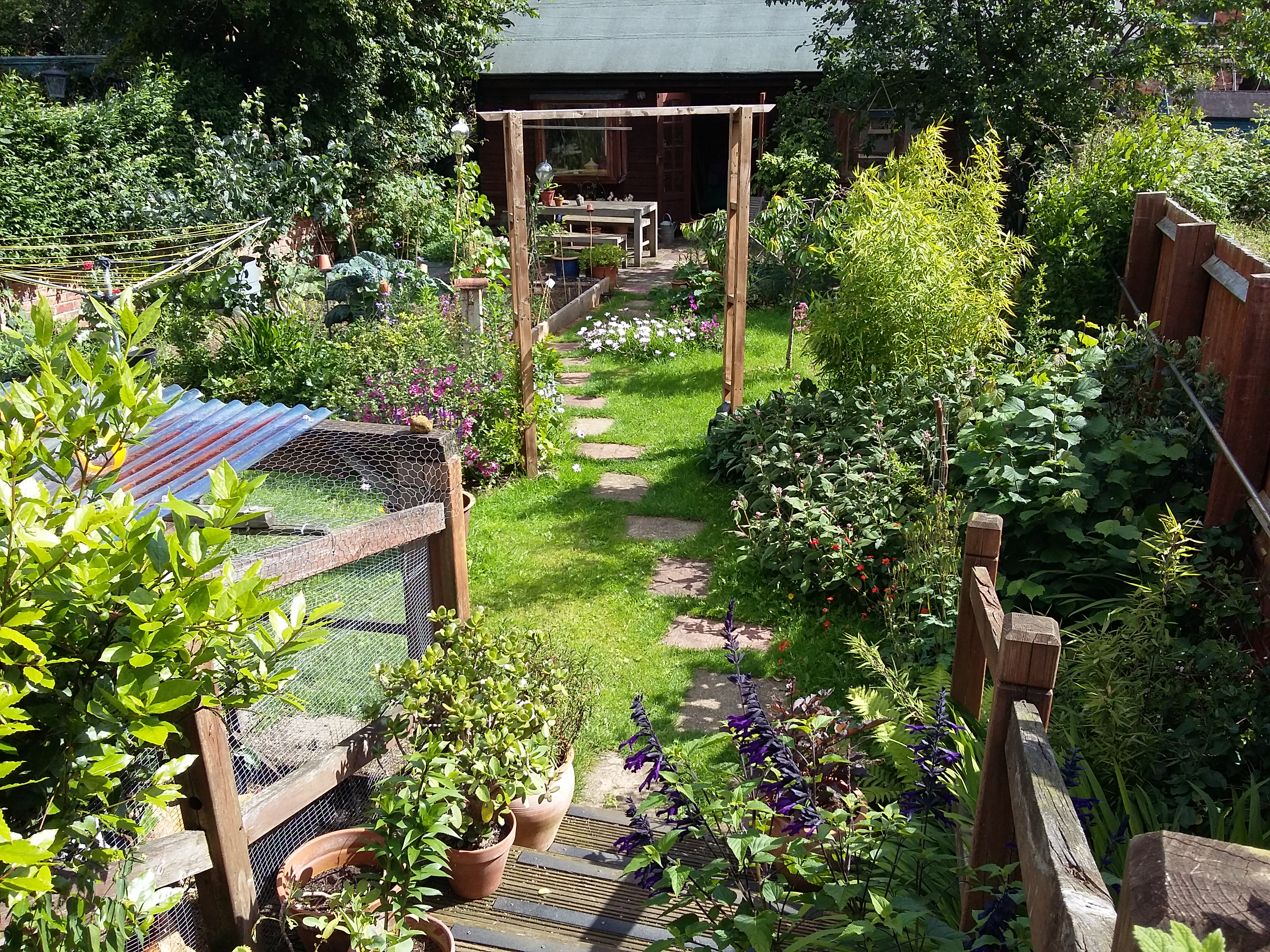
To this:

The garden 20180127_114638.png

This planting and development of the garden has been good for other wildlife including bees, butterflies and other pollinators, as I’ve recounted a number of times.  So here’s a close up from last summer just to remind us that, on this grey, drizzly January day, spring is not so far away:

20160702_100724

Of course you don’t need to have a garden to take part in the Big Garden Birdwatch – the RSPB also accepts data from surveys of public parks and green space.  In fact tomorrow morning I’m leading a group of residents around our local park, The Racecourse, to do just such a survey.

Right, must go and upload this years data to the RSPB’s site.

Some upcoming public lectures

2014-08-16 15.36.53

Giving public lectures to special interest groups in and around Northamptonshire is always a pleasure as the audiences are usually very receptive.  Just been through my diary and realised that I’m giving five such lectures over the next few months, on pollinators, conservation,  ecosystem services, and so on:

8th March – “Bees for dinner?  The importance of pollinators in a changing world” – Long Buckby Women’s Institute – open to all and not just women!

22nd March – “A city without trees is like a bird without feathers” – Litchborough Gardening Club [title is slightly wrong on that link…]

5th April 2 – “Darwin’s Unrequited Isle: a personal natural history of Tenerife” – Friends of Linford Lakes (Milton Keynes)

27th June – “Pollinator diversity” – Chalfonts Beekeepers (Buckinghamshire)

12th July – “Plants & pollinators – more than just honey bees” – Cancer Research UK ladies lunch club fundraiser at Wellingborough Golf Club

Some of these will certainly be open to guests if you’re not a member and want to come along and hear what I have to say.

Happy to discuss giving a talk to other groups, please do get in touch, though I’m probably not available until after the summer as I’m also giving a keynote lecture at the PopBio conference in Germany in May and a couple of short talks at the International Botanical Congress in China in July.