Tag Archives: Brazil

Can coffee plantation design boost both productivity and sustainability? A new study says YES!

One of the most productive research collaborations in which I’ve had the pleasure to be involved has been with André Rodrigo Rech in Brazil. It started when he was a postgrad working on his PhD, and has now continued as André has developed into fully-fledged academic with his own research group. That productivity has been fueled by a lot of coffee, of course, as you’ll know if you’ve read my book Pollinators & Pollination: Nature and Society!

Our most recent paper concerns coffee production in Brazil and how the design and management of plantations can both support wild bee populations AND increase the quality and quantity of the crop. One of the lead authors Gudryan Baronio has written a post about the work over on The Applied Ecologist blog – here’s the link: https://appliedecologistsblog.com/2024/02/26/can-coffee-plantation-design-boost-both-productivity-and-sustainability/

Here’s the reference – if you want a PDF of the paper, please send me a message via my Contact page:

Pereira Machado, A.C., Baronio, G., Soares Novaes, C., Ollerton, J., Wolowski, M., Natalina Silva Lopes, D. & Rech, A. (2024) Optimizing coffee production: Increased floral visitation and bean quality at plantation edges with wild pollinators and natural vegetation. Journal of Applied Ecology (in press)

Here’s the abstract:

  1. Animal pollination is important for more than 75% of agricultural crops, including coffee, whose productivity can increase with adequate pollination. Bees, including many solitary species, are diverse pollinators, with around 85% of them considered more effective than honeybees in pollen transfer. We assessed the coffee plantation and its surrounding vegetation for solitary bee nesting throughout the coffee flowering season and measured their impact on coffee productivity.
  2. We installed collection stations with trap nests inside a coffee plantation, on the border and inside the native vegetation in a farm in Diamantina, MG, Brazil. We used 10 weekly monitored replicates at least 1 km apart. We evaluated fruiting by autogamy in relation to natural pollination and used the increase in fruit set from pollinators to calculate the farmer’s monetary gain. We recorded bee visits to the exposed flowers during coffee flowering considering both on the edge and inside the coffee plantation. Ripe fruits were dried, counted and weighed.
  3. We discovered 132 solitary bee nests outside the plantation, with 54% containing coffee pollen grains, indicating coffee as an essential resource for bees even outside the crop area. More bee visits occurred at the coffee plantation’s edge, resulting in increased fruit production, denser fruits, and rounder fruits in that area. Bagged flowers produced consistent seeds in all locations. The farmer could earn an extra US$1736.37 per hectare if the entire area received the same level of pollination contribution from bees as observed at the coffee border.
  4. Synthesis and applications. Our study emphasises the key role of pollinators in coffee production and their impact on fruit and seed characteristics. Bee visits were more frequent on border areas, emphasising their reliance on natural nesting sites. Bee-mediated pollination positively affected fruit traits and self-pollinated fruits in plantation borders had reduced mass. Solitary bee nesting was primarily observed in native vegetation, underlining its importance for bee populations. Pollen composition in nests varied with proximity to coffee plantations, indicating landscape vegetation influences pollinator foraging. These findings support optimising coffee plantation design by preserving native vegetation to increase coffee yields and conserve biodiversity.

Image © Ana Carolina Pereira Machado

A new study shows that even short-tubed flowers can specialise on hawkmoths as pollinators

Of all of the “classical” pollination syndromes, flowers that are hawkmoth pollinated have one of the highest levels of predictability. If a flower is pale in colour, opens at night, is highly scented, and possesses a long tube at the bottom of which is a supply of nectar, there’s a very high likelihood that it’s pollinated by long-tongued hawkmoths (Sphingidae).

Indeed, one of the foundational stories about the development of our understanding of how pollination systems evolve, relates to Charles Darwin, the long-tubed orchid Angraecum sesquipedale and the hawkmoth Xanthopan morganii praedicta.

Fast forward 160 years and we now know that pollination syndromes are more complex than 19th and early 20th century scientists imagined – see my recent book Pollinators & Pollination: Nature and Society for a discussion of this topic. That’s not surprising because, as I point out, we probably have data on the interactions between plants and their pollinators for only about 10% of the estimated 352,000 species of flowering plants. There’s still much to be discovered!

As an example of how our understanding of specialised flower-hawkmoth interactions is developing, consider this recent study that I’ve just published with my Brazilian colleague Felipe Amorim and other collaborators. In it we have shown that, contrary to expectations, a species of Apocynaceae (Schubertia grandiflora) with a relatively short floral tube can specialise on hawkmoths with much longer tongues than we might predict.

The full reference with a link to the study is shown below, followed by the abstract. If you would like a PDF, please drop me a line via my Contact page:

Amorim, F.W., Marin, S., Sanz-Viega, P.A., Ollerton, J. & Oliveira, P.E. (2022) Short flowers for long tongues: functional specialization in a nocturnal pollination network of an asclepiad in long-tongued hawkmoths. Biotropica https://doi.org/10.1111/btp.13090

Abstract:

Since Darwin, very long and narrow floral tubes have been known to represent the main floral morphological feature for specialized long-tongued hawkmoth pollination. However, specialization may be driven by other contrivances instead of floral tube morphology. Asclepiads are plants with a complex floral morphology where primary hawkmoth pollination had never been described. We detailed here the intricate pollination mechanism of the South American asclepiad Schubertia grandiflora, where functional specialization on long-tongued hawkmoth pollinators occurs despite the short floral tube of this species. We studied two plant populations in the Brazilian Cerrado and recorded floral visitors using different approaches, such as light-trapped hawkmoths for pollen analysis, direct field observations, and IR motion-activated cameras. Finally, using a community-level approach we applied an ecological network analysis to identify the realized pollinator niche of S. grandiflora among the available niches in the pollinator community. Throughout a period of 17 years, long-tongued hawkmoths were consistently recorded as the main floral visitors and the only effective pollinators of S. grandiflora. Flowers rely on highly modified corona and gynostegium, and enlarged nectar chambers, to drive visitors and pollination mechanism. Despite its relative short-tube, network analysis placed S. grandiflora in the module including exclusively long-tongued hawkmoth pollinators and the most phenotypically specialized sphingophilous plants in the community. These results represent the first example of functional specialization in long-tongued hawkmoths in an asclepiad species. However, this specialization is uncoupled from the long floral tubes historically associated with the sphingophily syndrome.

Pollinator availability, mating system and variation in flower morphology in a tropical savanna tree – a new, open-access study

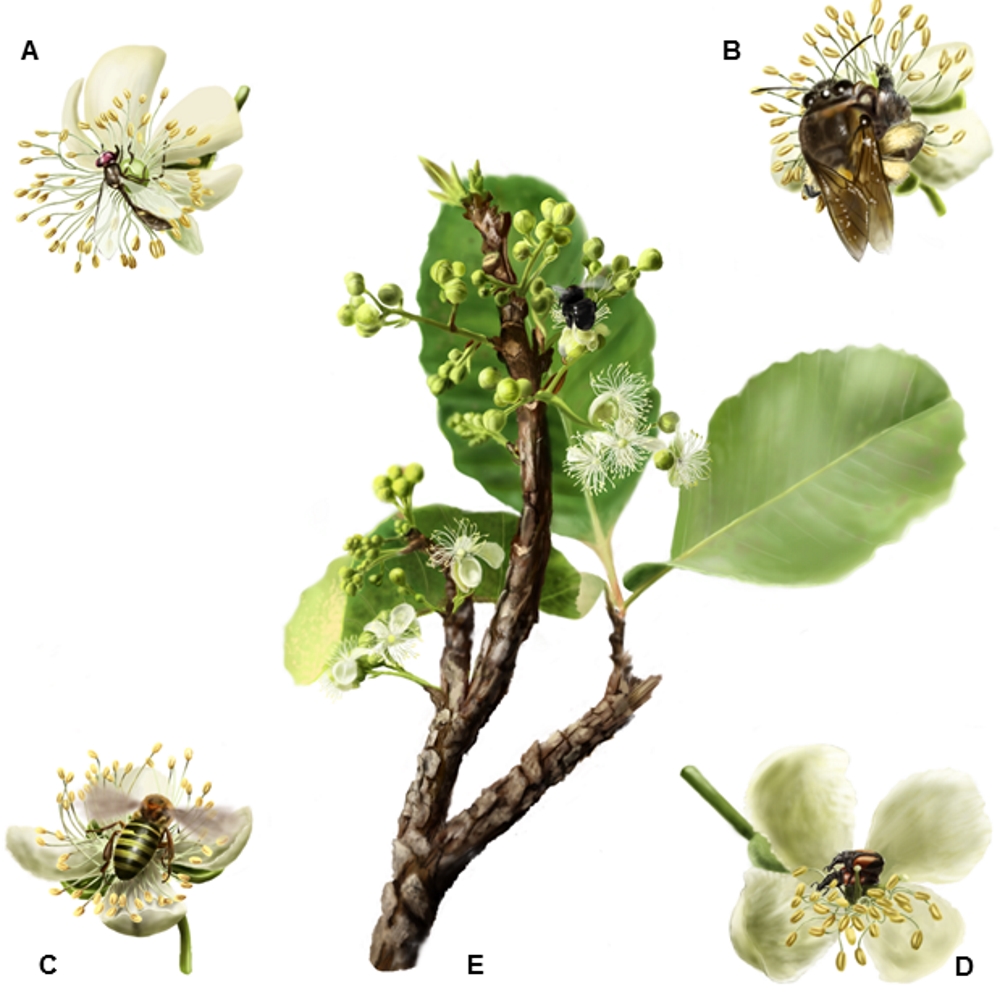
Curatella image by Pedro Lorenzo

Widespread plant species can encounter a variety of different pollinators across their distributional range.  This in turn can result in local adaptation of flowers to particular pollinators, or to an absence of pollinators that results in adaptations for more self pollination.   A newly published study by one of my former PhD students, André Rodrigo Rech in Brazil, has looked at this in the widespread South American savanna tree Curatella americana.  André studied 10 populations separated in space by thousands of kilometres, in cerrado vegetation, one of the most threatened habitat types in Brazil.  Here’s the abstract:

Widely distributed organisms face different ecological scenarios throughout their range, which can potentially lead to micro-evolutionary differentiation at specific localities. Mating systems of animal pollinated plants are supposed to evolve in response to the availability of local pollinators, with consequent changes in flower morphology. We tested the relationship among pollination , mating system, and flower morphology over a large spatial scale in Brazilian savannas using the tree Curatella americana (Dilleniaceae). We compared fruit set with and without pollinators in the field, and analyzed pollen tube growth from self- and cross-pollinated flowers in different populations. Populations with higher natural fruit set also had lower fruit set in bagged flowers, suggesting stronger barriers to self-fertilization. Furthermore, higher levels of autogamy in field experiments were associated with more pollen tubes reaching ovules in self-pollinated flowers. Morphometric studies of floral and leaf traits indicate closer-set reproductive organs, larger stigmas and smaller anthers in populations with more autogamy. We show that the spatial variation in mating system, flower morphology and pollination previously described for herbs also applies to long-lived, perennial tropical trees, thus reemphasizing that mating systems are a population-based attribute that vary according to the ecological scenario where the plants occur

Here’s the full citation with a link to the paper which is open access:

Rech, A.R., Ré Jorge, L., Ollerton, J. & Sazima, M. (2018) Pollinator availability, mating system and variation in flower morphology in a tropical savannah tree. Acta Botanica Brasilica (in press)

The illustration of Curatella americana  and its pollinators is by Pedro Lorenzo.

This paper is a contribution to a special issue of Acta Botanica Brasilica dedicated to floral biology and pollination biology in Brazil It’s all open access and if you follow that link you can download the papers.

Plant-pollinator networks in the tropics: a new review just published.

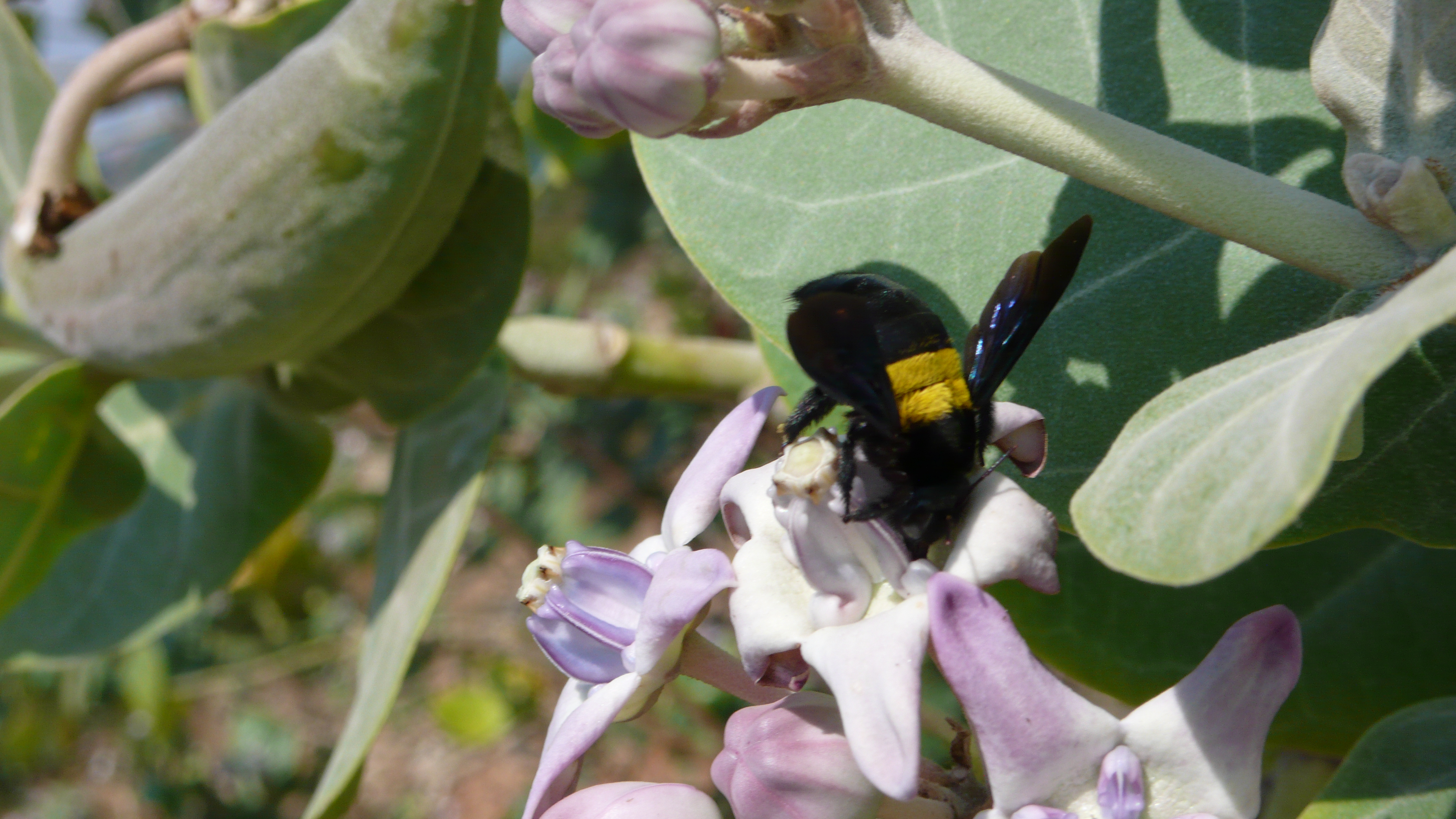
P1080615

As an ecologist who has carried out field work in the temperate zone (UK), the subtropics (Tenerife and South Africa) and the tropics (parts of South America, Africa and Australia)  I’ve always found the idea that the study of ecology can be divided into “tropical” and “non-tropical” a bit odd.  It’s as if the way that the natural world works somehow changes at about 23 degrees north or south of the equator, making things “different” around the equator.  The tropics are a very special, diverse place, it’s true, but so are many places outside the tropics.

With this in mind I was pleased when I was asked by some of my Brazilian colleagues to contribute to a chapter in a new book entitled Ecological Networks in the Tropics. It was an opportunity to review what is known about plant-pollinator networks in the tropics and the ways in which they are very similar to such networks at lower latitudes. Here’s the details of the chapter, followed by the abstract.  If anyone wants a copy please drop me an email:

Vizentin-Bugoni J, PKM Maruyama, CS Souza, J Ollerton, AR Rech, M Sazima. (2018) Plant-pollinator networks in the tropics: a review. pp 73-91 In Dáttilo W & V. Rico-Gray. Ecological networks in the Tropics. Springer.

Abstract:

Most tropical plants rely on animals for pollination, thus engaging in complex interaction networks. Here, we present a global overview of pollination networks and point out research gaps and emerging differences between tropical and non-tropical areas. Our review highlights an uneven global distribution of studies biased towards non-tropical areas. Moreover, within the tropics, there is a bias towards the Neotropical region where partial networks represent 70.1% of the published studies. Additionally, most networks sampled so far (95.6%) were assembled by inferring interactions by surveying plants (a phytocentric approach). These biases may limit accurate global comparisons of the structure and dynamics of tropical and non-tropical pollination networks. Noteworthy differences of tropical networks (in comparison to the non-tropical ones) include higher species richness which, in turn, promotes lower connectance but higher modularity due to both the higher diversity as well as the integration of more vertebrate pollinators. These interaction patterns are influenced by several ecological, evolutionary, and historical processes, and also sampling artifacts. We propose a neutral–niche continuum model for interactions in pollination systems. This is, arguably, supported by evidence that a high diversity of functional traits promotes greater importance of niche-based processes (i.e., forbidden links caused by morphological mismatching and phenological non-overlap) in determining which interactions occur, rather than random chance of encounter based on abundances (neutrality). We conclude by discussing the possible existence and direction of a latitudinal gradient of specialization in pollination networks.

Local and regional specialization in plant–pollinator networks: a new study just published

Euphorbia canariensis pollinators 2016-04-29 17 58 00

A fundamental feature of the natural world is that no species exists in isolation: all organisms interact with other organisms during their lives. These interactions take many forms and the outcome varies with the type of interactions. For example predator-prey interactions are clearly negative for the prey species, but positive for the predator. Other interactions result in positive outcomes for both species, including relationships between pollinators such as bees, birds and flies, and the flowers that they pollinate. An important feature of such interactions is how specialized or generalized it is; that is, how many different pollinators are actually involved in pollinating a particular type of flower, or how many types of flower does a specific pollinator visits.

In a newly published study, I have collaborated with colleagues from Denmark and Brazil to assess how local specialization (within a community) relates to regional specialization (across communities) using two separate data sets from the Brazilian rupestrian grasslands and Canary Island/North African succulent scrub vegetation.

Here’s the citation with a link to the paper (drop me a line if you can’t access it and need a PDF):

Carstensen, D.W., Trøjelsgaard, K., Ollerton, J. and Morellato, L.P.C. (2017) Local and regional specialization in plant–pollinator networks. Oikos (in press) doi:10.1111/oik.04436

The abstract is as follows:

“Specialization of species is often studied in ecology but its quantification and meaning is disputed. More recently, ecological network analysis has been widely used as a tool to quantify specialization, but here its true meaning is also debated. However, irrespective of the tool used, the geographic scale at which specialization is measured remains central. Consequently, we use data sets of plant–pollinator networks from Brazil and the Canary Islands to explore specialization at local and regional scales. We ask how local specialization of a species is related to its regional specialization, and whether or not species tend to interact with a non-random set of partners in local communities. Local and regional specialization were strongly correlated around the 1:1 line, indicating that species conserve their specialization levels across spatial scales. Furthermore, most plants and pollinators also showed link conservatism repeatedly across local communities, and thus seem to be constrained in their fundamental niche. However, some species are more constrained than others, indicating true specialists. We argue that several geographically separated populations should be evaluated in order to provide a robust evaluation of species specialization.”

This is what those two different habitats look like:

If you would like more information on plant-pollinator networks, including details of an edible game for Christmas (!), follow this link to the standingoutinmyfield blog.

How many trees are there in Amazonia: two recent studies reached very different conclusions – UPDATED

The region of South America that we know as “Amazonia” has arguably the greatest biological diversity of any part of the planet, certainly as far as plants are concerned.  In some places the number of tree species per hectare exceeds 400, an order of magnitude greater than the number for the whole of the British Isles.  However estimating the total number of even the described plant species in this vast area has proven controversial, as two recent studies exemplify.  The first study was by ter Steege et al. (2016) and entitled “The discovery of the Amazonian tree flora with an updated checklist of all known tree taxa“, whilst the second is from just last month: Cardoso et al. (2017) “Amazon plant diversity revealed by a taxonomically verified species list“.  Both of them are open access so click on the links if you want to read the full studies.

One might expect that two such studies focused on Amazonia, both using vouchered herbarium records, would reach broadly similar conclusions as to the number of tree species in the region.  Not a bit of it: ter Steege et al. (2016) report 11,676 species, whilst Cardoso et al. (2017) say that the figure is 6,727.  That’s almost a two-fold difference!  Why the discrepancy?  Inspired by an initial tweet by University of Glasgow taxonomist Roderic Page, I downloaded the data from both studies and looked at it closely.

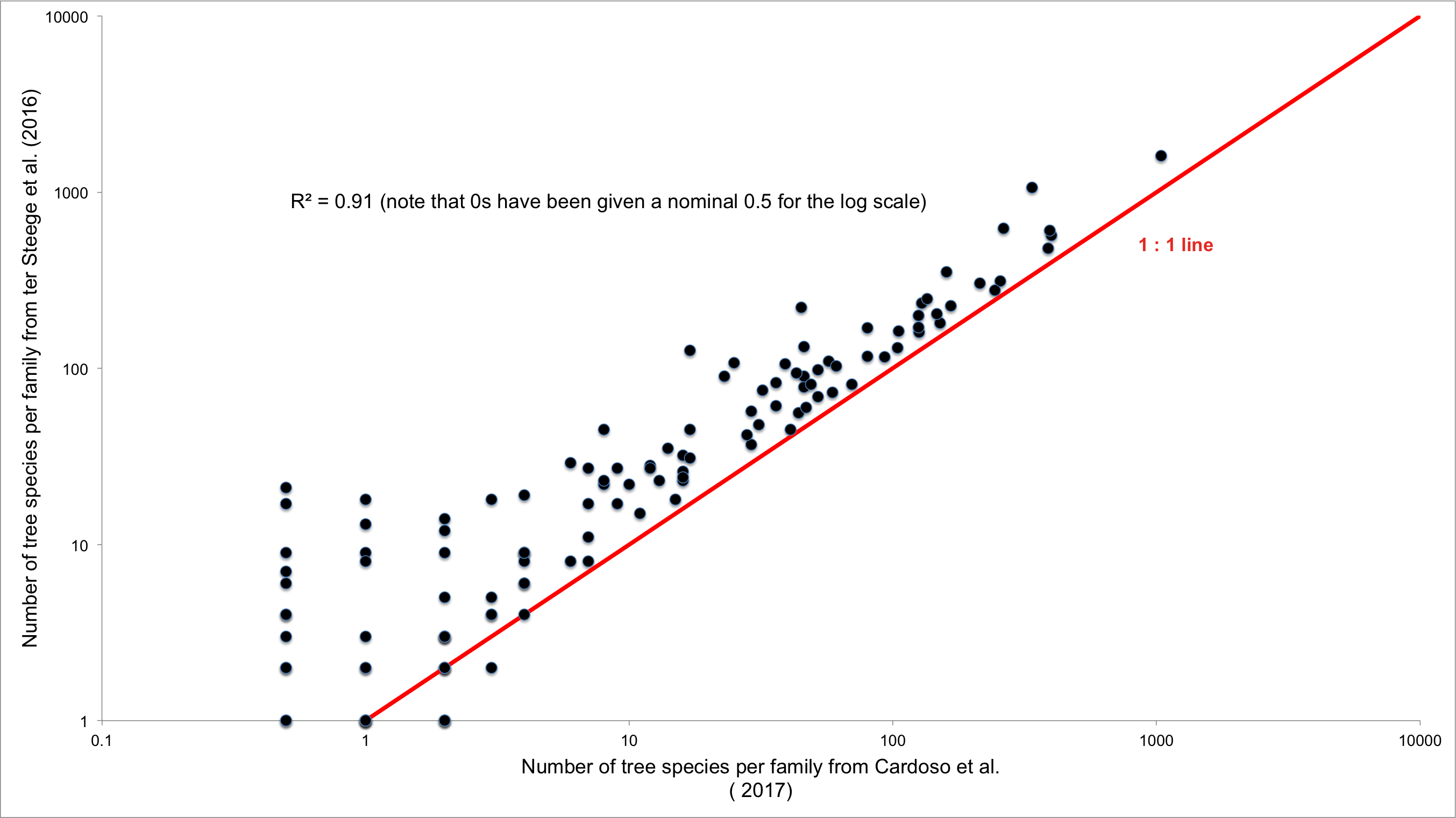
Here’s a scatter plot of the number of tree species per plant family reported by both studies:

Amazon tree diversity


The red line shows where we would expect the data points to lie if both studies had reported the same number of tree species per family.  Clearly few families lie on this line and most are above it as we might expect: as I’ve said, ter Steege et al. (2016) concluded that there were far more tree species overall and this is reflected at the family level.  Note that I’ve graphed this using a log scale and what might seem to be small differences are actually very large indeed.

Although the findings from two studies are highly correlated (diverse families are diverse in both studies, ditto families with low diversity) the actual level of that species richness is very different.  For example, in the Annonaceae, ter Steege et al. report  480 species, Cardoso et al. report 388; in the Clusiaceae the figures are 247 versus 135.  Other families are excluded from one data set or the other: ter Steege et al. reckon there 7 species of trees in the Dilleniaceae whereas Cardoso et al. cite zero.  Here’s a link to the data set if you want to explore further.  

So what’s going on here?  Why do two studies with similar aims, published about 12 months apart, come to such different conclusions.  As far as I can see there are three reasons for this.

First of all, the studies used slightly different taxonomies when it came to considering families and species.  So for example, Cardoso et al. recognise the family Peraceae which ter Steege et al. do not.  Although I haven’t done it, I’m sure that if one were to dig down to the species level there would be differences in which species were accepted and which were considered synonyms.

Secondly, the exact definition of what constitutes a “tree” varies between botanists, and the non-botanists who are no doubt responsible for some of the plant collections: some consider anything to be woody and tall-ish to be a “tree”, others have more strict definitions.  Notes about growth form taken in the field consequently get included in herbarium databases and may be inaccurate, especially for the uncommon species that have rarely been seen in the field.

The final reason, and the one that seems to be responsible for most of the discrepancy, is the definition of what constitutes “Amazonia”.  In the first study ter Steege et al. defined it as including the “forests and savannahs of the Amazon basin and Guiana Shield”.  In contrast Cardoso et al. considered only “lowland Amazon rain forests”.  That’s a big difference as there’s lot of savannah in this region, as well as other habitat types.  When we did field work in Guyana some years ago we could travel very quickly between savannah and rainforest.  It was clear to us that there is a range of trees that are restricted to one habitat or another, including species of Dilleniaceae (mentioned above) that are savannah specialists (hence the family’s exclusion from the Cardoso et al. study).

Now neither of these studies is “wrong” in the sense of being inaccurate or misguided: both are great studies involving a huge effort on the part of the authors.  But the limitations and definitions of geography and taxonomy that I’ve highlighted do mean that they need to be treated as rather different and not directly comparable.

So how many tree species are there in Amazonia?  If we consider just the rainforest then it’s 6,727 (Cardoso et al. 2017).  If we consider all habitats in the region, including rainforest plus savannah etc., then the figure is 11,676 species (ter Steege et al. 2016).  One of the implications of this is that the non-rainforest “Amazonian” habitats collectively contain 4949 tree species.  Thus a large proportion of the diversity of the region is in habitats, such as savannah, which are less of a focus for conservation efforts and not as well known to the general public, but are at least as threatened by agriculture and mining as rainforest.

Thanks to Roderic Page for initially highlighting this on Twitter, and Sandy Knapp for discussion.

UPDATE:  In retrospect my conclusion above regarding the proportion of trees in non-lowland rainforest habitats was much too high, as a couple of commenters have noted below.  It’s worth reading what they have to say, and my responses.  It’s likely that the taxonomic differences between the two studies are at least as great as the geographical ones, but then taxonomic opinions vary hugely.  Just serves to emphasise what a controversial and problematic question this is!


Generalist pollination can evolve from more specialised interactions: a new study just published

2013-11-24 15.44.01

There’s a long-standing idea in biology that ecological specialisation is an evolutionary “dead end” from which species can never emerge.  In other words, if a species becomes so adapted to a particular ecological strategy (could be feeding or habitat requirements or how it interacts with other species ) then no amount of natural selection will result in its descendants evolving different strategies, thereby diversifying into new species.  In particular it’s traditionally thought that evolving broader, “generalist” strategies from narrower, “specialised” ones is highly unlikely.

This has been much discussed in the literature on the ecology and evolution of pollination systems, where traditionally this “dead end” scenario has been accepted.  However a small number of case studies have shown that generalised pollination systems can evolve within much more specialised clades, beginning with Scott Armbruster and Bruce Baldwin’s study of Madagascan Dalechampia (Euphorbiaceae), published in Nature in 1998.

To this limited body of examples we can now add another case study: in the genus Miconia (Melastomataceae), generalist nectar/pollen rewarding strategies can evolve within a clade of plants that predominantly uses a more specialised, buzz-pollinated strategy involving just bees.

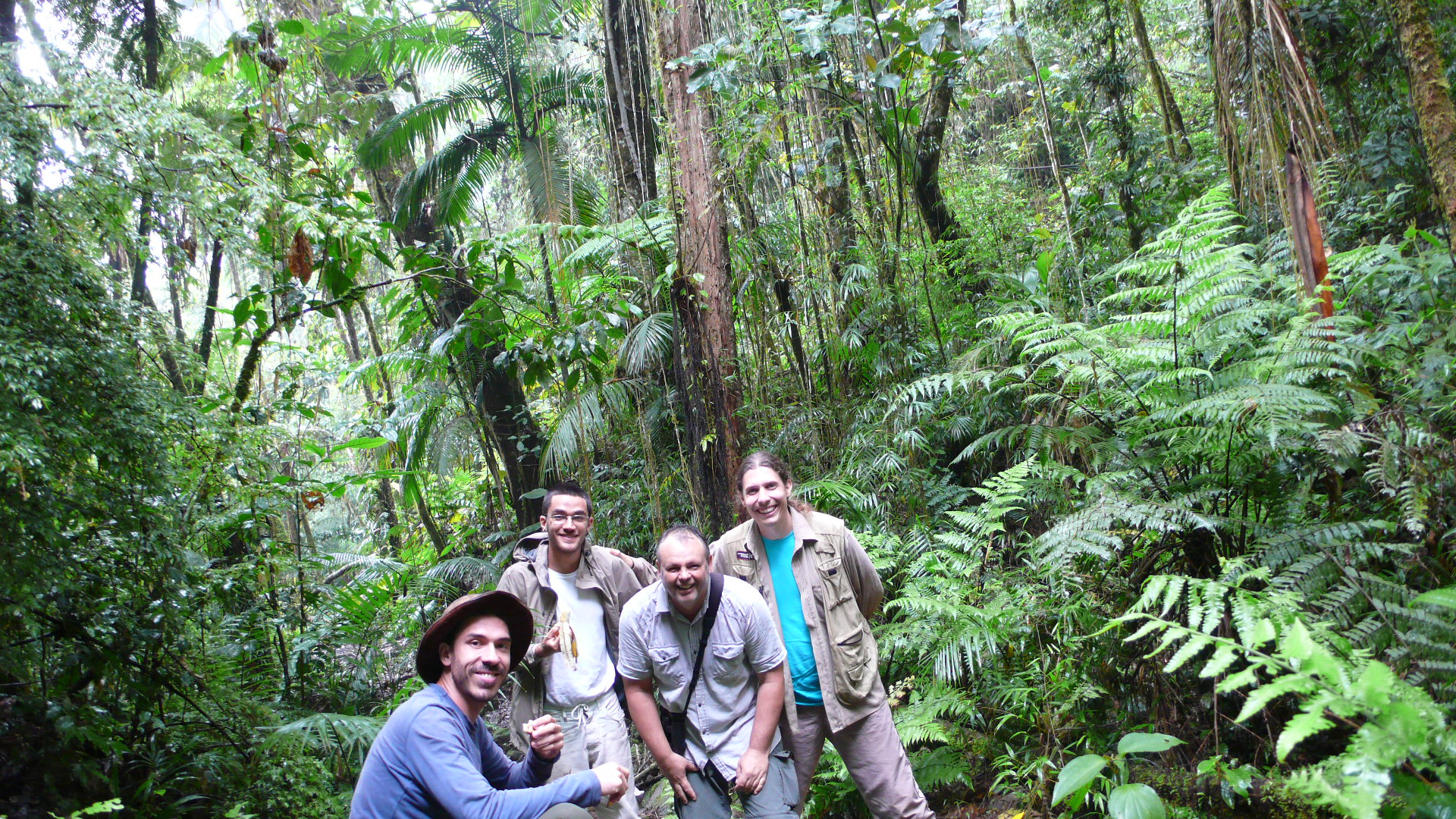
The work is part of the PhD research of Vinicius de Brito who is one of the researchers I was privileged to do some field work with in Brazil when I was there in 2013 – see my post: “It’s called rainforest for a reason, right?  Brazil Diary 6“.  Vini is the guy on the left of the photo accompanying this post.  Here’s the citation and a link:

de Brito, V.L.G., Rech, A.R., Ollerton, J., Sazima, M. (2017) Nectar production, reproductive success and the evolution of generalised pollination within a specialised pollen-rewarding plant family: a case study using Miconia theizans. Plant Systematics and Evolution doi:10.1007/s00606-017-1405-z 

Here’s the abstract:

Generalist plant–pollinator interactions are prevalent in nature. Here, we untangle the role of nectar production in the visitation and pollen release/deposition in Miconia theizans, a nectar-rewarding plant within the specialised pollen-rewarding plant family Melastomataceae. We described the visitation rate, nectar dynamics and pollen release from the poricidal anthers and deposition onto stigmas during flower anthesis. Afterwards, we used a linear mixed model selection approach to understand the relationship between pollen and nectar availability and insect visitation rate and the relationship between visitation rate and reproductive success. Miconia theizans was visited by 86 insect species, including buzzing and non-buzzing bees, wasps, flies, hoverflies, ants, beetles, hemipterans, cockroaches and butterflies. The nectar produced explained the visitation rate, and the pollen release from the anthers was best explained by the visitation rate of pollinivorous species. However, the visitation rates could not predict pollen deposition onto stigmas. Nectar production may explain the high insect diversity and led to an increase in reproductive success, even with unpredictable pollen deposition, indicating the adaptive value of a generalised pollination system.

As always, I’m happy to send a PDF to anyone who wants a copy, just drop me an email.

How do artificial nectar feeders affect hummingbird abundance and pollination of nearby plants? A new study in the Journal of Ornithology

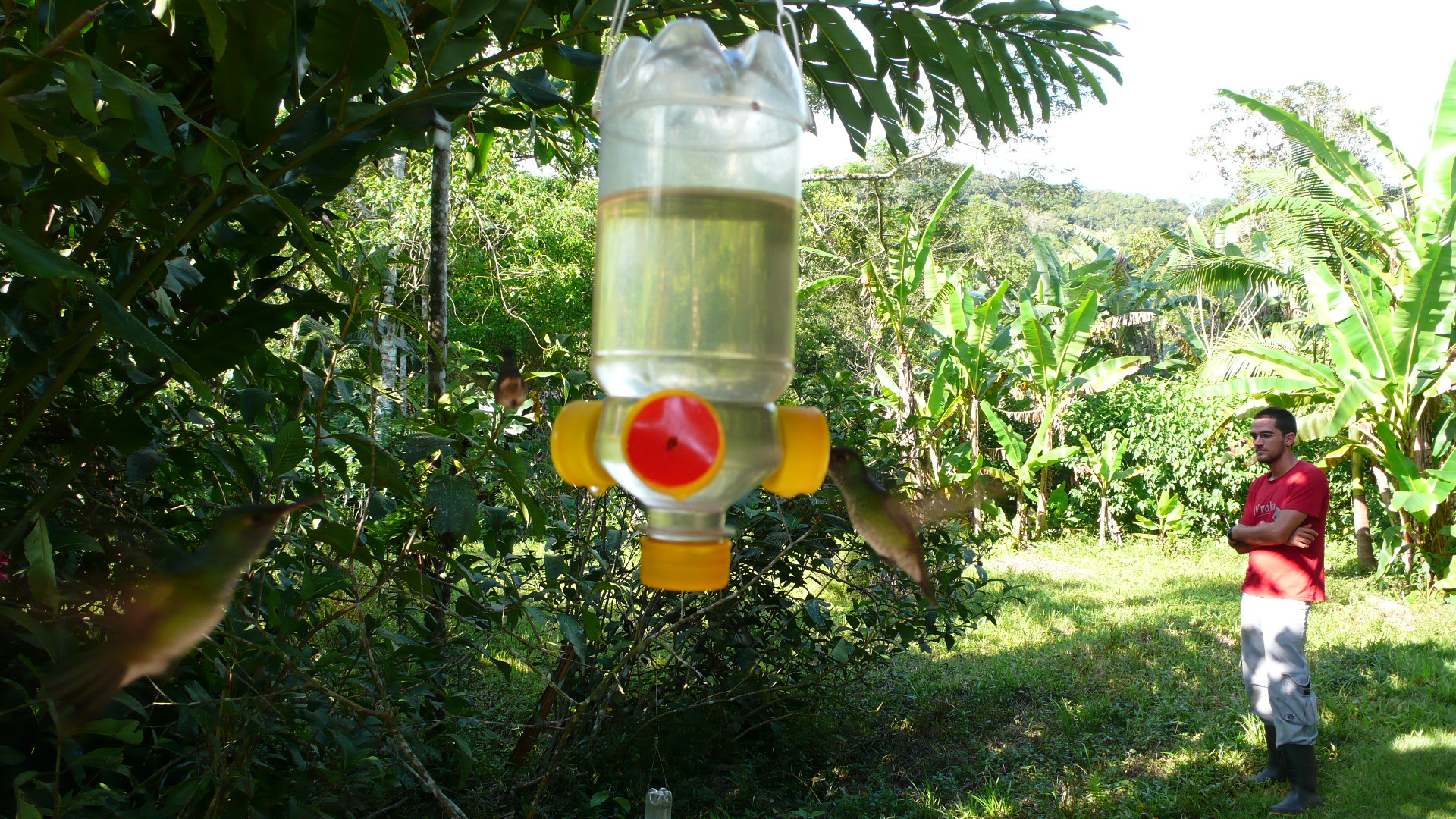
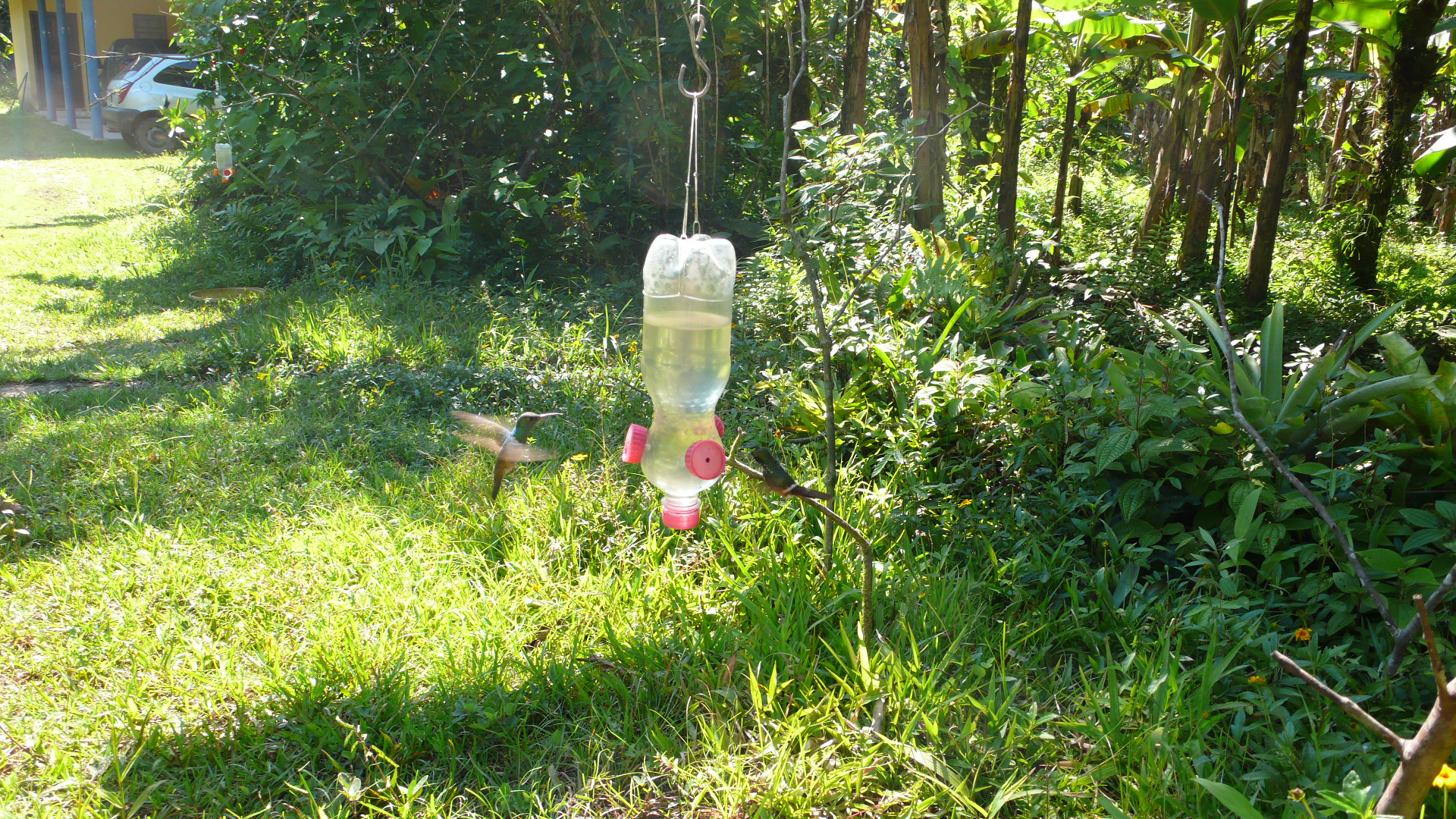
Hummingbirds on feeds in Brazil

Back in November 2013, during my research and teaching trip to Brazil, I discussed an amazing garden that we visited in which the owner had set up around a dozen hummingbird feeders that were attracting hundreds of individual birds from over 20 species.  As I mentioned, one of the owner’s concerns was that by feeding the birds he might be negatively affecting the reproduction of hummingbird-pollinated plants in the surrounding forest.  I thought it unlikely but there have been very few tests of this idea, and none in that part of South America.

After I left, a Master’s student called Jesper Sonne, based at the Center for Macroecology and Climate in Copenhagen, worked with my Brazilian and Danish colleagues on collecting data to address this question.  Between us we analysed and wrote up the results, and have recently published the paper in the Journal of Ornithology under the title “Spatial effects of artificial feeders on hummingbird abundance, floral visitation and pollen deposition“.

The abstract is below and if anyone wants a PDF, please drop me a line.  But the take home message is that although these feeders have a significant local effect on hummingbird abundance, there’s no evidence that they affect plant reproduction in the vicinity.  It’s nice when predictions prove correct….

———————-

Abstract

Providing hummingbirds with artificial feeders containing sugar solution is common practice throughout the Americas. Although feeders can affect hummingbird foraging behavior and abundance, it is poorly understood how far this effect may extend. Moreover, it remains debated whether nectar-feeders have a negative impact on hummingbird-pollinated plants by reducing flower visitation rates and pollen transfer close to the feeders. Here, we investigated the effects of distance to nectar-feeders on a local hummingbird assemblage and the pollination of Psychotria nuda (Rubiaceae), a hummingbird-pollinated plant endemic to the Brazilian Atlantic Rainforest. At increasing distance (0–1000 m) from a feeding-station, where hummingbirds have been fed continuously for the past 13 years, we quantified hummingbird abundance, and rates of flower visitation and pollen deposition on P. nuda. We found that hummingbird abundance was unrelated to distance from the feeders beyond ca. 75 m, but increased steeply closer to the feeders; the only exception was the small hummingbird Phaethornis ruber, which remained absent from the feeders. Plants of P. nuda within ca.125 m from the feeders received increasingly more visits, coinciding with the higher hummingbird abundance, whereas visitation rate beyond 125 m showed no distance-related trend. Despite this, pollen deposition was not associated with distance from the feeders. Our findings illustrate that artificial nectar-feeders may locally increase hummingbird abundance, and possibly affect species composition and pollination redundancy, without necessarily having a disruptive effect on pollination services and plants’ reproductive fitness. This may apply not only to hummingbirds, but also to other animal pollinators.

Hummingbirds on feeds in Brazil 2

Something for the weekend #2

The second in a regular series of posts to biodiversity-related* items that have caught my attention during the week**.


  • If you’d like to help raise money for bird conservation projects, please consider sponsoring Northants County Bird Recorder Mike Alibone’s team in the Champions of the Flyway event


  • Finally, if you’re the only person on the planet who has not seen a weasel riding on the back of a woodpecker, would you like to?  Of course you would!
*Disclaimer: may sometimes contain non-biodiversity-related links.
**Feel free to recommend links that have caught your eye.

The strange and the familiar….. (back from) Brazil Diary 8

Monty and the collared dove - Sept 2013

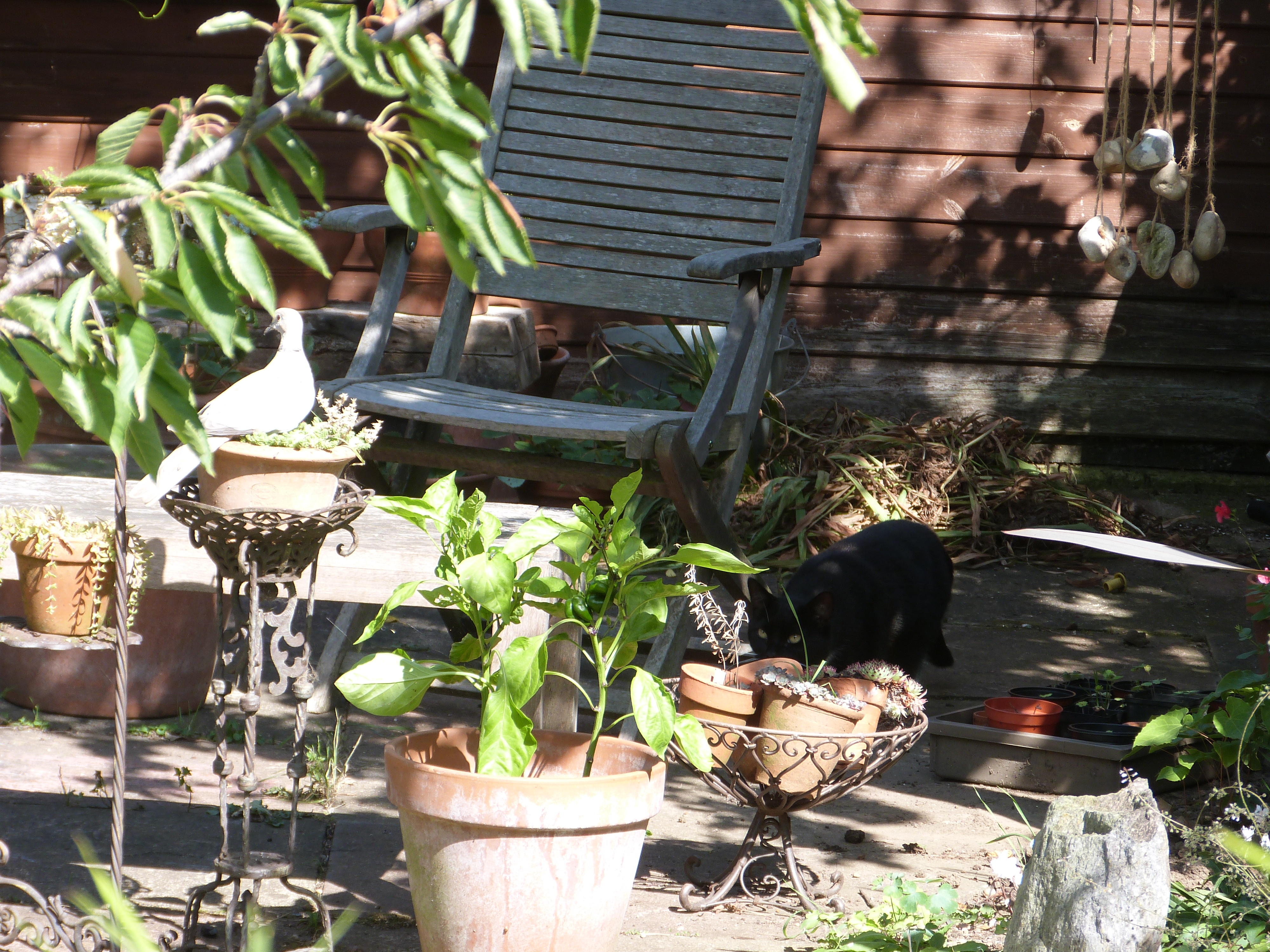
The first bird I identified when I arrived in Brazil on 1st November was a feral pigeon (Columba livia) foraging around the airport; the first bee I spotted, visiting flowers around FUNCAMP, was a honey bee (Apis mellifera).  This tells you a lot about the widespread, near ubiquitous distribution of such species, which have been moved across much of the planet, accidentally and on purpose, by human activities.  For someone who is deeply interested in biodiversity, seeing these species is both humdrum and interesting.  Humdrum because they are so familiar, we see them everywhere we go, they are not exciting and exotic.  Interesting because they tell us a lot about the effects that humans have on their environment, how we are altering it by the introduction of non-native species.

Away from the large cities I saw introduced species such as these less and less frequently, such is their association with humans.  But of course there were also plenty of native Brazilian species that have become associated with human activities.  Some of these had a familiarity about them which transcended the fact that they were species I’d never see in Britain.  Black Vultures (Coragyps atratus) are the best example.  I would frequently observe them perched on lamp posts in towns, scanning for food or squabbling amongst themselves, and also spotted a huge number feeding on the refuse being piled into a landfill site.  Back home I associate this sort of behaviour with various species of gulls.  Strange and familiar.

Back in Northampton I’ve been reflecting on my month-long visit to Brazil, catching up with colleagues, telling stories that get more impressive with each iteration.  It’s been a packed couple of weeks and Brazil seems a long way away, not just geographically.

The Biodiversity Index did not win the Green Gown Award that it was short listed for, as I previously reported, but it did receive a Highly Commended citation.  Green Gown have asked us to produce a video, so a few days after I returned home, and still with a bit of my brain in Brazil, I took part in a short recording session about the Biodiversity Index, which will be released shortly.  The video is produced by Jo Burns and her company Amplitude Media.  Jo is a graduate of the University of Northampton and this is a nice example of how the University is supporting former students as they develop their careers.

At the end of last week we also got the news that the Biodiversity Index has been shortlisted for a Guardian newspaper University Award in the sustainability category.  More recognition for the work we’ve done on that project, and we are very pleased!  The result will be known early next year.

As of this week our paper on “How many plants are pollinated by animal?“, published in the journal Oikos in 2011, has notched up its 100th citation according to Web of Knowledge.  The less conservative Google Scholar puts it at 164, so the true answer will be somewhere in between.   Clearly peers think it’s a useful bit of work.  And to think it was almost rejected by Oikos, saved only by an appeal.  The idea for the paper arose when I was trying to find a solid figure in the literature for the proportion of plants that are biotically pollinated.  Lots of figures were being bandied about, but once you follow the reference chain back through the papers that cite them you find that numbers which are cited as solid facts disappear into speculation and guestimates.  Like many of the simple and obvious questions, the assumption is that we “know” the answer.  That’s no basis for science-informed policy, but I suspect that it happens all too frequently.