Tag Archives: Biodiversity

Plant-pollinator meta-network of the Kashmir Himalaya: a new study just published

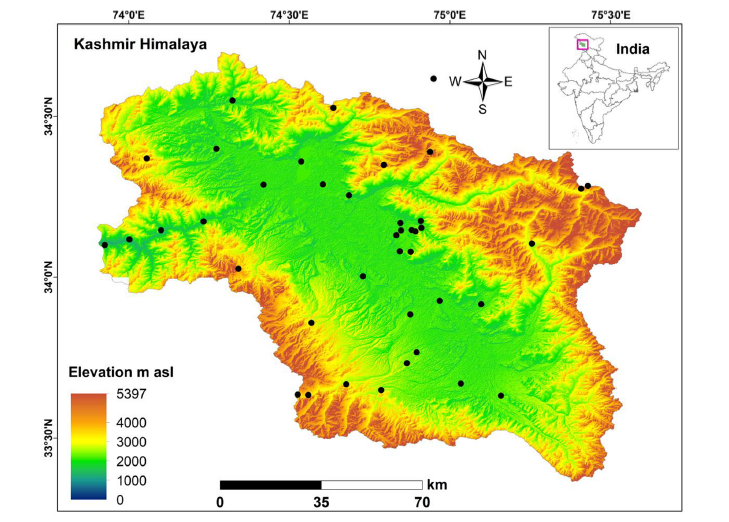
Although we sometimes like to think that we have a “global” perspective on plant-pollinator interactions, in truth there are large parts of the world where we have little or no information. That’s especially true of biodiversity hotspots. One such hotspot is the Kashmir Himalaya, a relatively small area (just 135 km long by 32 km wide) that nonetheless contains an estimated 2,000 species of flowering plant, more than 150 of which are endemic to the area. In addition, over 1,280 insect pollinator species have been described, including at least 29 species of bumblebees and as many as 40 species of butterflies.

Recently I’ve been collaborating with Dr Zubair Rather from the University of Kashmir and his colleagues on a data set that represents the first network analysis of plant-pollinator interactions from the region. The network is presented at a large spatial scale – what is often termed a “meta-network”. As Dr Kit Prendergast and I noted in our recent paper, scale matters when it comes to analysing these sorts of networks. Nonetheless (to quote the current paper):

“meta-networks represent the “backbone” of plant-pollinator interactions to which smaller, local networks are attached”

Even at this very large scale we’re seeing some fascinating patterns emerging with respect to the plants, for example the importance of cultivated apples in supporting the wider network of flower visitors. Also notable, and I believe demonstrated for the first time, is the fact that both the indigenous Asian Honeybee (Apis cerana) and the introduced Western Honeybee (A. mellifera) utilise exactly the same, extremely broad array of plants from which to collect nectar and pollen.

Our Kashmir meta-network is, hopefully, the starting point for further work on plant-pollinator interactions in this fascinating and diverse part of the world. The paper is published in a special issue of the journal Flora that’s dedicated to the importance of natural history when considering the ecology and evolution of plant-pollinator relationships. The special issue is a celebration of the work of Professor Marlies Sazima and is edited by Dr Pedro Bergamo.

Here’s the reference with a link to download a free copy which should be valid up to and including 23rd January 2023:

Rather, Z.A, Ollerton, J., Parey, S.H., Ara, S., Watts, S., Paray, M.M & Khuroo, A.A. (2022) Plant-pollinator meta-network of the Kashmir Himalaya: structure, modularity, integration of alien species and extinction simulation. Flora (in press)

Here’s the abstract:

Plant-pollinator studies are increasingly using network analysis to investigate the structure and function of such communities. However, many areas of high biodiversity largely remain unexplored in this way. Our study describes a plant-pollinator meta-network from an understudied biodiversity hotspot, the Kashmir Himalaya, where we specifically investigate plant-pollinator network nestedness and modularity, as well as the influence of alien species and the impacts of simulating species extinctions on network structure. Natural history observations were used to document the meta-network between 230 plant and 80 pollinator species forming 1958 (11% of the possible) interactions. Among the plants Malus domestica and among the pollinators Apis mellifera and A. cerana formed the largest number of interactions with significant influence over the whole network. Network cumulative degree distribution depicted a higher number of degree levels in pollinators than plants. A moderately high number of realized interactions were revealed, thereby indicating potential structural and functional stability in the network. Eight strongly defined modules were observed in the network which varied in their composition. For example, the Ephedra module exclusively comprised of native species whereas the Apis module comprised of all the four different types of interacting species (i.e. native and alien plants and pollinators) and also integrated the highest number of alien species. In the network overall, 40% of interactions were by alien species, reflecting how well these were integrated. Extinction simulations suggested that the network would collapse more quickly when the most connected pollinators are removed, rather than the most connected plant species. Our study is the first assessment of a plant-pollinator network from this Himalayan biodiversity hotspot; and will help to inform the ecological and economic implications of plant-pollinator interactions in an era of global biodiversity crisis.

Food system resilience: concepts, issues and challenges – a new, open access review just published

Human populations across the planet are locked into complex economic, agricultural, social, political and ecological systems that provide them with food or, under extreme circumstances, fail to provide that sustenance. The complexity of these food systems requires that they are studied from a multi-disciplinary perspective because no one subject, or individual, can possibly do justice to this crucial topic.

One of the most pressing questions related to food systems is how we ensure that they are resilient to the current and future challenges of war, pandemics, climate change, economic shocks, biodiversity loss (including pollinators, of course), and a host of other factors. Some of these are predictable, others are not, except that recent and distant history tells us that such challenges are always going to be a feature of our societies and we need to prepare as best we can. This review of our current understanding of resilience in food systems is therefore timely and important.

My involvement with this review stems from the work I did with with Simon Potts and Tom Breeze at the University of Reading, Helen Lomax (University of Huddersfield) and Jim Rouquette (Natural Capital Solutions) on a project called Modelling landscapes for resilient pollination services in the UK (funded by BBSRC 2017-2020). That project, in turn, was part of a much larger funding programme entitled Resilience of the UK Food System in a Global Context. You can expect to see more publications coming from this research in the future.

Here’s the full reference with a link to the open access paper:

Zurek, M., Ingram, J., Bellamy, A.S., Goold, C., Lyon, C., Alexander, P., Barnes, A., Bebber, D.P., Breeze, T.D, Bruce, A., Collins, L.M., Davies, J. Doherty, B., Ensor, J., Franco, S.C., Gatto, A., Hess, T., Lamprinopoulou, C., Liu, L., Merkle, M., Norton, L., Oliver, T., Ollerton, J., Potts, S., Reed, M.S., Sutcliffe, C. & Withers, P.J.A. (2022) Food system resilience: concepts, issues and challenges. Annual Review of Environment and Resources 47: 22.1–22.24 doi.org/10.1146/annurev-environ-112320-050744

Here’s the abstract:

Food system resilience has multiple dimensions. We draw on food system and resilience concepts and review resilience framings of different communities. We present four questions to frame food system resilience (Resilience of what? Resilience to what? Resilience from whose perspective? Resilience for how long?) and three approaches to enhancing resilience (robustness, recovery, and reorientation—the three “Rs”). We focus on enhancing resilience of food system outcomes and argue this will require food system actors adapting their activities, noting that activities do not change spontaneously but in response to a change in drivers: an opportunity or a threat. However, operationalizing resilience enhancement involves normative choices and will result in decisions having to be negotiated about trade-offs among food system outcomes for different stakeholders. New approaches to including different food system actors’ perceptions and goals are needed to build food systems that are better positioned to address challenges of the future.

Deforestation grabs the headlines: but what about the grasslands?

Perhaps it’s because we don’t have a fancy name for it? “Deforestation” rolls off the tongue in a rather satisfying way that emphasises the importance of conserving old growth and ancient woodlands. But how do we describe destruction of grasslands? “Degrasslandation” doesn’t really work, even though at its root is trying to describe the same effect: the loss of important, carbon-storing and biodiversity-preserving ecosystems. Grasslands, remember, are the world’s largest single terrestrial ecosystem.

Of course it’s not just grasslands that are disappearing: shrublands and savannahs such as the Brazilian cerrado are being lost even faster than forests are being cut down. But again “deshrublandisation” or “decerradoisation” just don’t have the same ring. Nor the political clout: Boris Johnson cannot wax lyrical about the “cathedrals of nature” of chalk grassland on Salisbury Plain or the species rich flood meadows along the Thames. However Britain has lost far more of them than we have of ancient woodlands: over 90% of such species diverse grasslands have now gone according to some estimates.

It’s clear that forests have great PR, are highly photogenic, and are ecologically incredibly important. So today’s announcement at COP26 that world leaders have committed to stopping deforestation by 2030 is welcome news: if they come through with their promises, which they didn’t following a similar announcement in 2014. But I’m in agreement with Gill Perkins who has just published this opinion piece in New Scientist. A commitment to stop grasslands, and other types of habitat, being built on, ploughed up or agriculturally “improved” could go a long way towards ensuring that carbon remains locked up in the world’s soils and vegetation. It doesn’t all have to be about the forests.

UPDATE: for more about the importance of grasslands and how they are being degraded worldwide, see this recent piece by Richard Bardgett, James Bullock, and colleagues entitled “Combatting global grassland degradation“.

For World Bee Day 2021: an update of the coffee-bee visits figure from my book

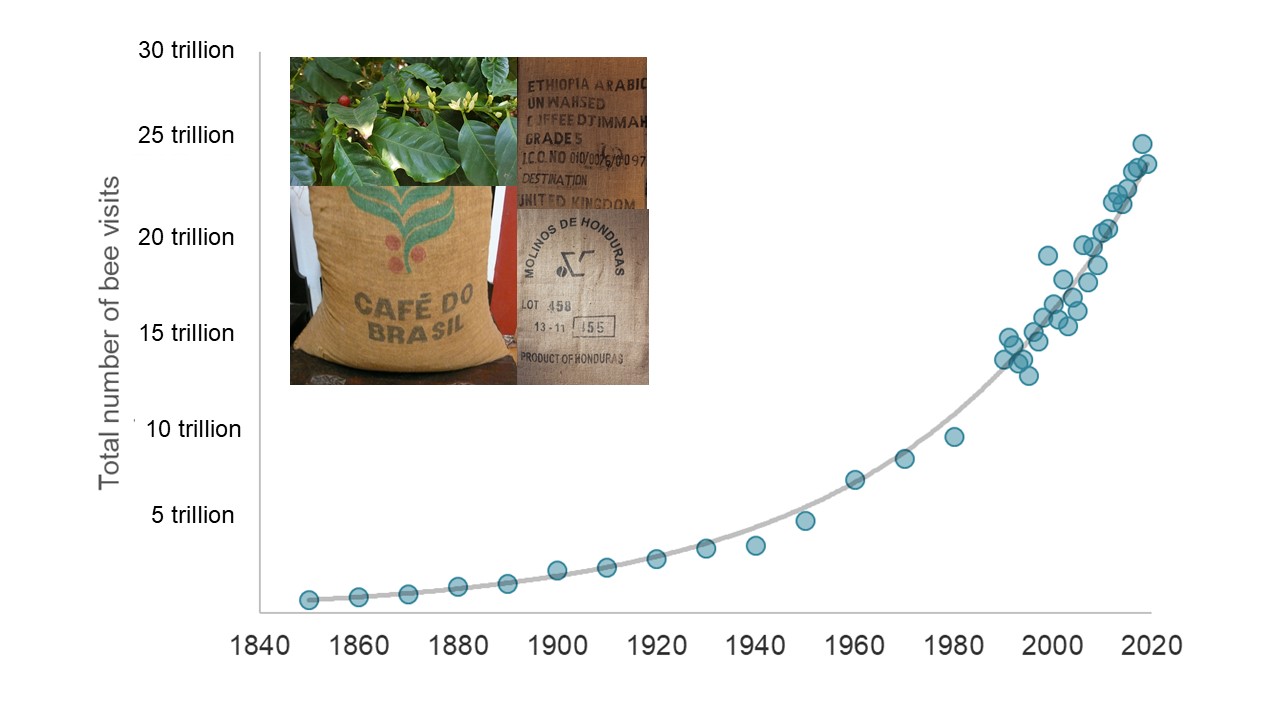
Today is World Bee Day 2021! To celebrate it, here’s an update of a figure that appears in my book Pollinators & Pollination: Nature and Society. It’s reminder of just how important bees are as the main pollinators of coffee, one of the world’s major crops. The new figure adds another two years of data and also improves the accuracy of some of the statistics for the previous decade. The coffee production data are from the International Coffee Organization.

Bottom line is that the global coffee production in 2019/20 was the result of 24 TRILLION flower visits by bees! That’s down a little from the previous year, but it’s still a LOT of visits by a HELL of a lot bees!

If you want to know more about how this was calculated and what it means for both coffee production and bee conservation, I discuss it with Dr Kirsten Traynor in this recent podcast for the magazine 2 Million Blossoms.

Happy World Bee Day everyone!

Protecting British Pollinators event TOMORROW – 25th March

I meant to post about this earlier but it’s been a really busy few weeks, so apologies if this is late in the day for any of you. Tomorrow morning there’s a webinar being run by the Public Policy Exchange entitled: “Protecting British Pollinators”. There’s an interesting set of speakers and I’ve been asked to provide the opening introduction and to chair the event.

Here’s the link for more details and booking information:

https://www.publicpolicyexchange.co.uk/event.php?eventUID=LC25-PPE

It should be a good meeting, hope to see some of you there.

Neither left nor right, but international environmentalism: Australia reflections part 8

2020-01-13 12.17.33

The NASA Earth Observatory reported this week that “explosive fire activity” has caused smoke from the Australian bushfires to enter the stratosphere and be carried half way around the world.  That smoke is currently creating hazy skies and colourful sunrises and sunsets across South America.  In the coming months the smoke will complete a full circuit and arrive back in Australia, and then continue onwards … for who knows how long?

Nothing I’ve read this week sums up better the fact that the world’s environmental challenges, including climate change, are global in scale and scope.  They therefore require global initiatives to solve.  But as I’ll argue below, equating “green” politics with the left and “anti-environmental” policies with the right is an unhelpful characterisation.

Despite the need for global action, the world’s political landscape seems to be going in the opposite direction.  Inward-looking, right-wing populism is on the rise, and governments are hunkering down into a siege mentality of denying that there are any environmental problems that require serious, long-term action.  The Australian government, bolstered by the Murdoch-owned media empire (see Michael Mann’s recent piece on this in Newsweek), sees the bushfire crisis as “business as usual” even though all the evidence is to the contrary – demonstrated in this interesting piece from two Australian climate scientists.

Elsewhere in the world, Presidents Bolsonaro in Brazil and Trump in the USA are tearing up environmental regulations and “green tape” and allowing “the people” (or at least big business interests) to ransack the natural world for their own gain.  At the same time, one of the less-well-reported elements of Boris Johnson’s various speeches over the past few months has been its emphasis on the environment (he even used the word “biodiversity” in one of them) and the pressure he put on the other leaders of the G7 countries at their most recent meeting.  Perhaps that should come as no surprise given that Boris’s father, former Conservative MEP Stanley Johnson, has sound credentials as an environmentalist, particularly during his time with the European Commission. Indeed, in the mid 1980s Stanley Johnson received an award from Greenpeace for “Outstanding Services to the Environment”.  He’s even written for The Guardian, which is not the natural home for a member of the Conservative party.  There are other Conservatives with sincere pro-environmental attitudes (Zac Goldsmith and Rory Stewart come immediately to mind) and whatever you may think about their views on other topics, you can’t doubt their sincere environmental commitments.  And of course there are pro-environmental politicians in the Labour Party, and the Liberals and the SNP and Plaid Cymru and…..well, just about all of them.

Globally, both right- and left-governed states have variable environmental policies. Two countries recently reported that they had made extraordinary progress in tree planting restoration schemes: India (a right-wing, populist government) and Ethiopia (much more left-leaning).  China (communist in name but who knows what we should call it?) has a very mixed record on the environment, with huge investments in both solar power and coal mining.  It’s hard to get firm environmental data out of communist North Korea but the evidence so far suggests that they are not doing well: see this piece from 2009 by journalist Peter Hayes.

Closer to home, in the last few months on Twitter I’ve been called an “eco-loony” by a farmer; told that my objections to the High Speed 2 (HS2) rail infrastructure project were providing support for climate change deniers by a couple of train buffs; and accused of “sleeping with the enemy” by an environmental activist who didn’t like my stance on another large project.  The latter also tweeted a made-up quote from me to emphasise just how morally corrupt I was. Irony was lost on them I think.  I don’t know the political allegiances of those individuals but if I was a betting man I’d be fairly sure of a good return – definitely a mix across the spectrum.

Hopefully these examples make something abundantly clear: the relationship between politics and environmentalism is not straightforward.  That’s been obvious to me, and many others, for a long time.  But I’m not sure how widely understood this is because the impression that is presented to the public by both the right- and left-leaning media, is that “green equals left”.  And whilst there may be some truth to that currently in relation to the political alliances formed between various Green Parties, there is no historical basis for this correlation.  It’s even mixed up in the minds of the modern-day socialists. A few months ago a left-wing journalist opined that the left had “always” been pro-environmental, yet the (supposedly) socialist website Spiked has been publishing pieces arguing that environmentalists are against the working class and that de-carbonisation strategies will cost jobs – see this piece for instance.  Before anyone comments, I’m aware that Spiked has an odd and paradoxical history…..

Historically, both the far left and the far right have a mixed track record on the environment.  I read an appalling story recently about the Soviet Union whaling fleet killing whales simply to meet targets, not because they were of value economically; the author described it as “the most senseless environmental crime of the 20th century“.  However, communist Cuba set aside 10% of its area as national parks and biosphere reserves, and has a strong environmental track record.  In the 1950s, Maoist China had a policy of killing sparrows and other “pests” that was partly the cause of the Great Chinese Famine in which tens of millions of people died of starvation.  The first National Parks in the world were set up in the USA by what we could broadly consider conservative presidents, but the American legacy of nuclear testing and the fossil fuel industry is nothing to be proud of.  Finally, there is a long history of “green” fascism, from the environmental policies of the Nazis (I’ve not read this book but it looks fascinating), to individuals such as Jorian Jenks who was a founding member of the Soil Association, to modern day “eco-fascists” whose justification for carrying out mass-murder and domestic terrorism is rooted in arguments about reducing population growth in order to “save the Earth”.

It’s telling that Big Capitalism is starting to think more seriously about global environmental problems, how they can be solved, and at the same time create jobs and prosperity (and a buck or two for investors – I’m not naive).  Outgoing head of the Bank of England Mark Carney  has argued that firms and banks need to stop investing in fossil-fuels.  Many are following his lead, or are ahead of that curve, including the bank Goldman Sachs and the $7 trillion investment firm BlackRock which has recently stated that “climate change will become the centre of the firm’s investment strategy“.  Nobel Prize-winning economist Paul Krugman  has argued this week that Australia is showing us “the road to hell” and that governments and businesses of all political stripes and inclination better get on board with the environmental agenda.  Soon!

I firmly believe that neither the left nor the right are the friend nor the foe of environmentalism: there are plenty of historical and current examples of rapacious right-wing and left-wing governments, and also examples of such governments being highly pro-active at reducing  their country’s environmental impact.  The one thing that seems to me to be environmentally damaging is a rigid ideology that is followed through regardless of where it is positioned.

The title of this piece is a word play on a slogan adopted by the Socialist Workers Party: “Neither Washington nor Moscow but International Socialism”.  The environmental challenges facing our planet, our species, and the species with which we share this biosphere, are international in scope and it requires international, multi-partisan political action to address.   Whatever your personal political leanings, if you care about the planet, that statement must be blindingly obvious.  That’s why I’m so supportive of organisations like the UN’s IPBES (Intergovernmental Science-Policy Platform on Biodiversity and Ecosystem Services).  Now, more than ever, the world needs this level of pan-national leadership.

If I’ve learned one thing as an ecologist it’s that the world is a complex, historically contingent and often unpredictable place: simplistic notions of socialism = good/bad and capitalism = good/bad are not going to solve the current crisis of climate change, loss of biodiversity, pollution, and a host of other environmental problems.  Only thinking outside of narrow ideologies is going to do that, and using the tools and strategies that are available to us, including market forces, open democracy, local activism, global movements, and whatever else works.  I’m still optimistic that the world can provide humanity with the kind of  metaphorical “pleasant walks” that Charles Darwin wrote about when he visited the Royal Botanic Gardens, Sydney:
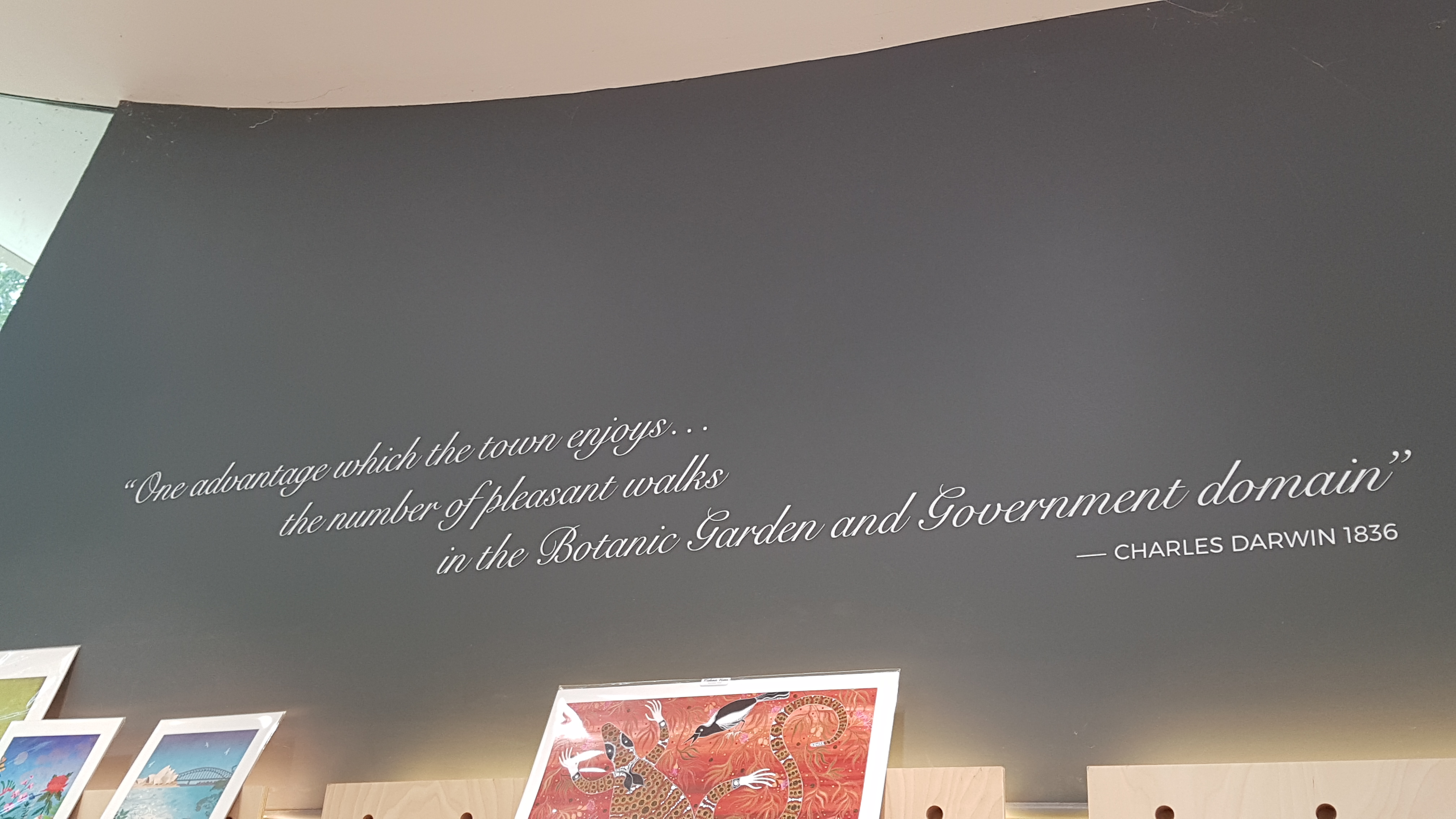
2020-01-13 14.48.59

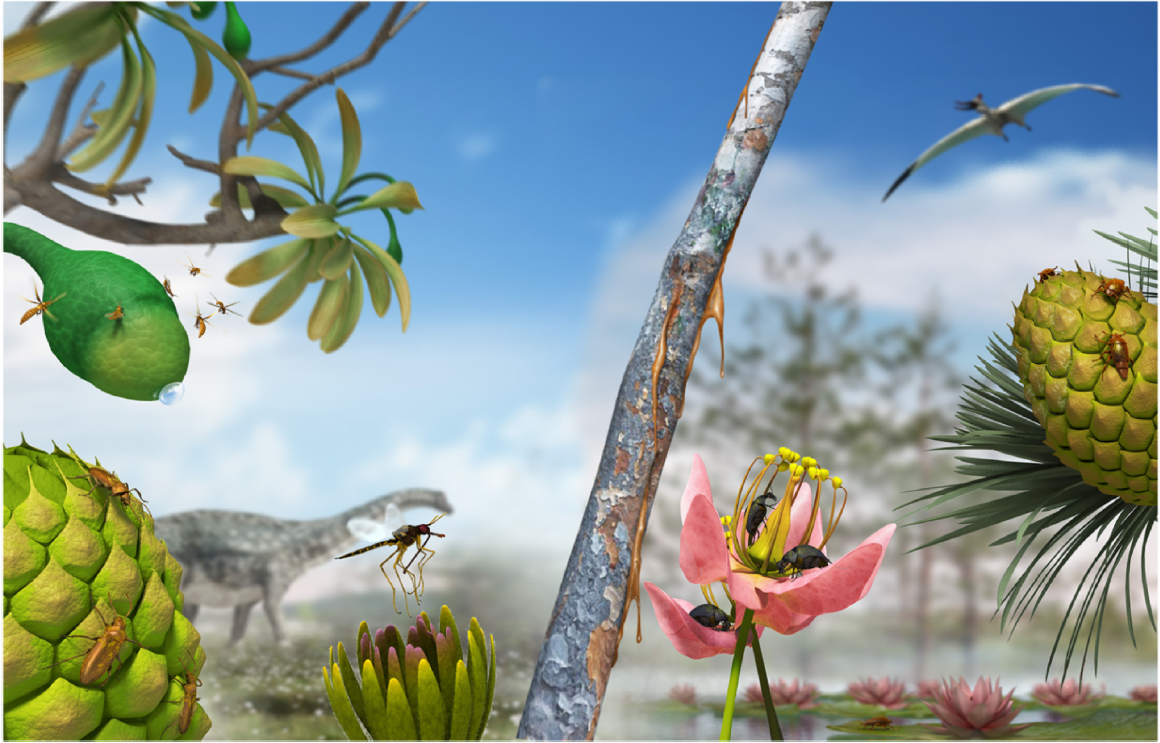
But we have to act fast.  Otherwise the ruins of civilization, and of the biosphere, may be our species’ legacy: that’s why I chose the image that opens this piece.

How are the Australian bushfires affecting biodiversity? Australia reflections part 4

2019-12-24 14.10.52

Australia’s vast, unprecedented wildfires are going to have a devastating effect on the biodiversity of the country.  To fully understand why this is the case, you need to know something about where species occur and why.

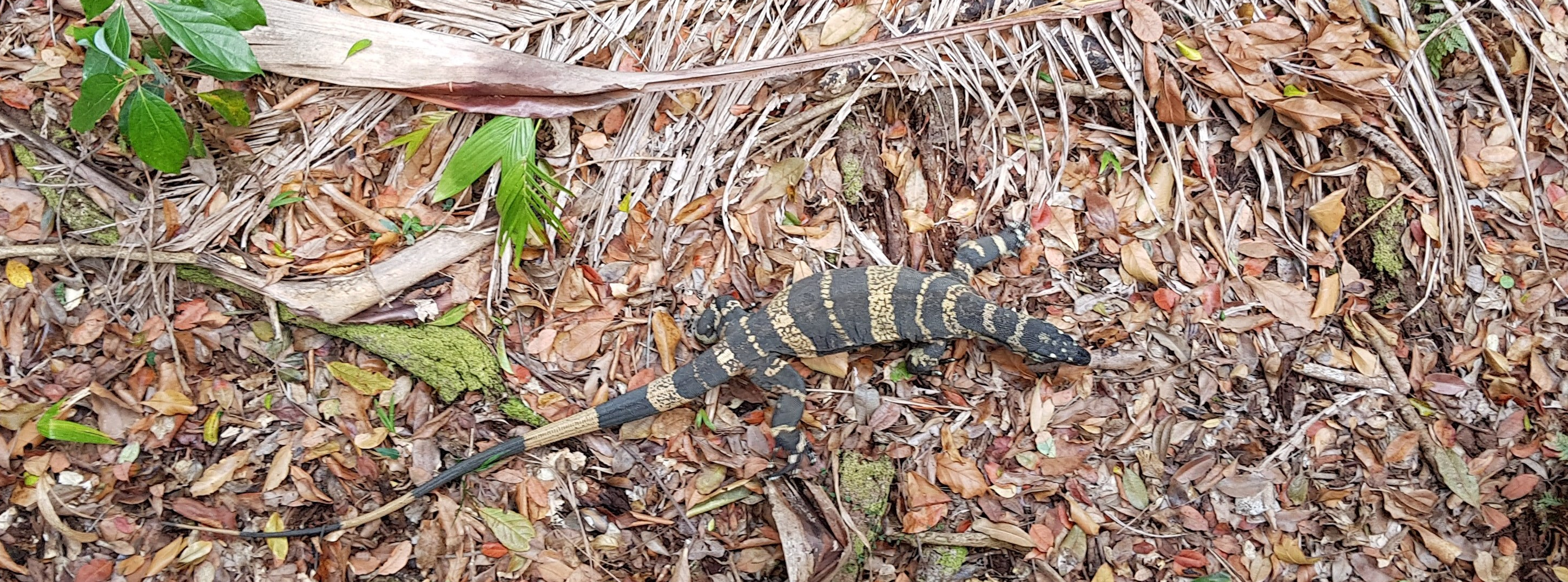
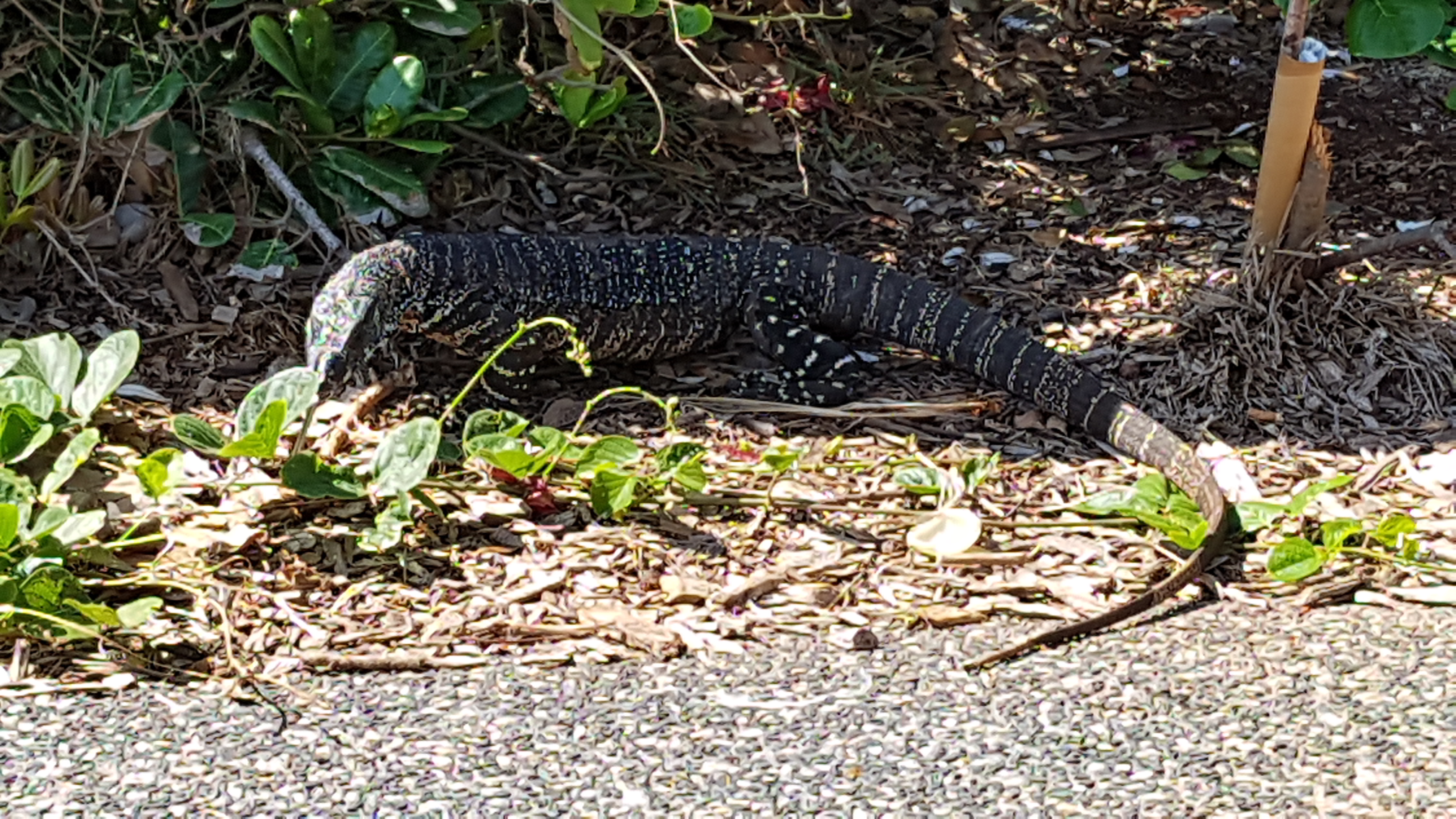
Australia is a land of lizards.  Karin and I see them everywhere we walk and frequently encounter them in gardens.  Reptiles are the most diverse group of vertebrates in Australia, with more than 1000 described species.  Of these, over half are lizards.  One family alone, the skinks (Scincidae) accounts for almost 440 species, with species new to science being described every year.  Some of these lizards are physically extremely impressive, particularly the dragons (Agamidae – about 90 species) and the monitors or goannas (Varanidae – 30 species).  We encountered lace monitors (Varanus varius) over Christmas at Port Macquarie, in coastal bushland and (very dry) rainforest at Sea Acres National Park (see photos above and below):

2019-12-26 10.06.02

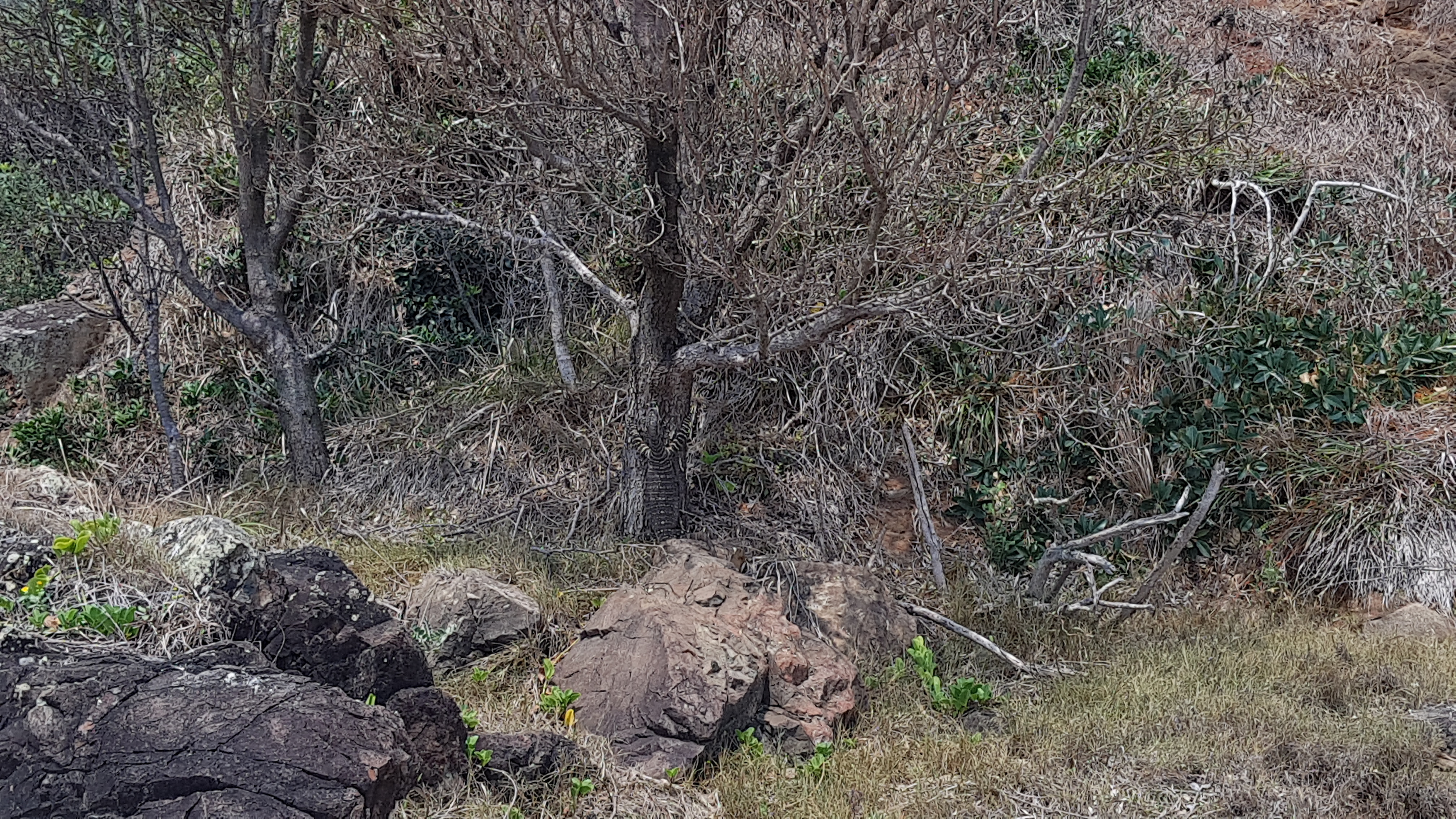
Spot the goanna:

2019-12-24 11.10.25

Growing up to two metres in length, they seem to arrogantly swagger through the bush as though they own it; which of course they sort of do – they were here millions of years before people arrived.  Smaller but still impressive are the Eastern water dragons (Intellagama lesueurii) – here’s male and female checking one another out:

2019-12-24 11.23.26

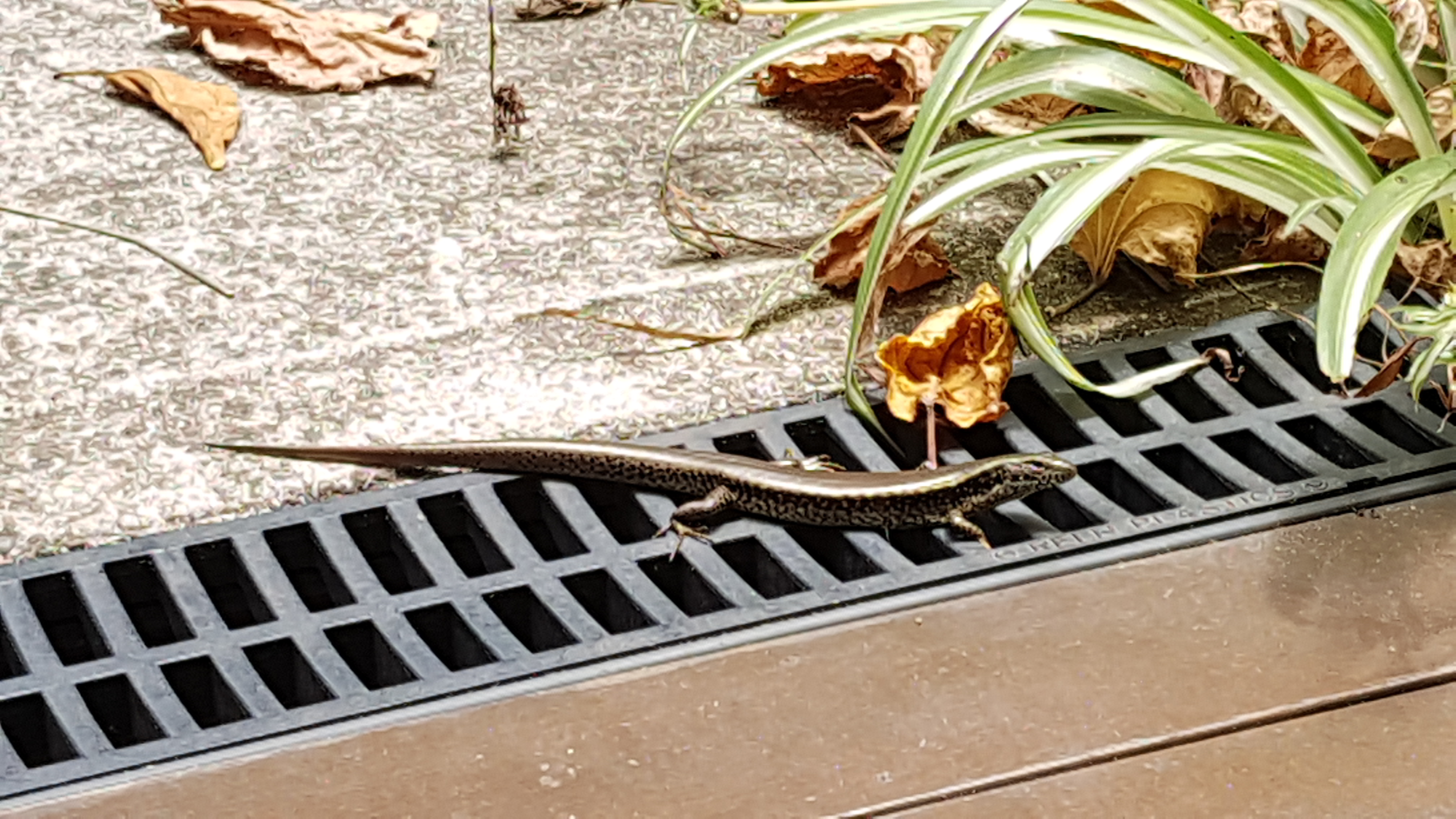
Much smaller but more charming are the various skinks that seem to inhabit every garden and green space in the city; this one seems to be the Eastern water skink (Eulamprus quoyii):

2020-01-02 13.02.24

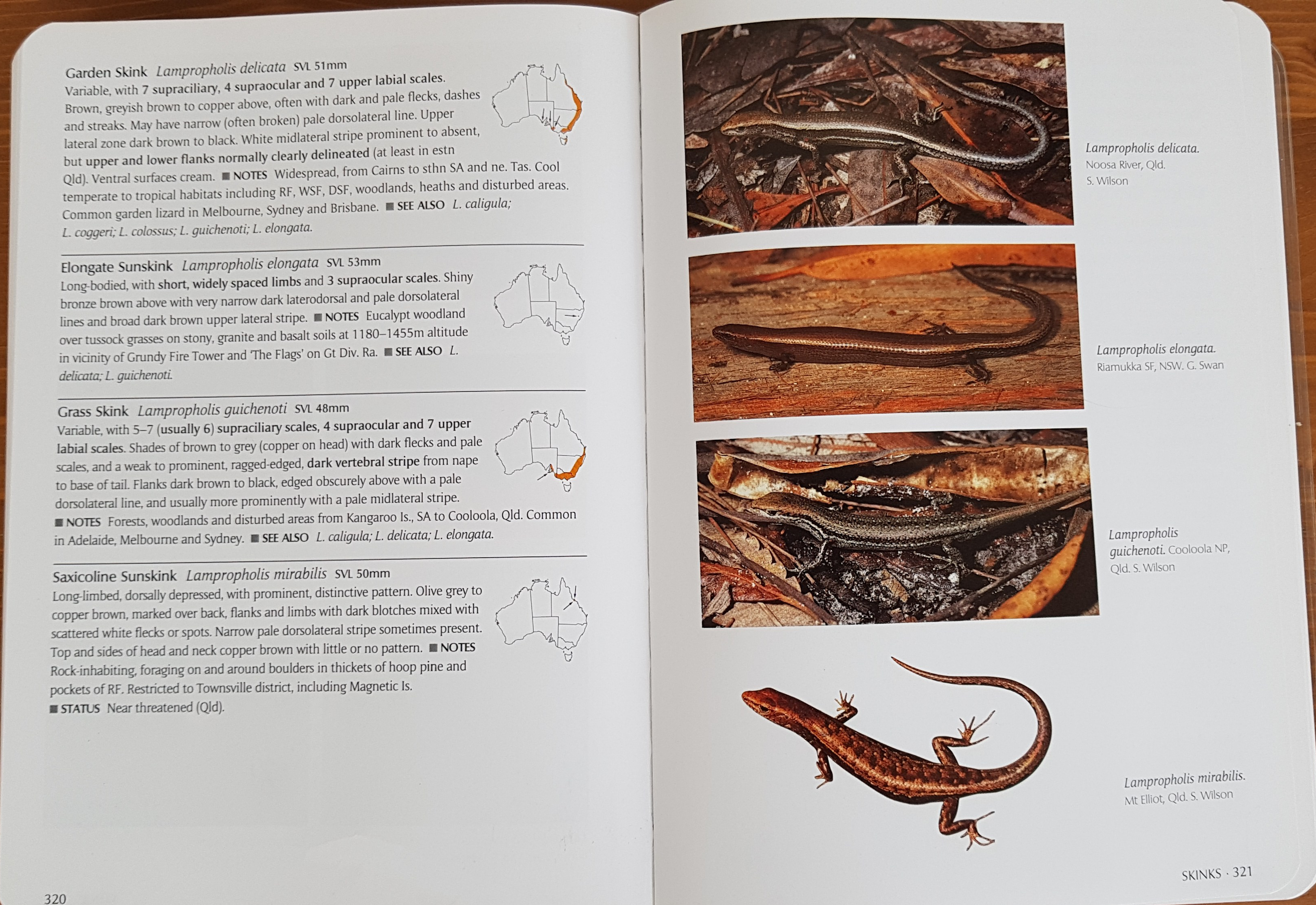
And here’s where we get to the main point of this post.  All of the lizards I mentioned above are endemic to Australia, it’s the only place on Earth where they naturally occur.  But they are all widespread species found across a huge area in the east of the country, from Queensland to Victoria, a linear distance of over 2,000 km.  This is unusual for species in Australia, and indeed in the rest of the world; most organisms naturally occur over a much smaller area.  To see what I mean, look at the image below from Steve Wilson & Gerry Swan’s book A Complete Guide to Reptiles of Australia:

2020-01-02 18.44.18 (1)

The maps adjacent to each species description illustrate the distribution of these organisms. The garden skink and the grass skink live in suitable habitat over vast areas. But the other two species are much more restricted in their ranges, which are so small that they need to be highlighted with arrows.  The elongate sunskink (Lampropholus elongata) for instance is found only “in the vicinity of Grundy Fire Tower and “The Flags”” at 1180-1455 m in the Great Dividing Range.  This is more typical of species distributions in Australia: most are restricted, and some are extremely restricted.  This is true of other reptiles, plants, birds, insects and fungi, in fact all major groups, not just the lizards.  Such a skewed distribution of species occurrences, with many rare and localised, and a few common and widespread, is natural; it’s an outcome of the processes of natural selection and evolution.  But it’s been exacerbated by habitat loss across the world, including Australia.  According to the Wilderness Society of Australia, the country “has lost 25% of rainforest, 45% of open forest, 32% of woodland forest and 30% of mallee forest in 200 years”.

But even these figures do not reflect the full scale of the loss: I’ve seen estimates that more than 90% of the temperate rainforest exemplified by Sea Acres National Park has been destroyed.  Given what I’ve said about the limited distribution of many species, that must mean that locally endemic species have gone extinct in the past.  The huge extent of some of the Australian bushfires, individually covering tens of thousands of hectares and collectively around 6 million hectares, means that most or all of a species’ population could be wiped out.  To give just one example, a small marsupial mammal, the Kangaroo Island dunnart (Sminthopsis aitkeni), is found only on Kangaroo Island.  Indeed, it’s restricted to the western part of the island, where a large bushfire has been raging out of control in recent days.  We will only know whether this species has survived, and in what numbers, once ecologists are able to survey the area once the danger is over.

However even for widespread species the fires can have a massive effect on their genetic diversity, which is an important component of biodiversity.  When we lose individuals from a population we lose genetic variants too.  A recent assessment by ecologists at the University of Sydney has suggested that almost half a billion reptiles, mammals and birds have been killed so far by the fires.  Losses of trees and other flowering plants, as well as insects, spiders and so forth, will be much, much greater of course.

This destruction of biodiversity has a human impact too.  On television news reports we’ve heard farmers and fire fighters describing the emotional trauma of seeing animals on fire and hearing the screams of koalas as they burn in the tree tops.  All of this biodiversity serves to ensure that Australian ecosystems function effectively and sustainably now and in the future. Ecosystems which are crucial for reducing the future effects of climate change, for ensuring supplies of fresh water, supporting agriculturally-important pollinators and predators of pests, and bringing in billions of tourist dollars.  All in all these fires are a tragedy for Australian biodiversity, as well as for the human population of this fabulous country.

Biodiversity and climate change: a hierarchy of options

Conservation hierarchy image

The related issues of how to conserve biodiversity and reduce the impacts of climate change have never had such a high public profile as they do at the moment.  The activities of Extinction Rebellion caught the attention of the media around the world, for example here in London.  Numerous organisations, cities, regions and countries have declared a Climate Emergency.  And IPBES – the Intergovernmental Science-Policy Platform on Biodiversity and Ecosystem Serviceshas released a summary of its first global assessment with the full report due later this year, and explicitly makes the link between conservation of biodiversity and reducing the effects of climate change.

Timed to coincide with all of this, the University of Cambridge has announced that it is setting up a Centre for Climate Repair in order to explore hi-tech “fixes” to climate change, such as spraying sea water into the atmosphere in order to reduce warming at the poles, and sucking CO2 out of the air using large machines.  I think it’s fair to say that this was met with some scepticism on social media; here’s some examples:

Other people have pointed out that nature-based solutions are the most likely to be successful, and provide a boost for biodiversity at the same time:

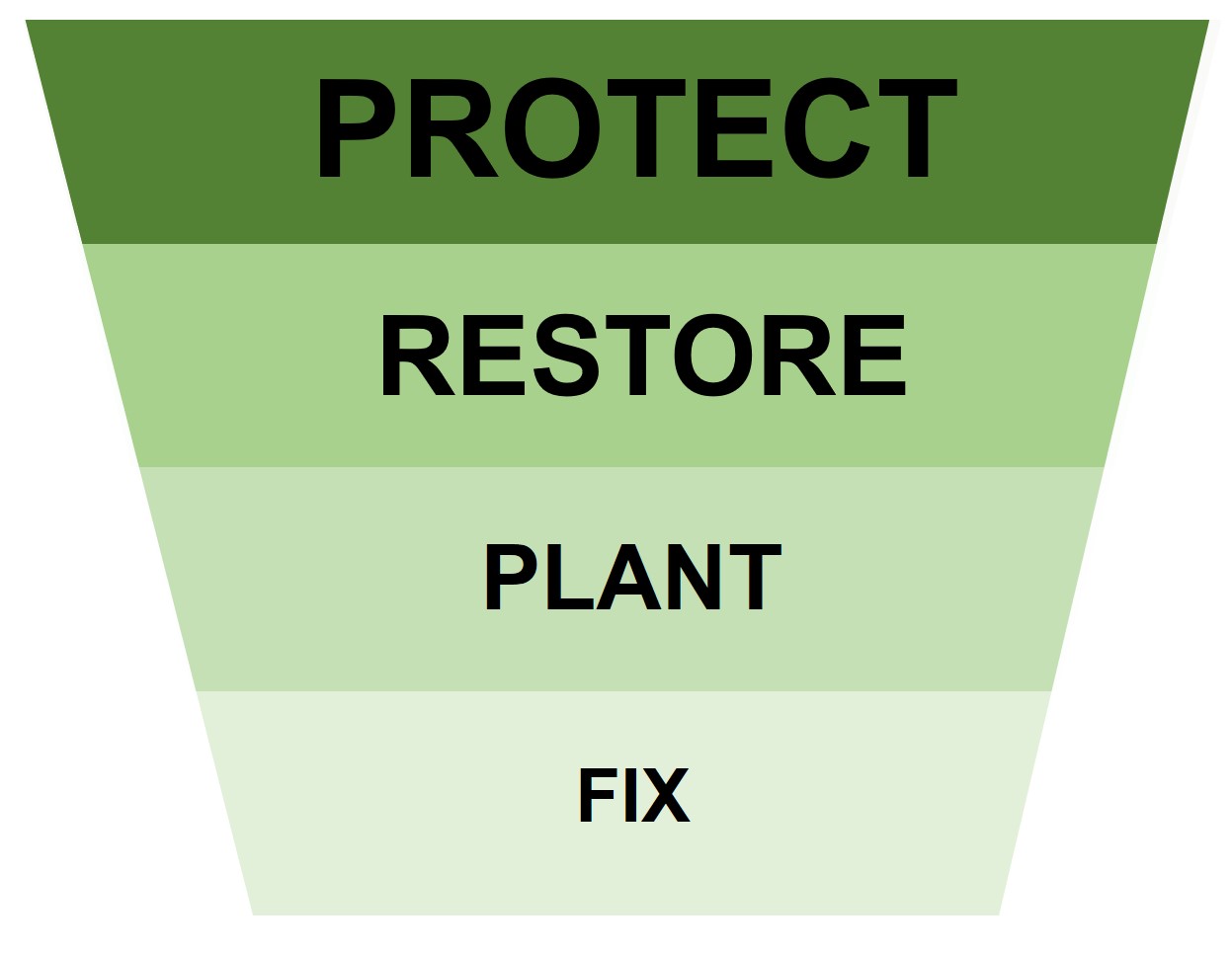
All of this reminds me of the Waste Hierarchy in its various iterations – you know the sort of thing – “Reduce > Reuse > Recycle”, where reduction in waste produced is best, followed by reuse of waste resources, with recycling being the least good option (but still better than just land-filling the waste).  As far as the link between conservation of biodiversity and reduction of the effects of climate change goes, there’s a parallel hierarchy – see the image at the top of this post – that sets out the order of priorities:

PROTECTION of ecosystems using the full force of national and international laws and conventions has got to be the top priority.  Otherwise any of the other activities will result in, at best, humanity running to catch up with what the world is losing.  Let’s stop cutting down ancient forests and degrading peatlands that have accumulated millions of tons of carbon over thousands of years!

FIX – by which I mean the kind of hi-tech solutions proposed above – should be the lowest priority: they do little or nothing directly for biodiversity and there is no compelling evidence that they will even work as intended.

Between these two are RESTORATION of currently degraded habitats (such as re-wetting peatlands as in the Great Fen Project) and PLANTING of trees, which can be a form of habitat restoration under some circumstances.  Large scale examples of this include

Grain for Green – China’s attempt to restore vegetation to abandoned farmland to reduce soil erosion and flooding.

Great Green Wall – a multinational initiative in Africa aimed at restoring the vegetation on the southern edge of the Sahara to combat desertification and mitigate climate change.

While doing a bit of research for this blog post* I became aware that a Conservation Hierarchy has already been developed by the Convention on Biological Diversity but that really only deals with habitat destruction, mitigation of destructive activities, etc.  What I’m suggesting is related more to the direct link between conservation of biodiversity and mitigation of climate change.  So what to call this particular hierarchy?  Perhaps the BioCC Hierarchy?  Can anyone suggest a better name?  Maybe it doesn’t need a name at all, it just needs people to be aware of it and for governments to act logically.


*I googled the term “Conservation Hierarchy” – you get the quality of research you pay for on this blog….


Have we broken the planet?

sea-ice-graph-november-2016

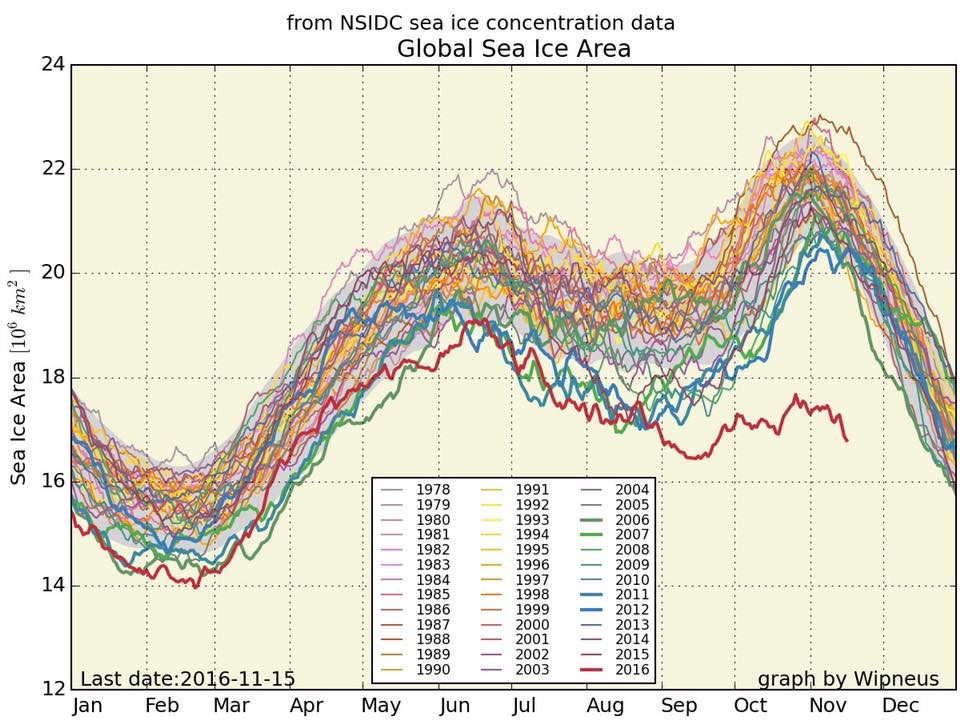
A graph showing this year’s figures for area of global sea ice, in comparison with the same data for the past c. 40 years, was widely shared on Twitter yesterday, resulting in a lot of discussion and consternation.  I’m not on Twitter (yet…) and picked this up from Terry McGlynn’s Facebook feed.  The graph shows an anomalously low extent of sea ice compared with what we would expect at this time of the year, in fact a drop of about 25%.

As you can see, something looks to be seriously wrong.  For more discussion about the graph, see this piece over at The Verge.

I’ve not discussed climate change much on this blog, it’s not my area of specialism and there are plenty of other good bloggers out there who are far more knowledgeable than I.  But graphs like this are hugely worrying because they not only suggest that aspects of our climate may be at a tipping point where they change from one state/predictable pattern to another.  That’s a concern on a global level, because it’s strong evidence for global warming.  However the reduction in sea ice also has huge implications for the biodiversity that depends upon the ice.

If I hear any more news on this I’ll post it, but in the meantime it’s worth pondering whether perhaps the UK’s signing up for the Paris Climate Agreement this week is a bit too late.  As my colleague Duncan McCollin put it: “we’ve broken the planet”.  I hope he’s wrong.

The macroecology of animal versus wind pollination – a new study just published

In collaboration with colleagues in Brazil, Denmark, and elsewhere in the UK, we’ve just published a new research paper which looks at the global spatial distribution of wind and animal pollinated plant species, and the underlying historical and contemporary ecological causes of that distribution.  It’s a study that builds on my “How many flowering plants are animal pollinated?” paper in Oikos, and has been a long time in its gestation.  We’re very excited by its findings and plan to develop this project in the future.

As a bonus we made the cover of the journal with the amazing image below!  Big thanks to Pedro Viana and Jesper Sonne for the photos.

Here’s the citation with a link to the publisher’s website; the abstract is below.  If anyone wants a PDF copy, please ask.

Rech AR, Dalsgaard B, Sandel B, Sonne J, Svenning J-C, Holmes N & Ollerton J (2016) The macroecology of animal versus wind pollination: ecological factors are more important than historical climate stability. Plant Ecology & Diversity 9: 253-262


Abstract:

Background: The relative frequency of wind- and animal-pollinated plants are non-randomly distributed across the globe and numerous hypotheses have been raised for the greater occurrence of wind pollination in some habitats and towards higher latitudes. To date, however, there has been no comprehensive global investigation of these hypotheses.

Aims: Investigating a range of hypotheses for the role of biotic and abiotic factors as determinants of the global variation in animal vs. wind pollination.

Methods: We analysed 67 plant communities ranging from 70º north to 34º south. For these we determined habitat type, species richness, insularity, topographic heterogeneity, current climate and late-Quaternary climate change. The predictive effects of these factors on the proportion of wind- and animal-pollinated plants were tested using correlations, ordinary least squares (OLS) and logistic regression analyses with information-theoretic model selection.

Results: The proportion of animal-pollinated plant species was positively associated with plant species richness and current temperature. Furthermore, in forest, animal pollination was positively related to precipitation. Historical climate was only weakly and idiosyncratically correlated with animal pollination.

Conclusion: Results were consistent with the hypothesised reduced chance for wind-transported pollen reaching conspecific flowers in species-rich communities, fewer constraints on nectar production in warm and wet habitats, and reduced relative effectiveness of wind dispersal in humid areas. There was little evidence of a legacy of historical climate change affecting these patterns.

andre-capa-1