Category Archives: Urban biodiversity

Scale matters when analysing plant-pollinator networks: a new research paper out today

It’s long been recognised that the scale at which we study the natural world – over long or short time periods, or across small areas or whole regions – affects the conclusions that we draw about ecological patterns and processes. This is certainly true of plant-pollinator interactions. For example, a widely distributed plant can have very different pollinators at the extremes of its range, and pollinators like bees may vary their focus on nectar and pollen sources from year to year.

The analysis of these interactions as networks of actors has become increasingly popular in the last couple of decades. However there is no consensus about how frequent sampling should be, or the geographical scale over which networks should be studied. In fact all scales (from regional “meta-networks” down to single-season, single-site, single taxon observations) are relevant, depending on the questions being asked or the hypotheses posed.

But it’s important that we acknowledge that conclusions drawn at one scale may not apply at other scales.

That’s the take home message from a paper published this week which is the latest output from the PhD work of Australian bee expert Kit Prendergast. We have collaborated on several papers based on her data and this is actually my 100th peer-reviewed publication: a proud milestone for me and one which I’m glad to share with a wonderful early career researcher like Kit!

Here’s the reference with a link to a read-only version of the paper:

Prendergast, K.S. & Ollerton, J. (2022) Spatial and temporal scale of analysis alters conclusions about the effects of urbanisation on plant-pollinator networks. Arthropod-Plant Interactions https://doi.org/10.1007/s11252-022-01290-z

And here’s the abstract:

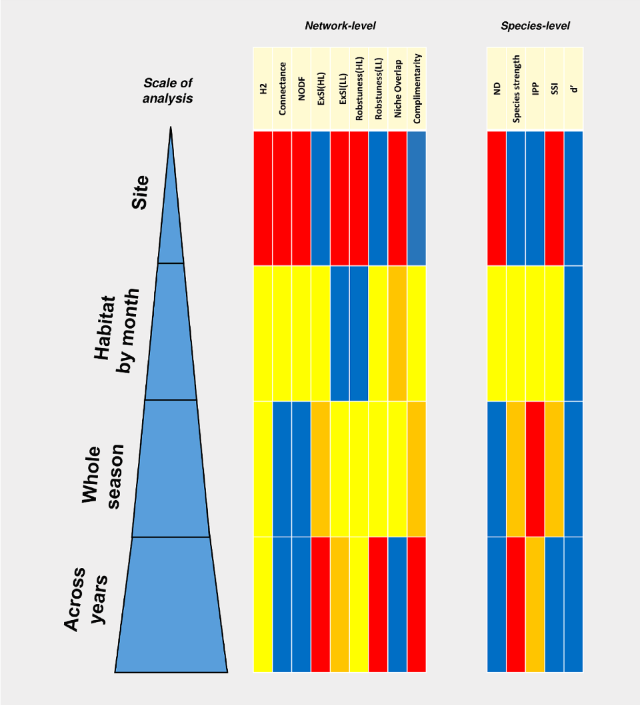
Bipartite networks of flowering plants and their visitors (potential pollinators) are increasingly being used in studies of the structure and function of these ecological interactions. Whilst they hold much promise in understanding the ecology of plant– pollinator networks and how this may be altered by environmental perturbations, like land-use change and invasive species, there is no consensus about the scale at which such networks should be constructed and analysed. Ecologists, however, have emphasised that many processes are scale dependent. Here, we compare network- and species-level properties of ecological networks analysed at the level of a site, pooling across sites within a given habitat for each month of surveys, and pooling across all sites and months to create a single network per habitat type. We additionally considered how these three scales of resolution influenced conclusions regarding differences between networks according to two contrasting habitat types (urban bushland remnants and residential gardens) and the influence of honey bee abundance on network properties. We found that most network properties varied markedly depending on the scale of analysis, as did the significance, or lack thereof, of habitat type and honey bee abundance on network properties. We caution against pooling across sites and months as this can create unrealistic links, invalidating conclusions on network structure. In conclusion, consideration of scale of analysis is also important when conducting and interpreting plant–pollinator networks.
Plant–bee interactions and resource utilisation in an urban landscape: a new study just published

Within the last decade there’s been a growing awareness of the importance of urban environments for supporting populations of pollinators, especially bees. Indeed, I devoted a whole chapter of my book Pollinators & Pollination: Nature and Society to the topic, though even then I was only able to scratch the surface of the research that’s been done. Since then there’s been some important studies published and this 2020 review by Kath Baldock provides a good starting point for the topic, whilst a recent pre-print by Pietro Maruyama and colleagues emphasises how little we know about pollinators in tropical cities.

One of the most detailed studies of urban solitary bees in a British town was conducted by Muzafar Sirohi when he was a PhD researcher in my department in Northampton. The first paper from that work, documenting the diversity and abundance of bees, came out in 2015, but since then commitments to other projects, plus Muzafar’s return to his university in Pakistan, have meant that we’ve struggled to find the time to publish more. Hopefully that’s changing and the second publication from Muzafar’s thesis is now out, with a third in progress.

This new paper uses a network approach to study the use of flowers by these bees; here’s the reference with a link to a read-only copy of the paper, followed by the abstract.

Sirohi, M.H., Jackson, J. & Ollerton, J. (2022) Plant–bee interactions and resource utilisation in an urban landscape. Urban Ecosystems https://doi.org/10.1007/s11252-022-01290-z

Abstract:

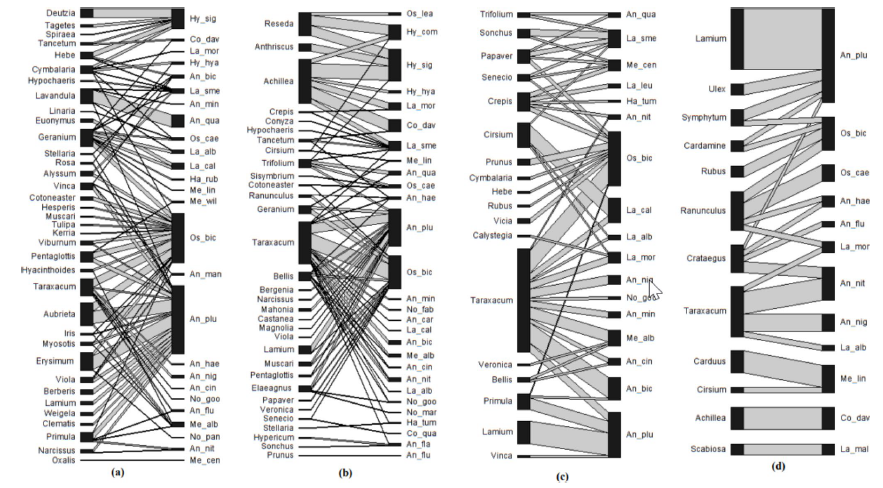
Biodiversity is declining through human activities and urbanisation is often seen as a particular concern. Urban settings, however, provide diverse microclimatic conditions for plants and pollinating insects, and therefore may be significant habitats for the conservation of solitary and primitively eusocial bees, a major group of pollinators. This study analysed the interactions between these bees and the plants on which they forage, using a network approach. We compared urban habitats (gardens, roadsides, and open vegetation) in a large British town with nearby nature reserves. One native plant Taraxacum officinale (dandelion) was a core generalist species visited in all habitat types. Other core plant species restricted to particular habitats include species of Geranium, Bellis, Crepis, and Ranunculus. Two generalist bee species, Anthophora plumipes and Osmia bicornis were the core visitor species within the networks. The networks were comparatively more nested in urban habitat types than nature areas, suggesting more frequent interactions between generalist and specialist species in urban areas. Network connectance, network level specialisation (H2’ index), and plant generality (network level) were not significantly different in urban and nature areas. However, visitor generality was found to be significantly higher in urban gardens than in nature areas. Careful management of common urban vegetation would be beneficial for supporting urban wild pollinators.

Pollinator-flower interactions in gardens during the COVID-19 pandemic lockdown of 2020: the data paper has just been published!

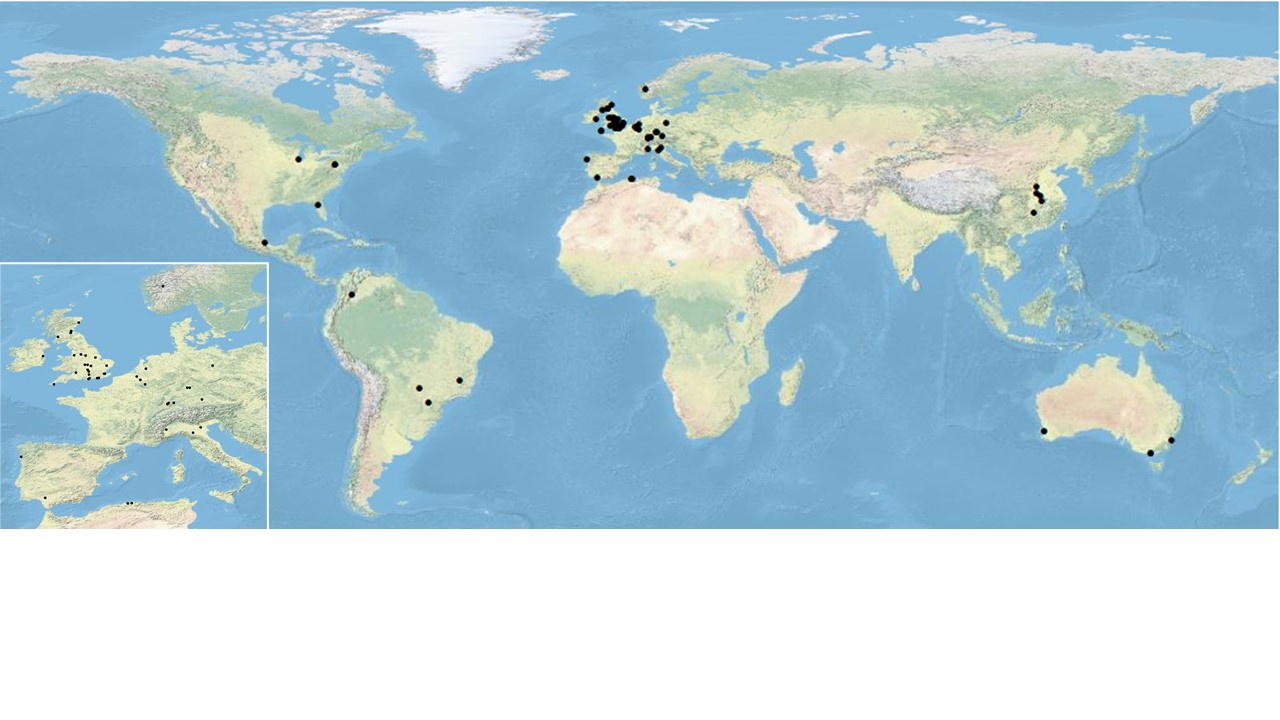
During the lockdown period of the COVID-19 pandemic in 2020, many pollination ecologists were stuck at home: universities and research institutes were closed and restrictions on travel meant that it was not possible to get out and do field work. In order to keep active and motivated, and to turn adversity into an opportunity, an ad hoc network of more than 70 researchers from 15 different countries (see the map above) decided to collect standardised data on the plant-pollinator networks in their own gardens and nearby public spaces.

When combined with information about location, size of garden, floral diversity, how the garden is managed, and so forth, this would provide some useful data about how gardens support pollinators. For those with kids at home it could also be a good way of getting them out into fresh air and giving them something to do!

Following discussions, several different protocols were instigated which depended upon the time available to the researchers, including one that mirrored the UK Pollinator Monitoring Scheme’s  FIT (Flower-Insect Timed) counts.

The resulting data set of almost 47,000 visits by insects and birds to flowers, as well as information about flowers that were never visited, is freely available and will be an invaluable resource for pollination ecologists. For example, analysing the links between ornamental flowers that share pollinators with fruits and vegetables such as apples and beans, will allow us to make recommendations for the best plants to grow in home gardens that can increase yields of crops.  

There’s an old saying about turning adversity into a positive outcome: “When life gives you lemons, make lemonade”, and the researchers were pleased to find that there’s one record of Citrus limon in the data set!

The paper describing the data set has just been published in the Journal of Pollination Ecology and you can download a PDF of the paper and the associated data for free by following this link.

Sincere thanks to all of my co-authors for their commitment to the project!

Nature’s graffiti: lichens pattern clay tiles

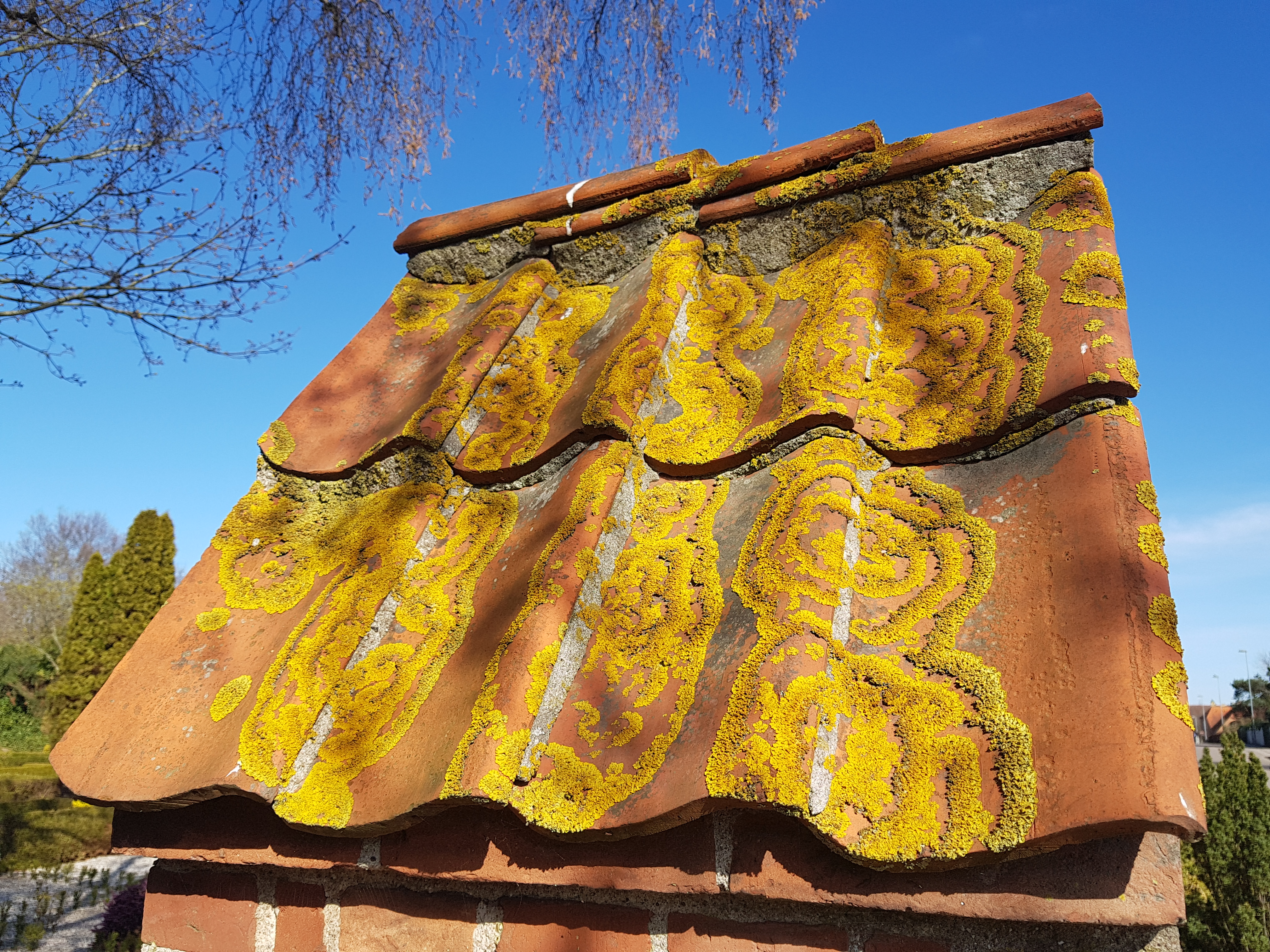
Following on from my recent blog post about biological crusts, I was intrigued by the patterns formed by these lichens on the clay tiles capping the brick gate columns of our local cemetery. It looks as though they have been created by successive waves of growth, but I may be wrong about that. Any lichen experts out there who can tell me what’s going on?

I think the species is Xanthoria parietina, but again I’m happy to be corrected. Below is a cropped close-up from a slightly different angle.

A Copenhagen (and beyond) Bestiary – part 5

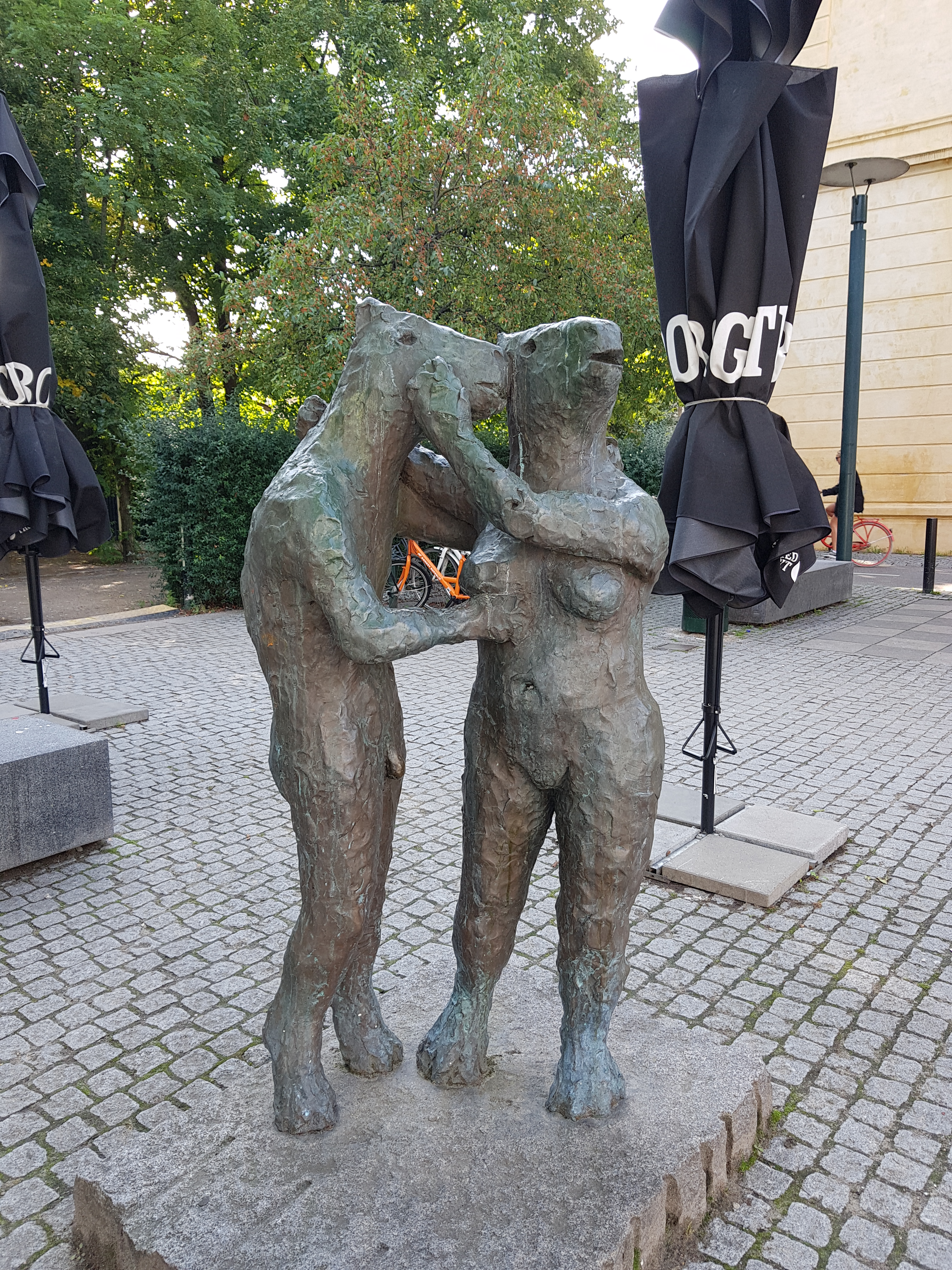
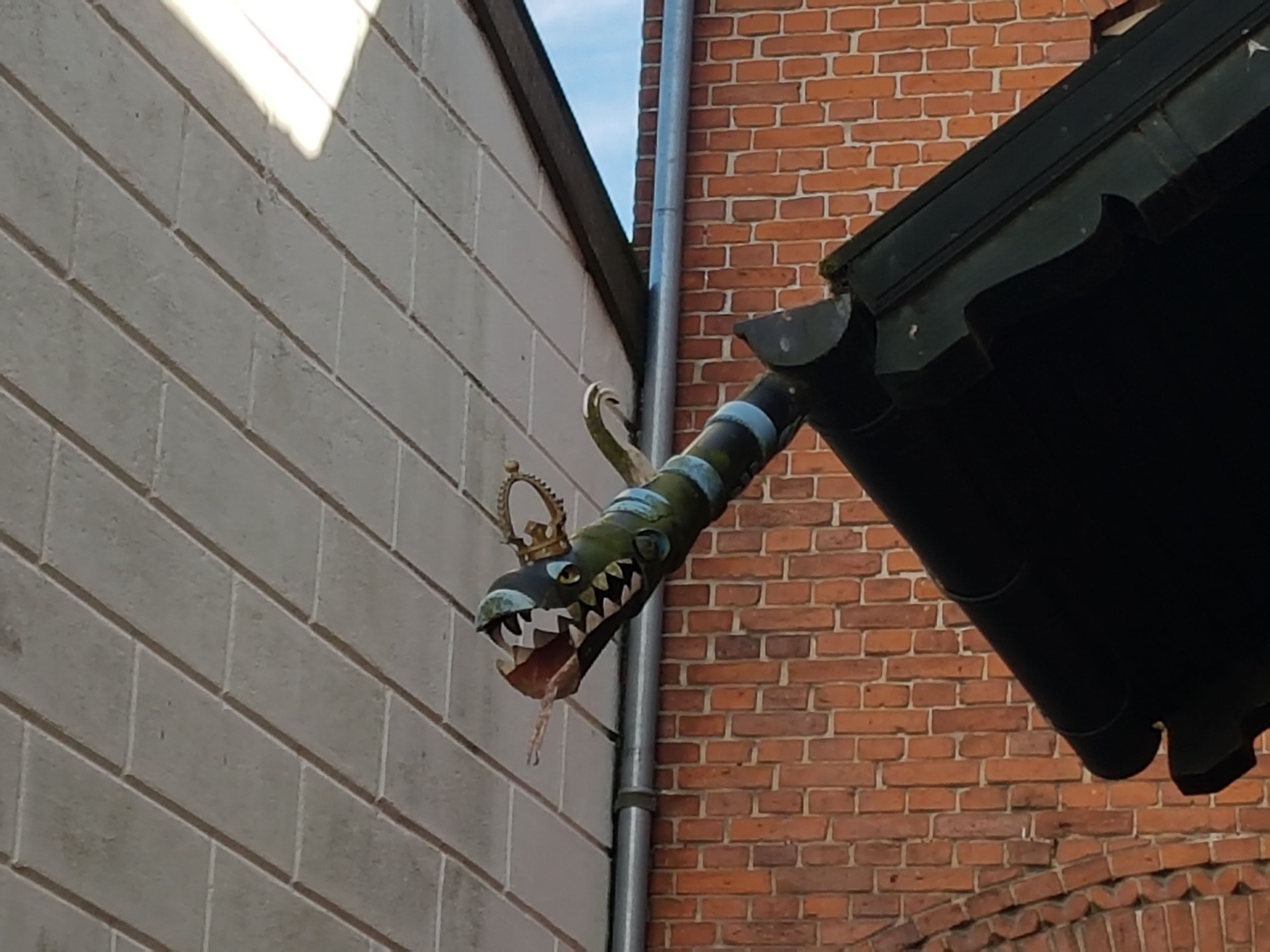
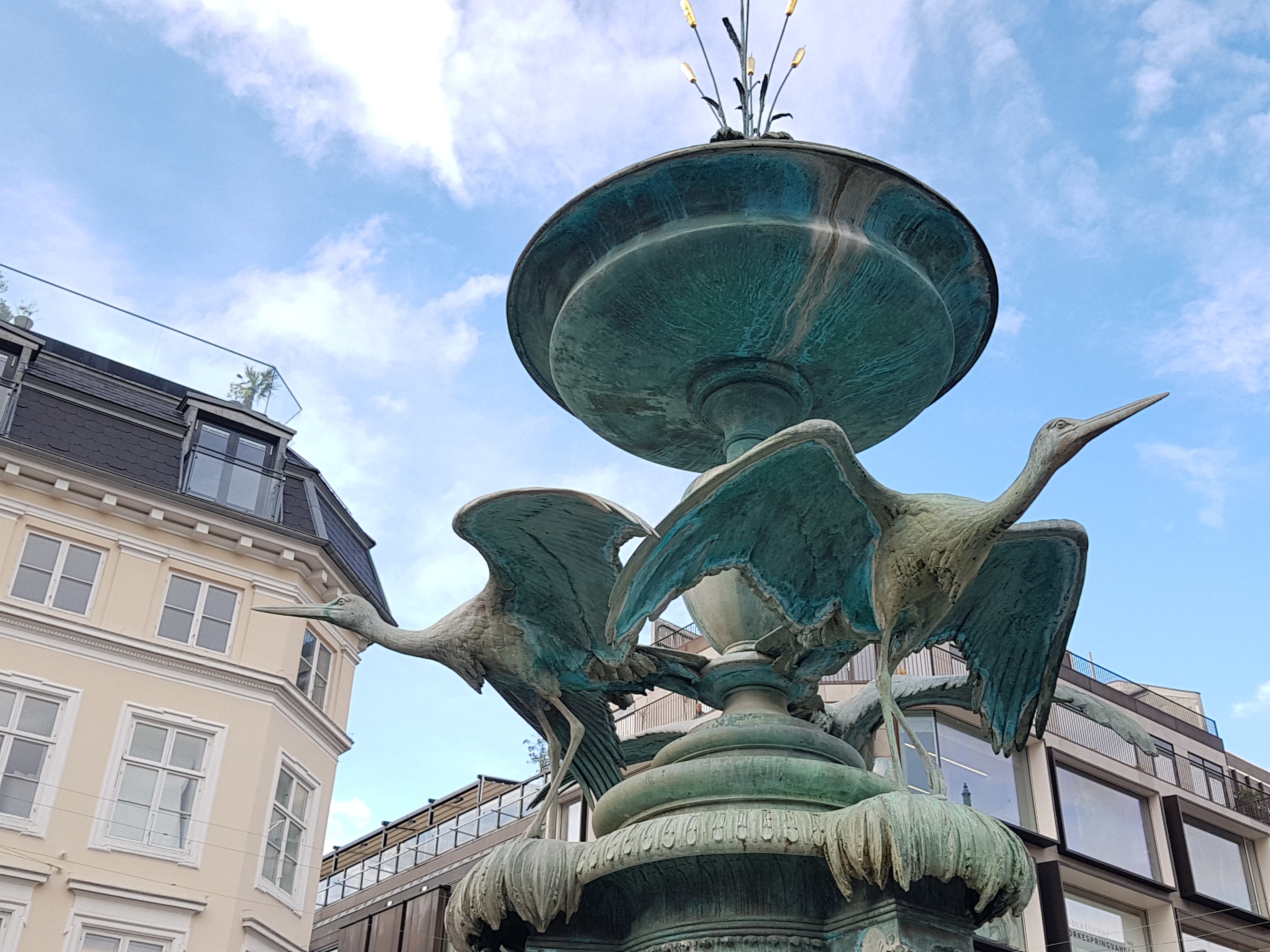
At the end of August I was back in Copenhagen for a couple of days to take part in the PhD defence of Céline Moreaux, who has been working on coffee pollination and bee conservation. While I was there I snapped a couple more images for my Copenhagen Bestiary series. However I’ve also seen some interesting sculpture and building decoration further afield this month, in Aarhus, Silkeborg, and Nykøbing Sjælland. I especially like the wooden carved canopy support in the form of a duck, from Aarhus: it’s very subtle and I almost walked past it.

And before anyone asks, no, Karin and I are NOT part of the bestiary, but I didn’t get a shot of the troll by itself.

A Copenhagen Bestiary – part 4

We have now left Copenhagen, taking a (very comfortable) train over to Silkeborg to catch up with Karin‘s family for a week. So this is the final installment of the Copenhagen Bestiary for now, but I’m sure that I will add to it as I return to the city and explore further. I suspect that there are many more creatures to discover adorning the architecture of that wonderful city. And then there’s Aarhus, Odense, Roskilde….

A Copenhagen Bestiary – part 3

Since arriving in the city we seem to have settled into a pattern of waking very early, working through the morning (Karin on her second book, me on a large biodiversity report), then going out and exploring Copenhagen in the afternoon and early evening. So there’s been lots of opportunities to add to the Copenhagen Bestiary during these perambulations. Here’s a third set of pictures.

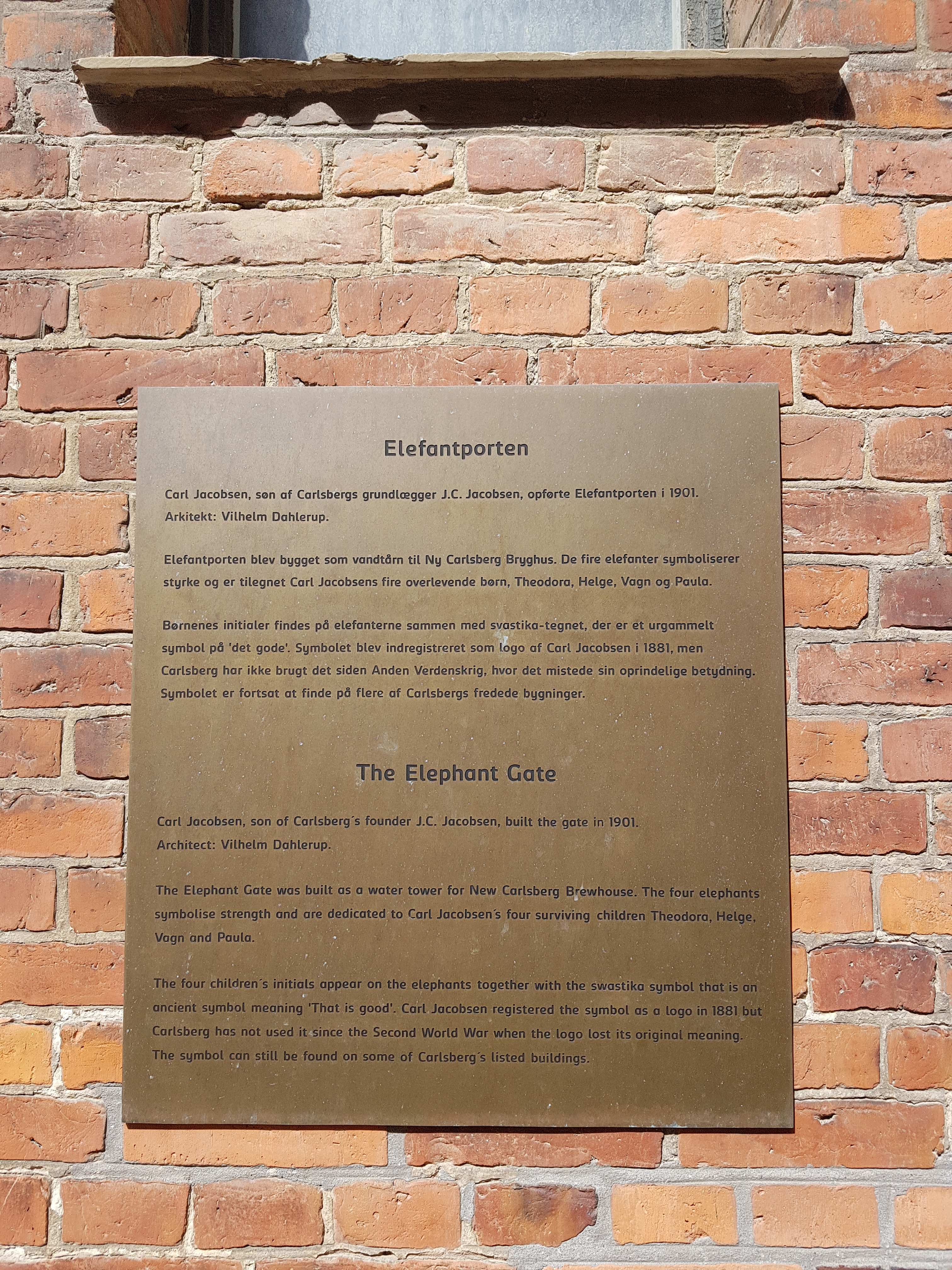
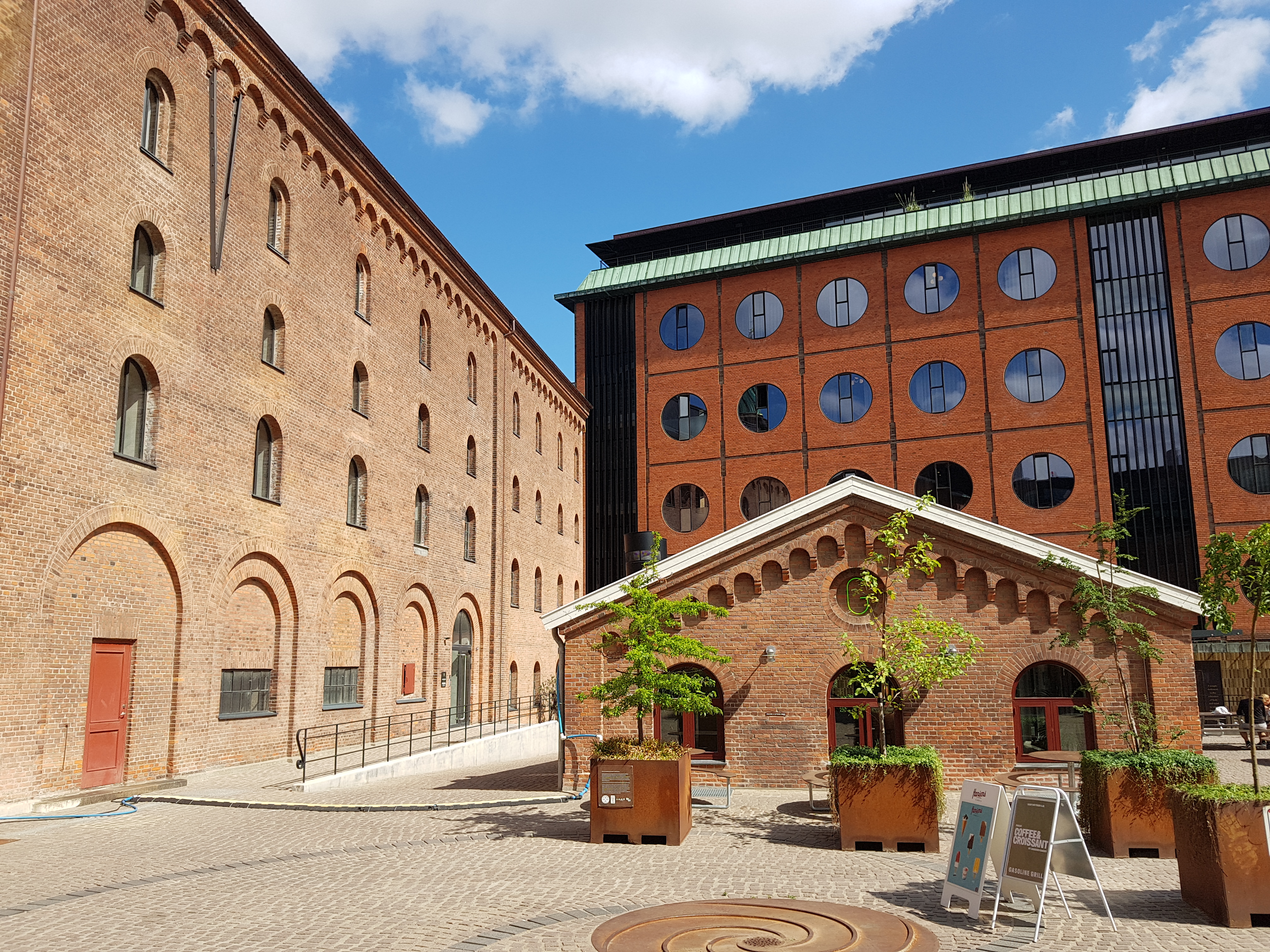
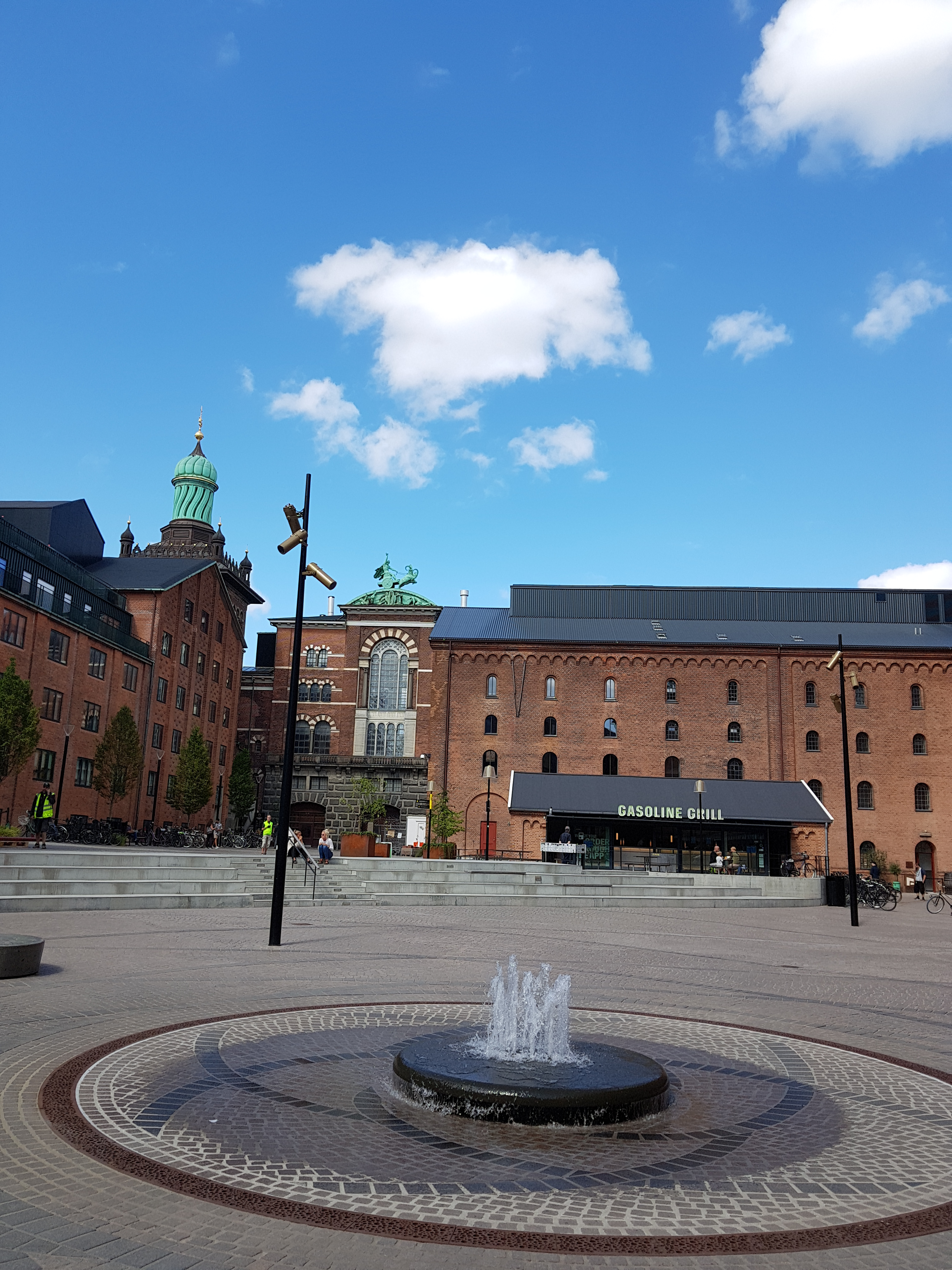
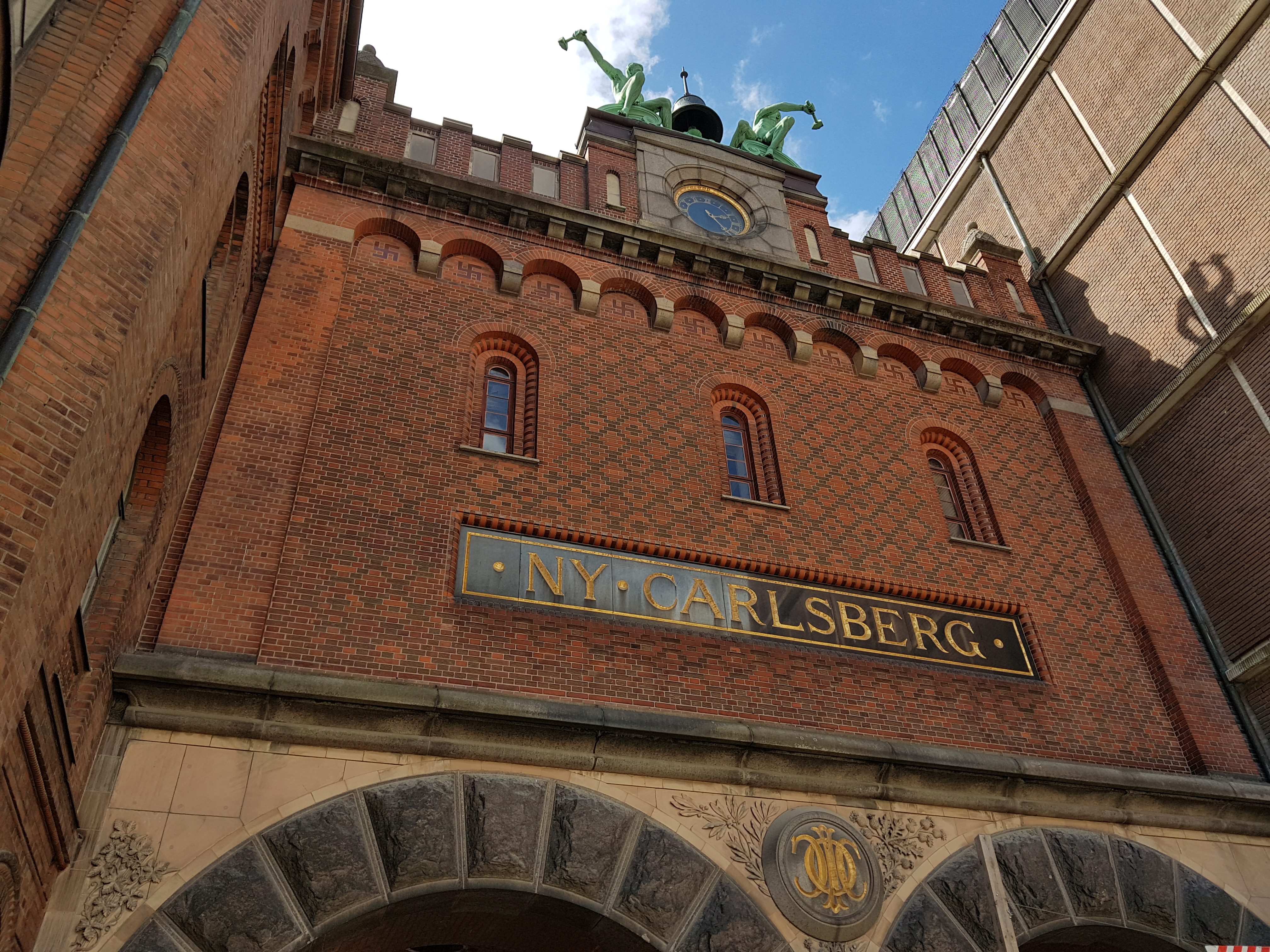
A Copenhagen Bestiary – part 2 – the Carlsberg Elephant Gate

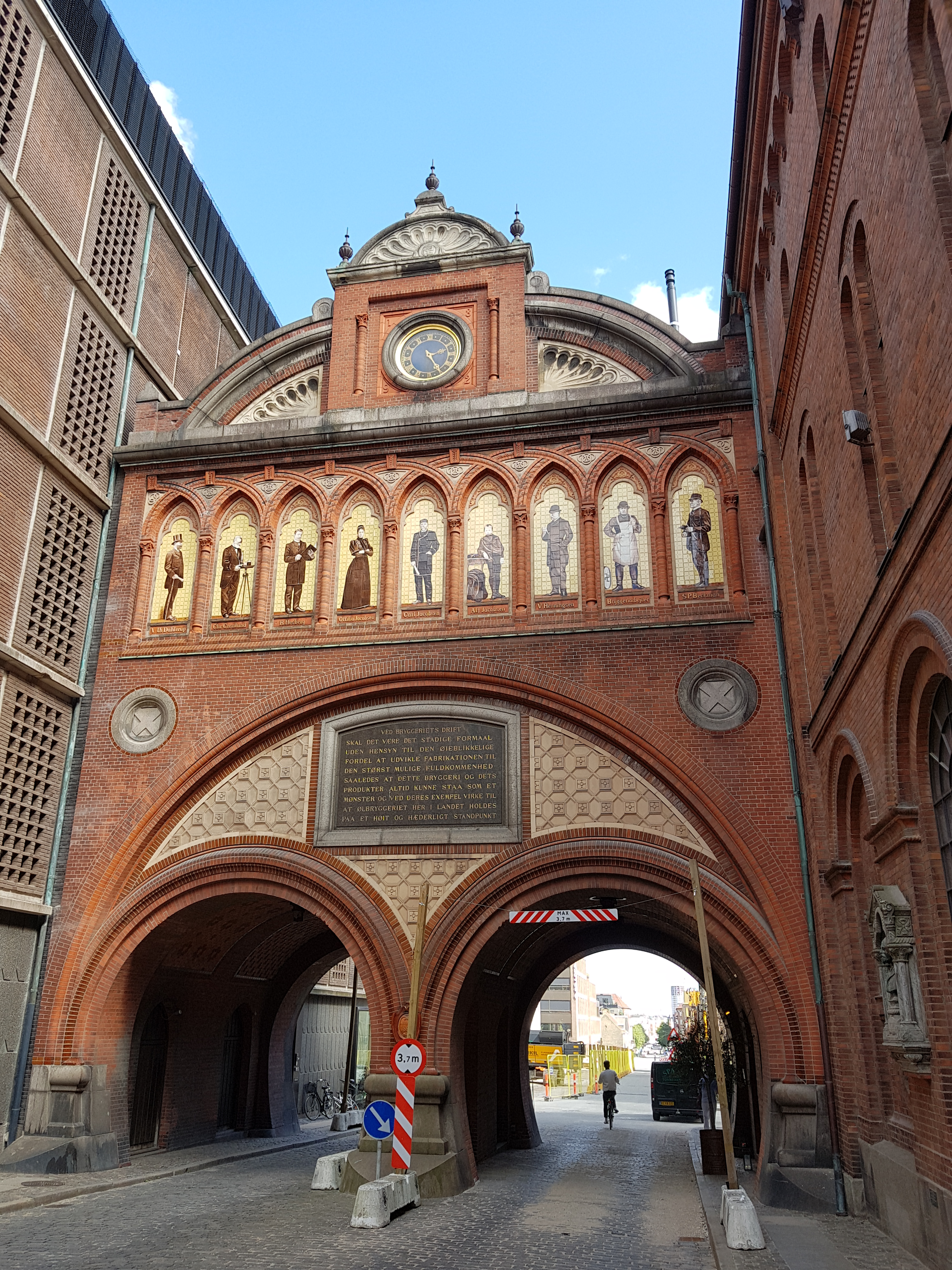
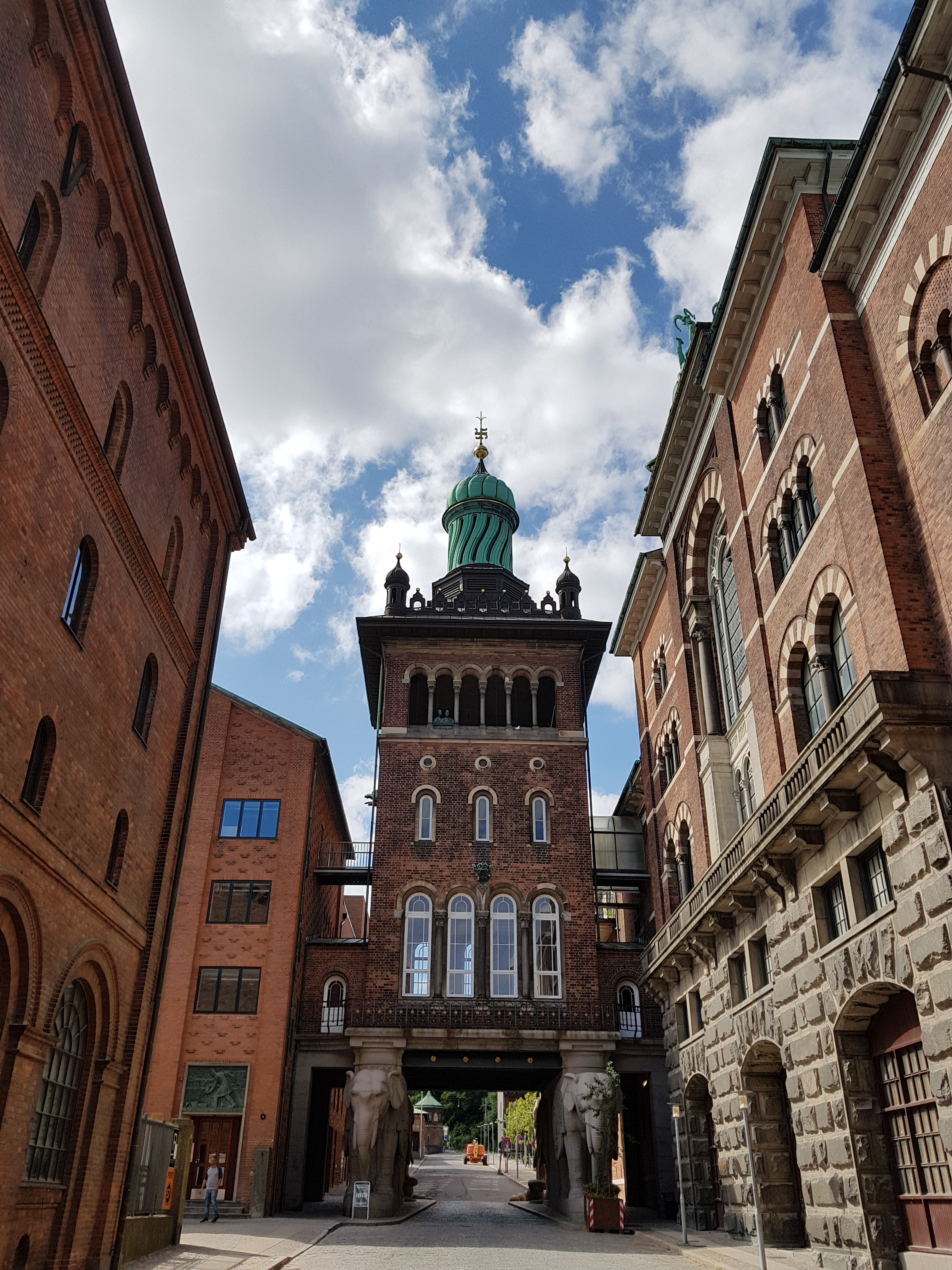
For the second part of my Copenhagen Bestiary series I’m devoting the post to our visit last week to the old Carlsberg Brewery site, and specifically its Elephant Gate. I’ve included some images that aren’t of beasts because I really enjoyed seeing how the old brewery buildings have been renovated and incorporated into a new living and working neighborhood called Carlsberg Byen. It’s the best example of regeneration of culturally important post-industrial buildings in the world. Probably….

A Copenhagen Bestiary – part 1

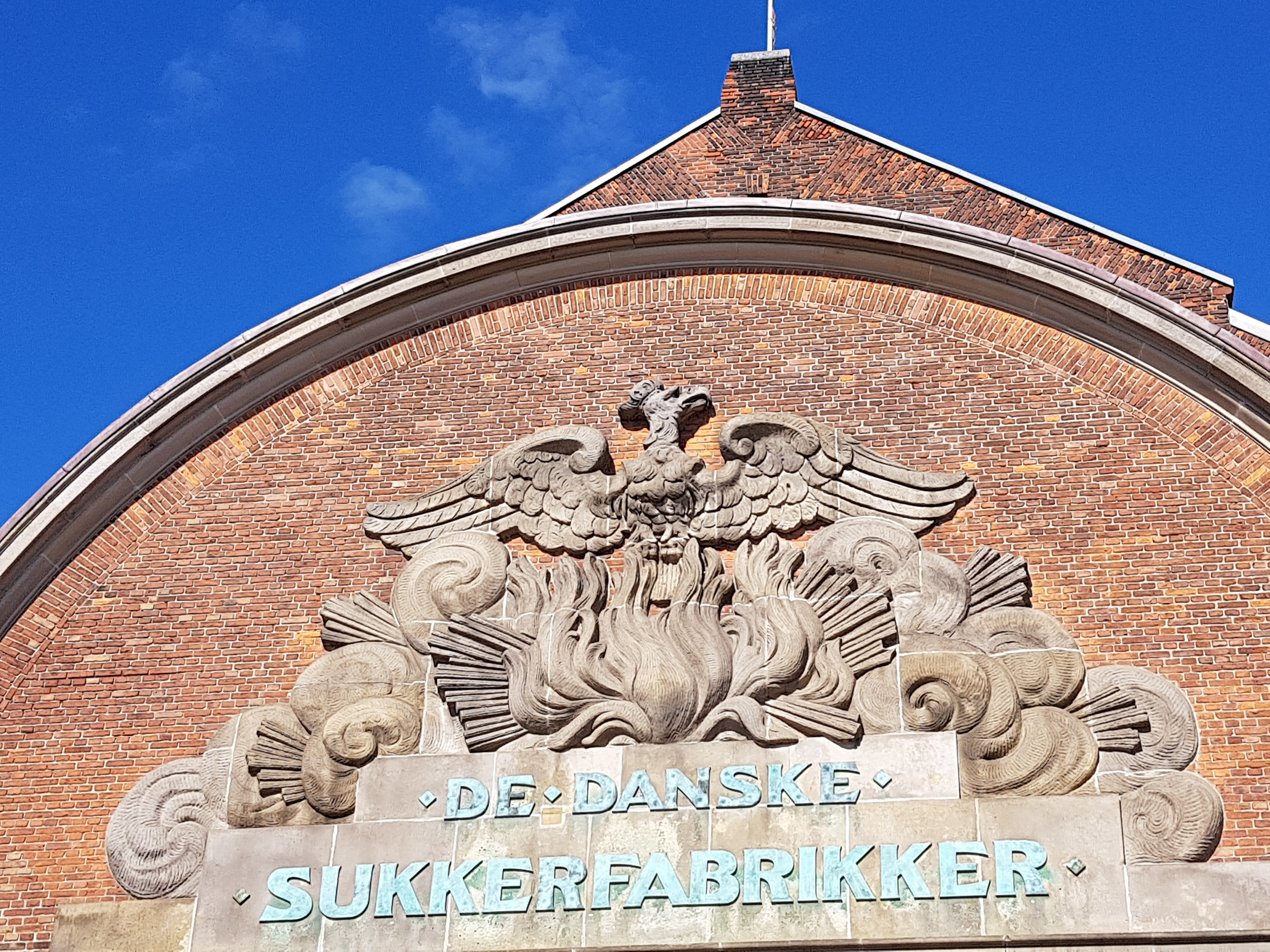
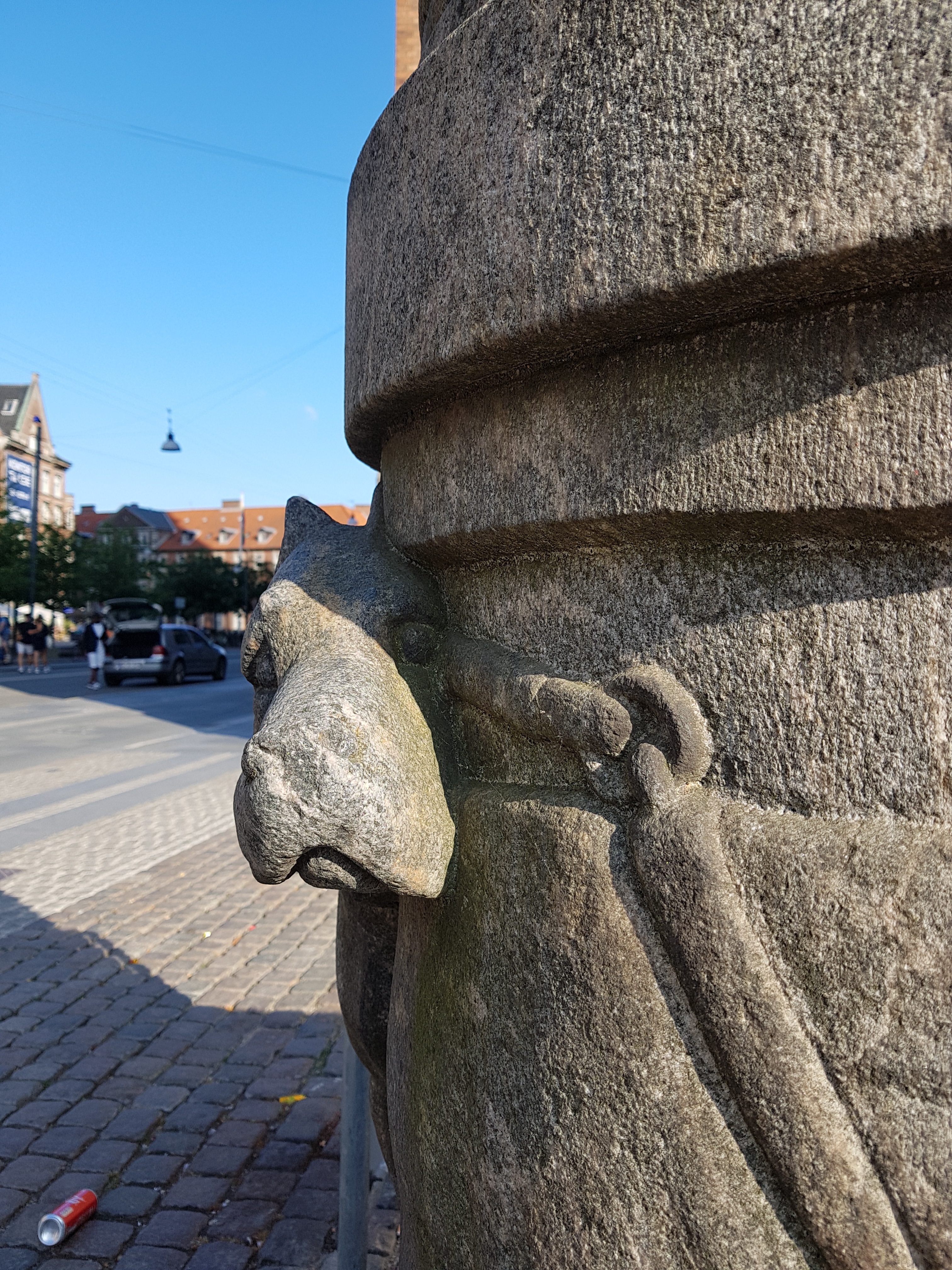
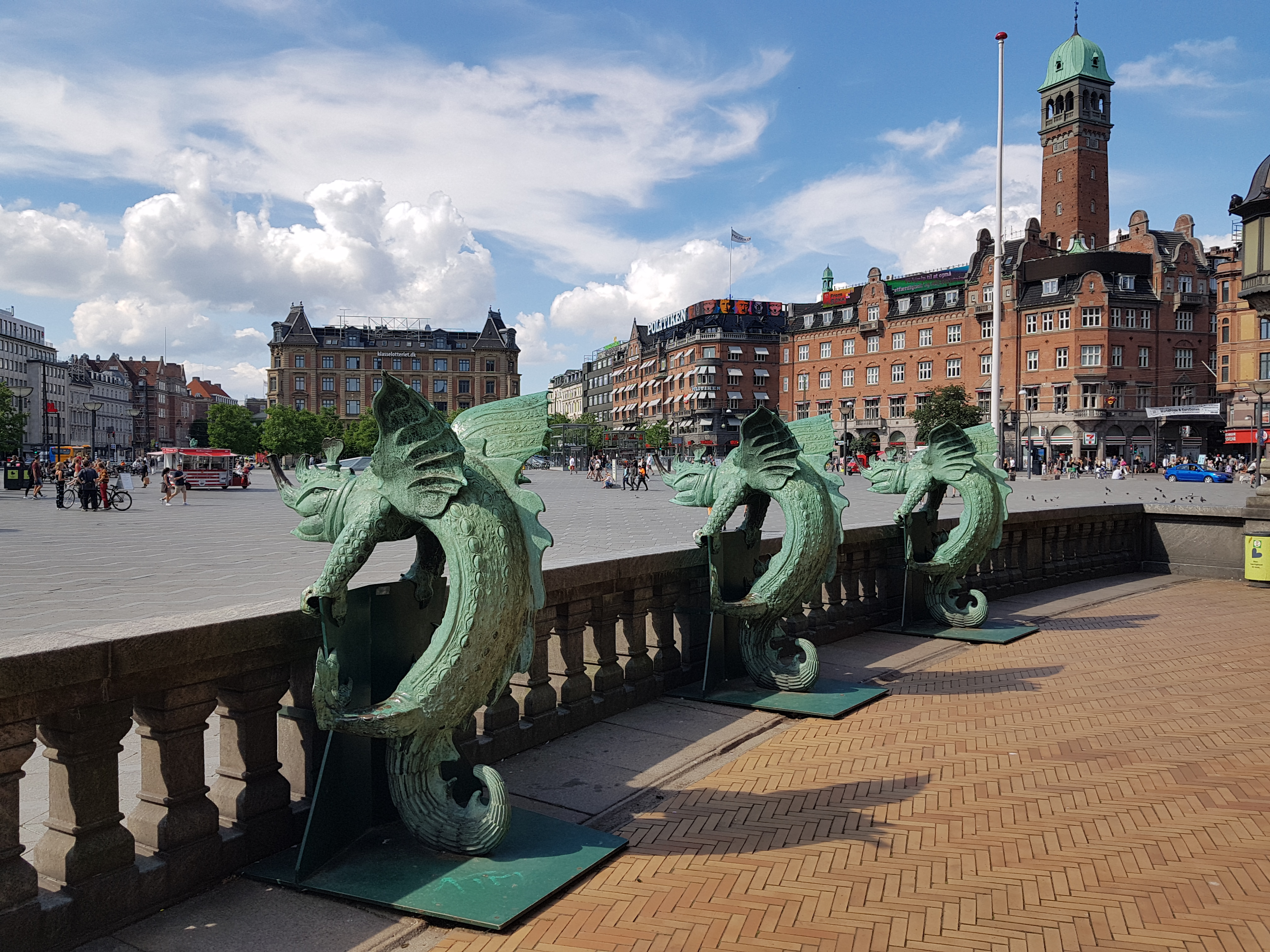
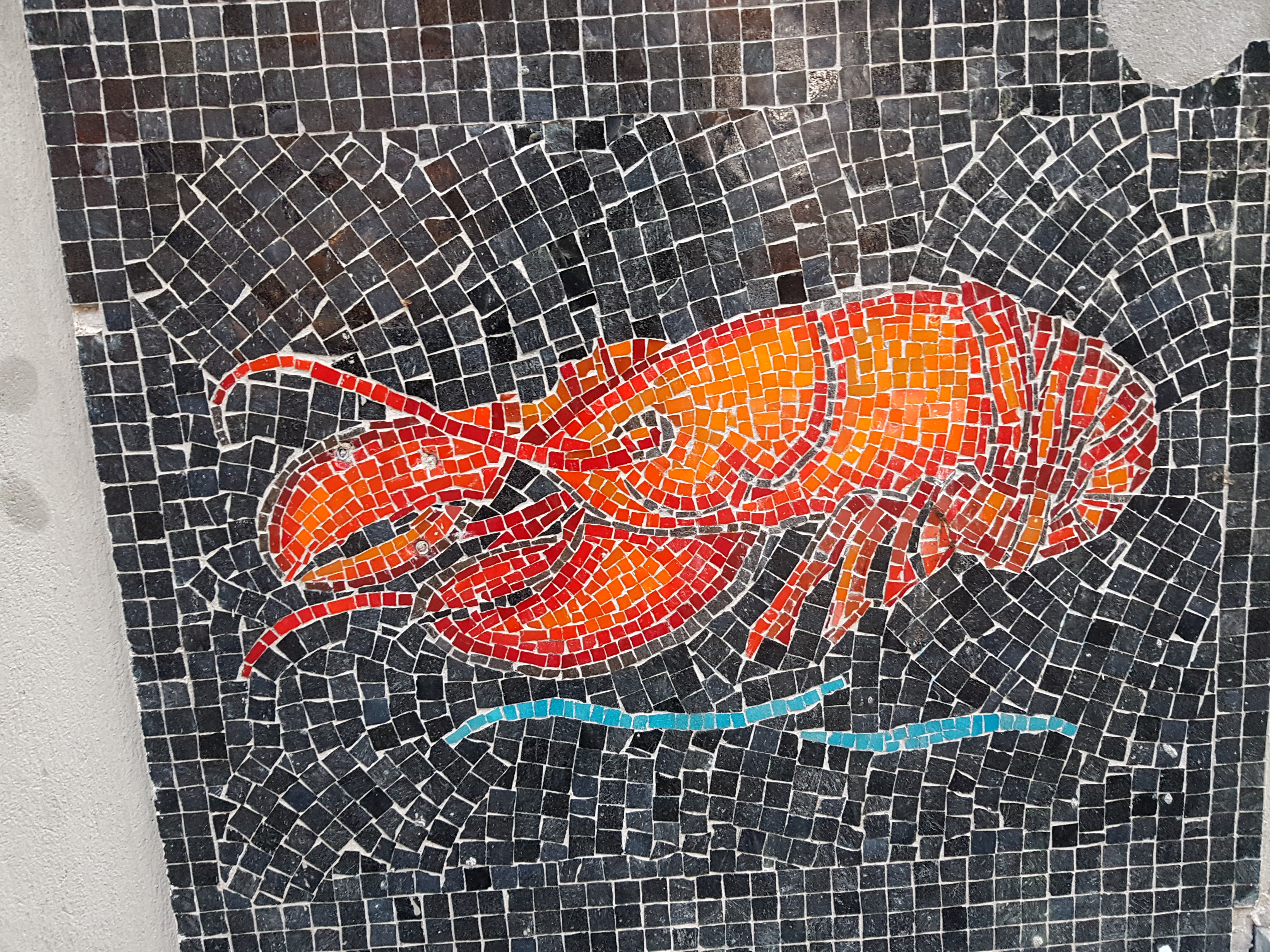
Since my first visit to Sweden in 1991 I’ve frequently traveled to Scandinavia for conferences, PhD defences, grant review panels, to catch up with friends, and to see my wife Karin‘s family in Denmark. So arriving in Copenhagen almost two weeks ago felt familiar and welcoming. There’s much that I love about Scandinavia, from the landscapes to the history and the peoples, but I am particularly enamoured by the city architecture of the early 19th to mid-20th centuries.

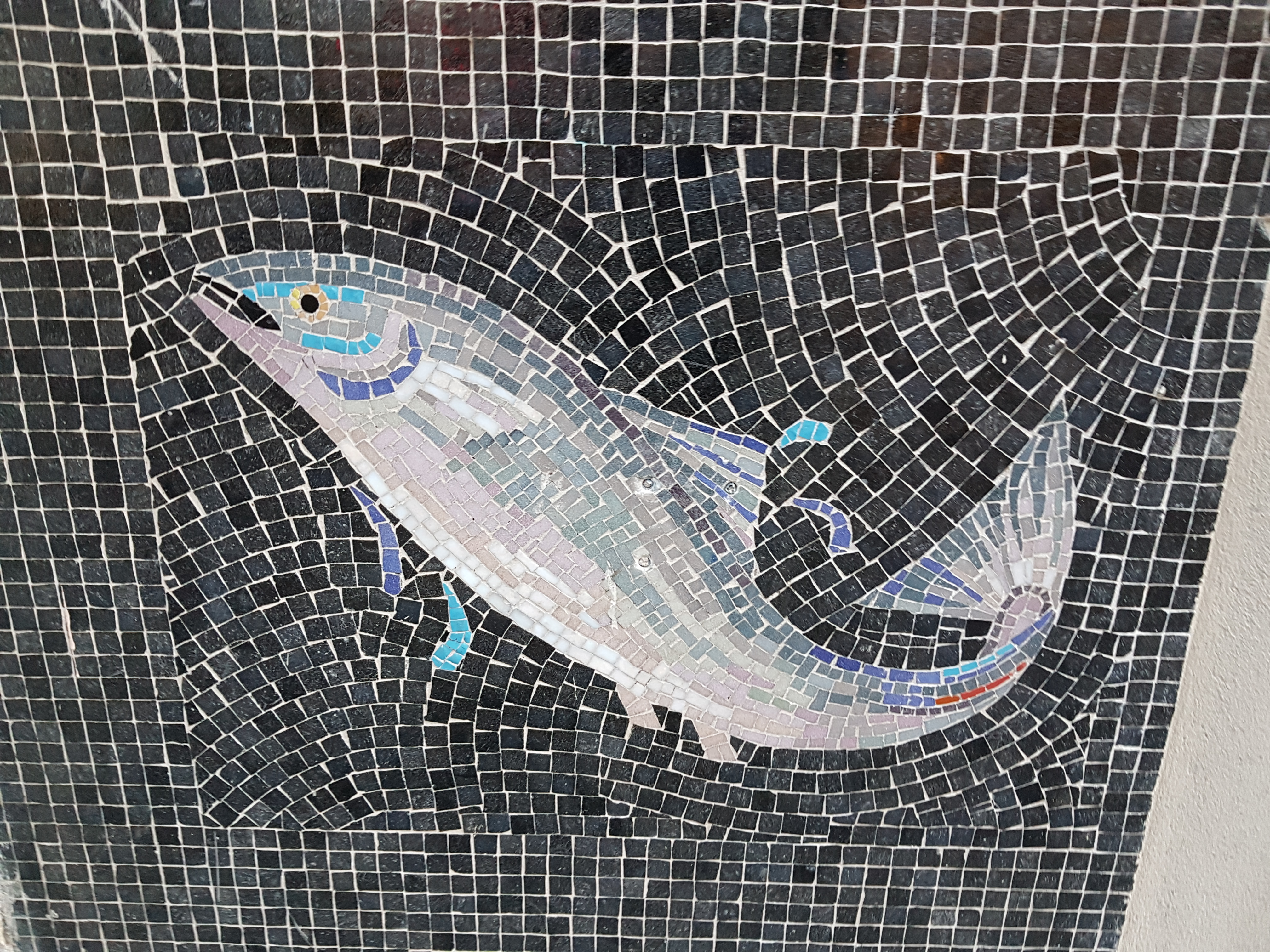
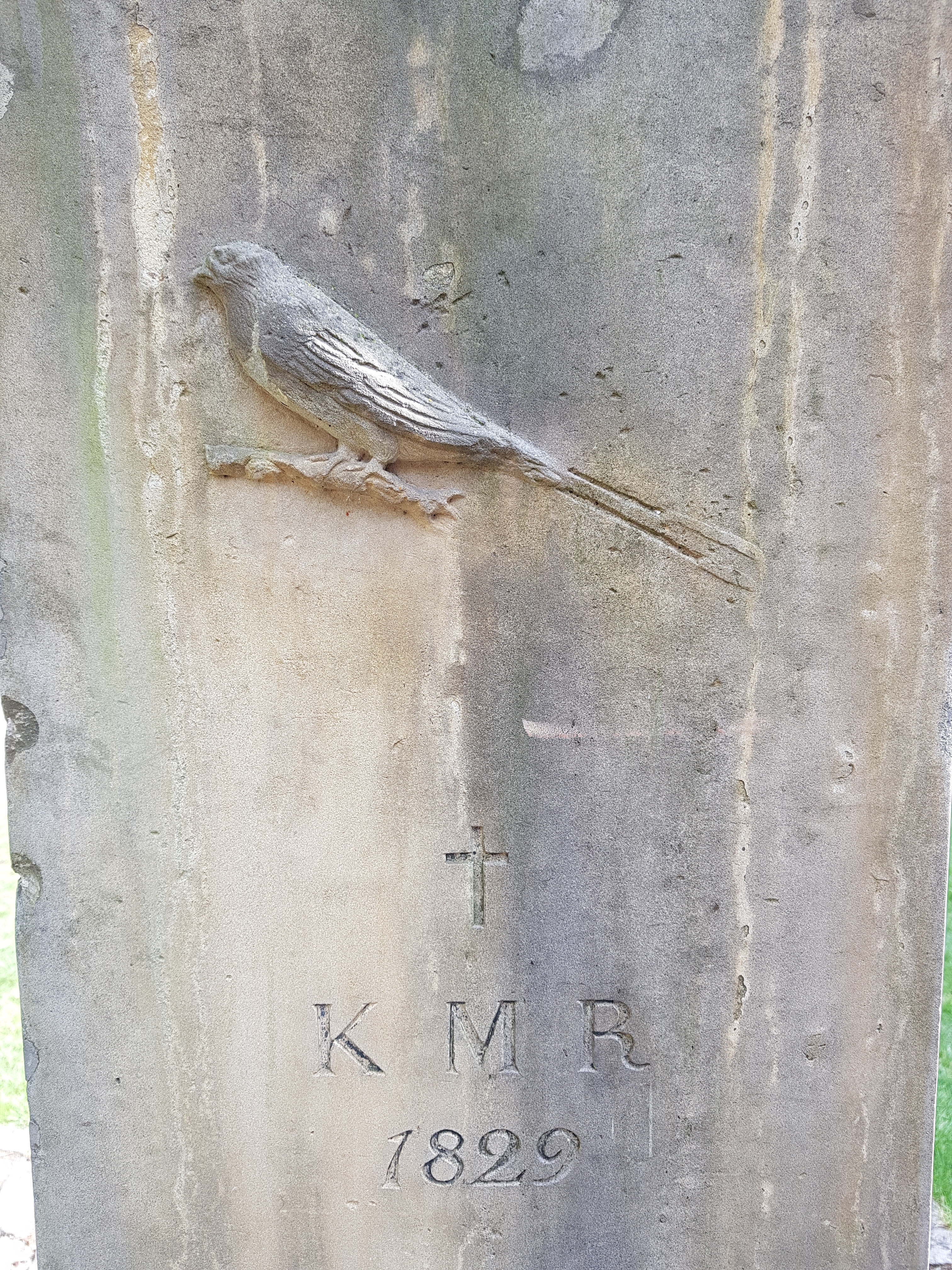
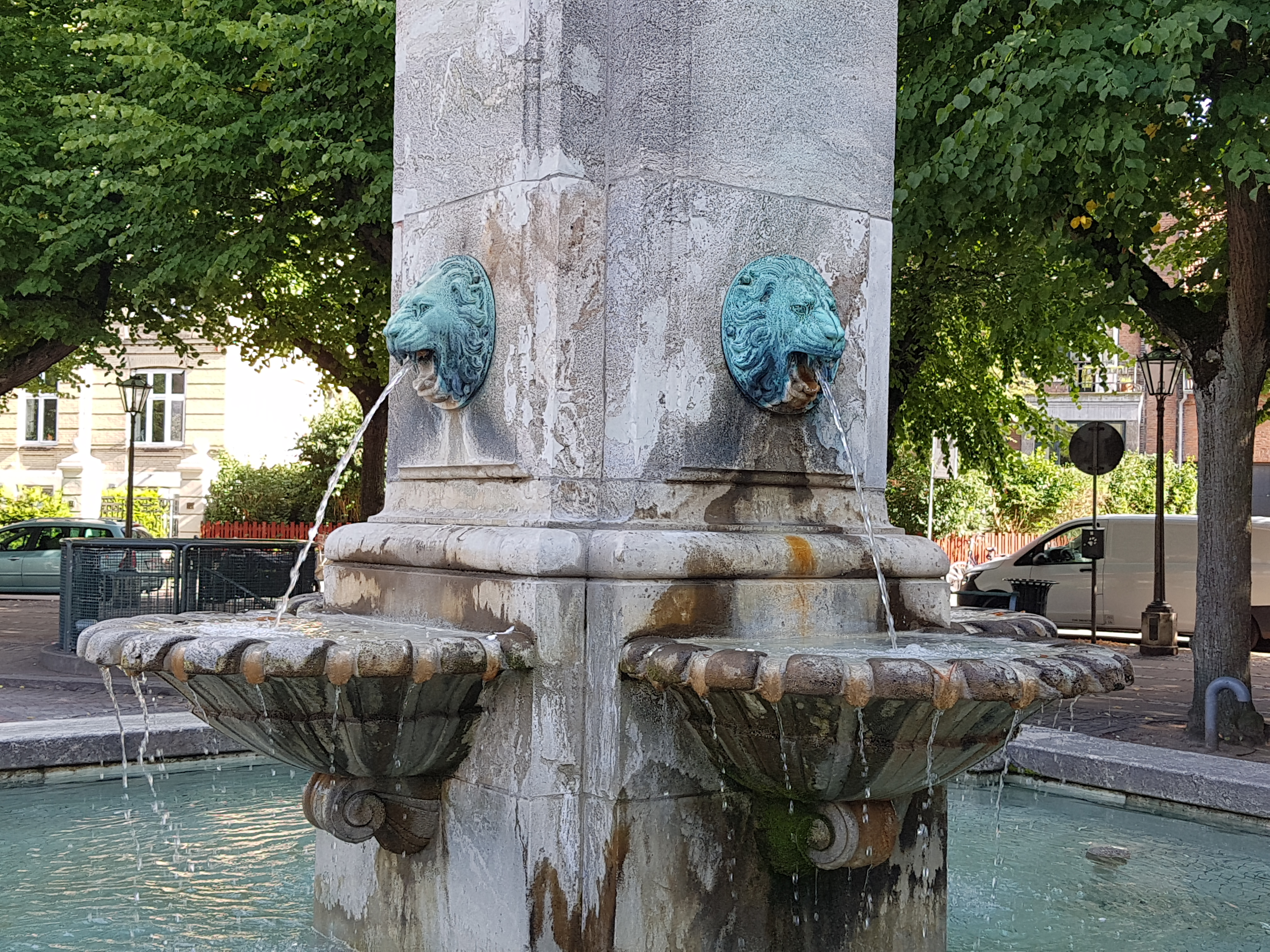
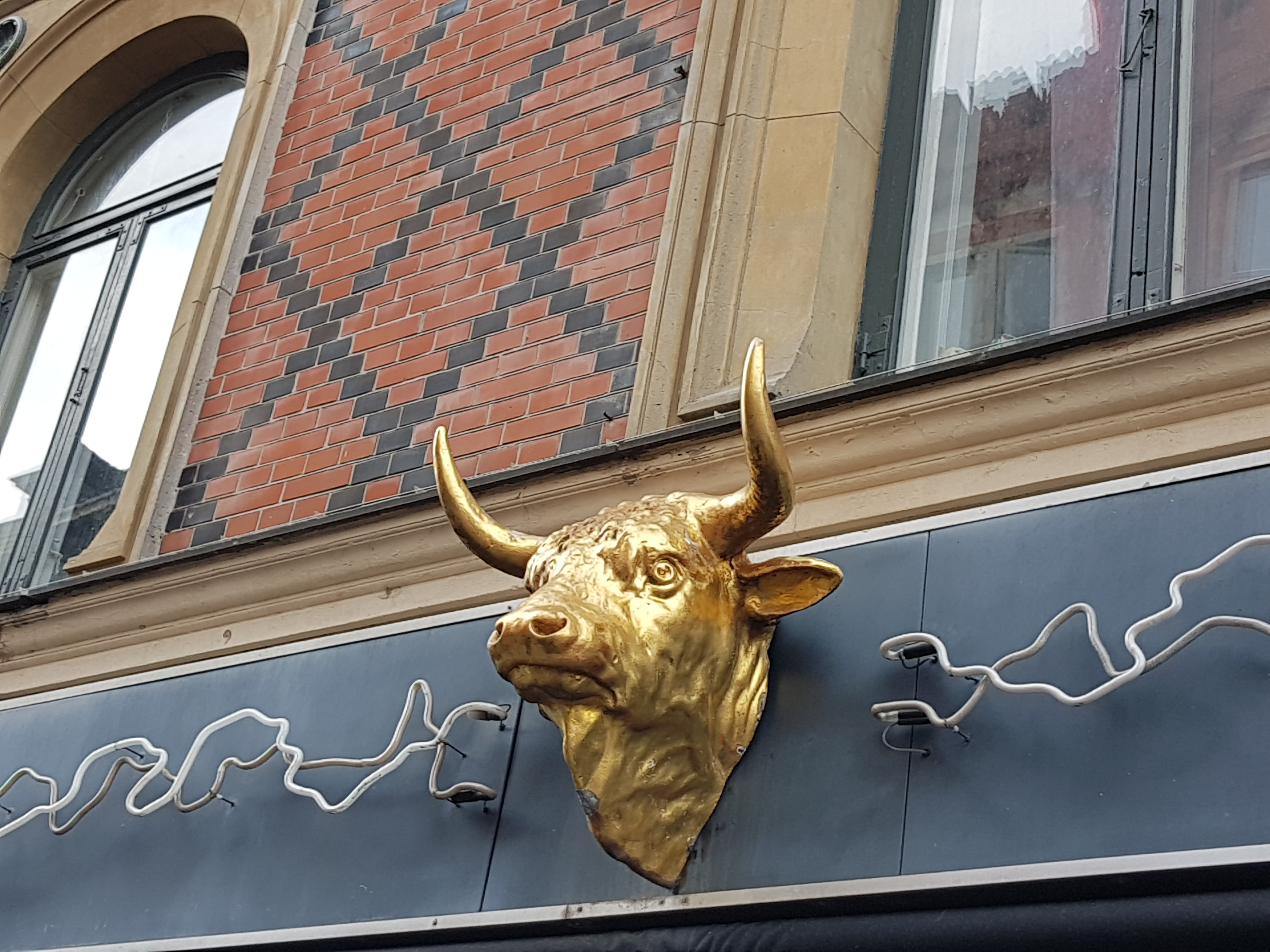
The old buildings of Copenhagen, where we are based for a few weeks, are at once familiar and yet alien, with respect to buildings of similar age in Britain. In particular, the unconstrained use of animals as ornamental adornments is fascinating, inventive and often bizarre. Some of these are real creatures, especially fish which represent the fishing industry on which the city was founded. Others are mythical beasts of traditional Scandinavian fables. And there’s a subset that are clearly the products of the (deranged? drugged?) minds of the sculptors.

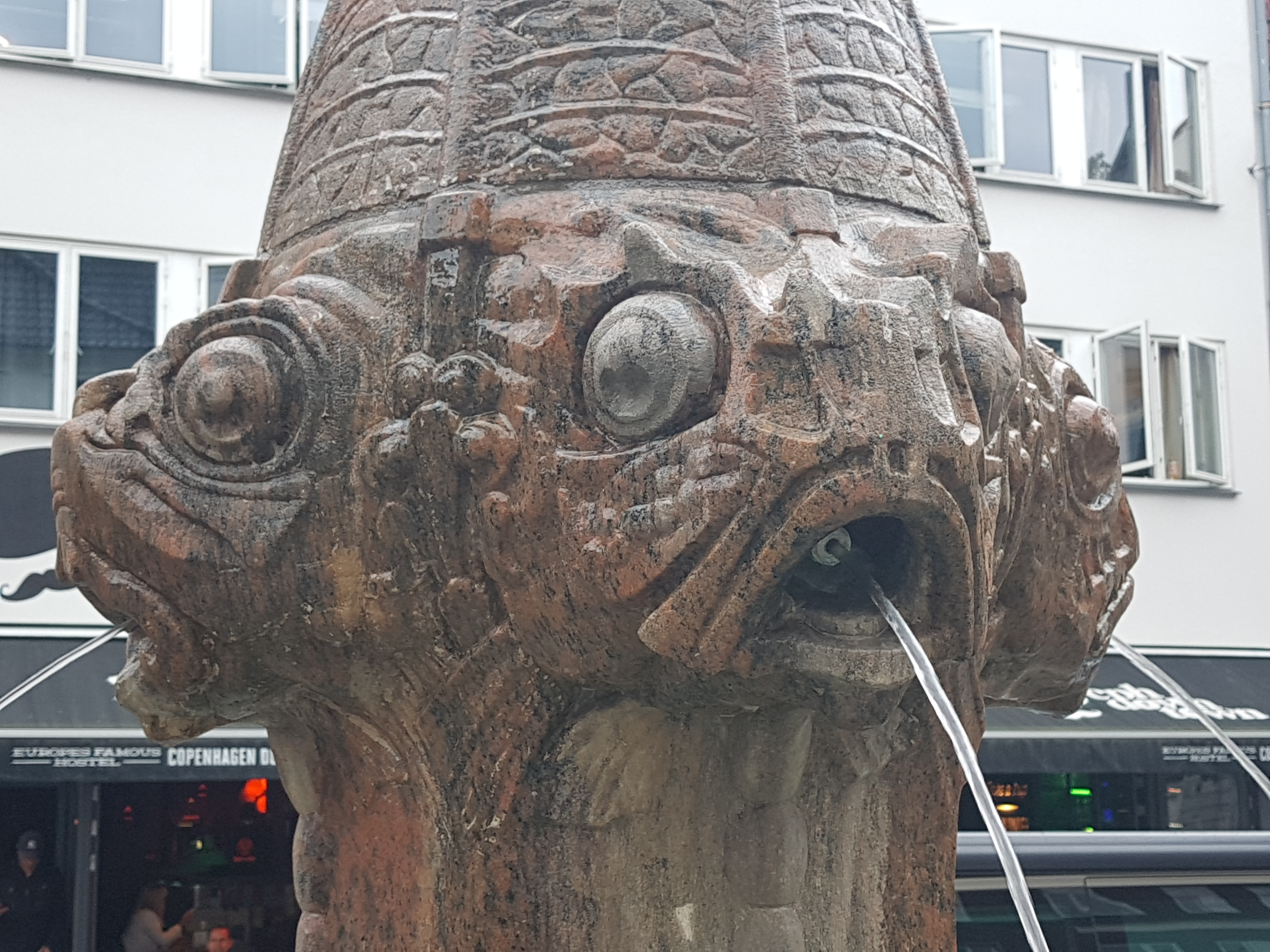
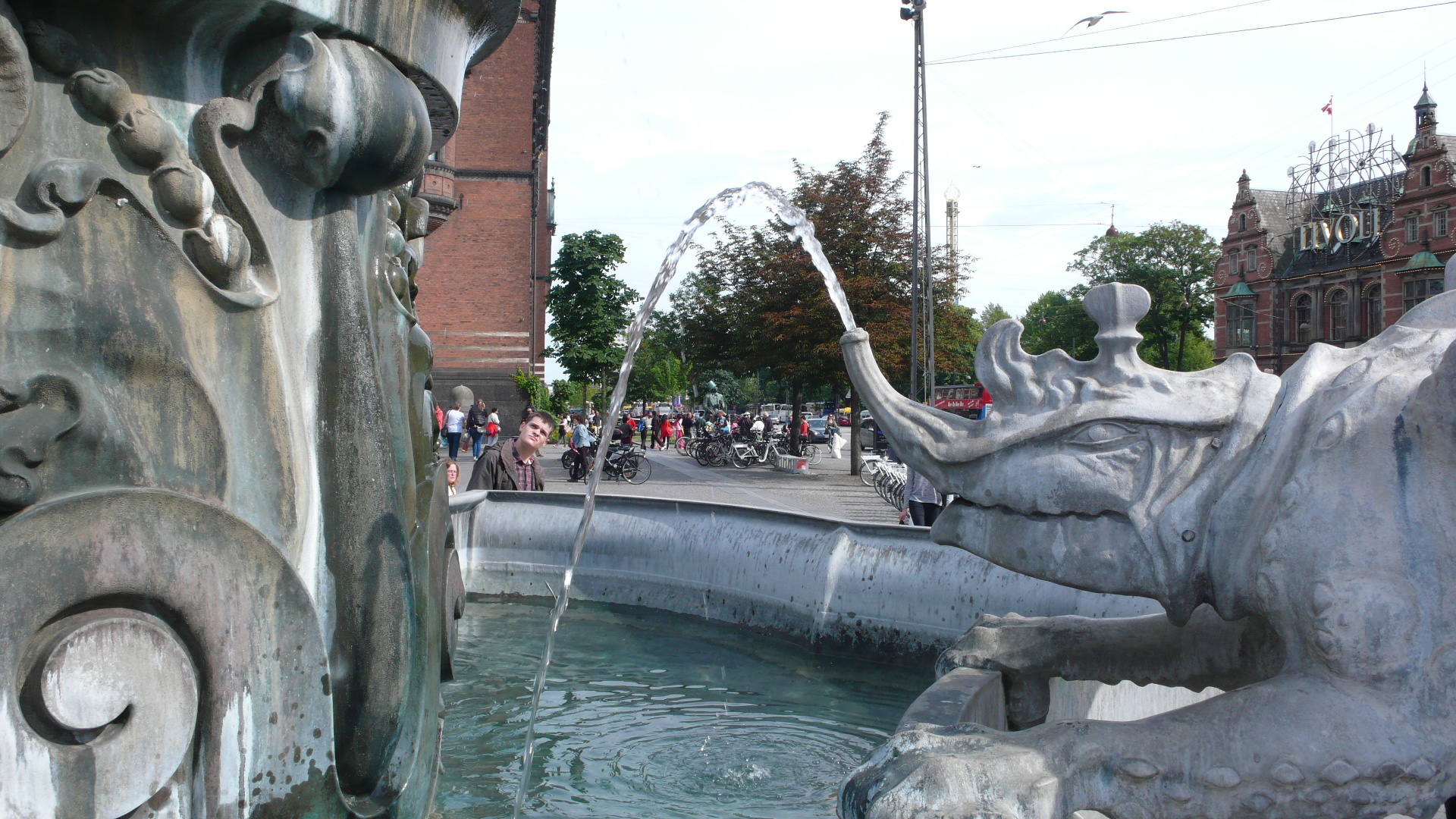
Finland’s capital Helsinki tops the league when it comes to animals on buildings, but Copenhagen also has its fair share. I’ve taken to snapping these creatures as I encounter them so it seemed fitting to collect them into a bestiary – a compendium of beasts. Here’s the first set, presented with no commentary – the animals speak for themselves.

Impacts of the introduced European honey bee on Australian bee-flower networks – a new study just published

As I mentioned in my previous post, it’s currently Invasive Species Week in the UK. Non-native species which have negative environmental impacts and disrupt infrastructure are a global phenomenon, of course, and almost all regions of the world have been impacted by species that originated elsewhere. One alien species that is of growing concern in Australia is the western honey bee Apis mellifera. We often think of bees as being relatively benign organisms, but a number of species have been introduced around the world and may compete with native species for nectar and pollen, and nesting sites.

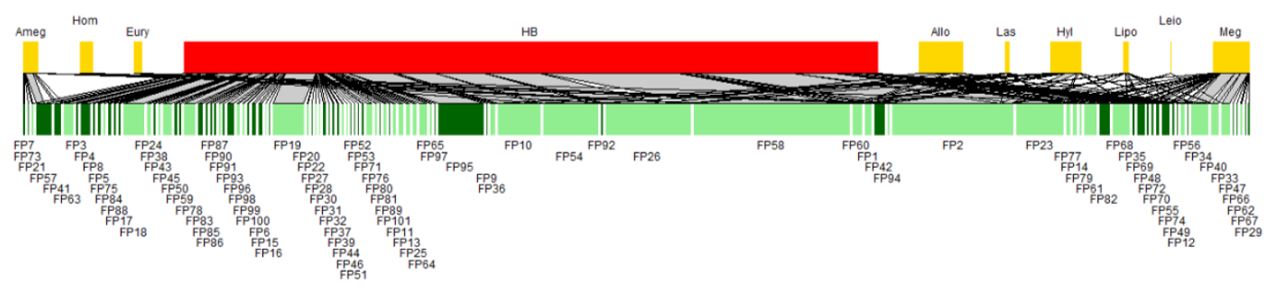
In the second paper from my collaboration with Dr Kit Prendergast, we’ve assessed how introduced honey bees change the structure of bee-flower visitation networks in Australian urban habitats. The main finding is that when honey bees are common, they dominate these networks in ways that indicate significant competition with native bee species. You can get a sense of that from the figure above: the honey bees are in red, native bees in yellow, native plants in light green, and non-native plants in dark green. The length of the bars is proportional to the abundance of these plants and bees.

To say that honey bees ‘dominate’ these networks is an understatement: not only are they vastly more abundant than the other bees, but they visit almost all of the different types of flowers in the network, regardless of whether they are native or introduced.

Although the honey bee bullshit machine often claims that western honey bees are dying out, the exact opposite is true: across the world, managed Apis mellifera numbers are higher than ever, as you can see from the following chart based on figures from the United Nations Food and Agriculture Organization (UN-FAO):

Whilst the growth in honey bee numbers is a good thing for honey producers, bee farmers, and small-scale subsistence farmers, there are environmental consequences to the increase in hives, as we have shown.

If anyone wants a PDF of the paper, please use the Contact form. The full reference for the study and the abstract is:

Prendergast, K.S. & Ollerton, J. (2021) Impacts of the introduced European honeybee on Australian bee-flower network properties in urban bushland remnants and residential gardens. Austral Ecology (in press) https://doi.org/10.1111/aec.13040

Abstract:

The European honeybee Apis mellifera is a highly successful, abundant species and has been introduced into habitats across the globe. As a supergeneralist species, the European honeybee has the potential to disrupt pollination networks, especially in Australia, whose flora and fauna have co-evolved for millions of years. The role of honeybees in pollination networks in Australia has been little explored and has never been characterised in urban areas, which may favour this exotic species due to the proliferation of similarly exotic plant species which this hyper-generalist can utilise, unlike many native bee taxa. Here, we use a bipartite network approach to compare the roles, in terms of species-level properties, of honeybees with native bee taxa in bee-flower (‘pollination’) networks in an urbanised biodiversity hotspot. We also assessed whether the abundance of honeybees influences overall network structure. Pollination networks were created from surveys across seven residential gardens and seven urban native vegetation remnants conducted monthly during the spring-summer period over two years. There were consistent differences in species-level properties between bee taxa, with honeybees often differing from all other native bees. Honeybees had significant impacts on network properties, being associated with higher nestedness, extinction slopes of plants, functional complementarity and niche overlap (year two), as well as lower weighted connectance and generalisation. These associations all are indicative that competition is occurring between the introduced honeybee and the native bee taxa in bee-flower networks. In conclusion, the introduced honeybee occupies a dominant, distinct position in bee-flower networks in urban habitats in the southwest Western Australian biodiversity hotspot