One of the projects in which I’m currently involved is the WorldFAIR project. Funded by the European Commission, WorldFAIR is exploring how to make data FAIR – Findable, Accessible, Interoperable and Reusable – across a range of different disciplines in the sciences and humanities.
My involvement is specifically with Work Package 10, which is focused on data standards for plant-pollinator interactions, particularly as they relate to pollination of agricultural crops.
I’m delighted to say that the second deliverable from that work – a set of standards, best practices and guidelines recommendations – is now available for free download if you follow the link in this reference:
Drucker, D., Salim, J. A., Poelen, J., Soares, F. M., Gonzalez-Vaquero, R. A., Ollerton, J., Devoto, M., Rünzel, M., Robinson, D., Kasina, M., Taliga, C., Parr, C., Cox-Foster, D., Hill, E., Maues, M. M., Saraiva, A. M., Agostini, K., Carvalheiro, L. G., Bergamo, P., … Trekels, M. (2024) WorldFAIR (D10.2) Agricultural Biodiversity Standards, Best Practices and Guidelines Recommendations (Version 1). Zenodo. https://doi.org/10.5281/zenodo.10666593
Here’s the first paragraph of the summary:
The WorldFAIR Case Study on Agricultural Biodiversity (WP10) addresses the challenges of advancing interoperability and mobilising plant-pollinator interactions data for reuse. Previous efforts, reported in Deliverable 10.1 – from our discovery phase – provided an overview of projects, best practices, tools, and examples for creating, managing and sharing data related to plant-pollinator interactions, along with a work plan for conducting pilot studies. The current report presents the results from the pilot phase of the Case Study, which involved six pilot studies adopting standards and recommendations from the discovery phase. The pilots enabled the handling of concrete examples and the generation of reusable materials tailored to this domain, as well as providing better estimates for the overall costs of adoption for future projects.
Yesterday I received an email containing the following press release. I thought it might interest readers of the blog so I am copying it in full with no edits. I had a quick look over the report and it’s amazingly detailed and comprehensive. It’s a shame that the report only covers insects, but that probably reflects my current bias given that my next book, due out in February, is about pollinating birds! Press release follows:
Governor Polis and the Department of Natural Resources Release Pollinator Report
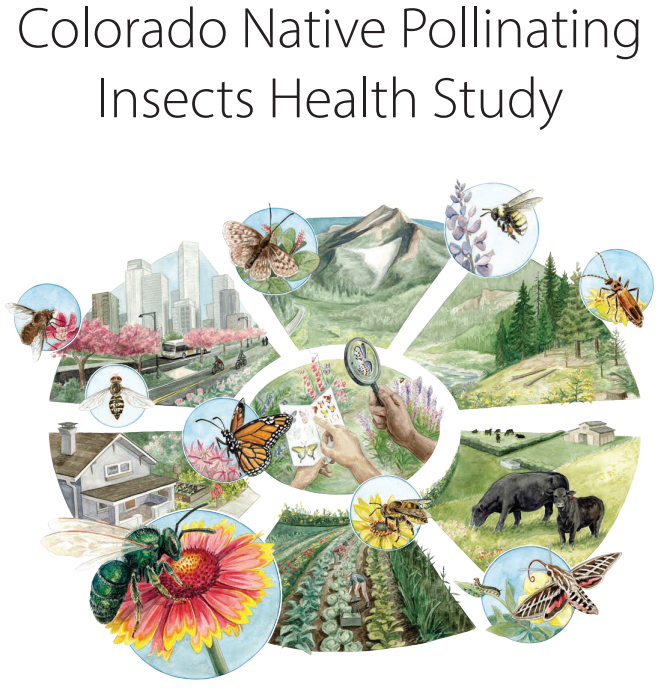
BROOMFIELD – Today, Governor Polis in partnership with The Colorado Department of Natural Resources (DNR), Colorado State University Extension, Xerces Society for Invertebrate Conservation, and University of Colorado Museum of Natural History released the Colorado Native Pollinating Insects Health Study which is the most robust and detailed account of pollinator health ever undertaken in Colorado history. As directed by SB22-199, Native Pollinating Insects Protection Study, sponsored by Senators Sonya Jaquez Lewis and Kevin Priola, and Representatives Cathy Kipp and Meg Froelich, signed by Governor Polis on May 27, 2022, the study assesses the health of Colorado’s native pollinators, evaluates state policies for safeguarding pollinators, and makes recommendations on how to preserve and protect pollinators in Colorado.
“Pollinators play a critical role in Colorado life. From Crested Butte’s beautiful spring meadows to Palisade Peaches and Rocky Ford melons, Colorado’s pollinators sustain our flora and enable many foundational industries in every corner of the state. As our climate changes, we must safeguard the pollinators that generate and regenerate the Colorful Colorado we love,” said Governor Polis
Colorado is home to various native insects and bats whose pollinating services are at the heart of healthy environments and economies. Pollinators are critical to Colorado’s economy and our agricultural production and food systems, and they are essential for flowering plants that support the state’s wildlife ecosystem and add color to Colorado’s beautiful landscapes.
“Colorado is fortunate to have a tremendous diversity of plants and animals, but pollinating insects are perhaps the least studied but most beneficial for our ecosystems, economy and quality of life,” said Dan Gibbs, Executive Director, Colorado Department of Natural Resources. “I greatly appreciate the time and effort of the study authors who truly did a deep dive into the current state of pollinating insects and state policies and structures. I look forward to working with Colorado legislators and stakeholders in pursuing the best policies to ensure pollinating insect protection and long-term health.”
Colorado is home to over 1,000 species of bees—nearly 30% of North America’s and approximately 5% of the world’s bee species—and nearly 300 species of butterflies, representing over 40% of the diversity of butterflies in North America north of Mexico, some of which are already listed under the federal Endangered Species Act. This report underscores the importance of the Polis administration’s goals to tackle Colorado’s greenhouse gas emissions, prepare industries for the impending effects of climate change, and create more sustainable living in Colorado for pollinator populations.
“Our ecosystems rely on pollinators, which is why I’ve championed measures that limit toxic chemicals from harming pollinators and put forth a statewide assessment to better understand the problems our pollinators face and identify practices to better sustain them,” said Senator Sonya Jaquez Lewis, D-Longmont. “Today’s report shows that there’s plenty to do moving forward, and I am looking forward to continuing our work to protect pollinators and the ecosystems that are dependent on them.”
“I’m excited that we have this report to help us understand the extent of pollinator decline in Colorado. While Colorado ranks fifth nationally for the rate of honey-bee die-offs, we haven’t known as much about native pollinating insects. This threatens our food production, biodiversity and health of our ecosystems,” said Rep. Cathy Kipp, D-Fort Collins. “We created the Native Pollinating Insects Protection Study in 2022 to identify ways to better protect and support the native Colorado pollinators, like different bee species, butterflies, and moths, that are also essential to maintaining a healthy environment. These findings will help direct future legislation to create a safer environment for our pollinators, protect our food supply and support biodiversity.”
Promoting policies that benefit native pollinating insects represents an opportunity to foster healthy and sustainable pollinator populations, especially in agricultural and urban habitats. This includes enhancing pollinator-friendly native plantings along I-76 following its designation as a Colorado Pollinator Highway by the Colorado Department of Transportation and other existing state plans such as the state’s Natural Areas Program, and Wildlife Action Plan among others.
“Working on the Pollinator Health Study has been an amazing opportunity to collaborate with so many locally, nationally, and internationally recognized experts in the field of pollinator conservation. In addition to the immense amount of information within the report, this study highlights the importance of collaboration between scientists and land management agencies to bring together the many facets needed for conserving native pollinating insects,” said Deryn Davidson, Sustainable Landscape State Specialist, Colorado State University Extension. “Having the existing research on Colorado pollinators paired with recommended land management practices in one, comprehensive document is an incredible tool for policy makers, land managers, and really anyone interested in actionable steps for pollinator conservation.”
Areas of immediate action and priorities highlighted by the Pollinator Report include:
Priority 2: Protect, restore, and connect pollinator habitats.
Priority 3: Mitigate environmental changes that negatively impact pollinators and their habitats.
Priority 4: Reduce the risks from pesticides to pollinating insects.
Priority 5: Monitor and support native and managed pollinator health.
Governor Polis announced his annual budget proposal on November 1, focusing on ensuring Colorado is more affordable, sustainable, and liveable. The Governor included $100,000 to support education and incentives to encourage the use of pesticide alternatives in agricultural production and residential or commercial landscaping. On May 17, 2023, Governor Polis signed Neonic Pesticides as Limited-Use Pesticides, sponsored by Senators Kevin Priola and Sonya Jaquez Lewis and Representatives Kyle Brown and Cathy Kipp, which protects pollinators from harmful toxins.
PREDICTS (Projecting Responses of Ecological Diversity In Changing Terrestrial Systems) is one of the most important sources of data for large-scale modelling of how changes in land use is impacting biodiversity. Marry that with future climate models and you have a powerful tool for understanding how these two major factors in global change will shape both biodiversity and human society over the coming decades.
In recent years it’s been a privilege to be part of a project led by Joe Millard and Tim Newbold that’s using PREDICTS to model how pollinators and pollination services are likely to be impacted by human activities. The first paper from that work (which was Joe’s PhD) was entitled ‘Global effects of land-use intensity on local pollinator biodiversity’ and came out in 2021, as I documented on my blog at the time.
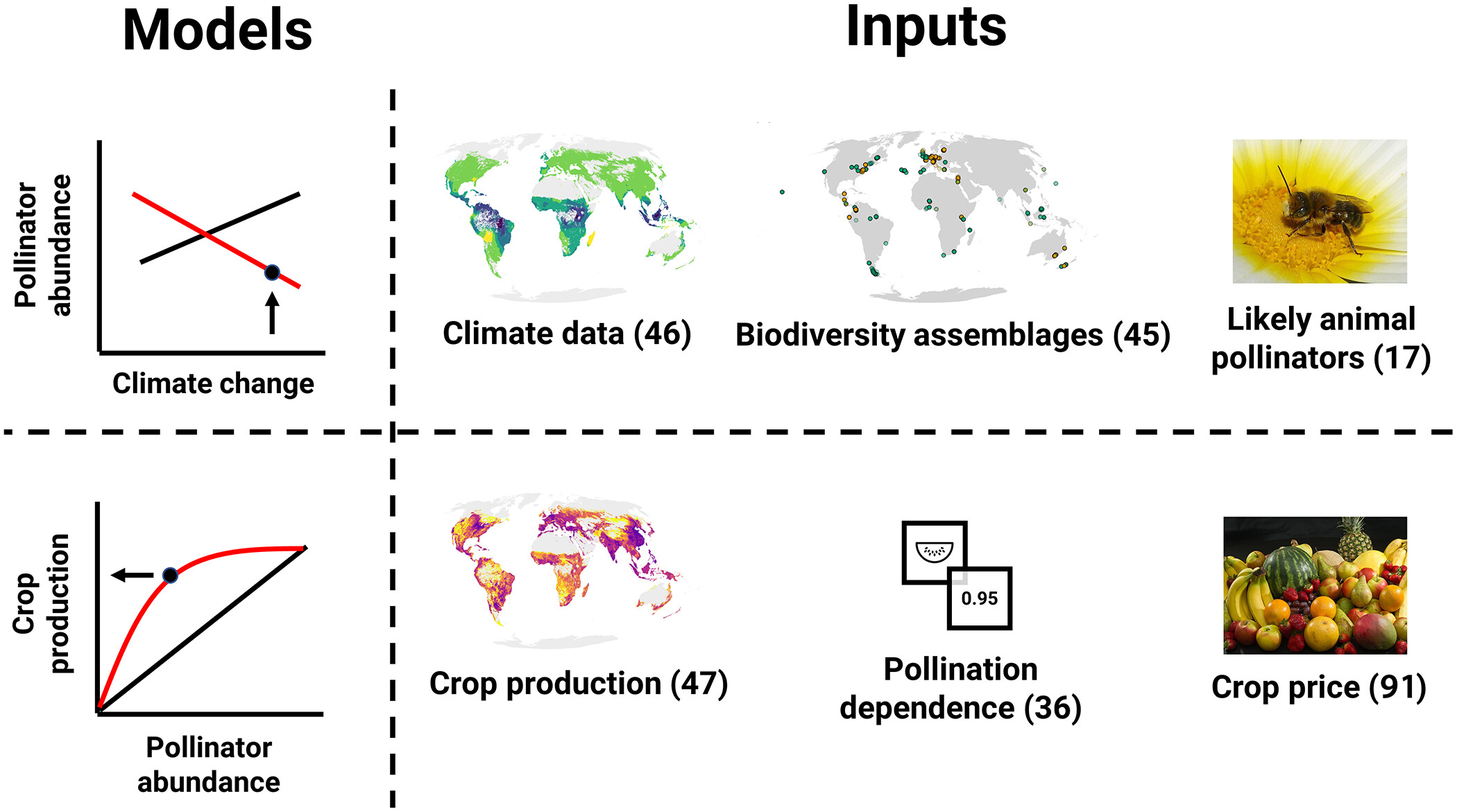
Yesterday a second paper was published, this time focused on how land use and anthropogenic climate change interact to potentially affect insect-pollinated crops across the world.
Our main finding is that it’s tropical crops, especially cocoa, mango, watermelon, and coffee, that in the future will suffer the greatest negative impacts from loss of pollinators. Although we can have perfectly healthy diets without consuming any of those, they currently support tens of millions of farmers across the tropics and are part of global supply chains worth billions of dollars per year.
Here’s the full reference with a link to the paper, which is open access:
Insect pollinator biodiversity is changing rapidly, with potential consequences for the provision of crop pollination. However, the role of land use–climate interactions in pollinator biodiversity changes, as well as consequent economic effects via changes in crop pollination, remains poorly understood. We present a global assessment of the interactive effects of climate change and land use on pollinator abundance and richness and predictions of the risk to crop pollination from the inferred changes. Using a dataset containing 2673 sites and 3080 insect pollinator species, we show that the interactive combination of agriculture and climate change is associated with large reductions in insect pollinators. As a result, it is expected that the tropics will experience the greatest risk to crop production from pollinator losses. Localized risk is highest and predicted to increase most rapidly, in regions of sub-Saharan Africa, northern South America, and Southeast Asia. Via pollinator loss alone, climate change and agricultural land use could be a risk to human well-being.
Biodiversity Net Gain (or BNG) promises to transform the way that we approach nature conservation in the UK. I’ve been giving a lot of thought to what this might mean for insect pollinators and have produced a new report that summarises the opportunities that BNG presents and how we can make the most of them. You can download a copy of that report by following this link.
This is meant to be a working document and as BNG progresses, and our understanding of its impacts on pollinators increases, I will update it. In the meantime, please do feel free to comment.
One of the projects in which I’m currently involved is the WorldFAIR project. Funded by the European Commission, WorldFAIR is exploring how to make data FAIR – Findable, Accessible, Interoperable and Reusable – across a range of different disciplines in the sciences and humanities.
My involvement is specifically with Work Package 10, which is focused on data standards for plant-pollinator interactions, particularly as they relate to pollination of agricultural crops. After a year of hard work, I’m delighted to announce that our interim draft report from this Work Package has just been published! You can read the summary and download the report from Zenodo – here’s the link: https://zenodo.org/record/8176978
There’s more to come over the next twelve months and I’ll post updates as and when they appear. In the meantime, do check out the WorldFAIR website for information about the other Work Packages, their webinar series, FAIR data standards, and so forth.
I’m excited to announce that in March 2024 I will teach a week-long, Master’s-level residential course entitled “Pollination as an Ecosystem Service” at the University of Pavia in Italy. It will be taught in English. Here’s a summary of the course and a brief description of the the syllabus, which is broadly accurate but subject to change as it develops:
POLLINATION AS AN ECOSYSTEM SERVICE
A 3 credit Master’s course for the University of Pavia
Overview
The pollination of crops by bees, flies, birds, bats and other animals, is an ecosystem service that increases crop yields and quality. This is valued at hundreds of billions of Euros each year to European and global agriculture. In addition, these same animals pollinate around 90% of the world’s wild plants which in turn provide us with ecosystem services such as wild food, flood alleviation, microclimate modification, and carbon capture.
In this course, students will explore pollination as an ecosystem service from its first principles and historical roots through to the latest research findings around the consequences of pollinator decline and climate change. The emphasis of the course is on the students learning by actively participating during classes. Each day has a particular theme and will be a mix of interactive lectures, short video clips to illustrate particular points, discussion seminars (for which they will be expected to do some guided reading) and local excursions.
At the end of the course the students will have a developed a deep understanding of the diversity of pollinators, the ecological nature of their interactions with flowers, and the importance of these relationships to nature and to society.
Assessment
At the end of the course, the students will be asked to give a 10 minute presentation based on one of the topics covered in the course, and posed as a question such as “What is….?”, “Why does….?”, “What would happen if….?”, and so forth. The questions will be agreed with me in advance. Presentations will take place on the final day of the course and at the end of each presentation the students will have 5 minutes to answer questions posed by their peers and myself.
Syllabus
Day 1
Theme: Pollinators and pollination – first principles; including historical perspectives, the diversity of pollinators and flowers, and the biology of pollination. Introducing the course assessment.
Excursion: a walk around the local area to observe flowers and pollinators in action.
Day 2
Theme: Pollination as an ecosystem service; including the types of crops that are animal pollinated, how we calculate the value of pollination, and going beyond agriculture to look at the other ecosystem services provided by pollinators; approaches to studying pollinators and pollination.
Day 3
Theme: Pollinator conservation: including reasons for pollinator decline, impacts of climate change, the “politics of pollination”, the consequences of that decline for crop and wild plant pollination, how we can manage and restore habitats for pollinators.
Day 4
Theme: Urban pollinators: understanding the importance of pollinators in an urban setting and in gardens, and how towns and cities support pollinators. Excursion: How is the city of Pavia supporting pollinator populations and what could be improved?
Day 5
Theme: Summing up what we’ve learned, followed by assessed student presentations.
As part of our roles as ambassadors of the new conservation organisation Restore (more of which later this year), several of us including Dave Goulson, George McGavin, and myself, are promoting this online petition to get the government to take the issue of neonicotinoid pesticides seriously. Here’s some text from Dave explaining the situation with a link to a petition that you can sign:
“For three years in a row our government has granted farmers special permission to use banned neonicotinoid pesticides on sugar beet. This is contrary to the expert advice of their own Expert Committee on Pesticides, who specifically recommended that permission should not be granted. It also flies in the face of a huge body of scientific evidence showing that these chemicals are phenomenally toxic to all insect life, and that their use on any crop contaminates soils, hedgerow plants, and nearby streams and ponds for years to come. We are in a crisis, with insect populations in freefall. It is about time our government woke up to this, and acted accordingly. This petition https://petition.parliament.uk/petitions/631948 is a necessary means of holding the government to account. Please sign and share, as signing will ensure the issue is debated in Parliament.”
This petition now has more than 15,000 signatures which ensures that it gets a response from the Government. If it reaches 100,000 mark, it will trigger a debate in Parliament. Please sign and promote this important initiative!
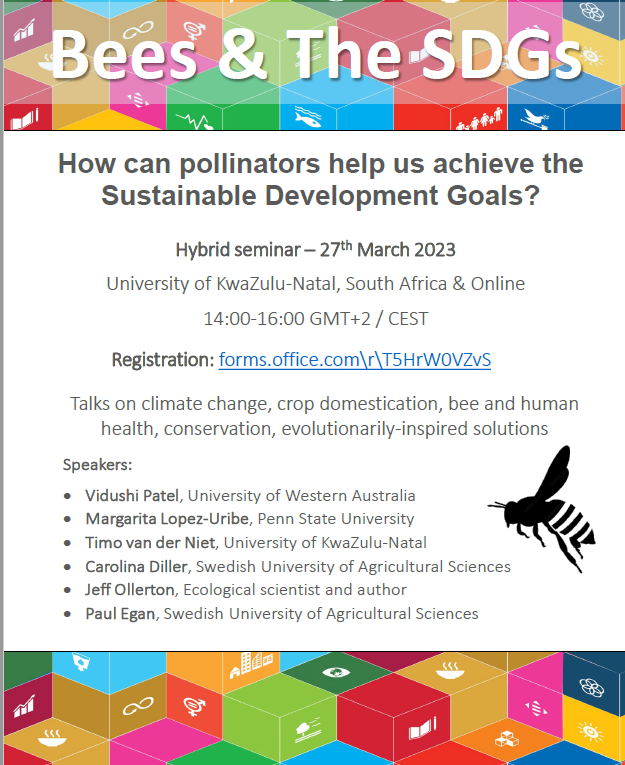
Although I’m one of the speakers, I can’t make it in person as I’ve got teaching commitments at Roskilde University, so I’ve recorded my ten minute piece and I’m happy to answer questions via the Contact page on my website.
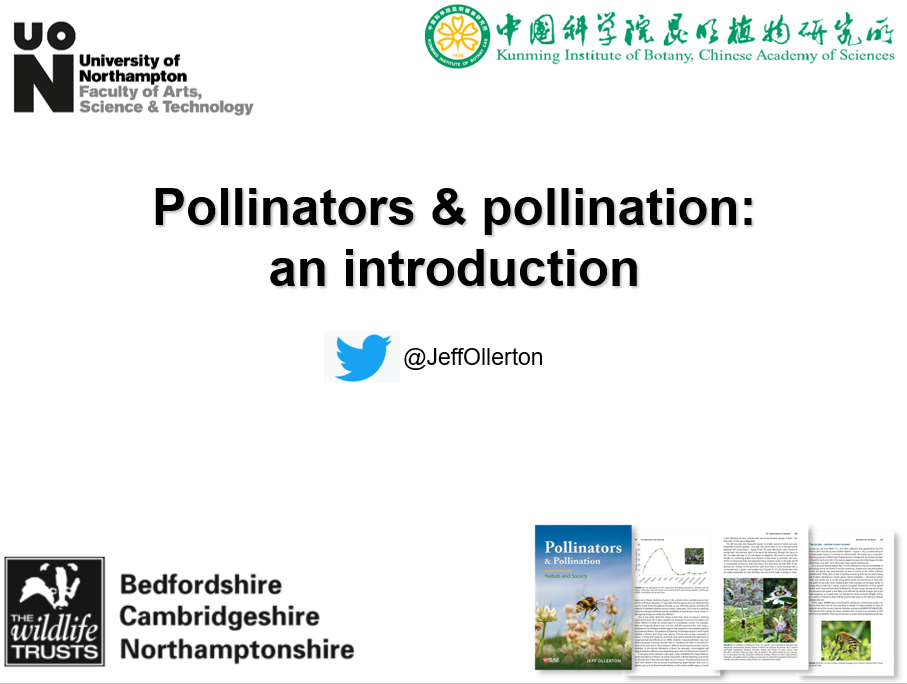
It’s been a couple of years since I last did a talk or workshop for the Wildlife Trust for Bedfordshire, Cambridgeshire & Northamptonshire. But I’m pleased to say that they’ve invited me back and you can join me tomorrow evening for an online introductory talk about pollinators and pollination in the UK.
The talk starts at 7pm UK time and full details of how to sign up are in the link below:
It’s been an interesting start to the year in the world of pollinators and pollination. The European Union has revised its 2018 initiative for pollinator conservation with an update called “A New Deal for Pollinators“. At the same time the UK Government has released its plans for Post-Brexit farm subsidies, many of which focus on environmental action that can support pollinators, such as planting hedgerows. I think that it’s fair to say that there’s been a mixed response to these planned subsidies. There’s also mixed news in Butterfly Conservation’s State of the UK’s Butterflies 2022 report. The headline figure is that 80% of butterflies in the UK have decreased since the 1970s. However there are enough positive conservation stories in that report to demonstrate that this decline does not have to be irreversible, we can turn things around.
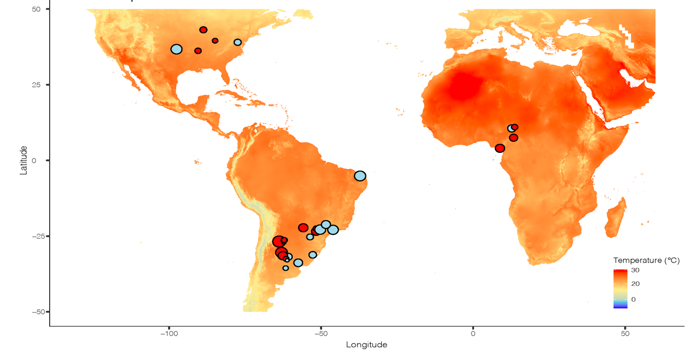
Against this wider backdrop of pollinator actions, I was pleased to have a new research paper published this week, which is an output from the SURPASS2 project with which I’ve been involved. Led by Brazilian researcher Nicolay Leme da Cunha, this paper assess the variability of soybean dependence on pollinators. Although soybean is one of the most widely grown crops globally, there’s still much that we don’t understand about which of the many different varieties have improved yields when visited by bees, and which are purely self-pollinating. One of our main findings was that for some varieties, especially in the tropics, an absence of pollinators results in a decline in yield of about 50%.
The paper is open access and you can download a copy by following the link in the reference:
Identifying large-scale patterns of variation in pollinator dependence (PD) in crops is important from both basic and applied perspectives. Evidence from wild plants indicates that this variation can be structured latitudinally. Individuals from populations at high latitudes may be more selfed and less dependent on pollinators due to higher environmental instability and overall lower temperatures, environmental conditions that may affect pollinator availability. However, whether this pattern is similarly present in crops remains unknown. Soybean (Glycine max), one of the most important crops globally, is partially self-pollinated and autogamous, exhibiting large variation in the extent of PD (from a 0 to ∼50% decrease in yield in the absence of animal pollination). We examined latitudinal variation in soybean’s PD using data from 28 independent studies distributed along a wide latitudinal gradient (4–43 degrees). We estimated PD by comparing yields between open-pollinated and pollinator-excluded plants. In the absence of pollinators, soybean yield was found to decrease by an average of ∼30%. However, PD decreases abruptly at high latitudes, suggesting a relative increase in autogamous seed production. Pollinator supplementation does not seem to increase seed production at any latitude. We propose that latitudinal variation in PD in soybean may be driven by temperature and photoperiod affecting the expression of cleistogamy and androsterility. Therefore, an adaptive mating response to an unpredictable pollinator environment apparently common in wild plants can also be imprinted in highly domesticated and genetically-modified crops



 Prof. Jeff Ollerton - ecological scientist and author