Category Archives: Butterflies

Protecting an ecosystem service: approaches to understanding and mitigating threats to wild insect pollinators

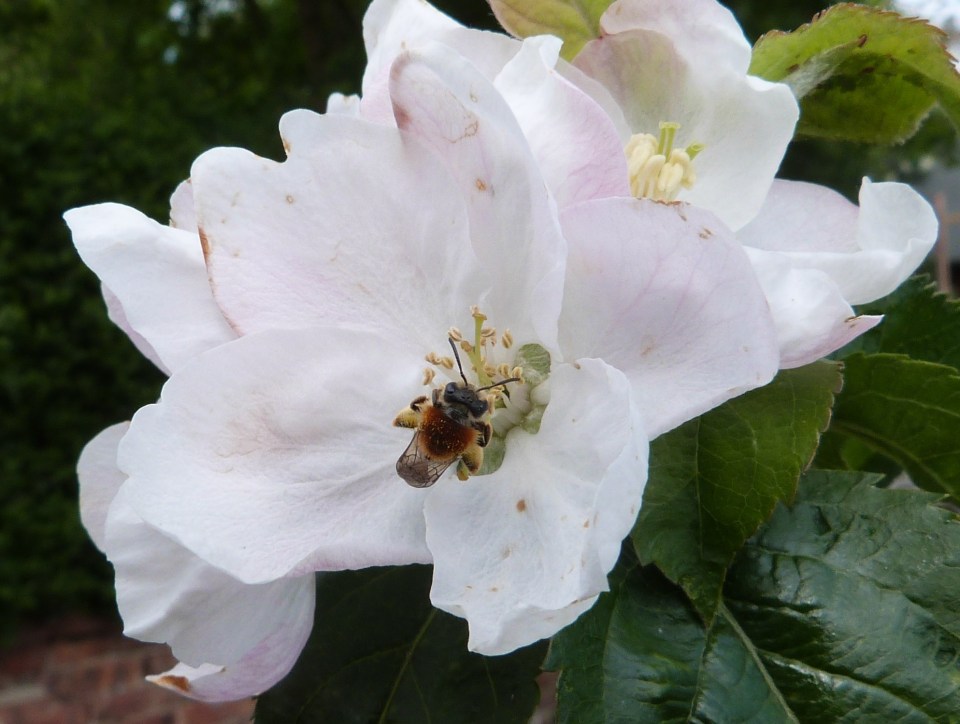
Bee on apple blossom 2 - 1st May 2015Back in April 2015 I attended a two day meeting at Imperial College’s Silwood Park campus to discuss initial project ideas to address evidence gaps in the recent National Pollinator Strategy.  I mentioned the meeting in passing in a post at the time concerned with whether biodiversity scientists should also be campaigners, but didn’t say a lot about what conclusions we came to and what the next steps would be because at the time I was unclear on both of those counts: it was a very wide ranging meeting with a lot of participants coming at the question of pollinator conservation from different perspectives.  As well as academics there were representatives from the agrochemical industry, government research organisations, and  the National Farmers Union.

During summer 2015 one of the conveners of the meeting, Dr Richard Gillherded cats organised colleagues, pulled together all of the text and ideas that were generated, and took on the task of seeing a summary of the meeting through from initial draft to publication.  It was a monumental effort, involving 27 authors and 86 manuscript pages, and Richard did a sterling job.  Entitled “Protecting an ecosystem service: approaches to understanding and mitigating threats to wild insect pollinators” it will appear as a chapter in the next volume of Advances in Ecological Researchwhich should be published later this month.

The abstract and contents for the chapter are below; if anyone wants a copy of the full chapter, please let me know.

Abstract

Insect pollination constitutes an ecosystem service of global importance, providing significant economic and aesthetic benefits as well as cultural value to human society, alongside vital ecological processes in terrestrial ecosystems. It is therefore important to understand how insect pollinator populations and communities respond to rapidly changing environments if we are to maintain healthy and effective pollinator services. This paper considers the importance of conserving pollinator diversity to maintain a suite of functional traits to provide a diverse set of pollinator services. We explore how we can better understand and mitigate the factors that threaten insect pollinator richness, placing our discussion within the context of populations in predominantly agricultural landscapes in addition to urban environments. We highlight a selection of important evidence gaps, with a number of complementary research steps that can be taken to better understand: i) the stability of pollinator communities in different landscapes in order to provide diverse pollinator services; ii) how we can study the drivers of population change to mitigate the effects and support stable sources of pollinator services; and, iii) how we can manage habitats in complex landscapes to support insect pollinators and provide sustainable pollinator services for the
future. We advocate a collaborative effort to gain higher quality abundance data to understand the stability of pollinator populations and predict future trends. In addition, for effective mitigation strategies to be adopted, researchers need to conduct rigorous field- testing of outcomes under different landscape settings, acknowledge the needs of end-users when developing research proposals and consider effective methods of knowledge transfer to ensure effective uptake of actions.

Contents
1. Importance of Insect Pollination
1.1 Providing an Ecosystem Service
1.2 Brief Introduction to Pollination Ecology and the Importance of Wild
Pollinators
2. Major Threats to the Pollination Service Provided by Insects
3. Steps in the Right Direction to Protect Insect Pollinator Services: Policy Actions
4. Understanding and Mitigating Specific Threats to Wild Insect Pollinators to Protect Pollinator Services
4.1 Understanding the Stability of Insect Pollinator Communities
4.2 Using Molecular Approaches to Monitor Insect Pollinators
4.3 How Do Parasites Shape Wild Insect Pollinator Populations?
4.4 Understanding Insect Pollinator Population Responses to Resource Availability
4.5 Engineering Flowering Field Margins as Habitats to Attract Insect Pollinators
4.6 How Might We Improve the Wider Countryside to Support Insect Pollinators
4.7 Insect Pollinators in Urban Areas
5. Considerations When Developing Future Research and Mitigation Strategies
Acknowledgements
Appendix
References

Butterflies and pesticides – a new study and a smoking gun

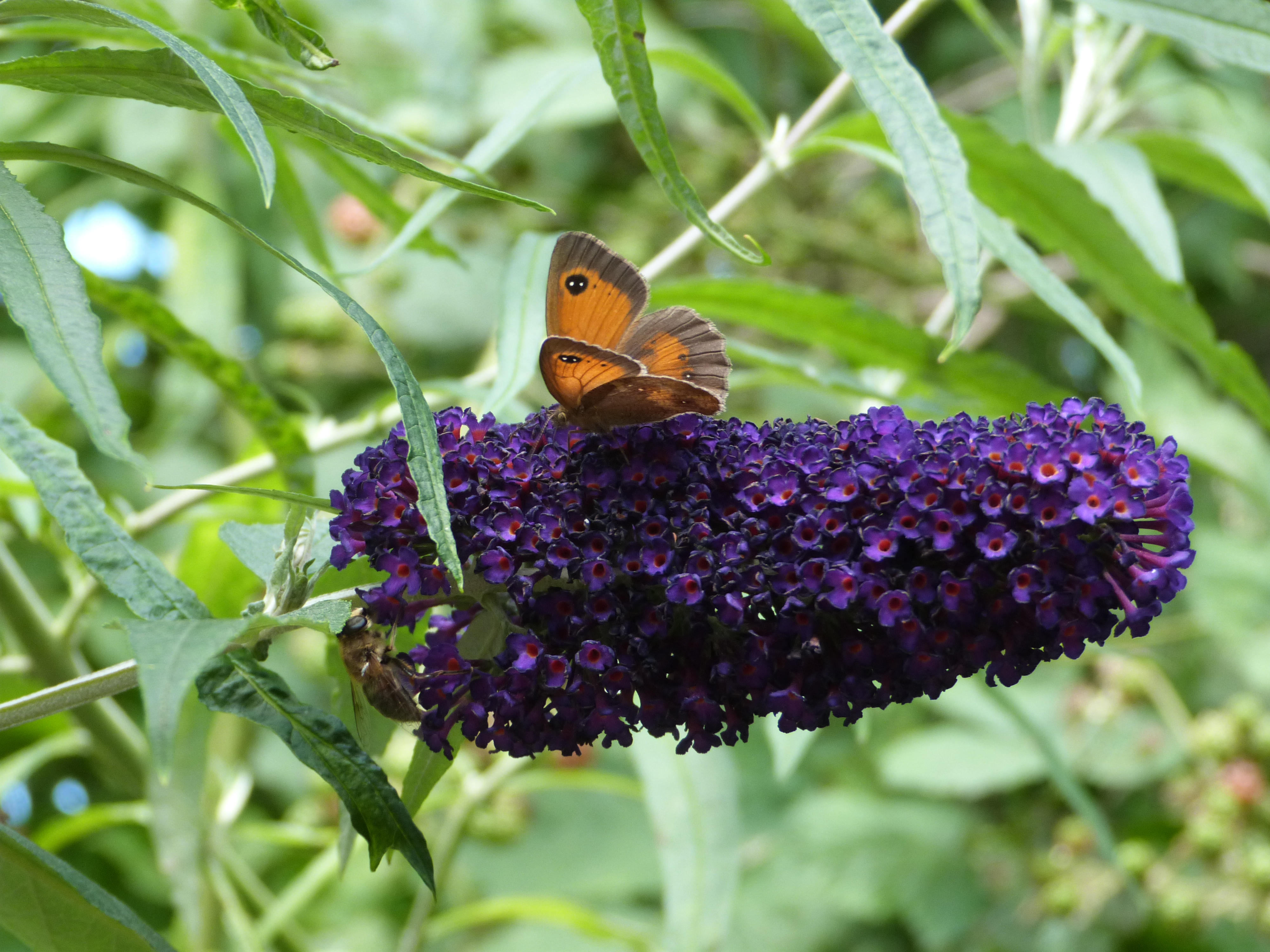
Gatekeeper cropped P1010472

Following hot on the trail of the raft of recent papers that I highlighted on the blog last week comes a new study by Andre Gilburn and colleagues entitled “Are neonicotinoid pesticides driving declines of widespread butterflies?“.  The paper is open access and published in the journal PeerJ which encourages post-publication comments and review of the work.  I see that Tom Oliver of the Centre for Ecology and Hydrology has started the ball rolling with a couple of questions, and hopefully more will follow, with responses from the authors.

The paper focuses on the fact that between 2000 and 2009 there was a 58% decline in butterfly abundance on farmed land in the UK despite a doubling of spending on conservation in the UK over the same period, much of it on agri-environmental schemes on that very same farmed land.

Using a statistical modelling approach the authors conclude that the introduction of neonicotinoid pesticides in the mid-1990s is strongly implicated as a likely driver of those declines.  My immediate question on reading the paper was: “What were the trends like before the mid-1990s, and did the rate of decline change significantly after that period?”

The authors don’t directly answer the question but it seems to me to be quite an important one to answer because abrupt changes in rates of decline in the abundance and diversity of species can be linked to broader changes in, for example, land management and agricultural practices, as we showed recently for bee and wasp extinctions in Britain.

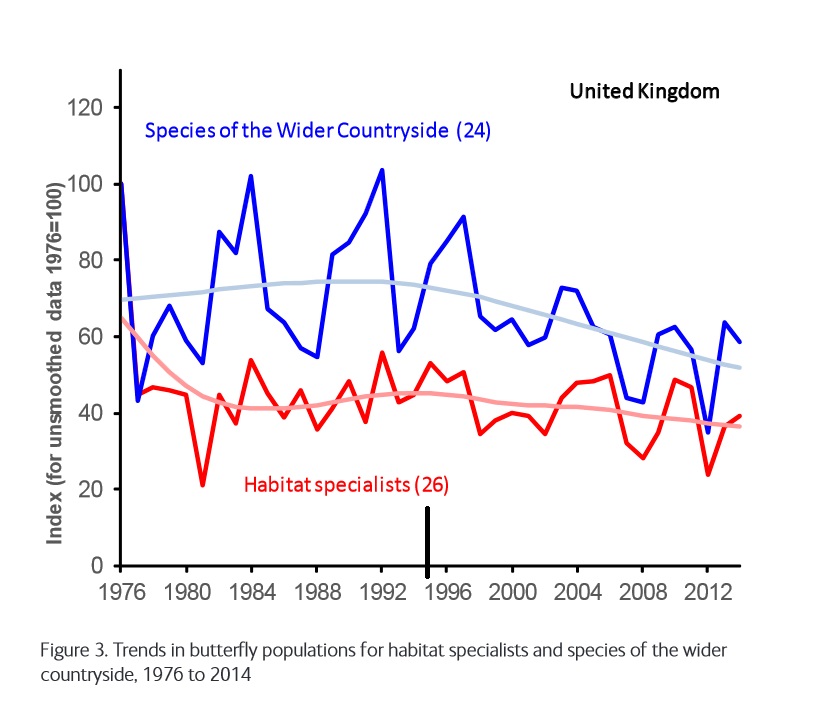
So I looked for the data that would tell me whether the trend had changed and found what I needed in the UK Butterfly Monitoring Scheme annual report for 2014.  Here’s a screen grab of Figure 3 from the report:

Butterfly abundance indices - November 2015

I’ve marked the point at which neonicotinoid pesticides were starting to be widely used in UK farming with a black line.  As you can clearly see this is also roughly the point at which the abundance of the 24 “Species of the wider countryside” begins to trend downwards.  In comparison, the 26 “Habitat specialists” show much less of a change, and in fact their initial decline was much earlier (in the 1970s-80s), possibly in response to loss of species rich grassland and ancient woodland.

Of course I’m just eyeballing the data and it needs to be tested statistically to see if there really is a break point in the trend at the mid-1990s, but this ought to be possible for anyone with access to the full data set.  Even if this is shown to be the case it’s all correlative (as Gilburn and colleagues acknowledge) and proving causation is difficult.  Nonetheless it looks to me like there’s an interesting smoking gun here that deserves further study.

Pollinators seminar at the Houses of Parliament – 2nd December

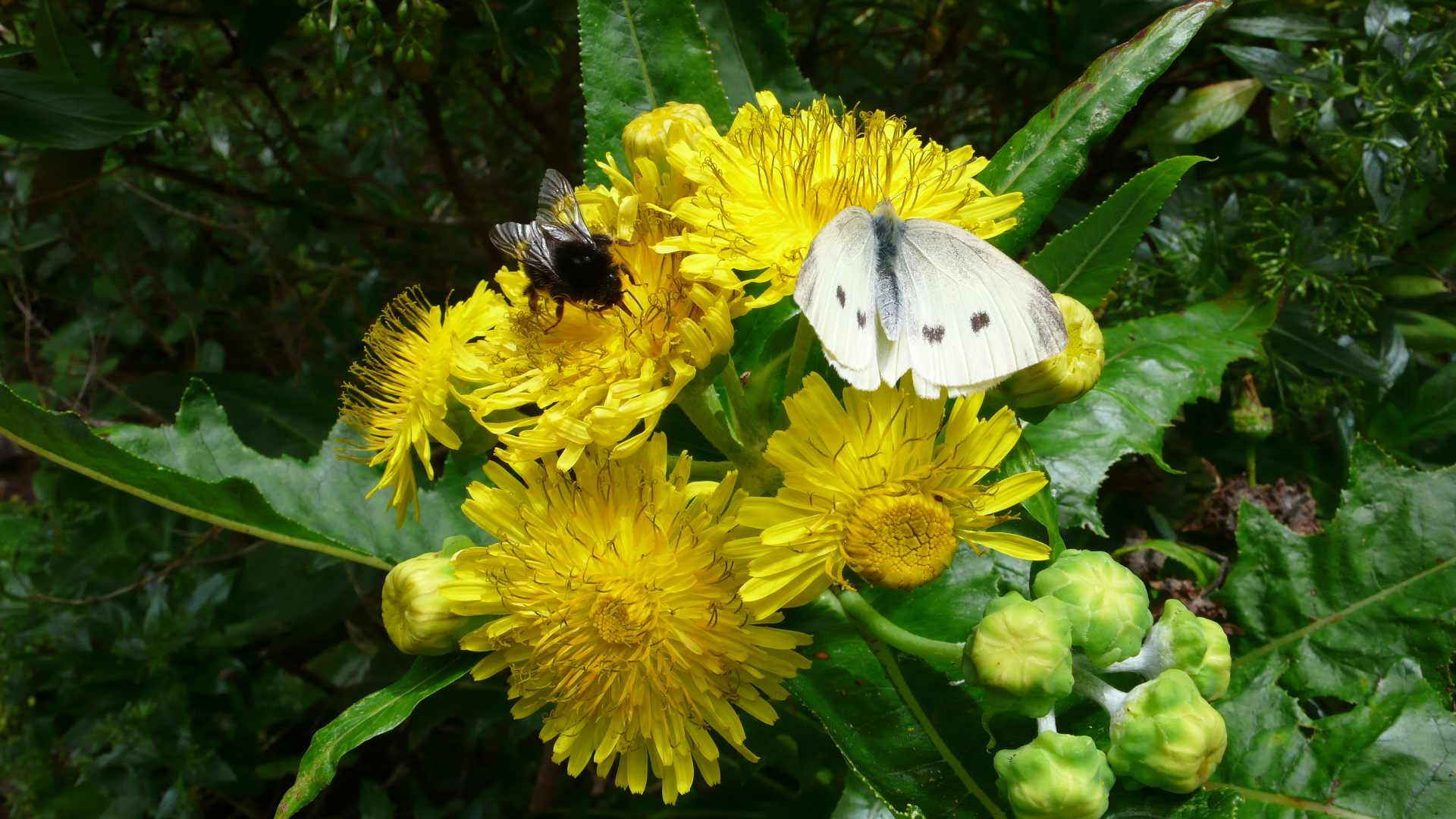
Skipper on ragwort - cropped

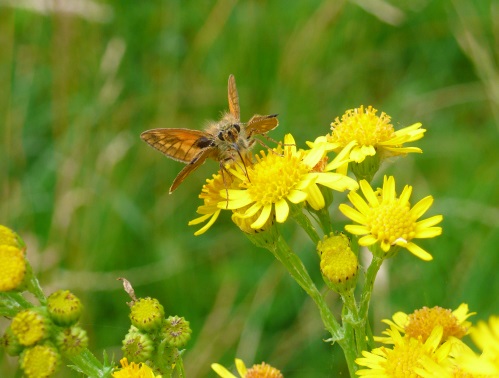
The Parliamentary Office of Science and Technology (POST) has organised a “Pollinators Update” afternoon seminar in London on Wednesday 2nd December, to discuss recent developments in pollinator conservation research. I’ve been asked to give a 15 minute presentation on the pollinator extinctions research we published in Science last year.

The full programme will be:


  • 2.30pm Sarah Newton MP, Chair’s Welcome
  • 2.40pm Presentations
  • Professor Simon Potts (Professor of Biodiversity and Ecosystem Services) – Reading University
  • Professor Jeff Ollerton (Professor of Biodiversity) University of Northampton
  • Dr Claire Carvell – NERC Centre for Ecology and Hydrology
  • Dr Richard Gill – Imperial College London
  • 3.40pm Discussion
  • 3.55pm Chair’s closing remarks
  • 4.00pm Refreshments


The seminar is free to attend but you need to book a place: see the POST website for details.

Are tropical plants and animals more colourful? Not according to a new study!

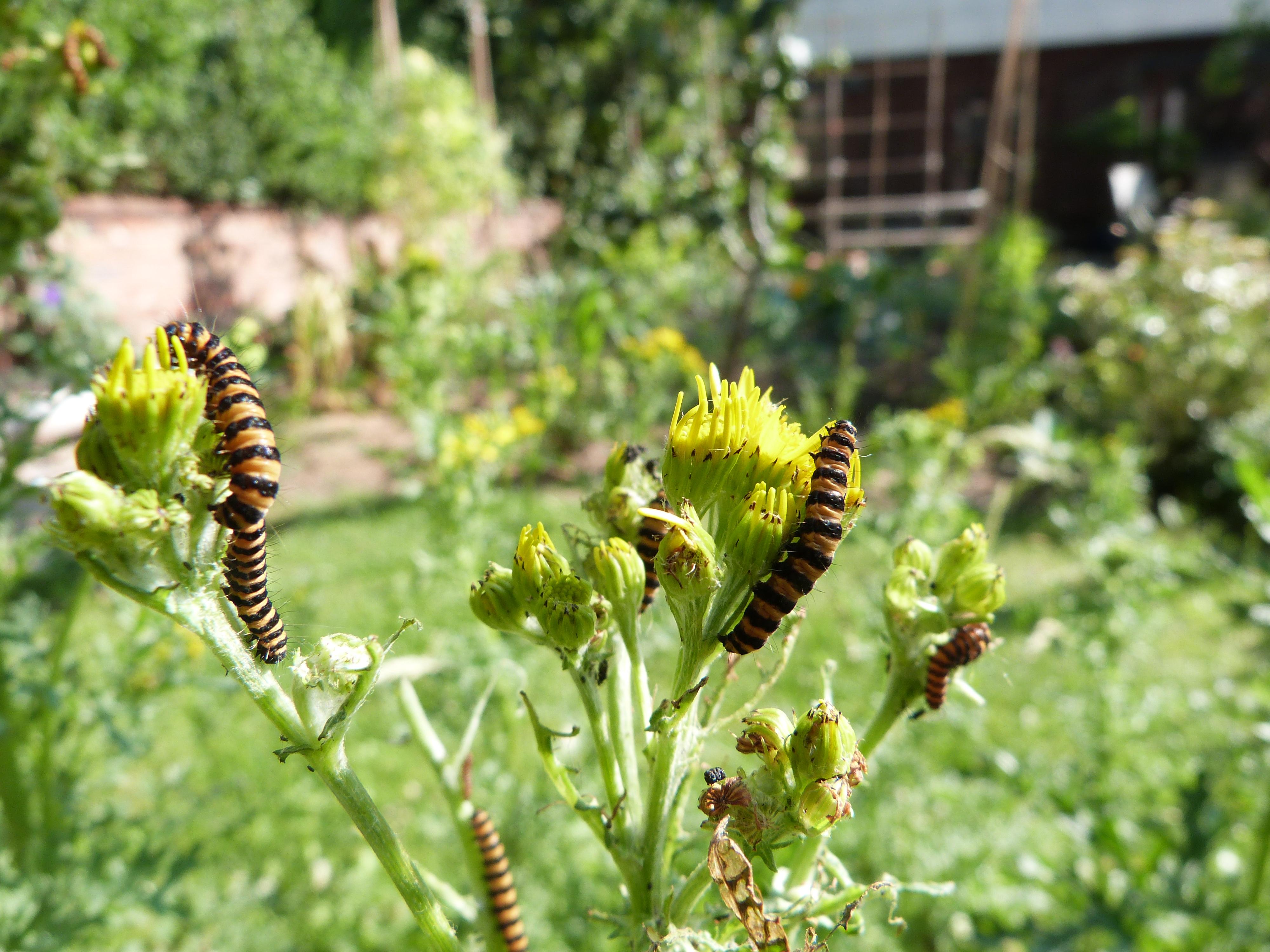
Cinnabar caterpillars 1 P1020535

The notion that tropical ecosystems are somehow “different” to those at higher latitudes is a pervasive one in ecology and biogeography, that has its roots in the explorations of 18th and 19th century Europeans such as von Humboldt, Darwin, Wallace, and Belt.  All of these authors expressed their amazement at the biological riches they observed in their tropical explorations, and how different these habitats were to those they knew from home.

In many ways the tropics are special, of course and we know that they contain many more species than most other parts of the world; indeed my own work has shown that the tropics have significantly more types of functionally specialised pollination systems, and that the proportion of wind pollinated species is lower in tropical communities.  However tropical plants are not, on average, more ecologically specialised (that is, they do not use few species of pollinator) and, as the recent guest blog on Dynamic Ecology argued, there is a growing body of evidence to say that overall tropical interactions between species are not stronger and more specialised than those in the temperate zone (though there are others who dispute this and it’s an ongoing debate).

One of the central tenets of the “tropics are special” idea is that the tropics are more colourful; or rather that the biodiversity of the tropics tends to be more garish, gorgeous, and spectrally exuberant, than that of other parts of the globe.   Now a new study by Rhiannon Dalrymple, Angela Moles and colleagues, published in the journal Global Ecology and Biogeography, has challenged this idea for flowering plants, birds, and butterflies in Australia, using sophisticated colour analysis rather than relying on human impressions. Following that link will take you to the abstract and you can read it yourself; however I wanted to summarise their findings by quoting from the first section of the discussion in the paper:

Contrary to predictions…[our]…results have shown that tropical species of birds, butterflies and flowers are not more colourful than their temperate counterparts. In fact…species further away from the equator on average possess a greater diversity of colours, and their colours are more contrasting and more saturated than those seen in tropical species.”

It’s a really, really interesting study that, as the authors say, runs counter to all of our expectations.  Gradually ecologists and evolutionary biologists are testing some long-standing assumptions about the tropics and the results are proving to be a challenge to preconceived ideas about patterns in the Earth’s biodiversity.

———————————————

Full disclosure: senior author on the paper Angela Moles was my co-author on that Dynamic Ecology blog, based on which we’ve written a short review article that (hopefully) will be published soon.  Other than that I have no vested interest in the study.

The All-Ireland Pollinator Plan 2015-2020

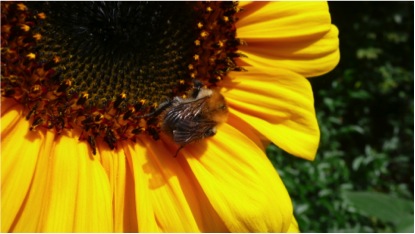
B pasc on sunflower

In the last 12 months we’ve seen the release of the National Pollinator Strategy for England and the USA’s Strategy to Promote the Health of Honeybees and Other Pollinators.  Now the Republic of Ireland and Northern Ireland have joined forces to produce the All-Ireland Pollinator Plan, a strategy for 2015-2020 that has been released today.  Follow that link and you can download a copy.

This appears to be the first cross-jurisdiction pollinator plan in the world and, as such, is to be welcomed; as I said in my reflections on the National Pollinator Strategy, biodiversity does not respect political boundaries.

How much do we really understand about pollination syndromes?

P1110763

Ecologists and evolutionary biologists have, for many years, sought to document repeated patterns that they see in nature; to understand the processes that determine these patterns; and to make predictions about how and when they are going to be observed in the future or in other parts of the world.   There are many examples of such patterns, including: cyclical population dynamics of species such as lemmings; the occurrence of specific types of plant communities (e.g. rainforest, grasslands) in areas with particular climates; and convergent evolution of unrelated species to similar ecological niches, such as large, predatory placental and marsupial mammals (e.g. the dog and wolf family compared to the Tasmanian “wolf”).

An example of convergent evolution that has fascinated botanists since the 19th century is the idea of “pollination syndromes”, which are sets of flower characteristics that have repeatedly evolved in different plant families due to the convergent selection pressures applied by some groups of pollinators. Thus, red, scentless flowers producing lots of nectar are typical of many hummingbird pollinated plants in the New World, whilst white, night-scented flowers often signify moth pollination.  Good examples of plant species possessing these archetypical flower traits are have been used as text book examples for decades, repeatedly used to illustrate the predictable and specialised nature of some plant-pollinator interactions.

The problem is that until recently the pollination syndromes have rarely been subjected to critical tests of their frequency and predictive value (Ollerton et al. 2009 and references therein).  It’s been tacitly assumed that (after more than 150 years of study) we clearly know all there is to know about them, even though there have been criticisms levelled at the syndromes since their inception, a fact that has been subsequently ignored (Waser et al. 2011).

However in the last 20 years biologists have begun to seek answers to questions such as: How often do plant species conform to the expectations of the classical pollination syndromes? How good is our ability to predict the pollinators of a plant based just on its flower characteristics? What is the role played by flower visitors that do not conform to the predictions of the pollination syndromes? Similarly, what is the role of animals that steal nectar or pollen, or act as herbivores, in shaping flower traits?  What new examples of convergent evolution of flower traits remain to be discovered?

Research conducted in many different parts of the world has addressed these questions, questions which some biologists had assumed were already answered or which were not worth asking in the first place. And the answers to them are proving to be both surprising and controversial.

For example, the most comprehensive test of the frequency and predictability of pollination syndromes that has been conducted to date (Ollerton et al. 2009) concluded that only a small proportion of the 352,000 species of flowering plants could be categorised into the pollination syndromes as classically described. Likewise, they estimated that the predictive power of the pollination syndromes was about 30%. Other studies have shown that “secondary” flower visitors can be just as, or more, effective pollinators than the “primary” pollinator predicted by the syndromes (e.g. Waser & Price 1981,1990, 1991); that floral antagonists can play an important a role in shaping flower traits (e.g. Junker and Parachnowitsch 2015 and references therein); and that there are still examples of convergent evolution to “unexpected” pollinators waiting to be discovered in less well researched parts of the world, which in fact is most of the world (Ollerton et al. 2003).

Recently the very prestigious journal Ecology Letters published a paper that has challenged the challengers. Rosas-Guerrero et al (2014), by using a statistical technique called meta-analysis underpinned by a review of the available literature, suggested that pollination syndromes are much more predictable than Ollerton et al. (2009) concluded, and perhaps as high as 75%. However some of my collaborators and I see problems with their approach to studying pollination syndromes that have biased the conclusions that they draw, and therefore undermined the robustness of those conclusions, which we set out in a response to their original paper (Ollerton et al. 2015).  We originally tried to publish this in Ecology Letters but for some reason the journal was not interested; it’s therefore freely available from Journal of Pollination Ecology if you follow that link.

I won’t go into the detail of what we perceive as problems in Rosas-Guerrero et al.’s approach to testing the syndromes (you can read the paper for yourself) but in summary they relate to how the literature review was conducted (which failed to include all of the studies that could have provided data for their meta-analysis); the significant bias in the current literature because plant-pollinator interactions are not studied randomly (biologists are often drawn to large-flowered plants possessing those archetypical, classical flower traits associated with particular syndromes); the variation in how different researchers determine the effectiveness of the pollinators in their system, meaning that these studies are not always comparable; and issues around annual variation in pollinator identity and presentation of data.

Despite providing a focus and framework for understanding pollination biology for over 150 years, the pollination syndromes continue to surprise us and to provide a vital antidote to scientific hubris: we really do not understand nearly as much about them as we assume.

In an era when we are more and more concerned about loss of pollinator diversity, including extinction at both a species- and country-level, do these debates really matter or are they of purely academic concern, of interest to a few botanists and ecologists?  As you might expect, I’d argue that they do matter: there are still some fundamental aspects of pollination ecology that we don’t completely understand, or have only recently been seriously addressing, some of which I’ve worked on myself and which I’ve highlighted in this blog.  These include the number of flowering plants that require animal pollination, the diversity of pollinators at a global and regional level, the relative importance of different types of pollinators, and whether or not plants and pollinators are more specialised in tropical compared to temperate communities.  Without some of this fundamental knowledge we are unable to make effective arguments, policies and strategies for conserving pollinators.

References

Junker RR, Parachnowitsch AL (2015) Working towards a holistic view on flower traits—how floral scents mediate plant–animal interactions in concert with other floral characters. Journal of the Indian Institute of Science 95:43–67.

Ollerton J, Johnson SD, Cranmer L, Kellie S (2003) The pollination ecology of an assemblage of grassland asclepiads in South Africa. Annals of Botany 92:807–834.

Ollerton J, Alarcón R, Waser NM, Price MV, Watts S, Cranmer L, Hingston A, Peter CI, Rotenberry J (2009) A global test of the pollination syndrome hypothesis. Annals of Botany 103:1471–1480.

Rosas-Guerrero V, Aguilar R, Marten-Rodriguez S, Ashworth L, Lopezaraiza-Mikel M, Bastida JM, Quesada M (2014) A quantitative review of pollination syndromes: do floral traits predict effective pollinators? Ecology Letters 17: 388–400.

Waser NM, Price MV (1981) Pollinator choice and stabilizing selection for flower color in Delphinium nelsonii. Evolution 35:376–390.

Waser NM, Price MV (1990) Pollination efficiency and effectiveness of bumble bees and hummingbirds visiting
Delphinium nelsonii. Collectanea Botanica (Barcelona) 19:9–20.

Waser NM, Price MV (1991) Outcrossing distance effects in Delphinium nelsonii: pollen loads, pollen tubes, and seed set.
Ecology 72:171–179.

Waser NM, Ollerton J, Erhardt A (2011) Typology in pollination biology: lessons from an historical critique. Journal of Pollination
Ecology 3:1–7.

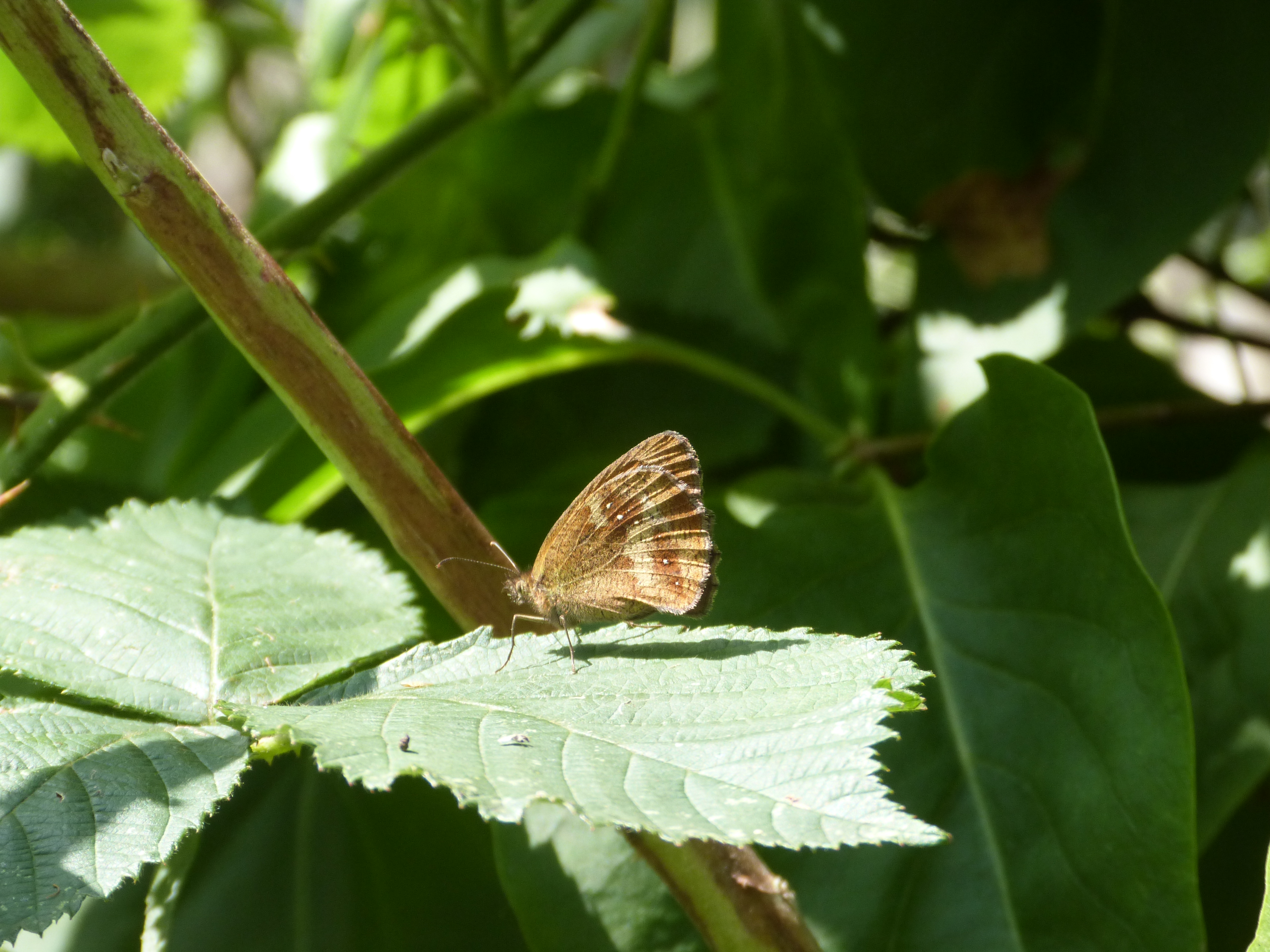
Garden pollinators for PAW no. 4 – Gatekeeper butterfly (Pyronia tithonus)

Gatekeeper 3 - summer 2014

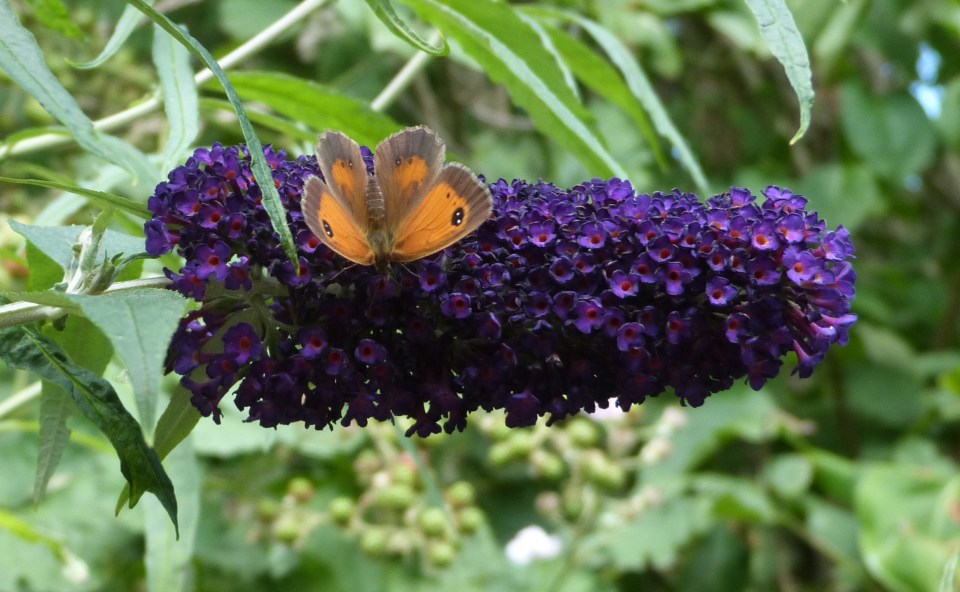
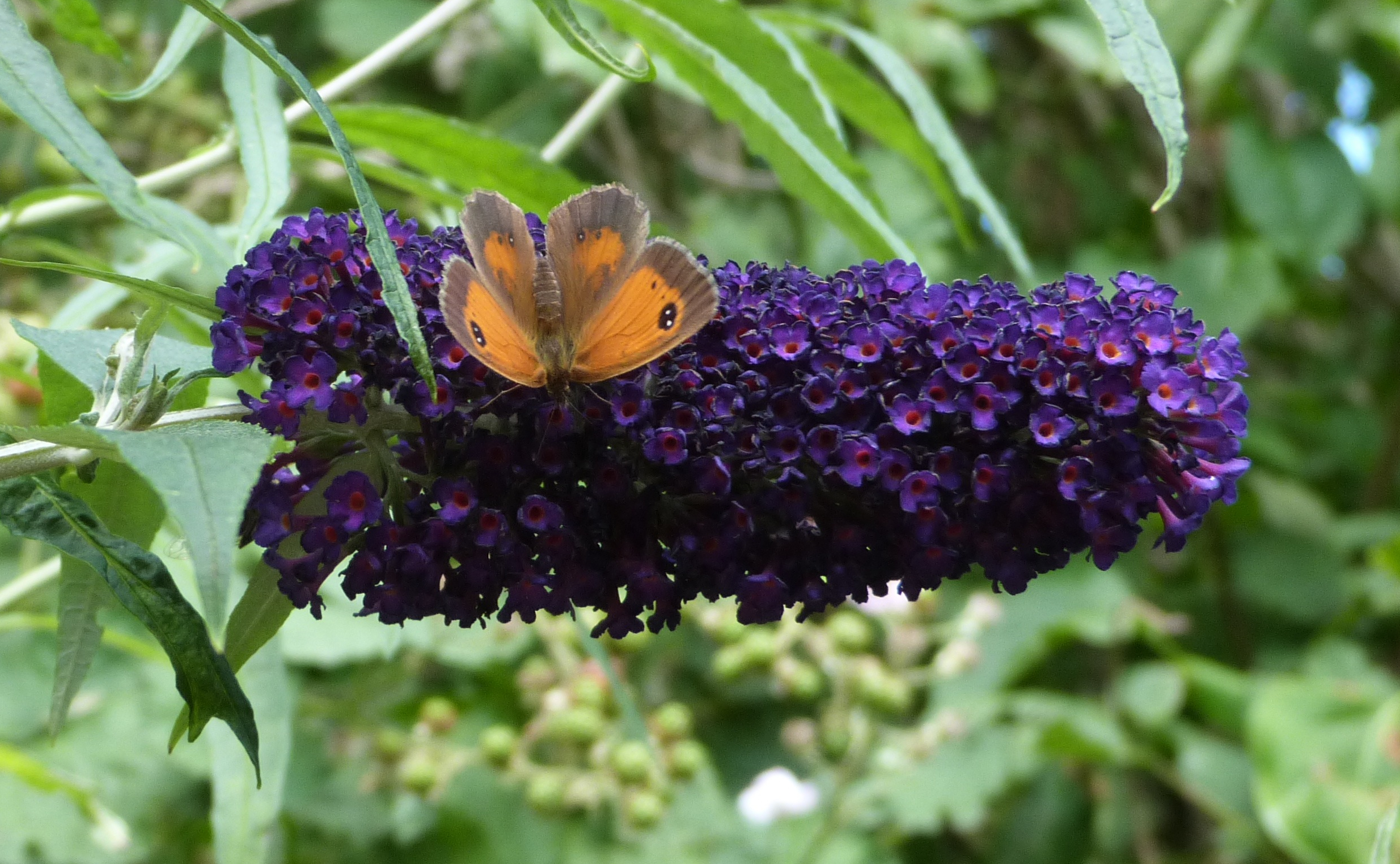
For my fourth contribution to Pollinator Awareness Week I’m going to highlight the Gatekeeper (Pyronia tithonus), a butterfly that I featured on this blog last year.  As I noted in that post, it’s fairly rare to have Gatekeepers in an urban garden which indicates that the shrubs and hedges grown by myself and my neighbours are providing the right microclimate for the adults.  In addition the overgrown lawns of some adjacent gardens give opportunities for egg laying as the caterpillars are grass feeders.

P1010467

Adult butterflies are very well camouflaged when resting with their wings folded. They take nectar from a range of plants in my garden but particularly love the dark, heavily scented infloresences of the buddleia variety pictured here.  They also visit the wild blackberries scrambling through the hedge that separates us from next door’s garden and probably pollinate those flowers.  Although it’s often said that butterflies are poor pollinators compared to bees, due to their general un-hairiness and habit of holding themselves above the stamens and stigmas in a flower, it very much depends on the type of flower.  We have an unpublished manuscript that I hope to submit to a journal later this year showing that butterflies are actually better pollinators of one grassland plant than bumblebees.

Gatekeeper cropped P1010472

Pollinator Awareness Week – 13th – 19th July 2015

P1110763

Next week has been designated Pollinator Awareness Week (PAW) by Defra and there are events and profile-raising activities going on all over the country.

The motivation behind the PAW is (quote) “to bring attention to the essential needs of pollinators and the simple actions that we can all take to help pollinators survive and thrive”.

With that in mind, next week I intend to produce one blog post a day that highlights, with photographs, a pollinator (or group of pollinators) that I’ve found in my own urban garden in Northampton.  The purpose is to illustrate the diversity of pollinators that even a town garden can support, something about their fascinating life histories, and the different ecological requirements of these pollinators that our gardens can provide.  For some of them I’ll even discuss the garden crops that they pollinate.  First post will be on Monday.

If you, or the group you work with, are doing something for Pollinator Awareness Week feel free to share it in the comments section below.

Plantlife’s road verge advice could negatively affect pollinators

P1020346

Did anyone else hear the item on Radio 4 this morning about Plantlife’s road verge campaign and associated petition?  I listened carefully to the discussion and am broadly supportive of what they are trying to achieve.  But I was immediately struck by a comment that local councils should cut the verges “from mid July onwards” because most plants will have set seed by then.  I’ve seen this advice given before and whilst it might be an appropriate option for plants, it could severely impact local pollinator populations.

The printed advice that Plantlife is offering (which can be found here) states that if it’s only possible to cut a verge once a year:

“Cut the full width of the verge….between mid July and September. This allows plants to flower and, importantly, gives time for seed to be set.”

This misses a vital point: between mid-July and September there is still an abundance of flower-visiting insects that require these flowers to provide resources for their nesting and egg laying activities, or to build up reserves of energy to allow them to hibernate, particularly newly-mated queen bumblebees.

Where’s the evidence to support my assertion?  It’s been demonstrated by a number of studies, but I’ll point you in the direction of a paper that came out of the PhD work of one of my former students, Dr Sam Tarrant, who now works with RSPB.  If you look at Figure 4 of this paper, you’ll see that on restored landfill sites the abundance of pollinators in autumn surveys (conducted September-October) was just as high as for summer surveys.  On nature reserves, which are routinely cut from mid-July onwards (see Figure 2), this was not the case.

Climate change means that flower-visiting insects are now active in the UK for a much longer period of time than was previously the case, up to at least November in the south of the country.  I agree with Plantlife that road verges are important habitats for plants and other wildlife.  But advice that suggests cutting floral resources at a key time of the year for these insects is simply misguided.  A cut between October and December would be much more appropriate.

I don’t use Twitter so if anyone could point this at Plantlife’s account I’d be interested to see what their reaction is.

How good is the evidence base for pollinator declines? A comment on the recent Ghazoul and Goulson Science correspondence

In a recent issue of the journal Science, Dave Goulson and colleagues presented a review entitled “Bee declines driven by combined stress from parasites, pesticides, and lack of flowers”.  This stimulated Jaboury Ghazoul to submit a letter to Science criticising the Goulson et al. paper from a number of perspectives, but particularly the paucity of the evidence base for pollinator declines. Dave and his co-authors robustly responded to that letter, as you might imagine. In some respects this was an unsatisfactory exchange, however, as the focus was largely on agricultural pollinators, rather than pollinators of all plants (including the majority non-cultivated species) and I think that (perhaps with more space?) Dave could have outlined the evidence in more depth.

The most striking statement in Jaboury’s letter was that the “evidence for pollinator declines is almost entirely confined to honeybees and bumblebees in Europe and North America”.

Now, even given the fact that Jaboury was possibly referring specifically to agricultural pollinators, that is a very extreme statement to make. Underlying it is the suggestion that global concerns about declining pollinator biodiversity (a subject I’ve discussed repeatedly on this blog) is underpinned by a taxonomically and geographically thin evidence base. Is that really true? I don’t believe so and I think it’s worth presenting a brief overview of the evidence, not least because Dave’s review and the resulting correspondence is pay-walled at the Science site (though if you Google the titles you might, just might, find copies posted on the web…)

Let me state from the outset that I have considerable respect for both Jaboury and Dave, as individuals and as scientists. I’ve known Dave since we were postgrads together in the early 1990s, and have had occasional contact with Jaboury through conferences and via email. So this isn’t meant to be a criticism of either of them.  But I do believe that the evidence for pollinator declines is considerably more robust than Jaboury acknowledges, and even more wide ranging than Dave and colleagues describe in their response (though in fairness, most of the bee evidence was cited in their original review).

Here’s a summary of where I see the evidence base at the moment; it’s not meant to be a full review, by any means, but rather to give a flavour of the taxonomic and geographical breadth and depth of the evidence as it currently stands:

Wild bees (including bumblebees, and solitary and primitively eusocial bees) – significant reduction of abundance and diversity at local, regional and country-levels documented in Britain (Biesmeijer et al. 2006, Ollerton et al. 2014), Holland (Biesmeijer et al. 2006), Europe as a whole (Kosier et al. 2007, the recent IUCN Red List by Nieto et al 2014), North America (Grixti et al. 2007, Cameron et al. 2011, Burkle et al. 2013), South America (Morales et al. 2013; Schmid-Hempel et al. 2013), China and Japan (Xie et al. 2008; Williams et al. 2009; Matsumura et al. 2004; Inoue et al. 2008), and South Africa (Pauw 2007).

Honey bees – colony declines documented in Europe and North America (see reviews by NRC 2007, Potts et al. 2010) and evidence that global demand for honey bee pollination services is outstripping supply (Aizen and Harder 2009).

Hoverflies (Syrphidae) – diversity declines documented in Holland and Britain (Biesmeijer et al. 2006).

Butterflies and moths – diversity and abundance of Lepidoptera has declined in the UK (Gonzalez-Megias et al. 2008, Fox 2013), whilst in North America some 50 species are IUCN criteria Red Listed and there is particular concern about the iconic Monarch butterfly.  Likewise a significant fraction of butterflies in other parts of the world are of conservation concern, e.g. Southern Africa, Australia, and Europe.

Flower-visiting wasps – reduction in country-level diversity in Britain (Ollerton et al. 2014).

Birds and mammals – the major vertebrate pollinators have recently been assessed at a global level by Regan et al. (2015) using IUCN Red List criteria.  They concluded that: “overall, pollinating bird and mammal species are deteriorating in status, with more species moving toward extinction than away from it. On average, 2.5 species per year have moved one Red List category toward extinction in recent decades, representing a substantial increase in the extinction risk across this set of species”.

Of course a number of the studies cited above have shown that some species are doing better than others and a proportion of the taxa they have assessed are stable or even increasing in abundance (including managed honey bee colonies in some parts of the world). But the current evidence base, as I see it, is pointing towards significant declines in pollinator abundance and diversity at multiple spatial scales across all regions that have so-far been assessed with any rigour, for a wide range of taxa.

I’m happy to receive comments on this topic, particularly pointing me to major sources of evidence that I’ve not covered, or if you disagree with my conclusions.

References

Aizen and Harder (2009) The global stock of domesticated honeybees is growing slower than agricultural demand for pollination. Current Biology 19: 915–918.

Biesmeijer et al. (2006) Parallel declines in pollinators and insect-pollinated plants in Britain and the Netherlands. Science 313: 351–354.

Burkle et al. (2013) Plant-pollinator interactions over 120 years: Loss of species, co-occurrence, and function. Science 339, 1611–161.

Cameron et al. (2011) Patterns of widespread decline in North American bumble bees. Proc. Natl. Acad. Sci. U.S.A. 108: 662–667.

Fox (2013) The decline of moths in Great Britain: a review of possible causes. Insect Conservation and Diversity 6: 5–19.

Gonzalez-Megias, A. et al. (2008) Changes in the composition of British butterfly assemblages over two decades. Global Change Biology, 14: 1464-1474.

Grixti (2009) Decline of bumble bees (Bombus) in the North American Midwest. Biol. Conserv. 142, 75–84 (2009).

Inoue et al. (2008). Displacement of Japanese native bumblebees by the recently introduced Bombus terrestris (L.) (Hymenoptera: Apidae). J. Insect Conserv. 12: 135–146.

Kosior (2007) The decline of the bumble bees and cuckoo bees (Hymenoptera: Apidae: Bombini) of Western and Central Europe. Oryx 41, 79–88.

Matsumura et al. (2004) Invasion status and potential ecological impacts of an invasive alien bumblebee, Bombus terrestris L. (Hymenoptera: Apidae) naturalized in Southern Hokkaido, Japan. Glob. Environ. Res. 8, 51–66.

National Resource Council (2007) Status of Pollinators in North America.  National Academies Press, Washington, DC.

Nieto et al. (2014) European Red List of Bees.  Publication Office of the European Union.

Ollerton et al. (2014) Extinction of aculeate pollinators in Britain and the role of large-scale agricultural changes.  Science 346: 1360-1362.

Pauw (2007) Collapse of a pollination web in small conservation areas. Ecology 88: 1759-1769.

Potts et al. (2010) Declines of managed honey bees and beekeepers in Europe. Journal of Apicultural Research 49: 15–22.

Regan et al. (2015) Global Trends in the Status of Bird and Mammal Pollinators. Conservation Letters DOI: 10.1111/conl.12162

Schmid-Hempel et al. (2013) The invasion of southern South America by imported bumblebees and associated parasites. Journal of Animal Ecology 83: 823–837.

Williams et al. (2009) The bumblebees of Sichuan (Hymenoptera: Apidae, Bombini). Syst. Biodivers. 7: 101–189.

Xie et al. (2008) The effect of grazing on bumblebees in the high rangelands of the eastern Tibetan Plateau of Sichuan. Journal of Insect Conservation 12: 695–703 (2008).