Category Archives: Biodiversity

A new study shows that even short-tubed flowers can specialise on hawkmoths as pollinators

Of all of the “classical” pollination syndromes, flowers that are hawkmoth pollinated have one of the highest levels of predictability. If a flower is pale in colour, opens at night, is highly scented, and possesses a long tube at the bottom of which is a supply of nectar, there’s a very high likelihood that it’s pollinated by long-tongued hawkmoths (Sphingidae).

Indeed, one of the foundational stories about the development of our understanding of how pollination systems evolve, relates to Charles Darwin, the long-tubed orchid Angraecum sesquipedale and the hawkmoth Xanthopan morganii praedicta.

Fast forward 160 years and we now know that pollination syndromes are more complex than 19th and early 20th century scientists imagined – see my recent book Pollinators & Pollination: Nature and Society for a discussion of this topic. That’s not surprising because, as I point out, we probably have data on the interactions between plants and their pollinators for only about 10% of the estimated 352,000 species of flowering plants. There’s still much to be discovered!

As an example of how our understanding of specialised flower-hawkmoth interactions is developing, consider this recent study that I’ve just published with my Brazilian colleague Felipe Amorim and other collaborators. In it we have shown that, contrary to expectations, a species of Apocynaceae (Schubertia grandiflora) with a relatively short floral tube can specialise on hawkmoths with much longer tongues than we might predict.

The full reference with a link to the study is shown below, followed by the abstract. If you would like a PDF, please drop me a line via my Contact page:

Amorim, F.W., Marin, S., Sanz-Viega, P.A., Ollerton, J. & Oliveira, P.E. (2022) Short flowers for long tongues: functional specialization in a nocturnal pollination network of an asclepiad in long-tongued hawkmoths. Biotropica https://doi.org/10.1111/btp.13090

Abstract:

Since Darwin, very long and narrow floral tubes have been known to represent the main floral morphological feature for specialized long-tongued hawkmoth pollination. However, specialization may be driven by other contrivances instead of floral tube morphology. Asclepiads are plants with a complex floral morphology where primary hawkmoth pollination had never been described. We detailed here the intricate pollination mechanism of the South American asclepiad Schubertia grandiflora, where functional specialization on long-tongued hawkmoth pollinators occurs despite the short floral tube of this species. We studied two plant populations in the Brazilian Cerrado and recorded floral visitors using different approaches, such as light-trapped hawkmoths for pollen analysis, direct field observations, and IR motion-activated cameras. Finally, using a community-level approach we applied an ecological network analysis to identify the realized pollinator niche of S. grandiflora among the available niches in the pollinator community. Throughout a period of 17 years, long-tongued hawkmoths were consistently recorded as the main floral visitors and the only effective pollinators of S. grandiflora. Flowers rely on highly modified corona and gynostegium, and enlarged nectar chambers, to drive visitors and pollination mechanism. Despite its relative short-tube, network analysis placed S. grandiflora in the module including exclusively long-tongued hawkmoth pollinators and the most phenotypically specialized sphingophilous plants in the community. These results represent the first example of functional specialization in long-tongued hawkmoths in an asclepiad species. However, this specialization is uncoupled from the long floral tubes historically associated with the sphingophily syndrome.
The value of butterfly specimens for understanding species extinctions – a new study just published.

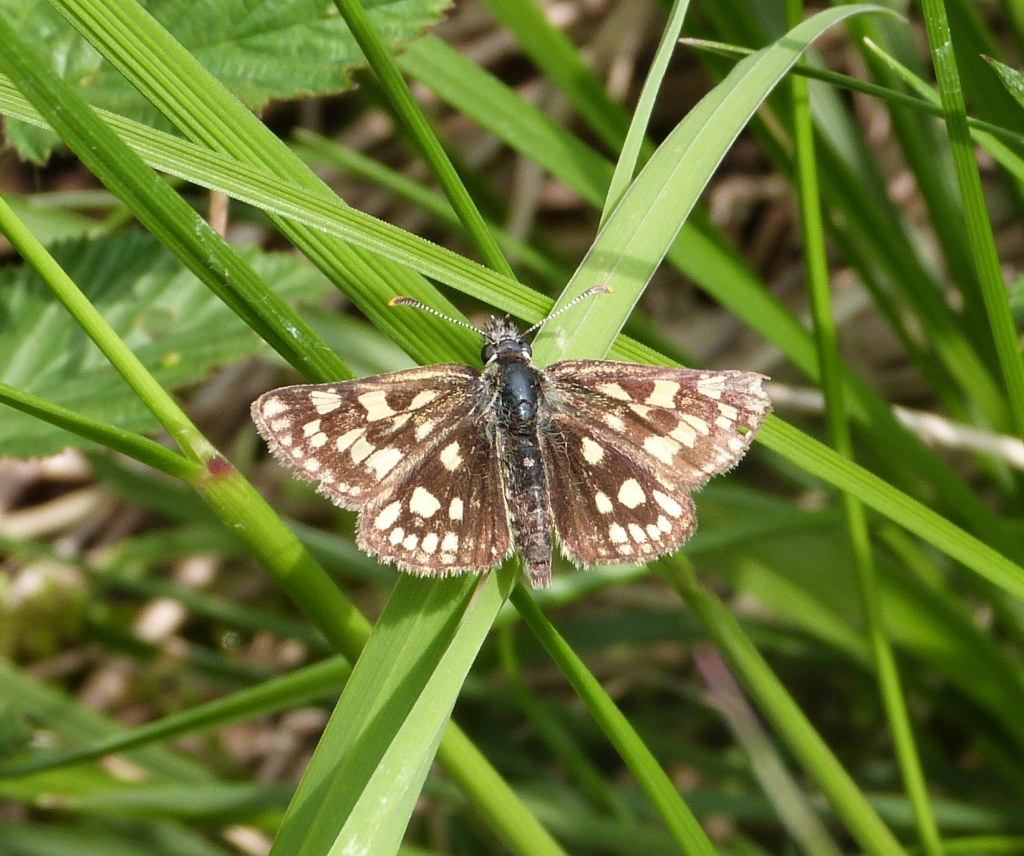
The Chequered Skipper Reintroduction Project has featured in several posts over the last few years – see here and here – and University of Northampton PhD researcher Jamie Wildman has been working hard to complete his thesis under the less-than-ideal conditions imposed by the COVID-19 pandemic. The first paper from the project has just been published and it deals with Jamie’s monumental efforts to bring together all of the scattered data relating to preserved Chequered Skipper specimens held in museums and private collections. An existing database contained just 266 records; Jamie’s efforts increased that by an order of magnitude, adding a further 3,533 new records that document where and when specimens were collected, and by whom.

This 1,328 % increase in data means that we now know much more about the historical distribution of this butterfly and how that changed over time.

The Chequered Skipper went extinct in England in 1976 and this enhanced database will allow us to understand why that extinction occurred. This initial paper documents the strategy used to find the additional records as a road map for how others might proceed in the future. The full reference with a link to the paper is here:

Wildman, J.P., Ollerton, J., Bourn, N.A.D., Brereton, T.M., Moore, J.L. & McCollin, D. (2022) The value of museum and other uncollated data in reconstructing the decline of the chequered skipper butterfly Carterocephalus palaemon (Pallas, 1771). Journal of Natural Science Collections 10: 31-44

This is the abstract:

The chequered skipper butterfly Carterocephalus palaemon (Pallas, 1771) was declared extinct in England in 1976 after suffering a precipitous decline in range and abundance during the 20th Century. By searching and collating museum and other records, we show how a deeper understanding of this decline can be achieved, thus furthering conservation objectives. A preexisting Butterflies for the New Millennium (BNM) database of United Kingdom butterfly species records, created by Butterfly Conservation in conjunction with the Biological Records Centre (BRC), contained 266 historic C. palaemon records from England. United Kingdom (UK) museums and natural history societies were contacted for specimen data, and these sources added 2175 new records to the BNM. Owners of private specimen collections were also contacted, and these collections accounted for a further 465 records. Specimens originating from UK museums, other institutions, and private collections represent 2640 (71%) of total new records. Other sources, such as personal accounts held in museums, published and unpublished texts produced an additional 894 records. A further 437 records from museums, private collections, and other sources were considered partial and omitted from the data due to limited or misleading date and/or locality information. In summary, data from UK museums and other sources has infilled English C. palaemon distribution prior to 1976, offering further insight into potential environmental and anthropogenic drivers of decline at key sites. The quality and quantity of data obtained using the method outlined in this study suggests similar work could be carried out for other extinct or declining butterfly species to improve our knowledge of habitat requirements and historical distribution via modelling, identify causes of decline, and provide valuable information for potential reintroductions.

Is the tropical epiphytic house plant Monolena primuliflora an “ant plant”?

I love going to botanic gardens and I keep a “life list” of those that I have visited. So on a visit to Lund University last week, to give a seminar and take part in an MSc defence, I was delighted to be able to add another one to that list. Lund University Botanical Garden is quite small, like many such urban gardens, and this is not the best time of the year to visit. But there was a good show of early spring plants in flowers, the sun was shining, and quite a number of people were enjoying the peace and calm in the middle of a city.

The glasshouses were especially busy, and they have a nice collection of cold-sensitive plants arranged by habitat and taxonomy, such as cacti and succulents, ferns, orchids, and so forth. One of the reasons why I enjoy botanic gardens so much is that I always, without exception, see plants that I have never previously encountered, often doing unexpected things.

Lund was no exception, and I was particularly intrigued by a plant called Monolena primuliflora which was being grown in a hanging basket, as is often the case with epiphytic plants. It’s a species of Melastomataceae, a family that I know well from tropical field work. But this one looked unlike any melastome that I’d ever seen. In particular, I was drawn to the large rhizome or caudex from which the leaves emerge:

This immediately reminded me of some of the epiphytic “ant plants” such as species of Myrmecodia and Hydophytum and especially ferns such as Lecanopteris. All of these myrmecophyte genera have evolved swollen stems or rhizomes which house colonies of ants. The ants in turn defend the plants against herbivores, in a mutualistically advantageous relationship.

Sure enough, when I searched online for information about Monolena primuliflora, it’s widely described in the house plant community as an “ant plant” – see here and here for example. After I tweeted about this, biologist Guillaume Chomicki (who has been researching these ant-plant interactions) was intrigued but asked about the evidence for it being a myrmecophyte:

That got me thinking, so I dug around in the botanical literature for the evidence and found…..nothing. The standard monograph on the genus by Warner (2002) doesn’t mention it and as far as I can tell (please someone will correct me if I am wrong) there’s no documented study of this species or genus having a myrmecophytic relationship with ants.

If I’m correct, how has the idea of Monolena primuliflora as an ant plant come about? This is a relatively new introduction to the houseplant trade and I suspect that plant sellers have made assumptions about the swollen rhizome (as I did!) to make the plant sound more interesting. There’s no doubt that the rhizome is fascinating and unusual in the family, but its function may be to store water (as found in many epiphytic orchids) rather than to house ants.

In my recent book Pollinators & Pollination: Nature and Society, and in this article last year in the magazine British Wildlife, I discussed how the world of plants (and pollinators) is full of myths and misunderstandings. This seems to be another one and by writing this blog post I’m hoping that we can clarify the situation with regard to Monolena primuliflora. So if you have any further information about it, please do comment below.

My thanks to everyone on Twitter who commented about the plant, especially Guillaume for asking the question!

The coltsfoot is flowering! But why is it so different to dandelion?

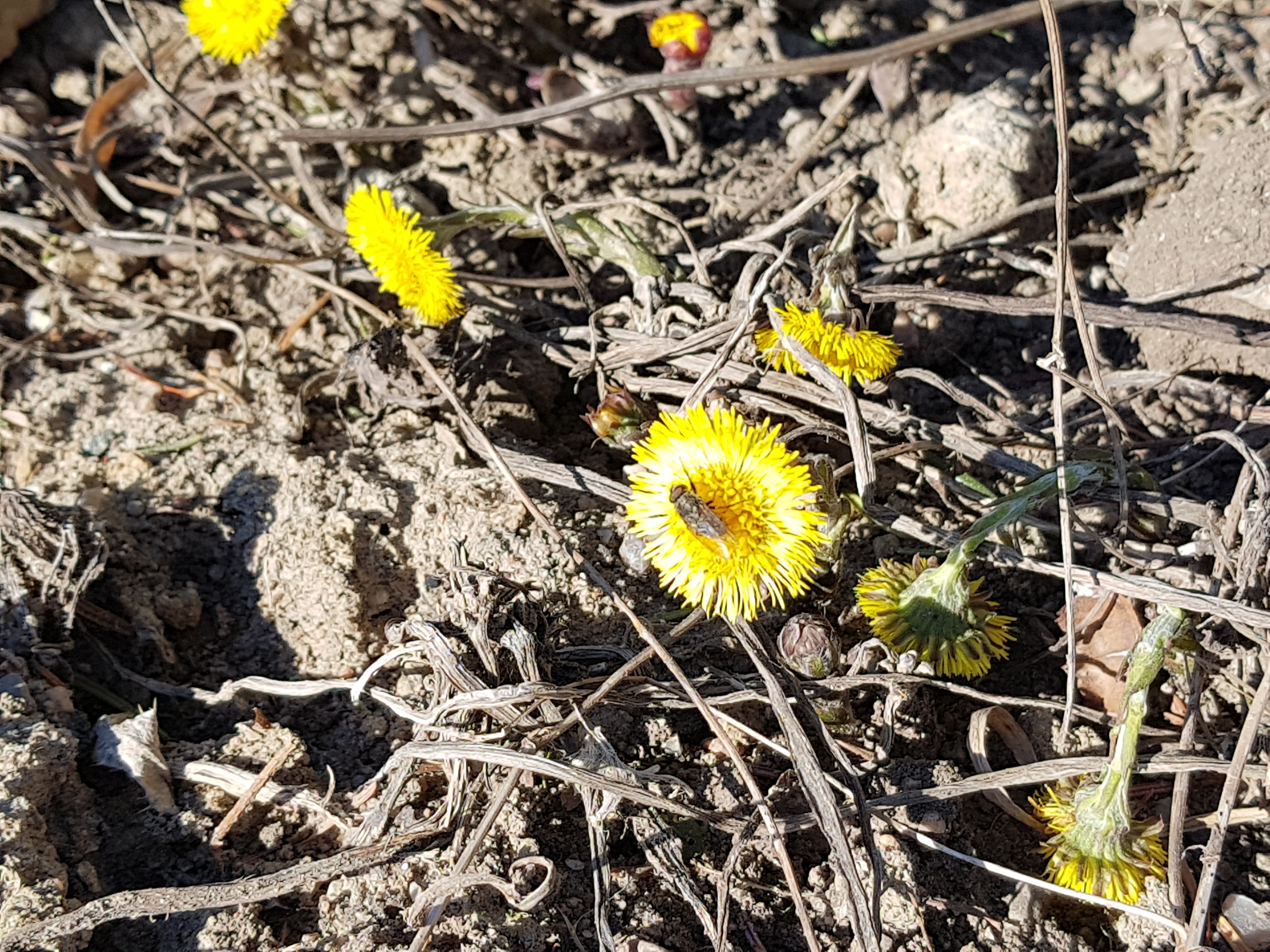
Yesterday Karin and I took to our bikes and rode south through some very nice, managed beech and oak woodland that runs parallel to the Isefjorden in this part of Odsherred. In was cold but sunny, birds were singing, and we saw the occasional insect on the wing. The kind of day that reminds you that spring is coming fast. On the way back we paused at a small housing development near the former psychiatric hospital at Annebergparken. In an area of disturbed ground I was delighted to see a patch of coltsfoot (Tussilago farfara) in full flower, the dandelion-like inflorescences a beacon to passing bees and flies.

Although it resembles a small dandelion, and belongs to the same family (Asteraceae), Tussilago is only distantly related to Taraxacum. Coltsfoot is really a type of groundsel (tribe Senecioneae) whereas dandelions are related to chicory (tribe Cichorieae).

Coltsfoot is unusual in that it produces its flowering stems long before the leaves that give it its common name, the plant’s reproduction powered by the energy that it stored up the previous year. Dandelions, like most herbaceous plants, produce their leaves first, then flower. That’s not the only difference to dandelions though.

The Database of Pollinator Interactions (DoPI) lists 9 species of insect that have been recorded as visiting coltsfoot for nectar and/or pollen. In contrast, the entry for Taraxacum officinale lists more than130 species as flower visitors. I thought initially that it might be due simply to under-recording, but this study of coltsfoot in Germany only recorded 16 insect species. So the greater attractiveness of dandelion is likely to be real. Why the big difference in pollinators?

One reason for it could be that dandelions have a very different flowering strategy; they can be in flower 12 months of the year, depending on local weather conditions, with a reproductive peak in May or June. They therefore have the opportunity to interact with many more insects than coltsfoot, which in contrast you generally only see in flower between March and May at the very latest.

Dandelions are also much more abundant than coltsfoot which is no doubt also a big factor in determining how often insects are observed on the flower heads. It’s not unusual to see whole fields full of dandelions in flower but I’ve never seen coltsfoot do that, perhaps because they prefer to grow on rather disturbed ground.

There may be some other factors at play here that I’m not aware of, for example a lower rate of nectar production in coltsfoot. Having said that, the fact that dandelions produce any nectar at all is a real conundrum. All of the literature claims that Taraxacum officinale is “apomictic“, a plant reproductive strategy in which seeds are produced without requiring ovules to be fertilised by pollen. In fact the online Ecological Flora of Britain and Ireland entry for dandelions lists the pollen vector as “none” for that very reason. But I’m sure that the real story is more complicated, otherwise why would these plants invest so much of their energy and resources in attracting and rewarding flower visitors? I’ve not delved deeply into the Taraxacum literature so perhaps one of my readers knows?

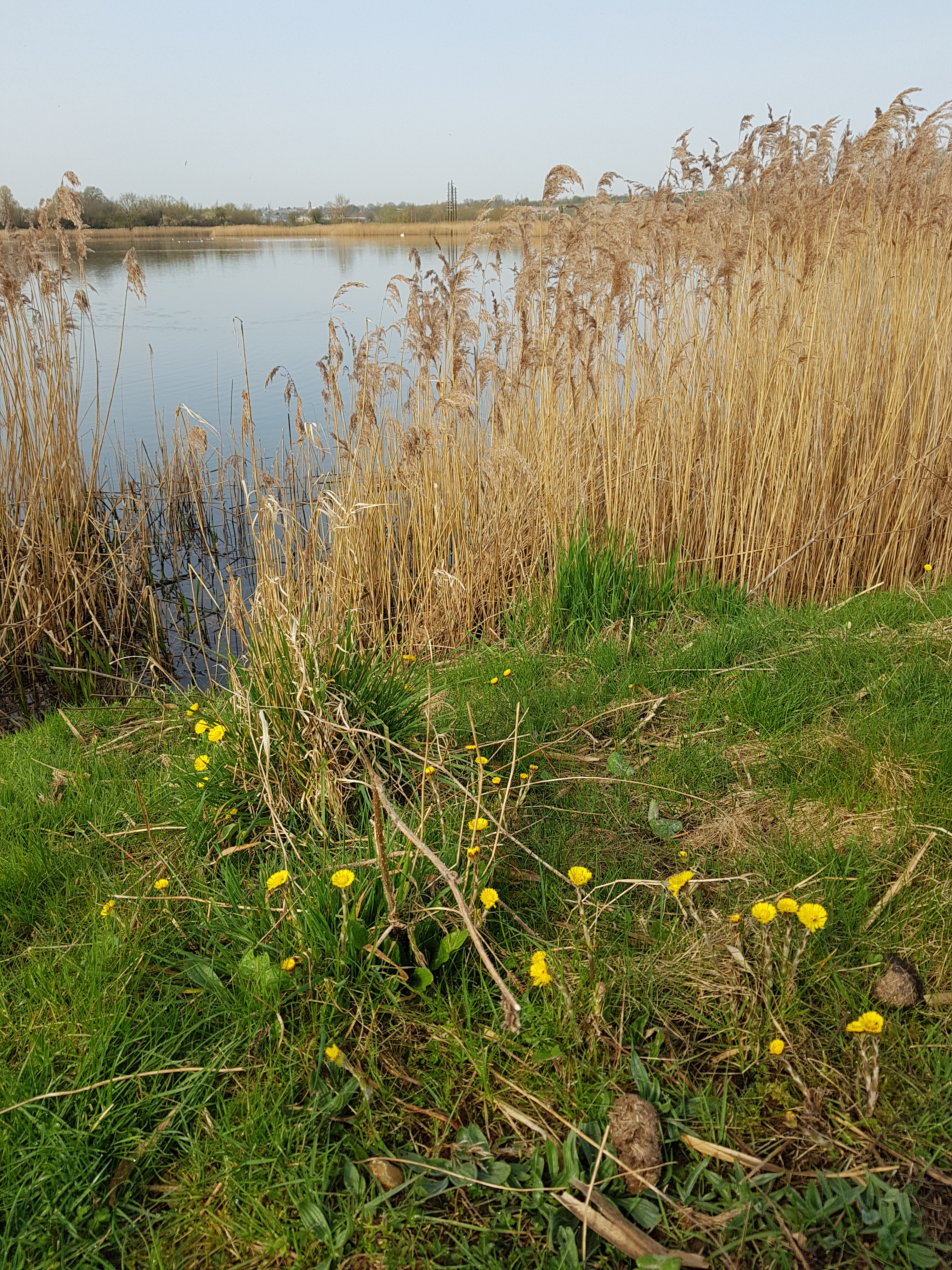
Our encounter with coltsfoot reminded me of the work that I did last year with the Stanwick Lakes nature reserve in Northamptonshire, advising on how best to enhance and manage the site (which is primarily a bird reserve) for pollinators. One of my recommendations was that they enlist their volunteers to collect seeds and root or stem cuttings from the small, isolated populations of early-flowering plants such as coltsfoot (pictured on the reserve below) and introduce them around the site in suitable spots. This would both increase the availability of nectar and pollen for the first flower visitors of spring, and also the ecological connectivity between different parts of the site as the pollinators are able to move around more effectively. So I was delighted to see this post on LinkedIn from Liz Williams who works at Stanwick, demonstrating that they have taken my advice on board and begun the hard work of planting for pollinators.

My work with Stanwick was an example of the advisory and consulting services that I offer. If you’d like some advice on how to improve an area for pollinators, or for biodiversity more broadly, please do get in touch via my Contact page.

Practical methods for assessing insect pollination services provided by sites – download our new study for free

In September 2016, along with 11 other pollinator & pollination scientists, I took part in a two-day two-day workshop held at the UNEP-World Conservation Monitoring Centre in Cambridge. The aim was to develop a range of simple, practical methods to enable the valuation of insect pollination services to agricultural crops that are provided by a nature reserves or other natural or semi-natural habitats, for TESSA – the Toolkit for Ecosystem Service Site-Based Assessments.

After a long gestation, caused not least by the COVID-19 pandemic, the paper outlining the methods that we developed has been published. It’s open-access and downloadable for free. Here’s the full reference with a link to the paper:

Ratto, F., Breeze, T. D., Cole, L. J., Garratt, M. P. D., Kleijn, D., Kunin, B., Michez, D., O’Connor, R., Ollerton, J., Paxton, R. J., Poppy, G. M., Potts, S. G., Senapathi, D., Shaw, R., Dicks, L. V., & Peh, K. S.-H. (2022) Rapid assessment of insect pollination services to inform decision-making. Conservation Biology 1–13

And here’s the Abstract:

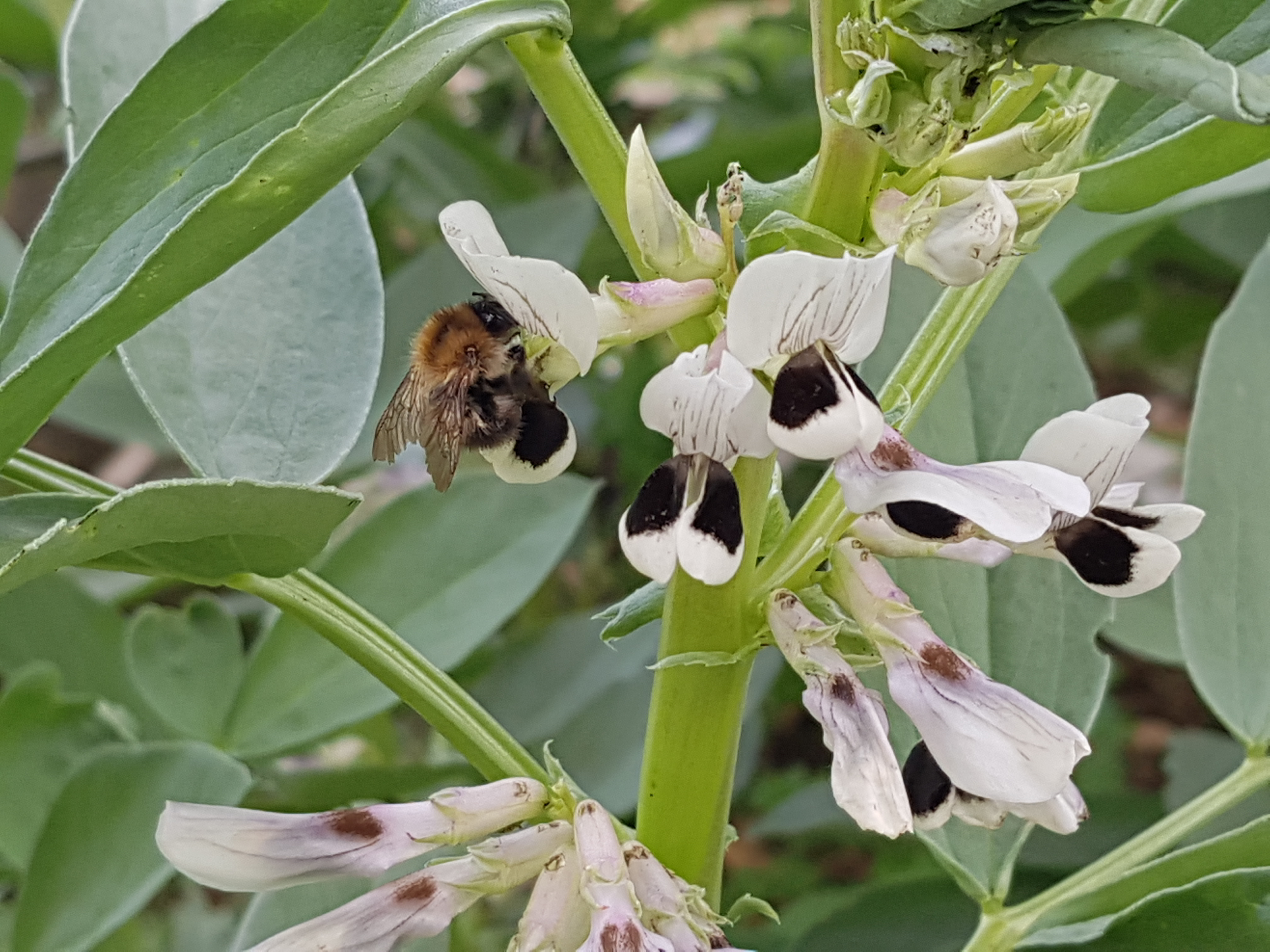
Pollinator declines have prompted efforts to assess how land-use change affects insect pollinators and pollination services in agricultural landscapes. Yet many tools to measure insect pollination services require substantial landscape-scale data and technical expertise. In expert workshops, 3 straightforward methods (desk-based method, field survey, and empirical manipulation with exclusion experiments) for rapid insect pollination assessment at site scale were developed to provide an adaptable framework that is accessible to non-specialist with limited resources. These methods were designed for TESSA (Toolkit for Ecosystem Service Site-Based Assessment) and allow comparative assessment of pollination services at a site of conservation interest and in its most plausible alternative state (e.g., converted to agricultural land). We applied the methods at a nature reserve in the United Kingdom to estimate the value of insect pollination services provided by the reserve. The economic value of pollination services provided by the reserve ranged from US$6163 to US$11,546/year. The conversion of the reserve to arable land would provide no insect pollination services and a net annual benefit from insect-pollinated crop production of approximately $1542/year (US$24∙ha–1∙year–1). The methods had wide applicability and were readily adapted to different insect-pollinated crops: rape (Brassica napus) and beans (Vicia faba) crops. All methods were rapidly employed under a low budget. The relatively less robust methods that required fewer resources yielded higher estimates of annual insect pollination benefit.

Join me on Thursday for a free talk!

Join me this Thursday at a free online talk organised by Buglife where I’ll be giving an introduction to how flowers function and the ways in which their behaviour manipulates pollinators to ensure reproduction. I’ll be covering:

  • What are flowers and where did they come from?
  • How flowers function and reward pollinators.
  • Some case studies from my own research on flower and pollinator behaviour.
  • Why is it important that we understand floral biology?

Here’s the link to register for the event: https://www.buglife.org.uk/events/to-be-a-flower-with-professor-jeff-ollerton/

I look forward to seeing you there!

The value of nature, the value of guitars

How we, as a society, value nature, and the tension between valuing (or appreciating) nature versus appreciating (or pouring money into) human cultural activities, have been consistent themes of this blog since I started it almost a decade ago; see for example my posts “How do we value nature? Costanza, Monbiot and the clash of concepts” and “Is the angry response of (some) environmentalists in the aftermath of the Notre Dame fire reasonable?

Putting a monetary price on nature runs counter to the personal philosophies of many conservationists, which I completely understand: I have mixed feelings too. However there’s a whole field of research devoted to it called Ecological Economics and the valuation of natural capital and ecosystem services now plays a central role in the policies and strategies of both businesses and governments: see for instance the UK Government’s recent report on “The Economics of Biodiversity: The Dasgupta Review“. And whether we like it or not, the Earth’s ecosystems and the biodiversity that they contain support our global economy in very tangible ways, a point that I emphasise in my book Pollinators & Pollination: Nature and Society. If you’re reading this with a cup of coffee in your hand, you have to consider the ecological and financial impact of the billions of wild and managed bees that support the global coffee industry.

“What’s all of this got to do with guitars?” I hear you asking. Well, music, and especially guitars, are another constant theme of the blog, including my love of the songs of Crosby, Stills, Nash and Young, and my restoration of an old acoustic guitar back in 2020.

These themes converged together in a rather unexpected way just over a week ago. It was my birthday and as a present Karin had offered to buy me a new guitar. So off we went to Copenhagen for the day. One of the city’s best guitar shops is Akustikken and there I tried out several makes and models of acoustic guitar, of varying price and quality, before finally settling on an Epiphone Texan in an aged sunburst finish (see the image below). It plays very nicely, felt right in my hands, and was moderately priced despite its solid wood construction (cheap guitars often use laminated wood).

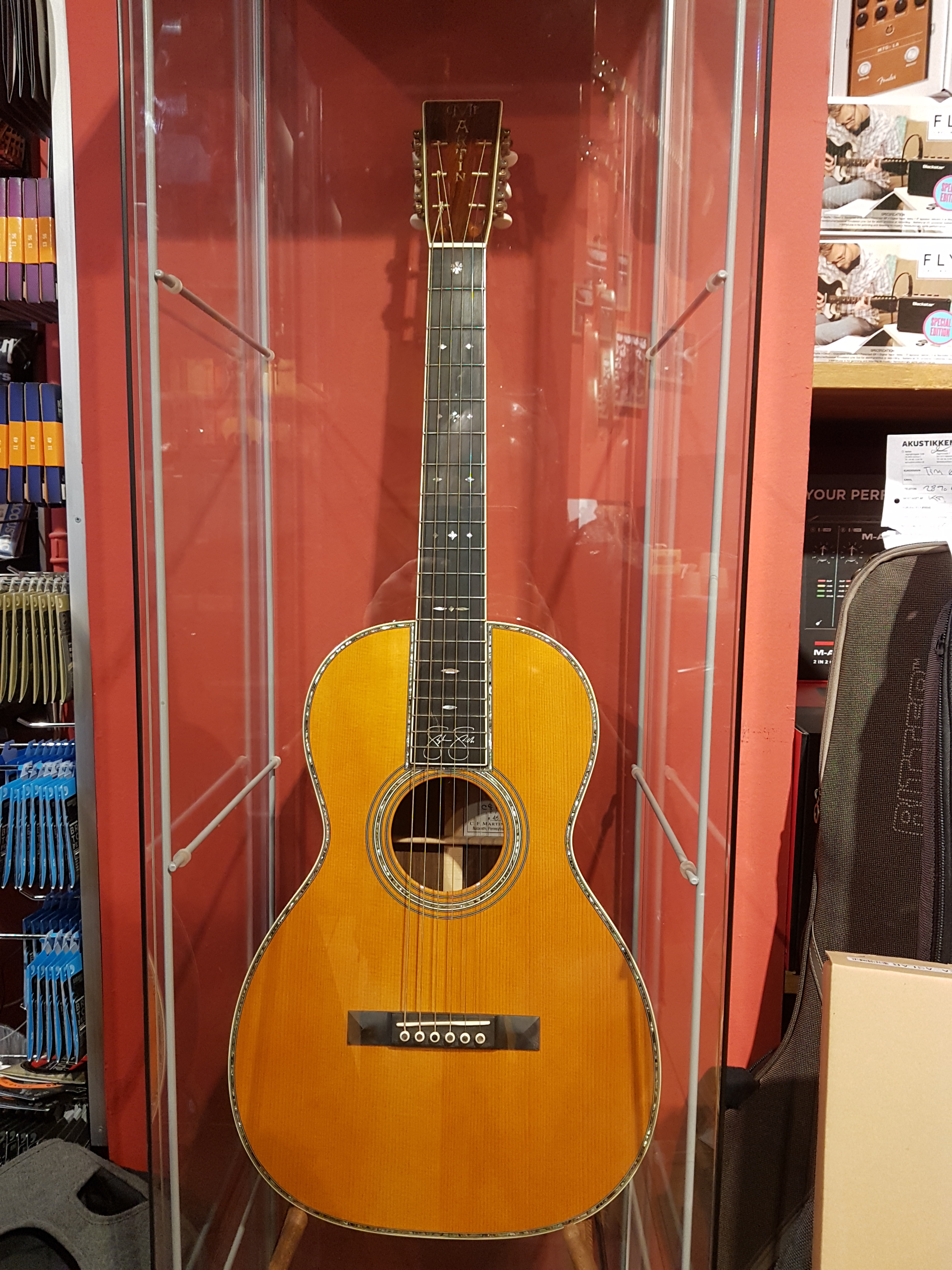
The guitar that really caught my eye, however, was the one in the photograph above: a Martin 045-S Stephen Stills Signature Model. Now, this is a serious, serious guitar. Based on a 1930s model owned by Stills himself, it was hand made in the USA in a limited edition of 91, of which this was number 48. The woods from which it’s made are rare and exceptional, including Adirondack spruce, Madagascar rosewood, and ebony, all species about which there are significant conservation concerns (see Richard Hobbs’s great blog The Nature of Music for more on this – highly recommended for anyone interested in the interface between human culture and ecological conservation).

The price tag for this guitar? A mere160,000 Danish kroner, about £18,000 or $20,000…..

That was WAY outside of our budget! But when the staff learned that it was my birthday they kindly took the Martin out of its humidity-controlled glass case and let me play it. I was a bit overwhelmed and very nervous if I’m honest, it was easily the most expensive guitar I have ever had in my hands! Karin took a short video of me strumming a few chords which I uploaded to Twitter:

Now, I’d played guitars up to around $2,000 in price that day, so a reasonable question is: did the $20,000 guitar sound ten times as good? Well, not in my hands it didn’t…. But in one sense it doesn’t matter, you’re not just paying for what it sounds like, you’re paying for the story, for the association with Stills, and the highly skilled crafting of the guitar – it is an exceptionally beautiful and fine-sounding instrument.

This brings us back to nature. We know from a lot of ecological experiments that have been conducted over the years that there’s a positive relationship between biodiversity (measured by the number of species in an ecosystem) and the way in which that ecosystem functions. So if you have more different kinds of plants in a grassland, for example, there tends to be greater carbon capture, more efficient use of water and uptake of nitrates from the soil, more resilience to events like drought and fire, and so forth. This is a strong and pervasive argument for conserving species within ecosystems: the more we have, the better the “health” of that ecosystem.

But, as with the sound of guitars, there’s probably an upper limit to this and ecosystems with ten times as many species probably do not function ten times as well. But they do function better. Having said that, this is a complex area of research with some competing ideas (and scientists) – this Wiki provides quite a good summary.

Regardless of the technical details, there’s no doubt that having more pollinators in an ecosystem, for example, increases the reproduction of a wider range of the plants that are present. Or that the presence of a greater diversity of dung beetles improves the rate of dung removal in grasslands.

But of course nature is more complicated than this. Just as a well made and high-value guitar is never going to sound good in the hands of a poor guitarist, likewise, species diversity in itself is insufficient. It is the interactions between those species that determines much of the way in which the ecosystem functions, and an ecosystem is never going to function well over the long term if it is inappropriately managed or if the processes that shape ecosystems, such as grazing by wild herbivores or natural fire regimes, are absent or have been altered.

Ecology is a hugely complex science but perhaps by exploring metaphors like this, some of that complexity can be made accessible to a wider range of people. Tell me what you think, does the metaphor work for you?

Listen to an interview with me on the Environmental Professional’s Radio podcast!

text and logo over a background picture of a person posing for the camera

I was recently invited to chat about careers and writing and pollinators and pollination with the folks from National Association of Environmental Professionals for their Environmental Professional’s Radio podcast. You can listen to it here:

https://www.environmentalprofessionalsradio.com/

We covered a lot of ground and it was great fun – thanks for having me!

Leonard B. Thien (1938-2021) – botanist and pollination biologist

I was saddened to learn recently of the death of Professor Leonard B. Thien of Tulane University who passed away at the end of October after a long illness. Although I didn’t know Professor Thien personally, I knew of his work in floral ecology, pollination biology and plant evolution, topics on which he had worked for since obtaining his PhD in 1968. Over the course of his career he published more than 80 articles on a huge range of botanical subjects, including ground-breaking work on mosquito pollination of orchids (Thien 1969). The orchid species Alaticaulia thienii is named in his honour.

The studies Leonard Thien published that really inspired me when I was first starting out on my journey as a researcher, however, involved his work on “relictual” angiosperms, i.e. flowering plants that have very long evolutionary histories and deep phylogenetic roots back to the early Cretaceous period, for example Magnolia and Illicium. Papers with titles such as “Patterns of pollination in the primitive angiosperms” (Thien 1980) piqued my interest and motivated me to work on Australian Piperaceae for a short while following my PhD (Ollerton 1996). It was a topic that I struggled to gain further funding for, and later molecular systematic studies changed many of our ideas about what constitutes the most basal groups of extant flowering plants. But nonetheless, the questions that Leonard inspired in me, regarding the ecologies of these relictual taxa, and whether we can infer the reproductive ecology of the earliest flowering plants from studies of their surviving descendants, are ones that intrigue me to this day (van der Kooi and Ollerton 2020).

Leonard Thien kept up this interest even as new DNA technologies over turned old ideas, and he was the first to study the reproductive ecology of Amborella trichopoda on New Caledonia, a species now considered to be the earliest surviving clade of flowering plants (Thien et al. 2003). This is just one part of a legacy of work that current and future generations will build upon as we develop our understanding of the relationships between pollinators, plants, and evolutionary processes.

I’m grateful to Peter Bernhardt for prompting this post and for sending me a copy of the In Memoriam article that he and and David White will publish in the Plant Sciences Newsletter in March, and to Lorraine Thien for providing the photograph that accompanies this post.

References

Ollerton, J. (1996) Interactions between gall midges (Diptera: Cecidomyiidae) and inflorescences of Piper novae-hollandiae (Piperaceae) in Australia. The Entomologist 115: 181-184

Thien, L.B. 1969. Mosquito pollination of Habenaria obtusata (Orchidaceae). American Journal of Botany 56: 232-237.

Thien, L.B. 1980. Patterns of pollination in the primitive angiosperms. Biotropica 12: 1-14

Thien, L.B., Sage, T.L., Jaffre, T., Bernhardt, P., Pontieri, V., Wesston, P.H., Malloch, D., Azuma, H., Graham, S.W., McPherson, M.A., Hardeep, S.., Sage, R.S. & Dupre, J.-L. 2003. The population structure and floral biology of Amborella trichopoda (Amborellaceae). Annals of the Missouri Botanical Garden 90: 466-490

van der Kooi, C.J. & Ollerton, J. (2020) The origins of flowering plants and pollinators. Science 368: 1306-1308

Growing a butterfly garden? Olivia shows the way!

Yesterday a teacher got in touch with me via my Contact form to tell me about work he was doing with his students about pollinators. The students had done some online research and one of them, Olivia, came across a really interesting article about how to grow a butterfly garden. She has asked me to share it with my blog readers so here it is:

https://billyoh.com/resource/grow-butterfly-garden/

It’s great to see school kids getting inspired and engaged with conserving pollinators such as butterflies. Thank you for pointing this out to me Olivia, and good luck with your studies!