Category Archives: Apocynaceae

A new study examines why data quality matters in plant–pollinator databases

Imagine trying to put together a giant puzzle where each piece represents an interaction between a flower and the insect, bird, bat or other animal that helps it reproduce. In recent years, scientists have gathered millions of these “puzzle pieces” into massive online databases, offering an unprecedented view of how plants and their pollinators connect around the world.

But there’s a catch: not every entry in these databases is equally reliable. Did the researcher actually watch the insect brush pollen against the flower’s stigma? Or did they simply note that the insect visited the blossom and assume pollination happened? Without clues about how each plant–pollinator link was documented, users can’t tell solid evidence from a best guess.

That’s why a growing number of projects are now tagging every interaction with a “data quality badge”—a short note explaining the exact kind of proof behind the record. For example:

  • Direct observation: A scientist observed an animal pollinating a specific flower.
  • Pollen analysis: Pollen grains matching that flower were found on the insect’s body.
  • Inferred pollinator: The animal regularly visits those flowers and shares similar traits with known pollinators.

Initiatives like the Pollinators of Apocynaceae Database and the Database of Pollinator Interactions (DoPI) have already adopted these quality flags. The upcoming USDA-NRCS PLANTS database is doing the same, and Brazil’s REBIPP network has developed a standardized set of terms—rooted in the global Darwin Core standard—to make sure everyone speaks the same “pollinator language.”

Why is this important? When you know the strength of the evidence behind each plant–pollinator link, you can:

  • Fill in real knowledge gaps with confidence.
  • Identify weak spots in our understanding that need more fieldwork.
  • Build better conservation plans, targeting the most critical pollinators for at-risk plants.

Ultimately, adding clear data-quality labels turns these massive collections of observations into powerful tools for science, restoration, and education. And that’s good news not only for researchers, but for every garden, farm, and wild ecosystem that depends on diverse and abundant pollinator communities.

These issues are explored in a new, open-access paper written by colleagues from Brazil, the USA and myself. In the paper we discuss the importance of data quality in plant-pollinator databases and suggest methodologies for improving it. Here’s the reference with a link to the paper:

Ollerton, J., Taliga, C., Salim, J.A., Poelen, J.H., & Drucker, D.P. (2025) Incorporating measures of data quality into plant-pollinator databases. Journal of Pollination Ecology 38: 151-160

This paper is a direct output from the EU-funded WorldFAIR Project in which I was involved, though we also acknowledge the SURPASS2 project as a precursor to this. Looking ahead, we’re also going to be adopting the recommendations from our paper in the new Butterfly Project (also EU-funded). Finally, by way of a teaser, I can tell you that our new paper will also be relevant to another large project in which I’m involved, that has successfully secured funding…but you’ll have to wait until later in the year to hear about that!

Thanks to Chris Taliga for the photo.

Was this the first online database of plant-pollinator interactions?

Over the past few years, the ways in which we collate and use large databases of plant-pollinator interactions, and make them publicly available according to FAIR data principles, has been much on my mind. These were and are important considerations for several projects, including the Pollinators of Apocynaceae Database; the pandemic garden pollinators initiative that I coordinated during lock-down; the WorldFAIR project; and, most recently, an EU-funded project called BUTTERFLY that launches in April and involves both the DoPI and GloBI databases.

The latter are just two of a growing number of databases making information about plant-pollinator interactions in wild and agricultural settings freely available to other scientists and to wider stakeholders. An intriguing question to those of us interested in the history of pollination ecology as a science is: what was the first such online database? I think that I have the answer, but I’m happy to be corrected. But first some background.

Since returning to Britain from Denmark in March, Karin and I have been renting a house from some friends as a temporary measure before we found somewhere else to live. A really nice property became available late last year and we decided to move in on 18th December. Then last week the final consignment of boxes and furniture that we’d had in storage arrived at our new home and we’ve been spending time deciding what we want to keep and what needs disposing of.

I’d be the first to admit that I’ve always been something of a hoarder when it comes to books and paperwork, so one of my priorities has been thinning out the contents of old folders and box files. Yesterday I opened one that contained a sheaf of papers related to the study that Sigrid Liede-Schumann and I published on pollination systems in the family Asclepiadaceae (now subsumed into Apocynaceae). One of the items I found is, I think, a fascinating piece of history with regard to online interaction databases.

As you can see in the image above, it’s a print-out* of an email that I received on 31st December 1995 from Mark Fishbein. If I recall correctly, I’d met Mark at a conference and he’d mentioned that he’d been compiling published and unpublished records of pollinators of North American Asclepiadaceae into a database. In this email he tells me that:

“I now have my data base accessible (primitively) on the World Wide Web. It would be easiest for me if you accessed the data base this way…Here’s what to do (if you have access to a web browser)…”

As we complete the first quarter of the 21st century it’s difficult to conceive that, less than 30 years ago, people were saying things like “if you have access to a web browser”! But the World Wide Web was only opened to public use in 1991 and even by the mid-90s, was not being widely used even in academia. Note also that Mark’s database was not password protected – it was freely (FAIRly?) available to anyone who could access it. In this regard Mark was certainly ahead of his time and, as far as I know, “pollrec” was the first online database of plant-pollinator interactions.

After we published our paper in 1997, Sigrid and I made what was then termed ASCLEPOL (including Mark’s and our own records) available online, and this was later merged with APOPOL to form the basis of the Pollinators of Apocynaceae Database. The latter is not formally available online, but it is available as supplementary information in the paper and has been merged into GloBI.

Thirty years is not a long time in real terms, but over that period there’s been huge cultural changes as far as society is concerned, and we take for granted things like online access to information that were hardly conceived of back then. But in 1995, Mark’s approach was revolutionary, even if we didn’t appreciate it at the time. When I emailed him about it yesterday he told me that he was “comfortable with my new role of being someone of historical interest”, followed by a smiley face emoji (another late 20th century development). So thank you Mark, this blog post is for you!

—————————————————————————————————

*Yes kids, back in the day grandpa printed out some important emails so as not to lose them.

Listen to my interview on the Crime Pays But Botany Doesn’t podcast!

Last week I had the pleasure of chatting for over two hours with Joey Santore for his Crime Pays But Botany Doesn’t podcast series about my two books Plants & Pollinators: Nature and Society and Birds & Flowers: An Intimate 50 Million Year Relationship.

I’m a long-standing fan of his YouTube video channel which Joey describes as “A Low-Brow, Crass Approach to Plant Ecology & Evolution as muttered by a Misanthropic Chicago Italian.”

It was a lot of fun to talk flowers and pollinators with him and although I tried to keep my swearing to a minimum, if you know Joey and his work, you know what you’re in for, so be warned! It’s not for the easily offended.

We had sound issues at a couple of points and note that at 54:20 I made an error, and said “hummingbirds” a couple of times when I meant “sunbirds”. Put it down to a lack of coffee that morning….

Here’s the link:

We’ve just named a new species of fly from Yemen! And it came out of a flower from Kew

Back in the late 1990s and early 2000s, whenever I had a (rare) day free from teaching, marking, supervision, meetings, writing, and other university commitments, I would hop on the train from Northampton to London. My destination was the Spirit Collection of the Herbarium at the Royal Botanic Gardens, Kew, where bottled flowers are preserved in their three-dimensional complexity, rather than squashed flat onto herbarium sheets. To this day, the smell of formaldehyde in the “Kew Mix” takes me back to the chilly basement space of that collection.

The Kew Herbarium is a massive, internationally important resource for taxonomy, evolutionary biology and ecology, and one which ought to stay where it is, in my opinion.

The purpose of my visits was to exploit the large number of Ceropegia specimens that had been collected by botanists working in Africa, the Middle East, and Asia. These amazing flowers are so complex that they are best preserved in spirit, and that complexity in turn is a function of their sophisticated pollination systems. The flowers temporarily trap their pollinators, releasing them unharmed after a period, during which they will have picked up pollen and/or the flower will have been pollinated. If you have ever grown String-of-Hearts as a house plant, that’s the group we are talking about.

The botanists who collected these flowers were, of course, only interested in the plants. But as well as pickling the blooms they sometimes pickled the insect contents of the flowers, giving us a record of what the flowers were luring into their temporary traps. Not only that, but Ceropegia belongs to the milkweed subfamily of Apocynaceae, which means that their pollen is in the form of pollinia. These are coherent packages of pollen that mechanically, and persistently, clip to the insect. This gives us an opportunity to sort out the real pollinators (with pollinia attached) from other insects that may be inside the flowers for other reasons, such as looking for prey or sheltering from the dry heat of the day.

It had occurred to me that if someone was to check these flowers for insects, and extract any that were found, then we could build up an unprecedentedly complete picture of the diversity of pollinators in a large, mainly tropical plant genus of around 200 species. So that’s what I did, whenever time allowed. Having gained permission to do this, I was pleased to discover that the process was considerably speeded up by the fact that preserving the flowers in this way clears the tissues, making them colourless and translucent. By shining a bench light through the bottles I could see which flowers contained insects and carefully dissect them out.

Most flowers were empty, but occasional visits over a period of a few years resulted in a data set of flower visitors and pollinators for about 60 species and subspecies of Ceropegia. The first paper from that work was published in 2008 in Annals of Botany as ‘Fly pollination in Ceropegia (Apocynaceae: Asclepiadoideae): biogeographic and phylogenetic perspectives‘. Later work by colleagues and myself meant that in 2017 we could publish an update in the journal Flora (Diversity of Diptera families that pollinate Ceropegia (Apocynaceae) trap flowers: An update in light of new data and phylogenetic analyses).

The work also fed into our large study of pollination systems in Apocynaceae and I even published a small note about an ant specimen that I had extracted which still had the evidence of its last meal (a fly’s wing) protruding from its mouth.

The work at Kew had given us a short cut to understanding how pollination systems have evolved in this big plant species radiation. The equivalent field work required to collect the same data would have taken many person years and no funding agency would have given it the time of day. Not only that, but a portion of the data is from parts of the word that are war-torn, dangerous, and largely inaccessible to field scientists at the moment. Which brings us to the present paper.

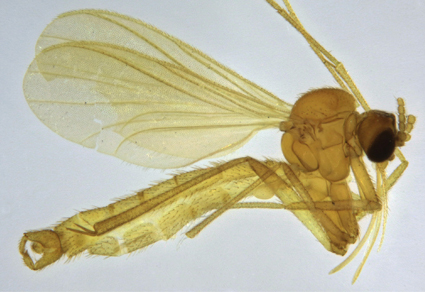
All of the pollinators, and most of the flower visitors, to Ceropegia that have been discovered to date are small flies (Diptera) often only a couple of millimetres in length. There are relatively few taxonomists who can identify such flies and most of the specimens I extracted were identified to genus or family by Andrew Whittington. One such specimen was determined to be a species of Lygistorrhina, known as ‘long-beaked fungus gnats‘. It was found in a flower of Ceropegia aristolochioides ssp. deflersiana, which is something of a generalist in this genus of specialists: it’s pollinated by at least four fly genera and 11 others have been collected from its flowers sans pollinia, including this one.

The flower was collected in 1975 by botanist John Wood, in Yemen – like I said, inaccessible – and the semi-arid climate in which it was found, whilst typical for Ceropegia, is unusual for Lygistorrhina. When National Museums Scotland entomologist Vladimir Blagoderov looked at the specimen he quickly realised that it was a new species and contacted Andrew and myself to discuss describing it. The paper documenting the new species, which we have named Lygistorrhina woodi in John’s honour, was published today. Here’s the reference with a link to the paper, which is open access:

Blagoderov, V., Ollerton, J. & Whittington A. (2023) A new species of Lygistorrhina (Lygistorrhina) Skuse, 1890 (Diptera: Keroplatidae, Lygistorrhininae) with a key to the subgenus. Zootaxa 5361: 151–158

Here’s the abstract:

A new species of Lygistorrhina (Lygistorrhina) Skuse, 1890, Lygistorrhina woodi sp. nov., is described. The specimen was dissected from an alcohol-preserved flower of Ceropegia aristolochioides ssp. deflersiana Bruyns (Apocynaceae, Asclepiadoideae, Ceropegieae) stored in the Kew herbarium. This is the first occurrence of the lygistorrhine gnats in a hot, semi-arid climate. A key to all known species of the subgenus Lygistorrhina (Lygistorrhina) is provided.

Two of my favourite families, entwined

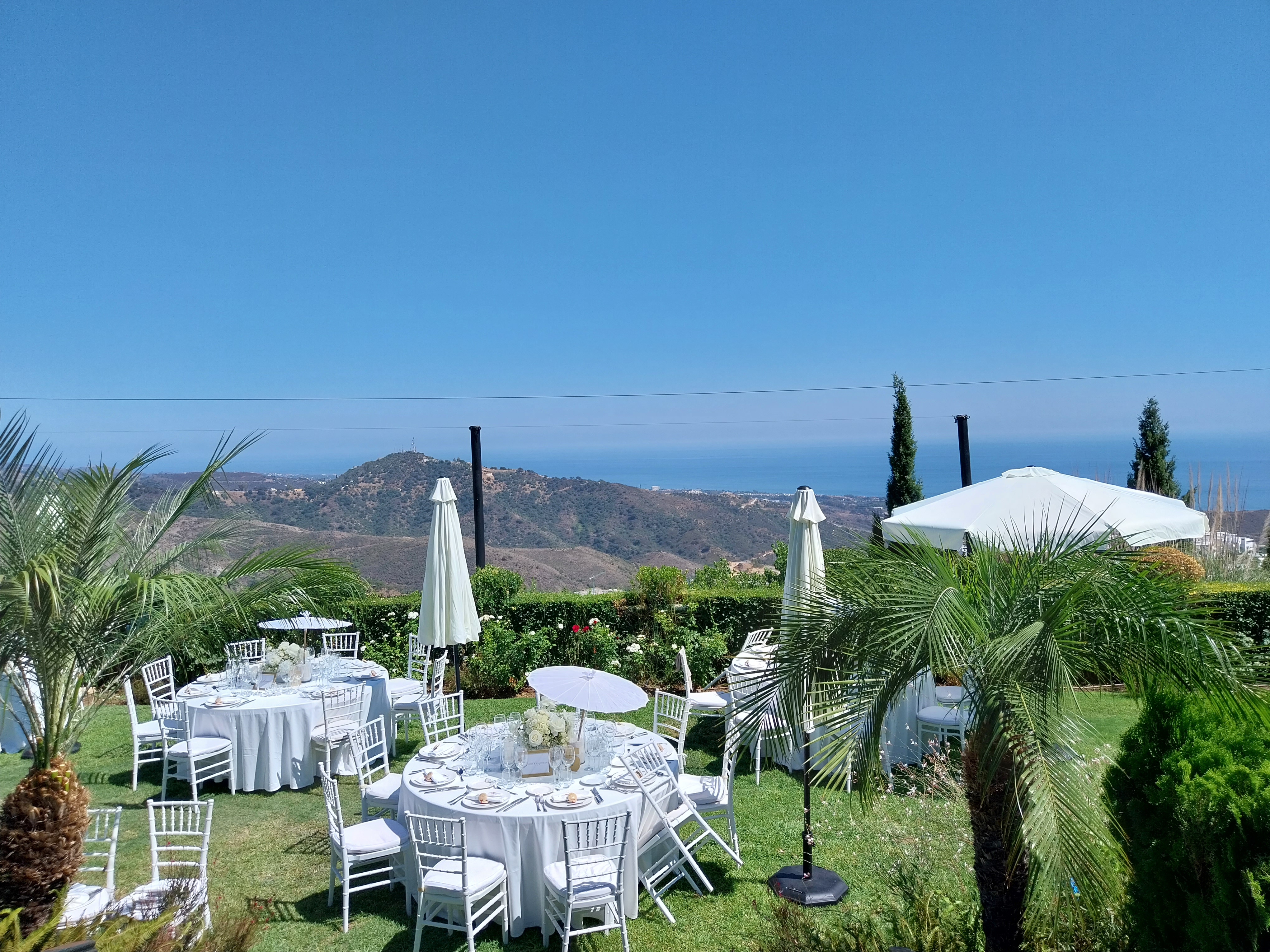
Late on Wednesday night, Karin and I returned, tired but happy, from an eight-day trip to southern Spain, where we celebrated the marriage of our son Oli to his partner Kate. Our base for the trip was the small town of Benahavis, a former Moorish enclave in the mountains above the Costa del Sol.

As well as spending time with Oli and Kate and the other guests, Karin and I took the opportunity to explore some of the many trails that meander through this wonderful landscape. One of these crosses, then follows, the spectacular canyon of the Guadalmina river, the trail shaded by over-arching trees that provided relief from the hot sun.

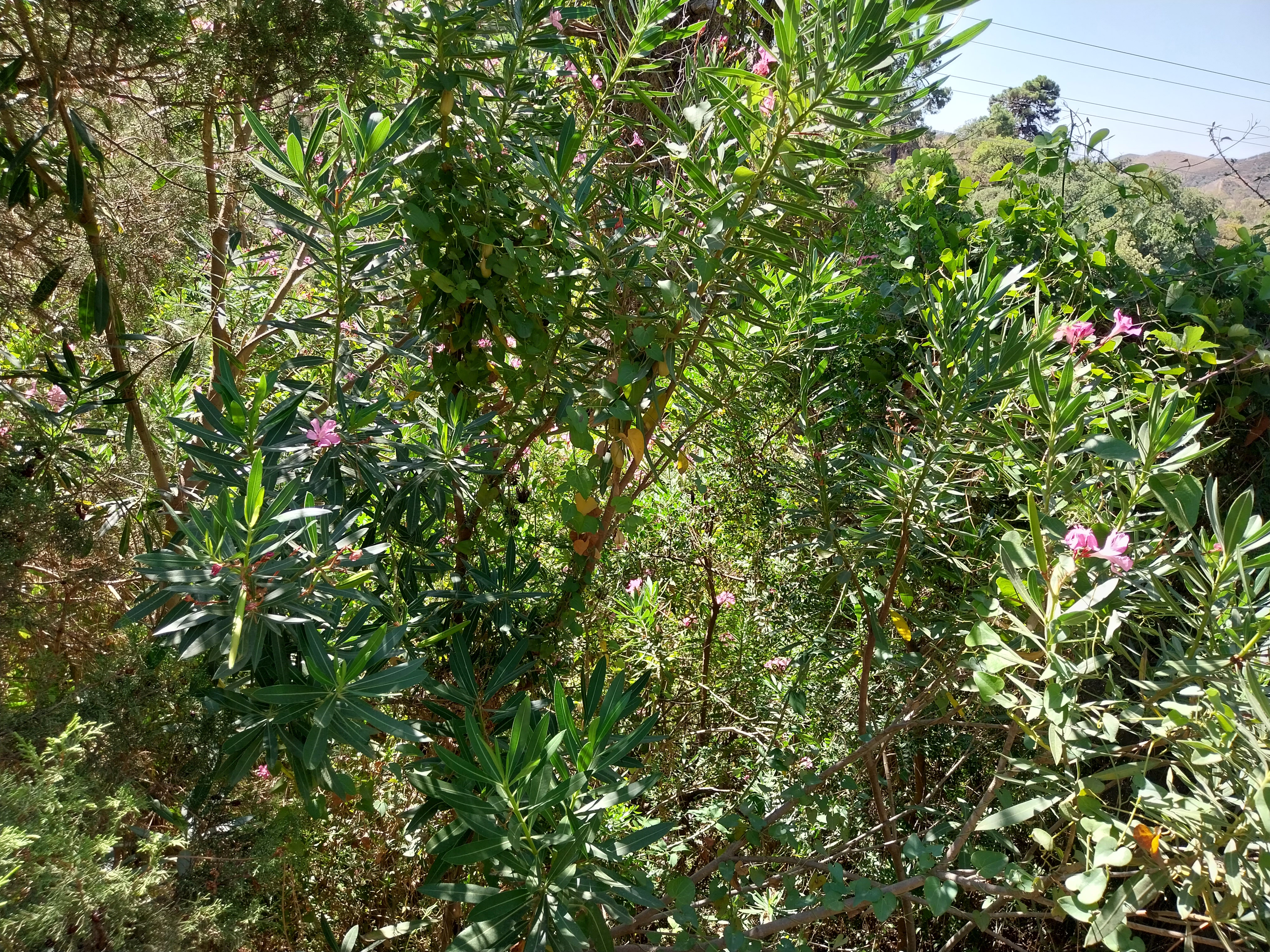
Many of these small trees, I was delighted to see, were oleanders (Nerium oleander) growing in what is (arguably) their natural habitat. It’s been so widely planted for thousands of years that the true origin of this species is unclear, but it’s almost certainly native to the Mediterranean basin.

Twining through one of these oleanders was a plant with heart-shaped leaves and dangling fruit that I instantly recognised – the Andalusian pipe vine (Aristolochia baetica). As a climber, this plant needs the support of trees and shrubs to enable it to reach the light. The supporting species is not harmed and likely benefits from the nutrients in the dead leaves and flowers that fall beneath it.

The juxtaposition of these two species was so perfectly symbolic of our reason for being in Spain that I had to take the photo that you see above. Why, you may ask? Well the oleander is a member of my all-time favourite plant family, Apocynaceae, that I’ve worked on for more than 30 years. The pipe vine belongs to the Aristolochiaceae, another fascinating family that’s also in my top five favourites.

That’s the thing with families, sometimes they come together and entwine in ways that just feel and look…right. Huge congratulations to Oli and Kate, and our very best wishes for a long and happy future together!

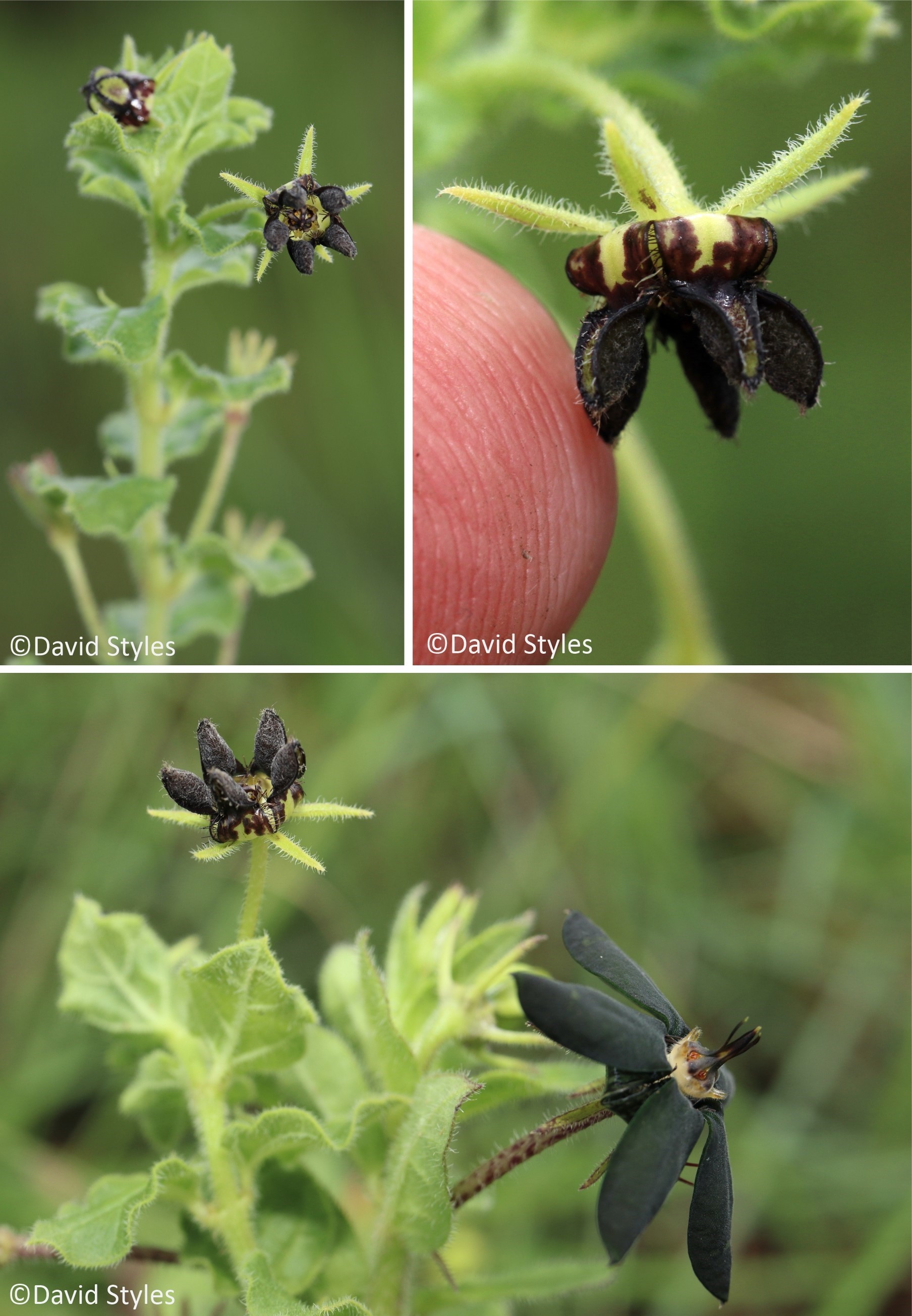
Introducing Ceropegia stylesii – a novel species of “Brachystelma” from South Africa

This is a guest post by Dr Annemarie Heiduk about a new species that she’s recently described.

—————————————————————————————————————————-

In an earlier blog post about the discovery of a novel Ceropegia species, Jeff’s finishing sentence was: “I wonder what else is still waiting to be discovered in the stunning grasslands of South Africa?”

I am happy to provide a first answer to this question: Ceropegia stylesii.

This new species does not have the tubular kettle-trap flowers typical of Ceropegia, which temporarily trap pollinators, but open-rotate corollas where the gynostegium (fused male and female reproductive organs) is freely accessible to pollinators. So, in the traditional sense, C. stylesii is not a Ceropegia. This needs some explanation here!

Ceropegia is a genus in the plant family Apocynaceae (Jeff’s favourite family of plants!) and therein the genus is placed in the subfamily Asclepiadoideae which originally was a family on its own (“Asclepiadaceae”).

Within this subfamily, the genus Ceropegia belongs to the Stapeliinae – a subtribe which comprises ca. 720 species. About 220 species thereof have exciting looking and very cleverly designed kettle-trap flowers which attract small flies as pollinators via deceptive strategies (see http://plantlifesouthafrica.blogspot.com/2019/07/plantlife-sa-volume-473-july-2019.html). The remaining species in Stapeliinae are the well-known stem-succulent stapeliads (ca. 355 species in >30 genera) and ca. 140 species known as Brachystelma.

With increasingly better molecular methods to study the evolutionary relationships of species in Stapeliinae, the traditional grouping of the species was illuminated as being artificial, i.e., species with kettle-trap flowers are not actually a natural group and Brachystelma species are scattered among them; the stapeliads are also nested in Ceropegia but as a single (monophyletic) group. These results based on DNA-sequence similarities are not compatible with the traditional generic concept in Stapeliinae, and as a result, changes were instigated.

Some colleagues wish to see all 720 species of Ceropegia, Brachystelma and the stapeliads merged into one single large genus Ceropegia, a solution which would entail more than 400 new name combinations. Others prefer to adopt a less dramatic change of concept and only include Brachystelma in an enlarged Ceropegia while keeping the stapeliads separate based on their monophyly and distinct vegetative features. This pragmatic solution considers both taxonomic and phylogenetic facts and reduces the previously multiple cases of paraphyly to a single case. More importantly, it avoids hundreds of name changes in the group. Both concepts are correct in their own right and justified, so it is a personal decision which one to follow.

The newly described species C. stylesii would traditionally have been placed in Brachystelma as it is lacking tubular kettle-trap flowers. After the inclusion of Brachystelma into Ceropegia, C. stylesii is placed within section Bowkerianae – a group comprising species both with and without tubular kettle-trap flowers. With the description of C. stylesii, the section now has 15 members of which 10 have open-rotate flowers. Among these, C. stylesii appears to be most closely related to C. gerrardii from which it can only readily be distinguished when in flower (see the lower most image above).

The flowers of C. stylesii superficially look like miniature versions of a dark-flowered form of C. gerrardii, which growths in the same habitat. C. stylesii flowers are only about 6 mm in size whereas those of C. gerrardii are about three times larger. While C. gerrardii occurs in grasslands throughout eastern South Africa, C. stylesii is believed to be endemic to Ngome, where it is known from two localities with a total of less than 10 plants. After the recent discovery of C. heidukiae at Ngome, the area revealed another outstanding member of this amazing plant group, and thereby once again proves its conservation importance.  

C. stylesii is named for David Gordon Alexander Styles, botanical explorer and collector, to honour his valuable contribution to botanical knowledge in South Africa. David is renowned for “…his daring nature to go leaps and bounds for the specimen he is interested in” (see Chetty 2021), a statement I can readily confirm based on personal experience. Many of David’s collections (by now well over 6000 specimens donated to various herbaria) are novelties awaiting to be described. With C. stylesii, a total of five plant species bear his name. I am delighted that eventually a Ceropegia species could be named for him as David’s knowledge on the distribution and habitats of these special plants is of great value to my research on this plant group.

A new study shows that even short-tubed flowers can specialise on hawkmoths as pollinators

Of all of the “classical” pollination syndromes, flowers that are hawkmoth pollinated have one of the highest levels of predictability. If a flower is pale in colour, opens at night, is highly scented, and possesses a long tube at the bottom of which is a supply of nectar, there’s a very high likelihood that it’s pollinated by long-tongued hawkmoths (Sphingidae).

Indeed, one of the foundational stories about the development of our understanding of how pollination systems evolve, relates to Charles Darwin, the long-tubed orchid Angraecum sesquipedale and the hawkmoth Xanthopan morganii praedicta.

Fast forward 160 years and we now know that pollination syndromes are more complex than 19th and early 20th century scientists imagined – see my recent book Pollinators & Pollination: Nature and Society for a discussion of this topic. That’s not surprising because, as I point out, we probably have data on the interactions between plants and their pollinators for only about 10% of the estimated 352,000 species of flowering plants. There’s still much to be discovered!

As an example of how our understanding of specialised flower-hawkmoth interactions is developing, consider this recent study that I’ve just published with my Brazilian colleague Felipe Amorim and other collaborators. In it we have shown that, contrary to expectations, a species of Apocynaceae (Schubertia grandiflora) with a relatively short floral tube can specialise on hawkmoths with much longer tongues than we might predict.

The full reference with a link to the study is shown below, followed by the abstract. If you would like a PDF, please drop me a line via my Contact page:

Amorim, F.W., Marin, S., Sanz-Viega, P.A., Ollerton, J. & Oliveira, P.E. (2022) Short flowers for long tongues: functional specialization in a nocturnal pollination network of an asclepiad in long-tongued hawkmoths. Biotropica https://doi.org/10.1111/btp.13090

Abstract:

Since Darwin, very long and narrow floral tubes have been known to represent the main floral morphological feature for specialized long-tongued hawkmoth pollination. However, specialization may be driven by other contrivances instead of floral tube morphology. Asclepiads are plants with a complex floral morphology where primary hawkmoth pollination had never been described. We detailed here the intricate pollination mechanism of the South American asclepiad Schubertia grandiflora, where functional specialization on long-tongued hawkmoth pollinators occurs despite the short floral tube of this species. We studied two plant populations in the Brazilian Cerrado and recorded floral visitors using different approaches, such as light-trapped hawkmoths for pollen analysis, direct field observations, and IR motion-activated cameras. Finally, using a community-level approach we applied an ecological network analysis to identify the realized pollinator niche of S. grandiflora among the available niches in the pollinator community. Throughout a period of 17 years, long-tongued hawkmoths were consistently recorded as the main floral visitors and the only effective pollinators of S. grandiflora. Flowers rely on highly modified corona and gynostegium, and enlarged nectar chambers, to drive visitors and pollination mechanism. Despite its relative short-tube, network analysis placed S. grandiflora in the module including exclusively long-tongued hawkmoth pollinators and the most phenotypically specialized sphingophilous plants in the community. These results represent the first example of functional specialization in long-tongued hawkmoths in an asclepiad species. However, this specialization is uncoupled from the long floral tubes historically associated with the sphingophily syndrome.

Generating AI art from titles of scientific publications

WARNING: huge time wasting potential ahead.

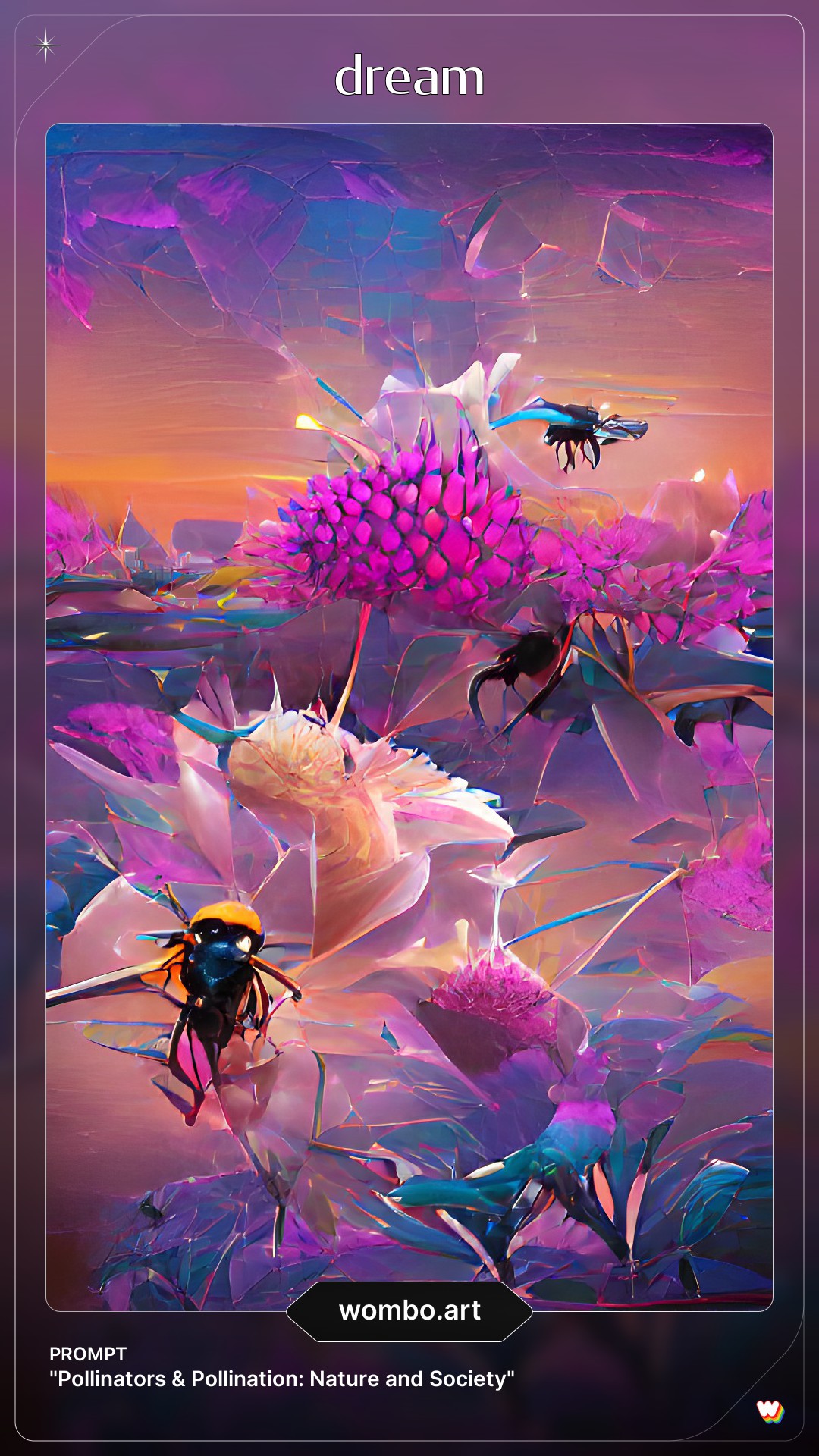
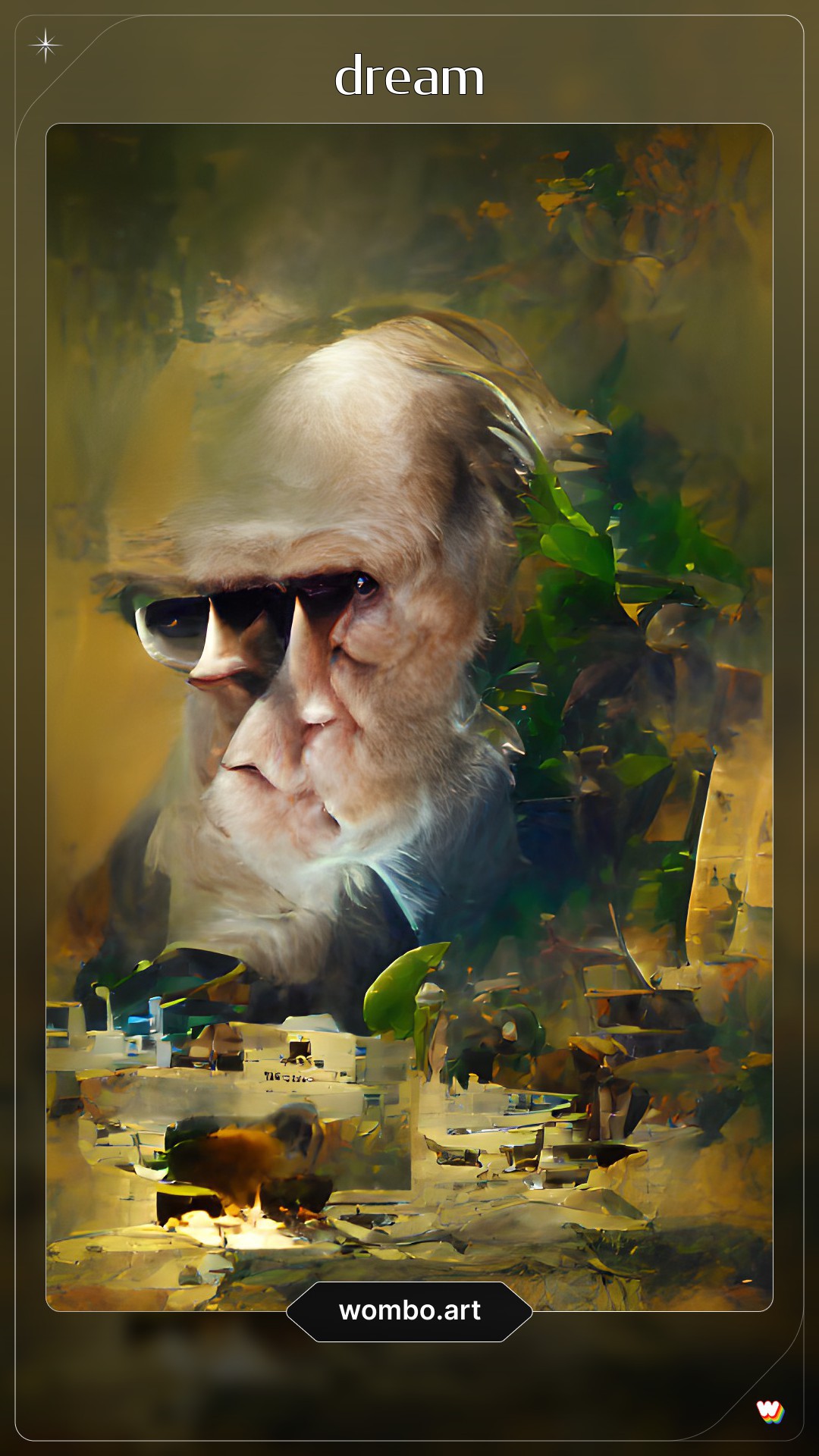
As regulars to my blog might know, I’m a sucker for computer-generated “stuff”, for example virtual ecological systems; see my 2020 post “a simple online ecosystem model: like Tamagotchi for the green generation“. Last night while browsing Twitter I came across a few people tweeting about app.wombo.art which uses words and phrases as a prompt for its AI to generate art in a variety of styles. For example, the image above is based on the title of my book Pollinators & Pollination: Nature and Society. The downloaded image always has “dream” at the top which is easy enough to crop, while “PROMPT” is the word or phrase that you entered, which can be turned off.

You can also use the titles of scientific articles – this one is my 1996 paper “Generalization in Pollination systems and Why it Matters” (I don’t think that it counts as a graphical abstract…):

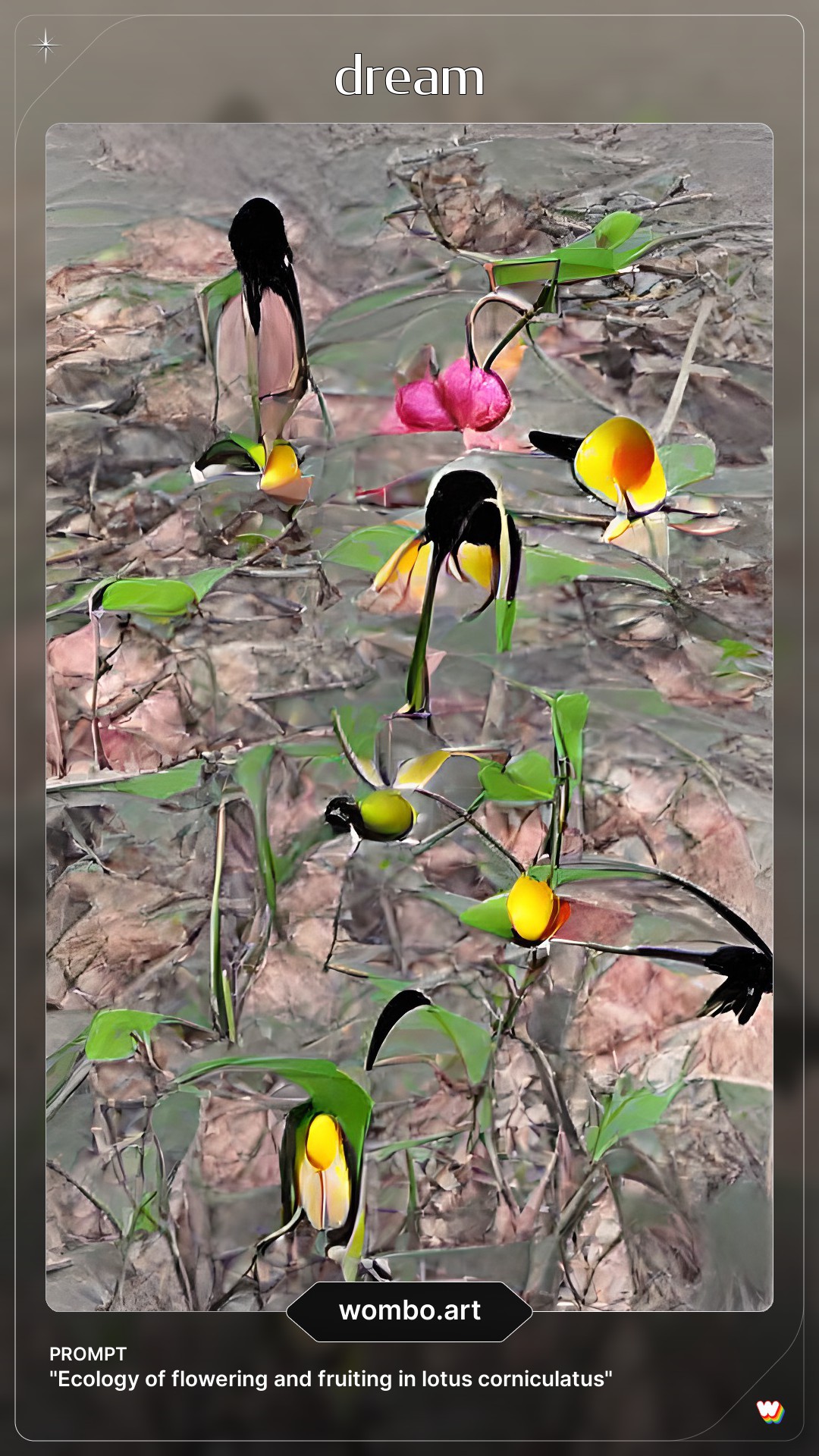
A lot of people were submitting their thesis titles and I expect to see some of these used as frontispieces in PhDs in the near future. Here’s mine (from 1993) – “Ecology of flowering and fruiting in Lotus corniculatus“:

The other category that I had fun with was using scientific names – here’s the genus Ceropegia:

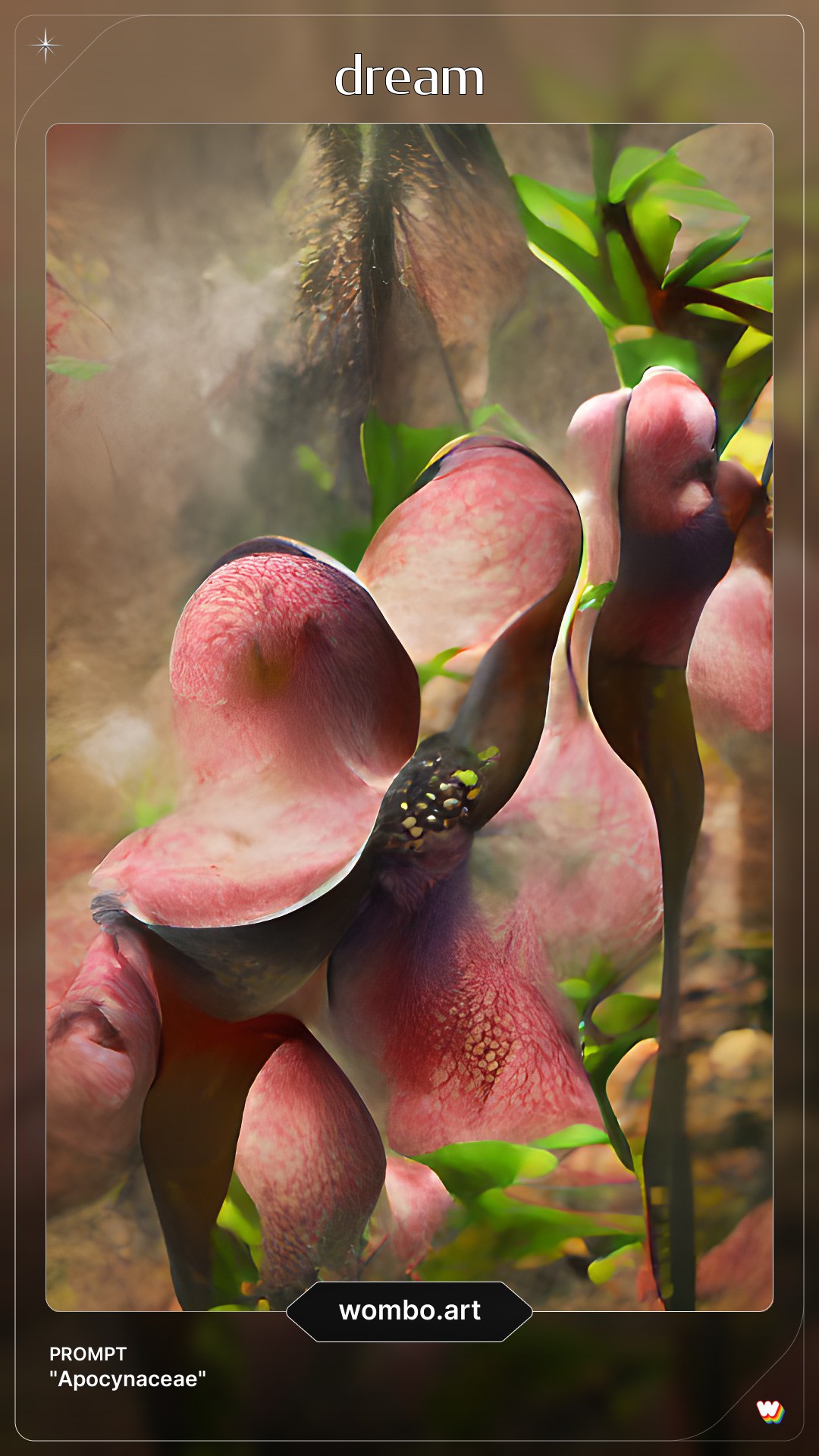
And here is Apocynaceae:

Can you guess what phrase I used to generate this one:

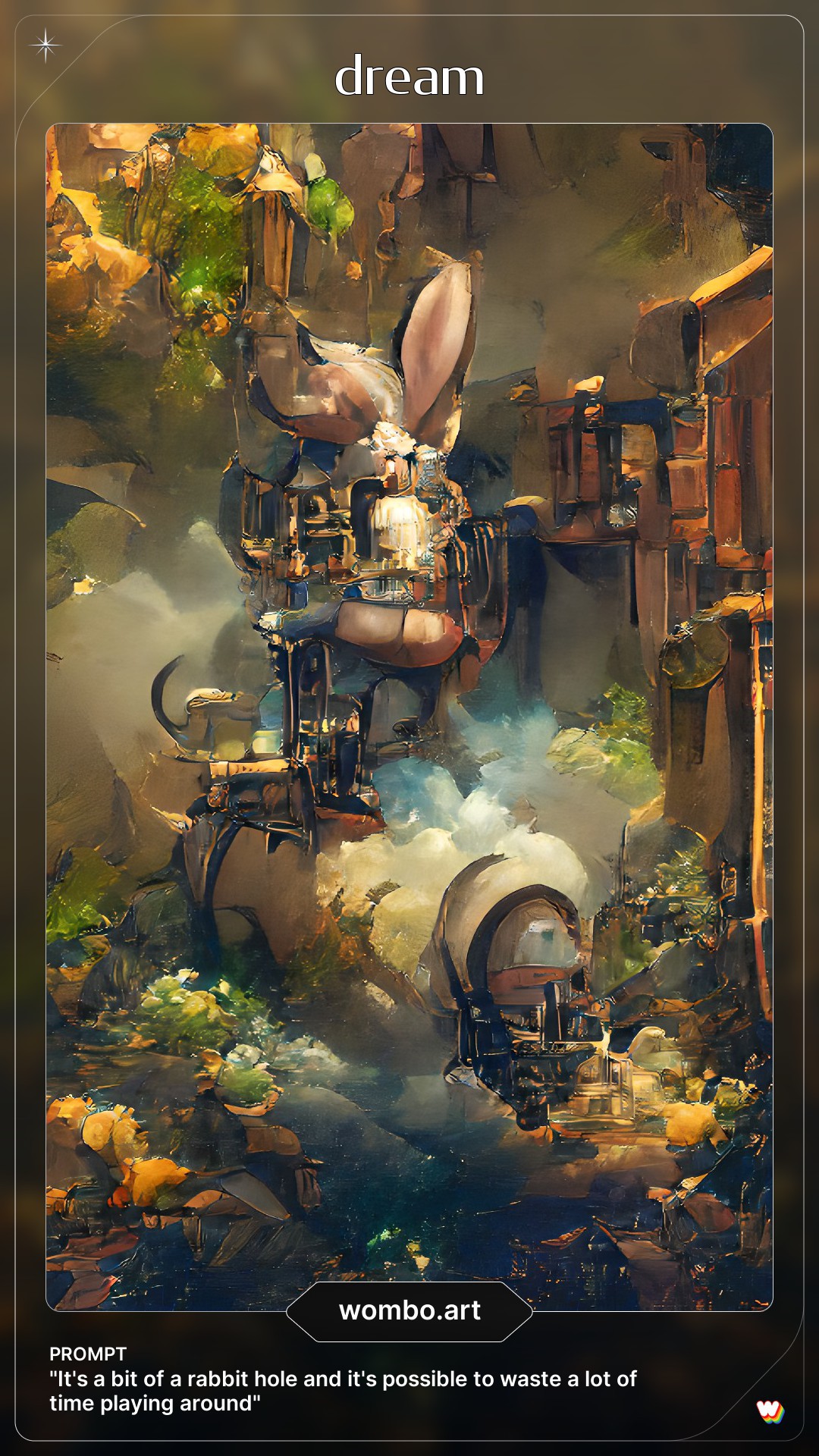
What’s really fascinating about this system is that every time you generate an image from the same phrase it returns something different. Go have fun, but be warned: it’s a bit of a rabbit hole and it’s possible to waste a lot of time playing around:

A milkweed on the shore: tracking down an elusive Danish plant

Since arriving in Odsherred towards the end of August I’ve been looking out for one plant in particular on our bicycle rides and hikes around the region. Vincetoxicum hirundinaria is a widespread asclepiad or milkweed: a member of the family Apocynaceae, subfamily Asclepiadoideae. This is a group of plants on which I’ve published quite a few research papers and which feature heavily in my book Pollinators & Pollination: Nature and Society.

So far the species has proven elusive and a few Danish ecologists that I’d spoken with told me they had never seen it in the wild. The GBIF account of the species shows a few populations in this part of Denmark but I wasn’t sure if they were old records of populations that no longer exist. But as of yesterday I can confirm that at least one of those populations is extant!

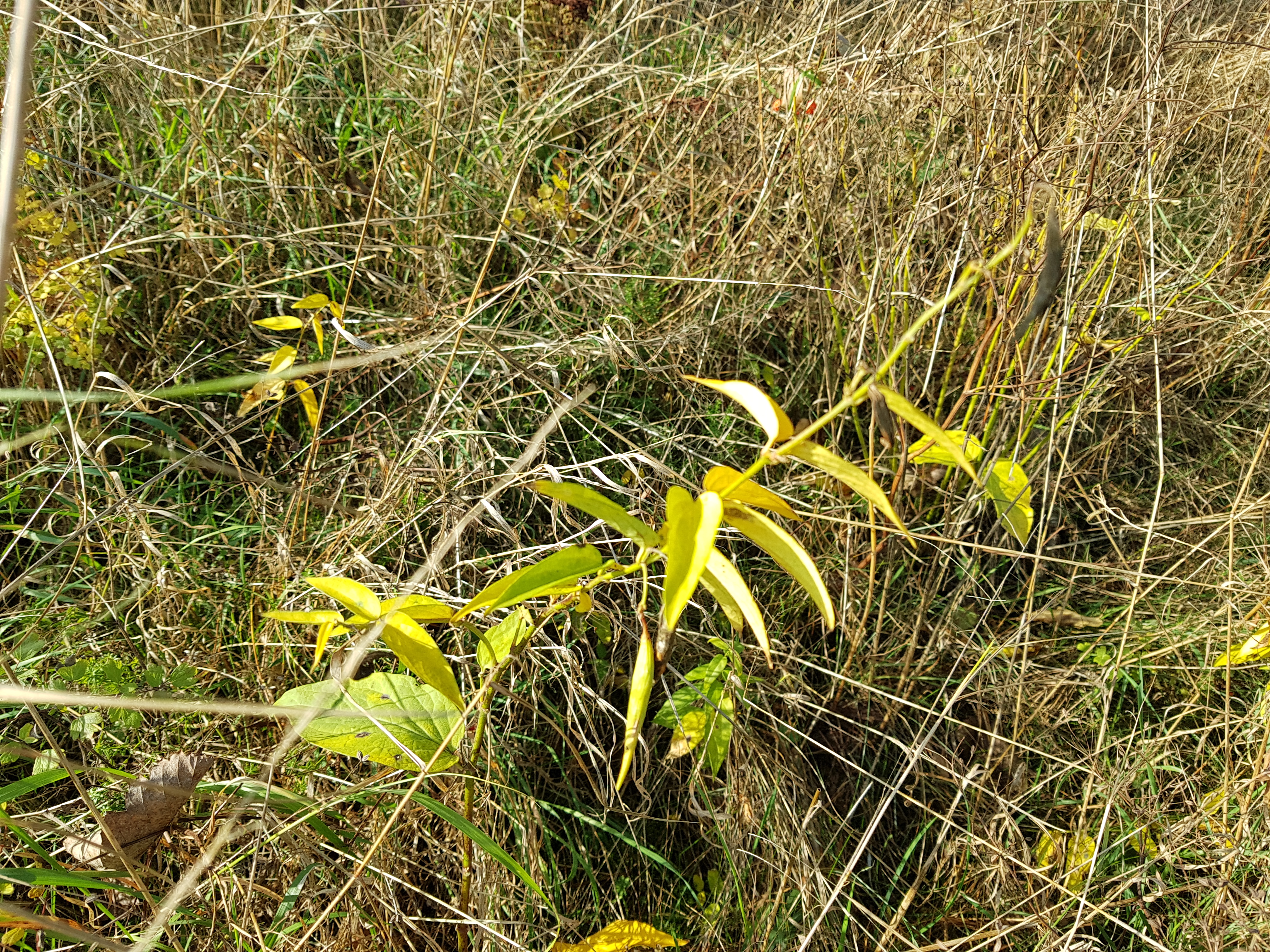
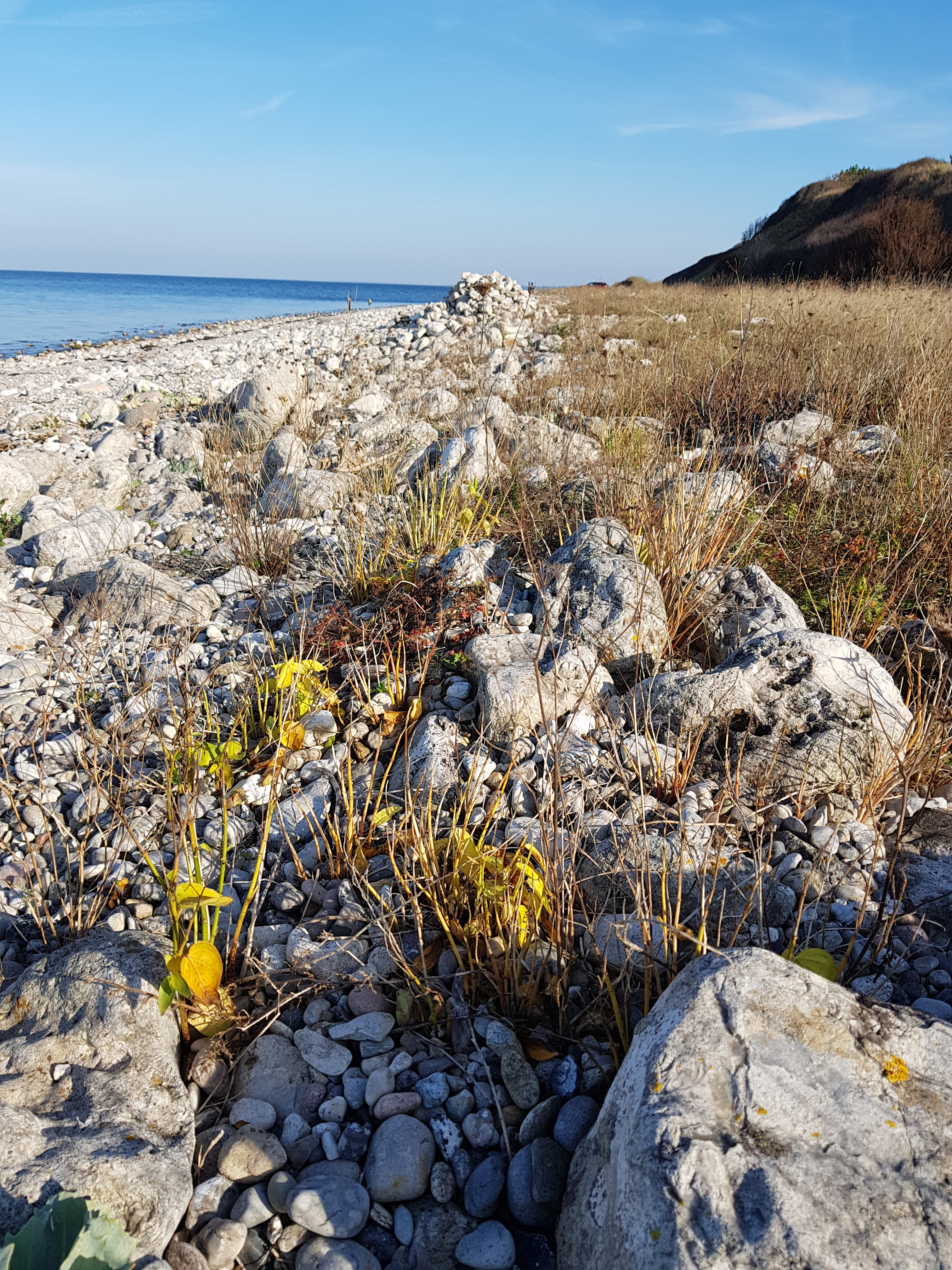
We had cycled out to the small town of Klint about 13km west of us, to see the glacial moraine landscape for which the area is famous and which gives Odsherred UNESCO Geopark status. As we approached the small fishing harbour at Klint I let out an excited shout to Karin who was just ahead of me: in amongst the roadside vegetation I’d spotted the distinctive and immediately recognisable yellow of Vincetoxicum hirundinaria in its autumnal hues! In the photos that follow you can see how well that yellow stands out against the colours of the other plants in the community.

At this time of the year the plant has ceased flowering, but the occasional swollen green seed pod was evidence of successful pollination of their morphologically complex flowers.

I was surprised at just how close to the sea the plants were growing; they must get inundated by sea water during stormy tidal surges.

So what is pollinating these flowers on this exposed shoreline? That’s a question that I want to pursue in the coming years. The Pollinators of Apocynaceae Database has remarkably few records of pollinators in this species, given how widespread it is. Flies certainly pollinate it, but there’s also records of wasps and bees as visitors, including bumblebees on flowers of a plant that I had in cultivation in Northampton. There’s a couple of other research groups in Scandinavia and Europe who are looking at the pollination ecology of the species and I’m hoping that we can collaborate on a study of spatial variation in its reproduction. Vincetoxicum is quite a large genus (around 150 species) and only around 10% of the species have been studied in any detail. But these studies are revealing a complex diversity of pollinators, including most recently, cockroaches in the Chinese species Vincetoxicum hainanense. I’m sure this intriguing group of plants has more fascinating stories to tell us about the ecology and evolution of its pollination systems.

FIGURE 4 from Xiong et al. (2020) Specialized cockroach pollination in the rare and
endangered plant Vincetoxicum hainanense in China. American Journal of Botany 107:
1355–1365.

The largest West African flower: Pararistolochia goldieana!

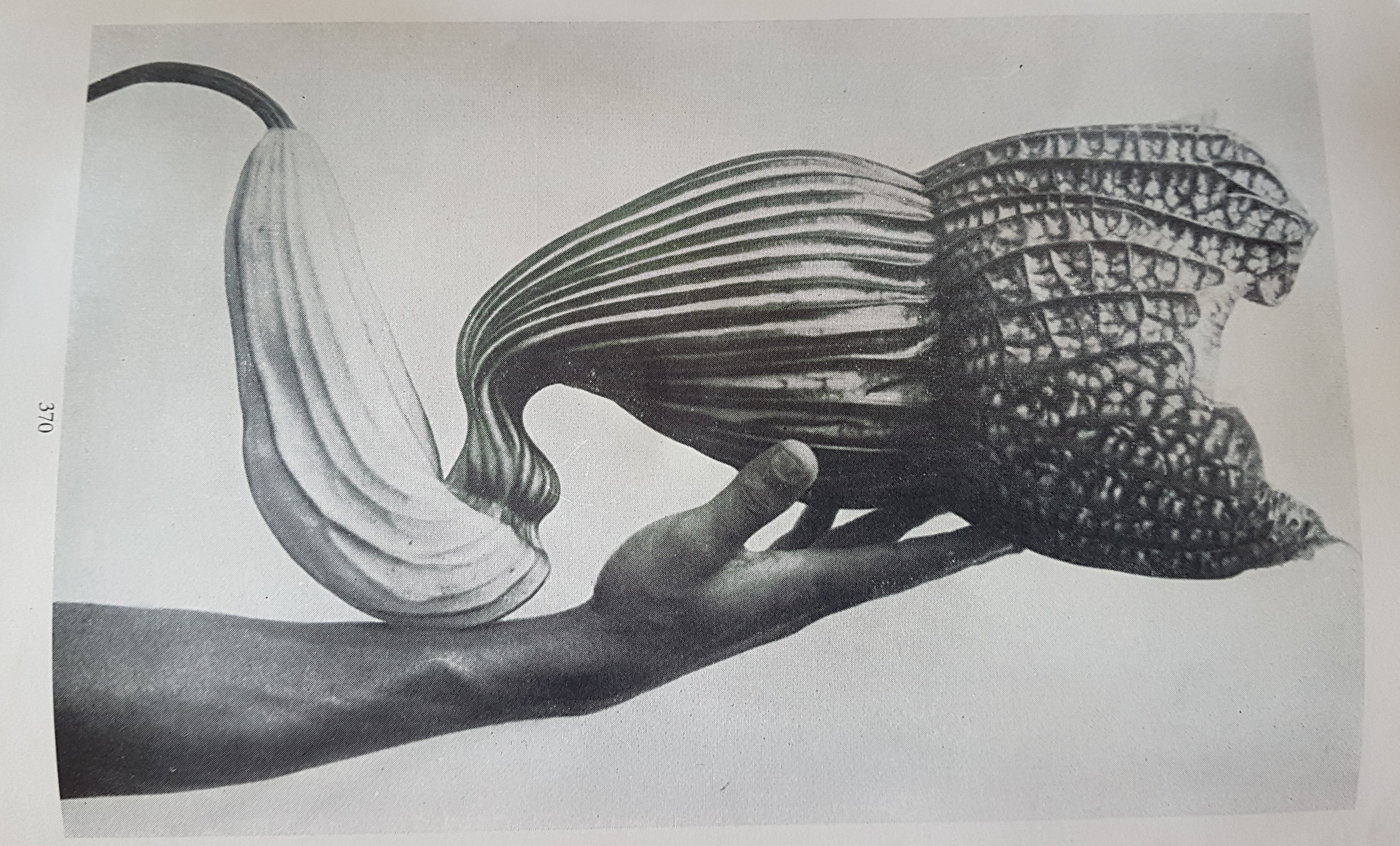
Some years ago, browsing in a second hand bookshop, I happened across a copy of an old magazine from 1950 called Nigeria. Published by the then colonial government, it was a miscellaneous collection of articles about the culture, geography and natural history of that fascinating West African country. Although aspects of the contents are problematical by modern standards, I bought it because of a short article about a wild plant with enormous flowers and a remarkable pollination strategy. In particular, the spectacular photograph of a man holding a flower that’s the length of his forearm grabbed my attention: who couldn’t love a flower like that?!

The plant is Pararistolochia goldieana, a vine found in the forests of this region, as described in the introductory text:

These types of flowers are pollinated by flies, a common strategy in the Birthwort family (Aristolochiaceae) to which the plant belongs. This strategy of fly pollination in which flies are deceived into visiting the flowers by their stink and colour, and temporarily trapped in the enclosed chamber, is something that I explore in detail in my book Pollinators & Pollination: Nature and Society, particularly in the genus Ceropegia. Those plants show convergent evolution with the pollination systems of Aristolochiaceae, though they are unrelated.

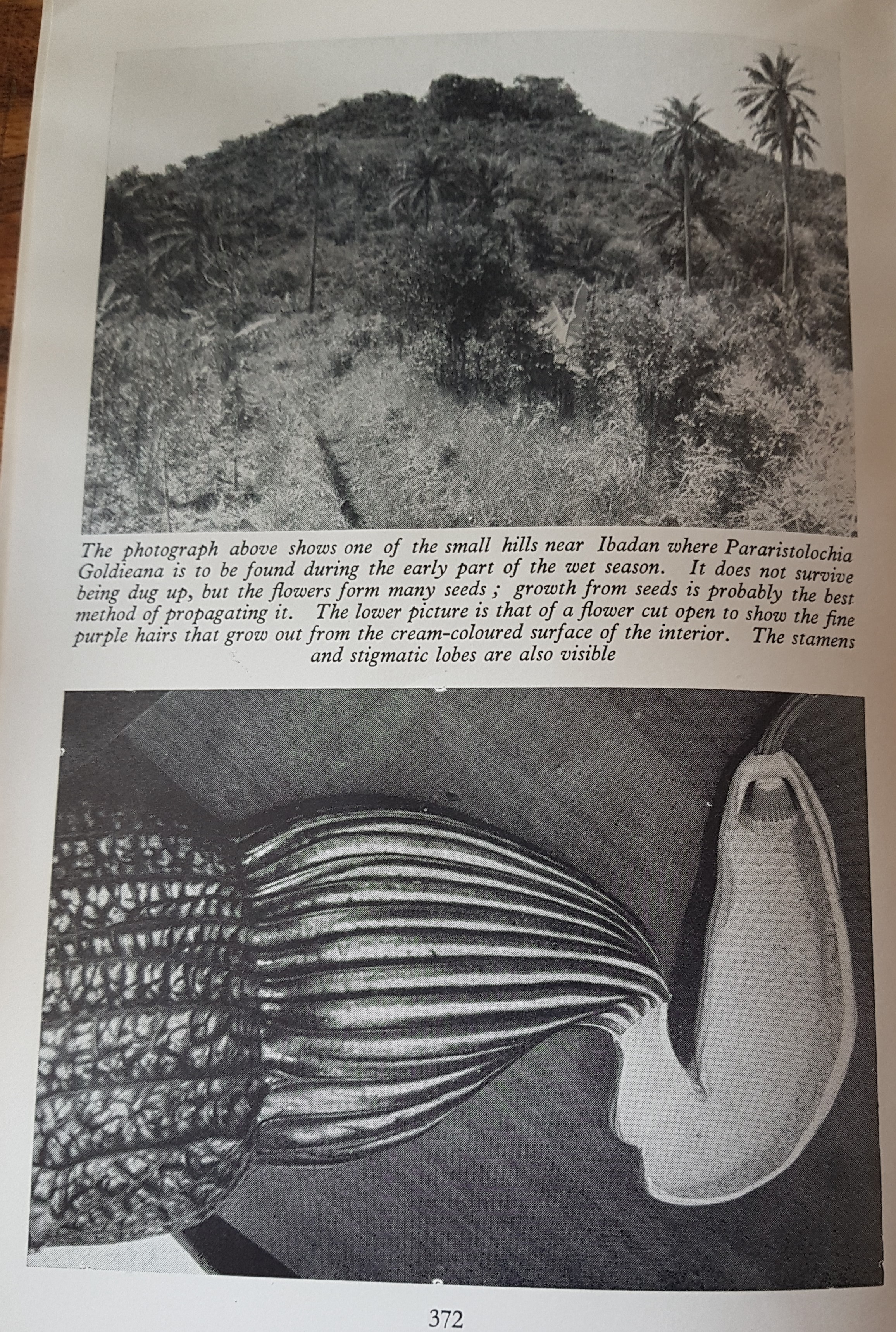
Pararistolochia goldieana has a wide distribution across West Africa, including Cameroon, Equatorial Guinea, Nigeria, and Sierra Leone. The IUCN Red List categorises it as ‘Vulnerable’ due to habitat loss. The population where these photographs were taken is described on the final page of the article:

The city of Ibadan is one of the largest in Nigeria and has grown enormously, ‘from 40 km2 in the 1950s to 250 km2 in the 1990s‘. I wonder if this forest, and its botanical treasures, still exists?

During field work in Gabon in the 1990s I was fortunate enough to encounter a species of Pararistolochia in the rainforest of Lopé National Park. It was a different species to P. goldieana, with rather smaller but no less spectacular flowers, and it stank to high heaven! We knew it was there long before we saw it. I collected some flies from the flowers and had them identified, though I’ve never published the data: it’s available if anyone is working on a review of pollination in the family.

This 1950 article is anonymous, so I don’t know who to acknowledge for the amazing images. However the botanist R.W.J. Keay was working on a revision of the family for the Flora of West Tropical Africa project at the time, so it may have been written by him.