Tag Archives: Biodiversity

Butterflies and pesticides – a new study and a smoking gun

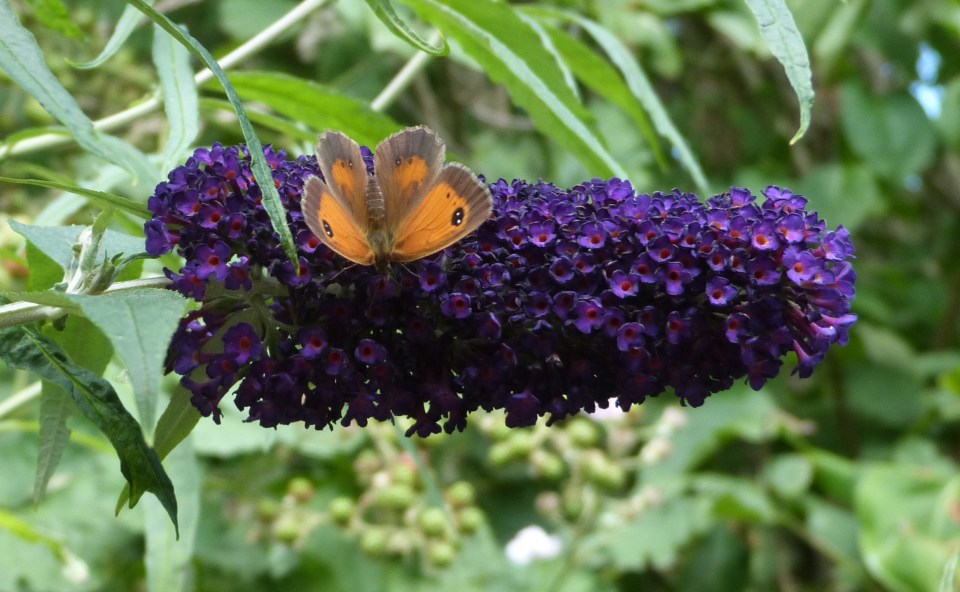
Gatekeeper cropped P1010472

Following hot on the trail of the raft of recent papers that I highlighted on the blog last week comes a new study by Andre Gilburn and colleagues entitled “Are neonicotinoid pesticides driving declines of widespread butterflies?“.  The paper is open access and published in the journal PeerJ which encourages post-publication comments and review of the work.  I see that Tom Oliver of the Centre for Ecology and Hydrology has started the ball rolling with a couple of questions, and hopefully more will follow, with responses from the authors.

The paper focuses on the fact that between 2000 and 2009 there was a 58% decline in butterfly abundance on farmed land in the UK despite a doubling of spending on conservation in the UK over the same period, much of it on agri-environmental schemes on that very same farmed land.

Using a statistical modelling approach the authors conclude that the introduction of neonicotinoid pesticides in the mid-1990s is strongly implicated as a likely driver of those declines.  My immediate question on reading the paper was: “What were the trends like before the mid-1990s, and did the rate of decline change significantly after that period?”

The authors don’t directly answer the question but it seems to me to be quite an important one to answer because abrupt changes in rates of decline in the abundance and diversity of species can be linked to broader changes in, for example, land management and agricultural practices, as we showed recently for bee and wasp extinctions in Britain.

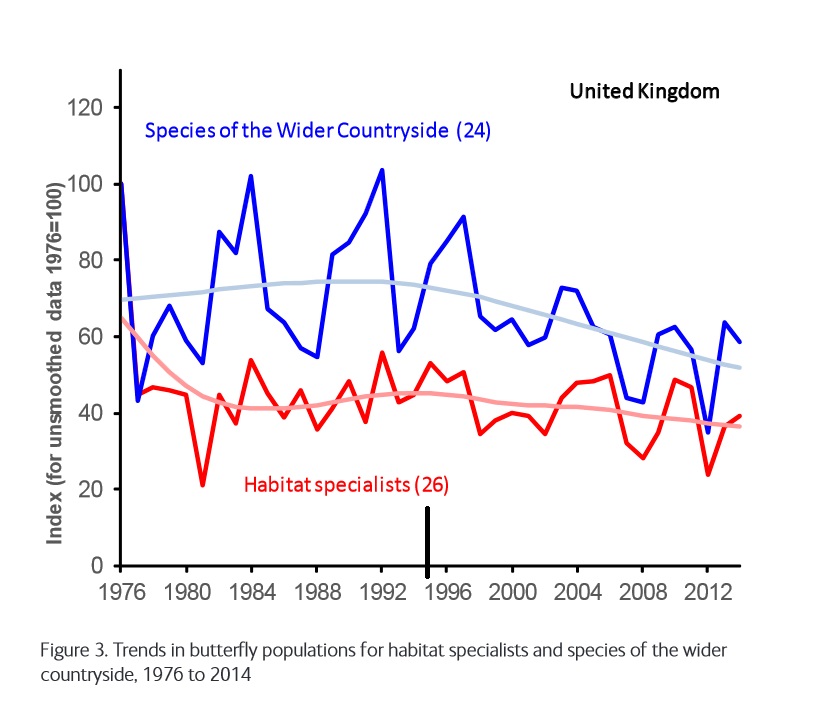
So I looked for the data that would tell me whether the trend had changed and found what I needed in the UK Butterfly Monitoring Scheme annual report for 2014.  Here’s a screen grab of Figure 3 from the report:

Butterfly abundance indices - November 2015

I’ve marked the point at which neonicotinoid pesticides were starting to be widely used in UK farming with a black line.  As you can clearly see this is also roughly the point at which the abundance of the 24 “Species of the wider countryside” begins to trend downwards.  In comparison, the 26 “Habitat specialists” show much less of a change, and in fact their initial decline was much earlier (in the 1970s-80s), possibly in response to loss of species rich grassland and ancient woodland.

Of course I’m just eyeballing the data and it needs to be tested statistically to see if there really is a break point in the trend at the mid-1990s, but this ought to be possible for anyone with access to the full data set.  Even if this is shown to be the case it’s all correlative (as Gilburn and colleagues acknowledge) and proving causation is difficult.  Nonetheless it looks to me like there’s an interesting smoking gun here that deserves further study.

Pollinators seminar at the Houses of Parliament – 2nd December

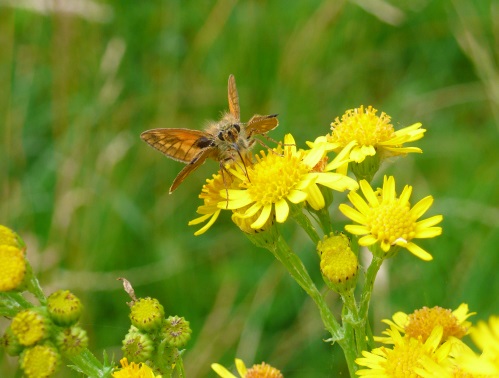
Skipper on ragwort - cropped

The Parliamentary Office of Science and Technology (POST) has organised a “Pollinators Update” afternoon seminar in London on Wednesday 2nd December, to discuss recent developments in pollinator conservation research. I’ve been asked to give a 15 minute presentation on the pollinator extinctions research we published in Science last year.

The full programme will be:


  • 2.30pm Sarah Newton MP, Chair’s Welcome
  • 2.40pm Presentations
  • Professor Simon Potts (Professor of Biodiversity and Ecosystem Services) – Reading University
  • Professor Jeff Ollerton (Professor of Biodiversity) University of Northampton
  • Dr Claire Carvell – NERC Centre for Ecology and Hydrology
  • Dr Richard Gill – Imperial College London
  • 3.40pm Discussion
  • 3.55pm Chair’s closing remarks
  • 4.00pm Refreshments


The seminar is free to attend but you need to book a place: see the POST website for details.

A new bee for Northamptonshire!

Anthophora bimaculata 2 cropped P1120172 copy

Back in the summer I produced a series of posts for Pollinator Awareness Week highlighting the pollinators to be found in our own urban garden in Northampton.  One of those posts was of what I believed to be the Little flower bee (Anthophora bimaculata), a species which at the time I’d never previously seen.  I noted that this was a new urban record for Northampton as my PhD student Muzafar Sirohi had not recorded it during his bee surveys, which I discussed earlier this year.

Some time later I checked the bee records on the National Biodiversity Network (NBN) Gateway site and realised that not only was this the first urban record of the species in Northampton, it was actually the first record for the county of Northamptonshire as a whole!  The record has recently been accepted on iRecord and will be added to the NBN records.

Of course this is personally exciting (a new record for a large county found in our back garden) and it adds a significant regional record to the currently known distribution of the species.  The map on the BWARS account of Anthophora bimaculata shows that the species is predominantly southern in its distribution, with a few eastern and western outliers.  This new record places the species firmly in the centre of England, confirming that it is more widespread than previously assumed.

There are two possible explanations for the discovery of this bee in Northamptonshire.  One is that it’s a very recent range expansion and the species is becoming more common and widespread, perhaps as a result of climate change.  The second is that it’s always been present in Northamptonshire, but just never recorded.  At the moment it’s impossible to decide between these two possibilities as there’s evidence to support both.  Not only did Muzafar not record A. bimaculata in his surveys in 2012, neither did Dr Hilary ErenlerDr Sam Tarrant or Kathryn Harrold in their pollinator surveys in the region between 2007 and 2015. Having said that, we do know that Northamptonshire is a historically under-recorded county for bees as it has no County Recorder for Hymenoptera, and both Hilary and Muzafar recorded species new to Northamptonshire, which I hope to report on at a later stage.

Differentiating between these two scenarios will be difficult and may be impossible unless we can discover previously unknown historical specimens of this bee that were collected in the county, or the species continues to expand in its range.

Understanding the distribution of pollinators such as bees is a key component of initiatives such as the National Pollinator Strategy – if we don’t know where the things we are trying to conserve actually are, how can we conserve them?  So it’s very pleasing to be able to make a small contribution to that process from the comfort of our own garden!

Anthophora bimaculata 1 P1120172

Why do ecologists not become physicists?

There are a few examples of physicists moving fields into ecology, perhaps most notably Robert May, but I don’t know of any examples where ecologists have entered physics.  Are there any?

If not there may be a good reason for this, as Steve Heard’s post about his tongue-in-cheek Centrifugal Theory of Species Diversity, and the resulting discussion in the comments, indicates.

I’ll leave you to read it, only to note that if the Ollerton Modification of Heard’s Conjecture is ever shown to be correct, I want my share of the Nobel!

How do artificial nectar feeders affect hummingbird abundance and pollination of nearby plants? A new study in the Journal of Ornithology

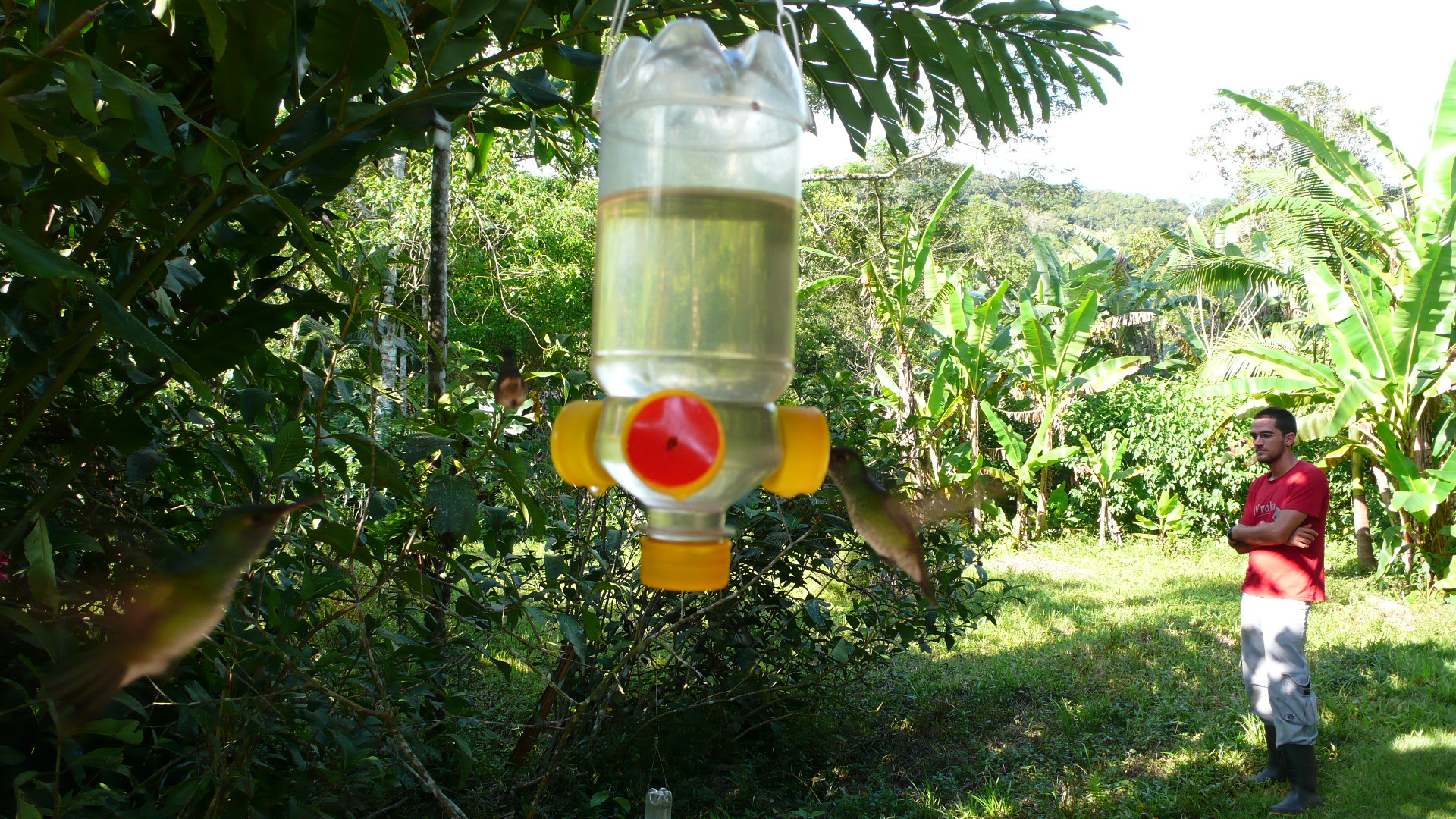
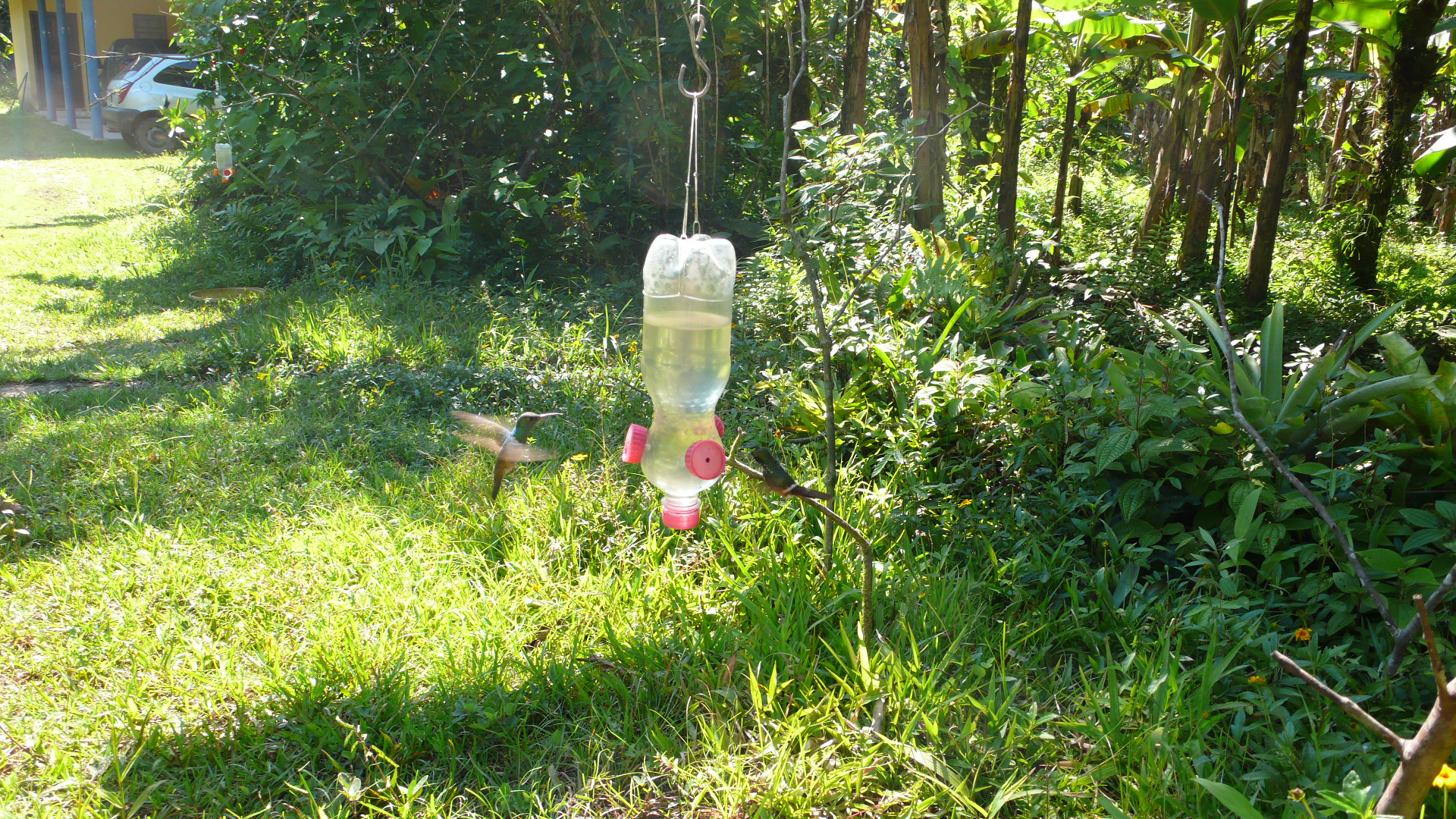
Hummingbirds on feeds in Brazil

Back in November 2013, during my research and teaching trip to Brazil, I discussed an amazing garden that we visited in which the owner had set up around a dozen hummingbird feeders that were attracting hundreds of individual birds from over 20 species.  As I mentioned, one of the owner’s concerns was that by feeding the birds he might be negatively affecting the reproduction of hummingbird-pollinated plants in the surrounding forest.  I thought it unlikely but there have been very few tests of this idea, and none in that part of South America.

After I left, a Master’s student called Jesper Sonne, based at the Center for Macroecology and Climate in Copenhagen, worked with my Brazilian and Danish colleagues on collecting data to address this question.  Between us we analysed and wrote up the results, and have recently published the paper in the Journal of Ornithology under the title “Spatial effects of artificial feeders on hummingbird abundance, floral visitation and pollen deposition“.

The abstract is below and if anyone wants a PDF, please drop me a line.  But the take home message is that although these feeders have a significant local effect on hummingbird abundance, there’s no evidence that they affect plant reproduction in the vicinity.  It’s nice when predictions prove correct….

———————-

Abstract

Providing hummingbirds with artificial feeders containing sugar solution is common practice throughout the Americas. Although feeders can affect hummingbird foraging behavior and abundance, it is poorly understood how far this effect may extend. Moreover, it remains debated whether nectar-feeders have a negative impact on hummingbird-pollinated plants by reducing flower visitation rates and pollen transfer close to the feeders. Here, we investigated the effects of distance to nectar-feeders on a local hummingbird assemblage and the pollination of Psychotria nuda (Rubiaceae), a hummingbird-pollinated plant endemic to the Brazilian Atlantic Rainforest. At increasing distance (0–1000 m) from a feeding-station, where hummingbirds have been fed continuously for the past 13 years, we quantified hummingbird abundance, and rates of flower visitation and pollen deposition on P. nuda. We found that hummingbird abundance was unrelated to distance from the feeders beyond ca. 75 m, but increased steeply closer to the feeders; the only exception was the small hummingbird Phaethornis ruber, which remained absent from the feeders. Plants of P. nuda within ca.125 m from the feeders received increasingly more visits, coinciding with the higher hummingbird abundance, whereas visitation rate beyond 125 m showed no distance-related trend. Despite this, pollen deposition was not associated with distance from the feeders. Our findings illustrate that artificial nectar-feeders may locally increase hummingbird abundance, and possibly affect species composition and pollination redundancy, without necessarily having a disruptive effect on pollination services and plants’ reproductive fitness. This may apply not only to hummingbirds, but also to other animal pollinators.

Hummingbirds on feeds in Brazil 2

Spiders: a guide for first-year students!

P1120445

Yesterday I had a phone call from a colleague in the university’s marketing department.  Apparently there’s been a lot of complaints, and some hysteria on social media, about spiders appearing in the rooms of first year students in our halls of residence.  My colleague asked if I’d write something about spiders, and how they were harmless and nothing to worry about, that they could use to placate the students’ worries.  This is what I wrote and I thought it worth sharing on the blog.

—————————————-

Spiders! Ugly. Unpleasant. Spooky. Dangerous…..even deadly?! Spiders in Britain are all of these things, right?

No! Absolutely not! Spiders are fascinating, sometimes beautiful, and are an ecologically important groups of animals. Although it’s true that large spiders can sometimes give us the jitters, myself included: I don’t like walking into them in the garden! In fact as a kid I had a real phobia of spiders that I got over by handling increasingly bigger ones until eventually I could pick up even the largest spider we have in this country.

Most of the fear of spiders is based on myths and misconceptions, rather than reality. Ignore the DRAMATIC HEADLINES about False Widow Spiders – it’s an uncommon species and it’s extremely rare to encounter one of these, never mind be bitten. They make their webs near rocks where there are deep cracks into which they can hide. So you’re not likely to find them in your room!

Spiders play a really important role in the environment by eating large numbers of flies, including some that bite or carry disease or that might otherwise be much more harmful to humans than spiders. Spiders in turn are a food source for many of our birds, and in the spring some birds also use spider webs to construct their nests. If we had no spiders then we’d lose a lot of the birds that are so familiar in our gardens, such as Blue Tits and Blackbirds.

At this time of the year spiders are more apparent than ever, and the one you are most likely to see is a large, beautifully patterned species know as the European Garden Spider. The big ones are the females; males are much smaller. They sometimes make their way into houses and can construct large webs. But they are harmless and would only bite if held tightly in the hand, and they are much happier outside than in your room. They can’t jump on you and they do not attack!

What to do if you find a spider in your room and you want to get it out but can’t bear to go near? Find a friend who is not so squeamish and ask them to use a glass and a book or piece of cardboard to gently capture the spider and take it outside. Don’t worry, it won’t find its way back! Before you release it, though, try to find the courage to look really closely at this creature: they are attractively speckled and really very pretty!

The other thing you can do is find some conkers from the Horse Chestnut trees on campus and put them on your windowsill. It’s an old folk tradition that spiders don’t like the smell of conkers and there is some evidence that it keeps them out of the house.

I’ll let you into a secret. As Professor of Biodiversity I’ve done ecological field work all over the world, including the rainforests of Africa and the savannahs of South America. Every now and again I come across spiders that are much larger, and potentially more dangerous, than anything we find in Britain. Initially they still give me a shiver; but once I’ve spotted them I can take time to study their colours and forms and beautiful webs, and appreciate just how amazing and important spiders really are.

Have a great year at university and don’t worry about the spiders!

The biodiversity of the human family tree just got bigger

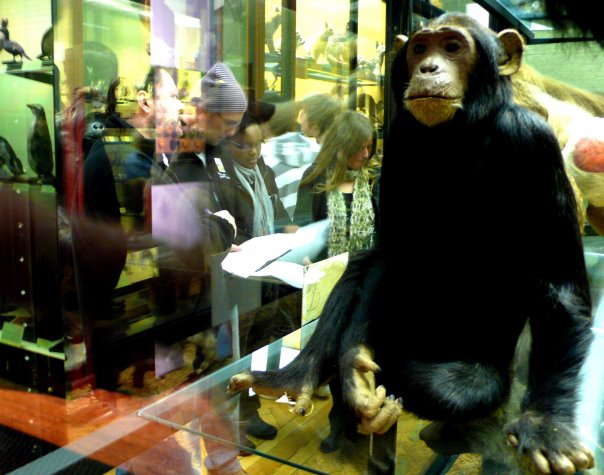
Tring 8

Today’s announcement of the discovery in South Africa of a new extinct species in the genus Homo, named Homo naledi, is a major scientific discovery that may prove to be one of the findings of the year, if not the decade.  As I’ve mentioned previously, human evolution fascinates me and I could easily have been sucked into the frustrating, controversial and important world of the professional hominid hunter.  But I’m content to view and appreciate from a distance as palaeo-anthropologists make their amazing discoveries about human ancestral biodiversity, and I thought I’d collate the links to some of the main stories and items relating to today’s events:

The scientific paper describing Homo naledi has been published in the open-access online journal eLife, rather than a journal such as Nature or Science, the more usual outlet for such discoveries, presumably because the importance of the find certainly demands rapid publication.  Interestingly its Altmetric score is already 281, having been picked up by numerous news outlets, tweeted, blogged about, etc.

I first saw the story earlier today on the BBC News website; the long article has a video interview with Professor Lee Berger, lead author of the paper.  There is also video footage from today’s press conference in South Africa, presented by Professor John Hawks, in which he describes in more detail the significance of this fossil, with its mix of both primitive and more derived anatomical features.

The Guardian also ran the story, this time with some different video footage, including a view inside the cave where the fossils were found, and there’s a 40 minute podcast.

Finally, National Geographic, which funded the study, has some videos on YouTube, including a fascinating account of the workshop that was convened to study the fossils and more discussion of its significance and amazing footage of how the fossils were recovered from the cave, and how the species was reconstructed.

This is a story that will run and run: we don’t know how old the species is and there’s lots of speculation about the significance of finding such a large number of individuals all together in what appears to be a burial chamber.  It’s an exciting time to be interested in human evolution.

By lifting the restriction on the use of neonicotinoid pesticides Defra throws a (bee) brick at its own National Pollinator Strategy

P1120353

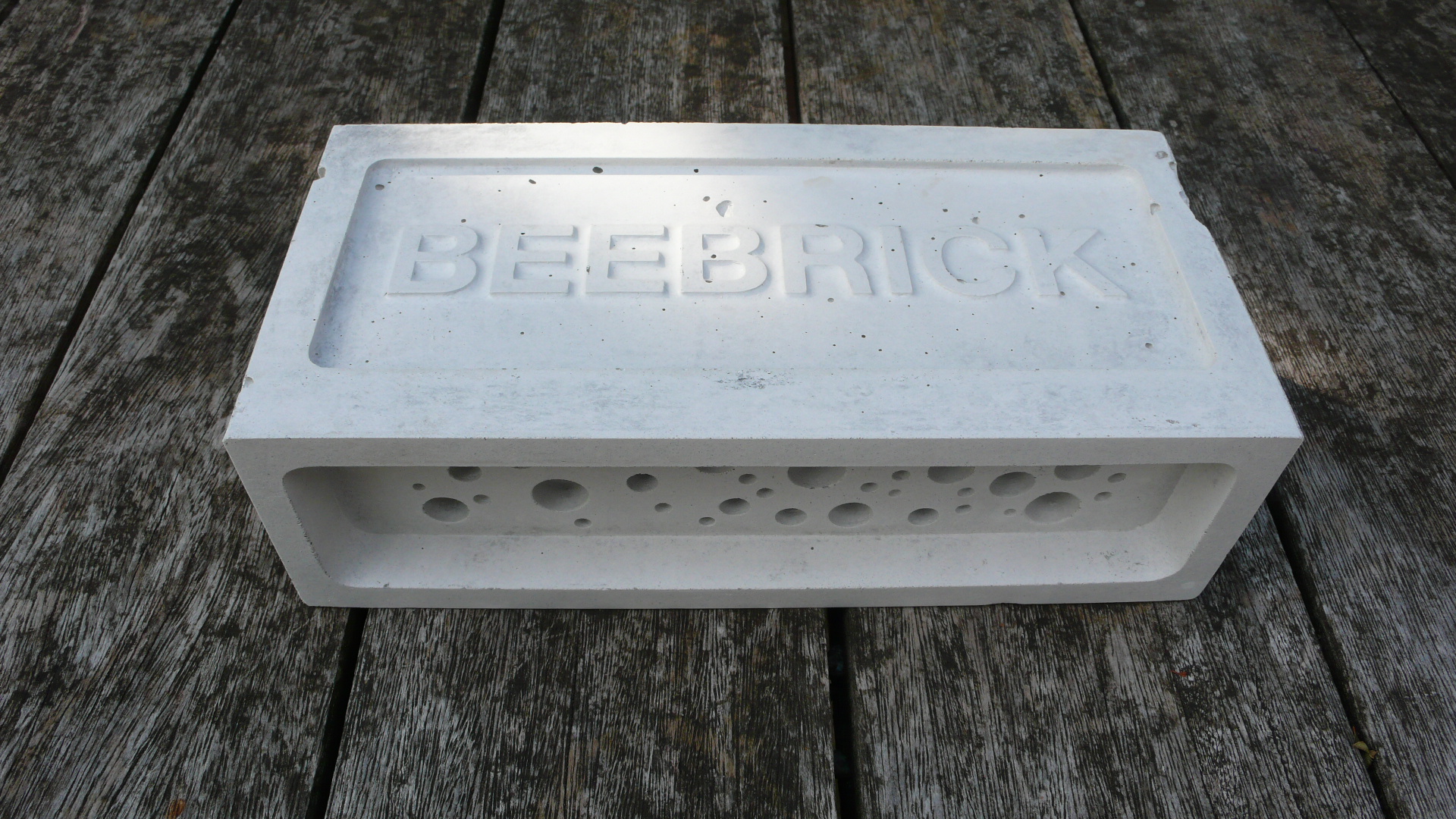
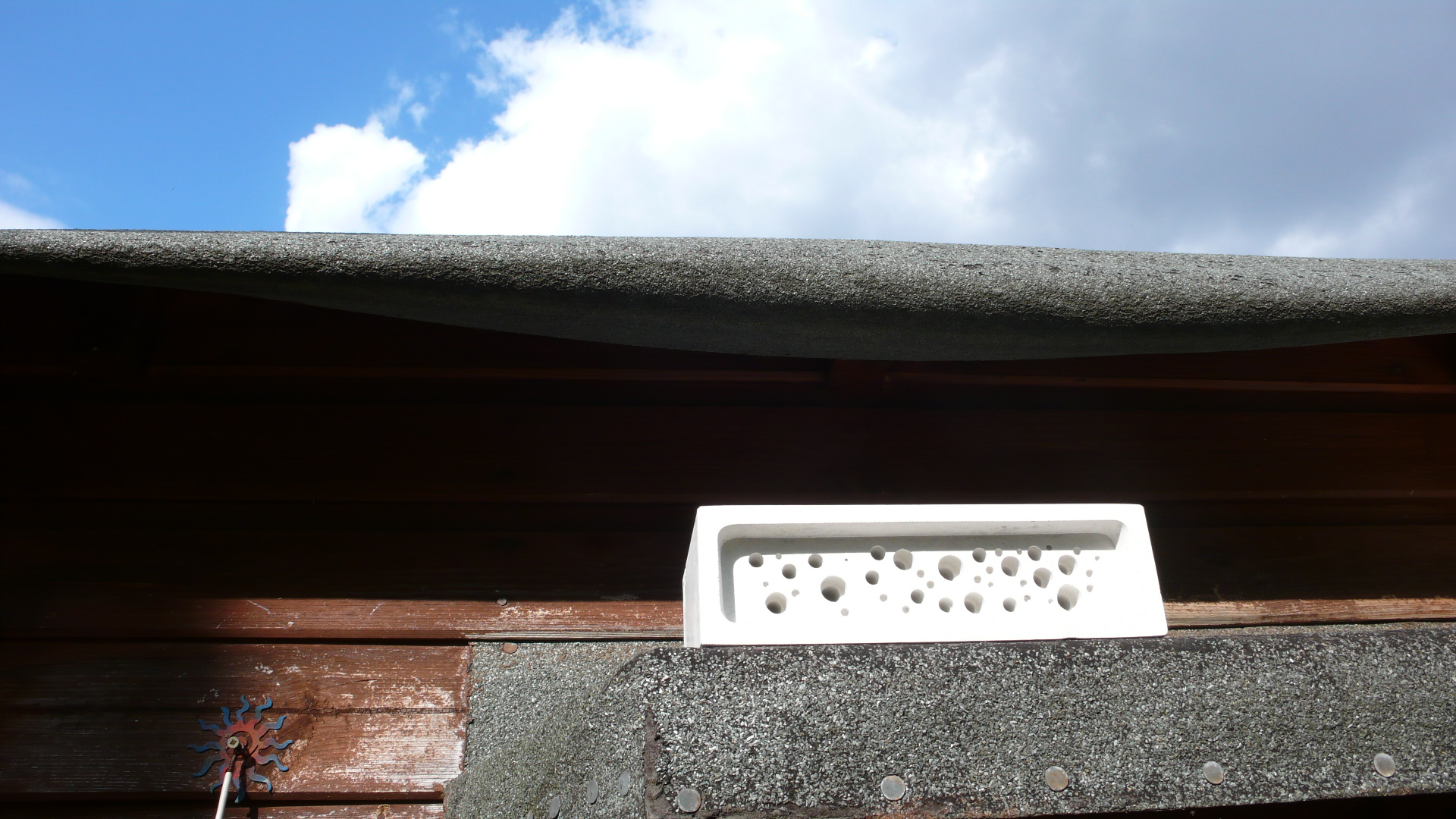
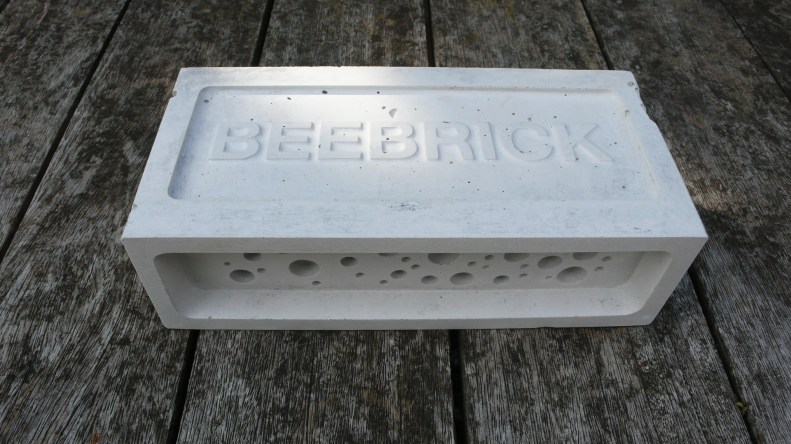
Yesterday a brick arrived in the post.  Not just any brick, but a Bee Brick, designed by the Green&Blue company in Cornwall as an architectural addition that can provide habitat for cavity nesting solitary species such as the Patchwork leaf-cutter bee that I discussed during Pollinator Awareness week.  A representative of the company recently got in touch, after having read my blog, and asked if I’d like a sample to try out in the garden.  In the absence of any planned wall building I’ve placed it a couple of metres up on the flat top of a south facing summer house window.  It’s probably a bit late in the season to attract any nesting solitary bees this year, but we’ll see; expect a report back from me at some point.

I had actually encountered the Bee Brick earlier this year at the Chelsea Flower Show which Karin and I attended as a 50th year bucket-list day out.  It was ok, I enjoyed it, the plants and (some of) the gardens were great.  But it was too busy, too expensive and too full of ostentatiously wealthy people for my tastes.

As if to serve as a counter-point to all the good work being done during Pollinator Awareness Week and by companies such as Green&Blue, came the recent news that Defra has agreed to lift the restrictions on use of two neonicotinoid pesticides on oil seed rape across a “limited” area in the east of the country.  It will apparently apply mainly to Suffolk, and cover an area of about 30,000 hectares.  That’s 5% of the UK’s oil seed rape crop.

The decision was made at the behest of the National Farmers Union, and seems to make no farming sense whatsoever given that nationally yields of oil seed rape have not been affected by the restriction on neonicotinoids, with the harvest this year looking to be above average.   Not surprisingly the decision has drawn furious fire from a range of environmental organisations including Buglife and the Wildlife Trusts. Meanwhile Friends of the Earth have threatened legal action, a move prompted by the fact that the Government has refused to allow its independent advisors to publish the details of the decision, including how it was made and what was discussed.

Aside from the lack of transparency, what particularly worries me is that this decision opens the door to further use of these restricted pesticides over the next 12 months, on a region by region basis, until we are back where we were prior to the restrictions being imposed.  The two year restriction on use of neonicotinoid pesticides comes to an end in December, at which point no one outside (and possibly inside) of Defra knows what is going to happen.

The National Farmers Union is being very selective with their use of information about the scientific evidence base for the effects of these pesticides on pollinators.  Dr Chris Hartfield, the NFU’s horticultural policy adviser and lead on bee health issues, was quoted as saying “The majority of the research that has fuelled this debate has been based on artificial dosing studies. The big question in this area is, does this accurately reflect what happens to bees foraging in and around neonicotinoid crops?  We don’t know, but the field studies haven’t shown that they are causing population declines in pollinators”.

Dr Hartfield and the NFU know full well that all of the evidence so far published shows that even at very small (field realistic) doses, neonicotinoid pesticides have been demonstrated to have important, sub-lethal effects on pollinators that may ultimately affect populations of some species.  Surely the wisest course of action is to further restrict their use until we have studied the situation.

This is not the only occasion when the NFU have been less than objective with their use of scientific evidence.  In the past couple of weeks I’ve had a group email exchange with Dr Hartfield in which he talked about the study by Carvalheiro et al. (2013) that “shows these [pollinator] declines have slowed (or even reversed) in the last 2 decades”.  I responded by pointing out that the current situation is not as straightforward as that.  The recent paper that we published in the journal Science showed that the rate of extinctions of UK bees and flower-visiting wasps has in fact increased over the period when Carvalheiro et al. (2013) see a slow down in declines in abundance.

There are a number of reasons why our results may be in disagreement with those of Carvalheiro et al., which we discuss in the paper, including the large statistical confidence interval around the rate of extinction during this latter period. However as with all such data, one or two studies will not give a definitive answer.  I provided Dr Hartfield with a link to our paper but I’m still waiting to receive a reply.

Initiatives such as the Bee Brick, reduced mowing on road verges, the RHS’s Perfect for Pollinators plant list, etc., etc. are important but they are tiny contributions compared to the role that must be played by British agriculture if we are to conserve pollinator diversity in the UK.  Farming accounts for 70% of the land surface in this country and has by far the greatest part to play in reducing biodiversity loss.

Within 12 months of Defra launching the National Pollinator Strategy, the same Government department has decided to bow to pressure and allow some use of a group of pesticides that we know are causing problems, even if they are not the whole story.  Defra is effectively hurling what may be the first of many bricks at itself, ultimately weakening the Strategy.   From conversations with politicians I know that these large departments do not have good internal communication and dialogue, but this seems to be an outstanding example of Orwellian double-think on the part of Defra.
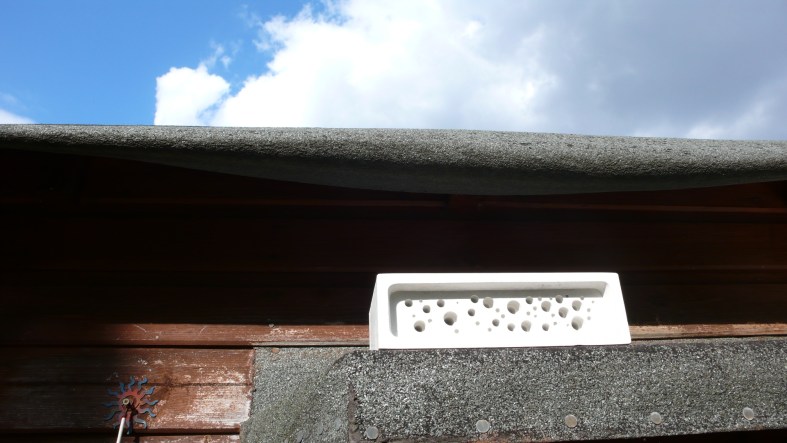
P1120355

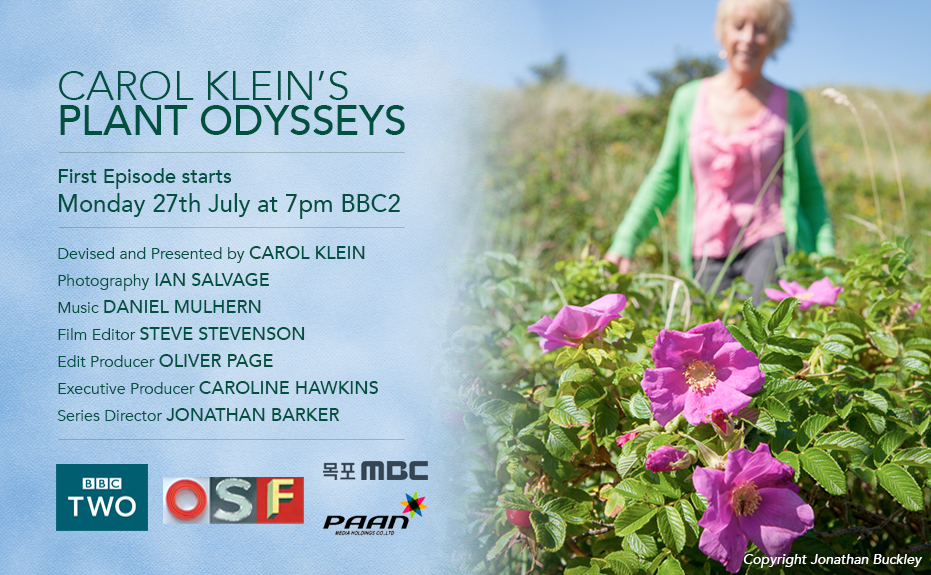
Carol Klein’s Plant Odysseys starts 29th July (and I put in an appearance in episode 1)

Carol Klein_Plant_Odysseys_TX_card

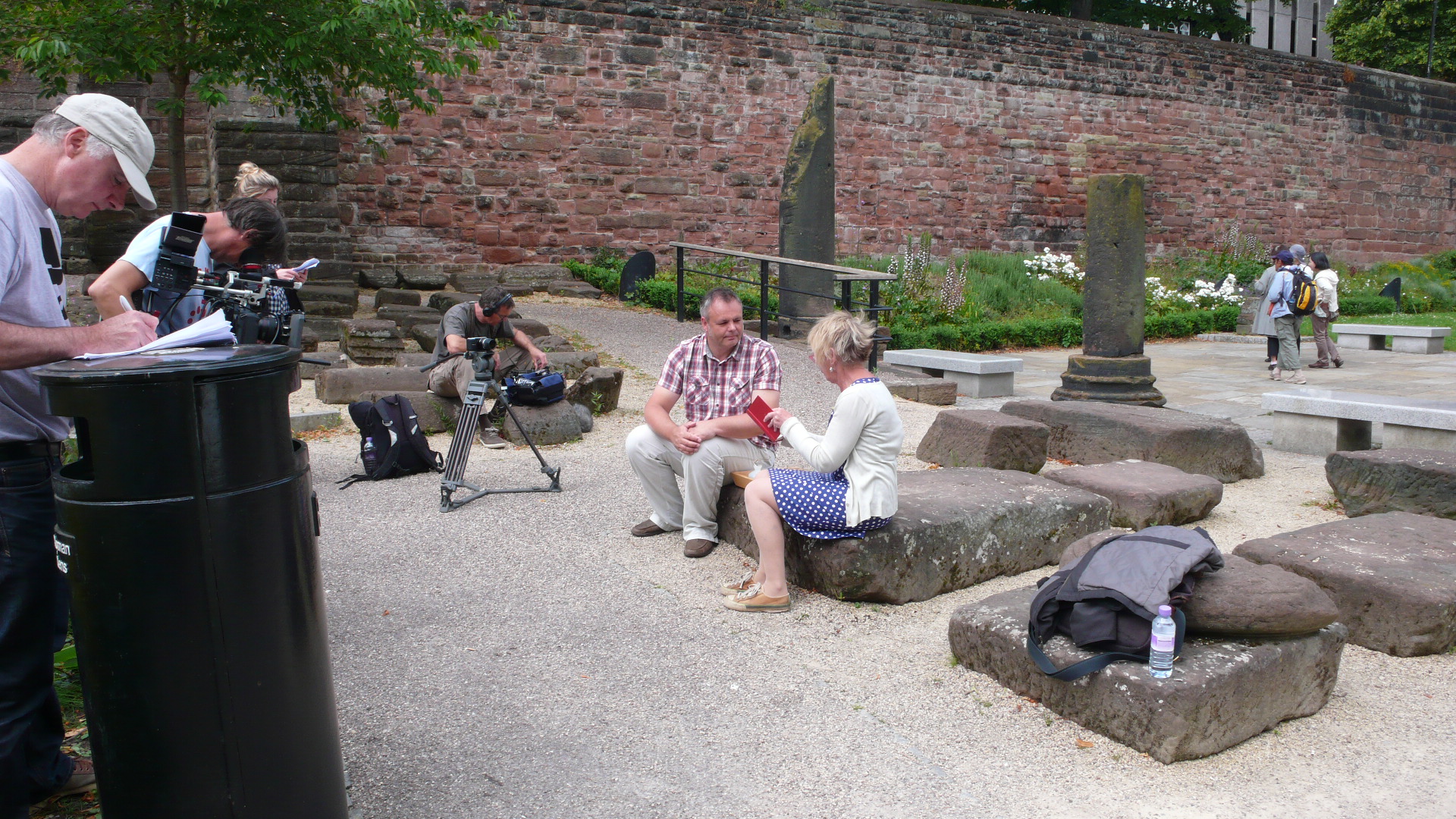
Back in June last year I talked about taking part in a day of filming with Carol Klein for her new four-part series, made with Oxford Scientific Films, called Plant Odysseys.  It’s an exploration of horticultural biodiversity, each episode focused on a particular group of plants.

The first episode, devoted to roses, is broadcast this Monday 29th July at 7pm on BBC2, and I’m looking forward to seeing what the production team did with our footage from Chester.  The name may be misspelled in the publicity material but it’ll still be me….

P1110827

Garden pollinators for PAW no. 6 – Buff-tailed bumblebee (Bombus terrestris)

P1010430

It would be impossible to write a series of blog posts about garden pollinators for Pollinator Awareness Week without considering the bumblebees (genus Bombus) and I intend to devote the last two posts to that group of bees.  The bumblebees are arguably the UK’s most important pollinators of both wild and crop plants, certainly later in the season when colony numbers have increased. Earlier in the season it’s the solitary bees such as the Orange-tailed mining bee that are predominant.

Although common and widespread in gardens, the Buff-tailed bumblebee (Bombus terrestris) belongs to a group of bees in which the workers are rather variable in appearance and can be very difficult to distinguish from those in the Bombus lucorum group, which includes two other species (B. cryptarum and B. magnus).

This is a truly social species with an annual nest comprising workers and a queen.  Nests are founded by queens that have mated the previous year and hibernated.  They usually choose old rodent nests in which to begin their colonies, which is why they are sometimes found in garden compost bins.  An interesting question that I’ve not seen answered is whether the queens actively displace mice or voles from such nests: does anyone know?  This association between bumblebees and mice led Charles Darwin and Thomas Huxley into some speculation as to the role of spinsters in the British Empire.

In my garden the Buff-tailed bumblebee pollinates a range of crops including strawberries, squashes, courgettes, blackberries, runner beans, french beans, tomatoes, and raspberries.  As the photo above shows they also visit the flowers of passion fruit, where they seem to be more effective than the smaller honey bees and solitary bees.

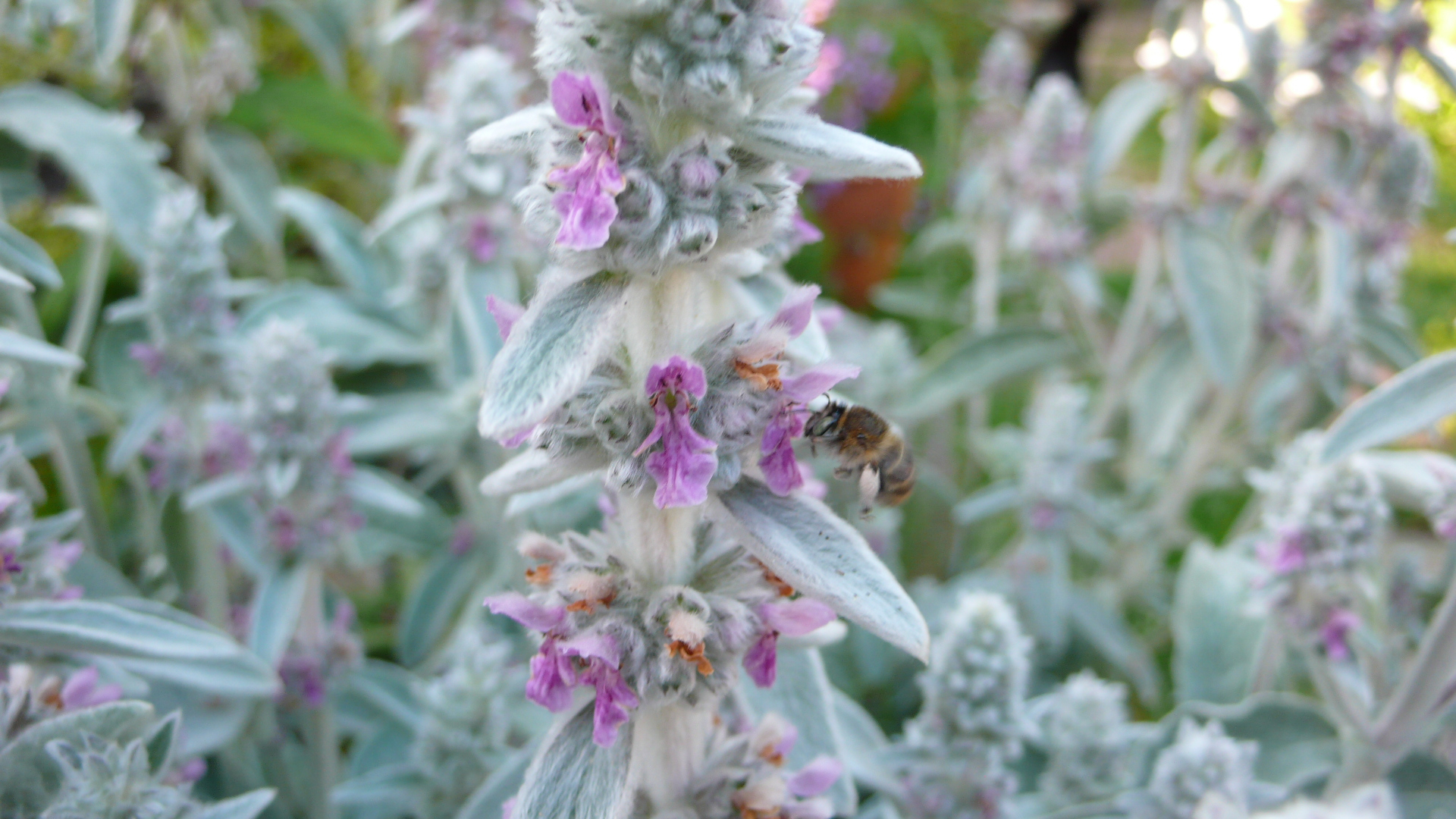
Buff atil on Lambs ear cropped July 2015 P1120289 copy