Tag Archives: Biodiversity

Spiders: a guide for first-year students!

P1120445

Yesterday I had a phone call from a colleague in the university’s marketing department.  Apparently there’s been a lot of complaints, and some hysteria on social media, about spiders appearing in the rooms of first year students in our halls of residence.  My colleague asked if I’d write something about spiders, and how they were harmless and nothing to worry about, that they could use to placate the students’ worries.  This is what I wrote and I thought it worth sharing on the blog.

—————————————-

Spiders! Ugly. Unpleasant. Spooky. Dangerous…..even deadly?! Spiders in Britain are all of these things, right?

No! Absolutely not! Spiders are fascinating, sometimes beautiful, and are an ecologically important groups of animals. Although it’s true that large spiders can sometimes give us the jitters, myself included: I don’t like walking into them in the garden! In fact as a kid I had a real phobia of spiders that I got over by handling increasingly bigger ones until eventually I could pick up even the largest spider we have in this country.

Most of the fear of spiders is based on myths and misconceptions, rather than reality. Ignore the DRAMATIC HEADLINES about False Widow Spiders – it’s an uncommon species and it’s extremely rare to encounter one of these, never mind be bitten. They make their webs near rocks where there are deep cracks into which they can hide. So you’re not likely to find them in your room!

Spiders play a really important role in the environment by eating large numbers of flies, including some that bite or carry disease or that might otherwise be much more harmful to humans than spiders. Spiders in turn are a food source for many of our birds, and in the spring some birds also use spider webs to construct their nests. If we had no spiders then we’d lose a lot of the birds that are so familiar in our gardens, such as Blue Tits and Blackbirds.

At this time of the year spiders are more apparent than ever, and the one you are most likely to see is a large, beautifully patterned species know as the European Garden Spider. The big ones are the females; males are much smaller. They sometimes make their way into houses and can construct large webs. But they are harmless and would only bite if held tightly in the hand, and they are much happier outside than in your room. They can’t jump on you and they do not attack!

What to do if you find a spider in your room and you want to get it out but can’t bear to go near? Find a friend who is not so squeamish and ask them to use a glass and a book or piece of cardboard to gently capture the spider and take it outside. Don’t worry, it won’t find its way back! Before you release it, though, try to find the courage to look really closely at this creature: they are attractively speckled and really very pretty!

The other thing you can do is find some conkers from the Horse Chestnut trees on campus and put them on your windowsill. It’s an old folk tradition that spiders don’t like the smell of conkers and there is some evidence that it keeps them out of the house.

I’ll let you into a secret. As Professor of Biodiversity I’ve done ecological field work all over the world, including the rainforests of Africa and the savannahs of South America. Every now and again I come across spiders that are much larger, and potentially more dangerous, than anything we find in Britain. Initially they still give me a shiver; but once I’ve spotted them I can take time to study their colours and forms and beautiful webs, and appreciate just how amazing and important spiders really are.

Have a great year at university and don’t worry about the spiders!

The biodiversity of the human family tree just got bigger

Tring 8

Today’s announcement of the discovery in South Africa of a new extinct species in the genus Homo, named Homo naledi, is a major scientific discovery that may prove to be one of the findings of the year, if not the decade.  As I’ve mentioned previously, human evolution fascinates me and I could easily have been sucked into the frustrating, controversial and important world of the professional hominid hunter.  But I’m content to view and appreciate from a distance as palaeo-anthropologists make their amazing discoveries about human ancestral biodiversity, and I thought I’d collate the links to some of the main stories and items relating to today’s events:

The scientific paper describing Homo naledi has been published in the open-access online journal eLife, rather than a journal such as Nature or Science, the more usual outlet for such discoveries, presumably because the importance of the find certainly demands rapid publication.  Interestingly its Altmetric score is already 281, having been picked up by numerous news outlets, tweeted, blogged about, etc.

I first saw the story earlier today on the BBC News website; the long article has a video interview with Professor Lee Berger, lead author of the paper.  There is also video footage from today’s press conference in South Africa, presented by Professor John Hawks, in which he describes in more detail the significance of this fossil, with its mix of both primitive and more derived anatomical features.

The Guardian also ran the story, this time with some different video footage, including a view inside the cave where the fossils were found, and there’s a 40 minute podcast.

Finally, National Geographic, which funded the study, has some videos on YouTube, including a fascinating account of the workshop that was convened to study the fossils and more discussion of its significance and amazing footage of how the fossils were recovered from the cave, and how the species was reconstructed.

This is a story that will run and run: we don’t know how old the species is and there’s lots of speculation about the significance of finding such a large number of individuals all together in what appears to be a burial chamber.  It’s an exciting time to be interested in human evolution.

By lifting the restriction on the use of neonicotinoid pesticides Defra throws a (bee) brick at its own National Pollinator Strategy

P1120353

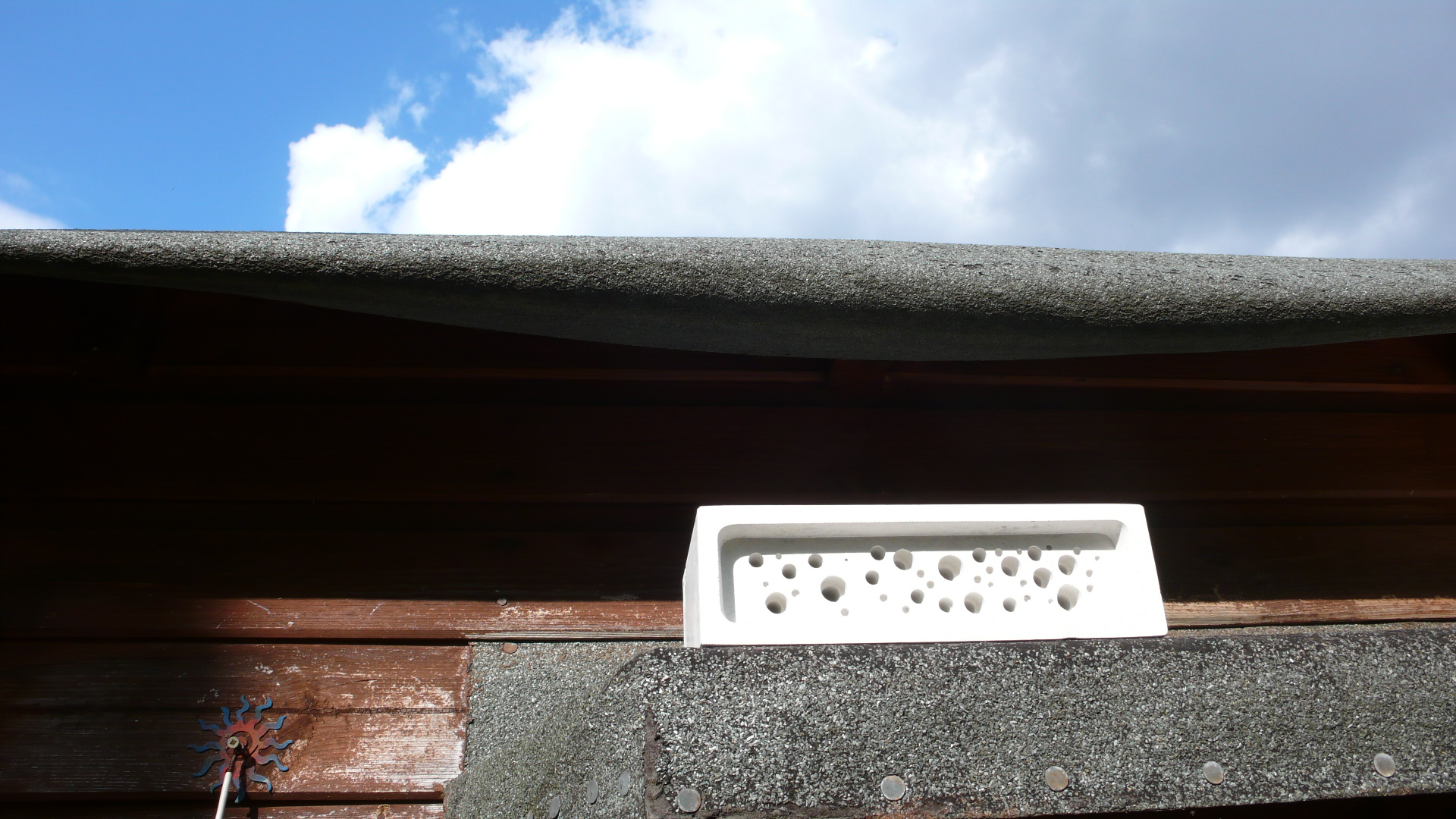
Yesterday a brick arrived in the post.  Not just any brick, but a Bee Brick, designed by the Green&Blue company in Cornwall as an architectural addition that can provide habitat for cavity nesting solitary species such as the Patchwork leaf-cutter bee that I discussed during Pollinator Awareness week.  A representative of the company recently got in touch, after having read my blog, and asked if I’d like a sample to try out in the garden.  In the absence of any planned wall building I’ve placed it a couple of metres up on the flat top of a south facing summer house window.  It’s probably a bit late in the season to attract any nesting solitary bees this year, but we’ll see; expect a report back from me at some point.

I had actually encountered the Bee Brick earlier this year at the Chelsea Flower Show which Karin and I attended as a 50th year bucket-list day out.  It was ok, I enjoyed it, the plants and (some of) the gardens were great.  But it was too busy, too expensive and too full of ostentatiously wealthy people for my tastes.

As if to serve as a counter-point to all the good work being done during Pollinator Awareness Week and by companies such as Green&Blue, came the recent news that Defra has agreed to lift the restrictions on use of two neonicotinoid pesticides on oil seed rape across a “limited” area in the east of the country.  It will apparently apply mainly to Suffolk, and cover an area of about 30,000 hectares.  That’s 5% of the UK’s oil seed rape crop.

The decision was made at the behest of the National Farmers Union, and seems to make no farming sense whatsoever given that nationally yields of oil seed rape have not been affected by the restriction on neonicotinoids, with the harvest this year looking to be above average.   Not surprisingly the decision has drawn furious fire from a range of environmental organisations including Buglife and the Wildlife Trusts. Meanwhile Friends of the Earth have threatened legal action, a move prompted by the fact that the Government has refused to allow its independent advisors to publish the details of the decision, including how it was made and what was discussed.

Aside from the lack of transparency, what particularly worries me is that this decision opens the door to further use of these restricted pesticides over the next 12 months, on a region by region basis, until we are back where we were prior to the restrictions being imposed.  The two year restriction on use of neonicotinoid pesticides comes to an end in December, at which point no one outside (and possibly inside) of Defra knows what is going to happen.

The National Farmers Union is being very selective with their use of information about the scientific evidence base for the effects of these pesticides on pollinators.  Dr Chris Hartfield, the NFU’s horticultural policy adviser and lead on bee health issues, was quoted as saying “The majority of the research that has fuelled this debate has been based on artificial dosing studies. The big question in this area is, does this accurately reflect what happens to bees foraging in and around neonicotinoid crops?  We don’t know, but the field studies haven’t shown that they are causing population declines in pollinators”.

Dr Hartfield and the NFU know full well that all of the evidence so far published shows that even at very small (field realistic) doses, neonicotinoid pesticides have been demonstrated to have important, sub-lethal effects on pollinators that may ultimately affect populations of some species.  Surely the wisest course of action is to further restrict their use until we have studied the situation.

This is not the only occasion when the NFU have been less than objective with their use of scientific evidence.  In the past couple of weeks I’ve had a group email exchange with Dr Hartfield in which he talked about the study by Carvalheiro et al. (2013) that “shows these [pollinator] declines have slowed (or even reversed) in the last 2 decades”.  I responded by pointing out that the current situation is not as straightforward as that.  The recent paper that we published in the journal Science showed that the rate of extinctions of UK bees and flower-visiting wasps has in fact increased over the period when Carvalheiro et al. (2013) see a slow down in declines in abundance.

There are a number of reasons why our results may be in disagreement with those of Carvalheiro et al., which we discuss in the paper, including the large statistical confidence interval around the rate of extinction during this latter period. However as with all such data, one or two studies will not give a definitive answer.  I provided Dr Hartfield with a link to our paper but I’m still waiting to receive a reply.

Initiatives such as the Bee Brick, reduced mowing on road verges, the RHS’s Perfect for Pollinators plant list, etc., etc. are important but they are tiny contributions compared to the role that must be played by British agriculture if we are to conserve pollinator diversity in the UK.  Farming accounts for 70% of the land surface in this country and has by far the greatest part to play in reducing biodiversity loss.

Within 12 months of Defra launching the National Pollinator Strategy, the same Government department has decided to bow to pressure and allow some use of a group of pesticides that we know are causing problems, even if they are not the whole story.  Defra is effectively hurling what may be the first of many bricks at itself, ultimately weakening the Strategy.   From conversations with politicians I know that these large departments do not have good internal communication and dialogue, but this seems to be an outstanding example of Orwellian double-think on the part of Defra.

P1120355

Carol Klein’s Plant Odysseys starts 29th July (and I put in an appearance in episode 1)

Carol Klein_Plant_Odysseys_TX_card

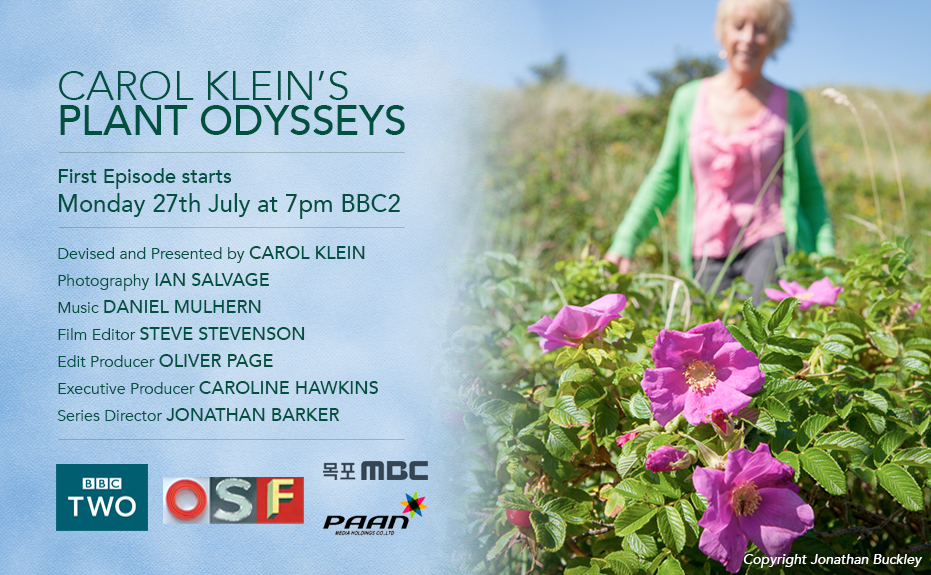
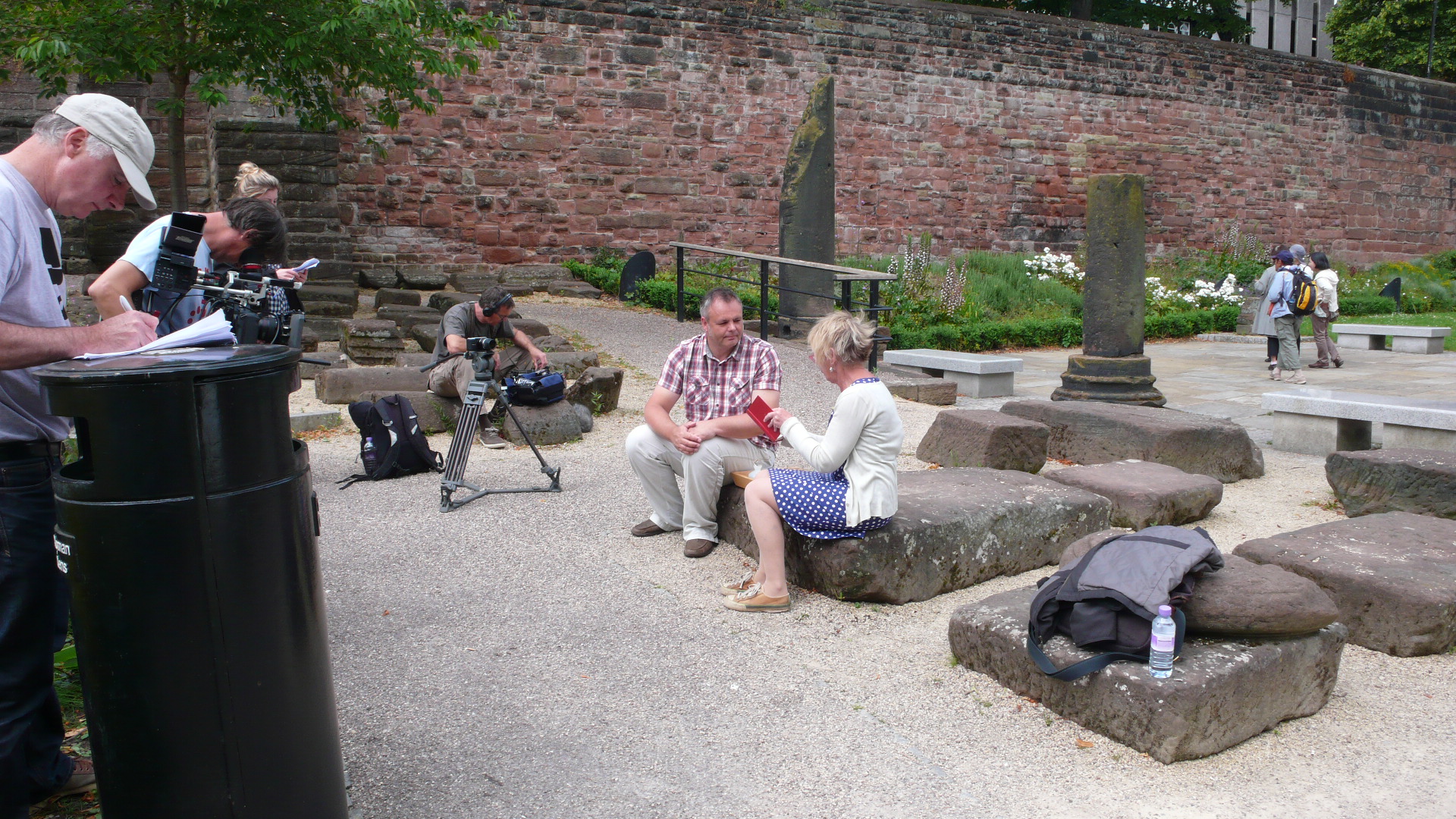
Back in June last year I talked about taking part in a day of filming with Carol Klein for her new four-part series, made with Oxford Scientific Films, called Plant Odysseys.  It’s an exploration of horticultural biodiversity, each episode focused on a particular group of plants.

The first episode, devoted to roses, is broadcast this Monday 29th July at 7pm on BBC2, and I’m looking forward to seeing what the production team did with our footage from Chester.  The name may be misspelled in the publicity material but it’ll still be me….

P1110827

Garden pollinators for PAW no. 6 – Buff-tailed bumblebee (Bombus terrestris)

P1010430

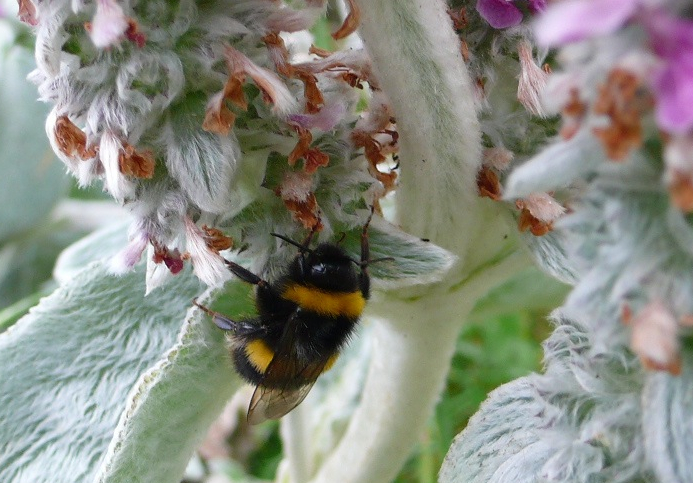
It would be impossible to write a series of blog posts about garden pollinators for Pollinator Awareness Week without considering the bumblebees (genus Bombus) and I intend to devote the last two posts to that group of bees.  The bumblebees are arguably the UK’s most important pollinators of both wild and crop plants, certainly later in the season when colony numbers have increased. Earlier in the season it’s the solitary bees such as the Orange-tailed mining bee that are predominant.

Although common and widespread in gardens, the Buff-tailed bumblebee (Bombus terrestris) belongs to a group of bees in which the workers are rather variable in appearance and can be very difficult to distinguish from those in the Bombus lucorum group, which includes two other species (B. cryptarum and B. magnus).

This is a truly social species with an annual nest comprising workers and a queen.  Nests are founded by queens that have mated the previous year and hibernated.  They usually choose old rodent nests in which to begin their colonies, which is why they are sometimes found in garden compost bins.  An interesting question that I’ve not seen answered is whether the queens actively displace mice or voles from such nests: does anyone know?  This association between bumblebees and mice led Charles Darwin and Thomas Huxley into some speculation as to the role of spinsters in the British Empire.

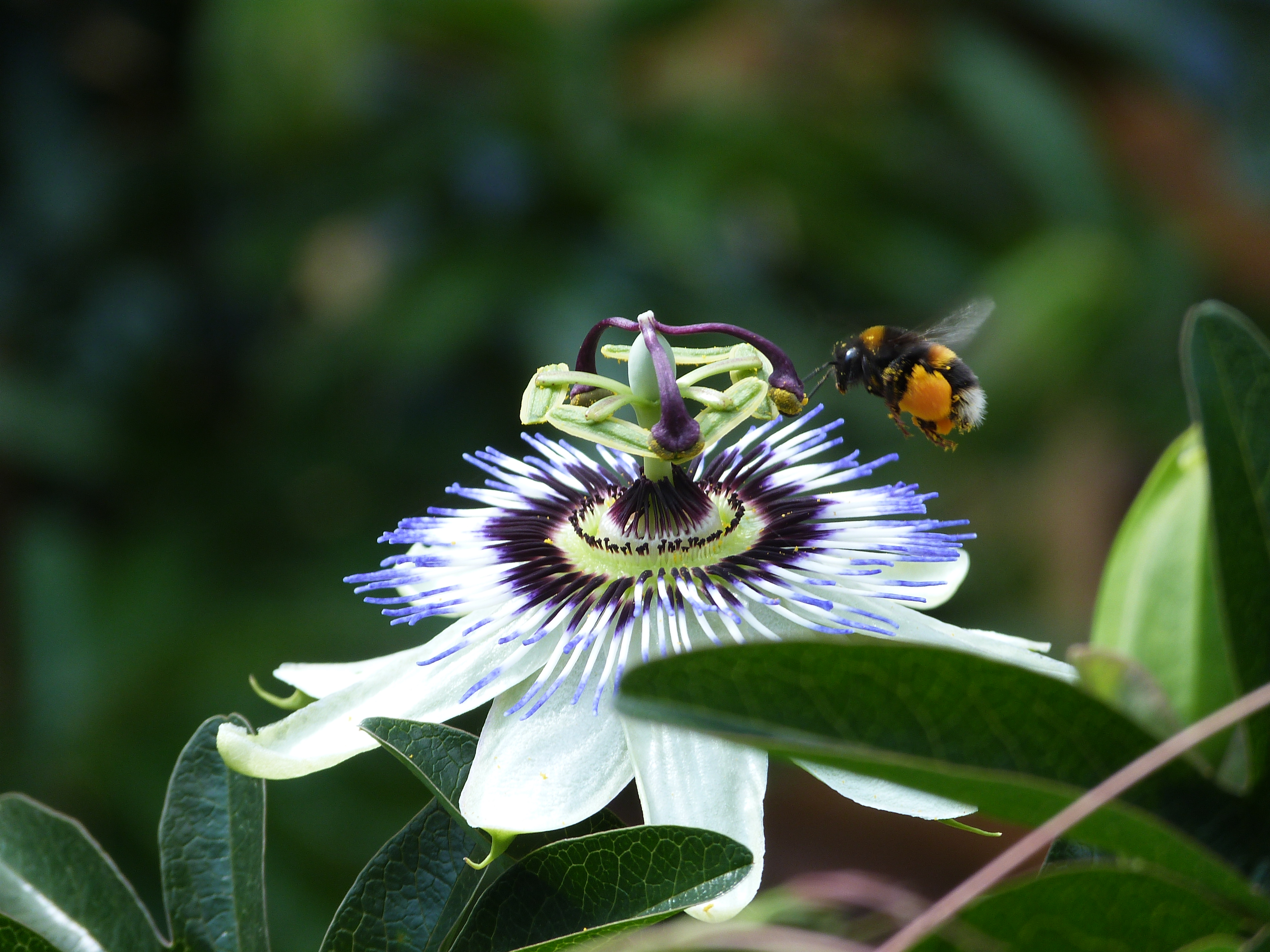
In my garden the Buff-tailed bumblebee pollinates a range of crops including strawberries, squashes, courgettes, blackberries, runner beans, french beans, tomatoes, and raspberries.  As the photo above shows they also visit the flowers of passion fruit, where they seem to be more effective than the smaller honey bees and solitary bees.

Buff atil on Lambs ear cropped July 2015 P1120289 copy

Garden pollinators for PAW no. 5 – Orange-tailed mining bee (Andrena haemorrhoa)

Bee on apple blossom 2 - 1st May 2015

The Orange-tailed mining bee (Andrena haemorrhoa) is also referred to as the Early mining bee due to its habit of emerging from over-wintered nests as early in the year as March.  In truth, however, many Andrena species put in an early appearance, making them important pollinators of orchard fruit such as apples, which you can see from the photograph above, taken in my urban garden earlier this year.  So “Orange-tailed” is a more descriptive name.

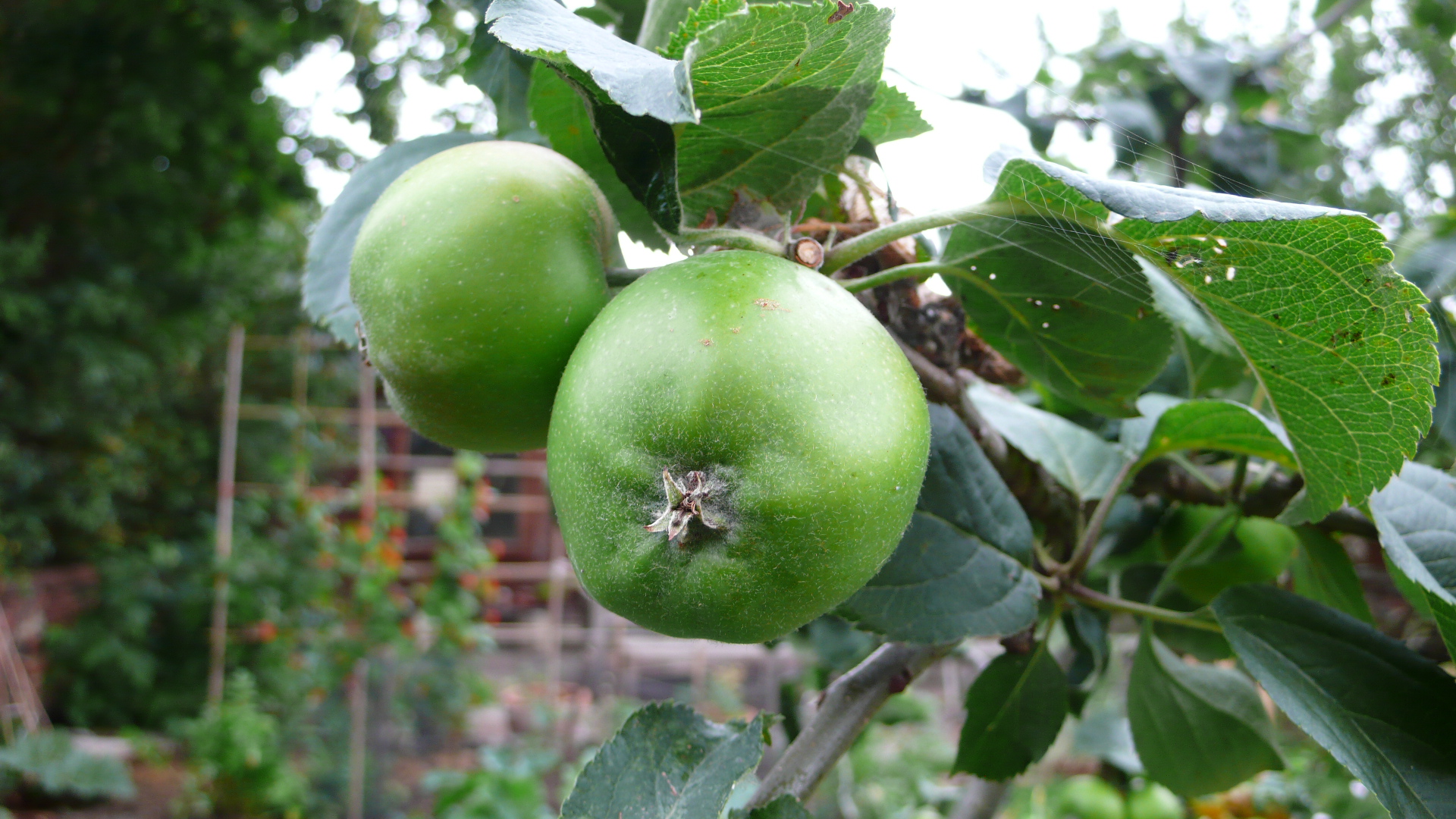
Thanks to the Orange-tailed mining bee and other early bees, this unnamed apple variety (which Karin and I rescued from the bargain area of a local garden centre) has gone on to produce a heavy crop of eating apples (see below). There’s considerable interest in the role of wild bees such as these as pollinators of fruit in commercial orchards, not just in Europe but in the USA too, where other Andrena spp. also pollinate apples.

The epithet “Mining bees” refers to the fact that these solitary species of the genus Andrena usually make their nests in soil, excavating deep tunnels in which to construct individual cells.  It’s another generalist, taking pollen and nectar from a wide variety of garden and wild flowers.  Dandelions are particularly important early in the year – so don’t over-manage your lawn and allow some to flower!

P1120277

Garden pollinators for PAW no. 3 – Little flower bee (Anthophora bimaculata)

Anthophora bimaculata 1 P1120172

There are only five Anthophora species in the UK and the Little flower bee (Anthophora bimaculata), as the name suggests, is one of the smallest.  This is a fast moving little beast and my fairly bog standard cameras (and a generally impatient personality) struggle to capture it: Steve Falk’s images do it justice better than I ever could.

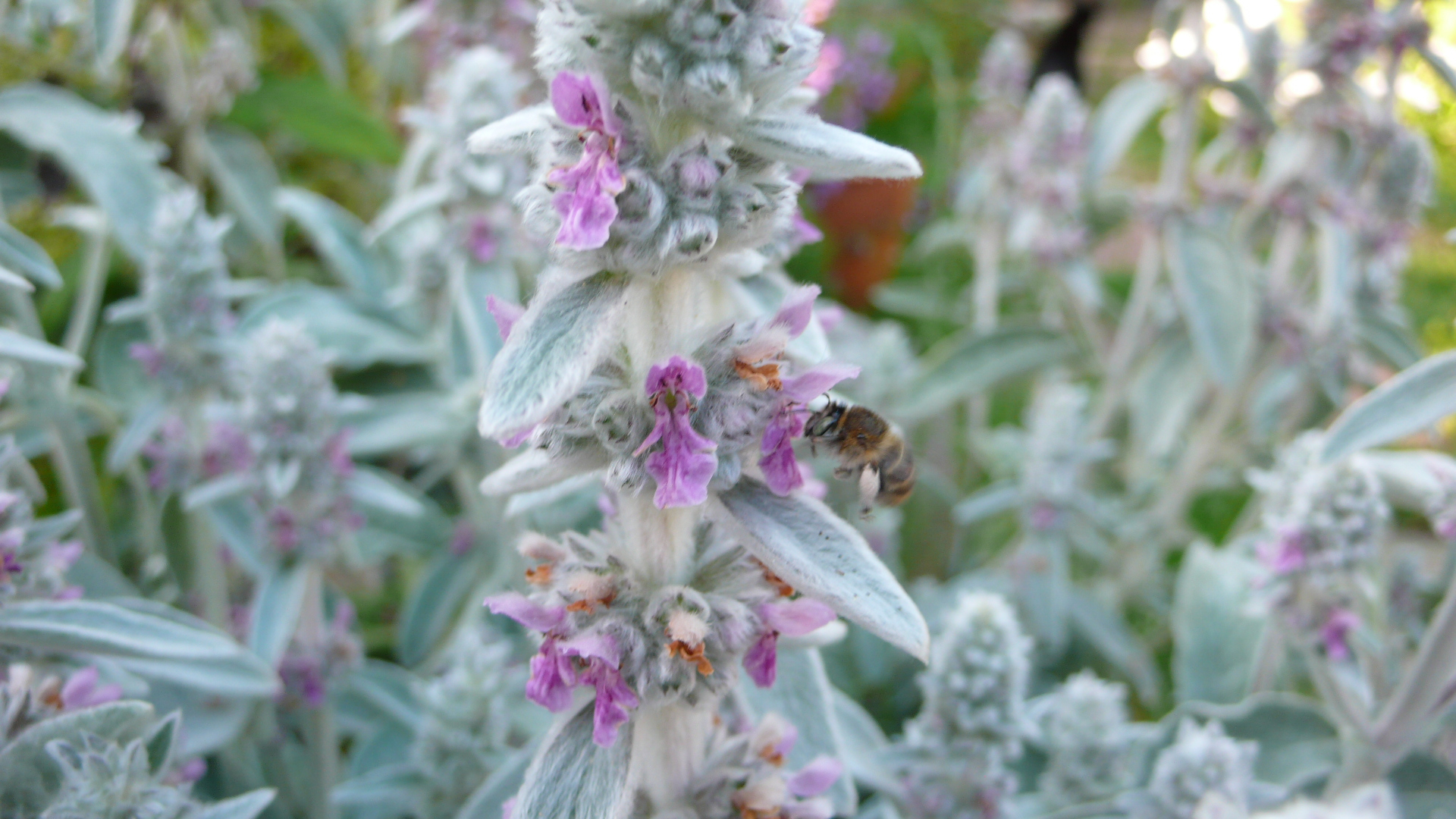
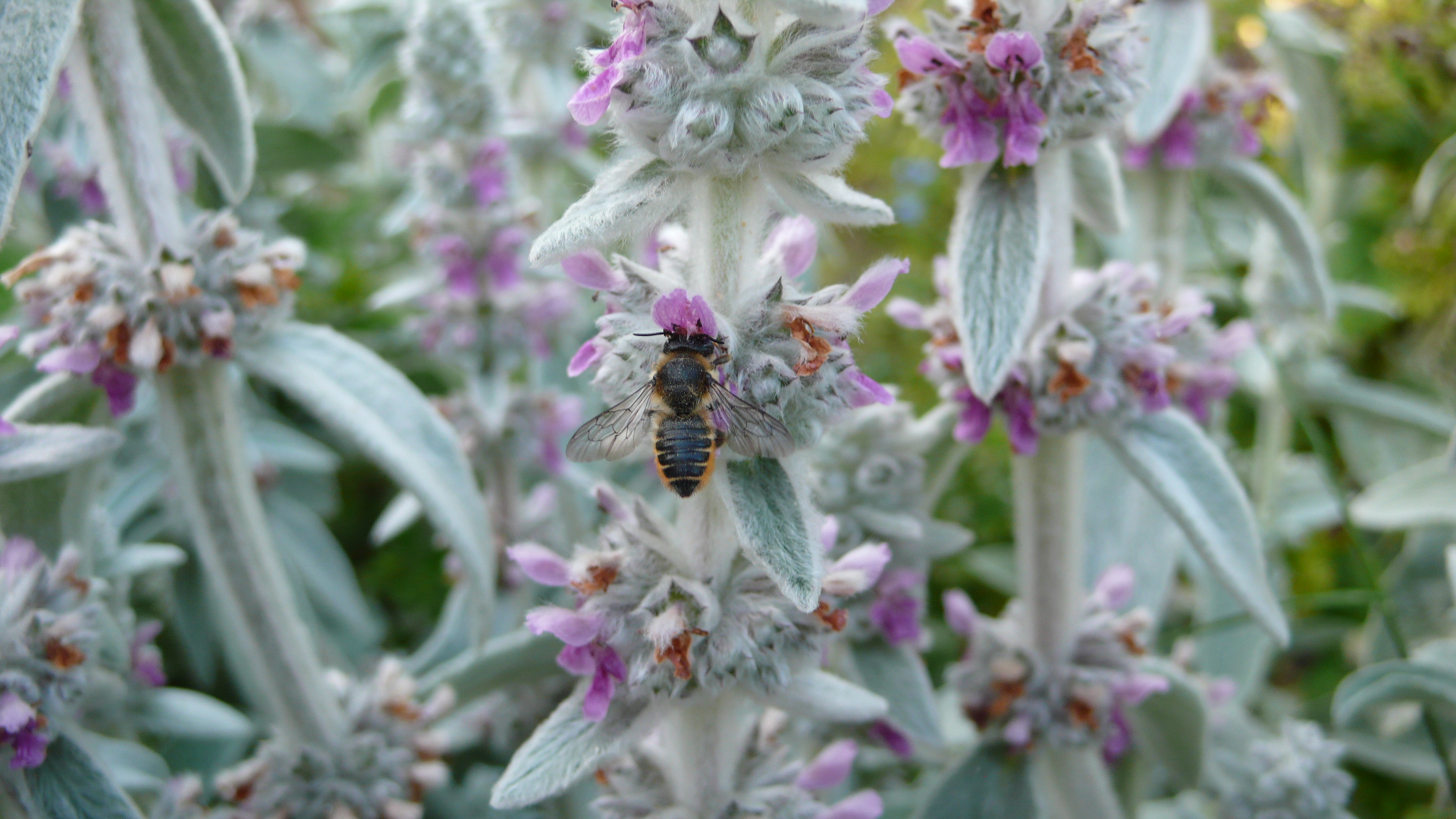
Once again, as with the Patchwork leaf-cutter bee, the flowers of Lamb’s ear are a real favourite in my garden.  Also like that bee, this is a solitary species, though this is one that nests in dry, sandy soil.  I’ve not been able to locate any nests in my own patch and I wonder whether it’s nesting in a nearby garden.

Another generalist species, I’ve seen this bee visit food crops with open flowers such as blackberry and raspberry in my garden.  Despite its size it is likely to be quite a good pollinator of those fruit as it’s abundant, fast moving between flowers, and hairy, and can carry significant amounts of pollen.

Interestingly, Anthophora bimaculata was not recorded by Muzafar Sirohi during his surveys of bees in Northampton town centre, so it’s another species that we can add to that urban list.

Anthophora bimaculata 2 cropped P1120172 copy

Pollinator Awareness Week – 13th – 19th July 2015

P1110763

Next week has been designated Pollinator Awareness Week (PAW) by Defra and there are events and profile-raising activities going on all over the country.

The motivation behind the PAW is (quote) “to bring attention to the essential needs of pollinators and the simple actions that we can all take to help pollinators survive and thrive”.

With that in mind, next week I intend to produce one blog post a day that highlights, with photographs, a pollinator (or group of pollinators) that I’ve found in my own urban garden in Northampton.  The purpose is to illustrate the diversity of pollinators that even a town garden can support, something about their fascinating life histories, and the different ecological requirements of these pollinators that our gardens can provide.  For some of them I’ll even discuss the garden crops that they pollinate.  First post will be on Monday.

If you, or the group you work with, are doing something for Pollinator Awareness Week feel free to share it in the comments section below.

How can an understanding of plant–pollinator interactions contribute to global food security? A new discussion paper

Megachile on lambs ear 2015-06-29 18.16.49

A new discussion/review paper that I contributed to has just been published in the journal Current Opinion in Plant Biology.  Entitled “How can an understanding of plant–pollinator interactions contribute to global food security?” the paper was written in collaboration with Professor Beverley Glover and her PhD students Emily Bailes and Jonathan Pattrick at the University of Cambridge.

The abstract and highlights are copied below; if anyone wants a PDF of the full paper, send me an email or ask in the comments section.

Abstract:

Pollination of crops by animals is an essential part of global food production, but evidence suggests that wild pollinator populations may be declining while a number of problems are besetting managed honey bee colonies. Animal-pollinated crops grown today, bred in an environment where pollination was less likely to limit fruit set, are often suboptimal in attracting and sustaining their pollinator populations. Research into plant–pollinator interactions is often conducted in a curiosity-driven, ecological framework, but may inform breeding and biotechnological approaches to enhance pollinator attraction and crop yield. In this article we review key topics in current plant–pollinator research that have potential roles in future crop breeding for enhanced global food security.

Highlights:

  • Animals are globally, and increasingly, important for the improved yield and quality of many crops.
  • Floral traits are a promising and little explored avenue for the improvement of crop yields.
  • Work surrounding plant–pollinator interactions can inform us on the best strategies to do this.
  • Coordinating crop flowering time with key lifecycle stages of pollinators could benefit both crop yields and pollinators.

The uneasy academic and the importance of dipping outside your discipline: reflections on The Urban University conference

Uneasy Academic 20141011_144756

It’s important for academics to occasionally move out of their disciplinary comfort zones and to interact with academics and practitioners from beyond their own silos, experiencing approaches that are alien and hearing voices that are not repeating the normative values of their own subject area.  Time spent in this way can be both stimulating and mundane, enlightening and boring, exciting and frustrating.  Above all, unpredictable.  At an ecological conference I know what I will experience; drop me into one devoted to the arts or social sciences, and anything can happen.  It’s an uneasy experience.

With that in mind I spent the end of last week attending a conference at which I was the lone scientist speaker, and indeed one of the very few people with a science background in the audience, as far as I could tell. The Urban University was sub-titled “Universities as place makers and agents of civic success in medium sized towns and cities” and was largely aimed at urban planners, architects, policy makers, and social geographers.  Not muddy boots ecologists.  However I’d offered the organisers (the University of Northampton’s Collaborative Centre for the Built Environment) a 30 minute talk about the monitoring work we’ve been doing on the bird assemblage at Northampton’s new Waterside Campus, which I discussed in an earlier post. The abstract for my talk is below, co-authored with my colleagues Janet Jackson and Duncan McCollin, plus two of our undergraduate students, Jo Underwood and Charlie Baker.

I had hoped that providing a very different perspective on the role of an urban campus, one focussed on the biodiversity it can potentially support and the ecosystem services that stem from it, might be of interest to this broad-based audience.  In the back of my mind I also thought it might be fun to reverse roles and, for 30 minutes, make them the uneasy ones.  It’s always hard to judge but I got the impression afterwards that the talk was well received and it elicited some discussion and questions.

Overall it was a stimulating couple of days and (I think) I’ve learned a lot, or at least learned more about the approaches and priorities of academics and practitioners beyond my immediate field. The talks ranged from the rather abstract to the very practical, from theoretical discussions to local activism. Particular highlights for me were:

John Goddard‘s overview of the relationship between the university and the city, and the fact that many academics don’t feel a personal link, or responsibility, to the urban centre in which they work.

Allan Cochrane discussing the unintended consequences of a university’s economic and social power, including gentrification and studentification of local residential areas.

Robin Hambleton on universities as a corrective to “placeless power”, i.e. multinational firms that can facilitate enormous social and economic change in an area despite having no geographic connection to the place.  Of course the internationalisation agenda of most UK universities means that they may themselves be in danger of wielding placeless power overseas.

Michael Edwards recounting how UCL academics and students have engaged in local activism in North London, for example fighting destructive planning applications, and sometimes positioned on the opposing side to the university itself.

Wendy Cukier on the experience of her Canadian university’s role as a “changemaker”, and the value of the Ashoka U Changemaker Campus programme, to which the University of Northampton is committed.

Cathy Smith on the medieval origins of the original University of Northampton, which was dissolved in 1265.  By happy coincidence 2015 is both the 750th anniversary of that dissolution and the 10th anniversary of the current University of Northampton’s full upgrade to university status in 2005.

The conference strongly impressed upon me the fact that academics sometimes take their institutions for granted in the sense that they don’t reflect on, or even challenge, the role of higher education within their geographical location. There may even be a danger of this becoming more pronounced as, in the rush to internationalise and chase overseas student fees, we in fact forget the physical and historical roots of our institutions.

Above all the two days I spent trying to navigate these unfamiliar waters reinforced my belief that it can be very dangerous for academics to isolate themselves within their disciplines, no matter how comforting and familiar that may be.  If the only voices that you are hearing (audibly and on the page) are the ones that are telling you stories that you already know and understand (even if you don’t agree with them) then it can be very easy to drift into a kind of disciplinary complacency in which you take the (self) importance and role of your own subject area for granted, without any external perspective on how it might be perceived by those beyond your academic boundaries.

Taking the occasional disciplinary leap could involve as little as going to a seminar in another department, or widening your reading to include areas beyond your subject.  Attending and presenting at a two day conference involves a greater commitment of time and energy, but it’s worth the effort.  It’s an approach to academia that I’ve tried to follow over the past 25 years and I’d recommend it as a way of broadening perspectives.  Sometimes it’s good to feel uneasy.

Many thanks to the organisers of The Urban University conference, particualrly Sabine Coady Schaebitz and Bob Colenutt, for their hard work in putting together such a great couple of days.  Here’s the details of my talk:

Biodiversity monitoring on urban university campuses

Jeff Ollerton, Joanne Underwood, Janet Jackson, Charles Baker & Duncan McCollin

Biodiversity, the variety of species and habitats to be found in a defined area, is a critical component of the natural world, and the ecosystem services that it provides supports modern society in economically tangible ways.  Urban campuses have long been acknowledged as supporting significant biodiversity, as evidenced by the many universities that have written biodiversity action plans.  However there has been relatively little quantitative research published on the biodiversity of British urban campuses, and how that diversity changes over time, particularly with respect to large-scale infrastructure development.  Academics and students in the Department of Environmental and Geographical Sciences have been collecting data on the biodiversity of Park and Avenue Campuses for more than 20 years, including plants, invertebrates, mammals, and birds.  This talk focuses on bird diversity as birds are an indicator group for assessing ecosystems, and are arguably the best understood group of species in the UK.  We present data on the birds that have been recorded on these campuses from 1993 to 2015, assessed in terms of their UK conservation status.  We then discuss the potential impact of the new Waterside Campus on the existing bird assemblage of the site, and present preliminary data showing how bird diversity has changed since building work began.  We end by discussing whether it is possible to maintain or even enhance bird diversity and abundance at the new campus.   The location of Waterside Campus, within the Nene Valley Nature Improvement Area and in close proximity to internationally important wetland bird sites, means that the University of Northampton has a civic duty to maintain the biodiversity of its campuses.

Note: in the end I actually didn’t include the data from Park and Avenue campuses, there wasn’t time to fit everything in!