Category Archives: Pollination

Pollinators, landscape and friends: our recent trip to the Danish island of Sejerø

2018-07-15 11.16.02

This is not the first time I’ve written about the beautiful Danish island of Sejerø – see my post “Why do bumblebees follow ferries?“.  It’s home to our friends Pia and Stephen Valentine (Stephen is the very talented artist who produced the fabulous study of waxwings that Karin commissioned for my birthday last year).  Earlier this month we traveled over to stay with them and to explore some more of the island.  Here are some photos and thoughts from that trip.
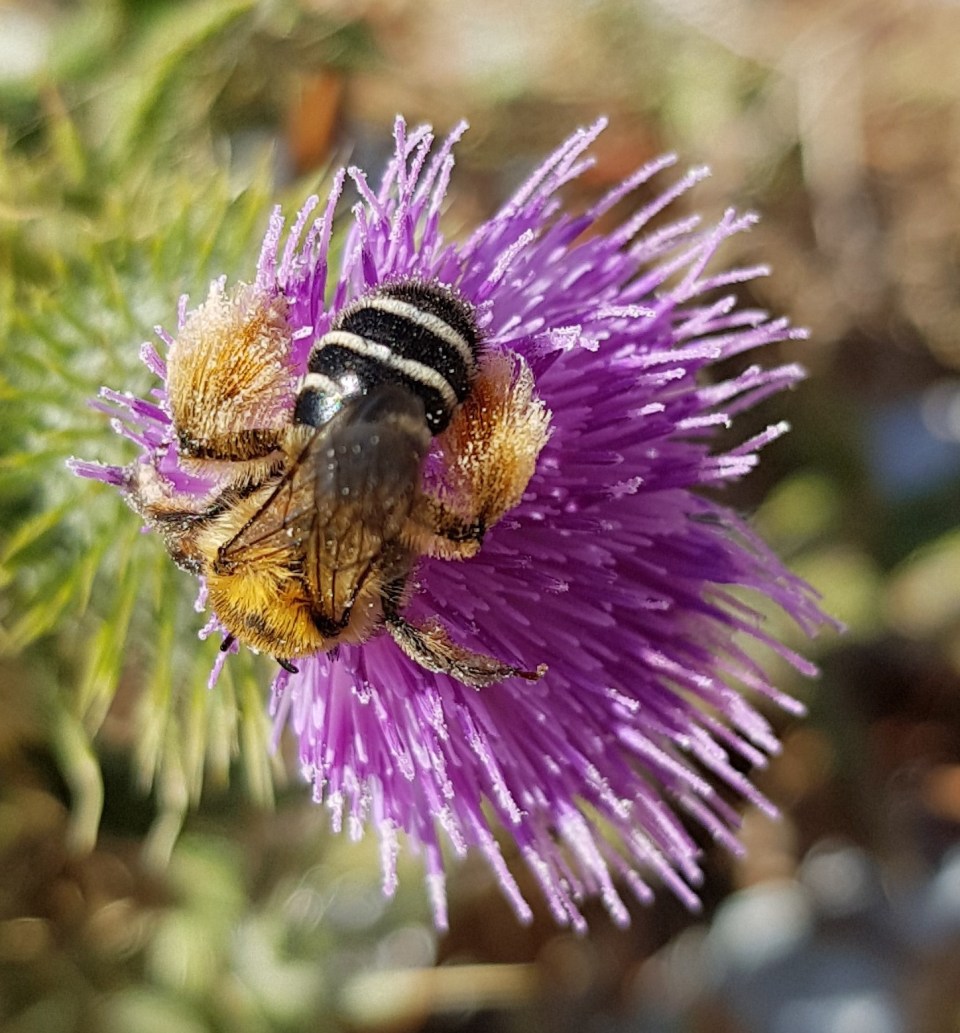
Despite the hot, dry weather that northern Europe has been experiencing recently there were pollinators aplenty.  Thistles and knapweeds (both groups from the daisy family Asteraceae) are well known to be drought tolerant and attract a lot of insect interest.  This is a Pantaloon Bee (Dasypoda sp.)  If it was Britain I’d say that it was D. hirtipes, but there are other species on the continent so I can’t be sure.  These bees are well named: the “pantaloons” are found only on the females and are used to collect pollen, especially from Asteraceae.

2018-07-14 14.44.18

I believe that this is the male of this species; note the absence of the pollen-collecting hairs on the rear legs and the yellow face, typical of many male bees:

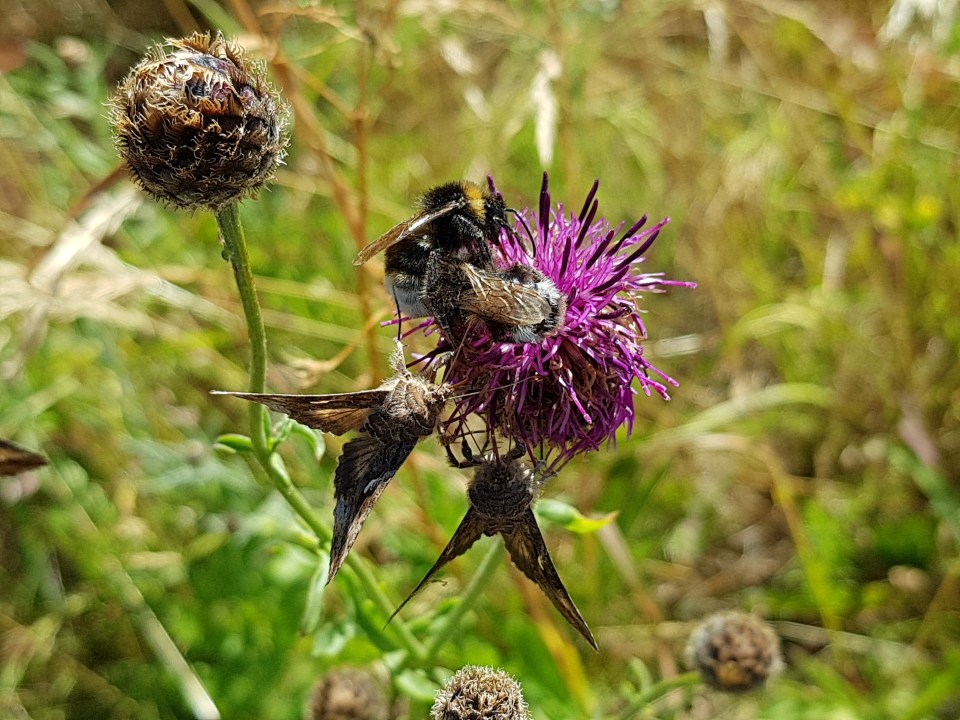
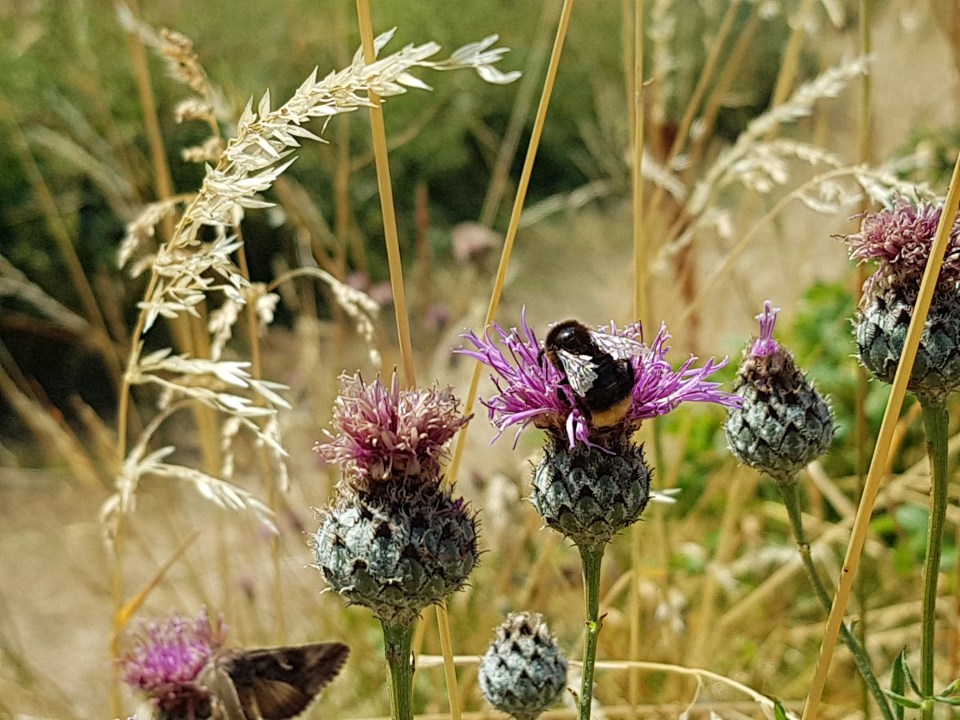
The flower heads of the knapweeds were highly sought after; on this one, two different bumblebees (Bombus spp.) were competing with two Silver Y moths (Autographa gamma):

2018-07-14 14.59.22

Sometimes the bumblebees got an inflorescence to themselves, though the photobombing Silver Ys were never far away:

2018-07-13 13.41.07

It’s been a good year for the Silver Y, large numbers have migrated northwards from southern Europe and we’ve had lots in our garden too.  On Sejerø they were everywhere, on all kinds of plants: 

2018-07-14 14.53.52

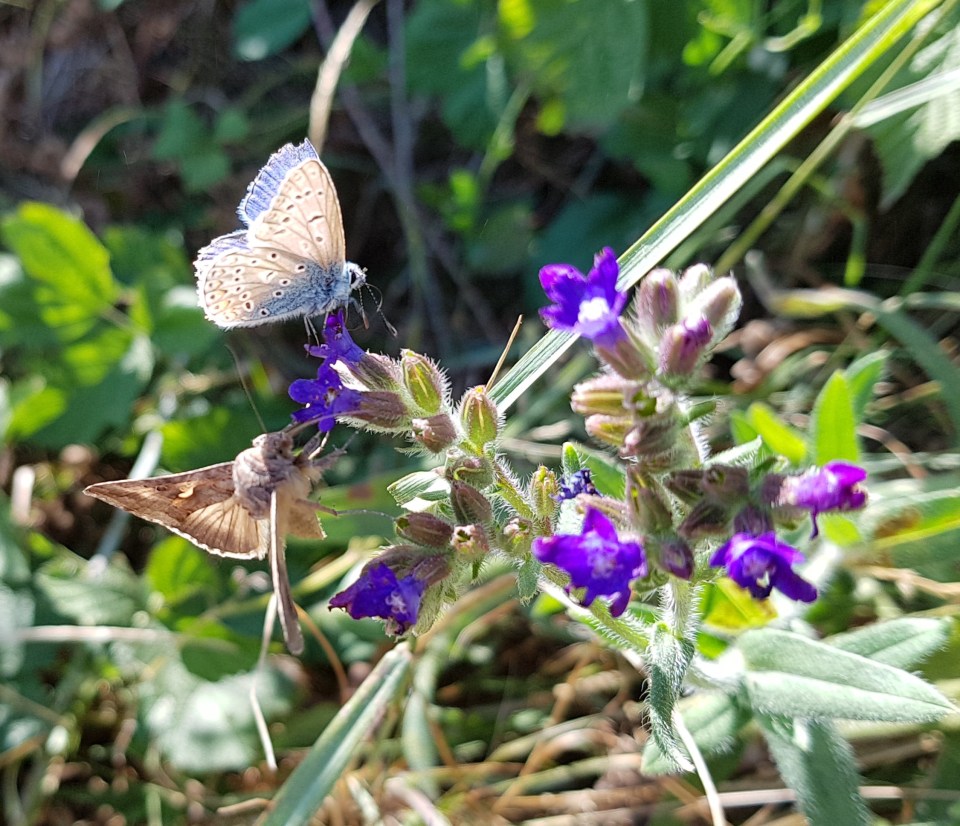
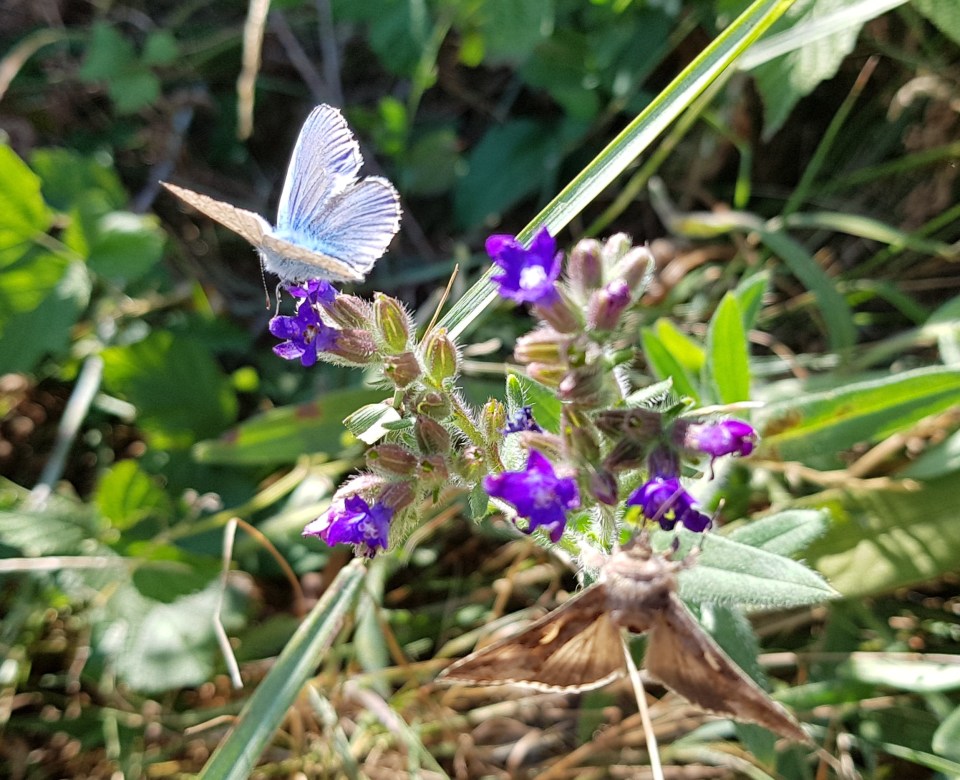
The butterfly is one of the Blues (Lycaenidae), possibly Common Blue (Polyommatus icarus), but again this being Denmark they may have other species that I’m not familiar with.  Note the Silver Y photobombing once more…:

2018-07-14-14-53-46.jpg

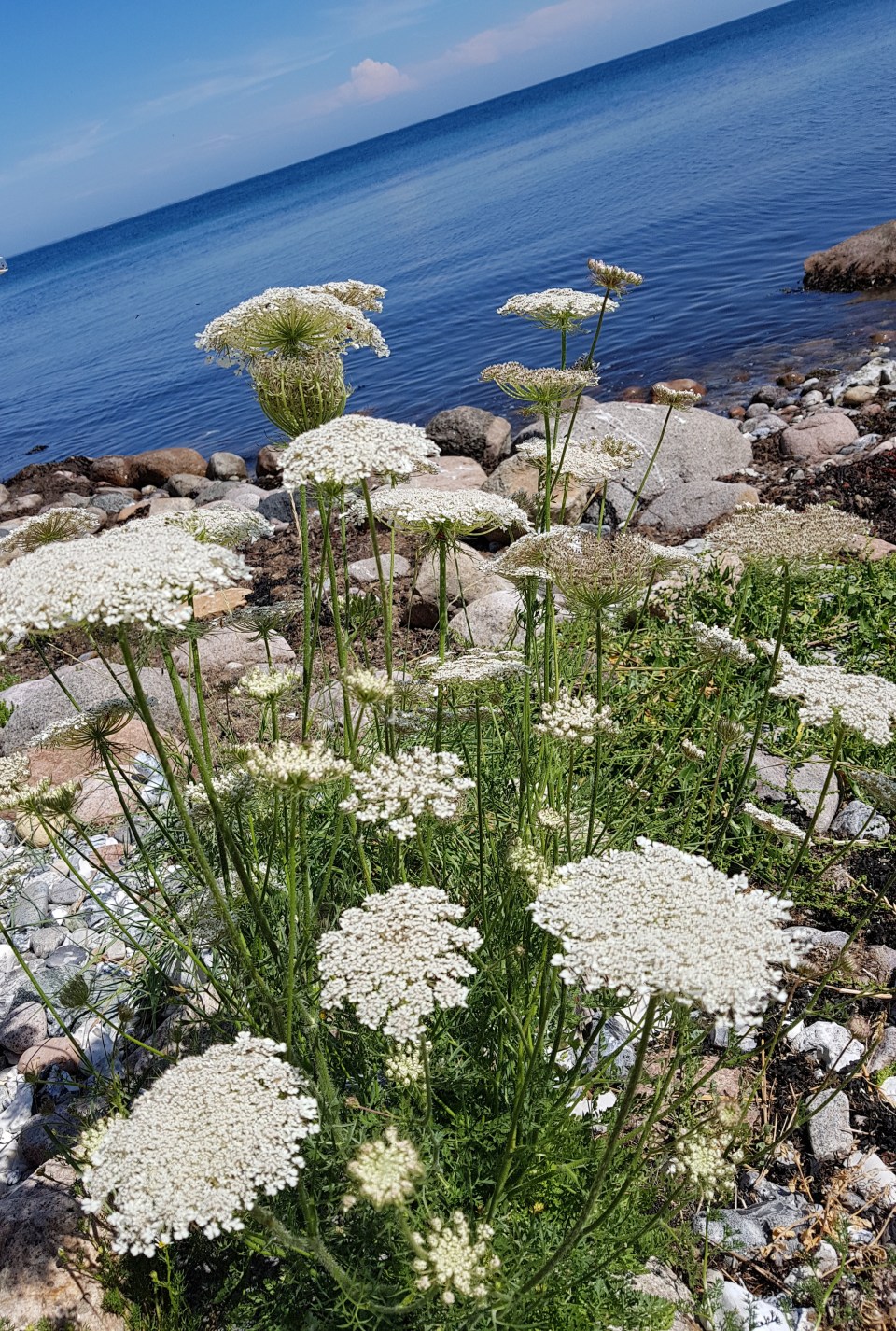
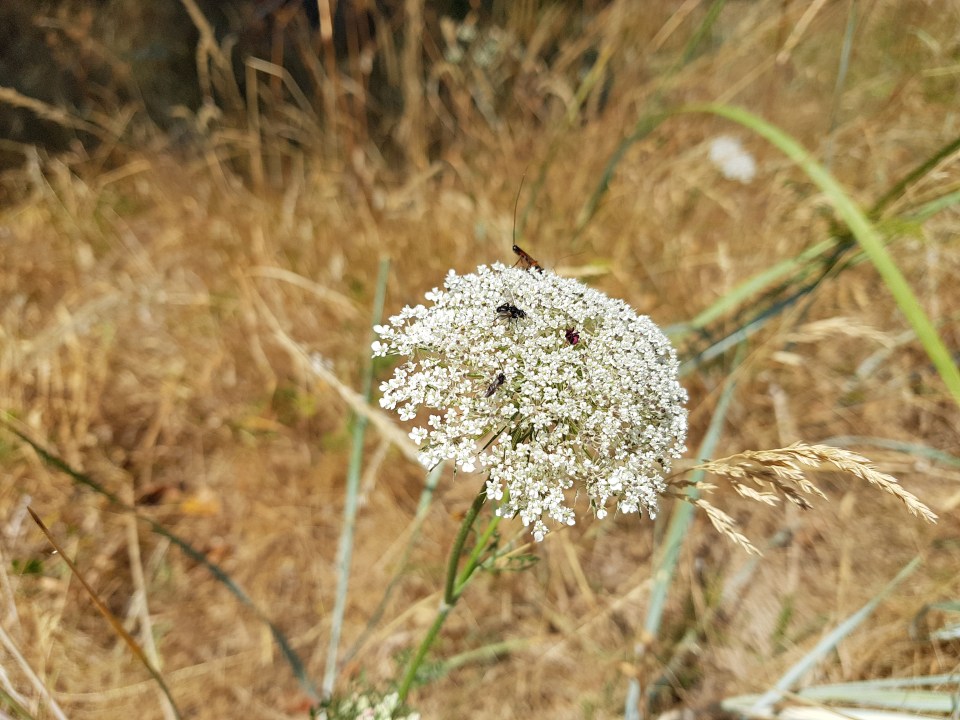
Wild carrot (Daucus carota) was common on the island and always attracts a wide range of flies, wasps and beetles:

2018-07-13-12-54-08.jpg

2018-07-13 11.53.40

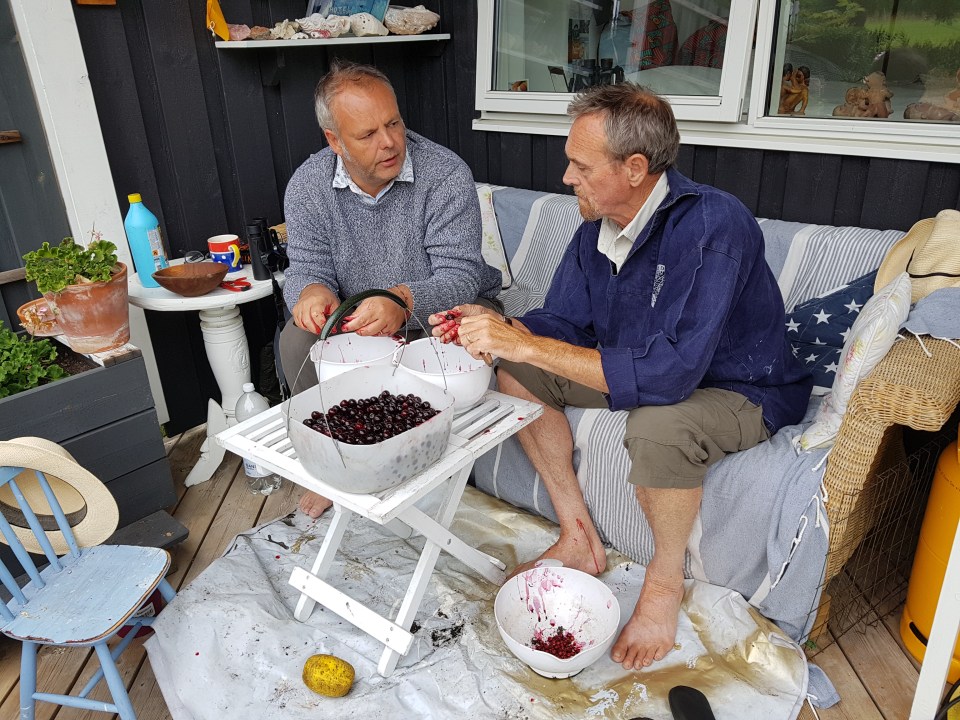
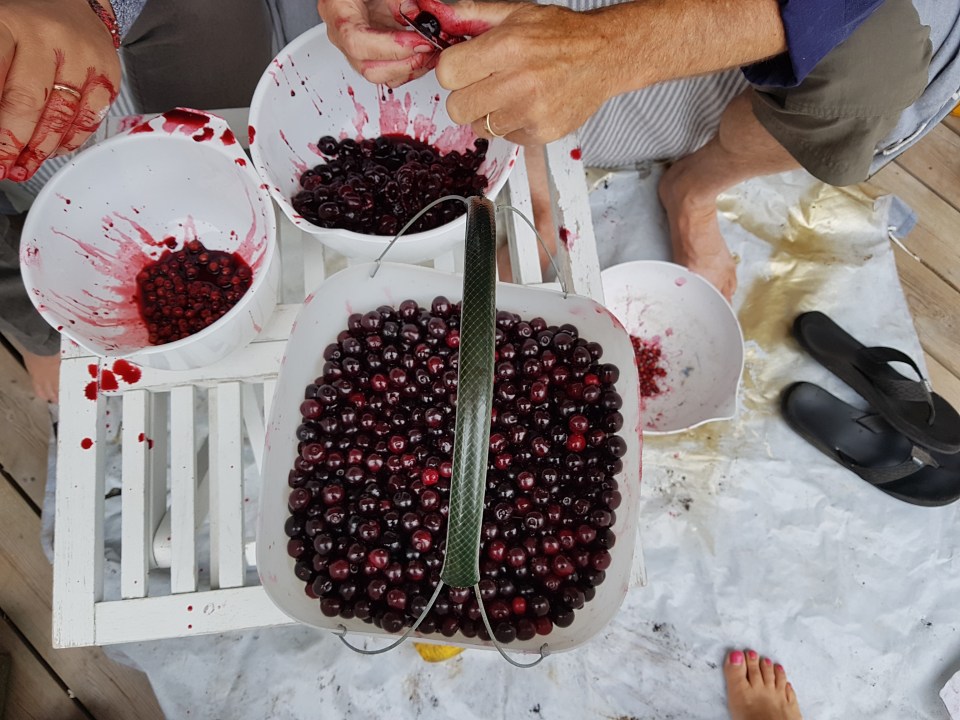
Close to home we found a huge cherry tree laden with the fruits of pollination and collected a couple of kilos for Stephen to make into jam.  Stoning them was messy but fun and a nice opportunity to sit and chat about nature and people:

2018-07-14 11.05.32

I was very impressed with Stephen’s up-cycled general purpose baskets, made from plastic containers he finds on the beach, wire, and lengths of old hosepipe:

2018-07-14 11.06.17

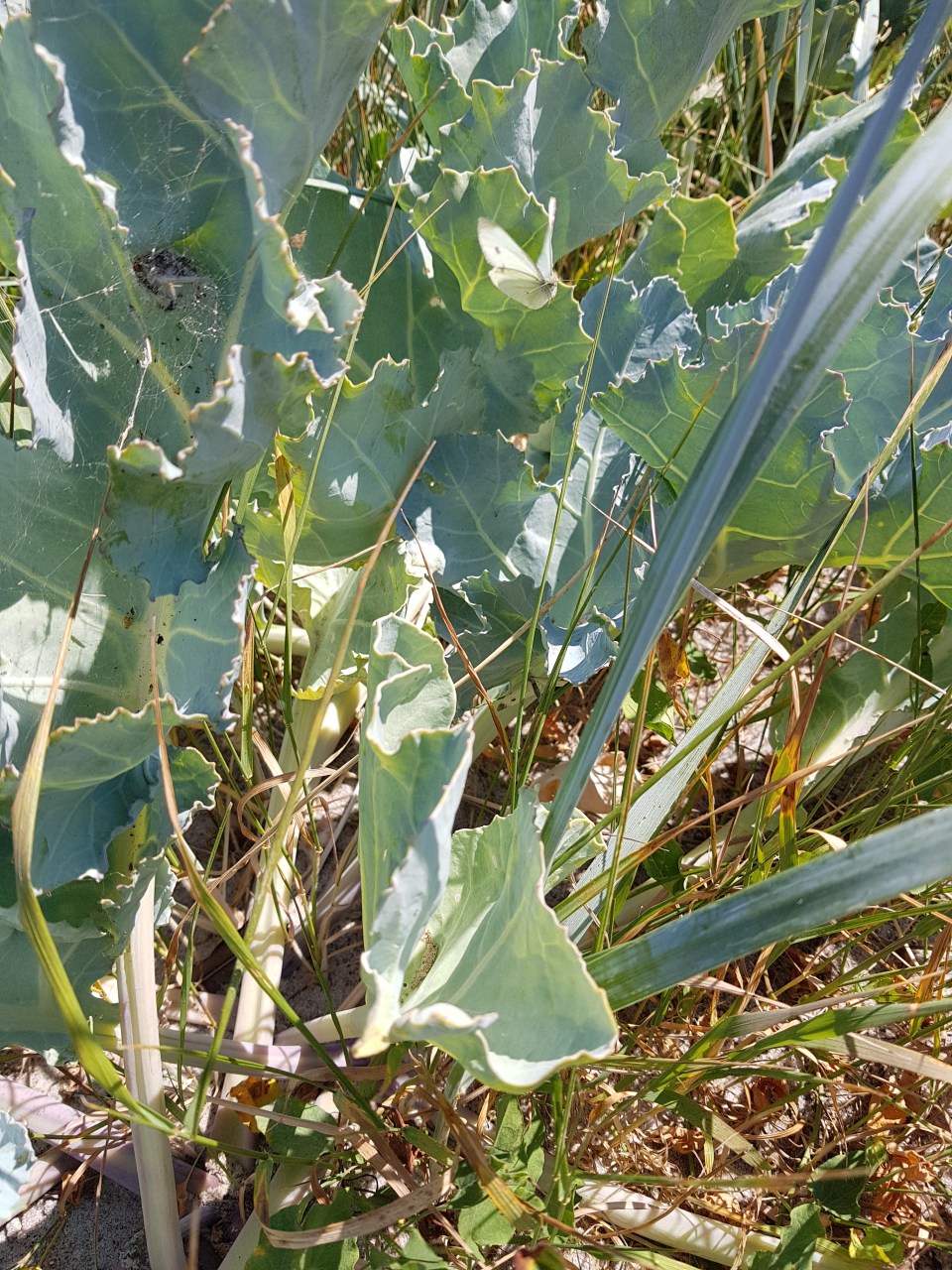
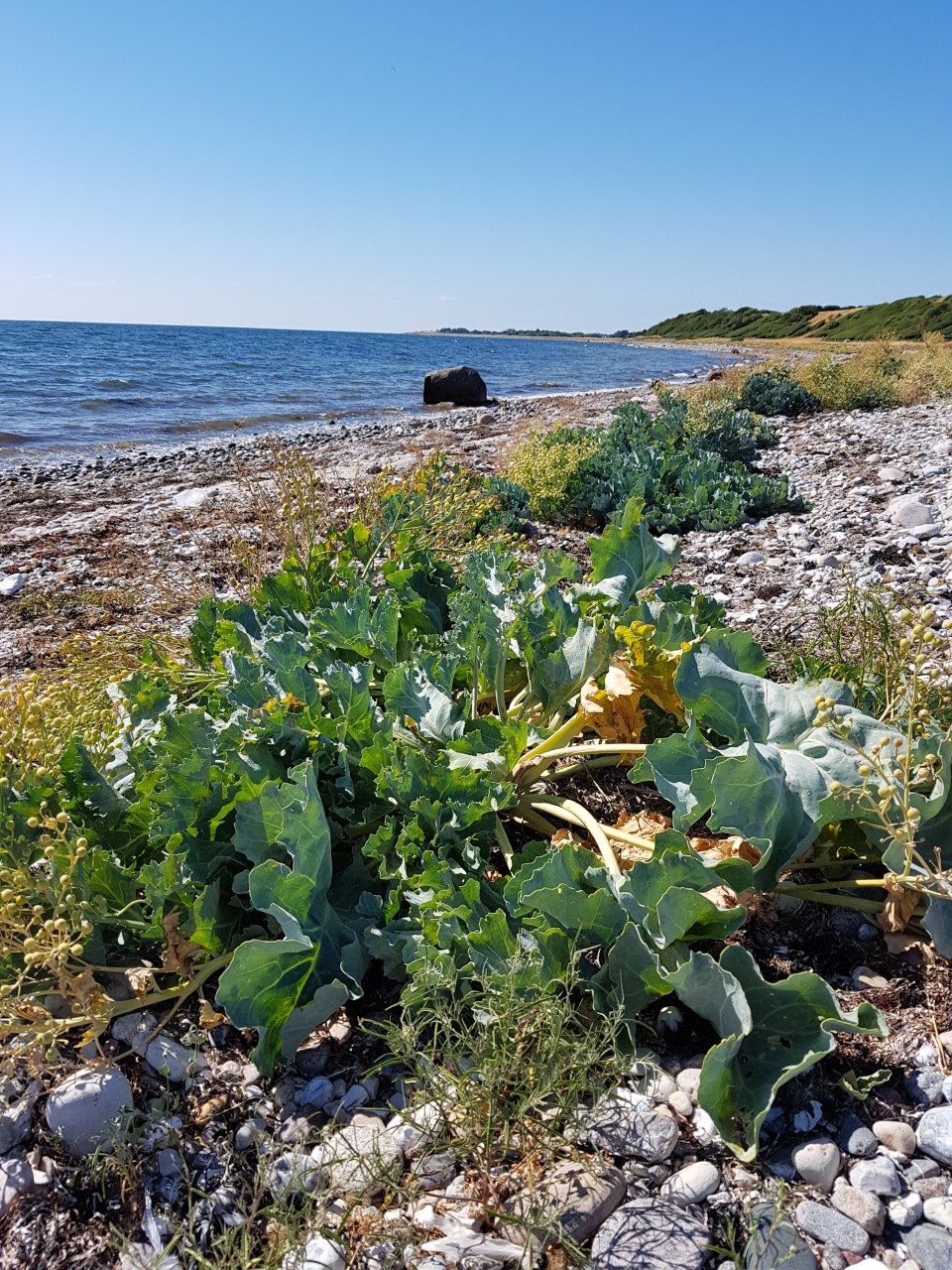
Along the shore another edible plant, Sea Kale (Crambe maritima) was attracting a lot of attention from white butterflies (Pieridae) whose caterpillars feed on this and other members of the cabbage family (Brassicaceae):

2018-07-13 11.20.10

I tried a piece of raw leaf; it tasted ok, salty and a little bitter.  Apparently it’s very nice if you blanch the young leaves.  It’s a distinctive and impressive component of the beach flora:

2018-07-14 14.41.16

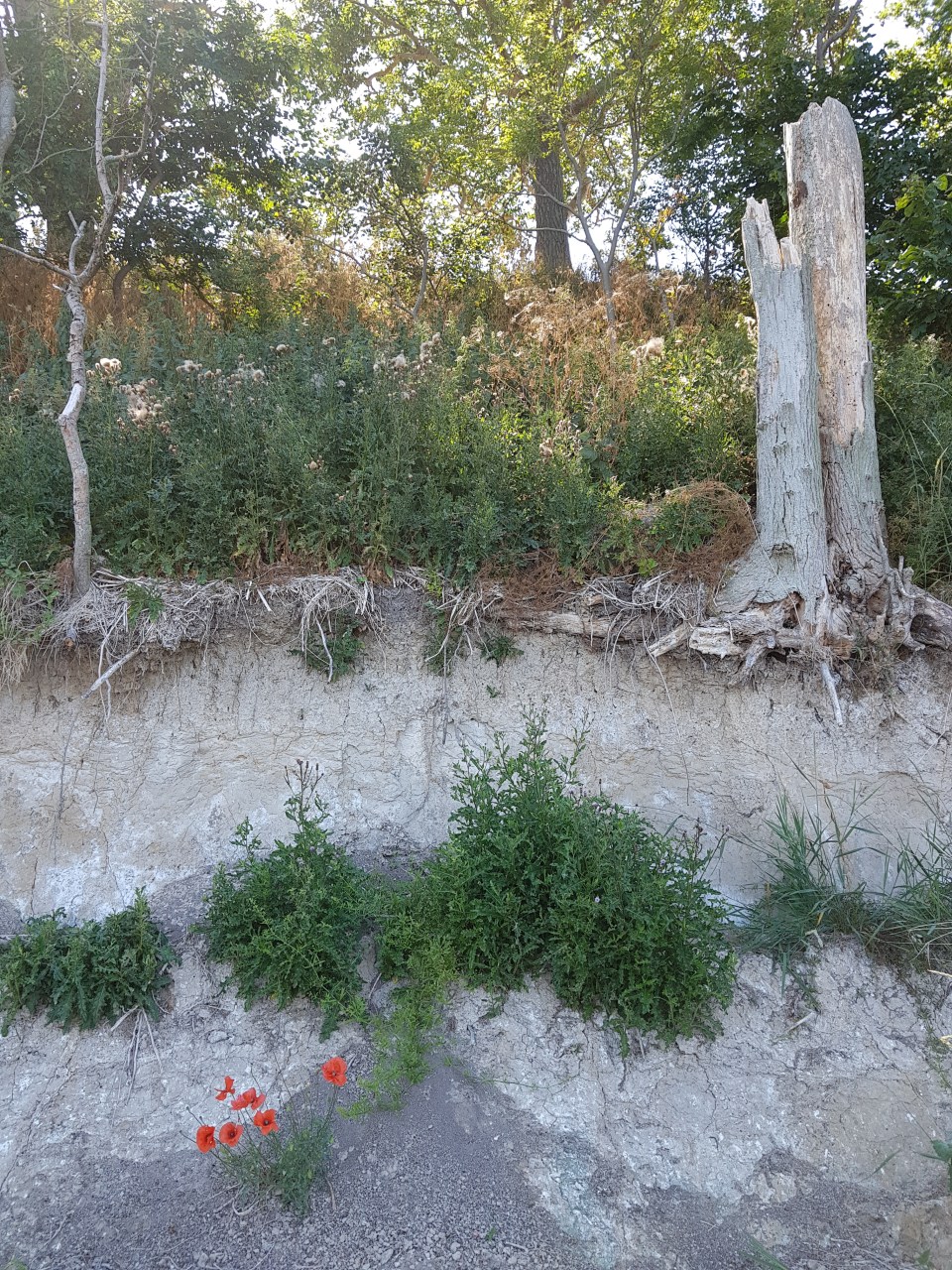
Amidst the greens, buffs and browns of the beach landscape we encountered the occasional scarlet of a patch of poppies (Papaver sp.):

2018-07-13 13.29.52

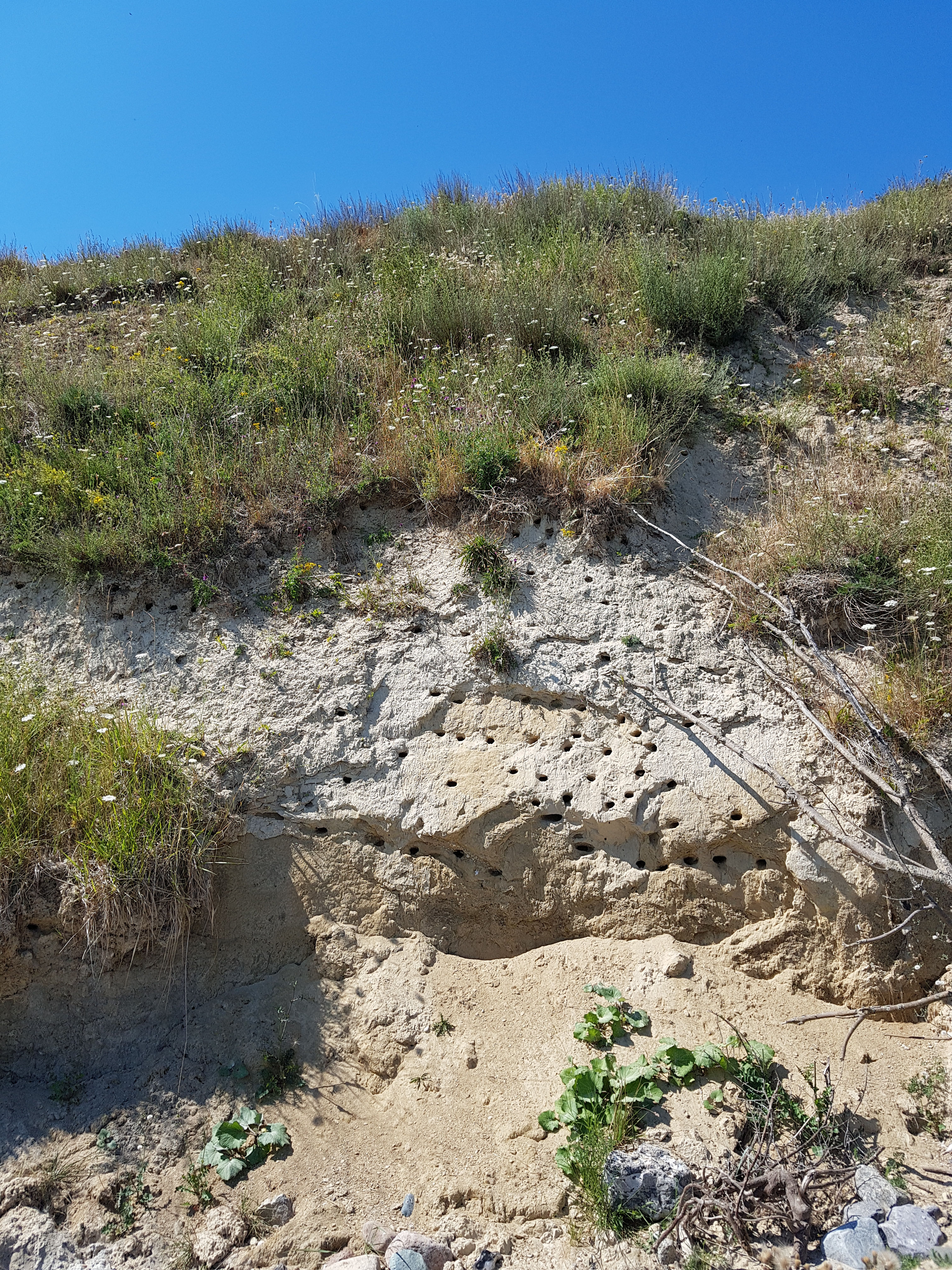
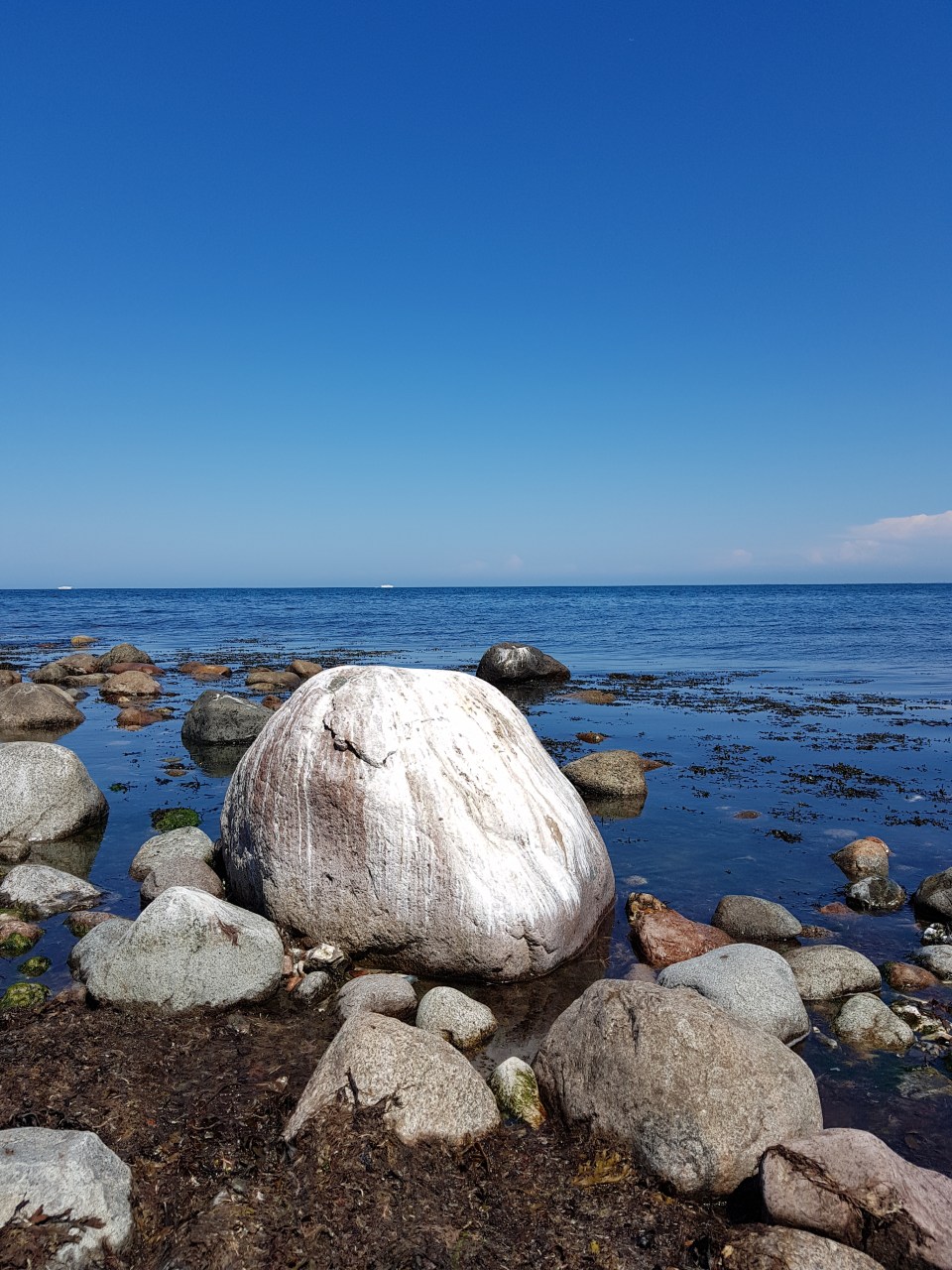
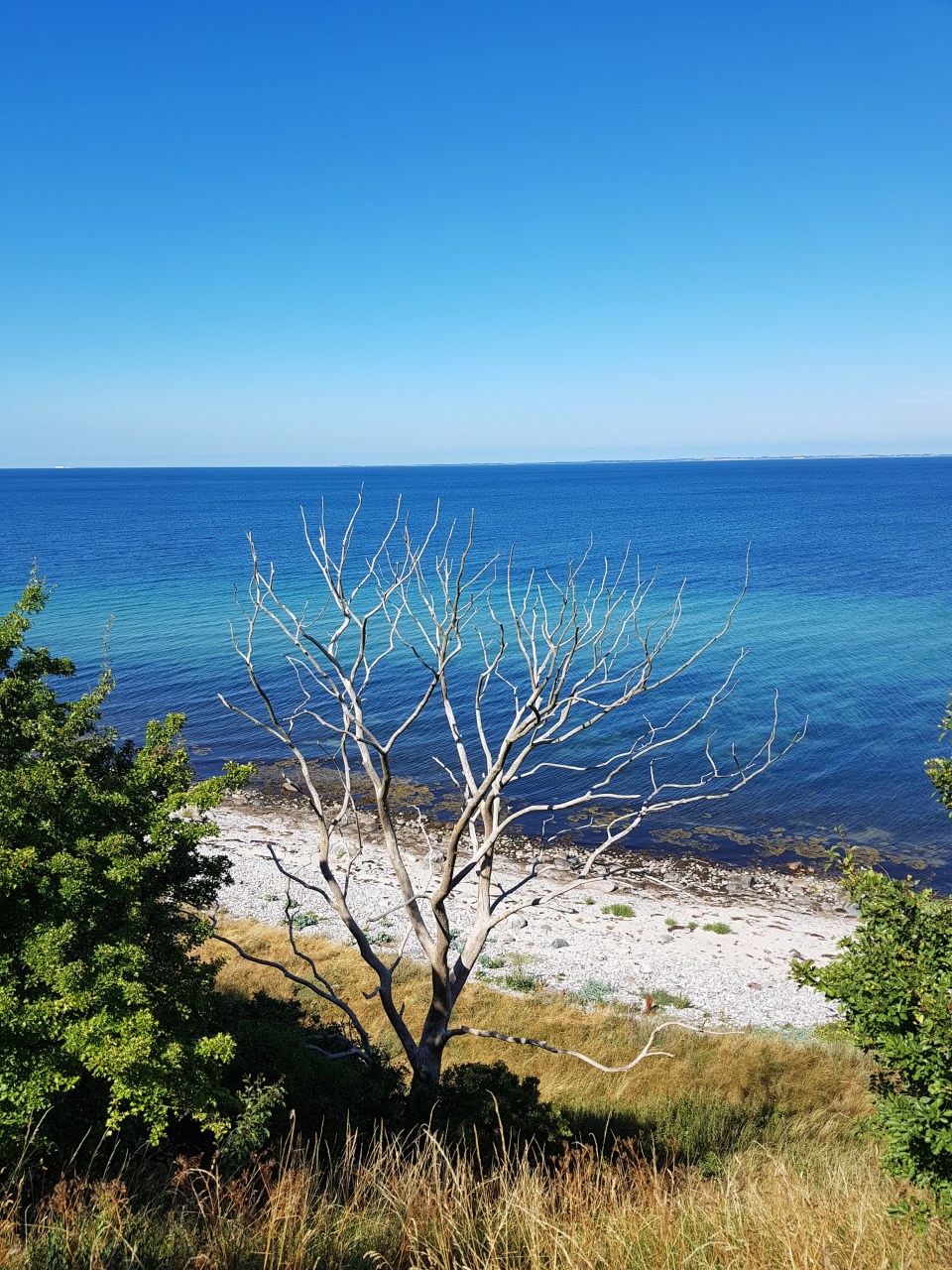
Everywhere on the island we saw evidence of the link between life on land and in the sea, and the cycles and processes upon which that life depends.  Sand martins (Riparia riparia – an apt name – “riparian” refers to the interface between land and water) are common and their nest excavations speed up the return of sediments back to the sea:

2018-07-13 12.02.21.jpg

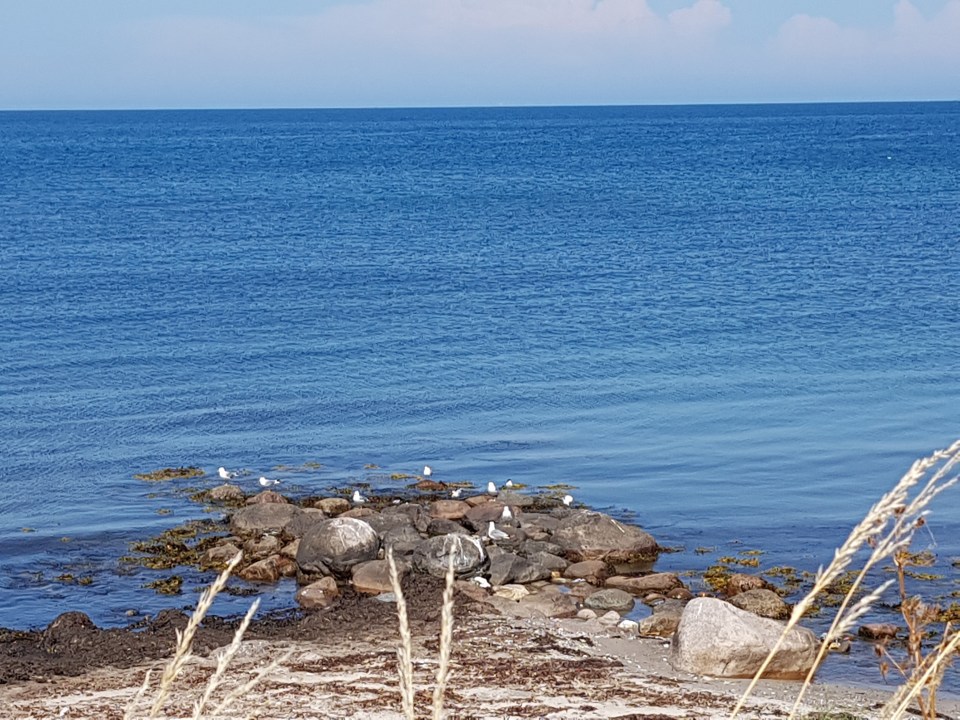
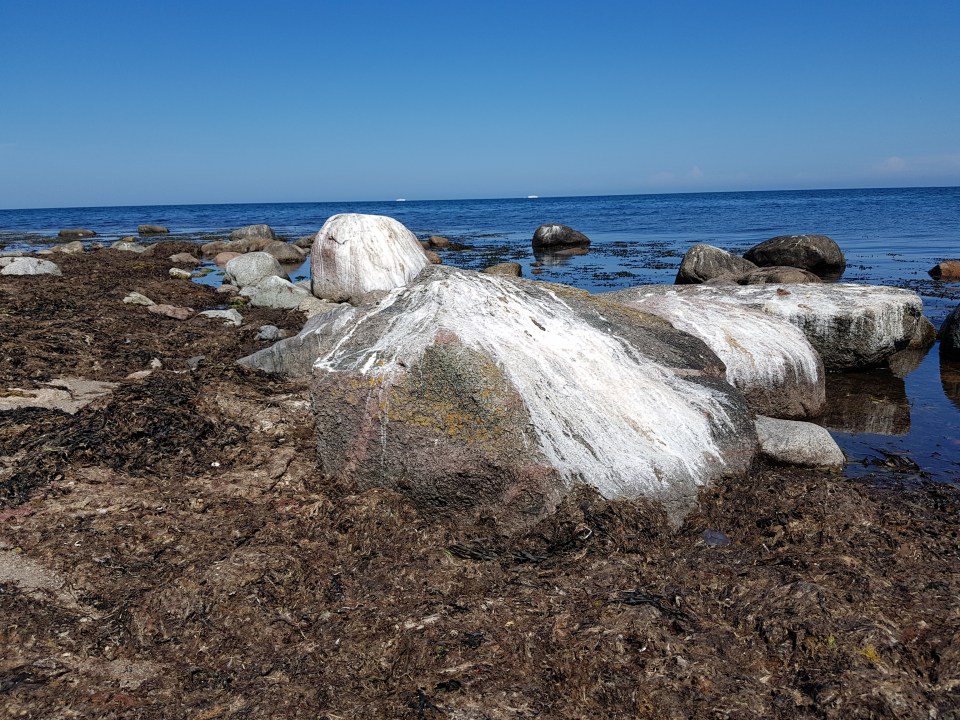
Favoured rocks have been used by gulls and other sea birds for generations, their guano helping to enrich these coastal waters and fueling the primary production of seaweeds and diatoms, which in turn feed other shore life:

2018-07-13 13.39.11

2018-07-13 12.26.00

2018-07-13 12.25.32

2018-07-14 15.55.25.jpg

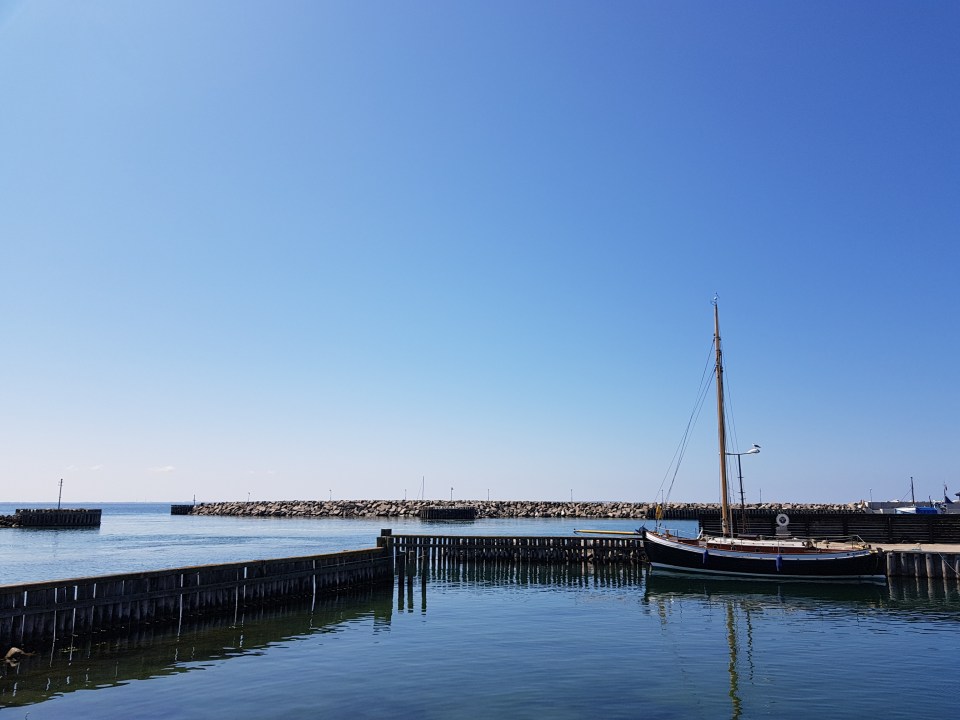
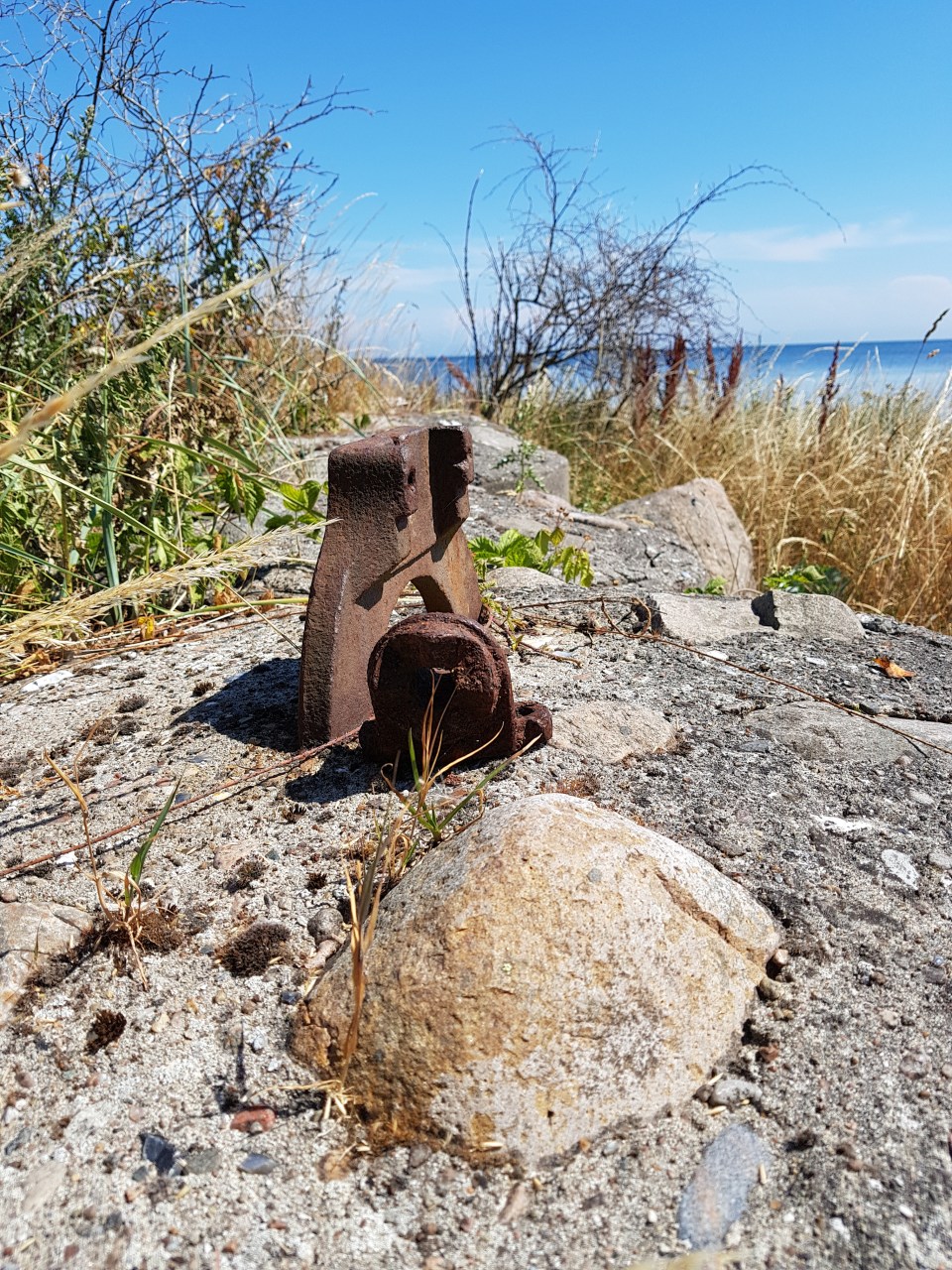
Evidence of human activities was never far away, though, concrete and steel blending with nature:

2018-07-13 11.55.46

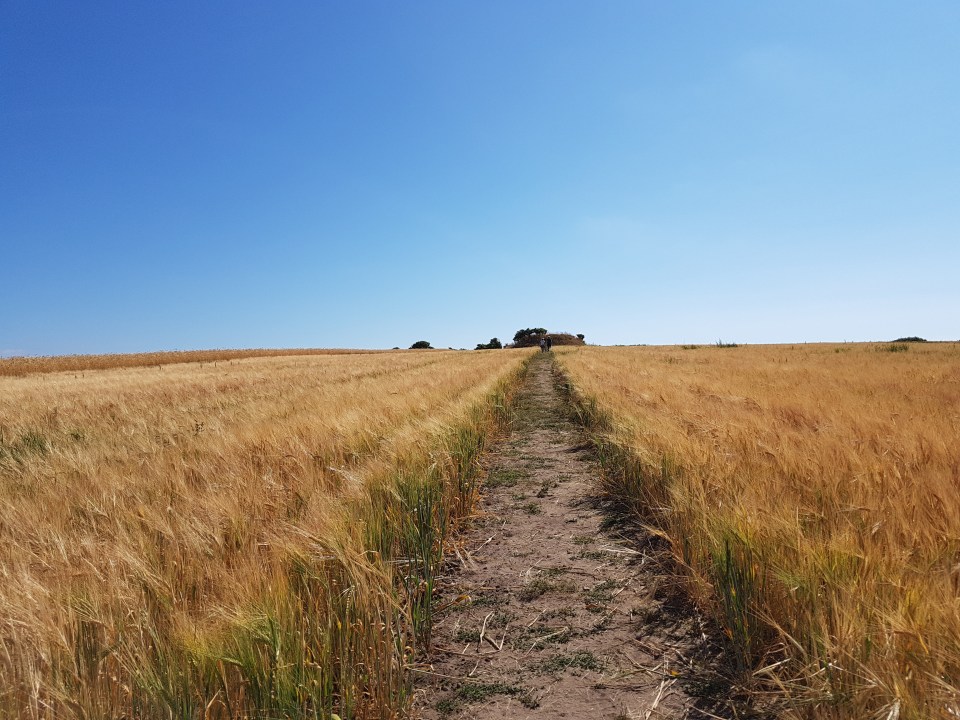
Wheat fields merging with the sky:

2018-07-14 15.13.26

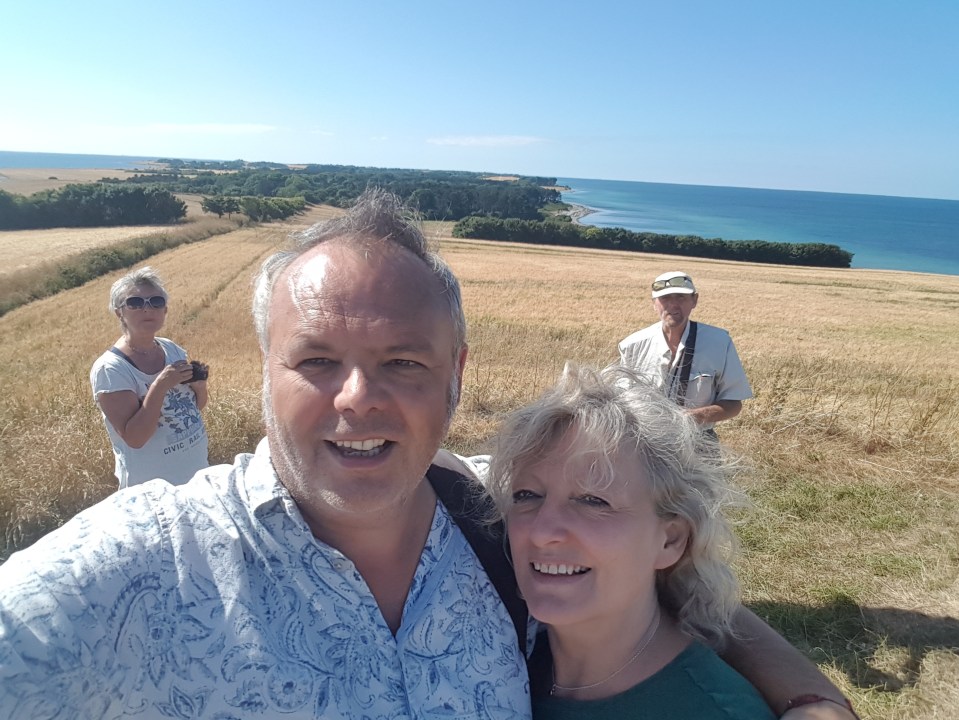
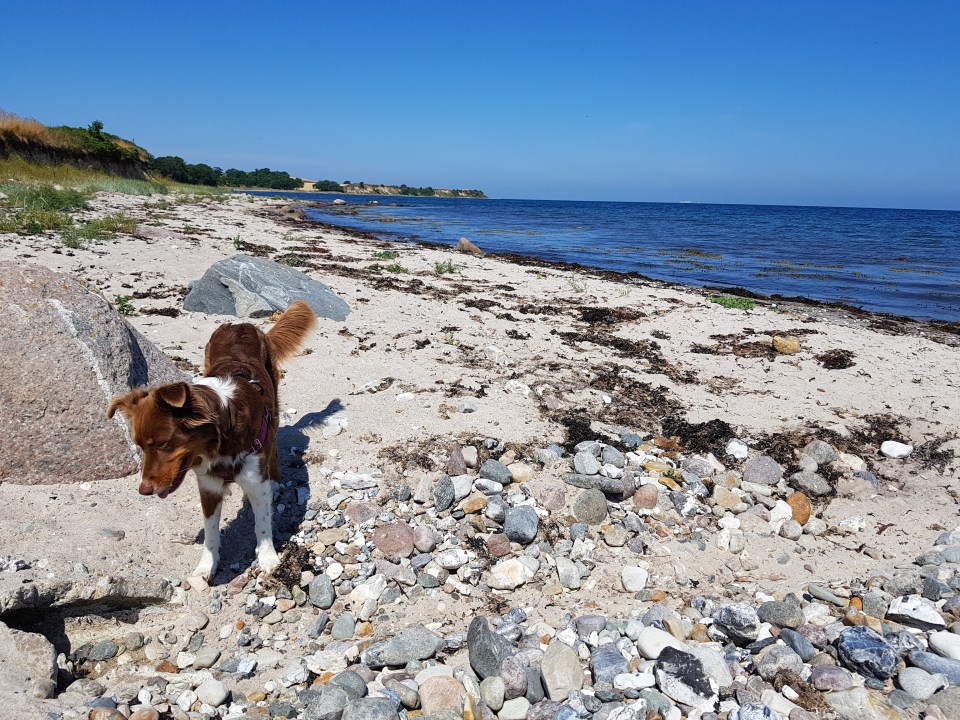
Thanks to Pia and Stephen, and of course Zenja, for making this such a wonderful trip and allowing us to join them in exploring their home island:

2018-07-14 15.19.05

2018-07-13 11.09.36

2018-07-14 15.07.14


Academic job interviews: don’t feel obliged to do everything you said you’d do

Interview transparencies 2018-07-17 17.14.59

Last month I cleared out my office in preparation for our move to the University of Northampton’s new Waterside Campus.  Going through files I’d not opened in decades was a cathartic and occasionally emotional experience.  In one file I came across a box of OHP transparencies from the presentation I gave at my job interview in 1995!  (For younger readers, OHPs were just like PowerPoint, but you carried them around in a box….)

Anyway, the presentation (see photo above) at what was then Nene College of Higher Education set out what my research plans were going to be if I was offered the job. It’s interesting to look back on these research themes and consider whether I did actually do what I said I was going to do (go to my Publications page for details of the papers I’m referring to):

Flowering phenology” – This was a large part of my PhD, which I had completed two years earlier.  At Northampton I did a bit of work,  including a big meta analysis with Mexican colleagues Miguel Munguia-Rosas and Victor Parra-Tabla, but nothing further, though I do have a lot of unpublished data that one day may see the light of, err, day….

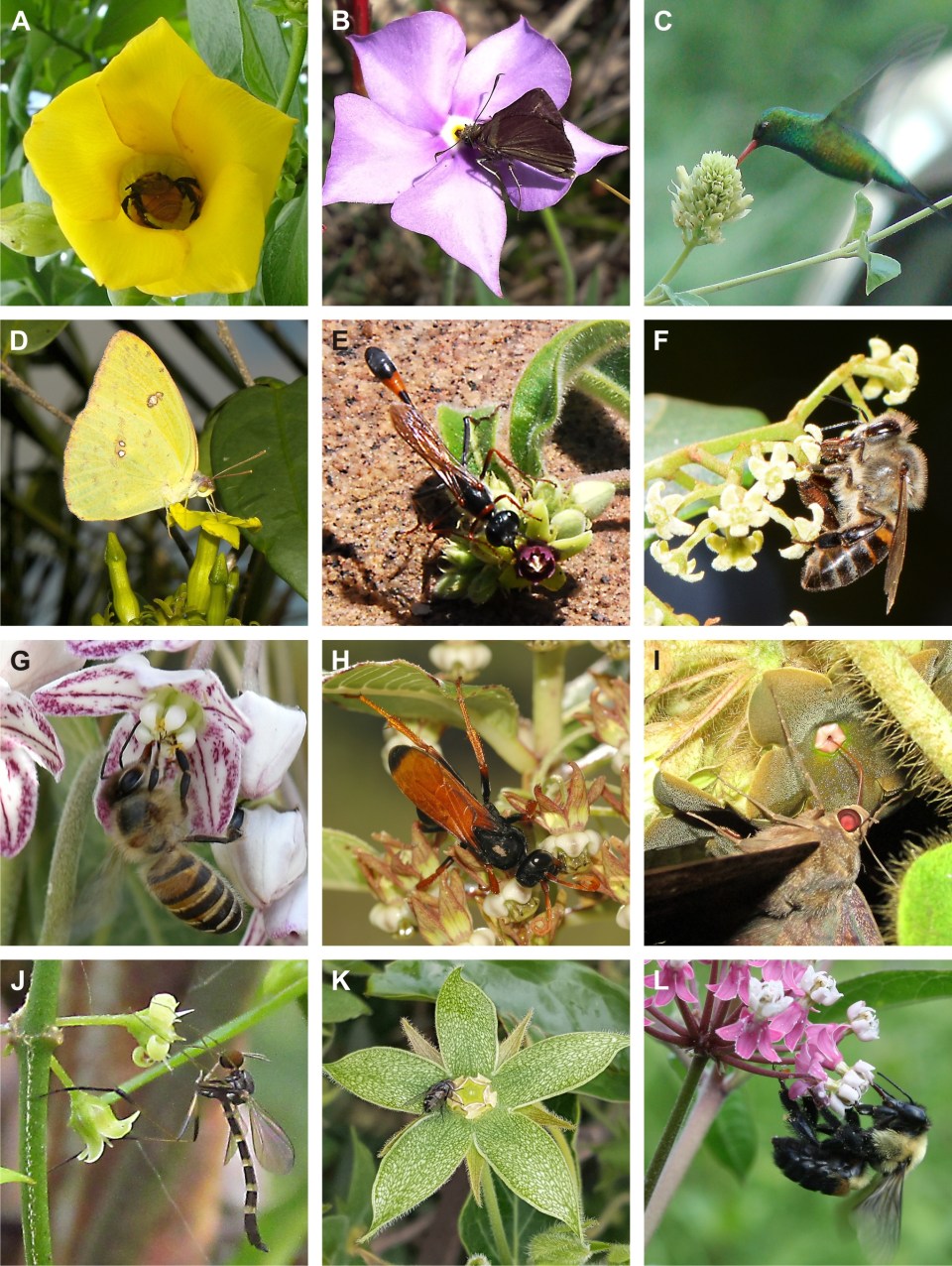
Pollination systems in the Asclepiadaceae” – I’ve done a lot of work on this plant family, including field work in South America and Africa, particularly with my German colleague Sigrid Liede-Schumann.  However Asclepiadaceae no longer exists as a separate family (it’s now a subfamily of Apocynaceae).  I have a large paper in press at the moment which assesses the diversity of pollination systems in the Apocynaceae; more on that when it’s published.

Specialisation and generalisation in pollination systems” – yes, done lots on this too, including contributing to the Waser et al. (1996) Ecology paper that’s now racked up >1550 citations, plus assessing latitudinal trends in specialisation.  Still a major focus of my research, it’s an area where there are lots of questions still to be answered.

Reproductive output [in plants]” – very little done since my doctoral work, though questions of annual variation in reproductive allocation were a big part of my PhD.  Has fallen by the wayside rather.

Seed predation” – ditto – it was a major component of my PhD and I published a couple of things but then hardly touched the topic.  A shame in some ways as I still think it’s a fascinating topic.

Pollinator behaviour” – I’ve done some work, mainly on birds and bees rather than the butterfly model system I proposed at the time, which was to work with Dave Goulson on a follow-up of a paper we published on floral constancy in Small Skipper butterflies.  This field has moved on hugely though, with some extremely sophisticated work being done with captive bumblebee colonies for instance.

Overall I think I’ve worked on about 50% of what I said I would do, which I’m more than comfortable with.  Because I’ve also done a whole bunch of stuff I never mentioned at interview, including work on pollinator conservation and interaction network analyses, both of which were hardly thought about in 1995.  There’s also research on the history of science that I was thinking about in the early 90s but which I didn’t present as a major research theme.

The moral of this story for anyone preparing for a job interview for an academic position is: Don’t think that you have to do all of the research that you say you’re going to do in the presentation.  Opportunities come and go, and interests wax and wane.  What is currently seen as exciting research may well, in 10 years time, be seen as old hat or a dead end, or have evolved in ways that provide you with fewer opportunities to contribute.  Prepare to be flexible, but don’t lie about your intentions.  In fact, as recently highlighted on the Dynamic Ecology blog, don’t lie about any aspect of getting an academic job!

One other thing: be realistic.  In retrospect I was too ambitious in the range of areas in which I wanted to do research, though they were all linked.  But over the course of 23 years it’s impossible to say how your research career will develop.  I’m looking forward to the next 23…. 🙂


Hunting the Chequered Skipper: an encounter with England’s latest species reintroduction project

P1040409

If you have been following recent conservation news on social media you’ll know that this week was an important one for invertebrates.  The Chequered Skipper, a butterfly last seen in England in 1976, has been reintroduced to the country as part of the Back From the Brink initiative.  The Chequered Skipper project is led by Butterfly Conservation and a team travelled to a site in Belgium earlier in the week where about 40 skippers were captured.  These insects were transported back to the UK where they were held overnight in mesh cages at a secret location in order to acclimatise them, then released into the wild.  The release was filmed as part of next week’s BBC Springwatch series – look out for it.

The exact location of the reintroduction is secret.  However I can tell you that it’s occurred in the Rockingham Forest area of north Northamptonshire, in habitat that (over the past couple of years) has been managed specifically for this reintroduction, in order to create a network of sites across which the species could disperse in the future.  This area was the last stronghold of the species in England prior to its extirpation.  No one knows why it went extinct here, but hung on and did well in Scotland, but it may relate to climate: 1976, as many of the middle-aged will remember, was a very hot, dry summer, and this butterfly likes it warm and humid.

Yesterday I had the privilege of seeing this reintroduction first hand when I visited the site with my colleague Dr Duncan McCollin.  Duncan and I are supervising a PhD student, Jamie Wildman, along with Prof. Tom Brereton, Head of Monitoring at Butterfly Conservation (BC), and the University of Northampton’s Visiting Professor in Conservation Science.  Jamie’s project will focus on understanding the habitat requirements for Chequered Skipper, and monitoring the success of the reintroduction.  I’m also hoping that it might be possible for Jamie to assess the role of this species as a pollinator of the plants it visits.  Butterflies as pollinators is a very under-researched area.

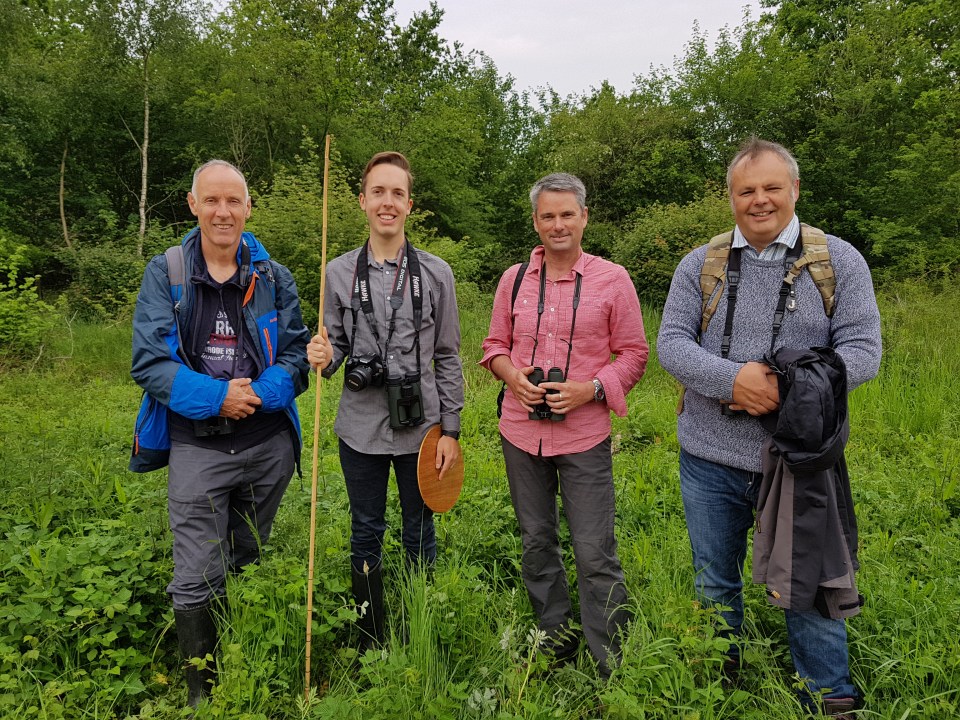
Here’s a shot of the Four Mus-skipper-teers* just before we set off to help BC volunteers to locate the skippers and record their behaviour:

Four Mouse-skipper-teers 2018-05-26 11.10.19.jpg


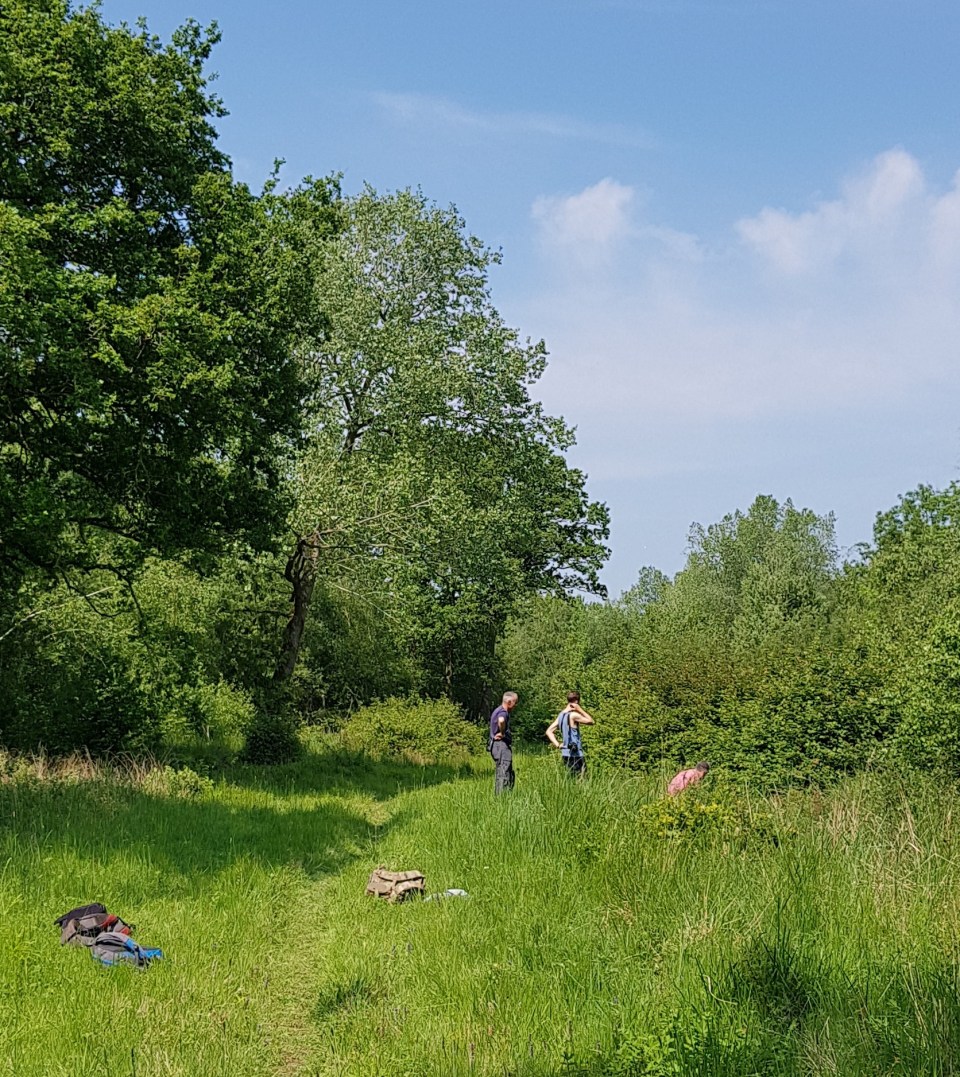
The day started unpromisingly.  It was cool and overcast, and little was flying except some hardy Common Carder Bees.  But around lunchtime things began to warm up and gradually the sun broke through and we started to see flying Lepidoptera that we excitedly chased, only to be disappointed by yet another Mother Shipton or Silver Y.  But no skippers.

As we encountered some of the BC volunteers who were also tracking the insects we were told that we had “just missed one” or that they “saw one down that ride, we marked the spot”.  One volunteer wanted to show me a photo of a Chequered Skipper that he’d just taken “so I could get my eye in”.  I politely refused; I wanted to see the real thing and didn’t want to jinx it with a digital preview.

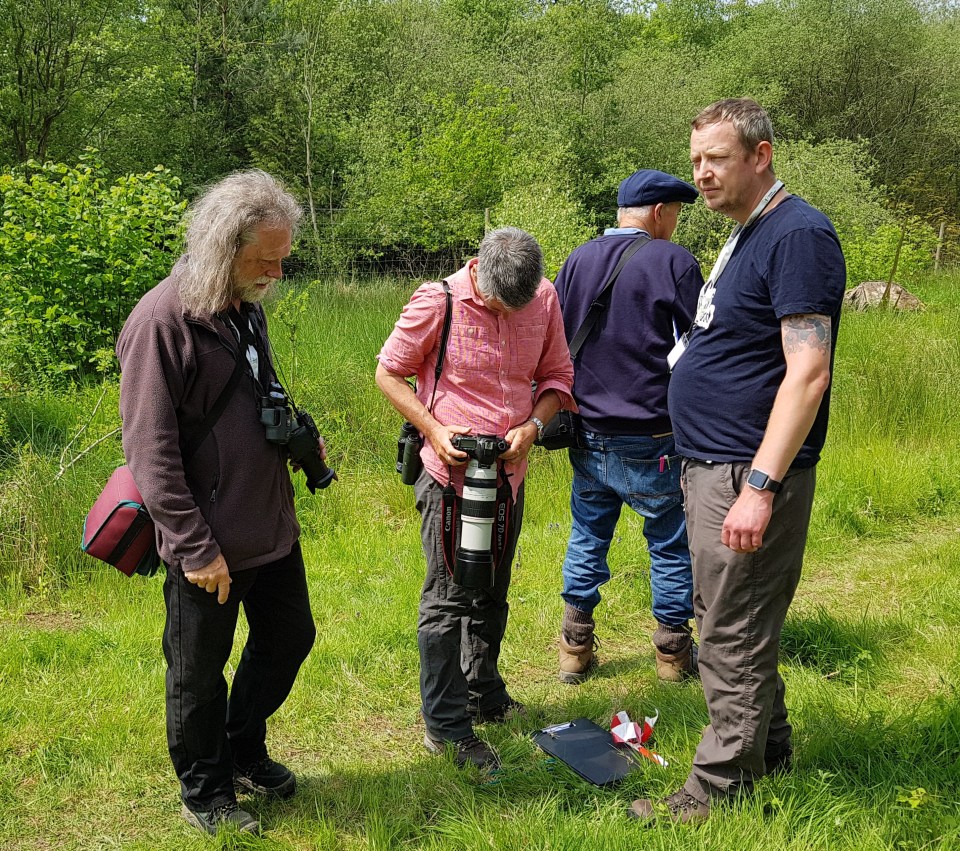
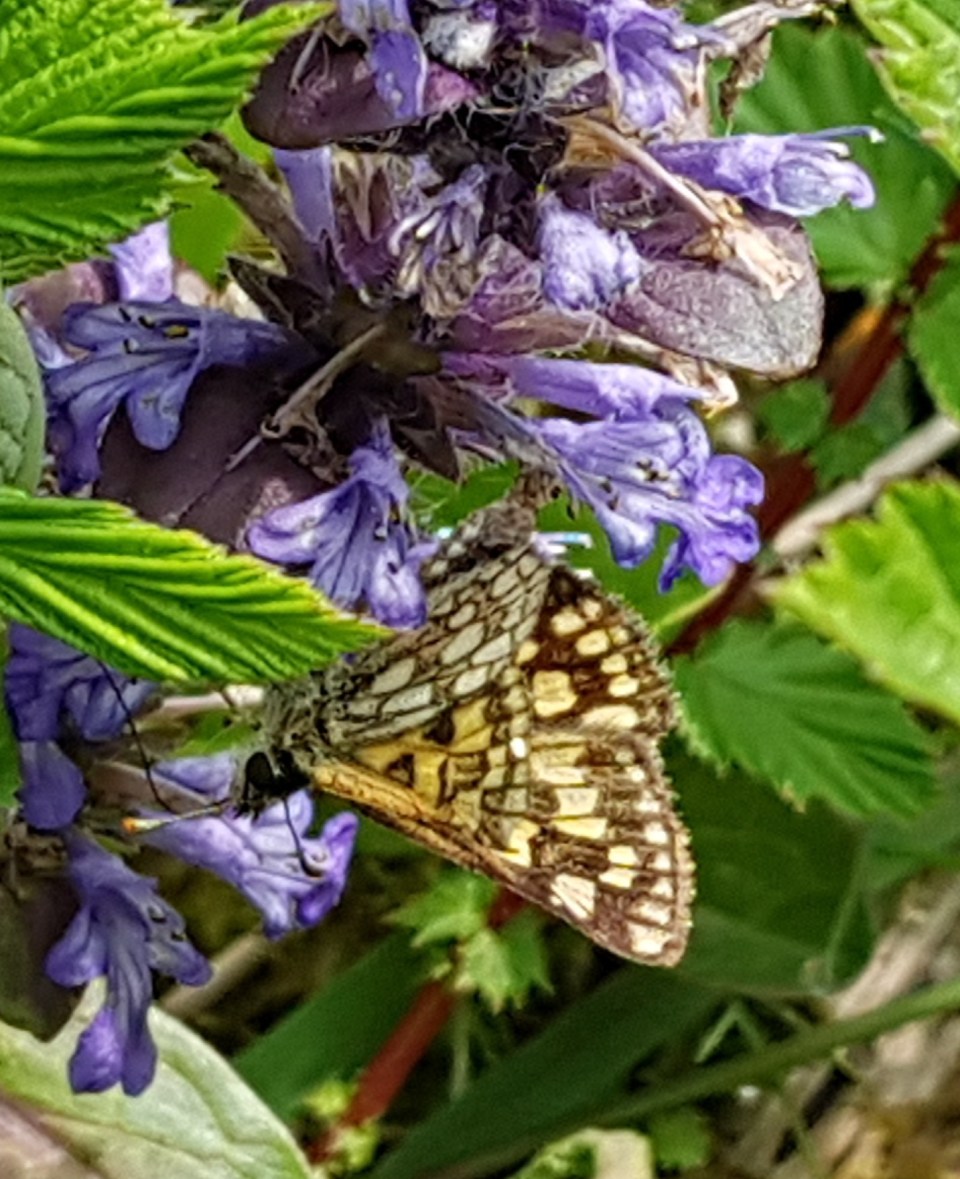
Finally, our efforts were rewarded and we found the first skipper of several we later encountered.  The image at the head of this post is that butterfly, a sight that has not been seen in England in more than 40 years.  An exciting and privileged encounter.  The county Butterfly Recorder, David James (on the right in this next shot), is ecstatic that the reintroduction has occurred “on his patch” but also nervous at the responsibility it represents:

Skipper crew 2018-05-26 13.15.06

Later we spent time helping Jamie follow a female skipper who was showing egg-laying behaviour, moving slowly for short distances along a shrubby edge, occasionally nectaring on Bugle, and diving deep into the vegetation to (we hope) oviposit on grass leaves:


Skipper watching 2018-05-26 15.10.18

Although I’ve over-cropped this next image of the skipper on Bugle, I thought I’d leave it as I like the different textures and patterns, and the slightly blurry ambience:

Skipper nectaring 2018-05-26 13.06.08

The primary aim of Butterfly Conservation’s project is to return a small part of England’s lost biological heritage.  But it’s about more than just the Chequered Skipper.  It’s also about understanding how managing a network of sites for this flagship species can benefit other organisms.  The wide woodland rides that have been created are packed with plant species, amongst them at least five grasses that could be used as caterpillar food sources for the skippers, plus more than 20 nectar sources were flowering that they (and other flower visiting insects) could use.  Those other insects were plentiful too: over the day I spotted five species of bumblebees, several different day flying moths, lots of Dark-edged Bee Flies, and a few different solitary bees and syrphids flies.  We heard calling cuckoos, and four different warblers: chiffchaffs, garden warbler, whitethroats, and blackcaps.  Red kites (another incredibly successful species reintroduction) floated overhead skimming the treetops as they their cried to one another.

Rockingham Forest is a lovely part of Northamptonshire, well worth a visit.  The Chequered Skipper will be a wonderful addition to its biodiversity.  Of course there are no guarantees that the reintroduction part of the project will be a success, but if it isn’t it won’t be because of a lack of commitment from the people involved.  If the population does become established then in the future the location will be made public and butterfly enthusiasts will be able to come and pay homage to one of the few butterflies with a pub named after it.


*You get the puns you deserve on this blog…..


The explosion in orchids as houseplants: what does it tell us about how flowers evolve?

Orchids 20180512_112533.jpg

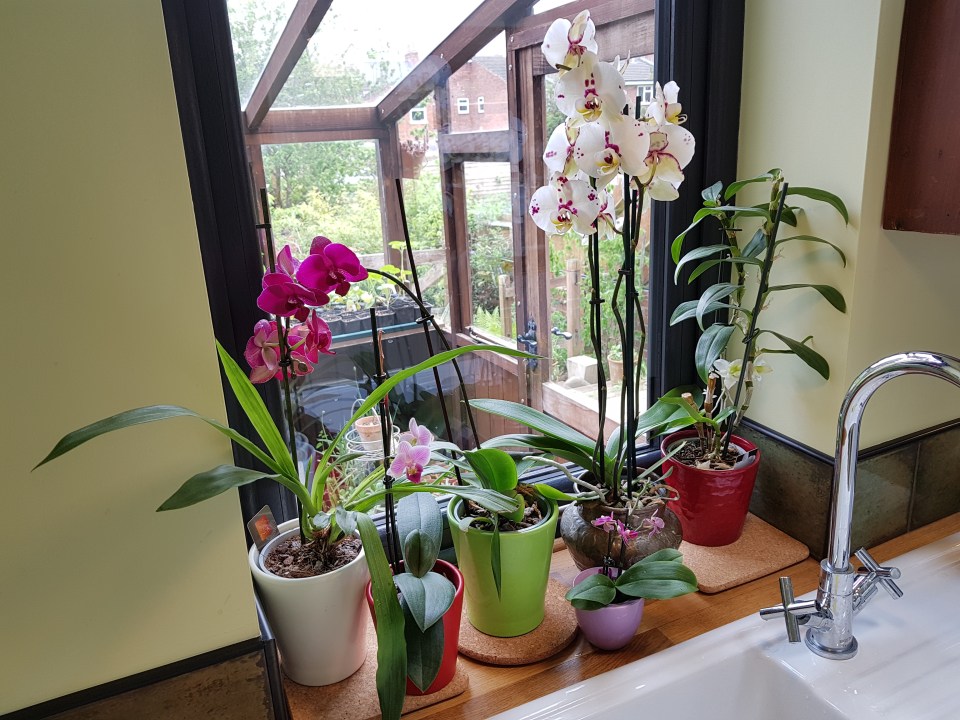
One of the major trends in horticulture over the last 20 years or so has been the rise in popularity of orchids as house plants.  Orchids used to have a reputation as being delicate, choosy, costly things that needed expensive glasshouses, heating, and humidity systems to grow.  Some groups of orchids are certainly like that, but many are not (Orchidaceae is one of the two largest families of plants, after all).  These days it’s impossible to walk into any supermarket or department store and not see orchids for sale at a reasonable price, orchids that are tough and can withstand the relatively dry, centrally heated houses in which most of us in Britain live. 

The majority of these orchids are varieties of Phalaenopsis, the moth orchids.  Intensive hybridisation by commercial growers has meant that there is an almost inexhaustible range of flower colours, shapes, sizes and patterning available.  Take a look at this gallery of images and you’ll see what I mean, or go into a shop that sells such orchids and observe that almost no two are alike.

This is the stuff of natural selection: genetic variation in the phenotype that can be acted upon by a selective agent.  In this case it’s the growers of orchids who choose the most attractive types to sell and discard the others.  If this variation emerged in wild populations most of it would disappear over time, but some, just occasionally, would be selected for by a different group of pollinators and go on to form a new species.  This is much more likely to happen if the individuals with this variation are isolated from the rest of the population in time or space, for example if they flower later or have been dispersed to a distant valley or mountaintop (termed allopatric speciation).  But it can also happen within populations – sympatric speciation.

Back in 1996, near the start of this orchid explosion, one of my earliest papers was a speculative commentary in Journal of Ecology called “Reconciling ecological processes with phylogenetic patterns: the apparent paradox of plant-pollinator systems”.  It generated some interest in the field at the time and has picked up >250 citations over the years, mostly other researchers using it as supporting evidence for the discrepancies we see when trying to understand how flowers evolve within a milieu of lots of different types of potential pollinators selecting for possibly diverse and contradictory aspects of floral form.  In that paper I made a passing comment that I expected the reviewers to criticise, which they did not.  Once it was published I thought that perhaps other researchers in the field would critique it or use it as a jumping off point for further study, which has not really happened either.  This is what I wrote:

         “It appears that pollination systems are labile and may evolve quite rapidly….plant breeders can obtain a fantastic range of horticultural novelties through selective breeding over just a few generations.”

This is horticulture holding up a mirror to the natural world and saying: “This is how we do it in the glasshouse, look at the variety we can produce over a short space of time by selecting for flower forms; can nature do it as quickly, and if so what are the mechanisms?”  

I still believe that pollination ecologists could learn a lot from horticulture and there’s some fruitful (flowerful?) lines of enquiry that could be pursued by creative PhD students or postdocs.  Here’s one suggestion: part of the reason why these Phalaenopsis orchids are so popular as house plants is that they have very long individual flower life times, often many weeks.  Now we suspect that floral longevity is under strong selection; see for example research by Tia-Lynn Ashman and Daniel Schoen in the 1990s.  This showed that there is a negative correlation between rate of pollinator visitation and how long flowers stay open.  Plants with flowers that are not visited very frequently stay open much longer, for example the bird-pollinated flowers of the Canary Islands that may only be visited once or twice a day, and which can remain open for more than 20 days.  Is the floral longevity shown by these orchids (or other groups of plants that have been horticulturally selected) beyond the range found in natural populations?  If so, what are the underlying physiological mechanisms that allow such extreme longevity?  If not, does this mean that there is an upper limit to the lifespan of flowers, and if so, why?  

In the mean time I’m going to enjoy the orchids above that sit on our kitchen windowsill.  They actually belong to my wife Karin who has developed something of an interest in them in recent months.  The big spotty one is a late birthday gift for her that I picked up this morning from a local flower shop, and which stimulated this post as I was walking home.  I’d bet that we never see another one like it!

Speaking about plant-pollinator research and science blogging in Wageningen in May

Wageningen poster.jpg

If any of you are near Wageningen University on 31st May I’m giving a talk about some of our recent research called “The macroecology and macroevolution of plant-pollinator interactions”.  It’s preceded by a workshop on the whys and hows of science blogging.  Details are in the poster.

Here are the abstracts for the talk and the workshop:

Macroecology and macroevolution of plant-pollinator interactions

Plant-pollinator relationships are an ecologically critical form of interaction that ensures the long-term survival of the majority of the world’s plants species, and contribute to a large fraction of global agricultural output.  In additiondiversity and abundance of biotically pollinated plant species can be an important determinant of the diversity of animals at higher trophic levels.

Despite that global significance, most studies of plant-pollinator interactions are done at a local level, involving populations and communities of species, over modest time scales.  The ways in which these local sets of interactions scale up to produce global macroecological and macroevolutionary patterns, and the processes underpinning them, will be explored using two case studies.

The first is a data set of 67 plant communities, ranging from 70ºN to 34ºS, with which we investigated the roles of biotic and abiotic factors as determinants of the global variation in animal versus wind pollination.  Factors such as habitat type, species richness, insularity, topographic heterogeneity, current climate and late-Quaternary climate change were investigated. The predictive effects of these factors on the proportion of wind- and animal-pollinated plants were examined (see: Rech et al. 2016 – Plant Ecology & Diversity 9: 253-262).

Since these results were published  we have increased the number of plant communities in our database to >90, and our findings seem to be robust to these additional data.  The dominant influence of contemporary climate on the relative importance of wind-pollinated species suggests that communities may be sensitive to future climate change.  Communities in areas that are predicted to become drier may in time contain more wind-pollinated plants which may in turn reduce the diversity of pollinator species that are present.  There may also be implications for the prevalence of human pollen allergies.  Future work will focus on these two areas.

The second case study uses a newly assembled database of pollinators of the family Apocynaceae (one of the ten largest families of flowering plants), supported by a molecular phylogeny of the major clades.  This database has been used to explore phylogenetic and biogeographic patterns of pollinator exploitation (Ollerton et al. in review).  The findings from this study challenge some long-held assumptions about convergent evolution, the role of rewards such as nectar, and the notion that some specialised pollination systems are evolutionary “dead ends”.  It also highlights the function of novel floral features in determining pollinator type and behaviour, such as the fused gynostegium and pollinia found in the subfamily Asclepiadoideae.  In summary, Apocynaceae is emerging as an important model family for understanding the ecology and evolution of plant-pollinator interactions.


Blogging for EEB: why bother?

A growing number of scientists in Ecology and Evolutionary Biology (EEB) have their own blogs or post as guests on others’ blogs.  In this workshop we will explore motivations and strategies for blogging, and its advantages for early career researchers.  Why blog?  What does it do for one’s career?  Is it a distraction from actually doing science?  How does one build a blog readership?  We will also focus on two aspects that are sometimes seen as mutually exclusive: blogging as science outreach to the general public (sci-communication), versus blogging with other professional scientists in mind (sci-community).  As preparation for the seminar please read Saunders et al. (2017) Bringing ecology blogging into the scientific fold: measuring reach and impact of science community blogs

Can pollinators survive sudden changes in the weather?

Snow-Warm garden comparison

Just how pollinators cope with sudden changes in the weather early in the season is a bit of a mystery.  Take 2018 as an example; my wife Karin spotted the first queen bumblebee in the garden on 6th January, investigating a camellia flower just outside the kitchen.  Over the course of the next few weeks I saw a few more at various sites, plus occasional hibernating butterflies such as the red admiral. The various social media outlets were reporting similar things, it looked as though we were going to have an early spring.

Then at the end of February “The Beast from the East” hit the UK, a weather system from Siberia that brought some of the coldest weather and heaviest snow the country had experienced for several years.  That persisted for over a week then things got much milder.  On 16th March I was in the garden and spotted the first male hairy-footed flower bee of the year, plus a mining bee (Andrena sp.), and a brimstone butterfly, and a queen bumblebee, and a red admiral.  Great I thought, spring really is here!  The next day it snowed.  A “Mini Beast From the East” had arrived, rapidly: the two pictures above making up the composite view of our garden were taken two days apart.

What happened to all of those insects I saw? Were they killed by the cold weather?  Or did they survive?  We have no firm data to answer that question – as far as I’m aware no one has ever tagged early emerging pollinators and followed their progress (I could be wrong – please let me know if I am).  It would make an interesting, though labour intensive, project but could be done using non-toxic paint of various colours to mark the insects.

I suspect that some of the pollinators I saw were killed, but most were not and simply went back into hibernation for a short period, hunkering down in safe, sheltered spots.  That makes much more evolutionary sense: any insects in the UK that cannot survive sudden changes in the weather would have gone extinct long ago.  Another clue to support this idea is the fact that plants in flower early in the season, and in some cases the flowers themselves, usually survive the cold weather and come back as if nothing had happened.  If the flowers can do it, and they have to stay where they are, surely the mobile pollinators can also do it?

As always I’d be interested in your thoughts on this topic, feel free to comment.  And while we wait for the UK to thaw, here’s some topical and rather catchy music to listen to – The Beelievers singing “Mr Gove”.

Plant-pollinator networks in the tropics: a new review just published.

P1080615

As an ecologist who has carried out field work in the temperate zone (UK), the subtropics (Tenerife and South Africa) and the tropics (parts of South America, Africa and Australia)  I’ve always found the idea that the study of ecology can be divided into “tropical” and “non-tropical” a bit odd.  It’s as if the way that the natural world works somehow changes at about 23 degrees north or south of the equator, making things “different” around the equator.  The tropics are a very special, diverse place, it’s true, but so are many places outside the tropics.

With this in mind I was pleased when I was asked by some of my Brazilian colleagues to contribute to a chapter in a new book entitled Ecological Networks in the Tropics. It was an opportunity to review what is known about plant-pollinator networks in the tropics and the ways in which they are very similar to such networks at lower latitudes. Here’s the details of the chapter, followed by the abstract.  If anyone wants a copy please drop me an email:

Vizentin-Bugoni J, PKM Maruyama, CS Souza, J Ollerton, AR Rech, M Sazima. (2018) Plant-pollinator networks in the tropics: a review. pp 73-91 In Dáttilo W & V. Rico-Gray. Ecological networks in the Tropics. Springer.

Abstract:

Most tropical plants rely on animals for pollination, thus engaging in complex interaction networks. Here, we present a global overview of pollination networks and point out research gaps and emerging differences between tropical and non-tropical areas. Our review highlights an uneven global distribution of studies biased towards non-tropical areas. Moreover, within the tropics, there is a bias towards the Neotropical region where partial networks represent 70.1% of the published studies. Additionally, most networks sampled so far (95.6%) were assembled by inferring interactions by surveying plants (a phytocentric approach). These biases may limit accurate global comparisons of the structure and dynamics of tropical and non-tropical pollination networks. Noteworthy differences of tropical networks (in comparison to the non-tropical ones) include higher species richness which, in turn, promotes lower connectance but higher modularity due to both the higher diversity as well as the integration of more vertebrate pollinators. These interaction patterns are influenced by several ecological, evolutionary, and historical processes, and also sampling artifacts. We propose a neutral–niche continuum model for interactions in pollination systems. This is, arguably, supported by evidence that a high diversity of functional traits promotes greater importance of niche-based processes (i.e., forbidden links caused by morphological mismatching and phenological non-overlap) in determining which interactions occur, rather than random chance of encounter based on abundances (neutrality). We conclude by discussing the possible existence and direction of a latitudinal gradient of specialization in pollination networks.

XI International Symposium on Pollination, Berlin, April 16th -20th, 2018

P1120404

From the organisers:

Dear Pollination Biologists,

The International Commission for Pollinator-Plant Relationships (ICPPR) invites you to attend, and possibly submit abstracts for. the XI International Symposium on Pollination TO BE HELD IN BERLIN, GERMANY, APRIL 16-20 2018.

Please take advantage of the early-bird registration opportunity.

The deadline for Abstract submissions is MARCH 1ST, 2018

MORE DETAILS AT:

http://www.icppr.com/xi-international-symposium-on-pollination.html

I HOPE TO SEE YOU IN BERLIN!

Carlos H. Vergara

CHAIR OF THE ORGANIZING COMMITTEE


Something for Blue Monday – the only known blue flowered asclepiad

Tweedia caerulea - OBG 2014-11-06 11.33.14

Today is Blue Monday – reckoned to be the most depressing day of the year, though I’m in a very good mood: just back from a great 9am seminar with my final year students taking the Biodiversity & Conservation module.  They presented some really interesting, diverse and thought provoking papers as part of their assessment for this module; it’s a great group to teach.

But if you are suffering from the blues this morning, here is a photograph to cheer you up.  As far as I am aware Tweedia caerulea (also known as Oxypetalum coeruleum)  is the only known blue flowered asclepiad (that’s to say, a member of the family Apocynaceae subfamily Asclepiadoideae – what used to be the family Asclepiadaceae*).

No one is sure why blue is such a rare colour within the asclepiads (and indeed the Apocynaceae as a whole) and it may be connected to the pollination system of this plant.  However we don’t know what pollinates Tweedia caerulea in the wild so it’s hard to test that idea; other species within this group are variously pollinated by wasps, bees, flies, moths, etc.  Truly blue flowers (as opposed to some shade of purple or violet) are relatively uncommon generally amongst the flowering plants and the source of much interest and excitement in those groups where they do occur, for example the Himalayan Poppies (Meconopsis).

Tweedia caerulea is easy to grow from seed but not so easy to get through the winter in the UK, so in the past I’ve grown it as an annual in the garden.  Apart from the colour, one of the other reasons I like this plant is that it’s named after the 19th century plant collector John Tweedie whose life I’ve been researching over the past 20 years or so – see this paper for example.


*The asclepiads are my favourite group of plants, and one that I’ve published quite a bit of research on, so I was a bit miffed when the taxonomic rank of the family was relegated to subfamily.  But it makes evolutionary sense and now gives me a much larger family of plants on which to research, so every cloud etc. etc.

The holly, the mistletoe, and the pollinators: an update on an old story

holly-and-mistletoe-20161211_103252

Holly and mistletoe are two of Europe and Scandinavia’s most iconic plants, steeped in folklore and cultural significance, and redolent of the dark days of mid-winter and its festivities.  Last year, together with my colleagues Jim Rouquette and Tom Breeze, I published a study of the value that pollinators add to the wholesale auction prices of these two plants using data from the UK’s largest holly and mistletoe auction that has been held in the town of Tenbury Wells for 160 years.

Holly and mistletoe are excellent subjects for a study of the added value that pollinators bring to a crop as they are 100% reliant on pollination by a range of wild bees, flies and other insects.  This is because both species are dioecious with separate sex plants, therefore any berries produced on a female plant must be due to the activities of pollinators.

Here’s a link to last year’s blog post about that paper and here’s the reference for the paper itself, with a link to the journal where you can download it for free:

Ollerton, J., Rouquette, J.R. & Breeze, T.D. (2016) Insect pollinators boost the market price of culturally important crops: holly, mistletoe and the spirit of Christmas. Journal of Pollination Ecology 19: 93-97

The data set in that paper only developed the story up to 2015 as the 2016 auctions took place too late to include within our analyses.  However I’ve collected the auction reports for 2016 and 2017 and added them to the data set.  The results are graphed below*.

The auction price for holly with berries is rather volatile, but on average over this time period, berried holly has twice the commercial value of holly without berries.  Indeed in the last auction of 2017, holly without berries failed to sell, hence the value of £0.00.  The very wintry weather on the auction day reduced the number of buyers, but nonetheless, to have no one bidding for the unberried holly was unprecedented.

Holly auction prices plot

The pattern for mistletoe is rather similar, but in this case the value of berried material is less volatile than that of holly, and the average value is around three times greater than for auction lots of unberried plants.

Mistletoe auction plot

This data set offers a unique insight into the value of pollinators for two culturally important crops (all other such studies have focused on food or, rarely, fibre crops).  I’ll continue to archive the auction reports and to update these analyses every few years in the run up to Christmas.  If anyone is interested in accessing the data, please drop me a line.

If you want to learn more about the botany of different types of mistletoe follow this link to Mike Fay’s blog post on the Kew website.

Also worth checking out is Manu Saunders’ recent piece highlighting some old Christmas-themed blog posts.

Yesterday was my last day in the office, I’m now officially on leave and looking forward to a restful Christmas and New Year break.  Season’s greetings to all of my readers and thank you for your continued support and interest in biodiversity!


*There are three auctions each year and therefore three data points per annum, except for 2016 when only two auction reports were produced.