Category Archives: History of science

Was this the first online database of plant-pollinator interactions?

Over the past few years, the ways in which we collate and use large databases of plant-pollinator interactions, and make them publicly available according to FAIR data principles, has been much on my mind. These were and are important considerations for several projects, including the Pollinators of Apocynaceae Database; the pandemic garden pollinators initiative that I coordinated during lock-down; the WorldFAIR project; and, most recently, an EU-funded project called BUTTERFLY that launches in April and involves both the DoPI and GloBI databases.

The latter are just two of a growing number of databases making information about plant-pollinator interactions in wild and agricultural settings freely available to other scientists and to wider stakeholders. An intriguing question to those of us interested in the history of pollination ecology as a science is: what was the first such online database? I think that I have the answer, but I’m happy to be corrected. But first some background.

Since returning to Britain from Denmark in March, Karin and I have been renting a house from some friends as a temporary measure before we found somewhere else to live. A really nice property became available late last year and we decided to move in on 18th December. Then last week the final consignment of boxes and furniture that we’d had in storage arrived at our new home and we’ve been spending time deciding what we want to keep and what needs disposing of.

I’d be the first to admit that I’ve always been something of a hoarder when it comes to books and paperwork, so one of my priorities has been thinning out the contents of old folders and box files. Yesterday I opened one that contained a sheaf of papers related to the study that Sigrid Liede-Schumann and I published on pollination systems in the family Asclepiadaceae (now subsumed into Apocynaceae). One of the items I found is, I think, a fascinating piece of history with regard to online interaction databases.

As you can see in the image above, it’s a print-out* of an email that I received on 31st December 1995 from Mark Fishbein. If I recall correctly, I’d met Mark at a conference and he’d mentioned that he’d been compiling published and unpublished records of pollinators of North American Asclepiadaceae into a database. In this email he tells me that:

“I now have my data base accessible (primitively) on the World Wide Web. It would be easiest for me if you accessed the data base this way…Here’s what to do (if you have access to a web browser)…”

As we complete the first quarter of the 21st century it’s difficult to conceive that, less than 30 years ago, people were saying things like “if you have access to a web browser”! But the World Wide Web was only opened to public use in 1991 and even by the mid-90s, was not being widely used even in academia. Note also that Mark’s database was not password protected – it was freely (FAIRly?) available to anyone who could access it. In this regard Mark was certainly ahead of his time and, as far as I know, “pollrec” was the first online database of plant-pollinator interactions.

After we published our paper in 1997, Sigrid and I made what was then termed ASCLEPOL (including Mark’s and our own records) available online, and this was later merged with APOPOL to form the basis of the Pollinators of Apocynaceae Database. The latter is not formally available online, but it is available as supplementary information in the paper and has been merged into GloBI.

Thirty years is not a long time in real terms, but over that period there’s been huge cultural changes as far as society is concerned, and we take for granted things like online access to information that were hardly conceived of back then. But in 1995, Mark’s approach was revolutionary, even if we didn’t appreciate it at the time. When I emailed him about it yesterday he told me that he was “comfortable with my new role of being someone of historical interest”, followed by a smiley face emoji (another late 20th century development). So thank you Mark, this blog post is for you!

—————————————————————————————————

*Yes kids, back in the day grandpa printed out some important emails so as not to lose them.

Science ceramics – the perfect gift for the geek in your life!

Over at the Dynamic Ecology blog, Jeremy Fox has provided a link to a company called Not Quite Past that uses AI to generate an image for a ceramic tile in the style of Dutch Delftware based on the prompts that you give it. That part is free, but if you wish the company will then manufacture that tile and ship it to you (though there’s a minimum order of 10 tiles).

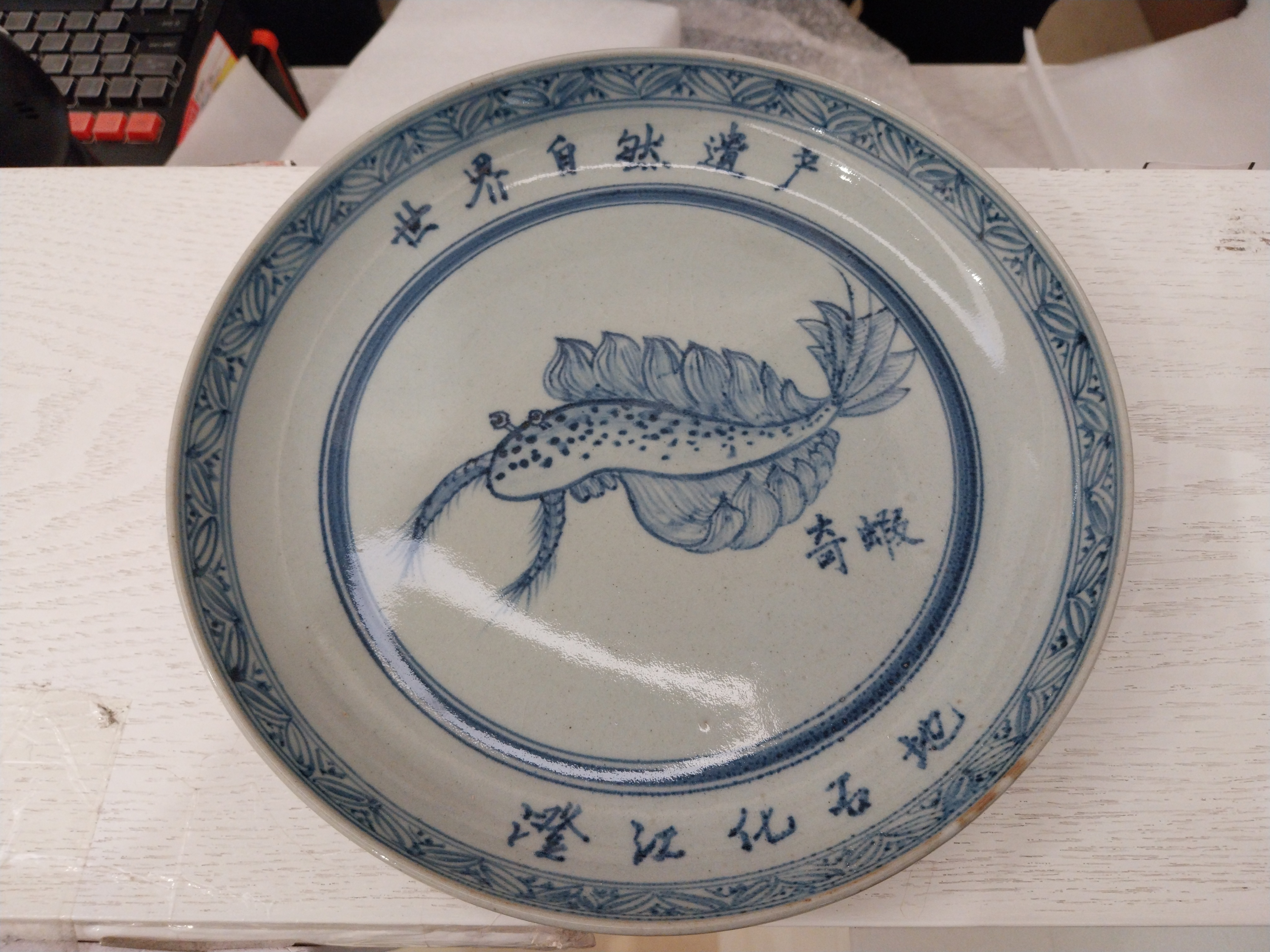
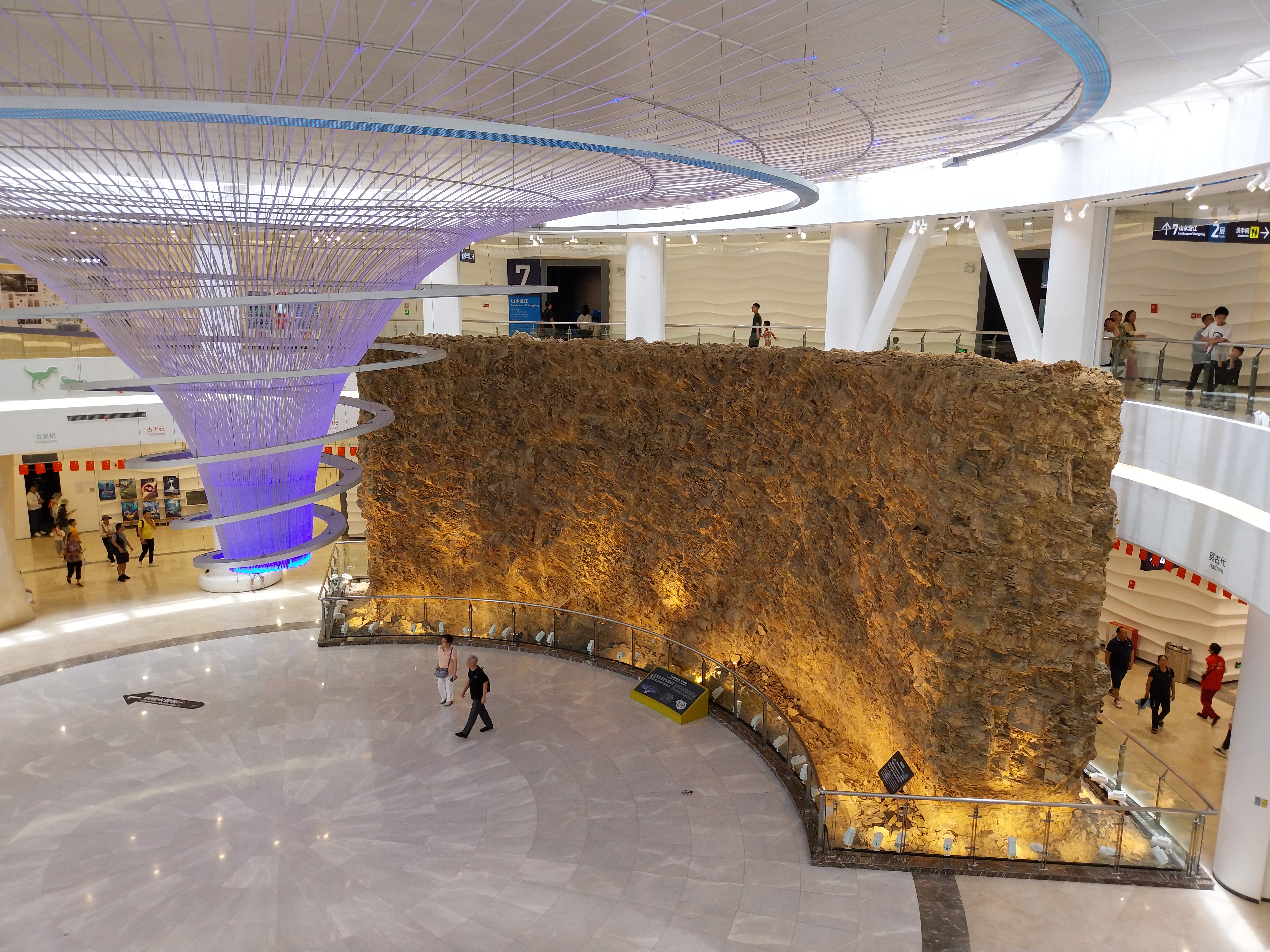
It reminded me that when I was working in China earlier this year, we visited the extraordinary Museum of Chengjiang Fossils, dedicated to an amazing assemblage of early Cambrian-age animals. This biota is comparable to the more famous Burgess Shale fauna in Canada: both are in excess of 500 million years old, and they share some animals in common.

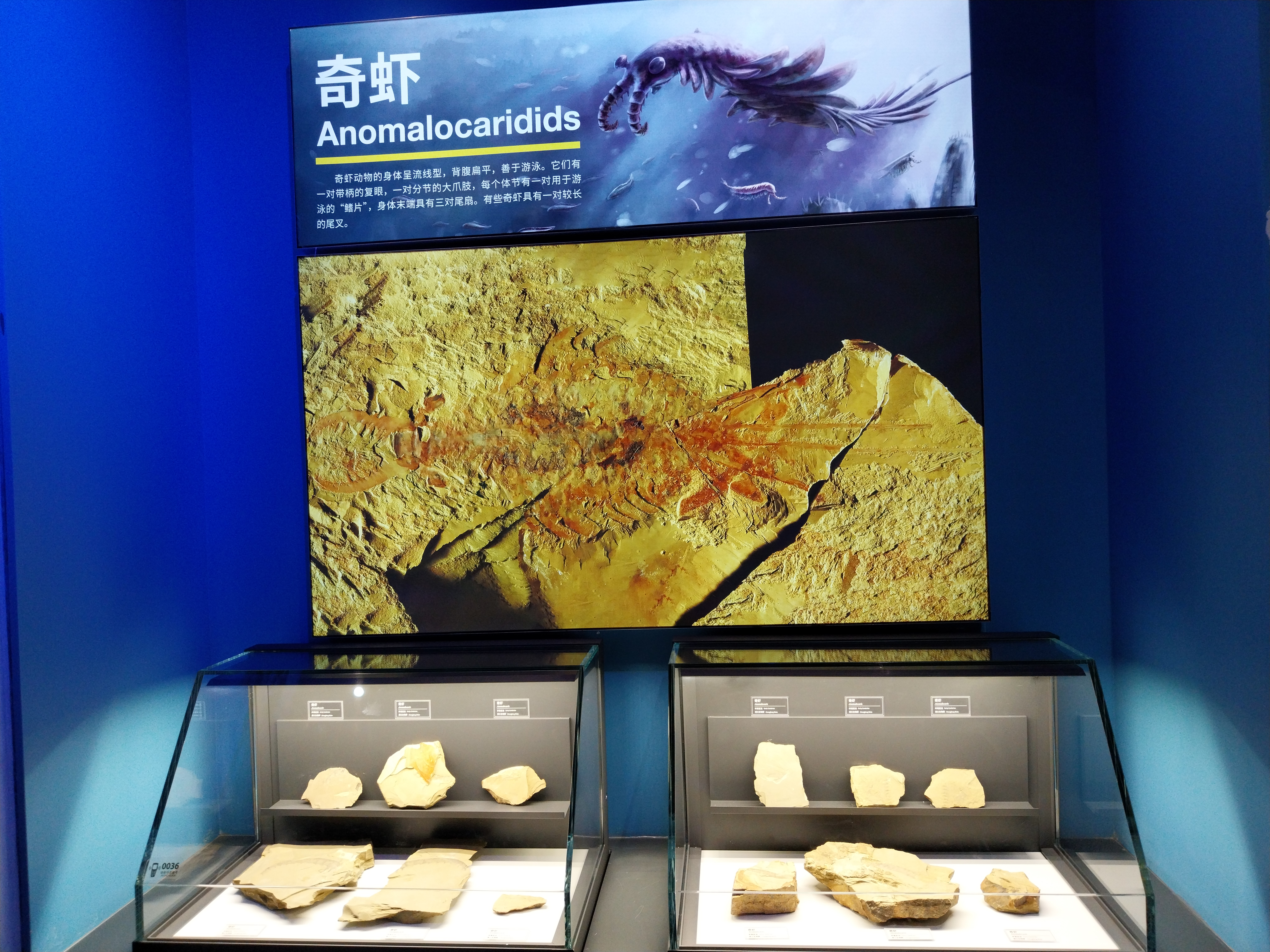
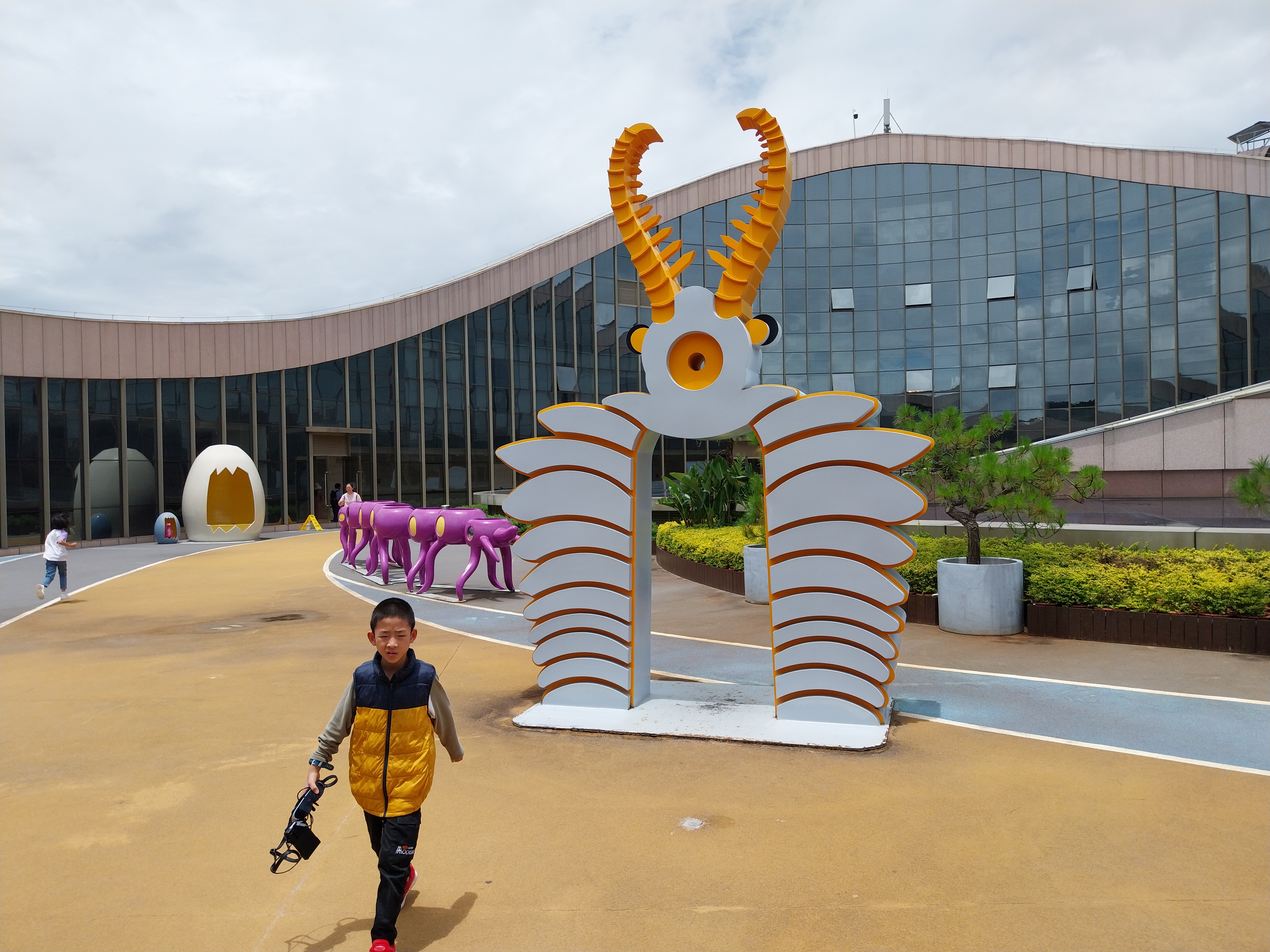
One such taxon is the genus Anomalocaris, a group of predatory early arthropods, the disarticulated parts of which were originally misidentified as belonging to different animals. It was the late Stephen J. Gould who first brought the story to popular attention in his 1989 book Wonderful Life. I read this when it was first published and had the pleasure of seeing Gould give a lecture about it in Oxford, and the story of Anomalocaris stuck with me. So it was great to see actual fossils of this remarkable animal in China.

Not only did I get to view the fossils, but I was able to buy the plate that’s featured at the top of this post, featuring a hand-painted painted Anomalocaris in a traditional Chinese style. It’s perhaps the most geeky ceramic imaginable, though Jeremy’s Daphnia tile comes a close second!

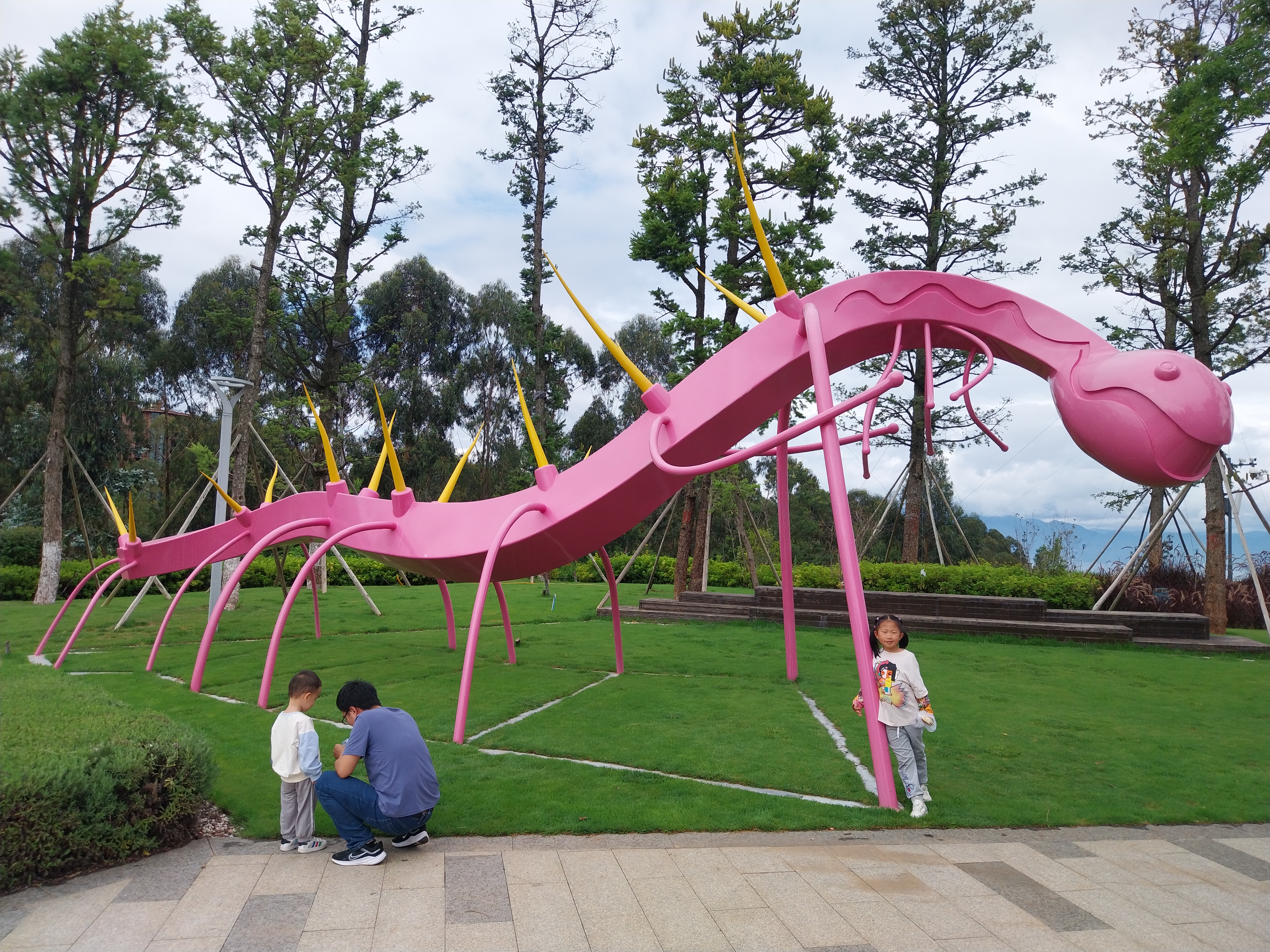
Here’s some more photos from the Chengjiang Museum, including sculptures of both Anomalocaris and the similarly mis-reconstructed Hallucigenia:

Speaking at Oxford Ornithological Society – 11th September

Later this month I’ve been invited by the Oxford Ornithological Society to give a talk about my new book Birds & Flowers: An Intimate 50 Million Year Relationship. The talk will summarise the main themes from the book, particularly the sheer diversity of birds that can act as pollinators, what it means for the ecology and evolution of flowers, why the conservation of such interactions matters, and the cultural significance of bird-flower interactions. I’ll also deal with the question of why Europe is so odd when it comes to the question of birds as pollinators.

The talk is on Wednesday 11th September at Exeter Hall, Kidlington, starting at 7.45 pm; it’s free to society members, and non-members are invited to make a donation. Do come along if you’re in the area!

More details here: https://www.oos.org.uk/programme.php

I’ll bring a few copies of Birds & Flowers and Pollinators & Pollination: Nature and Society if anyone wants to buy a signed book.

Also in the diary are talks at South Leicester Birdwatchers (13th November) and Northamptonshire Bird Club (5th March).

If you represent a birding club or natural history society and wish to book me for a talk, please get in touch via my Contact page.

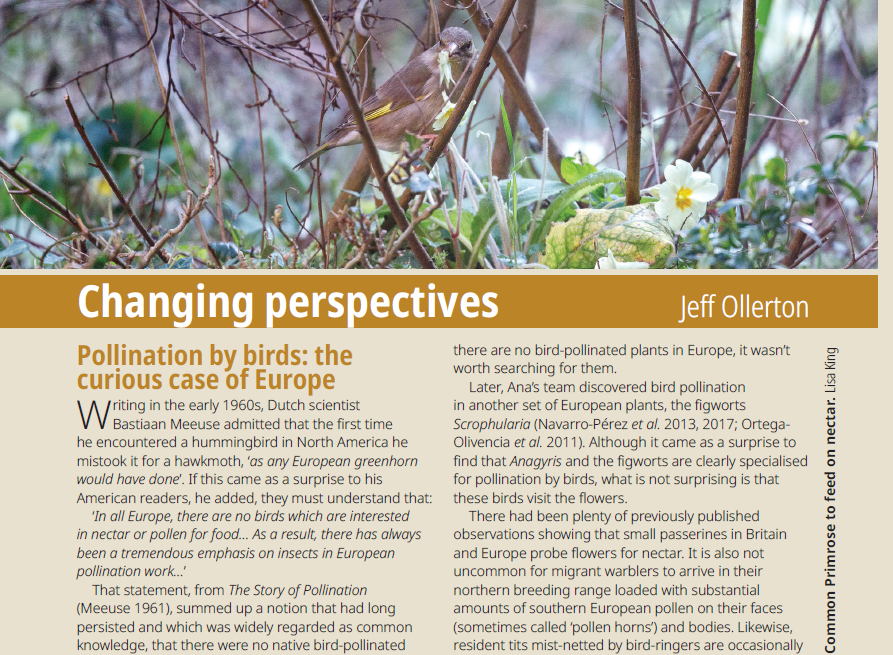
Pollination by birds: the curious case of Europe

Earlier this year I was invited by the editor of British Wildlife magazine to write a piece for their Changing Perspectives section about how odd Europe is when it comes to bird pollination. It’s based on one of the chapters in my book Birds & Flowers: An Intimate 50 Million Year Relationship.

If you subscribe to the magazine, it will appear in the August issue, though I’m happy to send a PDF to anyone who doesn’t subscribe (or has not read the book) – use the Contact Page. The main accompanying photograph is by one of my former students, Lisa King, who kindly allowed me to use it.

Read my author interview and get a 25% discount off ‘Birds & Flowers’, ‘Pollinators & Pollination’ and other books from Pelagic Publishing!

I recently did a short interview with Pelagic Publishing’s marketing person, Sarah Stott, which you can read here: https://pelagicpublishing.com/blogs/news/birds-and-flowers-author-interview.

On that page you can sign up to Pelagic’s newsletter (which I STRONGLY recommend, because they produce some great natural history and science books, and not just mine!) and by doing so you can receive a 25% discount on all orders.

What are you waiting for?

A new study shows that even short-tubed flowers can specialise on hawkmoths as pollinators

Of all of the “classical” pollination syndromes, flowers that are hawkmoth pollinated have one of the highest levels of predictability. If a flower is pale in colour, opens at night, is highly scented, and possesses a long tube at the bottom of which is a supply of nectar, there’s a very high likelihood that it’s pollinated by long-tongued hawkmoths (Sphingidae).

Indeed, one of the foundational stories about the development of our understanding of how pollination systems evolve, relates to Charles Darwin, the long-tubed orchid Angraecum sesquipedale and the hawkmoth Xanthopan morganii praedicta.

Fast forward 160 years and we now know that pollination syndromes are more complex than 19th and early 20th century scientists imagined – see my recent book Pollinators & Pollination: Nature and Society for a discussion of this topic. That’s not surprising because, as I point out, we probably have data on the interactions between plants and their pollinators for only about 10% of the estimated 352,000 species of flowering plants. There’s still much to be discovered!

As an example of how our understanding of specialised flower-hawkmoth interactions is developing, consider this recent study that I’ve just published with my Brazilian colleague Felipe Amorim and other collaborators. In it we have shown that, contrary to expectations, a species of Apocynaceae (Schubertia grandiflora) with a relatively short floral tube can specialise on hawkmoths with much longer tongues than we might predict.

The full reference with a link to the study is shown below, followed by the abstract. If you would like a PDF, please drop me a line via my Contact page:

Amorim, F.W., Marin, S., Sanz-Viega, P.A., Ollerton, J. & Oliveira, P.E. (2022) Short flowers for long tongues: functional specialization in a nocturnal pollination network of an asclepiad in long-tongued hawkmoths. Biotropica https://doi.org/10.1111/btp.13090

Abstract:

Since Darwin, very long and narrow floral tubes have been known to represent the main floral morphological feature for specialized long-tongued hawkmoth pollination. However, specialization may be driven by other contrivances instead of floral tube morphology. Asclepiads are plants with a complex floral morphology where primary hawkmoth pollination had never been described. We detailed here the intricate pollination mechanism of the South American asclepiad Schubertia grandiflora, where functional specialization on long-tongued hawkmoth pollinators occurs despite the short floral tube of this species. We studied two plant populations in the Brazilian Cerrado and recorded floral visitors using different approaches, such as light-trapped hawkmoths for pollen analysis, direct field observations, and IR motion-activated cameras. Finally, using a community-level approach we applied an ecological network analysis to identify the realized pollinator niche of S. grandiflora among the available niches in the pollinator community. Throughout a period of 17 years, long-tongued hawkmoths were consistently recorded as the main floral visitors and the only effective pollinators of S. grandiflora. Flowers rely on highly modified corona and gynostegium, and enlarged nectar chambers, to drive visitors and pollination mechanism. Despite its relative short-tube, network analysis placed S. grandiflora in the module including exclusively long-tongued hawkmoth pollinators and the most phenotypically specialized sphingophilous plants in the community. These results represent the first example of functional specialization in long-tongued hawkmoths in an asclepiad species. However, this specialization is uncoupled from the long floral tubes historically associated with the sphingophily syndrome.

The value of butterfly specimens for understanding species extinctions – a new study just published.

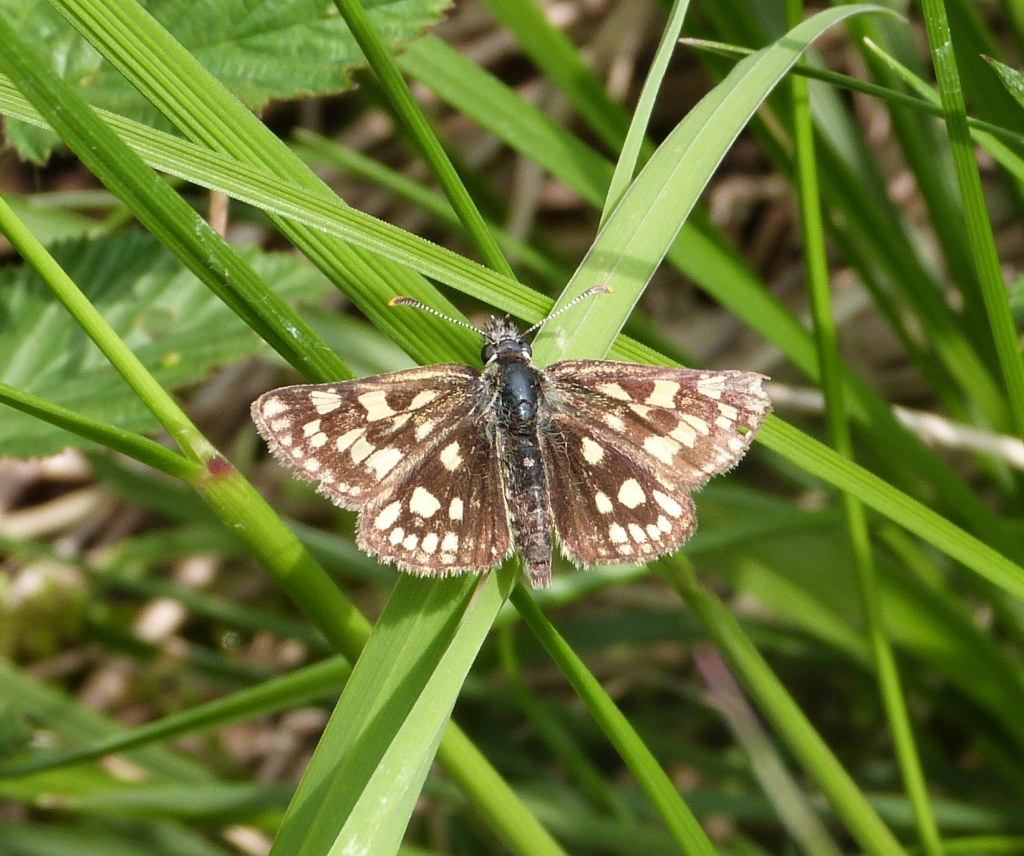
The Chequered Skipper Reintroduction Project has featured in several posts over the last few years – see here and here – and University of Northampton PhD researcher Jamie Wildman has been working hard to complete his thesis under the less-than-ideal conditions imposed by the COVID-19 pandemic. The first paper from the project has just been published and it deals with Jamie’s monumental efforts to bring together all of the scattered data relating to preserved Chequered Skipper specimens held in museums and private collections. An existing database contained just 266 records; Jamie’s efforts increased that by an order of magnitude, adding a further 3,533 new records that document where and when specimens were collected, and by whom.

This 1,328 % increase in data means that we now know much more about the historical distribution of this butterfly and how that changed over time.

The Chequered Skipper went extinct in England in 1976 and this enhanced database will allow us to understand why that extinction occurred. This initial paper documents the strategy used to find the additional records as a road map for how others might proceed in the future. The full reference with a link to the paper is here:

Wildman, J.P., Ollerton, J., Bourn, N.A.D., Brereton, T.M., Moore, J.L. & McCollin, D. (2022) The value of museum and other uncollated data in reconstructing the decline of the chequered skipper butterfly Carterocephalus palaemon (Pallas, 1771). Journal of Natural Science Collections 10: 31-44

This is the abstract:

The chequered skipper butterfly Carterocephalus palaemon (Pallas, 1771) was declared extinct in England in 1976 after suffering a precipitous decline in range and abundance during the 20th Century. By searching and collating museum and other records, we show how a deeper understanding of this decline can be achieved, thus furthering conservation objectives. A preexisting Butterflies for the New Millennium (BNM) database of United Kingdom butterfly species records, created by Butterfly Conservation in conjunction with the Biological Records Centre (BRC), contained 266 historic C. palaemon records from England. United Kingdom (UK) museums and natural history societies were contacted for specimen data, and these sources added 2175 new records to the BNM. Owners of private specimen collections were also contacted, and these collections accounted for a further 465 records. Specimens originating from UK museums, other institutions, and private collections represent 2640 (71%) of total new records. Other sources, such as personal accounts held in museums, published and unpublished texts produced an additional 894 records. A further 437 records from museums, private collections, and other sources were considered partial and omitted from the data due to limited or misleading date and/or locality information. In summary, data from UK museums and other sources has infilled English C. palaemon distribution prior to 1976, offering further insight into potential environmental and anthropogenic drivers of decline at key sites. The quality and quantity of data obtained using the method outlined in this study suggests similar work could be carried out for other extinct or declining butterfly species to improve our knowledge of habitat requirements and historical distribution via modelling, identify causes of decline, and provide valuable information for potential reintroductions.

Leonard B. Thien (1938-2021) – botanist and pollination biologist

I was saddened to learn recently of the death of Professor Leonard B. Thien of Tulane University who passed away at the end of October after a long illness. Although I didn’t know Professor Thien personally, I knew of his work in floral ecology, pollination biology and plant evolution, topics on which he had worked for since obtaining his PhD in 1968. Over the course of his career he published more than 80 articles on a huge range of botanical subjects, including ground-breaking work on mosquito pollination of orchids (Thien 1969). The orchid species Alaticaulia thienii is named in his honour.

The studies Leonard Thien published that really inspired me when I was first starting out on my journey as a researcher, however, involved his work on “relictual” angiosperms, i.e. flowering plants that have very long evolutionary histories and deep phylogenetic roots back to the early Cretaceous period, for example Magnolia and Illicium. Papers with titles such as “Patterns of pollination in the primitive angiosperms” (Thien 1980) piqued my interest and motivated me to work on Australian Piperaceae for a short while following my PhD (Ollerton 1996). It was a topic that I struggled to gain further funding for, and later molecular systematic studies changed many of our ideas about what constitutes the most basal groups of extant flowering plants. But nonetheless, the questions that Leonard inspired in me, regarding the ecologies of these relictual taxa, and whether we can infer the reproductive ecology of the earliest flowering plants from studies of their surviving descendants, are ones that intrigue me to this day (van der Kooi and Ollerton 2020).

Leonard Thien kept up this interest even as new DNA technologies over turned old ideas, and he was the first to study the reproductive ecology of Amborella trichopoda on New Caledonia, a species now considered to be the earliest surviving clade of flowering plants (Thien et al. 2003). This is just one part of a legacy of work that current and future generations will build upon as we develop our understanding of the relationships between pollinators, plants, and evolutionary processes.

I’m grateful to Peter Bernhardt for prompting this post and for sending me a copy of the In Memoriam article that he and and David White will publish in the Plant Sciences Newsletter in March, and to Lorraine Thien for providing the photograph that accompanies this post.

References

Ollerton, J. (1996) Interactions between gall midges (Diptera: Cecidomyiidae) and inflorescences of Piper novae-hollandiae (Piperaceae) in Australia. The Entomologist 115: 181-184

Thien, L.B. 1969. Mosquito pollination of Habenaria obtusata (Orchidaceae). American Journal of Botany 56: 232-237.

Thien, L.B. 1980. Patterns of pollination in the primitive angiosperms. Biotropica 12: 1-14

Thien, L.B., Sage, T.L., Jaffre, T., Bernhardt, P., Pontieri, V., Wesston, P.H., Malloch, D., Azuma, H., Graham, S.W., McPherson, M.A., Hardeep, S.., Sage, R.S. & Dupre, J.-L. 2003. The population structure and floral biology of Amborella trichopoda (Amborellaceae). Annals of the Missouri Botanical Garden 90: 466-490

van der Kooi, C.J. & Ollerton, J. (2020) The origins of flowering plants and pollinators. Science 368: 1306-1308

Travelling July: a pilgrimage to the tomb of Sir Richard Francis and Lady Isabel Burton

The blog has been very quiet during June and July as it’s been quite a couple of months! At the very end of June the sale of our house was completed. Since then Karin and I have been staying with family and friends, doing some house-sitting and living in Air BnBs as we completed work commitments, and traveled around the country seeing people, prior to our departure to Denmark.

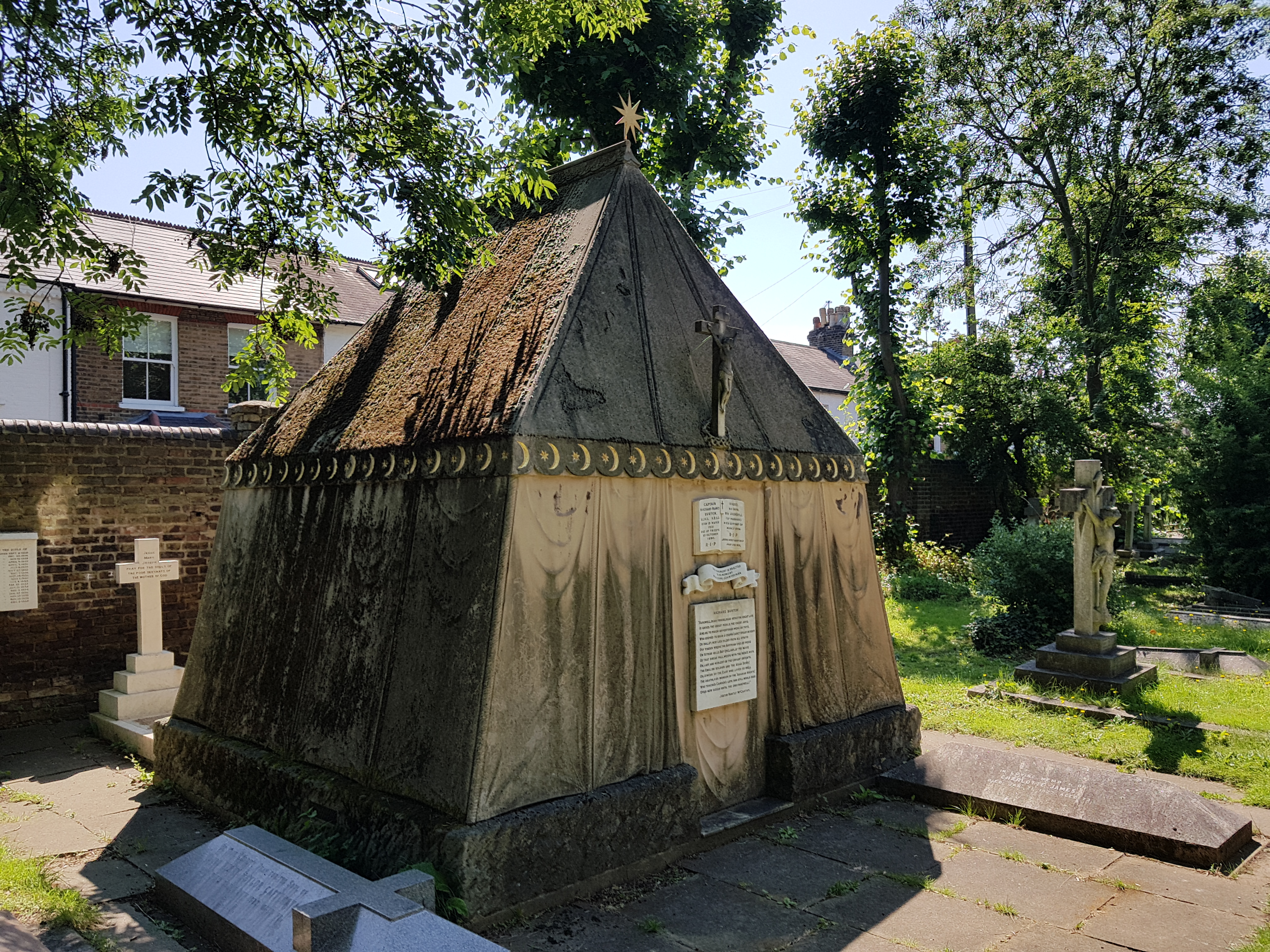
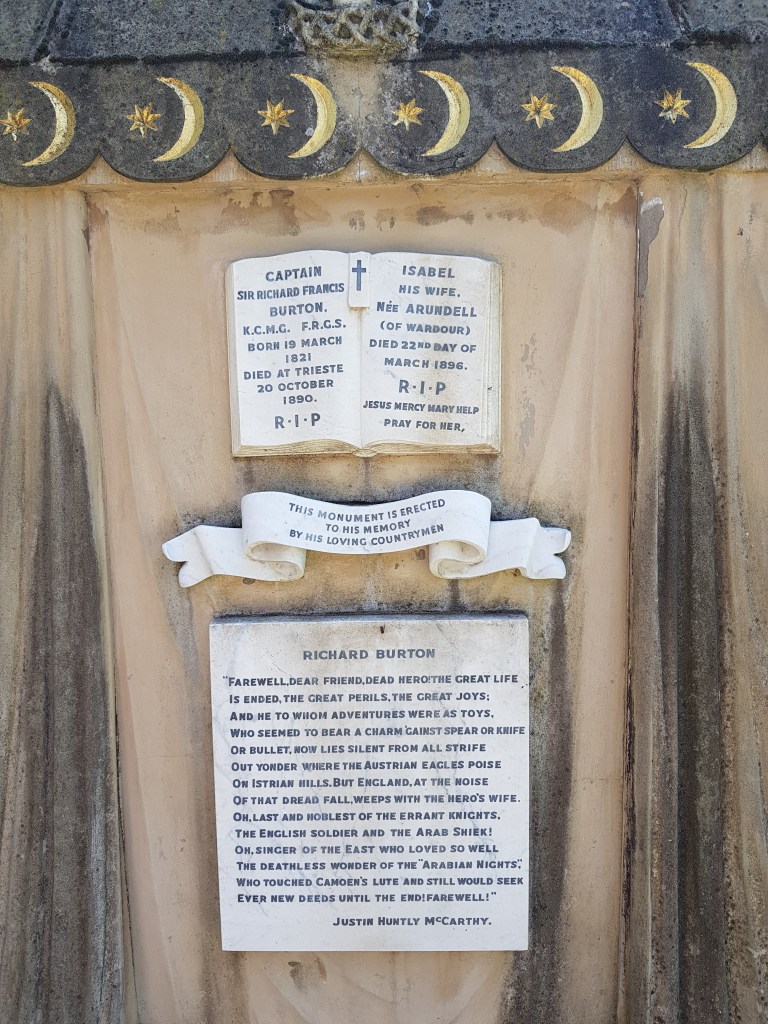
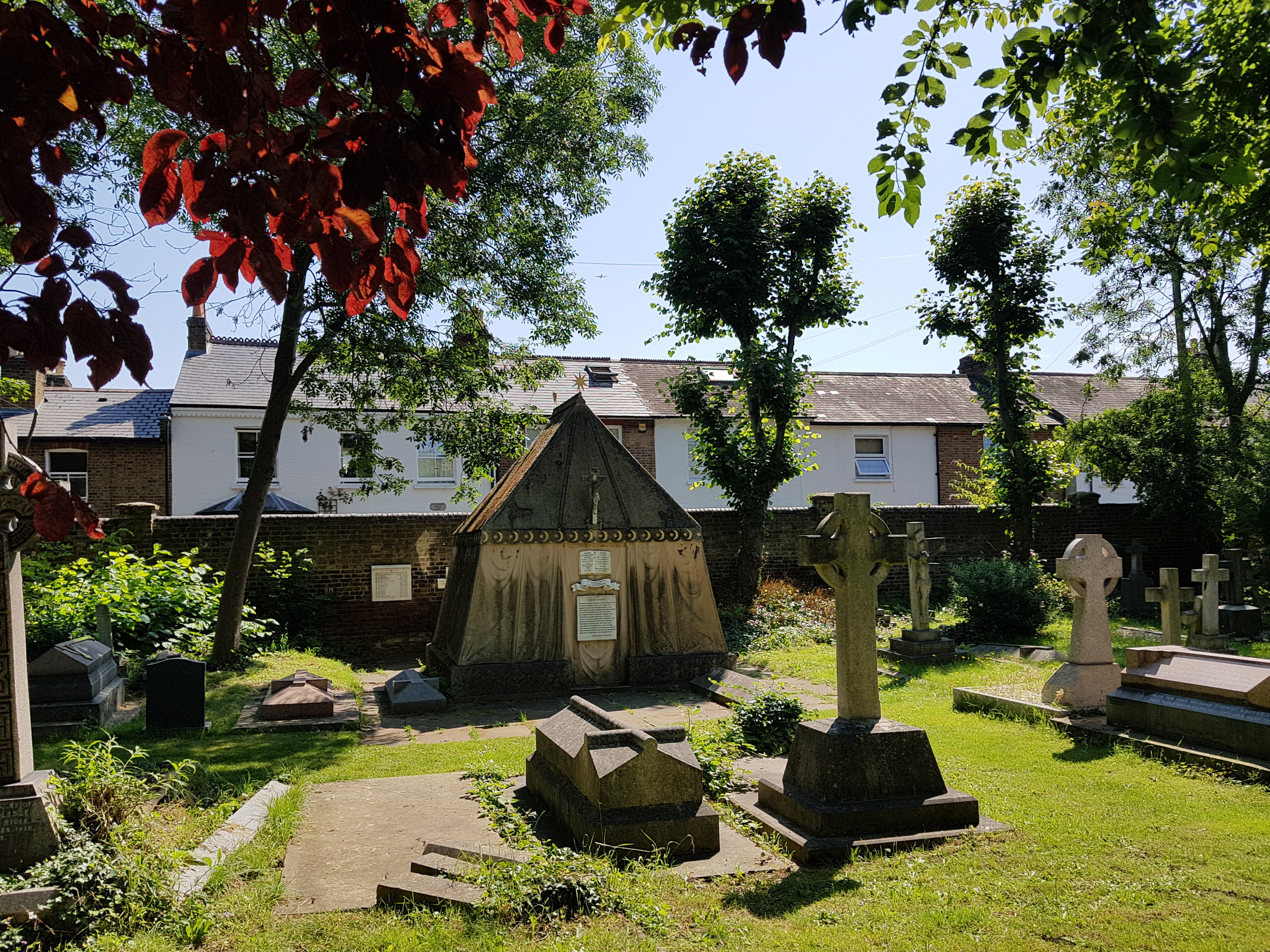
During a trip to London last week we managed to squeeze in a side trip to a place that I have longed to visit for over 30 years: the tomb of Captain Sir Richard Francis Burton and his wife Lady Isabel Burton. As I recounted in a post a few years ago, Burton’s life and exploits have long been a subject of fascination for me – see: Sex and drugs and the source of the Nile.

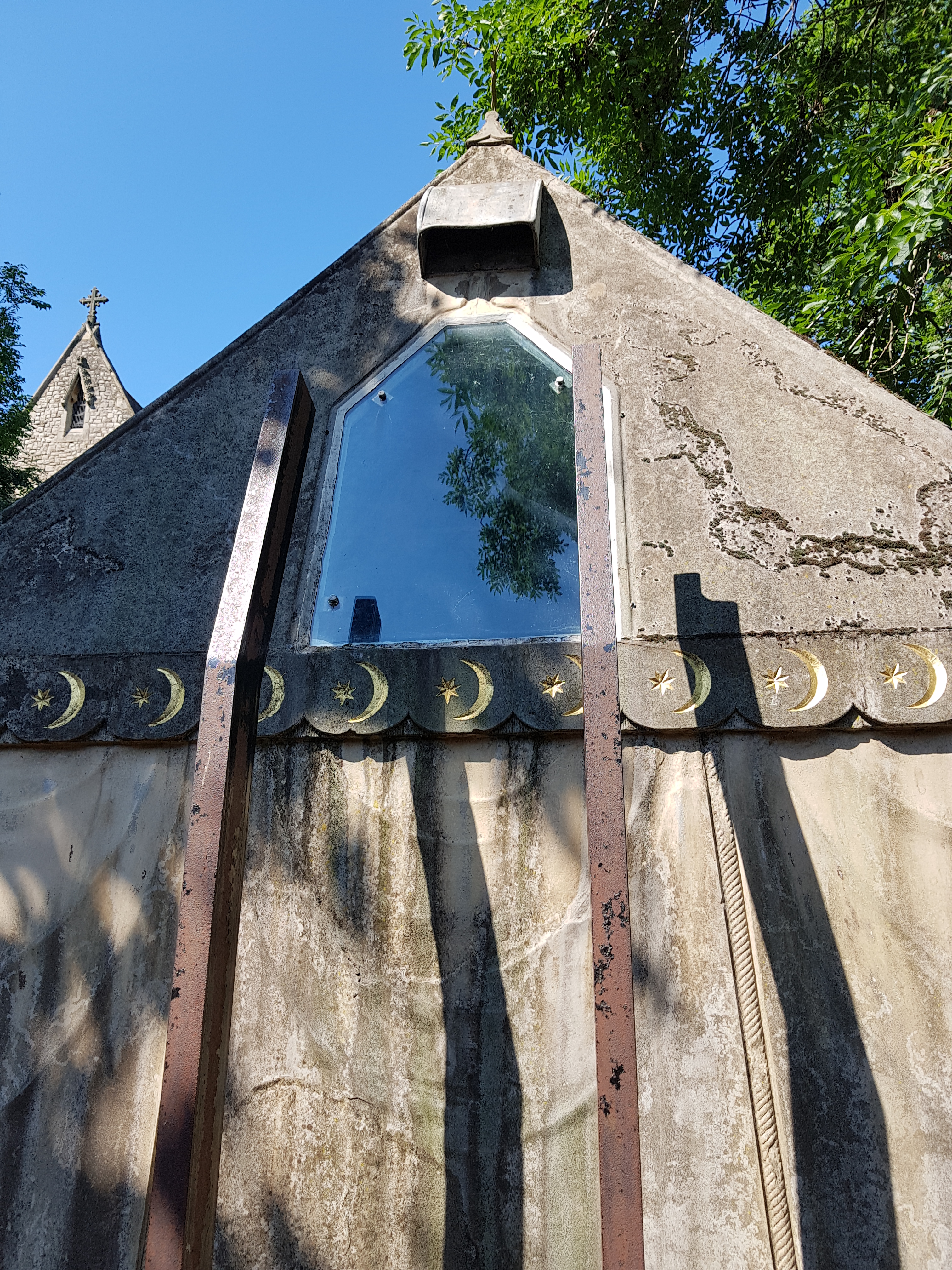
The couple’s burial place is in Mortlake – check out the Burtonia website for details. The mausoleum, designed by Lady Isabel, is in the form of an Arabian tent, and features both Christian and Islamic imagery – very fitting for a man who converted to Islam and was given Catholic last rights on his death bed at the insistence of his wife.

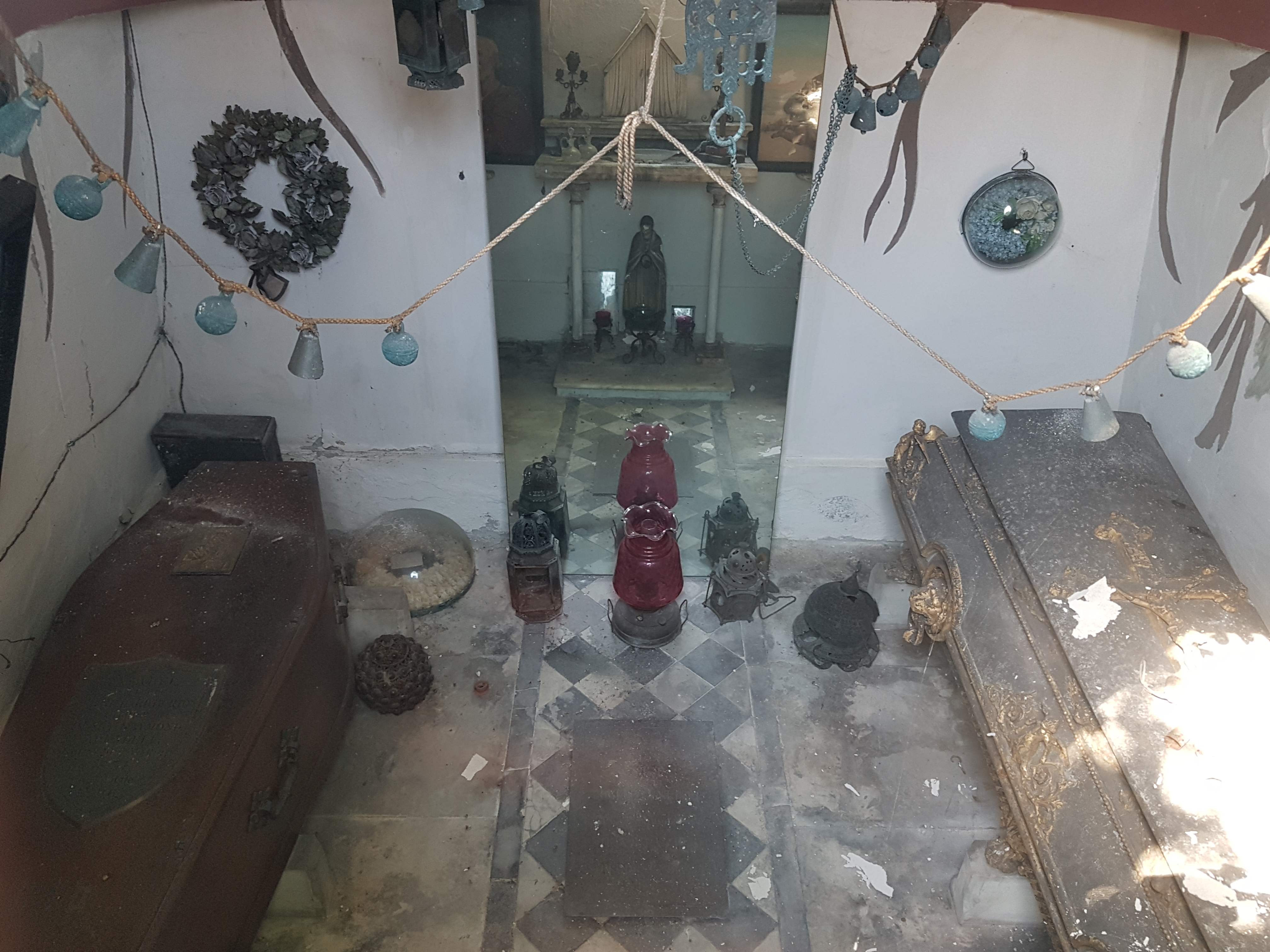
An unusual feature of the tomb is that there is a set of steel steps leading to a glass window at the rear, through which one can view the devoted couple’s coffins and grave goods. It’s a poignant and touching experience. Below are some photographs that we took on the day.

Get a 30% discount if you pre-order my new book Pollinators & Pollination: Nature and Society

PollinatorsandPollination-frontcover

In the next few months my new book Pollinators & Pollination: Nature and Society will be published.  As you can imagine, I’m very excited! The book is currently available to pre-order: you can find full details here at the Pelagic Publishing website.  If you do pre-order it you can claim a 30% discount by using the pre-publication offer code POLLINATOR.

As with my blog, the book is aimed at a very broad audience including the interested public, gardeners, conservationists, and scientists working in the various sub-fields of pollinator and pollination research. The chapter titles are as follows:

Preface and Acknowledgements
1. The importance of pollinators and pollination
2. More than just bees: the diversity of pollinators
3. To be a flower
4. Fidelity and promiscuity in Darwin’s entangled bank
5. The evolution of pollination strategies
6. A matter of time: from daily cycles to climate change
7. Agricultural perspectives
8. Urban environments
9. The significance of gardens
10. Shifting fates of pollinators
11. New bees on the block
12. Managing, restoring and connecting habitats
13. The politics of pollination
14. Studying pollinators and pollination
References
Index