
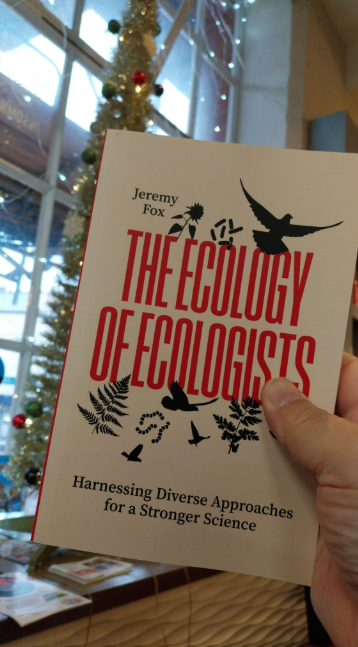
There are probably few people who have thought more about what it means to be an academic ecologist than Jeremy Fox, Professor of Ecology at the University of Calgary in Canada. The Dynamic Ecology blog that he founded, and to which he makes most of the contributions, has long been a source of useful information and statistics on where the field is going and how to navigate its churning waters. As one of the blog’s regular readers and occasional commentators, I was excited when Jeremy announced that he was distilling his thoughts on ecology into a book. The result is named The Ecology of Ecologists, with the subtitle: Harnessing Diverse Approaches for a Stronger Science.
The fact that the name emerged following a plea by Jeremy to the blog readership really hints at the tone of the book: to him, ecology is a big tent with space for everyone, and where everyone can contribute. That’s a fresh and important point of view at a time when science is too restricted (in my opinion) by bandwagons, hobby horses, high-impact journal culture, institutional elitism, and both written and unwritten strictures about The Right Way To Be Doing A Thing (I’m looking at you, methodological dogmatists).
The Ecology of Ecologists opens with the premise set out in the Introduction: “Ecologists Disagree on What Ecology Is and How to Do It. Good.”, and develops this into a broad reflection on The Diversity of Ecology itself. Jeremy argues that the field’s strength lies not despite but because of its pluralism, exploring The Benefits of Diversity, in Nature and in Ecology through ideas such as Complementarity and Selection, and showing how different perspectives, methods, and even personalities can contribute to scientific progress. This theme extends into Diverse Tools for Diverse Jobs: The Many Uses of Mathematical Models and Fighting Lack of Diversity: The Value of Contrarians, where methodological variety and dissent are treated as essential rather than problematic features of ecological science. As someone “whose scientific work is characterized by a self-confessed contrarian streak”, according to one review of my book Birds & Flowers, I found that last chapter especially interesting.
Jeremy writes engagingly about the subject to which he’s devoted his life and there are some great quotable lines in the book. My favourite (which I’m hoping to use in a forthcoming paper, if the reviewers allow) is:
There’s almost literally no such thing as an “unusual” or “weird” empirical result in ecology…So shouldn’t our preexisting expectation about the effect of x on y always be ¯\_(ツ)_/¯ ?
Are there any weaknesses to The Ecology of Ecologists? There are a few areas that I would have liked to have seen explored in more detail, for example the different approaches to ecology adopted by diverse cultures (e.g. Asian versus Western) or people coming at ecology from botanical versus zoological backgrounds, for instance. The value of large collaborative science in which different people bring their specialisms could have been discussed more fully. Ecology as a profession outside of academia is also not considered, which I think is a missed opportunity. Many graduates and post-docs go on to work for NGOs, government departments, and consultancies, and when given the opportunity to collaborate on the science, they bring a lot to the table.
I was also surprised to see no mention of how AI/LLMs might impact the field, which is a growing topic on Dynamic Ecology. In a future edition I could imagine an interesting coda to the Selection chapter where, at the end, Jeremy hopes that “in the future, selection against ineffective approaches [to studying ecology] can proceed a bit more quickly”. I can certainly see a role for LLMs in that respect, and we can learn a lot from the climate and meteorology fields.
In summary, The Ecology of Ecologists is a thoughtful and timely reflection on what ecology is and why its apparent untidiness is one of its greatest strengths. Drawing on decades of research and ideas developed through Dynamic Ecology, Jeremy invites us to embrace ecology not as a single, unified enterprise but as a discipline defined by methodological, conceptual, and intellectual diversity. Rather than seeing the field’s mix of scales, questions, and approaches as a problem to be solved, he argues that this plurality is precisely what gives ecology its resilience and explanatory power. His central message is both reassuring and challenging: no single way of “doing ecology” has a monopoly on truth, and progress depends on ecologists better understanding — and valuing — how differently their colleagues think and work.
The book is written accessibly enough for advanced students, but will be especially rewarding for professional ecologists who have wrestled with the field’s internal debates. I highly recommend it!


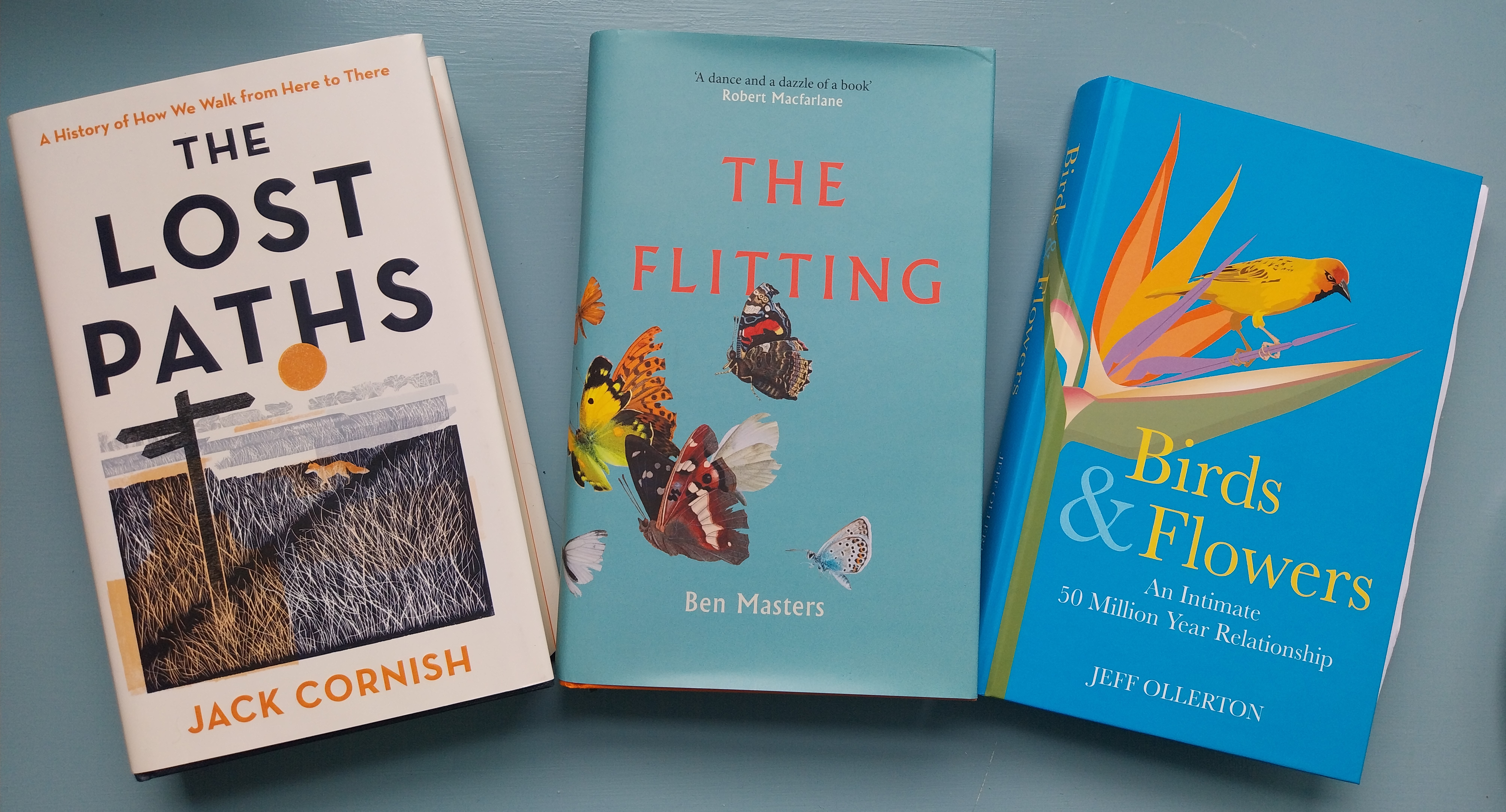
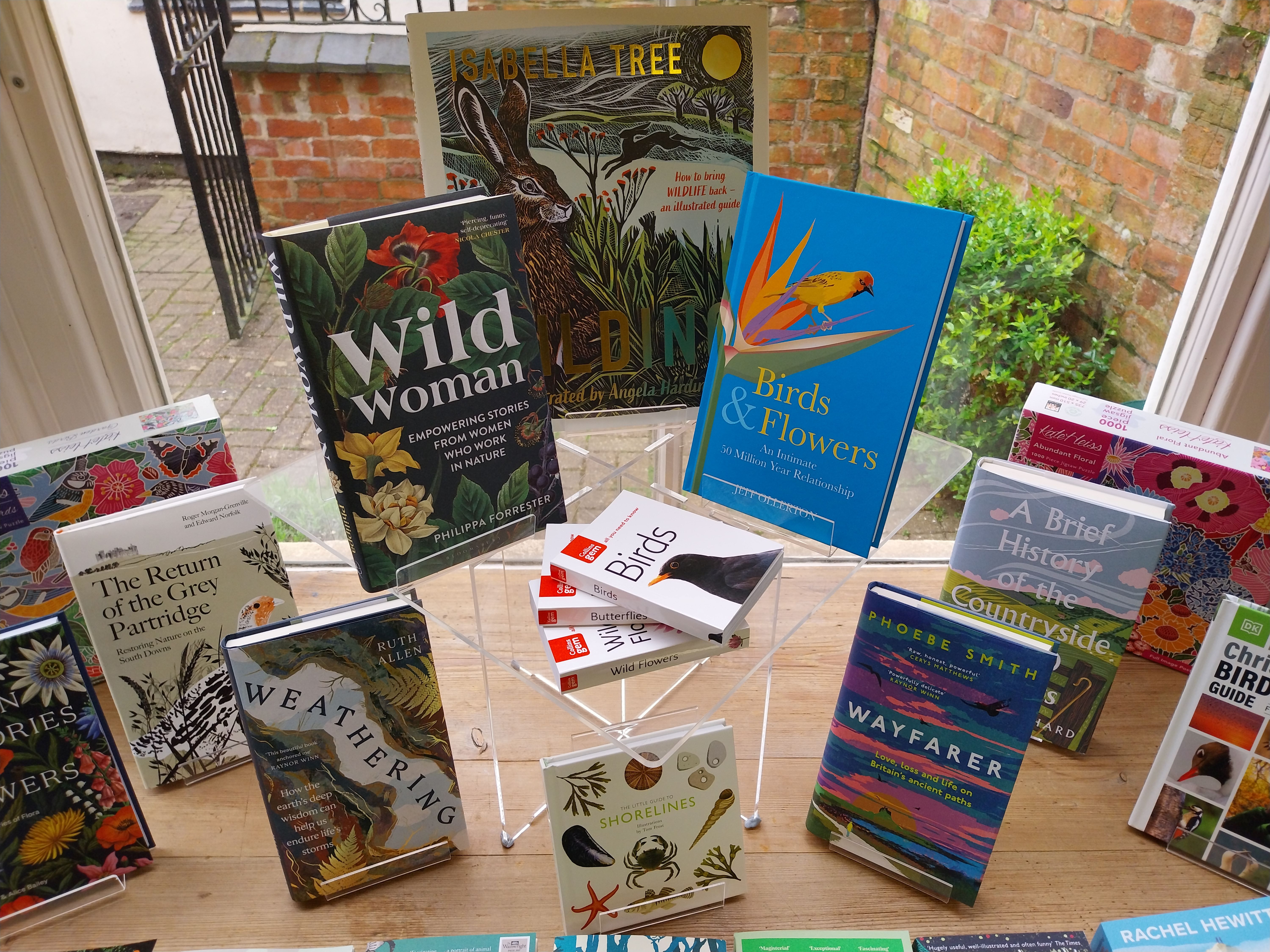
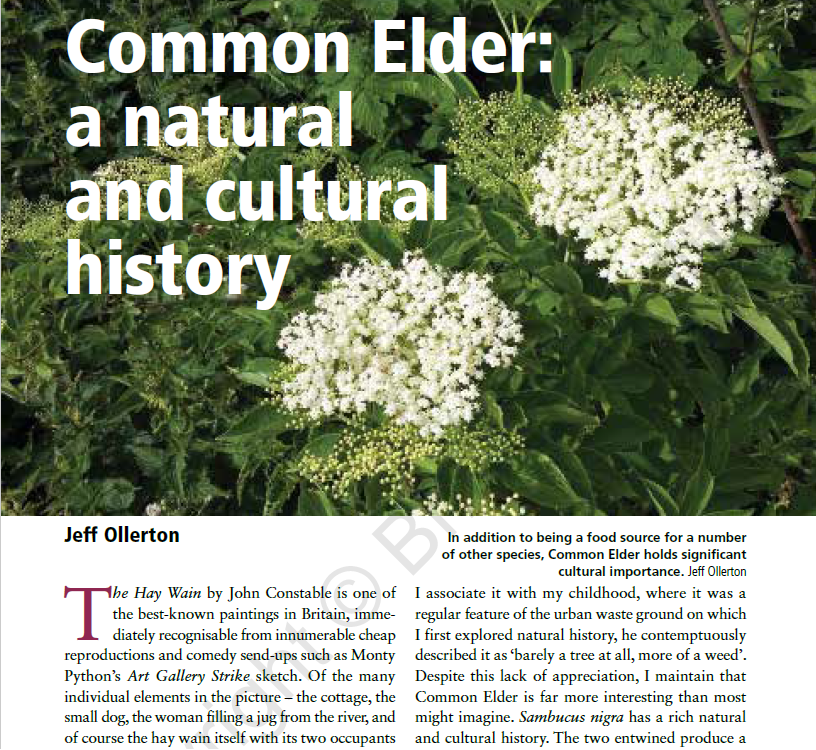




 Prof. Jeff Ollerton - ecological scientist and author