Category Archives: Biogeography

Why are there large gaps in the British distribution of Common Elder?

Back in mid-April, Karin and I spent a long weekend in the New Forest, exploring the walking trails around the village of Brockenhurst and watching the bird life of the coastal wetlands near Lymington. After a few days something odd struck me: the hedgerows and woodland edges in the area contained almost no Common Elder (Sambucus nigra). Why is that odd? Well, in the article I wrote about Common Elder in 2022 for British Wildlife, I described the plant as ‘so commonplace that we hardly give it a second glance’. Common Elder is such a ubiquitous species that, as Sherlock Holmes observed in The Adventure of Silver Blaze, its absence in a landscape struck me as a ‘curious incident’.

At first I thought that I was so preoccupied with the New Forest’s birds and other wildlife and just not spotting elder, which early in the season, before it flowers, tends to merge into the general greenery of the countryside. Because elder is everywhere, right? In fact this map from the Biological Flora of the British Isles account of the species showing the occurrence of the species in 10km squares suggests just that:

Similarly, if you look at the distribution map of Sambucus nigra from the NBN Atlas, it also appears that it’s everywhere, a big blob of elderlyness across the whole country:

That’s not surprising, I can imagine you’re thinking, after all its berries are eaten by a range of birds and mammals, that disperse its seeds far and wide. It’s just the kind of species that you would expect to be widespread across the country. Which of course it is – it’s a very common species. But once you focus more closely on specific parts of Britain you see that there are some striking gaps in where elder is commonly found. Indeed one of these elder lacunae is in and around the New Forest:

So my impression was correct – the New Forest really is an elder cold spot, along with most of the Isle of Wight. Zoom back out and we see that this lacuna is part of a wider band of elder absence that extends across the southeast of England. There’s also gaps further west, in Somerset and in Devon.

It’s not just in southern England that these elder lacunae occur – look at its absence from much of Lincolnshire, for instance:

What’s going on here? Why do these gaps in the distribution of this common species occur? Part of the answer is that, being so common, Common Elder tends not to be recorded because naturalists often focus on rare and unusual species, neglecting the commoners. This form of bias is often encountered when dealing with biodiversity databases – we found it in our study of trends in diversity and abundance of Neotropical pollinators, for instance. I’m certain that this is a factor in the NBN Atlas account of Common Elder, because if we look at a part of Britain with which I am very familiar, centered on the town of Northampton, I know for a fact that elder is extremely abundant even if the map suggests otherwise:

But lack of records cannot be the only answer to these gaps: Common Elder really is not very common in the New Forest – I’ve (not) seen it with my own eyes! So what else could be going on? It doesn’t seem to relate to underlying geology or soil type, and indeed Common Elder is tolerant of a wide range of edaphic conditions: the Biological Flora account shows that it occurs on sandy, chalky and loamy soils, ranging from pH 4.2 to pH 8.7. So I wonder if the answer has a more cultural basis? Has Common Elder been actively removed from some areas in the past, perhaps because of its supernatural associations (something that I discussed in my article) or, more prosaically, because it’s believed by farmers to be toxic to stock, or just not a very good hedging plant?

As always, I’d love to hear your thoughts on this, please comment below or send me a message via my Contact page.

If osiers are all you know – China Diary 6

It’s very easy to get a fixed idea of what you think a particular group of plants ‘ought’ to look like, based on those that are most familiar to you from where you live. But exploring a good botanic garden always reveals surprises, as far as plant families are concerned. Willows (or osiers) provided me with a great example recently. Based on those that I am familiar with, I thought I had a pretty good idea of what to expect from the family Salicaceae, which includes not just willows (Salix spp.) but also aspens and poplars.

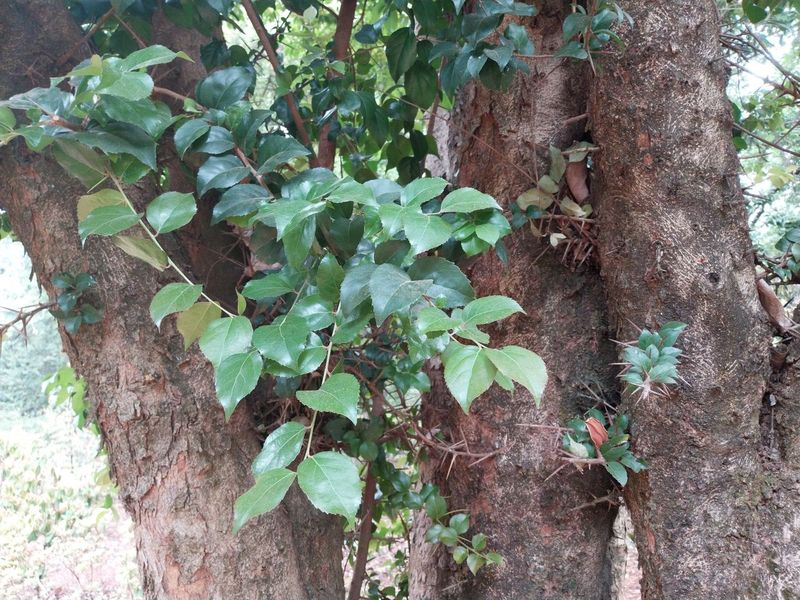
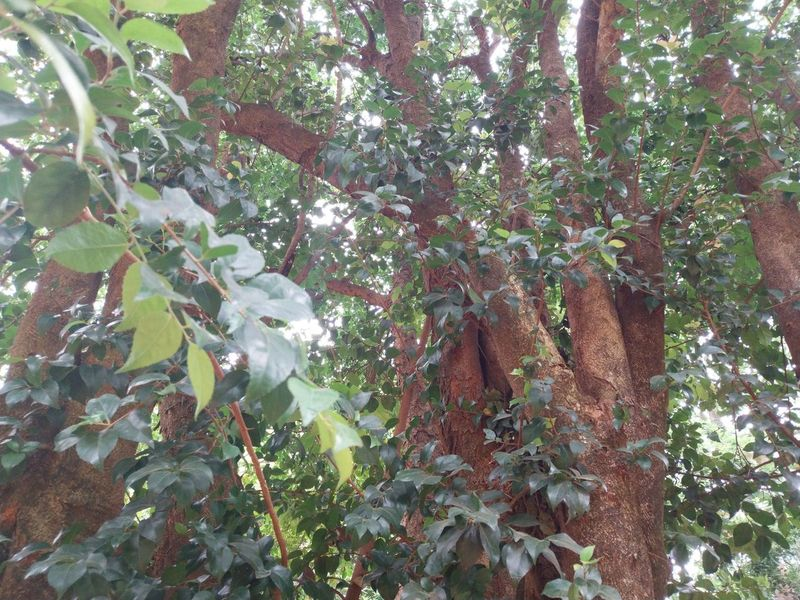
Then you encounter the trunk of a large tree that’s covered in vicious thorns that remind you of the rose family (Rosaceae) and particularly some species of cherries and plums, such as Blackthorn (Prunus spinosa). But it’s a big tree, larger than expected for that group, and the bark in particular doesn’t look right:

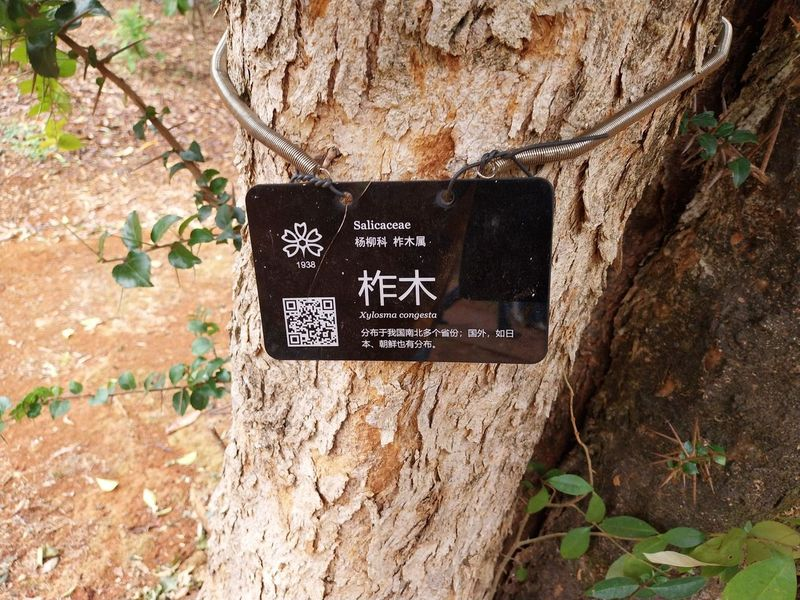
Fortunately, being a botanic garden, there’s a helpful label:

Lo and behold, it’s a member of the willow family! A species of Xylosma, quite a large genus of about 100 species, but not one with which I am familiar.

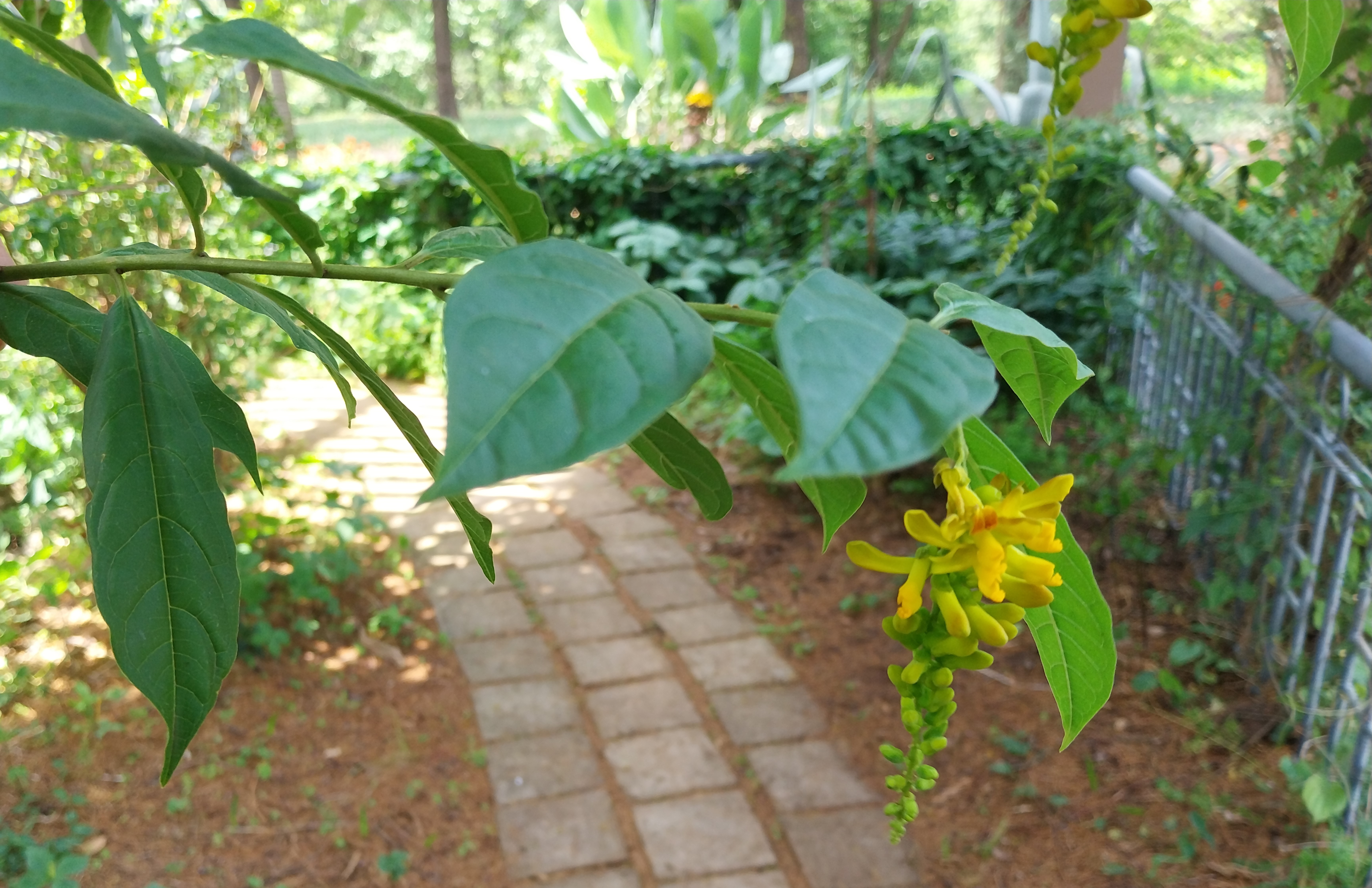
I encountered another example in the Chinese medicinal garden – a species of milkwort (Polygala). The milkworts that are native to Britain are low-growing, herbaceous species, not tall woody shrubs like this P. arillata. The rather legume-like flowers are familiar, but not displayed in these pendant inflorescences, laburnum style:

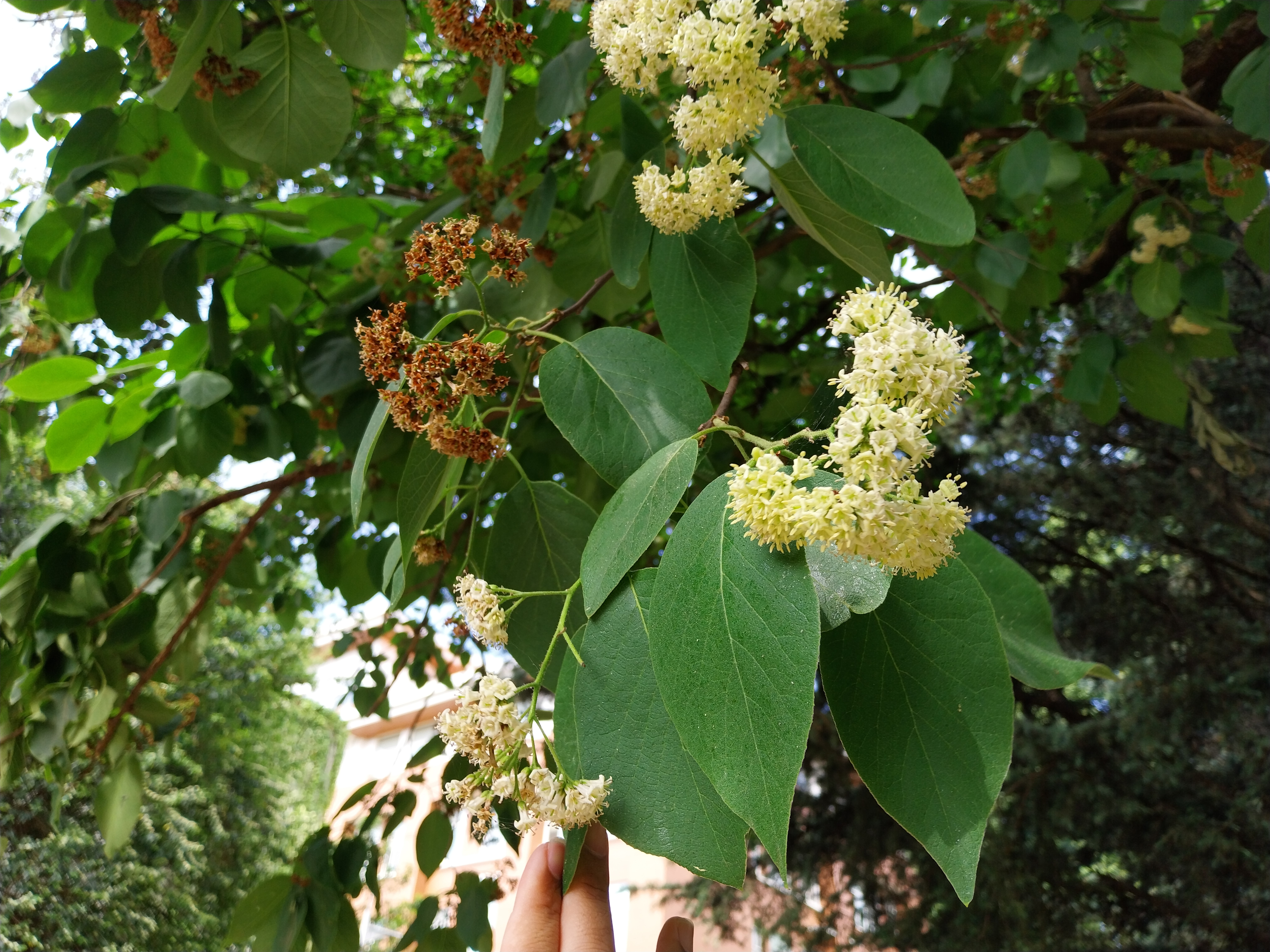
This wasn’t the biggest surprise of my China trip so far, however – how about these clusters of yellow-ish white, highly fragrant flowers, on a large (15 metre) tree? What family could it belong to?

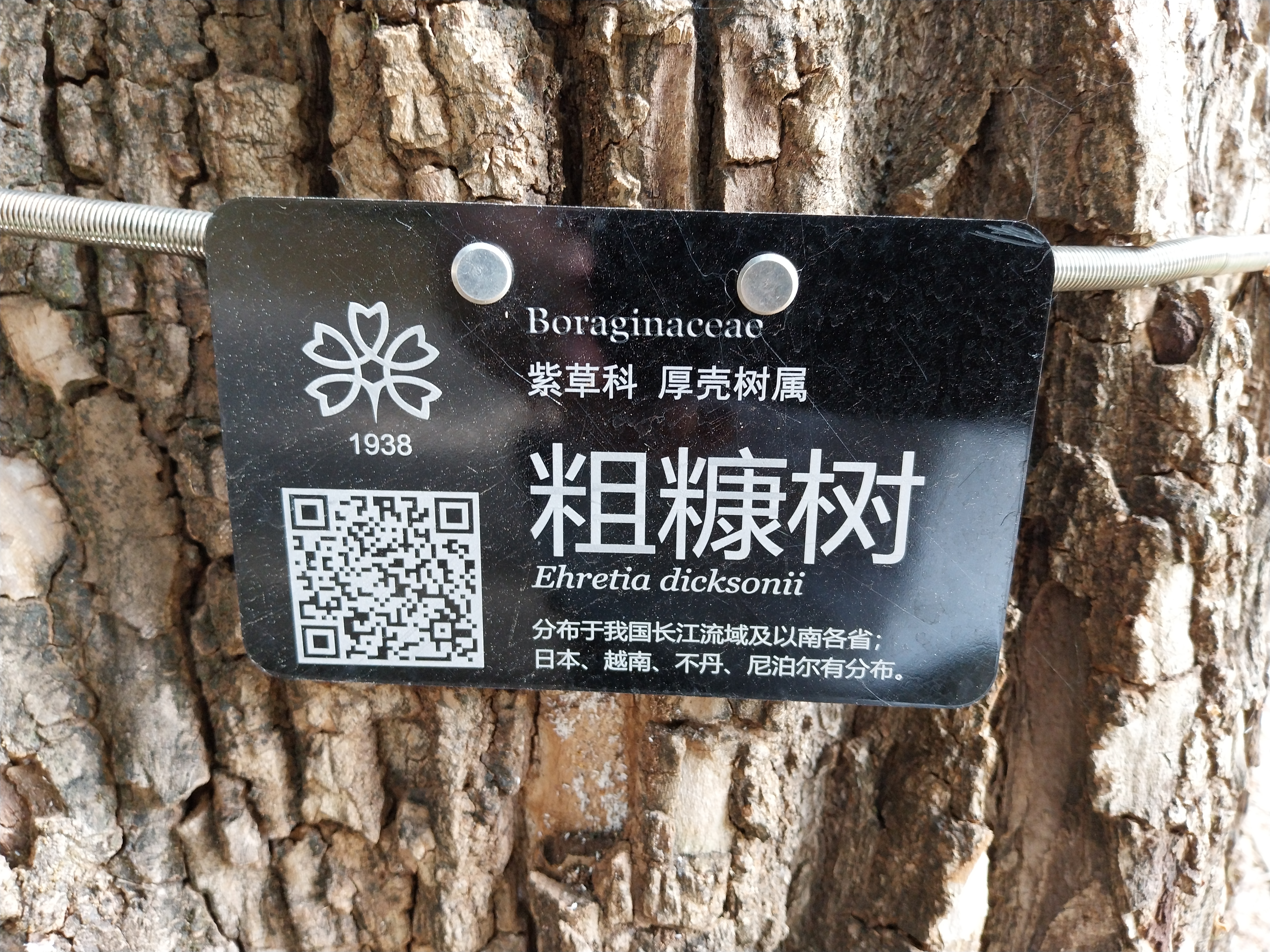
Again, Rosaceae comes to mind, but it turns out that it’s in the borage or forget-me-not family (Boraginaceae):

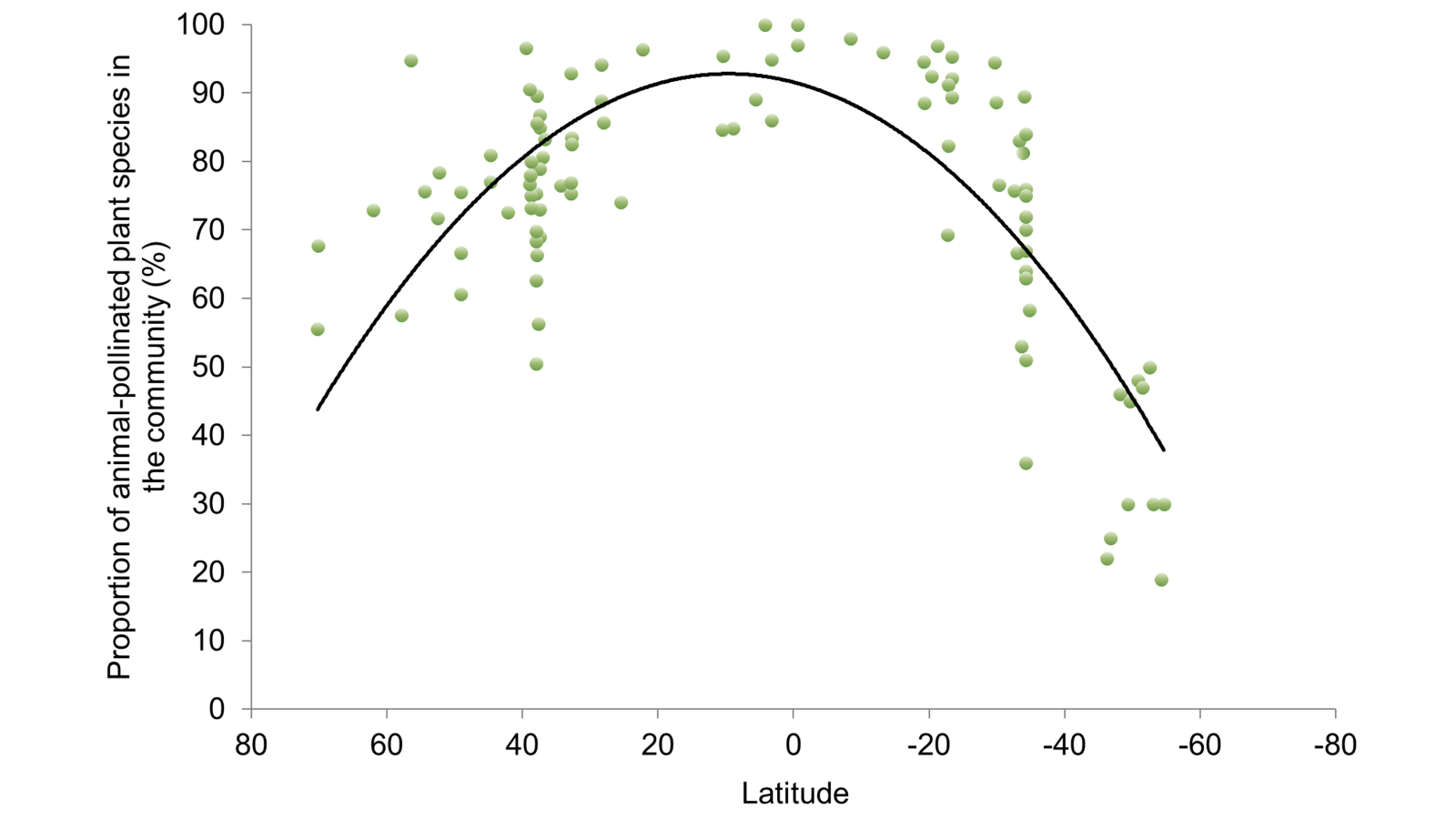
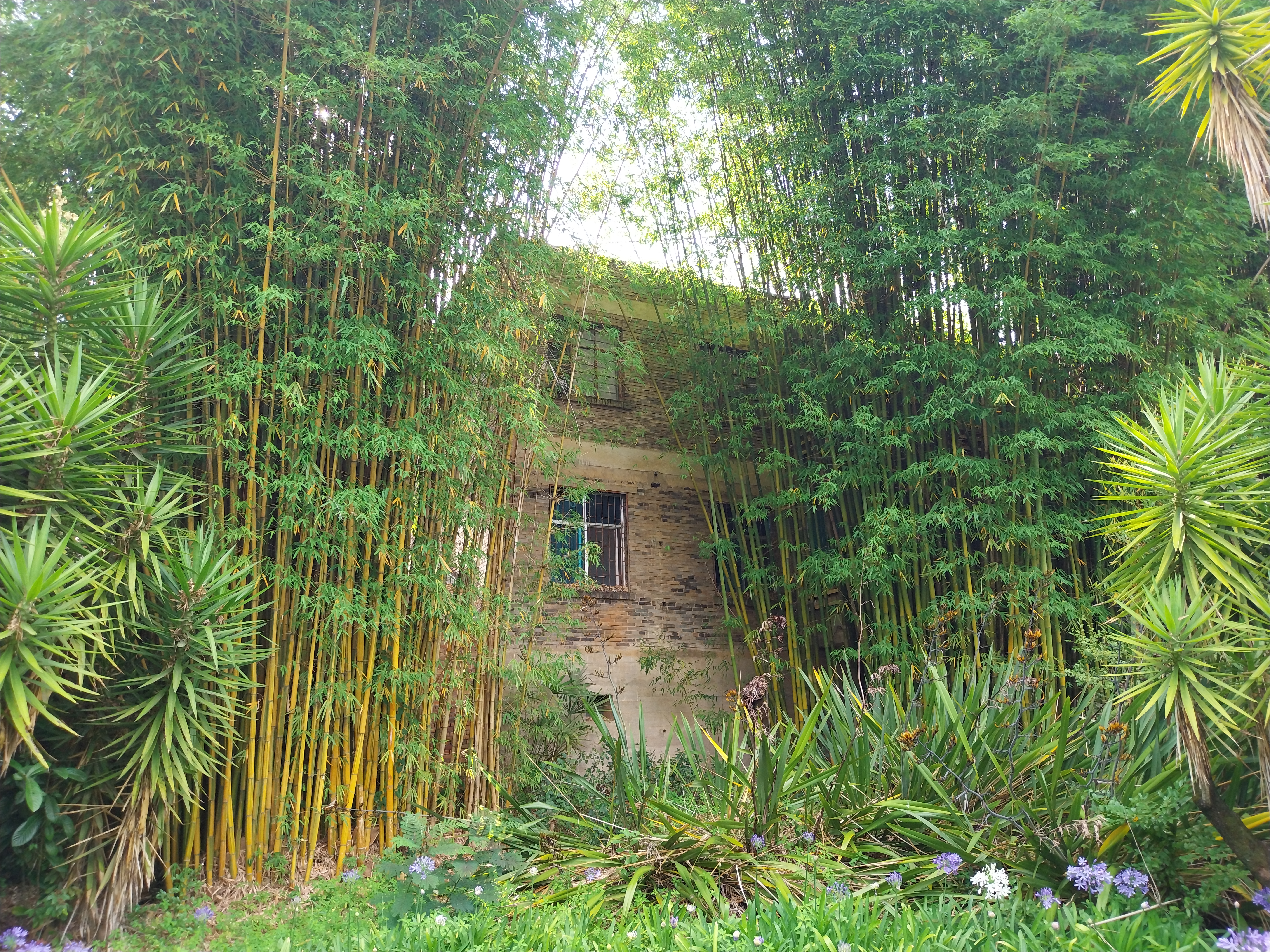
Those last two species are a nice example of a general trends in plant families and genera, which often contain smaller, herbaceous species in cooler, more temperate parts of the world and larger, woody species at lower latitudes in the tropics and subtropics. Bamboos (which are of course woody grasses) are a good example – and we have encountered some spectacular specimens in the garden:

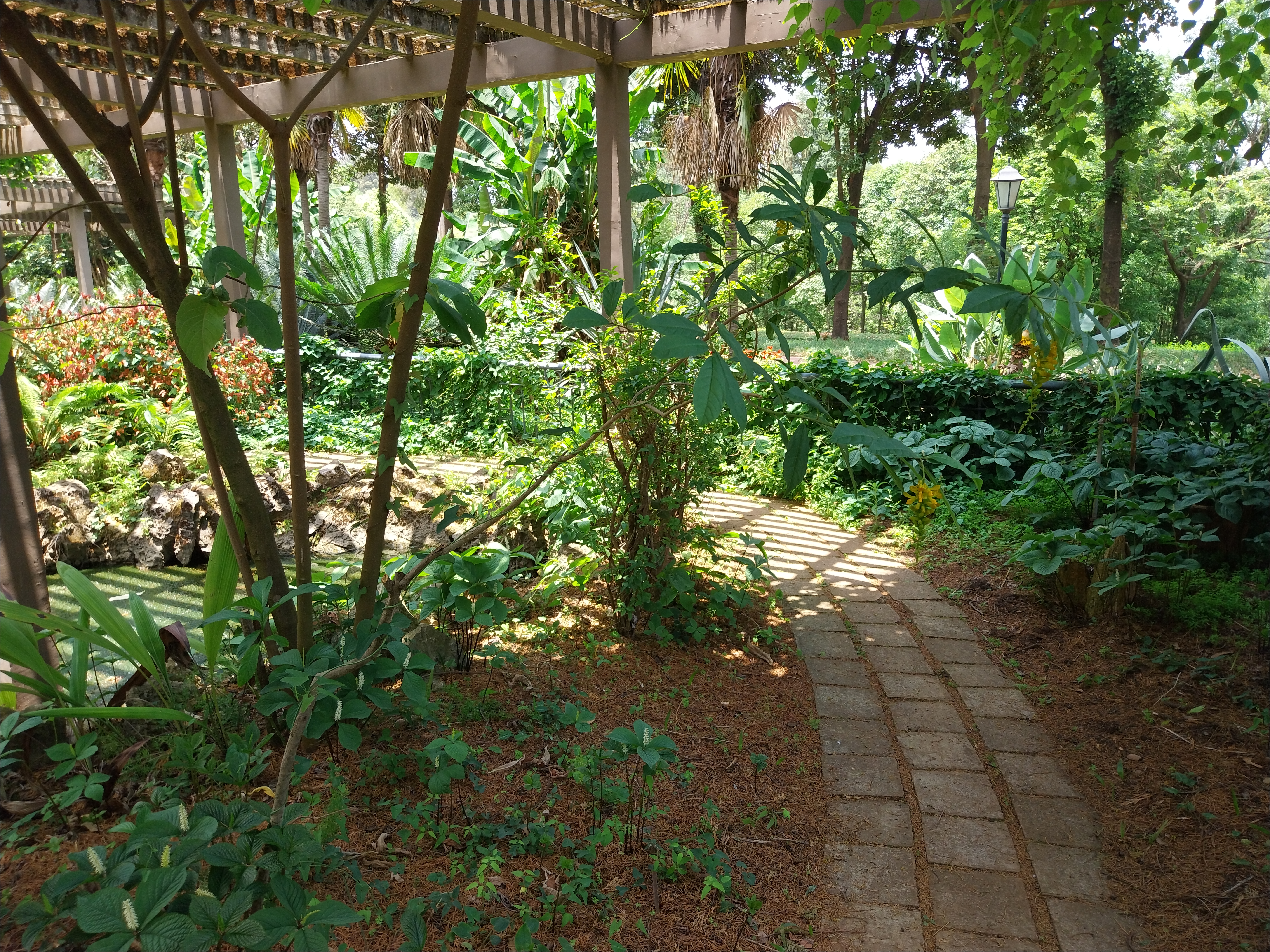
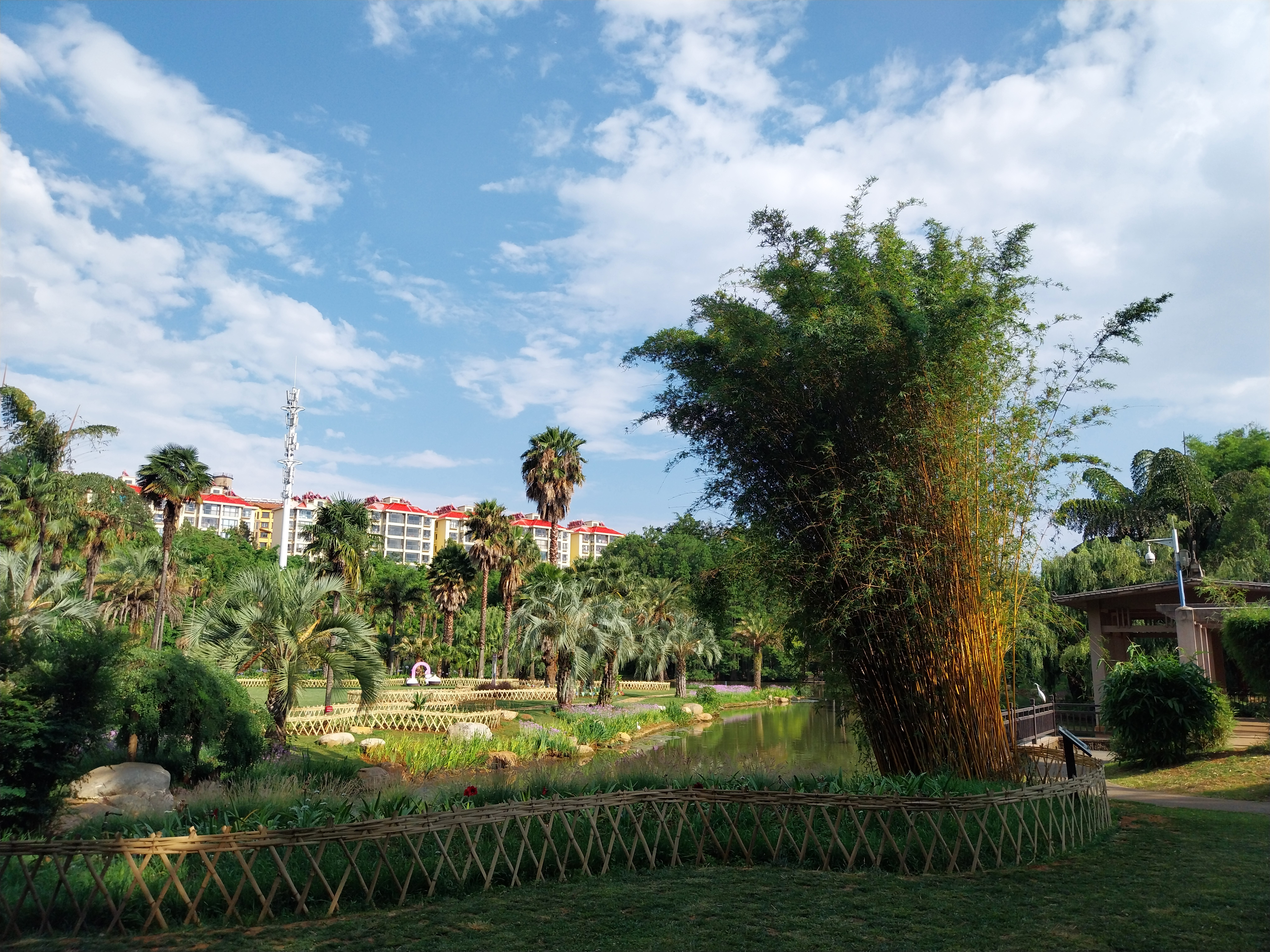
Of course there’s also some familiar species, including birds: how many Little Egrets can you spot in this picture?

Exploring botanic gardens are one of my favourite pastimes, it’s always worthwhile and, in the words of an old blog post of mine, Je ne egret rien.

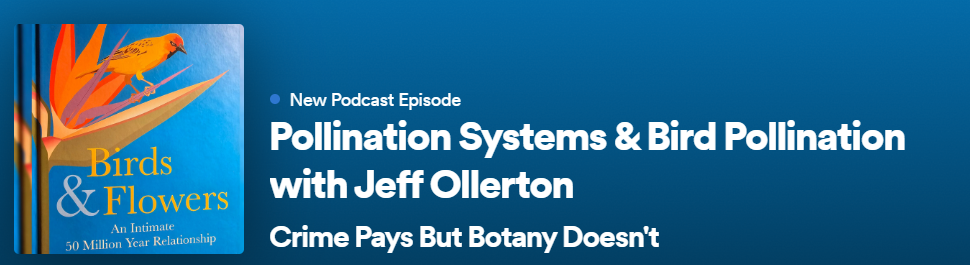
Listen to my interview on the Crime Pays But Botany Doesn’t podcast!

Last week I had the pleasure of chatting for over two hours with Joey Santore for his Crime Pays But Botany Doesn’t podcast series about my two books Plants & Pollinators: Nature and Society and Birds & Flowers: An Intimate 50 Million Year Relationship.

I’m a long-standing fan of his YouTube video channel which Joey describes as “A Low-Brow, Crass Approach to Plant Ecology & Evolution as muttered by a Misanthropic Chicago Italian.”

It was a lot of fun to talk flowers and pollinators with him and although I tried to keep my swearing to a minimum, if you know Joey and his work, you know what you’re in for, so be warned! It’s not for the easily offended.

We had sound issues at a couple of points and note that at 54:20 I made an error, and said “hummingbirds” a couple of times when I meant “sunbirds”. Put it down to a lack of coffee that morning….

Here’s the link:

Introduced species shed friends as well as enemies – a new study published this week

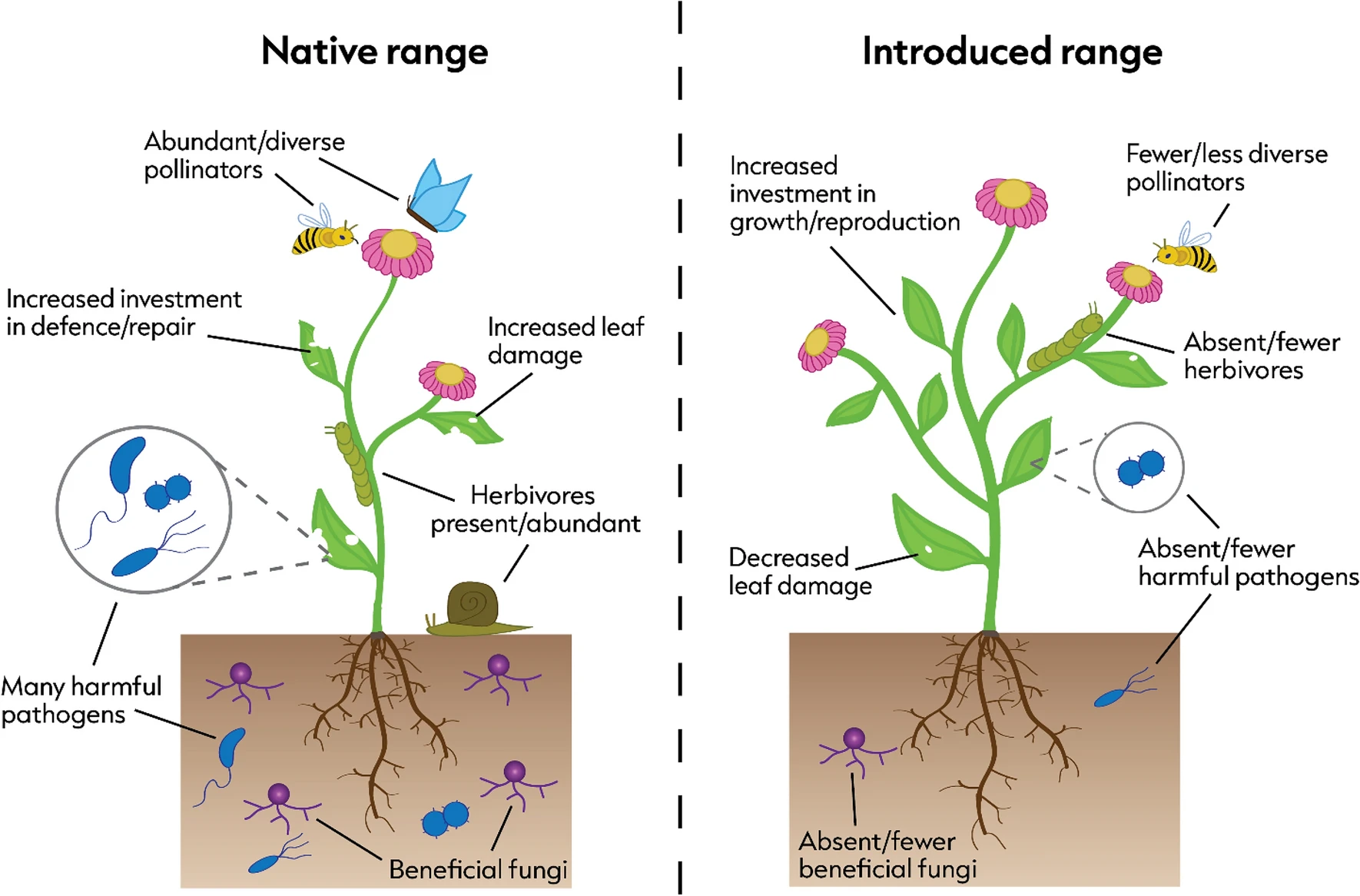
As I’ve previously discussed on the blog, when species are moved to a different part of the world they lose many of the ‘enemies’ – such as predators, herbivores and pathogens – that would normally keep their populations in check. This can have implications for the likelihood of a species becoming invasive, and it’s called the Enemy Release Hypothesis (ERH) and has been well studied. Less well researched is the flip side of the ERH, the Missed Mutualist Hypothesis (MMH), in which species lose their ‘friends’, such as pollinators, seed dispersers, symbiotic fungi, and so forth. It’s a topic I’ve worked on with my colleagues at the University of New South Wales, principally Angela Moles and her former PhD student Zoe Xirocostas.

Another paper from Zoe’s PhD work has just been published and in it she carried out a comparison of European plants that have been transported to Australia, and asked whether they had fewer pollinators in their new range. It turns out that they do!

Here’s the full reference with a link to the paper, which is open access:

Xirocostas, Z.A., Ollerton, J., Peco, B., Slavich, E., Bonser, S.P., Pärtel, M., Raghu, S. & Moles, A.T. (2024) Introduced species shed friends as well as enemies. Scientific Reports 14: 11088

Here’s the abstract:

Many studies seeking to understand the success of biological invasions focus on species’ escape from negative interactions, such as damage from herbivores, pathogens, or predators in their introduced range (enemy release). However, much less work has been done to assess the possibility that introduced species might shed mutualists such as pollinators, seed dispersers, and mycorrhizae when they are transported to a new range. We ran a cross-continental field study and found that plants were being visited by 2.6 times more potential pollinators with 1.8 times greater richness in their native range than in their introduced range. Understanding both the positive and negative consequences of introduction to a new range can help us predict, monitor, and manage future invasion events.

New study just published: The effect of elevation, latitude, and plant richness on robustness of pollination networks at a global scale

During the 2020 lockdown caused by the COVID-19 pandemic, I coordinated an international network of pollination ecologists who used standardised methods to collect data in their gardens. I blogged about it at the time – see here and here for instance – and also put up a post when the data paper from that work was published.

Several research groups are now working with that huge data set and interrogating it for answers to a wide range of questions. The first group to actually publish a paper from the data is a largely Chinese set of researchers from the Key Laboratory of Plant Resources, Conservation and Sustainable Utilization, at the South China Botanical Garden in Guangzhou, assisted by Kit Prendergast and myself.

In this paper we’ve considered how robust these plant-pollinator networks are to simulated extinctions of species, and how this is affected by the elevation, latitude, and plant species diversity of the network.

Here’s the full reference with a link to the study:

Wang, X.-P., Ollerton, J., Prendergast, K.S., Cai, J.-C., Tong, M.-Y., Shi, M.-M., Zhao, Z.-T., Li, S.-J. & Tu, T.-Y. (2024) The effect of elevation, latitude, and plant richness on robustness of pollination networks at a global scale. Arthropod-Plant Interactions (in press) https://doi.org/10.1007/s11829-024-10056-7

If you can’t access it and need a PDF, please send me a request via my Contact page.

Here’s the abstract:

Plant-pollinator interactions play a vital role in the maintenance of biodiversity and ecosystem function. Geographical variation in environmental factors can influence the diversity of pollinators and thus, affect the structure of pollination networks. Given the current global climate change, understanding the variation of pollination network structure along environmental gradients is vital to predict how global change will affect the ecological interaction processes. Here, we used a global plant-pollinator interaction data collection by the same sampling method at the same period to explore the effects of elevation, latitude, and plant richness on the structure and robustness of pollination networks. We analyzed a total of 87 networks of plant-pollinator interactions on 47 sites from 14 countries. We conducted a piecewise structural equation model to examine the direct and indirect effects of elevation, latitude, and plant richness on the network robustness and analyzed the function of network structure in elucidating the relationship between robustness and these gradients. We found that plant richness had both positive effects on robustness under random and specialist-first scenarios. Elevation, latitude, and plant richness affected network connectance and modularity, and ultimately affected network robustness which were mediated by nestedness under specialist-first and random scenarios, and by connectance under the generalist-first scenario. This study reveals the indirect effects of elevation, latitude, and plant richness on pollination network robustness were mediated by nestedness or connectance depended on the order of species extinctions, implying that communities with different pollination network structures can resist different extinction scenarios.

“Enemy release” of invasive plants is unpredictable – a new study just published

The summer of 2019, before the COVID-19 pandemic turned the world on its head, feels like a very long time ago. Early in that summer, as I recounted on this blog, Zoe Xirocostas joined my research group for a while in order to collect data for her PhD on the comparative ecologies of plants that are native to Europe but invasive in Australia. That work has proven to be very successful, and the latest paper from Zoe’s PhD has just been published.

The paper focuses on the “enemy release hypothesis” (ERH), a well-studied concept in invasion ecology that nonetheless generates significant debate and disagreement. In essence, the ERH posits that the reason why so many species become invasive is that they leave their consumers, pathogens and parasites behind when they move to a new locality. Those “enemies” would normally reduce the fecundity of the invader, putting a brake on their population growth. But in their absence, the invader can become far more successful. Of course, as well as leaving “enemies” behind the invader also loses its “friends”, such as pollinators, seed dispersers, and defensive or nutritional partners. This “Missed Mutualist Hypothesis” is something that I’ve recently explored with Angela Moles, who was Zoe’s main supervisor, and other collaborators in Australia. Expect to hear more about this from Zoe’s work in the near future.

But back to the enemies. Drawing on the most extensive set of standardised comparisons yet collected of the same plants in native and invasive habitats, Zoe found that plants in the invasive populations suffer on average seven times less damage from insect herbivores, as predicted by the (ERH). Rather remarkably, however, the amount of enemy release enjoyed by a plant species was not explained by how long the species had been present in the new range, the extent of that range, or factors such as the temperature, precipitation, humidity and elevation experienced by the native versus invasive populations.

In other words, it’s extremely hard to predict the extent of enemy release based on historical and ecological considerations that one might expect to impose a strong influence.

The study has just appeared in Proceedings of the Royal Society series B and is open access. Here’s the reference with a link to the paper:

Xirocostas, Z.A., Ollerton, J., Tamme, R., Peco, B., Lesieur, V., Slavich, E., Junker, R.R., Pärtel, M., Raghu, S., Uesugi, A., Bonser, S.P., Chiarenza, G.M., Hovenden M.J. & Moles, A.T. (2023) The great escape: patterns of enemy release are not explained by time, space or climate. Proceedings of the Royal Society series B 290: 20231022.

Here’s the abstract:

When a plant is introduced to a new ecosystem it may escape from some of its coevolved herbivores. Reduced herbivore damage, and the ability of introduced plants to allocate resources from defence to growth and reproduction can increase the success of introduced species. This mechanism is known as enemy release and is known to occur in some species and situations, but not in others. Understanding the conditions under which enemy release is most likely to occur is important, as this will help us to identify which species and habitats may be most at risk of invasion. We compared in situ measurements of herbivory on 16 plant species at 12 locations within their native European and introduced Australian ranges to quantify their level of enemy release and understand the relationship between enemy release and time, space and climate. Overall, plants experienced approximately seven times more herbivore damage in their native range than in their introduced range. We found no evidence that enemy release was related to time since introduction, introduced range size, temperature, precipitation, humidity or elevation. From here, we can explore whether traits, such as leaf defences or phylogenetic relatedness to neighbouring plants, are stronger indicators of enemy release across species.

Soybean is more dependent on bee pollination in the tropics – a new study just published

It’s been an interesting start to the year in the world of pollinators and pollination. The European Union has revised its 2018 initiative for pollinator conservation with an update called “A New Deal for Pollinators“. At the same time the UK Government has released its plans for Post-Brexit farm subsidies, many of which focus on environmental action that can support pollinators, such as planting hedgerows. I think that it’s fair to say that there’s been a mixed response to these planned subsidies. There’s also mixed news in Butterfly Conservation’s State of the UK’s Butterflies 2022 report. The headline figure is that 80% of butterflies in the UK have decreased since the 1970s. However there are enough positive conservation stories in that report to demonstrate that this decline does not have to be irreversible, we can turn things around.

Against this wider backdrop of pollinator actions, I was pleased to have a new research paper published this week, which is an output from the SURPASS2 project with which I’ve been involved. Led by Brazilian researcher Nicolay Leme da Cunha, this paper assess the variability of soybean dependence on pollinators. Although soybean is one of the most widely grown crops globally, there’s still much that we don’t understand about which of the many different varieties have improved yields when visited by bees, and which are purely self-pollinating. One of our main findings was that for some varieties, especially in the tropics, an absence of pollinators results in a decline in yield of about 50%.

The paper is open access and you can download a copy by following the link in the reference:

da Cunha, N.L, Chacoff, N.P., Sáez, A., Schmucki, R., Galetto, L., Devoto, M., Carrasco, J., Mazzei, M.P., Castillo, S.E., Palacios, T.P., Vesprini, J.L., Agostini, K., Saraiva, A.M., Woodcock, B.A., Ollerton, J. & Aizen, M.A. (2023) Soybean dependence on biotic pollination decreases with latitude. Agriculture, Ecosystems & Environment 347, 108376

Here’s the abstract:

Identifying large-scale patterns of variation in pollinator dependence (PD) in crops is important from both basic and applied perspectives. Evidence from wild plants indicates that this variation can be structured latitudinally. Individuals from populations at high latitudes may be more selfed and less dependent on pollinators due to higher environmental instability and overall lower temperatures, environmental conditions that may affect pollinator availability. However, whether this pattern is similarly present in crops remains unknown. Soybean (Glycine max), one of the most important crops globally, is partially self-pollinated and autogamous, exhibiting large variation in the extent of PD (from a 0 to ∼50% decrease in yield in the absence of animal pollination). We examined latitudinal variation in soybean’s PD using data from 28 independent studies distributed along a wide latitudinal gradient (4–43 degrees). We estimated PD by comparing yields between open-pollinated and pollinator-excluded plants. In the absence of pollinators, soybean yield was found to decrease by an average of ∼30%. However, PD decreases abruptly at high latitudes, suggesting a relative increase in autogamous seed production. Pollinator supplementation does not seem to increase seed production at any latitude. We propose that latitudinal variation in PD in soybean may be driven by temperature and photoperiod affecting the expression of cleistogamy and androsterility. Therefore, an adaptive mating response to an unpredictable pollinator environment apparently common in wild plants can also be imprinted in highly domesticated and genetically-modified crops

When organisms lose their friends: a new review of the “Missed Mutualist Hypothesis” just published

All organisms – be they plants, animals, fungi, or whatever – interact with other species throughout their lives, in relationships that include predation, parasitism, commensalism, and the many and varied forms of mutualism. But when species are transported to a different part of the world, as has happened often during the Anthropocene, these interactions typically break down because usually only one of the participants moves. This loss of ecological relationships can play a role in whether or not a species becomes established in its new home, and has been mostly explored in the “Enemy Release Hypothesis” (ERH) which predicts that, by leaving behind predators or parasites or herbivores, a species becomes more ecologically successful and ultimately invasive in its novel range.

Less well studied, though potentially just as important, is the “Missed Mutualist Hypothesis” (MMH) which in a sense is the twin of the ERH. As well as leaving behind “enemies”, introduced species leave behind “friends” such as pollinators, seed dispersers, mycorrhizal fungi, defensive partners, and other mutually beneficial associates. Negative effects arising from the loss of these relationships could potentially balance the positive impacts arising from the ERH.

In a new quantitative review just published, we review what’s known about the MMH (currently much less than the ERH) and suggest some fruitful lines of enquiry. The study is led by Angela Moles, my collaborator at the University of New South Wales where I spent time as a Visiting Research Fellow in 2019/20 (see my blog posts about that visit starting here). The paper has had a long gestation and gone through several iterations and revisions since we started writing it in late 2019, not least caused by the covid pandemic, but I think that it’s all the better for it.

Here’s the full reference with a link to the paper:

Moles, A.T., Dalrymple, R.L., Raghu, S., Bonser, S.P. & Ollerton, J. (2022) Advancing the missed mutualist hypothesis, the under-appreciated twin of the enemy release hypothesis. Biology Letters 18: 20220220.

Here’s the abstract:

Introduced species often benefit from escaping their enemies when they are transported to a new range, an idea commonly expressed as the enemy release hypothesis. However, species might shed mutualists as well as enemies when they colonize a new range. Loss of mutualists might reduce the success of introduced populations, or even cause failure to establish. We provide the first quantitative synthesis testing this natural but often overlooked parallel of the enemy release hypothesis, which is known as the missed mutualist hypothesis.

Meta-analysis showed that plants interact with 1.9 times more mutualist species, and have 2.3 times more interactions with mutualists per unit time in their native range than in their introduced range. Species may mitigate the negative effects of missed mutualists. For instance, selection arising from missed mutualists could cause introduced species to evolve either to facilitate interactions with a new
suite of species or to exist without mutualisms. Just as enemy release can allow introduced populations to redirect energy from defence to growth, potentially evolving increased competitive ability, species that shift to strategies without mutualists may be able to reallocate energy from mutualism toward increased competitive ability or seed production. The missed mutualist hypothesis advances understanding of the selective forces and filters that act on plant species in the early stages of introduction and establishment and thus could inform the management of introduced species.

Are cactus pollination systems more specialised in the tropics? A new study suggests yes…and no!

The question of whether interactions between different species are more specialised in tropical environments (as theory predicts) has intrigued me for a couple of decades. In fact it’s just occurred to me that August 2022 was the 20th anniversary of my paper in Oikos co-authored with Louise Cranmer entitled: Latitudinal trends in plant-pollinator interactions: are tropical plants more specialised? That paper was one of the first to seriously challenge an idea that was long-embedded in the scientific and (especially) popular literature, that tropical ecology was in a sense “special” and that the ways in which species parasitised, consumed, or engaged in mutualistic relationships in the tropics was different to what was happening in the subtropics and temperate zones.

Since then I’ve written about this subject in a number of publications, most recently in my book Pollinators & Pollination: Nature and Society and it’s inspired some other researchers to address the topic.

One of the real challenges with asking questions about how plant-pollinator relationships change over large geographical areas is obtaining good, robust data to analyse. It’s a challenge to convince science funding agencies to give money to spend many years travelling the world and collecting the kind of data that are needed. However we can gain some idea of the patterns, and potential processes, that drive the macroecology of plant-pollinator interactions by piecing together databases of interactions for particular taxa, gleaned from published and unpublished sources.

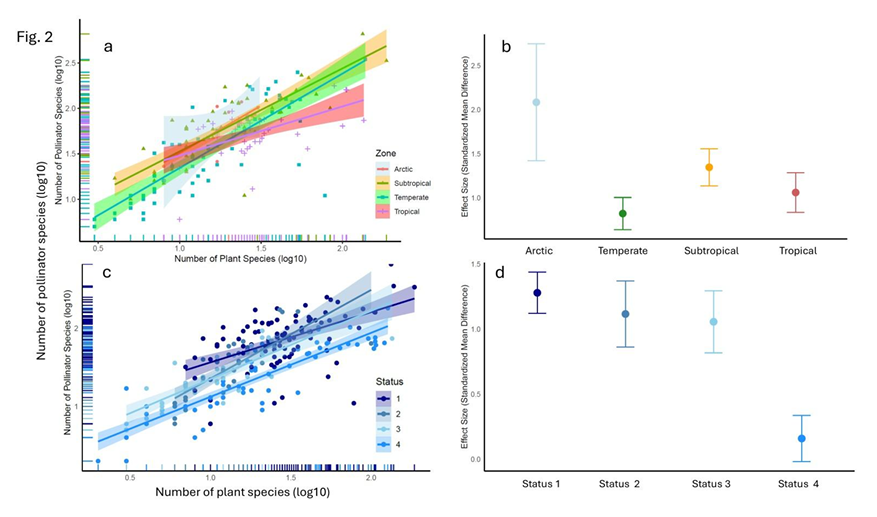
That’s what we have done for the family Cactaceae in a new study led by Pablo Gorostiague from the Universidad Nacional de Salta in Argentina. This collaboration started when Pablo visited Northampton back in 2018 and spent some time with my research group, including helping out with field work in Tenerife. Since then the usual issues (work, COVID, etc.) have delayed publication of our paper, but now it’s finally out. Amongst other results we find that, yes, tropical cacti are pollinated by fewer species on average (though it’s hugely variable – see the figure above) but that functional specialisation (i.e. the number of pollinator guilds that are used by species) is no different in the tropics compared to the extra-tropics (that’s the figure at the end of this post).

The full reference with a link to the paper is below; if anyone wants a PDF, please send me a message via the Contact page:

Gorostiague, P., Ollerton, J. and Ortega-Baes, P. (2022) Latitudinal gradients in biotic interactions: Are cacti pollination systems more specialized in the tropics? Plant Biology https://doi.org/10.1111/plb.13450

Here’s the abstract:

Biotic interactions are said to be more specialized in the tropics, and this was also proposed for the pollination systems of columnar cacti from North America. However, this has not yet been tested for a wider set of cactus species. Here, we use the available information about pollination in the Cactaceae to explore the geographic patterns of this mutualistic interaction, and test if there is a latitudinal gradient in its degree of specialization.

We performed a bibliographic search of all publications on the pollination of cacti species and summarized the information to build a database. We used generalized linear models to evaluate if the degree of specialization in cacti pollination systems is affected by latitude, using two different measures: the number of pollinator guilds (functional specialization) and the number of pollinator species (ecological specialization).

Our database contained information about the pollination of 148 species. The most frequent pollinator guilds were bees, birds, moths and bats. There was no apparent effect of latitude on the number of guilds that pollinate a cactus species. However, latitude had a small but significant effect on the number of pollinator species that service a given cactus species.

Bees are found as pollinators of most cactus species, along a wide latitudinal gradient. Bat and bird pollination is more common in the tropics than in the extra-tropics. The available information suggests that cacti pollination systems are slightly more ecologically specialized in the tropics, but it does not support any trend with regard to functional specialization.

Pollinator-flower interactions in gardens during the COVID-19 pandemic lockdown of 2020: the data paper has just been published!

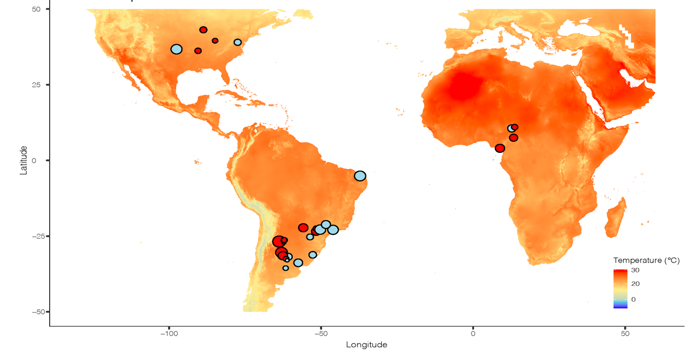
During the lockdown period of the COVID-19 pandemic in 2020, many pollination ecologists were stuck at home: universities and research institutes were closed and restrictions on travel meant that it was not possible to get out and do field work. In order to keep active and motivated, and to turn adversity into an opportunity, an ad hoc network of more than 70 researchers from 15 different countries (see the map above) decided to collect standardised data on the plant-pollinator networks in their own gardens and nearby public spaces.

When combined with information about location, size of garden, floral diversity, how the garden is managed, and so forth, this would provide some useful data about how gardens support pollinators. For those with kids at home it could also be a good way of getting them out into fresh air and giving them something to do!

Following discussions, several different protocols were instigated which depended upon the time available to the researchers, including one that mirrored the UK Pollinator Monitoring Scheme’s  FIT (Flower-Insect Timed) counts.

The resulting data set of almost 47,000 visits by insects and birds to flowers, as well as information about flowers that were never visited, is freely available and will be an invaluable resource for pollination ecologists. For example, analysing the links between ornamental flowers that share pollinators with fruits and vegetables such as apples and beans, will allow us to make recommendations for the best plants to grow in home gardens that can increase yields of crops.  

There’s an old saying about turning adversity into a positive outcome: “When life gives you lemons, make lemonade”, and the researchers were pleased to find that there’s one record of Citrus limon in the data set!

The paper describing the data set has just been published in the Journal of Pollination Ecology and you can download a PDF of the paper and the associated data for free by following this link.

Sincere thanks to all of my co-authors for their commitment to the project!