Category Archives: Biodiversity and culture

The value of nature, the value of guitars

How we, as a society, value nature, and the tension between valuing (or appreciating) nature versus appreciating (or pouring money into) human cultural activities, have been consistent themes of this blog since I started it almost a decade ago; see for example my posts “How do we value nature? Costanza, Monbiot and the clash of concepts” and “Is the angry response of (some) environmentalists in the aftermath of the Notre Dame fire reasonable?

Putting a monetary price on nature runs counter to the personal philosophies of many conservationists, which I completely understand: I have mixed feelings too. However there’s a whole field of research devoted to it called Ecological Economics and the valuation of natural capital and ecosystem services now plays a central role in the policies and strategies of both businesses and governments: see for instance the UK Government’s recent report on “The Economics of Biodiversity: The Dasgupta Review“. And whether we like it or not, the Earth’s ecosystems and the biodiversity that they contain support our global economy in very tangible ways, a point that I emphasise in my book Pollinators & Pollination: Nature and Society. If you’re reading this with a cup of coffee in your hand, you have to consider the ecological and financial impact of the billions of wild and managed bees that support the global coffee industry.

“What’s all of this got to do with guitars?” I hear you asking. Well, music, and especially guitars, are another constant theme of the blog, including my love of the songs of Crosby, Stills, Nash and Young, and my restoration of an old acoustic guitar back in 2020.

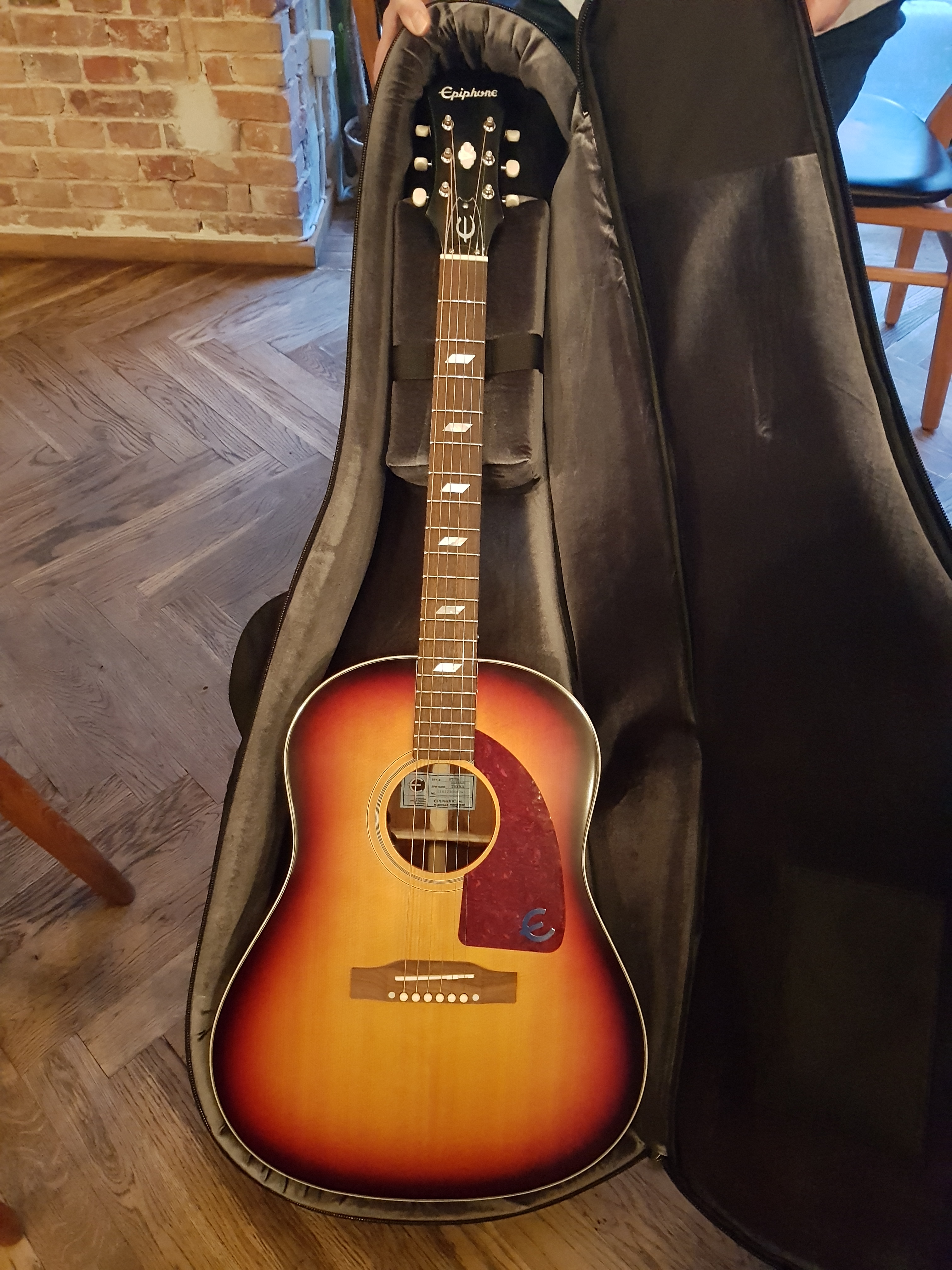
These themes converged together in a rather unexpected way just over a week ago. It was my birthday and as a present Karin had offered to buy me a new guitar. So off we went to Copenhagen for the day. One of the city’s best guitar shops is Akustikken and there I tried out several makes and models of acoustic guitar, of varying price and quality, before finally settling on an Epiphone Texan in an aged sunburst finish (see the image below). It plays very nicely, felt right in my hands, and was moderately priced despite its solid wood construction (cheap guitars often use laminated wood).

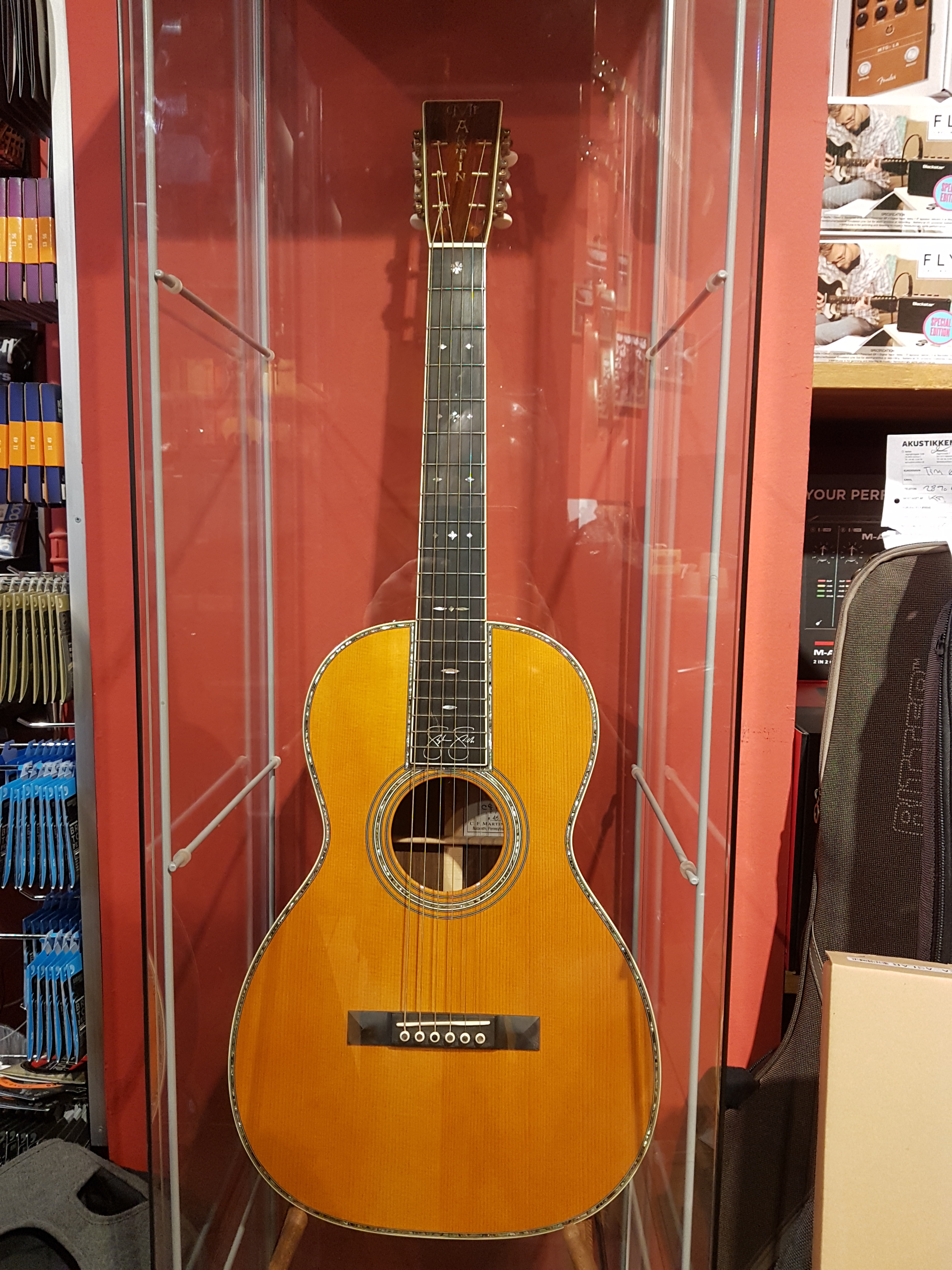
The guitar that really caught my eye, however, was the one in the photograph above: a Martin 045-S Stephen Stills Signature Model. Now, this is a serious, serious guitar. Based on a 1930s model owned by Stills himself, it was hand made in the USA in a limited edition of 91, of which this was number 48. The woods from which it’s made are rare and exceptional, including Adirondack spruce, Madagascar rosewood, and ebony, all species about which there are significant conservation concerns (see Richard Hobbs’s great blog The Nature of Music for more on this – highly recommended for anyone interested in the interface between human culture and ecological conservation).

The price tag for this guitar? A mere160,000 Danish kroner, about £18,000 or $20,000…..

That was WAY outside of our budget! But when the staff learned that it was my birthday they kindly took the Martin out of its humidity-controlled glass case and let me play it. I was a bit overwhelmed and very nervous if I’m honest, it was easily the most expensive guitar I have ever had in my hands! Karin took a short video of me strumming a few chords which I uploaded to Twitter:

Now, I’d played guitars up to around $2,000 in price that day, so a reasonable question is: did the $20,000 guitar sound ten times as good? Well, not in my hands it didn’t…. But in one sense it doesn’t matter, you’re not just paying for what it sounds like, you’re paying for the story, for the association with Stills, and the highly skilled crafting of the guitar – it is an exceptionally beautiful and fine-sounding instrument.

This brings us back to nature. We know from a lot of ecological experiments that have been conducted over the years that there’s a positive relationship between biodiversity (measured by the number of species in an ecosystem) and the way in which that ecosystem functions. So if you have more different kinds of plants in a grassland, for example, there tends to be greater carbon capture, more efficient use of water and uptake of nitrates from the soil, more resilience to events like drought and fire, and so forth. This is a strong and pervasive argument for conserving species within ecosystems: the more we have, the better the “health” of that ecosystem.

But, as with the sound of guitars, there’s probably an upper limit to this and ecosystems with ten times as many species probably do not function ten times as well. But they do function better. Having said that, this is a complex area of research with some competing ideas (and scientists) – this Wiki provides quite a good summary.

Regardless of the technical details, there’s no doubt that having more pollinators in an ecosystem, for example, increases the reproduction of a wider range of the plants that are present. Or that the presence of a greater diversity of dung beetles improves the rate of dung removal in grasslands.

But of course nature is more complicated than this. Just as a well made and high-value guitar is never going to sound good in the hands of a poor guitarist, likewise, species diversity in itself is insufficient. It is the interactions between those species that determines much of the way in which the ecosystem functions, and an ecosystem is never going to function well over the long term if it is inappropriately managed or if the processes that shape ecosystems, such as grazing by wild herbivores or natural fire regimes, are absent or have been altered.

Ecology is a hugely complex science but perhaps by exploring metaphors like this, some of that complexity can be made accessible to a wider range of people. Tell me what you think, does the metaphor work for you?
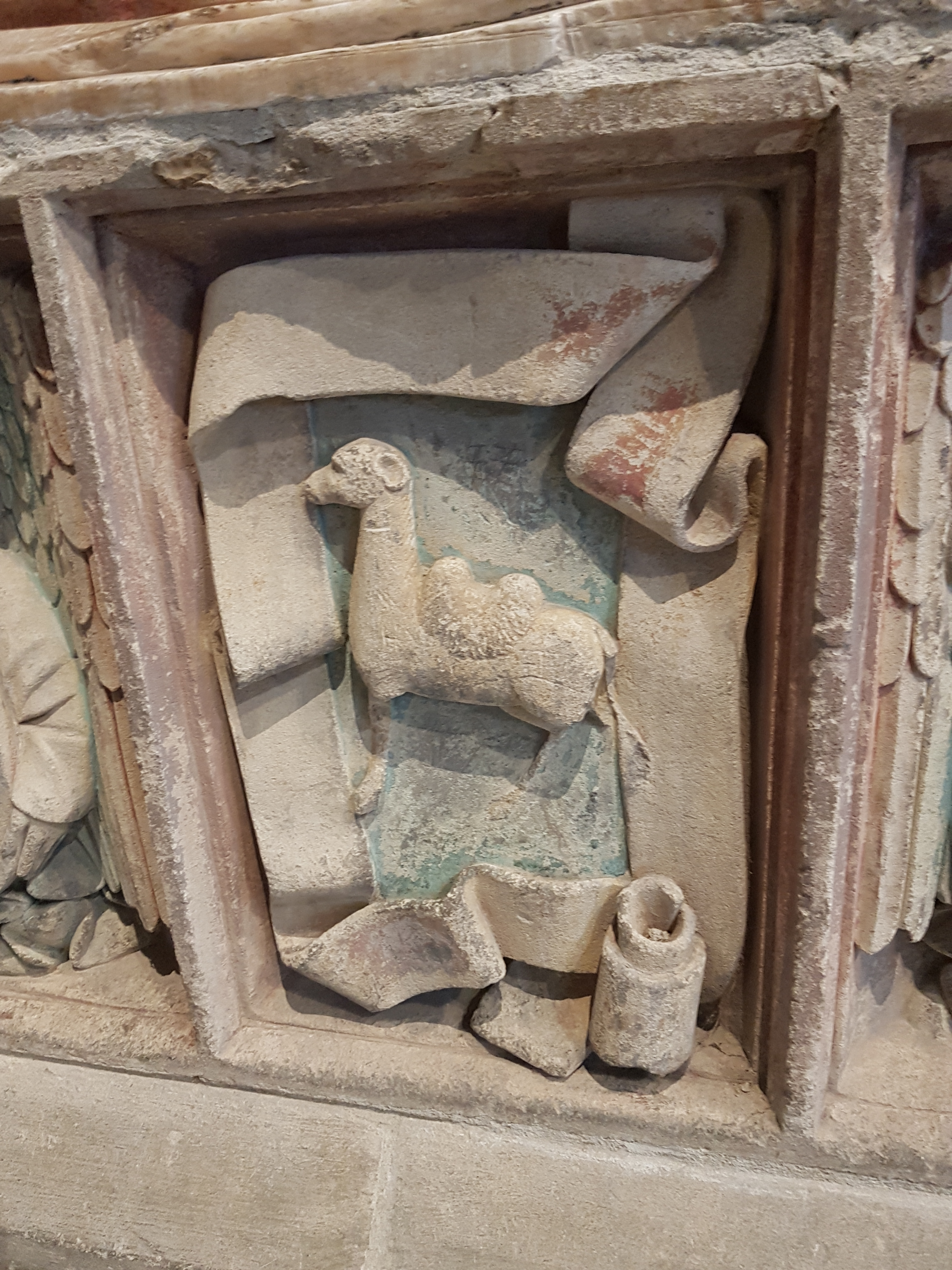
Why are there camels carved on this late medieval tomb?
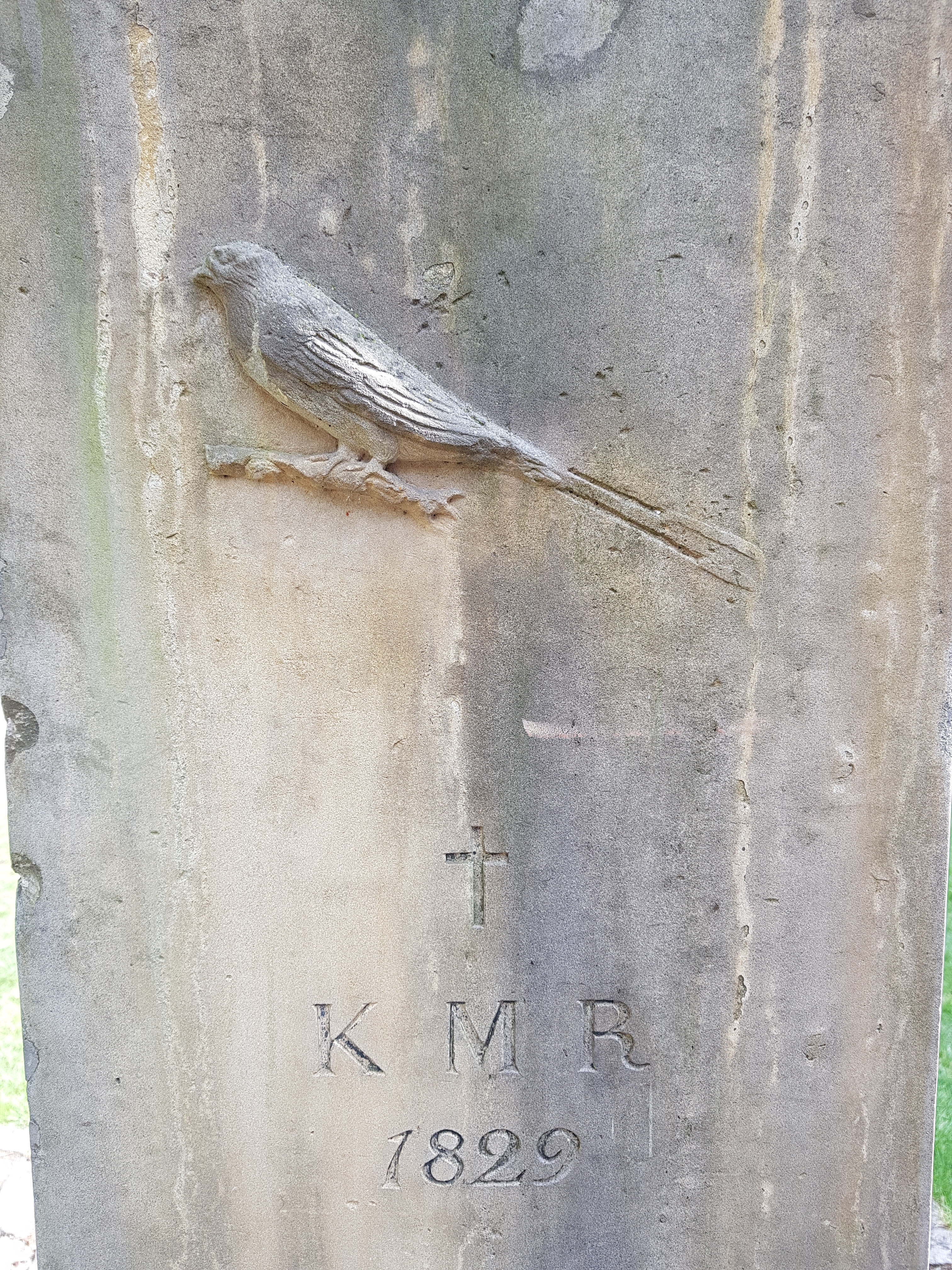
In past posts I’ve written about my fascination with grave markers and the depictions of animals and plants that are sometimes featured, or their dual use as both tombstone and bird bath. It’s part of my broader interest in the relationship between humans and the rest of nature, and specifically biodiversity and culture. I’m intrigued by what taxa we choose to use as decoration and symbolism, and conversely those species that are rarely or never a part of the human cultural expression of life on Earth. Graveyards and churches are prime hunting grounds for this sort of enquiry, and I find it difficult to walk past an old cemetery without at least a quick visit.

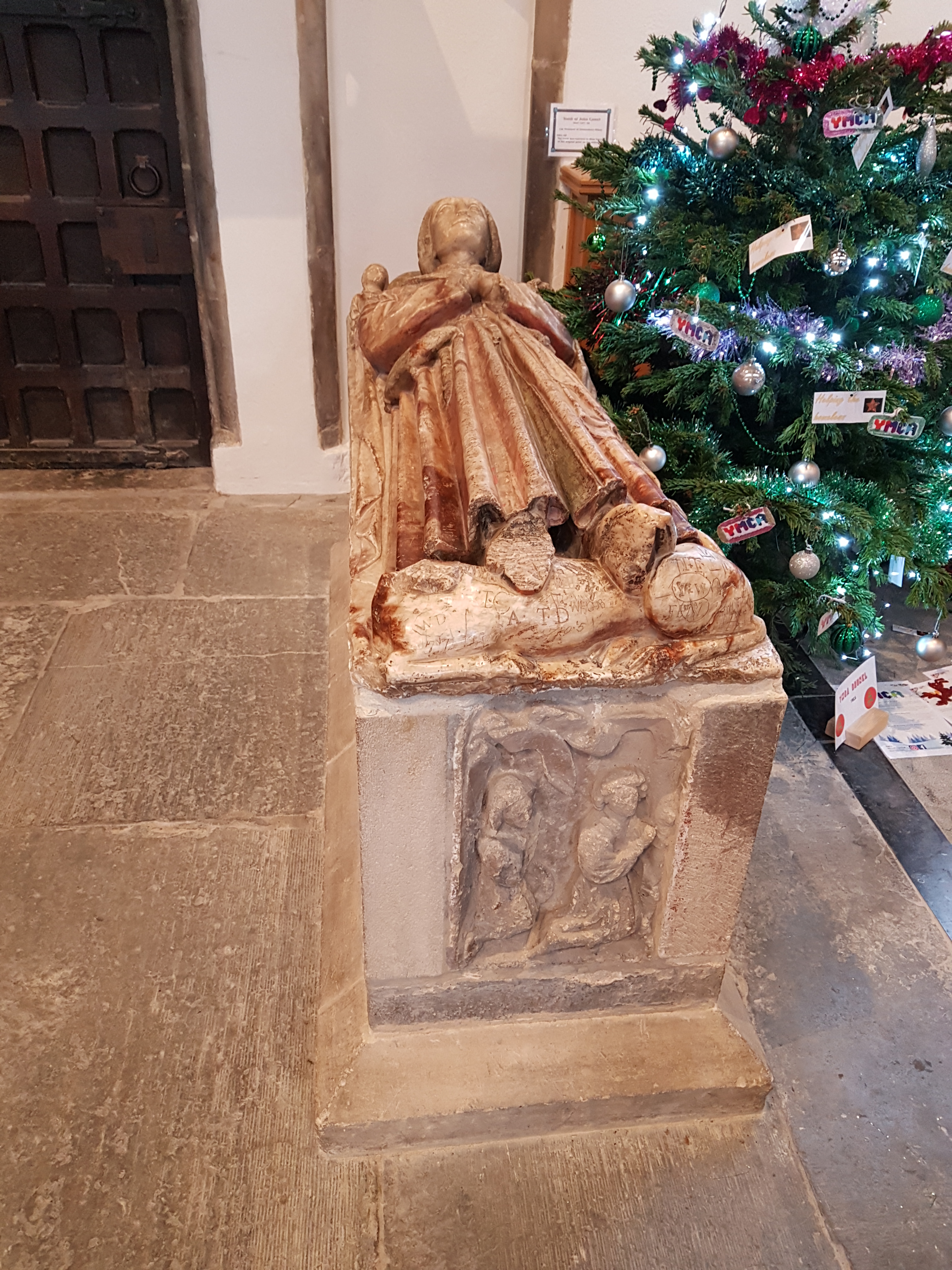
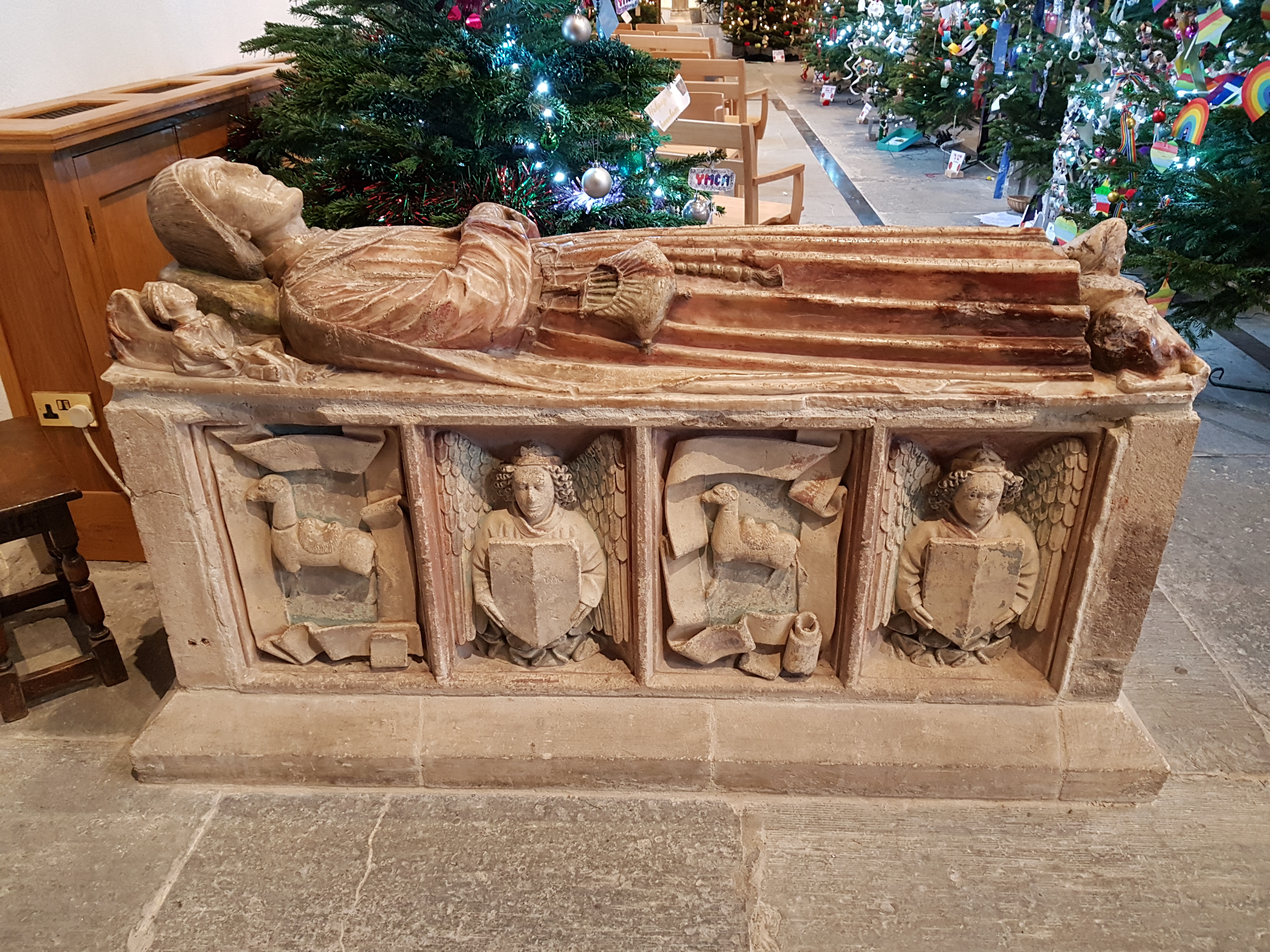
During our recent Christmas family gathering in Glastonbury Karin and I briefly dropped into St John’s Church and I spotted an intriguing late medieval tomb decorated with what are clearly Bactrian camels.

I have not previously seen camels depicted on a tomb – even the grave of the famed desert explorer Sir Richard Francis Burton can only manage a Bedouin tent. Also, the date of the tomb – 1487 – seemed very early for such an exotic depiction. So I did a little sleuthing on the topic of camels in medieval Britain and came across Dr Caitlin Green’s blog post asking “Were there camels in medieval Britain?“. The answer is yes, and as Dr Green’s research has shown, they were often depicted in illuminated manuscripts, tapestries, stained glass and other media, at dates even earlier than the late 15th century.

But why are there camels on this particular tomb? The memorial belongs to John Camel and I suspect that the carvings are simply a play on his name – a sculptural pun. John is described as a lay treasurer for Glastonbury Abbey and may also have been involved in legal work, all of which sounds very dry and prosaic. But if it was John himself who commissioned this tomb, or his family that wanted a memorial which reflected his personality, it suggests to me that he certainly had a sense of humour.

“Camel” is a common place-name element in the south west of England: there’s both a river and a hill with that name, and of course King Arthur’s Camelot is reputed to be located here. The etymology of camel in this geographical sense is varied and sometimes obscure, but one thing is certain: it’s nothing to do with the even-toed ungulate mammals of the genus Camelus.

As I was writing this post it occurred to me that Burton’s Sufi-inspired poem The Kasîdah of Hâjî Abdû El-Yezdî includes some fitting lines on which to end:

“All other Life is living Death, a world where none but Phantoms dwell,
A breath, a wind, a sound, a voice, a tinkling of the camel-bell”

Generating AI art from titles of scientific publications

WARNING: huge time wasting potential ahead.

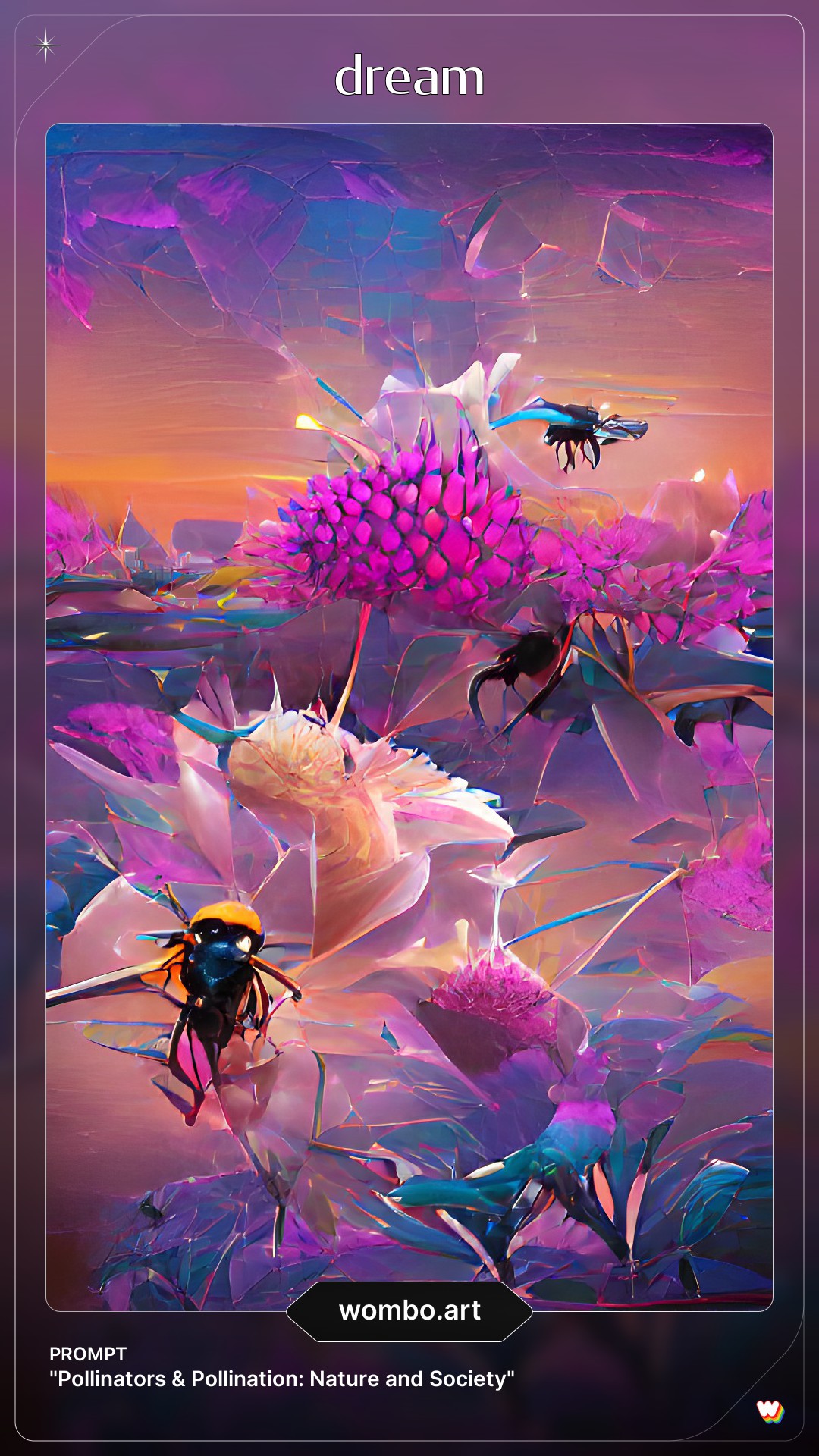
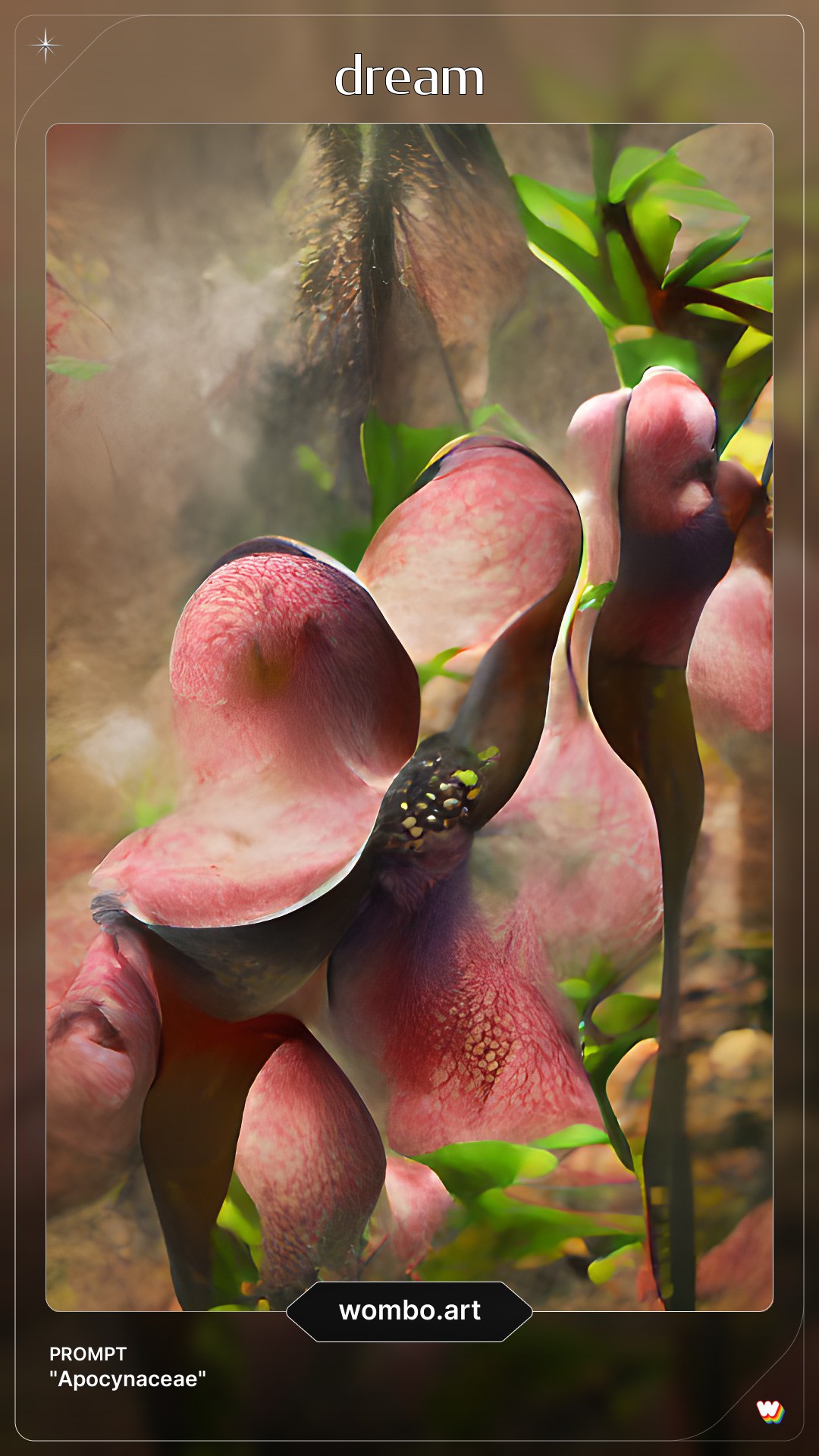
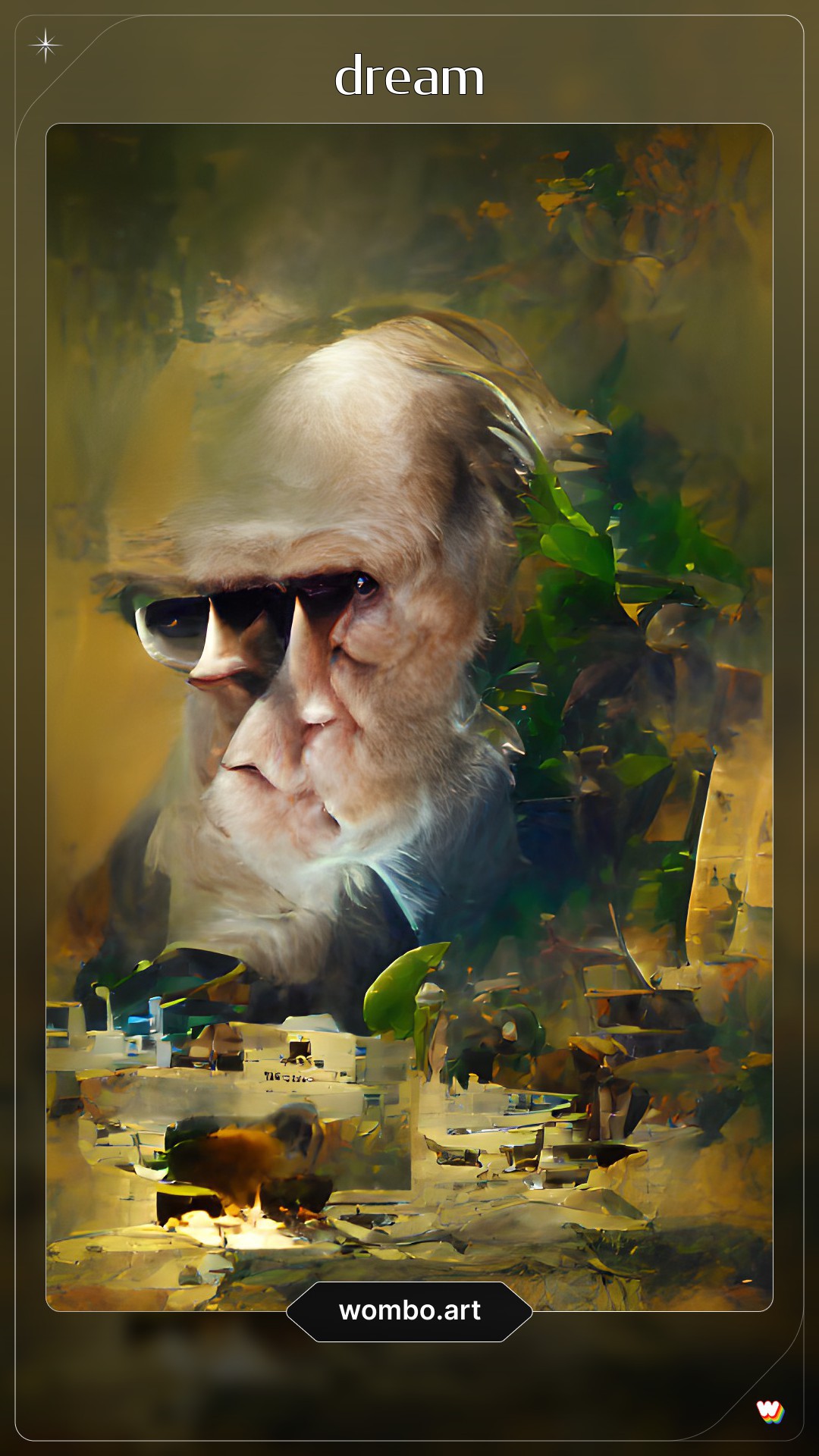
As regulars to my blog might know, I’m a sucker for computer-generated “stuff”, for example virtual ecological systems; see my 2020 post “a simple online ecosystem model: like Tamagotchi for the green generation“. Last night while browsing Twitter I came across a few people tweeting about app.wombo.art which uses words and phrases as a prompt for its AI to generate art in a variety of styles. For example, the image above is based on the title of my book Pollinators & Pollination: Nature and Society. The downloaded image always has “dream” at the top which is easy enough to crop, while “PROMPT” is the word or phrase that you entered, which can be turned off.

You can also use the titles of scientific articles – this one is my 1996 paper “Generalization in Pollination systems and Why it Matters” (I don’t think that it counts as a graphical abstract…):

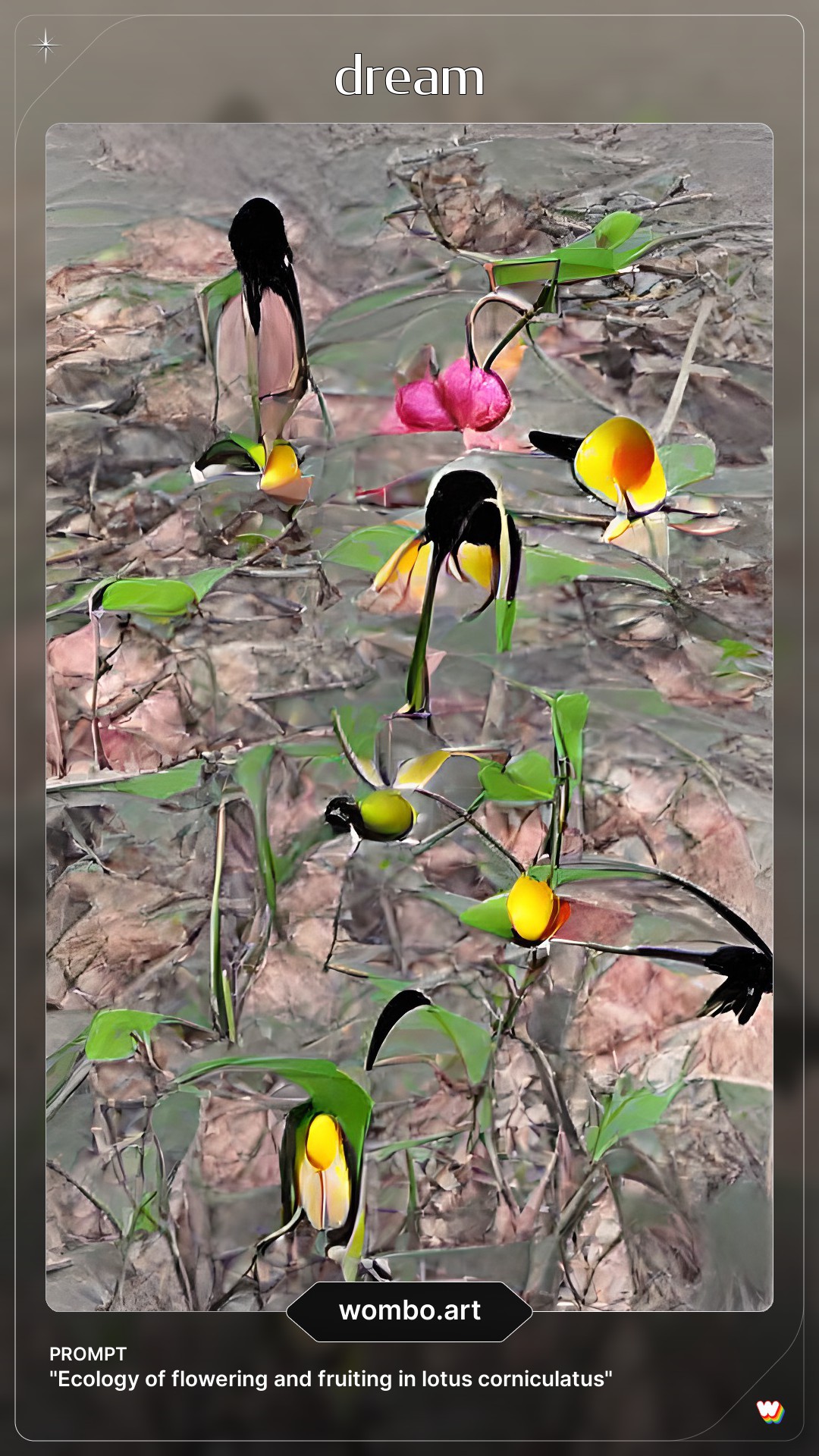
A lot of people were submitting their thesis titles and I expect to see some of these used as frontispieces in PhDs in the near future. Here’s mine (from 1993) – “Ecology of flowering and fruiting in Lotus corniculatus“:

The other category that I had fun with was using scientific names – here’s the genus Ceropegia:

And here is Apocynaceae:

Can you guess what phrase I used to generate this one:

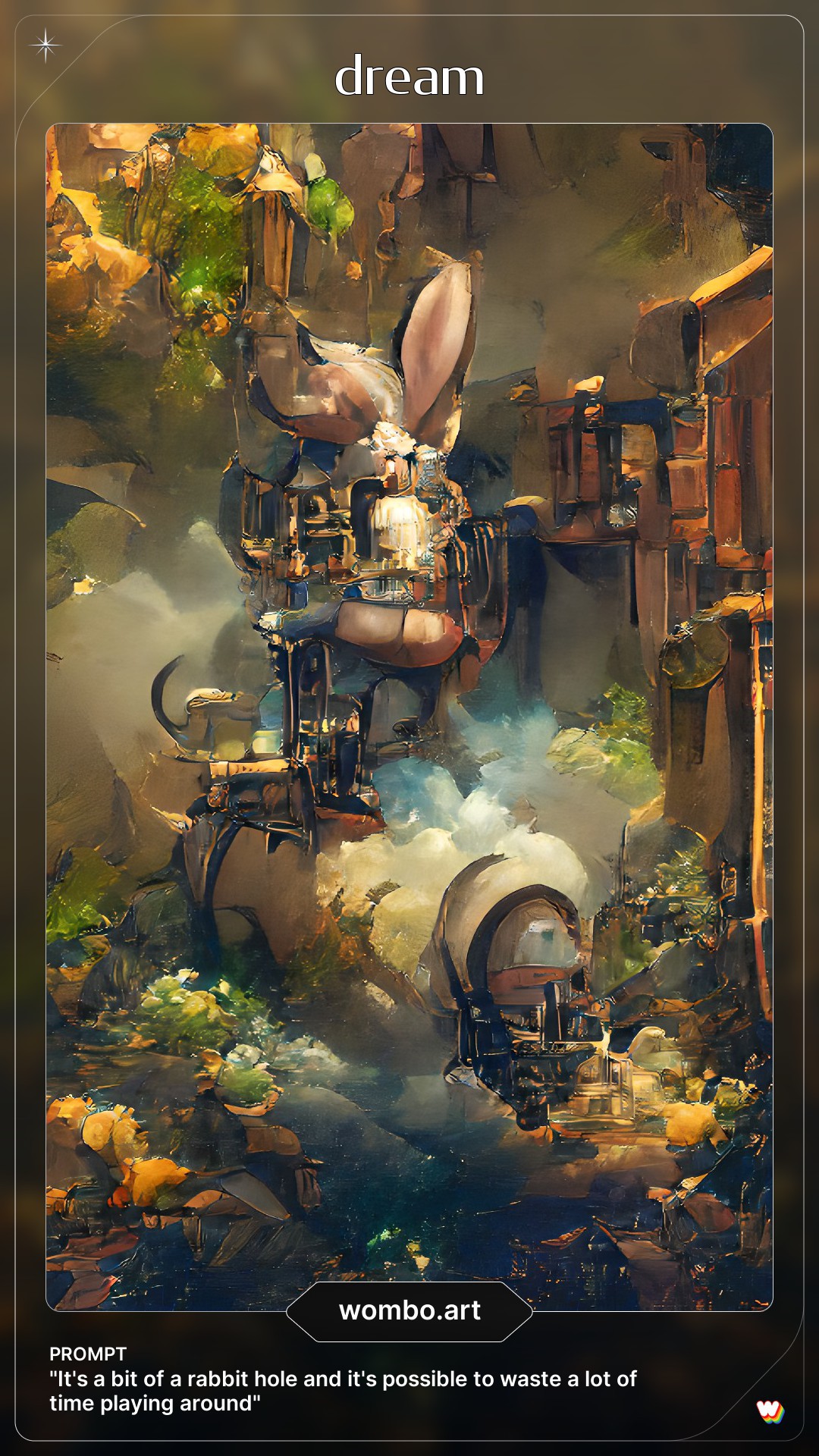
What’s really fascinating about this system is that every time you generate an image from the same phrase it returns something different. Go have fun, but be warned: it’s a bit of a rabbit hole and it’s possible to waste a lot of time playing around:

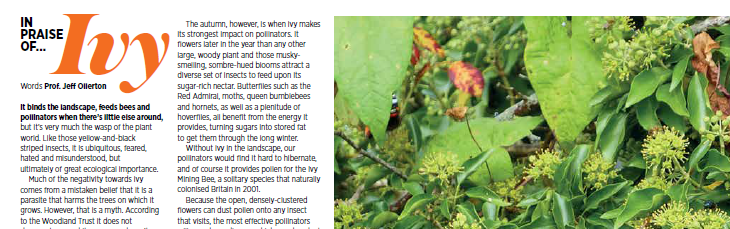
Ivy binds the landscape and bridges the seasons: a new article just published

If you check out the latest issue of Bees and Other Pollinators Quarterly you’ll see that, as well as having a piece on the forthcoming COP26 climate change meeting and what it means for pollinators, the magazine has also published a short opinion piece by me called “In Praise of….Ivy”. The magazine is currently in the shops or you can subscribe by following this link: https://bq-mag.store/.

Although it can be invasive and an environmental nuisance in parts of the world where it’s introduced, common or European ivy (Hedera helix) is clearly one of the most vital plants across its native range of Europe, southern Scandinavia and the Mediterranean. Its clinging stems bind the landscape and provide habitat for a diversity of creatures. By offering nectar at a time when there’s few other plants in flower, and berries at a crucial point in the winter, ivy bridges a food gap for both nectar feeding insect and fruit eating birds and mammals.

Ivy is a very popular subject for student research because it’s in flower at the start of the university academic year. In the past I’ve had several students carry out their final year projects using ivy to test ideas about pollinator effectiveness and plant reproductive success. Because the open, densely-clustered flowers can dust pollen onto any insect that visits, the most effective pollinators will vary depending on which are abundant at any time and place, and include various types of flies and bees, plus those much-misunderstood wasps!

Perhaps we should leave the final word on ivy to the Northamptonshire ‘Peasant Poet’ John Clare who wrote ‘To the Ivy’ in the early 19th century:

Dark creeping Ivy, with thy berries brown,

That fondly twists’ on ruins all thine own,

Old spire-points studding with a leafy crown

Which every minute threatens to dethrone;

With fearful eye I view thy height sublime,

And oft with quicker step retreat from thence

Where thou, in weak defiance, striv’st with Time,

And holdst his weapons in a dread suspense.

But, bloom of ruins, thou art dear to me,

When, far from danger’s way, thy gloomy pride

Wreathes picturesque around some ancient tree

That bows his branches by some fountain-side:

Then sweet it is from summer suns to be,

With thy green darkness overshadowing me.

Further reading

Bradbury, K. (2015) English ivy: berry good for birds. https://www.theguardian.com/lifeandstyle/gardening-blog/2015/feb/19/english-ivy-berry-good-for-birds

Bumblebee Conservation Trust (2021) Ivy mining bee: https://www.bumblebeeconservation.org/ivyminingbee/

Jacobs, J.H., Clark, S.J., Denholm, I., Goulson D., Stoate, C. & Osborne J.L. (2010) Pollinator effectiveness and fruit set in common ivy, Hedera helix (Araliaceae). Arthropod-Plant Interactions 4: 19–28

Ollerton, J. (2021) Pollinators & Pollination: Nature and Society. Pelagic Publishing, Exeter, UK

Ollerton, J., Killick, A., Lamborn, E., Watts, S. & Whiston, M. (2007) Multiple meanings and modes: on the many ways to be a generalist flower. Taxon 56: 717-728

Woodland Trust (2021) Ivy. https://www.woodlandtrust.org.uk/trees-woods-and-wildlife/plants/wild-flowers/ivy/

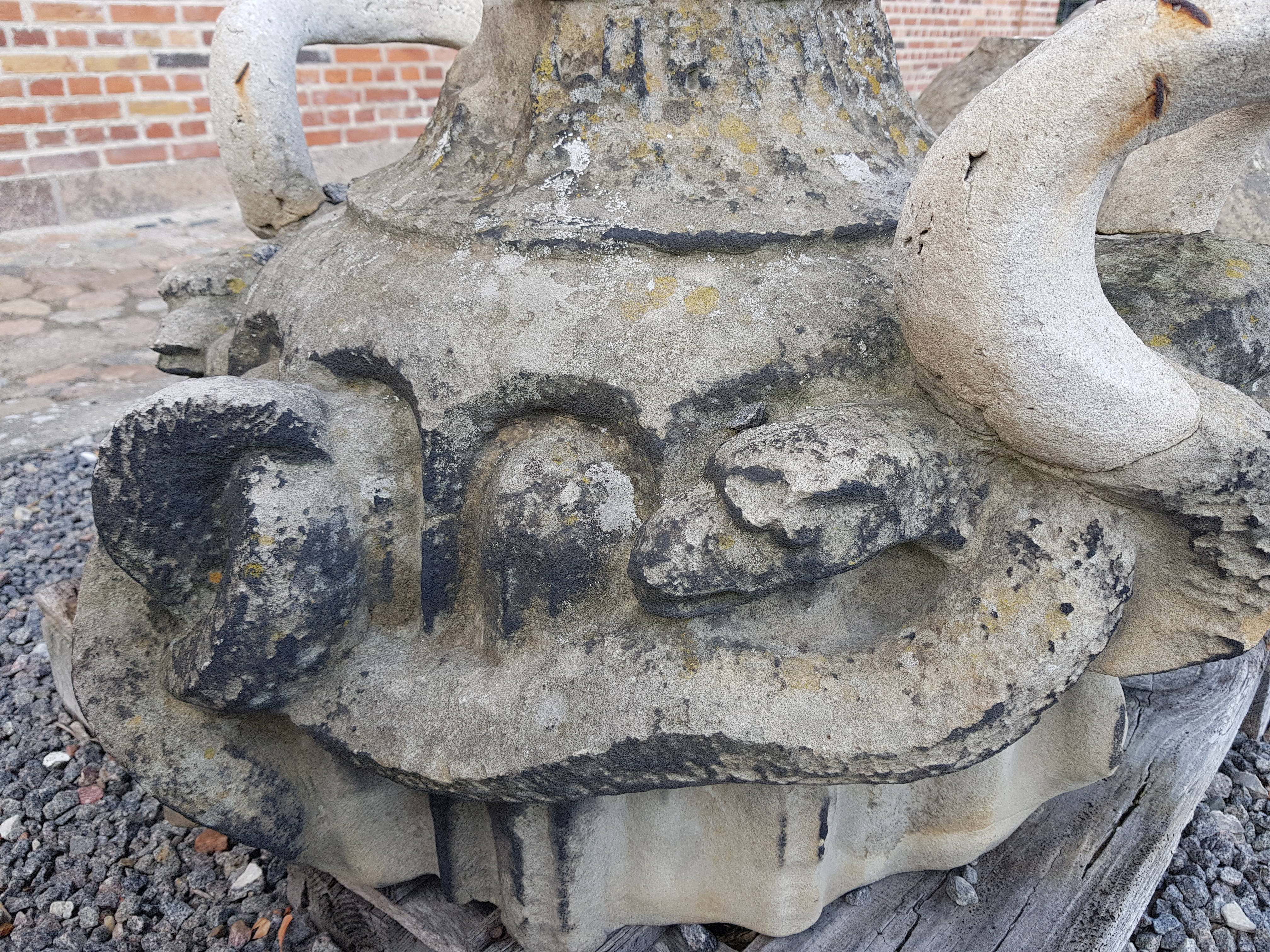
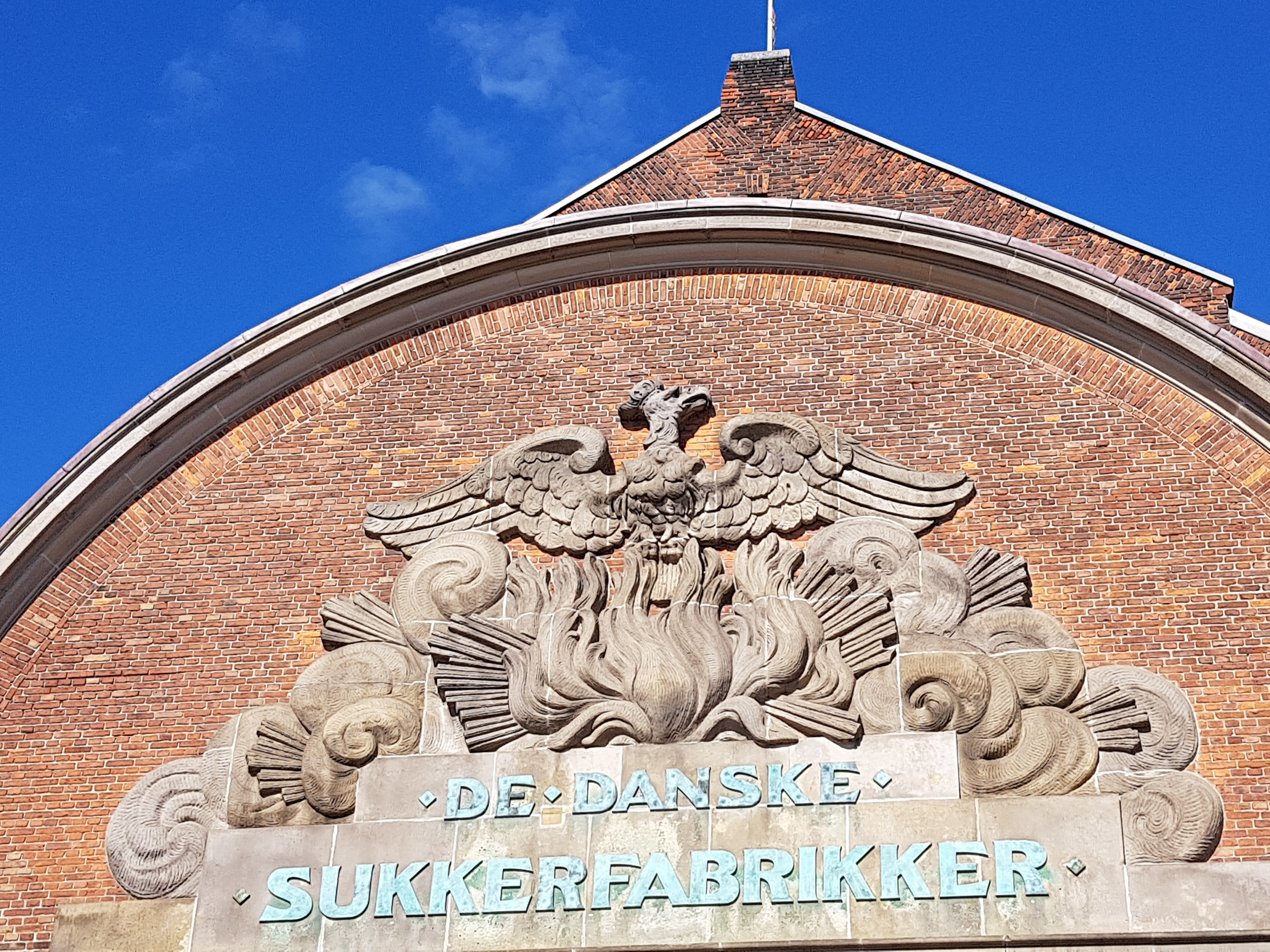
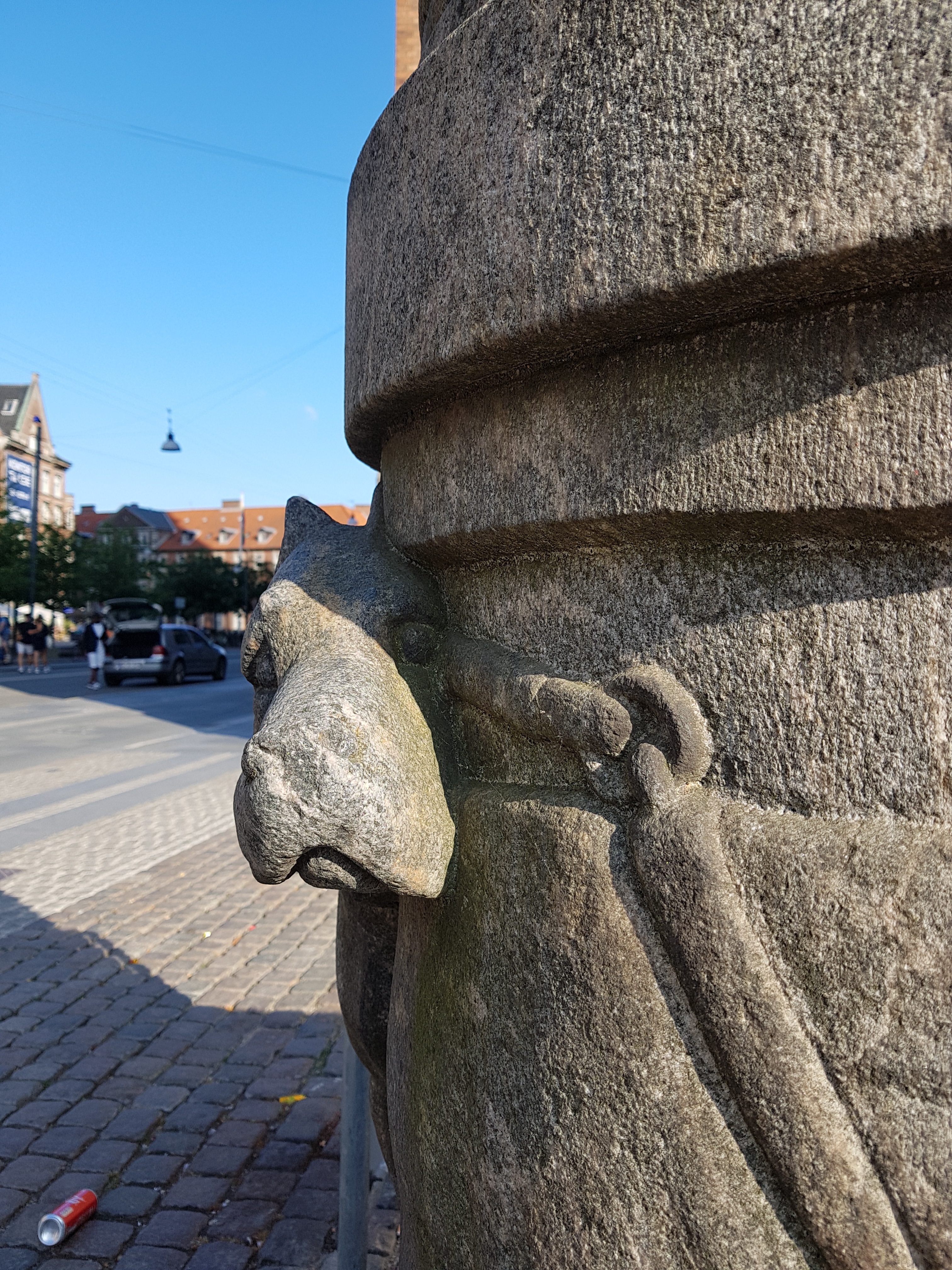
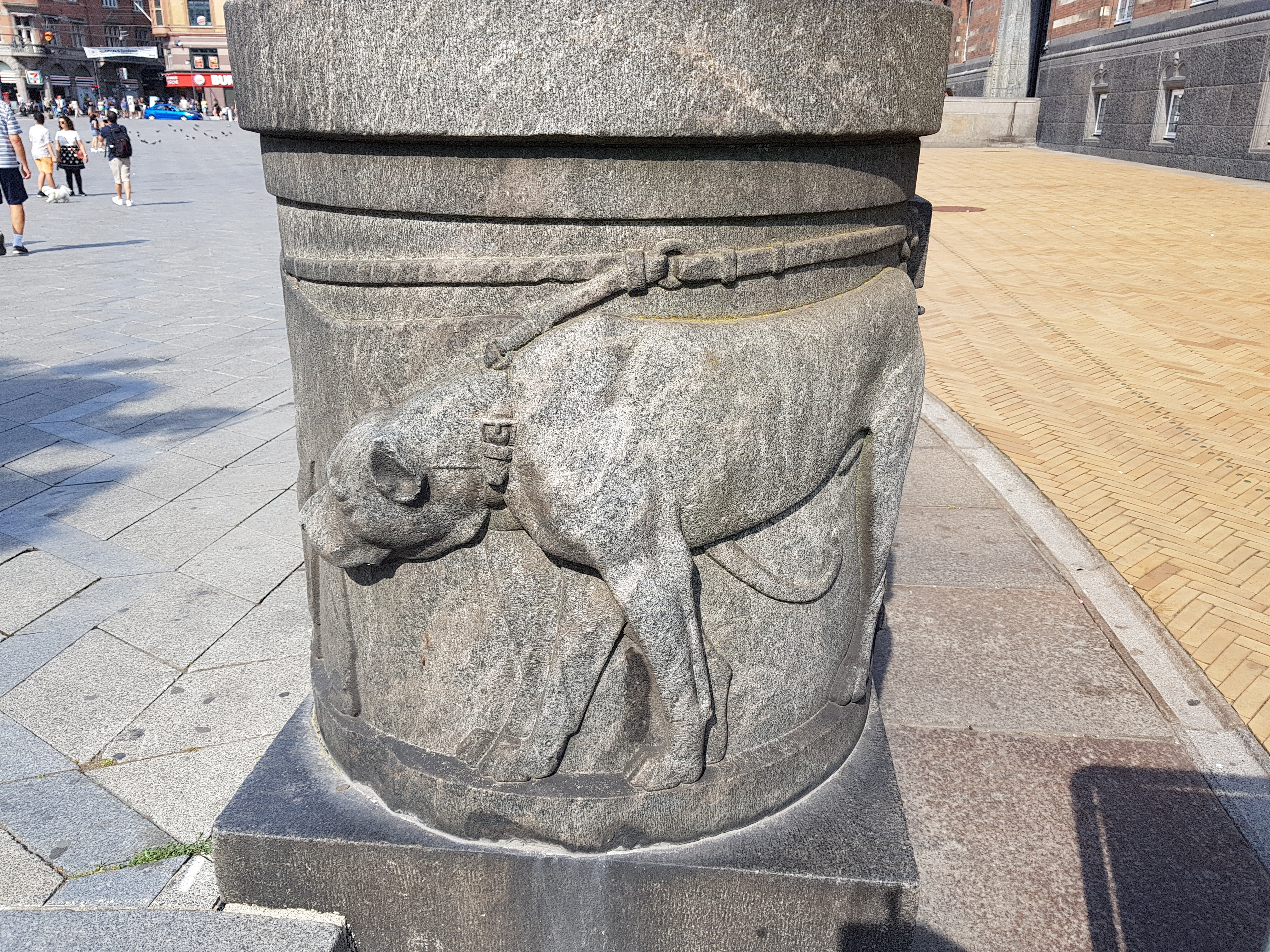
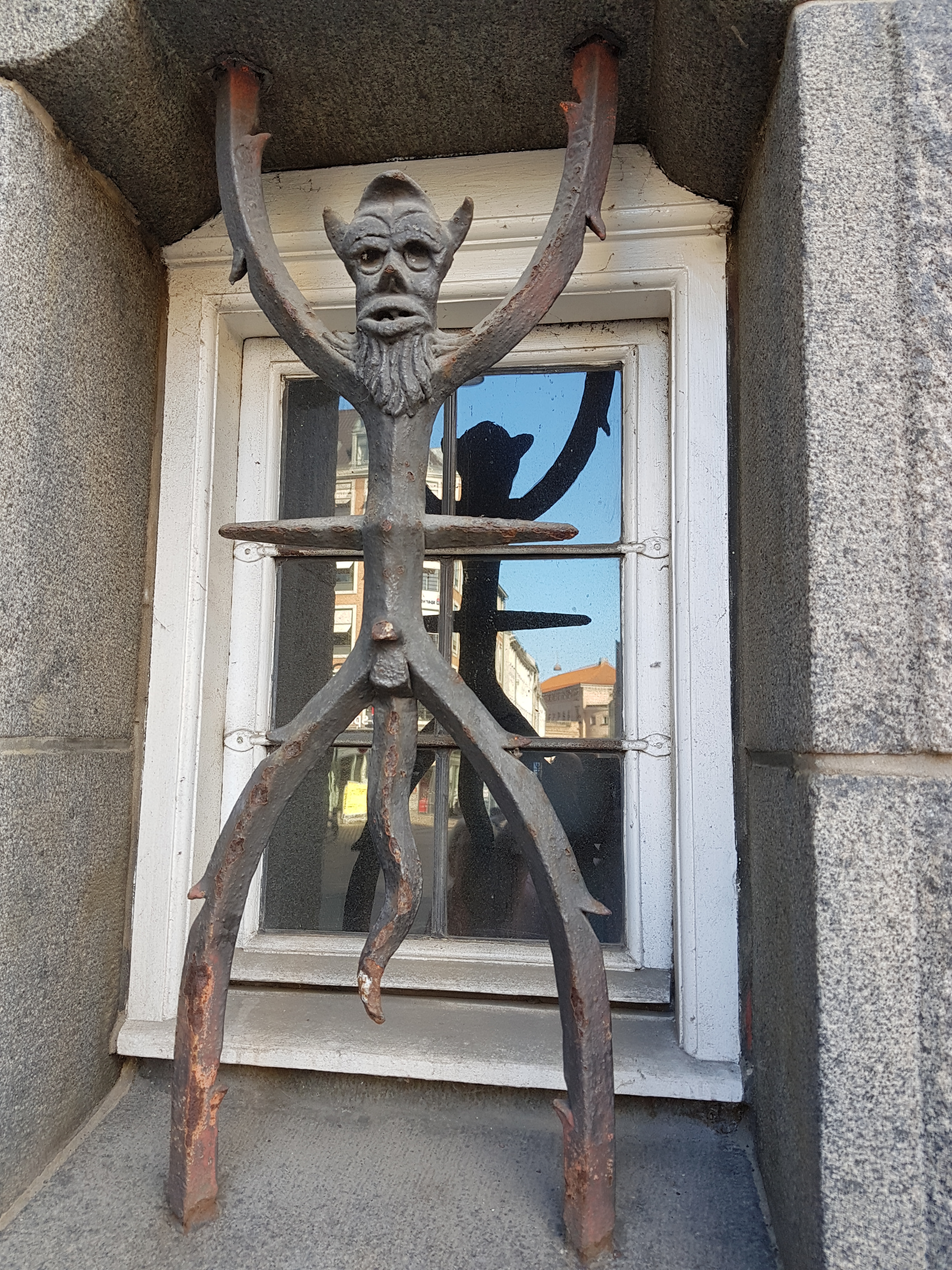
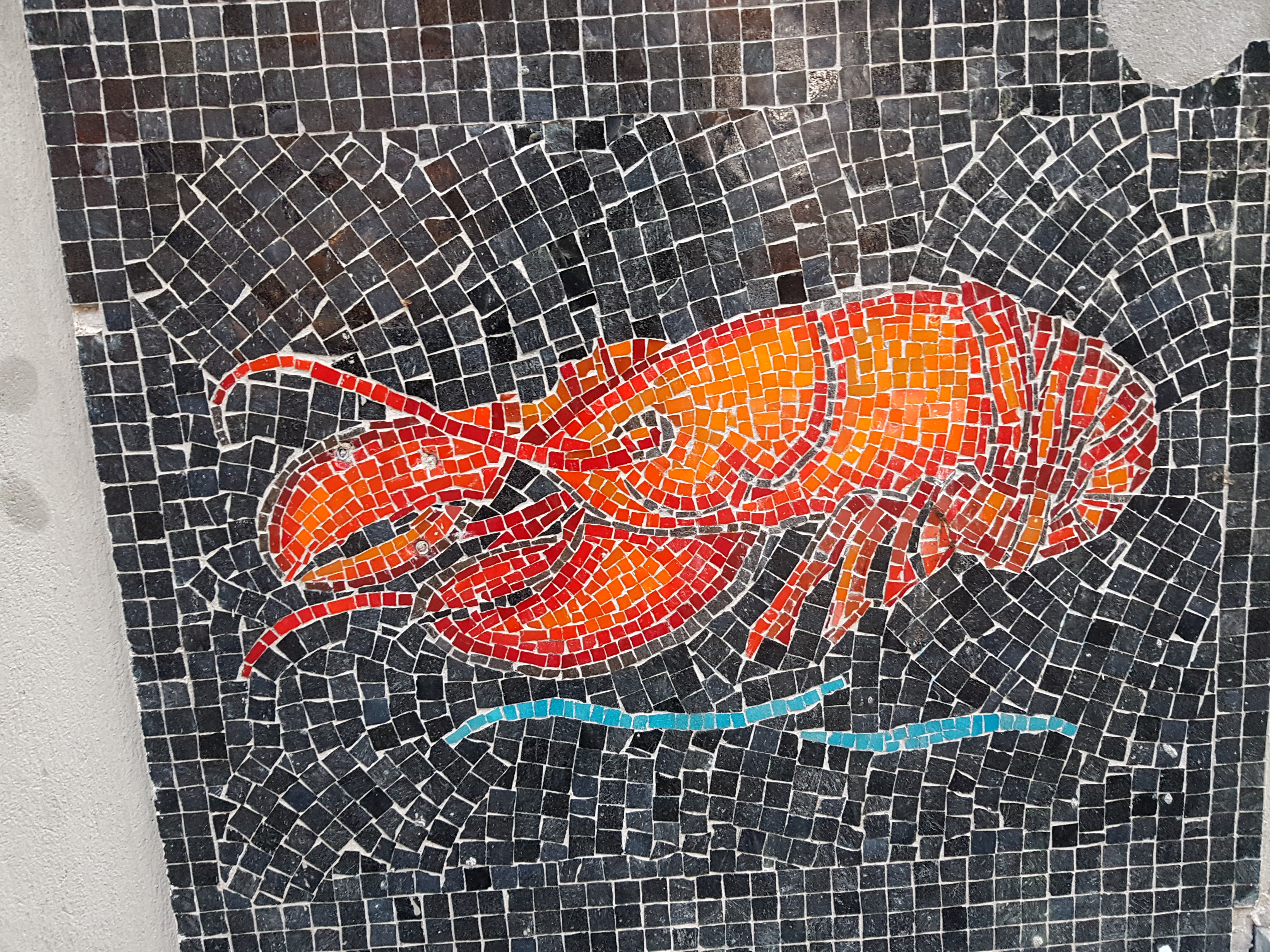
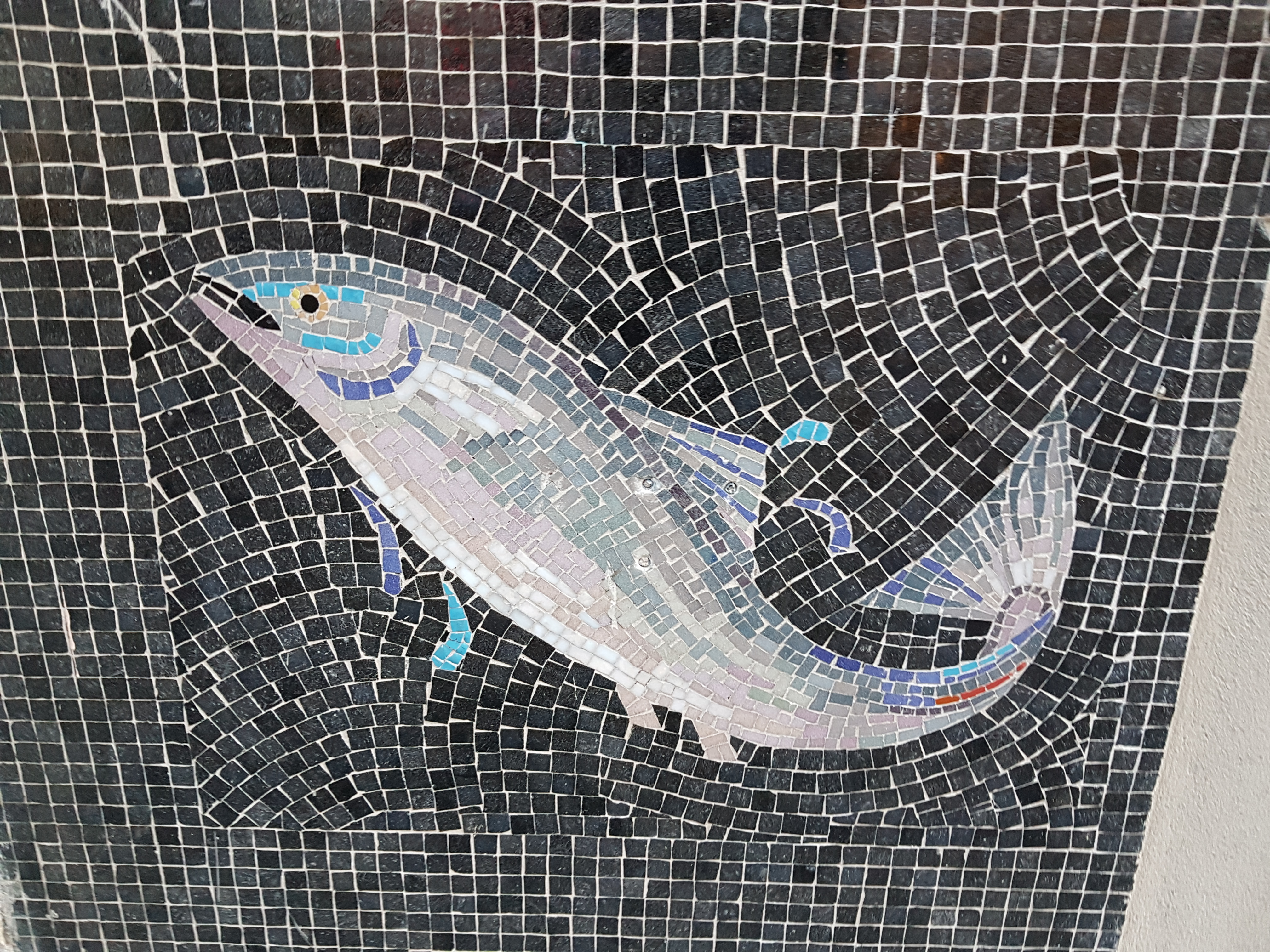
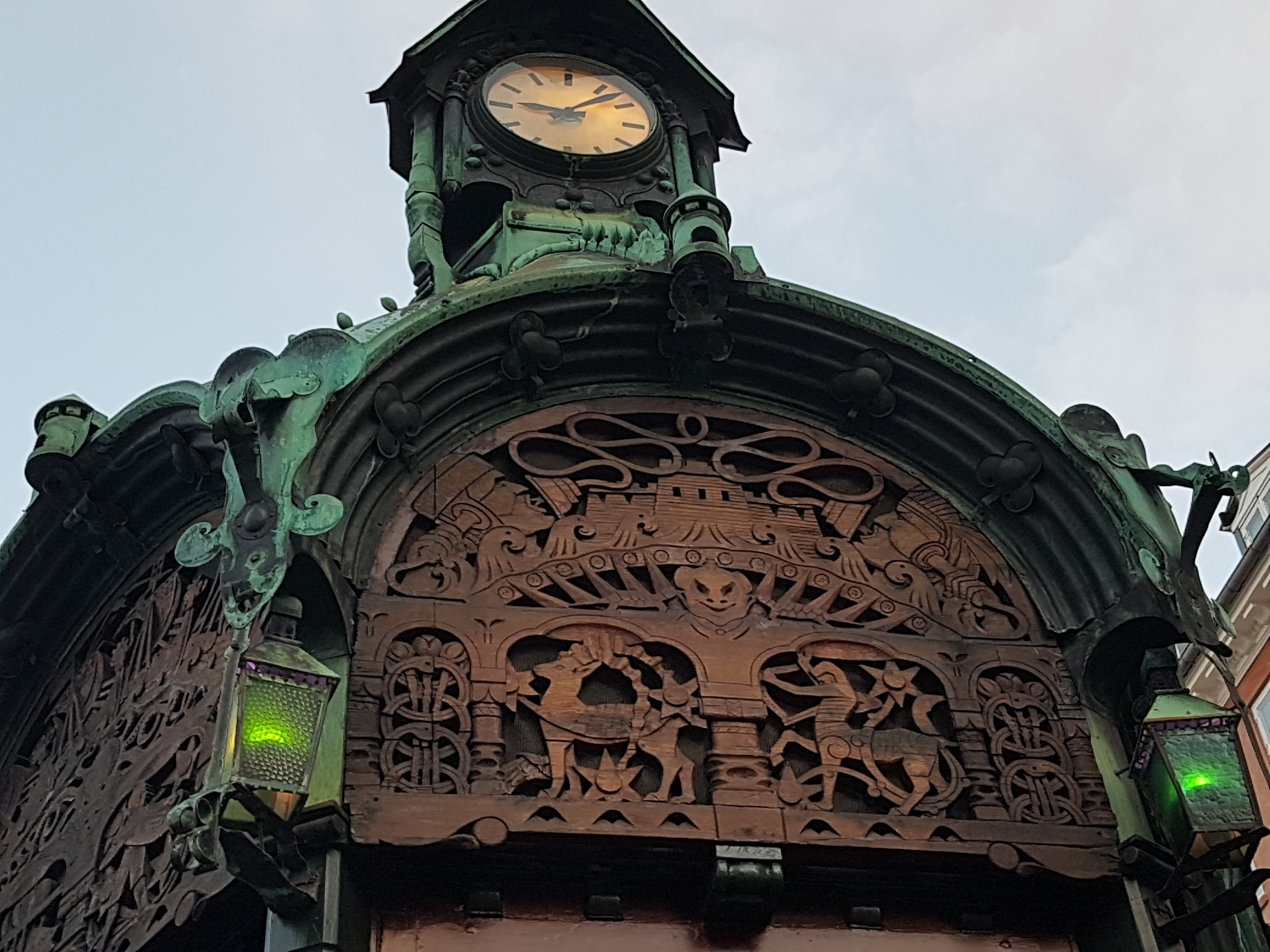
A Copenhagen (and beyond) Bestiary – part 5

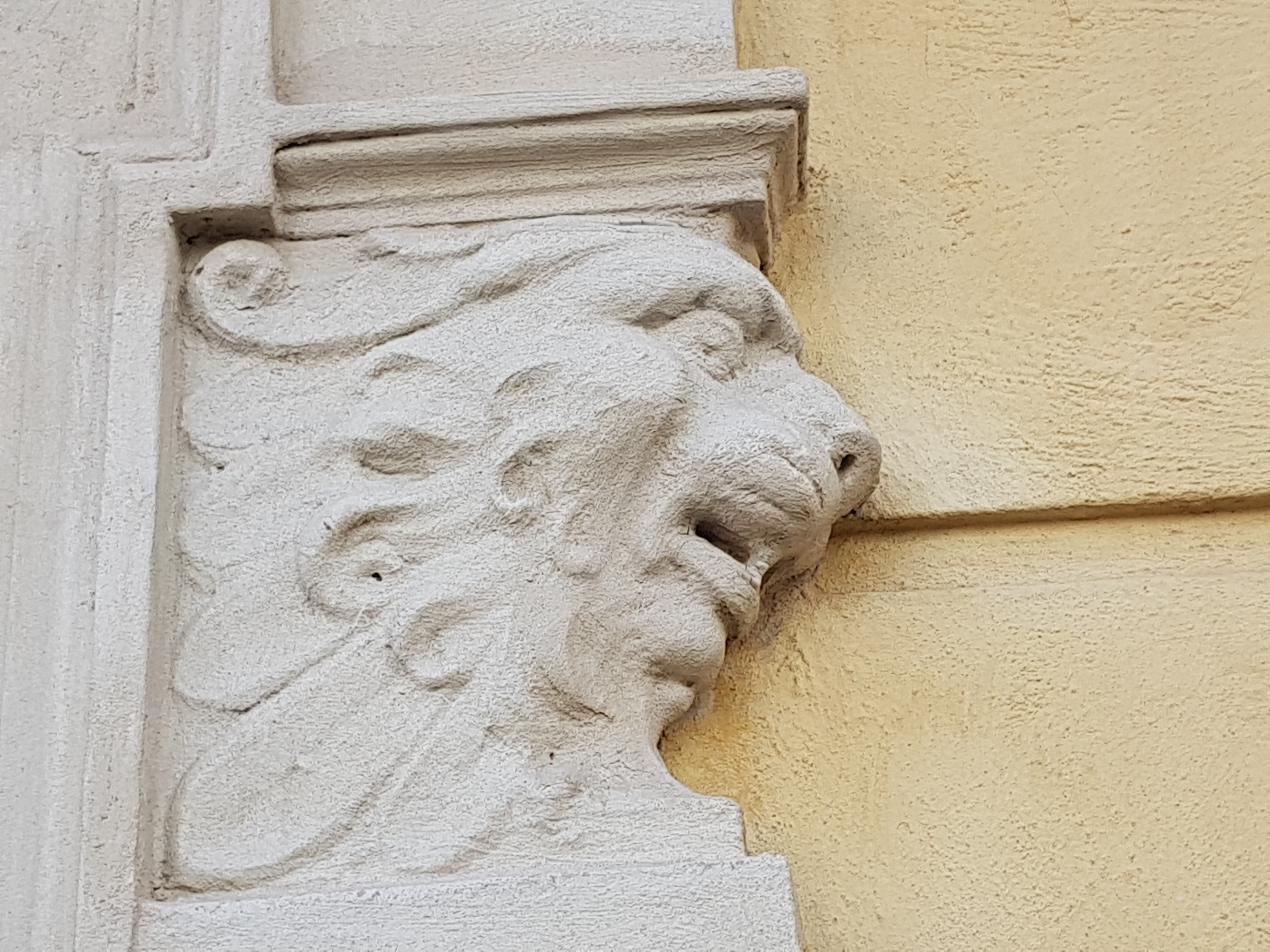
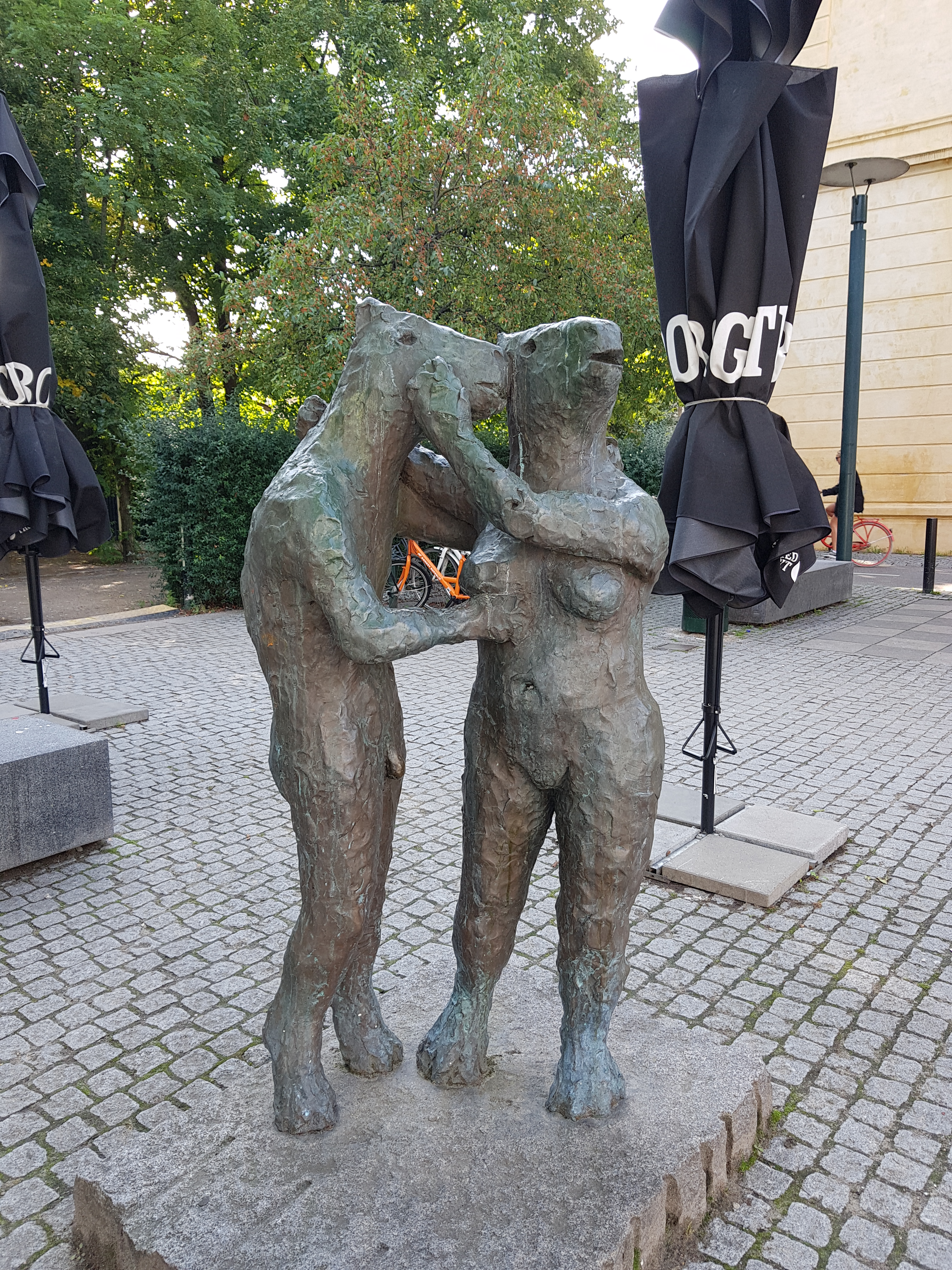
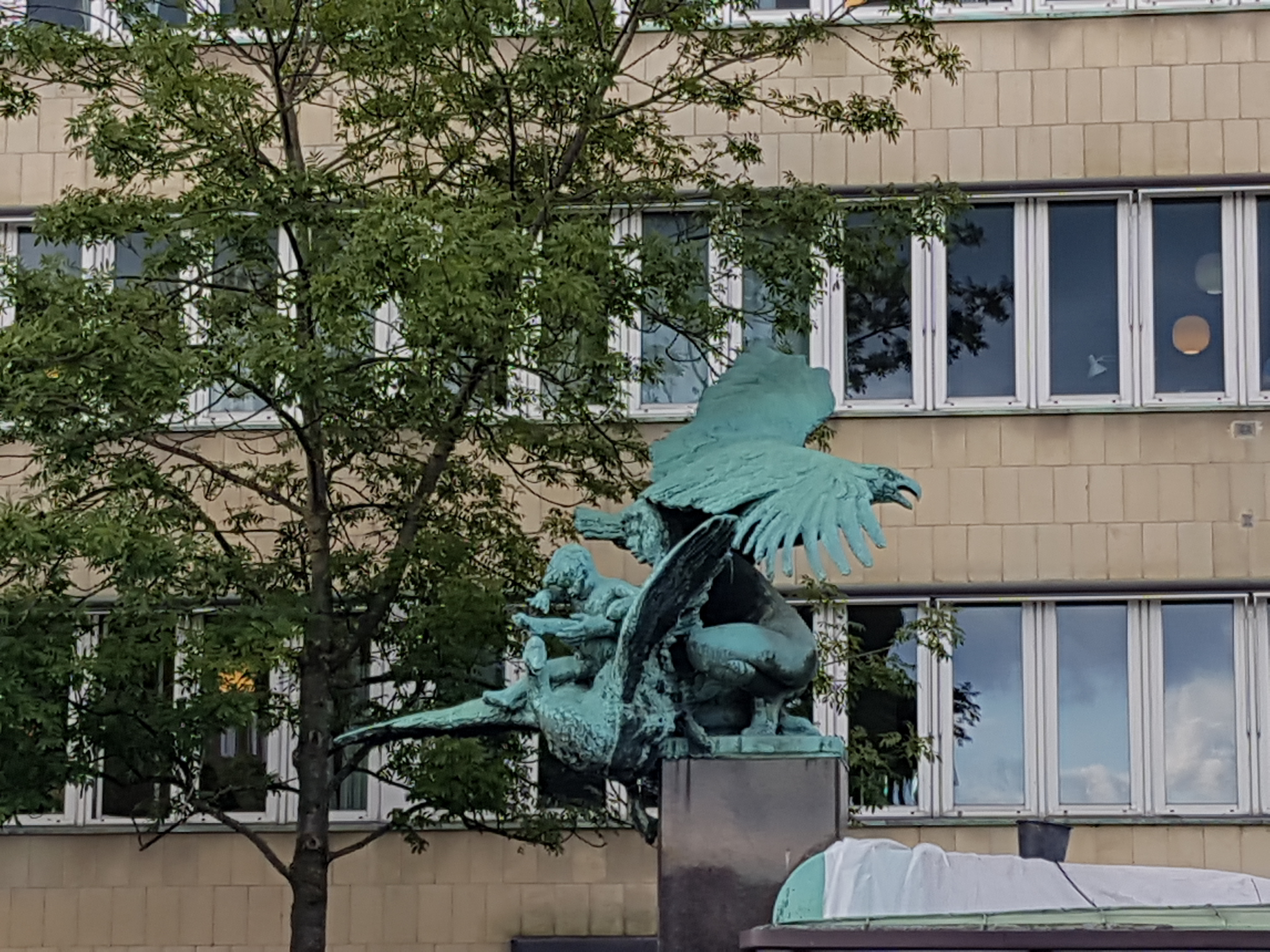
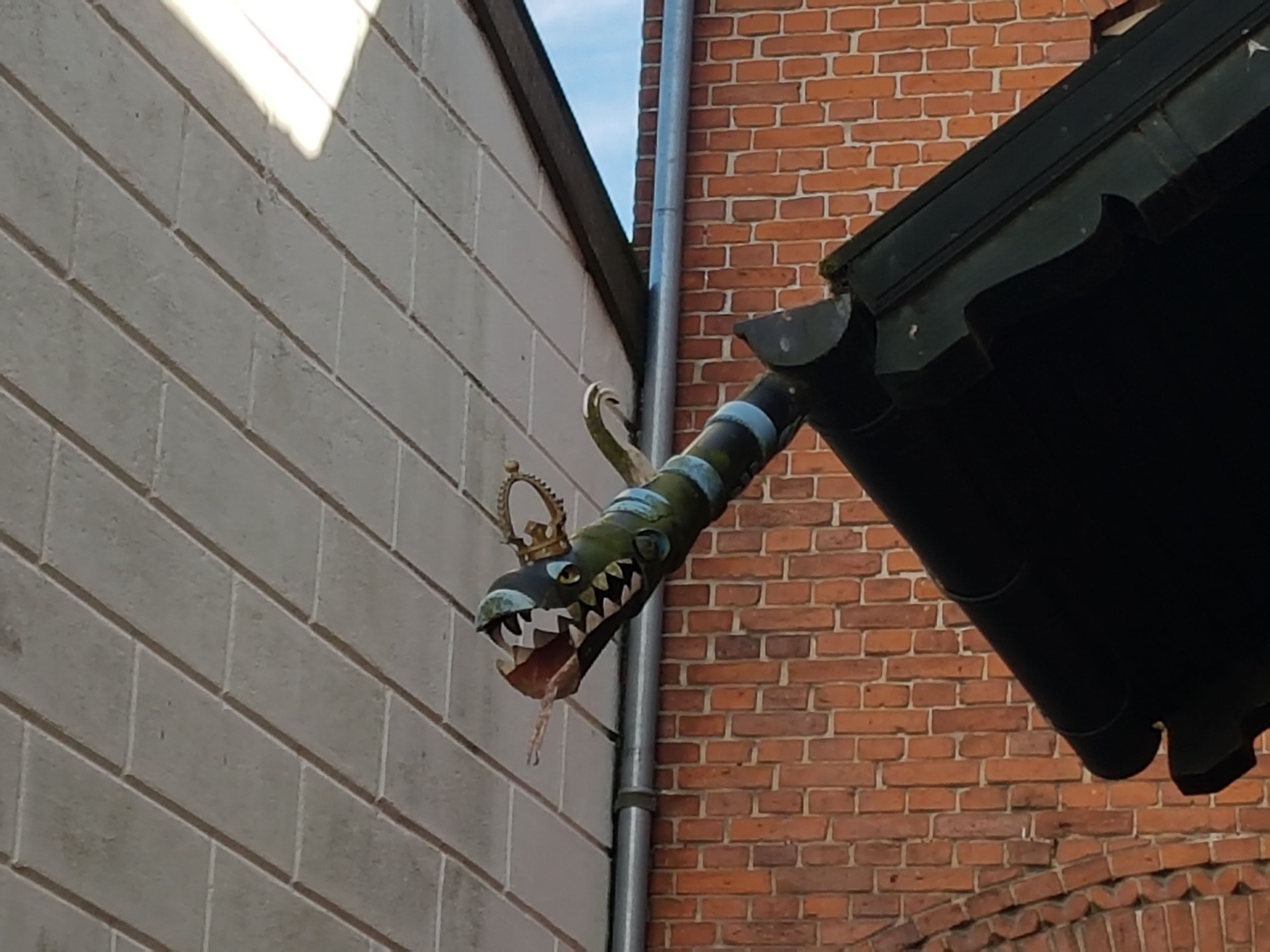
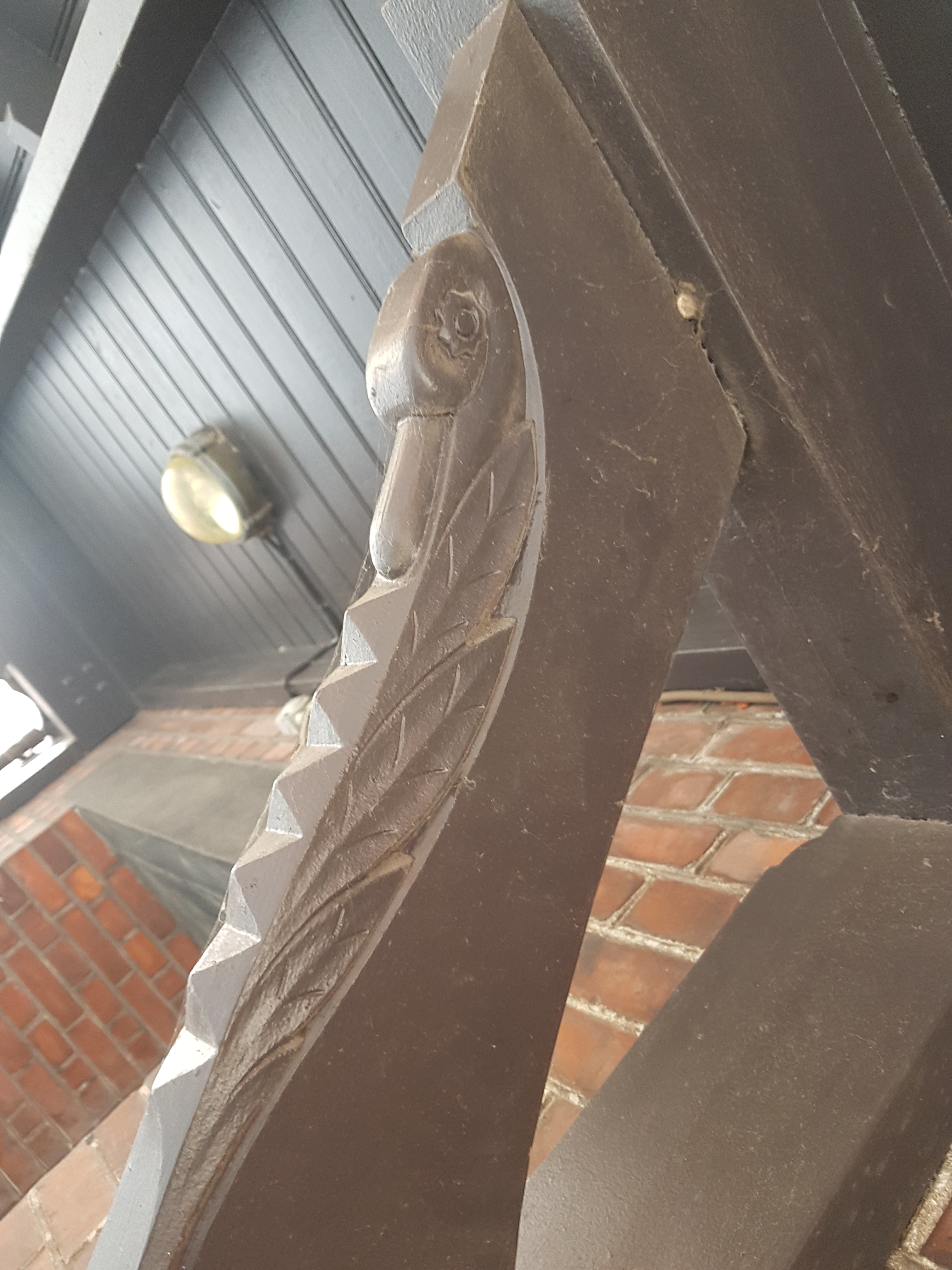
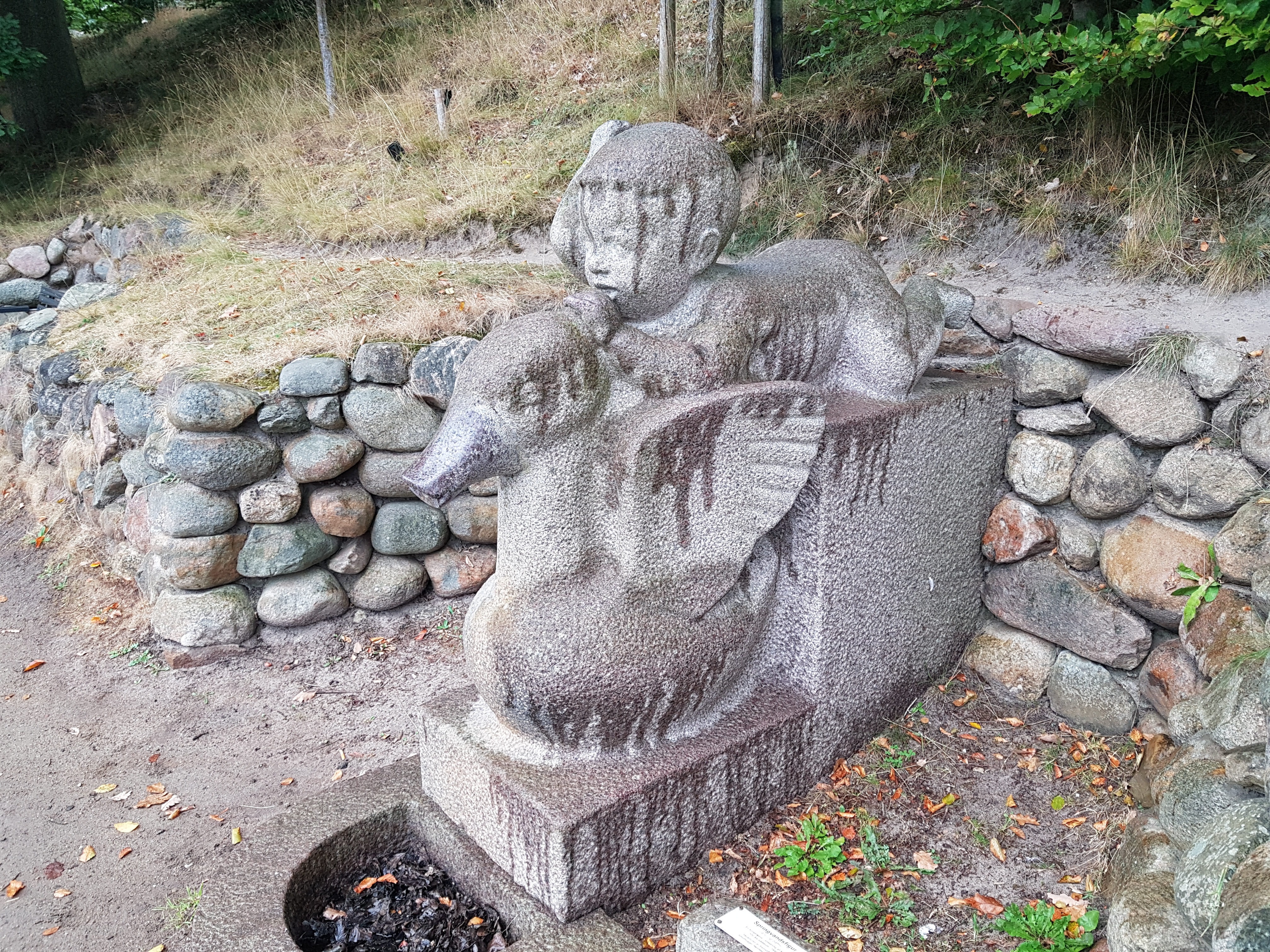
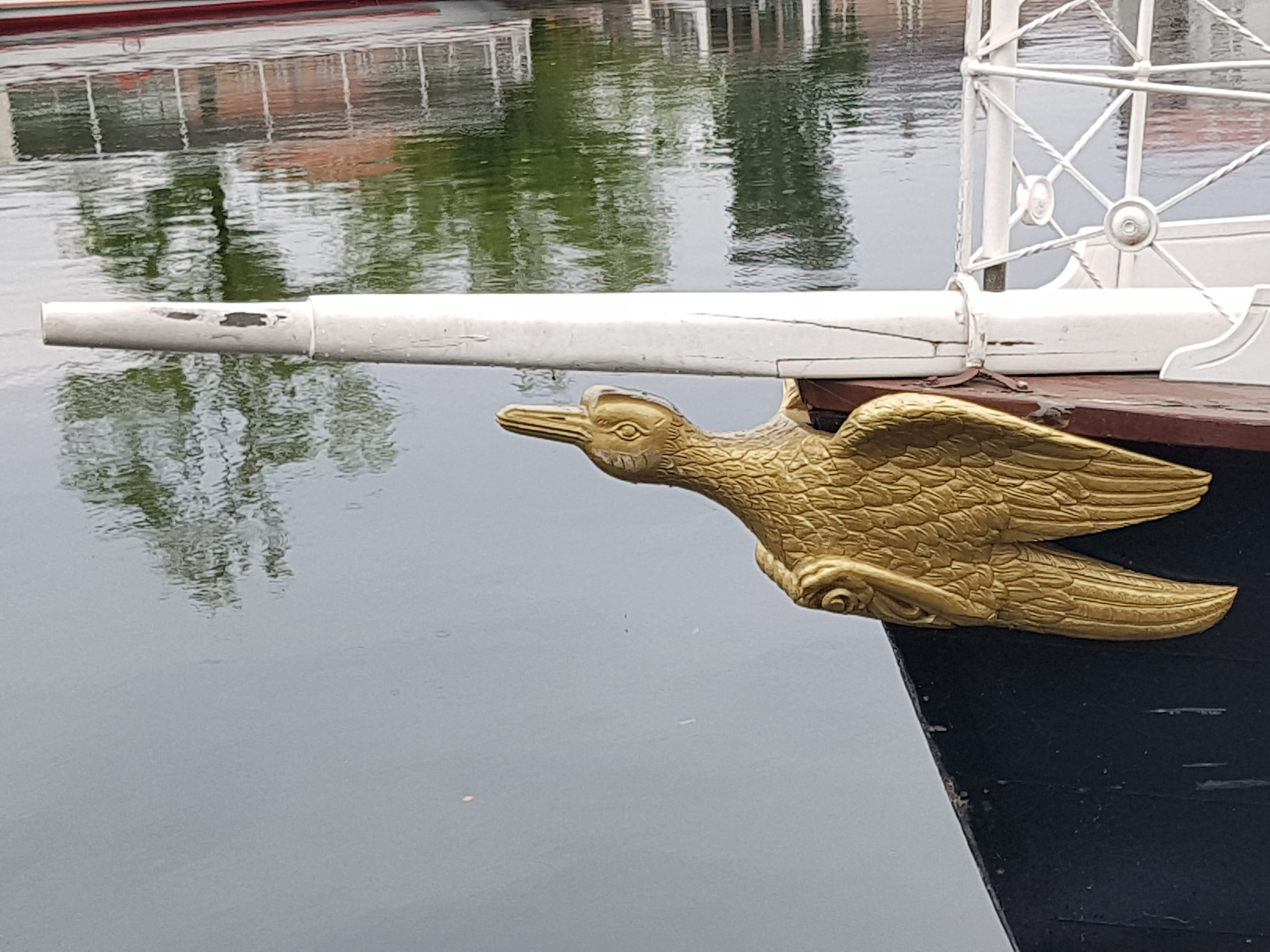
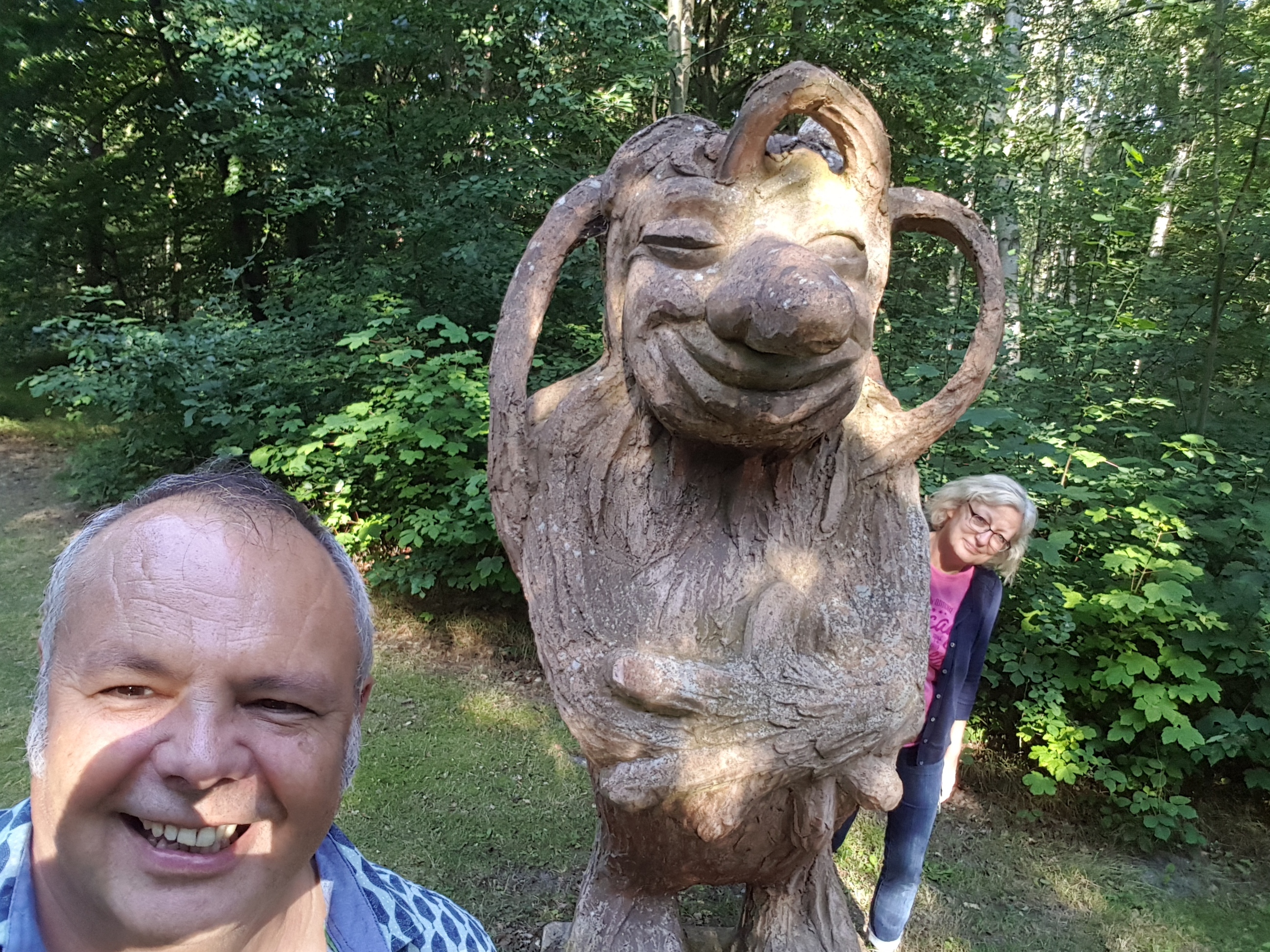
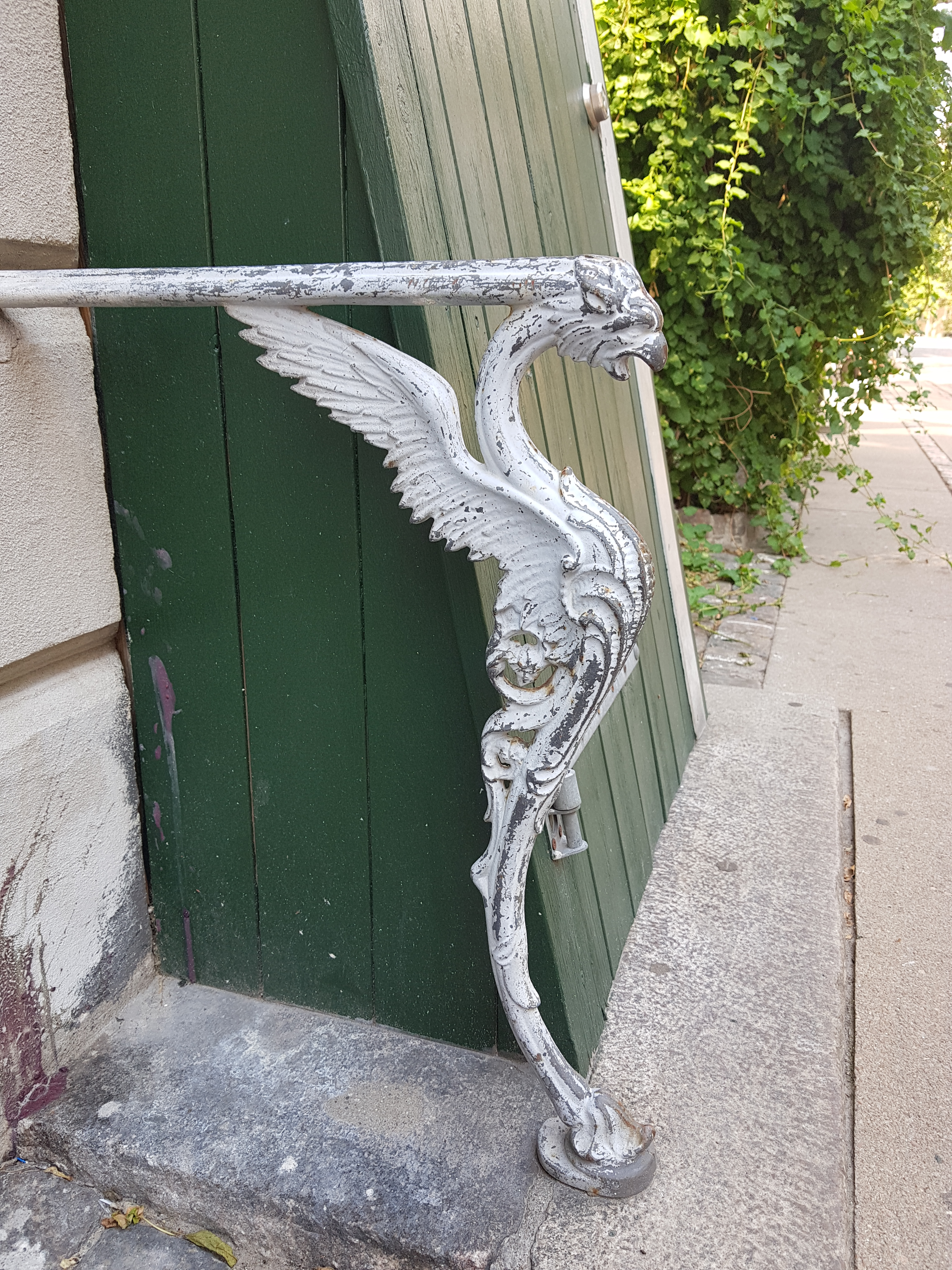
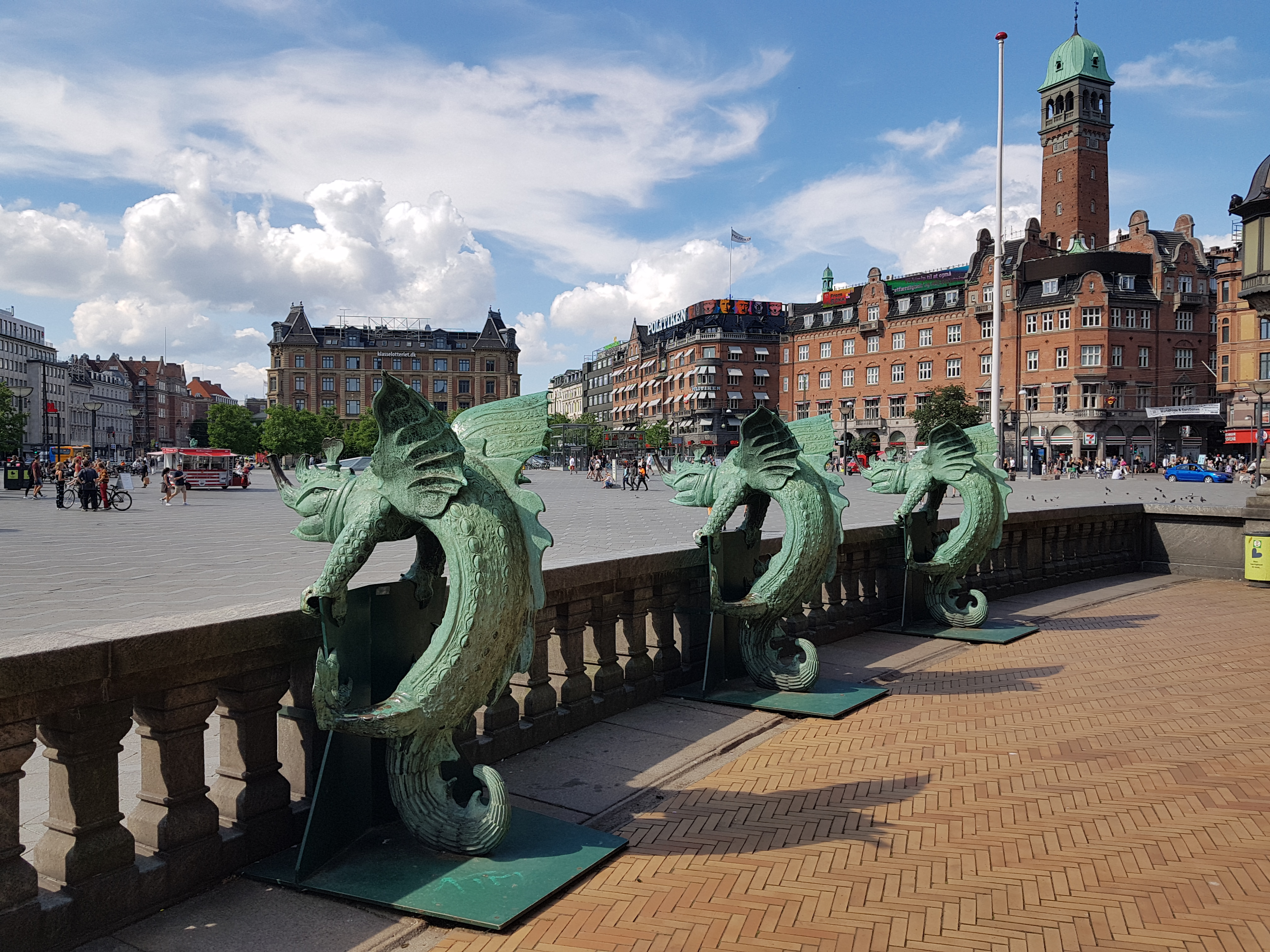
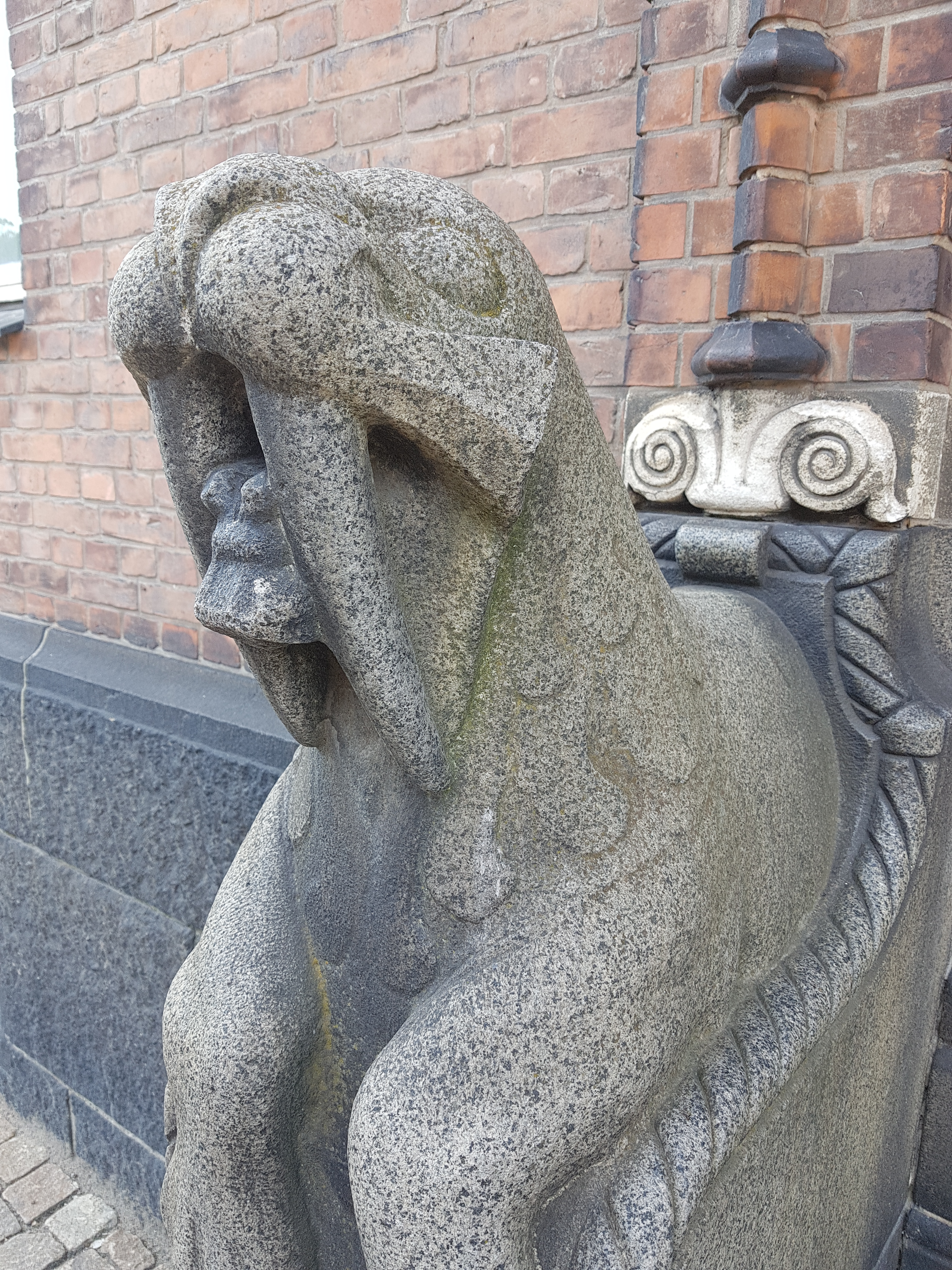
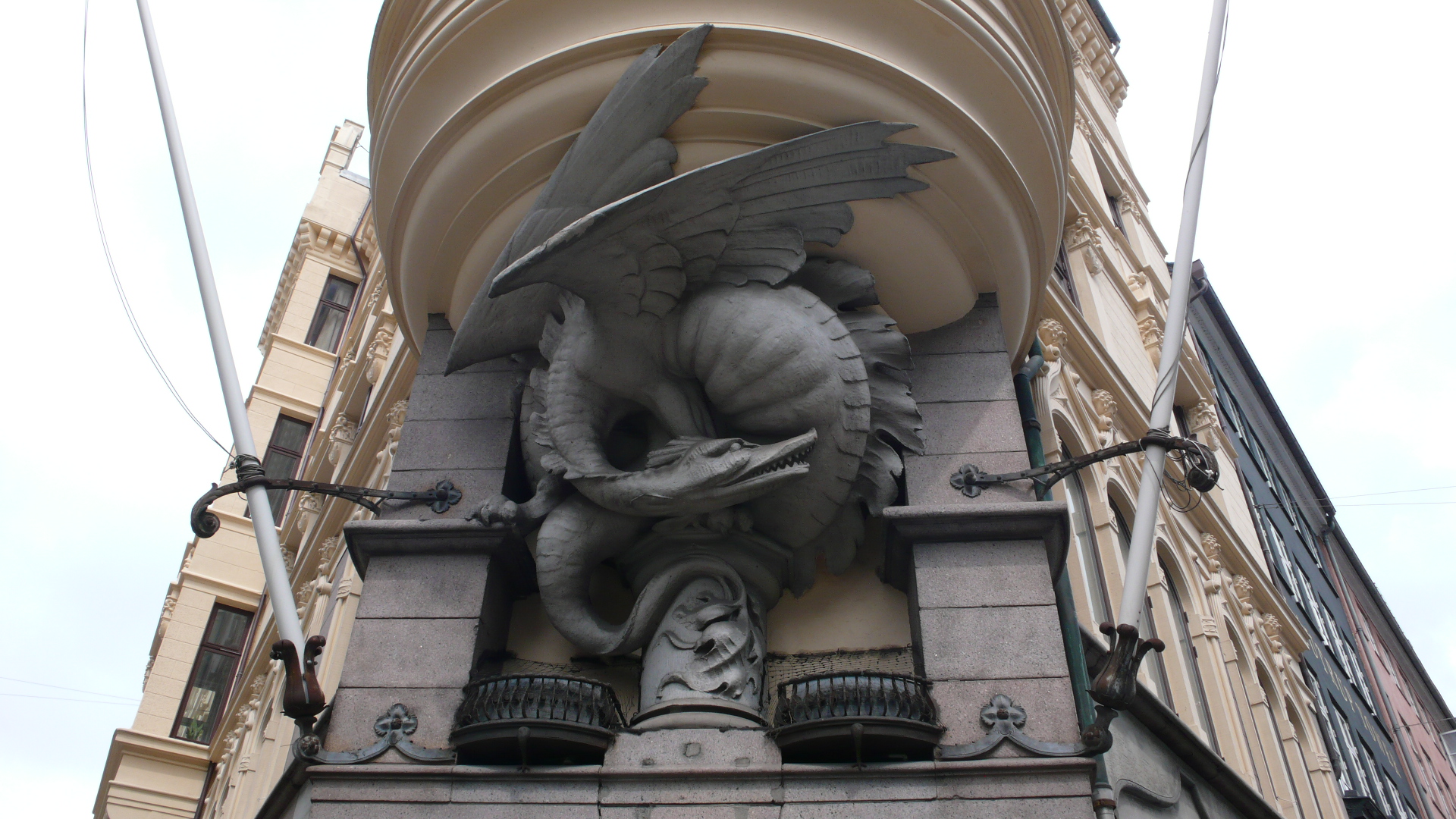
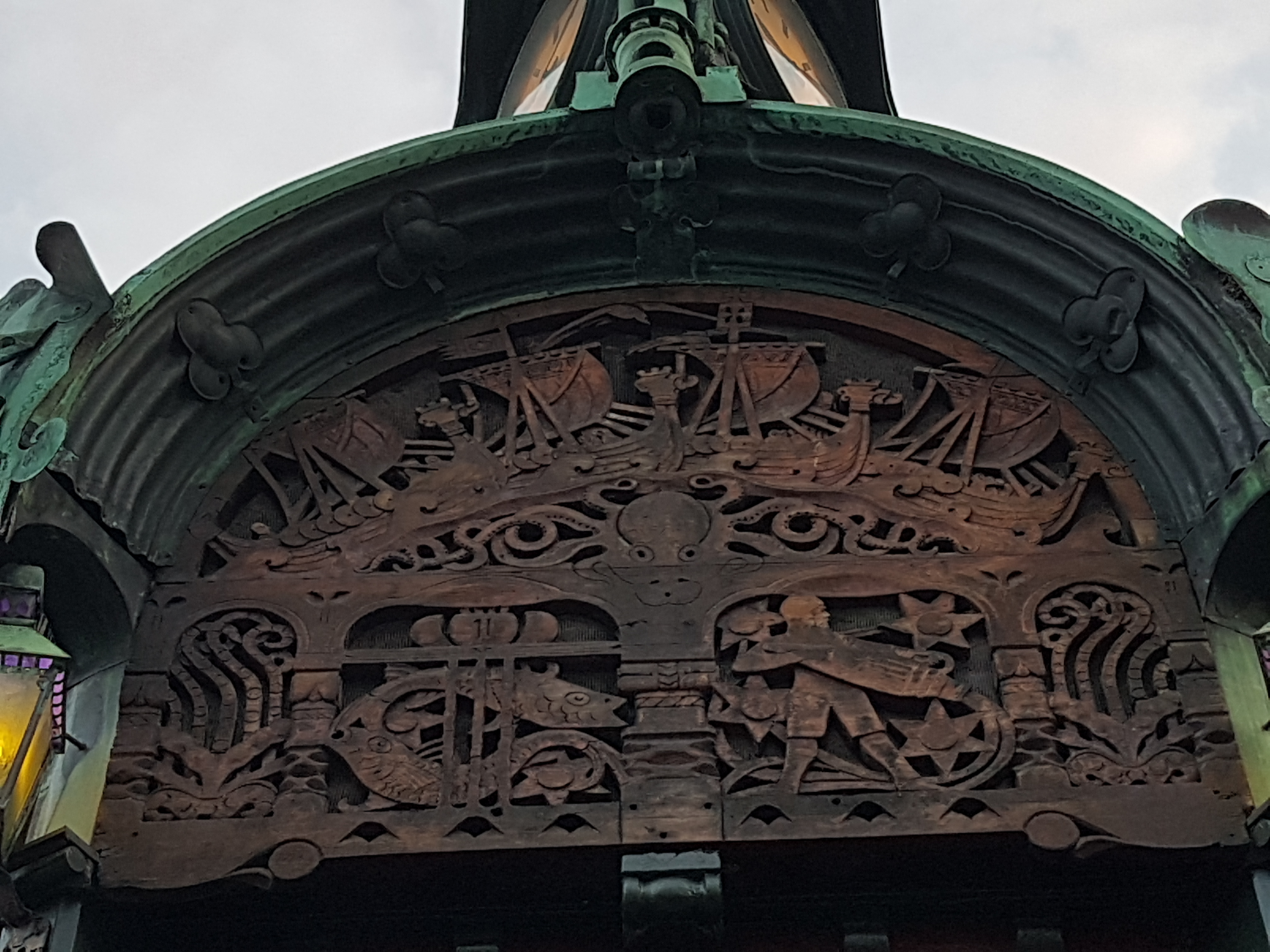
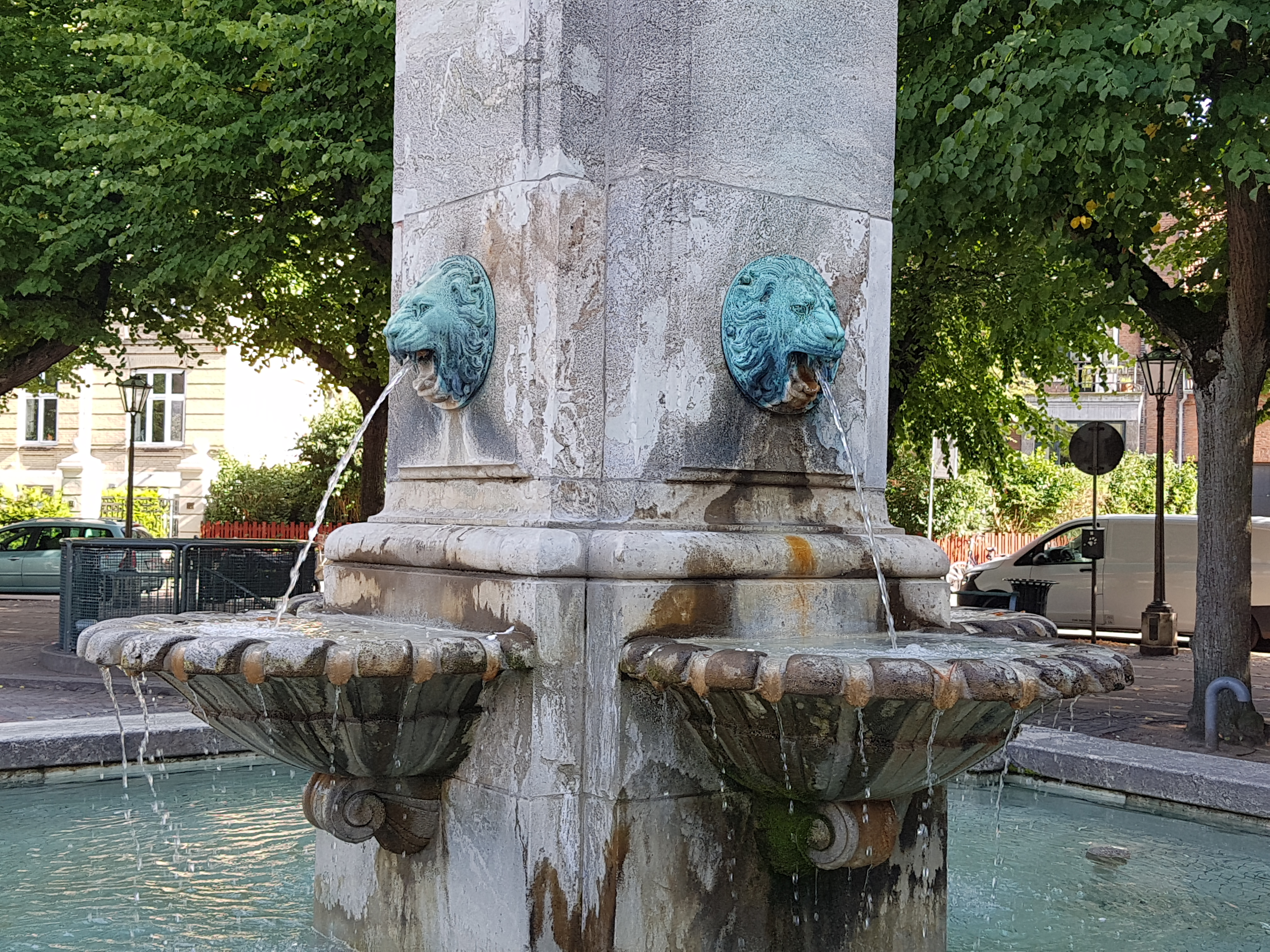
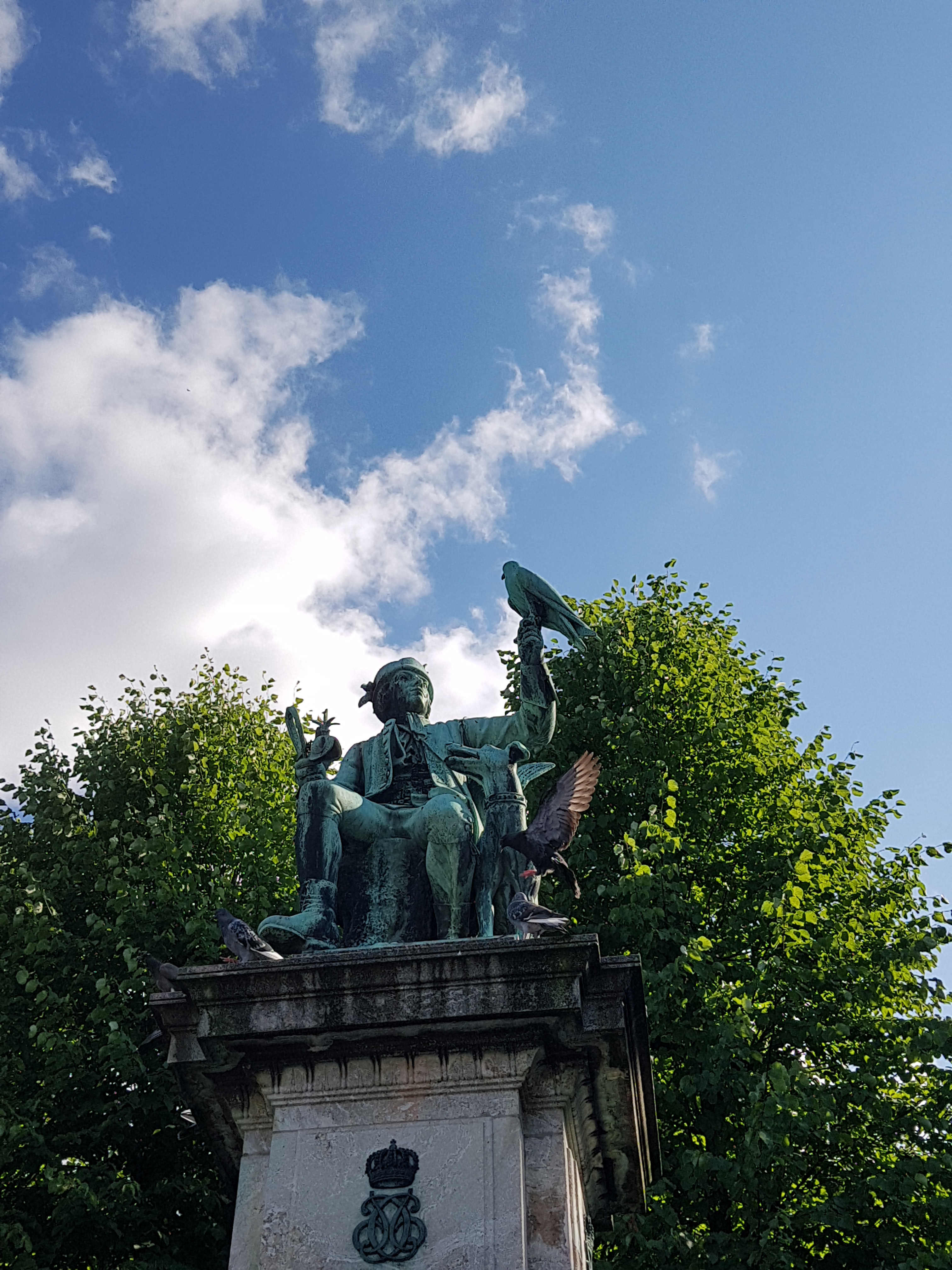
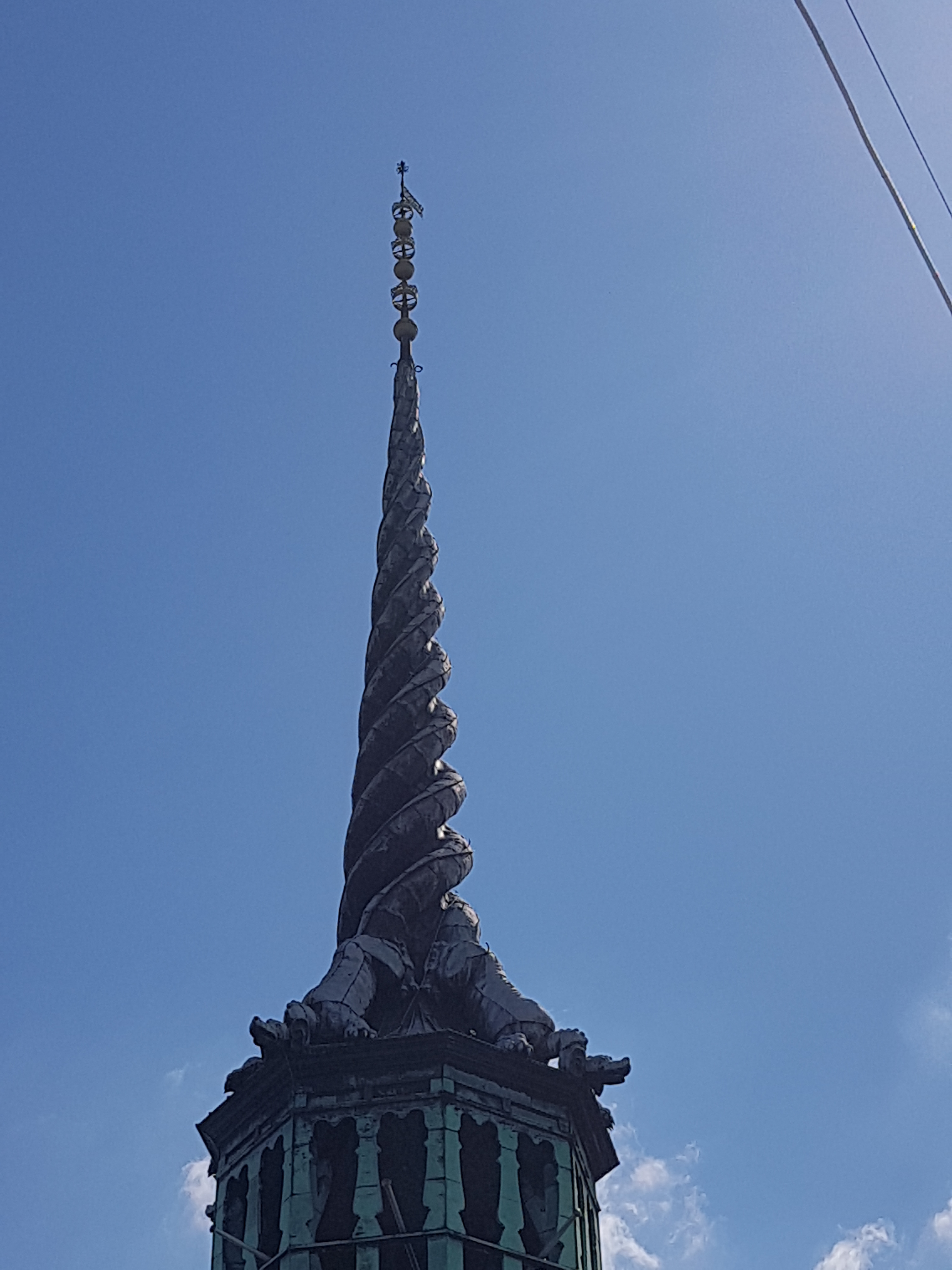
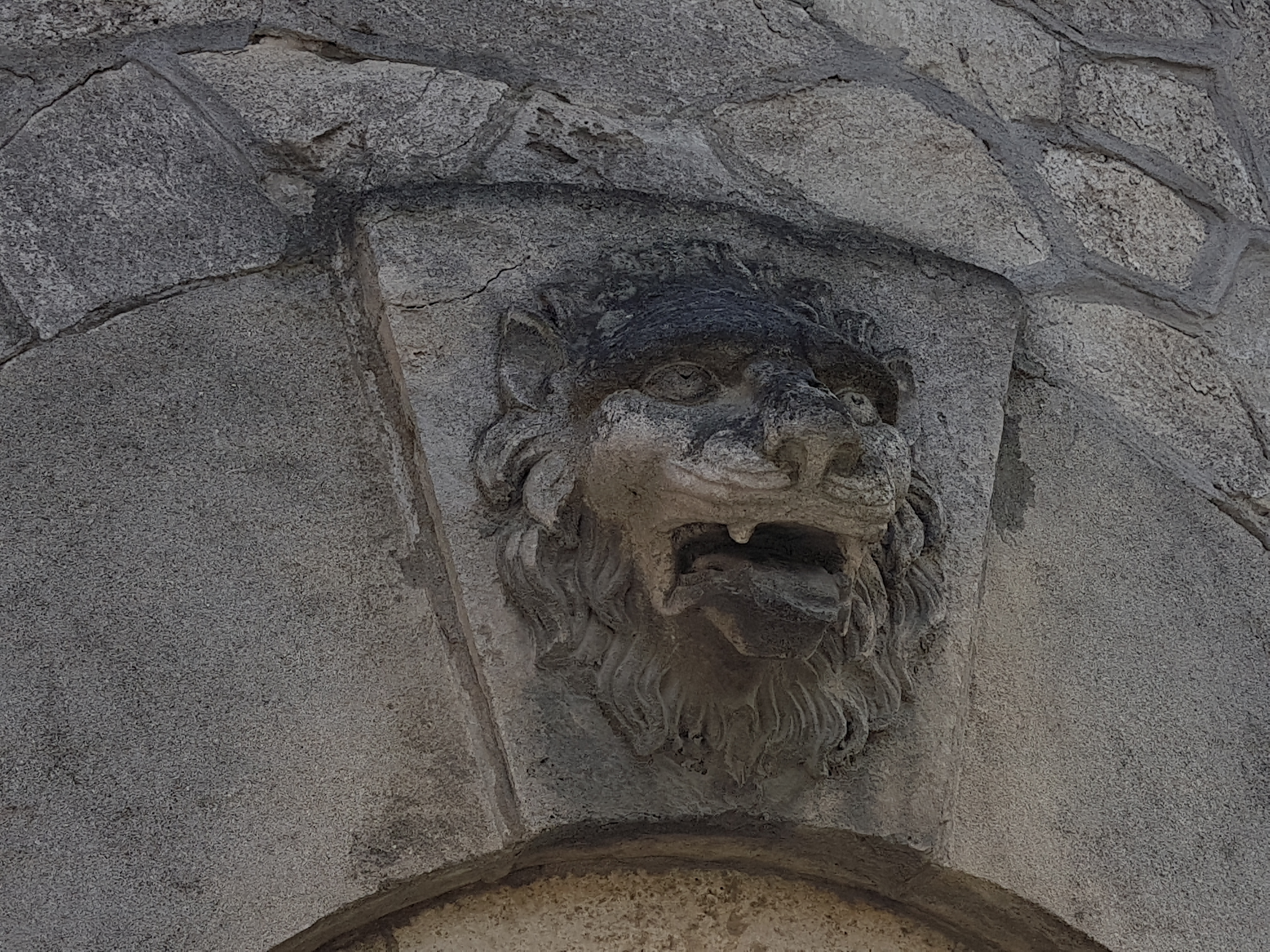
At the end of August I was back in Copenhagen for a couple of days to take part in the PhD defence of Céline Moreaux, who has been working on coffee pollination and bee conservation. While I was there I snapped a couple more images for my Copenhagen Bestiary series. However I’ve also seen some interesting sculpture and building decoration further afield this month, in Aarhus, Silkeborg, and Nykøbing Sjælland. I especially like the wooden carved canopy support in the form of a duck, from Aarhus: it’s very subtle and I almost walked past it.

And before anyone asks, no, Karin and I are NOT part of the bestiary, but I didn’t get a shot of the troll by itself.

Wild mushrooms, tragic deaths, and the importance of understanding nature

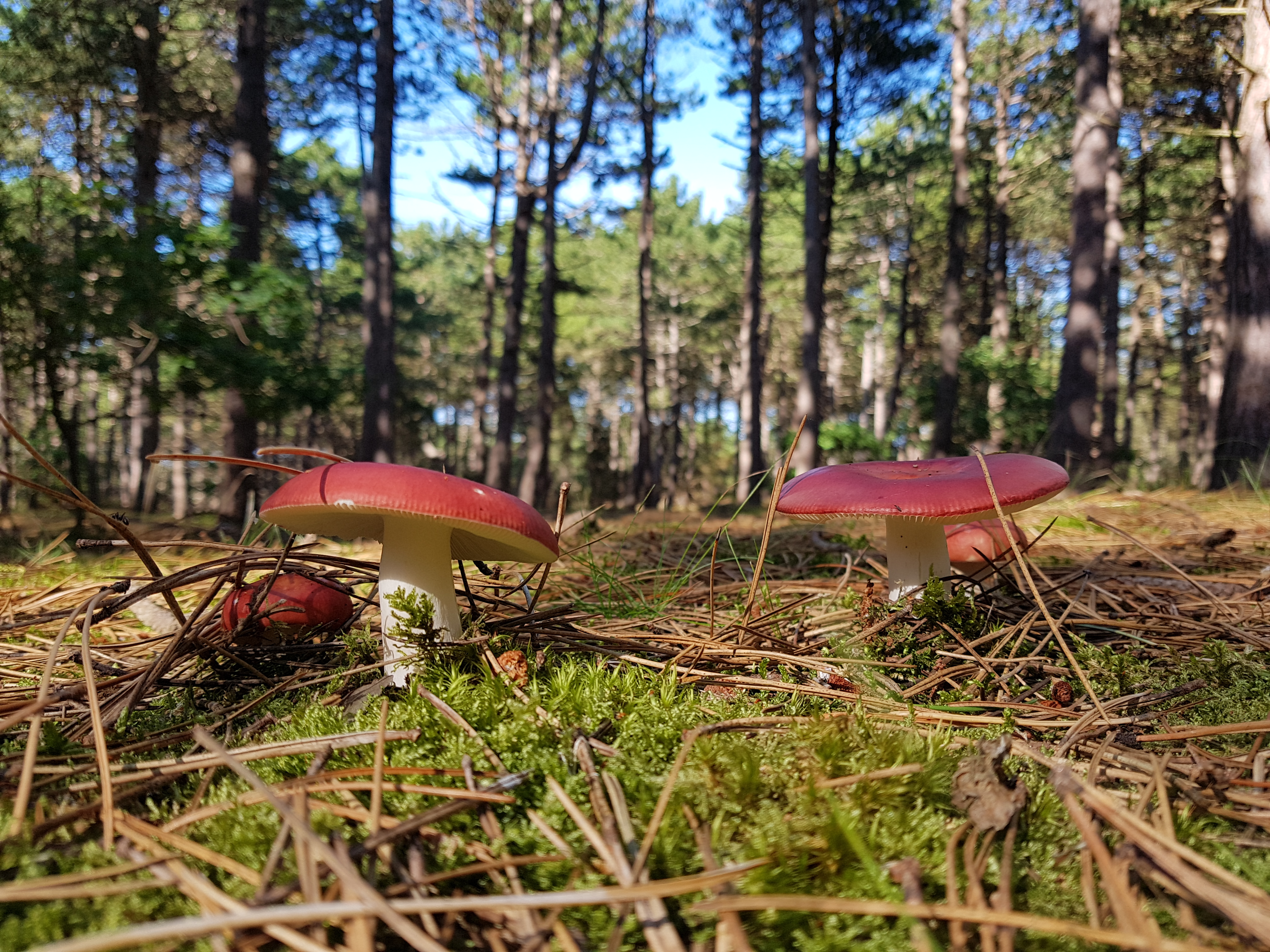
A sad and timely news story caught our eye this morning: the death of two young Afghan boys in Poland who were poisoned after their family collected wild mushrooms to make a soup. Other members of the family were hospitalised. As Karin read out the story to me, I was moved by the tragedy of these events for a family fleeing a war zone, but also angered by pointlessness of the loss of those brothers’ lives, just more death-by-wild-mushroom statistics. In Europe we read about such events every year in the autumn, the peak of wild fungus foraging. And quite often the deaths are of people who have recently moved to an area and mistake poisonous mushrooms for edible ones from their country of origin.

At their root, these tragic stories of lost lives and broken families are stories of misunderstandings about nature. In particular, they are about not appreciating that plants, mushrooms, animals, and other wildlife, are not the same all over the world. There are biogeographic differences between regions that reflect the long-term history of life on our planet. Plants or mushrooms that look superficially similar in different parts of the world may have very different evolutionary histories. Histories that can make the difference between good to eat and deadly poisonous, between life and death.

The mushroom which killed the boys was a Death Cap (Amanita phalloides) which is found across Europe and the Mediterranean basin. As far as I can tell from its GBIF records, it does not occur in Afghanistan. The family presumably mistook this mushroom for one with which they were familiar, perhaps a different species of Amanita, which contains both deadly types and some that are good to eat. This terrible and fatal mix up could so easily have been avoided.

I’m not certain if resettlement agencies provide information about the foraging of wild food, or if basic facts about local nature are provided to those new to these areas. This is a simple action that could save lives and further tragedies for families trying to recover after the disruption of moving to a new country. It may be that this family was trying to carry on traditions of foraging in an effort to feel at home.

Since we arrived in the Odsherred region of Denmark, where Karin and I intend to settle, we have been exploring the woods and beaches on our newly bought bicycles. Much of the natural history is familiar to me from Britain, but there’s also some interesting differences and in future blog posts I’ll discuss this further. Last week we happened across a Lithuanian woman and her mother who had been foraging for mushrooms in the forest around their summer house. They were pushing a baby’s pram, the lower basket of which was stuffed with fungi. Picking and eating wild mushrooms has been something I’ve enjoyed since I was a teenager, so I had to stop and chat with them. They showed us some of their finds, including species with which I wasn’t familiar and that I will research further.

Lithuania and Denmark are of course quite close to each other geographically. Nonetheless the younger woman was still discovering which of the local mushrooms were good to eat: ‘I learn one new edible species each year’ she told us ‘That’s a good rule, then you don’t get confused’.

Since that meeting we’ve had several meals from mushrooms collected in the area, including some very fine ceps (Boletus edulus). I will keep in mind the woman’s words and proceed cautiously when it comes to discovering what is edible and what is not.

To end this rather sad but hopefully thought provoking post, Karin and I send our deepest condolences to the Afghan family and our heartfelt wishes that they can recover from these tragedies that must have deeply affected their lives.

A Copenhagen Bestiary – part 4

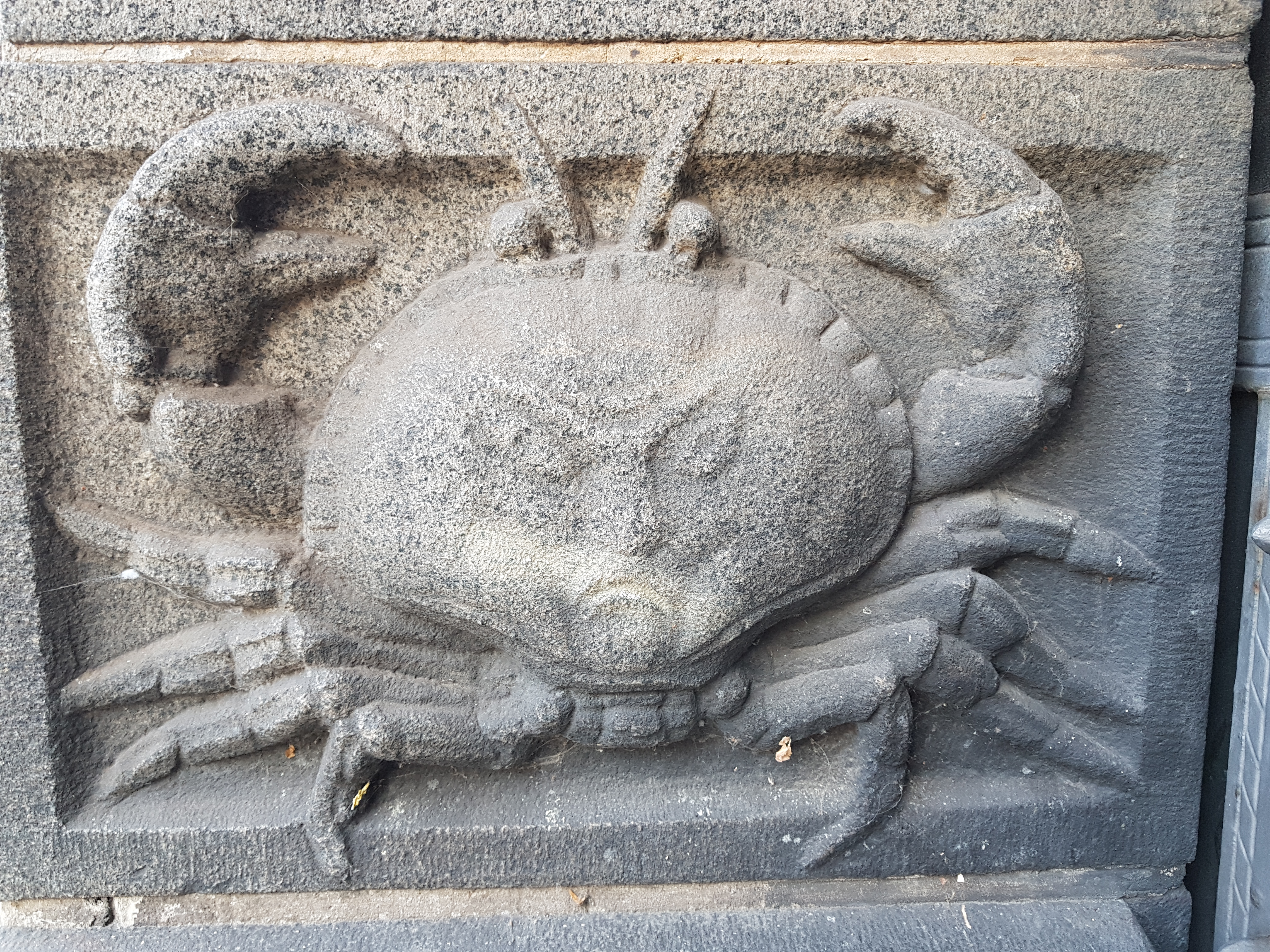
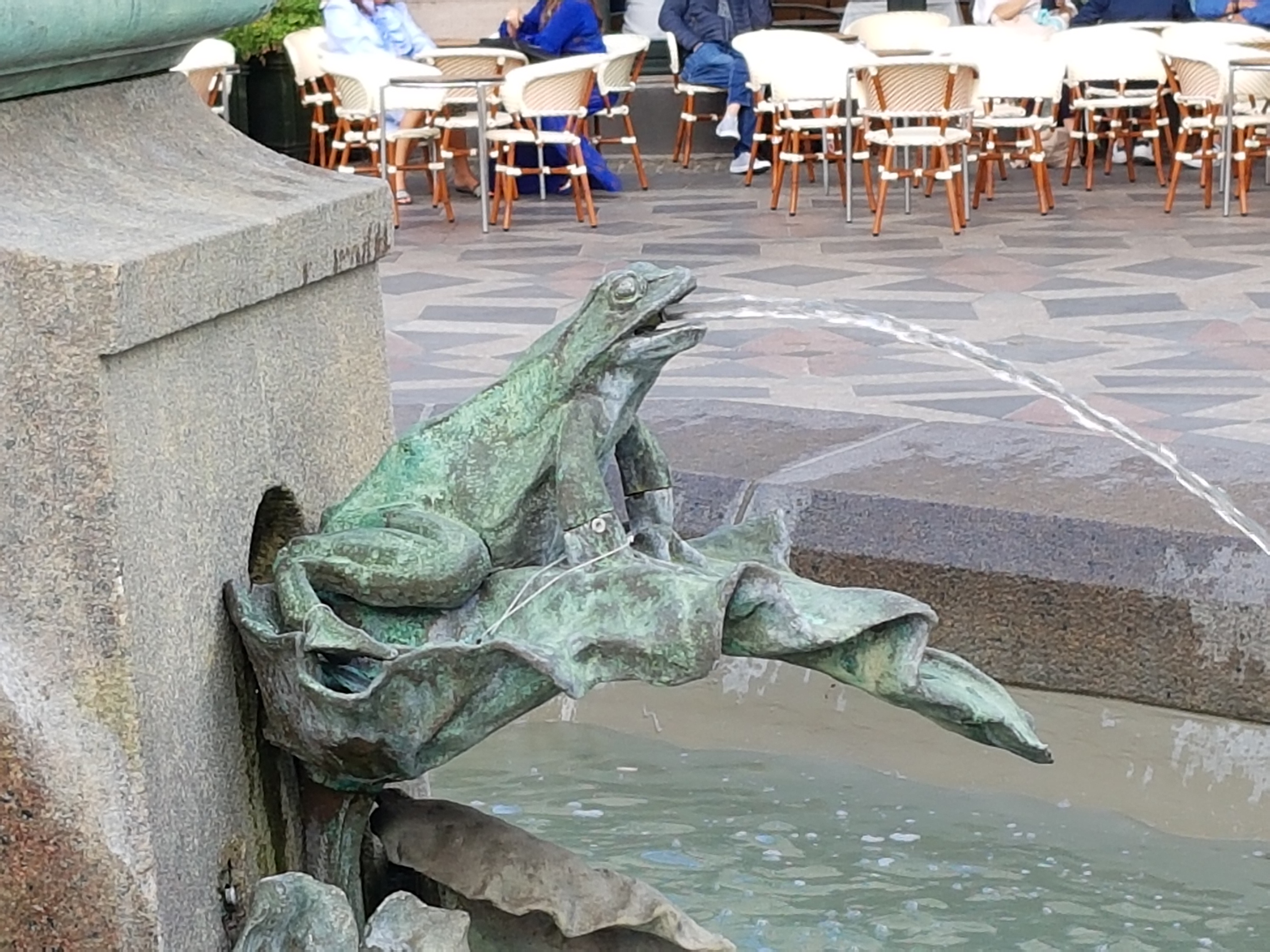
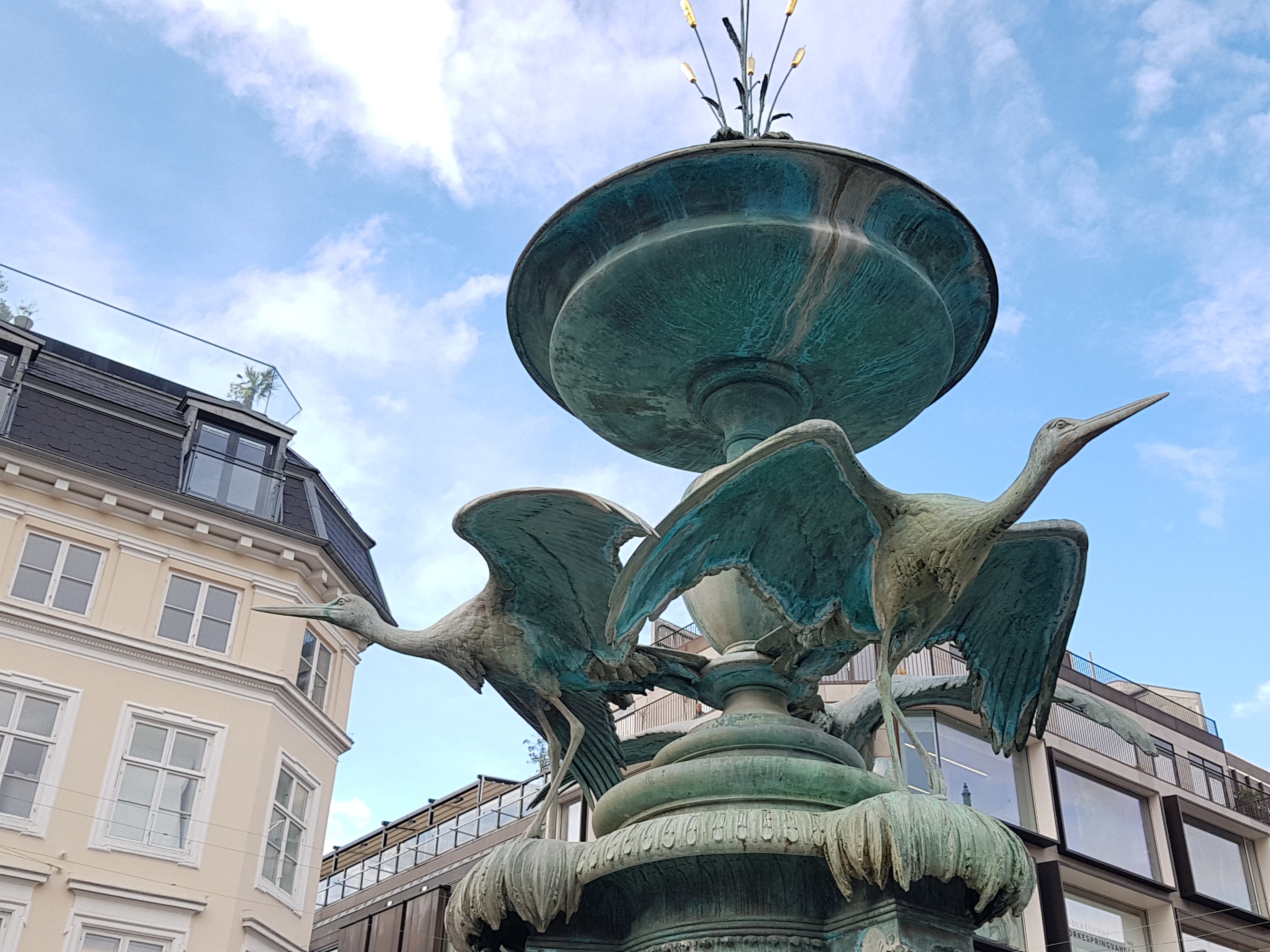
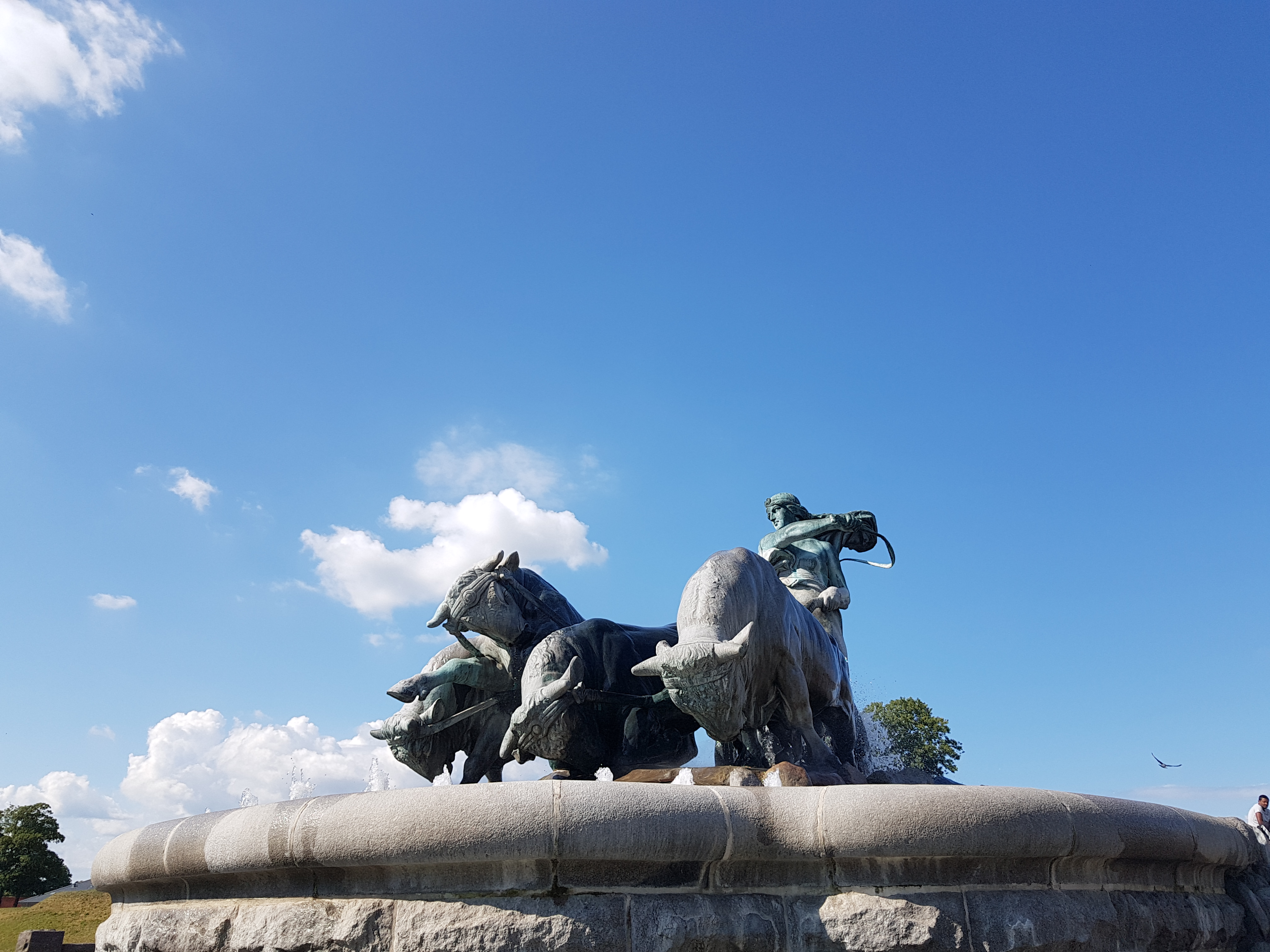
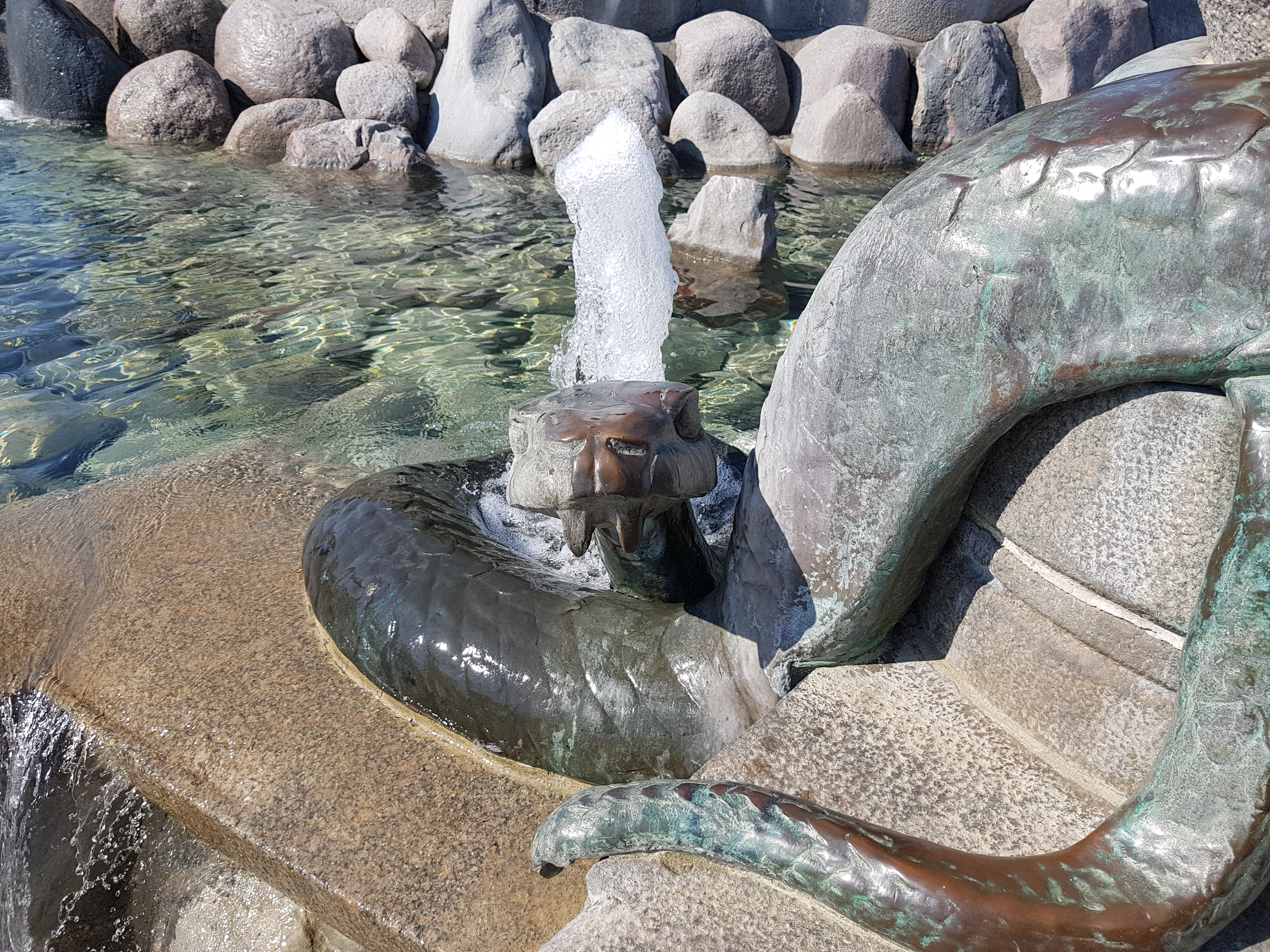
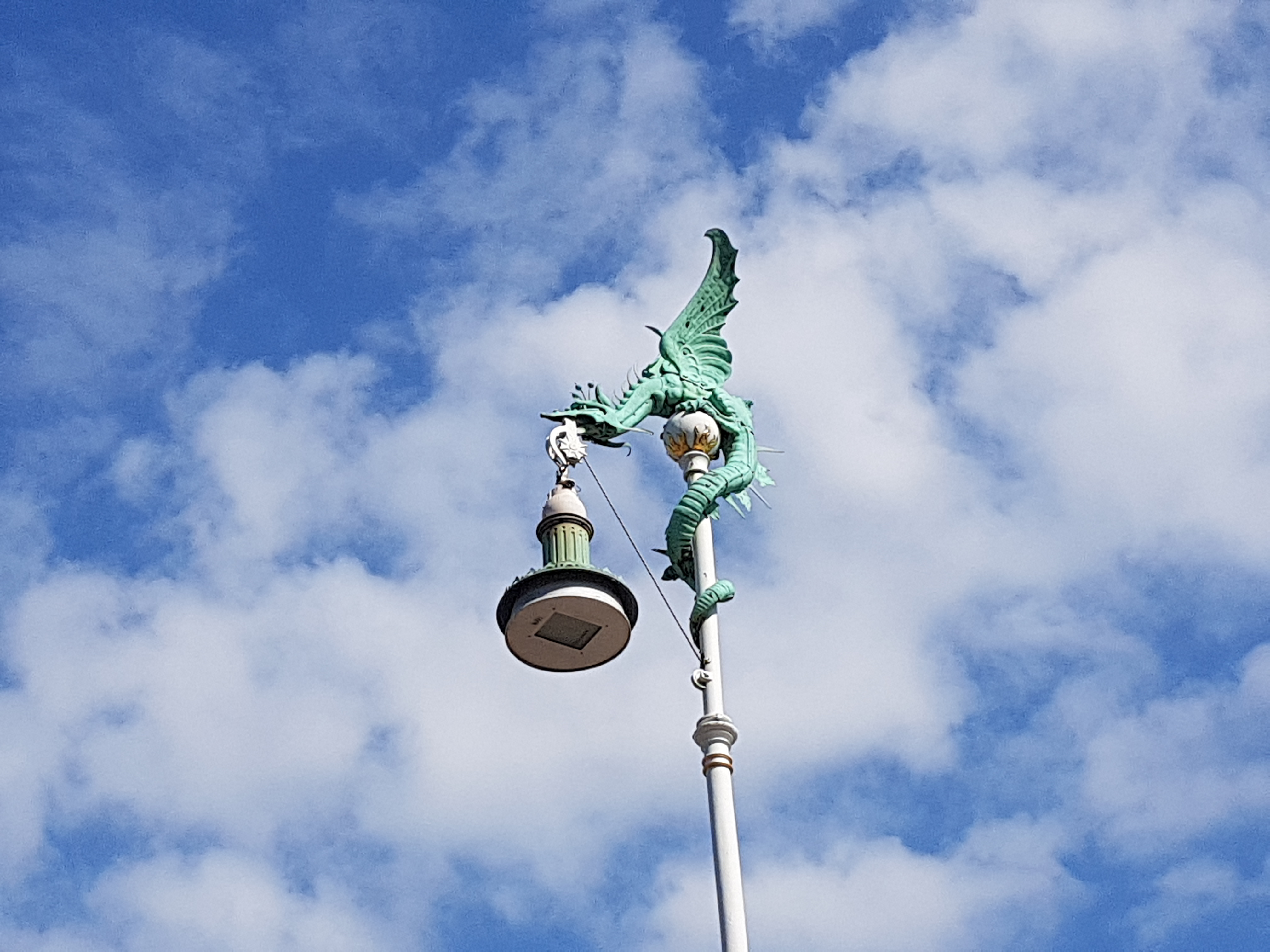
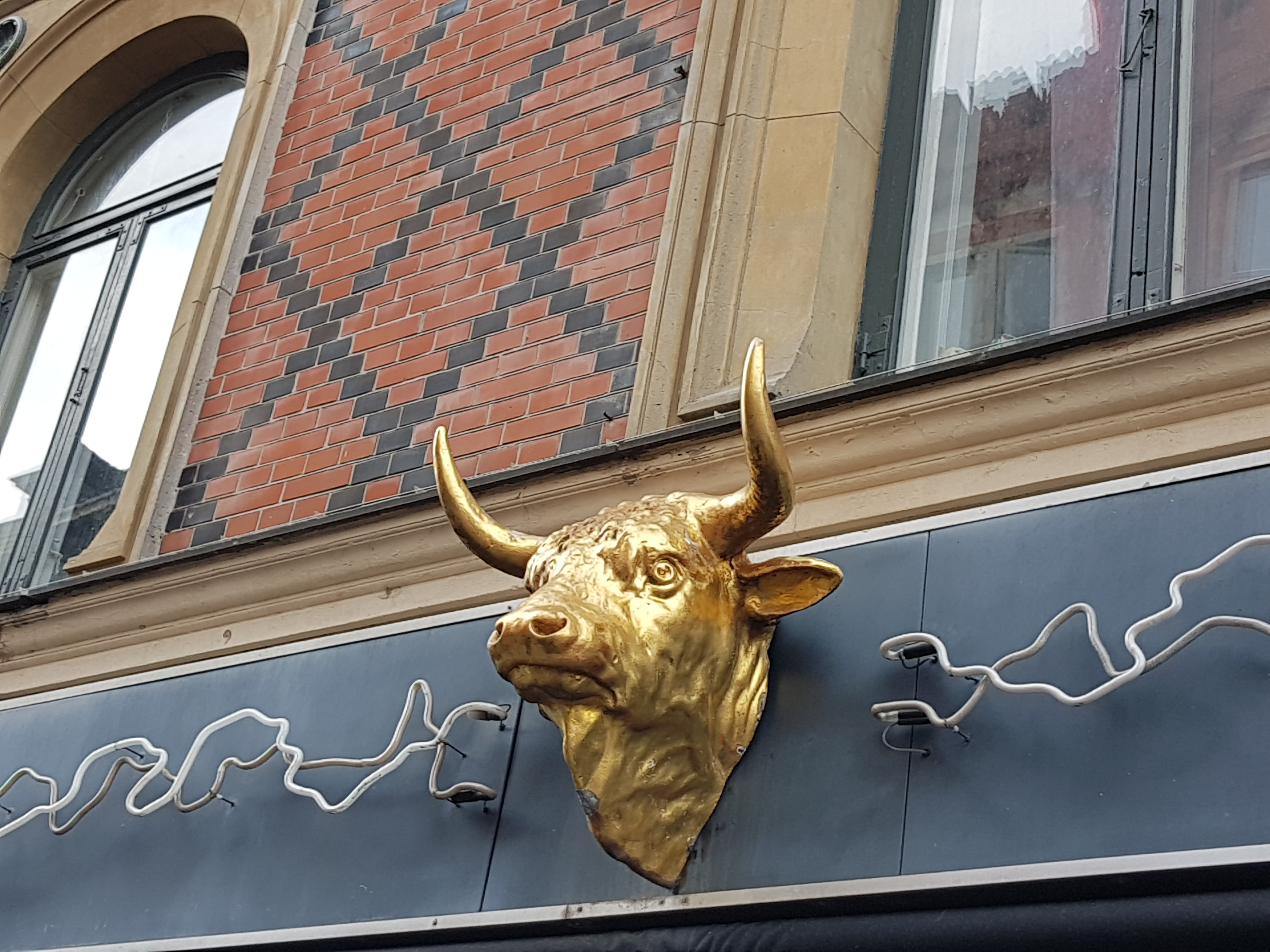
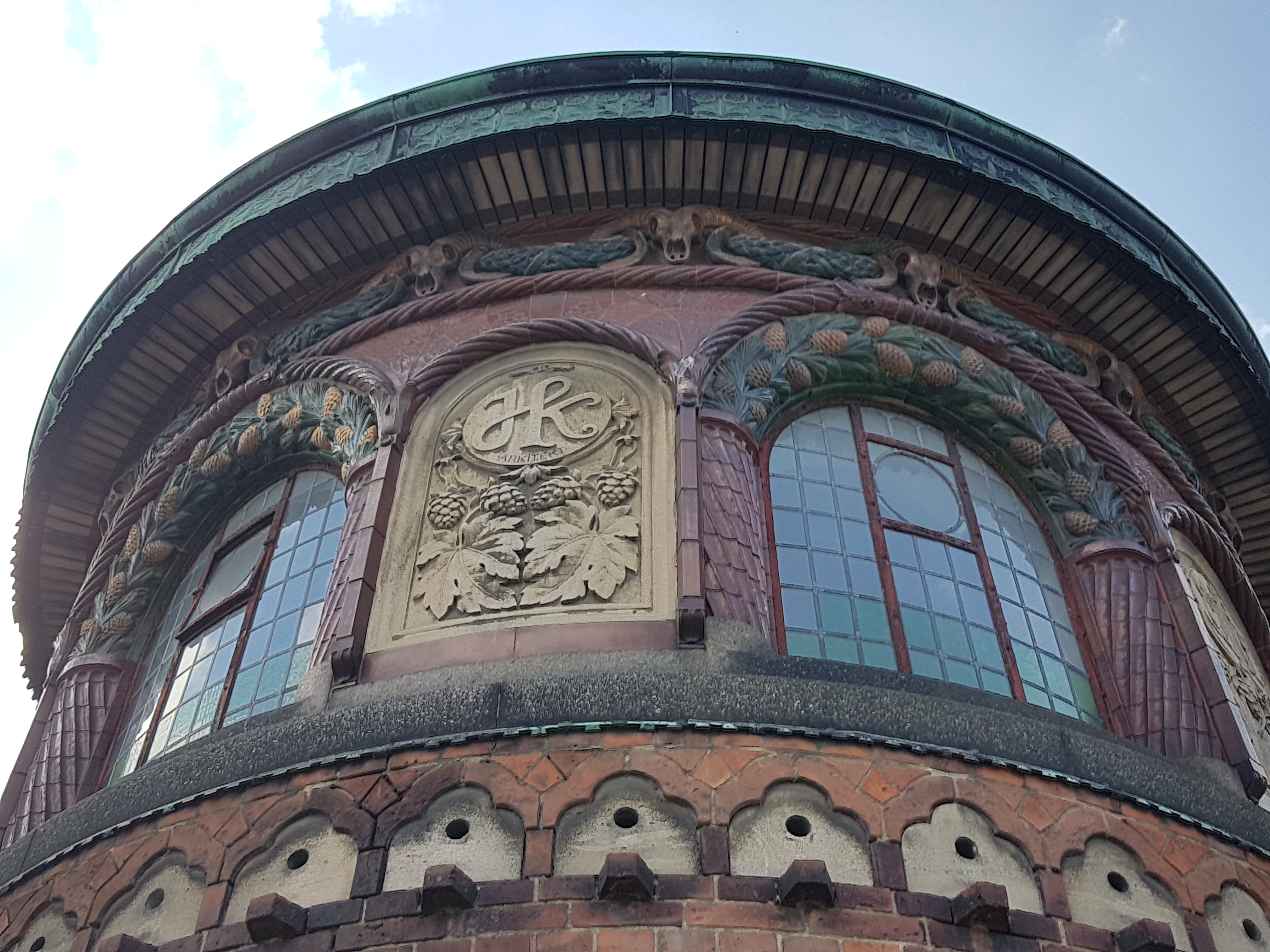
We have now left Copenhagen, taking a (very comfortable) train over to Silkeborg to catch up with Karin‘s family for a week. So this is the final installment of the Copenhagen Bestiary for now, but I’m sure that I will add to it as I return to the city and explore further. I suspect that there are many more creatures to discover adorning the architecture of that wonderful city. And then there’s Aarhus, Odense, Roskilde….

A Copenhagen Bestiary – part 3

Since arriving in the city we seem to have settled into a pattern of waking very early, working through the morning (Karin on her second book, me on a large biodiversity report), then going out and exploring Copenhagen in the afternoon and early evening. So there’s been lots of opportunities to add to the Copenhagen Bestiary during these perambulations. Here’s a third set of pictures.

A Copenhagen Bestiary – part 2 – the Carlsberg Elephant Gate

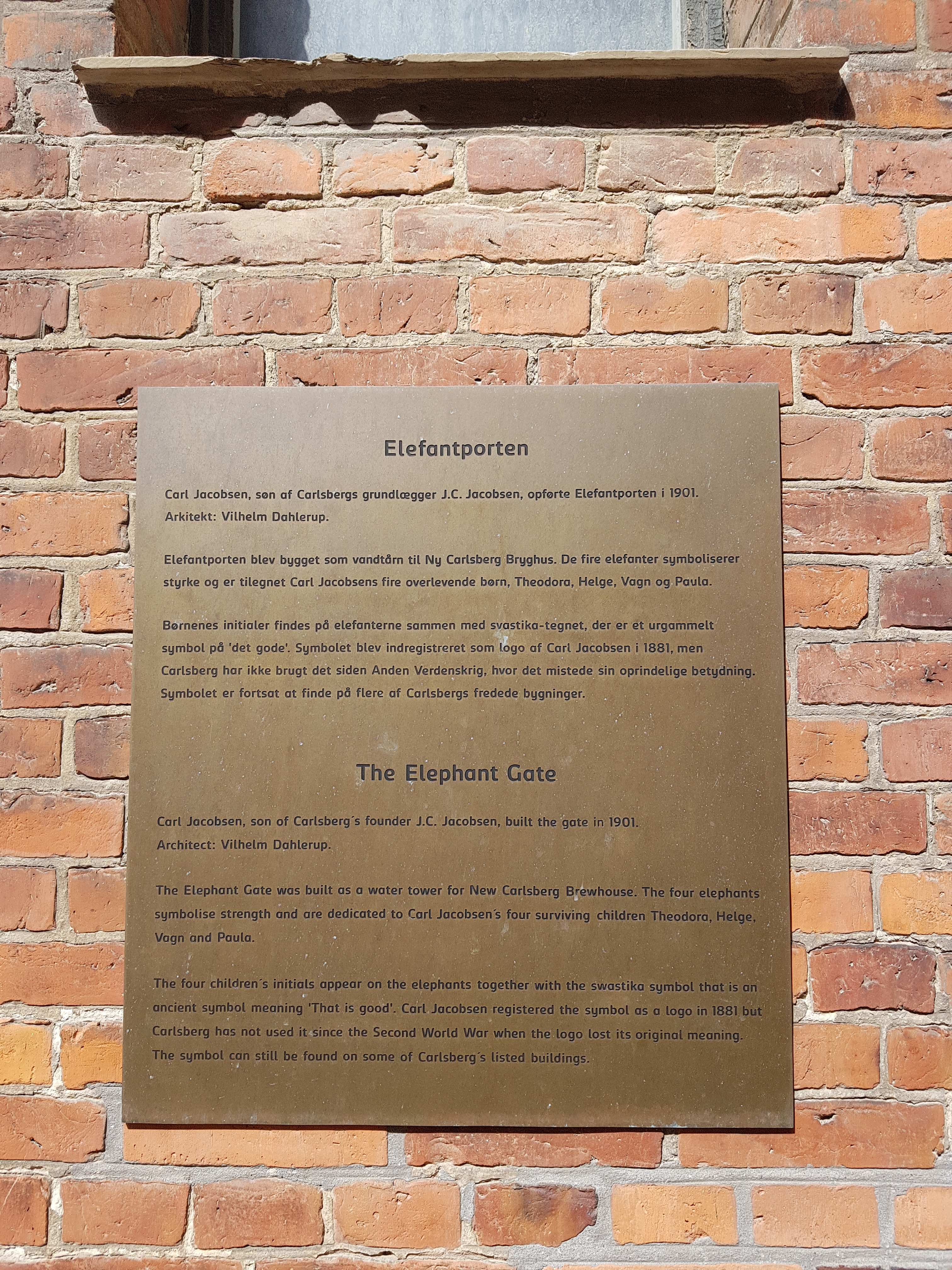
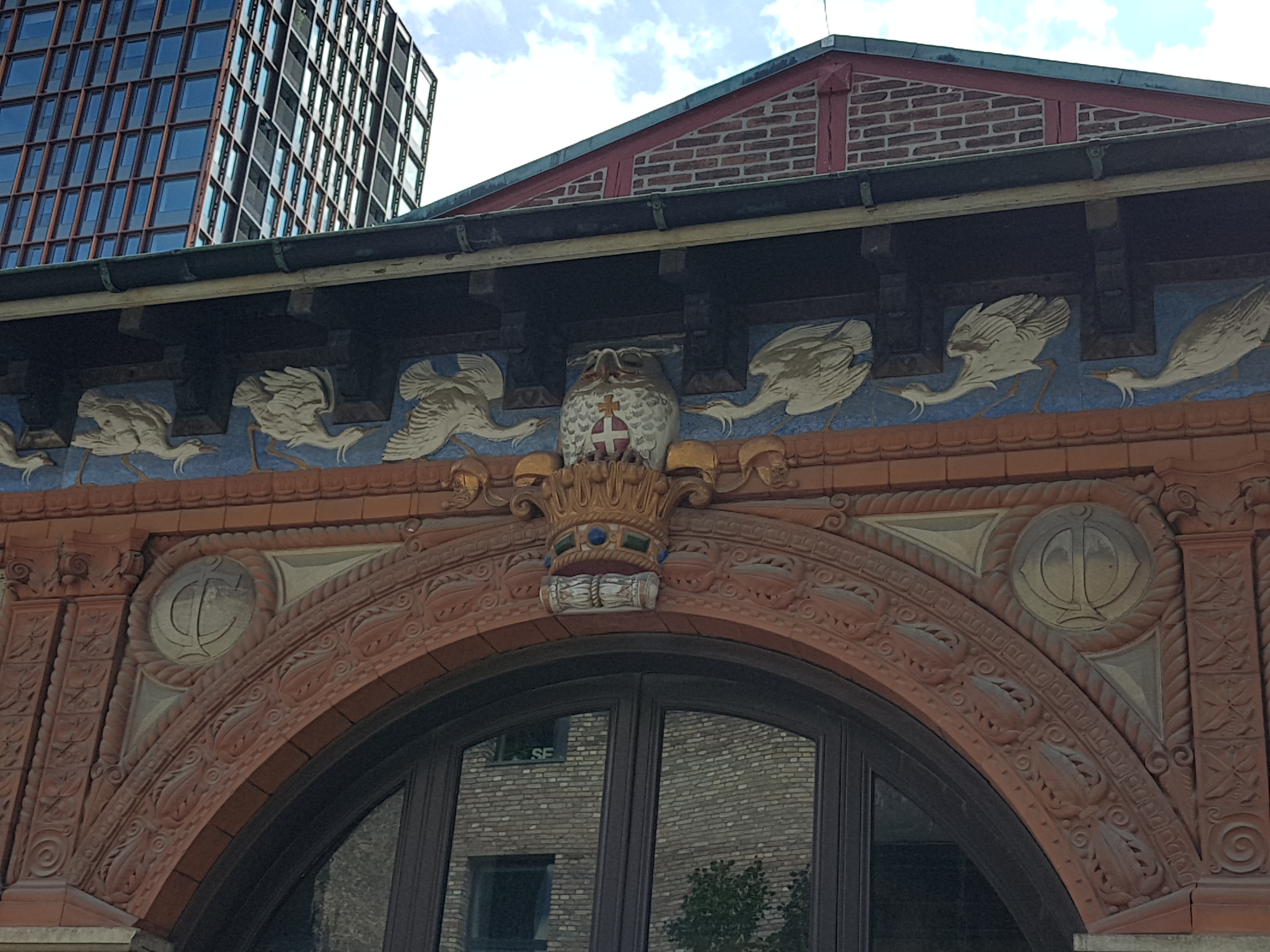
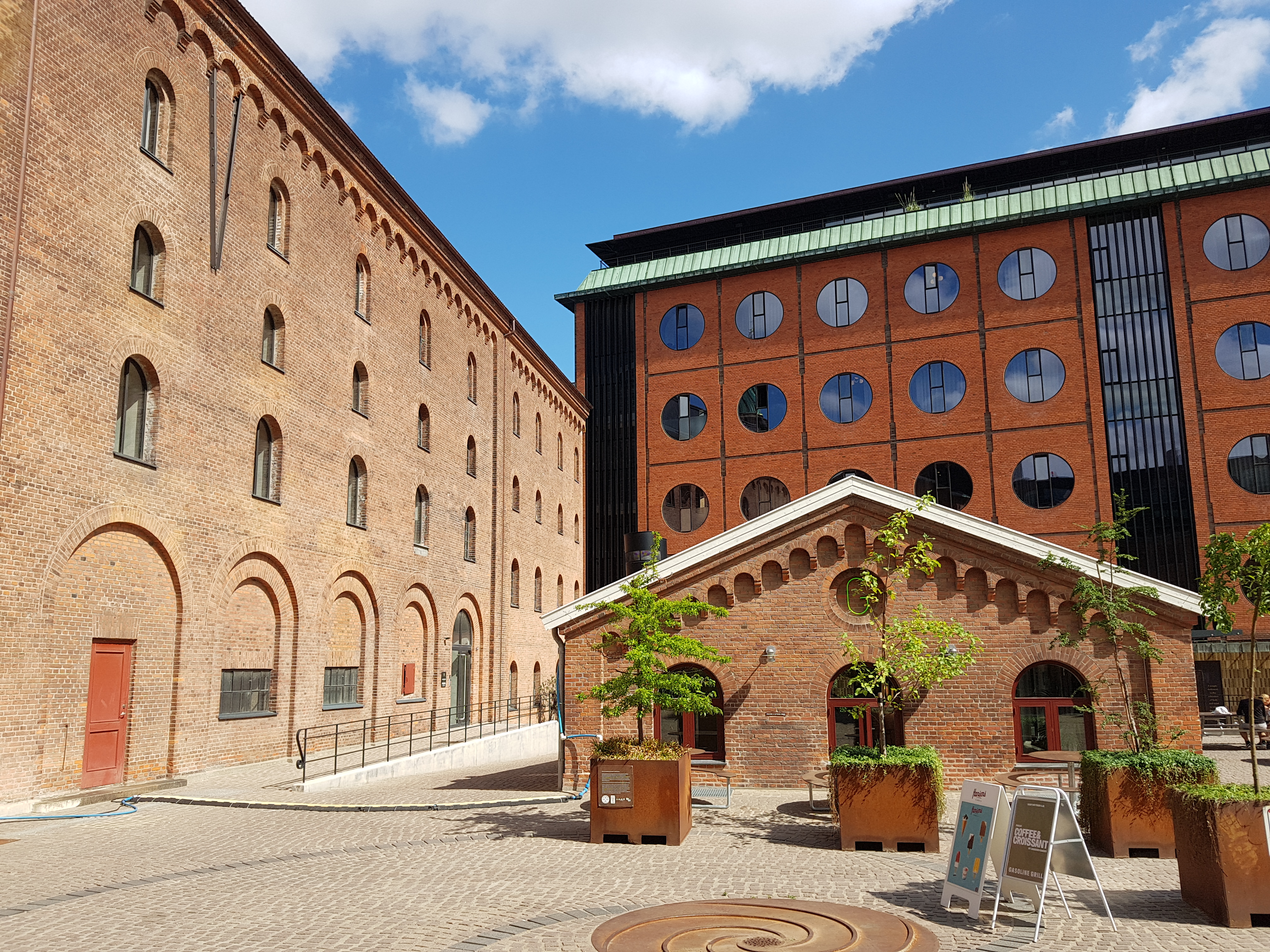
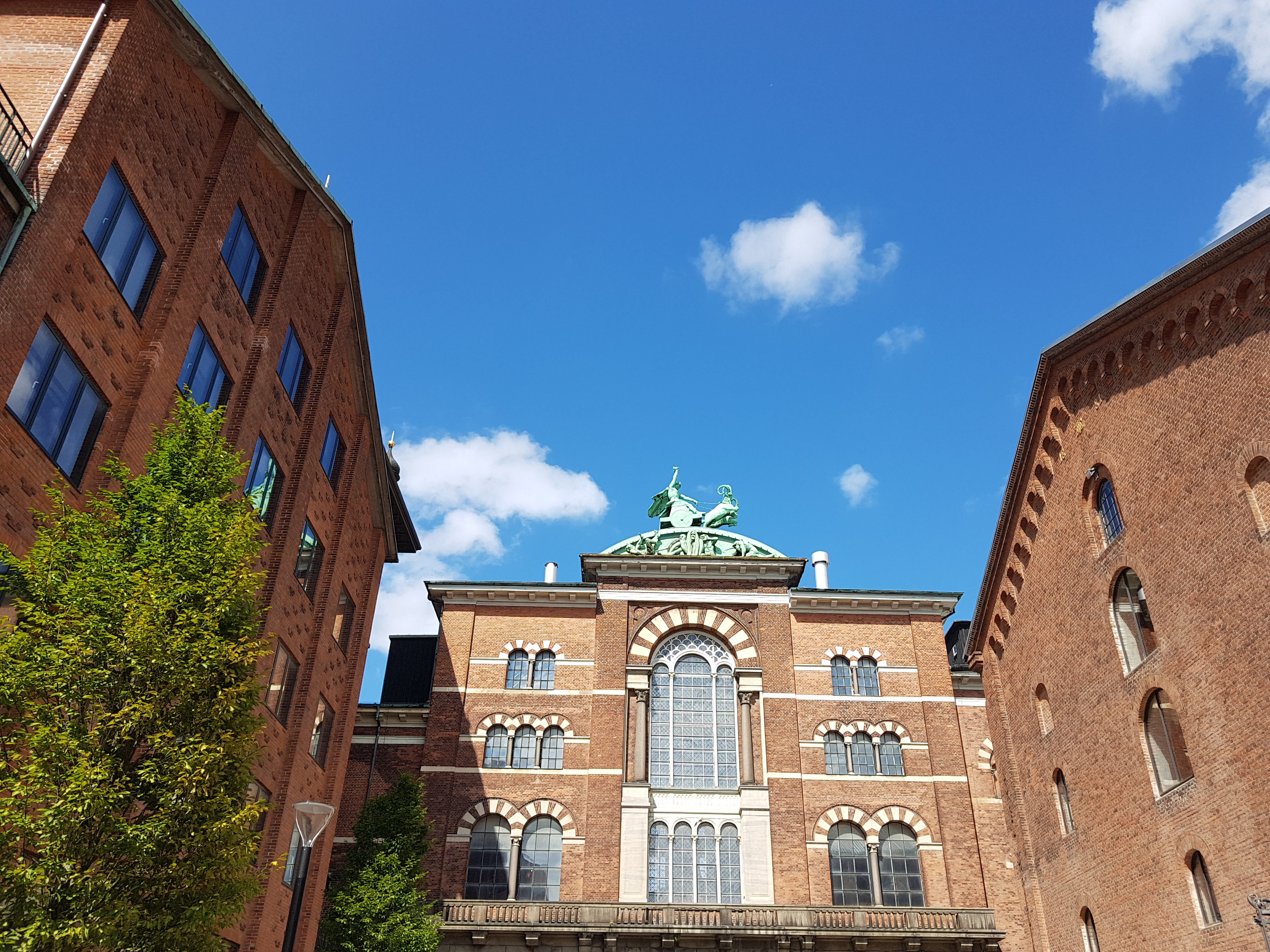
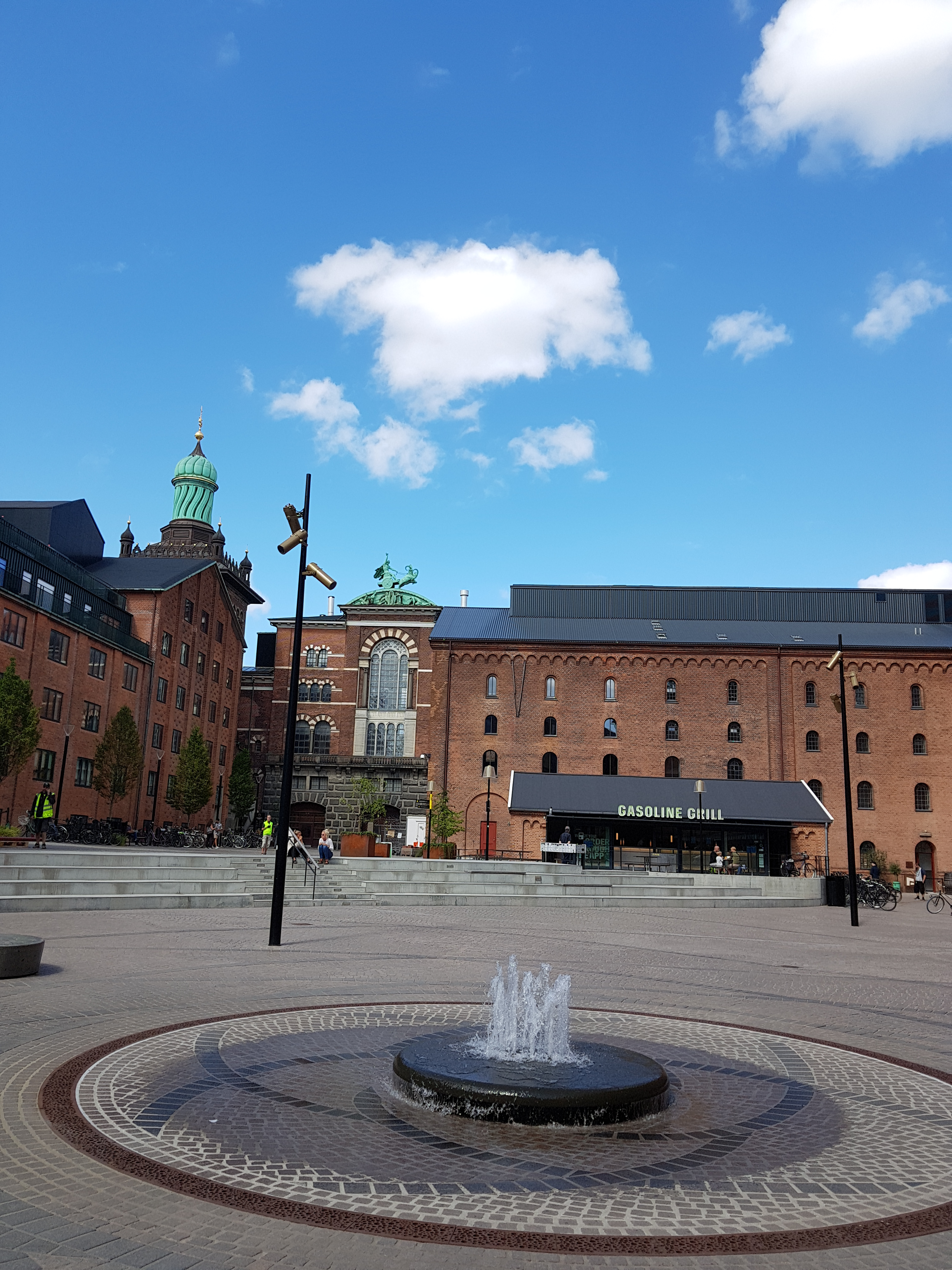
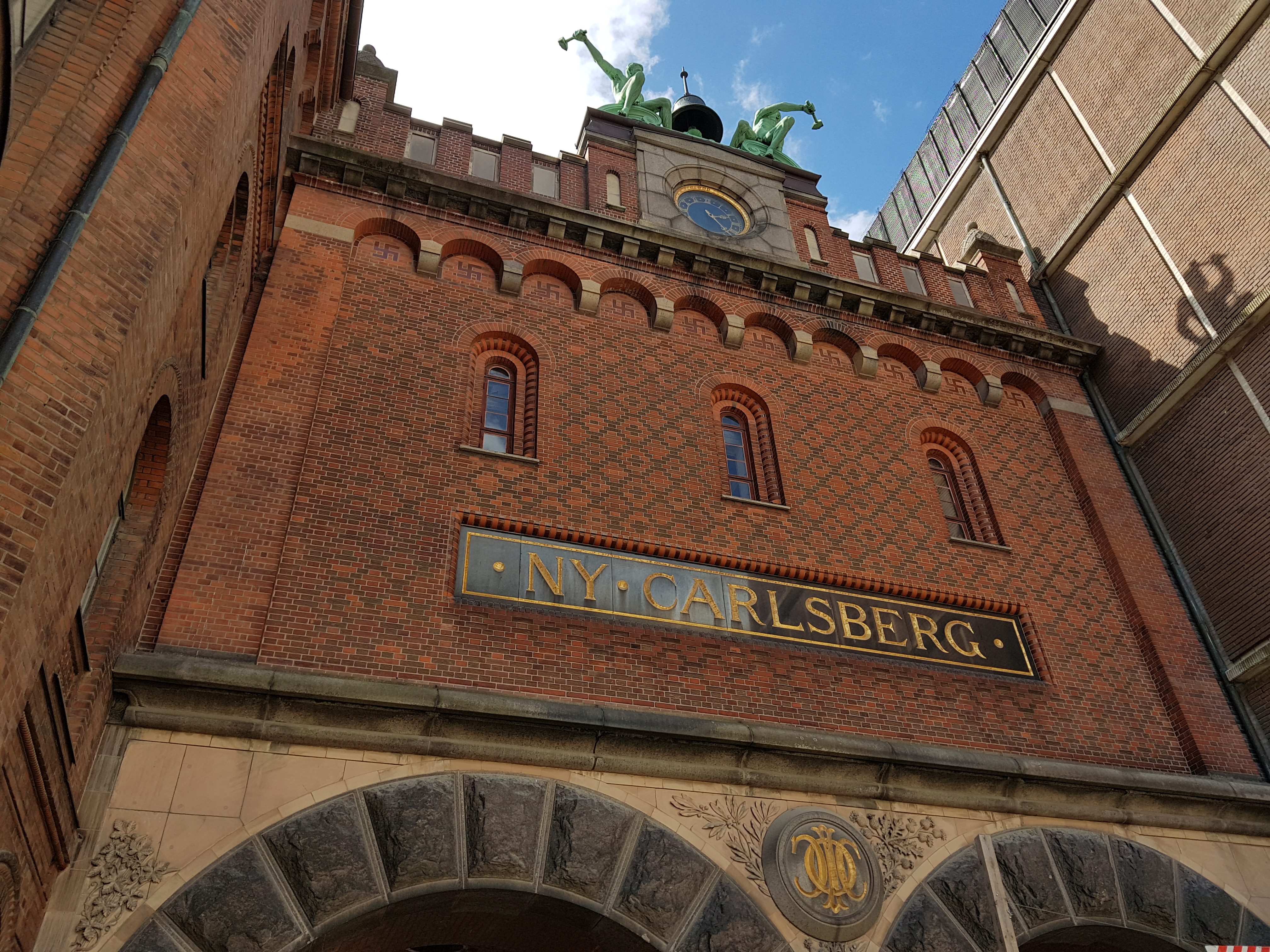
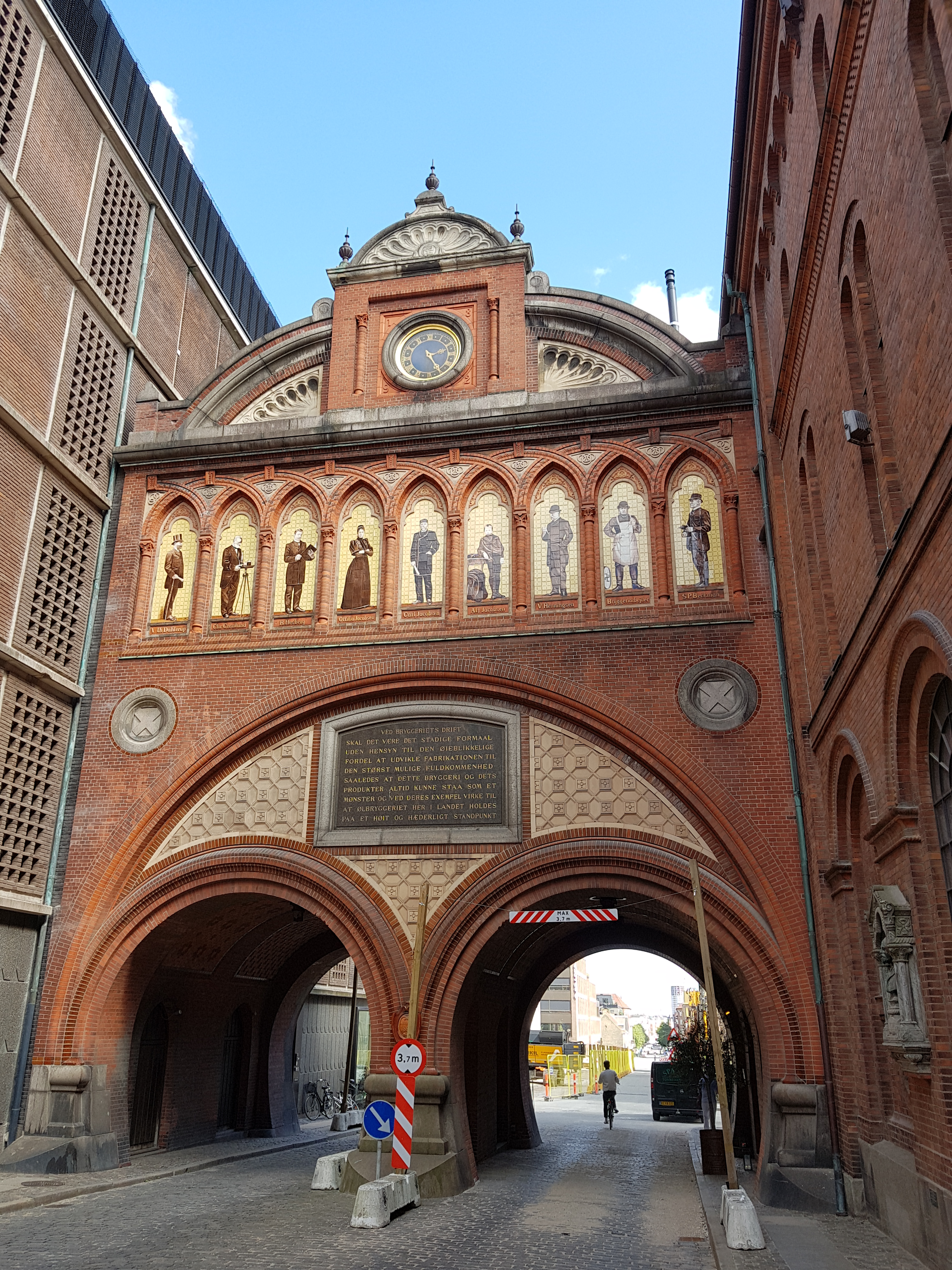
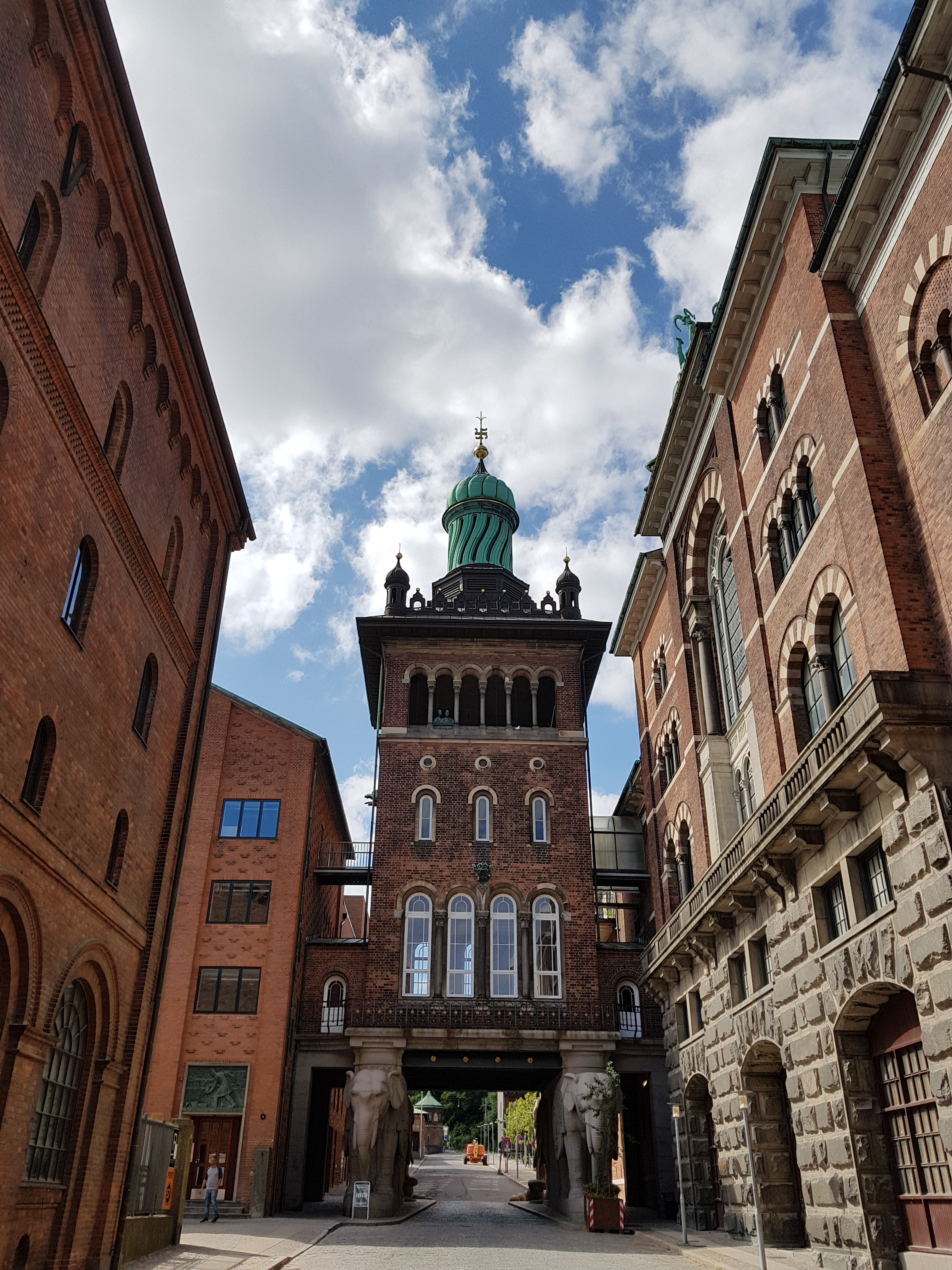
For the second part of my Copenhagen Bestiary series I’m devoting the post to our visit last week to the old Carlsberg Brewery site, and specifically its Elephant Gate. I’ve included some images that aren’t of beasts because I really enjoyed seeing how the old brewery buildings have been renovated and incorporated into a new living and working neighborhood called Carlsberg Byen. It’s the best example of regeneration of culturally important post-industrial buildings in the world. Probably….

Invasive Species Week 2021: Invasive Alien Species of Herpetofauna in the UK

This is a guest post by Helen Tedds who is currently researching for a PhD at the University of Northampton. Although Helen’s work is far removed from my usual research and consultancy interests of plant-pollinator interactions, I’m proud to be part of her supervisory team! Amphibians were one of my early natural history obsessions, and invasive plants and pollinators are a long standing interest of mine. In this post Helen discusses her research on the UK reptile and amphibian pet trade.


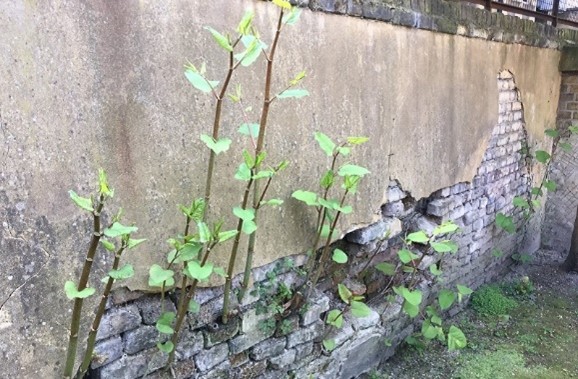
This week (24th-30th May 2021) is Invasive Species Week, an annual event led by the GB NNSS (Non-Native Species Secretariat) to raise awareness of invasive species and how we can help prevent their spread. Generally, the term ‘invasive species’ is defined as an introduced organism that has an adverse impact on its environment by causing ecological and economic damage. They are one of the top five causes of worldwide biodiversity loss through habitat damage, preying on or out-competing other species. They can also spread disease to other species, including humans. The estimated cost of invasive species to the UK’s economy is more than £1.7 billion [1] which is caused by things like damage to buildings [e.g. from the dreaded Japanese Knotweed (Fallopia japonica – fig. 1)], interference with food production, delays on work projects, and the expense of dealing with them. The number of new species being introduced to the UK is rapidly on the increase and can be exacerbated by climate change. This is an urgent problem that without intervention will continue to escalate!

Fig. 1: Japanese knotweed (Fallopia japonica) damaging a brick wall

In 2015 I embarked on a PhD that aimed to quantify the pet herpetofauna (reptile and amphibian) trade across England, mainly to understand the associated socio-economic factors and animal welfare consequences of this. Investigating invasive species was low on my already-full agenda, however, it has been a rabbit hole I ended up going down (pun intended: rabbits were named Britain’s most costly invasive species in 2010 according to The Guardian[2])!  

The exotic pet trade has long been known to be a means of new species entering an environment (either through escape or deliberate release), but according to a recent study in Frontiers of Ecology it now ranks as a primary cause of invasive species[3]. It has long been illegal to release any non-native species into the wild under the Wildlife and Countryside Act 1981, however more recent legislation has been enacted to prohibit the trade of invasive species. Whilst the term ‘invasive’ can be subjective, in the UK a species officially considered to be invasive is listed in retained EU law: Invasive non-native (alien) animal species: rules in England and Wales. That’s not to say that other ‘feral’ pets are not ‘invasive’. There are concerns that Indian ring-necked parakeets (Psittacula krameria – fig. 2) that have spread across the UK are potentially out-competing some of our native birds for nesting sites in tree hollows[4]. However there needs to be a body of evidence built to support these claims before a species is added to the legislation.

Fig. 2: Indian ring-necked parakeet (Psittacula krameria)

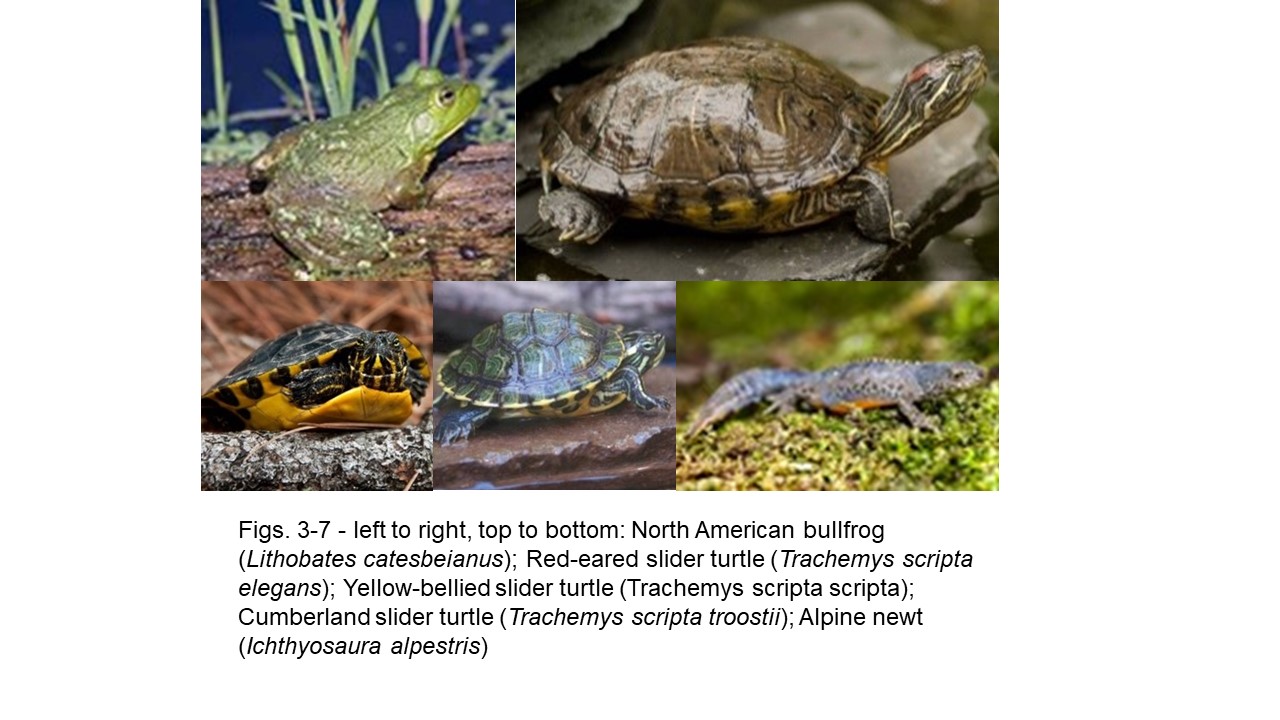
In terms of herpetofauna, there is only one invasive species of amphibian listed in the legislation, the North American bullfrog (Lithobates catesbeianus- fig. 3), and one species of reptile, the common slider turtle (Trachemys scripta) along with all sub-species, including T. s. elegans, T. s. scripta, and T. s. troostii -fig. 4-6)[5]. North American bullfrogs pose a threat to our already vulnerable native amphibians as they will eat frogs, newts, and other similar sized animals[6], and slider turtles threaten our waterfowl as they will eat bird eggs, as well as insect larvae[7].

The law has prohibited anyone from keeping, breeding, and selling these species since August 2016. If you owned one before the law came into force (turtles can be very long-lived) then you have what are called ‘grandfather rights’ where the animal can remain in your possession until the end of its days. If an owner can no longer take care of the turtle they cannot re-sell it- it is best to relinquish them to a rehoming centre that has the relevant license where they can live out the rest of their lives[8], such as The National Turtle Sanctuary at Lincolnshire Wildlife Park[9].

Part of my research into quantifying the herpetofauna trade has involved sampling from pet shops and online classified adverts as to what species are for sale. So far, I have officially documented 431 different reptile species, and 122 different amphibian species[10], and this number is set to grow as I continue to analyse four years’ worth of data. All these species are non-native, and whilst most of them would not survive in our British climate, there are some causes for concern.

In October 2020 a fellow PhD student, Ali North, got in touch with me as she is currently investigating the drivers of establishment and spread of a non-native amphibian in the UK, the alpine newt (Ichthyosaura alpestris- fig. 7). Her project uses distribution data of alpine newts in their native range across mid-Europe with an aim to predict the invasion risk of this species in the UK[11]. I was interested to learn from her that these newts have established various populations in the UK but most concerningly are known to be a vector of chytridiomycosis which can be transmitted to our native amphibians[12]. As part of her research at the University of Plymouth, ZSL Institute of Zoology, and the ARC Trust, Ali wanted to know how often alpine newts had occurred in my data sampling seeing as the pet trade is a potential route for non-native species entering the wild. It turns out that my data set had only 16 records of alpine newts (out of tens of thousands of records) which is not very many, however, do not be fooled by small numbers! It does not take many individual pets being released into the wild for a potentially invasive species to wreak havoc on an ecosystem. Whilst the understanding of alpine newts as an invader is in its infancy, I was delighted to be able to assist Ali with this part of her research and I look forward to reading her final thesis. If you have spotted an alpine newt in the UK you can also help towards her project by reporting it here: https://www.arc-trust.org/news/have-you-seen-an-alpine-newt-in-the-uk 

Another interesting thing that my data collection has highlighted is that despite slider turtles being banned from sale for over four years now, they are still appearing on online classified websites such as Preloved, Pets4Homes, and Gumtree. Not only is this illegal, but it is also against the minimum standards set out by the Pet Advertising Advisory Group (PAAG) which these websites agree to adhere to as voluntary members[13]. Since I started collecting data in July 2017 to the time of publishing this blog there have been at least 102 adverts selling slider turtles, and these were the more obvious ones. On deeper investigation some adverts selling yellow-bellied sliders listed them as just the letters ‘YBS’ meaning that they would not be flagged when searching using key words. These adverts have consistently appeared in my data set at a rate of about two per month, with a noticeable spike in Oct-Dec 2020 at a rate of five per month, so there does not appear to be a downward trend since the legislation came into force. Also, some other adverts just listed animals using the word ‘turtle’ or ‘terrapin’; not only does this allow the potential for slider adverts to slip through the net but it also further violates PAAG minimum standards by not advising potential buyers what the species is. How can someone research the correct care information if they don’t know what species they are buying?

Another invasive species that I came into close contact with recently, coincidentally whilst in the process of writing this blog, was in my local park- Elmdon Park in Solihull. An invasive water weed, Azolla filiculoides, or red water fern (fig. 8), had suddenly appeared in one of the park’s ponds. This weed is believed to have entered UK water systems from the ornamental pond and aquarium trade either by spreading via birds’ legs between ponds or from people emptying fish tanks into wild water bodies. It spreads on the surface of water bodies, blocking out sunlight and decreasing oxygen, thereby killing native wildlife[14].

Fig. 8: Red water fern (Azolla filiculoides) in Elmdon Park, Solihull

I sit as Secretary on Elmdon Park Support Group’s[15] committee and run their social media pages, so I found myself reading more about this weed and treatments used to control it, in order to inform the local community on what would happen. The Warwickshire Wildlife Trust lease the land and therefore must foot the treatment bill, which turns out to be the use of a weevil (Stenopelmus rufinasus- fig. 9), affectionately known as ‘Weevil Knievel’ The weevil eats the weed but doesn’t come cheap at a cost of a few hundred pounds for just one container of them[16]. So here we have another casualty to our native wildlife because of the pet trade.

Fig 9: ‘Weevil Knievel’ (Stenopelmus rufinasus)

So, what can we do? Further research into identifying potentially invasive species will help in raising public awareness, whilst initiatives such as Invasive Species Week will spread the message on the consequences of releasing non-native species into our UK ecosystems. But there persists a deeper problem whereby some people fail to properly research the needs of the pets they buy, or fully understand how big they will grow, and feel that it’s easier to release them into the wild rather than to relinquish them via more responsible methods. This is perhaps the area of human-animal interactions that needs more attention and research.

References

  1. NNSS (2021) What are invasive species and why are they a problem? (online) Available from: http://www.nonnativespecies.org/index.cfm?pageid=640 (Accessed 6th May 2021).
  2. The Guardian (2010) Rabbits named Britain’s most costly invasive species (online) Available from: https://www.theguardian.com/environment/2010/dec/15/rabbits-invasive-species-cost#:~:text=They%20were%20introduced%20to%20Britain,infrastructure%2C%20a%20report%20says%20today. (Accessed 6th May 2021).
  3. National Geographic (2019) Why you should never release exotic pets into the wild (online) Available from: https://www.nationalgeographic.co.uk/animals/2019/07/why-you-should-never-release-exotic-pets-the-wild (Accessed 6th May 2021).
  4. RSPB (ND) Ring-necked parakeets in the UK (online) Available from https://www.rspb.org.uk/our-work/policy-insight/species/invasive-non-native-species/ring-necked-parakeets/ (Accessed 6th May 2021).
  5. GOV.UK (2020) Invasive non-native (alien) animal species: rules in England and Wales (online) Available from: https://www.gov.uk/guidance/invasive-non-native-alien-animal-species-rules-in-england-and-wales#leaving-the-eu (Accessed 6th May 2021).
  6. Froglife (2021) American Bullfrogs (online) Available from https://www.froglife.org/info-advice/amphibians-and-reptiles/american-bull-frog/#:~:text=The%20North%20American%20Bullfrog%20is,other%20animals%20of%20similar%20size. (Accessed 6th May 2021).
  7. Canal and River Trust (2020) Terrapins (online) Available from: https://canalrivertrust.org.uk/enjoy-the-waterways/canal-and-river-wildlife/the-rogues-gallery-of-invasive-species/terrapins (Accessed 6th May 2021).
  8. GOV.UK (2020) Invasive non-native (alien) animal species: rules in England and Wales (online) Available from: https://www.gov.uk/guidance/invasive-non-native-alien-animal-species-rules-in-england-and-wales#:~:text=You%20cannot%20legally%20keep%20these,these%20animals%20into%20the%20wild. (Accessed 6th May 2021).
  9. Lincolnshire Wildlife Park (ND) The National Turtle Sanctuary (online) Available from: http://www.lincswildlife.com/national-turtle-sanctuary/ (Accessed 6th May 2021).
  10. Tedds, H.L., Sneddon, S., Ollerton, J., Clubb, R., and McCormick, W.D., Herps across England: investigating the scale of the reptile and amphibian trade: UFAW Recent Advances in Animal Welfare Science VII Conference Poster, 30th June- 1st July 2020, online.
  11. ARC (ND) Have you seen an alpine newt in the UK? (online) Available from: https://www.arc-trust.org/news/have-you-seen-an-alpine-newt-in-the-uk (Accessed 13th May 2021)
  12. Inside Ecology (2018) Invasive non-native species (UK) – Alpine newt (online) Available from: https://insideecology.com/2018/01/04/invasive-non-native-species-uk-alpine-newt/#:~:text=The%20Alpine%20newt%20is%20known,accidentally%20be%20spread%20between%20waterbodies. (Accessed 6th May 2021).
  13. Pet Advertising Advisory Group (2018) Selling a pet (online) Available from: https://paag.org.uk/selling-a-pet/ (Accessed 6th May 2021).
  14. RHS (2021) Aquatic Weeds (online) Available from: https://www.rhs.org.uk/advice/profile?pid=429 (Accessed 13th May 2021).
  15. Elmdon Park Support Group (ND) About us (online) Available from: https://www.elmdonpark.org.uk/ (Accessed 13th May 2021).
  16. Birmingham Live (2021) Thousands of weevils to be realised in Solihull’s red lagoon (online) Available from: https://www.birminghammail.co.uk/news/midlands-news/thousands-weevils-released-solihulls-red-20580339 (Accessed 13th May 2021).

Figures

  1. Japanese knotweed https://environetuk.com/Blog/Does-Japanese-knotweed-cause-property-damage
  2. Female Ring-necked parakeet https://metro.co.uk/2021/01/01/parakeets-could-be-culled-by-government-after-rapid-rise-in-population-13834746/
  3. North American Bullfrog (Lithobates catesbeianus) https://www.invasivespeciesinfo.gov/aquatic/fish-and-other-vertebrates/bullfrog
  4. Red-eared slider turtle (Trachemys scripta elegans) https://canalrivertrust.org.uk/enjoy-the-waterways/canal-and-river-wildlife/the-rogues-gallery-of-invasive-species/terrapins
  5. Yellow-bellied slider turtle (Trachemys scripta scripta) https://www.petguide.com/breeds/turtle/yellow-bellied-slider/
  6. Cumberland slider turtle (Trachemys scripta troostii) https://www.virginiaherpetologicalsociety.com/reptiles/turtles/cumberland-slider/cumberland_slider.php
  7. Alpine newt (Ichthyosaura alpestris) https://insideecology.com/2018/01/04/invasive-non-native-species-uk-alpine-newt/#:~:text=The%20Alpine%20newt%20is%20known,accidentally%20be%20spread%20between%20waterbodies.
  8. Red water fern (Azolla filiculoides) in Elmdon Park, Solihull https://www.birminghammail.co.uk/news/midlands-news/warning-hidden-solihull-pool-turns-20484665
  9. ‘Weevil Knievel’ (Stenopelmus rufinasus) https://insideecology.com/2017/11/01/invasive-non-native-species-uk-water-fern/