Get more out of your fruit and veg: eat the parts we often throw away!

There’s a frequently cited statistic that one third of the food produced for human consumption is wasted every year. That waste occurs for a variety of reasons, including spoilage, over-production and inefficient processing methods. This has clear environmental (and therefore human) consequences, for example in terms of increased carbon dioxide and other greenhouse gas production; excessive use of fertilisers and pesticides; unsustainable water extraction; and conversion of natural habitats to farmland.

Much of the wastage occurs before the food ever reaches shops and markets, so individual consumers have little control over the waste, other than to try to pressure business and political leadership into action. However, we can all do our bit when it comes to reducing food waste in our home, which has positive impacts on our health and our bank balance.

When it comes to fruit and vegetables, we in the west often throw away perfectly edible parts, I suspect because it doesn’t fit with our expectations of what the food “should” look like. A good example is radishes (Raphanus raphanistrum subsp. sativus) where it’s not uncommon to discard the perfectly edible leaves. People who grow them often pull out plants that have flowered, despite the fact that the seed pods are delicious and arguably nicer than the roots, as I discussed in this blog post from a few years ago.

There’s lots of other examples like this, one of my favourites being the crunchy central pith that you find in the thick stems of broccoli (Brassica oleracea var. italica). I love it raw and it has a flavour quite distinct from the normal part that we consume.

It was only quite recently that Karin introduced me to the fact that the mature pods of peas (Pisum sativum) are also edible, if you know how to process them correctly. If you eat the pod as it is, the texture is tough and stringy and not very pleasant. But if you carefully peel away and discard the thin inner membrane of the pod, the remaining flesh is sweet and delicious. It’s fiddly and takes a bit of practice. The easiest way is to gently snap one corner of the half-pod and peel from there – see the example third from the top in the accompanying photograph. Below that in the photo is the thin membrane, which can be put into your food waste or composted, and below that the edible portion of the pod.

Karin and I just eat this raw, but no doubt you could add the pod flesh to any number of dishes. If you have children or grandkids, set them the task of removing the membrane in one piece – it’s not easy!

Please leave a comment below and let me know your favourite bits of edible fruit and veg that are normally discarded.

Plant-based diets are a problem for bees! A new study of the significance of the ratio of food K:Na in bee ecology and evolution

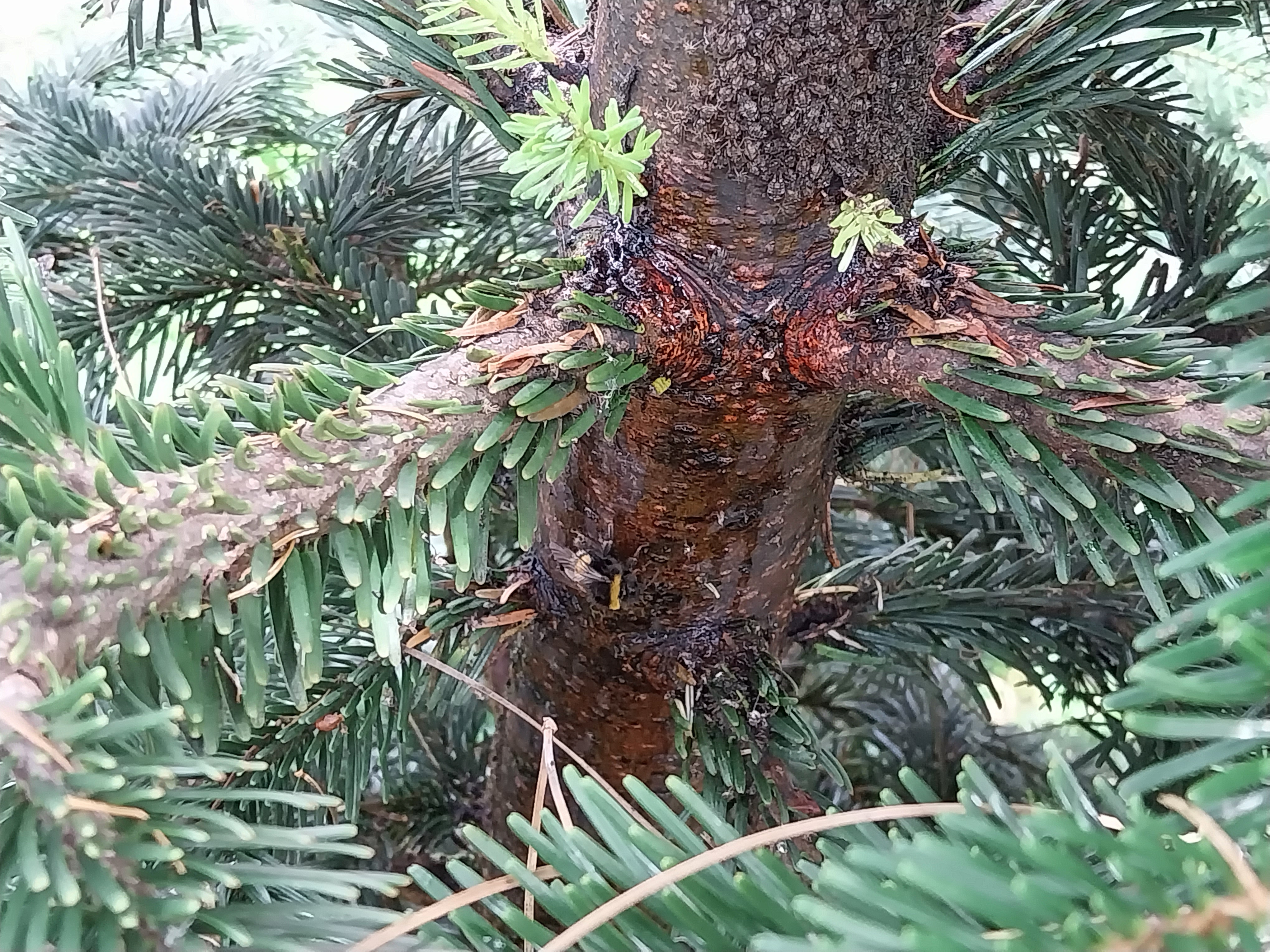
At the moment Karin and I are in the UK for a couple of weeks. I had work to do as an external examiner at the University of Swansea, plus we wanted to catch up with some family and friends. Our main base has been the home of our mates Ian and Simone and we’ve enjoyed some warm, muggy evenings sitting in their garden chewing the fat. Every now and again my eyes have been drawn to the activities of bumblebees as they move in and out of the foliage of a small Silver Fir. The bees are attracted to the large colonies of an aphid that is feeding on the tree’s trunk, from which they are collecting honeydew, as you can see in the photograph above.

When we think of the diets of bees we automatically think “nectar and pollen”. Honeydew, as a sugar-rich fluid, fits broadly into this concept, though as far as I know there’s been little study of its relative importance as a food source for bees. Aside from a few “vulture bees”, all of the 20,000 or so species are vegetarian. And therein lies a problem. Bees evolved from carnivorous wasps and so the evolution of bees, and their complex ecologies, is tied into this profound dietary shift toward a plant-based diet.

A particular issue that has hardly been investigated until recently is that the ratio of elements within meat is very different to that of plants. In particular, animal tissue has a high ratio of sodium (Na) relative to potassium (K), whereas for plants the ratio is reversed – high ratio of K:Na.

In a new conceptual review paper with my colleagues Zuzanna Filipiak and Michał Filipiak, we have explored the implications of this difference in elemental ratios for bee ecology and evolution, and for the conservation of these important insects. The paper is open access and you can download a copy by following a link in this reference:

Filipiak, Z.M., Ollerton, J. & Filipiak, M. (2023) Uncovering the significance of the ratio of food K:Na in bee ecology and evolution. Ecology e4110. https://doi.org/10.1002/ecy.4110

Here’s the abstract:

Bees provide important ecological services, and many species are threatened globally, yet our knowledge of wild bee ecology and evolution is limited. While evolving from carnivorous ancestors, bees had to develop strategies for coping with limitations imposed on them by a plant-based diet, with nectar providing energy and essential amino acids and pollen as an extraordinary, protein- and lipid-rich food nutritionally similar to animal tissues. Both nectar and pollen display one characteristic common to plants, a high ratio of potassium to sodium (K:Na), potentially leading to bee underdevelopment, health problems, and death. We discuss why and how the ratio of K:Na contributes to bee ecology and evolution and how considering this factor in future studies will provide new knowledge, more accurately depicting the relationship of bees with their environments. Such knowledge is essential for understanding how plants and bees function and interact and is needed to effectively protect wild bees.

Week-long Master’s course in Italy – March 2024 – on Pollination as an Ecosystem Service

I’m excited to announce that in March 2024 I will teach a week-long, Master’s-level residential course entitled “Pollination as an Ecosystem Service” at the University of Pavia in Italy. It will be taught in English. Here’s a summary of the course and a brief description of the the syllabus, which is broadly accurate but subject to change as it develops:

POLLINATION AS AN ECOSYSTEM SERVICE

A 3 credit Master’s course for the University of Pavia

Overview

The pollination of crops by bees, flies, birds, bats and other animals, is an ecosystem service that increases crop yields and quality. This is valued at hundreds of billions of Euros each year to European and global agriculture. In addition, these same animals pollinate around 90% of the world’s wild plants which in turn provide us with ecosystem services such as wild food, flood alleviation, microclimate modification, and carbon capture.

In this course, students will explore pollination as an ecosystem service from its first principles and historical roots through to the latest research findings around the consequences of pollinator decline and climate change. The emphasis of the course is on the students learning by actively participating during classes. Each day has a particular theme and will be a mix of interactive lectures, short video clips to illustrate particular points, discussion seminars (for which they will be expected to do some guided reading) and local excursions.

At the end of the course the students will have a developed a deep understanding of the diversity of pollinators, the ecological nature of their interactions with flowers, and the importance of these relationships to nature and to society.  

Assessment

            At the end of the course, the students will be asked to give a 10 minute presentation based on one of the topics covered in the course, and posed as a question such as “What is….?”, “Why does….?”, “What would happen if….?”, and so forth. The questions will be agreed with me in advance. Presentations will take place on the final day of the course and at the end of each presentation the students will have 5 minutes to answer questions posed by their peers and myself.

Syllabus

Day 1

Theme: Pollinators and pollination – first principles; including historical perspectives, the diversity of pollinators and flowers, and the biology of pollination. Introducing the course assessment.

Excursion: a walk around the local area to observe flowers and pollinators in action.

Day 2

Theme: Pollination as an ecosystem service; including the types of crops that are animal pollinated, how we calculate the value of pollination, and going beyond agriculture to look at the other ecosystem services provided by pollinators; approaches to studying pollinators and pollination.

Day 3

Theme: Pollinator conservation: including reasons for pollinator decline, impacts of climate change, the “politics of pollination”, the consequences of that decline for crop and wild plant pollination, how we can manage and restore habitats for pollinators.

Day 4

Theme: Urban pollinators: understanding the importance of pollinators in an urban setting and in gardens, and how towns and cities support pollinators. Excursion: How is the city of Pavia supporting pollinator populations and what could be improved?

Day 5

Theme: Summing up what we’ve learned, followed by assessed student presentations.

The course is open to all and there’s details of how to apply (in Italian and English) in the following link: https://portale.unipv.it/it/didattica/corsi-di-laurea/ammissioni/casi-particolari-di-iscrizione/iscriversi-ai-corsi-singoli

The brochure with all available courses can be downloaded here: http://news.unipv.it/?p=84031

I’d be very happy to talk with other universities who might be interested in running such a course.

If you have any questions, please use my Contact page to get in touch.

A “weed” that you should be eating and an introduction to our new garden

It’s been a rather nomadic couple of years. After Karin and I sold our house in Northampton, we travelled around in the UK and then in Denmark, renting places as we needed them, plus we spent a month in Kenya. We’ve now become more settled in Sjælland and, after some deliberation about whether to buy a house or continue renting, we’ve reached a compromise and bought into an andelsbolig, one of the many Danish cooperative housing schemes – see this article in The Guardian for more details.

The development of twenty-eight small properties has been newly built to the highest standards of insulation and is plugged into the district heating system which uses a combination of solar warming and gas (in part using methane generated from food waste).

It’s nice to have a garden again. I hadn’t realised how much I’d missed having a space in which to plant and potter. All gardens present challenges, of course, and this one is no exception. Until about 600 years ago the area was under the shallow Kattegat sea. It’s now above sea level due to post-glacial rebound and in fact this whole region of Odsherred is a UNESCO Global Geopark because of the postglacial landscape.

What this means for us is that we are gardening on “soil” which has a very high sand content and is filled with stones, large and small.

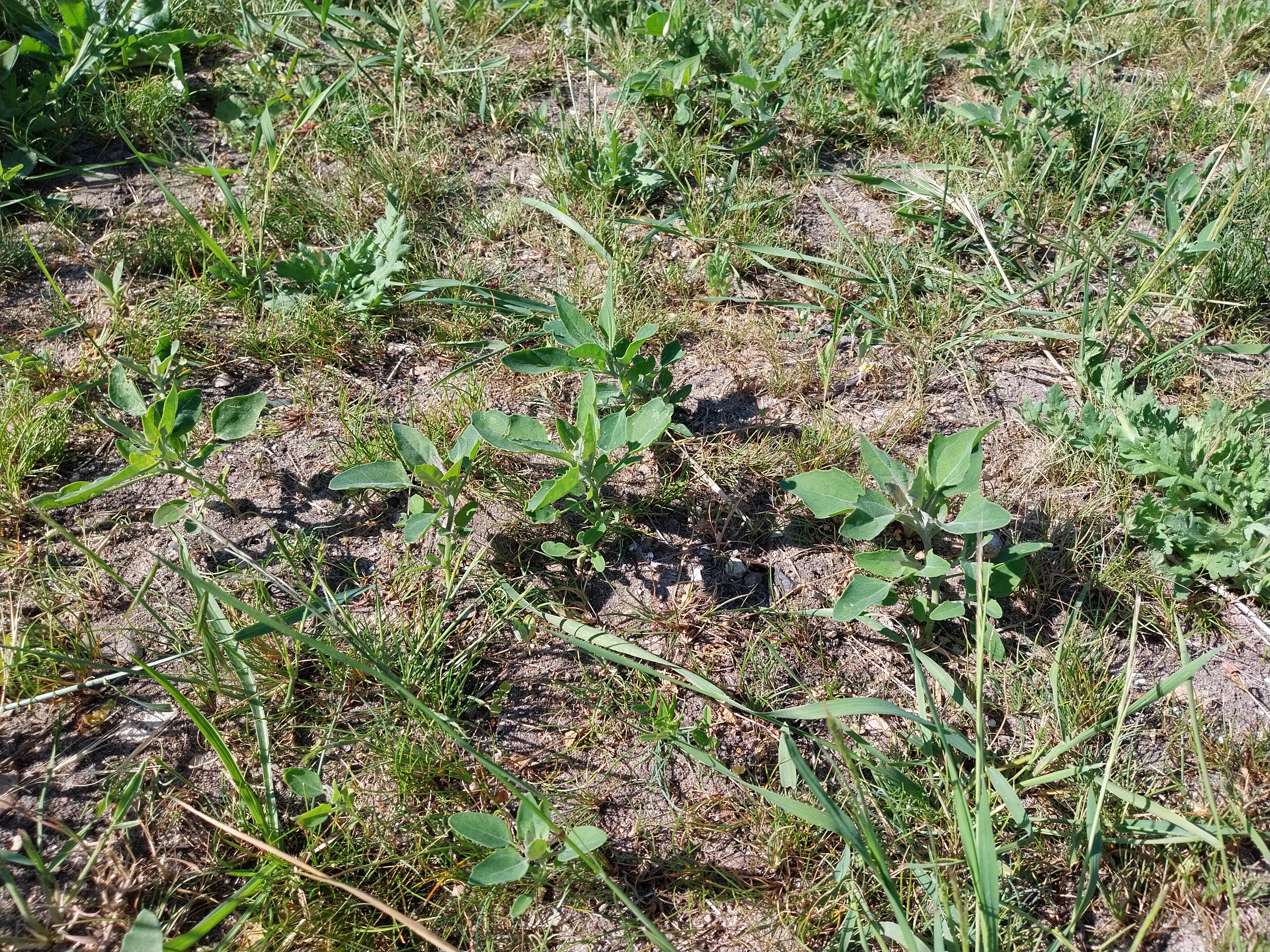
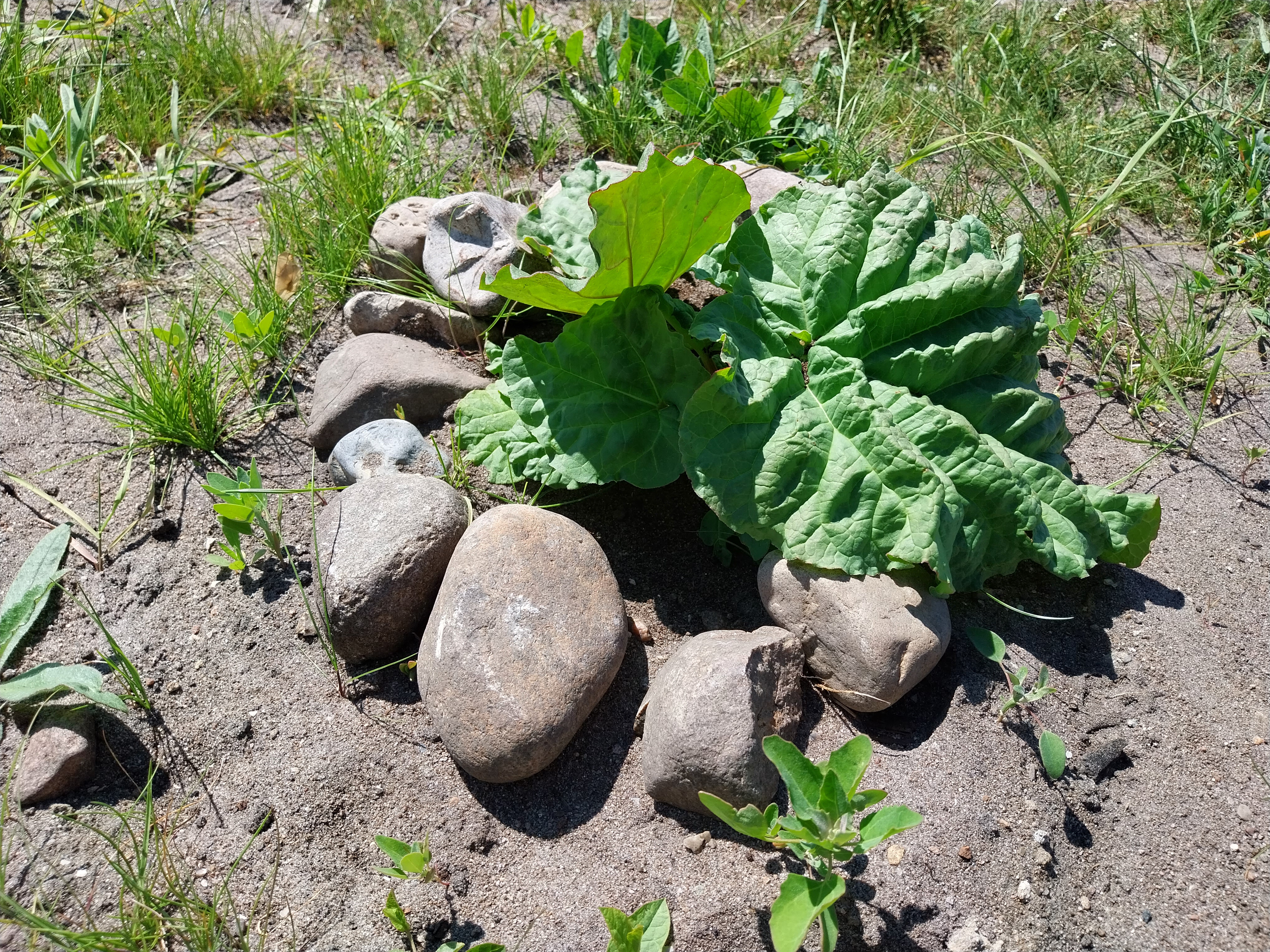
Added to that, we’re in one of the driest parts of Denmark (certainly this year) and a persistent coastal wind rapidly strips the moisture from the soil. So as we dig up or find large stones we are using them around plants to retain water and mulching with the smaller stones that we find in abundance. As yet we don’t have any rain water butts so we’re using the kitchen water from washing up to supplement the hosepipe.

It’s not easy gardening here, but we like a challenge and we’re calling in favours from friends and family to provide us with cuttings and divisions of plants from their own gardens, which should mean that they are better adapted to the local conditions than most of the shop-bought plants. We’ve also started a small vegetable and fruit patch and planted apples and pears around a paved patio that over time we will train as self-supporting espaliers.

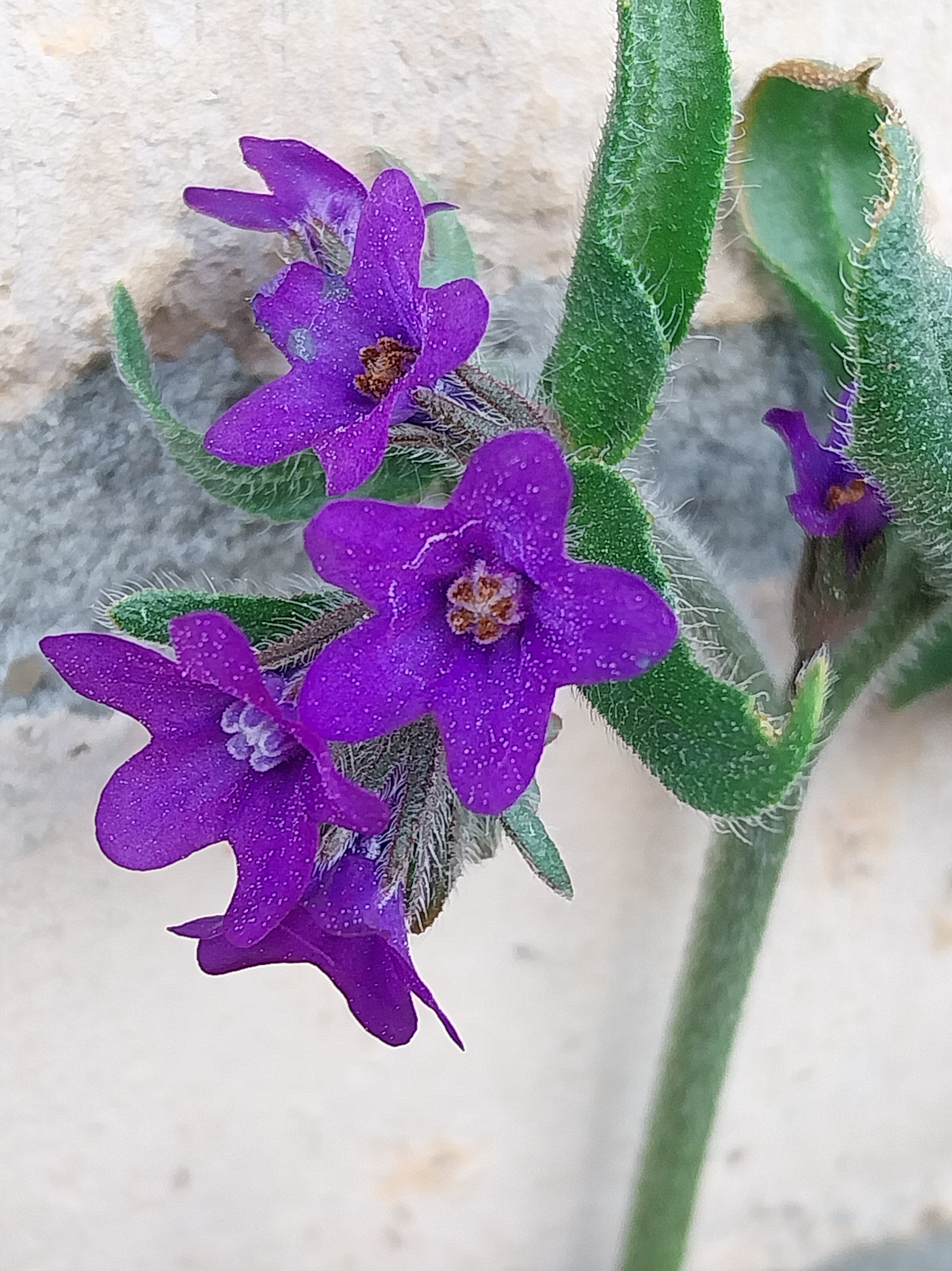
Gradually we’ll fill up the space and move things around as needed. But for now I’m also interested in seeing what plants come up spontaneously, especially the annual species that are benefitting from the disturbance. I don’t use the term “weed” to refer to these: weeds are just plants in the wrong place at the wrong time. Many such plants are ecologically important, especially as nectar and pollen sources for bees and other insects. This includes Common Bugloss (Anchusa officinalis) with its richly purple, velvet-textured flowers.

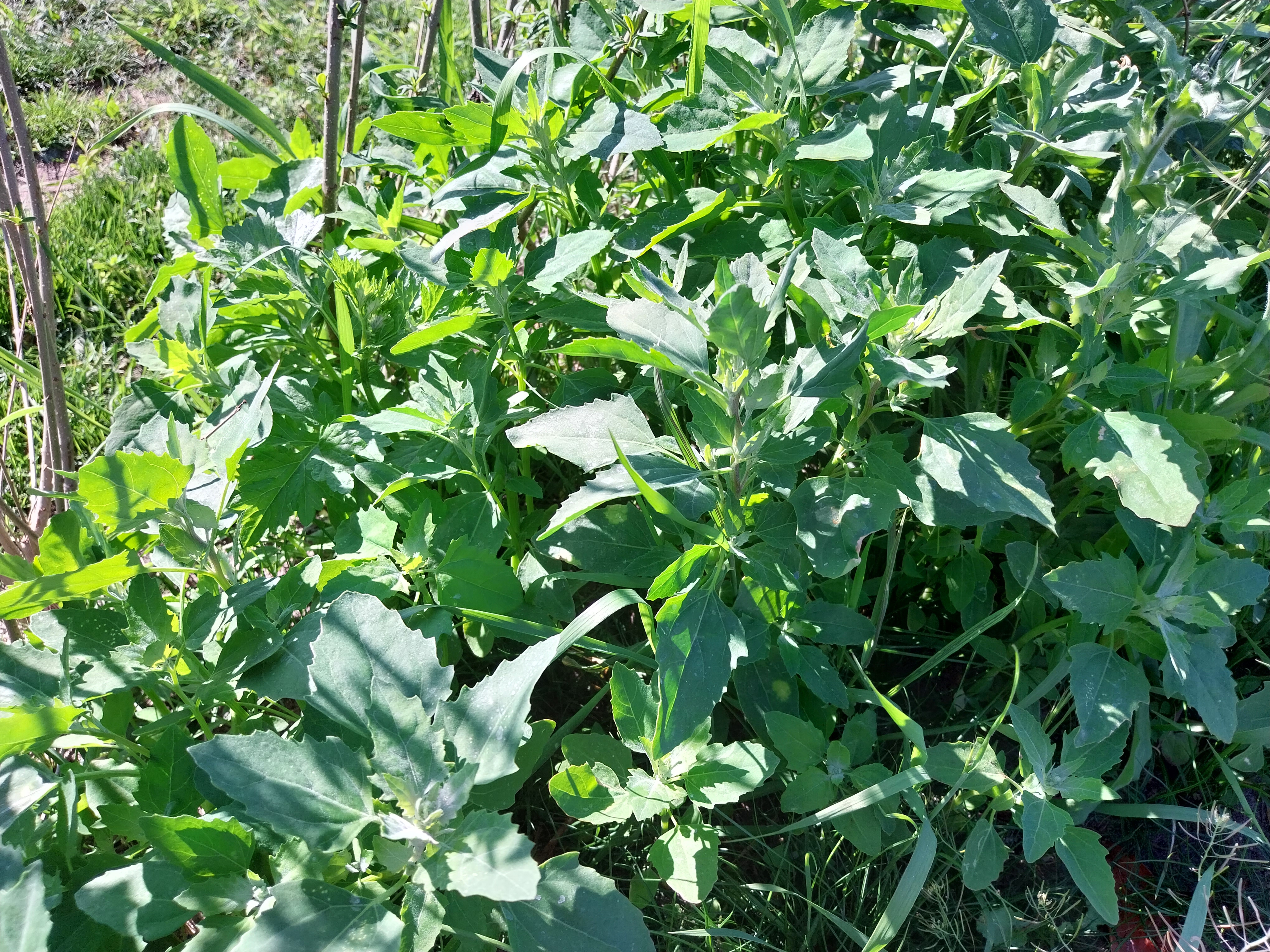
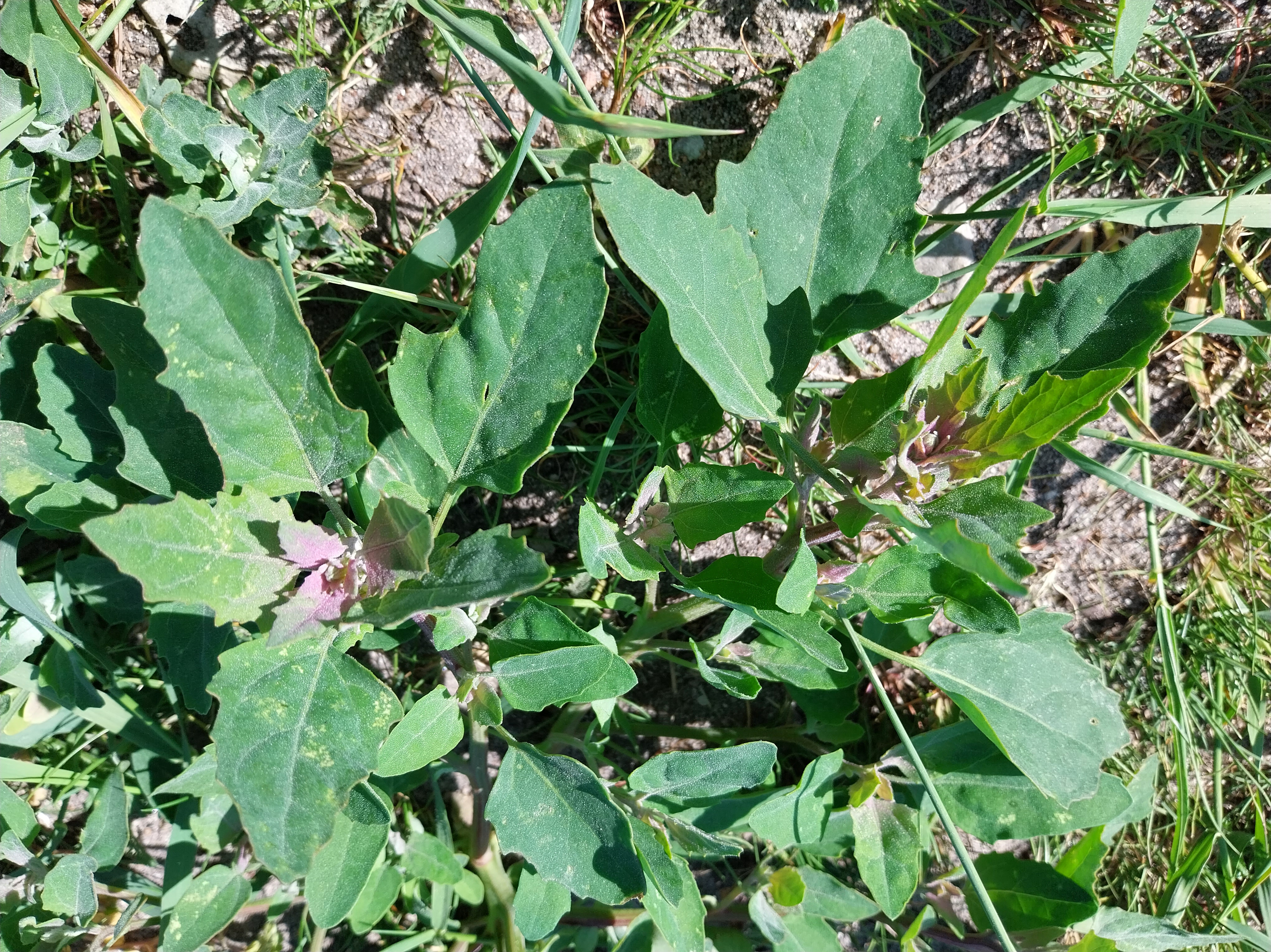
Another plant that we are tolerating is a fast-growing relative of spinach that’s variously called Goosefoot or Fat Hen (Chenopodium album). I’d long known that it was edible (it’s grown as a crop in parts of Asia) but until last night I’d not cooked with it.

In fact it’s delicious! I threw some roughly chopped leaves and stems into a mushroom omelette and I have to say that it was better than any commercial spinach I’ve bought or grown. In particular, the texture is much nicer as the leaves are very water-repellant which mean that they don’t absorb as much moisture during cooking. Highly recommended as an alternative to spinach but make sure you correctly identify the plant before you try it – there’s some good advice on this website: https://www.wildfooduk.com/edible-wild-plants/fat-hen/.

As well as Fat Hen we also have the close relative Tree Spinach (Chenopodium giganteum), with it’s beautiful magenta-tinged leaves, coming up in the garden. I’m looking forward to trying that too:

I’ll try to post more as the garden progresses, if I have time. But as I mentioned yesterday, even though the manuscript is complete and submitted to the publisher, there’s still lots to do on my next book! Have a good weekend.

That’s a wrap! The manuscript of my next book is with the publisher

Yesterday I sent the manuscript of my next book Birds & Flowers: An Intimate 50 Million Year Relationship to my publisher, Pelagic. I’d promised the full draft by the end of May, and I did it!

But just as when a movie director says “That’s a wrap” at the end of the final day of filming, the hard work does not stop here. Two people have read the full manuscript as I was producing chapters and their suggestions have been incorporated into this draft. The publisher will now send it to a third, independent beta reader and once their feedback has been acted on it will go to a copy editor who will suggest stylistic changes, check for logic and consistency, and so forth.

At the same time I will be choosing which plates to put in the book, which images to use on the back cover, writing their descriptions and deciding where to cite them; checking the sources and further reading sections for each chapter and formatting the references; and producing an appendix that lists the scientific names against the vernacular names that I am using in the book. I also need to finalise the acknowledgements section.

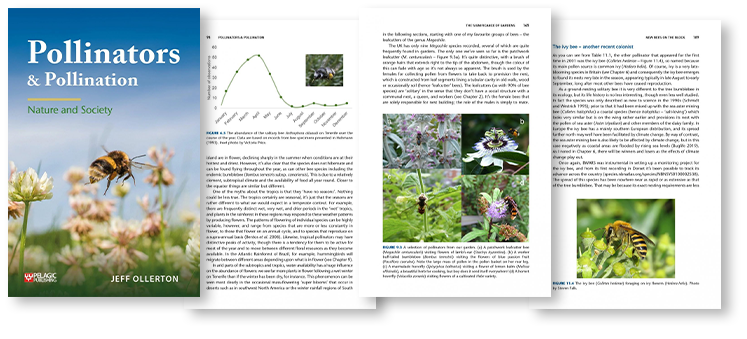
Once all of that is done, the publisher will type set the book and send me the proofs to check. At the same time as I’m checking those I will construct the index, a process which worked well for my last two books, Pollinators & Pollination: Nature and Society (also for Pelagic) and Plant-Pollinator Interactions: From Specialization to Generalization (which I co-edited with Nick Waser for the University of Chicago Press).

As an author, producing a book is a long process that doesn’t end with the actual writing of the manuscript. It’s incredibly satisfying, however, and working with Pelagic on my second book for them has been a great experience. All being well, Birds & Flowers should be out by early winter.

Now, I have three options for the next book that I’m writing….which one to choose…?

Book review: Everything you hadn’t realised you need to know about houseplants

When I was growing up, my dad took out a subscription to the Reader’s Digest book club. One of the books he bought was called Success With Houseplants, which first appeared in 1979. I still have it and I think that it’s one of the best volumes on this topic that’s ever appeared in print. Over the years I’ve often dipped into its pages and it provided my first introduction to exotic plant families that I would later see in the wild, including Gesneriaceae, Commelinaceae, and of course my beloved Apocynaceae.

Dad loved propagating and the windowsills of our small house were cluttered with jars of water-rooted cuttings and trays of sown seed. Growing houseplants is still a passion for me though now that it’s become a social media craze it’s hard to keep up with the latest trends in plants for the home.

Enter Jane Perrone, whose writing and podcasting has opened up the world of houseplants to a wider audience and helps us navigate this sometimes confusing and faddish world with humour and sensible advice. Jane has now published a book called Legends of the Leaf: Unearthing the secrets to help your plants thrive. and I’ve had the mixed pleasure of reading it over the last few days. “Mixed” not because there’s anything wrong with the book (far from it) but because Karin and I have COVID and we’ve been laid low for the past five days and counting. The silver lining is that it’s forced me to get on with the ever-mounting to-read pile, in between scratching away at the last few chapters of my next book.

In Legends of the Leaf, Jane has taken 25 iconic house plants, and provided us with a potted (sorry) account not only of their growing requirements, but also of their origin, ecology, history in cultivation, and some fascinating cultural and sociological context. I learned a lot from this book and it elevates the plants with which we share our homes from being simply decorative to become co-habitants with rich and fascinating stories to tell us. The author also has an imaginative line in metaphors, for example likening the flowers of hearts-on-a-string (Ceropegia woodii) to miniature turkey basters, or the dried seed capsules of living stones (Lithops spp.) to a Trivial Pursuit game counter.

A huge amount of research has gone into this book and Jane does not shy away from telling us about some of the darker aspects of houseplant history including colonial attitudes, treatment of enslaved peoples, and misogynous attitudes. It all makes for an absorbing read and I guarantee that you’ll never look at your leopard lily (Dieffenbachia seguine) the same way again.

Full disclosure: I advised on the section about Ceropegia woodii which earned me a mention, which seems fitting: seeing the account of this species in Success With Houseplants was what started me on a quest to understand the pollination biology of Ceropegia.

Insect pollination in deep time – a new review just published

As a teenager one of my main interests was collecting fossils. In search of specimens I wandered for hours, scouring the Carboniferous coal shale heaps and Permian reef outcrops of my native Sunderland. I spent so much time bothering the geology curator at the local museum with my inquiries that he offered to host me for a year as the placement part of my college course. If I had been able to convince my tutors that paleontology was really just biology in deep time I may have ended up as a professional fossil researcher. But it was not to be and instead I spent a (mostly happy) year working in the microbiology laboratory of a local brewery.

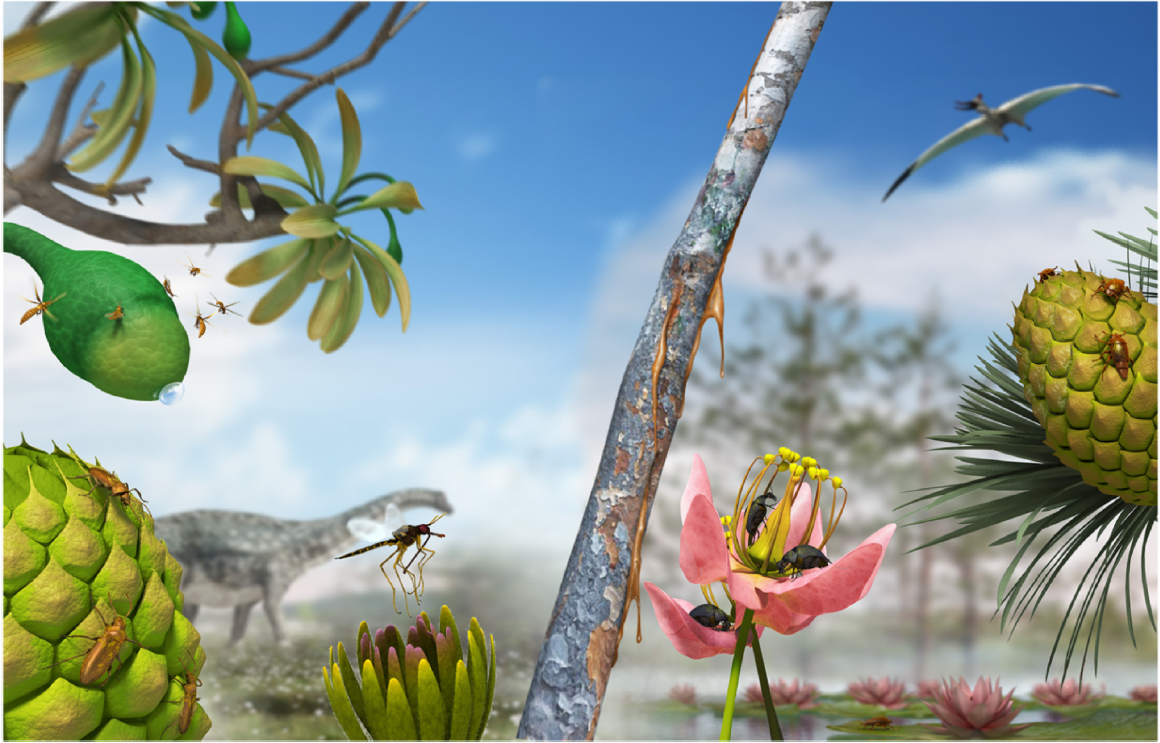
My interest in the ecology of the past has never left me, and over the years I’ve contributed a few articles to journals commenting on the latest fossil findings as they relate to pollination and flowering plant evolution. So I was delighted to be asked by Spanish paleontologist David Peris to help with a new review of insect pollination in deep time, led by PhD candidate Constanza Peña-Kairath. That review has just been published in Trends in Ecology & Evolution, and for the next 50 days it’s available for free download by following the link in the reference:

Peña-Kairath, C., Delclòs, X., Álvarez-Parra, S., Peñalver, E., Engel, M.S., Ollerton, J. & Peris, D. (2023) Insect pollination in deep time. Trends in Ecology & Evolution (in press)

Here’s the abstract:

Inferring insect pollination from compression fossils and amber inclusions is difficult because of a lack of consensus on defining an insect pollinator and the challenge of recognizing this ecological relationship in deep time. We propose a conceptual definition for such insects and an operational classification into pollinator or presumed pollinator. Using this approach, we identified 15 insect families that include fossil pollinators and show that pollination relationships have existed since at least the Upper Jurassic (~163 Ma). Insects prior to this can only be classified as presumed pollinators. This gives a more nuanced insight into the origin and evolution of an ecological relationship that is vital to the establishment, composition and conservation of modern terrestrial ecosystems.

Pesticides and pollinators: please sign this petition!

As part of our roles as ambassadors of the new conservation organisation Restore (more of which later this year), several of us including Dave Goulson, George McGavin, and myself, are promoting this online petition to get the government to take the issue of neonicotinoid pesticides seriously. Here’s some text from Dave explaining the situation with a link to a petition that you can sign:

“For three years in a row our government has granted farmers special permission to use banned neonicotinoid pesticides on sugar beet. This is contrary to the expert advice of their own Expert Committee on Pesticides, who specifically recommended that permission should not be granted.  It also flies in the face of a huge body of scientific evidence showing that these chemicals are phenomenally toxic to all insect life, and that their use on any crop contaminates soils, hedgerow plants, and nearby streams and ponds for years to come. We are in a crisis, with insect populations in freefall. It is about time our government woke up to this, and acted accordingly. This petition https://petition.parliament.uk/petitions/631948 is a necessary means of holding the government to account. Please sign and share, as signing will ensure the issue is debated in Parliament.”

This petition now has more than 15,000 signatures which ensures that it gets a response from the Government. If it reaches 100,000 mark, it will trigger a debate in Parliament. Please sign and promote this important initiative! 

Announcing my new book: “Birds & Flowers: An Intimate 50 Million Year Relationship”

For the past year I’ve been keeping a secret from all but a few trusted confidantes: the subject and title of my next book! My publisher – Pelagic – has now announced it on their website and so it’s time to make it public. “Birds & Flowers: An Intimate 50 Million Year Relationship” will be the first book that covers bird pollination in its entirety, going beyond just hummingbirds, sunbirds and honeyeaters, to consider the more than 60 other bird families that interact with flowers, and the tens of thousands of plants that rely on them as pollinators. You can read more about it on Pelagic’s website.

The 3D mock-up of the cover shown above features an illustration by my good friend Stephen Valentine, a very talented artist who you may remember produced this painting of waxwings that Karin bought for my birthday a few years ago. I’m extremely pleased with how Pelagic have incorporated this into the design of the cover.

The book will be available by autumn I hope, if my writing schedule goes to plan!

Pollinators and the UN Sustainable Development Goals – free webinar on Monday!

There’s been a lot of discussion recently about how pollinators can contribute to the United Nations’ 17 Sustainable Development Goals. It’s a topic that I reflected on in Pollinators & Pollination: Nature and Society, and I’ve seen a few papers and articles that raise the subject – see here for instance. This free webinar on Monday 27th March is therefore very timely! To register, follow this link: forms.office.com\r\T5HrW0VZvS

Although I’m one of the speakers, I can’t make it in person as I’ve got teaching commitments at Roskilde University, so I’ve recorded my ten minute piece and I’m happy to answer questions via the Contact page on my website.