


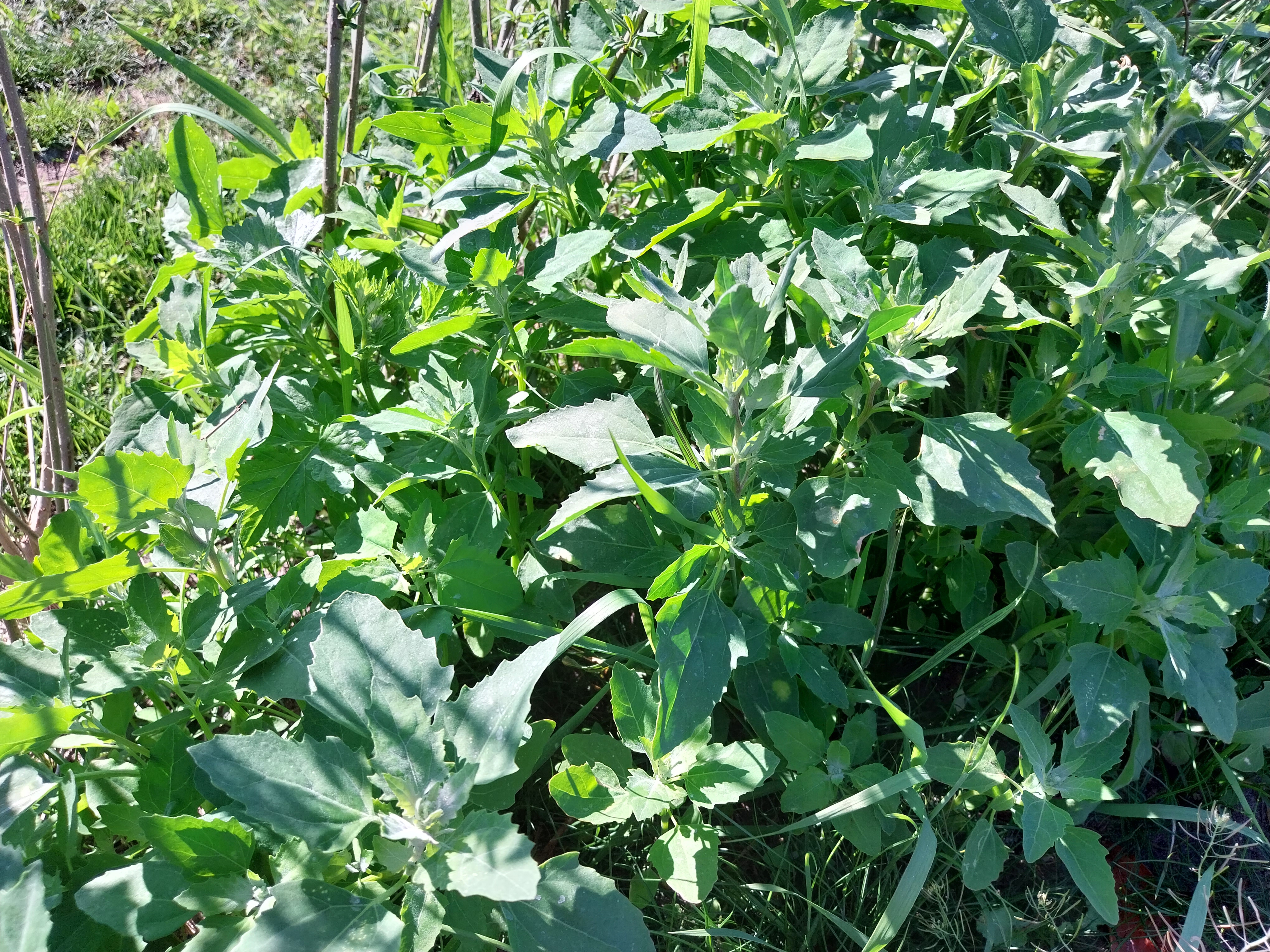
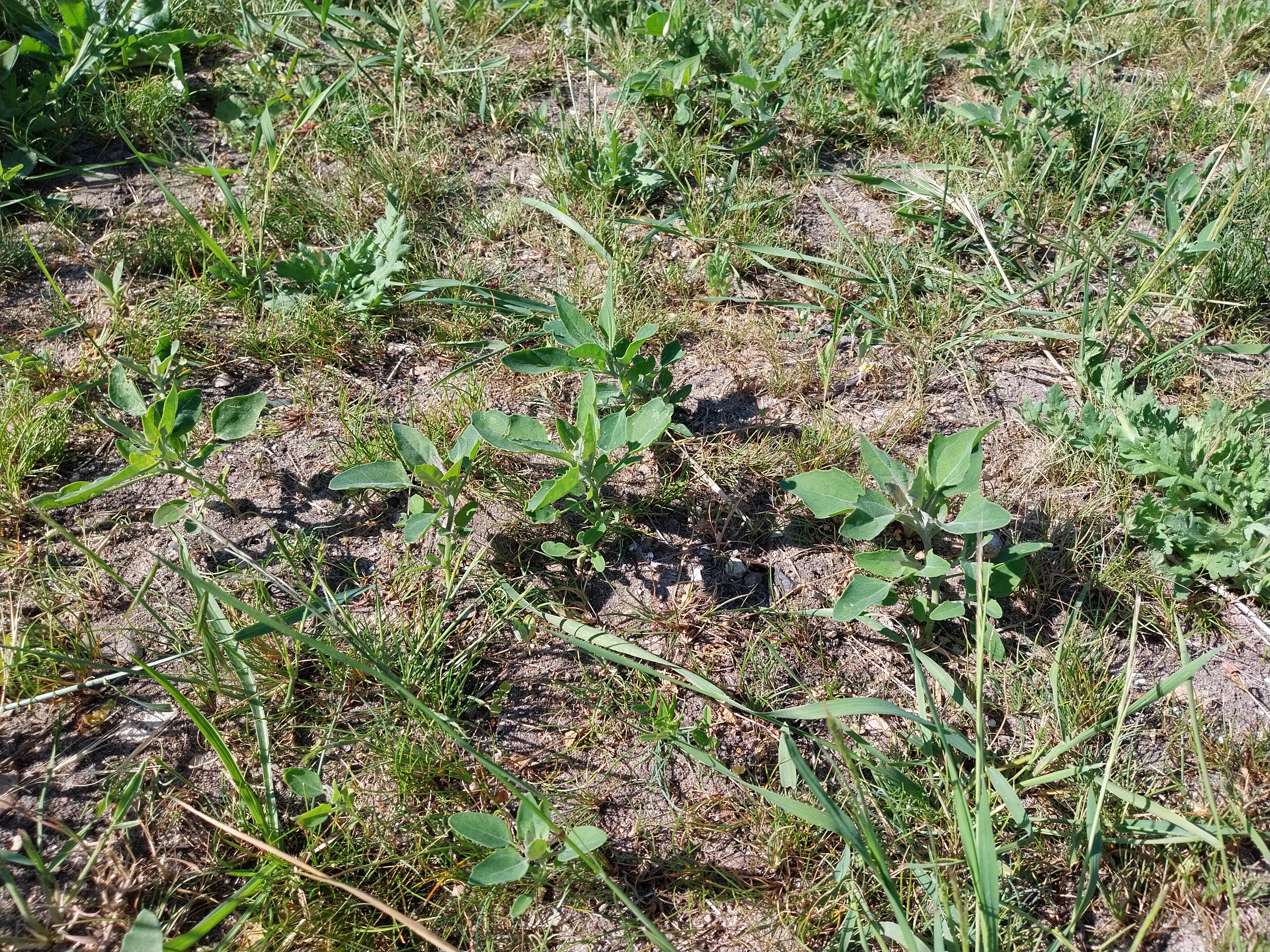
The summer of 2019, before the COVID-19 pandemic turned the world on its head, feels like a very long time ago. Early in that summer, as I recounted on this blog, Zoe Xirocostas joined my research group for a while in order to collect data for her PhD on the comparative ecologies of plants that are native to Europe but invasive in Australia. That work has proven to be very successful, and the latest paper from Zoe’s PhD has just been published.
The paper focuses on the “enemy release hypothesis” (ERH), a well-studied concept in invasion ecology that nonetheless generates significant debate and disagreement. In essence, the ERH posits that the reason why so many species become invasive is that they leave their consumers, pathogens and parasites behind when they move to a new locality. Those “enemies” would normally reduce the fecundity of the invader, putting a brake on their population growth. But in their absence, the invader can become far more successful. Of course, as well as leaving “enemies” behind the invader also loses its “friends”, such as pollinators, seed dispersers, and defensive or nutritional partners. This “Missed Mutualist Hypothesis” is something that I’ve recently explored with Angela Moles, who was Zoe’s main supervisor, and other collaborators in Australia. Expect to hear more about this from Zoe’s work in the near future.
But back to the enemies. Drawing on the most extensive set of standardised comparisons yet collected of the same plants in native and invasive habitats, Zoe found that plants in the invasive populations suffer on average seven times less damage from insect herbivores, as predicted by the (ERH). Rather remarkably, however, the amount of enemy release enjoyed by a plant species was not explained by how long the species had been present in the new range, the extent of that range, or factors such as the temperature, precipitation, humidity and elevation experienced by the native versus invasive populations.
In other words, it’s extremely hard to predict the extent of enemy release based on historical and ecological considerations that one might expect to impose a strong influence.
The study has just appeared in Proceedings of the Royal Society series B and is open access. Here’s the reference with a link to the paper:
Here’s the abstract:
When a plant is introduced to a new ecosystem it may escape from some of its coevolved herbivores. Reduced herbivore damage, and the ability of introduced plants to allocate resources from defence to growth and reproduction can increase the success of introduced species. This mechanism is known as enemy release and is known to occur in some species and situations, but not in others. Understanding the conditions under which enemy release is most likely to occur is important, as this will help us to identify which species and habitats may be most at risk of invasion. We compared in situ measurements of herbivory on 16 plant species at 12 locations within their native European and introduced Australian ranges to quantify their level of enemy release and understand the relationship between enemy release and time, space and climate. Overall, plants experienced approximately seven times more herbivore damage in their native range than in their introduced range. We found no evidence that enemy release was related to time since introduction, introduced range size, temperature, precipitation, humidity or elevation. From here, we can explore whether traits, such as leaf defences or phylogenetic relatedness to neighbouring plants, are stronger indicators of enemy release across species.





 Prof. Jeff Ollerton - ecological scientist and author