Category Archives: Pollination

The 31st Annual Meeting of the Scandinavian Association for Pollination Ecology (SCAPE 2017) – registration closes 15th September

SCAPE logo

SCAPE is my favourite annual conference by a long margin: small, friendly, welcoming (especially for Master’s and PhD students, and postdocs), and packed full of great science.  It’s the longest-running annual conference of its kind in the world and this year the 31st meeting takes place in Norway; registration closes on 15th September – here’s the link for more information.

So if you are a scientist with an interest in pollination ecology, in all of its varied expressions, consider coming along.  I’ve written a short history of SCAPE here, and these are some links to previous meetings to give you a sense of what to expect:

https://jeffollerton.wordpress.com/2016/10/15/i-want-to-see-the-bright-lights-tonight-the-30th-annual-scape-conference-part-1/

https://jeffollerton.wordpress.com/2015/10/25/scape-day-3-science-on-a-sunday/

https://jeffollerton.wordpress.com/2014/10/27/dancing-with-wolves-more-from-scape-2014/

https://jeffollerton.wordpress.com/2012/11/07/the-great-escape/

Hummingbirds have a sense of smell: so why do we keep saying that they don’t?

P1110560

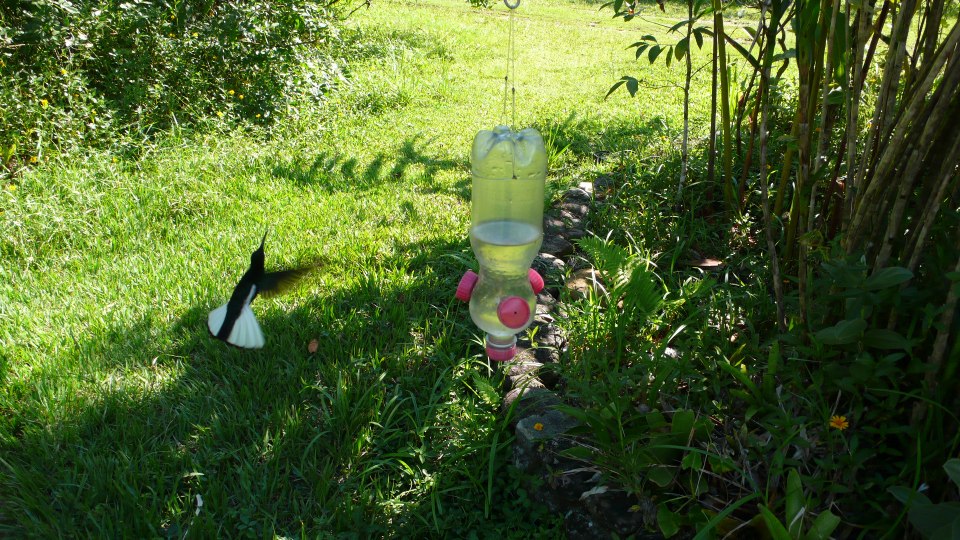
One of the general features associated with specialised hummingbird-pollinated flowers in the New World is that they often have no scent perceptible to the human nose.  This is then interpreted as evidence that hummingbirds have no sense of smell, which strikes me as circular reasoning at best.  This “fact” is then frequently repeated in text books and on the web, for example at the Bird Watcher’s Digest site, at The Spruce site, and at the World of Hummingbirds.

However I know of only two research papers that have tested whether or not hummingbirds can smell, both of them short notes; and in both cases they found that the hummingbirds they tested could associate scents with food in artificial flowers.  Those studies (with links to the originals) are:

Goldsmith, K.M. & Goldsmith, T.H. (1982) Sense of smell in the black-chinned hummingbird. Condor 84: 237-238

Heringer, H. et al. (n.d. – c. 2006?) Estudo da capacidade olfatória em três representantes da subfamília Trochilinae: Eupetomena macroura (Gould, 1853), Thalurania furcata eriphile (Lesson, 1832) e Amazilia lactea (Lesson, 1832).  Unpublished manuscript – possibly a student project (?)

It surprises me that this has been so little studied, given how much research has otherwise been done on hummingbirds.  Have I missed any other studies?  Clearly vision is more important for hummingbirds when locating food, but that’s not the same as stating that hummingbirds have no sense of smell.  Seems to be one of those myths that won’t go away, of which there are many in pollination biology.

Comments welcomed, as always.


Highlights from Monday at the International Botanical Congress

IBC 21

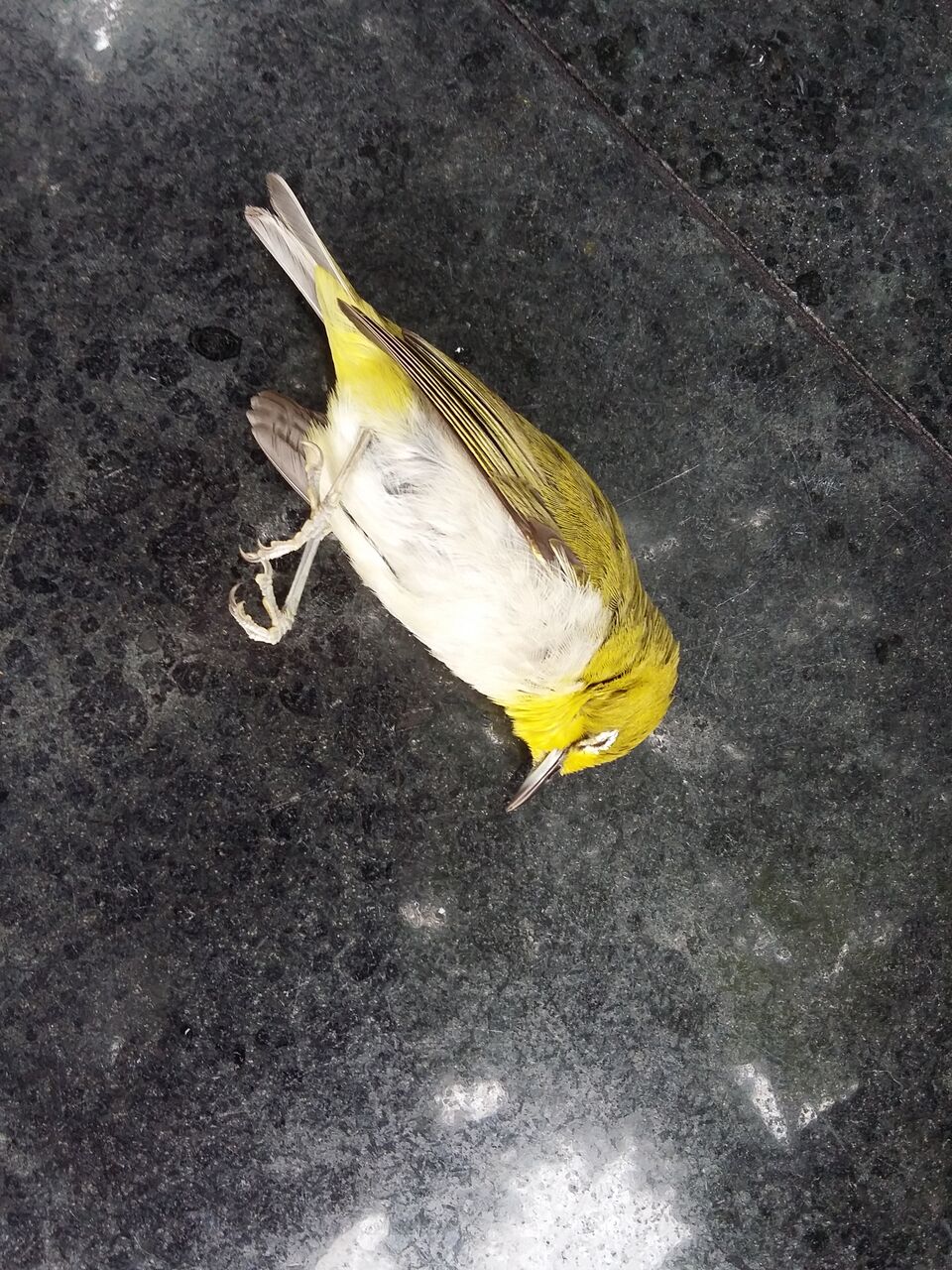
On the way in to the congress venue yesterday morning I spotted a small yellow bird lying dead on the street; turned out to be a Japanese White-eye, a first for me.  Can I count dead birds on my life list?

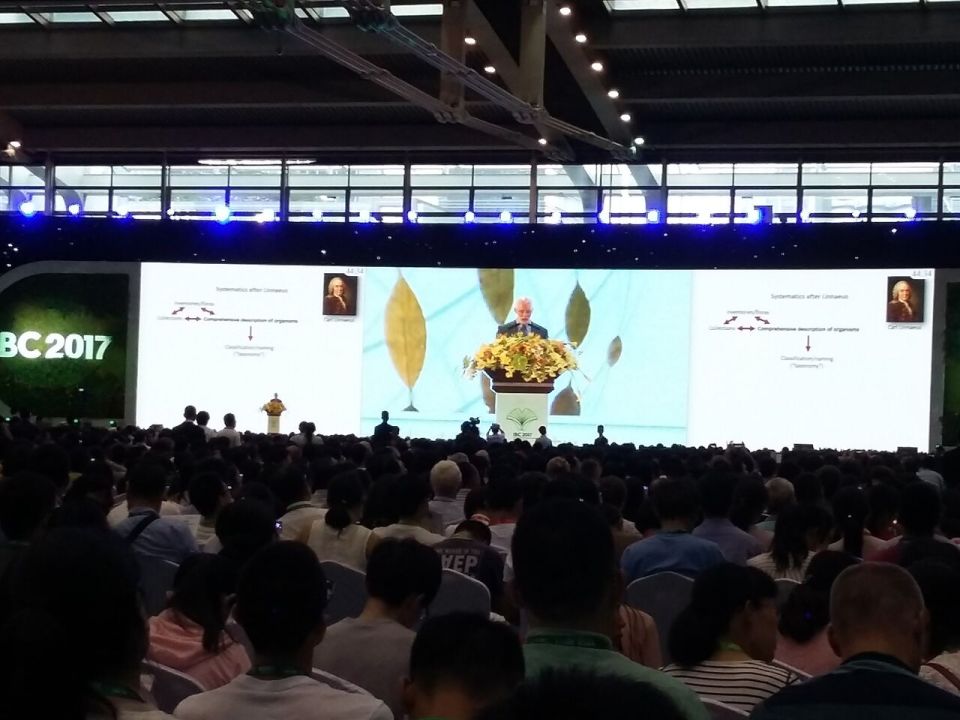
The scientific programme for the day got off to a great start with a keynote by Michael Donoghue on the value of model lineages for really exploring plant evolution in depth.  He focused on the work of his group on the genus Viburnum, and it has a masterclass in presenting a lot of complex work in an engaging and contextual way, telling a great story.

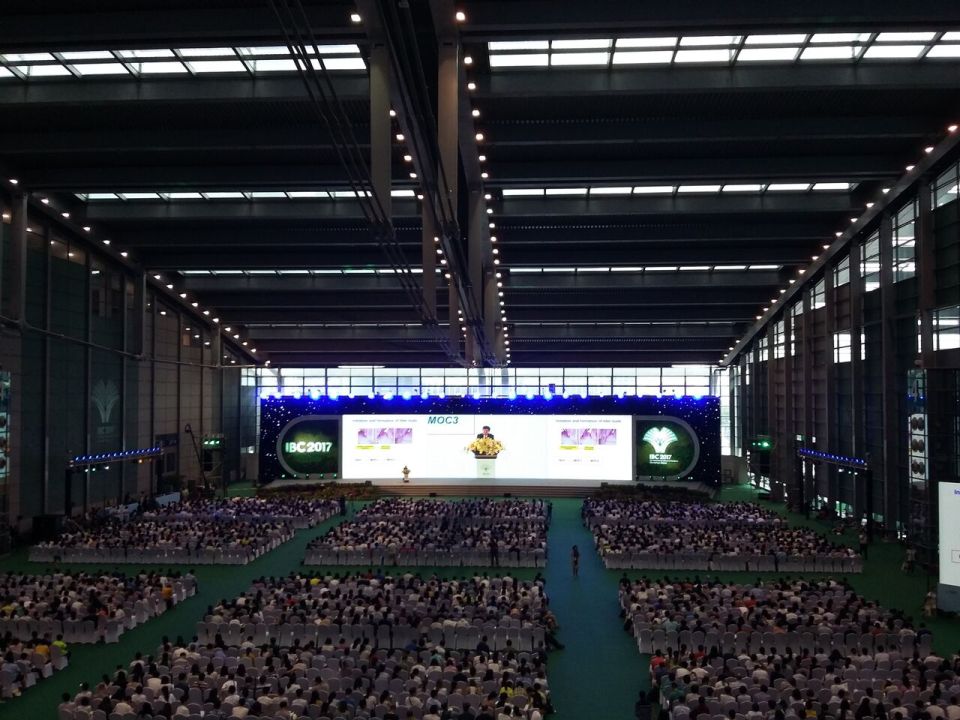
These photos tell you about the scale of these keynotes and the need for video feeds of the presentation.  It’s all working well though:

IBC 23

IBC 24

In the afternoon things got a little more intimate when the themed symposia started.  For now I’ve decided not to try to move between sessions to cherry pick talks I really want to hear and instead stick with the single sessions.  The first of these was on “Pollination by non-flying mammals” and a series of speakers outlined some of the diversity of these animals and how flowers are adapted to be pollinated by them.  As camera traps have become more widely used, especially at night using infra red lighting, the range of mammals known to pollinate flowers has increased and now includes species such as genets and elephant shrews.  The latter wins the prize for outrageous cuteness!  Check out some of the images of these pollinators at this BBC site.

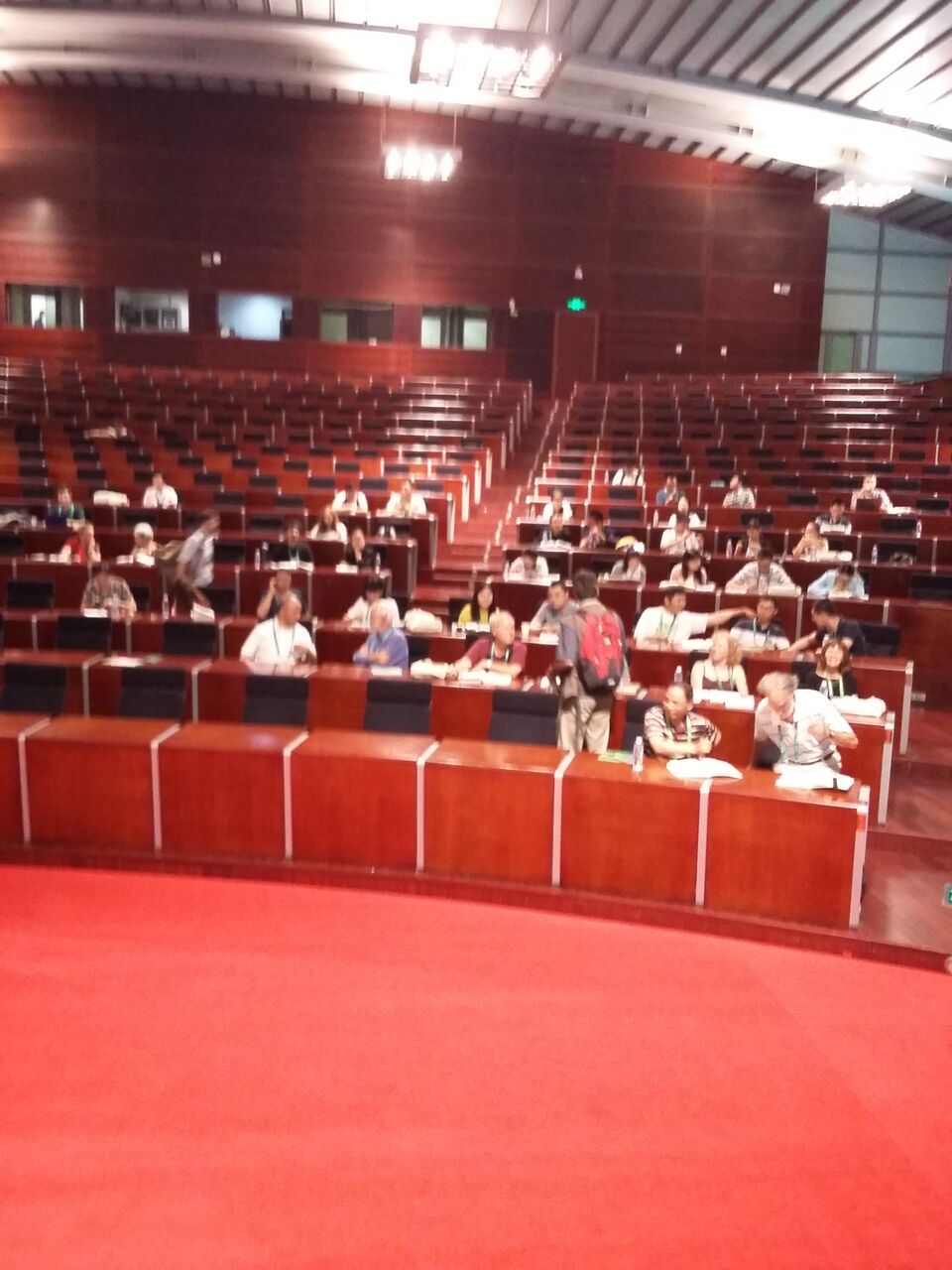
That session ended at 3.30pm and there was just time to chat to a few people and grab a quick coffee before I was speaking at 4.00pm in the “Evolution of floral traits” session, in a vast hall that seemed mainly empty but actually probably had a couple of hundred people in it:

IBC 25

My talk was on “Spatio-temporal stability of an island endemic plant-pollinator interaction involving floral colour change”. It seemed to be well received though in retrospect I probably focused too much on the pollinator side of what’s happening in our Tenerife study system.  The talks that came after were a great mix of scales and approaches but by 6.00pm the jetlag had caught up with me and I couldn’t stop myself falling asleep towards the end of a fascinating talk by Adam Roddy (sorry Adam!)  That was bad enough: then I started snoring and was jerked awake when Kathleen Kay punched me (thank’s Kathleen!)  Oh the science shame….

Much chatting afterwards then whisked off to dinner by some Chinese and American colleagues, in the fanciest hotel I’ve ever seen: we were met out of the lift by a gaggle of singing waitresses…. A very pleasant evening.  Back to the hotel by 9.30pm, for a beer and some tv, but could hardly keep my eyes open.  Slept until 6.00am – huzzah – jetlag seems to be over!  Now to breakfast and the start of a new day.  Must finish writing my talk for Saturday though….

IBC 26

6000 scientists can’t be wrong: the International Botanical Congress 2017

IBC 1

A late afternoon flight from Heathrow got me to Beijing International Airport just in time for me to enjoy a nine hour delay in my connecting flight to Shenzhen in southern China.  I finally arrived at my hotel at 2:15am, exhausted and sweaty in the 30 degree night time heat.  The one consolation is the the hotel was short of rooms so upgraded me to a suite the size of a small city, with a shower like a tropical rainstorm.  Perfect to wash off the dirt of travelling before collapsing into bed.

Why am I here and why is the hotel short of rooms?  Because 6000 scientists have descended on Shenzhen for the 19th International Botanical Congress (IBC).  The IBC is a six-yearly event that rotates around the world; I attended in 1999 in St Louis and 2005 in Vienna, but missed Melbourne in 2011.  At this IBC I’m giving two talks, one at the beginning and one at the end of the conference.  More on that later in the week.

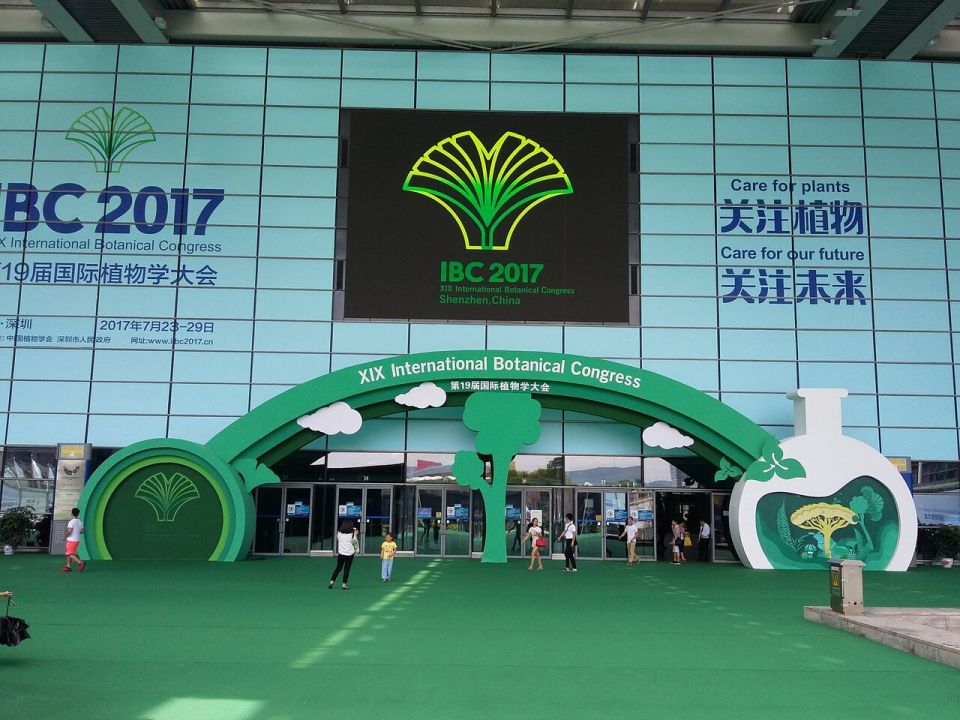
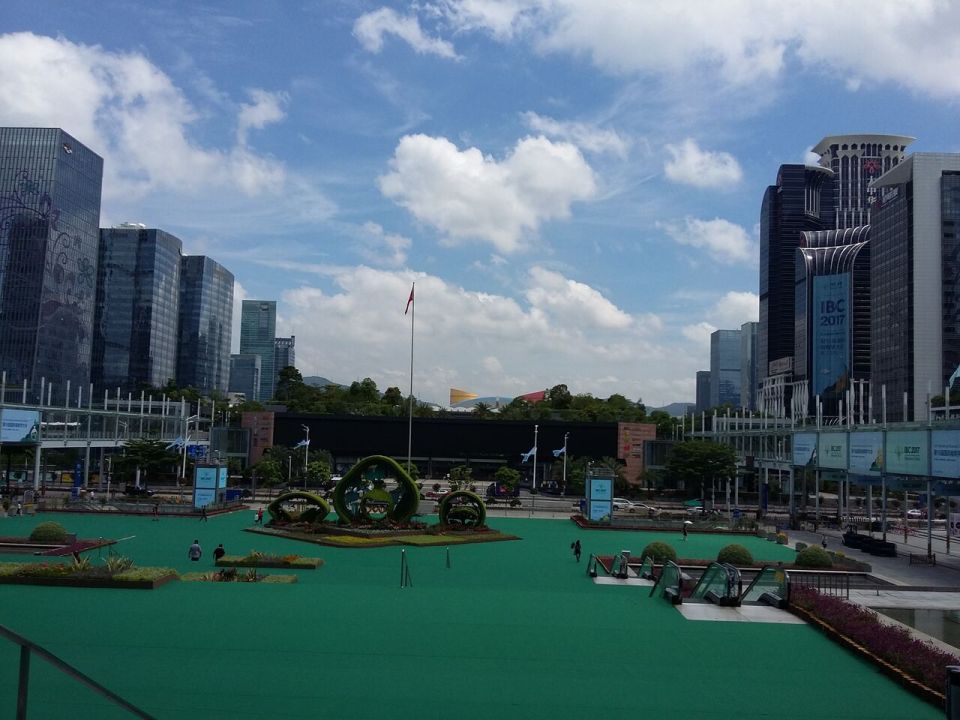
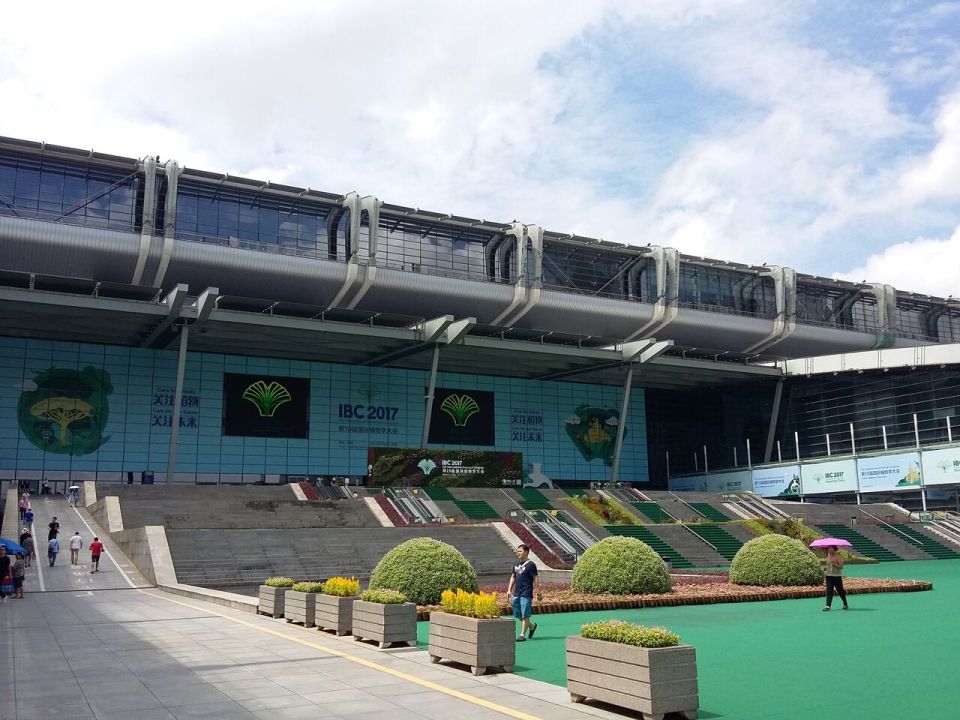
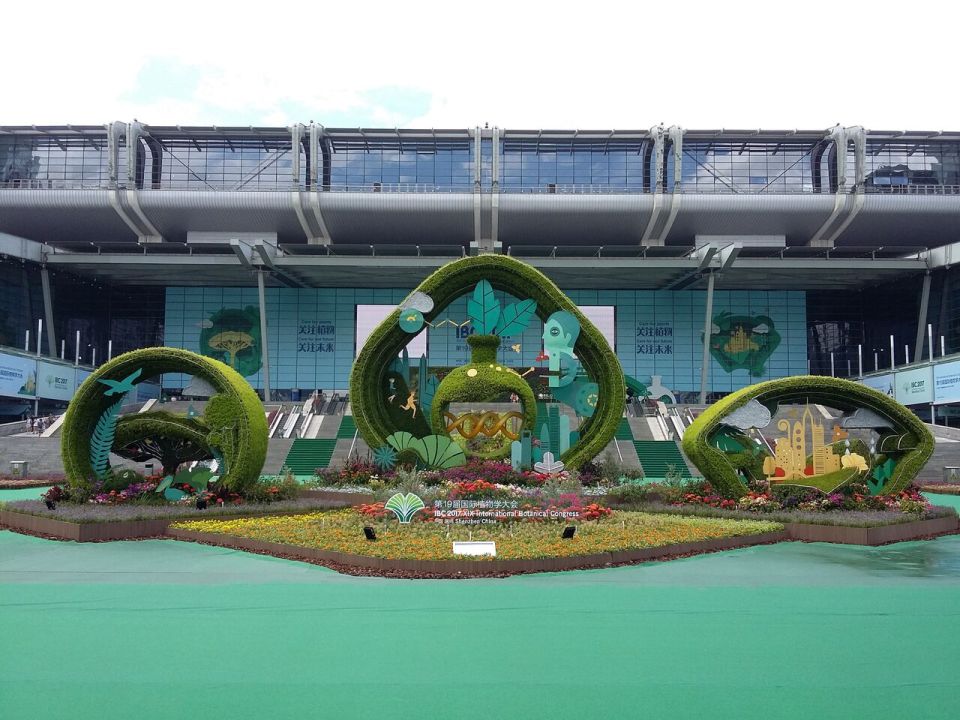
Six thousand botanists need a big conference venue and this morning, after a late breakfast, I strolled up to the convention centre where it’s being held.  It’s enormous, the scale of the thing is overwhelming.  I wandered around whilst they were getting ready for registration opening this afternoon and took some images on my phone.

IBC 2IBC 3IBC 4

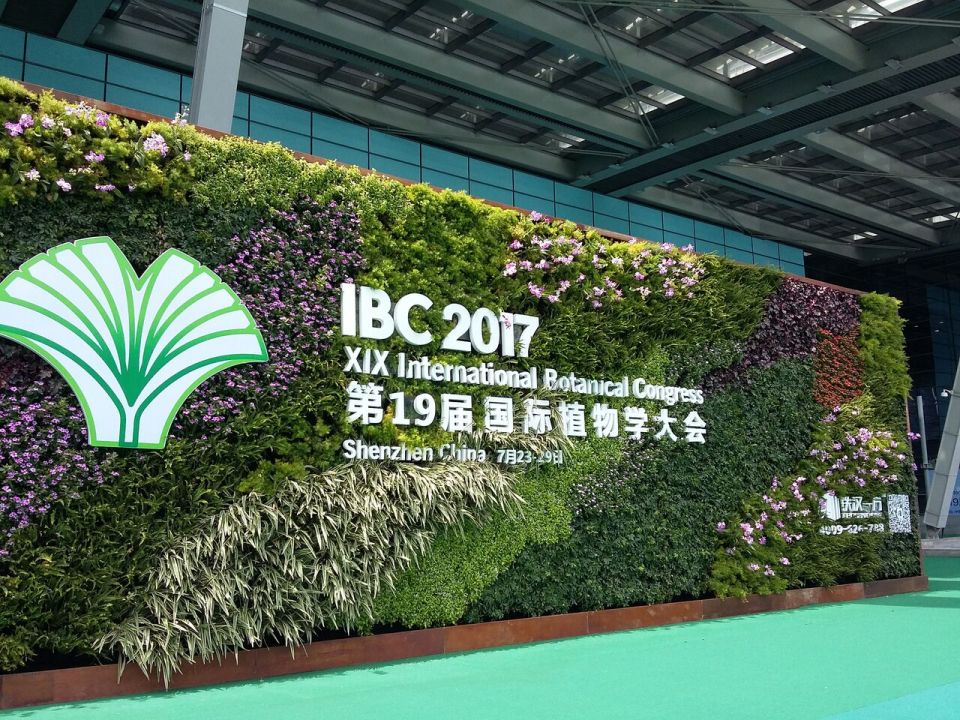
There are some fabulous displays of living plants, including this one at the main entrance:

IBC 5

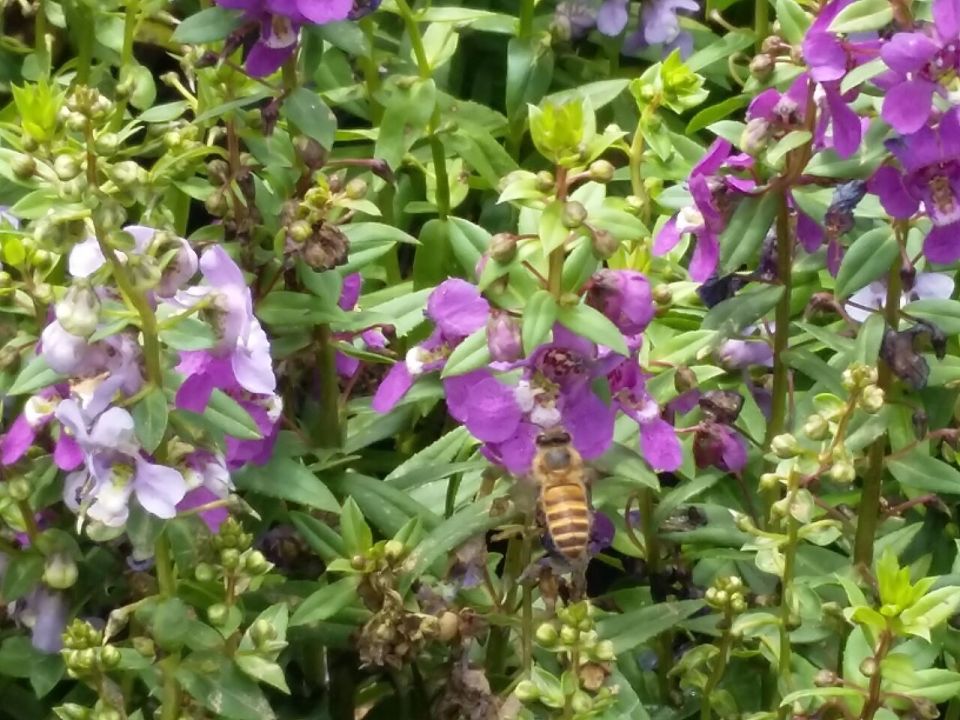
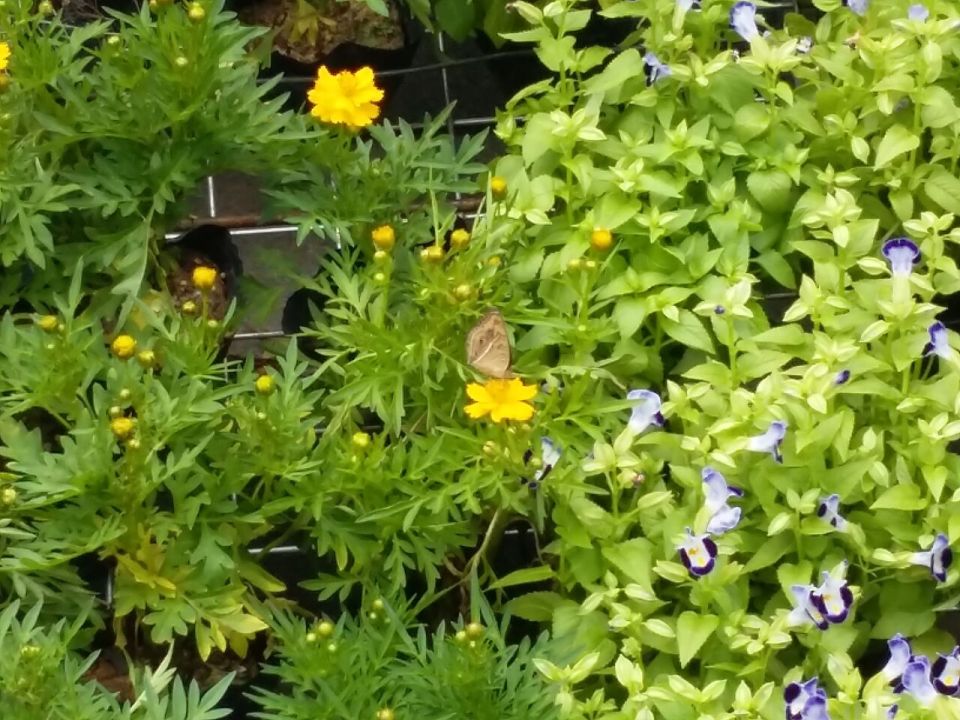
These are attracting pollinators: in 10 minutes I counted lots of honey bees, one butterfly, at least two species of wasps, and a large carpenter bee (Xylocopa sp.) visiting flowers.  I only managed to photograph the first two though:

IBC 7

IBC 6

On the way back to my hotel I gatecrashed an international turtle expo.  Who knew turtles were such a big thing in China….?

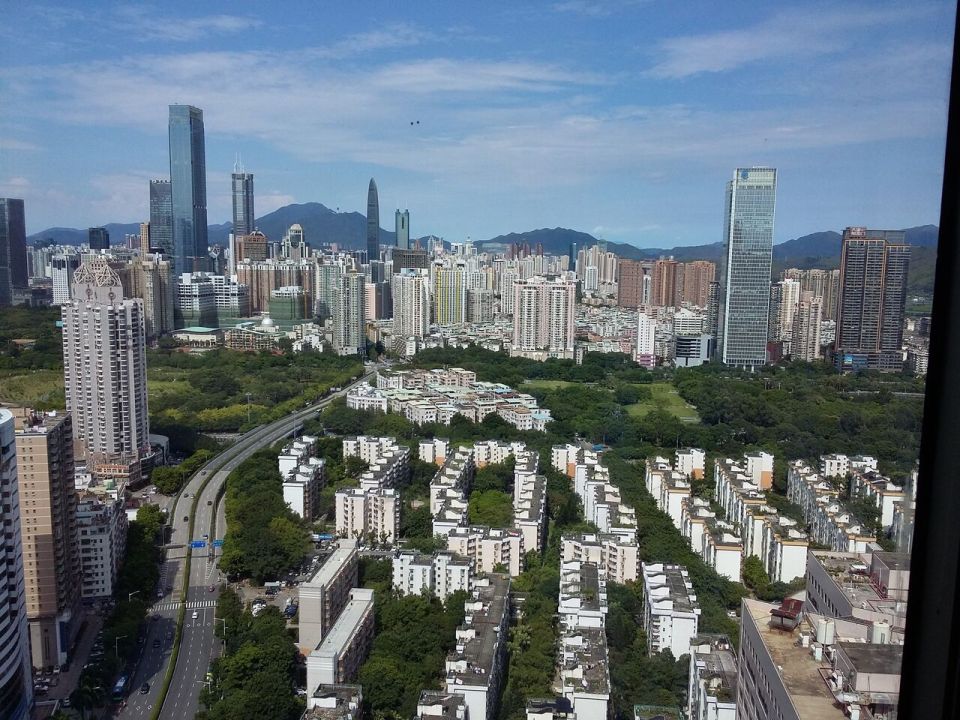
OK, that’s all for now: I have to head back to the convention centre to register, so I’ll leave you with the view I’m seeing from where I’m writing this.  Shenzhen is quite a place and I’ll write more about it later in the week:

IBC 8

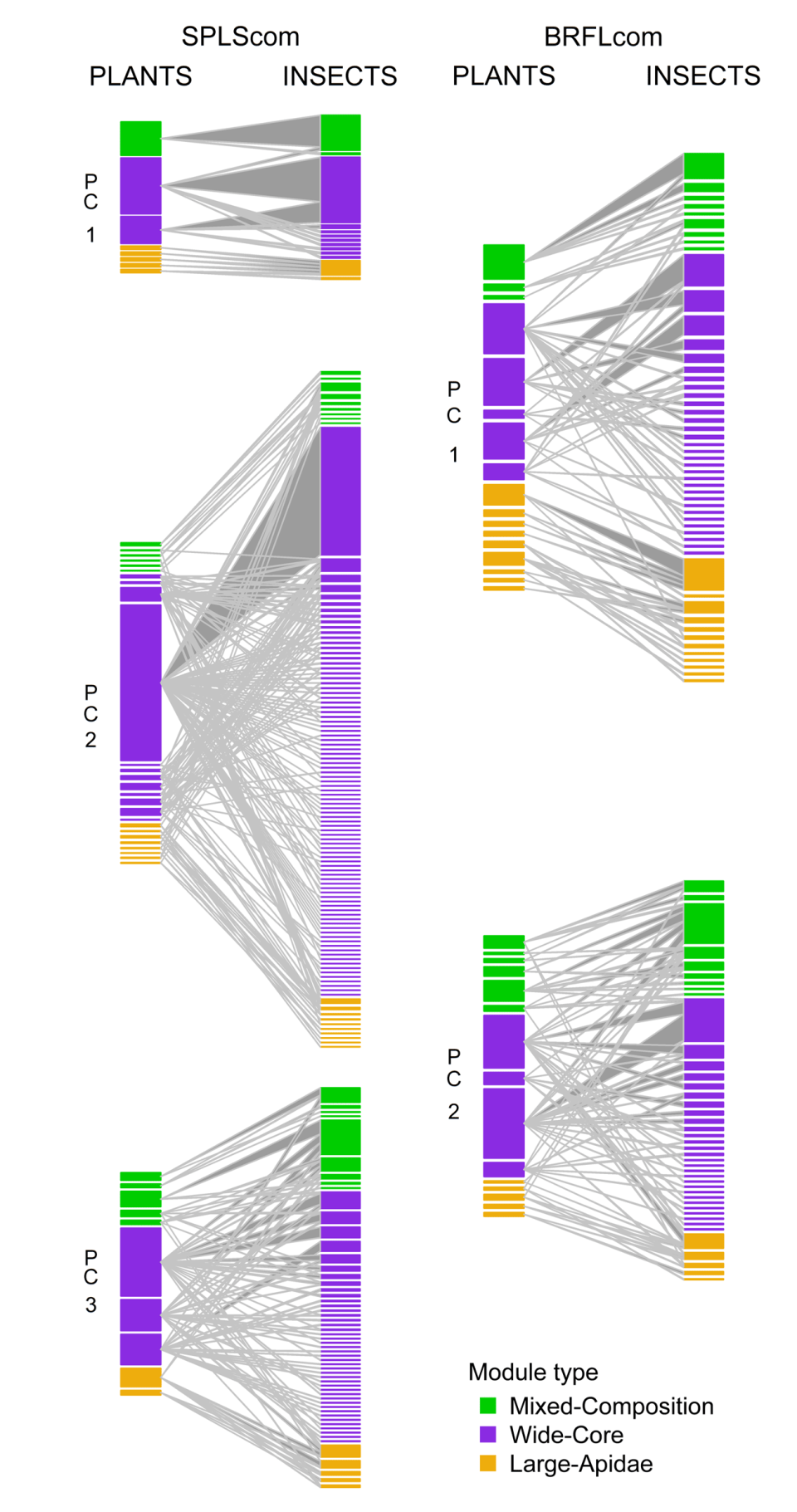
Plant-pollinator networks, the time dimension, and conservation: a new study just published

Biella network

After rather a long gestation period, involving much re-analysis and rewriting, we’ve finally published Paolo Biella’s research from his Master’s thesis.  It’s a really neat plant-pollinator network study from mid-elevation grasslands in Italy’s Northern Apennine.  In it we have considered the way in which such networks could be analysed in relation to plant phenology (i.e. the timing of when they flower) rather than arbitrary time slices (e.g. months, weeks).  We have also discussed how this approach may inform conservation strategies in grasslands such as these.  The full citation with a link is:

Biella, P., Ollerton, J., Barcella, M. & Assini, S. (2017) Network analysis of phenological units to detect important species in plant-pollinator assemblages: can it inform conservation strategies?  Community Ecology 18: 1-10 

I’m happy to send a PDF to anyone who is interested in seeing the full study.

Here’s the abstract:

Conservation of species is often focused either only on those that are endangered, or on maximising the number recorded on species lists. However, species share space and time with others, thus interacting and building frameworks of relationships that can be unravelled by community-level network analysis. It is these relationships that ultimately drive ecosystem function via the transfer of energy and nutrients. However interactions are rarely considered in conservation planning. Network analysis can be used to detect key species (“hubs”) that play an important role in cohesiveness of networks. We applied this approach to plant-pollinator communities on two montane Northern Apennine grasslands, paying special attention to the modules and the identity of hubs. We performed season-wide sampling and then focused the network analyses on time units consistent with plant phenology. After testing for significance of modules, only some modules were found to be significantly segregated from others. Thus, networks were organized around a structured core of modules with a set of companion species that were not organized into compartments. Using a network approach we obtained a list of important plant and pollinator species, including three Network Hubs of utmost importance, and other hubs of particular biogeographical interest. By having a lot of links and high partner diversity, hubs should convey stability to networks. Due to their role in the networks, taking into account such key species when considering the management of sites could help to preserve the greatest number of interactions and thus support many other species.

Saved by a bee: a true story, with reflections and photos from PopBio2017

1

The blog has been a bit quiet of late, due to a lot of traveling on my part, starting with field work in Tenerife, then a weekend away with friends on the Isle of Wight, followed by the topic of this post: PopBio2017 – the 30th Conference of the Plant Population Biology Section of the Ecological Society of Germany, Austria and Switzerland in Halle, Germany.  And I’d like to begin with a story….

The organisers of PopBio2017 had invited me to be one of five keynote speakers at the conference and I was due to deliver a talk on “The macroecology of wind and animal pollination” first thing (09:00) on Thursday morning.  So the night before I duly set my phone’s alarm for 07:00, thinking I’d have enough time to get ready, have breakfast, then take the tram to the venue (a 15 minute ride/walk).

It was a very hot night and I left the windows open, but my mind was restless with thoughts of how to deliver the talk most effectively.  So I kept waking up during the night, and actually slept through the alarm.  The next thing I know it is 07:45 and I am being woken up by an urgent buzzing noise….from a bee!

I swear this is true: a bee had flown in through the window, buzzed for a few seconds right in front of my face, and woke me up in time to deliver my talk on pollinators!  It then turned around and flew straight back out of the window.

It actually wasn’t until I’d jumped out of bed and into the shower that I’d woken up sufficiently to appreciate what had happened…and wondered if anyone would actually believe me!  Anyway, I got to the venue with 15 minutes to spare, the talk seemed to go well, and it’s a story I think I’ll enjoy telling for some time to come.

The conference was really fabulous, with some very impressive science on show.  It was a good mix of postdocs, PhD students, and established researchers talking on a diverse range of plant ecology topics, not just “plant population biology” (whatever that really is – there was some discussion on that score).   The organisers had arranged the programme so that the keynotes in each session were followed by shorter talks broadly related to that topic, so I was followed by a series of presentations on pollination biology.  And very good they were too.

Here’s some photos from the week:

A slightly blurry audience waiting for my talk to begin (not as blurry as me after the dash to the venue however…):
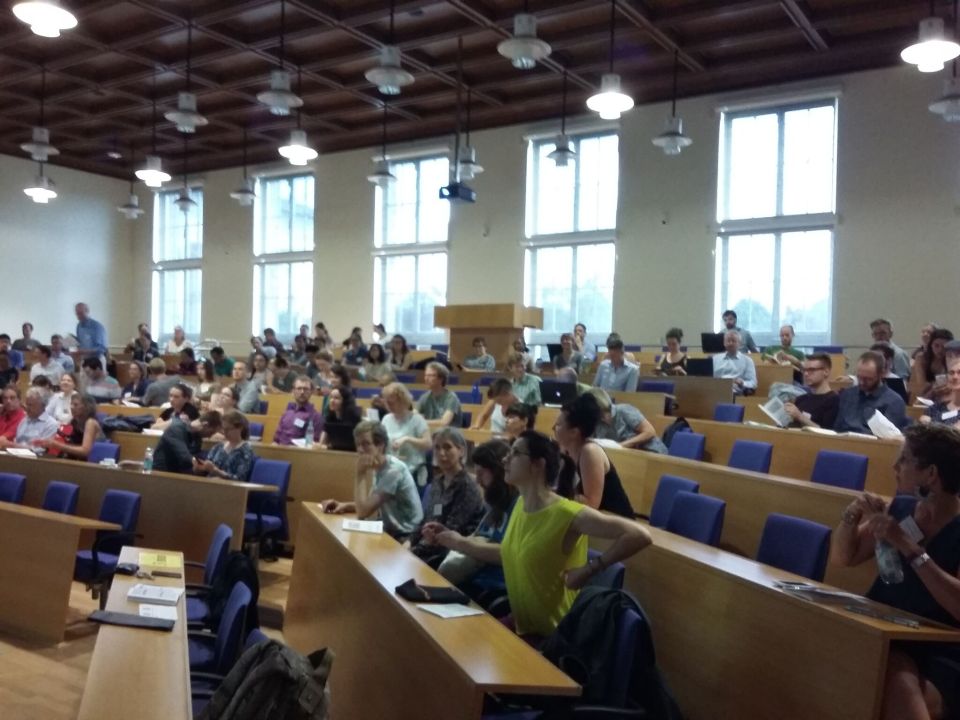
2

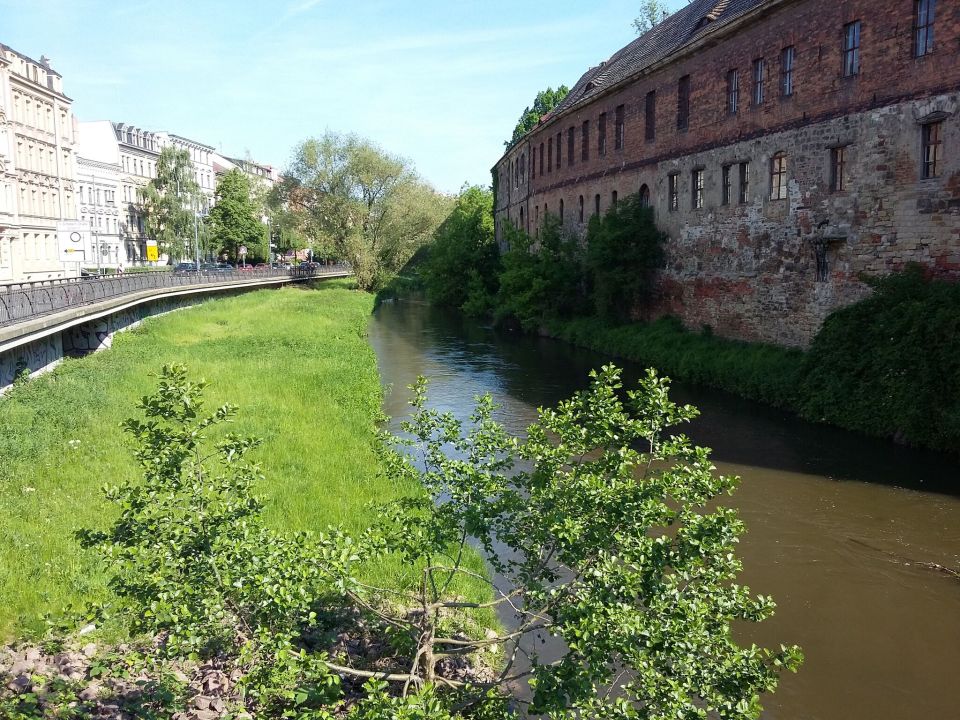
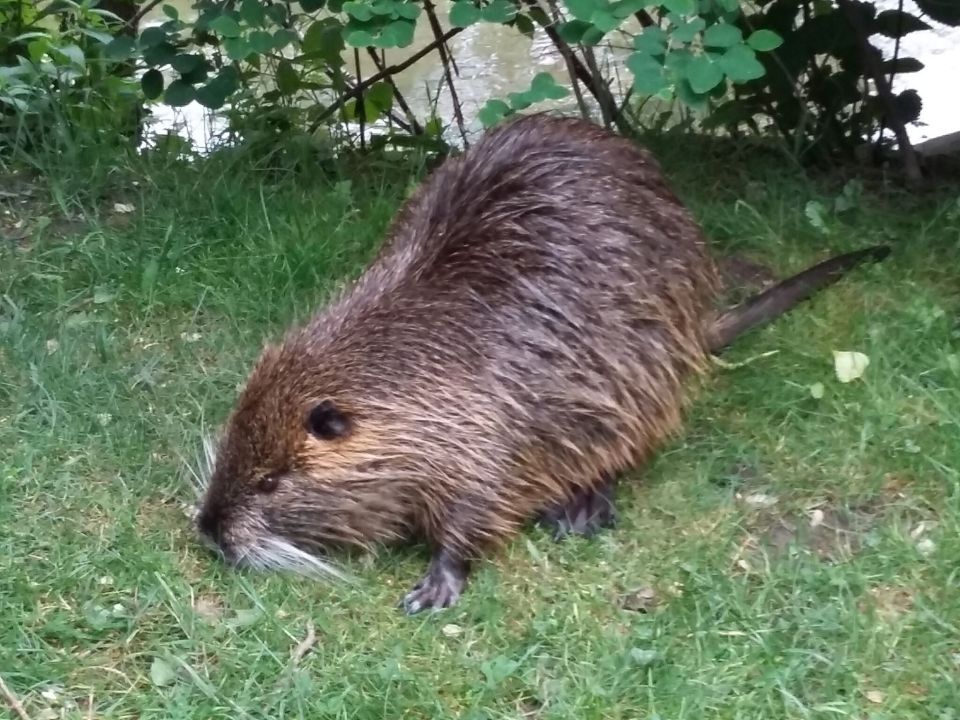
I was fascinated by the coypu that are common in the River Salle which flows through the city of Halle.  They are classed as an invasive species, but are very, very cute:
3

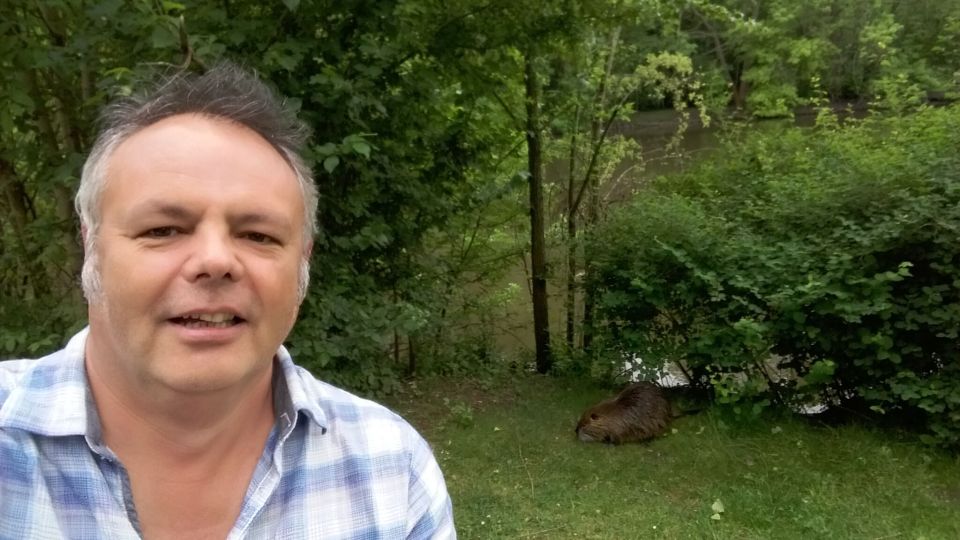
Indeed so cute I couldn’t resist taking a selfie…
4

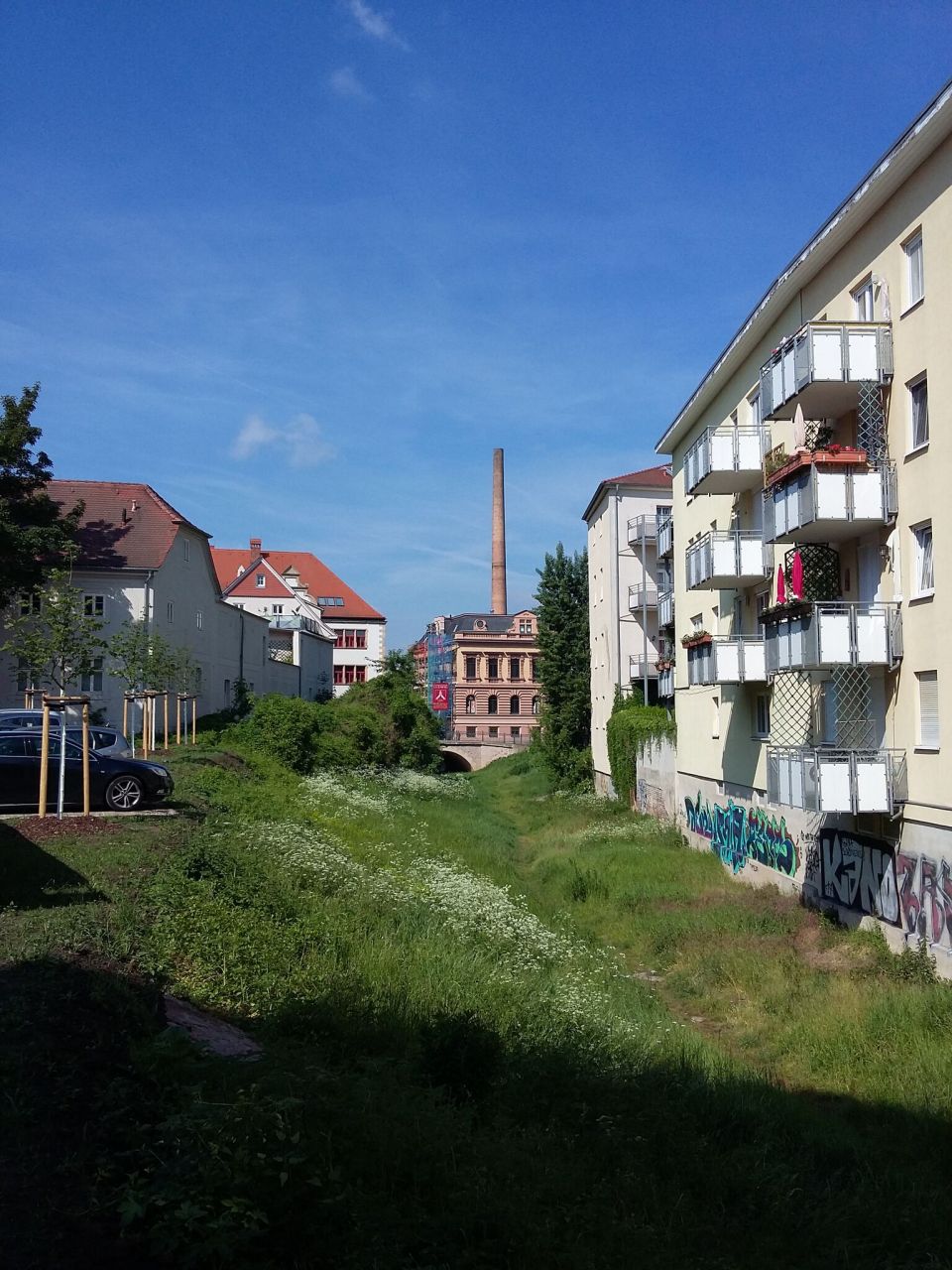
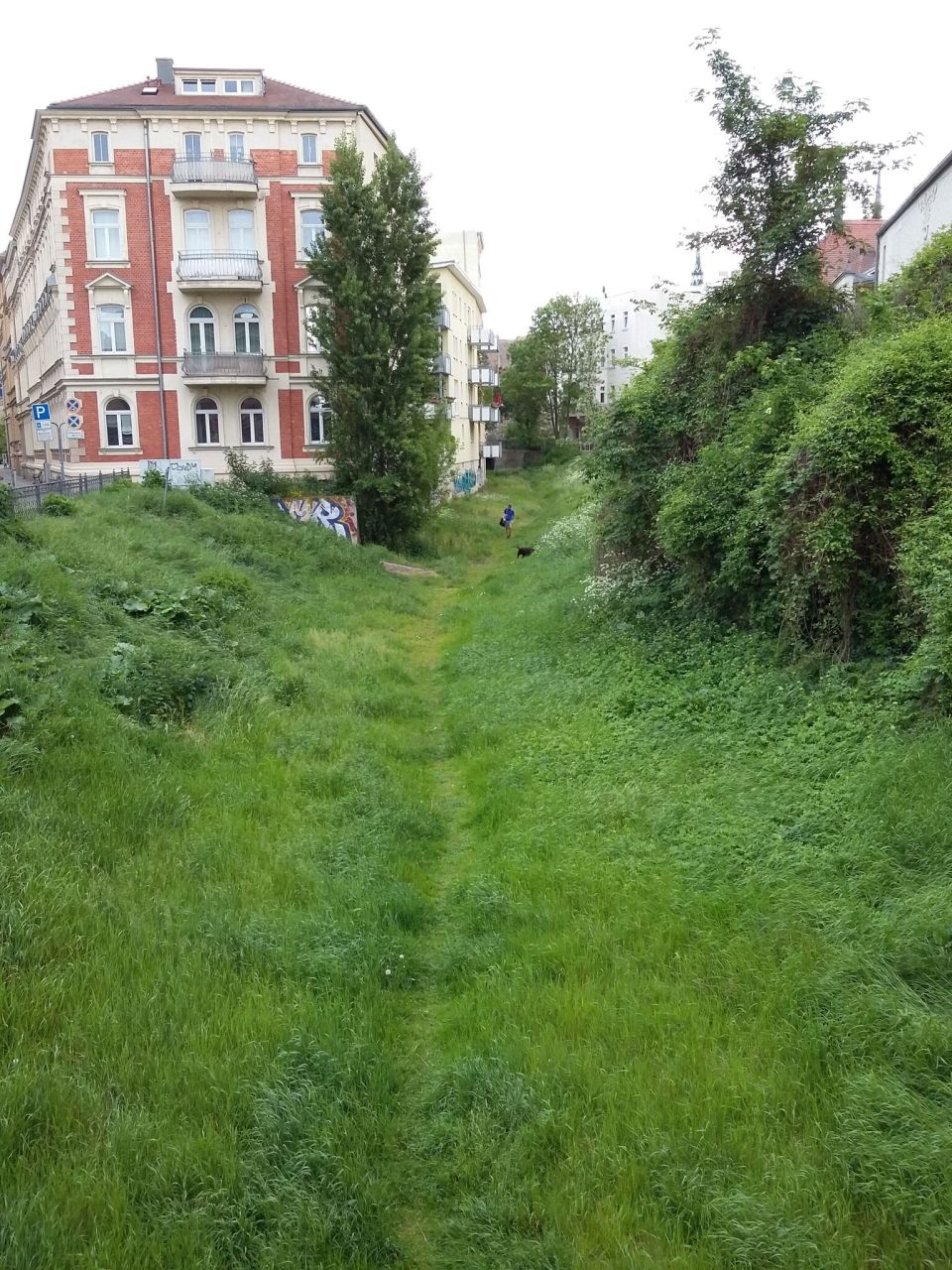
Some interesting urban greenery including swales for flood defence:
 

5

6

7

8

9

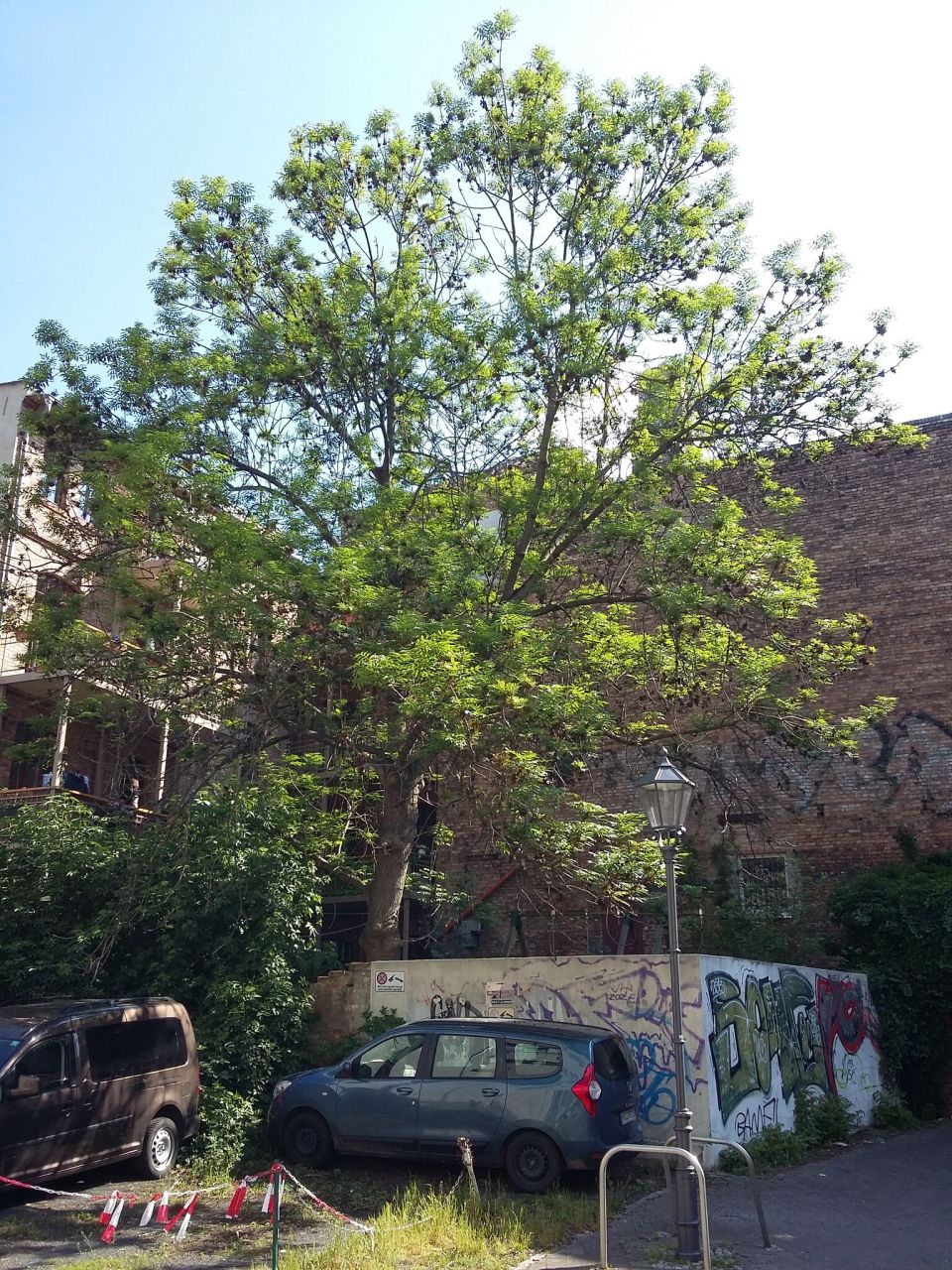
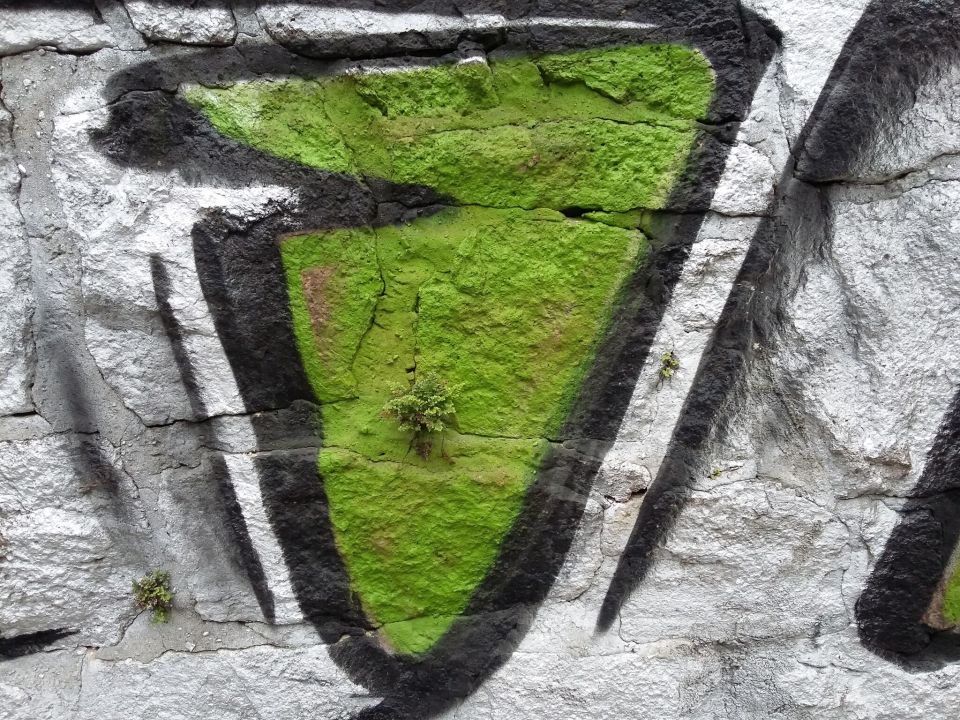
Wall plants surviving the graffiti:
10

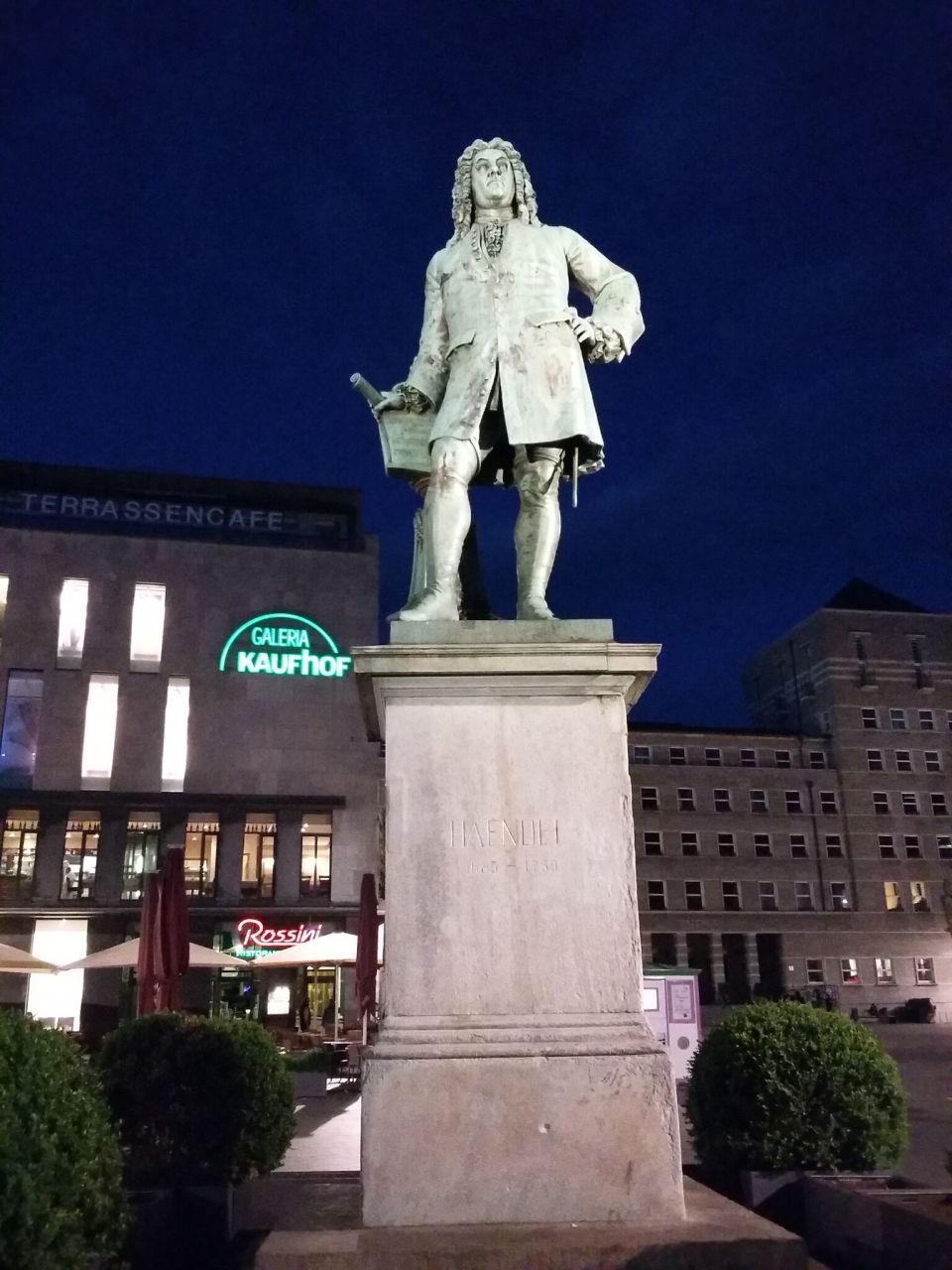
Halle’s most famous resident, Handel:
11

There’s a Harry Potter feel to some parts of the town:

12

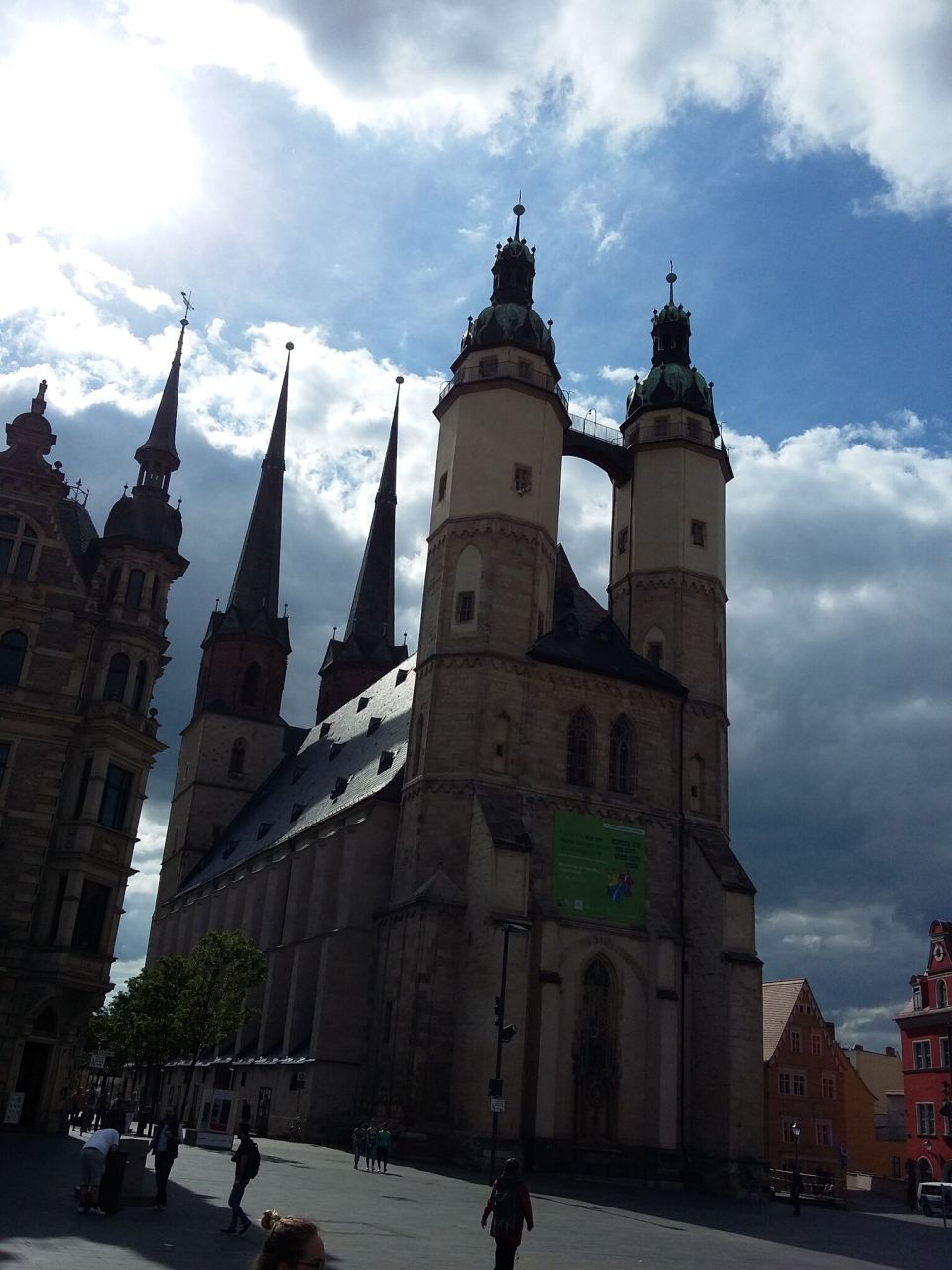
The fabulous double-double-spired cathedral:
13

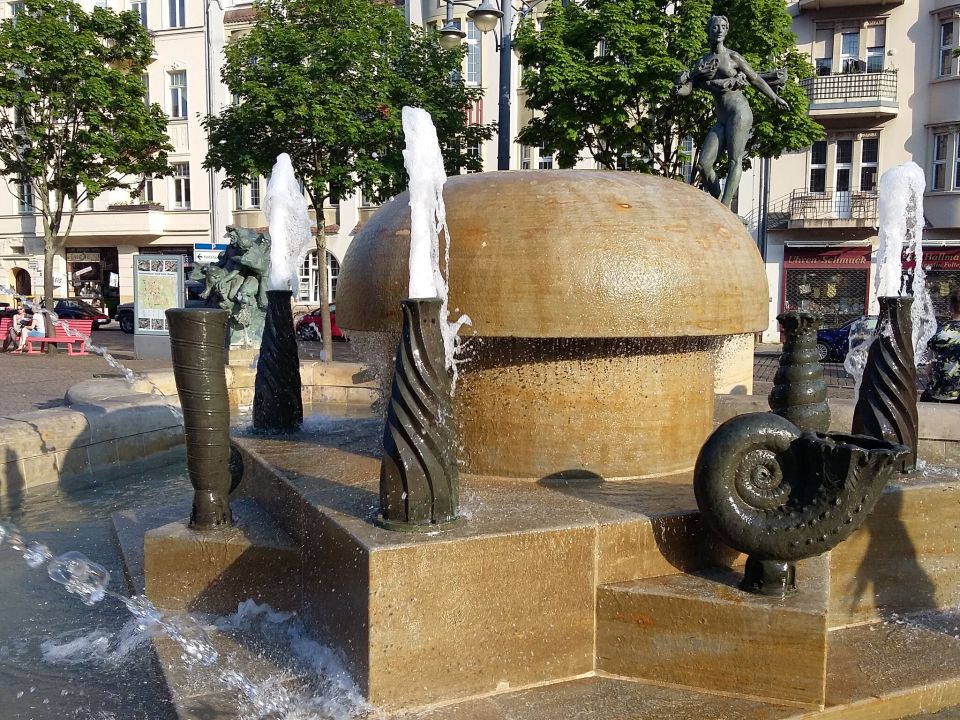
There had to be a spiral or two, of course:
14

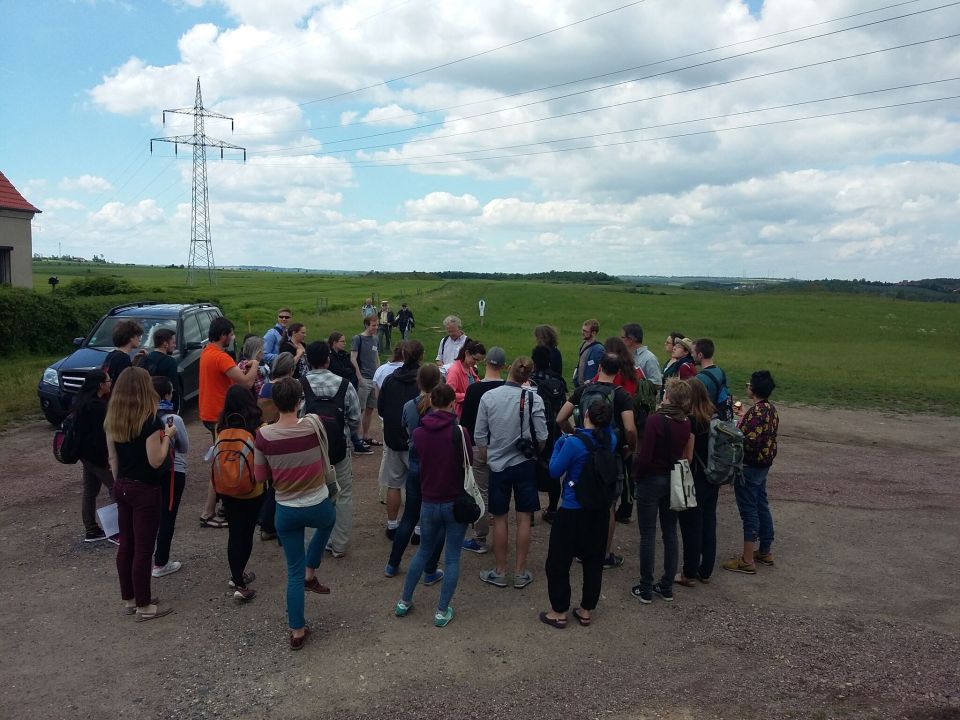
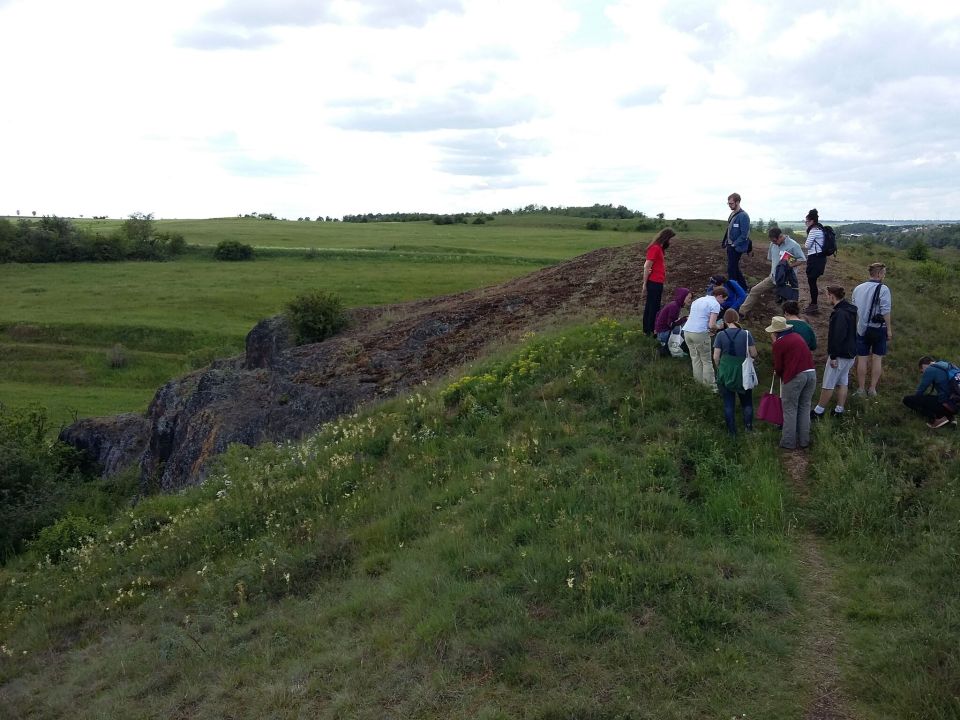
On the Saturday after the talks had finished we took an excursion to the fascinating “Porphyry Hills” dry grasslands – unique western extensions of plant communities and species normally found in the east, including many plants of the steppe:
15

These rocky outcrops have become exposed as agricultural ploughing caused the surrounding soil level to drop:


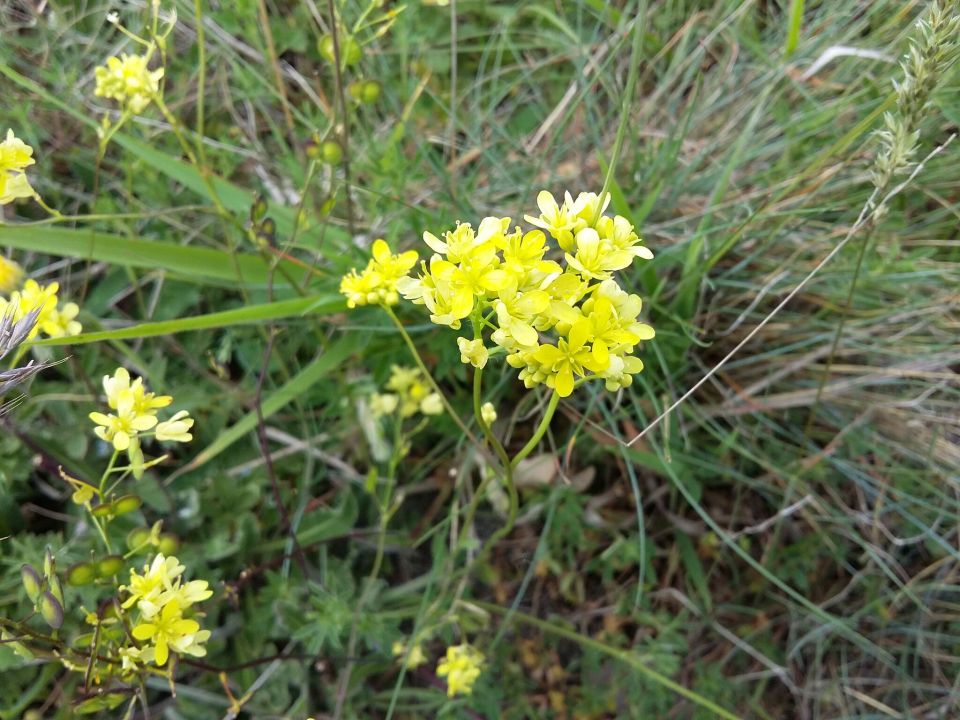
Some of the grassland areas have very thin soils with resultant high plant diversity:
 

22

Lots in flower, though not as many pollinators as I would have liked:
23

24

25

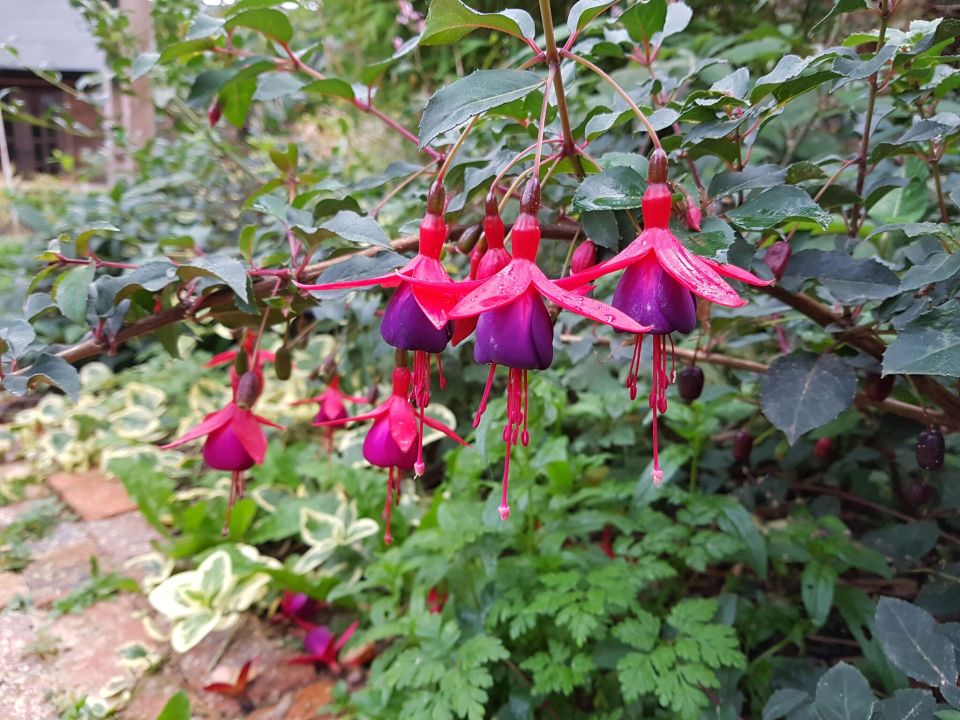
On the last evening a couple of us had a private tour of the university’s botanic garden, and well worth a visit it is too:

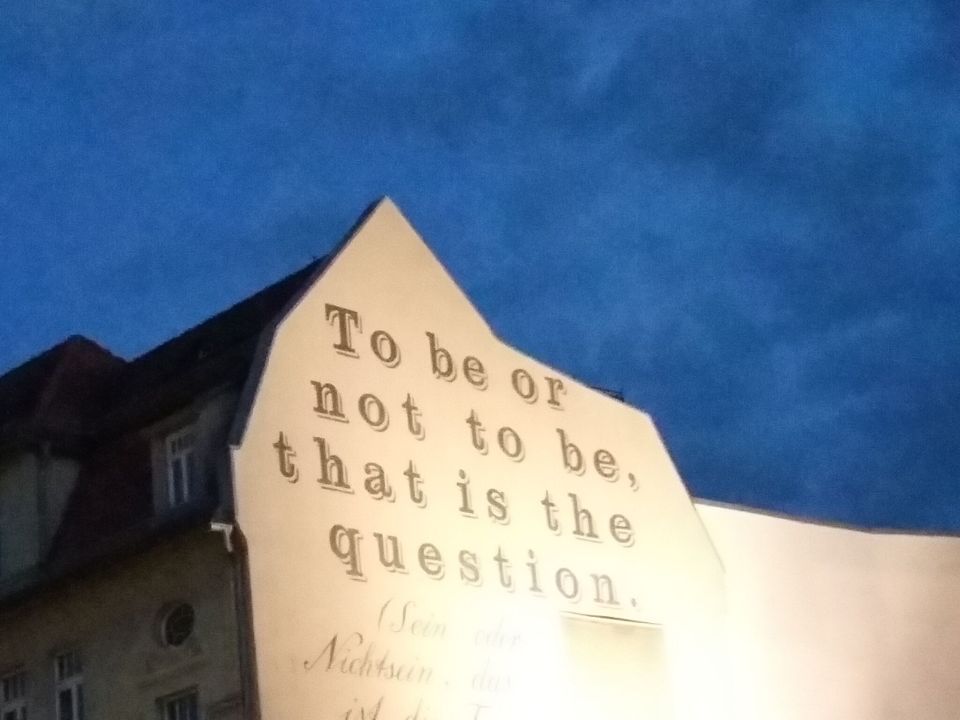
It was a thirsty conference – “To beer or not to beer….”?
30

Finally thanks to the organisers of PopBio2017 for the invitation to speak, and to all of the conference attendees who made it such a special meeting.

Generalist pollination can evolve from more specialised interactions: a new study just published

2013-11-24 15.44.01

There’s a long-standing idea in biology that ecological specialisation is an evolutionary “dead end” from which species can never emerge.  In other words, if a species becomes so adapted to a particular ecological strategy (could be feeding or habitat requirements or how it interacts with other species ) then no amount of natural selection will result in its descendants evolving different strategies, thereby diversifying into new species.  In particular it’s traditionally thought that evolving broader, “generalist” strategies from narrower, “specialised” ones is highly unlikely.

This has been much discussed in the literature on the ecology and evolution of pollination systems, where traditionally this “dead end” scenario has been accepted.  However a small number of case studies have shown that generalised pollination systems can evolve within much more specialised clades, beginning with Scott Armbruster and Bruce Baldwin’s study of Madagascan Dalechampia (Euphorbiaceae), published in Nature in 1998.

To this limited body of examples we can now add another case study: in the genus Miconia (Melastomataceae), generalist nectar/pollen rewarding strategies can evolve within a clade of plants that predominantly uses a more specialised, buzz-pollinated strategy involving just bees.

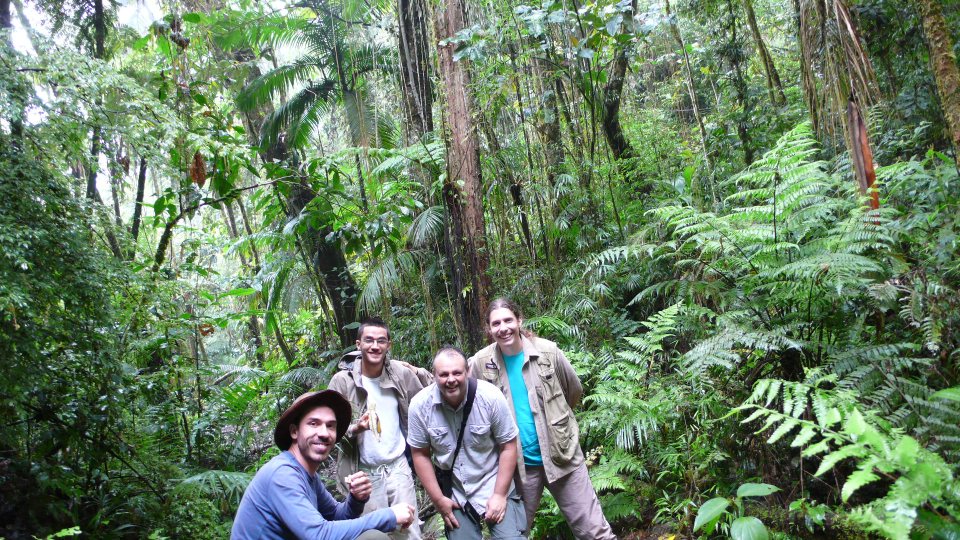
The work is part of the PhD research of Vinicius de Brito who is one of the researchers I was privileged to do some field work with in Brazil when I was there in 2013 – see my post: “It’s called rainforest for a reason, right?  Brazil Diary 6“.  Vini is the guy on the left of the photo accompanying this post.  Here’s the citation and a link:

de Brito, V.L.G., Rech, A.R., Ollerton, J., Sazima, M. (2017) Nectar production, reproductive success and the evolution of generalised pollination within a specialised pollen-rewarding plant family: a case study using Miconia theizans. Plant Systematics and Evolution doi:10.1007/s00606-017-1405-z 

Here’s the abstract:

Generalist plant–pollinator interactions are prevalent in nature. Here, we untangle the role of nectar production in the visitation and pollen release/deposition in Miconia theizans, a nectar-rewarding plant within the specialised pollen-rewarding plant family Melastomataceae. We described the visitation rate, nectar dynamics and pollen release from the poricidal anthers and deposition onto stigmas during flower anthesis. Afterwards, we used a linear mixed model selection approach to understand the relationship between pollen and nectar availability and insect visitation rate and the relationship between visitation rate and reproductive success. Miconia theizans was visited by 86 insect species, including buzzing and non-buzzing bees, wasps, flies, hoverflies, ants, beetles, hemipterans, cockroaches and butterflies. The nectar produced explained the visitation rate, and the pollen release from the anthers was best explained by the visitation rate of pollinivorous species. However, the visitation rates could not predict pollen deposition onto stigmas. Nectar production may explain the high insect diversity and led to an increase in reproductive success, even with unpredictable pollen deposition, indicating the adaptive value of a generalised pollination system.

As always, I’m happy to send a PDF to anyone who wants a copy, just drop me an email.

Dispelling the myth that orchid species usually only have a single pollinator

Orchids at Kew 2014-02-24 15.30.32

The idea that members of the plant family Orchidaceae (the orchids) “typically have exclusive relationships with their pollinators“, such that each orchid has only one pollinator, is a persistent one.  Recently I’ve encountered it on horticultural websites (follow that last link), in grant proposals, and on Wikipedia.

The problem is that it’s not true: it’s a myth that is perpetuated by people (often botanists or horticulturalists) who may know a lot about orchids but don’t know as much as they think they know about pollination ecology.

Orchids certainly have some fascinating and often quite intricate floral mechanisms to ensure pollination, but these have not necessarily evolved to attract and exploit just one species of pollinator.  Even in the case of sexually deceptive orchids that fool their (male) pollinating insects into believing that they are mating with a female of the same species, it is sometimes the case that more than one insect species is involved.  For example, in the well studied genus Ophrysflowers are pollinated by a narrow taxonomic range of pollinators, from a single species to up to five closely related species“.  As the authors of that last paper state, this is not the same as the mythological “extreme case of one orchid/one pollinator”.

Likewise different species of orchid bees may pollinate the same orchid flowers as they visit to collect scent compounds; for example in the Brazilian species Dichaea pendula, species from at least two different bee genera act as pollinators (Nunes et al. 2016).

The fact that “one orchid/one pollinator” is a myth is not new knowledge, it’s been widely discussed in the pollination ecology literature for decades.  For example, in our 1996 paper “Generalization in Pollination Systems, and Why it Matters” we showed data from the late 19th/early 20th centuries that clearly indicated a range of specialization in European orchids (follow that link and look at  Figure 3B).  Even earlier than this, in his 1992 paper “Trends in the pollination ecology of the Orchidaceae: evolution and systematics” Raymond Tremblay showed that only about 62% of species for which he could find data had a single pollinator, and that this varied considerably between different subfamilies of Orchidaceae, with some subfamilies being more specialized than others.

More recently, in a chapter in the 2006 book I co-edited with Nick Waser entitled “Geographical Variation in Diversity and Specificity of Pollination Systems” Steve Johnson, Andrew Hingston and myself looked at data from southern African compared to North American and European orchids; here’s the figure from that assessment:


Ollerton et al Figure 7 - JPEG

Orchids  are more specialized in southern Africa compared to Europe and North America (as are a number of other plant groups including the asclepiads, which we’re comparing them with here).  But even in southern Africa, only about 65% of the orchids studied have a single pollinator species.  It’s worth pointing out, though, that many of the species included in this analysis, and in Raymond Tremblay’s paper, have been studied only at single sites and often in single years, meaning that we have no idea if there is any spatio-temporal variation in the pollinators a particular orchid species exploits.

Why does this myth persist?  I think it’s for the same reason that myths are retold from generation to generation: they are great stories that fascinate the teller and the audience.  Indeed, orchids are very special plants with some amazing floral and vegetative adaptations, fascinating relationships with fungi, and incredible diversity.  But we don’t have to mythologise their relationships with their pollinators to try to make orchids more special than they already are.

Some upcoming public lectures

2014-08-16 15.36.53

Giving public lectures to special interest groups in and around Northamptonshire is always a pleasure as the audiences are usually very receptive.  Just been through my diary and realised that I’m giving five such lectures over the next few months, on pollinators, conservation,  ecosystem services, and so on:

8th March – “Bees for dinner?  The importance of pollinators in a changing world” – Long Buckby Women’s Institute – open to all and not just women!

22nd March – “A city without trees is like a bird without feathers” – Litchborough Gardening Club [title is slightly wrong on that link…]

5th April 2 – “Darwin’s Unrequited Isle: a personal natural history of Tenerife” – Friends of Linford Lakes (Milton Keynes)

27th June – “Pollinator diversity” – Chalfonts Beekeepers (Buckinghamshire)

12th July – “Plants & pollinators – more than just honey bees” – Cancer Research UK ladies lunch club fundraiser at Wellingborough Golf Club

Some of these will certainly be open to guests if you’re not a member and want to come along and hear what I have to say.

Happy to discuss giving a talk to other groups, please do get in touch, though I’m probably not available until after the summer as I’m also giving a keynote lecture at the PopBio conference in Germany in May and a couple of short talks at the International Botanical Congress in China in July.

Links to some recent pollinator-related papers, posts, projects…. and pedals

oxalis-fly-p1030303

For weeks now I’ve been meaning to post some links to pollinator-related items that have caught my eye, but have only just found time to pull them together, hence some of these are a little dated but should still be of interest:

  • By pure coincidence Hazel Chapman (the senior author of that paper) came to Northampton a few weeks ago to give a seminar about her Nigerian Montane Forest Project which is well worth checking out and which, in the future, will have a large pollinator focus.
  • The Journal of Pollination Ecology (where I remain an editor) has a new volume out – it’s open access and has some really nice papers – here’s the link.
  • There’s been a few stories doing the rounds about robot pollinators and how they are going to replace insects.  It’s all nonsense, of course, and in a recent blog post Dave Goulson nails the arguments very well – see: Are robotic bees the future? [spoiler alert – the answer’s “No”].  Likewise, over on her blog, Manu Saunders opines that: “Artificial pollinators are cool, but not the solution“.  What the technologists who are promoting these ideas, and related concepts around the “Internet of Things”, don’t seem to get is that all of this tech has environmental costs associated with it: resource/pollution costs for making it; energy costs for using it; and disposal/pollution costs when it reaches the end of its life.  Applying a green wash of “let’s use drones for pollinating flowers” doesn’t make the tech any more environmentally sustainable, quite the opposite.  Sorry, rant over…
  • Ben Geslin and colleagues have written an interesting review in Advances in Ecological Research called “Massively Introduced Managed Species and Their Consequences for Plant–Pollinator Interactions” that focuses on both mass-flowering crop plants (e.g. oil seed rape) and domesticated, highly abundant pollinators such as honey bees, and what their increase might mean for natural communities of plants and pollinators, particularly in sensitive environments such as oceanic islands.
  • There’s a guitar effects pedal called the Pollinator – from the review:  “The Pollinator is a living thing, sensitive to its environment and surroundings, and it becomes an extension of the guitarist playing it.”  Quite.
  • Nine species of bee in the genus Perdita that are new to science have been described from localities in the the southwestern USA.  Here’s a link to a lovely video that shows these bees, their distinguishing features, and how they were named (mainly for characters from Shakespeare’s plays).  Not very impressed with the snarky “if scientists had bothered to look” title of the article though.
  • Finally, a new citizen science project has been launched designed to understand how hoverflies evolve mimicry of bees and wasps – looks interesting, please take part – here’s the link.  Just be aware, it’s a bit addictive!

As always, feel free to suggest links to items you found of interest.