Tag Archives: Science

Sex and drugs and the source of the Nile: Sir Richard Francis Burton

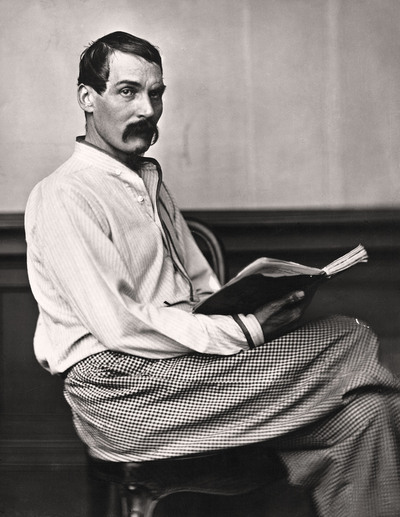
Burton photo

They say that things often come in threes, and so it has appeared recently in relation to an individual I have long admired and been fascinated by: Captain Sir Richard Francis Burton.  As far as I’m aware there is no significant Burton-related anniversary in 2015 (other than it being 125 years since his death), but nevertheless he’s popped up in a couple of places of late.  First of all there was a Radio 4 Great Lives programme about the man; then yesterday there was an article in Nature by Professor Clare Pettitt and on Wednesday night, at a Wildlife Trust event in Cambridge, I found myself chatting to a man whose name badge stated “Richard Burton”.

Clearly the universe was trying to tell me something and it reminded me of a piece of writing that I produced in October 1990 (!) to mark the 100th anniversary of Burton’s death, and never published.  To put this in context, I was 25, about a year into my PhD research, and anticipating the birth of my first child in December.  Re-reading the piece has been less painful than I thought it would have been. Some of the writing is a little clumsy and there are other aspects that I’d now focus on, but it’s not too bad.  Having said that, Karin said it sent her to sleep and that my writing has improved a lot in 25 years, so there’s no pleasing everyone!

Anyway I thought I’d post this piece of writing (very lightly edited) as an indulgent missive from my 25 year old to my 50 year old self.  And it’s dedicated to my daughter Ellen in her 25th year.

———————————————————-

Often, simply striving for fame is not enough. No matter how daring your exploits or how much you publish, the contingencies of history conspire to obscure you, consigning your life and works to the realms of the scholar or to that nebulous coterie, the “enthusiasts”. Such has been the fate of one of the most exciting of the many outstanding lives of the Victorian age.

This week marks the one hundredth anniversary of the death of one of our most important, yet underappreciated, scholar-travelers, Captain Sir Richard Francis Burton. Such anniversaries always seem to necessitate a reassessment of the celebratee’s life and work, and this one is no exception; two major new biographies, an extensive “biobibliography” chronicling Burton’s literary output, and a film “Mountains of the Moon“. Yet for all this, Burton is still not a widely known figure; although his adventures far surpass, in daring and in accomplishment, his contemporaries Livingstone and Stanley, still he does not enjoy their household-name status. This is in spite of, between 1890 and 1989, the publication of at least eight biographies, a bibliography, and many articles and essays devoted to the man’s exploits. Add to this Burton’s own vast literary output, none of which is noted for any bashful self-deprecation on the part of the author, and one begins to wonder at the criteria we use to apportion recognition.

Richard Francis Burton was born in 1821, the son of an army officer, Colonel Joseph Burton. His early life was spent travelling Europe with his family, fueled by the incessant wanderlust of his father. This gypsy start to life, as well as being an obviously formative prelude to his later travels, seemed to encourage the rowdier, untamed, hell-raising aspects in the characters of Richard and his brother Edward. The despair of their parents, the pair were soon packed off to college in England; Edward to Cambridge, Richard to Oxford. College and academic life did not suit either of the boys, and both left (in Richard’s case, forcibly; he was sent down after attending a proscribed horse race) to pursue military careers. Over the next 50 years, Richard Burton devoted himself to restlessly wandering the world, roaming Africa and Asia, North and South America, and Europe. He was one of the first Europeans to visit the Islamic sacred cities of Medina and Mecca; he explored India, often on covert missions for the British government; travelled in Africa where he searched for the source of the Nile (and only missed discovering it through ill-luck and the machinations of others); he lived for a time in South America as consul at the port of Santos in Brazil and observed first-hand the war between Paraguay and the allied forces of Argentina, Brazil and Uruguay; and in all travelled and observed enough to satisfy several lifetimes.

During his wanderings Burton saw and experienced much, events which invariably he became curious about, investigating further, writing down his views. Whether it was local uses of medicinal and psychoactive plants; details of tribal ritual, or the niceties of local sexual practice; the grammatical fine points of local dialects; geological formations; curiosities of natural history; or simply the price of staple vegetables in a native market, Burton was interested. These details inevitably found their way into his many books, articles and learned papers, packing paragraphs of ethnological, geographical, archaeological and natural history minutiae into his accounts of travels and expeditions.

It is Burton’s polymath approach to scholarly work that is the man’s most interesting feature. Perhaps it was his limited formal education (travelling tutors, two terms at Oxford) that fostered this approach. Though in many ways laudable, conventional academia can lead to a blinkered approach to research, ivory-towerism at its worst. If Burton had limited himself to purely single-strand studies, for example oriental languages (or even language), as may have resulted from following an academic career, the world, and Richard Francis Burton, would have been far poorer. Had he only recorded the bare geographical necessities required of, for example, his travels in the Great Lakes region of Africa, what dry accounts they would have been, and what details we would have lost.

This is not to say that Burton’s work was not scholarly, far from it. His translation of the Arabian Nights, although not the first, is certainly the definitive version, rich in anecdotal footnotes from a man for whom the deserts of Arabia were perhaps his first real home (as a child and a young man he had hated Britain, especially its climate), and his research and translation of the works of the Portuguese poet-explorer Camoes shows Burton at his most academic.

Burton has perhaps been more misunderstood, loathed and ignored than any of his contemporaries, or any comparable figure before or since. This is in part due to the man’s interests during his lifetime: translations of obscure erotica such as the Kama Sutra; a more than passing interest in the ins-and-outs of male and female circumcision; undercover reconnaissance of Indian homosexual brothels (which invariably led to rumours about Burton himself) all added to his infamy. Perhaps more than anything else, this meant that most of Burton’s books were not widely read, a trend which continues today, aided by the inflated prices demanded by booksellers for even the most popular of his works.

As if our view of Burton were not obscured enough, his over-zealous wife Isabel sought to soften history’s account of her “Jemmy” by burning almost all of his private papers after his death; writings which may have cast light on this enigmatic man were consigned wholesale to the grate. Because of this, Burton’s biographers have tended to be hard on Isabel, dwelling on her attempts to instill Catholicism into her part Muslim, part Atheist husband, and, of course, on her literary pyromania. This may be because of frustration on their part; biographers and commentators have never really been able to reason Burton out, and large parts of his life remain veiled in secrecy and obfuscation. The task has not been aided by Isabel’s actions. Yet she was devoted to Burton, who was never the easiest of men to get along with, being often bad tempered or absent for months on end.

But Isabel is only a scapegoat. Mainly, the problem is that there never has been any other person to compare with Burton. How could any man hope to fulfill all that he aspired to? Why the incessant wandering in search of new experiences? Why was it that the man did not focus his energies, rather spreading himself across a continent of interest, his curiosity endless? It has been said that if Richard Burton had concentrated his mind in this way, he could have been one of the foremost intellects of his time, rivaling Darwin or Huxley, Edison or Swan. Yet this misinterprets the man. It is doubtful whether Burton could have disciplined himself enough to centre on a single area of research; Burton was a searcher, a shifter of interests. Burton’s writings have been criticised as being unstructured, cluttered and self-indulgent, almost as if he had not the time nor inclination to properly revise and edit, but simply wanted to get the current project out of the way in order to get on with the next. This is borne out by the fact that, towards the end of his life, he had eleven desks set up in the study of his home in Trieste, where he was consul; each desk was for a different project and, when he tired of one, he would move to another, as if restlessly seeking for something.

But none of this need be considered as faults in Burton’s character; he was probably no more flawed, neurotic or self-obsessed than any of the great men of his time. It seems impossible than an intellect as deep and all-encompassing as his, which mastered some twenty nine languages, produced fifty books (many of them comprising more than one volume) plus innumerable essays and articles plus all the work that Isabel burned, could ever hope to be completely stable and well adjusted. Eccentricities of writing and behaviour seem inevitable.

Now, one hundred years after his death, is as good a time as any to properly reappraise the life of Richard Francis Burton. As an explorer, anthropologist, geographer, linguist, orientalist, translator, diplomat, swordsman, writer (and a lot more besides) he stands unrivalled by the broad sweep of his experience and knowledge. Yet his private life seems consistently to get in the way of any objective assessment of the man and his accomplishments.

The scandalous view of Burton, prevalent in England during his life and long after his death, was as a man obsessed by sex, a delver into the sordid details of native life and custom, promoter (though not practitioner, Isabel would never have allowed it) of polygamy, an unpopular critic of certain governmental interventions abroad, a user of cannabis, opium and other, more exotic drugs, and an ill-tempered, frequently drunk, godless, misogynist racist. His reputation as a fighter, even a murderer, was often played up by Burton, though there has is only one well documented account of him ever killing anyone, and then in self defence. Yet the real Burton, so far as we can tell, does not deserve this misrepresentation. His interest in all things erotic was partly academic and partly out of concern for the then current view that women should not find pleasure in sex. Are these the motives of an over-sexed misogynist?   His use of drugs, including alcohol, is well known, but was not unusual amongst Victorians exposed to the influences of the Far East, or for whom port, wine and whiskey were often viewed as medicinal necessities. Finally, Burton was no more racist than most Europeans of his time, yet it was from an intellectual stand point, not an emotional or cultural one. Most of the great academics of the period believed that there was a progression of human development, with white Europeans at the pinnacle. But no one who deeply despised Arabs or Indians could live and worship amongst them the way Burton did. He may have severely criticised them, but then he criticised everyone.

All of this points to a man more liberal than many people have believed; Burton was in many ways a free thinker, particularly given his upper middle class military background. Finally, there is the matter of his atheism, if such it was, which would today raise few eyebrows. Yet the man lived and prayed for much of his life as a Muslim, had been initiated into an esoteric Sufi brotherhood, and before that into a Hindu sect. This is not the life of a godless man, in the accepted sense of the word, but of a man searching for truth, who was too intelligent to believe he had ever found it in the rosary beads of his wife’s Catholicism or in the calling chant of a muezzin.

The life of Richard Francis Burton was dogged by ill-luck and, certainly towards its end, ill health, and furthermore seemed cursed by the intransigence of government officials and individuals with grudges. A character such as his finds no difficulties in making enemies, yet they always seemed to be foes with influence, willing to block his attempts at organising expeditions or soliciting official help for schemes to further the British Empire, or its servant Burton. He never did find the source of the Nile; this single act, more than any other, would have ensured his position as the greatest of the Victorian explorers. Yet had he been successful, would the constant round of lecture tours, press interviews, official visits, and all have given him time to think and write about anything else? I believe it would, though whether it would have satisfied his roving curiosity and incessant wanderlust seems unlikely.
The All-Ireland Pollinator Plan 2015-2020

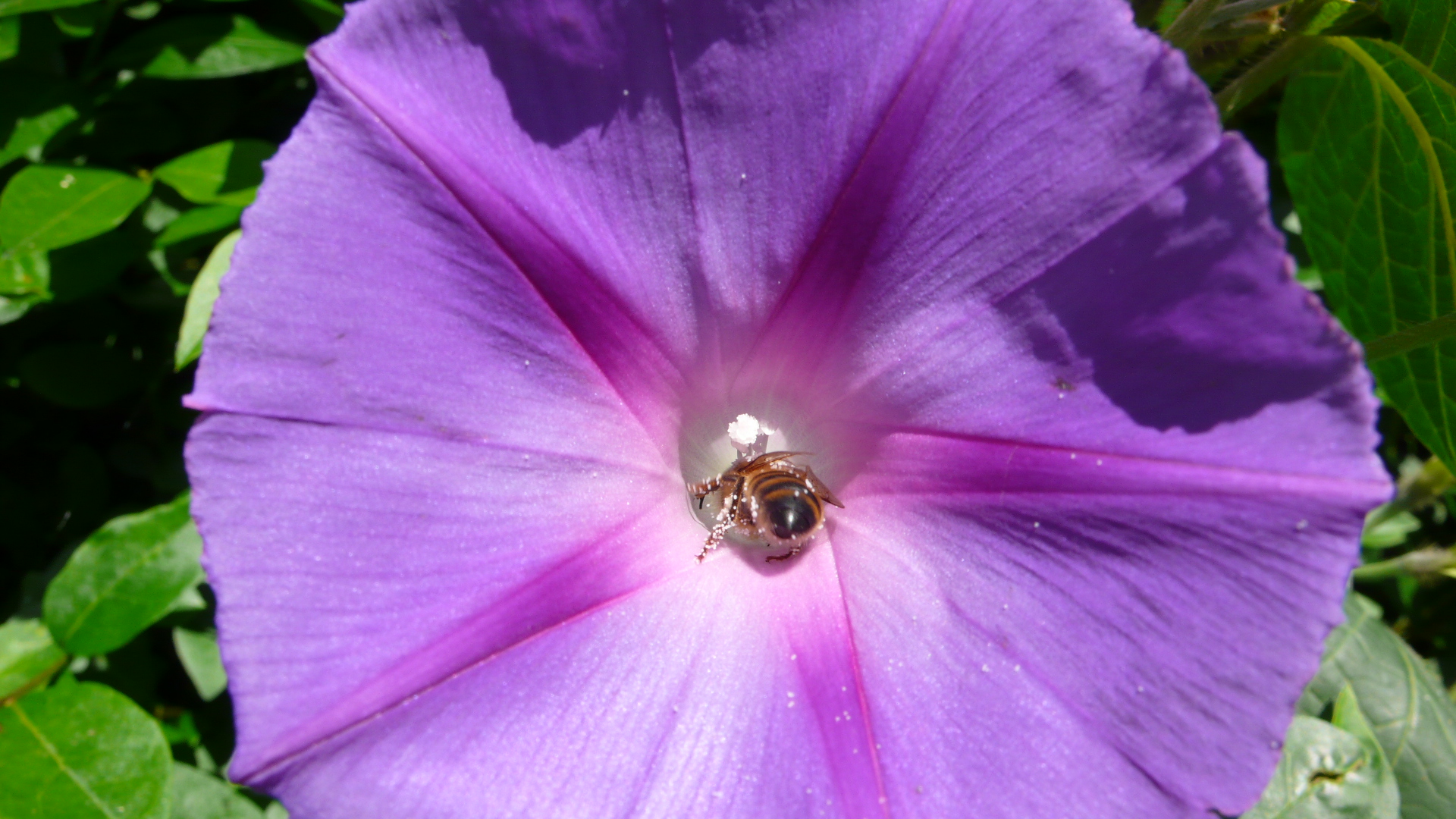
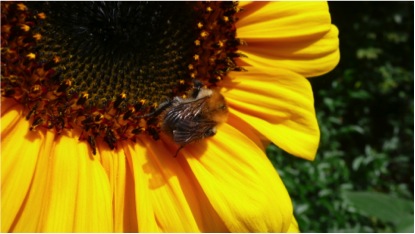
B pasc on sunflower

In the last 12 months we’ve seen the release of the National Pollinator Strategy for England and the USA’s Strategy to Promote the Health of Honeybees and Other Pollinators.  Now the Republic of Ireland and Northern Ireland have joined forces to produce the All-Ireland Pollinator Plan, a strategy for 2015-2020 that has been released today.  Follow that link and you can download a copy.

This appears to be the first cross-jurisdiction pollinator plan in the world and, as such, is to be welcomed; as I said in my reflections on the National Pollinator Strategy, biodiversity does not respect political boundaries.

That “love wasps” article – this is how Friends of the Earth responded

Clearly my quick post this morning got through to Friends of the Earth at some level (thanks to everyone who tweeted it).  Here’s what they have done to the article in response:

  • Removed the not-a-wasp photograph (good)
  • Added some text about other things that wasps pollinate (good) but left in the text about figs (bad)
  • Under the “garden pests” section they have add some text, as follows (bad):

The University of Northampton’s Dr Jeff Ollerton says: “Wasps are part of a whole ecological guild of scavenging animals that includes ants, various birds, etc, which plays a valuable role by removing vast amounts of waste organic material from our towns and cities every year.”

Huh?  What I said had nothing at all to do with eating pests.  Was that not clear when I talked about “waste organic material” rather than “pests”?

Incidentally, and for the record, I’ve had no contact from anyone at Friends of the Earth asking if it was ok to quote me, or check text, or anything.

So, not a complete success then.  Once again, feel free to tweet this at FoE

More poor quality information: Friends of the Earth’s “Love Wasps” campaign

Despite some recent posts in that vein, I don’t want to turn this blog into just an outlet for my frustrations about the lack of science/evidence in otherwise well-meaning conservation initiatives.  However something caught my eye at the weekend that I feel I have to comment on.

Friends of the Earth has recently posted a very well-meaning piece about why we should stop hating wasps and learn to appreciate them.  I whole-heartedly support this: wasps are one of the least understood and most under-valued aspects of local biodiversity, and the article makes some very good points.

But there are also some aspects to the article that make me cringe and add a new layer of inaccuracy to a subject already flooded with crass statements such as “what use are wasps”:

  • The first photograph in the article does not show a wasp: it’s a syrphid fly, specifically a species that mimics wasps but is other wise harmless.  These flies do not sting or bite.
  • “Wasps pollinate figs” – yes they do, but fig pollinating “wasps” are tiny and only distantly related to the kinds of wasps you’re going to see in a British garden.  In any case they do not pollinate commercial edible figs: these wasps spend much of their life-cycle within the fig and who wants to eat a fig full of insects?
  • Having said that, the sorts of wasps the article is referring to ARE important pollinators of a whole range of plants, including some orchids, umbellifers, ivy, etc.  That’s not mentioned at all.
  • The piece misses out the fact that wasps are part of a whole ecological guild of scavenging animals that includes ants, various birds, etc., which plays a valuable role by removing vast amounts of waste organic material from our towns and cities every year.  They also perform a similar function in natural ecosystems.

What’s frustrating about Friends of the Earth’s article is that there are any number of individuals and organisations out there who would be happy to fact-check such a piece, including Buglife, BWARS, and a range of scientists and well-informed specialists in natural history.  Why doesn’t Friends of the Earth make use of them?

As I’ve said before I don’t use Twitter, so if anyone wishes to tweet this at Friends of the Earth, please go ahead.

The biodiversity of the human family tree just got bigger

Tring 8

Today’s announcement of the discovery in South Africa of a new extinct species in the genus Homo, named Homo naledi, is a major scientific discovery that may prove to be one of the findings of the year, if not the decade.  As I’ve mentioned previously, human evolution fascinates me and I could easily have been sucked into the frustrating, controversial and important world of the professional hominid hunter.  But I’m content to view and appreciate from a distance as palaeo-anthropologists make their amazing discoveries about human ancestral biodiversity, and I thought I’d collate the links to some of the main stories and items relating to today’s events:

The scientific paper describing Homo naledi has been published in the open-access online journal eLife, rather than a journal such as Nature or Science, the more usual outlet for such discoveries, presumably because the importance of the find certainly demands rapid publication.  Interestingly its Altmetric score is already 281, having been picked up by numerous news outlets, tweeted, blogged about, etc.

I first saw the story earlier today on the BBC News website; the long article has a video interview with Professor Lee Berger, lead author of the paper.  There is also video footage from today’s press conference in South Africa, presented by Professor John Hawks, in which he describes in more detail the significance of this fossil, with its mix of both primitive and more derived anatomical features.

The Guardian also ran the story, this time with some different video footage, including a view inside the cave where the fossils were found, and there’s a 40 minute podcast.

Finally, National Geographic, which funded the study, has some videos on YouTube, including a fascinating account of the workshop that was convened to study the fossils and more discussion of its significance and amazing footage of how the fossils were recovered from the cave, and how the species was reconstructed.

This is a story that will run and run: we don’t know how old the species is and there’s lots of speculation about the significance of finding such a large number of individuals all together in what appears to be a burial chamber.  It’s an exciting time to be interested in human evolution.

Something for the weekend #8 – the microclimatic value of planting our cities, one Buddhist view of environmentalism, and orchids. Oh, and we got married.

The latest in a regular series of posts to biodiversity-related* items that have caught my attention recently:

  • One of the best environmental writers around at the moment, Paul Kingsnorth, had an interesting essay on how Buddhism is helping him to come to terms with the current environmental crisis.  It was published earlier this year but I’ve only just seen it.  Paul is one of the founders of the Dark Mountain project, which I’ve mentioned before.
  • Here’s a piece about a fascinating study of how different types of vegetation can alter the average temperatures of our cities.
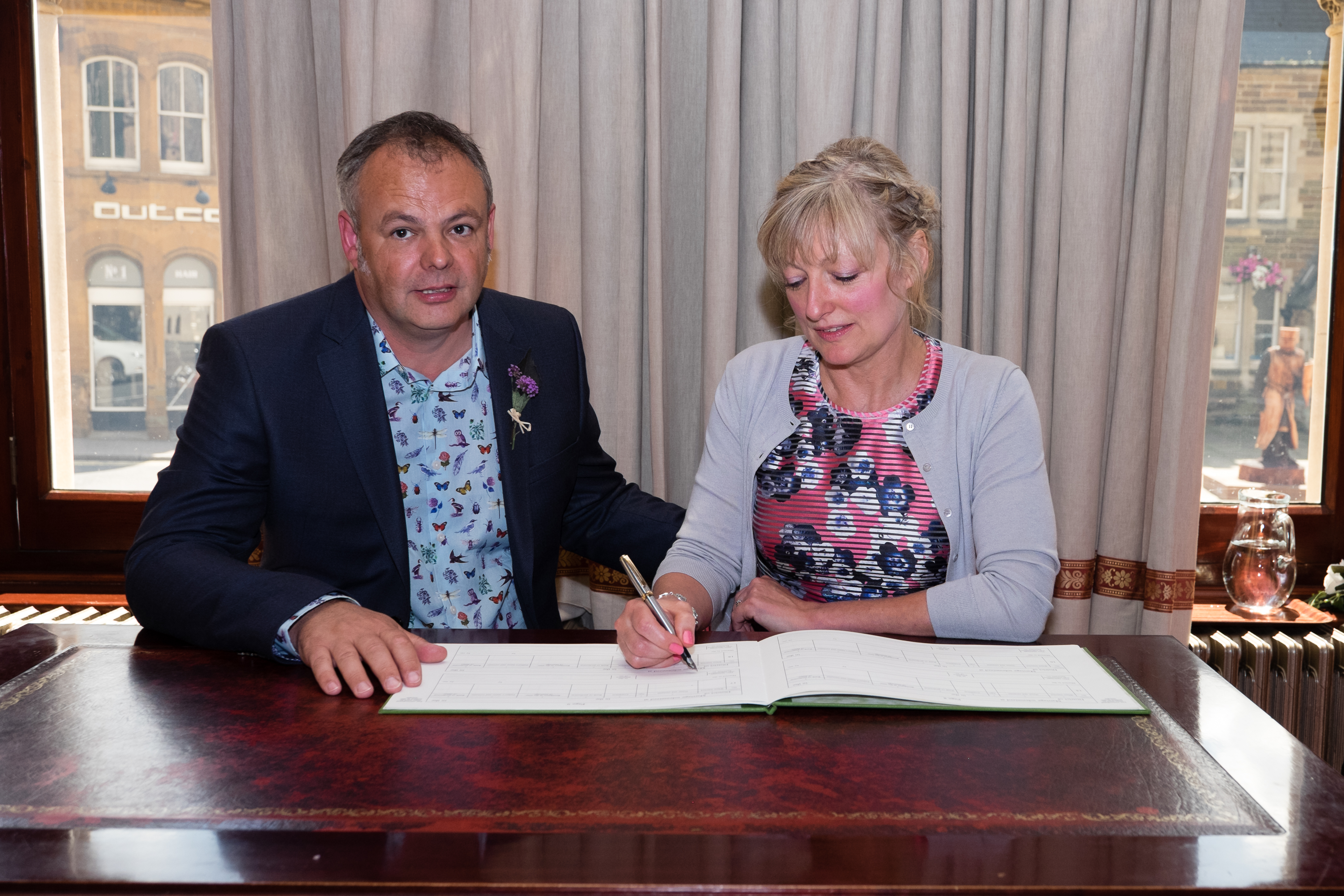
  • Finally, regular readers of this blog know that I often mix some personal stories with my professional reflections, so the Big News of Summer 2015 is that, on the 15th of August, Karin and I were married at The Guildhall, Northampton, accompanied by our family and friends.  We had an incredibly happy day, and I wore a very biodiverse shirt, as you can see:

Karin&Jeff (73 of 477)

Feel free to recommend links that have caught your eye.

*Disclaimer: may sometimes contain non-biodiversity-related items.

The Altmetric Bookmarklet – an instant measure of the reach of academic publications [UPDATED]

Academics seem to be obsessed with metrics of all kinds at the moment, and I’m certainly not immune to it as my recent post on the h-index demonstrated.  So I was intrigued by a new (at least to me) browser plug-in that gives you instant altmetrics such as number of times mentioned on Twitter, Facebook or on news outlets, or cited in blogs, policy documents, Wikipedia, etc.  It’s called the Altmetrics Bookmarklet and can be downloaded (or rather dragged from the screen to the bookmark bar of your browser) from here.

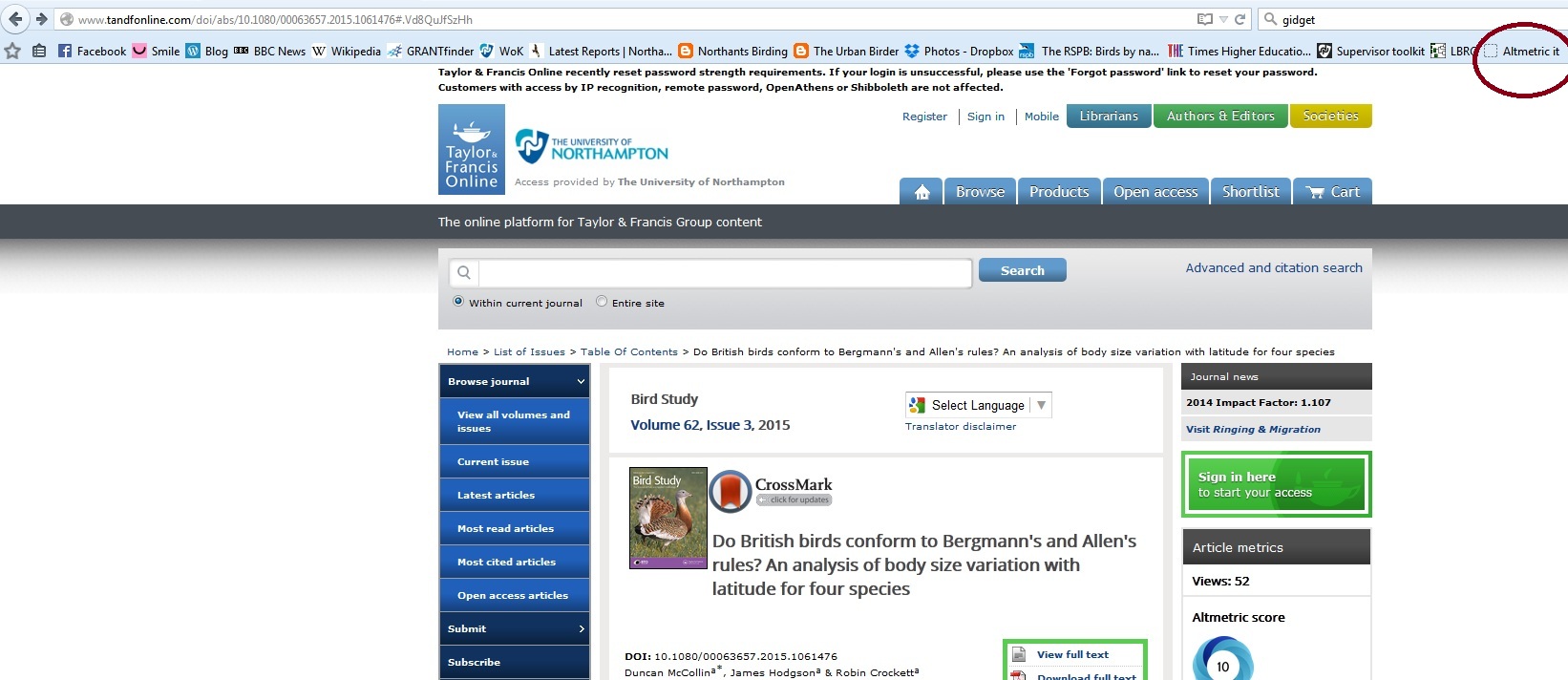
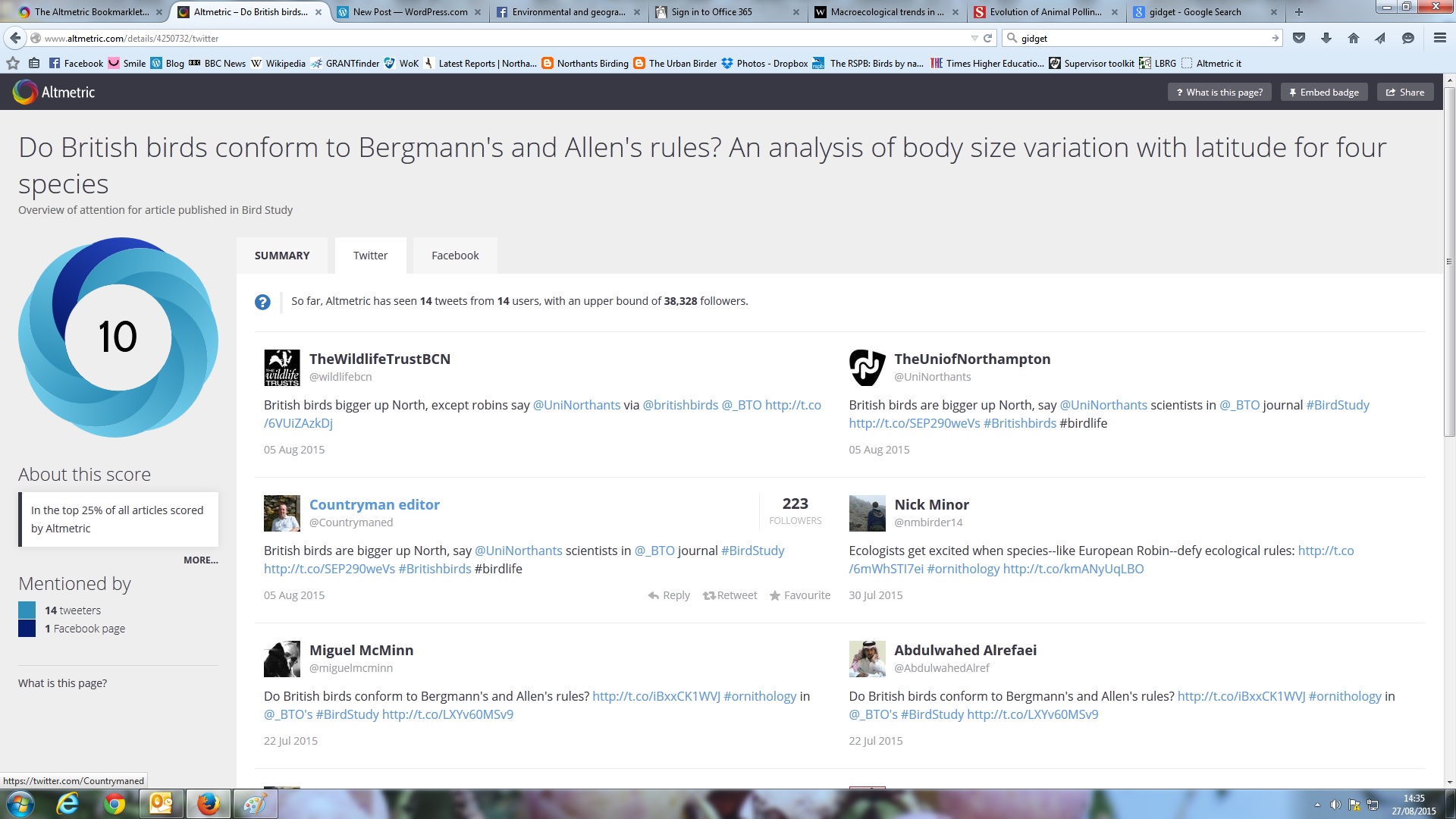
I’ve given it a spin and it seems to do what it says it can do, within narrow publisher and time limits (2011 onward for Twitter, for instance).  It’s very, very simple.  Just find a paper that you are interested in, on the publisher’s official website; here’s a recent one by my colleagues Duncan McCollin and Robin Crockett – click on the Altmetric Bookmarklet (circled):

Altmetric 1

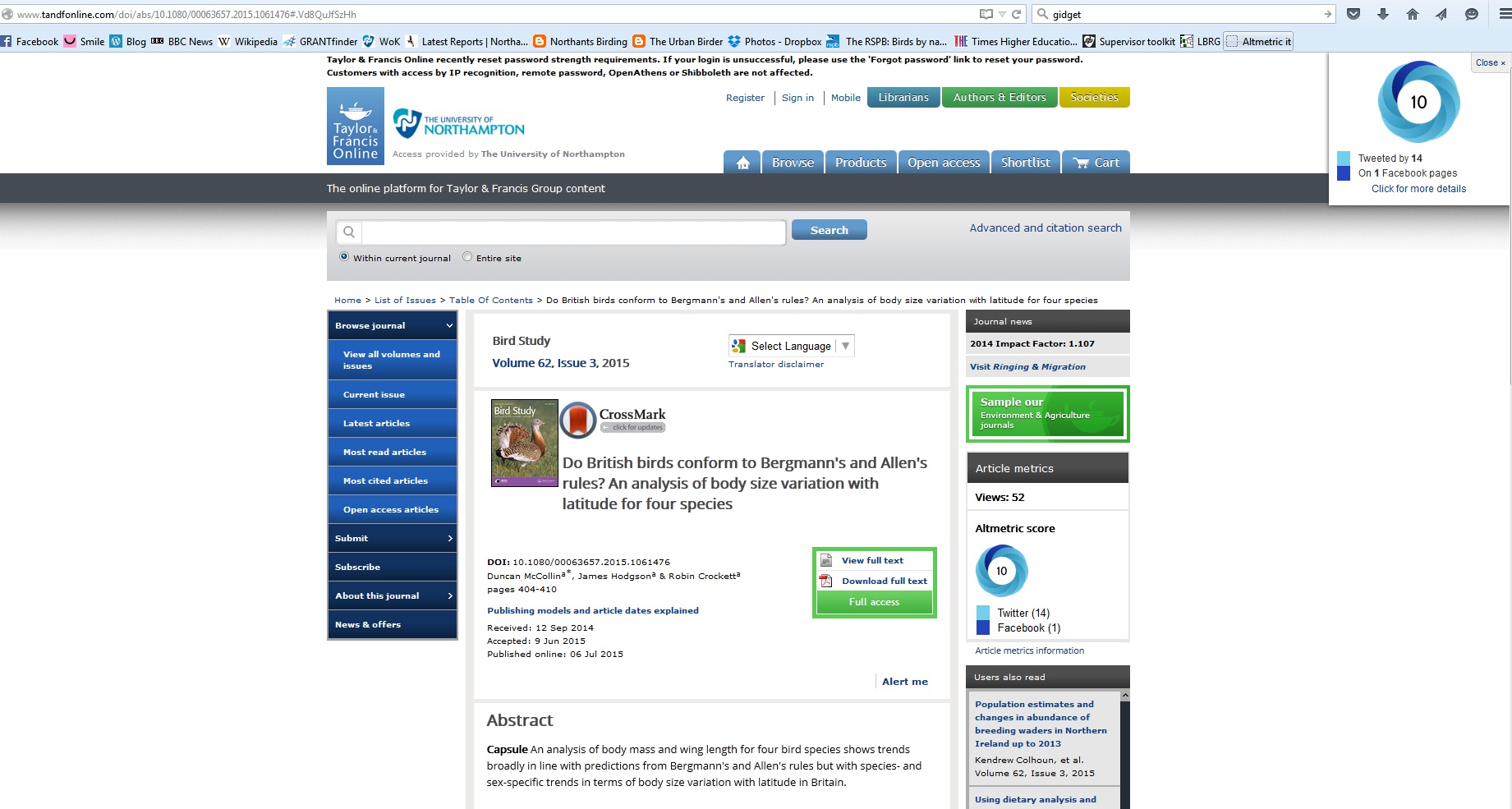
That gives you a drop-down of the current summary altmetrics for the paper which tells us it’s been tweeted by 14 people and mentioned on one Facebook page:

Altmetric 2

(As an experiment I’m going to see if it picks up this blog post once it’s live and will update below*).

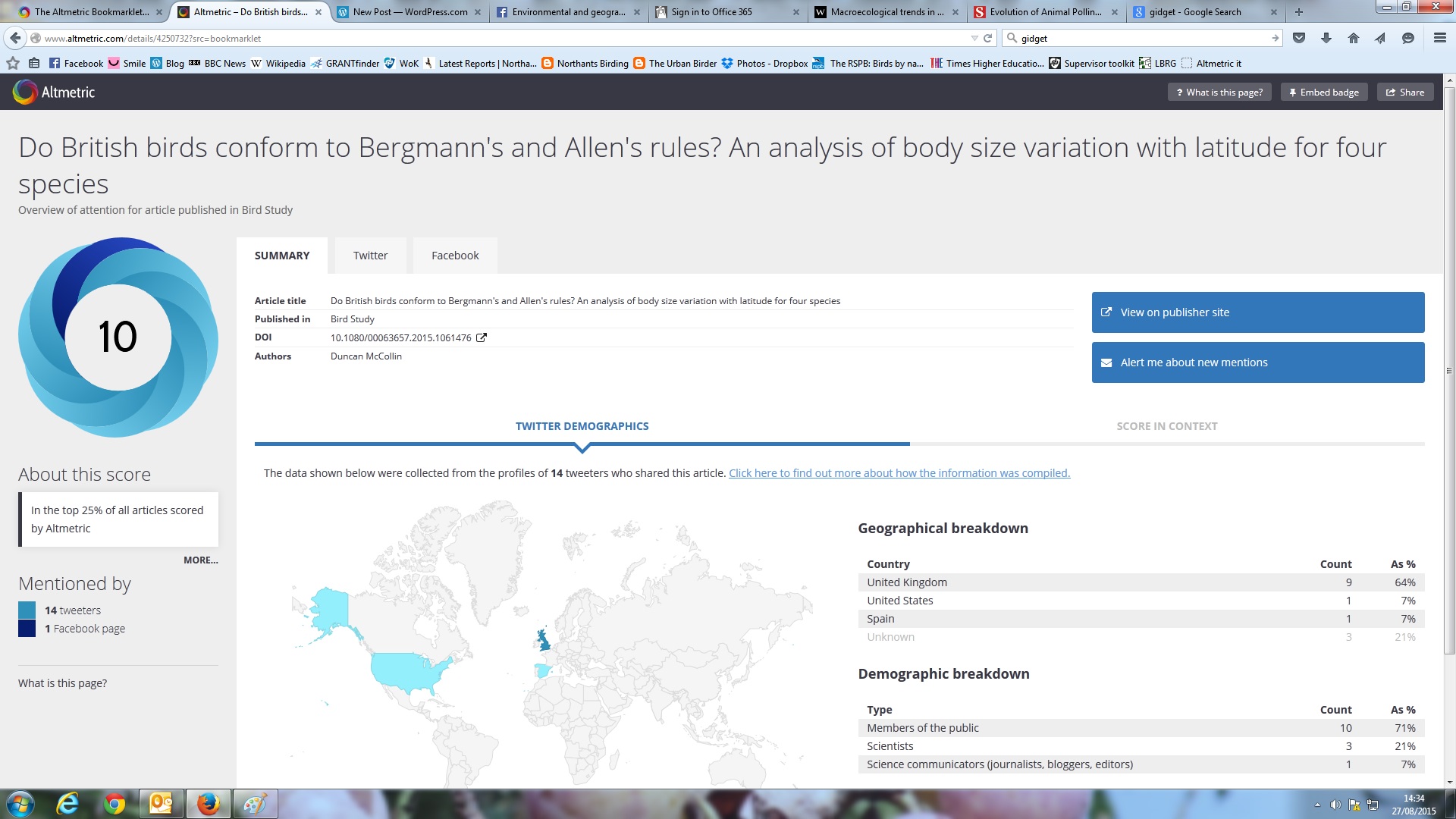
If you select “Click for more details” you go to a new page that gives you…. more details:

Altmetric 3

And by selecting the different tabs you can see, for instance, exactly who has tweeted the paper:

Altmetric 4

It also gives you an altmetrics score for the paper (in this case 10) but it’s unclear to me how that’s calculated.  Does anyone know?

That’s all there is to it.  Is it possible to waste a lot of time playing around with this?  Yes.  Will it prove to be useful?  Only time will tell.  But it’s an interesting way of tracking the reach (and potential future impact) of your publications.

*UPDATE:  The Altmetric Bookmarklet had picked up the mention of the paper on this blog in less than 24 hours.

The organisers’ positive response to criticisms of the “honey bee decline” conference

P1120404

Three days ago I wrote a short, fast post expressing my unease (in robust terms) about a forthcoming conference entitled “Biodiversity and Local Partnerships: Halting the Decline of the Honey Bee in the UK”.  I had not anticipated that the post would generate quite as much interest as it did:  2007 views, 16 likes, and 28 comments (including my responses) as of 10am today.

There were also a lot of comments and likes on Facebook, most of it positive and agreeing with my sentiments, though some have suggested that I’m over-reacting, that I may be paranoid, and questioned what my “hidden agenda” is and whether I might be funded by an agrochemical firm (!)  Thanks to everyone who took the time to read the post and/or to respond*, to tweet the post, and even, in one case, phone up the conference organisers.

So it was with some satisfaction that yesterday I received the following email from the conference organisers, Public Policy Exchange (PPE), in response to my initial reply to their invitation:

Thank you for your response to our event, we always appreciate any
feedback from experts such as yourself. Your comments have been passed
on to our researchers and they are currently reviewing this event.

Our researchers do use a variety of sources, though on this occasion it
does appear that some have made sweeping generalisations and
over simplified statements, and ultimately have been unreliable. Clearly
our previous marketing mistakenly overplayed the role of the honey bee
in pollination processes. We certainly don’t want to contribute to a
misinformed narrative around bees and other pollinators; that was never
our intention and so we are looking at how we can improve this event.

Biodiversity is an area which we are very keen to develop further and
your feedback is therefore very helpful to us.

Kind regards,

The Conferences Team

They have also changed the title of the conference to “Biodiversity and Local Partnerships: Halting the Decline of Bees and Other Pollinators in the UK“.

So kudos to PPE for their fast response.  That’s a good outcome as far as I’m concerned and I may consider attending the conference; hell I’d even consider speaking at it if i was asked!

———————————————————-

*Yes, that’s deliberate – I got the impression that some on Facebook were responding without reading it…

Who is feeding the honey bee bullshit machine?

Bee on apple blossom 2 - 1st May 2015

This morning I received an email from Public Policy Exchange (PPE) inviting me to a conference in London in November entitled “Biodiversity and Local Partnerships: Halting the Decline of the Honey Bee in the UK

The opening statement on the website and the official flyer convinced me that the organisers have been misinformed; all of it is wrong:

Healthy honey bee populations are vital to food and crop production, and the natural environment. In the UK, honey bees are responsible for 80% of pollination, and a third of the food we eat is pollinated by bees.”

Where are they getting this  information from?  Who is feeding organisations like the PPE this kind of bullshit?  Is it bee keeping organisations?  I’d really like to know.

Honeybees are responsible for only one third of the crop pollination in the UK (Breeze et al. 2011), and a very small proportion of the wild plant pollination. Wild bees, hoverflies, butterflies, and other pollinators are much more important than honeybees, and collectively they are responsible for this pollination, not just managed honeybees.  No one is denying that honey bees are important, but there is absolutely nothing to gain (and a lot to lose in terms of science credibility) by over-playing their importance, as I’ve argued in the peer-reviewed literature.

It’s not as if this is the only recent example, The Daily Express online has recently been equally ignorant of the facts, and didn’t even get the right bee in the accompanying image.

It’s interesting that the PPE website also uses the infamous not-Einstein quote, though they cite the author as “unknown”.  With good reason, because that’s bullshit too.

I won’t be attending the conference.

Selfie with pollinator

P1120403

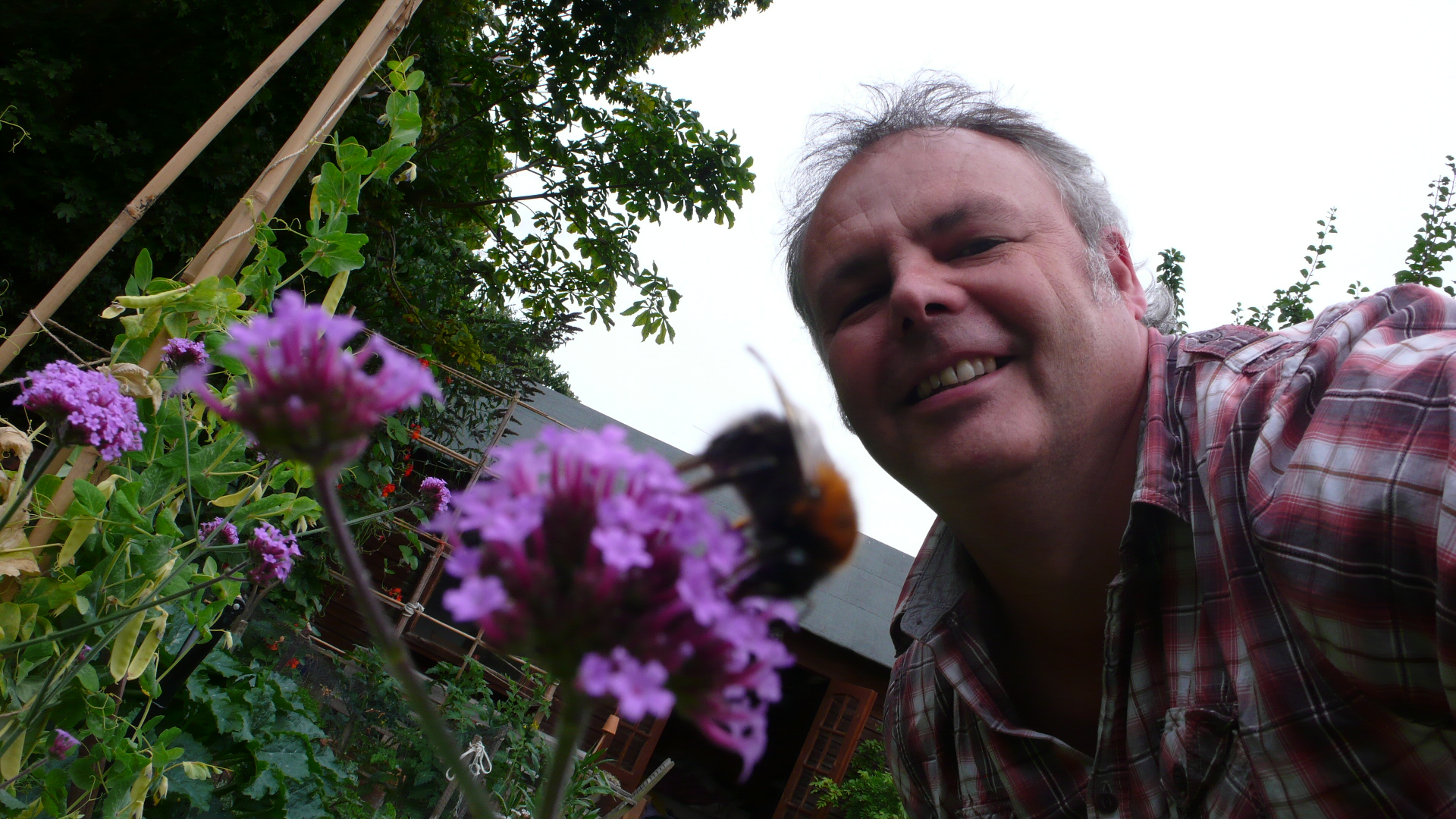
There has been a recent spate of people taking selfies with wild animals, sometimes resulting in serious injury, including the guy who was bitten by a rattlesnake, and ended up with a huge hospital bill*.  Over at the Nothing in Biology Makes Sense blog they had a recent post about this phenomenon, on which I commented that perhaps I should start a new meme, involving selfies with bees (or pollinators more broadly, if you’re allergic to bee stings).

So here it is, me plus Bombus hypnorum, nectaring on Verbena bonariensis, in the garden this afternoon.  Look forward to seeing similar images (unless this turns out to be an n=1 meme…)

—————————–

*This wouldn’t happen in the UK.  We don’t have rattlesnakes.  And we have the NHS.