Tag Archives: Nature

The value of butterfly specimens for understanding species extinctions – a new study just published.

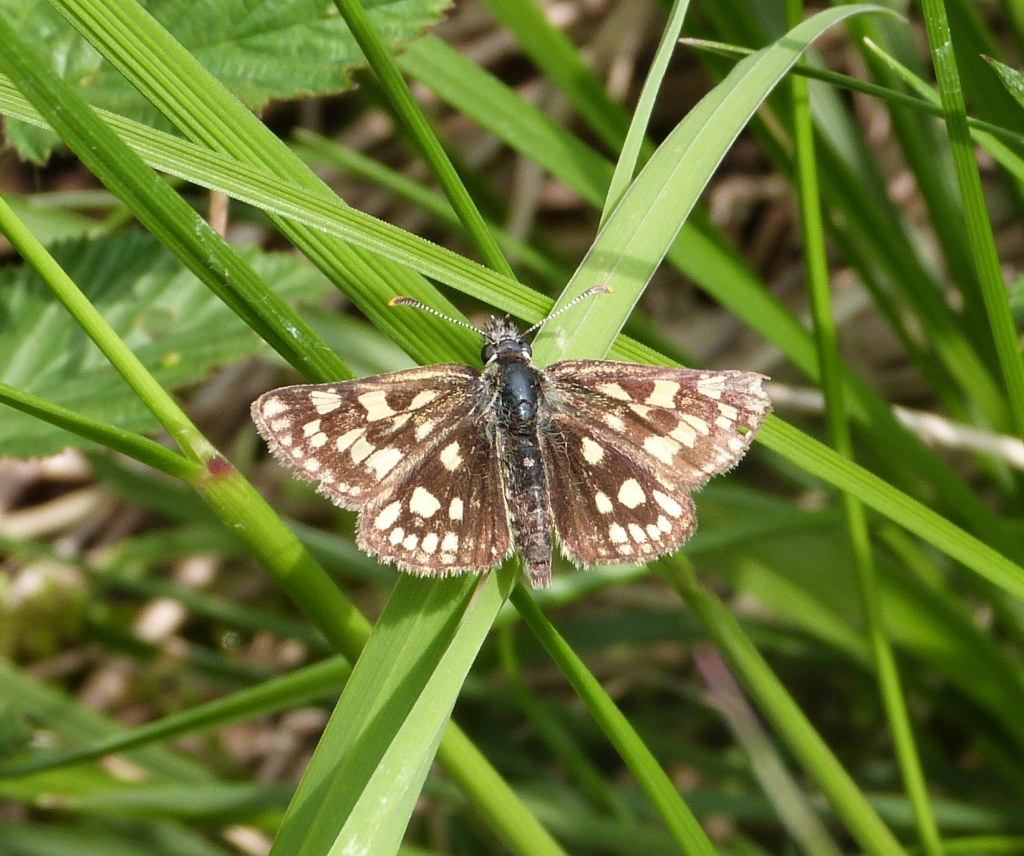
The Chequered Skipper Reintroduction Project has featured in several posts over the last few years – see here and here – and University of Northampton PhD researcher Jamie Wildman has been working hard to complete his thesis under the less-than-ideal conditions imposed by the COVID-19 pandemic. The first paper from the project has just been published and it deals with Jamie’s monumental efforts to bring together all of the scattered data relating to preserved Chequered Skipper specimens held in museums and private collections. An existing database contained just 266 records; Jamie’s efforts increased that by an order of magnitude, adding a further 3,533 new records that document where and when specimens were collected, and by whom.

This 1,328 % increase in data means that we now know much more about the historical distribution of this butterfly and how that changed over time.

The Chequered Skipper went extinct in England in 1976 and this enhanced database will allow us to understand why that extinction occurred. This initial paper documents the strategy used to find the additional records as a road map for how others might proceed in the future. The full reference with a link to the paper is here:

Wildman, J.P., Ollerton, J., Bourn, N.A.D., Brereton, T.M., Moore, J.L. & McCollin, D. (2022) The value of museum and other uncollated data in reconstructing the decline of the chequered skipper butterfly Carterocephalus palaemon (Pallas, 1771). Journal of Natural Science Collections 10: 31-44

This is the abstract:

The chequered skipper butterfly Carterocephalus palaemon (Pallas, 1771) was declared extinct in England in 1976 after suffering a precipitous decline in range and abundance during the 20th Century. By searching and collating museum and other records, we show how a deeper understanding of this decline can be achieved, thus furthering conservation objectives. A preexisting Butterflies for the New Millennium (BNM) database of United Kingdom butterfly species records, created by Butterfly Conservation in conjunction with the Biological Records Centre (BRC), contained 266 historic C. palaemon records from England. United Kingdom (UK) museums and natural history societies were contacted for specimen data, and these sources added 2175 new records to the BNM. Owners of private specimen collections were also contacted, and these collections accounted for a further 465 records. Specimens originating from UK museums, other institutions, and private collections represent 2640 (71%) of total new records. Other sources, such as personal accounts held in museums, published and unpublished texts produced an additional 894 records. A further 437 records from museums, private collections, and other sources were considered partial and omitted from the data due to limited or misleading date and/or locality information. In summary, data from UK museums and other sources has infilled English C. palaemon distribution prior to 1976, offering further insight into potential environmental and anthropogenic drivers of decline at key sites. The quality and quantity of data obtained using the method outlined in this study suggests similar work could be carried out for other extinct or declining butterfly species to improve our knowledge of habitat requirements and historical distribution via modelling, identify causes of decline, and provide valuable information for potential reintroductions.

Join me on Thursday for a free talk!

Join me this Thursday at a free online talk organised by Buglife where I’ll be giving an introduction to how flowers function and the ways in which their behaviour manipulates pollinators to ensure reproduction. I’ll be covering:

  • What are flowers and where did they come from?
  • How flowers function and reward pollinators.
  • Some case studies from my own research on flower and pollinator behaviour.
  • Why is it important that we understand floral biology?

Here’s the link to register for the event: https://www.buglife.org.uk/events/to-be-a-flower-with-professor-jeff-ollerton/

I look forward to seeing you there!

The value of nature, the value of guitars

How we, as a society, value nature, and the tension between valuing (or appreciating) nature versus appreciating (or pouring money into) human cultural activities, have been consistent themes of this blog since I started it almost a decade ago; see for example my posts “How do we value nature? Costanza, Monbiot and the clash of concepts” and “Is the angry response of (some) environmentalists in the aftermath of the Notre Dame fire reasonable?

Putting a monetary price on nature runs counter to the personal philosophies of many conservationists, which I completely understand: I have mixed feelings too. However there’s a whole field of research devoted to it called Ecological Economics and the valuation of natural capital and ecosystem services now plays a central role in the policies and strategies of both businesses and governments: see for instance the UK Government’s recent report on “The Economics of Biodiversity: The Dasgupta Review“. And whether we like it or not, the Earth’s ecosystems and the biodiversity that they contain support our global economy in very tangible ways, a point that I emphasise in my book Pollinators & Pollination: Nature and Society. If you’re reading this with a cup of coffee in your hand, you have to consider the ecological and financial impact of the billions of wild and managed bees that support the global coffee industry.

“What’s all of this got to do with guitars?” I hear you asking. Well, music, and especially guitars, are another constant theme of the blog, including my love of the songs of Crosby, Stills, Nash and Young, and my restoration of an old acoustic guitar back in 2020.

These themes converged together in a rather unexpected way just over a week ago. It was my birthday and as a present Karin had offered to buy me a new guitar. So off we went to Copenhagen for the day. One of the city’s best guitar shops is Akustikken and there I tried out several makes and models of acoustic guitar, of varying price and quality, before finally settling on an Epiphone Texan in an aged sunburst finish (see the image below). It plays very nicely, felt right in my hands, and was moderately priced despite its solid wood construction (cheap guitars often use laminated wood).

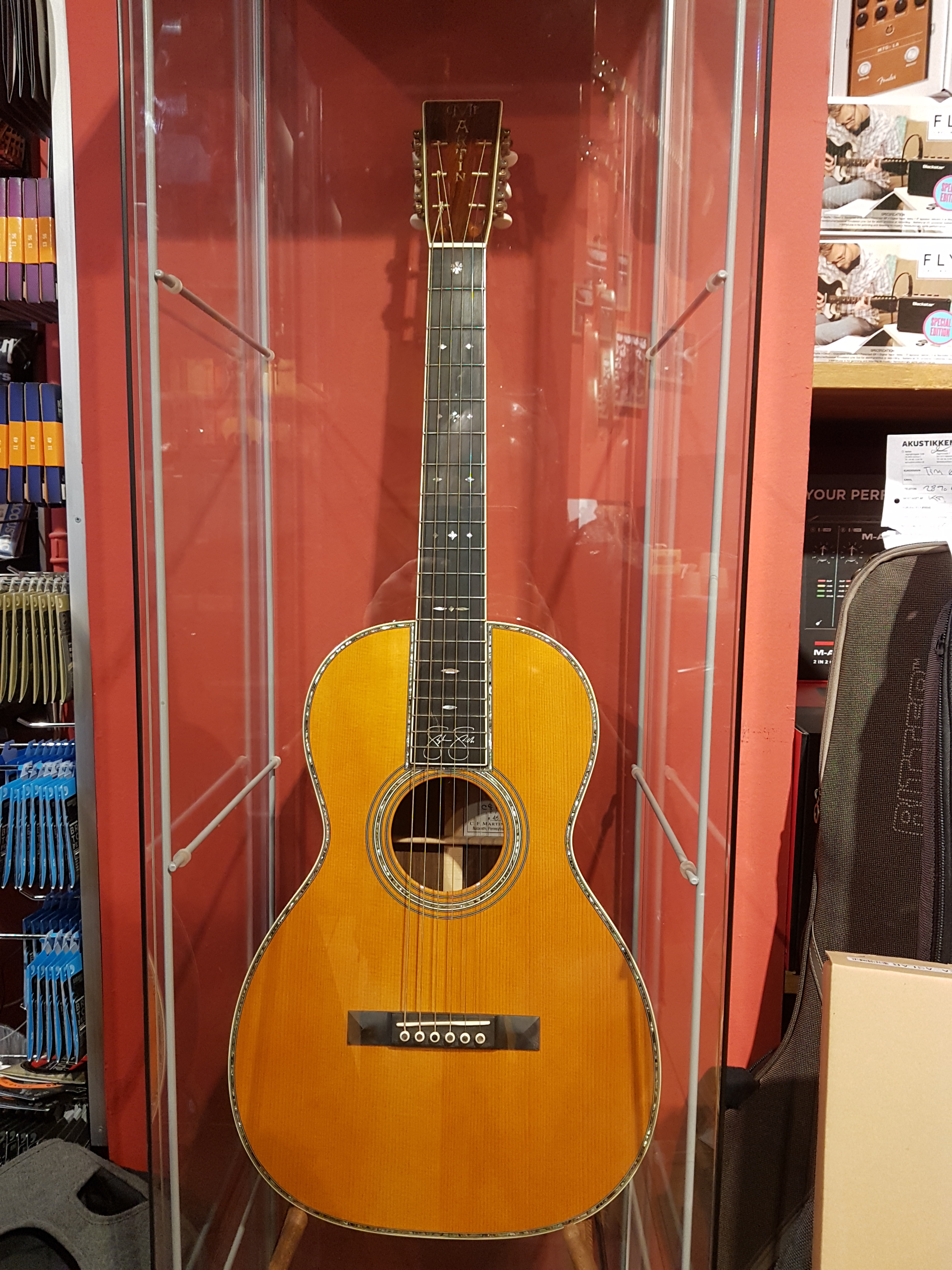
The guitar that really caught my eye, however, was the one in the photograph above: a Martin 045-S Stephen Stills Signature Model. Now, this is a serious, serious guitar. Based on a 1930s model owned by Stills himself, it was hand made in the USA in a limited edition of 91, of which this was number 48. The woods from which it’s made are rare and exceptional, including Adirondack spruce, Madagascar rosewood, and ebony, all species about which there are significant conservation concerns (see Richard Hobbs’s great blog The Nature of Music for more on this – highly recommended for anyone interested in the interface between human culture and ecological conservation).

The price tag for this guitar? A mere160,000 Danish kroner, about £18,000 or $20,000…..

That was WAY outside of our budget! But when the staff learned that it was my birthday they kindly took the Martin out of its humidity-controlled glass case and let me play it. I was a bit overwhelmed and very nervous if I’m honest, it was easily the most expensive guitar I have ever had in my hands! Karin took a short video of me strumming a few chords which I uploaded to Twitter:

Now, I’d played guitars up to around $2,000 in price that day, so a reasonable question is: did the $20,000 guitar sound ten times as good? Well, not in my hands it didn’t…. But in one sense it doesn’t matter, you’re not just paying for what it sounds like, you’re paying for the story, for the association with Stills, and the highly skilled crafting of the guitar – it is an exceptionally beautiful and fine-sounding instrument.

This brings us back to nature. We know from a lot of ecological experiments that have been conducted over the years that there’s a positive relationship between biodiversity (measured by the number of species in an ecosystem) and the way in which that ecosystem functions. So if you have more different kinds of plants in a grassland, for example, there tends to be greater carbon capture, more efficient use of water and uptake of nitrates from the soil, more resilience to events like drought and fire, and so forth. This is a strong and pervasive argument for conserving species within ecosystems: the more we have, the better the “health” of that ecosystem.

But, as with the sound of guitars, there’s probably an upper limit to this and ecosystems with ten times as many species probably do not function ten times as well. But they do function better. Having said that, this is a complex area of research with some competing ideas (and scientists) – this Wiki provides quite a good summary.

Regardless of the technical details, there’s no doubt that having more pollinators in an ecosystem, for example, increases the reproduction of a wider range of the plants that are present. Or that the presence of a greater diversity of dung beetles improves the rate of dung removal in grasslands.

But of course nature is more complicated than this. Just as a well made and high-value guitar is never going to sound good in the hands of a poor guitarist, likewise, species diversity in itself is insufficient. It is the interactions between those species that determines much of the way in which the ecosystem functions, and an ecosystem is never going to function well over the long term if it is inappropriately managed or if the processes that shape ecosystems, such as grazing by wild herbivores or natural fire regimes, are absent or have been altered.

Ecology is a hugely complex science but perhaps by exploring metaphors like this, some of that complexity can be made accessible to a wider range of people. Tell me what you think, does the metaphor work for you?

Leonard B. Thien (1938-2021) – botanist and pollination biologist

I was saddened to learn recently of the death of Professor Leonard B. Thien of Tulane University who passed away at the end of October after a long illness. Although I didn’t know Professor Thien personally, I knew of his work in floral ecology, pollination biology and plant evolution, topics on which he had worked for since obtaining his PhD in 1968. Over the course of his career he published more than 80 articles on a huge range of botanical subjects, including ground-breaking work on mosquito pollination of orchids (Thien 1969). The orchid species Alaticaulia thienii is named in his honour.

The studies Leonard Thien published that really inspired me when I was first starting out on my journey as a researcher, however, involved his work on “relictual” angiosperms, i.e. flowering plants that have very long evolutionary histories and deep phylogenetic roots back to the early Cretaceous period, for example Magnolia and Illicium. Papers with titles such as “Patterns of pollination in the primitive angiosperms” (Thien 1980) piqued my interest and motivated me to work on Australian Piperaceae for a short while following my PhD (Ollerton 1996). It was a topic that I struggled to gain further funding for, and later molecular systematic studies changed many of our ideas about what constitutes the most basal groups of extant flowering plants. But nonetheless, the questions that Leonard inspired in me, regarding the ecologies of these relictual taxa, and whether we can infer the reproductive ecology of the earliest flowering plants from studies of their surviving descendants, are ones that intrigue me to this day (van der Kooi and Ollerton 2020).

Leonard Thien kept up this interest even as new DNA technologies over turned old ideas, and he was the first to study the reproductive ecology of Amborella trichopoda on New Caledonia, a species now considered to be the earliest surviving clade of flowering plants (Thien et al. 2003). This is just one part of a legacy of work that current and future generations will build upon as we develop our understanding of the relationships between pollinators, plants, and evolutionary processes.

I’m grateful to Peter Bernhardt for prompting this post and for sending me a copy of the In Memoriam article that he and and David White will publish in the Plant Sciences Newsletter in March, and to Lorraine Thien for providing the photograph that accompanies this post.

References

Ollerton, J. (1996) Interactions between gall midges (Diptera: Cecidomyiidae) and inflorescences of Piper novae-hollandiae (Piperaceae) in Australia. The Entomologist 115: 181-184

Thien, L.B. 1969. Mosquito pollination of Habenaria obtusata (Orchidaceae). American Journal of Botany 56: 232-237.

Thien, L.B. 1980. Patterns of pollination in the primitive angiosperms. Biotropica 12: 1-14

Thien, L.B., Sage, T.L., Jaffre, T., Bernhardt, P., Pontieri, V., Wesston, P.H., Malloch, D., Azuma, H., Graham, S.W., McPherson, M.A., Hardeep, S.., Sage, R.S. & Dupre, J.-L. 2003. The population structure and floral biology of Amborella trichopoda (Amborellaceae). Annals of the Missouri Botanical Garden 90: 466-490

van der Kooi, C.J. & Ollerton, J. (2020) The origins of flowering plants and pollinators. Science 368: 1306-1308

Anchorage: trees rooted in rock

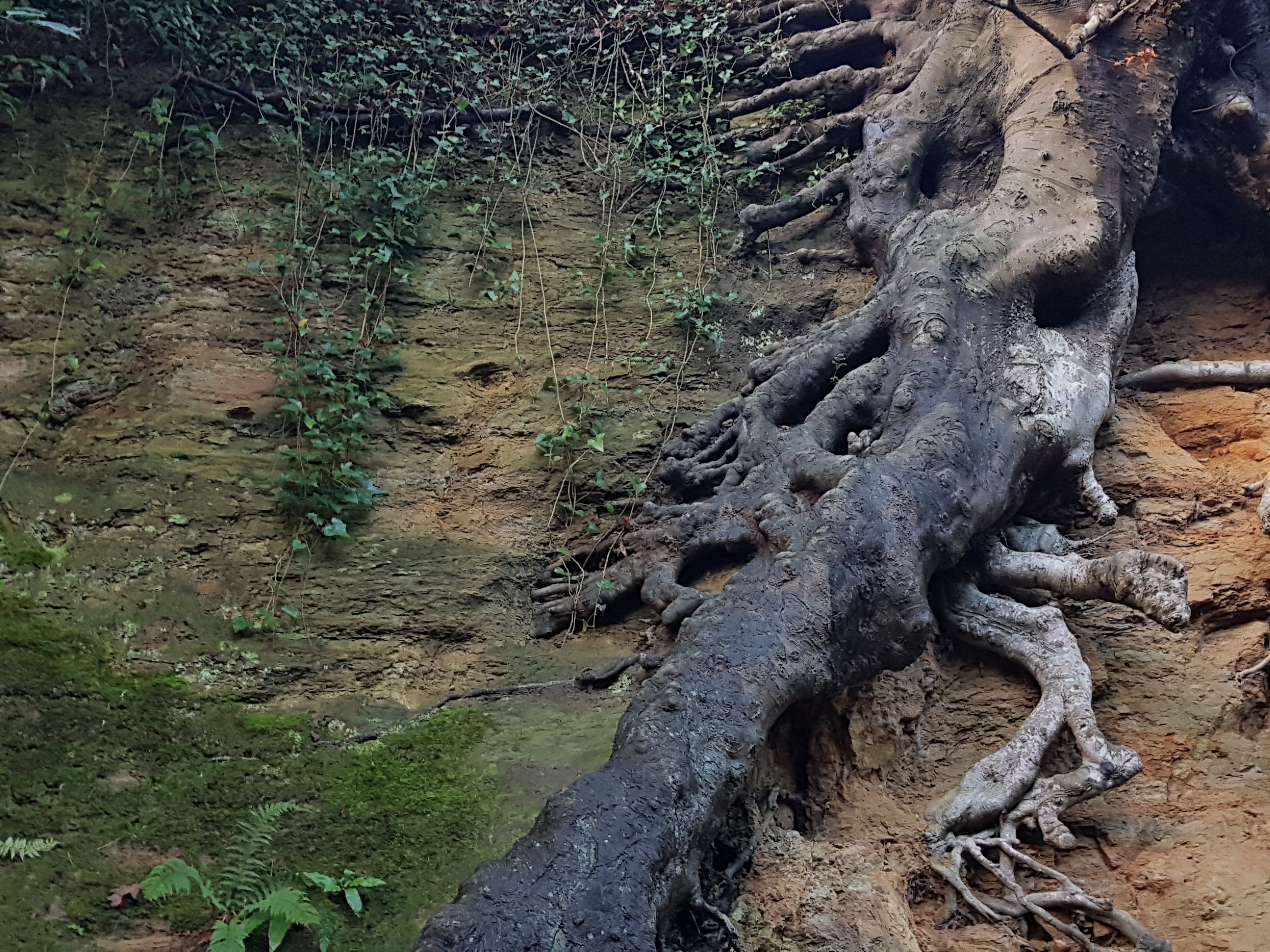
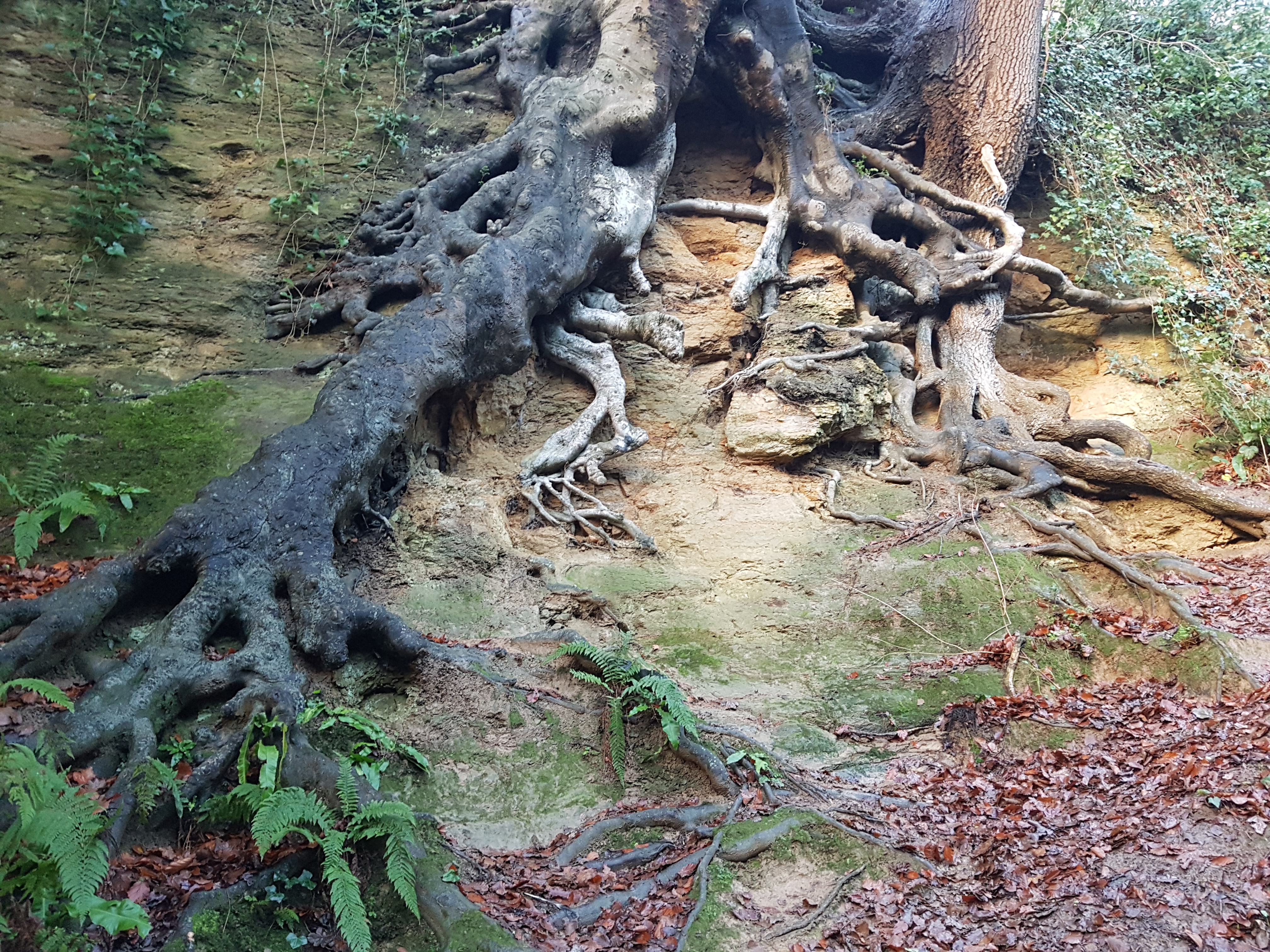
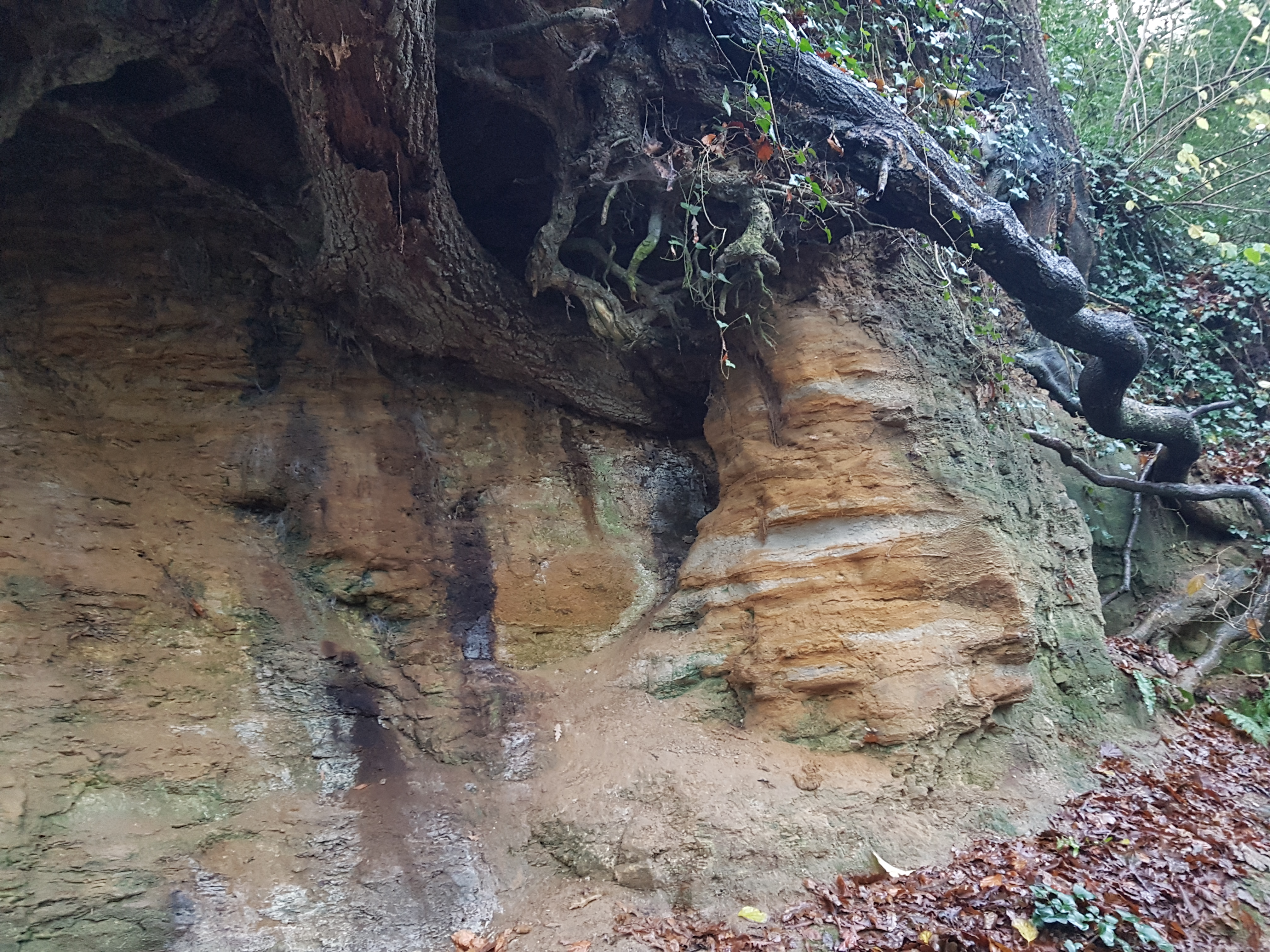
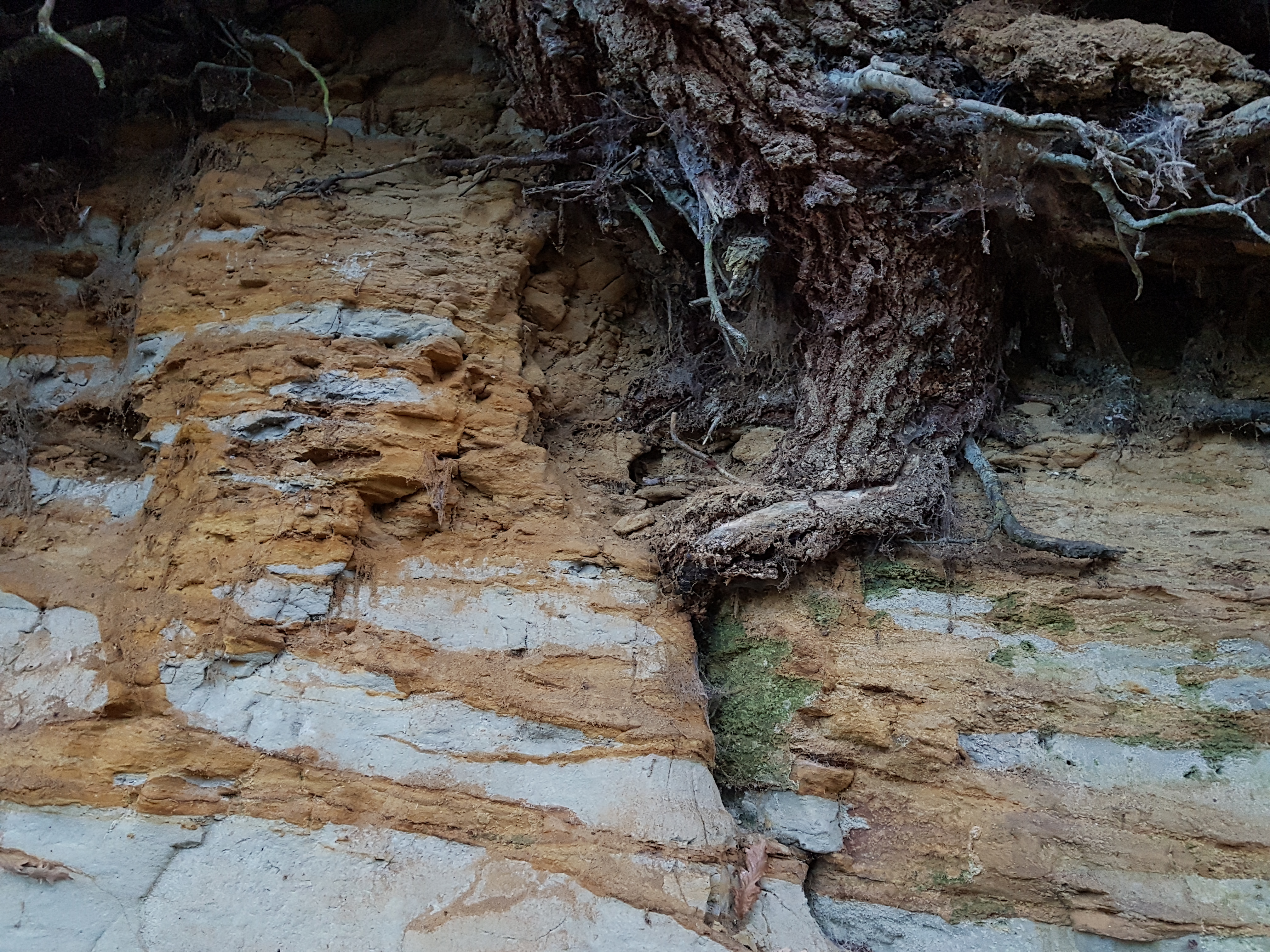
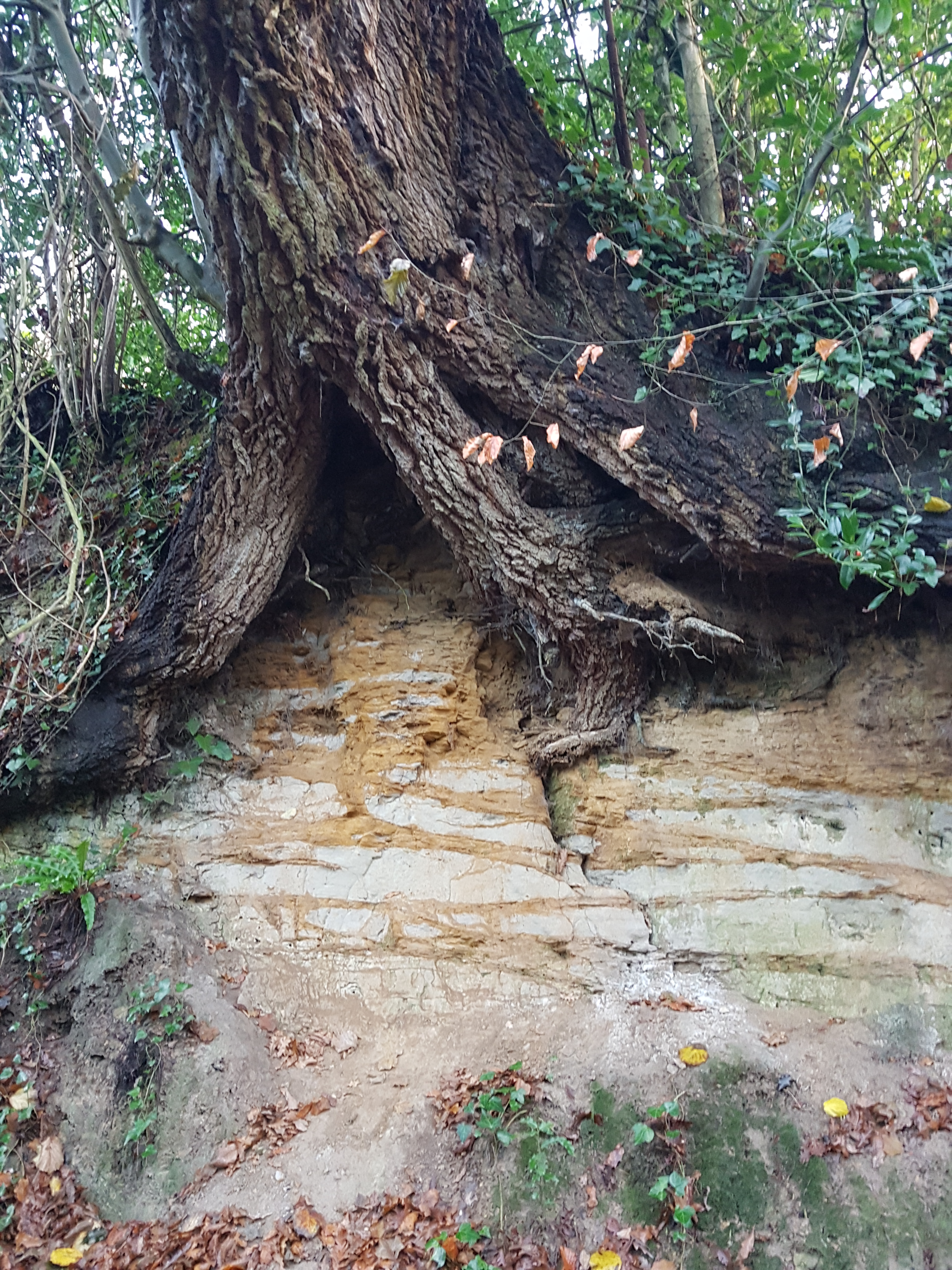
Towards the end of our stay in Glastonbury, Karin and I took an omega-shaped circular walk that looped over the famous Tor, through the town, and back to our cottage. At one point the road we walked passed through a cutting in the Jurassic sandstone called Wick Hollow. Several very large oak and beech trees had anchored themselves into this stone, their roots finding cracks in the rock and no doubt widening them over time as they grew. The trees were spectacular and I took a few shots with my phone, though these really don’t do them justice.

The shade and structure created by the trees allowed a diversity of ferns, mosses, lichens and seed plants to grow. I’m always amazed by the power and adaptability of plants, even large trees, to find a foothold in the unlikeliest of places and by doing so, create microclimates that allow other species to flourish. Life supports life.

Harnessing nature’s regenerative powers: more evidence that tree planting is not (always) the best solution

An interesting study published this week in the journal Science has provided more evidence that natural regrowth of forests is faster and more efficient than tree planting for restoring habitats. Here’s the Guardian‘s take on it:

https://www.theguardian.com/environment/2021/dec/09/tropical-forests-can-regenerate-in-just-20-years-without-human-interference

Here’s a link to the original study in the journal:

https://www.science.org/doi/10.1126/science.abh3629#

And here’s a link to something that I wrote on this topic last year, arguing that pollinators and seed dispersers play a vital role in this process:

Tree planting has its place, of course, especially as a way to get local communities engaged in positive action for the environment. But it’s not the solution for large-scale habitat restoration: in order to do that we need to harness nature’s own regenerative abilities.

Life brings stability: biological crusts on sandy subsoil

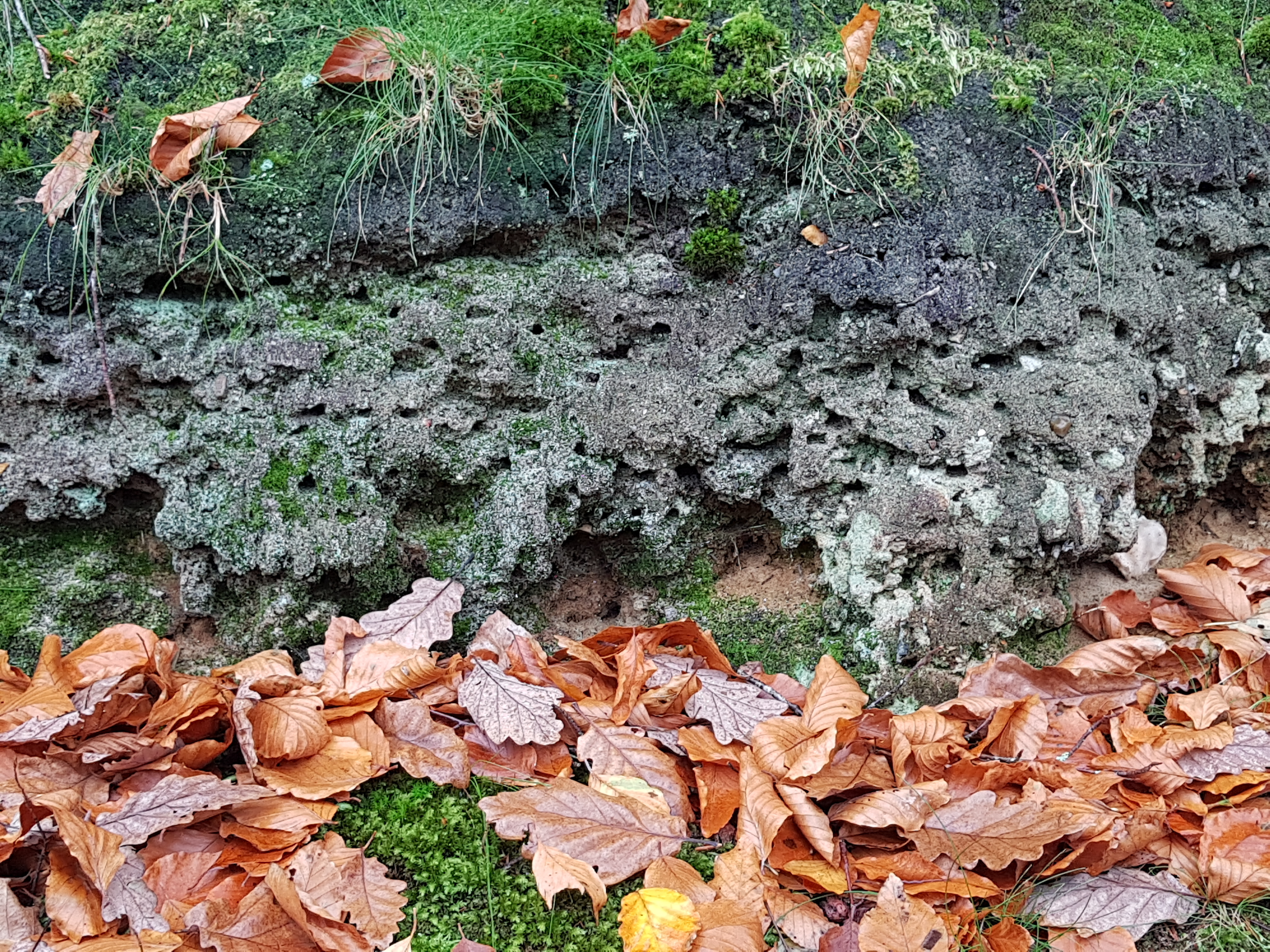
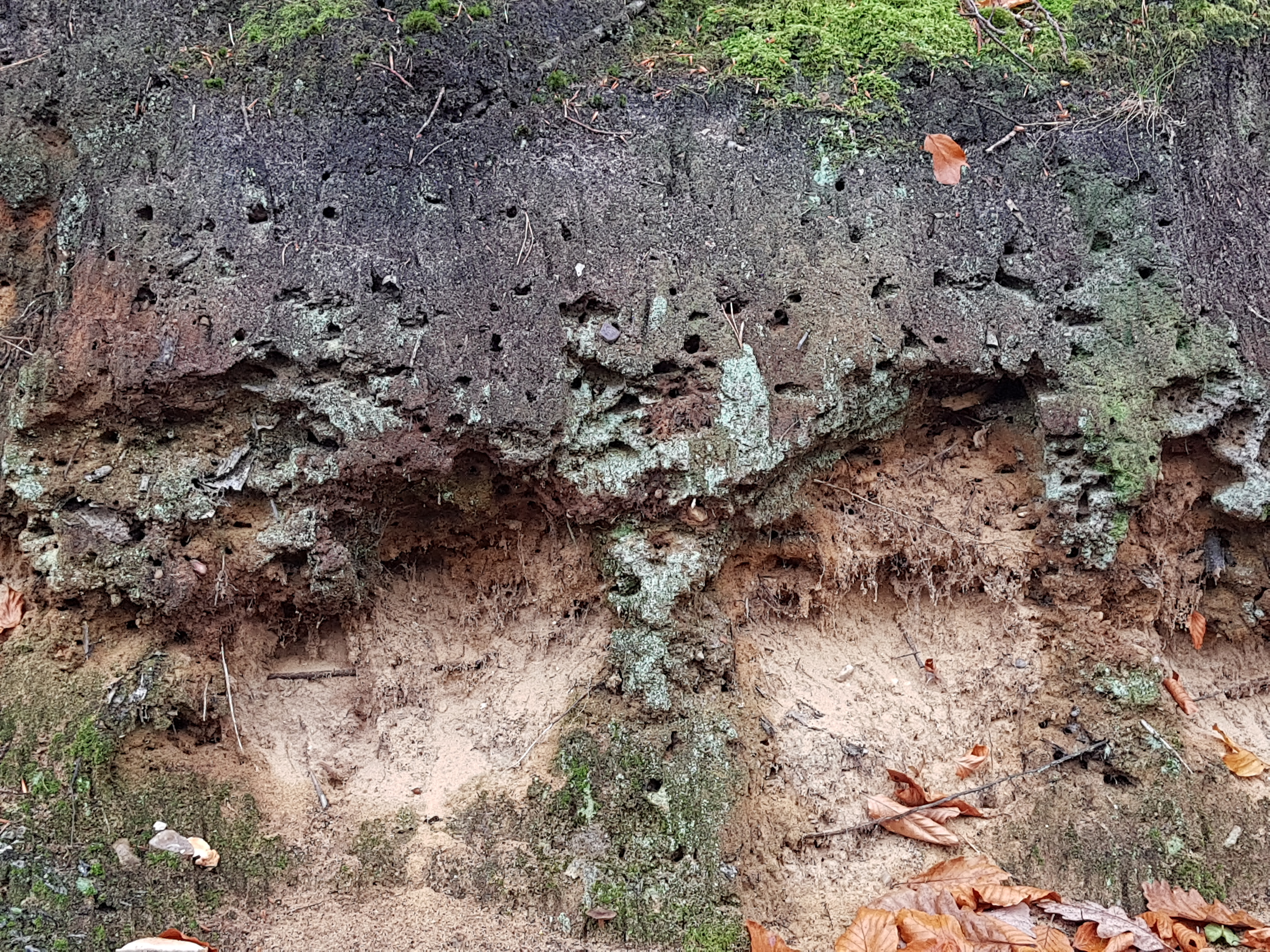
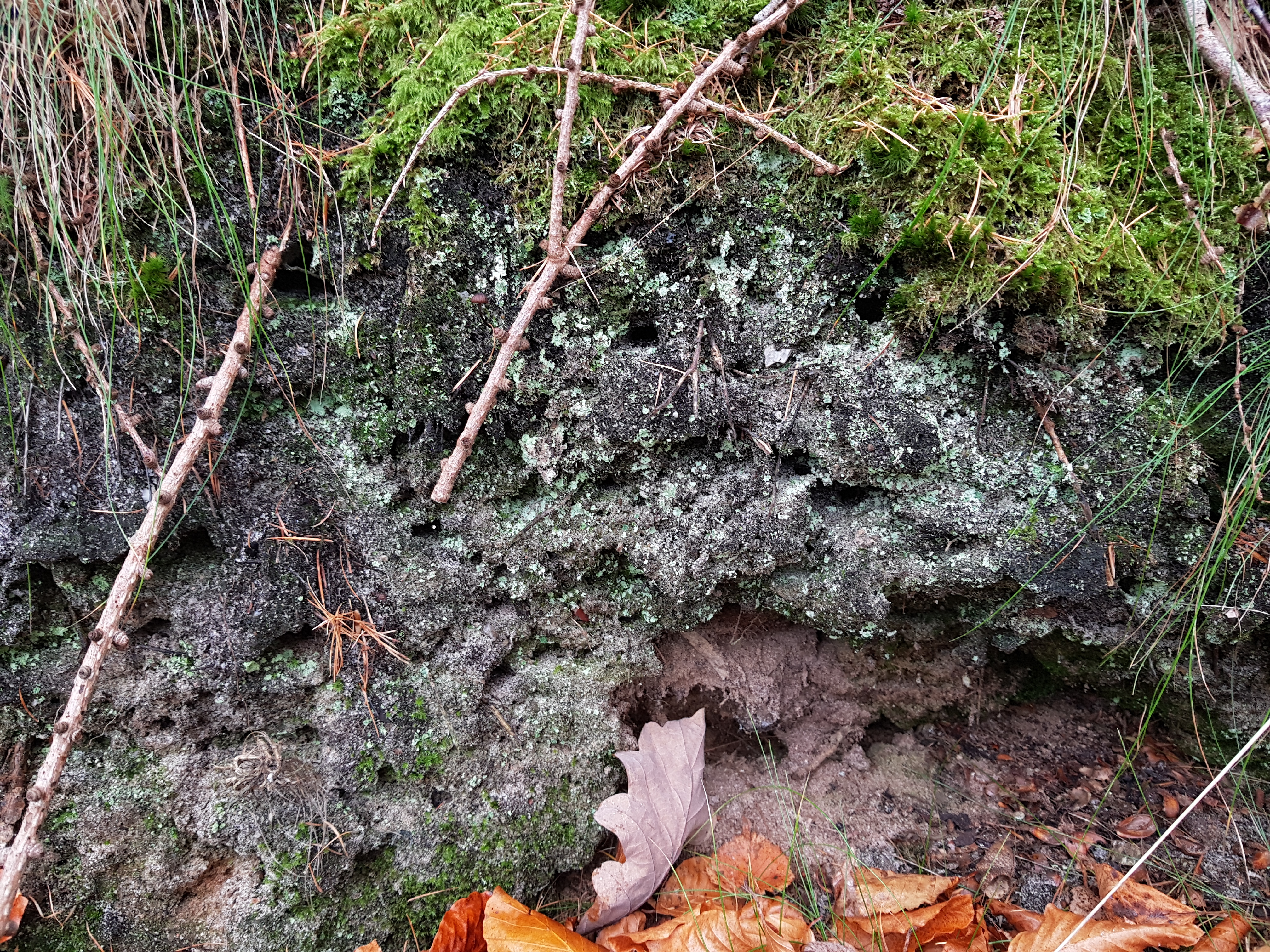
A couple of weeks ago we visited Karin’s family in Jutland and went for a couple of long walks around the area. One of these took us through some very nice mixed pine, oak, and birch forest close to a river. The forest was anchored into a thin horizon of mulchy topsoil, beneath which was almost pure sand, a post-glacial legacy of the wider, wilder rivers that ran through the region at the end of the last Ice Age.

Where our path ran parallel to the river I noticed that the exposed vertical sections were far from lifeless: the sandy faces had been colonised by algae, lichens, fungi, cyanobacteria, and mosses. These biological crusts had stabilised the sand and prevented it from eroding further back into the bank. On a miniature scale they were doing what forests and other vegetation does in mountainous areas all over the world: preventing landslides.

Biological crusts in turn provide opportunities for ferns and seed plants to germinate and gain a foothold: they are often the starting point for further ecological succession.

Not only are these crusts acting as substrate stabilisers and seed beds, but all of the usual ecological processes of photosynthesis, nutrient acquisition, decomposition, carbon storage, symbiosis and competition are taking place in just a few millimetres of biodiversity. There’s a lot going on in these thin veneers of life.

Heterospecific pollen deposition is positively associated with reproductive success in a diverse hummingbird-pollinated plant community: a new study just published

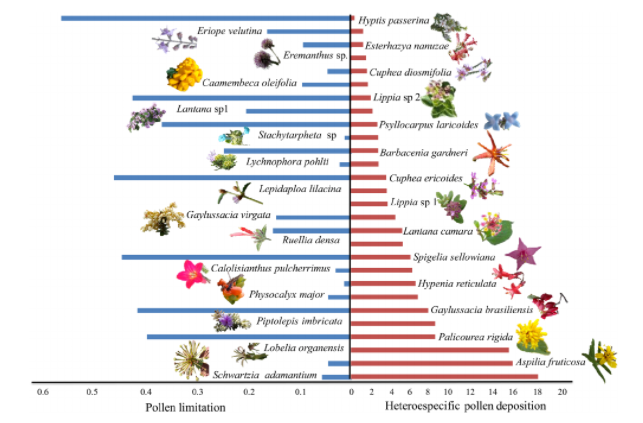
Plants which live in diverse communities with other species may often share pollinators, which means that their stigmas can receive the pollen from different types of plants as well from individuals of their own species. This “heterospecific” pollen deposition may have consequences for plant reproduction if it clogs up the stigmas and prevents “conspecific” pollen from gaining a foothold. However there’s still relatively little published on this phenomenon and its impact on reproduction, particularly in highly diverse tropical communities across different seasons. In a new study just published in the journal Oikos and led by Sabrina Aparecida Lopes, we have shown that in a Brazilian hummingbird-flower community heterospecific pollen deposition (HPD) shows seasonal patterns. Contrary to expectations, we also found a positive relationship between HPD and reproductive success, which by coincidence has also been shown this month for a high-Andean plant community in this paper just published by Sabrina Gavini and colleagues.

Here’s the full reference and the abstract for our Oikos paper:

Lopes, S.A, Bergamo, P.J, Queiroz, S.N.P., Ollerton, J., Santos, T. & Rech, A.R. (2021) Heterospecific pollen deposition is positively associated with reproductive success in a diverse hummingbird-pollinated plant community. Oikos (in press)

Heterospecific pollen deposition (HPD) is ubiquitous across plant communities, especially for generalized species which use a diversity of pollinators, and may have negative effects on plant reproduction. However, it is unclear whether temporal changes in the co-flowering community result in changes in HPD patterns. Moreover, community-level studies are required to understand which factors influence HPD and how the reproduction of different species is affected. We investigated the temporal variation of HPD, its relationship with level of specialization on pollinators and floral phenotypic specialization, and its association with reproductive success (pollen limitation and fruit set) in 31 hummingbird-pollinated plant species in a tropical Campo Rupestre. We found seasonality in HPD, with species flowering in the dry season having greater diversity of heterospecific pollen on stigmas and a higher frequency of stigmas containing heterospecific pollen, compared to the rainy season. Stigmas of ecologically generalized species had more heterospecific pollen, while the relationship for ecologically specialized species depended on floral phenotype. Surprisingly, and in contrast to theory, we found a positive relationship between HPD and reproductive success. Our results indicate benefits of generalization and facilitation, in which sharing pollinators brings greater reproductive success via increased conspecific pollen deposition, even if it incurs more HPD. We demonstrated how assessing HPD at a community-level can contribute to understanding the ecological causes and functional consequences of pollinator sharing.

If you’d like a PDF, please use the Contact page to request one.

Deforestation grabs the headlines: but what about the grasslands?

Perhaps it’s because we don’t have a fancy name for it? “Deforestation” rolls off the tongue in a rather satisfying way that emphasises the importance of conserving old growth and ancient woodlands. But how do we describe destruction of grasslands? “Degrasslandation” doesn’t really work, even though at its root is trying to describe the same effect: the loss of important, carbon-storing and biodiversity-preserving ecosystems. Grasslands, remember, are the world’s largest single terrestrial ecosystem.

Of course it’s not just grasslands that are disappearing: shrublands and savannahs such as the Brazilian cerrado are being lost even faster than forests are being cut down. But again “deshrublandisation” or “decerradoisation” just don’t have the same ring. Nor the political clout: Boris Johnson cannot wax lyrical about the “cathedrals of nature” of chalk grassland on Salisbury Plain or the species rich flood meadows along the Thames. However Britain has lost far more of them than we have of ancient woodlands: over 90% of such species diverse grasslands have now gone according to some estimates.

It’s clear that forests have great PR, are highly photogenic, and are ecologically incredibly important. So today’s announcement at COP26 that world leaders have committed to stopping deforestation by 2030 is welcome news: if they come through with their promises, which they didn’t following a similar announcement in 2014. But I’m in agreement with Gill Perkins who has just published this opinion piece in New Scientist. A commitment to stop grasslands, and other types of habitat, being built on, ploughed up or agriculturally “improved” could go a long way towards ensuring that carbon remains locked up in the world’s soils and vegetation. It doesn’t all have to be about the forests.

UPDATE: for more about the importance of grasslands and how they are being degraded worldwide, see this recent piece by Richard Bardgett, James Bullock, and colleagues entitled “Combatting global grassland degradation“.

Hooded crows as strandline scavengers: some observations on an intriguing behaviour

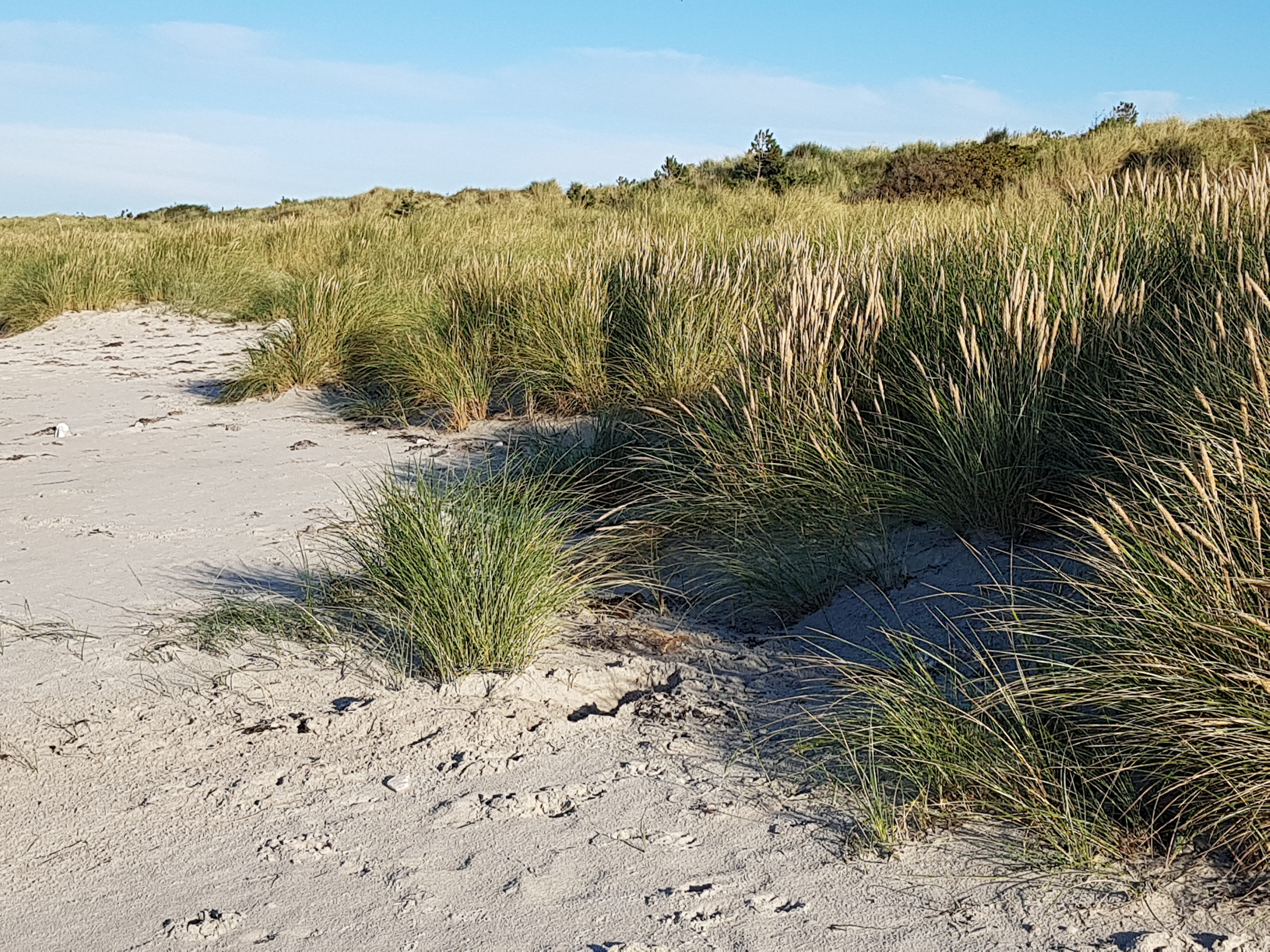
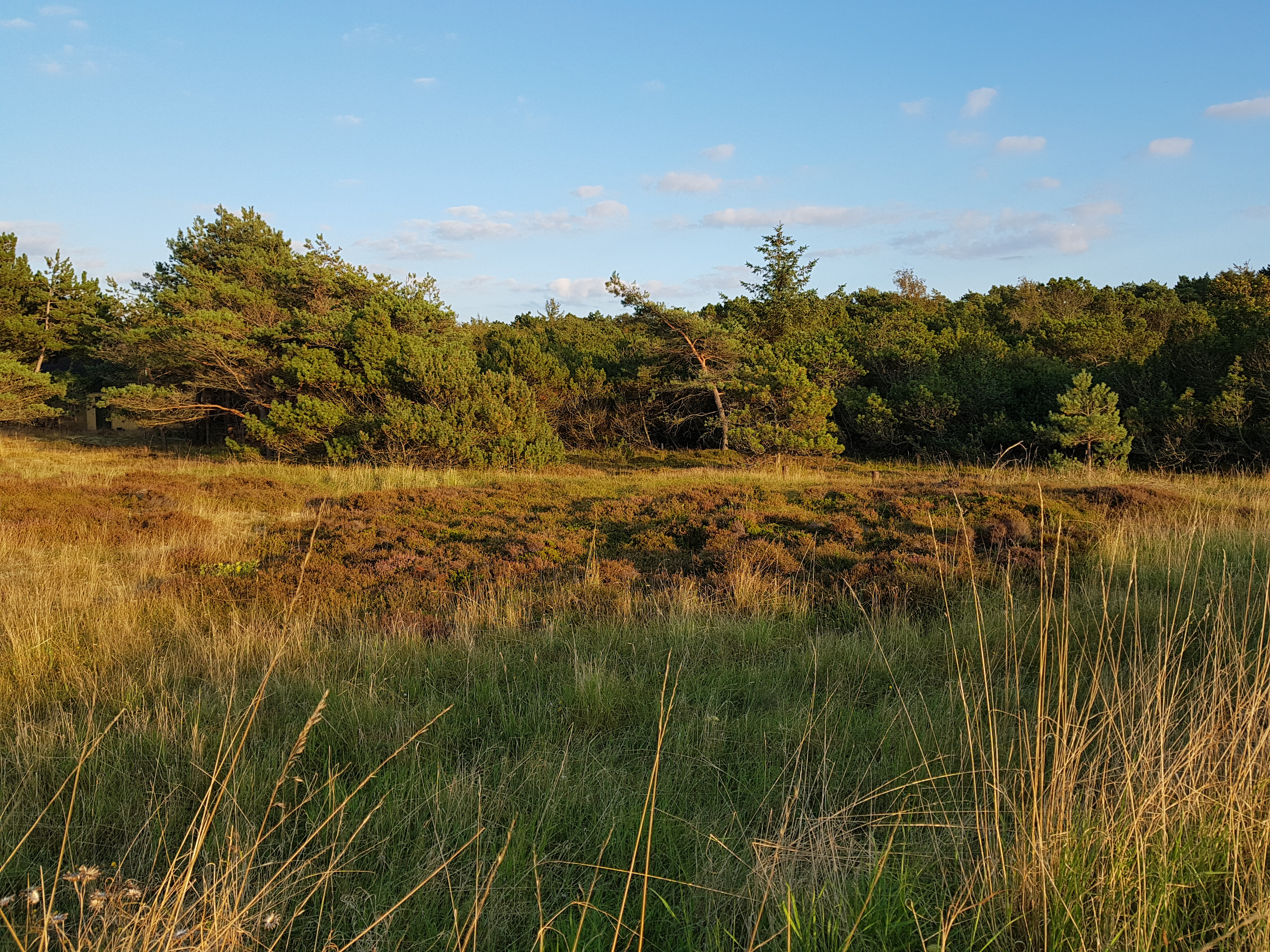
When I was teaching undergraduate ecology I always impressed upon my students the idea that the categorisations we use to describe “communities” and “ecosystems” are really loose, artificial attempts to put boundaries around borderless ecological systems. Nowhere is this more true than in coastal ecosystems, where the transition from “sea” to “shore” to “sand dune” to “coastal woodland”, for example, is a blur of overlapping habitat types linked by the movement of organisms, nutrients and energy from one to another.

Birds are especially important linkages in this respect, because they are highly mobile and thus effective at connecting “land” to “sea”. Consider gulls, for example, which may be feeding in coastal waters and on grasslands some distance away, and defecating and being preyed upon in both, resulting in transfer of sea-derived nutrients and energy into terrestrial ecosystems, and vice versa. There’s considerable interest amongst ecosystem ecologists in understanding such transfers; for example, here’s the opening sentences from the abstract from the 2013 paper Donor-Control of Scavenging Food Webs at the Land-Ocean Interface by Thomas Scholar and colleagues:

Food webs near the interface of adjacent ecosystems are potentially subsidised by the flux of organic matter across system boundaries. Such subsidies, including carrion of marine provenance, are predicted to be instrumental on open-coast sandy shores where in situ productivity is low and boundaries are long and highly permeable to imports from the sea. 

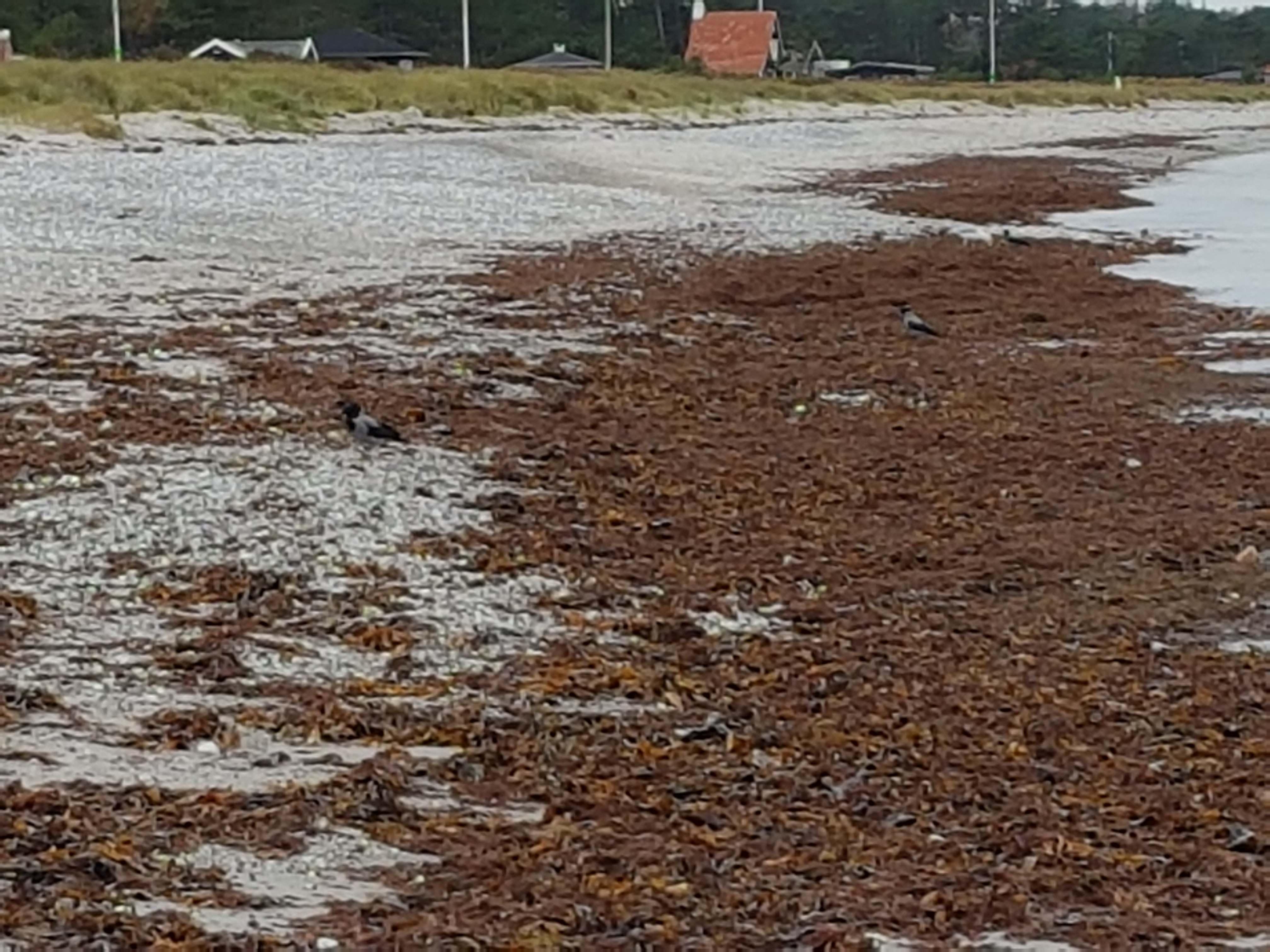
Here on the coastal beaches of the Kattegat I’ve been intrigued by the behaviour of hooded crows (Corvus cornix), which are acting, it appears, as just such facilitators of the “flux of organic matter” from sea to land.

There are six corvid species in the area, and hooded crows are by no means the most common: there’s at least as many rooks (Corvus frugilegus) and jackdaws (Coloeus monedula), and we often see all three species foraging together on ploughed fields or suburban grassland. That’s not surprising, because like many members of the crow family these species are opportunistic omnivores that eat a wide range of animal and plant material, both living and dead, as well as clearing up human food waste, which I described a few years ago during a visit to Kathmandu.

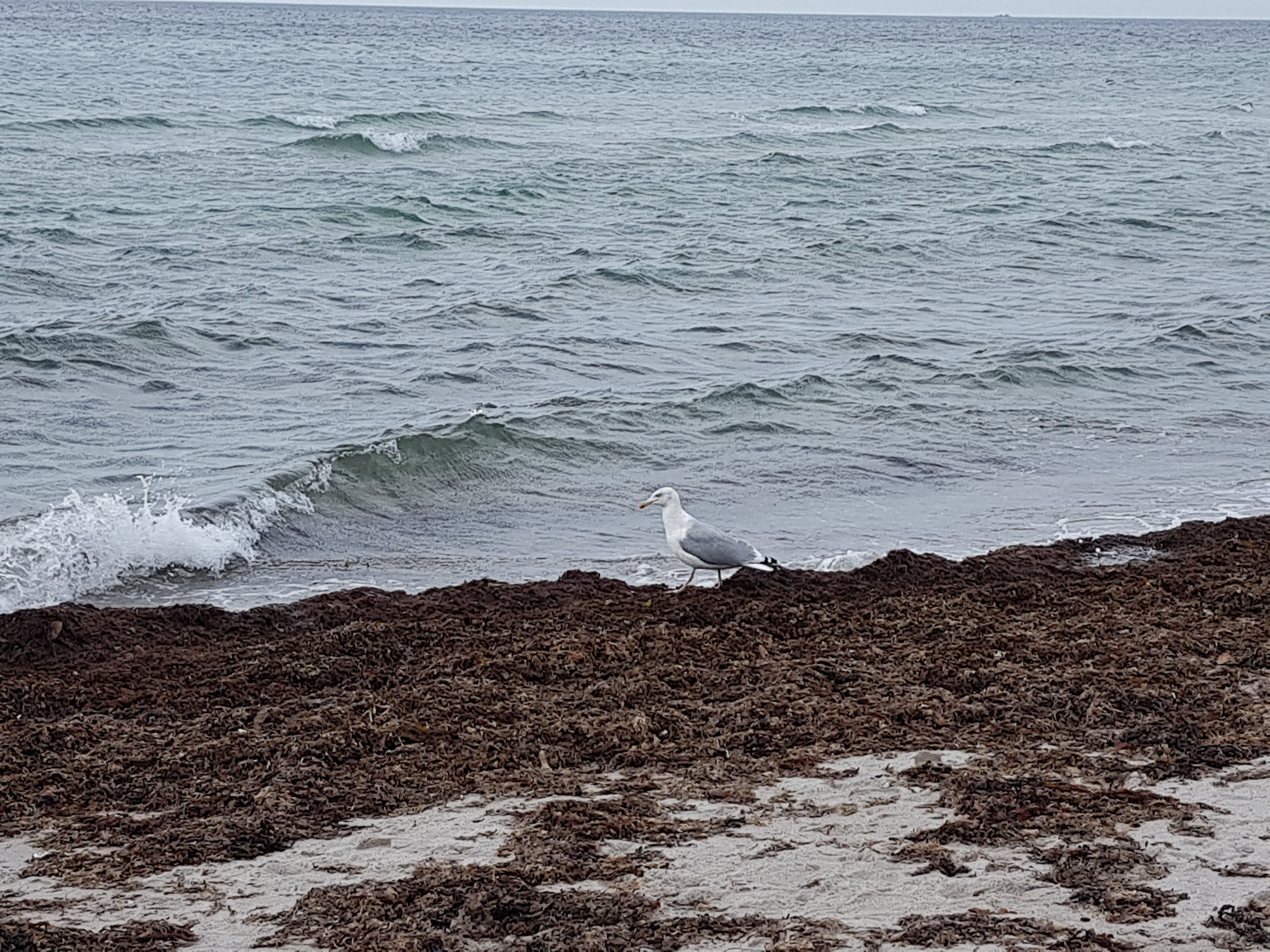
But hooded crows are the only species that we see scavenging on the shoreline.

On Sunday, for example, I took a late afternoon stroll along the local beach with my binoculars and, as usual, I saw hooded crows in small groups of two or three, sometimes in the company of gulls. As I watched, in quick succession I saw two lesser black-backed gulls (Larus fuscus) paddle onto the beach, one with a large, flapping flatfish in its beak, the other with a struggling shore crab. As the gulls tore apart their respective prey they were quickly joined by some hooded crows that had been hanging around nearby. Once the gulls had eaten their fill the crows moved in and demolished the rest. The crows seem to be particularly adept at getting the last bit of meat from inside crab carapaces.

That’s behaviour I’ve seen a many times since we arrived here in August, crows picking over the remains of fish or crabs or (in one instance) a dead harbour porpoise that had also attracted the interest of gulls.

This focus on relatively large carrion items by the crows is understandable, but relatively rare because it’s controlled by the frequency with which such dead animals become available on the shore. It´s much more common to see the crows working their way systematically along the strandline, turning over seaweed in search of insects, crustaceans, and other small food items. I’ve even seen them hack away at washed-up acorns in the beach. It must be a productive way of finding food because they do it with such regularity.

But there’s a number of things about this behaviour that are puzzling me.

For example, why is it only the crows that work the strandline? Why do we never see jackdaws or rooks, which are at least as common, and equally omnivorous scavengers? They are also just as intelligent as the hooded crows and presumably could learn that this is a good place to find food. Also, are the crows that we see strandline “specialists” that spend most of the time on the beach, and nest in the nearby dune woodlands? Or is there a constant turnover of individual birds from the surrounding countryside to the beach and back? Do the birds learn this behaviour from one another and is it passed down from parents to offspring?

I’d be interested in your comments on these observations, as always. If you’d like to know more about corvid behaviour and ecology, I can highly recommend Dr Kaeli Swift’s Corvid Research Blog.