Tag Archives: Nature conservation

Garden pollinators for PAW no. 4 – Gatekeeper butterfly (Pyronia tithonus)

Gatekeeper 3 - summer 2014

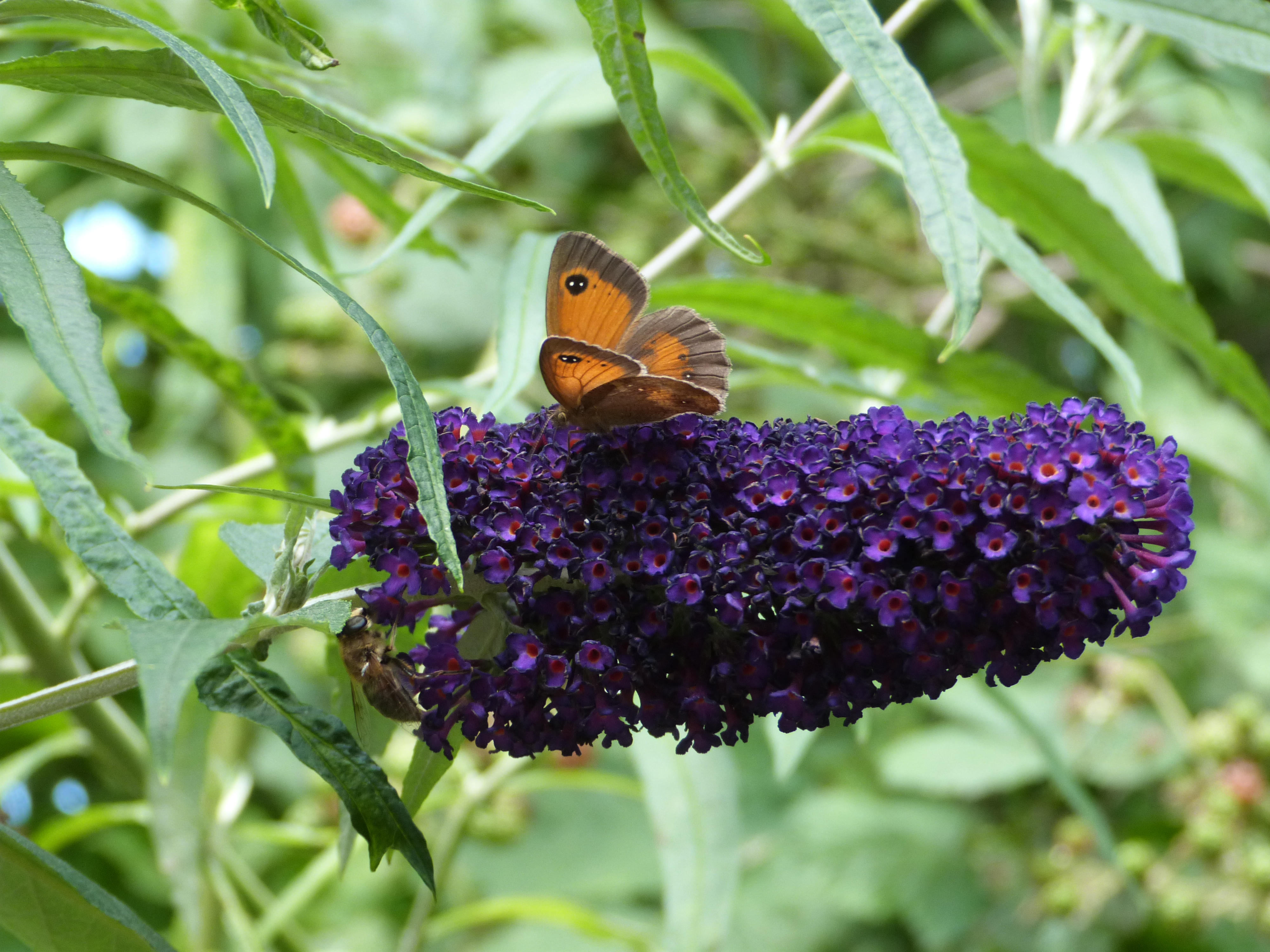
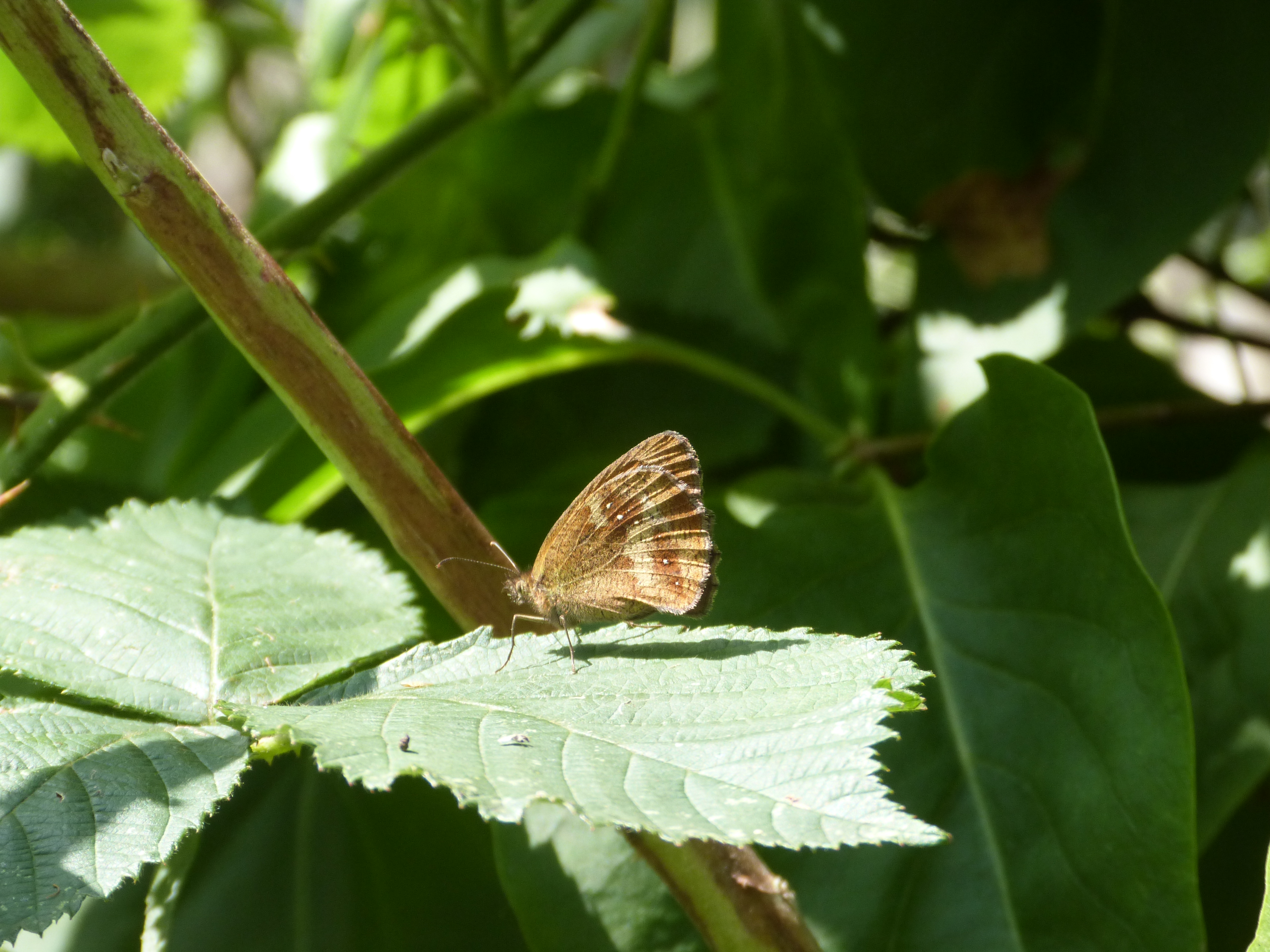
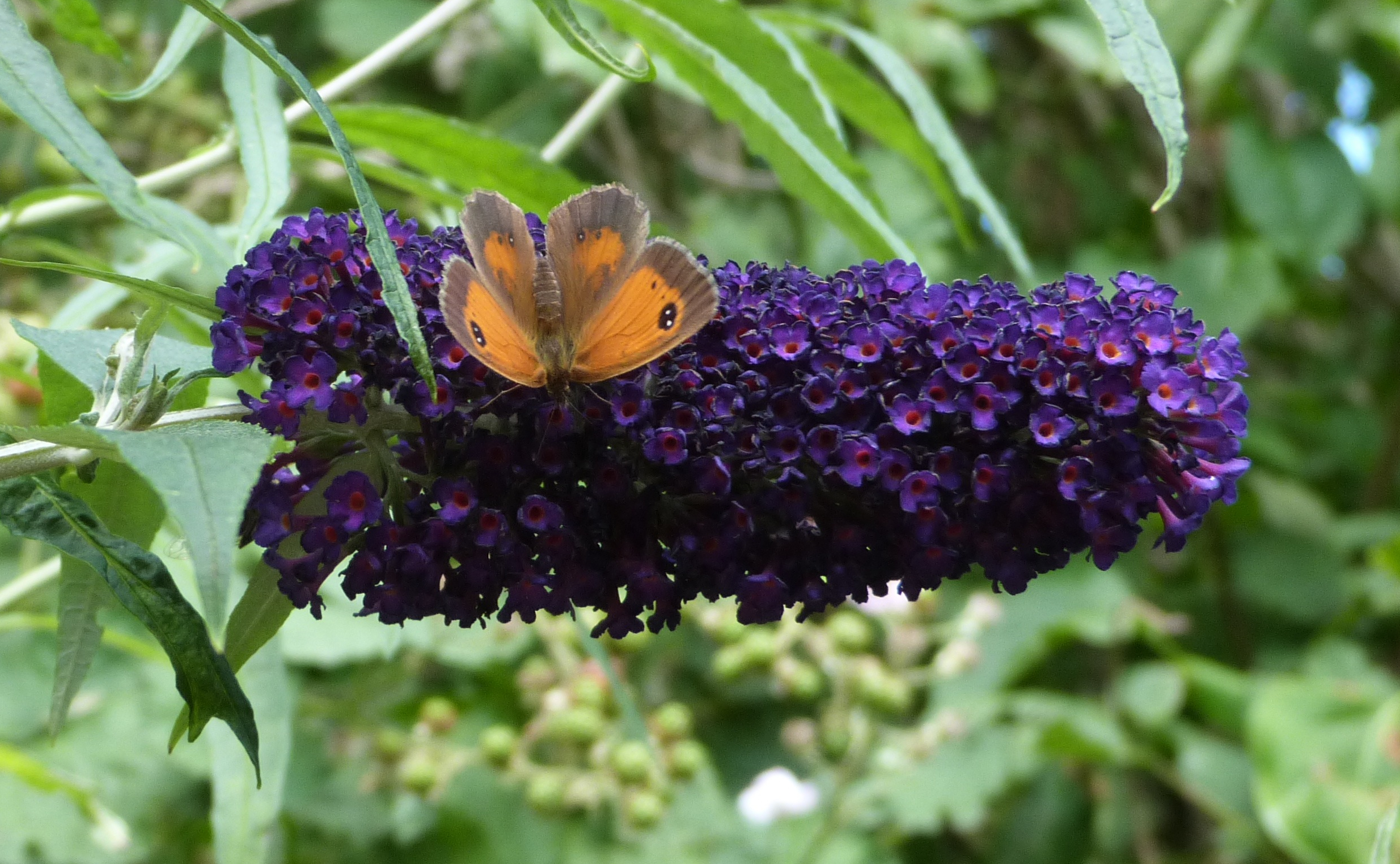
For my fourth contribution to Pollinator Awareness Week I’m going to highlight the Gatekeeper (Pyronia tithonus), a butterfly that I featured on this blog last year.  As I noted in that post, it’s fairly rare to have Gatekeepers in an urban garden which indicates that the shrubs and hedges grown by myself and my neighbours are providing the right microclimate for the adults.  In addition the overgrown lawns of some adjacent gardens give opportunities for egg laying as the caterpillars are grass feeders.

P1010467

Adult butterflies are very well camouflaged when resting with their wings folded. They take nectar from a range of plants in my garden but particularly love the dark, heavily scented infloresences of the buddleia variety pictured here.  They also visit the wild blackberries scrambling through the hedge that separates us from next door’s garden and probably pollinate those flowers.  Although it’s often said that butterflies are poor pollinators compared to bees, due to their general un-hairiness and habit of holding themselves above the stamens and stigmas in a flower, it very much depends on the type of flower.  We have an unpublished manuscript that I hope to submit to a journal later this year showing that butterflies are actually better pollinators of one grassland plant than bumblebees.

Gatekeeper cropped P1010472

Garden pollinators for PAW no. 3 – Little flower bee (Anthophora bimaculata)

Anthophora bimaculata 1 P1120172

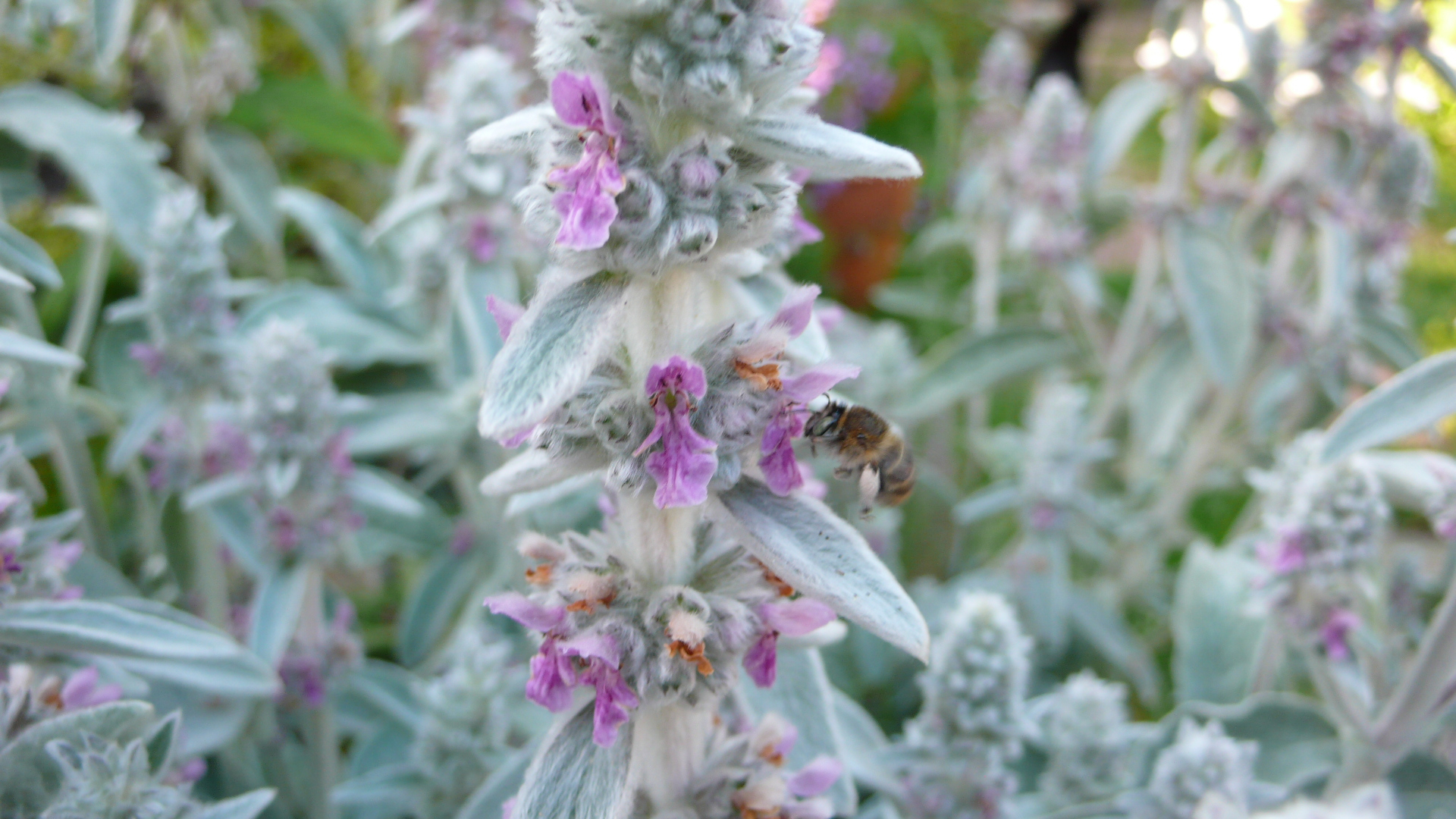
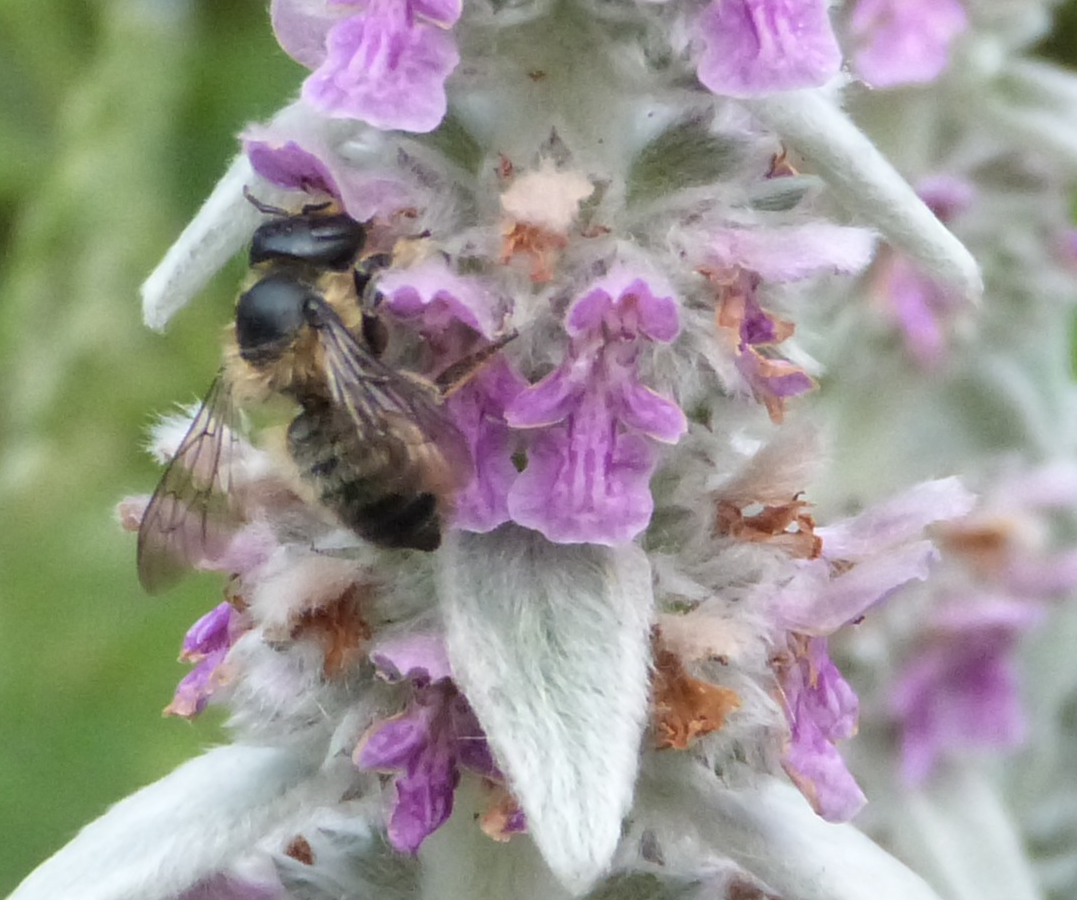
There are only five Anthophora species in the UK and the Little flower bee (Anthophora bimaculata), as the name suggests, is one of the smallest.  This is a fast moving little beast and my fairly bog standard cameras (and a generally impatient personality) struggle to capture it: Steve Falk’s images do it justice better than I ever could.

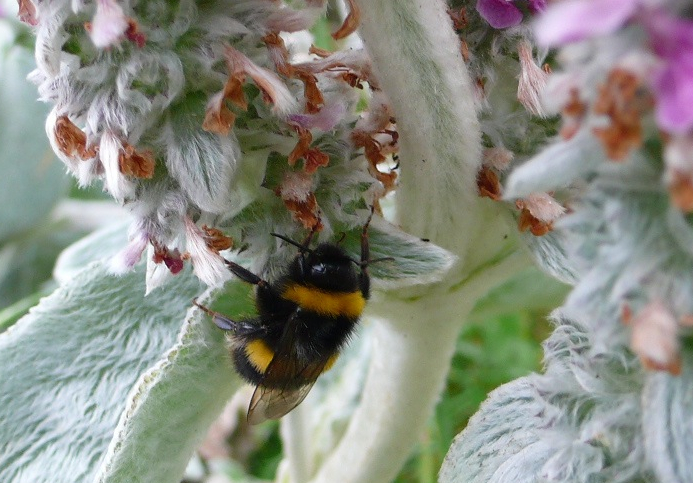
Once again, as with the Patchwork leaf-cutter bee, the flowers of Lamb’s ear are a real favourite in my garden.  Also like that bee, this is a solitary species, though this is one that nests in dry, sandy soil.  I’ve not been able to locate any nests in my own patch and I wonder whether it’s nesting in a nearby garden.

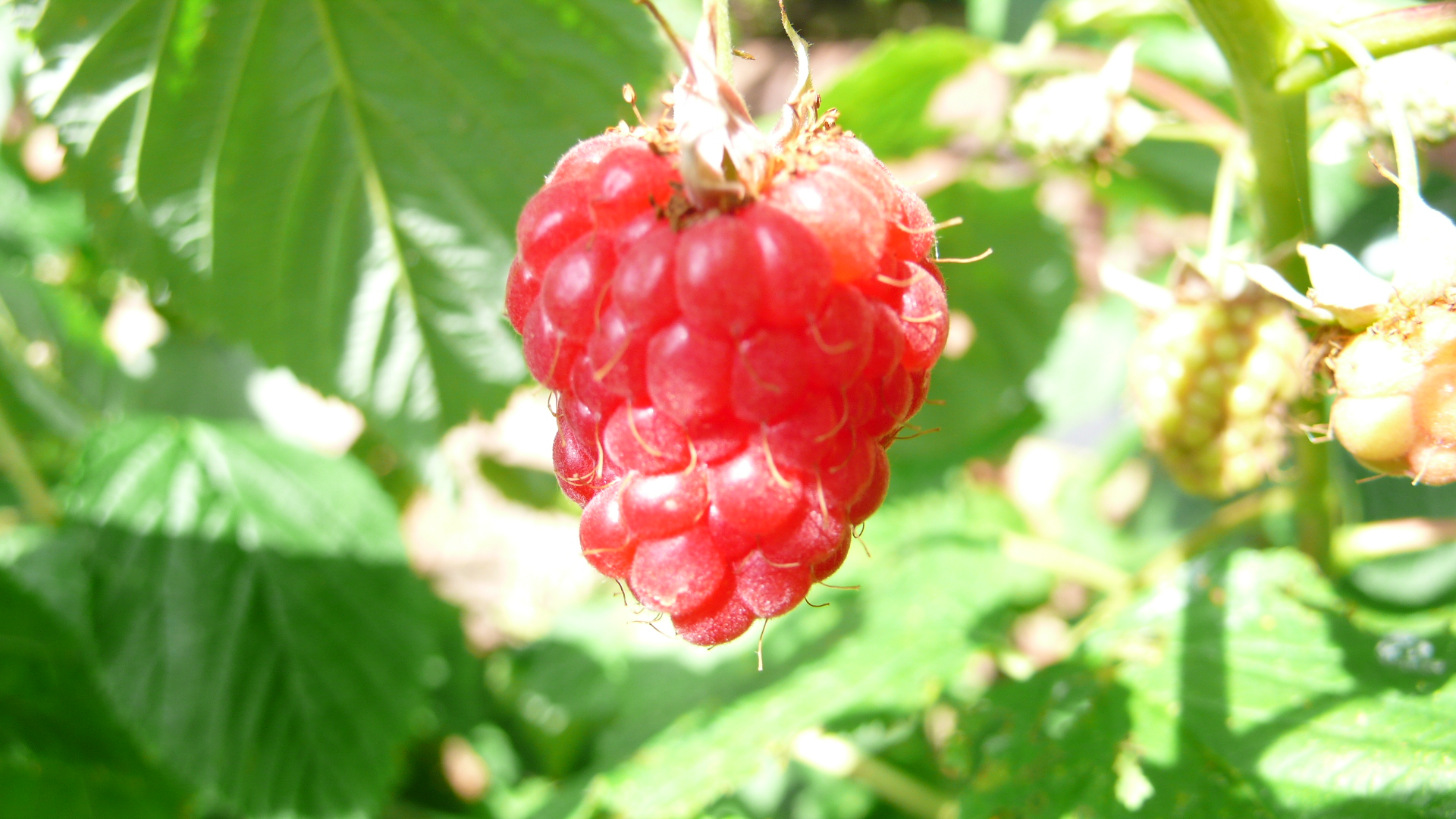
Another generalist species, I’ve seen this bee visit food crops with open flowers such as blackberry and raspberry in my garden.  Despite its size it is likely to be quite a good pollinator of those fruit as it’s abundant, fast moving between flowers, and hairy, and can carry significant amounts of pollen.

Interestingly, Anthophora bimaculata was not recorded by Muzafar Sirohi during his surveys of bees in Northampton town centre, so it’s another species that we can add to that urban list.

Anthophora bimaculata 2 cropped P1120172 copy

Garden pollinators for PAW no. 2 – Marmalade hoverfly (Episyrphus balteatus)

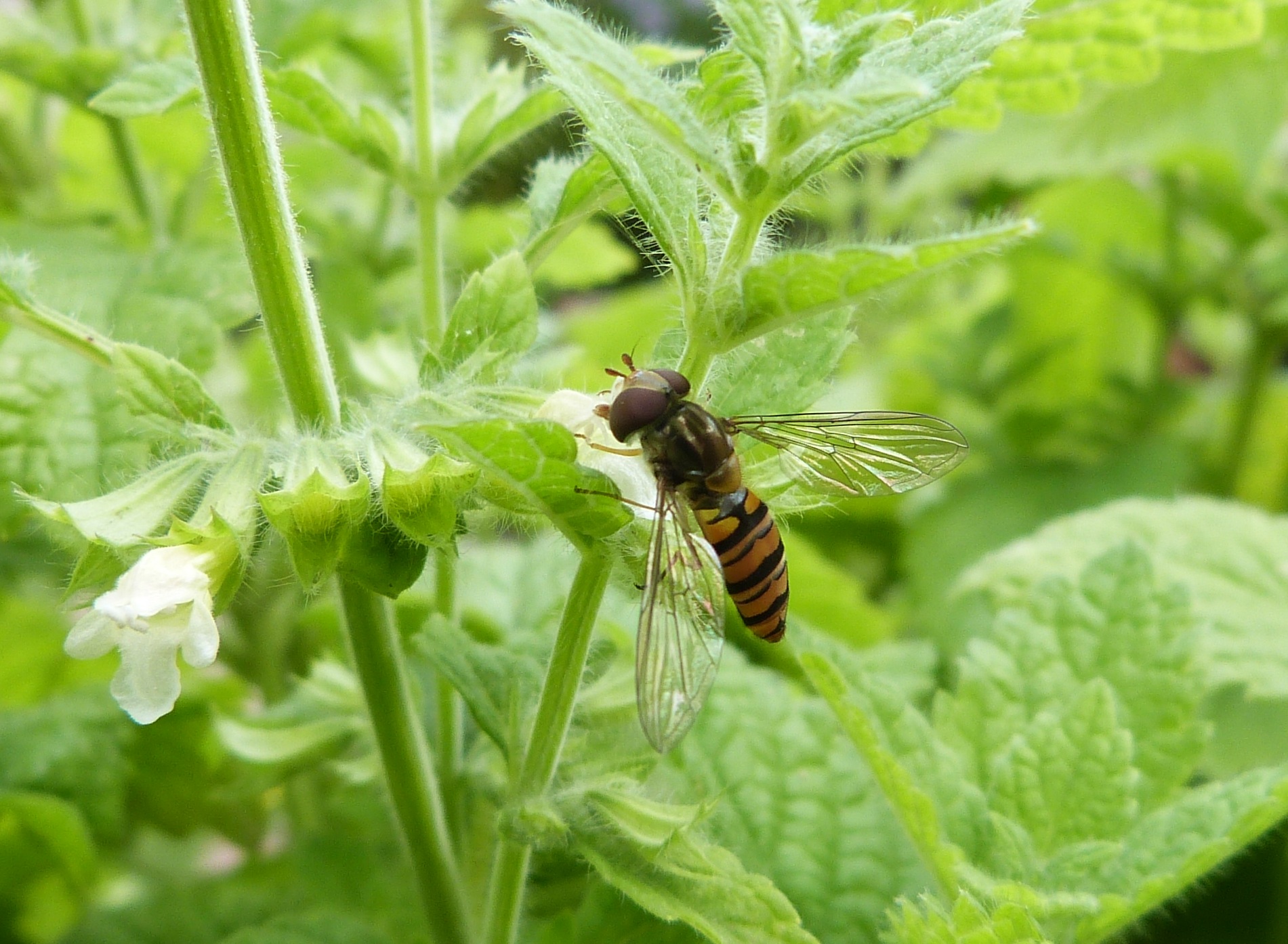
Syrphid on lemon balm 1 cropped - 1P1020548 copyOne of the most frequently encountered of hoverfly species in urban gardens is the beautifully named Marmalade hoverfly (Episyrphus balteatus).  This insect is a “true fly” of the order Diptera that is sometimes confused with superficially similar wasps (order Hymenoptera), though (as the common name suggests) the species is translucent orange and black in colour rather than waspish yellow and black.  It also has a very flat abdomen whereas wasps are rounded, and they certainly don’t sting.

Individual insects are relatively ineffective as pollinators – they are small and not very hairy, so carry little pollen compared to bumblebees for instance.  However they can be extremely abundant and that abundance makes up for any individual ineffectiveness.  It’s a real generalist, visiting lots of different types of flowers, and in my garden they visit radishes (as I noted last year) and raspberries.

I often see individuals patrolling crops such as runner beans, not visiting the flowers but laying eggs on leaves and stems: the larvae of the Marmalade hoverfly is carnivorous and feeds on aphids, so it plays an interesting dual role of both pollinator and pest controller.  Definitely a gardener’s friend!

Syrphid on lemon balm 2 - 1P1020548

Garden pollinators for PAW no. 1 – Patchwork leaf-cutter bee (Megachile centuncularis)

Megachile on lambs ear 2015-06-29 18.16.49

As promised, here’s the first of my posts for Pollinator Awareness Week and I’m going to start with one of my favourite groups of bees – the leaf-cutters of the genus Megachile.  The UK has only nine Megachile species recorded, several of which are quite frequently found in gardens.

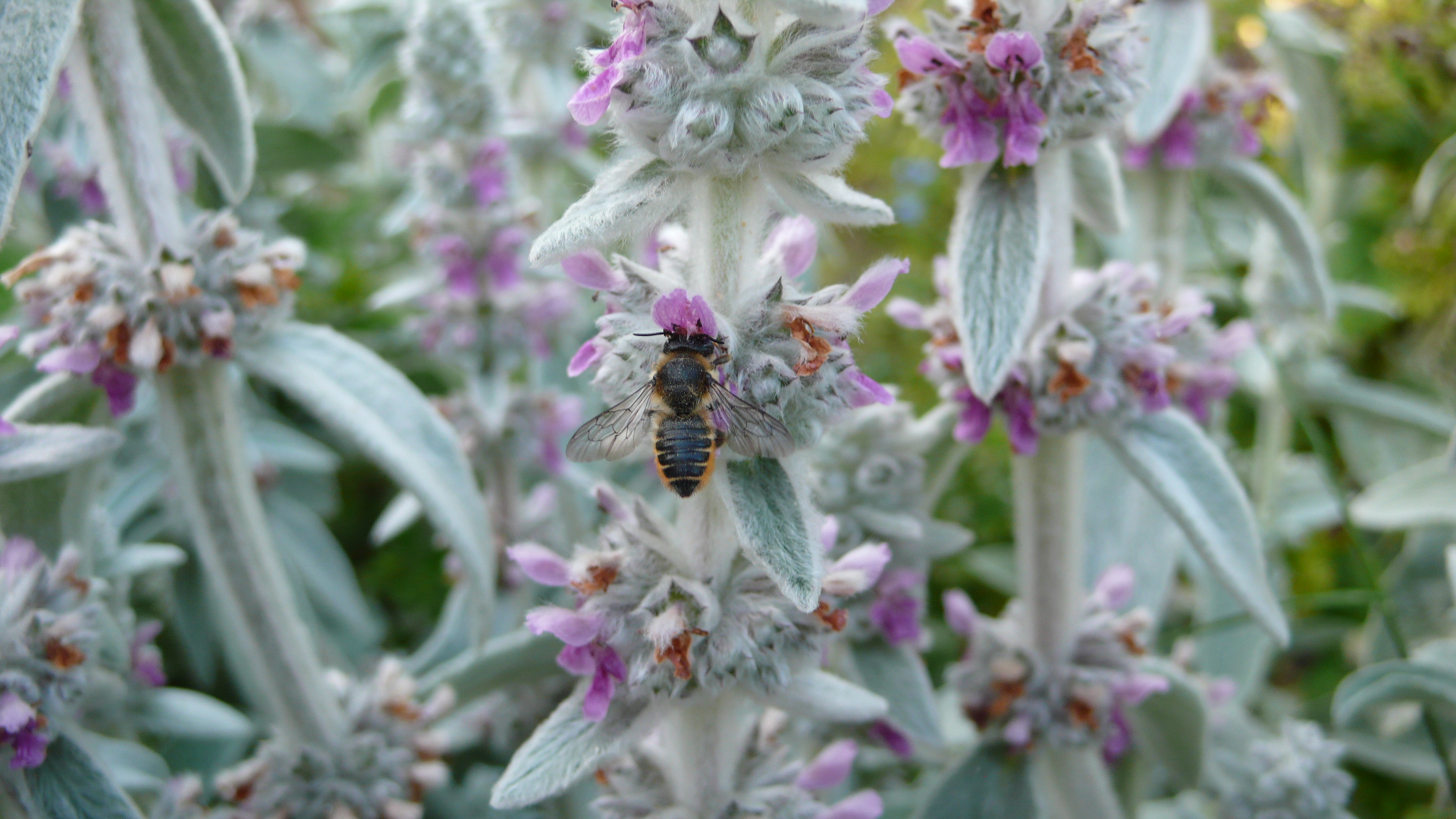
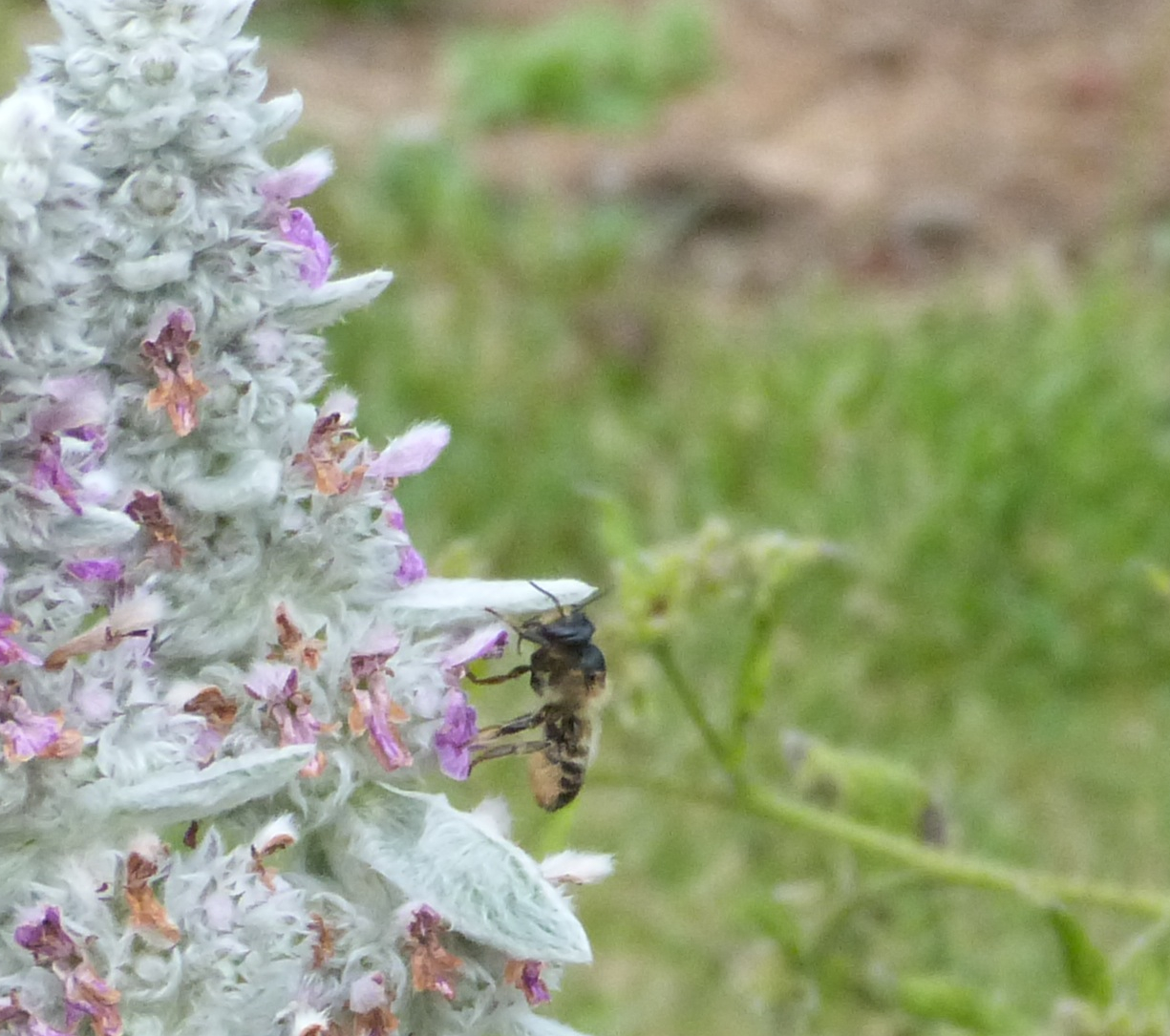
In my urban garden in Northampton I’ve often encountered the Patchwork leaf-cutter (Megachile centuncularis) this summer.  As you can see from the link to Steve Falk’s excellent photographs and description of the species, it’s quite distinctive with a brush of orange hairs that extends right to the tip of the abdomen (see the first picture, though the colour of this can fade with age so it’s not always so apparent).  The brush is used for collecting pollen from flowers to take back to provision its nest, which is constructed from leaf segments lining a tubular cavity in old walls, wood or occasionally soil (hence “leaf-cutter” bees).  The leaf-cutters (as with 90% of bee species) are “solitary” in the sense that they don’t have a social structure with a communal nest, a queen, etc.  It’s the female bees that are solely responsible for nest building; the purpose of the males is simply to mate.

I’ve seen this species visiting my runner beans in the garden and, given their size, they probably pollinate that crop, though not as effectively as bumblebees which are much more abundant.

Megachile female 2 - close up July 2015P1020491

In the image above you can clearly see the pollen that’s been collected by this bee under its abdomen.

Megachile female - close up - July 2015 P1020489 copy

In my garden the Patchwork leaf-cutter is very fond of Lamb’s ear (Stachys byzantina), but I’ve seen it collecting nectar and pollen on a wide range of other plants too.

Pollinator Awareness Week – 13th – 19th July 2015

P1110763

Next week has been designated Pollinator Awareness Week (PAW) by Defra and there are events and profile-raising activities going on all over the country.

The motivation behind the PAW is (quote) “to bring attention to the essential needs of pollinators and the simple actions that we can all take to help pollinators survive and thrive”.

With that in mind, next week I intend to produce one blog post a day that highlights, with photographs, a pollinator (or group of pollinators) that I’ve found in my own urban garden in Northampton.  The purpose is to illustrate the diversity of pollinators that even a town garden can support, something about their fascinating life histories, and the different ecological requirements of these pollinators that our gardens can provide.  For some of them I’ll even discuss the garden crops that they pollinate.  First post will be on Monday.

If you, or the group you work with, are doing something for Pollinator Awareness Week feel free to share it in the comments section below.

How can an understanding of plant–pollinator interactions contribute to global food security? A new discussion paper

Megachile on lambs ear 2015-06-29 18.16.49

A new discussion/review paper that I contributed to has just been published in the journal Current Opinion in Plant Biology.  Entitled “How can an understanding of plant–pollinator interactions contribute to global food security?” the paper was written in collaboration with Professor Beverley Glover and her PhD students Emily Bailes and Jonathan Pattrick at the University of Cambridge.

The abstract and highlights are copied below; if anyone wants a PDF of the full paper, send me an email or ask in the comments section.

Abstract:

Pollination of crops by animals is an essential part of global food production, but evidence suggests that wild pollinator populations may be declining while a number of problems are besetting managed honey bee colonies. Animal-pollinated crops grown today, bred in an environment where pollination was less likely to limit fruit set, are often suboptimal in attracting and sustaining their pollinator populations. Research into plant–pollinator interactions is often conducted in a curiosity-driven, ecological framework, but may inform breeding and biotechnological approaches to enhance pollinator attraction and crop yield. In this article we review key topics in current plant–pollinator research that have potential roles in future crop breeding for enhanced global food security.

Highlights:

  • Animals are globally, and increasingly, important for the improved yield and quality of many crops.
  • Floral traits are a promising and little explored avenue for the improvement of crop yields.
  • Work surrounding plant–pollinator interactions can inform us on the best strategies to do this.
  • Coordinating crop flowering time with key lifecycle stages of pollinators could benefit both crop yields and pollinators.

A University of Northampton student interview about bees and pollinator declines

A few weeks ago I was approached by Kady Middleton, a first year undergraduate student studying journalism at the University of Northampton, to be interviewed for a short radio-interview style report that she was putting together as one of her assignments.

The topic was urban bee diversity and pollinators declines – Kady had seen my blog post about urban bees in Northampton.  I was very happy to oblige and I think that Kady’s done a great job; it’s a nice example of how very different university departments can cooperate and collaborate.  You can listen to Kady’s report here:

Plantlife’s road verge advice could negatively affect pollinators

P1020346

Did anyone else hear the item on Radio 4 this morning about Plantlife’s road verge campaign and associated petition?  I listened carefully to the discussion and am broadly supportive of what they are trying to achieve.  But I was immediately struck by a comment that local councils should cut the verges “from mid July onwards” because most plants will have set seed by then.  I’ve seen this advice given before and whilst it might be an appropriate option for plants, it could severely impact local pollinator populations.

The printed advice that Plantlife is offering (which can be found here) states that if it’s only possible to cut a verge once a year:

“Cut the full width of the verge….between mid July and September. This allows plants to flower and, importantly, gives time for seed to be set.”

This misses a vital point: between mid-July and September there is still an abundance of flower-visiting insects that require these flowers to provide resources for their nesting and egg laying activities, or to build up reserves of energy to allow them to hibernate, particularly newly-mated queen bumblebees.

Where’s the evidence to support my assertion?  It’s been demonstrated by a number of studies, but I’ll point you in the direction of a paper that came out of the PhD work of one of my former students, Dr Sam Tarrant, who now works with RSPB.  If you look at Figure 4 of this paper, you’ll see that on restored landfill sites the abundance of pollinators in autumn surveys (conducted September-October) was just as high as for summer surveys.  On nature reserves, which are routinely cut from mid-July onwards (see Figure 2), this was not the case.

Climate change means that flower-visiting insects are now active in the UK for a much longer period of time than was previously the case, up to at least November in the south of the country.  I agree with Plantlife that road verges are important habitats for plants and other wildlife.  But advice that suggests cutting floral resources at a key time of the year for these insects is simply misguided.  A cut between October and December would be much more appropriate.

I don’t use Twitter so if anyone could point this at Plantlife’s account I’d be interested to see what their reaction is.

How good is the evidence base for pollinator declines? A comment on the recent Ghazoul and Goulson Science correspondence

In a recent issue of the journal Science, Dave Goulson and colleagues presented a review entitled “Bee declines driven by combined stress from parasites, pesticides, and lack of flowers”.  This stimulated Jaboury Ghazoul to submit a letter to Science criticising the Goulson et al. paper from a number of perspectives, but particularly the paucity of the evidence base for pollinator declines. Dave and his co-authors robustly responded to that letter, as you might imagine. In some respects this was an unsatisfactory exchange, however, as the focus was largely on agricultural pollinators, rather than pollinators of all plants (including the majority non-cultivated species) and I think that (perhaps with more space?) Dave could have outlined the evidence in more depth.

The most striking statement in Jaboury’s letter was that the “evidence for pollinator declines is almost entirely confined to honeybees and bumblebees in Europe and North America”.

Now, even given the fact that Jaboury was possibly referring specifically to agricultural pollinators, that is a very extreme statement to make. Underlying it is the suggestion that global concerns about declining pollinator biodiversity (a subject I’ve discussed repeatedly on this blog) is underpinned by a taxonomically and geographically thin evidence base. Is that really true? I don’t believe so and I think it’s worth presenting a brief overview of the evidence, not least because Dave’s review and the resulting correspondence is pay-walled at the Science site (though if you Google the titles you might, just might, find copies posted on the web…)

Let me state from the outset that I have considerable respect for both Jaboury and Dave, as individuals and as scientists. I’ve known Dave since we were postgrads together in the early 1990s, and have had occasional contact with Jaboury through conferences and via email. So this isn’t meant to be a criticism of either of them.  But I do believe that the evidence for pollinator declines is considerably more robust than Jaboury acknowledges, and even more wide ranging than Dave and colleagues describe in their response (though in fairness, most of the bee evidence was cited in their original review).

Here’s a summary of where I see the evidence base at the moment; it’s not meant to be a full review, by any means, but rather to give a flavour of the taxonomic and geographical breadth and depth of the evidence as it currently stands:

Wild bees (including bumblebees, and solitary and primitively eusocial bees) – significant reduction of abundance and diversity at local, regional and country-levels documented in Britain (Biesmeijer et al. 2006, Ollerton et al. 2014), Holland (Biesmeijer et al. 2006), Europe as a whole (Kosier et al. 2007, the recent IUCN Red List by Nieto et al 2014), North America (Grixti et al. 2007, Cameron et al. 2011, Burkle et al. 2013), South America (Morales et al. 2013; Schmid-Hempel et al. 2013), China and Japan (Xie et al. 2008; Williams et al. 2009; Matsumura et al. 2004; Inoue et al. 2008), and South Africa (Pauw 2007).

Honey bees – colony declines documented in Europe and North America (see reviews by NRC 2007, Potts et al. 2010) and evidence that global demand for honey bee pollination services is outstripping supply (Aizen and Harder 2009).

Hoverflies (Syrphidae) – diversity declines documented in Holland and Britain (Biesmeijer et al. 2006).

Butterflies and moths – diversity and abundance of Lepidoptera has declined in the UK (Gonzalez-Megias et al. 2008, Fox 2013), whilst in North America some 50 species are IUCN criteria Red Listed and there is particular concern about the iconic Monarch butterfly.  Likewise a significant fraction of butterflies in other parts of the world are of conservation concern, e.g. Southern Africa, Australia, and Europe.

Flower-visiting wasps – reduction in country-level diversity in Britain (Ollerton et al. 2014).

Birds and mammals – the major vertebrate pollinators have recently been assessed at a global level by Regan et al. (2015) using IUCN Red List criteria.  They concluded that: “overall, pollinating bird and mammal species are deteriorating in status, with more species moving toward extinction than away from it. On average, 2.5 species per year have moved one Red List category toward extinction in recent decades, representing a substantial increase in the extinction risk across this set of species”.

Of course a number of the studies cited above have shown that some species are doing better than others and a proportion of the taxa they have assessed are stable or even increasing in abundance (including managed honey bee colonies in some parts of the world). But the current evidence base, as I see it, is pointing towards significant declines in pollinator abundance and diversity at multiple spatial scales across all regions that have so-far been assessed with any rigour, for a wide range of taxa.

I’m happy to receive comments on this topic, particularly pointing me to major sources of evidence that I’ve not covered, or if you disagree with my conclusions.

References

Aizen and Harder (2009) The global stock of domesticated honeybees is growing slower than agricultural demand for pollination. Current Biology 19: 915–918.

Biesmeijer et al. (2006) Parallel declines in pollinators and insect-pollinated plants in Britain and the Netherlands. Science 313: 351–354.

Burkle et al. (2013) Plant-pollinator interactions over 120 years: Loss of species, co-occurrence, and function. Science 339, 1611–161.

Cameron et al. (2011) Patterns of widespread decline in North American bumble bees. Proc. Natl. Acad. Sci. U.S.A. 108: 662–667.

Fox (2013) The decline of moths in Great Britain: a review of possible causes. Insect Conservation and Diversity 6: 5–19.

Gonzalez-Megias, A. et al. (2008) Changes in the composition of British butterfly assemblages over two decades. Global Change Biology, 14: 1464-1474.

Grixti (2009) Decline of bumble bees (Bombus) in the North American Midwest. Biol. Conserv. 142, 75–84 (2009).

Inoue et al. (2008). Displacement of Japanese native bumblebees by the recently introduced Bombus terrestris (L.) (Hymenoptera: Apidae). J. Insect Conserv. 12: 135–146.

Kosior (2007) The decline of the bumble bees and cuckoo bees (Hymenoptera: Apidae: Bombini) of Western and Central Europe. Oryx 41, 79–88.

Matsumura et al. (2004) Invasion status and potential ecological impacts of an invasive alien bumblebee, Bombus terrestris L. (Hymenoptera: Apidae) naturalized in Southern Hokkaido, Japan. Glob. Environ. Res. 8, 51–66.

National Resource Council (2007) Status of Pollinators in North America.  National Academies Press, Washington, DC.

Nieto et al. (2014) European Red List of Bees.  Publication Office of the European Union.

Ollerton et al. (2014) Extinction of aculeate pollinators in Britain and the role of large-scale agricultural changes.  Science 346: 1360-1362.

Pauw (2007) Collapse of a pollination web in small conservation areas. Ecology 88: 1759-1769.

Potts et al. (2010) Declines of managed honey bees and beekeepers in Europe. Journal of Apicultural Research 49: 15–22.

Regan et al. (2015) Global Trends in the Status of Bird and Mammal Pollinators. Conservation Letters DOI: 10.1111/conl.12162

Schmid-Hempel et al. (2013) The invasion of southern South America by imported bumblebees and associated parasites. Journal of Animal Ecology 83: 823–837.

Williams et al. (2009) The bumblebees of Sichuan (Hymenoptera: Apidae, Bombini). Syst. Biodivers. 7: 101–189.

Xie et al. (2008) The effect of grazing on bumblebees in the high rangelands of the eastern Tibetan Plateau of Sichuan. Journal of Insect Conservation 12: 695–703 (2008).

Our nature conservation laws need to be defended, not weakened

If you’ve not already heard, there’s a proposal going forward in the European Parliament to review (=weaken) the current EU Nature Directives.  If this happens some of the most important wildlife sites, as well as vulnerable species, could be at risk in the UK and the rest of Europe.

If you have any strong feelings about nature conservation, or if you simply want more information about what’s happening, then I’d urge you to visit the RSPB’s page where you can watch a video about the issue and/or complete a short form to add your voice to the consultation process.

This is important.