Category Archives: Gardens

International Wildlife Gardening Conference – 23rd November

20160702_100724An International Wildlife Gardening conference is to be held at the Natural History Museum in London on 23rd November this year, organised by the Wildlife Gardening Forum.  The theme is:  “What European wildlife and nature gardeners can learn from each other” – very apt in these post-Brexit times.  The cost is £50 for the day (including lunch) and you can book by following this link.

Here is the programme for the day:

10.00 Registration and tea/coffee

10.30 Introduction and background; The Forum and the Wildlife gardening movement in England and Wales – Dr Steve Head (WLGF)

10.50 Nature gardening in Germany: an historical view from the start to today. How useful is the concept of native plants for wildlife? – Dr Reinhard Witt (President of Naturgarten e.V. [Nature Gardeners’ Association], Germany)

11.25 Naturgarten e.V.: nature-oriented design in gardens, educational institutions and public space in an era of climate change – Ulrike Aufderheide (Naturgarten e.V. [Nature Gardeners’ Association], Germany)

12.00 Lunch and networking (optional guided tour of the Wildlife Garden)

1.30 Biodiversity path in a heritage park: a case study – Jérôme Constant and Carole Paleco (Royal Belgian Institute of Natural Sciences) (Afternoon Session Chair: Andrew Salisbury)

2.05 Looking for oases – Marianne van Lier and Willy Leufgen (Stichting Oase [Oasis Foundation], Netherlands)

2.40 Tea/coffee

3.00 Looking after our roots and the brown stuff – Sarah Rubalcava (Ireland)

3.35 19 years of Garden for Life: working together to promote wildlife gardening in Scotland – Dr Deborah Long and Juliette Camburn (Garden for Life Forum, Scotland)

4.10 Panel session with speakers (led by Adrian Thomas)

4.30 Summing up and Close

(Please note; this programme may be subject to late changes)

Urban areas as a refuge for insect pollinators: conservation for the city

Waterside - 20160527_081706.png

Urban conservation ecology is a fast growing field that has mainly focused on how towns and cities can support populations of plants, animals and fungi that may be declining or threatened in the surrounding rural environment.  That is, the city for wildlife conservation.  In a new essay in the journal Conservation Biology, written with colleagues from across the world, we argue that conservation for the city (an idea originally conceived, I believe, by Steward Pickett) should also be a focus of future research and management activities.

Conservation, or ecology, for the city in essence means that plants, animals and fungi, as well as being supported by the city (see our recent urban bees example), play a role in supporting the city itself through the provision of ecosystem services such as decomposition, flood alleviation, and crop pollination.

It’s pollinators and pollination that we particualrly focus on in this essay – here’s the abstract:

Urban ecology research is changing how we view the biological value and ecological importance of cities. Lagging behind this revised image of the city are natural resource management agencies’ urban conservation programs that historically have invested in education and outreach rather than programs designed to achieve high-priority species conservation results. This essay synthesizes research on urban bee species diversity and abundance to suggest how urban conservation can be repositioned to better align with a newly unfolding image of urban landscapes. We argue that pollinators put high-priority and high-impact urban conservation within reach. In a rapidly urbanizing world, transforming how environmental managers view the city can improve citizen engagement while exploring more sustainable practices of urbanization.

I’m happy to send the PDF to anyone who wants a copy; here’s the full citation:


Renovating a front garden for pollinators: because there has to be more to a scientist’s life than just…..science!

Over at the Standingoutinmyfield blog, the author has posted some “Photos from a hardwood floor“, and contrasted the satisfaction to be derived from a project such as (in this case) laying a new floor in her home (and great it looks too!) with the dissatisfaction that life as a scientist can bring.  Don’t get me wrong, I think I have the best job in the world, but I agree with her that there has to be more than science in the life of a scientist.

It’s probably not widely realised amongst non-academics, but failure and rejection are MUCH more common than success and acceptance in our professional lives.

Rejection rates for most journals are greater than 50%, and frequently as high as 80% to 90%; success rates for large grants are typically lower than 20%.  In the past seven months I’ve had one grant application and five papers rejected.  It can be very disheartening,  which is why I have to have more in my life than just science.

Of course there’s the teaching and admin that is a vital part of my job, but, like Standingoutinmyfield, other projects are important.  So Karin and I have spent part of the summer refurbishing an old summer house at the back of the garden (on-going) and renovating and planting our front garden (almost done).  As the latter project involves plants that are good nectar and pollen sources for pollinators, I thought I’d post some photographs:
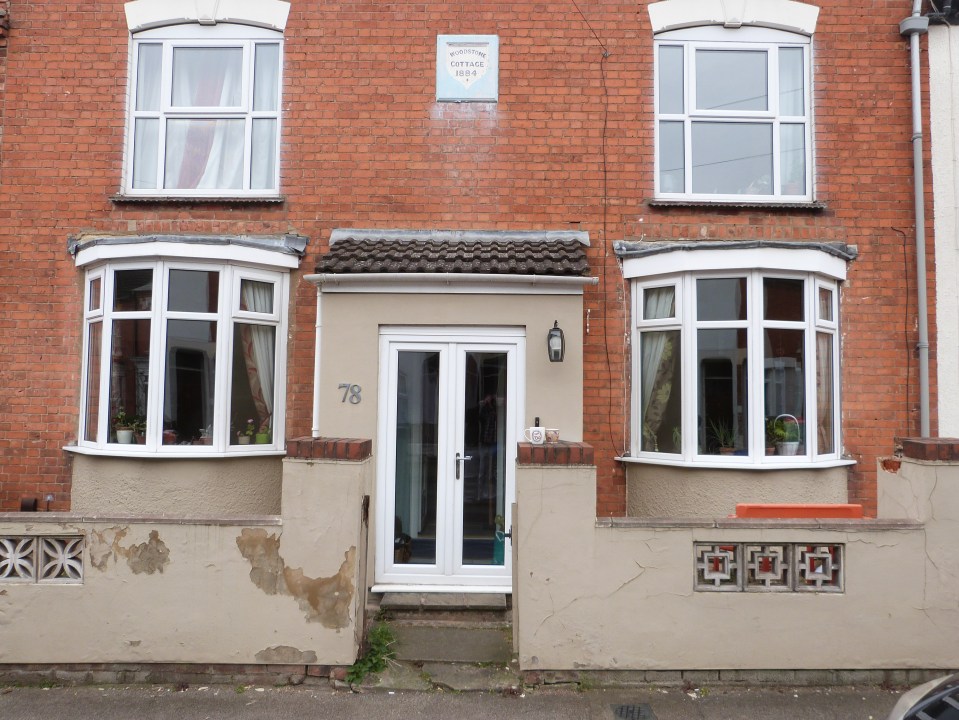
P1020964

The original front wall – built in the late 1980s/early 1990s I think, and not at all in character with the late Victorian house.

The garden itself was paved and concreted over:
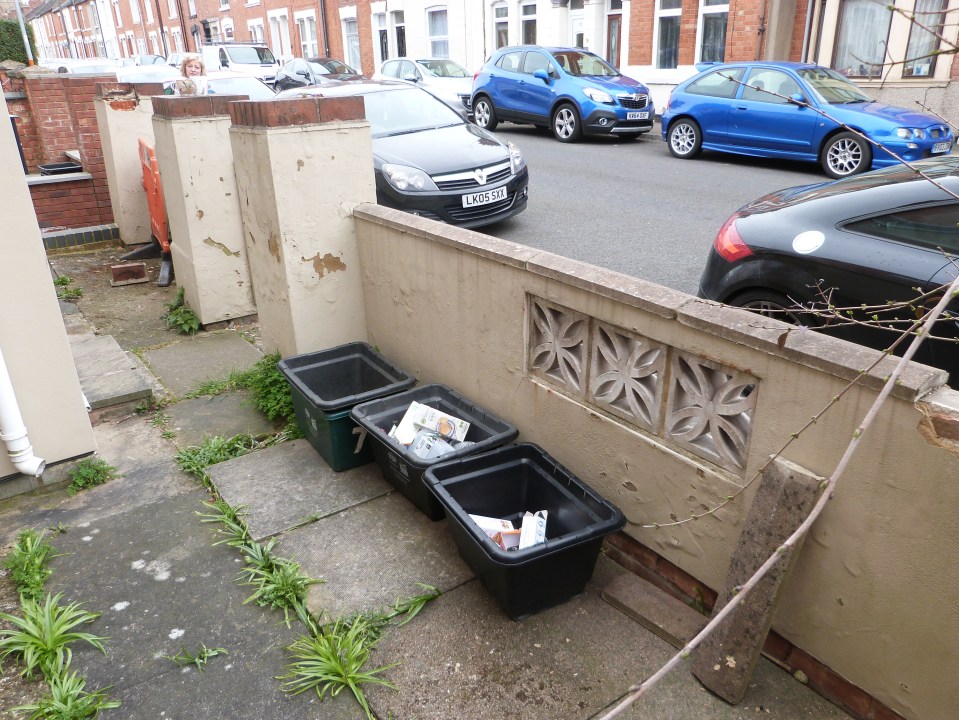
P1020962

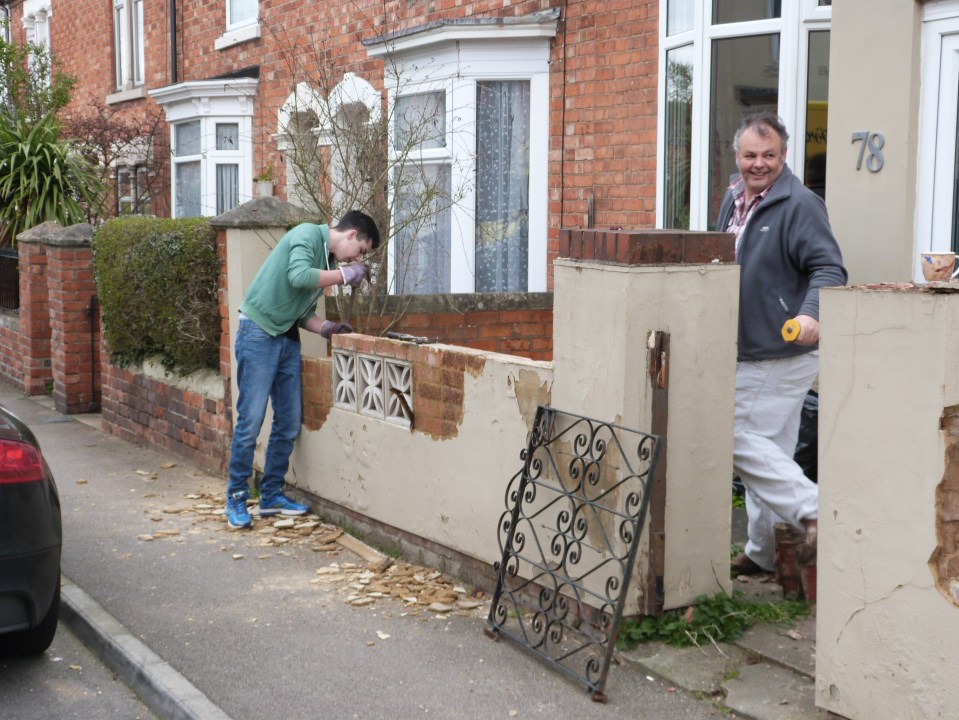
Demolition in progress!  While I supervise…..:
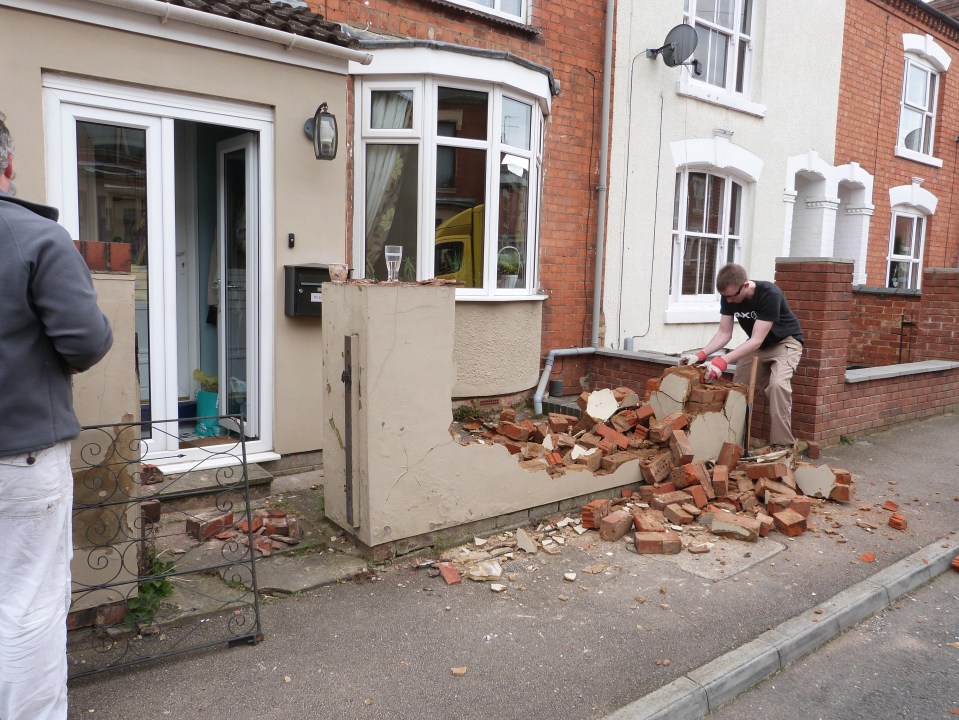
P1020968

P1020970

We salvaged what bricks we could, for other projects, and the rubble was taken to the local recycling centre to be used as hardcore.

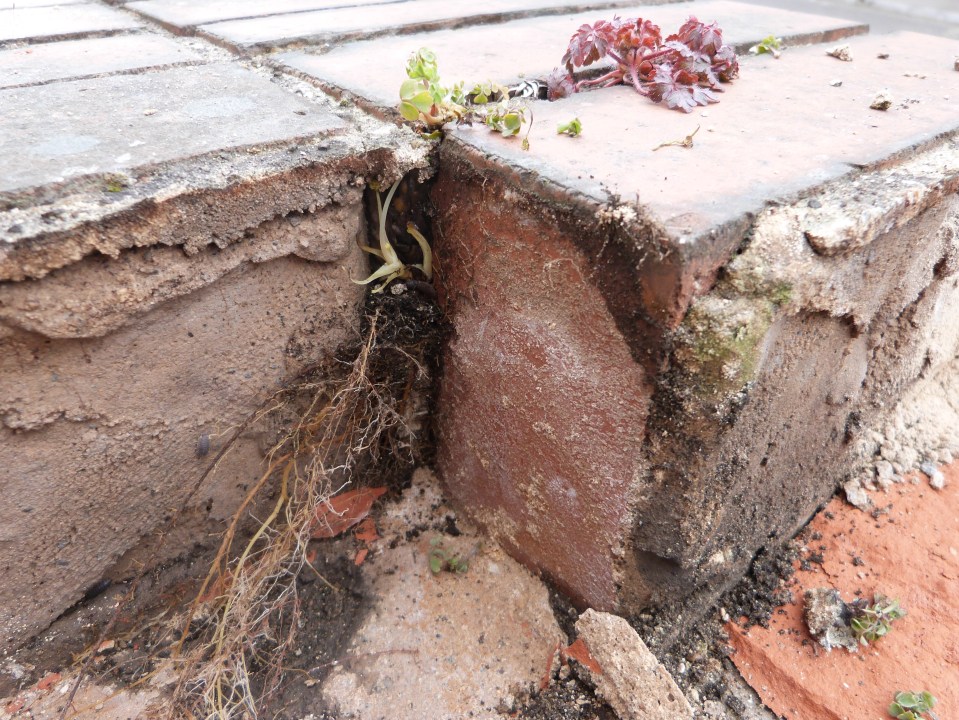
It’s amazing where plants will grow:
P1020971

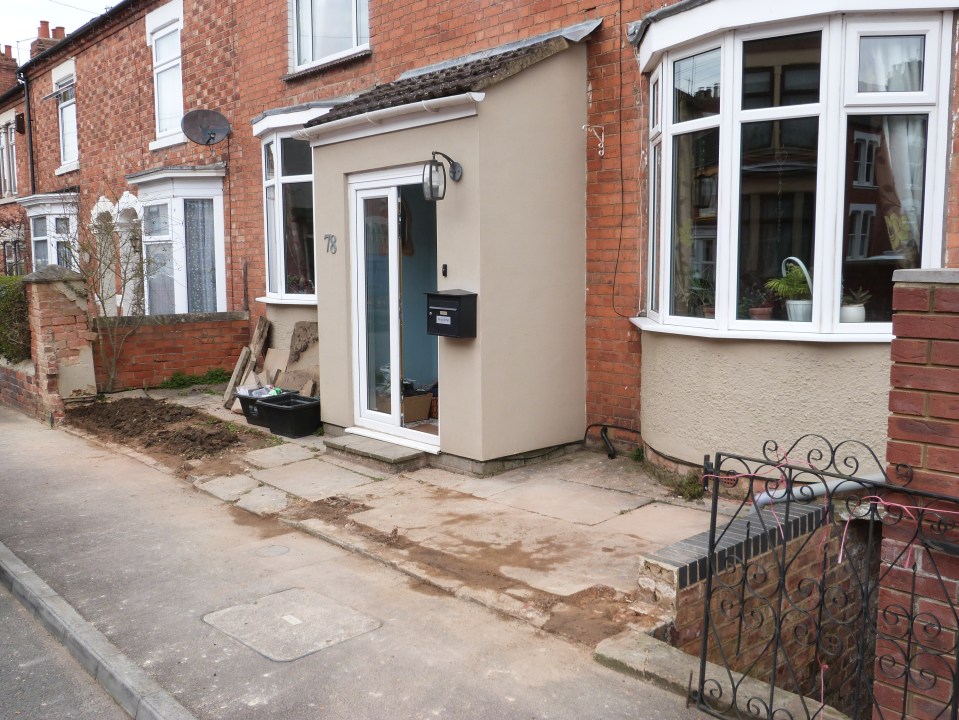
The site is almost cleared, ready for a local semi-retired bricklayer (with 56 years of experience!) to build us a new wall using similar bricks to those of the house:
P1020982

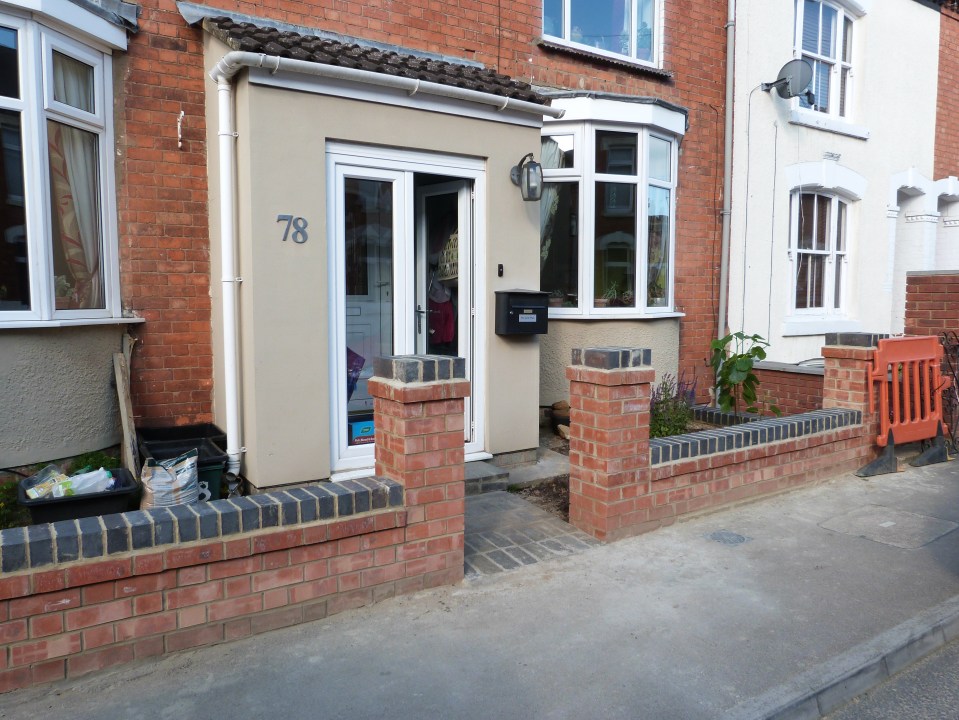
And here it is:

P1030286

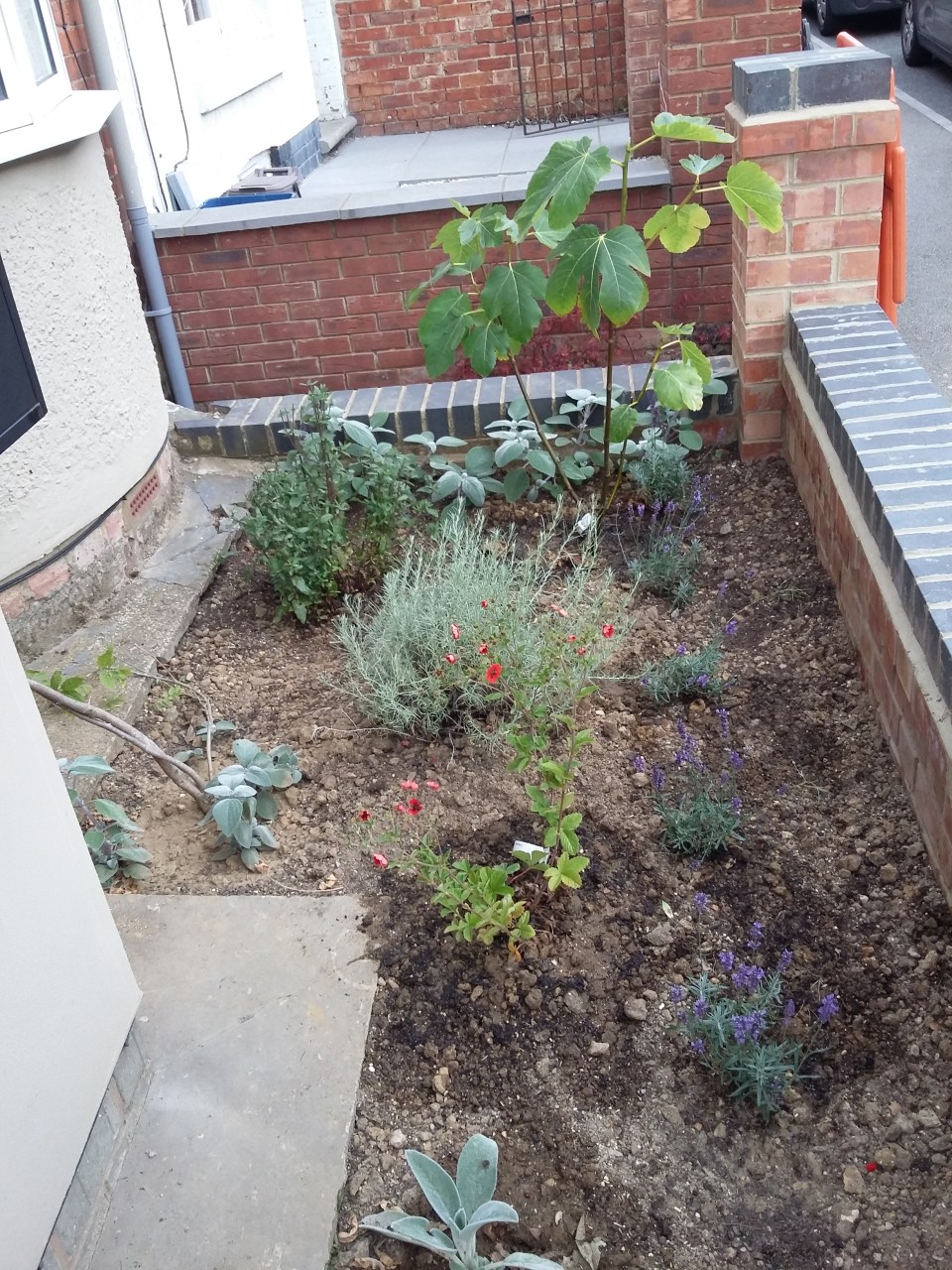
The soil in the front garden was very poor, varying from solid clay to builder’s rubble, so needed a lot of peat-free compost and sharp sand to improve it.  But finally we were ready to plant it up:
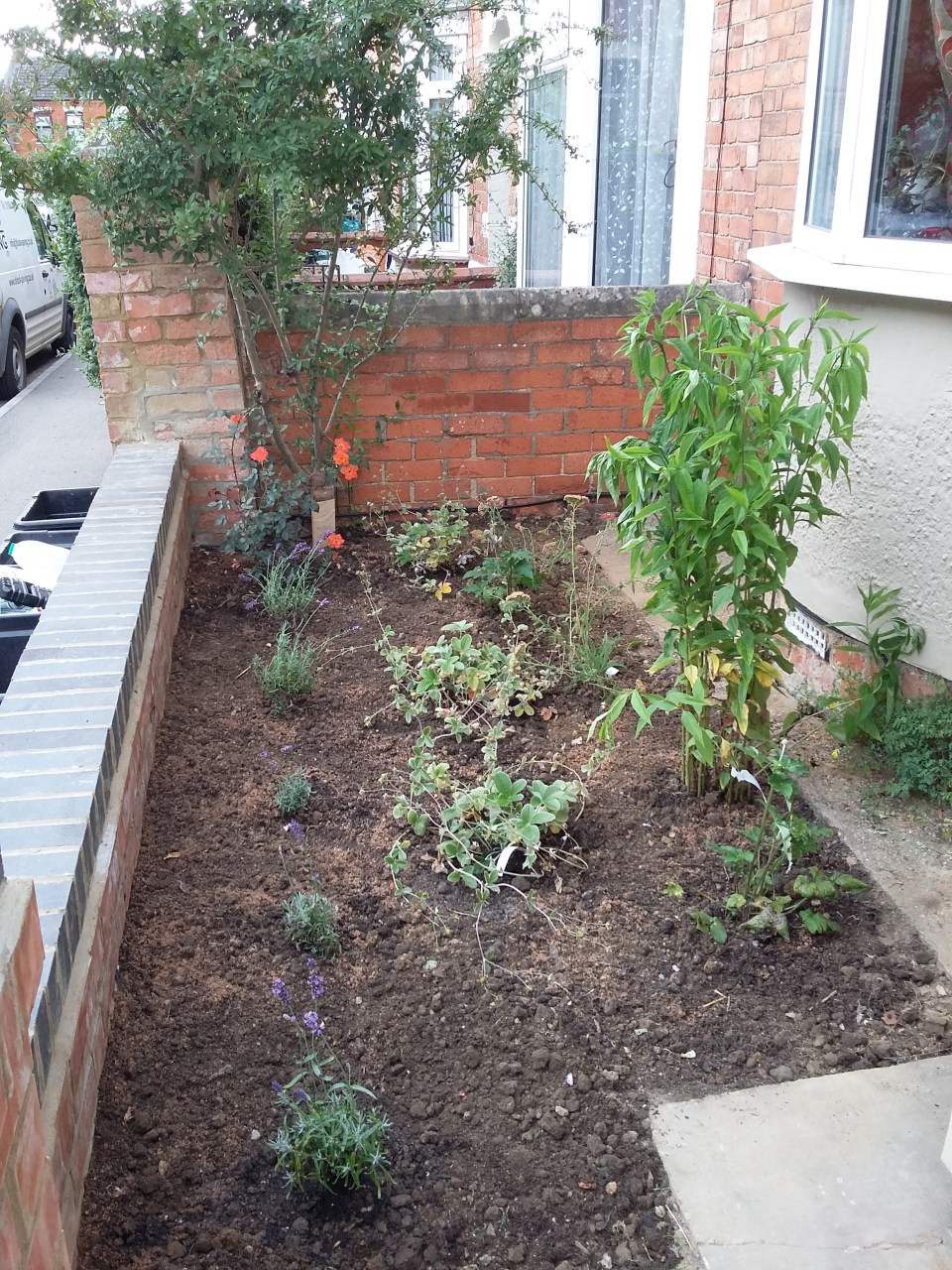
20160731_17551720160803_14024220160731_17550720160803_140249

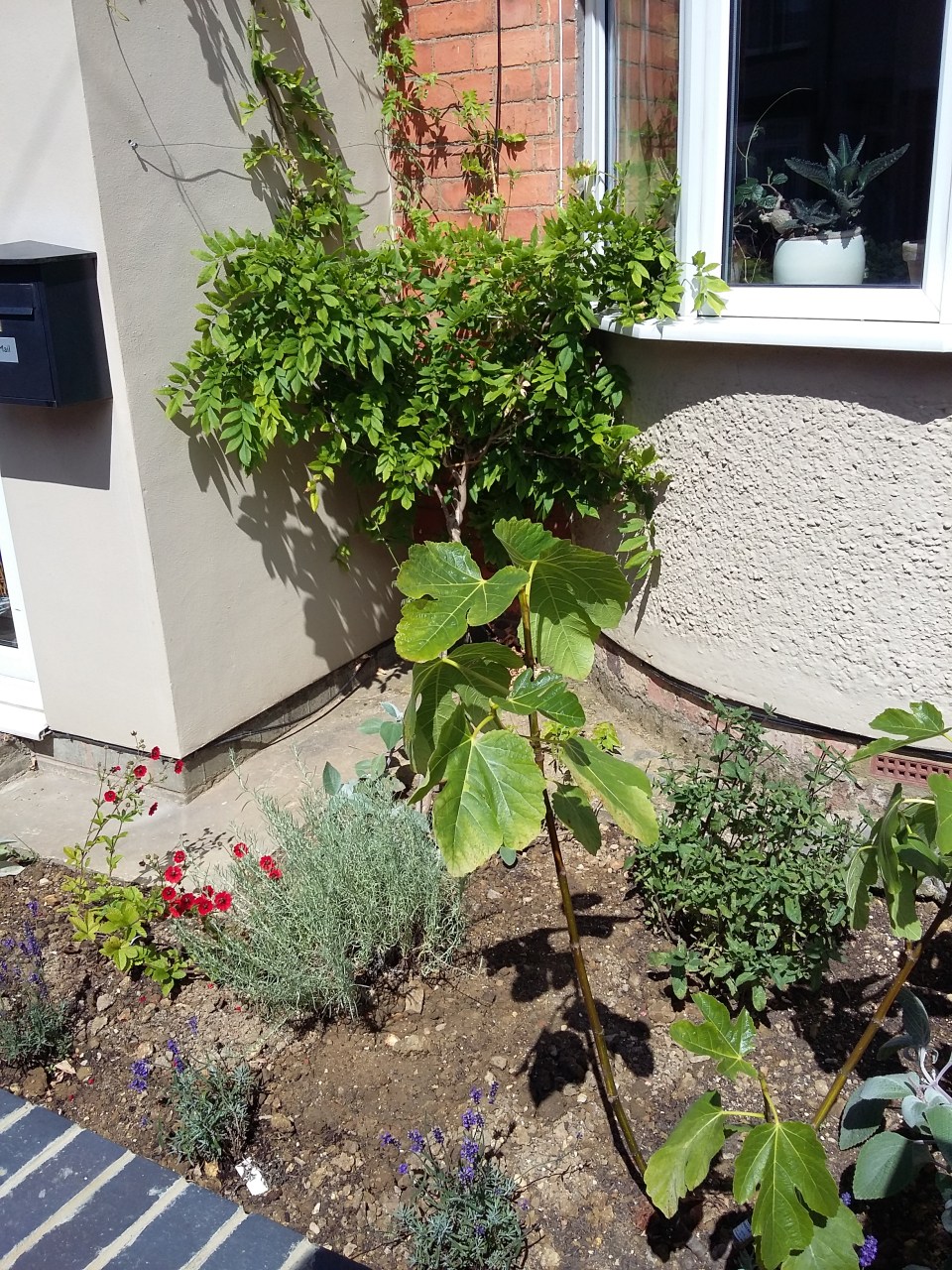
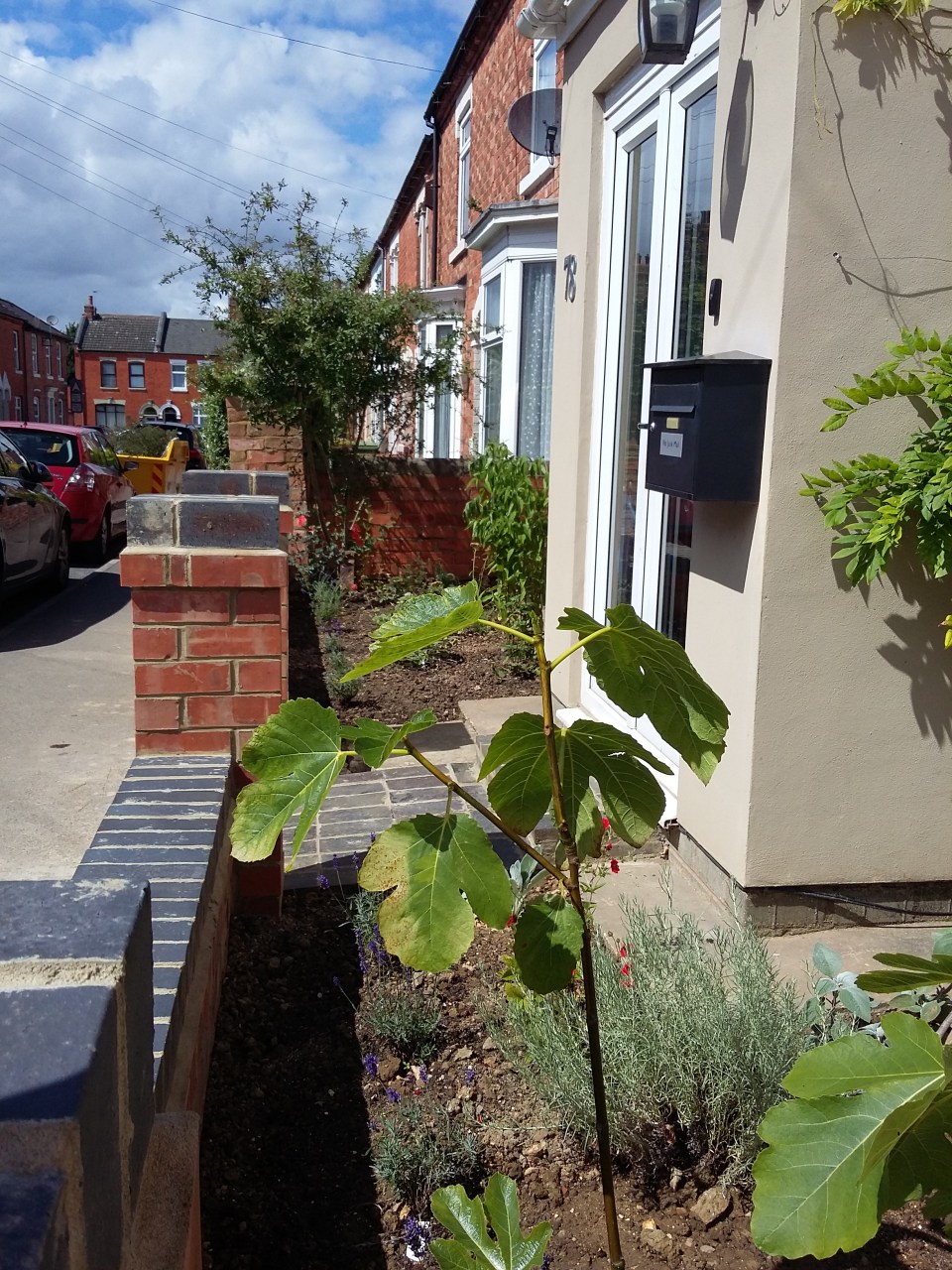
The garden is south facing so we had to choose plants that would do well in a hot, dry summer (not that we have many of those at the moment….).  It will take a year or two for them to get established and knit into a full display.  The plants are a mixture of pollen- and nectar-sources for pollinators plus things we just like – here’s the full list:

A small scrambling rose Rosa “Warm Welcome” – a beautiful, unusual colour, a very nice scent, and appropriate name for the front garden!

Lavender “Hidcote” – planted as a low hedge along the full length – even as we were putting in the plants, worker Buff-Tailed Bumblebees were visiting the flowers.

Plectranthus argentatus –  not hardy here but a lovely foliage plant, fast growing, and with flowers that bees like.  I’ll take cuttings in the autumn to keep it going.

Wisteria – this is quite a large plant that was a birthday present for Karin.  But I’ve lost the variety name so will have to try to track it down.

A fig – Ficus “Panache” – because we like figs.  The roots have been constrained in a sunken container to encourage the plant to produce more fruit and less growth.

A self-sown privet (probably Ligustrum vulgare) that was already in the front garden; we allow it to flower (rather than treating it as a hedge) as the bees love it and the black fruit can be eaten by birds.

Potentilla “Gibson’s Scarlet and “Jean Jabber” – deep red and vivid orange, respectively.

Achillea “Fanal” – also deep red and favoured by hoverflies.

Salvia nemorosa “Caradonna” – beautiful, intense purple.

Curry plant (Helichrysum italicum) because we love the smell and hoverflies love the flowers.

Japanese Anemone x hybrida “Honorine Jobert” – pure white and late flowering.

A perennial sunflower Helianthus “Lemon Queen” – likewise a late flowering hit with the pollinators.

Lamb’s Ear – Stachys byzantina – particularly favoured by the Wool-carder bee Anthidium manicatum.

There will be more to come in the near future.  Meanwhile, here’s a before-and-after shot:


“Insect pollinated” crops that don’t actually require insect pollination

Cucumber fruit 20160713_103558

Yesterday evening I learned that a large grant application that I’d submitted earlier this year had failed to secure funding.  Statistically there was a high likelihood of this happening but that doesn’t make it feel any better: weeks and weeks of work have come to nothing.

So in a mood of bloody-minded contrariness and general displeasure at the unfairness of the world I thought I’d provide an alternative to the Bees’ Needs week I mentioned yesterday by focusing on food crops that look as though they should be insect pollinated (and their ancestors certainly were) but which don’t actually require pollinators.

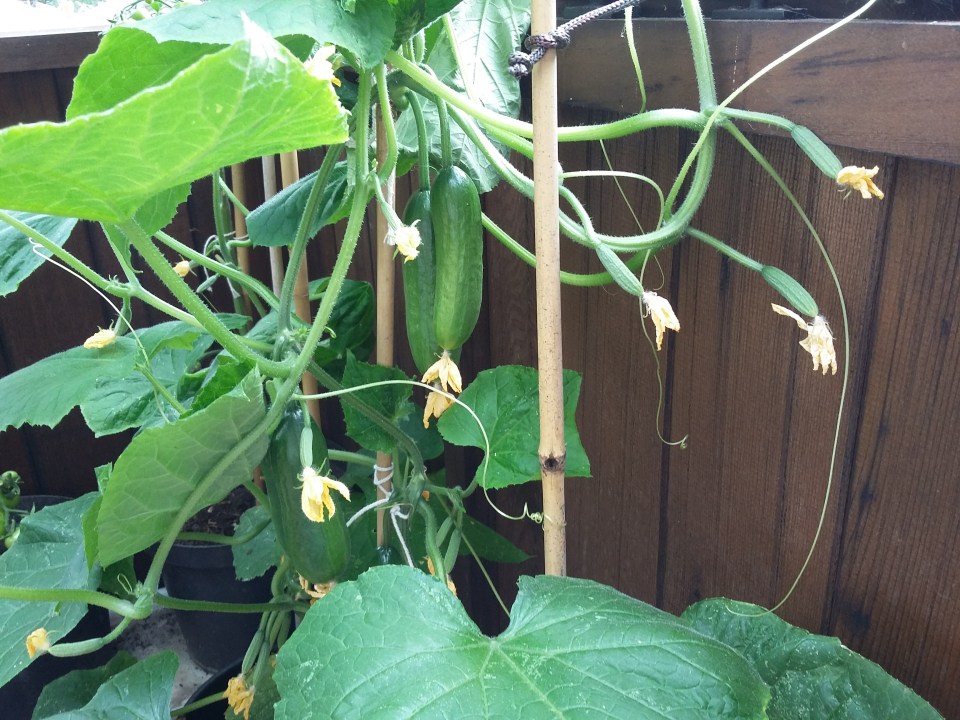
The example pictured above is an F1 hybrid cucumber (Cucumis sativus) variety called “Mini Munch”, kindly grown from seed and given to me by my friend and colleague Dr Janet Jackson.  Many cucumbers don’t need insect pollination, despite their large, colourful flowers, and the fact that related crops (melons, courgettes, squashes, etc.) generally do require pollinators.  Indeed some varieties taste bitter if they are pollinated.  I can recommend this web page on how to grow cucumbers for further advice.

As I was taking that photograph, and in another demonstration of how the world is against me at the moment, I spotted a bee feeding on one of the all-female flowers of this variety.

Megachile on cucumber 20160713_103627

It spent some time there probing the centre with its tongue, so I think these flowers still produce nectar despite them not needing pollinators, a hang-over from their ancestry.  Plants have a whole range of mechanisms that ensure reproduction without the agency of insects and other animal pollinators, and this has been exploited by crop breeders who have selected crop varieties for their ability to self pollinate or to reproduce asexually via apomixis (as in the case of this cucumber).

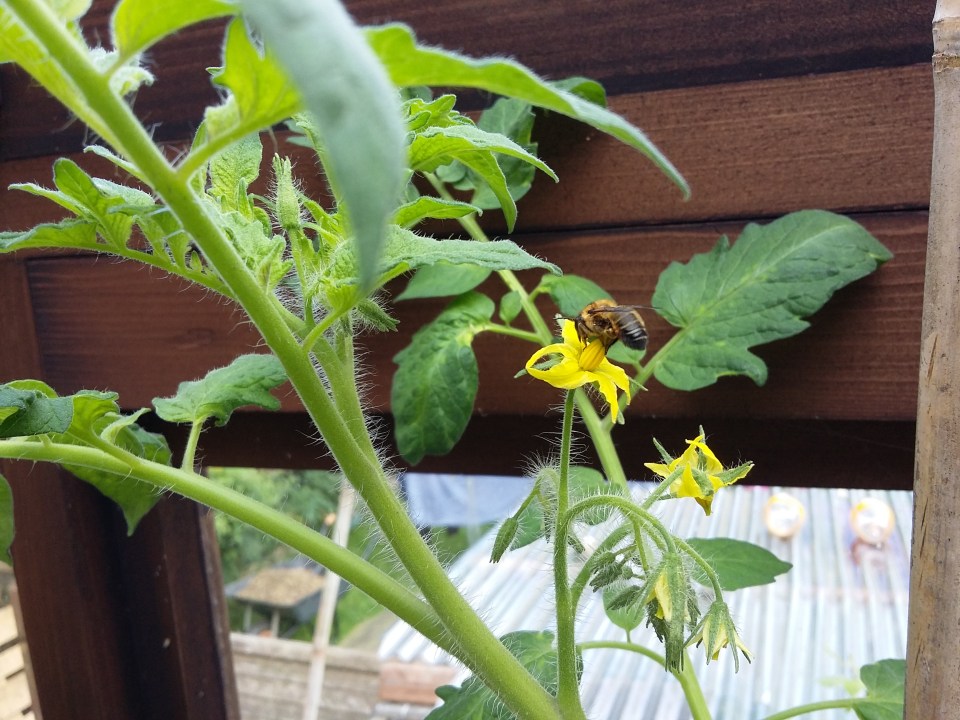
The same bee then flew onto a tomato (Solanum lycopersicum) flower (another group which varies in its demands for pollination) and I got a better look – seems to be a Leaf-cutter Bee of the genus Megachile.

Megachile on tomato 20160713_103712

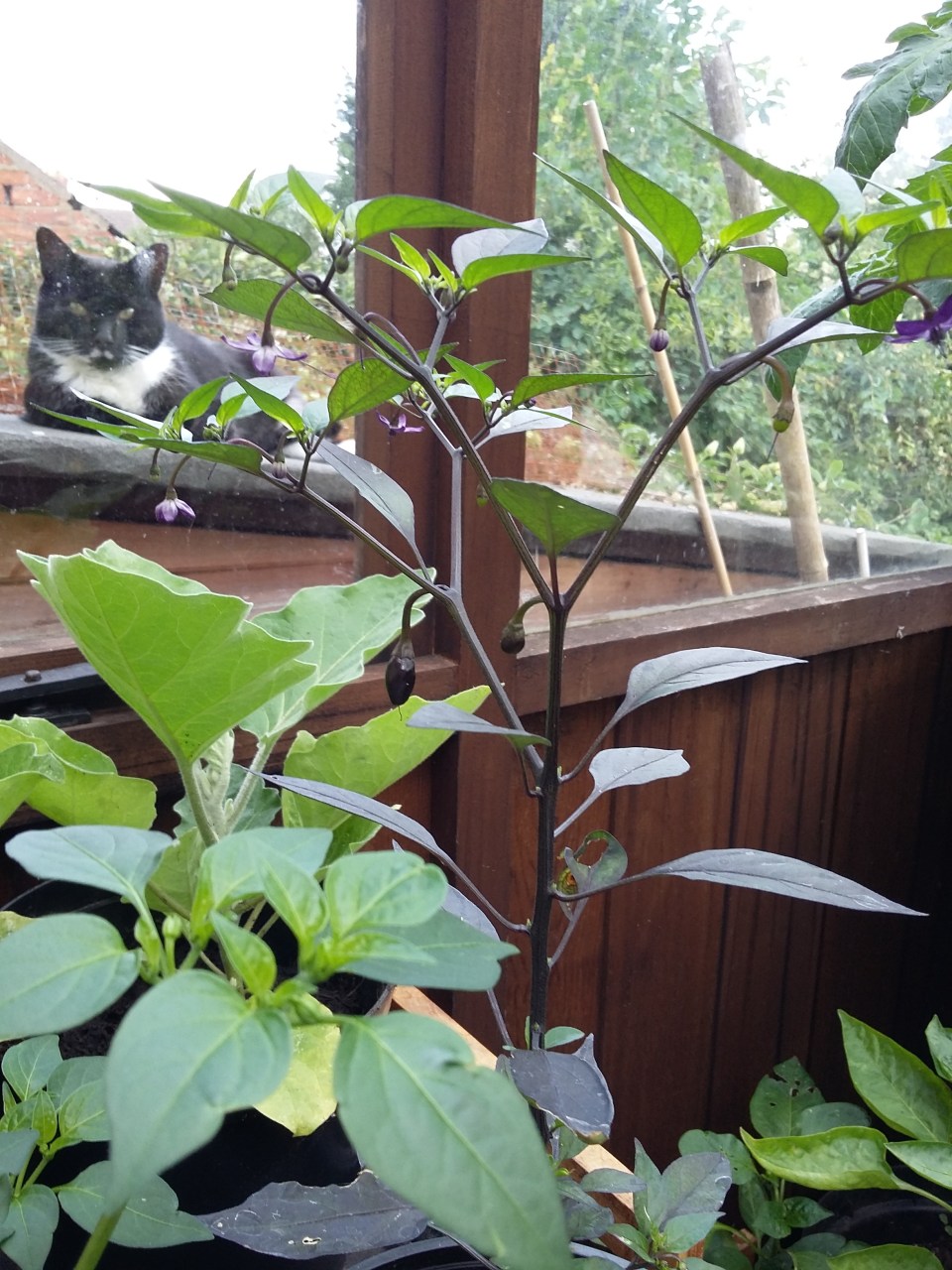
The final example of a crop which requires little or no insect pollination are the chillies (Capsicum spp.) all of which are self-pollinating, I believe.  This variety is a scrambling purple type called Orzoco*.

Orzoco chilli 20160713_102213

So, crops vary hugely in their need for pollinators and the presence of certain traits of animal pollination, such as large, brightly coloured flowers and nectar, is no guarantee that the crop really does have to be serviced by pollinators.  The only way to be certain is to experimentally test the plants, a topic I hope to come back to later in the summer.

Don’t worry, this grumpiness won’t last long, in no time at all I’ll be back to banging on about the importance of pollinators.  At least Monty, one of our two cats, still loves me.


*At least, that’s what it said on the seed packet; I’ve also seen it referred to as Orozco – does anyone know which name is correct?

Scientists and gardens

20160702_100724

This morning I tied in some tomato plants to their canes and removed a few side shoots and lower leaves,  the scent of the foliage transporting me back to my father’s allotment in Sunderland.  There, in a greenhouse constructed from old window panes, he grew luscious, sweet tomatoes, fed and watered by “filtered beer”.  It was some years before we realised that he was filtering the beer through his kidneys, which didn’t impress my mother.  Stephen King captured it beautifully when he said that we don’t buy beer, we only rent it*, and feeding tomato plants rather than flushing it down the toilet is certainly the environmentally savvy solution.  Clearly my dad was an environmentalist before his time.

These childhood allotment memories represent my first exposure to horticulture, an interest and a practise that has remained with me ever since.  I’ve always gardened and, even when I didn’t own or rent a garden, I grew house plants.  This link between scientists and their gardens is a persistent one.  For example I’ve recently finished reading The Invention of Nature, Andrea Wulf’s great biography of Alexander von Humboldt, and gardens feature several times as places of calm and inspiration for both Humboldt and his mentor Goethe.

There are many other historical scientists who have used and been inspired by the gardens they have cultivated.  Humboldt’s friend and colleague Aimé Bonpland maintained a garden during his time in South America. Darwin’s garden at Down House certainly inspired the great man, and he carried out numerous experiments on plants and earthworms there.  The University of Uppsala maintains the garden in which Linnaeus cultivated plants that he used in his teaching and research (I’ve visited this a couple of times, well worth the trip if you are in that part of Sweden).

More recently I can think of several prominent scientists in my own area of pollination ecology and plant reproduction who are also keen gardeners.  These include: John Richards (formerly of Newcastle University); Spencer Barrett (whose garden photo gallery shows the location where he did some of the work on the mating costs of large floral displays, subsequently published in Nature!); Dave Goulson at the University of Sussex; and Simon Potts (University of Reading) who (if my memory of a talk he gave a couple of years ago is correct) has experimental plots set up on his lawn.

There must be many others and I’d be grateful for other examples – please comment below.  All of the individuals noted above are “biologists” in the broadest sense so I’d be particularly interested for suggestions of scientists in other fields who are also gardeners, or inspired by gardens.

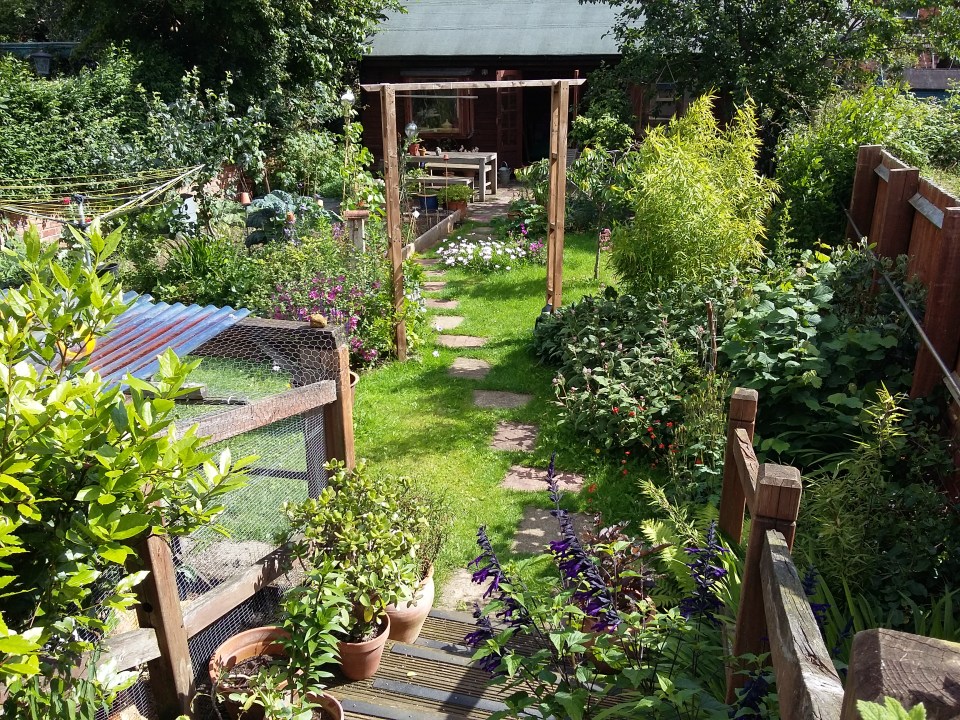
The garden that Karin and I are developing in Northampton (pictured above) serves many functions: as a centre of quiet relaxation, a place to write, to be inspired by the pollinators and their behaviour, to enjoy physical labour, grow food, and (occasionally) to collect data.  I cannot imagine being a scientist without a garden; as Francis Bacon said, “it is the purest of human pleasures”.  However he was writing in the 16th century before the advent of pesticides, herbicides, inorganic fertilisers, electric mowers, and other gardening modernities that, one way or another, can have a profound environmental impact.  Good gardening must be tempered with a sense of how we go about those activities in a way that minimises that impact.


*I first read it in King’s novel From a Buick 8, but a quick google suggests that it was originally an Archie Bunker line.

How to deal with bumblebees in your roof [UPDATED]

Bombus hypnorum

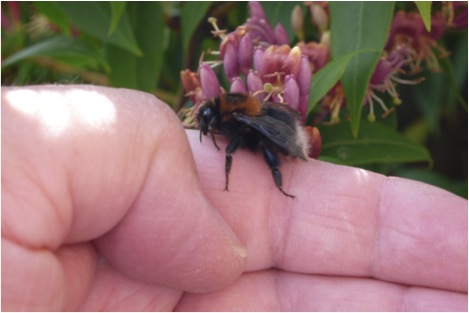
This week I’ve had two enquiries from colleagues at the University of Northampton asking advice on what to do about colonies of bumblebees that have set up home in their roofs.  In both cases these were nests of the Tree Bumblebee (Bombus hypnorum), a species that only colonised the British Isles in 2001 and has since spread rapidly (see this post from last year for a more detailed account).  Because of their association with human settlements they are significant pollinators of garden produce: over the past few weeks I’ve been watching them pollinating the raspberries in our garden and we now have a large crop.

But having a bee nest in your home is, for many people, a real concern.  I thought it might be useful to discuss the issue by quoting from the email correspondence I had with my first colleague, Paul.


Paul wrote:   I wonder if you can give me some advice. I returned home from holiday on Saturday to find that a colony of bees had taken up residence in a roof space above my front porch. The bees are not domestic honey bees but large bumblebees with white rears. I am not sure how many there are, they buzz furiously when I close the door…..  They are not in the house and I cannot see them from my loft…..so they are not causing a problem at the moment other than a moderate dead rabbit smell in the porch.

I am considering contacting the local council pest controllers, but fear they may just gas and kill them as they are not honey bees. What would your advice be, would it be safe to leave them alone, if so how long are they likely to stay, how large is the colony likely to become, are they likely to cause any damage or mess?

Here’s my response:   From your description they are almost certainly Tree Bumblebees which often use loft spaces, bird boxes, etc. As the name suggests they naturally nest in holes in trees. The colony is not likely to get much bigger though over the next few weeks you may find males patrolling the front of the nest, waiting for the virgin females to emerge so that they can mate. That sometimes makes the colony seem larger than it actually is – there are not likely to be more than about 150 bees in there.

I’ve had Tree Bumblebees in my roof a few times and they’ve never caused any damage. All bumblebee colonies die over the winter and the newly-mated females fly off and hibernate. So by late August or September (perhaps earlier if the weather ever gets warmer….) the bees should have gone. At that time you could seal the entrance to the roof space, though they are unlikely to return next year (although it’s not unknown).

Yes, a pest controller would kill the colony. But they are unlikely to be aggressive unless you stick your fingers in the nest hole! My advice is to let them be and take pride in your own bee colony – they are very discerning and don’t nest just anywhere 🙂


So there you have it: my advice is, leave them alone.  Of course if you or your family have a particular sensitivity to bee stings you may need to think carefully about this advice, but in my experience bumblebees are only aggressive if they feel directly threatened.  In over 25 years of field work focused on bees and other pollinators, I’ve only ever been stung a few times, and mainly by honey bees.

UPDATE: A commenter on Facebook had a great suggestion, that I provide a link to Dave Goulson’s nice little video showing what the inside of a bumblebee nest looks like – so here it is.


Pollinators, yeast, and the BES at RHS Chelsea – official press release

P1030210

The official press release for this week’s British Ecological Society display at the RHS Chelsea Flower Show, which I talked about last week, was embargoed until this morning; here’s the full text that’s been tailored by the University of Northampton press office:


Scent, colour and form all shape the choices we make about what to plant in our gardens. Gardeners know that flowers produce nectar and scent to attract the birds, bats, insects and other animals they rely on as pollinators, but few realise that organisms too small to see with the naked eye also play a vital role in this process.

Ecologists have discovered that a yeast called Metschnikowia plays a key part in the pollination story and next week, for the first time, visitors to the RHS Chelsea Flower Show will be able to get a sniff of it and see how it looks under the scanning electron microscope.

The yeast forms part of the British Ecological Society‘s Animal Attraction: The garden and beyond display, which focuses on the relationships between plants and their pollinators – relationships that are amazing in their diversity as well as crucial to global food security. The University of Northampton’s Professor of Biodiversity, Jeff Ollerton, has been advising the British Ecological Society on the project.

Metschnikowia is ubiquitous, present in most flowers in most gardens, yet ecologists are only just beginning to uncover its mysterious role in pollination. The yeast is studied in only four laboratories in the world and Dr Manpreet Dhami from Stanford University has donated the yeast for the British Ecological Society’s garden.

Like other yeasts, Metschnikowia may produce volatile chemicals that mimic the scent flowers use to attract pollinators, thus helping the flower to attract more pollinators and therefore set more seed. In return, the yeast becomes attached to birds, insects and other pollinators, which it relies on for dispersal.

Professor Ollerton explained: “It was a pleasure to work with the British Ecological Society on this project as it highlights two important points about the natural world: that pollinators other than bees are just as important to both wild plants and crops, and that the diversity and abundance of many of these groups is declining worldwide.” Professor Ollerton’s recent study, published in Science, found that 23 species of British bees and flower-visiting wasps have gone extinct since the 19th century.

According to Jessica Bays of the British Ecological Society: “To tackle this decline, we need to understand its causes, including climate change, habitat loss and pesticide use, and we also need to understand the role played by yeasts such as Metschnikowia, which is why we decided to bring it to Chelsea this year.”

Tickets are still available for the RHS Chelsea Flower Show 2016 – for more information click here.

A bee in a hurry, a plant at its leisure – for Biodiversity Day 2016

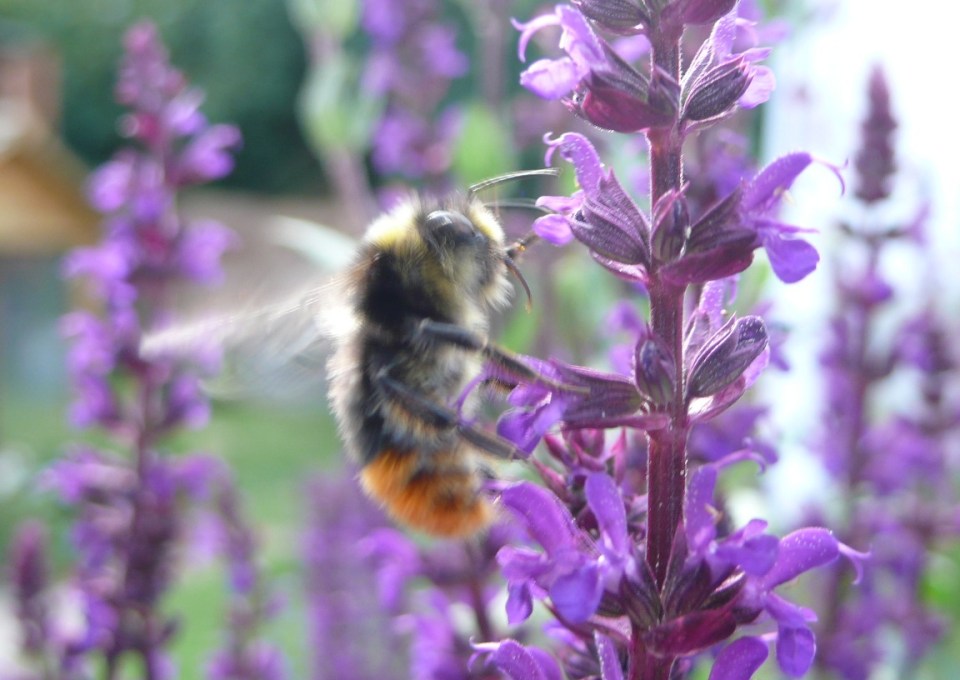
Male B lap on Salvia cropped P1120309Happy Biodiversity Day everyone!  In celebration I thought I’d share with you my entry for this year’s University of Northampton Images of Research competition, the winners of which have just been announced (I wasn’t one of them, but congratulations to those who were).

Here’s the text I wrote to accompany the image:

Sometimes it’s difficult to photograph fast-moving bees, but this blurred image of a male Red-tailed Bumblebee (Bombus lapidarius) captures something of the essence of why plants use pollinators such as bees. Plants are static and cannot go searching for mates, so they sit and wait and use pollen vectors to move their male gametes to the flowers of other plants of the same species. Sometimes this involves wind or water currents; but for most plants this means using animal pollinators.

The bumblebee has been caught with its tongue extended, having just loaded up on nectar to fuel its search for virgin queen bumblebees with which to mate. The plant is a cultivated salvia variety growing in my garden: some of my research group’s work has involved studying pollinator diversity in urban and rural gardens, with a view to understanding the role of these artificial environments for conserving pollinators.

Connecting with Nash, connecting with “nature” – reflections on a recent discussion

20160520_114753

Last night I took a trip up to London with my long-time friend and sounding board Barry Percy-Smith (Professor of Childhood and Participatory Practice at the University of Huddersfield) to watch Graham Nash being interviewed and playing music for a recording of Radio 4’s Mastertapes series.  Regular blog readers may remember that we did the same thing a couple of years ago when Nash’s compadre David Crosby did a similar recording, which I wove into a blog post.

Although I had no intention of using the Nash gig as a jumping-off point for a post, walking through Maida Vale yesterday evening, looking for a good pub, I was thinking about a discussion that’s going on over at the Ideas for Sustainability blog called “Is connection with nature an oxymoron?“.

The discussion centres around a very interesting recent paper by Robert Fletcher in which he argues that “a sense of separation from “nature” is in fact paradoxically reinforced by the very environmental education and related practices employed to overcome it“.  I’d recommend that you read both the paper and the blog post, with comments: there are a number of points raised on Ideas for Sustainability, including whether or not “oxymoron” is the correct term to use here and, more importantly, that Fletcher’s paper has a very narrow frame of reference in terms of how it’s critiquing “connecting with nature”.

But in addition I think that there’s a point to be made that no person on the planet (unless they have been kept in a sealed, sterile, environment their whole life and fed artificial food supplements) is actually “disconnected from nature”.  Directly and indirectly we are all of us connected with non-human life and landscapes, whether we are aware of it or not – and most of the time we are not – via the food we eat or just the subliminal perception of the commonplace wildlife and horticulture that you can see even in the most urbanised of environments.

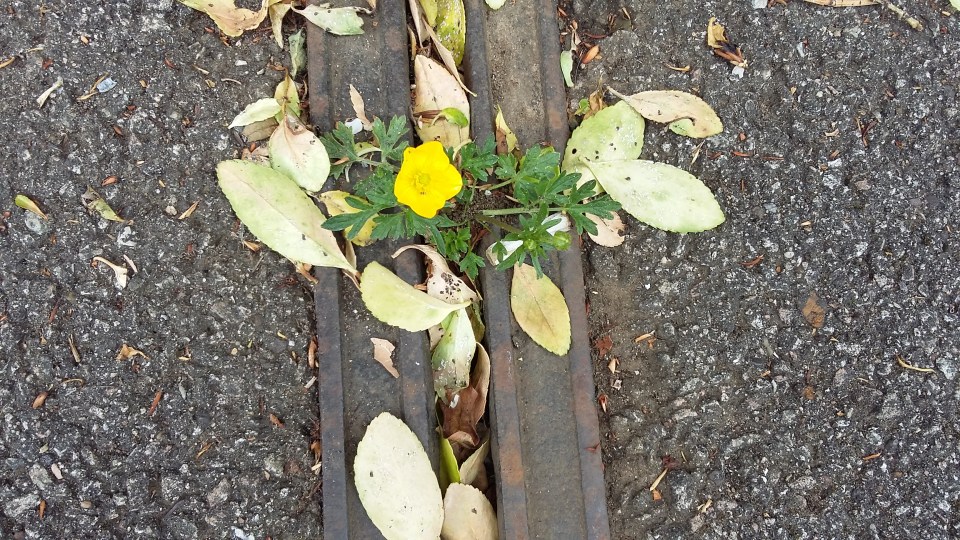
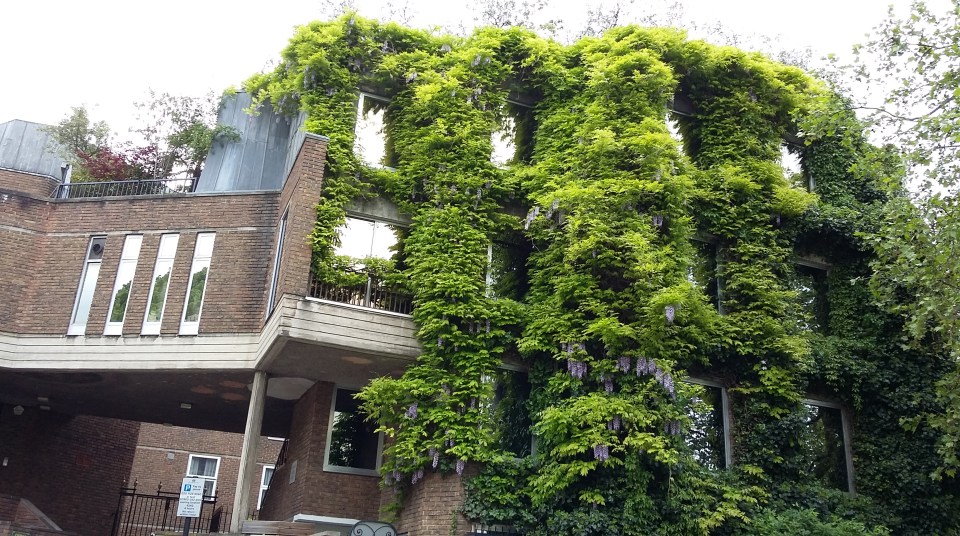
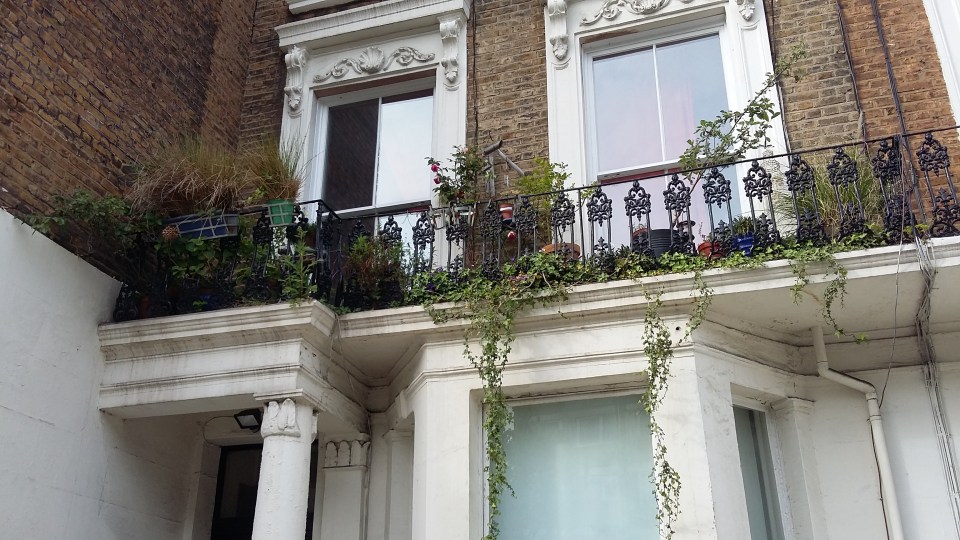
During our pub quest through what is a very built-up part of London – a city synonymous (at least in the UK) with the idea of disconnection from nature – I was seeing non-human life everywhere: plants were growing in the most inhospitable of places (see the images below of a large wisteria covering most of an apartment block, and a proudly tended balcony of plants in pots); large gulls were crying overhead; house sparrows were chirruping in gardens; “weeds” were popping up in the most unlikely spots.

20160520_162101


20160520_174521

Yes it’s common-place stuff, and yes much of it is anthropogenic, but that doesn’t make it any less “nature” or lessen our connection with it. The real question for me is about how many people actually perceive this, either consciously or subliminally. I suspect there’s far more of the latter than the former, but that if the non-human elements of “nature” were removed from even the most built-up parts of large cities like London, that people would notice and respond negatively to its removal.  Perhaps rather than trying to reconnect people with some idealised view of “nature” that is separate from their usual existence we should actually be encouraging (“teaching”?) them to think about the non-human life that they encounter in their daily lives, a process that ought to start at an early age.

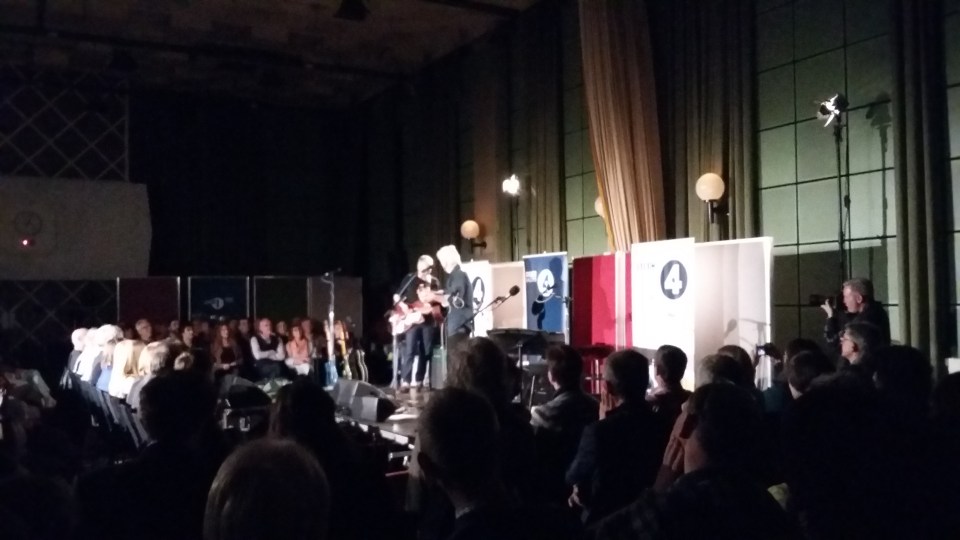
On that note it seems appropriate to sign off with one of my favourite Graham Nash songs – Teach Your Children. – and a bad photo from the gig.

20160520_190405


Pollinators at RHS Chelsea Flower Show

20160518_114732

Pollinators, as regular readers of this blog will know, are diverse and important, both ecologically and agriculturally.  But that diversity is declining and it’s an issue that deserves greater publicity and action.

To that end, for the past eight months I’ve been advising a team from the British Ecological Society (BES) on the content for a display at the RHS Chelsea Flower Show which is running all next week.  The display is called “Animal Attraction: The Garden and Beyond” – if you follow that link you’ll get a sense of what the display is all about, but in essence there are three key messages that the BES is trying to get across:

  • Celebrating the diversity of pollinators (not just bees!) both in the UK and globally.
  • Flowers have evolved many different ways of attracting and rewarding pollinators, leading to the fantastic diversity of floral form that gardeners appreciate.
  • Planting a diversity of flowers in your garden can only be a good thing for helping conserve pollinator populations.

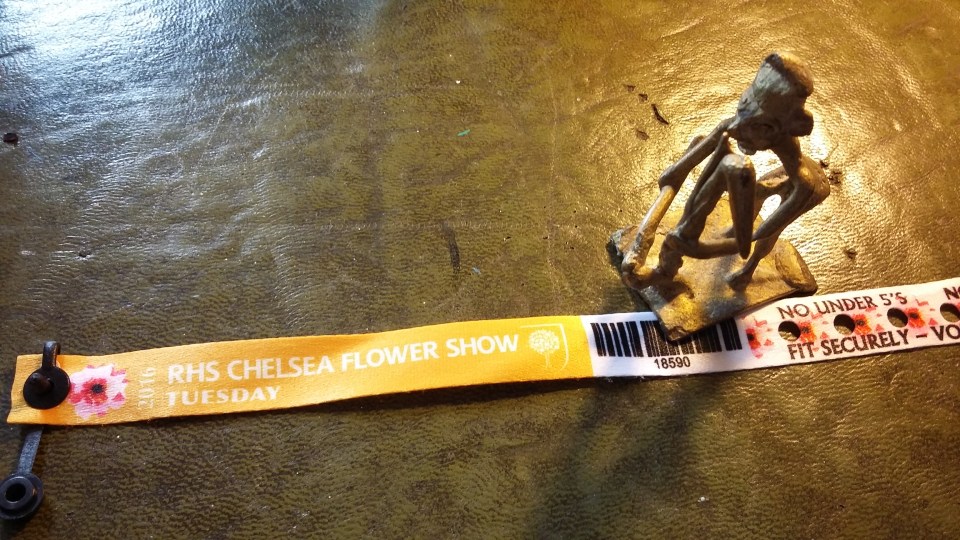
As you can see from my wristband, I’ll be helping to staff the stand all day Tuesday 24th May, so if you’re at the show come and say hello and take a look at what the BES team has produced.