Category Archives: Ecosystem services

Who is feeding the honey bee bullshit machine?

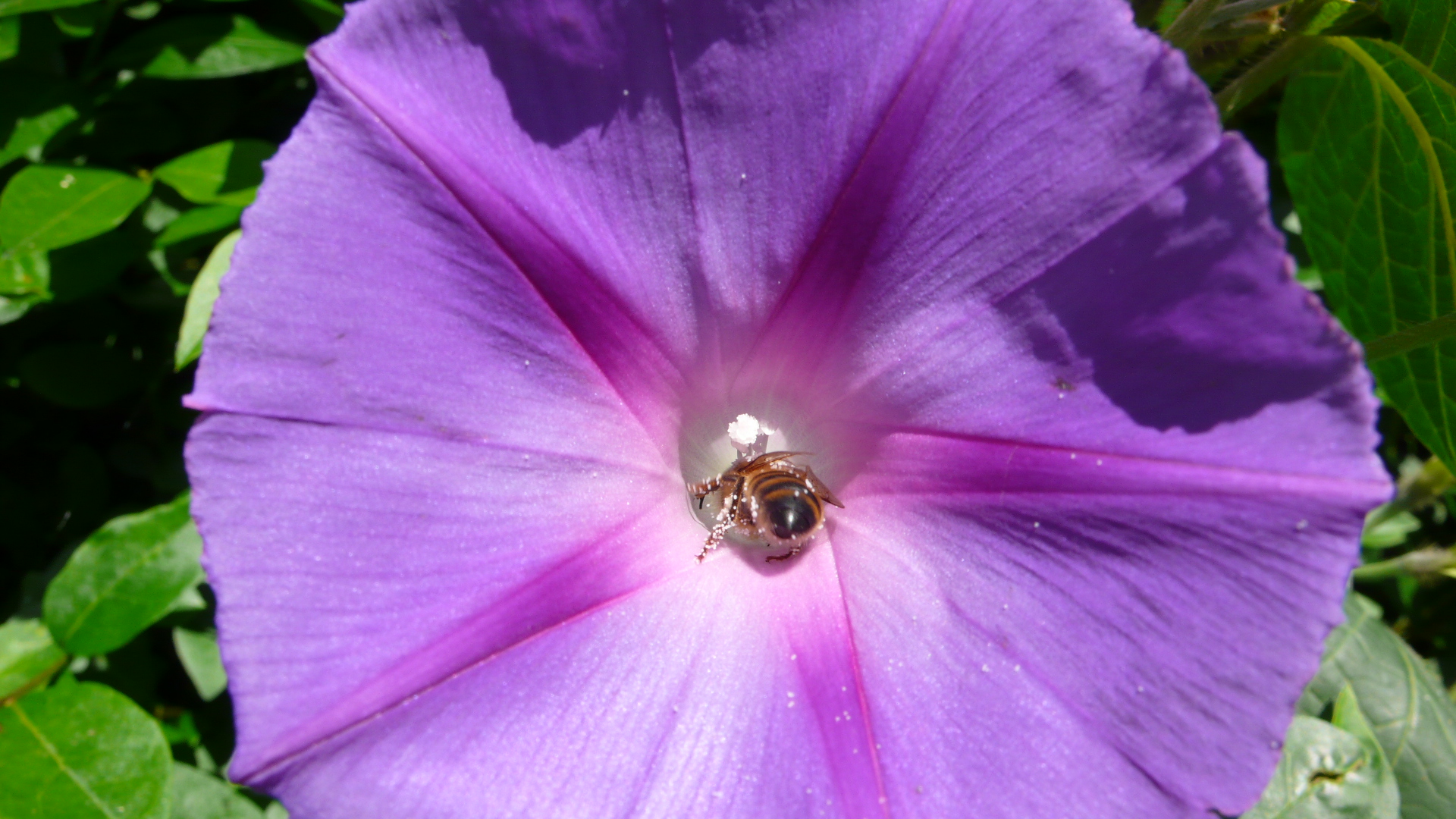
Bee on apple blossom 2 - 1st May 2015

This morning I received an email from Public Policy Exchange (PPE) inviting me to a conference in London in November entitled “Biodiversity and Local Partnerships: Halting the Decline of the Honey Bee in the UK

The opening statement on the website and the official flyer convinced me that the organisers have been misinformed; all of it is wrong:

Healthy honey bee populations are vital to food and crop production, and the natural environment. In the UK, honey bees are responsible for 80% of pollination, and a third of the food we eat is pollinated by bees.”

Where are they getting this  information from?  Who is feeding organisations like the PPE this kind of bullshit?  Is it bee keeping organisations?  I’d really like to know.

Honeybees are responsible for only one third of the crop pollination in the UK (Breeze et al. 2011), and a very small proportion of the wild plant pollination. Wild bees, hoverflies, butterflies, and other pollinators are much more important than honeybees, and collectively they are responsible for this pollination, not just managed honeybees.  No one is denying that honey bees are important, but there is absolutely nothing to gain (and a lot to lose in terms of science credibility) by over-playing their importance, as I’ve argued in the peer-reviewed literature.

It’s not as if this is the only recent example, The Daily Express online has recently been equally ignorant of the facts, and didn’t even get the right bee in the accompanying image.

It’s interesting that the PPE website also uses the infamous not-Einstein quote, though they cite the author as “unknown”.  With good reason, because that’s bullshit too.

I won’t be attending the conference.

By lifting the restriction on the use of neonicotinoid pesticides Defra throws a (bee) brick at its own National Pollinator Strategy

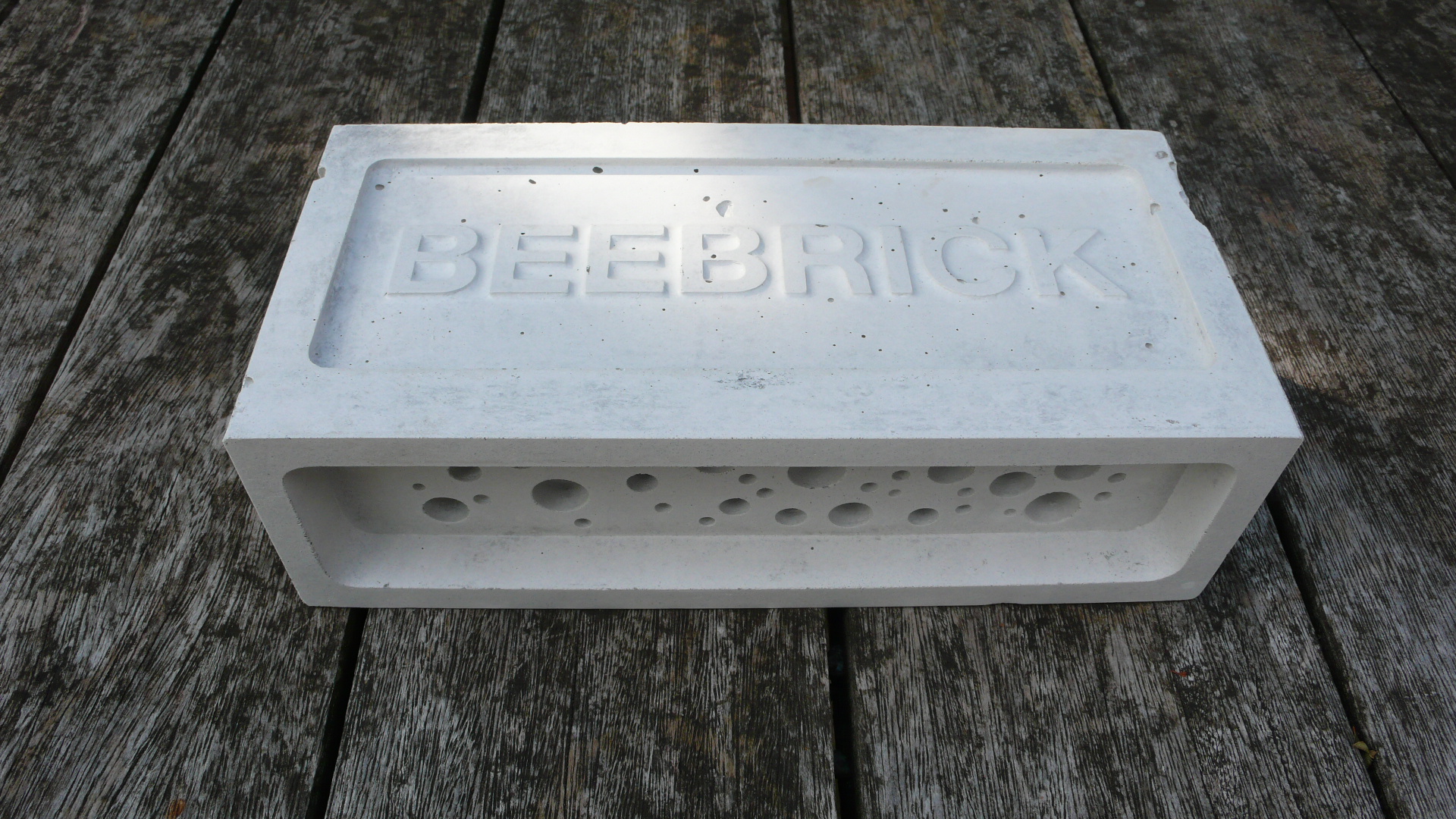
P1120353

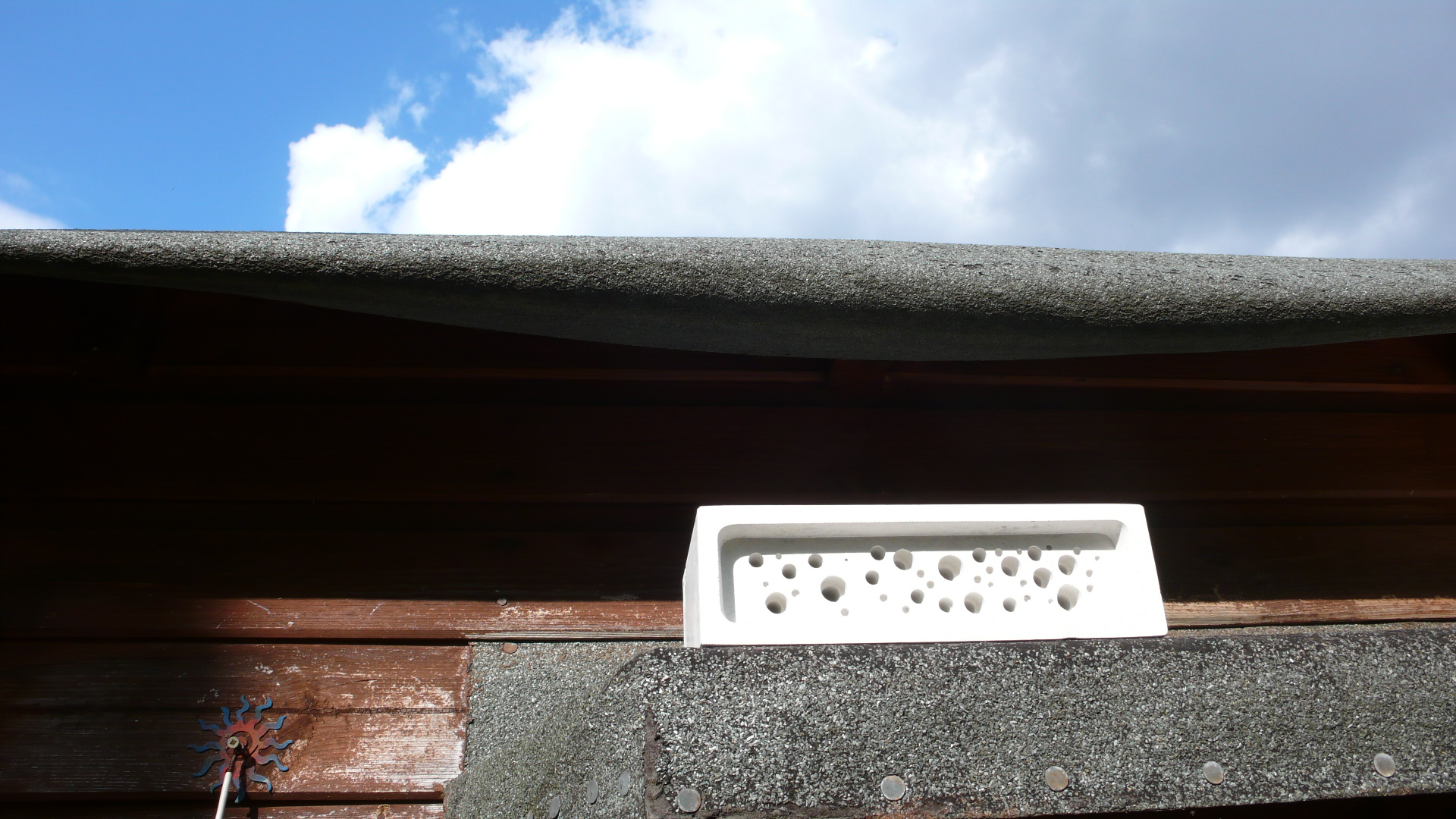
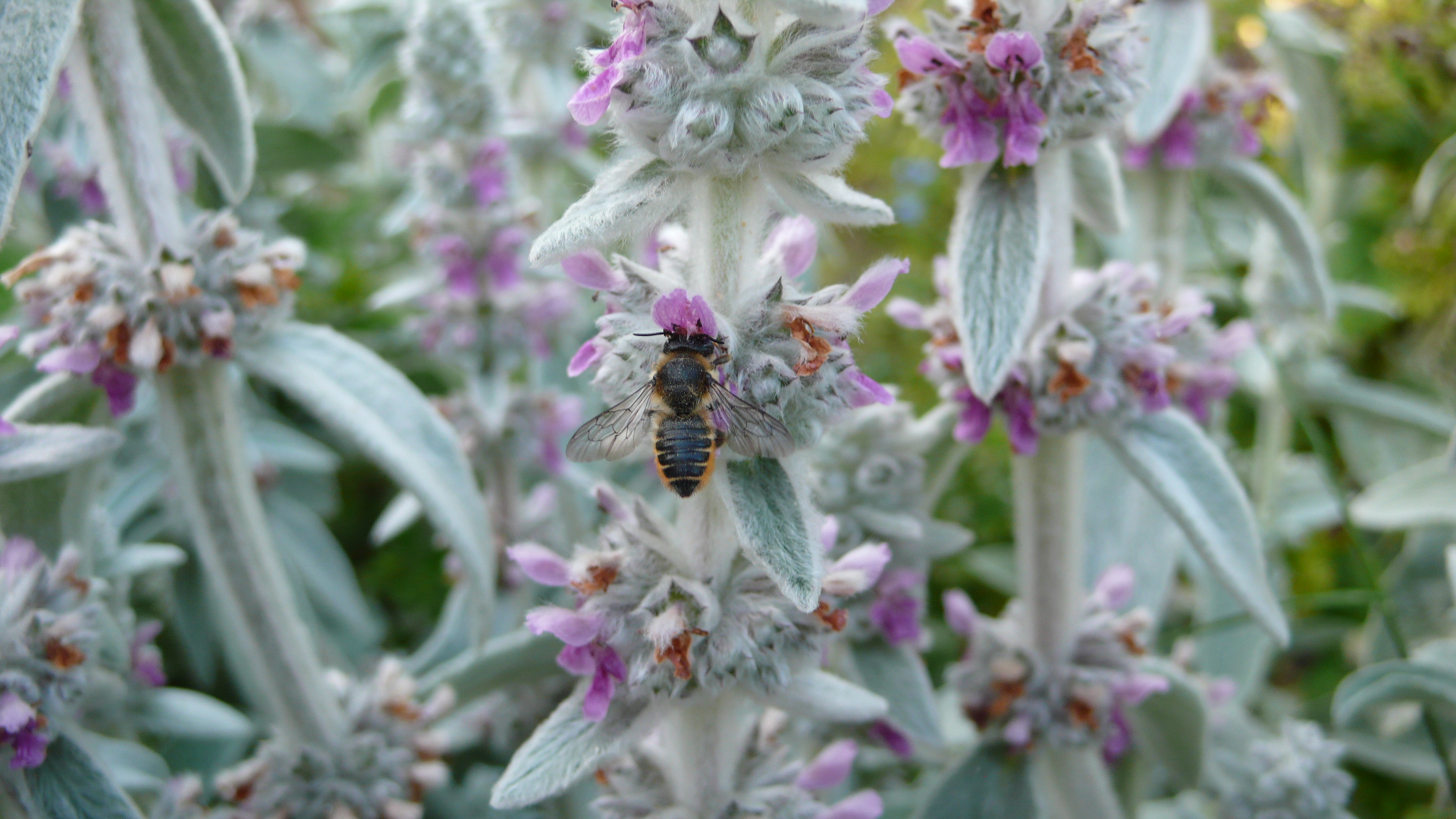
Yesterday a brick arrived in the post.  Not just any brick, but a Bee Brick, designed by the Green&Blue company in Cornwall as an architectural addition that can provide habitat for cavity nesting solitary species such as the Patchwork leaf-cutter bee that I discussed during Pollinator Awareness week.  A representative of the company recently got in touch, after having read my blog, and asked if I’d like a sample to try out in the garden.  In the absence of any planned wall building I’ve placed it a couple of metres up on the flat top of a south facing summer house window.  It’s probably a bit late in the season to attract any nesting solitary bees this year, but we’ll see; expect a report back from me at some point.

I had actually encountered the Bee Brick earlier this year at the Chelsea Flower Show which Karin and I attended as a 50th year bucket-list day out.  It was ok, I enjoyed it, the plants and (some of) the gardens were great.  But it was too busy, too expensive and too full of ostentatiously wealthy people for my tastes.

As if to serve as a counter-point to all the good work being done during Pollinator Awareness Week and by companies such as Green&Blue, came the recent news that Defra has agreed to lift the restrictions on use of two neonicotinoid pesticides on oil seed rape across a “limited” area in the east of the country.  It will apparently apply mainly to Suffolk, and cover an area of about 30,000 hectares.  That’s 5% of the UK’s oil seed rape crop.

The decision was made at the behest of the National Farmers Union, and seems to make no farming sense whatsoever given that nationally yields of oil seed rape have not been affected by the restriction on neonicotinoids, with the harvest this year looking to be above average.   Not surprisingly the decision has drawn furious fire from a range of environmental organisations including Buglife and the Wildlife Trusts. Meanwhile Friends of the Earth have threatened legal action, a move prompted by the fact that the Government has refused to allow its independent advisors to publish the details of the decision, including how it was made and what was discussed.

Aside from the lack of transparency, what particularly worries me is that this decision opens the door to further use of these restricted pesticides over the next 12 months, on a region by region basis, until we are back where we were prior to the restrictions being imposed.  The two year restriction on use of neonicotinoid pesticides comes to an end in December, at which point no one outside (and possibly inside) of Defra knows what is going to happen.

The National Farmers Union is being very selective with their use of information about the scientific evidence base for the effects of these pesticides on pollinators.  Dr Chris Hartfield, the NFU’s horticultural policy adviser and lead on bee health issues, was quoted as saying “The majority of the research that has fuelled this debate has been based on artificial dosing studies. The big question in this area is, does this accurately reflect what happens to bees foraging in and around neonicotinoid crops?  We don’t know, but the field studies haven’t shown that they are causing population declines in pollinators”.

Dr Hartfield and the NFU know full well that all of the evidence so far published shows that even at very small (field realistic) doses, neonicotinoid pesticides have been demonstrated to have important, sub-lethal effects on pollinators that may ultimately affect populations of some species.  Surely the wisest course of action is to further restrict their use until we have studied the situation.

This is not the only occasion when the NFU have been less than objective with their use of scientific evidence.  In the past couple of weeks I’ve had a group email exchange with Dr Hartfield in which he talked about the study by Carvalheiro et al. (2013) that “shows these [pollinator] declines have slowed (or even reversed) in the last 2 decades”.  I responded by pointing out that the current situation is not as straightforward as that.  The recent paper that we published in the journal Science showed that the rate of extinctions of UK bees and flower-visiting wasps has in fact increased over the period when Carvalheiro et al. (2013) see a slow down in declines in abundance.

There are a number of reasons why our results may be in disagreement with those of Carvalheiro et al., which we discuss in the paper, including the large statistical confidence interval around the rate of extinction during this latter period. However as with all such data, one or two studies will not give a definitive answer.  I provided Dr Hartfield with a link to our paper but I’m still waiting to receive a reply.

Initiatives such as the Bee Brick, reduced mowing on road verges, the RHS’s Perfect for Pollinators plant list, etc., etc. are important but they are tiny contributions compared to the role that must be played by British agriculture if we are to conserve pollinator diversity in the UK.  Farming accounts for 70% of the land surface in this country and has by far the greatest part to play in reducing biodiversity loss.

Within 12 months of Defra launching the National Pollinator Strategy, the same Government department has decided to bow to pressure and allow some use of a group of pesticides that we know are causing problems, even if they are not the whole story.  Defra is effectively hurling what may be the first of many bricks at itself, ultimately weakening the Strategy.   From conversations with politicians I know that these large departments do not have good internal communication and dialogue, but this seems to be an outstanding example of Orwellian double-think on the part of Defra.

P1120355

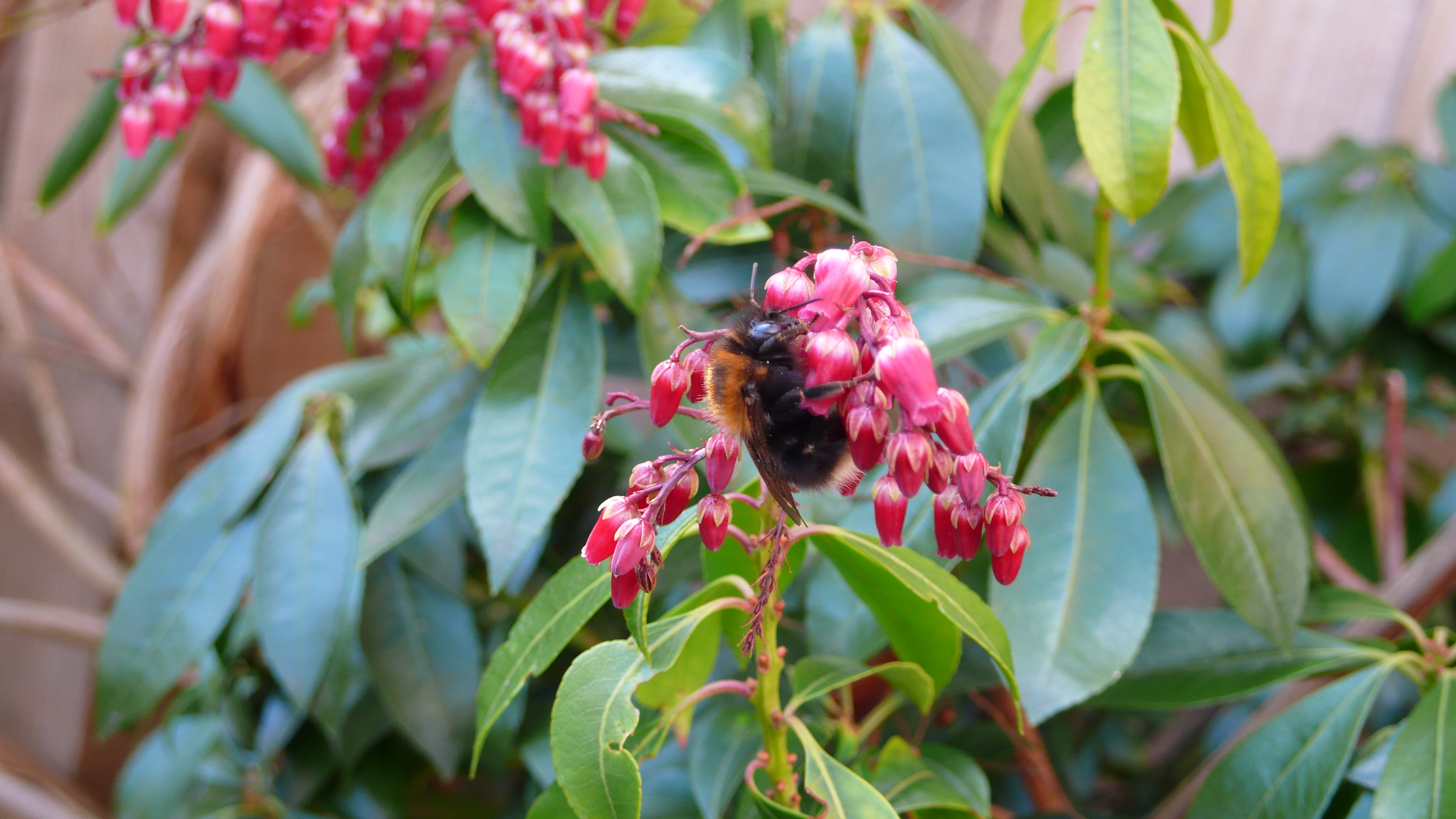
Garden pollinators for PAW no. 7 – Tree bumblebee (Bombus hypnorum)

Bombus hypnorum

For my final post for Pollinator Awareness Week I’ve chosen another bumblebee, one with a fascinating history and ecology. The Tree bumblebee (Bombus hypnorum) is a relatively new arrival on our shores.  It was first discovered near Southampton by Dave Goulson in 2001; since then has spread out through the country, as far north (currently) as central Scotland, and has recently been recorded from Ireland.  It arrived in Northamptonshire in 2006. The Bees, Wasps and Ants Recording Society (BWARS) has been tracking its spread through a recording scheme: it’s very distinctive being the only one of our 25 bumblebees to have a ginger thorax, black abdomen and white tail.

All the evidence suggests that this was a natural range expansion for the species rather than a deliberate or accidental introduction by people.  It’s what species do, they move around and change their distribution over timescales of decades to hundreds of years (there are lots of bird examples of this, including the Collared dove in the UK).  There’s no suggestion that this was due to climate change, however: Bombus hypnorum has long been present in colder parts of Europe and Scandinavia.

That said, there is probably a human influence to its spread as the species is closely associated with houses and gardens, often nesting in bird boxes or roof spaces (we had one in our roof for three years running).  The natural nesting habit for this bee is tree holes (hence the common name) which is why they are usually found in cavities above the ground.  However, like the Buff-tailed bumblebee, they can also be found in compost heaps, as a recent posting on the Bees Knees Facebook group showed (if you’re not a member of that group I can recommend it as it’s full of friendly, practical gardening advice for those interested in how their garden can be beautiful, productive and wildlife-friendly).

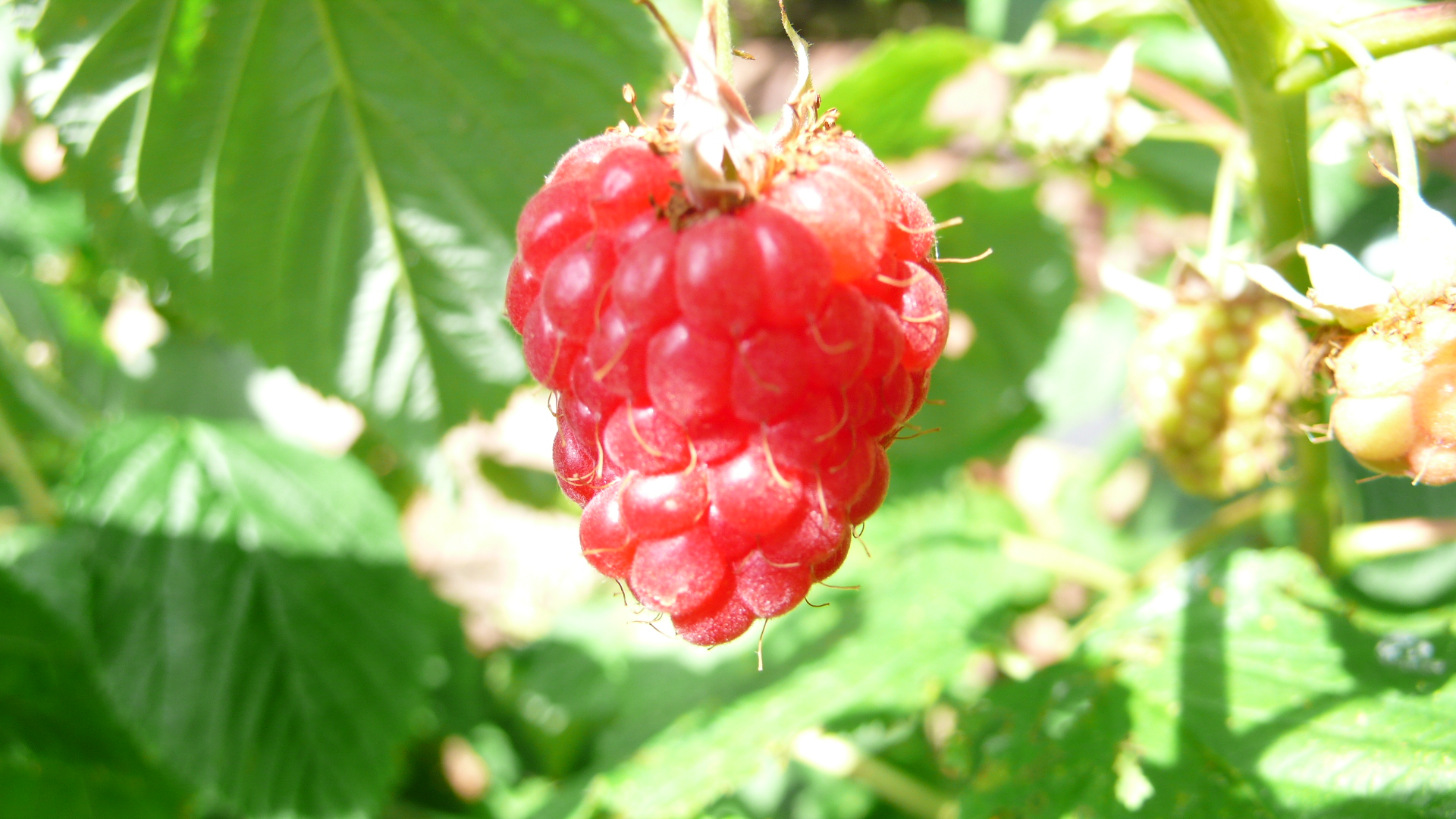
Although the Tree bumblebee will take nectar and pollen from an assortment of garden plants it seems to be particularly associated with members of the rose family (Rosaceae) and is a frequent pollinator of rosaceous soft fruit such as raspberries and blackberries.  I tried and failed yesterday to photograph the bee on our raspberries, so here’s a photograph of the outcome of that pollination.

P1120302

The Tree bumblebee is rapidly becoming one of the commonest garden bumblebees.  Is this likely to cause problems for our other bumblebees, by out-competing them for nectar and pollen, or even nesting sites?  It’s too early to tell but I’d be surprised if it does.

Bombus hypnorum March 2010

Phew!  That’s it!  It’s been a bit of marathon preparing these posts on top of writing a large grant application and a thousand other jobs, but it’s been a lot of fun.  Thanks to everyone who has viewed my posts For Pollinator Awareness Week and commented on them, either on the site or on Facebook.  Hopefully they have raised a broader awareness of our amazing native pollinators.

Garden pollinators for PAW no. 6 – Buff-tailed bumblebee (Bombus terrestris)

P1010430

It would be impossible to write a series of blog posts about garden pollinators for Pollinator Awareness Week without considering the bumblebees (genus Bombus) and I intend to devote the last two posts to that group of bees.  The bumblebees are arguably the UK’s most important pollinators of both wild and crop plants, certainly later in the season when colony numbers have increased. Earlier in the season it’s the solitary bees such as the Orange-tailed mining bee that are predominant.

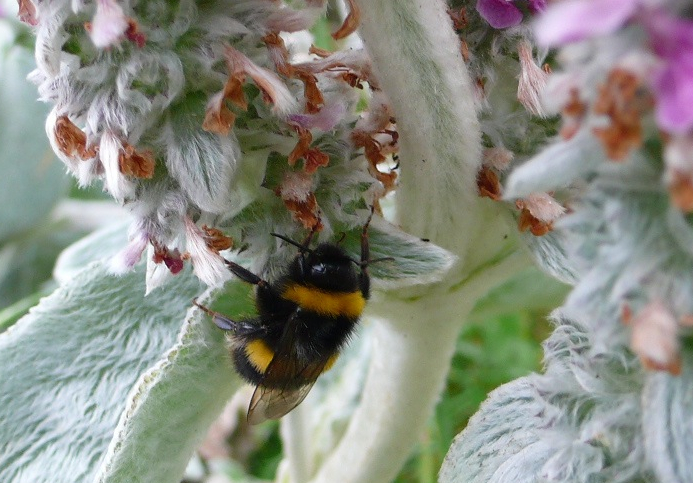
Although common and widespread in gardens, the Buff-tailed bumblebee (Bombus terrestris) belongs to a group of bees in which the workers are rather variable in appearance and can be very difficult to distinguish from those in the Bombus lucorum group, which includes two other species (B. cryptarum and B. magnus).

This is a truly social species with an annual nest comprising workers and a queen.  Nests are founded by queens that have mated the previous year and hibernated.  They usually choose old rodent nests in which to begin their colonies, which is why they are sometimes found in garden compost bins.  An interesting question that I’ve not seen answered is whether the queens actively displace mice or voles from such nests: does anyone know?  This association between bumblebees and mice led Charles Darwin and Thomas Huxley into some speculation as to the role of spinsters in the British Empire.

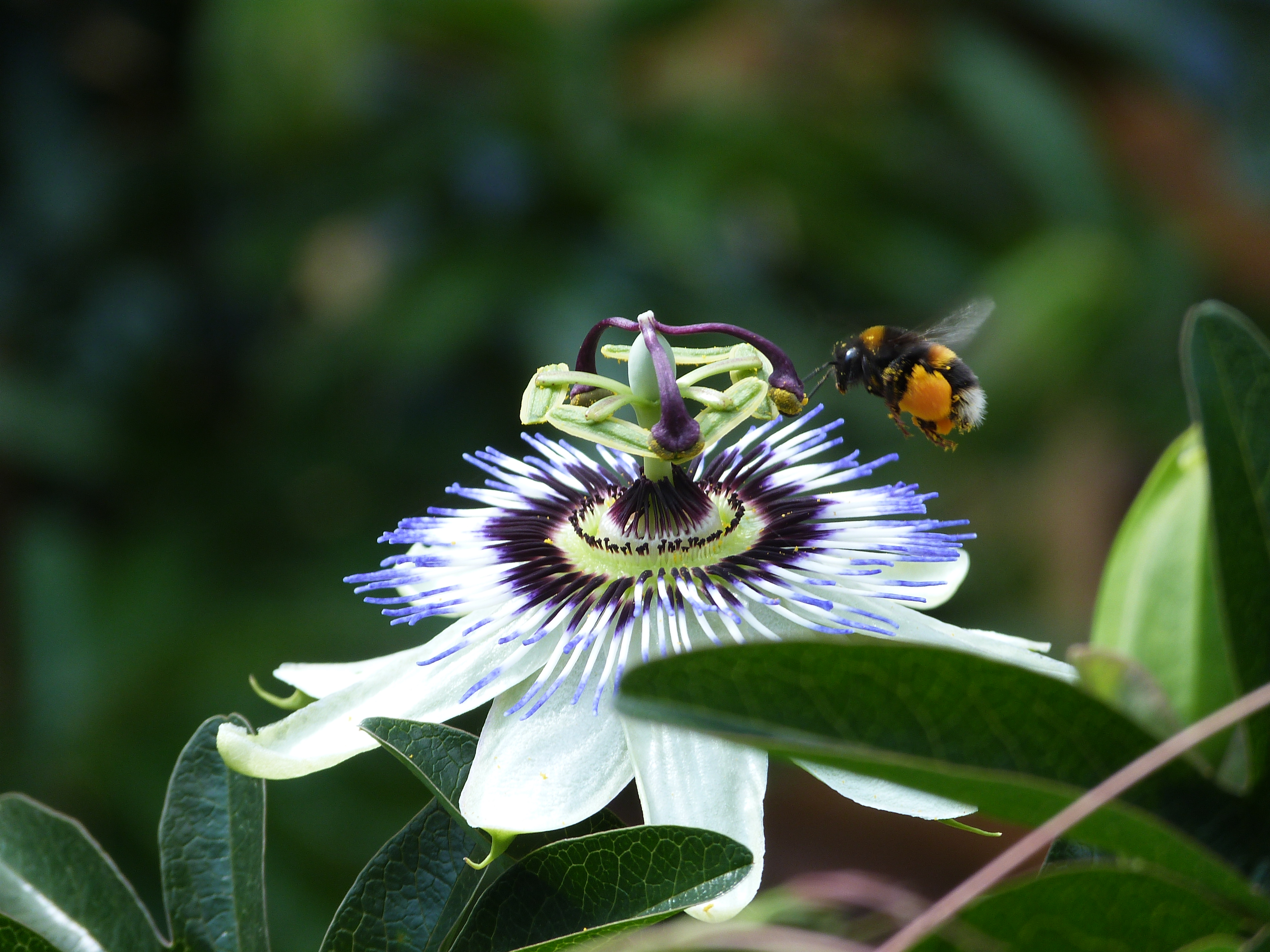
In my garden the Buff-tailed bumblebee pollinates a range of crops including strawberries, squashes, courgettes, blackberries, runner beans, french beans, tomatoes, and raspberries.  As the photo above shows they also visit the flowers of passion fruit, where they seem to be more effective than the smaller honey bees and solitary bees.

Buff atil on Lambs ear cropped July 2015 P1120289 copy

Garden pollinators for PAW no. 5 – Orange-tailed mining bee (Andrena haemorrhoa)

Bee on apple blossom 2 - 1st May 2015

The Orange-tailed mining bee (Andrena haemorrhoa) is also referred to as the Early mining bee due to its habit of emerging from over-wintered nests as early in the year as March.  In truth, however, many Andrena species put in an early appearance, making them important pollinators of orchard fruit such as apples, which you can see from the photograph above, taken in my urban garden earlier this year.  So “Orange-tailed” is a more descriptive name.

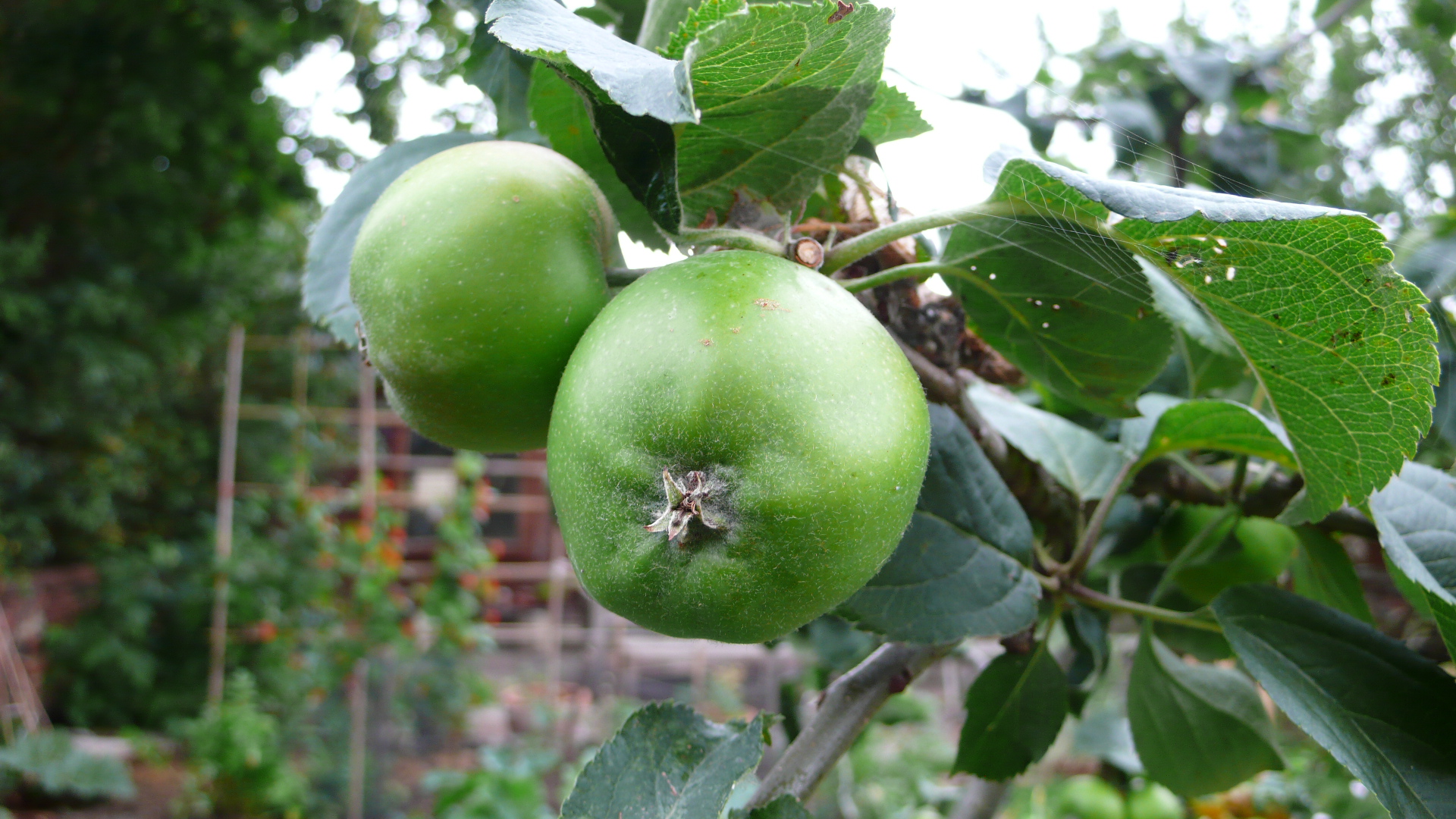
Thanks to the Orange-tailed mining bee and other early bees, this unnamed apple variety (which Karin and I rescued from the bargain area of a local garden centre) has gone on to produce a heavy crop of eating apples (see below). There’s considerable interest in the role of wild bees such as these as pollinators of fruit in commercial orchards, not just in Europe but in the USA too, where other Andrena spp. also pollinate apples.

The epithet “Mining bees” refers to the fact that these solitary species of the genus Andrena usually make their nests in soil, excavating deep tunnels in which to construct individual cells.  It’s another generalist, taking pollen and nectar from a wide variety of garden and wild flowers.  Dandelions are particularly important early in the year – so don’t over-manage your lawn and allow some to flower!

P1120277

Pollinator Awareness Week – 13th – 19th July 2015

P1110763

Next week has been designated Pollinator Awareness Week (PAW) by Defra and there are events and profile-raising activities going on all over the country.

The motivation behind the PAW is (quote) “to bring attention to the essential needs of pollinators and the simple actions that we can all take to help pollinators survive and thrive”.

With that in mind, next week I intend to produce one blog post a day that highlights, with photographs, a pollinator (or group of pollinators) that I’ve found in my own urban garden in Northampton.  The purpose is to illustrate the diversity of pollinators that even a town garden can support, something about their fascinating life histories, and the different ecological requirements of these pollinators that our gardens can provide.  For some of them I’ll even discuss the garden crops that they pollinate.  First post will be on Monday.

If you, or the group you work with, are doing something for Pollinator Awareness Week feel free to share it in the comments section below.

How can an understanding of plant–pollinator interactions contribute to global food security? A new discussion paper

Megachile on lambs ear 2015-06-29 18.16.49

A new discussion/review paper that I contributed to has just been published in the journal Current Opinion in Plant Biology.  Entitled “How can an understanding of plant–pollinator interactions contribute to global food security?” the paper was written in collaboration with Professor Beverley Glover and her PhD students Emily Bailes and Jonathan Pattrick at the University of Cambridge.

The abstract and highlights are copied below; if anyone wants a PDF of the full paper, send me an email or ask in the comments section.

Abstract:

Pollination of crops by animals is an essential part of global food production, but evidence suggests that wild pollinator populations may be declining while a number of problems are besetting managed honey bee colonies. Animal-pollinated crops grown today, bred in an environment where pollination was less likely to limit fruit set, are often suboptimal in attracting and sustaining their pollinator populations. Research into plant–pollinator interactions is often conducted in a curiosity-driven, ecological framework, but may inform breeding and biotechnological approaches to enhance pollinator attraction and crop yield. In this article we review key topics in current plant–pollinator research that have potential roles in future crop breeding for enhanced global food security.

Highlights:

  • Animals are globally, and increasingly, important for the improved yield and quality of many crops.
  • Floral traits are a promising and little explored avenue for the improvement of crop yields.
  • Work surrounding plant–pollinator interactions can inform us on the best strategies to do this.
  • Coordinating crop flowering time with key lifecycle stages of pollinators could benefit both crop yields and pollinators.

Urban bee diversity – a new study

Bee on apple blossom 2 - 1st May 2015

Over the past couple of years I’ve mentioned urban pollinators, and specifically the work of my PhD student Muzafar Hussain Sirohi, several times; for example here and here.  Muzafar is currently finishing off the writing of his thesis, and during that time he’s also managed to publish the first paper from the study.

We are really pleased with this paper because not only is it the product of a lot of hard work to systematically sample and identify the bees, but the results are really exciting: Muzafar has shown that the centre of Northampton is home to a more diverse set of bee species than expected. In fact at least 50 species of bees are thought to live within a 500m radius of All Saints Church, which is significantly more than are found in the nature reserves at the edge of the town.

Muzafar’s work involved surveying the small gardens, road verges, traffic islands, and other patches of plants in the urban centre of Northampton.  These areas provide important nectar and pollen sources for the bees, whilst old stone walls and bare soil offer opportunities for nesting sites. This community of bees includes one nationally rare Red Data Book species called Coelioxys quadridentata that is known from rather few sites.

Our estimate of about 50 species of bees is certainly too low because we focussed on the more neglected groups of bees and didn’t include the social bumblebees. The true figure is likely to be over 60 species, a remarkable number given the small area surveyed.

As I’ve discussed many times on this blog, pollinators such as bees are hugely important both ecologically (most plants require them for reproduction) and economically (much of our food production relies directly or indirectly on pollination by animals). However a significant proportion of bee species in the UK are declining in abundance, and some have gone extinct. Understanding how these bees are distributed across the landscape, including urban areas, is crucial to the conservation of such pollinators in a rapidly changing world. The project therefore has implications not only for conservation of biodiversity, but also food security, given the number of urban gardeners who grow their own food, and the ability of many bees to travel significant distance from urban to rural areas.

The research is published in the international, peer-reviewed Journal of Insect Conservation. The full reference (with a link to the abstract) is:

Sirohi, M.H., Jackson, J., Edwards, M. & Ollerton, J. (2015) Diversity and abundance of solitary and primitively eusocial bees in an urban centre: a case study from Northampton (England). Journal of Insect Conservation DOI 10.1007/s10841-015-9769-2

If anyone would like to receive a PDF of the paper, please leave a comment below or drop me an email: jeff.ollerton[at]northampton.ac.uk

The most important book you’ll read this year: What Nature Does for Britain by Tony Juniper

P1010865

Being on holiday should be about getting away from the pressures of work and the daily routine, and relaxing with an easy novel or some magazines, turning off your brain and recharging ready for a return to reality. So what am I doing writing a book review in a sun-flooded apartment in Nice on France’s Cote d’Azur? A good question that is answered by the fact that this is a book that has been engaging me since I bought it at the airport on the way out. I’d known for some time that What Nature Does for Britain by Tony Juniper was about to be published as I’d received an invitation to the book launch in Cambridge in February. It was an invitation precipitated by the small contribution I’d made to the research for the book, when I was happy to provide some facts and figures on pollinator importance and decline in Britain. Unfortunately I missed the launch due to a prior engagement, and a poorly stocked WH Smith at Luton Airport was my first opportunity to buy a copy.

Tony Juniper is well known for his environmental writing and broadcasting so I had an idea that the book would be readable and interesting. What I wasn’t prepared for, however, was just how good the book actually is, and that it’s the most important book you could read this year. Let me rephrase that: it’s the most important book that our politicians, business leaders, bankers and economists could read this year. In fact individuals with any leverage to influence government policies and business strategies should be made to sit down and read this book. But for anyone with an interest in the future of this country (and indeed of the planet) this really is a book worth reading. And, if you are British, preferably read it before the General Election in May.

Over the course of nine chapters, Juniper looks at how nature (broadly defined and including geology and physical processes, as well as biodiversity) underpins our society through its positive contributions to food production, water resources, flood mitigation, energy security, and our physical and mental health. At the end of each chapter Juniper sets out a series of manifestos that he challenges the government of the next five years to adopt and develop. Whichever party/ies form the government come the May election, its MPs need to rise to this challenge. And whichever parties are in opposition, it’s important that they read them too because they should understand where and how the government can get it right and get it wrong.

One of the refreshing things for me was how holistic and connected are the scenarios Juniper develops as he tours Britain to find case studies of where people and organisations are getting it right, working WITH nature, not against it. It’s easy for those of us working in particular fields, as academics or practitioners, to become over-focused on one’s own specialism: for me that would be obsessing about biodiversity, for others it could be energy generation or the economics of farming or infrastructure investment or wastes management. What this book does brilliantly is to bring together all of these elements, and more, and weave them into a single, seamless narrative. For example, large offshore wind farms generate renewable energy AND contribute to reducing CO2 emissions AND create marine nature reserves for sea life AND thereby boost regional fish stocks AND create jobs on the local mainland AND provide investment opportunities for banks and pension schemes AND develop new, exportable technologies. Yes, there may be downsides and Juniper doesn’t shy away from discussing these, for example bird collisions with turbines. But it ought to be possible to minimise these negatives, such as with appropriate design and siting strategies.

Although I was aware of many of the broad arguments presented in this book, it’s been a revelation to see the details set out so clearly and the linkages made so effectively, and with rigour: my word there’s an impressive amount of research on show here. I mentioned that I was consulted, but Juniper and his researcher Lucy McRobert have talked wide and deep with academics, conservationists, business leaders, civil servants, and other experts. The acknowledgements section runs to more than five pages and I counted over 100 names of individuals who were thanked for their contributions. Presumably everyone who was quoted was given the chance to comment on what was being written, as I was.   The sources for the information presented are provided on Juniper’s website (http://www.tonyjuniper.com/). This is a thorough book, all the more impressive because it had to be researched and written quickly in order to be published, and read, prior to the election.

Juniper’s vision of a future Britain is one in which we can have it all: economic security, functioning ecosystems, endless energy, jobs aplenty, and solutions to our most pressing environmental problems, including future effects of climate change. Clearly he’s an optimist. And that’s refreshing in a country where pessimism and cynicism seems to be the plat du jour (sorry, been eating in too many over-priced French restaurants).  If he isn’t right then the worst that will have happened will be that we have engaged in a series of experiments with our social, natural and economic capital that are no worse, and could be a lot better, than some of the experiments that have been foisted upon us by a series of government and private business strategies. But my gut feeling (supported by the evidence) is that he’s right and that this book provides us with a road map towards a virtuous ecological circle with society at its centre.

The sad thing is that the people who really ought to be reading this book, and who would gain most from its vision, are those politicians, business leaders and economists who are least likely to open its pages because either they’ve “heard it all before”, and disagree, or because the momentum of their vested interests and entrenched views leaves no opportunity to redirect the course on which they are travelling.

Although the focus is on the United Kingdom, the proposals that Juniper sets out could apply to any country and the book be renamed “What Nature Does For _____” [insert country of choice].  In truth the issues presented, and their broad solutions, are global. So, this is the most important book you could read this year, wherever you live.  Buy a copy, read it (on holiday, in bed, while commuting, or wherever) and pass it on to the person you know who is least likely to buy it for themselves. Or send it to your local MP.  That’s what I will be doing in the days following the election.

The state of bees: the European Red List has been published

P1010430

As I’ve frequently reported on this blog, there is growing global concern about declines in pollinator diversity and abundance across many regions, and much research is going on into what is causing those declines, their scale and consequences, and what can be done to reverse pollinator loss. It’s therefore great to see the publication of the European Red List of Bees which provides information on the conservation status of the c. 2000 species of bees in Europe.

The report uses standard IUCN criteria for assessing each species and has been picked up by various media and NGOs, who have typically promoted it with claims such as “Nearly one in 10 of Europe’s wild bee species face extinction“.  However the reality of what the report has found is much more complex and nuanced than the headlines suggest.  Over half of the bee species were classified as Data Deficient, meaning that we don’t have enough information to assess whether they are threatened or not.  Of those that could be classified, 7 species are Critically Endangered, including 3 that are endemic to Europe and found nowhere else in the world; 46 are Endangered including 12 endemics; 24 are Vulnerable, with 7 endemic; 101 are Near Threatened with 17 endemic; 663 are Least Concern (68 endemic), meaning that there are no immediate threats to their survival.

If we turn the “1 in 10” headline around, then a more accurate statement would be “Over 90% of Europe’s bees (for which we have sufficient data) are not immediately threatened by extinction”.  Of course that could change once data for the poorly studied species becomes available.  These are not grounds for complacency; but neither are they grounds for panic.

The scale at which we assess biodiversity is critical if we are to fully understand the threats to species, and when and where limited funds can be prioritised for conservation actions.  Species that are locally endangered or even extinct may actually be quite common when assessed across the whole of their distributional range.  For this reason it’s important to consider the status of species in as wide a geographic region as is possible.  Preferably this would mean a global assessment; but for most species we simply don’t have enough information to be able to undertake such a study, particularly for developing countries where there are limited historical records of species occurrences on which to draw.  Even in a relatively developed region such as Europe, with a long history of natural history observation and monitoring, there are huge gaps in our knowledge – in this case for more than half of Europe’s bees.

With this in mind I looked at the European status of those bee species which are now extinct in the UK, as I discussed in December.  Two of the extinct species are considered Critical (Bombus cullumanus and Andrena tridentata); two are Near Threatened (Dufourea minuta and D. halictula); seven other species are Least Concern; and the remaining two (Andrena lepida and A. lathyri) are Data Deficient.  Clearly some of the UK extinct species are in trouble across Europe, but others are not and may re-colonise the UK in the future, as we believe may have happened in the last couple of years for Andrena vaga.  Or they could be helped to re-colonise via a reintroduction programme, as has been done for Bombus subterraneus

Another way in which to put the findings of this report into a wider context is to consider how the level of threat to bees compares with that of other groups of species.  The authors helpfully provide some comparative data in the summary, which I’ve graphed below (click on it for a better view):

IUCN stats

Overall the proportion of threatened bees is identical to that of butterflies, perhaps because they require some similar resources (flowers on which to feed) and tend to be found in broadly similar habitats.  But other taxa are at much greater risk, particularly freshwater fish and molluscs: yet these taxa have not received the same level of publicity about their plight.  Their are no “Save the Mussels” campaigns, or television series about endangered fish in rivers and lakes.  This is surprising: clearly bees have grabbed the public’s attention because of the role they play in crop pollination, but freshwater fish are also suppliers of ecosystem services either directly (fishing) or indirectly (playing a role in maintaining the “health” of these ecosystems, as do the molluscs). Perhaps more importantly for these species, they are also indicators of water quality, an aspect of natural capital that concerns us all.

The authors of the European Red List of Bees are to be congratulated on a fine piece of work that makes a major contribution to our understanding of pollinator conservation, and is timely, coming soon after the publication of the National Pollinator Strategy for England.  However there’s still a lot of work to do to fill in the gaps for species that are Data Deficient and to understand the more detailed population trends, which are unknown for almost 80% of the bee species.

One of the most surprising findings, though, is that the honey bee (Apis mellifera), the most intensively researched pollinating insect on the planet, is considered Data Deficient “until further research enables us to differentiate between wild and non-wild colonies in order to determine the conservation status of the species in the wild.”  That’s an interesting state of affairs!

Full citation:

Nieto, A., Roberts, S.P.M., Kemp, J., Rasmont, P., Kuhlmann, M., García Criado, M., Biesmeijer, J.C., Bogusch, P., Dathe, H.H., De la Rúa, P., De Meulemeester, T., Dehon, M., Dewulf, A., Ortiz-Sánchez, F.J., Lhomme, P., Pauly, A., Potts, S.G., Praz, C., Quaranta, M., Radchenko, V.G., Scheuchl, E., Smit, J., Straka, J., Terzo, M., Tomozii, B., Window, J. and Michez, D. 2014. European Red List of bees. Luxembourg: Publication Office of the European Union.