Category Archives: Gardens

Special issue of Leaf Litter devoted to pollinators

Leaf Litter

A short while ago I was interviewed by an American journalist as part of a special issue of the online newsletter Leaf Litter devoted to pollinators.  Produced by a conservation planning and ecological restoration organisation called Biohabitats, this special issue includes:

» Thoughts on Pollinators
» Expert Q&A: Jeff Ollerton
» Expert Q&A: Jerome Rozen
» Expert Q&A: Eugenie Regan
» Inspiration: Promising Progress With Pollinator Habitat
» Non-Profit Spotlight: The Xerces Society
» Video: An ecological planner walks into a cider mill…
» How Saving Pollinators Can Save Water and Fish Resources
» Biohabitats Projects, Places, and People

Here’s a link to Leaf Litter.

Urban Pollinator Knowledge Exchange summary – Bristol 22nd February

P1110838The importance of urban environments for supporting pollinator populations is a topic that I’ve covered several times on the blog, for example: “Urban pollinators for urban agriculture” and “Urban bee diversity – a new study“.  It’s a subject that’s generating a lot of interest at the moment with some really exciting research being published and conservation practice taking place.  However there’s clearly a lot to do if we are really to understand where pollinators are distributed across out townscapes, and how we can best manage urban habitats to support this diversity and increase their numbers – here’s a link to an interesting round table discussion on this very topic.

Recently I was invited to take part in a workshop event co-organised by Defra, NERC, and Dr Kath Baldock from Bristol University entitled: Knowledge Exchange: urban grassland management and creating space for pollinators.  As well as doing a short talk which contextualised the current scientific knowledge on urban pollinators, I facilitated one of the breakout discussion sessions.

The workshop was very well attended with some 50 delegates from a wide range of organisations, including local and national authorities, businesses, NGOs, and universities.  Feedback from those delegates was generally positive and most people learned something about managing urban settings for pollinators, and made some useful connections.  I certainly learned a lot: it’s good to get out of academia sometimes and talk with practitioners.

If you follow this link you’ll find a PDF of the summary from the facilitated sessions, covering topics such as grassland and verge management, the urban edgeland, innovative projects, and green infrastructure.

Over at the Bumblebee Conservation Trust’s blog, Sam Page has a very nice summary of the whole day which is also worth reading:  Trials and tribulations of managing urban grasslands for pollinators.

Many thanks to all of the organisers for their work in putting on this event.

Book review: A Veritable Eden – The Manchester Botanic Garden, a History by Ann Brooks (2011)

This is a book review that’s been in press for many months in the Manchester Region History Review, and I finally found out that it had appeared and I’d missed it!  Anyway I thought this would be a good opportunity to present the review to a wider audience who might be interested, and to correct a couple of typos in the printed version.

A Veritable Eden – The Manchester Botanic Garden, a History. Ann Brooks (2011). Windgather Press, Oxford. RRP – £25.

The plant kingdom globally contains an estimated diversity of 350,000 species. In the UK we can boast only some 1500 native species, a legacy of both our status as a collection of modestly sized, temperate zone islands, and the effect of the last ice age which scoured much of the land surface of its previously established flora. A depauperate flora, combined with plant envy of the botanical riches of other countries, may be one reason why British botanic gardens have been important in cataloguing and describing the world’s plant diversity, and in augmenting that flora by cramming our gardens with exotic specimens from overseas.

This long history of plant study and horticulture can be traced back to at least the mid 17th century, with the founding of what was to become Oxford Botanic Garden. Since that time, Britain’s botanic gardens have played a significant role in the economic development of both the country and its former Empire, and continue to be important in science and education, and in the leisure and recreation of the British people.

Previous work on the history of botanic gardens in Europe has tended to concentrate on the large metropolitan botanic gardens, particularly Kew, with their star botanists and international networks of contacts and collectors (e.g. Brockway 1979, Endersby 2010, Ollerton et al. 2012). The smaller provincial botanic gardens, in contrast, have been rather neglected by historians, despite the fact that almost every large British city possessed one, and that they have been an important part of local leisure and education. This is a tradition that stretches from the early 19th century and continues through to the more recent founding of the Eden Project and the National Botanic Garden of Wales.

The history and current utility of such spaces is, as their study reveals, a story that extends far beyond the horticultural and botanical realms, into social, political and economic history. In A Veritable Eden Ann Brooks introduces us to the “chequered history including national fame and financial disaster” of Manchester Botanic Garden, which existed from 1831 to 1908. This meticulously researched book explores not only the role of the Garden in local social life, but also the local political intrigues, personality clashes and mismanagement that ultimately doomed the garden. This is exemplified in the way that an un-Victorian attitude to financial prudence (commissioning ambitious building works when finances were in poor shape) collided with a very Victorian snobbery: by refusing to allow the paying general public entry to the Garden more than one afternoon a week, a funding stream that may have saved the Garden was effectively curtailed. To paraphrase the author, exclusivity was more important than income.

This was not the only policy that appears inexplicable to the modern reader. Early in its history the subscribing, largely middle class membership of the Garden made it clear that pleasurable perambulations around the site were all that they were interested in, and any pretence to education went when “in 1848 science was eliminated and the horticultural garden…was dismantled”. In this regard it was undoubtedly the people of Manchester, rather than botanical science per se, who were the principle losers, as the large botanic gardens of European capital cities dominated plant exploration and plant science up to the present day. Nonetheless the policy jars with Victorian notions of self-improvement.

A Veritable Eden originated as Dr Brooks’ PhD thesis and in general it is engagingly written, demonstrating the author’s fascination for her subject, and well illustrated with material from her personal collection and elsewhere. But there are some places where a firmer editorial hand would have made for a better book. It is clear that a few small sections have been replicated from the thesis out of context, for example a paragraph about the role of a “putter-out” on pp. 60-61. On p. 91, to give another example, we read that a Garden report concluded that “the Curator should be charged with ‘gross ignorance and mismanagement’ and that he should be replaced”; this is repeated, only three lines later, as “a charge of ‘gross ignorance and mismanagement’ should be brought against [the Curator]”. Finally, to anyone with a botanical, as opposed to historical, training the misspelling and misrendering of scientific names for some plants will jar, such as “Dickensonia” for Dicksonia and “Victoria Regia” for Victoria regia (itself an old synonym, the plant is now called Victoria amazonica).

Such editorial oversights detract only a little from the telling of the story of Manchester Botanic Garden and could easily be rectified if the book goes to a second edition. Which I hope it does; it’s a great contribution both to the local history of the city and to our understanding of the history of provincial botanic gardens.


References

Brockway, L.H. (1979) Science and Colonial Expansion: The Role of the British Royal Botanic Garden. Yale University Press.

Endersby, J. (2010) Imperial Nature: Joseph Hooker and the Practices of Victorian Science. University of Chicago Press.

Ollerton, J., Chancellor, G. & van Wyhe, J. (2012) John Tweedie and Charles Darwin in Buenos Aires. Notes and Records of the Royal Society 66: 115-124


Originally published as:  Ollerton, J. (2014) Book review of: “A Veritable Eden” by A. Brooks. Manchester Region History Review 25: 153-154



Protecting an ecosystem service: approaches to understanding and mitigating threats to wild insect pollinators

Bee on apple blossom 2 - 1st May 2015Back in April 2015 I attended a two day meeting at Imperial College’s Silwood Park campus to discuss initial project ideas to address evidence gaps in the recent National Pollinator Strategy.  I mentioned the meeting in passing in a post at the time concerned with whether biodiversity scientists should also be campaigners, but didn’t say a lot about what conclusions we came to and what the next steps would be because at the time I was unclear on both of those counts: it was a very wide ranging meeting with a lot of participants coming at the question of pollinator conservation from different perspectives.  As well as academics there were representatives from the agrochemical industry, government research organisations, and  the National Farmers Union.
During summer 2015 one of the conveners of the meeting, Dr Richard Gillherded cats organised colleagues, pulled together all of the text and ideas that were generated, and took on the task of seeing a summary of the meeting through from initial draft to publication.  It was a monumental effort, involving 27 authors and 86 manuscript pages, and Richard did a sterling job.  Entitled “Protecting an ecosystem service: approaches to understanding and mitigating threats to wild insect pollinators” it will appear as a chapter in the next volume of Advances in Ecological Researchwhich should be published later this month.

The abstract and contents for the chapter are below; if anyone wants a copy of the full chapter, please let me know.

Abstract

Insect pollination constitutes an ecosystem service of global importance, providing significant economic and aesthetic benefits as well as cultural value to human society, alongside vital ecological processes in terrestrial ecosystems. It is therefore important to understand how insect pollinator populations and communities respond to rapidly changing environments if we are to maintain healthy and effective pollinator services. This paper considers the importance of conserving pollinator diversity to maintain a suite of functional traits to provide a diverse set of pollinator services. We explore how we can better understand and mitigate the factors that threaten insect pollinator richness, placing our discussion within the context of populations in predominantly agricultural landscapes in addition to urban environments. We highlight a selection of important evidence gaps, with a number of complementary research steps that can be taken to better understand: i) the stability of pollinator communities in different landscapes in order to provide diverse pollinator services; ii) how we can study the drivers of population change to mitigate the effects and support stable sources of pollinator services; and, iii) how we can manage habitats in complex landscapes to support insect pollinators and provide sustainable pollinator services for the
future. We advocate a collaborative effort to gain higher quality abundance data to understand the stability of pollinator populations and predict future trends. In addition, for effective mitigation strategies to be adopted, researchers need to conduct rigorous field- testing of outcomes under different landscape settings, acknowledge the needs of end-users when developing research proposals and consider effective methods of knowledge transfer to ensure effective uptake of actions.

Contents
1. Importance of Insect Pollination
1.1 Providing an Ecosystem Service
1.2 Brief Introduction to Pollination Ecology and the Importance of Wild
Pollinators
2. Major Threats to the Pollination Service Provided by Insects
3. Steps in the Right Direction to Protect Insect Pollinator Services: Policy Actions
4. Understanding and Mitigating Specific Threats to Wild Insect Pollinators to Protect Pollinator Services
4.1 Understanding the Stability of Insect Pollinator Communities
4.2 Using Molecular Approaches to Monitor Insect Pollinators
4.3 How Do Parasites Shape Wild Insect Pollinator Populations?
4.4 Understanding Insect Pollinator Population Responses to Resource Availability
4.5 Engineering Flowering Field Margins as Habitats to Attract Insect Pollinators
4.6 How Might We Improve the Wider Countryside to Support Insect Pollinators
4.7 Insect Pollinators in Urban Areas
5. Considerations When Developing Future Research and Mitigation Strategies
Acknowledgements
Appendix
References

A new bee for Northamptonshire!

Anthophora bimaculata 2 cropped P1120172 copy

Back in the summer I produced a series of posts for Pollinator Awareness Week highlighting the pollinators to be found in our own urban garden in Northampton.  One of those posts was of what I believed to be the Little flower bee (Anthophora bimaculata), a species which at the time I’d never previously seen.  I noted that this was a new urban record for Northampton as my PhD student Muzafar Sirohi had not recorded it during his bee surveys, which I discussed earlier this year.

Some time later I checked the bee records on the National Biodiversity Network (NBN) Gateway site and realised that not only was this the first urban record of the species in Northampton, it was actually the first record for the county of Northamptonshire as a whole!  The record has recently been accepted on iRecord and will be added to the NBN records.

Of course this is personally exciting (a new record for a large county found in our back garden) and it adds a significant regional record to the currently known distribution of the species.  The map on the BWARS account of Anthophora bimaculata shows that the species is predominantly southern in its distribution, with a few eastern and western outliers.  This new record places the species firmly in the centre of England, confirming that it is more widespread than previously assumed.

There are two possible explanations for the discovery of this bee in Northamptonshire.  One is that it’s a very recent range expansion and the species is becoming more common and widespread, perhaps as a result of climate change.  The second is that it’s always been present in Northamptonshire, but just never recorded.  At the moment it’s impossible to decide between these two possibilities as there’s evidence to support both.  Not only did Muzafar not record A. bimaculata in his surveys in 2012, neither did Dr Hilary ErenlerDr Sam Tarrant or Kathryn Harrold in their pollinator surveys in the region between 2007 and 2015. Having said that, we do know that Northamptonshire is a historically under-recorded county for bees as it has no County Recorder for Hymenoptera, and both Hilary and Muzafar recorded species new to Northamptonshire, which I hope to report on at a later stage.

Differentiating between these two scenarios will be difficult and may be impossible unless we can discover previously unknown historical specimens of this bee that were collected in the county, or the species continues to expand in its range.

Understanding the distribution of pollinators such as bees is a key component of initiatives such as the National Pollinator Strategy – if we don’t know where the things we are trying to conserve actually are, how can we conserve them?  So it’s very pleasing to be able to make a small contribution to that process from the comfort of our own garden!

Anthophora bimaculata 1 P1120172

How do artificial nectar feeders affect hummingbird abundance and pollination of nearby plants? A new study in the Journal of Ornithology

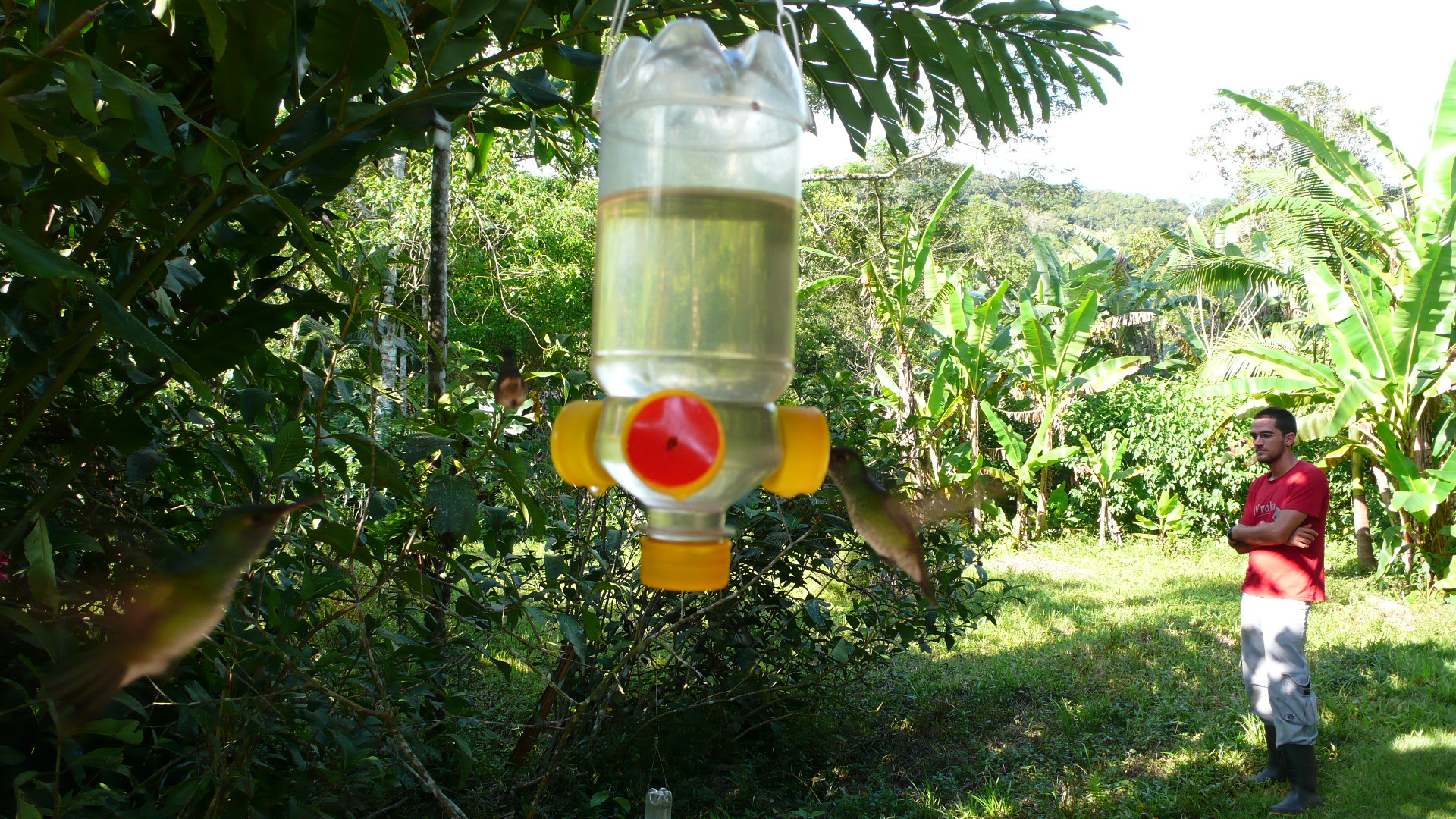
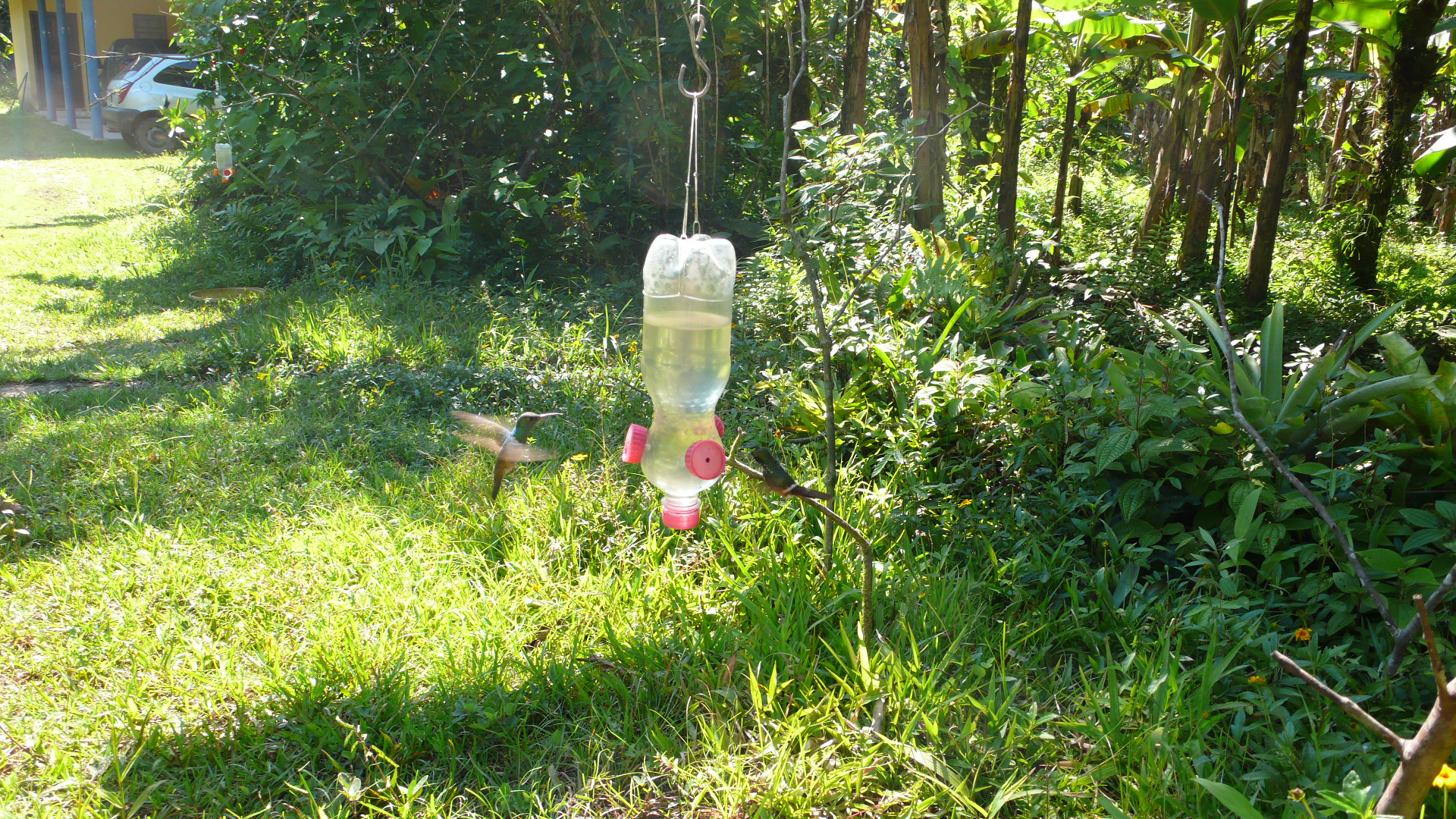
Hummingbirds on feeds in Brazil

Back in November 2013, during my research and teaching trip to Brazil, I discussed an amazing garden that we visited in which the owner had set up around a dozen hummingbird feeders that were attracting hundreds of individual birds from over 20 species.  As I mentioned, one of the owner’s concerns was that by feeding the birds he might be negatively affecting the reproduction of hummingbird-pollinated plants in the surrounding forest.  I thought it unlikely but there have been very few tests of this idea, and none in that part of South America.

After I left, a Master’s student called Jesper Sonne, based at the Center for Macroecology and Climate in Copenhagen, worked with my Brazilian and Danish colleagues on collecting data to address this question.  Between us we analysed and wrote up the results, and have recently published the paper in the Journal of Ornithology under the title “Spatial effects of artificial feeders on hummingbird abundance, floral visitation and pollen deposition“.

The abstract is below and if anyone wants a PDF, please drop me a line.  But the take home message is that although these feeders have a significant local effect on hummingbird abundance, there’s no evidence that they affect plant reproduction in the vicinity.  It’s nice when predictions prove correct….

———————-

Abstract

Providing hummingbirds with artificial feeders containing sugar solution is common practice throughout the Americas. Although feeders can affect hummingbird foraging behavior and abundance, it is poorly understood how far this effect may extend. Moreover, it remains debated whether nectar-feeders have a negative impact on hummingbird-pollinated plants by reducing flower visitation rates and pollen transfer close to the feeders. Here, we investigated the effects of distance to nectar-feeders on a local hummingbird assemblage and the pollination of Psychotria nuda (Rubiaceae), a hummingbird-pollinated plant endemic to the Brazilian Atlantic Rainforest. At increasing distance (0–1000 m) from a feeding-station, where hummingbirds have been fed continuously for the past 13 years, we quantified hummingbird abundance, and rates of flower visitation and pollen deposition on P. nuda. We found that hummingbird abundance was unrelated to distance from the feeders beyond ca. 75 m, but increased steeply closer to the feeders; the only exception was the small hummingbird Phaethornis ruber, which remained absent from the feeders. Plants of P. nuda within ca.125 m from the feeders received increasingly more visits, coinciding with the higher hummingbird abundance, whereas visitation rate beyond 125 m showed no distance-related trend. Despite this, pollen deposition was not associated with distance from the feeders. Our findings illustrate that artificial nectar-feeders may locally increase hummingbird abundance, and possibly affect species composition and pollination redundancy, without necessarily having a disruptive effect on pollination services and plants’ reproductive fitness. This may apply not only to hummingbirds, but also to other animal pollinators.

Hummingbirds on feeds in Brazil 2

Carol Klein’s Plant Odysseys starts 29th July (and I put in an appearance in episode 1)

Carol Klein_Plant_Odysseys_TX_card

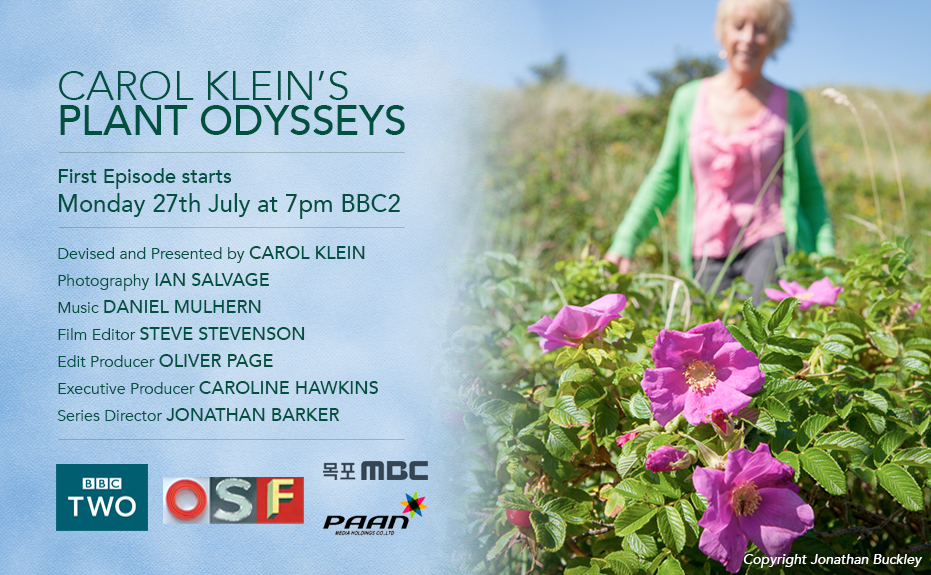
Back in June last year I talked about taking part in a day of filming with Carol Klein for her new four-part series, made with Oxford Scientific Films, called Plant Odysseys.  It’s an exploration of horticultural biodiversity, each episode focused on a particular group of plants.

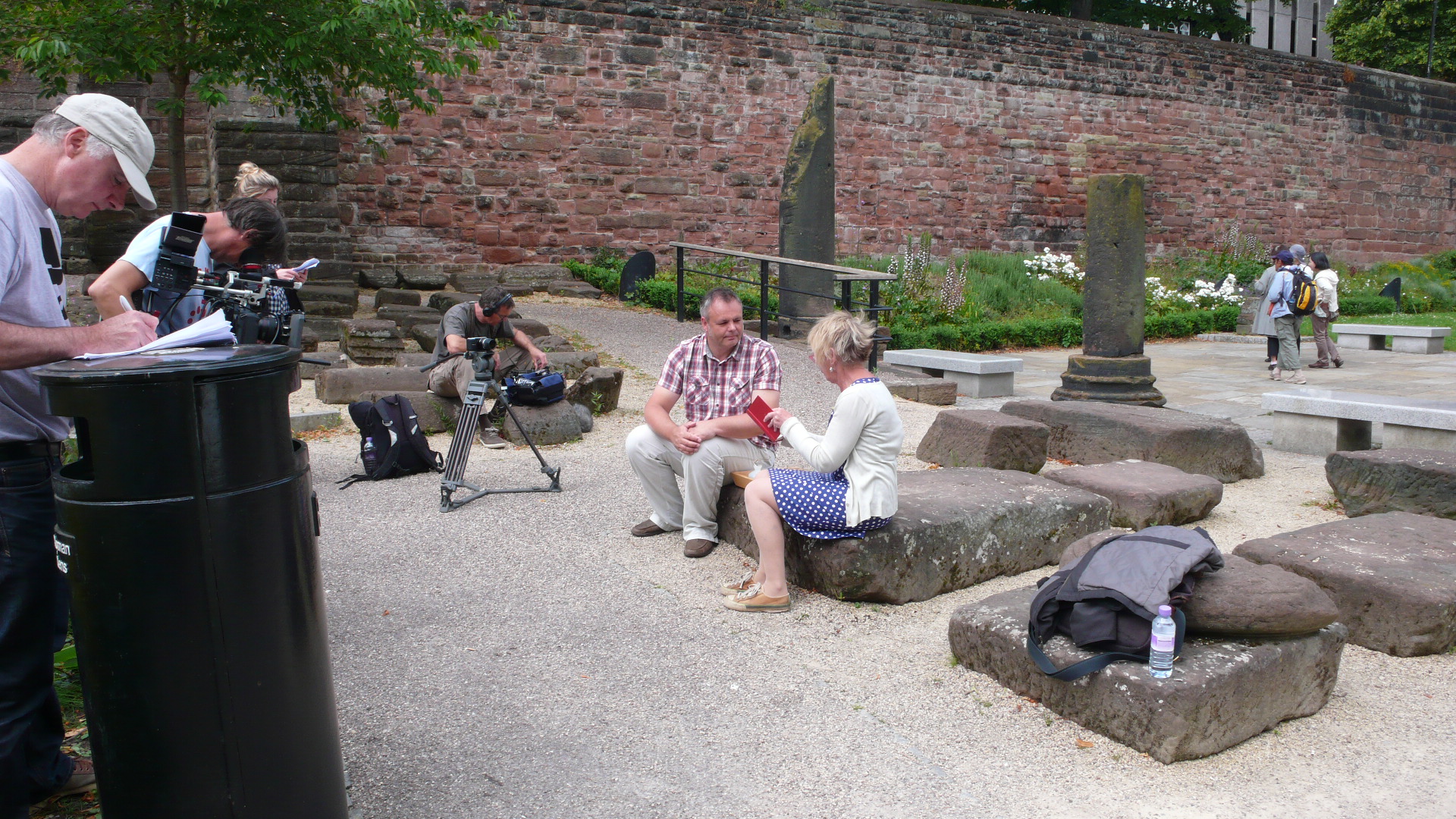
The first episode, devoted to roses, is broadcast this Monday 29th July at 7pm on BBC2, and I’m looking forward to seeing what the production team did with our footage from Chester.  The name may be misspelled in the publicity material but it’ll still be me….

P1110827

Garden pollinators for PAW no. 7 – Tree bumblebee (Bombus hypnorum)

Bombus hypnorum

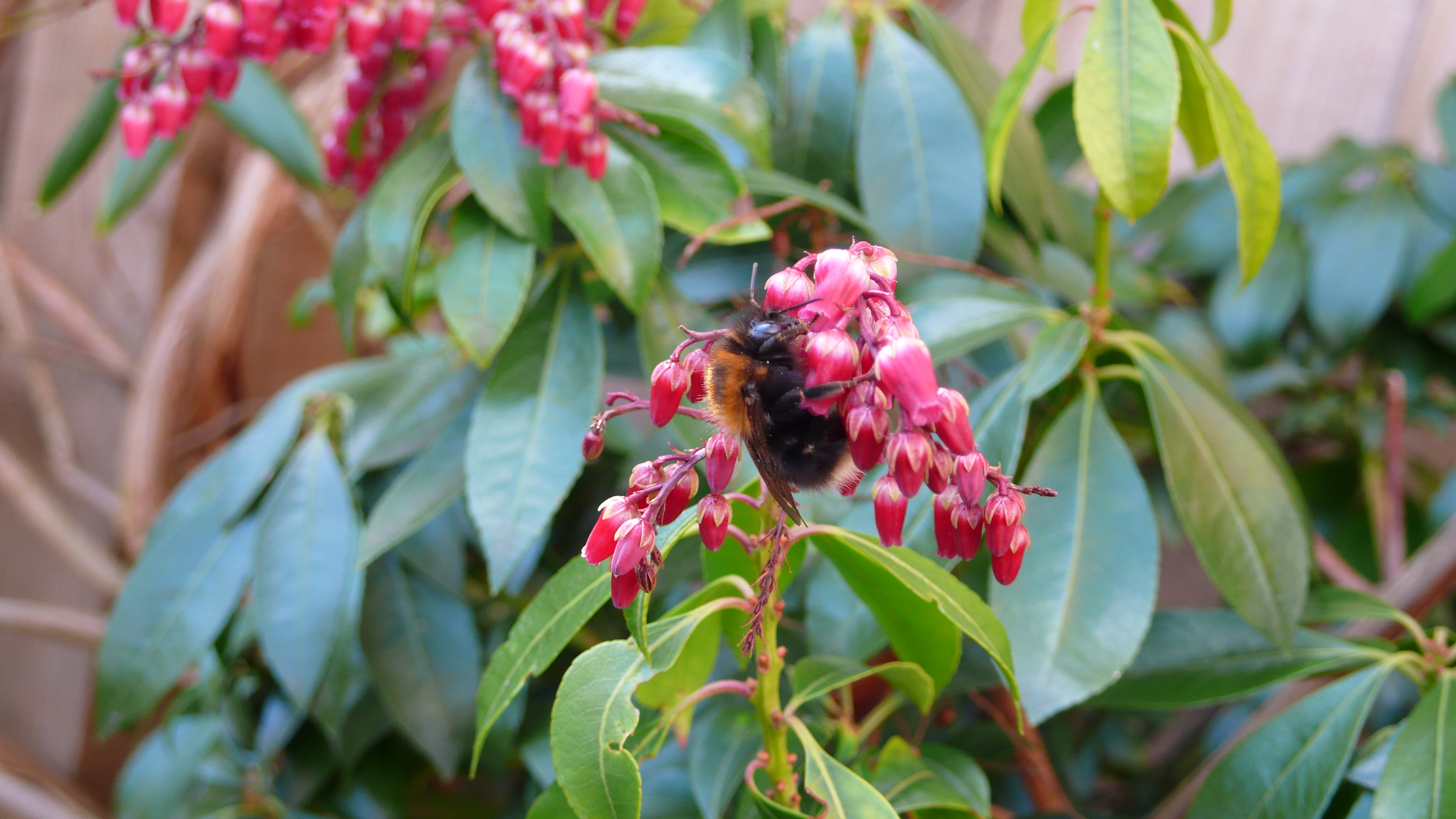
For my final post for Pollinator Awareness Week I’ve chosen another bumblebee, one with a fascinating history and ecology. The Tree bumblebee (Bombus hypnorum) is a relatively new arrival on our shores.  It was first discovered near Southampton by Dave Goulson in 2001; since then has spread out through the country, as far north (currently) as central Scotland, and has recently been recorded from Ireland.  It arrived in Northamptonshire in 2006. The Bees, Wasps and Ants Recording Society (BWARS) has been tracking its spread through a recording scheme: it’s very distinctive being the only one of our 25 bumblebees to have a ginger thorax, black abdomen and white tail.

All the evidence suggests that this was a natural range expansion for the species rather than a deliberate or accidental introduction by people.  It’s what species do, they move around and change their distribution over timescales of decades to hundreds of years (there are lots of bird examples of this, including the Collared dove in the UK).  There’s no suggestion that this was due to climate change, however: Bombus hypnorum has long been present in colder parts of Europe and Scandinavia.

That said, there is probably a human influence to its spread as the species is closely associated with houses and gardens, often nesting in bird boxes or roof spaces (we had one in our roof for three years running).  The natural nesting habit for this bee is tree holes (hence the common name) which is why they are usually found in cavities above the ground.  However, like the Buff-tailed bumblebee, they can also be found in compost heaps, as a recent posting on the Bees Knees Facebook group showed (if you’re not a member of that group I can recommend it as it’s full of friendly, practical gardening advice for those interested in how their garden can be beautiful, productive and wildlife-friendly).

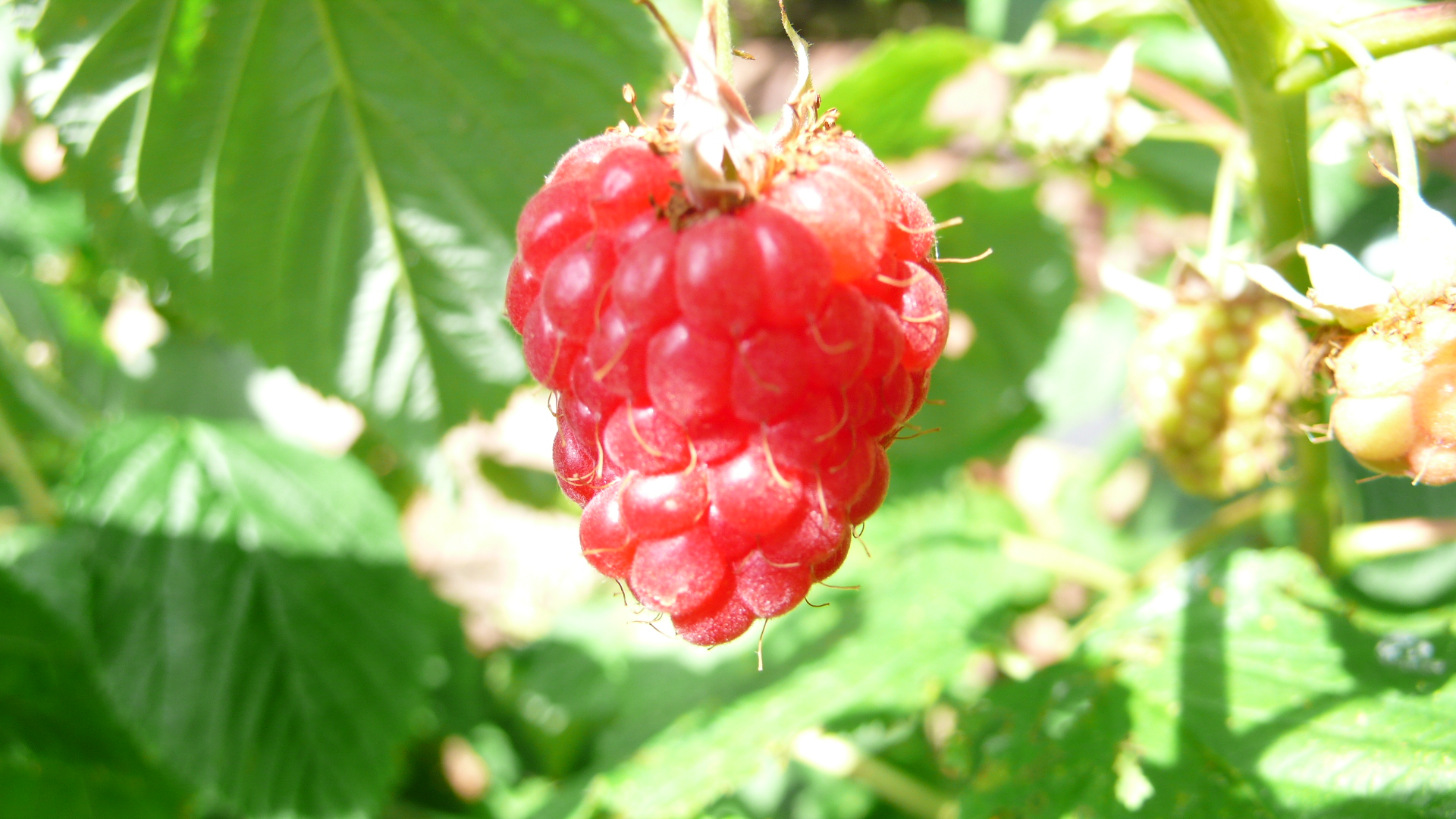
Although the Tree bumblebee will take nectar and pollen from an assortment of garden plants it seems to be particularly associated with members of the rose family (Rosaceae) and is a frequent pollinator of rosaceous soft fruit such as raspberries and blackberries.  I tried and failed yesterday to photograph the bee on our raspberries, so here’s a photograph of the outcome of that pollination.

P1120302

The Tree bumblebee is rapidly becoming one of the commonest garden bumblebees.  Is this likely to cause problems for our other bumblebees, by out-competing them for nectar and pollen, or even nesting sites?  It’s too early to tell but I’d be surprised if it does.

Bombus hypnorum March 2010

Phew!  That’s it!  It’s been a bit of marathon preparing these posts on top of writing a large grant application and a thousand other jobs, but it’s been a lot of fun.  Thanks to everyone who has viewed my posts For Pollinator Awareness Week and commented on them, either on the site or on Facebook.  Hopefully they have raised a broader awareness of our amazing native pollinators.

Garden pollinators for PAW no. 6 – Buff-tailed bumblebee (Bombus terrestris)

P1010430

It would be impossible to write a series of blog posts about garden pollinators for Pollinator Awareness Week without considering the bumblebees (genus Bombus) and I intend to devote the last two posts to that group of bees.  The bumblebees are arguably the UK’s most important pollinators of both wild and crop plants, certainly later in the season when colony numbers have increased. Earlier in the season it’s the solitary bees such as the Orange-tailed mining bee that are predominant.

Although common and widespread in gardens, the Buff-tailed bumblebee (Bombus terrestris) belongs to a group of bees in which the workers are rather variable in appearance and can be very difficult to distinguish from those in the Bombus lucorum group, which includes two other species (B. cryptarum and B. magnus).

This is a truly social species with an annual nest comprising workers and a queen.  Nests are founded by queens that have mated the previous year and hibernated.  They usually choose old rodent nests in which to begin their colonies, which is why they are sometimes found in garden compost bins.  An interesting question that I’ve not seen answered is whether the queens actively displace mice or voles from such nests: does anyone know?  This association between bumblebees and mice led Charles Darwin and Thomas Huxley into some speculation as to the role of spinsters in the British Empire.

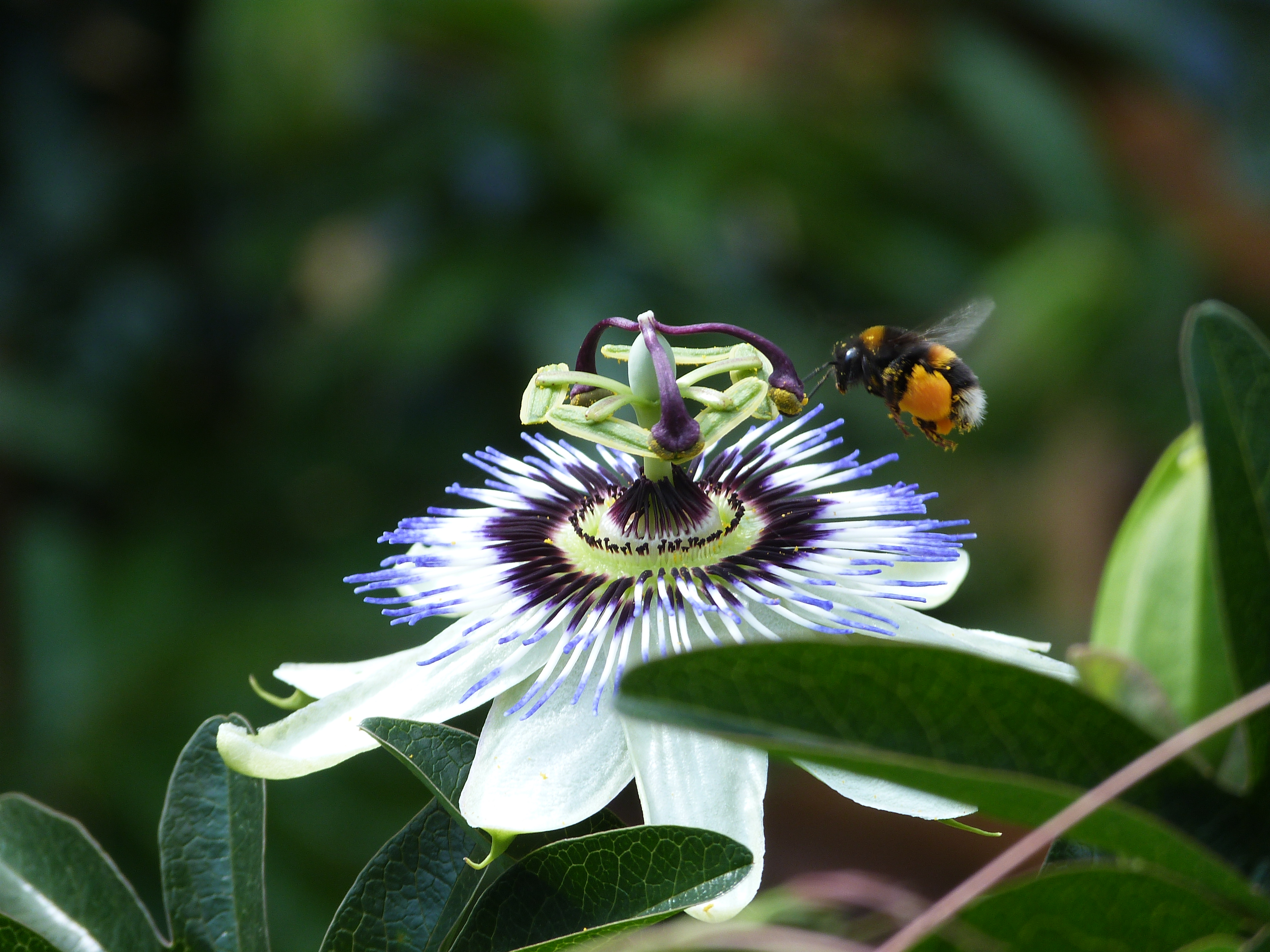
In my garden the Buff-tailed bumblebee pollinates a range of crops including strawberries, squashes, courgettes, blackberries, runner beans, french beans, tomatoes, and raspberries.  As the photo above shows they also visit the flowers of passion fruit, where they seem to be more effective than the smaller honey bees and solitary bees.

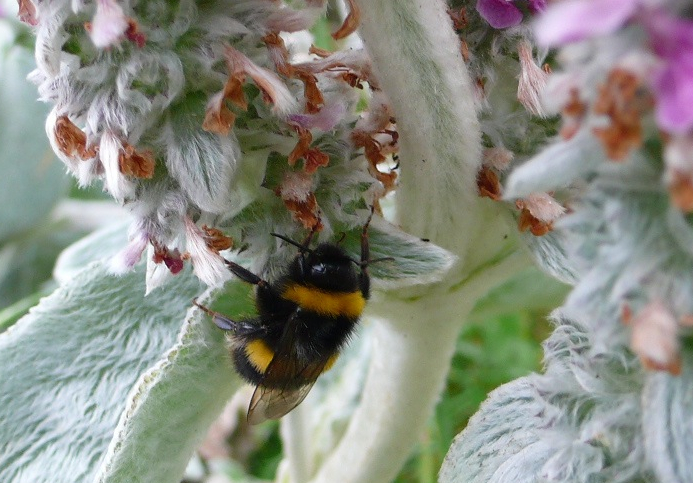
Buff atil on Lambs ear cropped July 2015 P1120289 copy

Garden pollinators for PAW no. 5 – Orange-tailed mining bee (Andrena haemorrhoa)

Bee on apple blossom 2 - 1st May 2015

The Orange-tailed mining bee (Andrena haemorrhoa) is also referred to as the Early mining bee due to its habit of emerging from over-wintered nests as early in the year as March.  In truth, however, many Andrena species put in an early appearance, making them important pollinators of orchard fruit such as apples, which you can see from the photograph above, taken in my urban garden earlier this year.  So “Orange-tailed” is a more descriptive name.

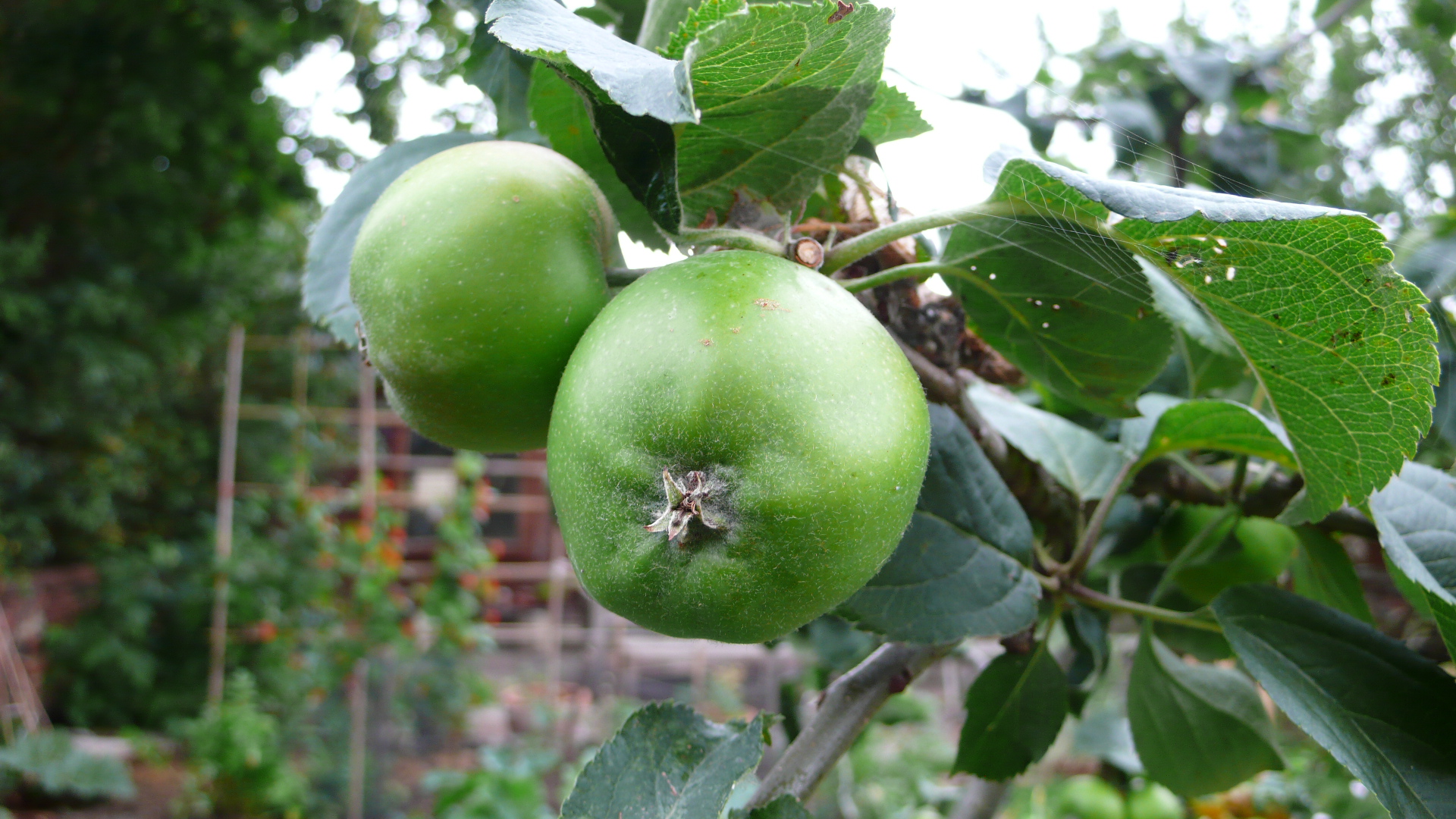
Thanks to the Orange-tailed mining bee and other early bees, this unnamed apple variety (which Karin and I rescued from the bargain area of a local garden centre) has gone on to produce a heavy crop of eating apples (see below). There’s considerable interest in the role of wild bees such as these as pollinators of fruit in commercial orchards, not just in Europe but in the USA too, where other Andrena spp. also pollinate apples.

The epithet “Mining bees” refers to the fact that these solitary species of the genus Andrena usually make their nests in soil, excavating deep tunnels in which to construct individual cells.  It’s another generalist, taking pollen and nectar from a wide variety of garden and wild flowers.  Dandelions are particularly important early in the year – so don’t over-manage your lawn and allow some to flower!

P1120277