At a time when the UK’s wildlife is under increasing pressure, the everyday spaces we manage—especially gardens—are becoming ever more important. Although interest in wildlife-friendly gardening has grown enormously in recent years, the evidence behind different approaches is not always clear. Well-meaning interventions can be highly effective, but some can miss the mark without a grounding in sound ecological knowledge.
That’s exactly why the Wildlife Gardening Virtual Symposium has become such a valuable annual event. It brings together researchers, practitioners, and anyone involved in managing green spaces to explore what the science is actually telling us about creating gardens that support biodiversity.
This year’s programme, chaired by Hafsah Hafeji of the Wildlife Gardening Forum, features four invited talks covering ponds, pollinators, fungi, and urban mammals, along with an update on emerging policies and projects shaping the wildlife-gardening landscape.
2026 Speaker Programme
Fragments of Paradise: Garden Ponds as Wildlife Habitat Dr Mike Jeffries – Northumbria University
Gardening for Pollinators: It’s About More Than Just Flowers! Prof Jeff Ollerton – University of Northampton & Kunming Institute of Botany
How Fungi Make Gardens Flourish Dr Jassy Drakulic – Royal Horticultural Society
Recording Wild Mammals in Urban Spaces: A Multidecadal Study David Wembridge – People’s Trust for Endangered Species
Whether you’re involved in ecology, horticulture, landscaping, consultancy, education, or simply interested in the future of wildlife in our gardens, the symposium offers a concise way to catch up on current evidence and emerging thinking.
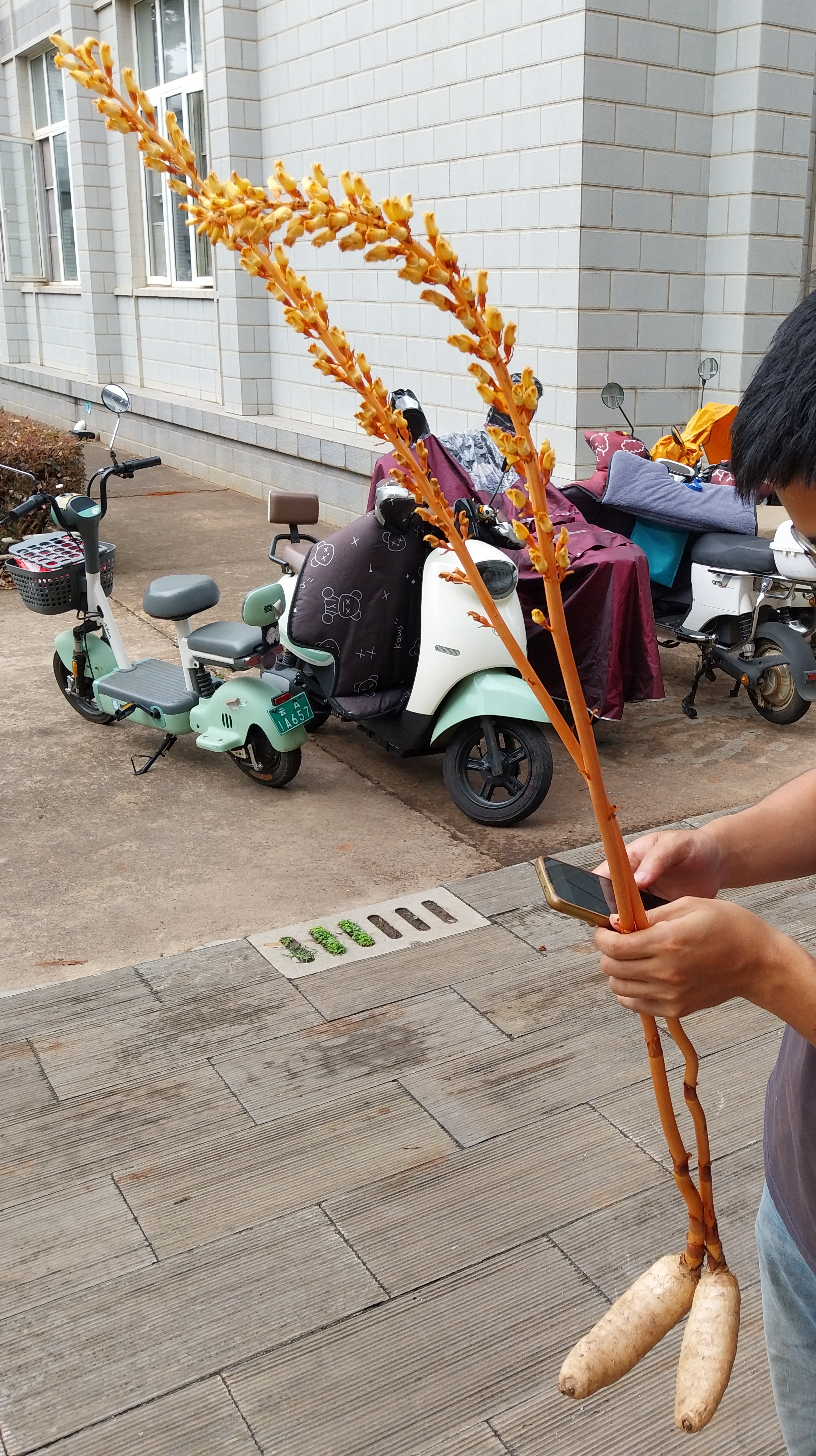
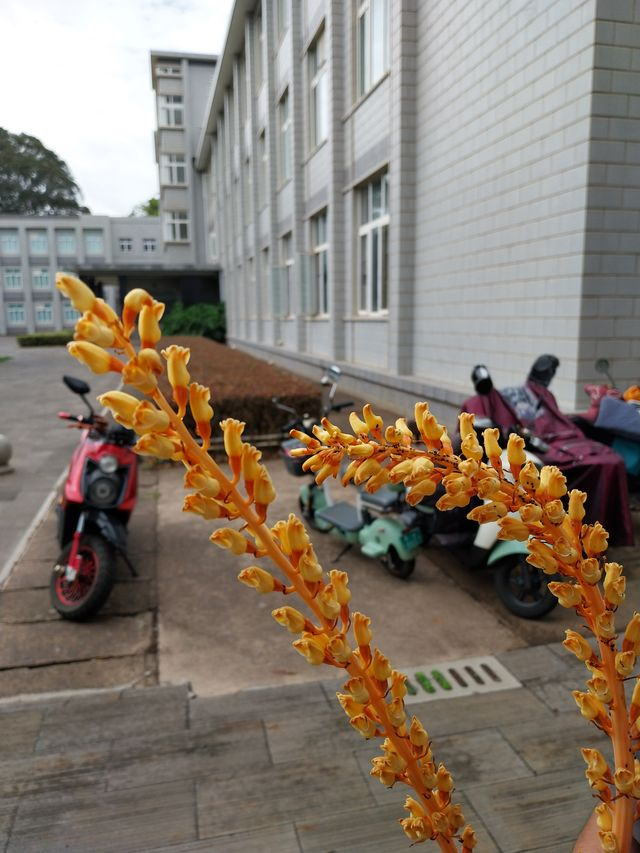
Walking into Kunming Institute of Botany yesterday morning, I passed a young guy who was carrying what I initially thought was a species of Orobanchaceae. I’ve a long-standing interest in the pollination ecology of these intriguing parasitic plants, so I stopped to have a chat. Turns out they were in fact orchids! Specifically, they were specimens of Gastrodia elata, one of the “potato orchids“, so named because those fat tubers are edible. They are widely used in South China – where they are known as Tianma, 天麻 – both as a food and medicinally. The tubers are eaten before the flowers are produced, and originally they were collected from the wild. But in the 1960s a Chinese botanist named Xuan Zhou discovered how to cultivate them and they are now grown in specialist nurseries. A fascinating account of the life of Xuan Zhou – “The Father of Gastrodia” – was published in the journal Plant Diversity last year, shortly after he died.
These orchids do not produce green leaves or stems, therefore they cannot photosynthesise. Instead, they gain all of their energy from a parasitic symbiotic relationship with a fungus – they are what is termed “myco-heterotrophic“. Most myco-heterotrophic plants have evolved from ancestors that were involved in mutualistic mycorrhizal relationships with fungi, in which the plant provides sugars to the fungus in return for mineral nutrients and water. In the case of Gastrodia elata, the fungus concerned is the non-mycorrhizal, wood-rotting Armillaria mellea. In the west we know this as Honey Fungus, a disease of trees and shrubs and the bane of many a gardener. This is also edible, incidentally, but best dried before cooking (and some have an intolerance to it, so take care).
I tweeted the photograph in a short thread just after taking it, and Stewart Nicol pointed me to a study of the orchid’s floral biology and pollination ecology in Japan by Naoto Sugiura. Turns out that, at least in the population which Naoto studied, the plant produces no nectar and deceives its pollinators, which are small bees, into visiting the flowers.
That’s why I’ve used the phrase “doubly-parasitic*” in the title of this post – the plant, it appears, parasitically exploits both the fungus from which it gains energy and the pollinators that ensure its reproduction. It’s (almost, but not quite) the flip side of “double mutualism” in which species provide two benefits for one another, e.g. the same bird is both a pollinator and a seed disperser of a particular plant, a phenomenon that I discussed in my recent book Birds & Flowers: An Intimate 50 Million Year Relationship.
But note the question mark in the title of this post. There’s an enormous amount that we don’t know about these myco-heterotrophic interactions and how they remain stable over the evolutionary history of the plant and the fungus. In order to be considered a parasite, by definition, an organism must have a negative impact on the reproductive fitness of its host. Do these orchids negatively impact either the fungus or the bees that pollinate it? As yet we don’t know. And I was intrigued by this comment from a 2005 review of ‘The evolutionary ecology of myco-heterotrophy‘ by Martin Bidartondo:
“no successful plant lineage would be expected to cheat both mycorrhizal fungi (by failing to provide photosynthates) and deceive insect pollinators (by failing to provide nectar or other rewards) due to the evolutionary instability inherent to specializing on two lineages.”
At first glance it appears that Gastrodia elata is a plant lineage that has done just that, though I’d like to see more work carried out on this system. Specifically, are all populations of the orchid bee pollinated and are all rewardless? And does this orchid really provide no benefit to the fungus, perhaps by synthesising secondary compounds that protect the Armillaria from infection by bacteria or being eaten by invertebrates. So many questions to be answered about this fascinating species interaction!
*With thanks to my wife Karin Blak for inspiring that phrase.
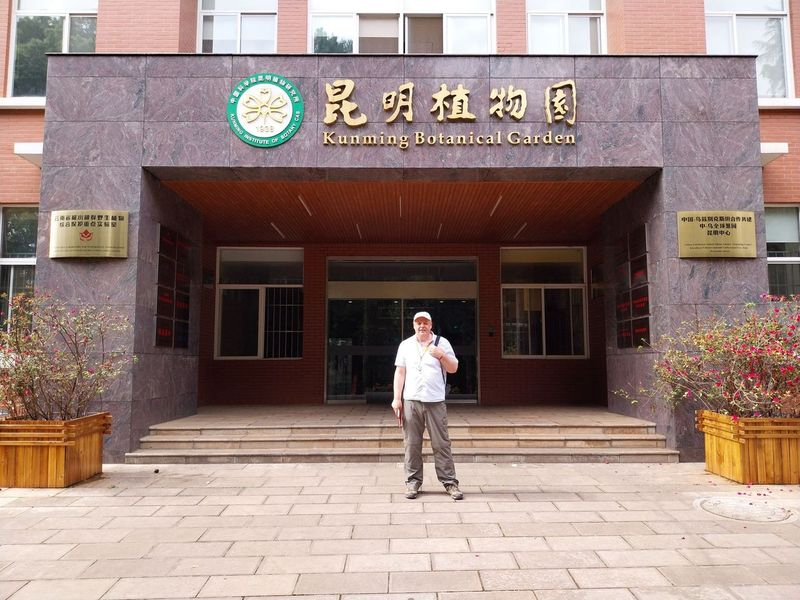
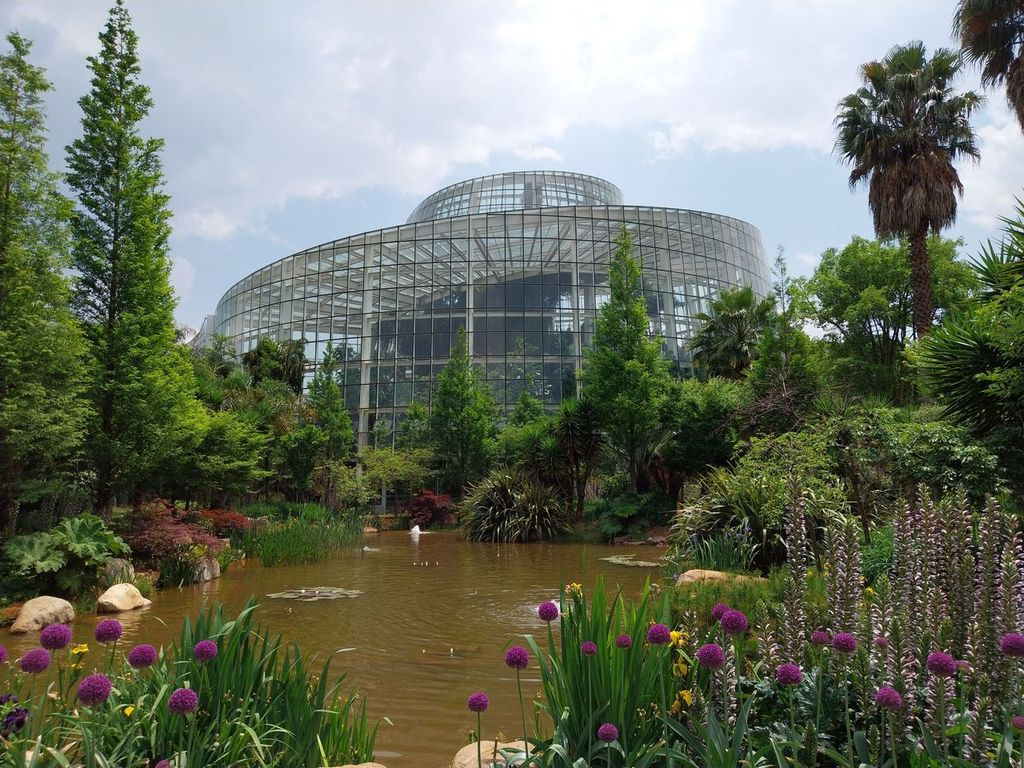
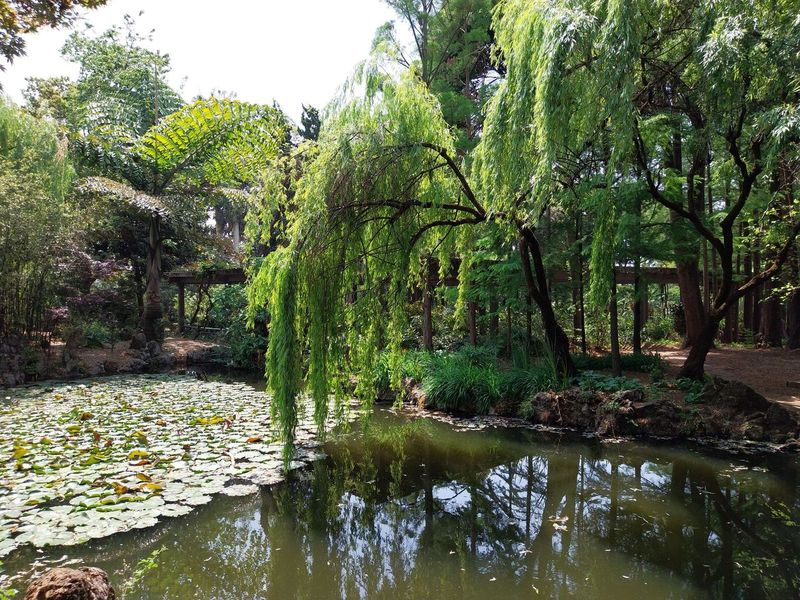
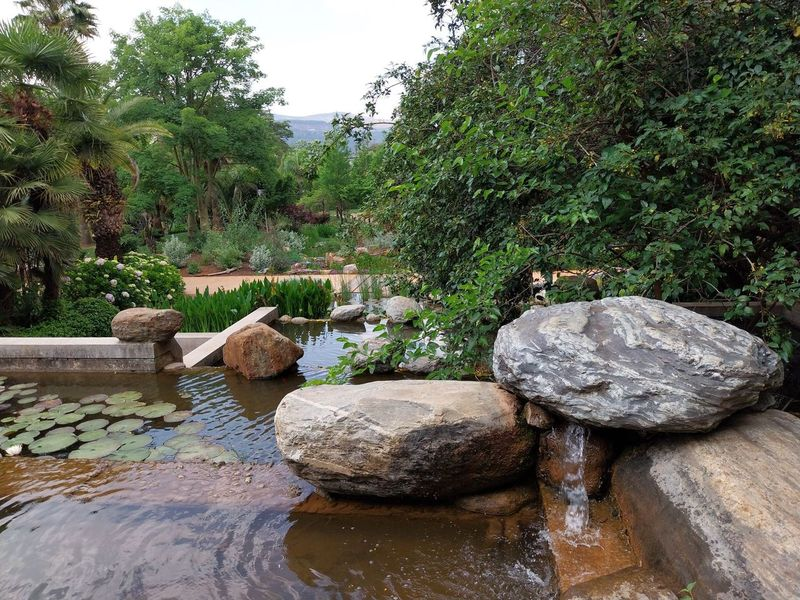
Just over a week ago I arrived in China to spend three months as a visiting professor at the Kunming Institute of Botany (KIB), of the Chinese Academy of Sciences. I am being hosted by my colleague Dr Zong-Xin Ren, and I will repeat this trip each year over the next three years. This is my first visit to Kunming because my last visiting professorship here had to be conducted remotely due to the COVID-19 pandemic. As you can see above, KIB is adjacent to, and works closely with, Kunming Botanical Garden and I have the good fortune of being able to walk to work each day through the gardens:
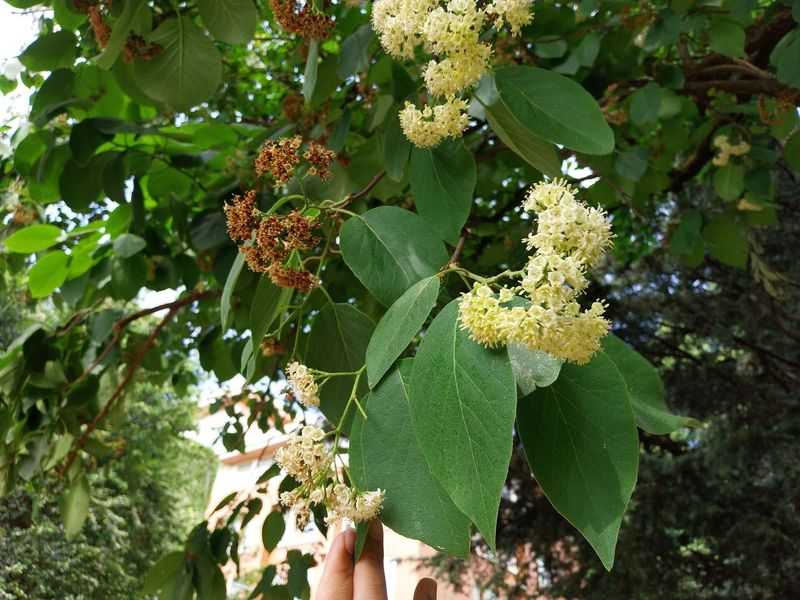
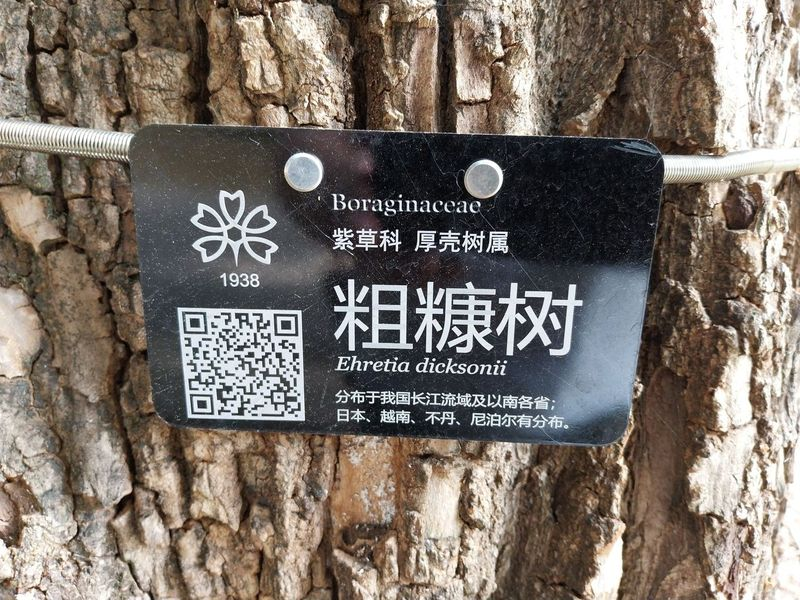
As I’ve said before, I love botanic gardens because I always, always see plants that amaze and surprise me. For example, I struggled to recognise the family that this very large tree belonged to – and was surprised by the answer!
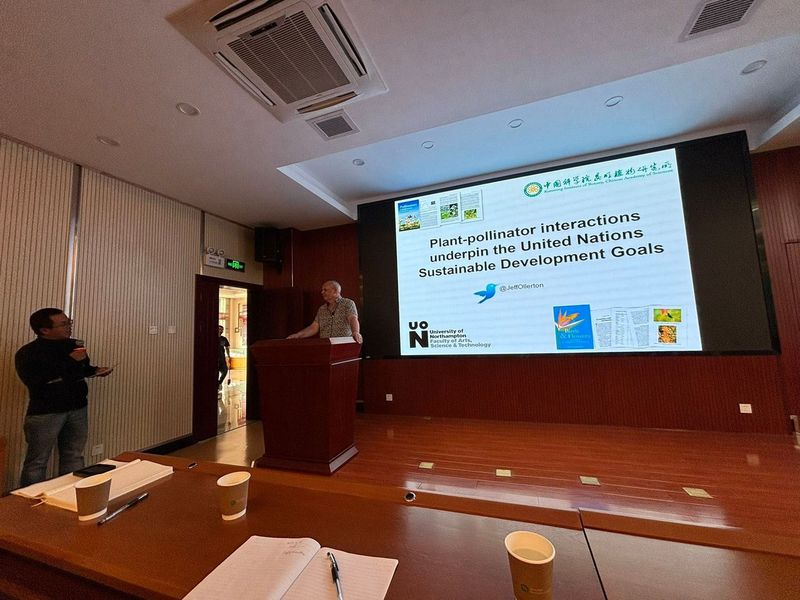
I’ll be spending my time working on some data and writing manuscripts, carrying out field work, and talking with KIB postgrads and postdocs about their projects. I’ll also give some lectures here and at other institutions in China. The first of these was last Thursday where I spoke about the role of plant-pollinator interactions in underpinning the United Nations Sustainable Development Goals:
Thanks to Brazilian researcher Sinzinando ‘Nando’ Albuquerque-Lima for those last two photographs. As part of a Brazilian-funded project, Nando is here for about 8 months studying a range of plants and their pollinators.
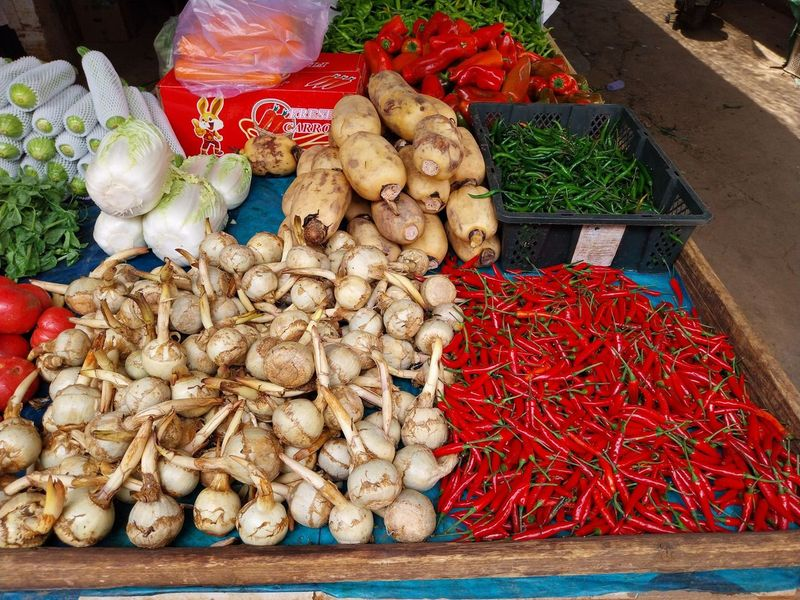
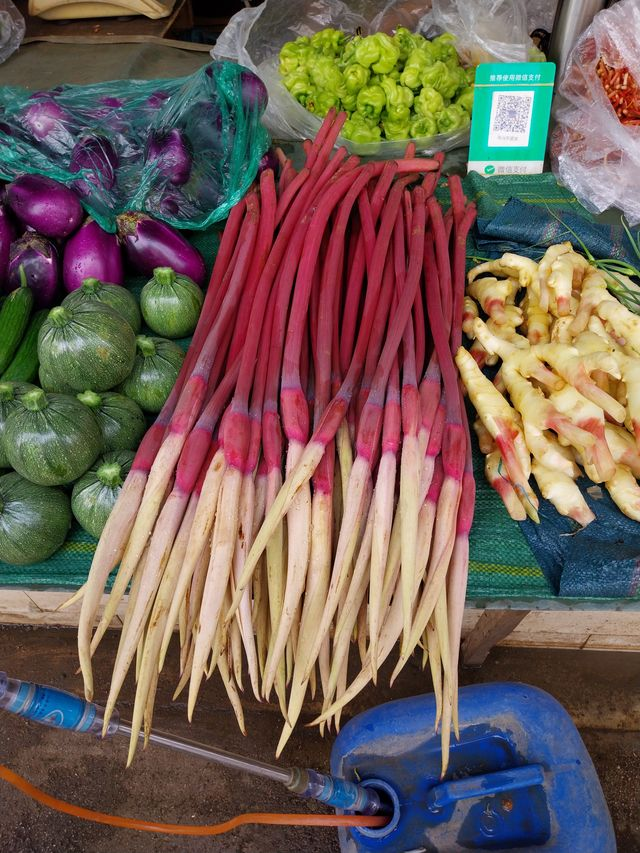
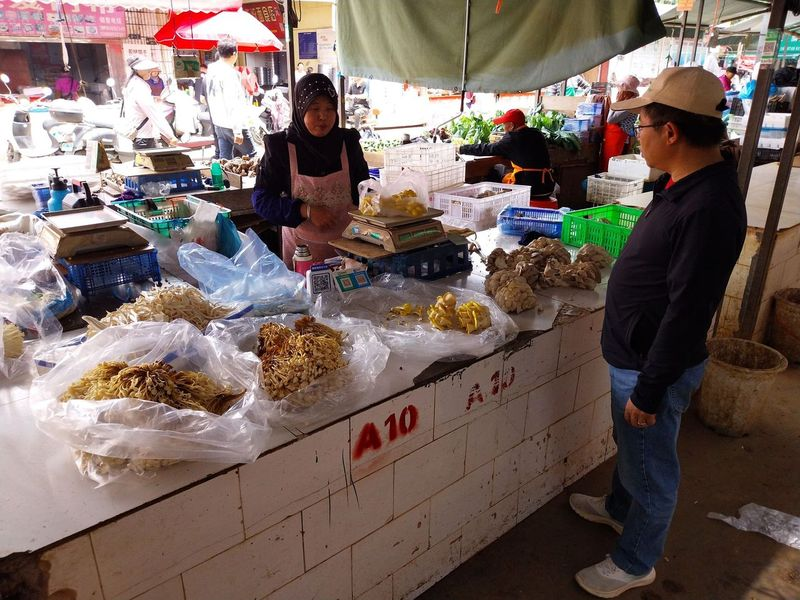
Further afield, Zong-Xin and Nando have introduced me to some of the amazing markets and restaurants in the city and I’ve already added three new plant families to my life list of those I’ve consumed: Phyllanthaceae (the rather sour fruit of a Phyllanthus species); Alismataceae (deep-fried, ‘crisped’ roots of a Sagittaria species); and Meliaceae (the young leaves of Toona sinensis are used as a spinach):
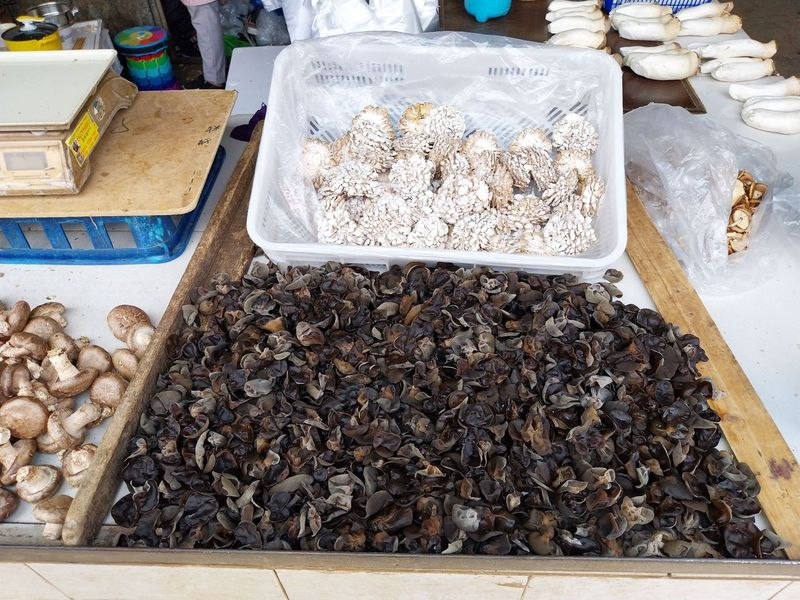
That last photo does not show rhubarb! They are the stems of a variety of taro (Colocasia esculenta) an Araceae species. Yunnan is especially famous for its wild-collected fungi:
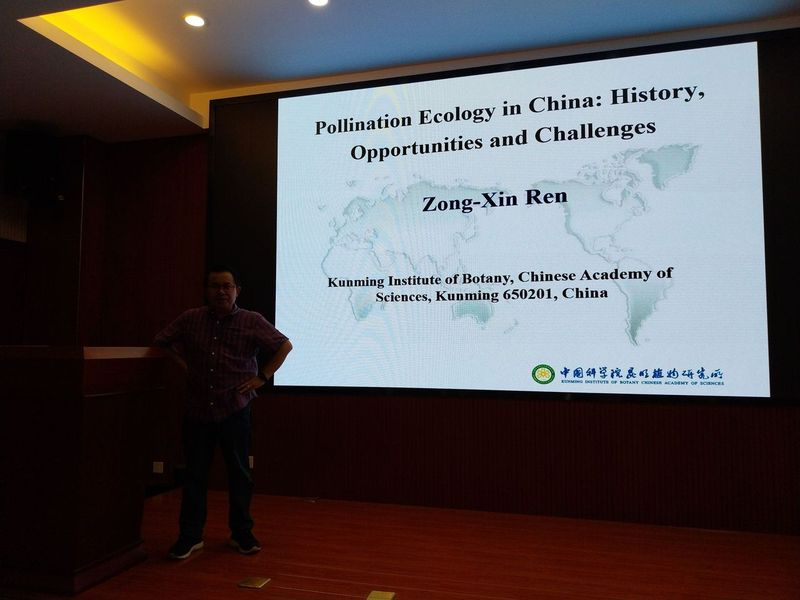
On Sunday afternoon Zong-Xin’s research group gave some presentations about their research, which is diverse and exciting and I look forward to discussing it with them some more in the coming months. The afternoon started with a talk by Zong-Xin himself about the history and opportunities of studying pollinators and pollination in China:
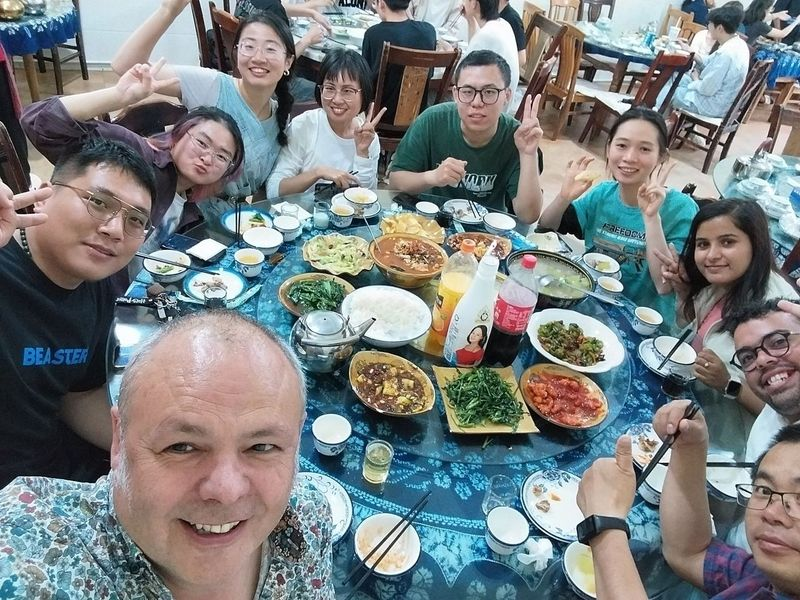
And then we all went to dinner!
That’s all for now, I’ll add updates as the weeks go by.
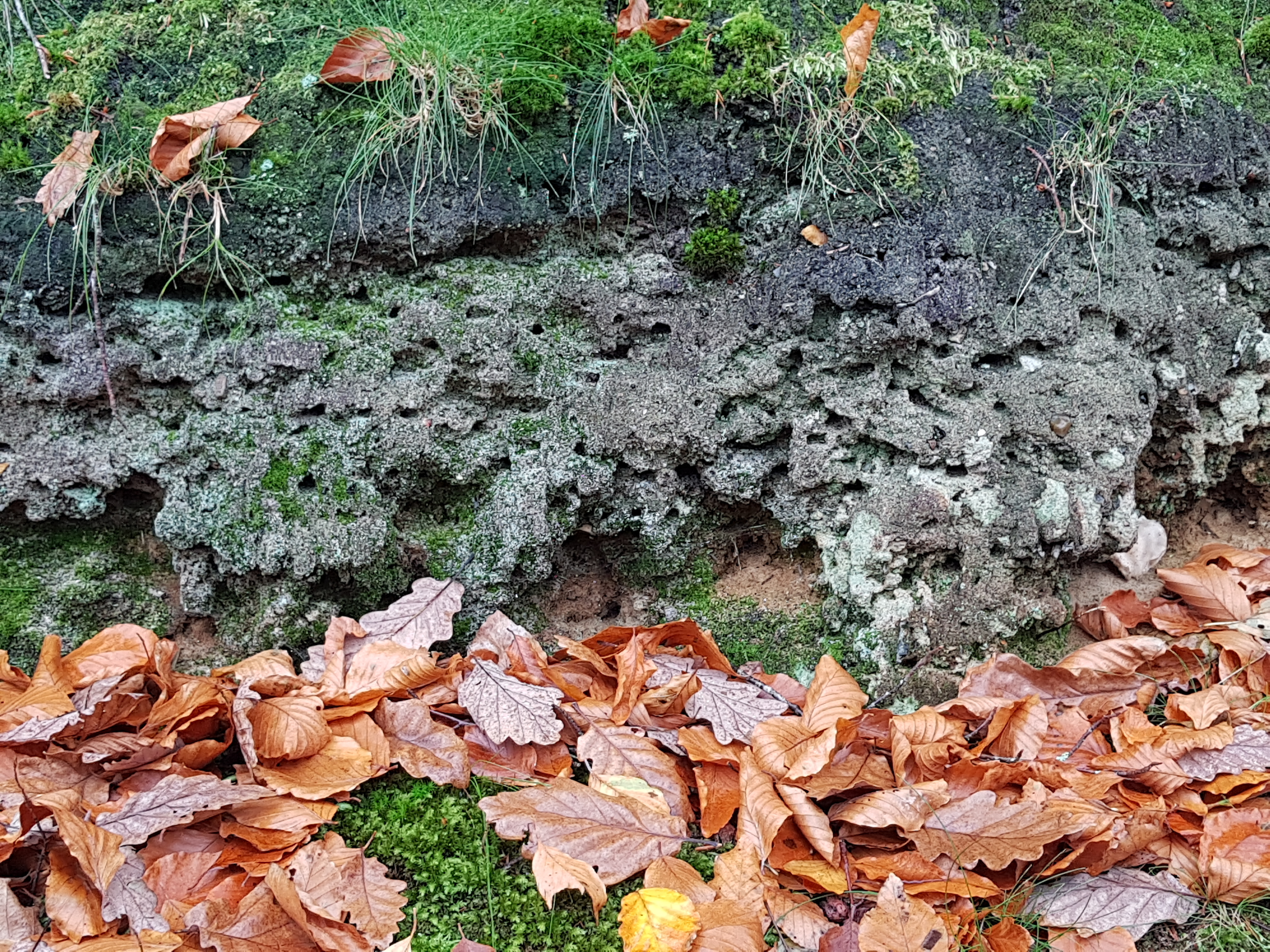
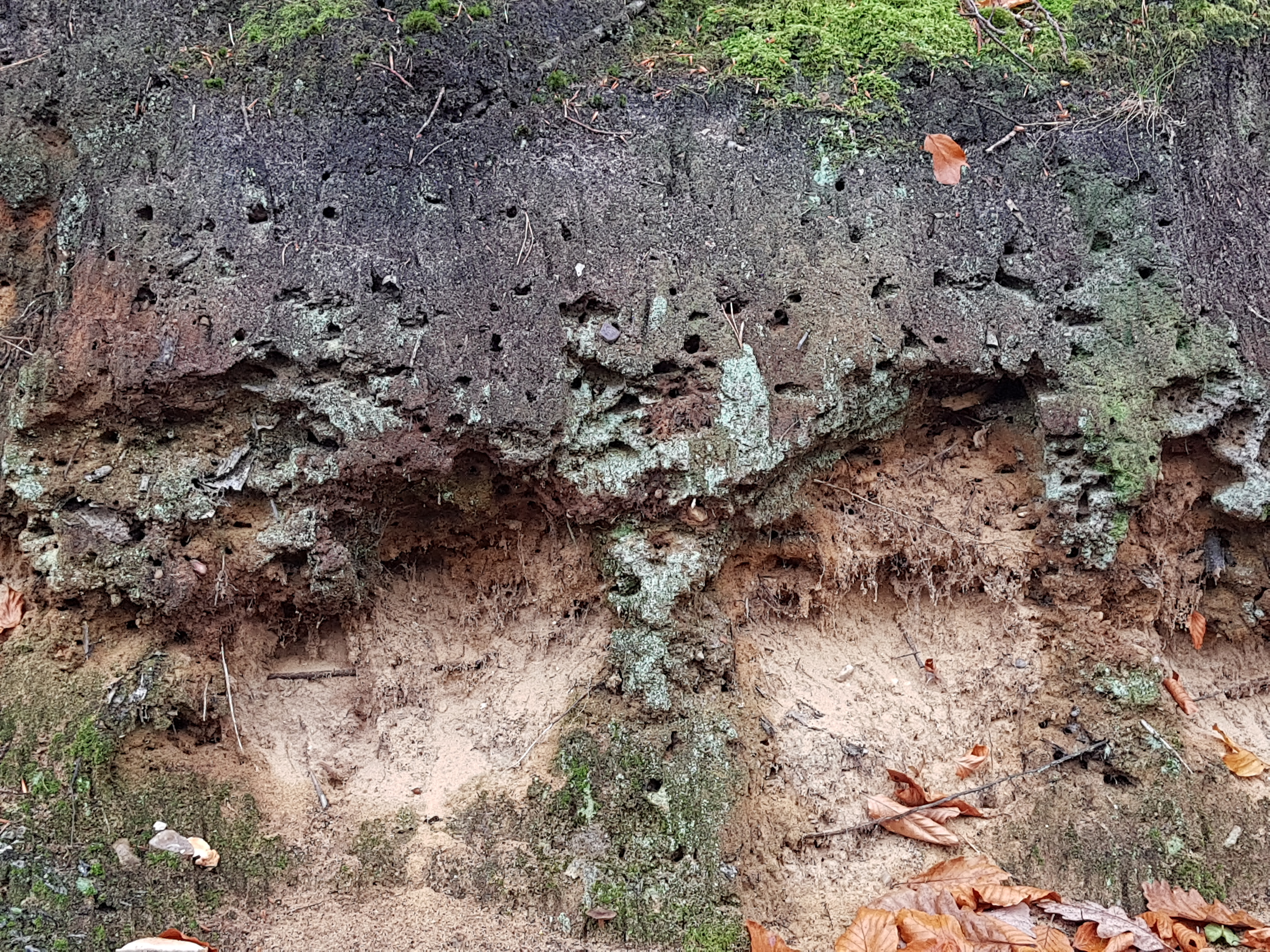
A couple of weeks ago we visited Karin’s family in Jutland and went for a couple of long walks around the area. One of these took us through some very nice mixed pine, oak, and birch forest close to a river. The forest was anchored into a thin horizon of mulchy topsoil, beneath which was almost pure sand, a post-glacial legacy of the wider, wilder rivers that ran through the region at the end of the last Ice Age.
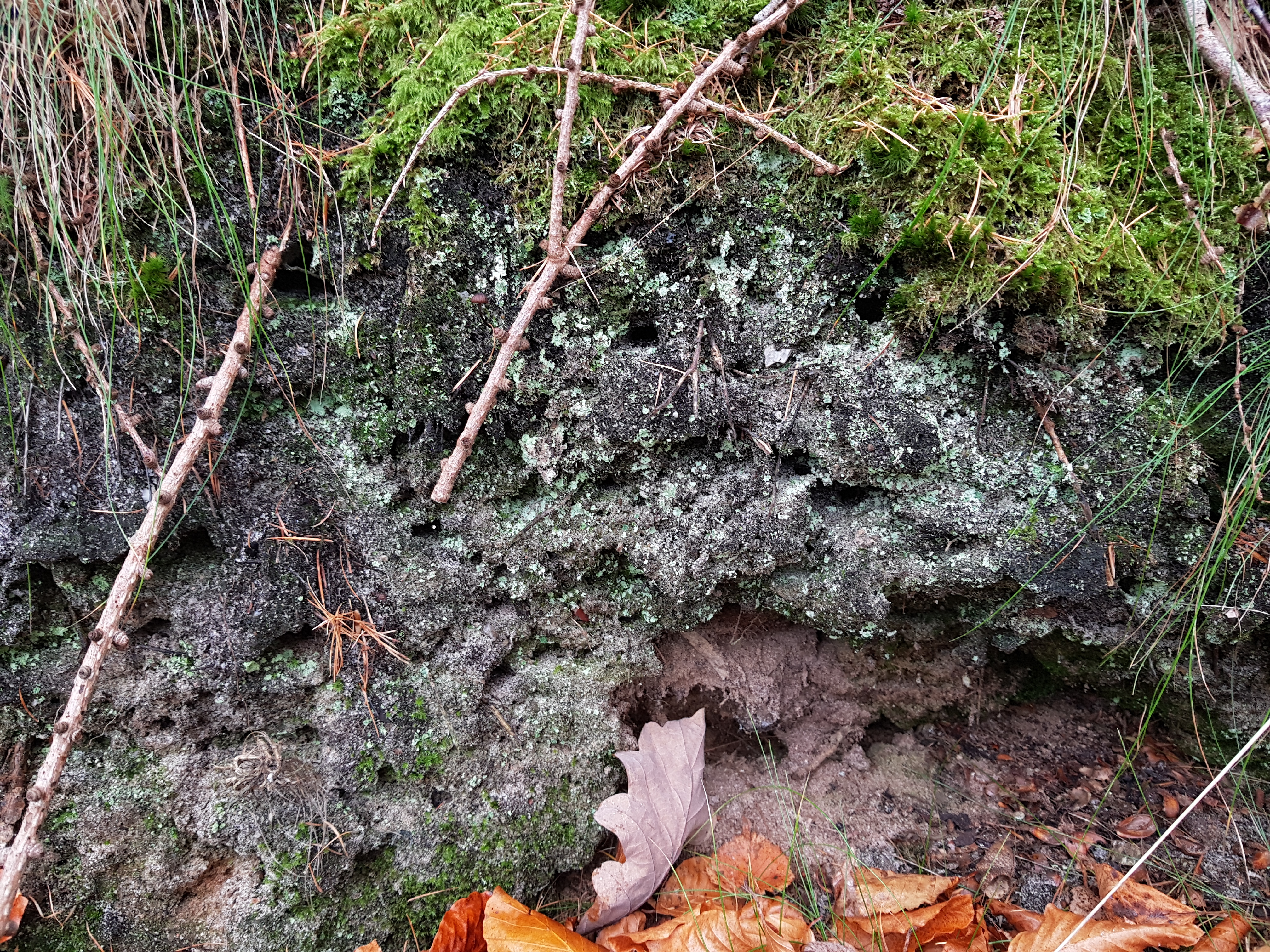
Where our path ran parallel to the river I noticed that the exposed vertical sections were far from lifeless: the sandy faces had been colonised by algae, lichens, fungi, cyanobacteria, and mosses. These biological crusts had stabilised the sand and prevented it from eroding further back into the bank. On a miniature scale they were doing what forests and other vegetation does in mountainous areas all over the world: preventing landslides.
Biological crusts in turn provide opportunities for ferns and seed plants to germinate and gain a foothold: they are often the starting point for further ecological succession.
Not only are these crusts acting as substrate stabilisers and seed beds, but all of the usual ecological processes of photosynthesis, nutrient acquisition, decomposition, carbon storage, symbiosis and competition are taking place in just a few millimetres of biodiversity. There’s a lot going on in these thin veneers of life.
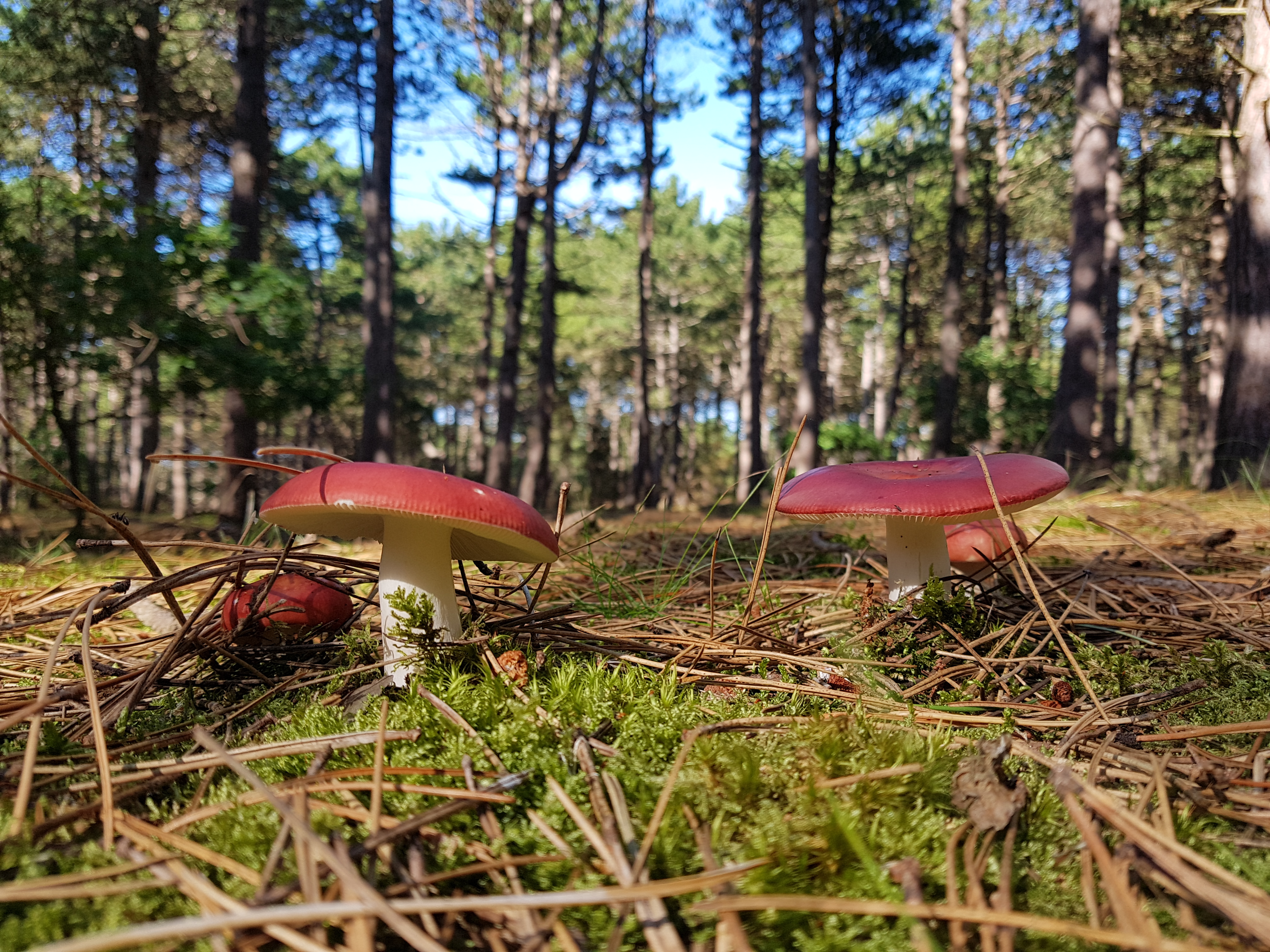
A sad and timely news story caught our eye this morning: the death of two young Afghan boys in Poland who were poisoned after their family collected wild mushrooms to make a soup. Other members of the family were hospitalised. As Karin read out the story to me, I was moved by the tragedy of these events for a family fleeing a war zone, but also angered by pointlessness of the loss of those brothers’ lives, just more death-by-wild-mushroom statistics. In Europe we read about such events every year in the autumn, the peak of wild fungus foraging. And quite often the deaths are of people who have recently moved to an area and mistake poisonous mushrooms for edible ones from their country of origin.
At their root, these tragic stories of lost lives and broken families are stories of misunderstandings about nature. In particular, they are about not appreciating that plants, mushrooms, animals, and other wildlife, are not the same all over the world. There are biogeographic differences between regions that reflect the long-term history of life on our planet. Plants or mushrooms that look superficially similar in different parts of the world may have very different evolutionary histories. Histories that can make the difference between good to eat and deadly poisonous, between life and death.
The mushroom which killed the boys was a Death Cap (Amanita phalloides) which is found across Europe and the Mediterranean basin. As far as I can tell from its GBIF records, it does not occur in Afghanistan. The family presumably mistook this mushroom for one with which they were familiar, perhaps a different species of Amanita, which contains both deadly types and some that are good to eat. This terrible and fatal mix up could so easily have been avoided.
I’m not certain if resettlement agencies provide information about the foraging of wild food, or if basic facts about local nature are provided to those new to these areas. This is a simple action that could save lives and further tragedies for families trying to recover after the disruption of moving to a new country. It may be that this family was trying to carry on traditions of foraging in an effort to feel at home.
Since we arrived in the Odsherred region of Denmark, where Karin and I intend to settle, we have been exploring the woods and beaches on our newly bought bicycles. Much of the natural history is familiar to me from Britain, but there’s also some interesting differences and in future blog posts I’ll discuss this further. Last week we happened across a Lithuanian woman and her mother who had been foraging for mushrooms in the forest around their summer house. They were pushing a baby’s pram, the lower basket of which was stuffed with fungi. Picking and eating wild mushrooms has been something I’ve enjoyed since I was a teenager, so I had to stop and chat with them. They showed us some of their finds, including species with which I wasn’t familiar and that I will research further.
Lithuania and Denmark are of course quite close to each other geographically. Nonetheless the younger woman was still discovering which of the local mushrooms were good to eat: ‘I learn one new edible species each year’ she told us ‘That’s a good rule, then you don’t get confused’.
Since that meeting we’ve had several meals from mushrooms collected in the area, including some very fine ceps (Boletus edulus). I will keep in mind the woman’s words and proceed cautiously when it comes to discovering what is edible and what is not.
To end this rather sad but hopefully thought provoking post, Karin and I send our deepest condolences to the Afghan family and our heartfelt wishes that they can recover from these tragedies that must have deeply affected their lives.





 Prof. Jeff Ollerton - ecological scientist and author