Category Archives: Denmark

A “weed” that you should be eating and an introduction to our new garden

It’s been a rather nomadic couple of years. After Karin and I sold our house in Northampton, we travelled around in the UK and then in Denmark, renting places as we needed them, plus we spent a month in Kenya. We’ve now become more settled in Sjælland and, after some deliberation about whether to buy a house or continue renting, we’ve reached a compromise and bought into an andelsbolig, one of the many Danish cooperative housing schemes – see this article in The Guardian for more details.

The development of twenty-eight small properties has been newly built to the highest standards of insulation and is plugged into the district heating system which uses a combination of solar warming and gas (in part using methane generated from food waste).

It’s nice to have a garden again. I hadn’t realised how much I’d missed having a space in which to plant and potter. All gardens present challenges, of course, and this one is no exception. Until about 600 years ago the area was under the shallow Kattegat sea. It’s now above sea level due to post-glacial rebound and in fact this whole region of Odsherred is a UNESCO Global Geopark because of the postglacial landscape.

What this means for us is that we are gardening on “soil” which has a very high sand content and is filled with stones, large and small.
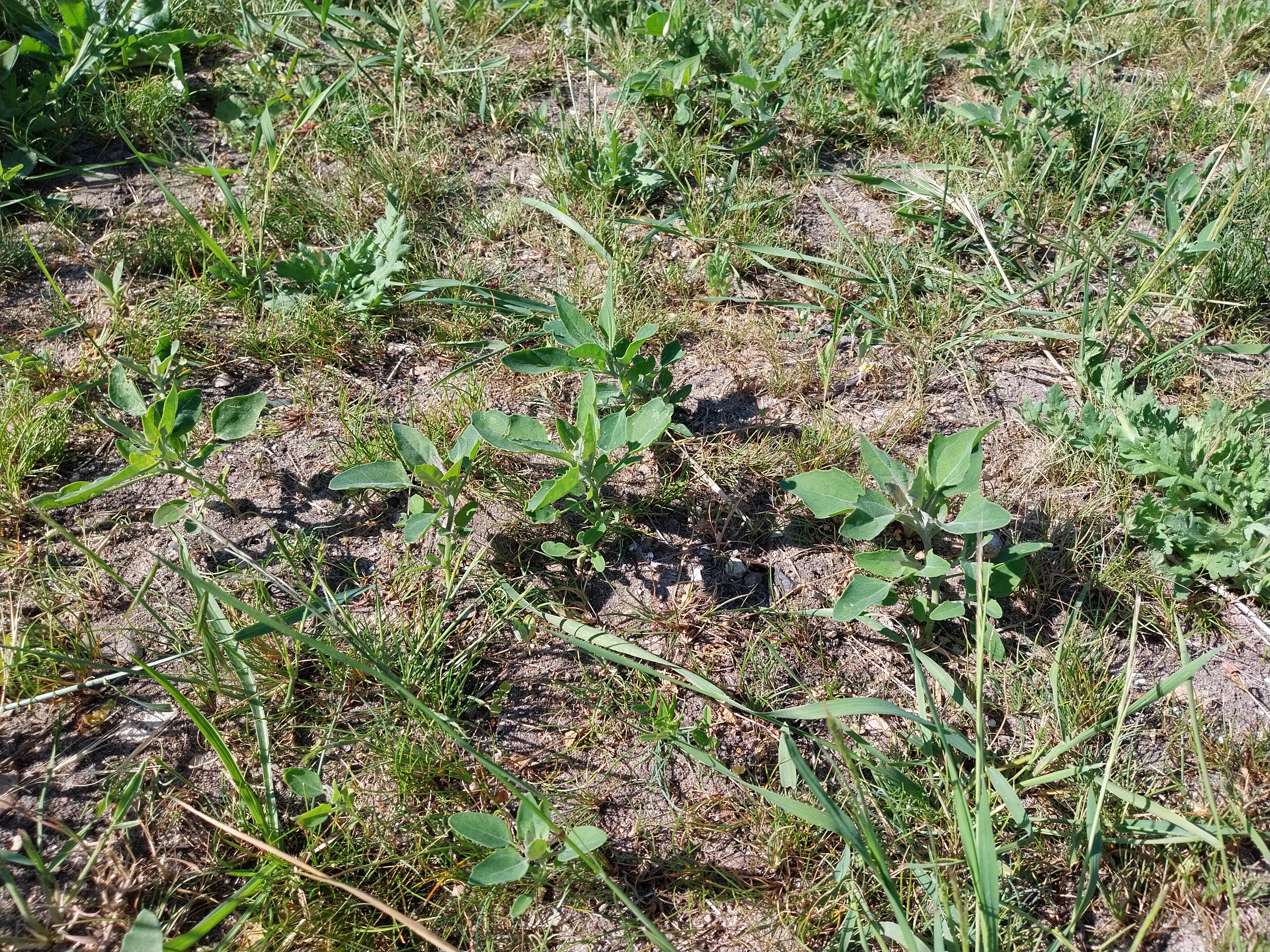
Added to that, we’re in one of the driest parts of Denmark (certainly this year) and a persistent coastal wind rapidly strips the moisture from the soil. So as we dig up or find large stones we are using them around plants to retain water and mulching with the smaller stones that we find in abundance. As yet we don’t have any rain water butts so we’re using the kitchen water from washing up to supplement the hosepipe.
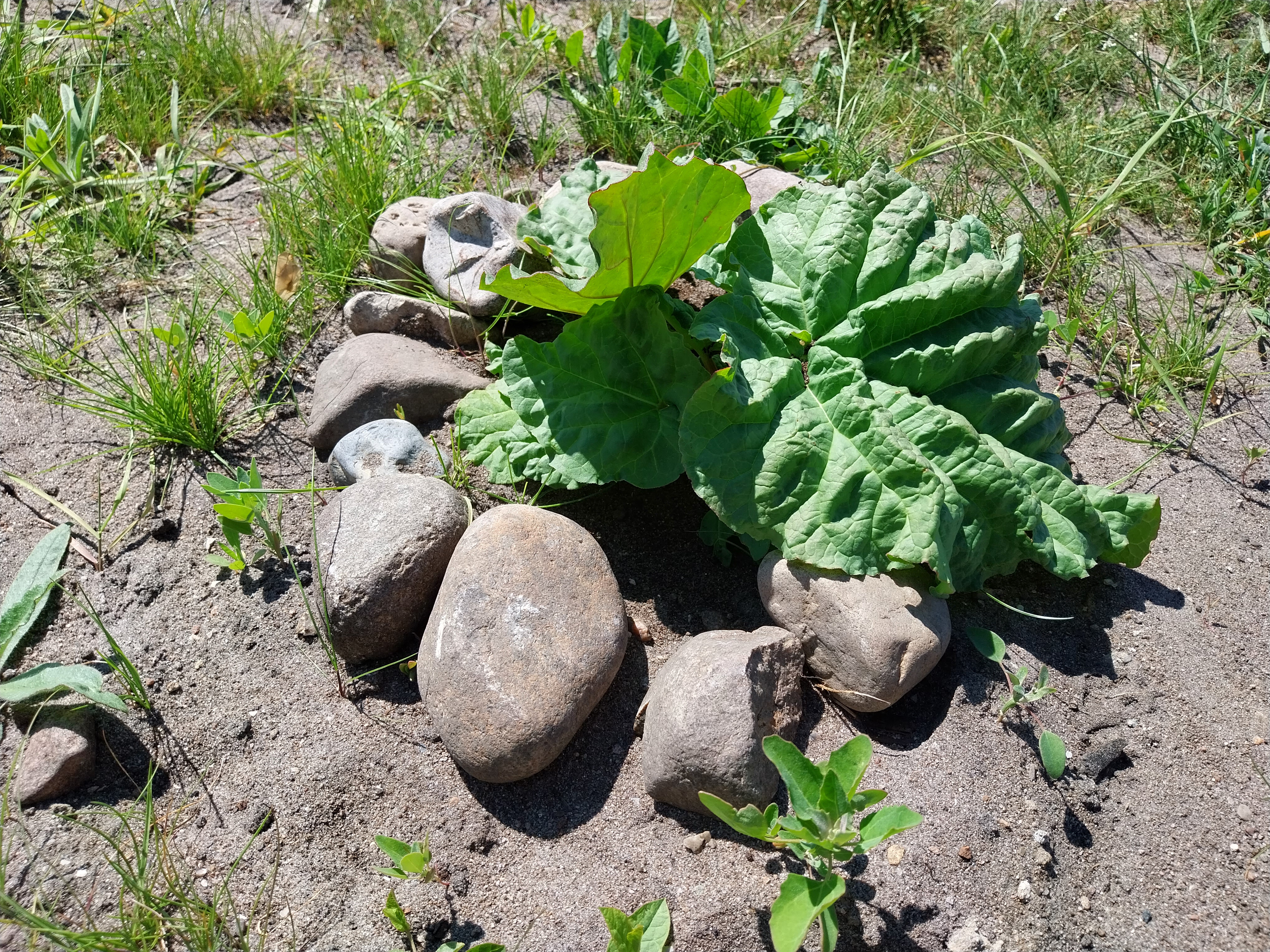
It’s not easy gardening here, but we like a challenge and we’re calling in favours from friends and family to provide us with cuttings and divisions of plants from their own gardens, which should mean that they are better adapted to the local conditions than most of the shop-bought plants. We’ve also started a small vegetable and fruit patch and planted apples and pears around a paved patio that over time we will train as self-supporting espaliers.

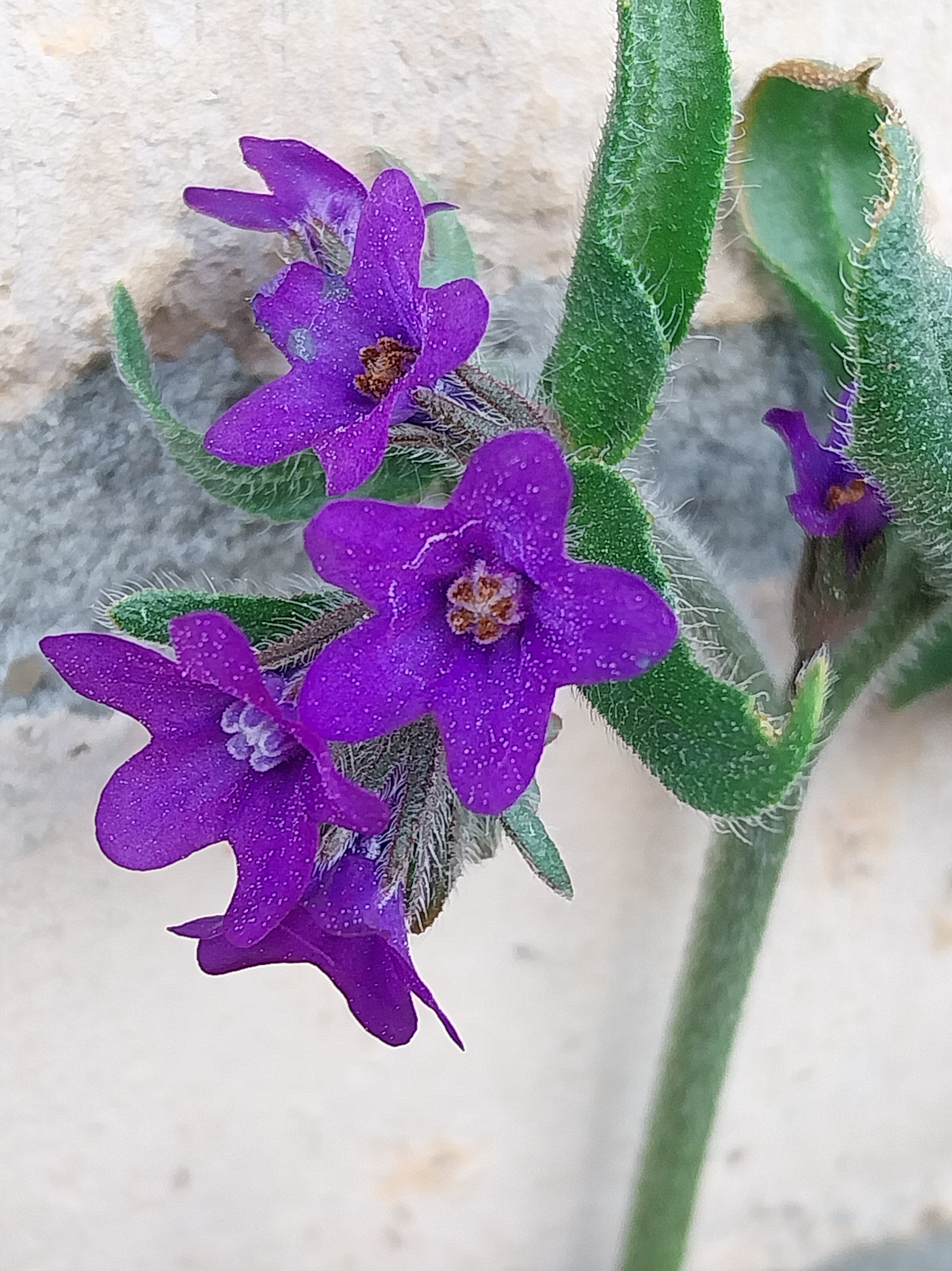
Gradually we’ll fill up the space and move things around as needed. But for now I’m also interested in seeing what plants come up spontaneously, especially the annual species that are benefitting from the disturbance. I don’t use the term “weed” to refer to these: weeds are just plants in the wrong place at the wrong time. Many such plants are ecologically important, especially as nectar and pollen sources for bees and other insects. This includes Common Bugloss (Anchusa officinalis) with its richly purple, velvet-textured flowers.
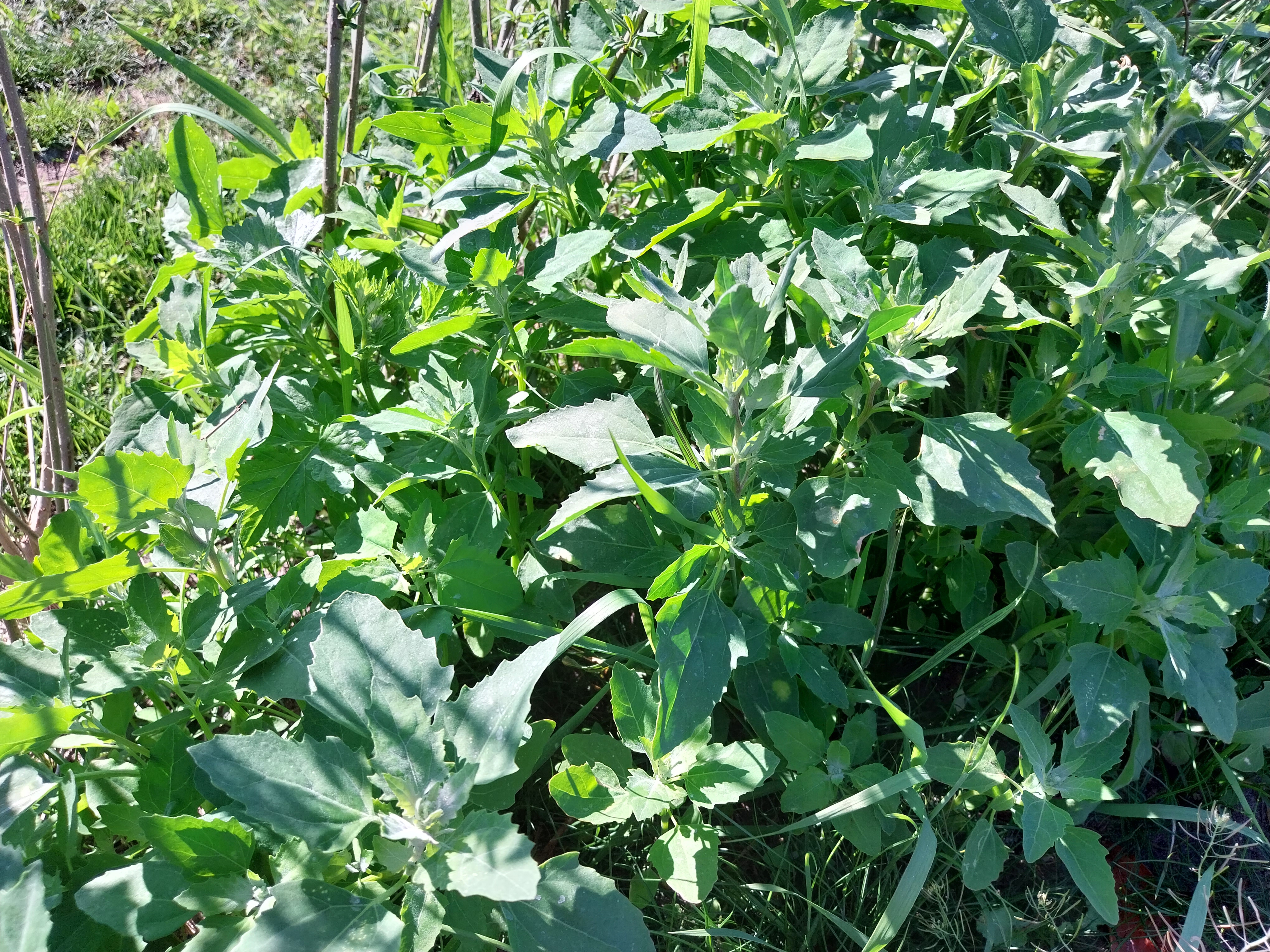
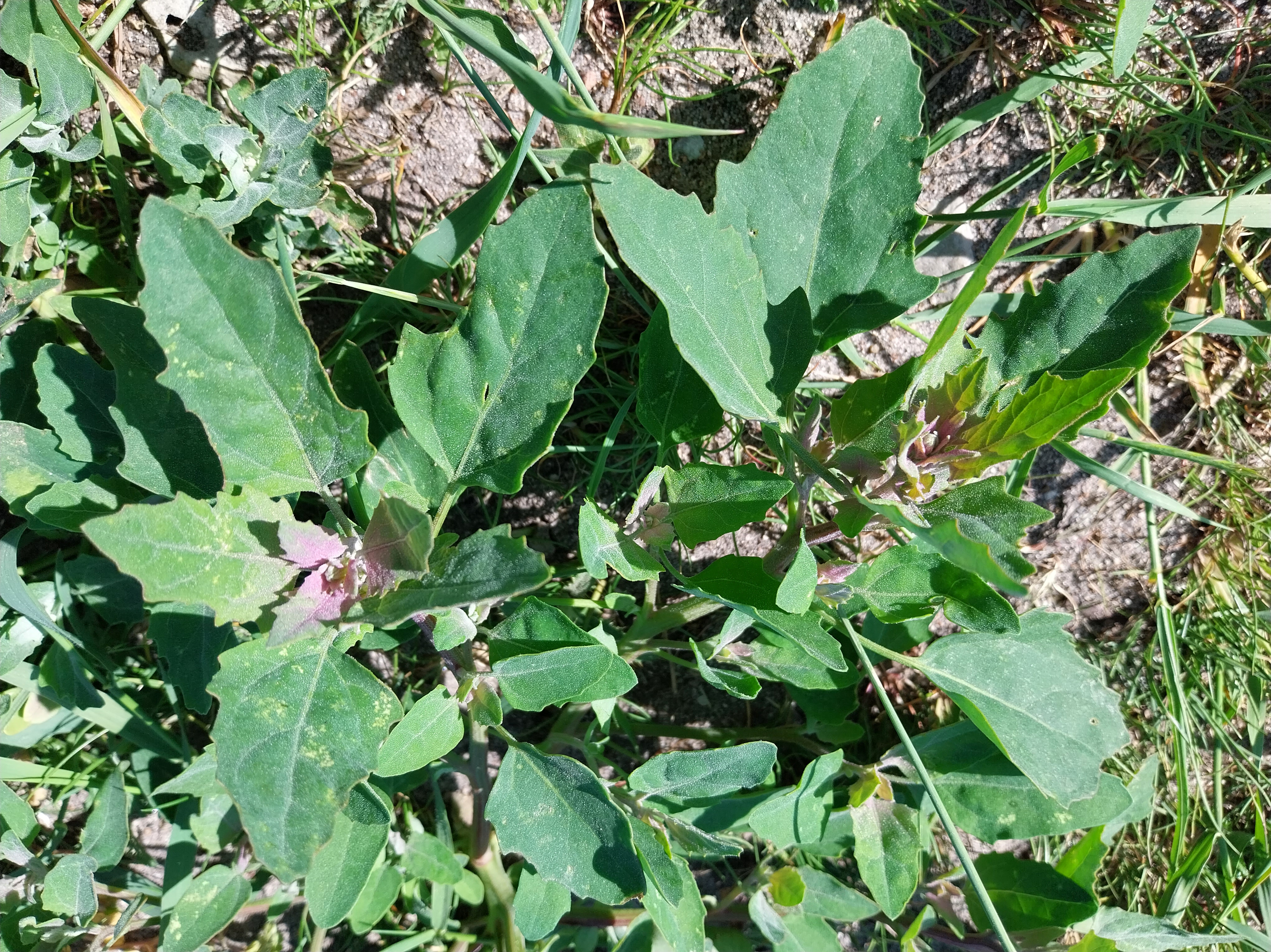
Another plant that we are tolerating is a fast-growing relative of spinach that’s variously called Goosefoot or Fat Hen (Chenopodium album). I’d long known that it was edible (it’s grown as a crop in parts of Asia) but until last night I’d not cooked with it.

In fact it’s delicious! I threw some roughly chopped leaves and stems into a mushroom omelette and I have to say that it was better than any commercial spinach I’ve bought or grown. In particular, the texture is much nicer as the leaves are very water-repellant which mean that they don’t absorb as much moisture during cooking. Highly recommended as an alternative to spinach but make sure you correctly identify the plant before you try it – there’s some good advice on this website: https://www.wildfooduk.com/edible-wild-plants/fat-hen/.

As well as Fat Hen we also have the close relative Tree Spinach (Chenopodium giganteum), with it’s beautiful magenta-tinged leaves, coming up in the garden. I’m looking forward to trying that too:
I’ll try to post more as the garden progresses, if I have time. But as I mentioned yesterday, even though the manuscript is complete and submitted to the publisher, there’s still lots to do on my next book! Have a good weekend.
A raw wind on the beach, bird song in the woods, and the hope of spring to come

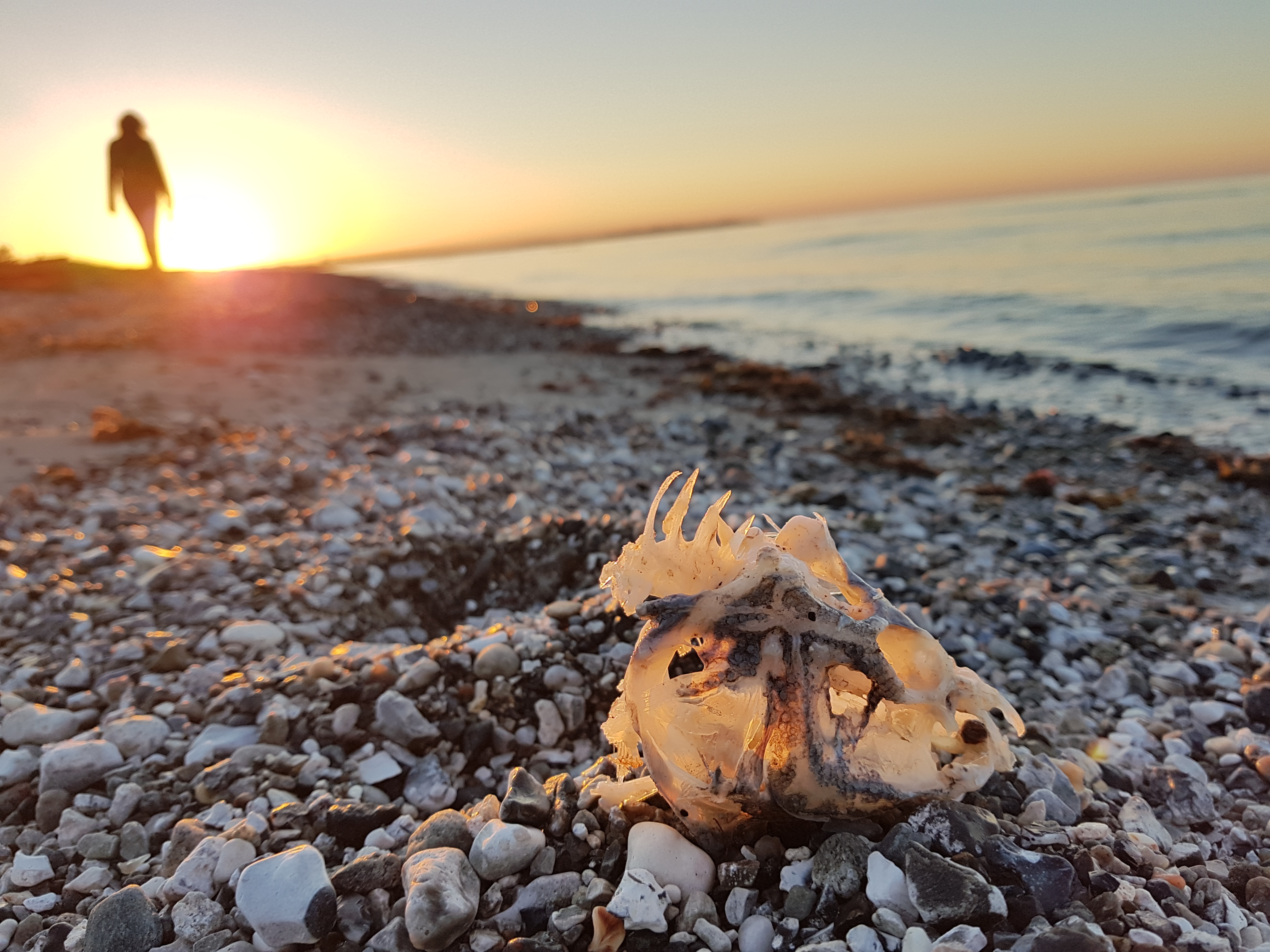
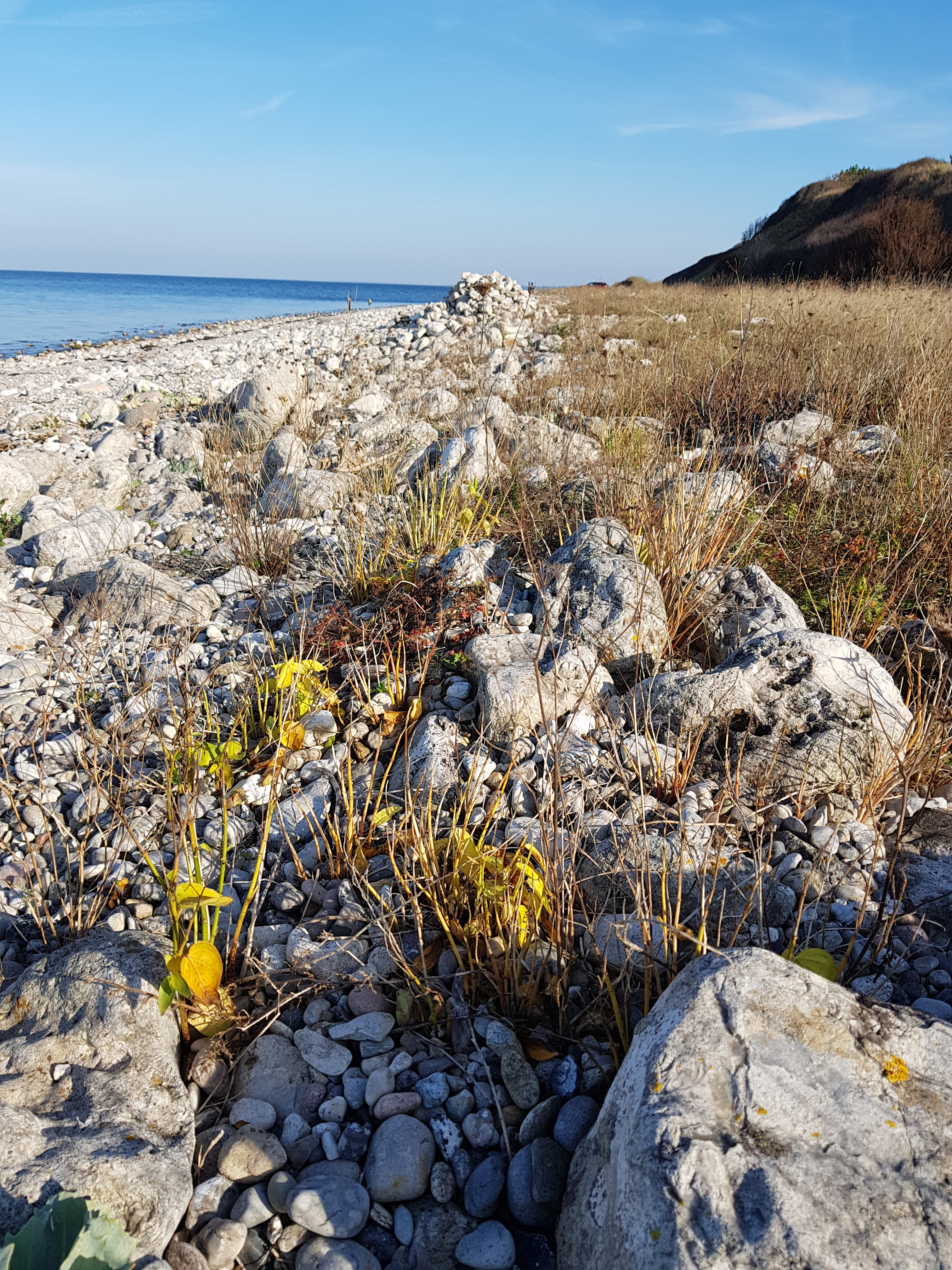
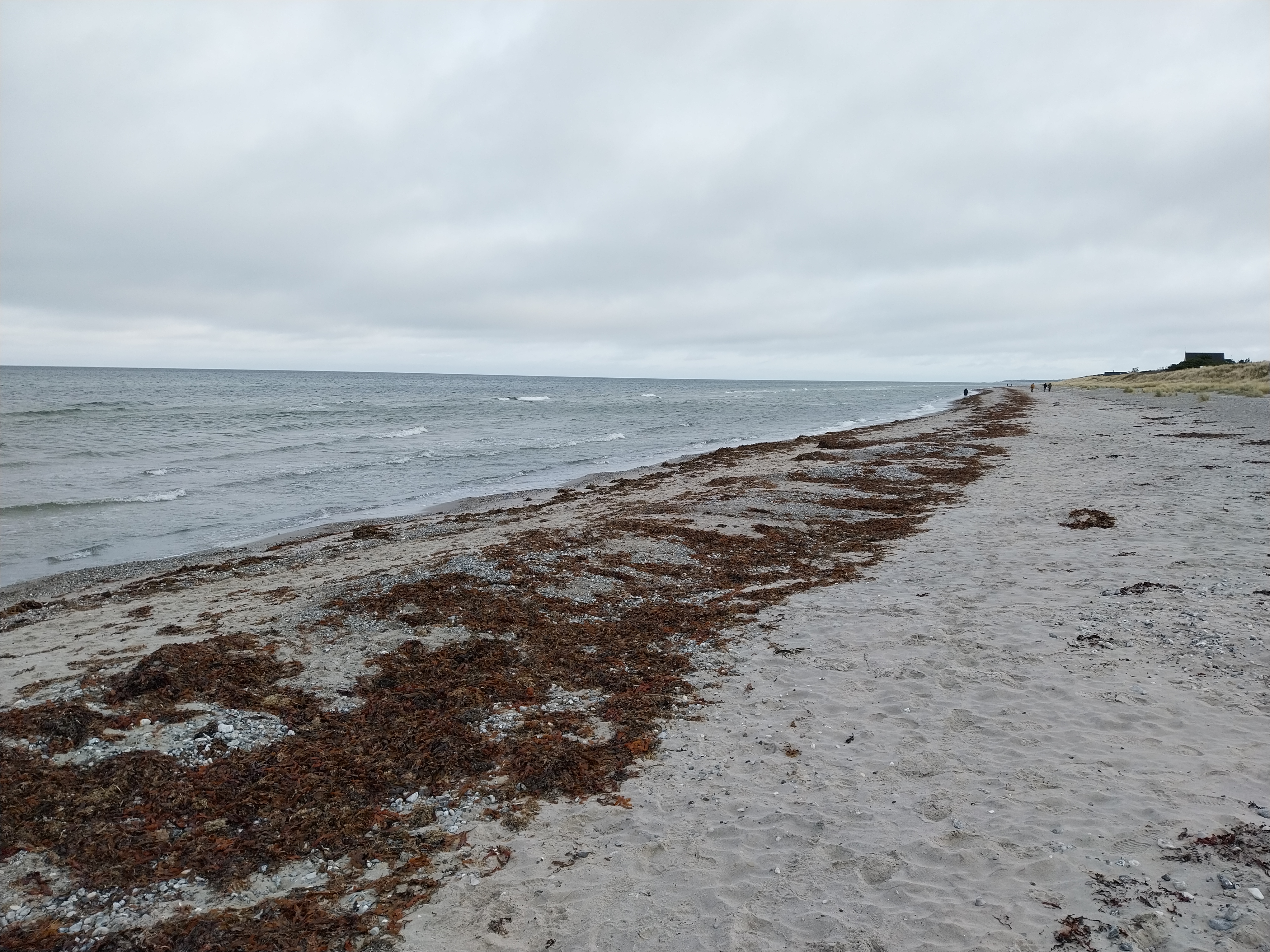
On Sunday Karin and I rode our bicycles down to the local beach at Nordstrand. It was a chilly day, maybe 4C, with a raw coastal wind that made it feel that much colder. Our local bit of shallow ocean – the Kattegat – is normally quite calm but there was a swell bringing in seaweed and the (very) occasional item of rubbish. I collected a golf ball but otherwise the beach was free of plastic. That’s the usual state of affairs here, despite it being a popular tourist destination in the summer. If only beaches elsewhere in the world were as clean.

As we walked Karin and I chatted about some of our plans for the coming year. We’re both working on our next books and relishing the process of swapping chapters to read out loud to the writer. The occasional hardy soul, also enjoying being out in the elements, passed us by and we nodded in acknowledgement. Above us the gulls were wheeling and calling, a constant reminder that they were here before us and will remain when we are gone. Moving from the strand line into the sand dunes we found a convenient bench to sit, drink from our water bottles, scoff some nuts and raisins, and admire the view until the cold wind won the argument and moved us on.

Walking back to the bikes we paused to look at the verdant moss growing on the steep faces of the dunes. Small seedlings had germinated in these planty blankets, a promise of growth and flowers during the year to come. Here and there birds had torn out sections in their constant search for insect larvae. Life goes on even in these cold days.

On our ride back through the neat summerhouses that are settled within the nearby pine woodland, male Great Tits were voicing their claims to territory. Spring is surely just round the corner, we hope.

“Arches of evergreen that scarce let through, A single feather of the driving storm” – how evergreen trees alter local microclimate

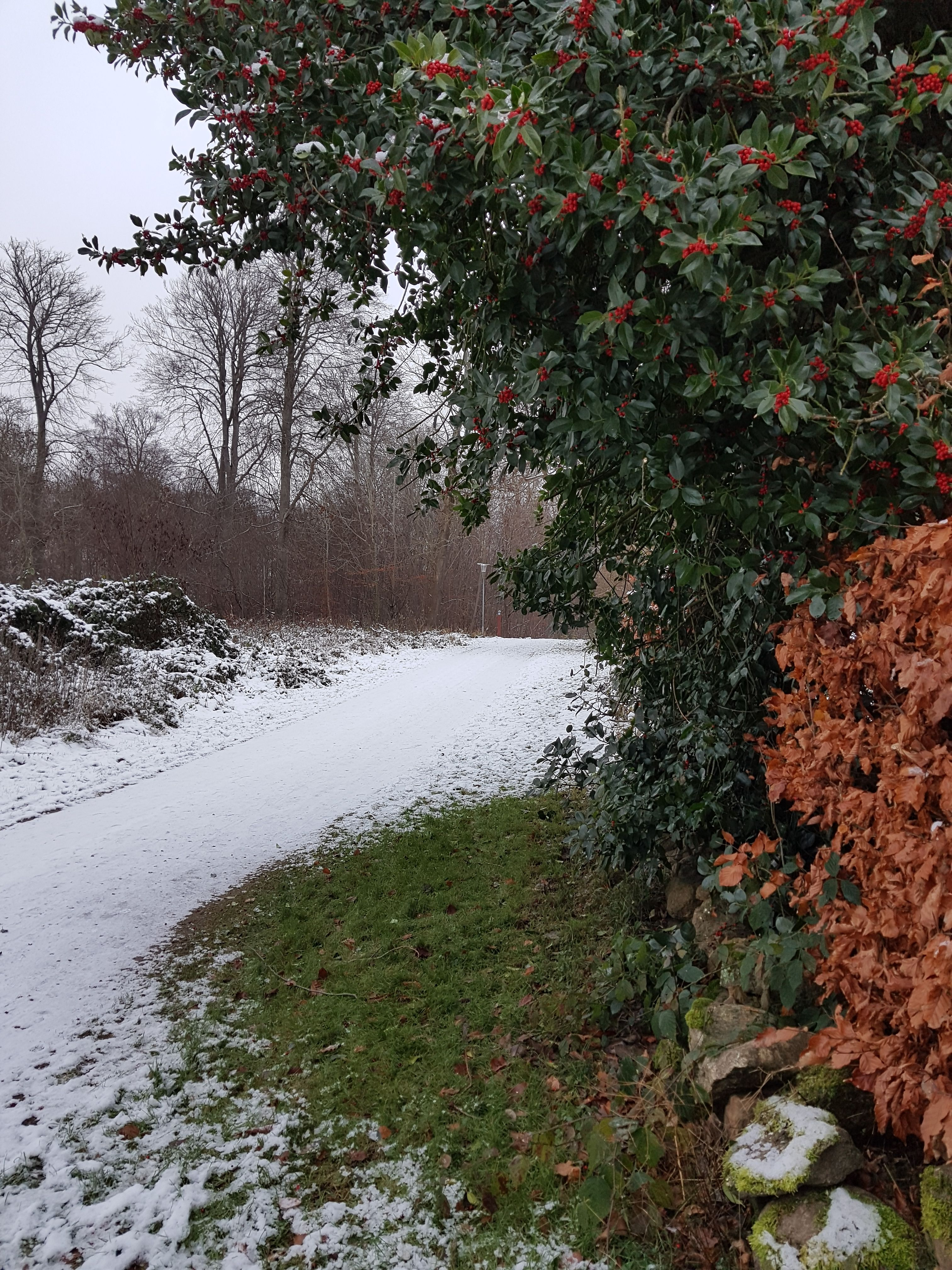
Yesterday, Karin and I took a winter walk through one of the local woodlands, our feet crunching on the iced-over crust which is all that remains of last week’s snowfall. No doubt more snow is on its way as we approach the deepest part of winter here in Denmark. But seeing this holly tree reminded us that some parts of the woodland might remain snow-free no matter what the conditions.

Although I’m no meteorologist (and any who are reading this can correct me if I’m wrong), I suspect that two things are going on here. Firstly, the tree is sheltering the ground and reducing the amount of snow that falls below it. That umbrella effect is fairly obvious. But secondly, and more subtly, the small amount of warmth that there is in the soil is being prevented from radiating off into space by the presence of the holly leaves. So the warmer soil and surface layer of vegetation melts any snow that manages to make it through or under the holly’s canopy.

In both of these ways, the evergreen holly is affecting the microclimate of this part of the woodland. That in turn adds to the ecological heterogeneity of the habitat, proving greater access to food for animals, affecting the phenology of the ground flora, reducing local soil moisture, and so forth. All of these, in turn, will potentially lead to greater diversity of species with the local area.

On this blog and in my book Pollinators & Pollination: Nature and Society I’ve often written about evergreen trees, shrubs and climbers such as ivy, holly and mistletoe, including both their cultural associations (especially with Christmas) and their ecological importance. As so often is the case, the English poet John Clare thought about all of this two centuries ago. The quote I used in the title of this post is from his poem Winter Walk:

The holly bush, a sober lump of green,
Shines through the leafless shrubs all brown and grey,
And smiles at winter be it e’er so keen
With all the leafy luxury of May.
And O it is delicious, when the day
In winter’s loaded garment keenly blows
And turns her back on sudden falling snows,
To go where gravel pathways creep between
Arches of evergreen that scarce let through
A single feather of the driving storm;
And in the bitterest day that ever blew
The walk will find some places still and warm
Where dead leaves rustle sweet and give alarm
To little birds that flirt and start away

John Clare (1793-1864)

This might be my last post of the year, and so it only remains for me to wish a Glædelig Jul and Merry Christmas to all of my readers!

Solace in nature: sunset over Hov Vig bird reserve

The invasion of Ukraine by hostile Russian forces is a humanitarian disaster the likes of which Europe has not seen for decades, and hoped never to see again. Like many people, Karin and I have been watching the news about the war with a sense of helplessness, bewilderment and alarm, wondering how such things can come to pass in the 21st century. We thought we were past the stage where aggressive, narrow-minded dictators could bully their way into adjacent countries.

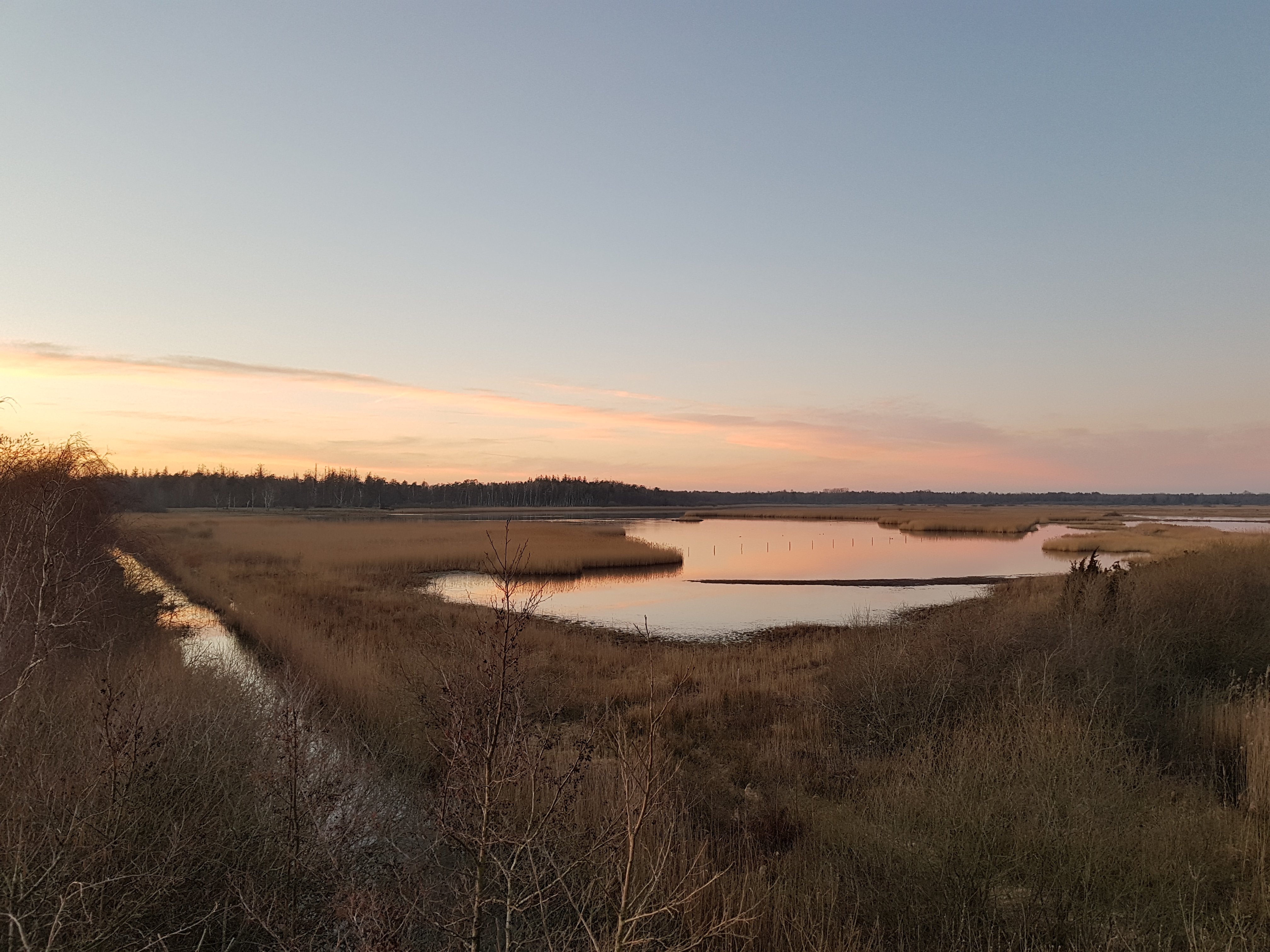
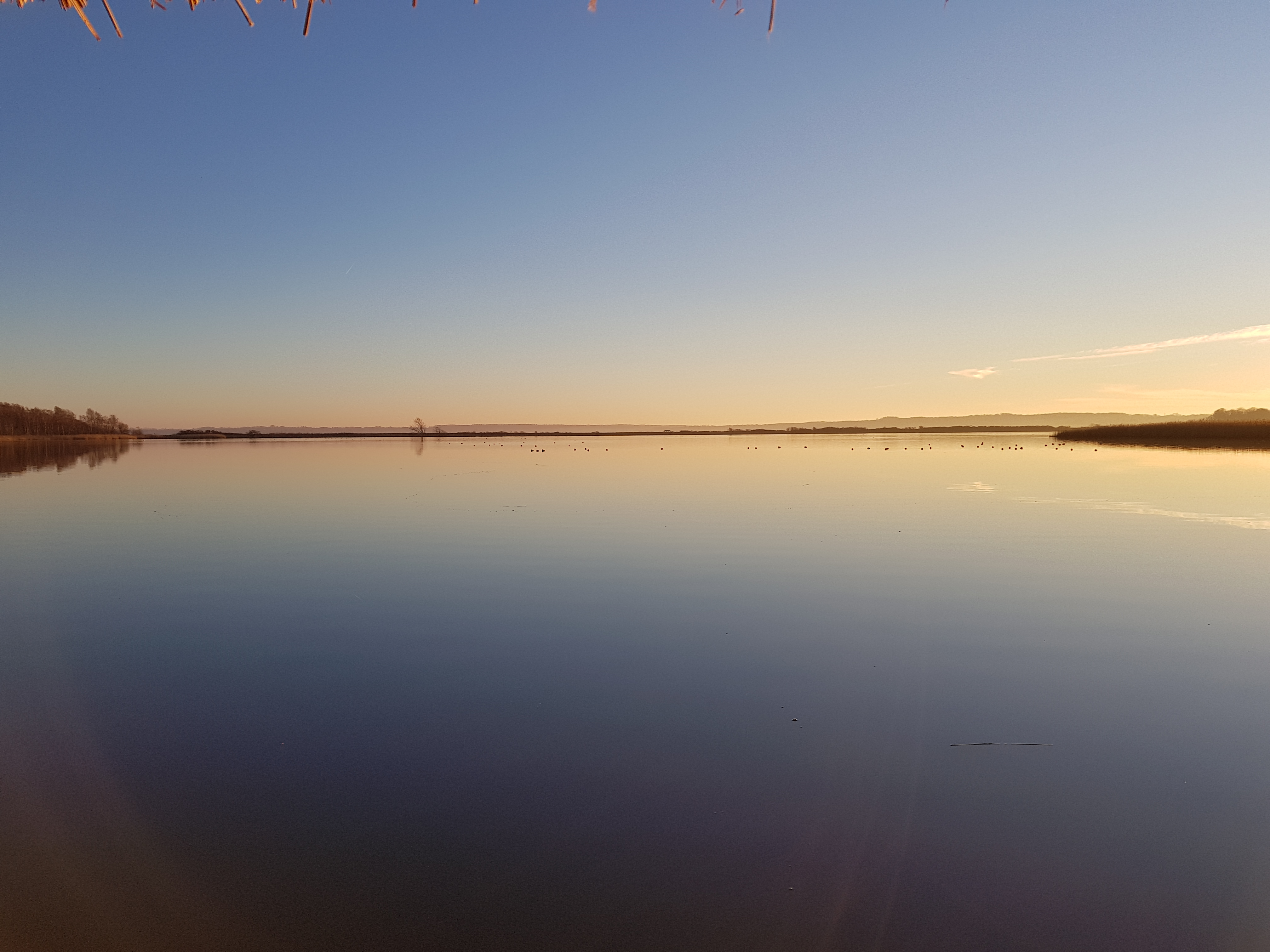
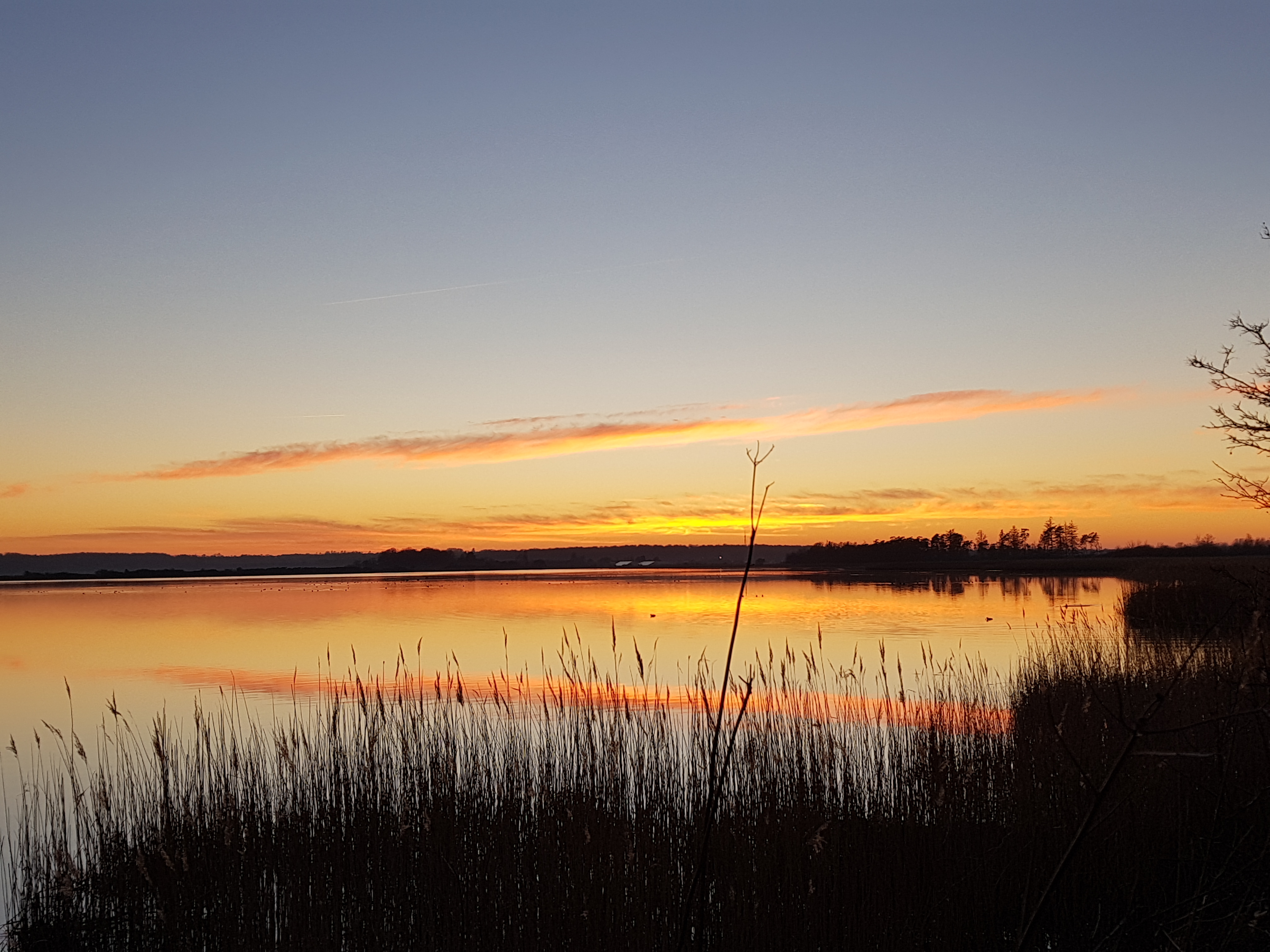
Faced with 24 hour media coverage of such desperate events, it’s easy to lose touch with the world around us. Karin and I are fortunate to be able to bicycle to some beautiful local spots where we can reflect and try to find some solace in nature. That’s what we did yesterday with a late afternoon visit to the Hov Vig bird reserve. In addition to my photos, which I’ll let speak for themselves, Karin filmed a short video for her YouTube channel which includes a marvelous array of bird calls.

Tonight we are taking part in a fund-raising event at the local culture house. Please think about how you can help to support Ukraine, in however modest a way, but also don’t forget to connect with nature. It will always endure, despite the destructive efforts of humans.

Earning a living as an independent academic and author: here’s what I’ve learned in my first year

It’s just over one year since I stepped down from my full time professorship at the University of Northampton in order to work independently as a consulting scientist and author. It was a move precipitated by a number of factors, not least that after 25 years at that institution I needed some new challenges. I was starting to feel stale, jaded, and not a little burned out.

Since making the decision to leave the university (where I still hold a Visiting Professorship) Karin and I have down-sized our lives by selling our house, disposing of possessions that we didn’t need (though there’s still a lot in storage in the UK) and moving to Denmark, where we are renting a small apartment for the time being. Karin is Danish and, yes, both Brexit and the pandemic have played a role in our decision making.

A few people have asked me recently how I’m managing to earn a living as an independent academic so I thought I’d share with you my experiences so far. I’ve looked at my various sources of income over the past year and put them into four broad categories: Conservation, Research, Education and Writing. Then I worked out the proportion of my income that can be attributed to each area, keeping in mind that there’s overlap between them. This is the result:

Conservation-related activities accounted for the largest fraction, about 46% of my income. This includes direct advisory and consulting, on pollinator-related projects but also on wider, biodiversity-related topics. For example I worked with the Stanwick Lakes nature reserve in Northamptonshire, advising on how best to enhance and manage the site for pollinators.

It’s a site that I know very well but which was set up mainly because it’s important bird habitat. Seeing it from a pollinator’s perspective allowed me to make suggestions for improving the amount and timing of floral resources, opportunities for ground nesting bees, and so forth.

I’ve also been working with the Centre for Ecology and Hydrology (Wallingford) on a biodiversity strategy for the European railway network which I’ll write more about later this year when the final report is published.

Also included in the Conservation category are the many, many talks (mainly online) that I’ve done for various natural history, gardening and beekeeping groups, plus training sessions that I’ve done with ecological consultancies, estates departments, and local government. There’s a list of those available on my training and public speaking page.

Research projects funded by UK and international agencies accounted for about 32% of my income. Some of these are projects that started when I was still employed at the University of Northampton and which are paying for my time (including completing the supervision of my remaining PhD students), others are new ones. You can find a list of present and past projects on this page of my website.

I am a partner on several funding applications that are in the process of being assessed and I’ll report back when we know if they have been successful.

As well as my own research I’m also reviewing grant applications for funding organisations, advising research groups and departments on their research strategies, and working with the Turkish Journal of Botany to promote the work it publishes to a wider international audience.

Education is the third, very broad category that includes things such as external examining (both taught and research degrees), assessing staff applications for promotion, and doing the occasional online lecture. It accounted for 11% of my income, less than I might have expected given that I’ve spent over 30 years teaching in higher education, educational consulting is quite a crowded field and unless you’re a high-profile specialist, it doesn’t pay well.

Writing accounted for about 11% of my income. As well as royalties from my book Pollinators & Pollination: Nature and Society, I earned money from writing for magazines such as BBC Gardeners’ World Magazine, New Scientist, British Wildlife, and Bees & Other Pollinators Quarterly.

In addition I’ve done some advisory work for publishers, including reviewing text and making suggestions for a forthcoming children’s book about bees and other pollinators, and some paid manuscript editing.

At the moment the balance of my work feels about right; I’ll never stop being a scientist so working on research projects is, and always will be, an important part of my life. I wish that it was possible to earn more from writing, but outside of the best-seller lists it’s difficult for authors to earn a decent living. However I’m working on my next book at the moment, as is Karin whose Essential Companion to Talking Therapy has been well received.

Working independently in this way, and putting together what amounts to a “portfolio career”, is not for everyone. It’s hard work and there are lots of uncertainties along the way, especially with regard to month-to-month consistency of one’s income. However a career as a university academic has prepared me for this in ways which I’m only just beginning to discover. Aside from the obvious subject expertise, familiarity with literature searching, and confidence when giving talks, the uncertainties associated with the high proportion of unsuccessful funding applications and navigating the (often contradictory) requirements of peer reviews has been extremely valuable experience. And of course I’ve established a large and diverse network of colleagues with whom I can collaborate and go to for advice. The diversity of paid work with which I’m engaged, plus the pro bono activities such as peer reviewing for journals, ensures that there’s never a dull day. I have absolutely no regrets about this latest step in my career!

If you’re interested in working with me or want to discuss any aspect of what I’ve written about, please do get in touch via my Contact page.

A healthy Christmas and a biodiverse New Year to all of my blog readers!

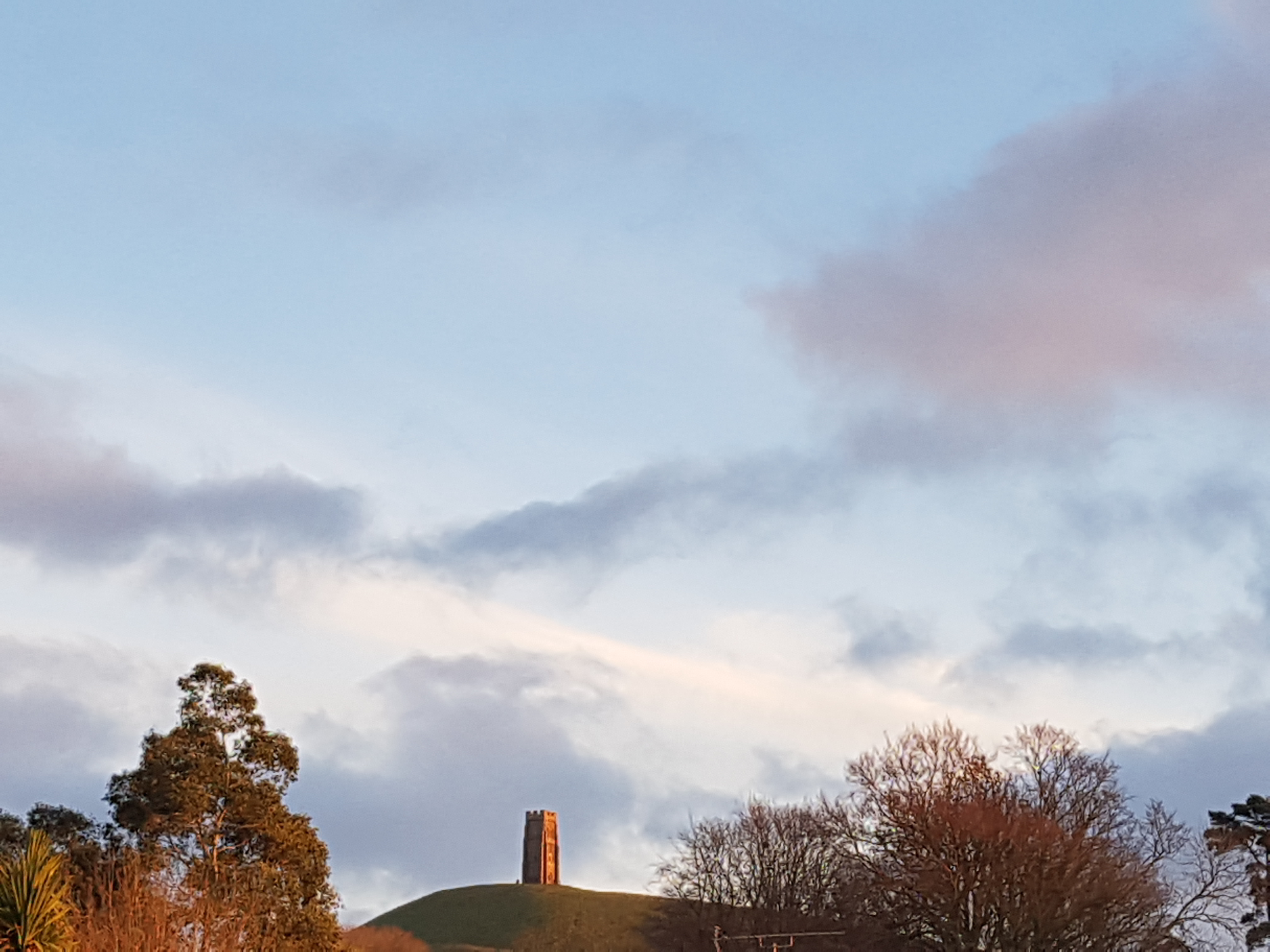
On Sunday, following almost a week of form-filling, covid-testing and passport-stamping, Karin and I flew back to the UK to see friends and spend time with our kids. We’ve rented a large cottage in Glastonbury for the duration and the above image is taken from the back garden.

I hope that all of my blog readers have a healthy and happy Christmas, and that the New Year is both more prosperous and more biodiverse for you.

After being in rural Denmark for five months, Britain feels very congested and busy. All going to plan, we’ll be back walking the beaches of Odsherred and enjoying the scenery. See you in 2022!

Life brings stability: biological crusts on sandy subsoil

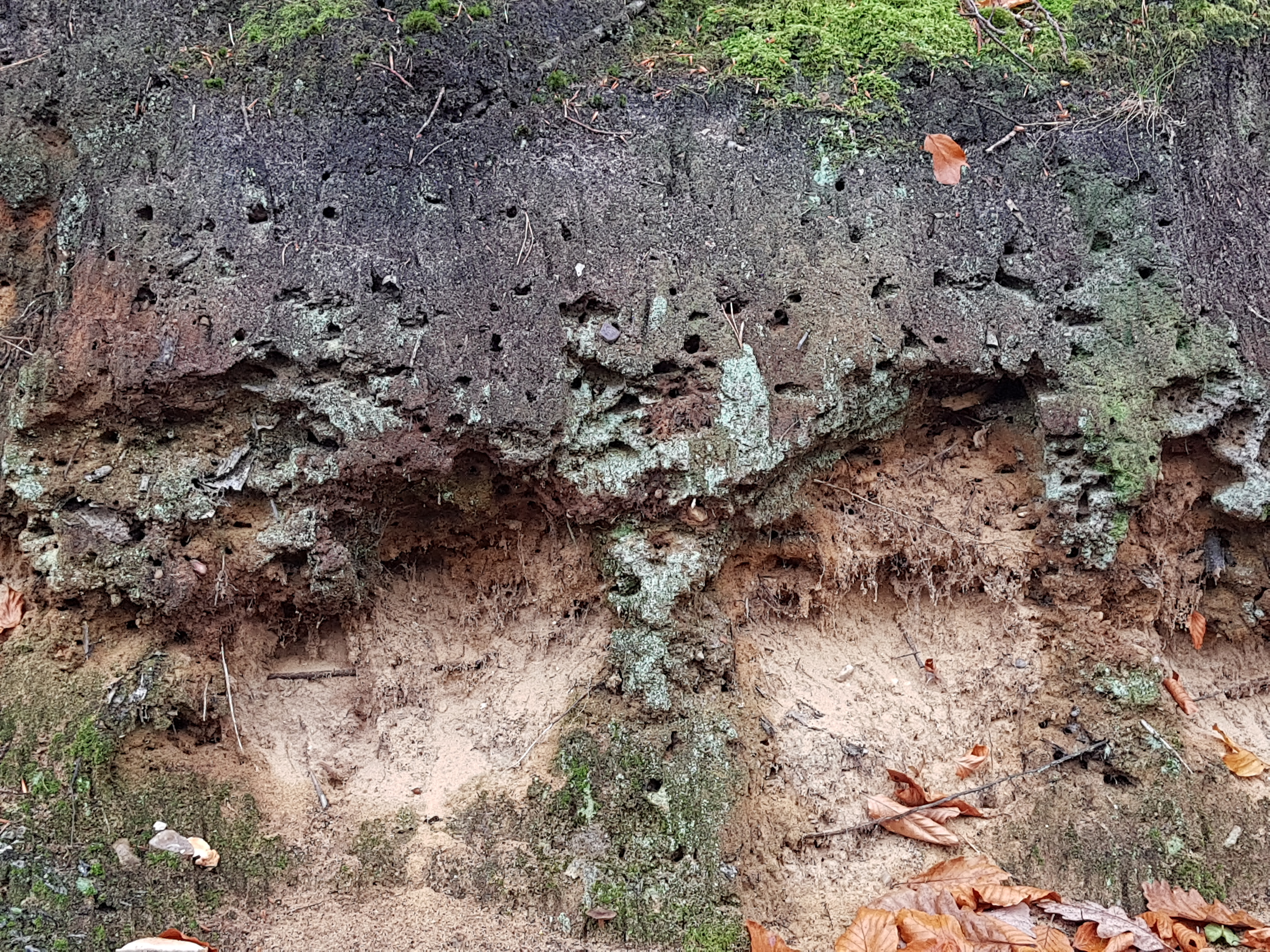
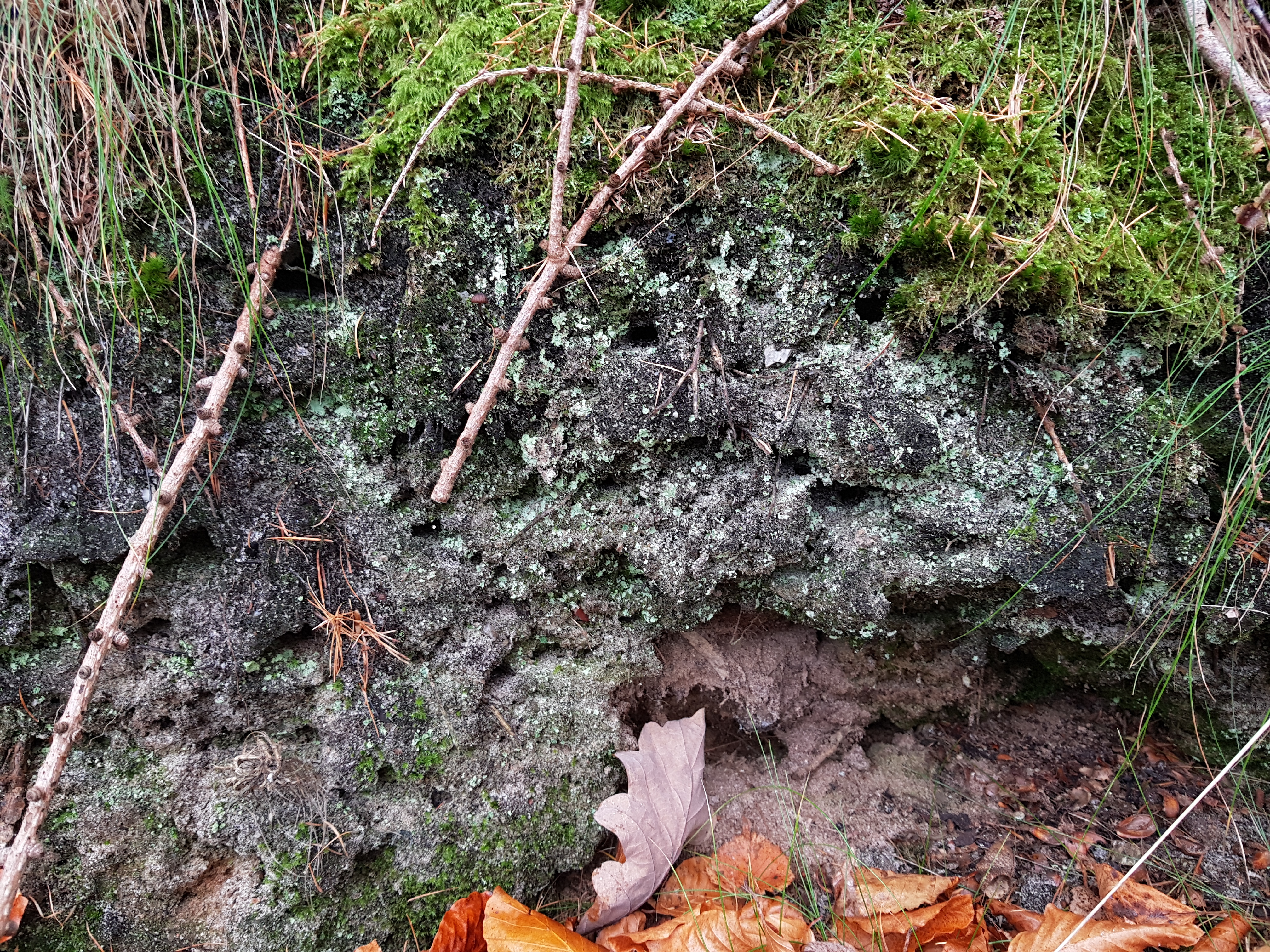
A couple of weeks ago we visited Karin’s family in Jutland and went for a couple of long walks around the area. One of these took us through some very nice mixed pine, oak, and birch forest close to a river. The forest was anchored into a thin horizon of mulchy topsoil, beneath which was almost pure sand, a post-glacial legacy of the wider, wilder rivers that ran through the region at the end of the last Ice Age.

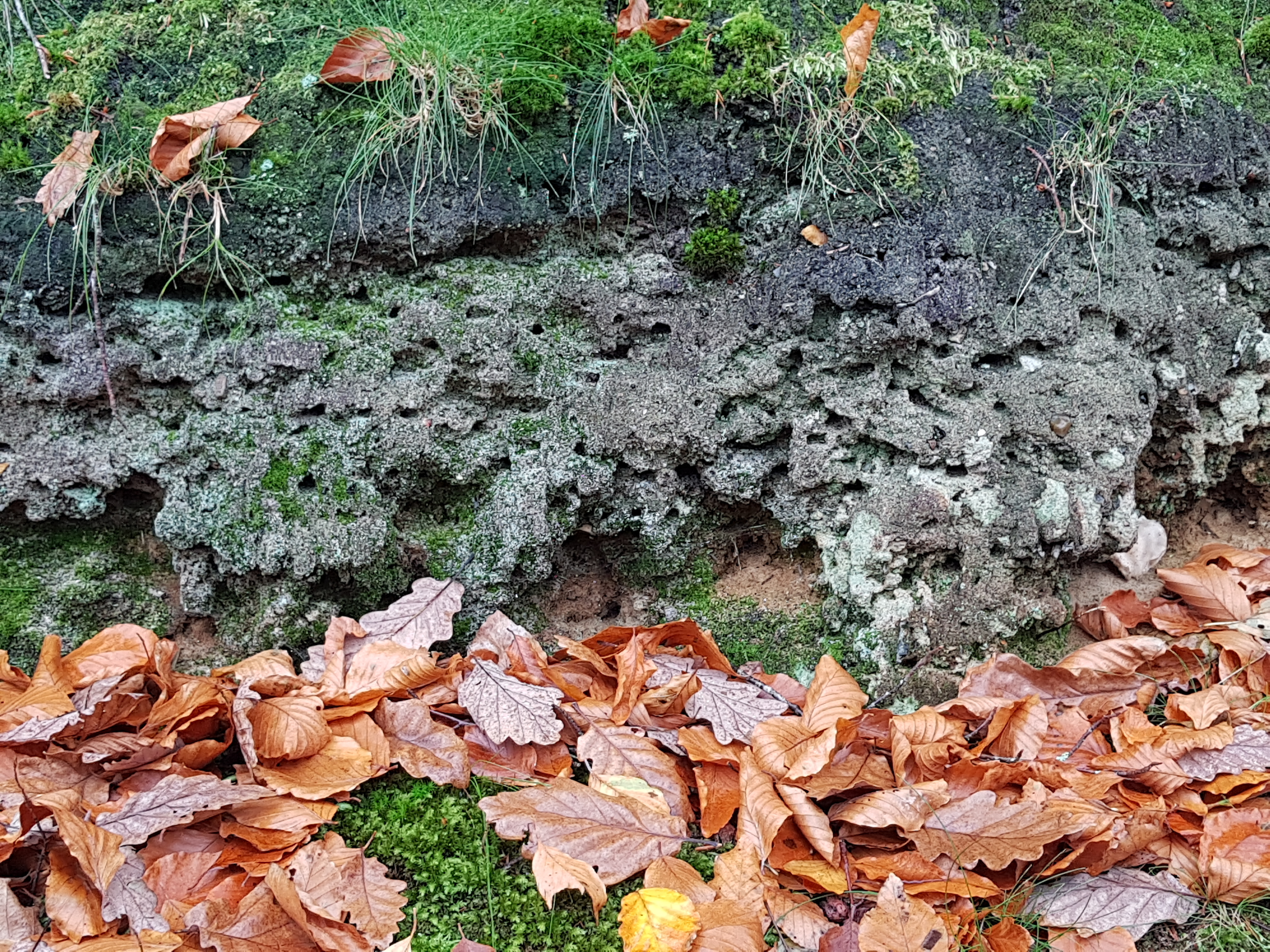
Where our path ran parallel to the river I noticed that the exposed vertical sections were far from lifeless: the sandy faces had been colonised by algae, lichens, fungi, cyanobacteria, and mosses. These biological crusts had stabilised the sand and prevented it from eroding further back into the bank. On a miniature scale they were doing what forests and other vegetation does in mountainous areas all over the world: preventing landslides.

Biological crusts in turn provide opportunities for ferns and seed plants to germinate and gain a foothold: they are often the starting point for further ecological succession.

Not only are these crusts acting as substrate stabilisers and seed beds, but all of the usual ecological processes of photosynthesis, nutrient acquisition, decomposition, carbon storage, symbiosis and competition are taking place in just a few millimetres of biodiversity. There’s a lot going on in these thin veneers of life.

Hooded crows as strandline scavengers: some observations on an intriguing behaviour

When I was teaching undergraduate ecology I always impressed upon my students the idea that the categorisations we use to describe “communities” and “ecosystems” are really loose, artificial attempts to put boundaries around borderless ecological systems. Nowhere is this more true than in coastal ecosystems, where the transition from “sea” to “shore” to “sand dune” to “coastal woodland”, for example, is a blur of overlapping habitat types linked by the movement of organisms, nutrients and energy from one to another.

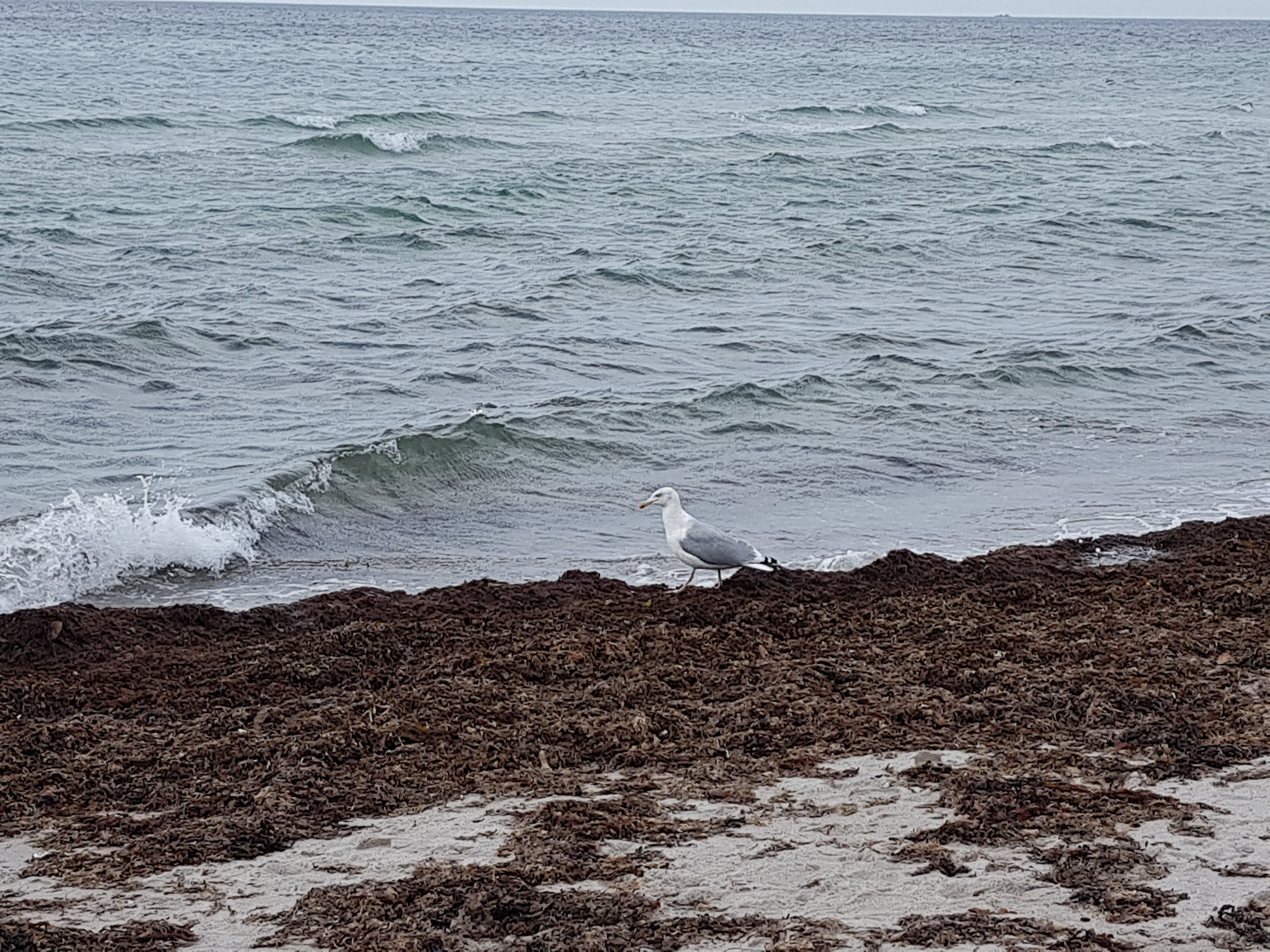
Birds are especially important linkages in this respect, because they are highly mobile and thus effective at connecting “land” to “sea”. Consider gulls, for example, which may be feeding in coastal waters and on grasslands some distance away, and defecating and being preyed upon in both, resulting in transfer of sea-derived nutrients and energy into terrestrial ecosystems, and vice versa. There’s considerable interest amongst ecosystem ecologists in understanding such transfers; for example, here’s the opening sentences from the abstract from the 2013 paper Donor-Control of Scavenging Food Webs at the Land-Ocean Interface by Thomas Scholar and colleagues:

Food webs near the interface of adjacent ecosystems are potentially subsidised by the flux of organic matter across system boundaries. Such subsidies, including carrion of marine provenance, are predicted to be instrumental on open-coast sandy shores where in situ productivity is low and boundaries are long and highly permeable to imports from the sea. 

Here on the coastal beaches of the Kattegat I’ve been intrigued by the behaviour of hooded crows (Corvus cornix), which are acting, it appears, as just such facilitators of the “flux of organic matter” from sea to land.

There are six corvid species in the area, and hooded crows are by no means the most common: there’s at least as many rooks (Corvus frugilegus) and jackdaws (Coloeus monedula), and we often see all three species foraging together on ploughed fields or suburban grassland. That’s not surprising, because like many members of the crow family these species are opportunistic omnivores that eat a wide range of animal and plant material, both living and dead, as well as clearing up human food waste, which I described a few years ago during a visit to Kathmandu.

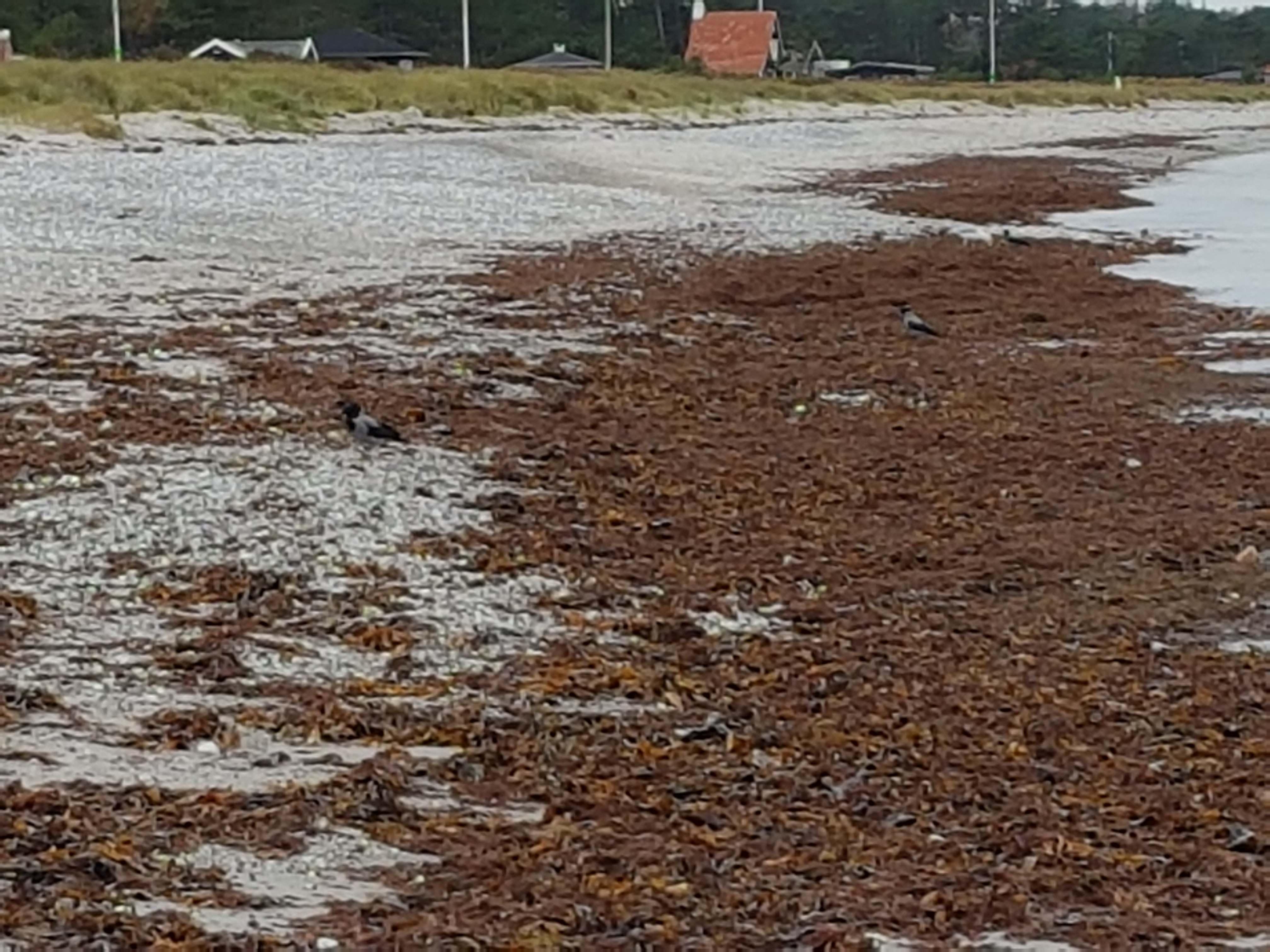
But hooded crows are the only species that we see scavenging on the shoreline.

On Sunday, for example, I took a late afternoon stroll along the local beach with my binoculars and, as usual, I saw hooded crows in small groups of two or three, sometimes in the company of gulls. As I watched, in quick succession I saw two lesser black-backed gulls (Larus fuscus) paddle onto the beach, one with a large, flapping flatfish in its beak, the other with a struggling shore crab. As the gulls tore apart their respective prey they were quickly joined by some hooded crows that had been hanging around nearby. Once the gulls had eaten their fill the crows moved in and demolished the rest. The crows seem to be particularly adept at getting the last bit of meat from inside crab carapaces.

That’s behaviour I’ve seen a many times since we arrived here in August, crows picking over the remains of fish or crabs or (in one instance) a dead harbour porpoise that had also attracted the interest of gulls.

This focus on relatively large carrion items by the crows is understandable, but relatively rare because it’s controlled by the frequency with which such dead animals become available on the shore. It´s much more common to see the crows working their way systematically along the strandline, turning over seaweed in search of insects, crustaceans, and other small food items. I’ve even seen them hack away at washed-up acorns in the beach. It must be a productive way of finding food because they do it with such regularity.

But there’s a number of things about this behaviour that are puzzling me.

For example, why is it only the crows that work the strandline? Why do we never see jackdaws or rooks, which are at least as common, and equally omnivorous scavengers? They are also just as intelligent as the hooded crows and presumably could learn that this is a good place to find food. Also, are the crows that we see strandline “specialists” that spend most of the time on the beach, and nest in the nearby dune woodlands? Or is there a constant turnover of individual birds from the surrounding countryside to the beach and back? Do the birds learn this behaviour from one another and is it passed down from parents to offspring?

I’d be interested in your comments on these observations, as always. If you’d like to know more about corvid behaviour and ecology, I can highly recommend Dr Kaeli Swift’s Corvid Research Blog.

A milkweed on the shore: tracking down an elusive Danish plant

Since arriving in Odsherred towards the end of August I’ve been looking out for one plant in particular on our bicycle rides and hikes around the region. Vincetoxicum hirundinaria is a widespread asclepiad or milkweed: a member of the family Apocynaceae, subfamily Asclepiadoideae. This is a group of plants on which I’ve published quite a few research papers and which feature heavily in my book Pollinators & Pollination: Nature and Society.

So far the species has proven elusive and a few Danish ecologists that I’d spoken with told me they had never seen it in the wild. The GBIF account of the species shows a few populations in this part of Denmark but I wasn’t sure if they were old records of populations that no longer exist. But as of yesterday I can confirm that at least one of those populations is extant!

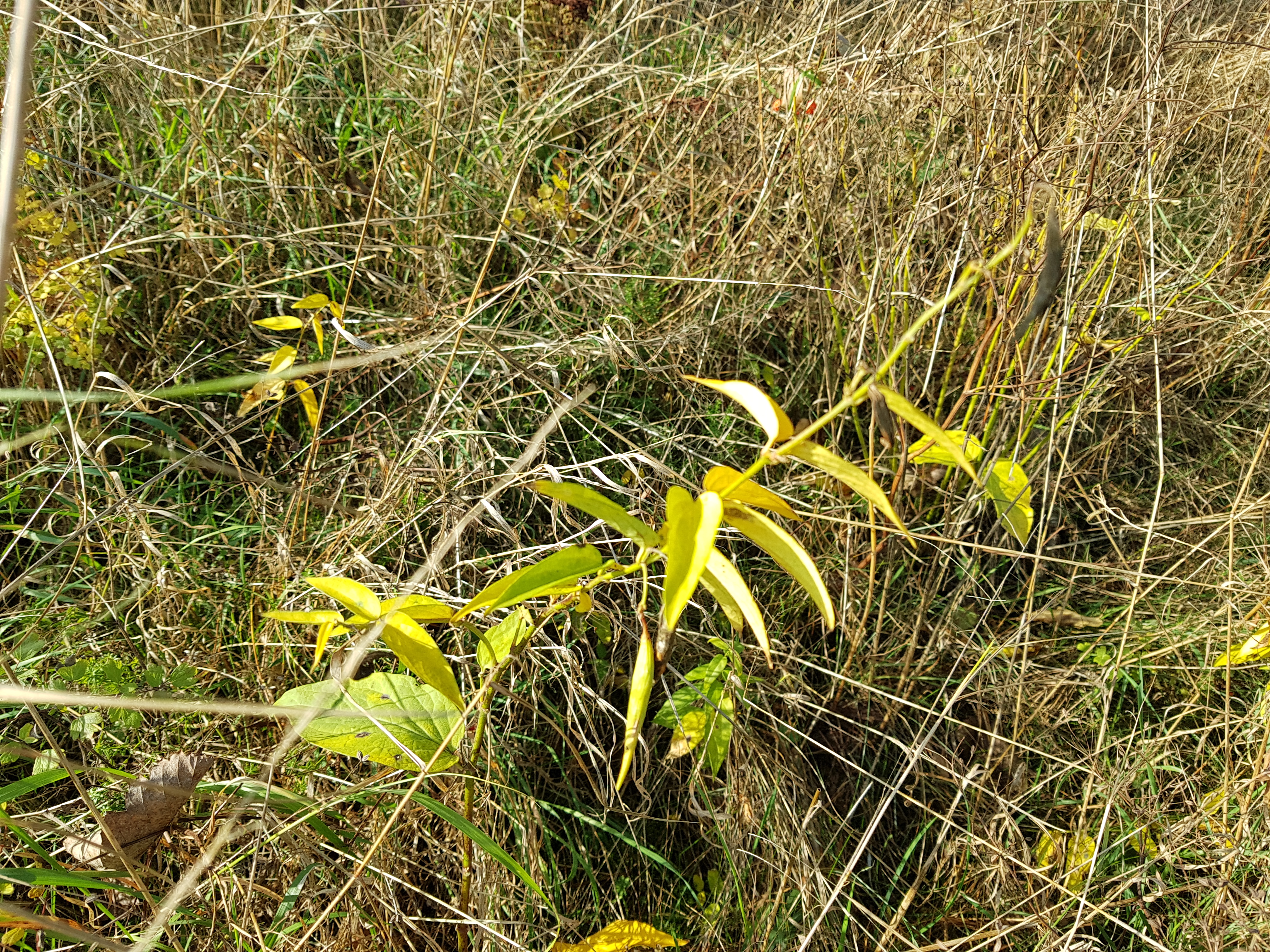
We had cycled out to the small town of Klint about 13km west of us, to see the glacial moraine landscape for which the area is famous and which gives Odsherred UNESCO Geopark status. As we approached the small fishing harbour at Klint I let out an excited shout to Karin who was just ahead of me: in amongst the roadside vegetation I’d spotted the distinctive and immediately recognisable yellow of Vincetoxicum hirundinaria in its autumnal hues! In the photos that follow you can see how well that yellow stands out against the colours of the other plants in the community.

At this time of the year the plant has ceased flowering, but the occasional swollen green seed pod was evidence of successful pollination of their morphologically complex flowers.

I was surprised at just how close to the sea the plants were growing; they must get inundated by sea water during stormy tidal surges.

So what is pollinating these flowers on this exposed shoreline? That’s a question that I want to pursue in the coming years. The Pollinators of Apocynaceae Database has remarkably few records of pollinators in this species, given how widespread it is. Flies certainly pollinate it, but there’s also records of wasps and bees as visitors, including bumblebees on flowers of a plant that I had in cultivation in Northampton. There’s a couple of other research groups in Scandinavia and Europe who are looking at the pollination ecology of the species and I’m hoping that we can collaborate on a study of spatial variation in its reproduction. Vincetoxicum is quite a large genus (around 150 species) and only around 10% of the species have been studied in any detail. But these studies are revealing a complex diversity of pollinators, including most recently, cockroaches in the Chinese species Vincetoxicum hainanense. I’m sure this intriguing group of plants has more fascinating stories to tell us about the ecology and evolution of its pollination systems.

FIGURE 4 from Xiong et al. (2020) Specialized cockroach pollination in the rare and
endangered plant Vincetoxicum hainanense in China. American Journal of Botany 107:
1355–1365.

Birding in Denmark: my first visit to the Hov Vig Reserve

As well as working on a variety of writing and research projects, Karin and I have spent the last few weeks getting out and about in the Odsherred region of Denmark, exploring the culture and ecology of our new home. Not far from where we are living is the Hov Vig bird reserve which I’d put off visiting until last weekend when my friend and colleague Bo Dalsgaard was due to come and stay with us. Bo is primarily an ornithologist (we’ve collaborated on quite a few hummingbird-flower network studies), so it was going to be a good opportunity to get to know more about the birds of this part of the world.

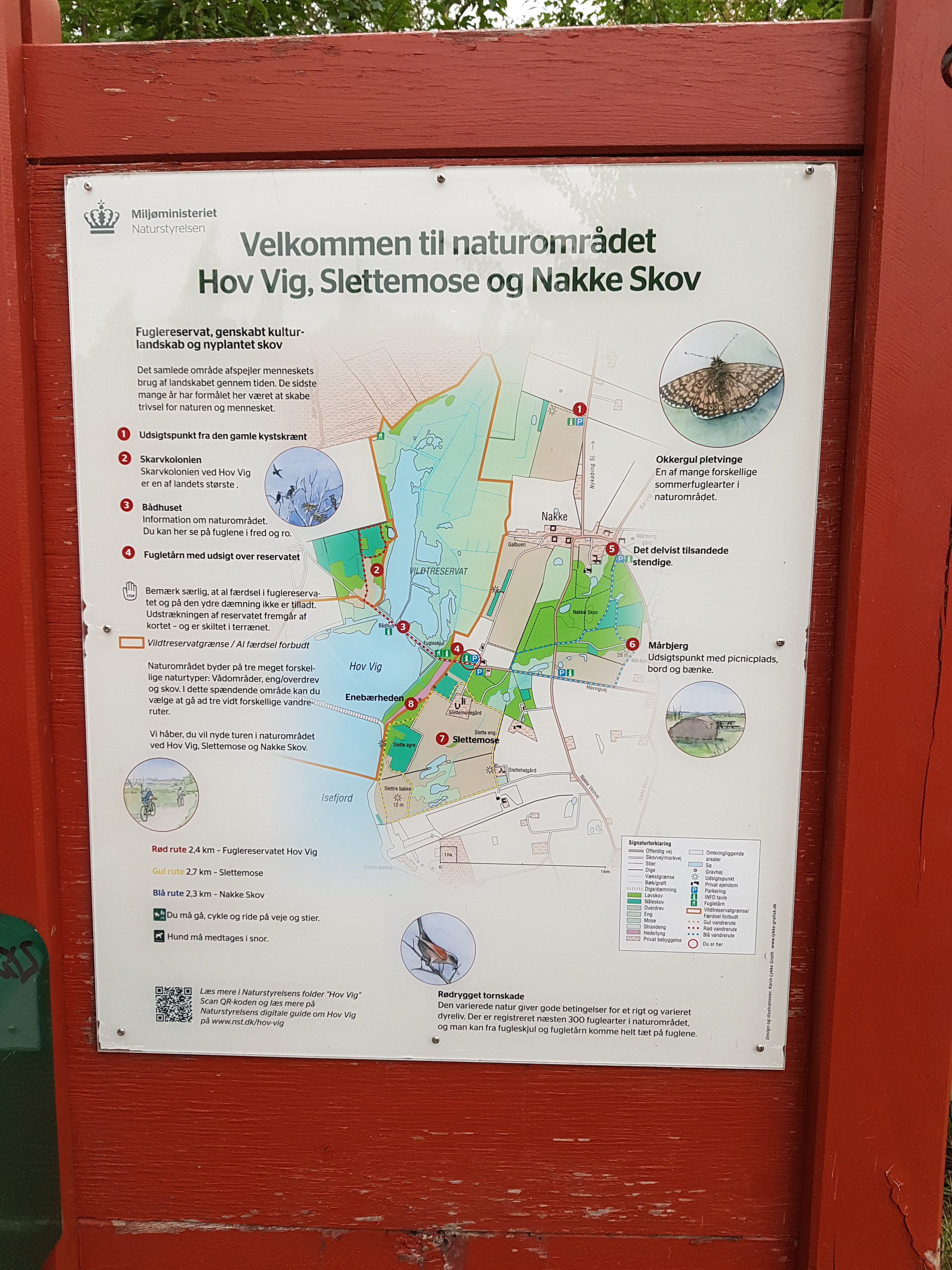
After an early breakfast we set out for Hog Vig and I have to say that I was extremely impressed by the reserve. As you can see from the map below it’s been created by installing a low causeway across a bay in the fjord, resulting in a shallow, brackish lagoon that is absolutely teeming with bird life! Shallow lagoons like this are very productive, with lots of invertebrates and plants on which the birds can feed.

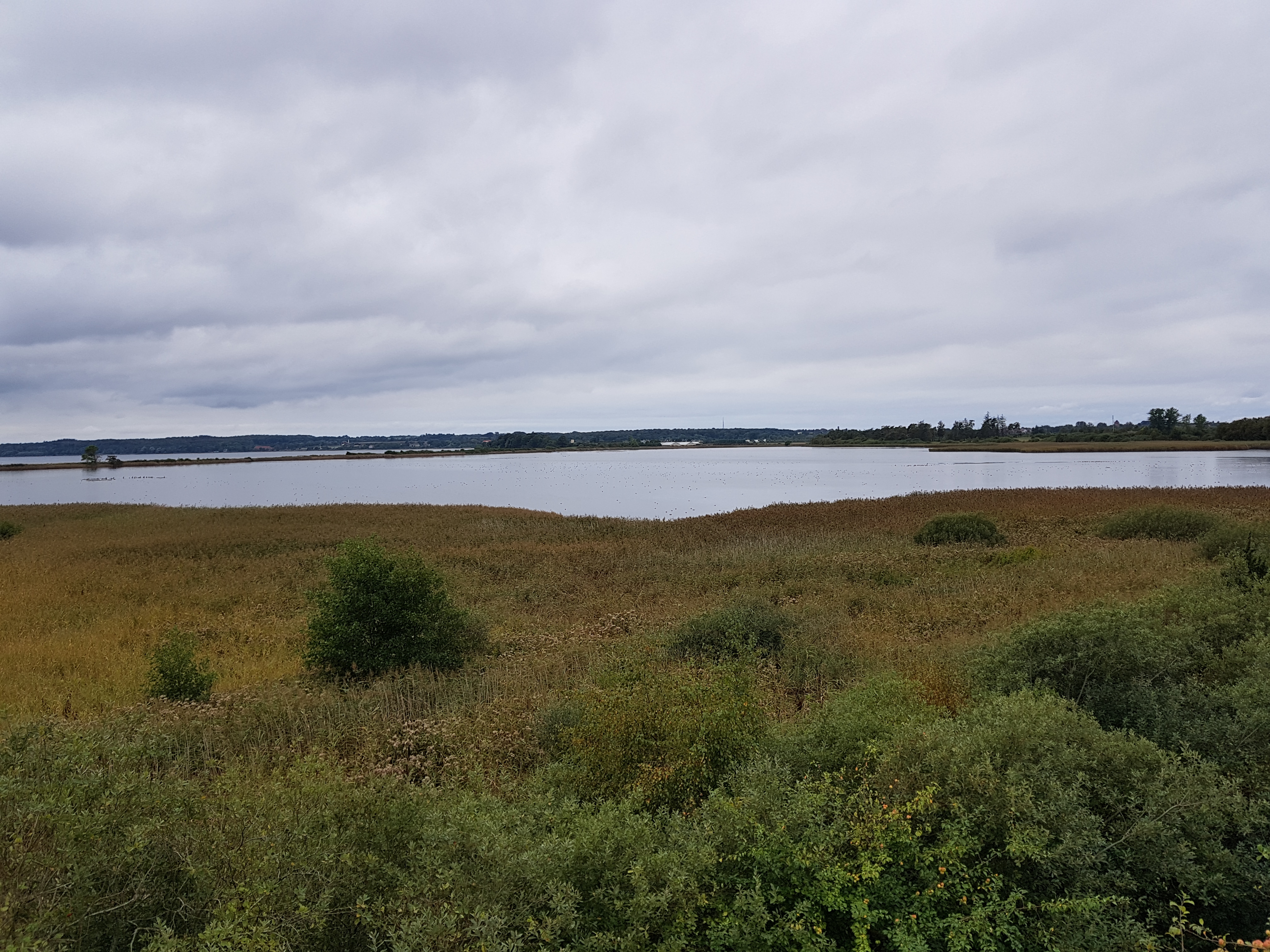
You can see the start of the causeway on the middle left of this photo:

I hadn’t realised just how shallow the lagoon was until I spotted a Great White Egret wading across the centre, the water barely reaching the middle of its legs. In all we counted 8 of these egrets, though a local birder we encountered told us he’d seen 14 that day. Interestingly, Little Egrets are considered quite uncommon here, a reverse of the situation in the UK.

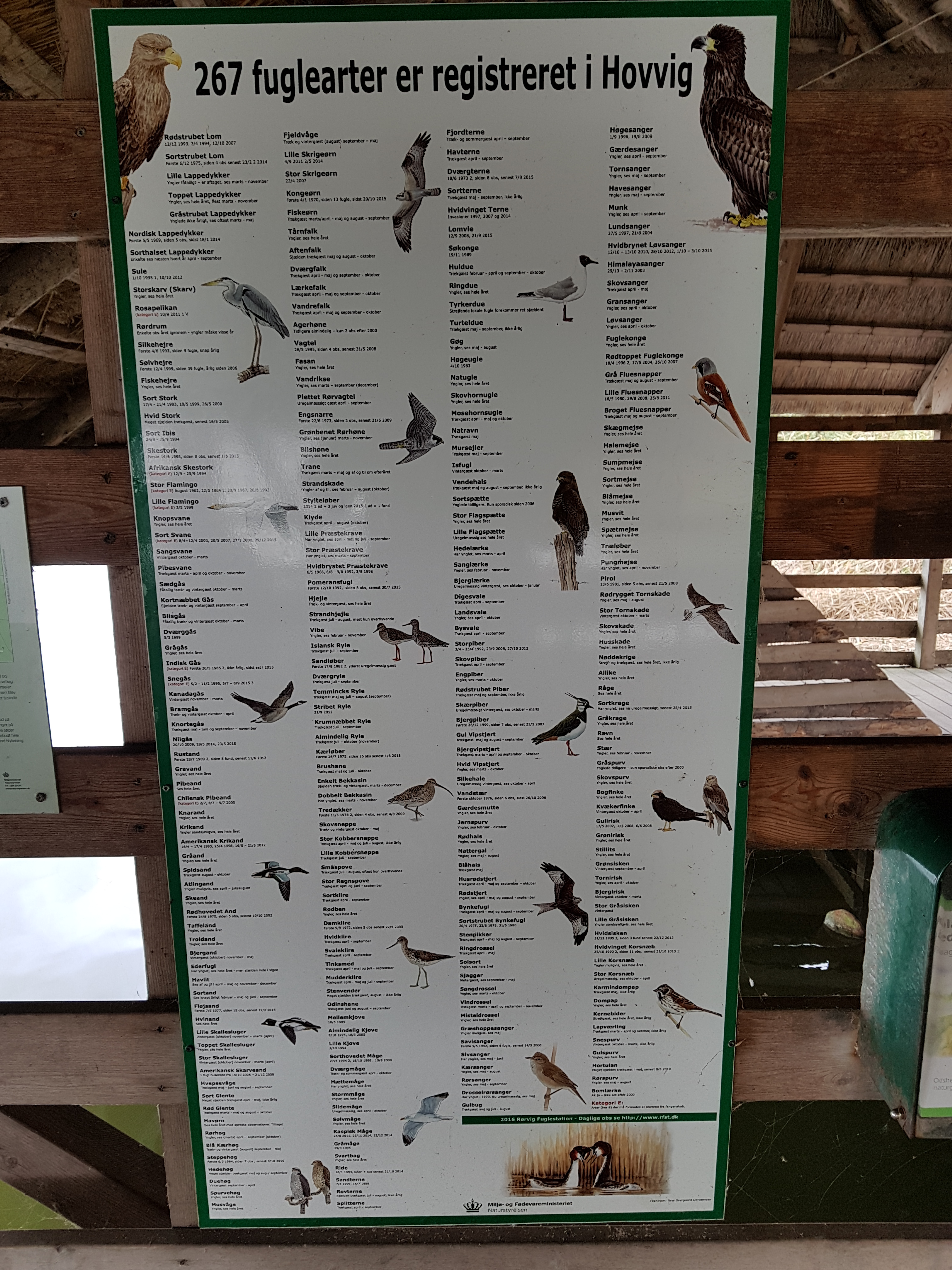
Although the total area of the reserve, including woodland, is only 334 ha, an extraordinary 267 species of birds have been recorded there:

On the reserve itself we identified 39 species, and a handful more when we visited the nearby coast. Including those that we were unsure of we had just over 50 species, not bad for a day of birding. As well as the egrets, particular highlights were huge numbers of Teal, on the water, large active flocks of Golden Plovers and Lapwings set into motion by a hunting Sparrowhawk, and Bar-tailed Godwits, Stonechats and Eiders.

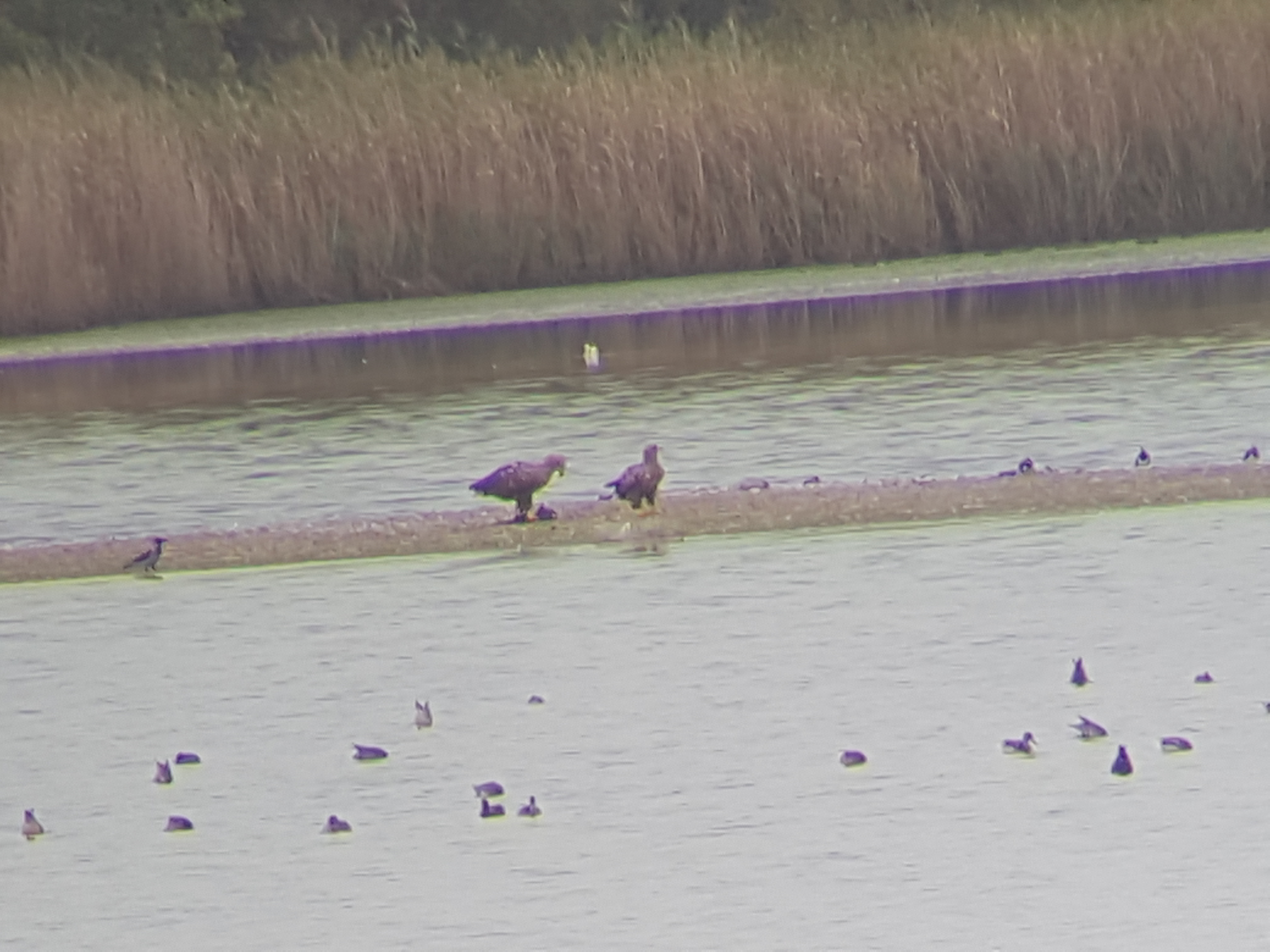
The most exciting birds for us, however, was a pair of White-tailed Sea Eagles that descended onto one of the low islands in the lagoon to feed on a dead cormorant! The locals describe these birds as ‘flying doors’, very apt given their huge wingspans. Needless to say, their appearance also sent much of the bird life into the air. Here’s a poor photo taken with my camera through Bo’s telescope:

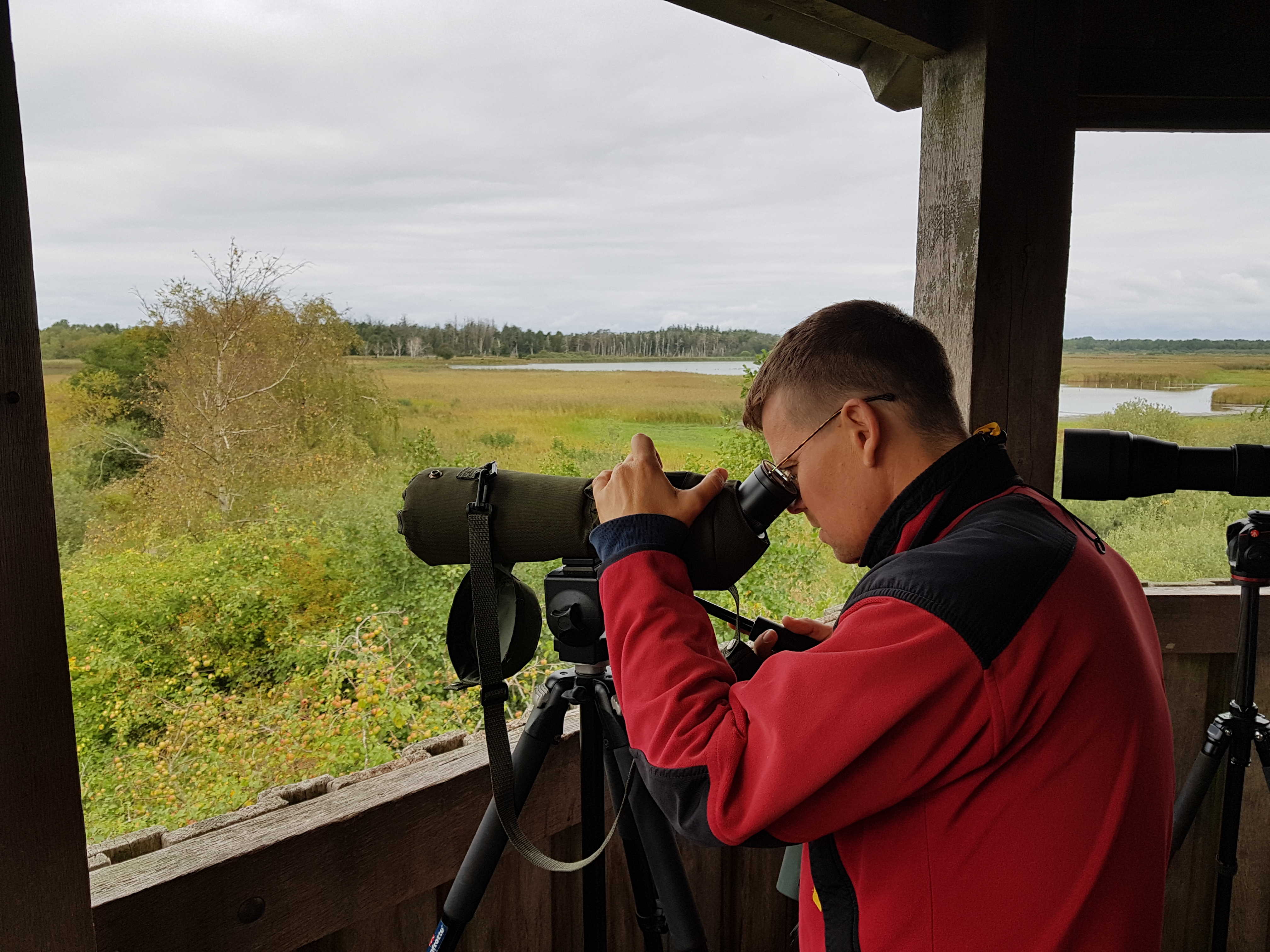
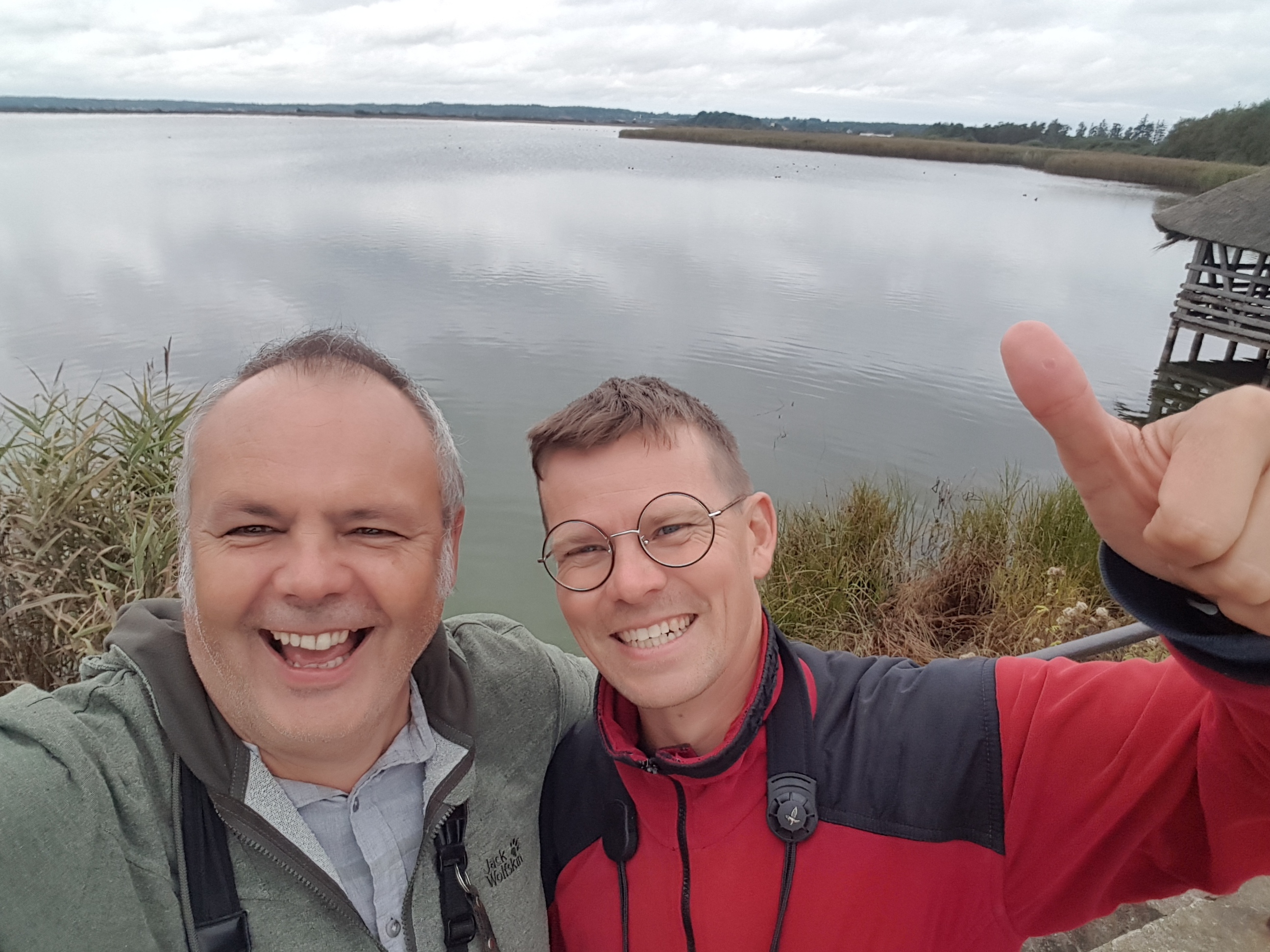
And here are two very happy birders!