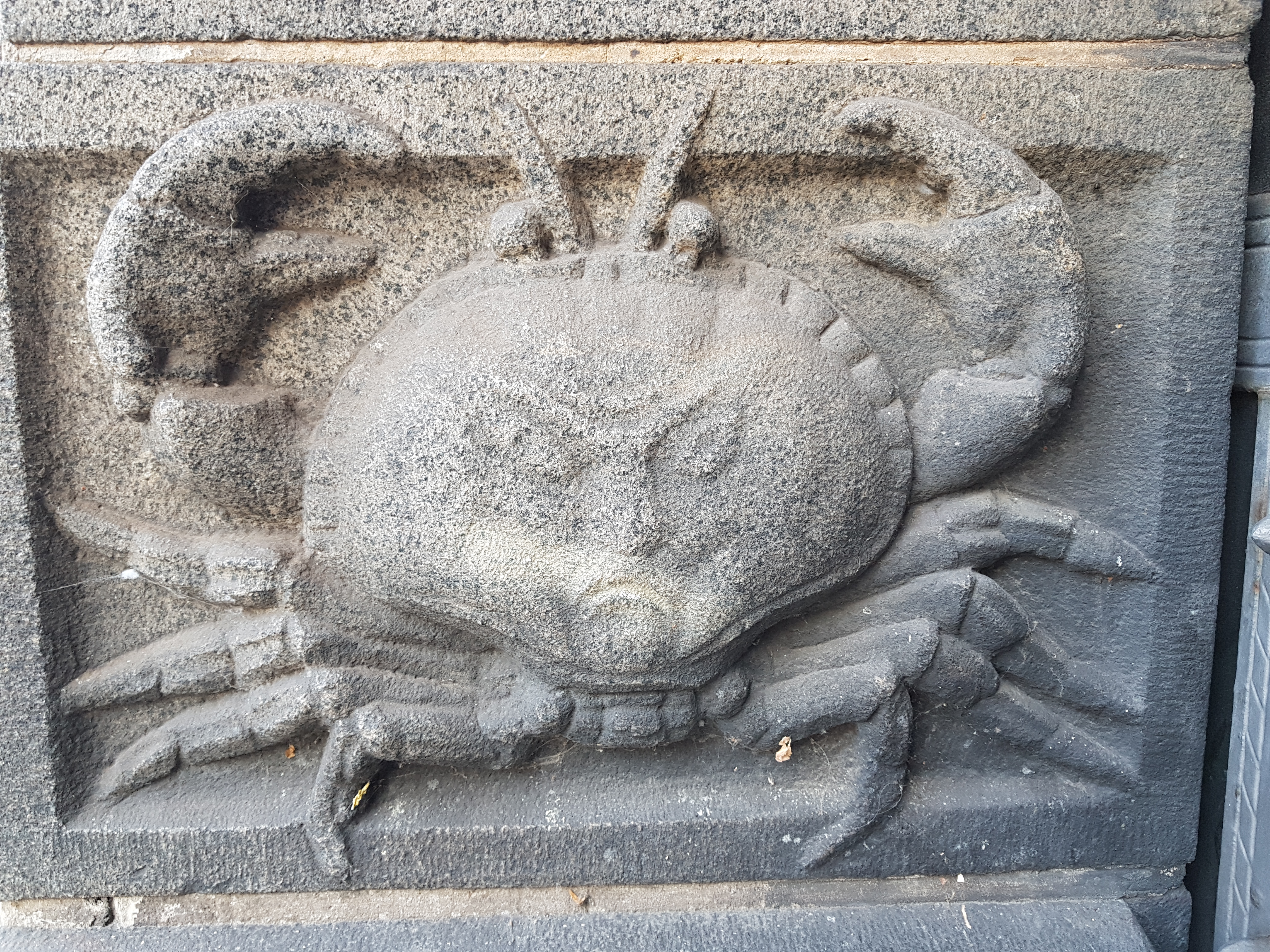
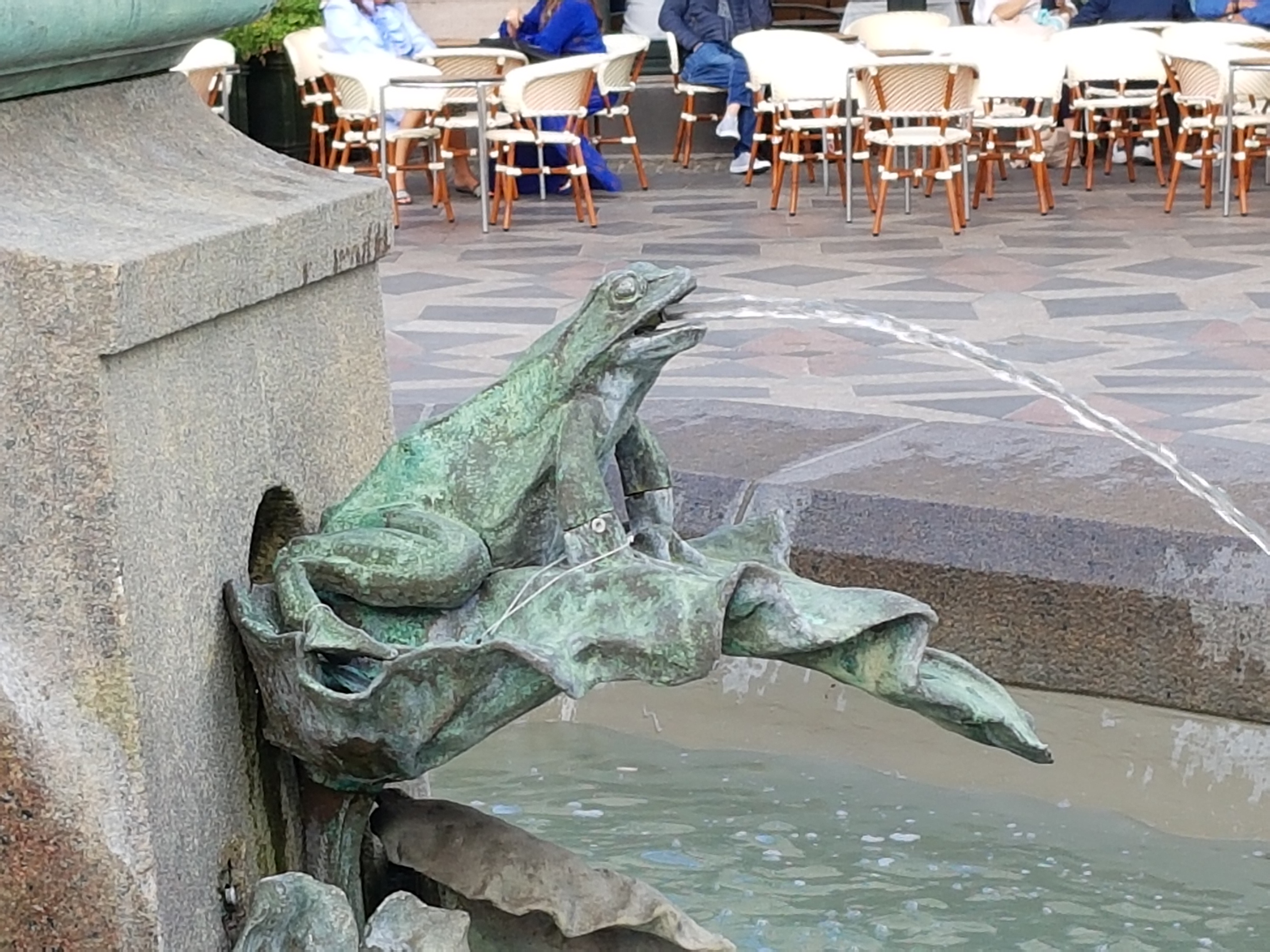
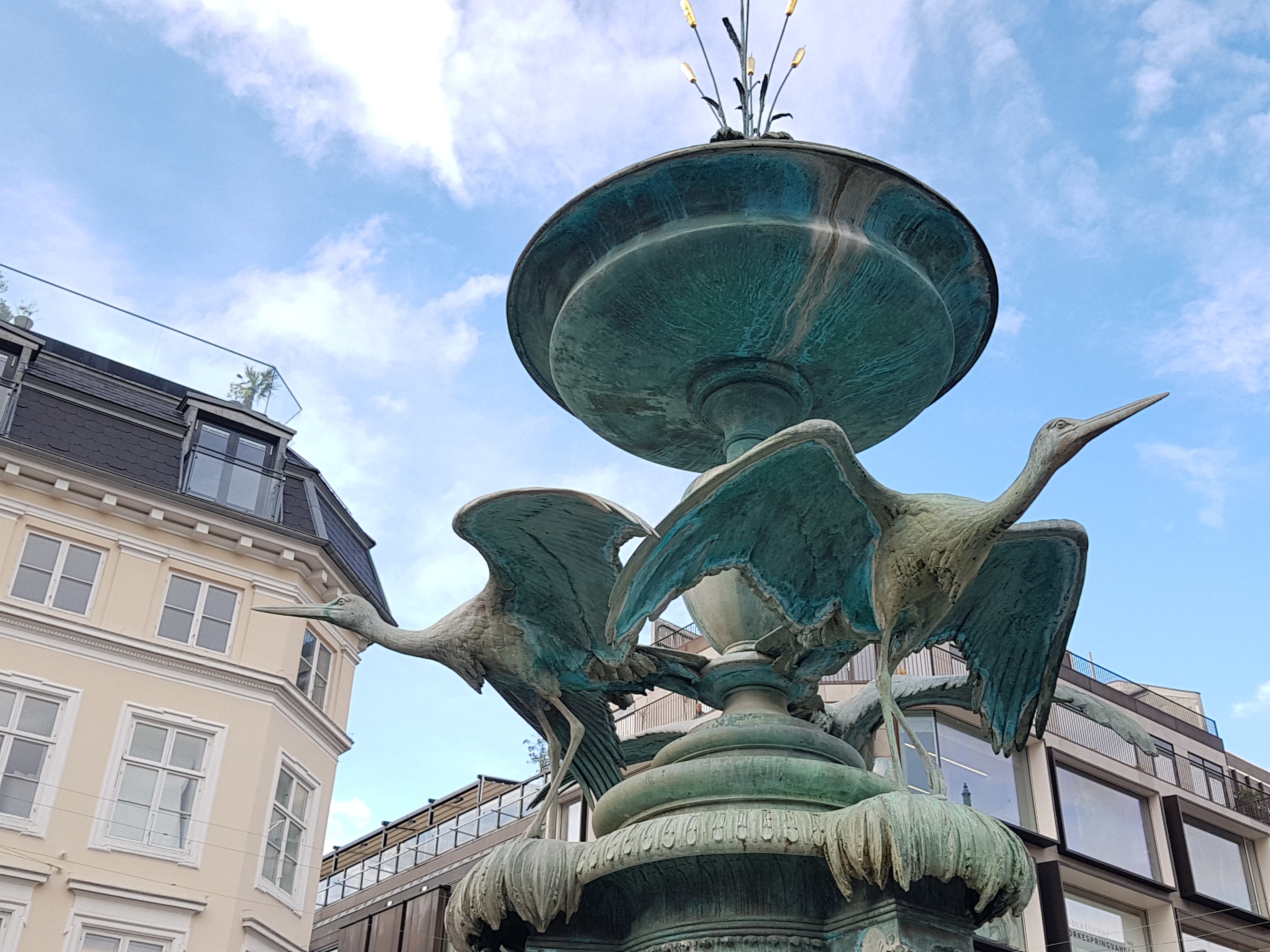
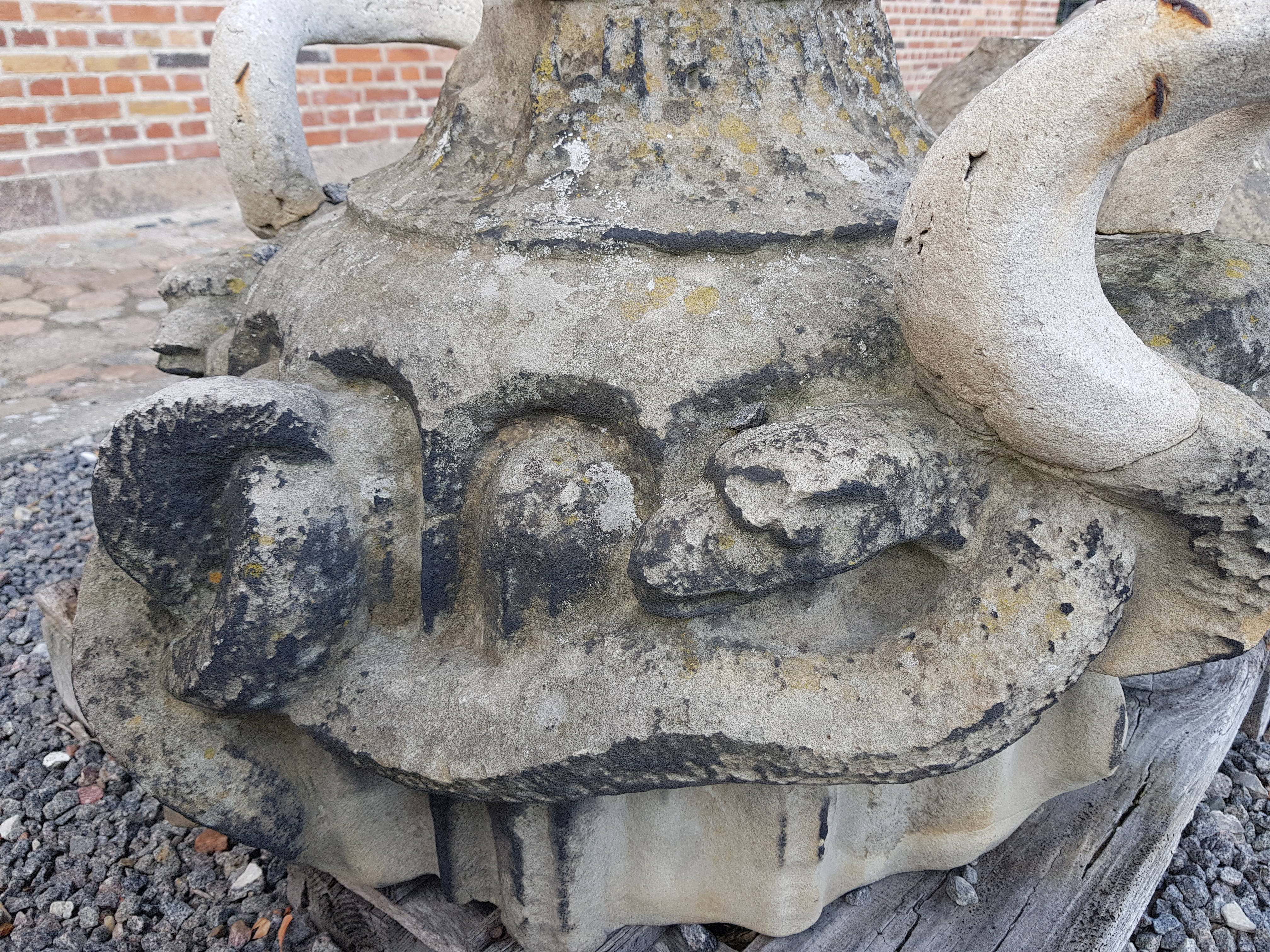
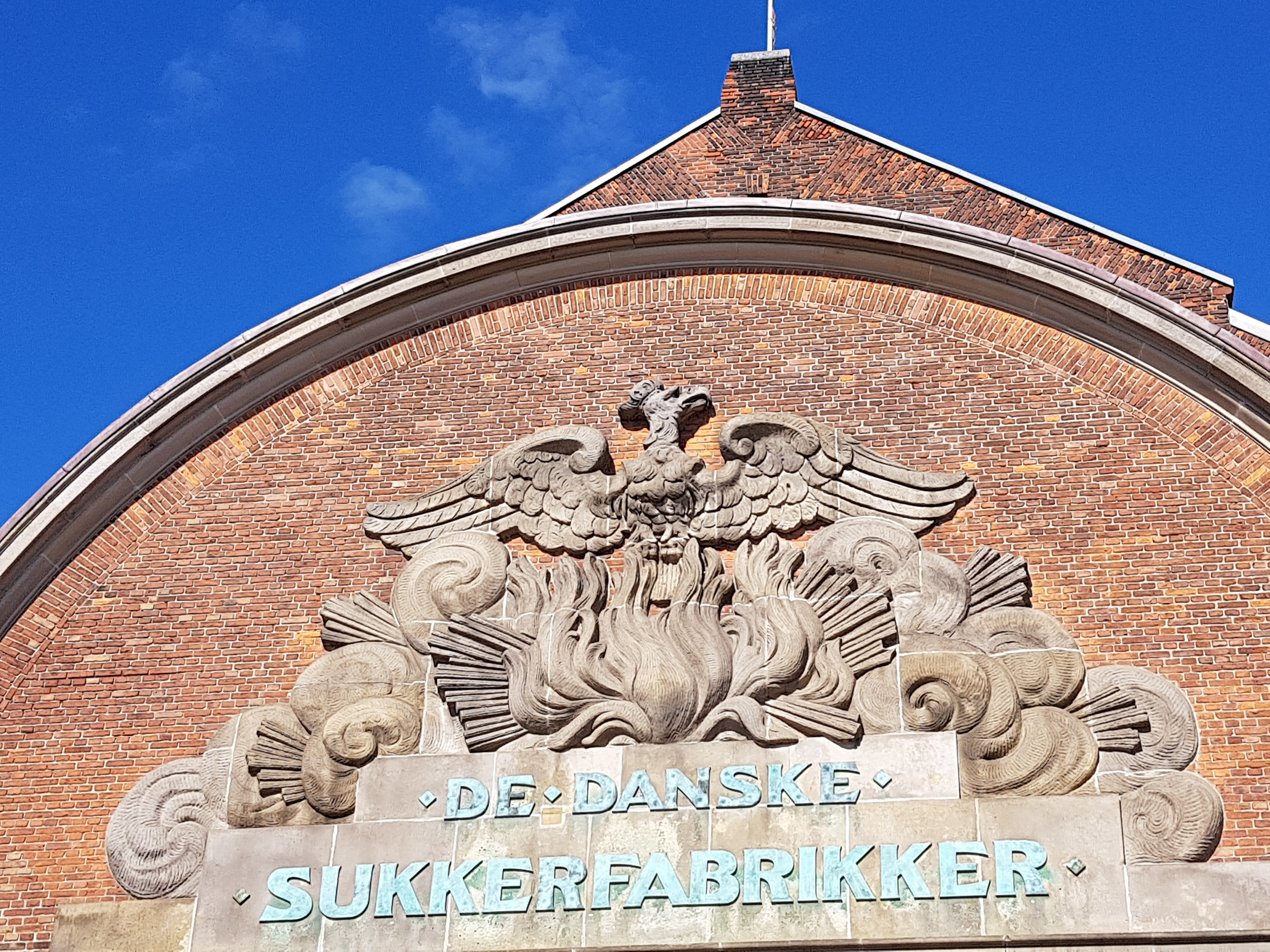
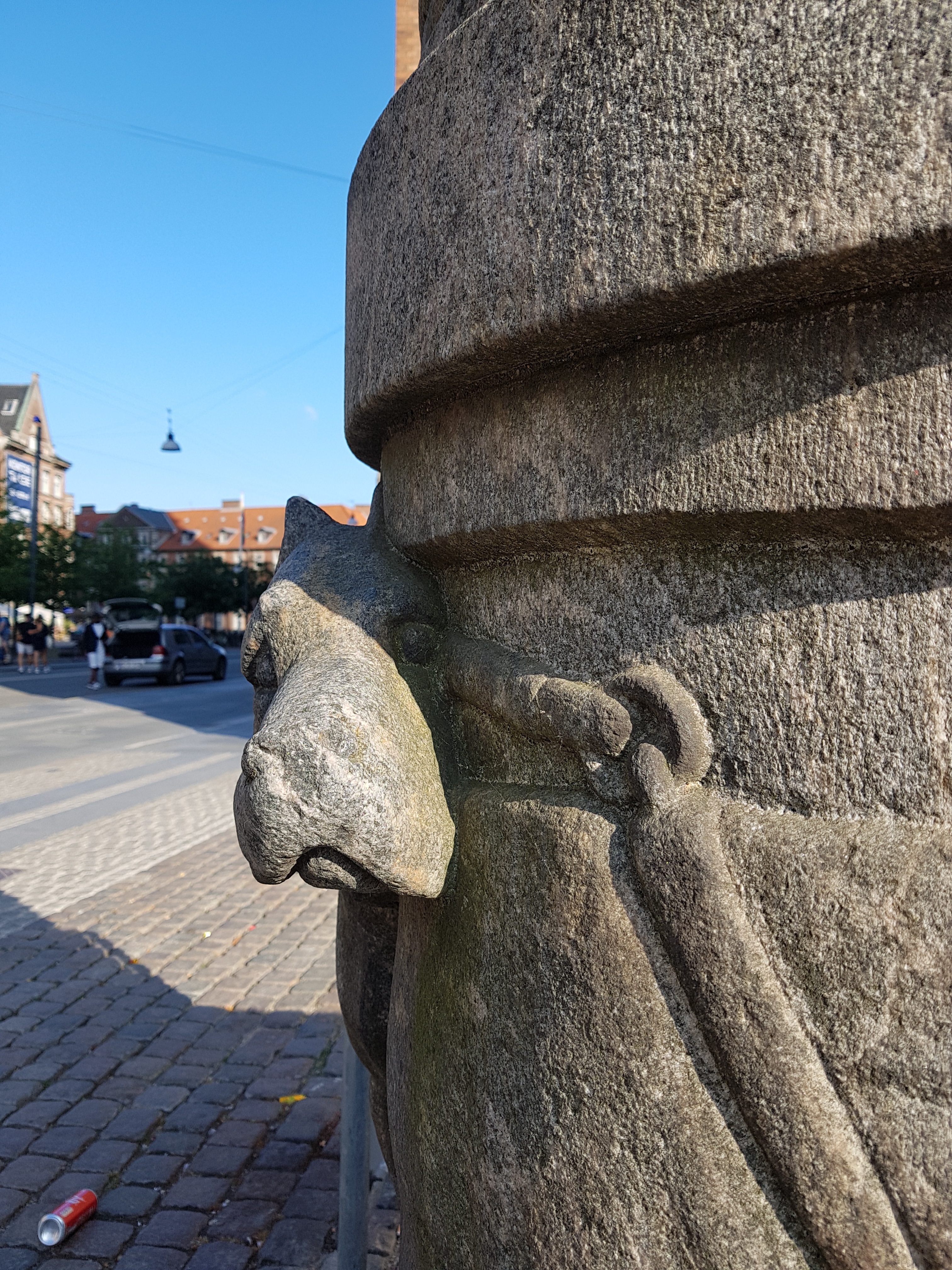
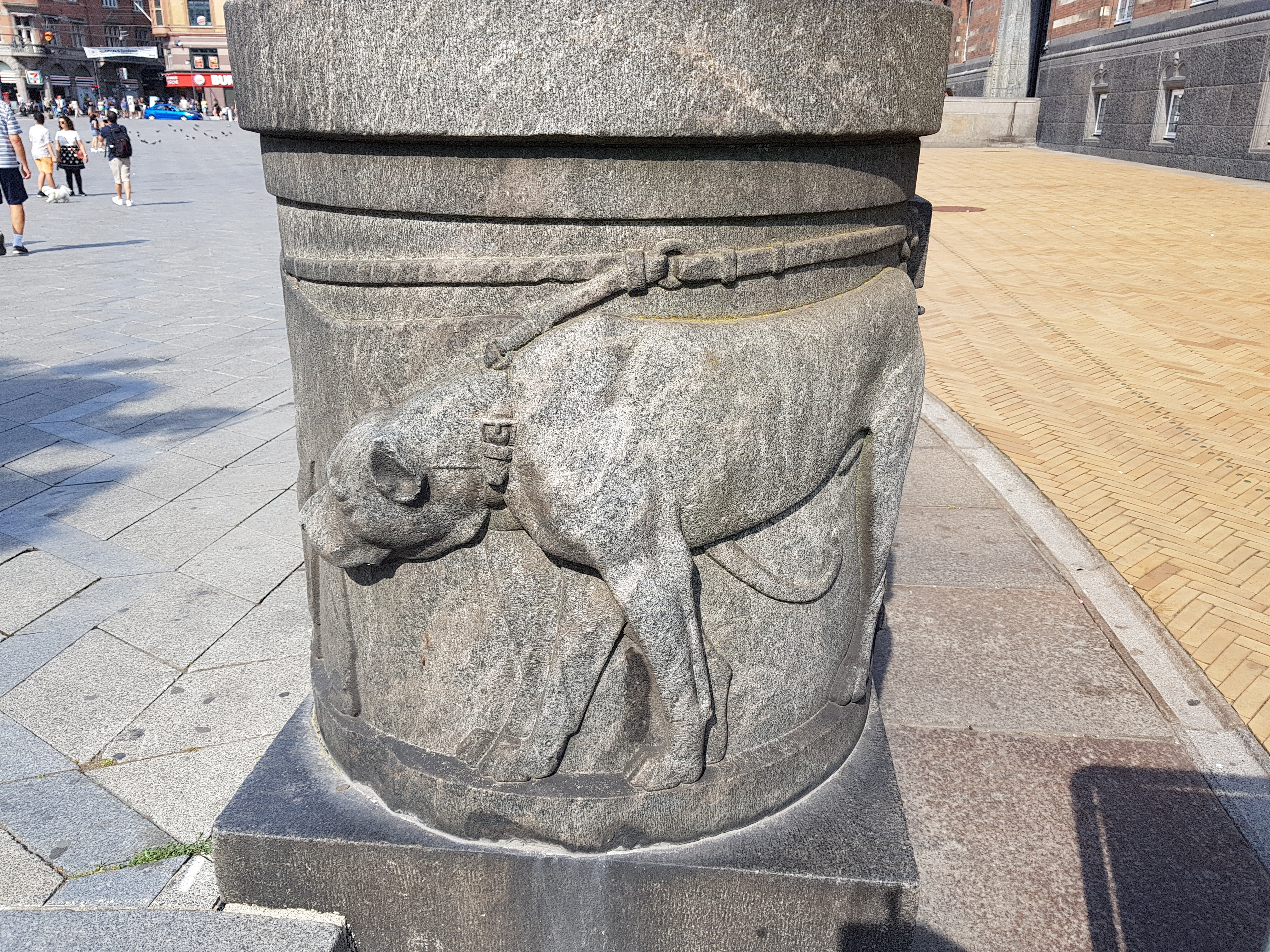
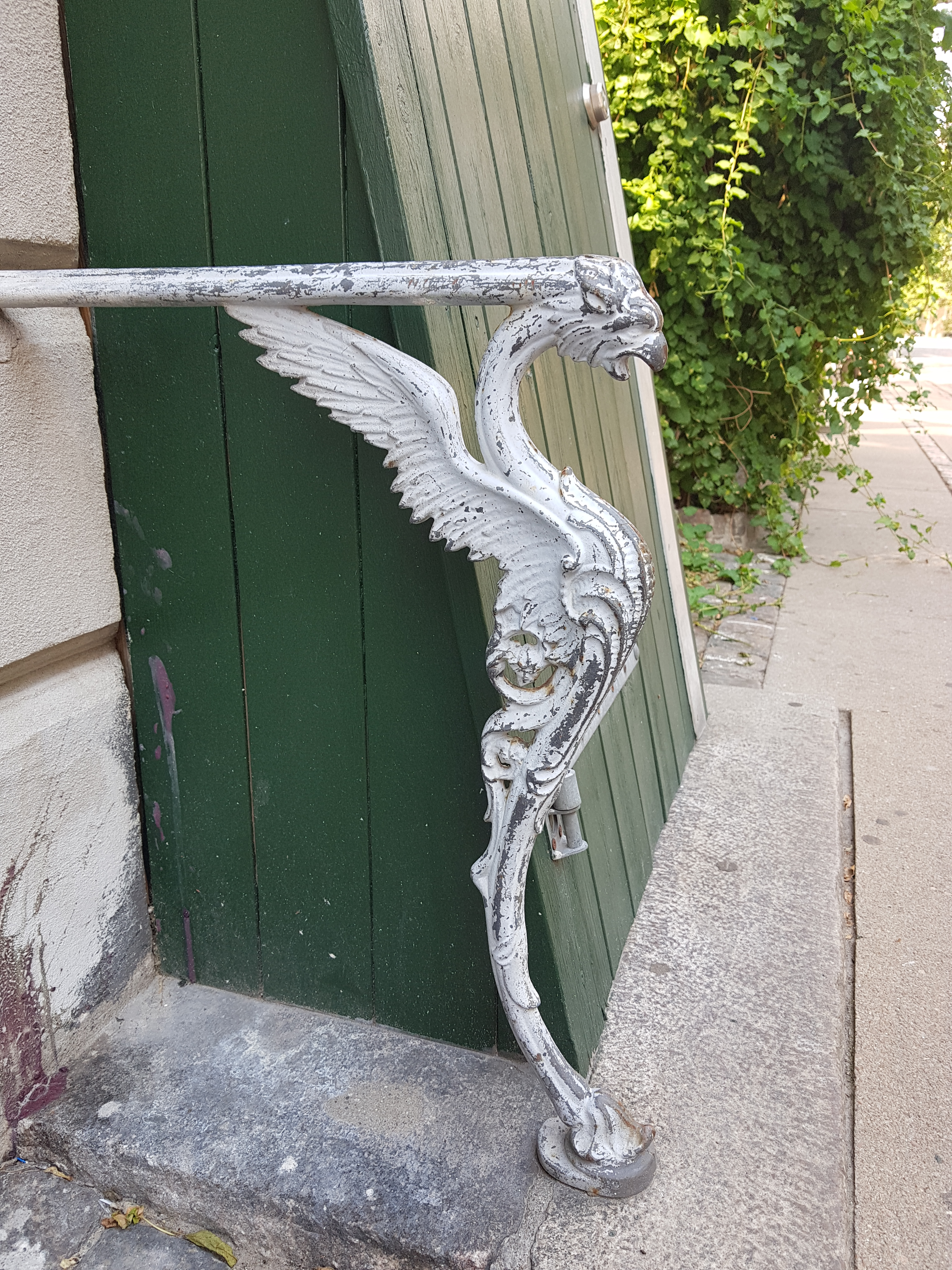
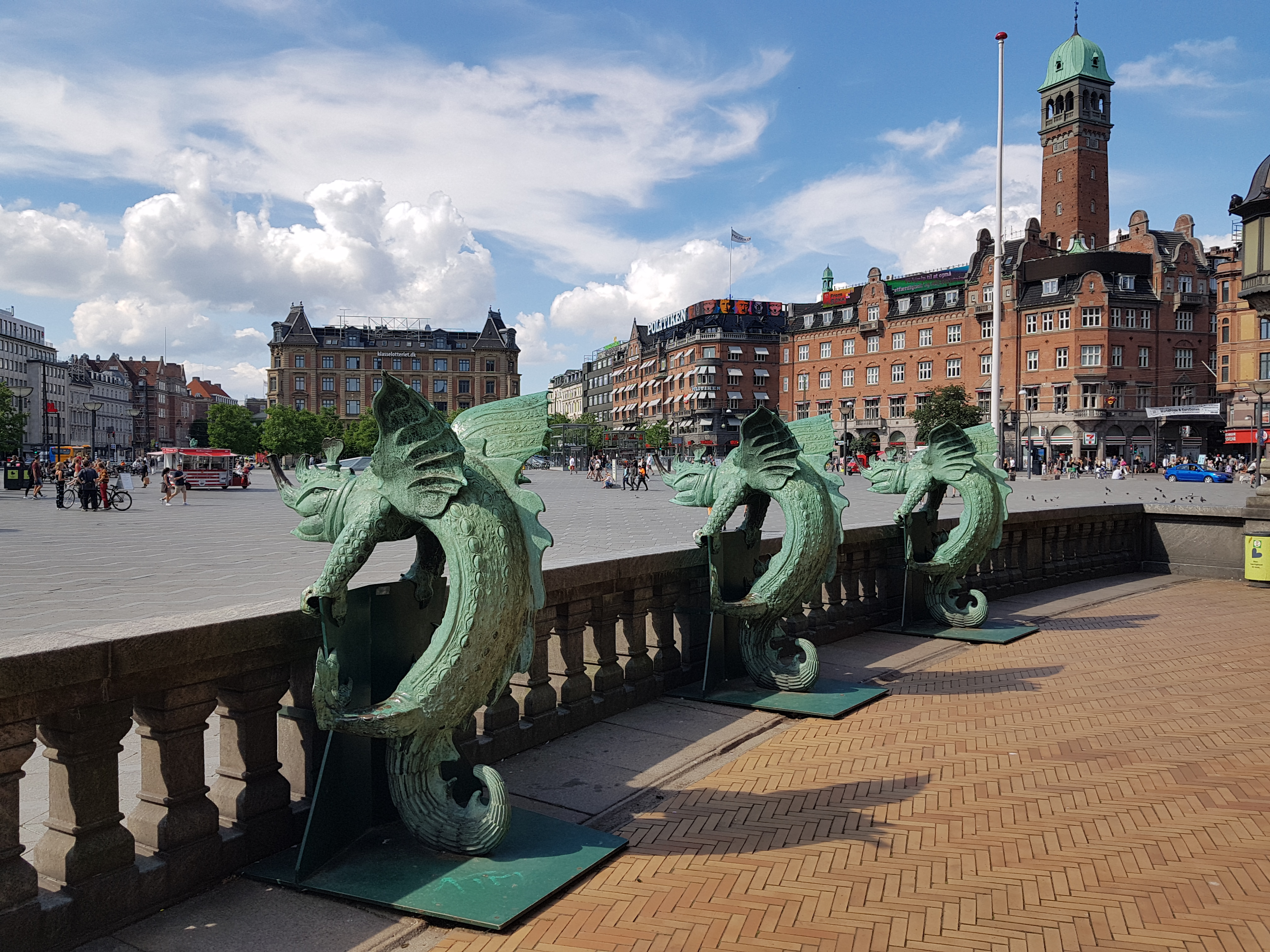
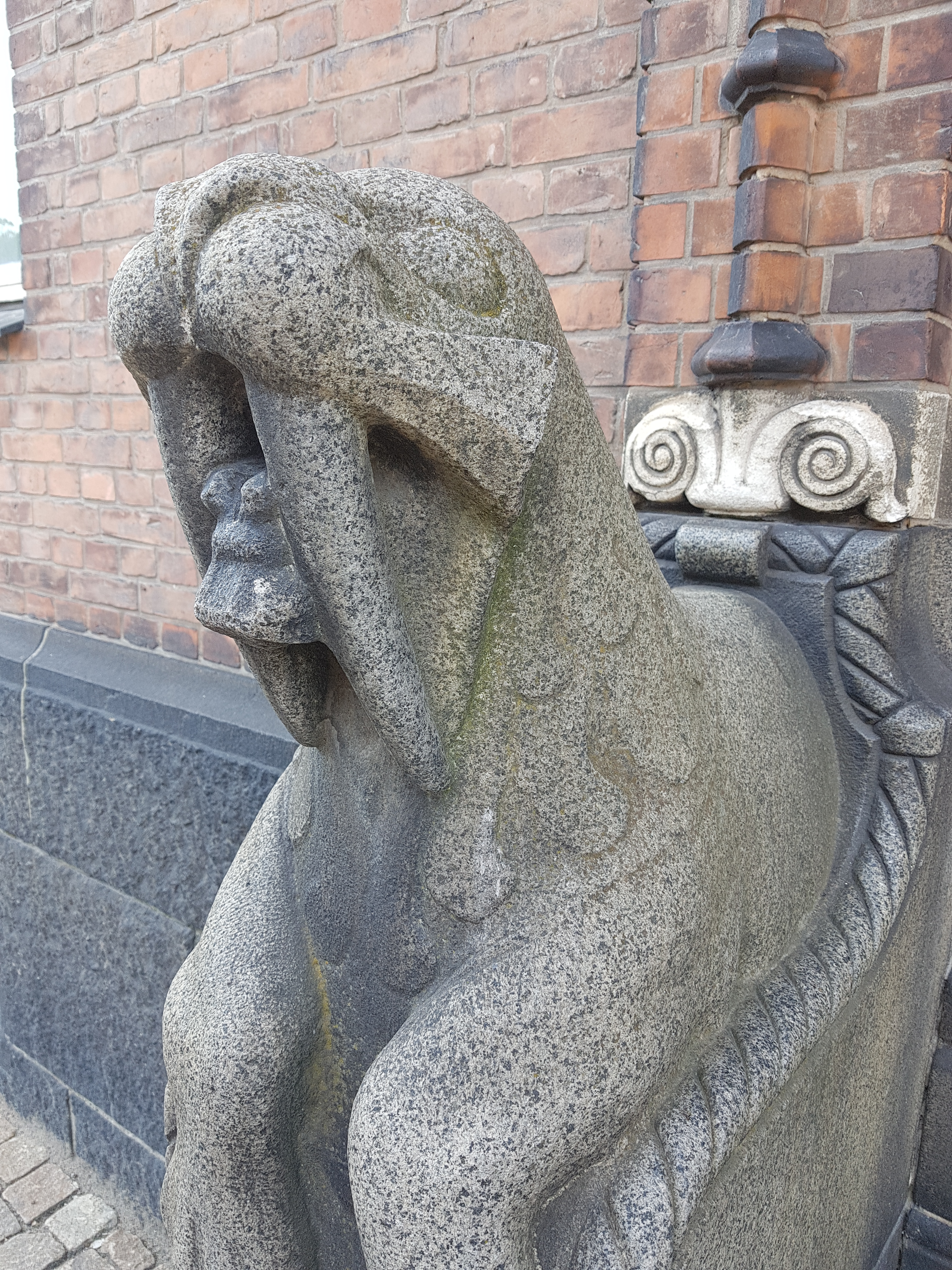
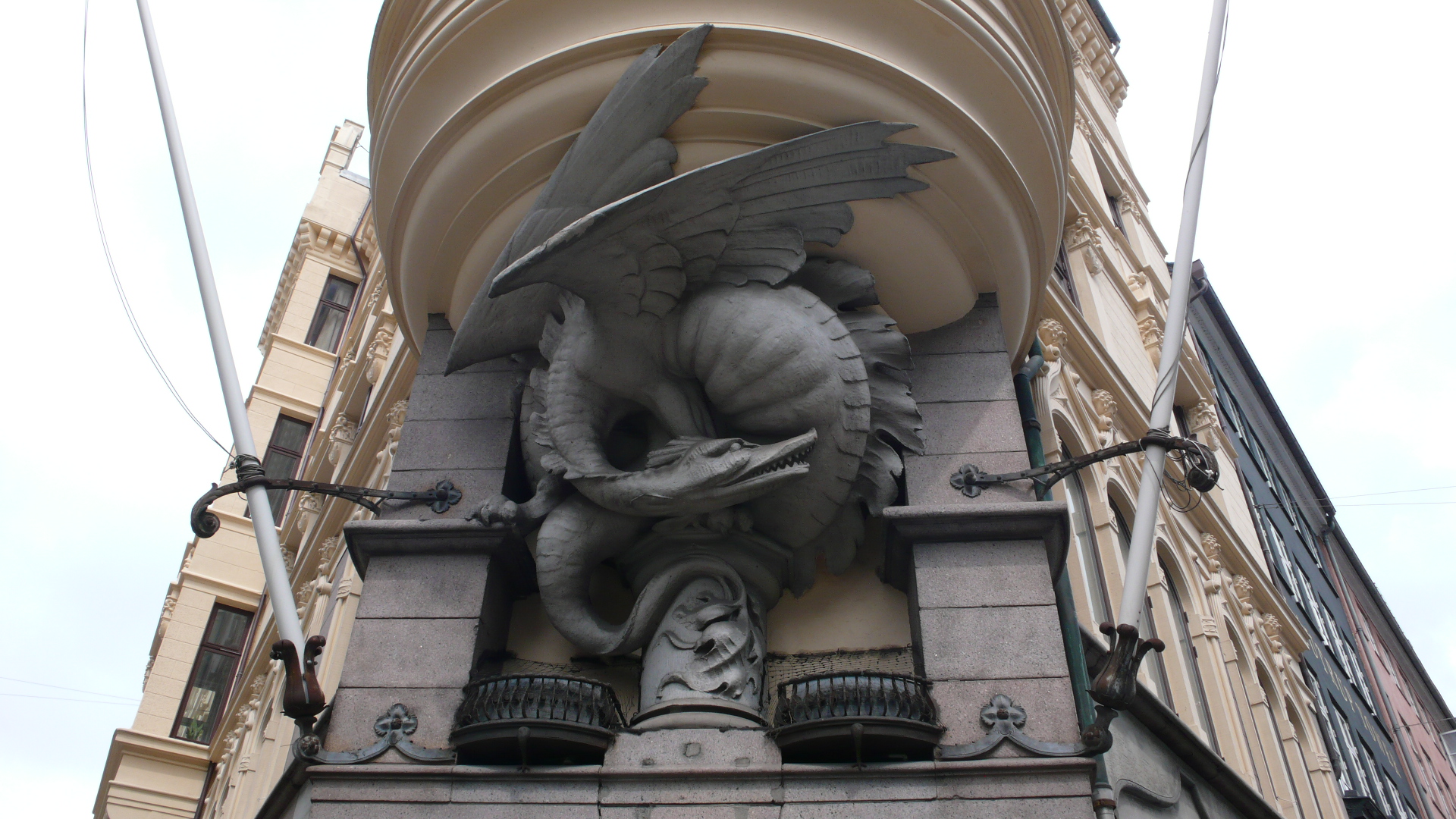
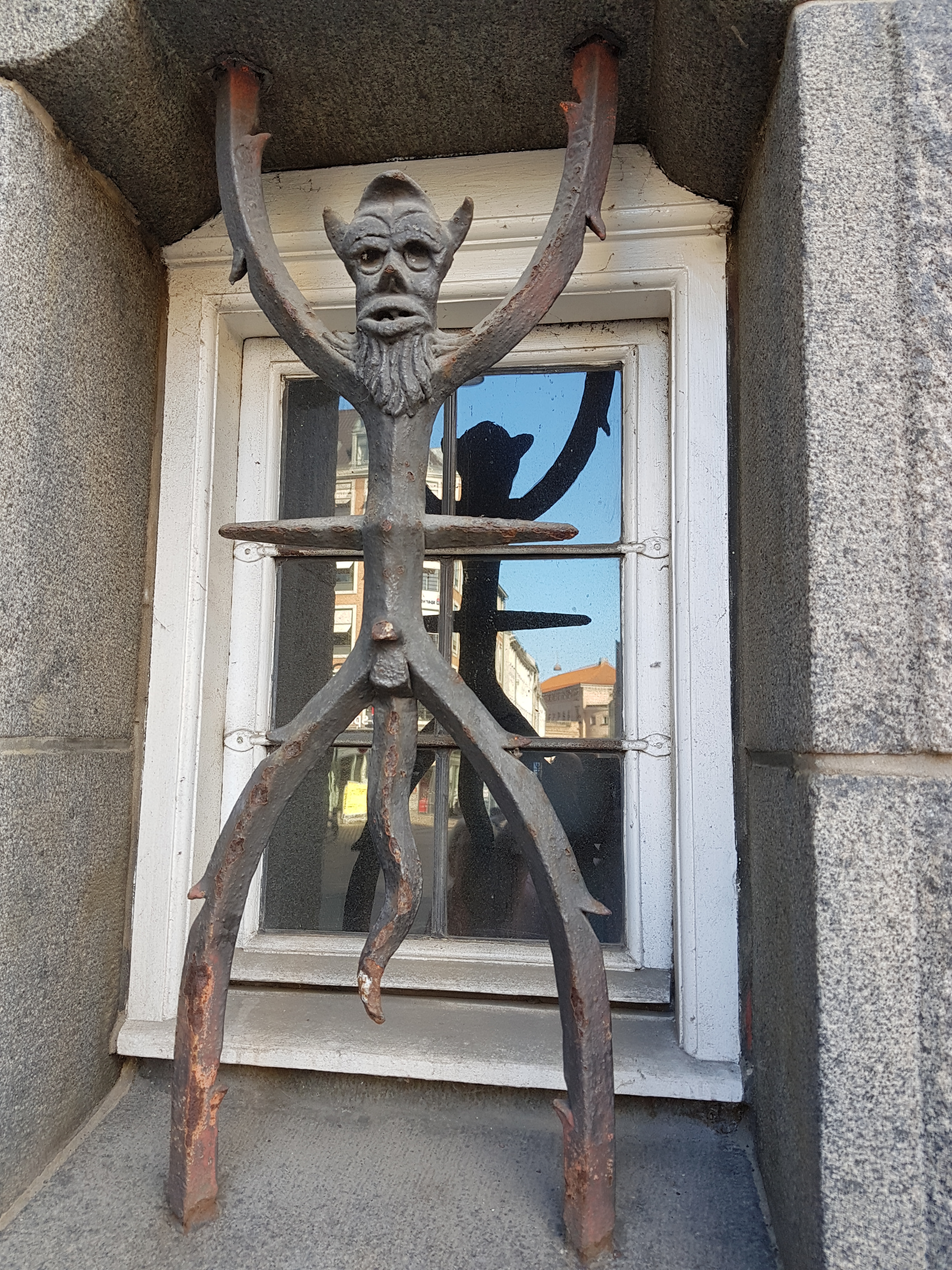
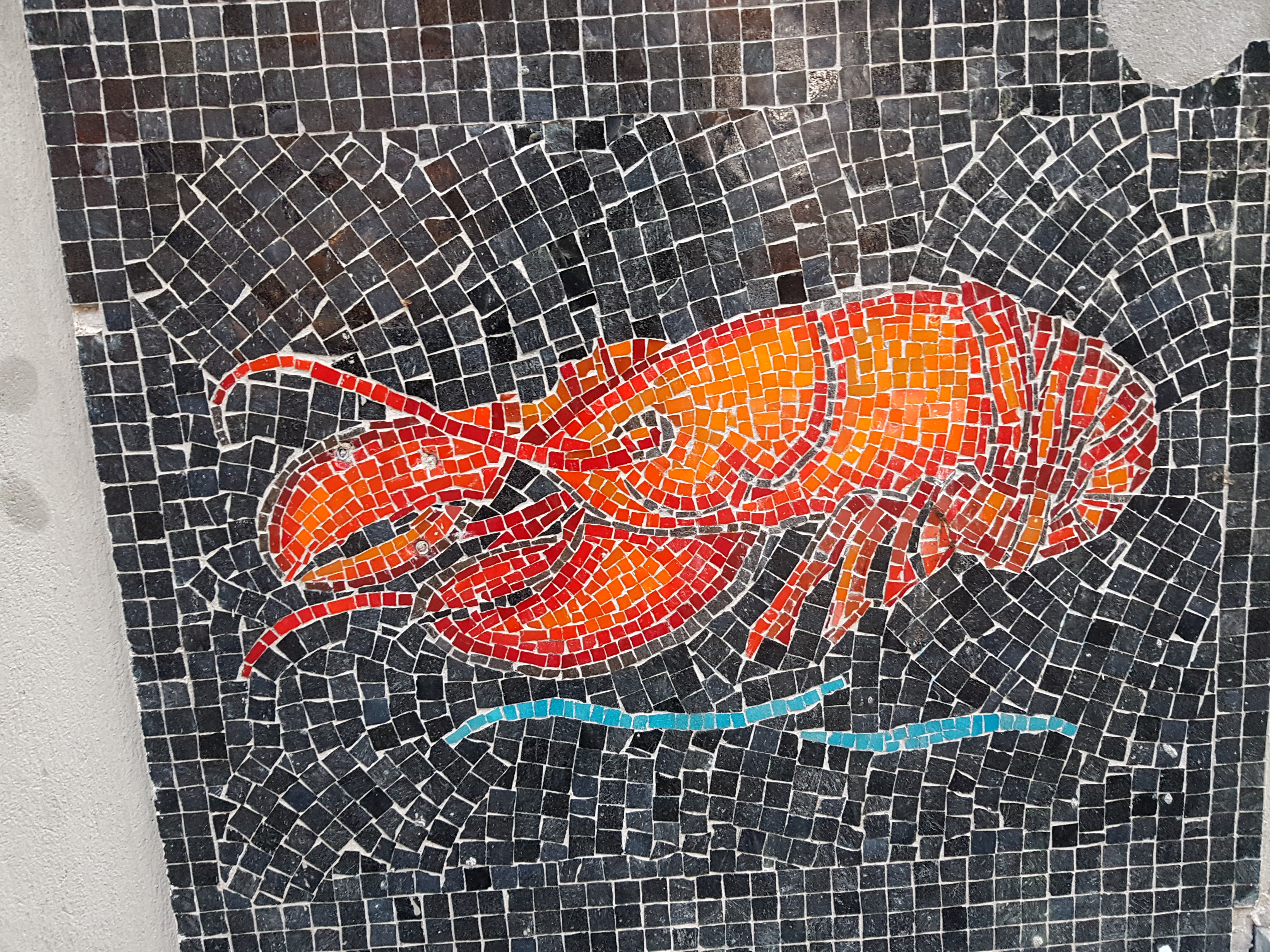
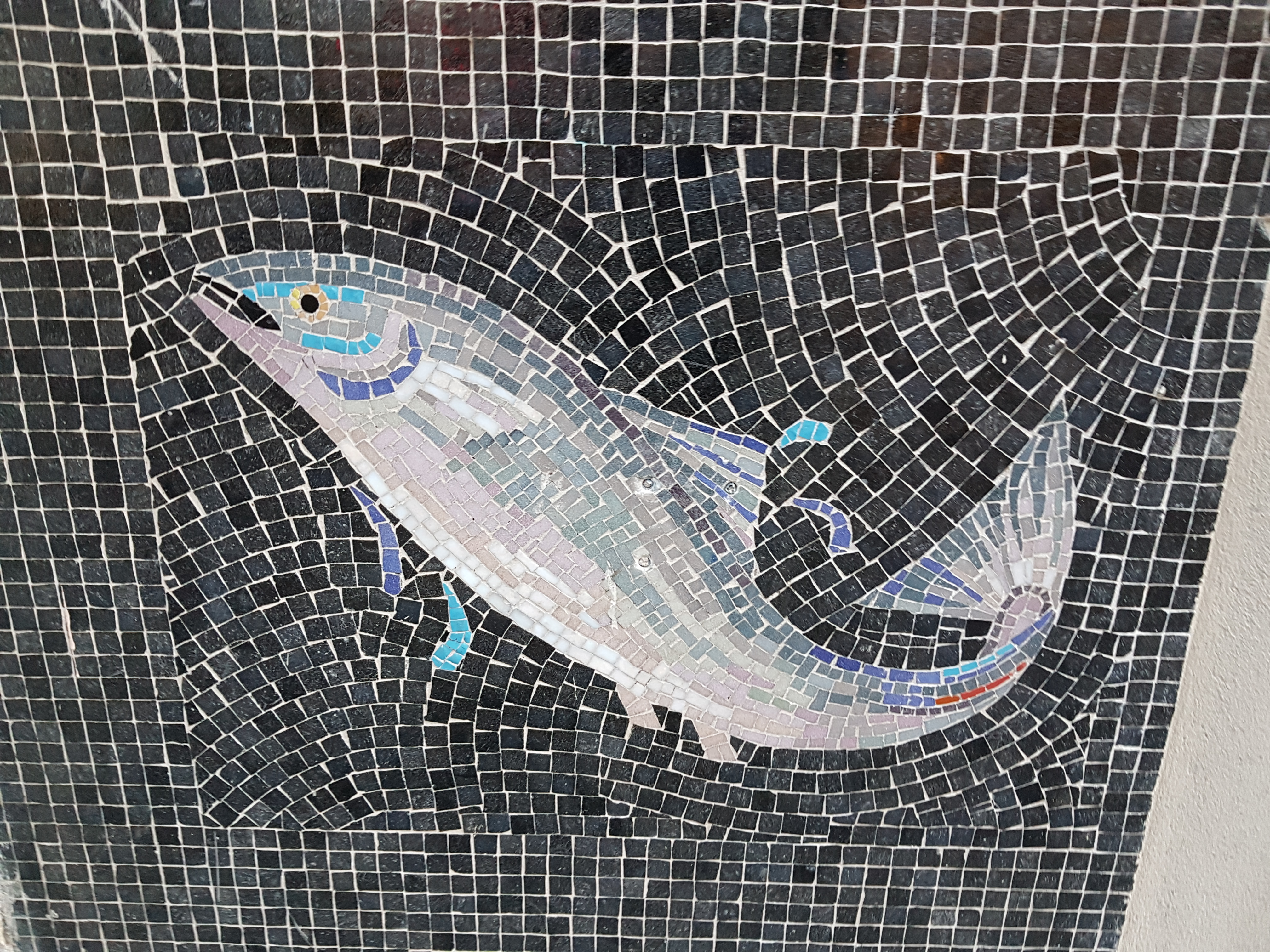
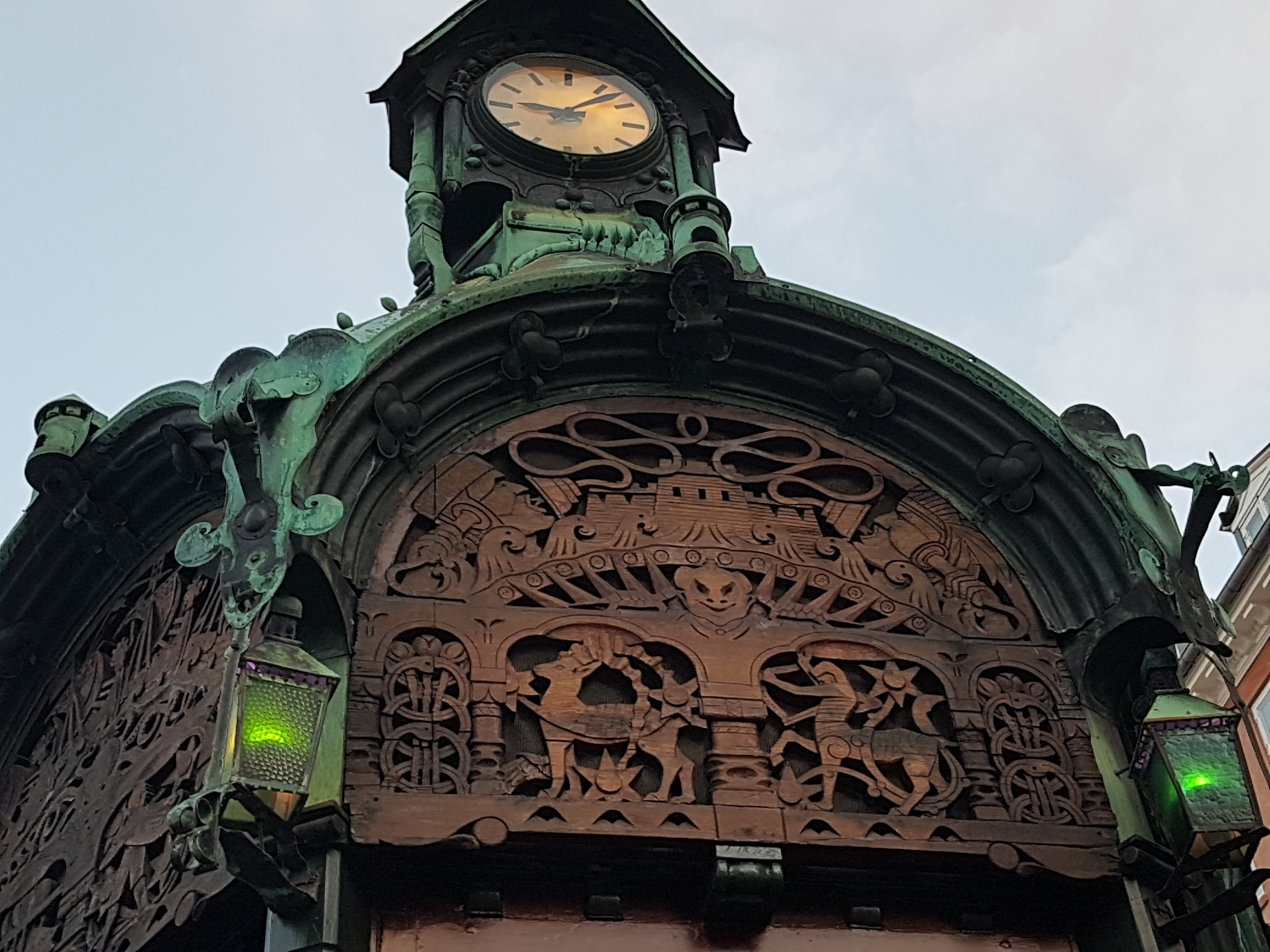
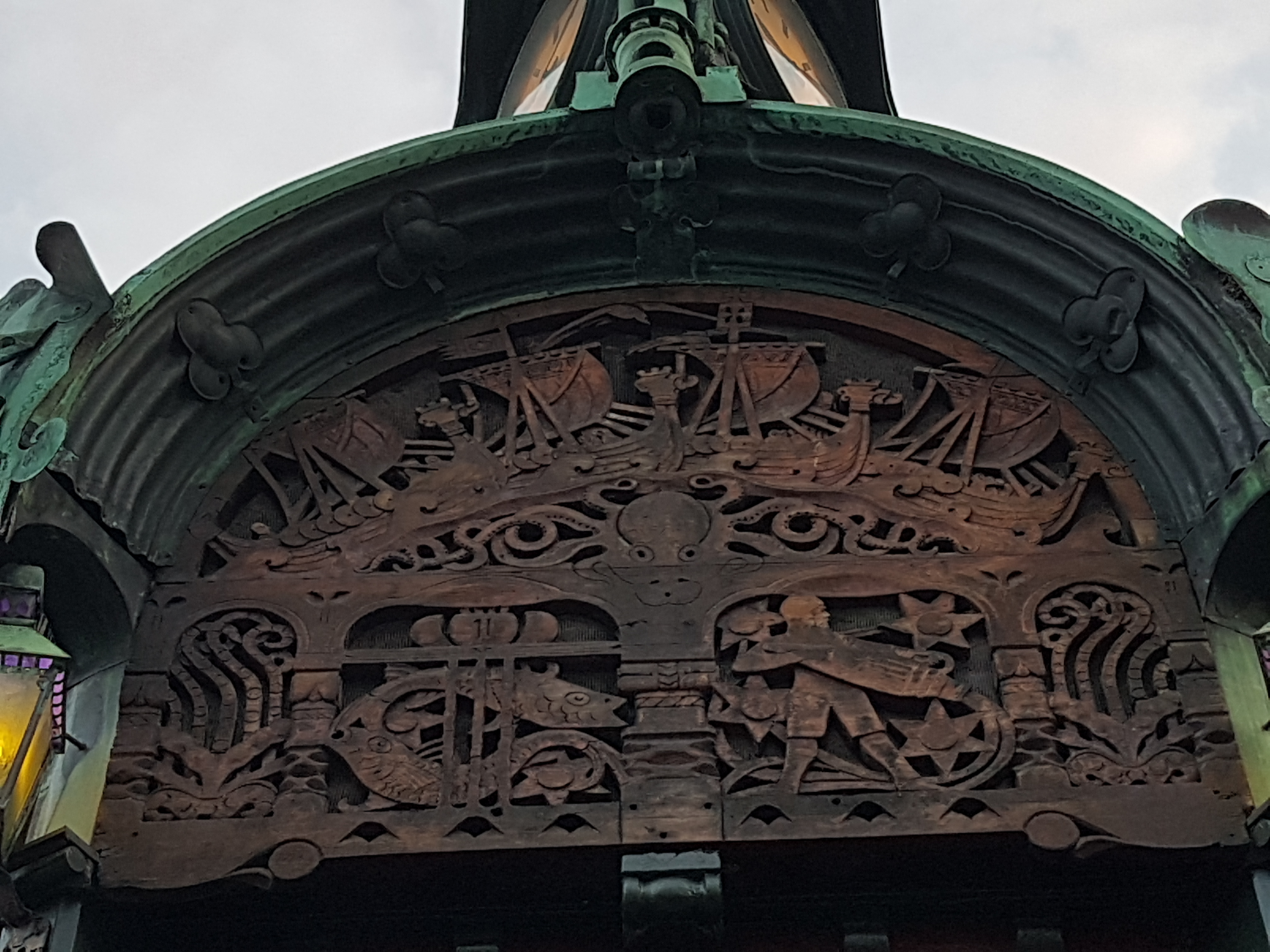
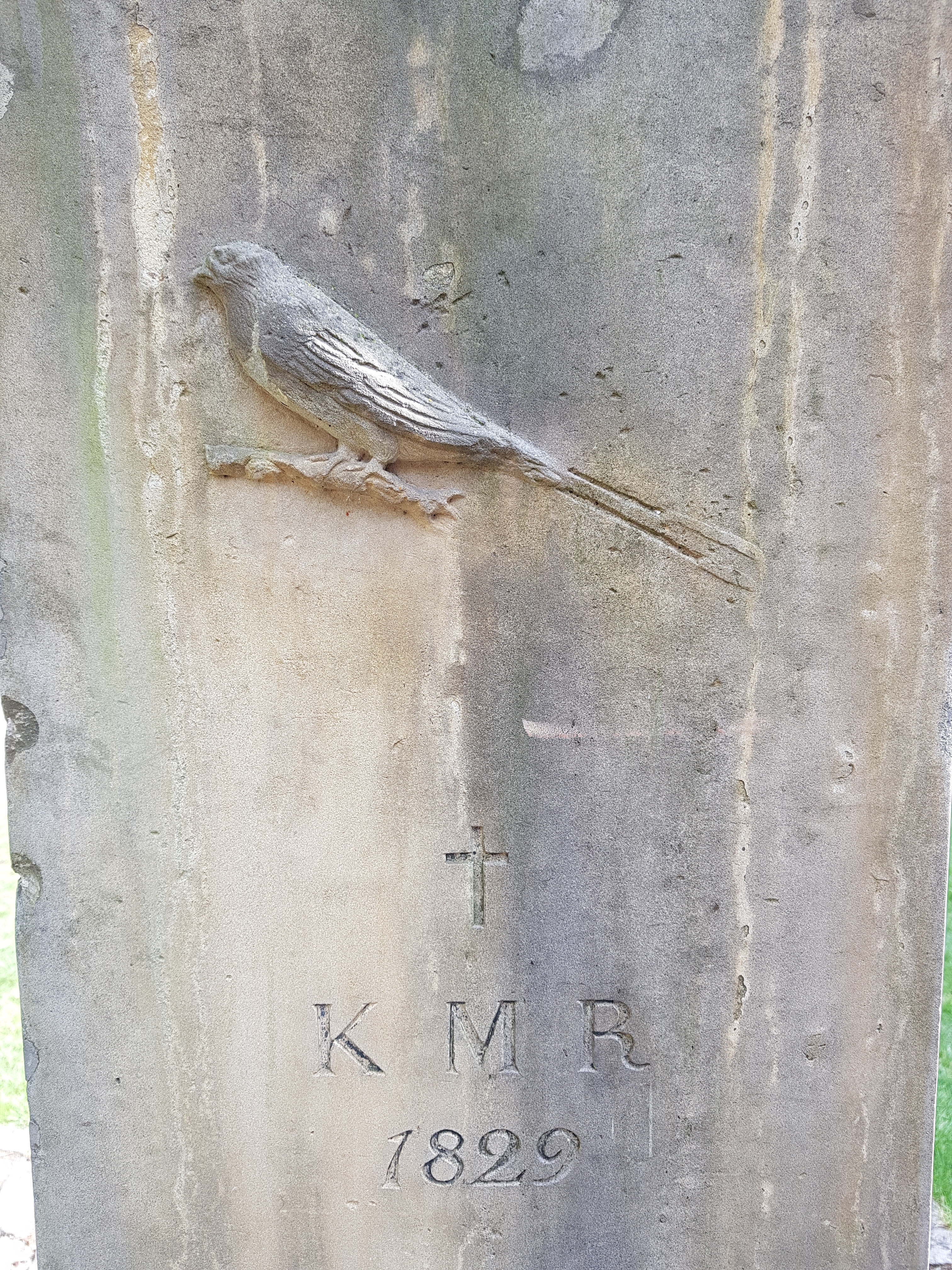
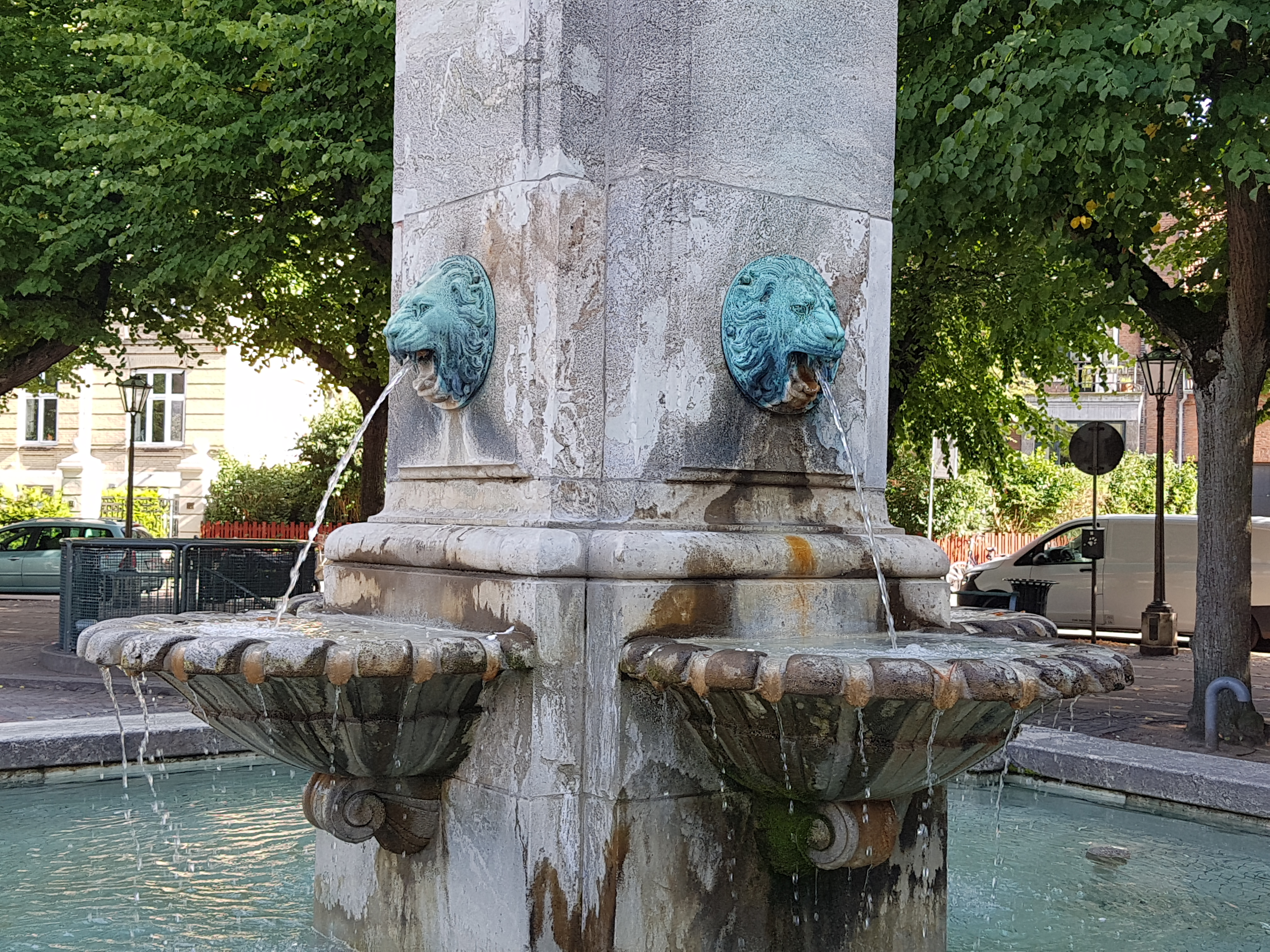
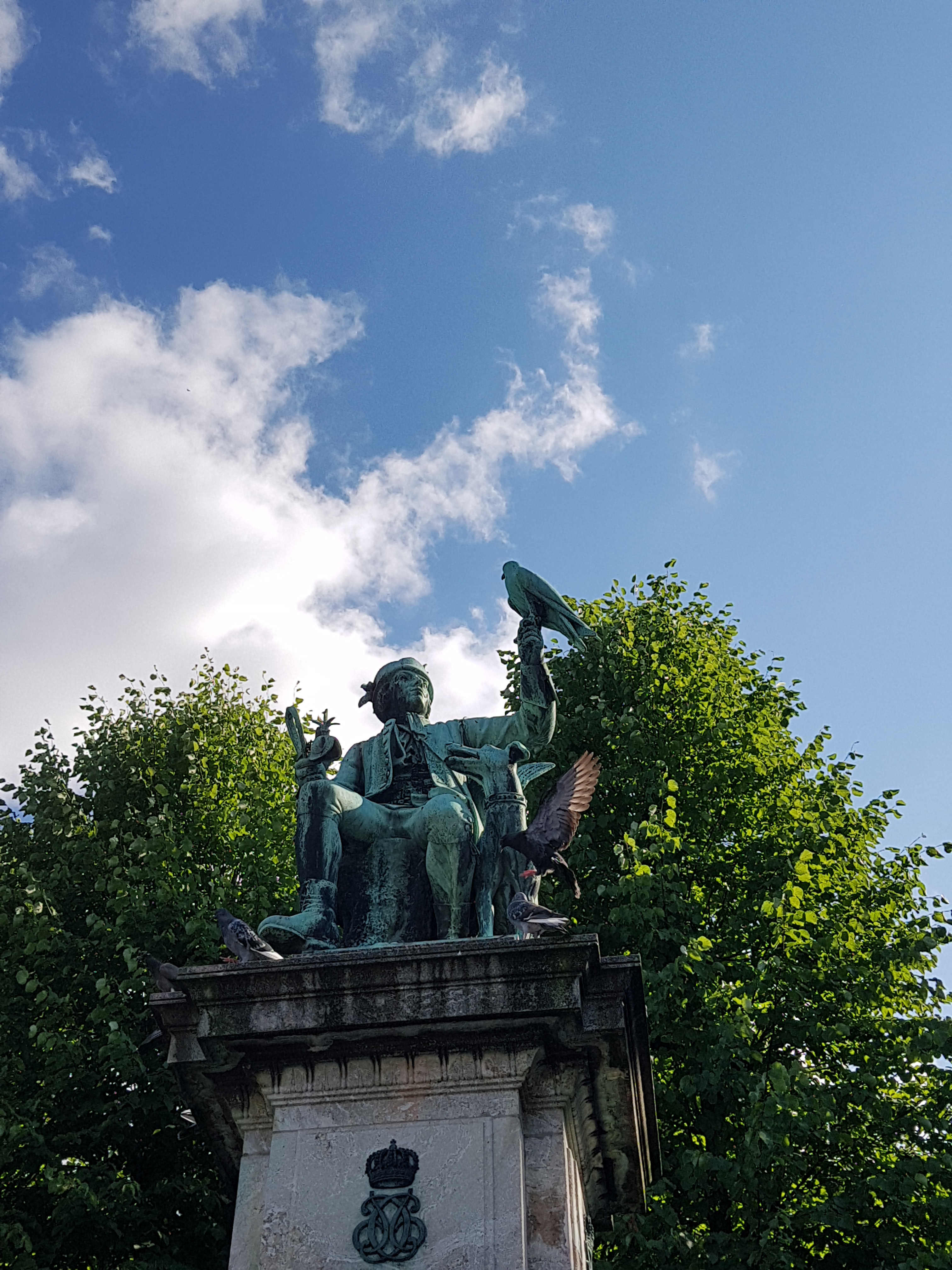
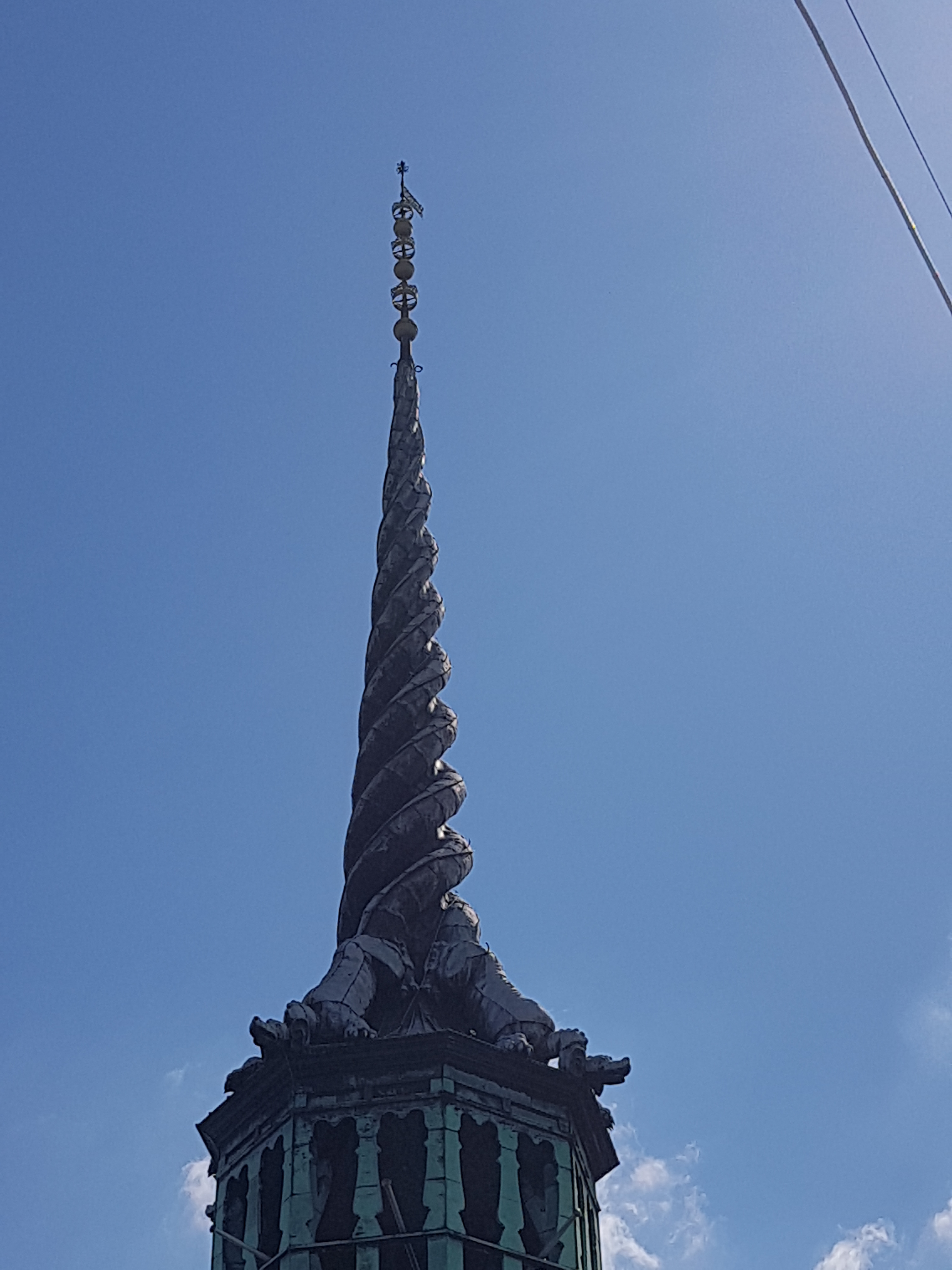
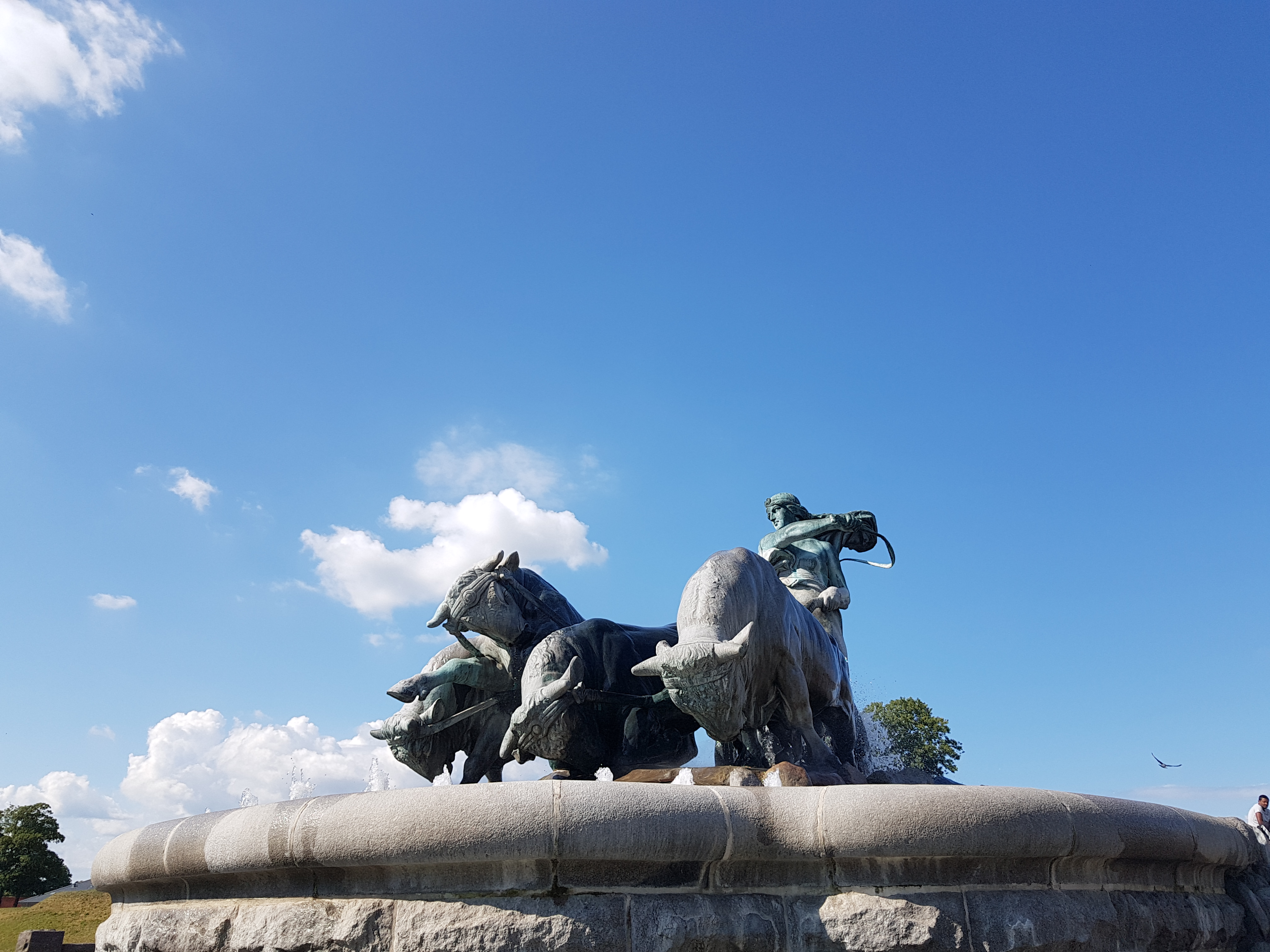
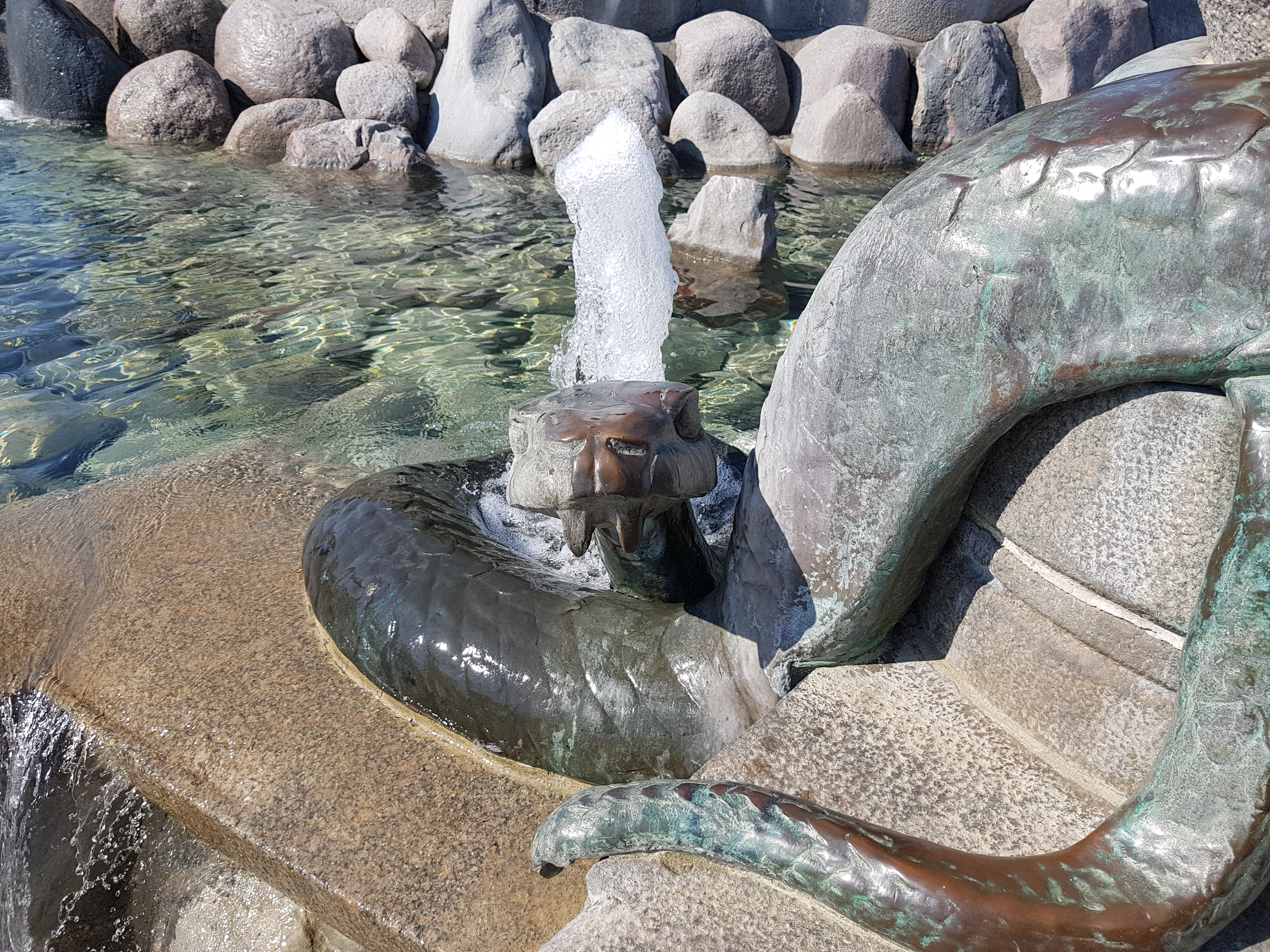
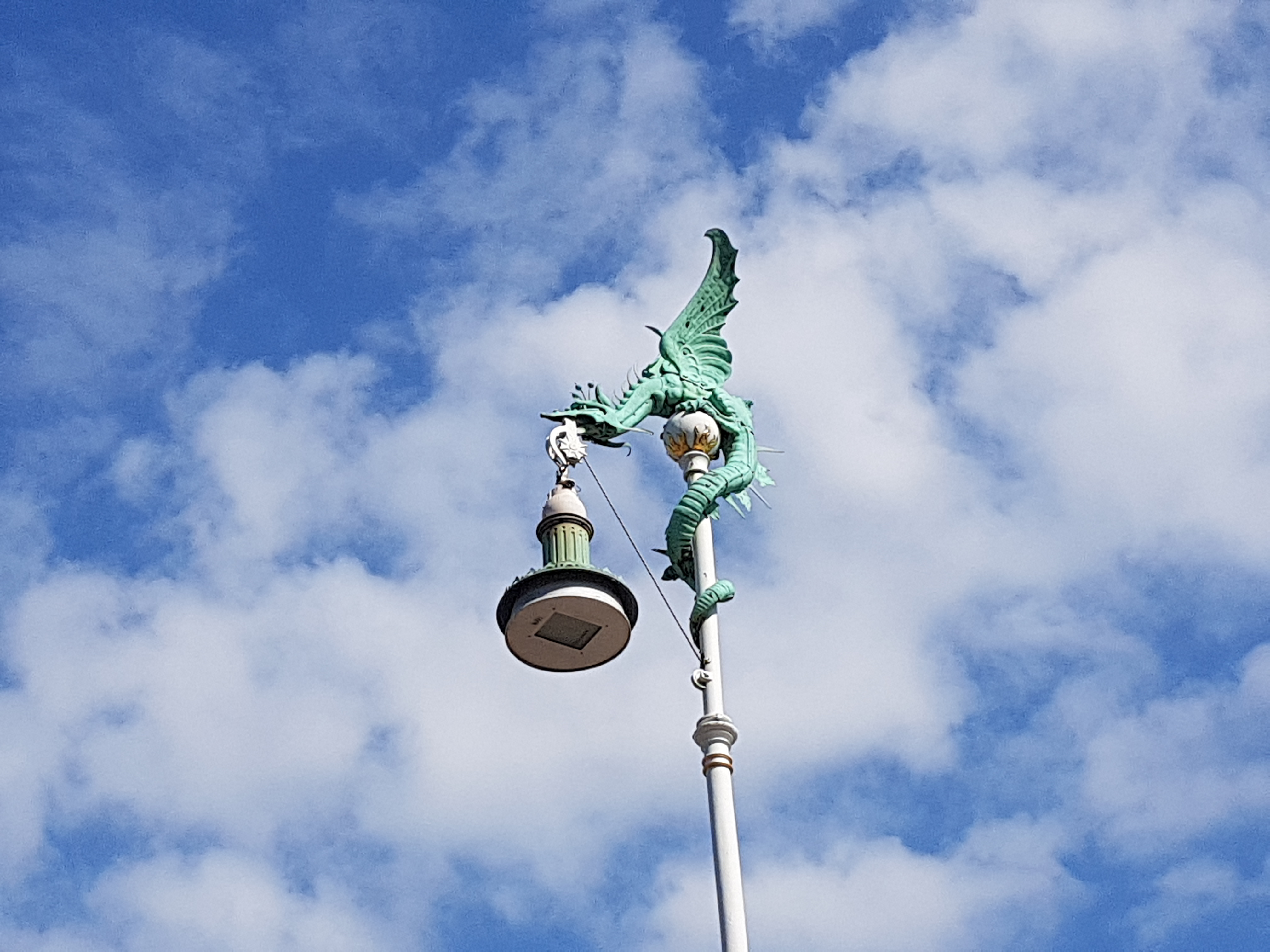
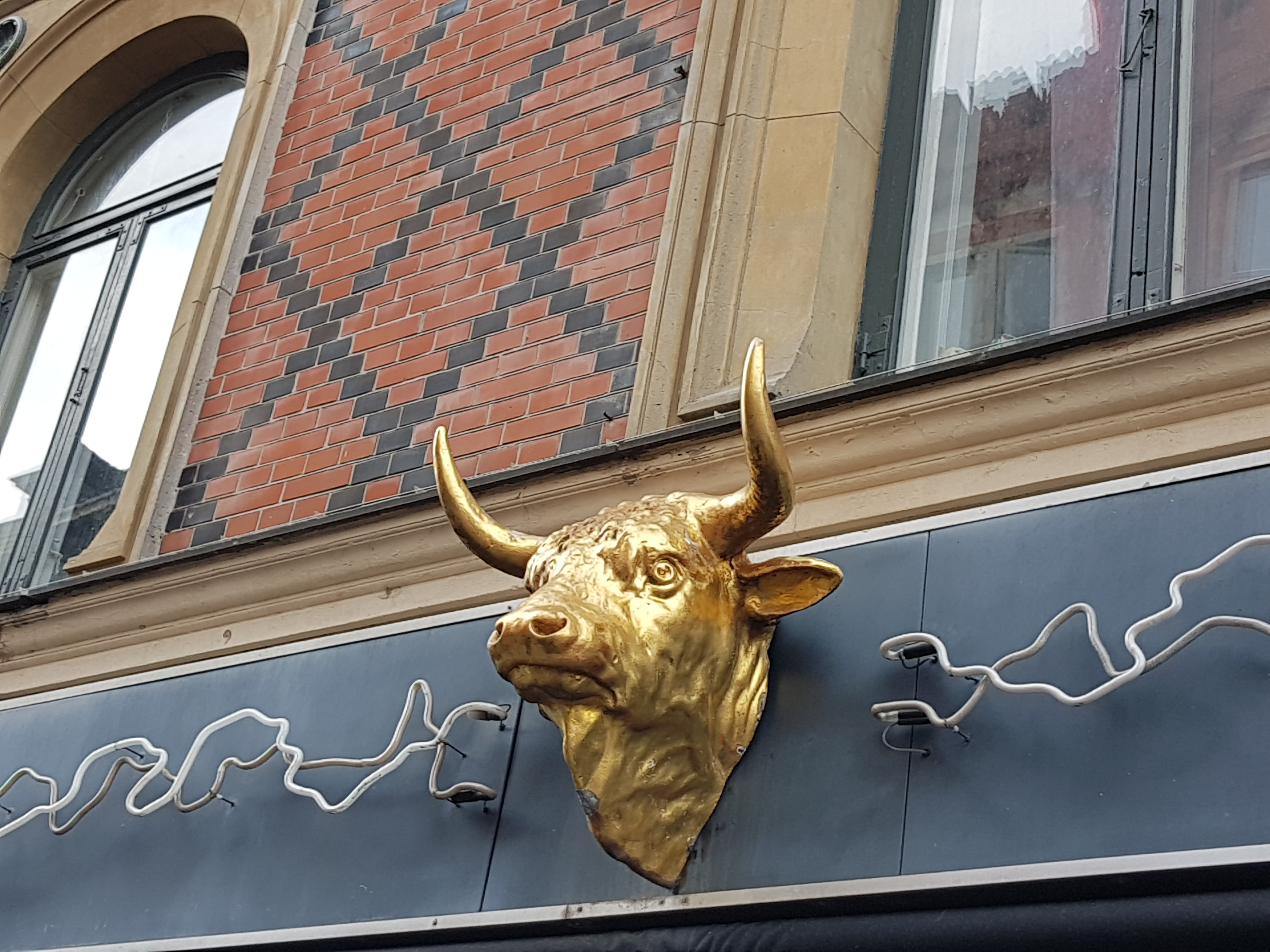
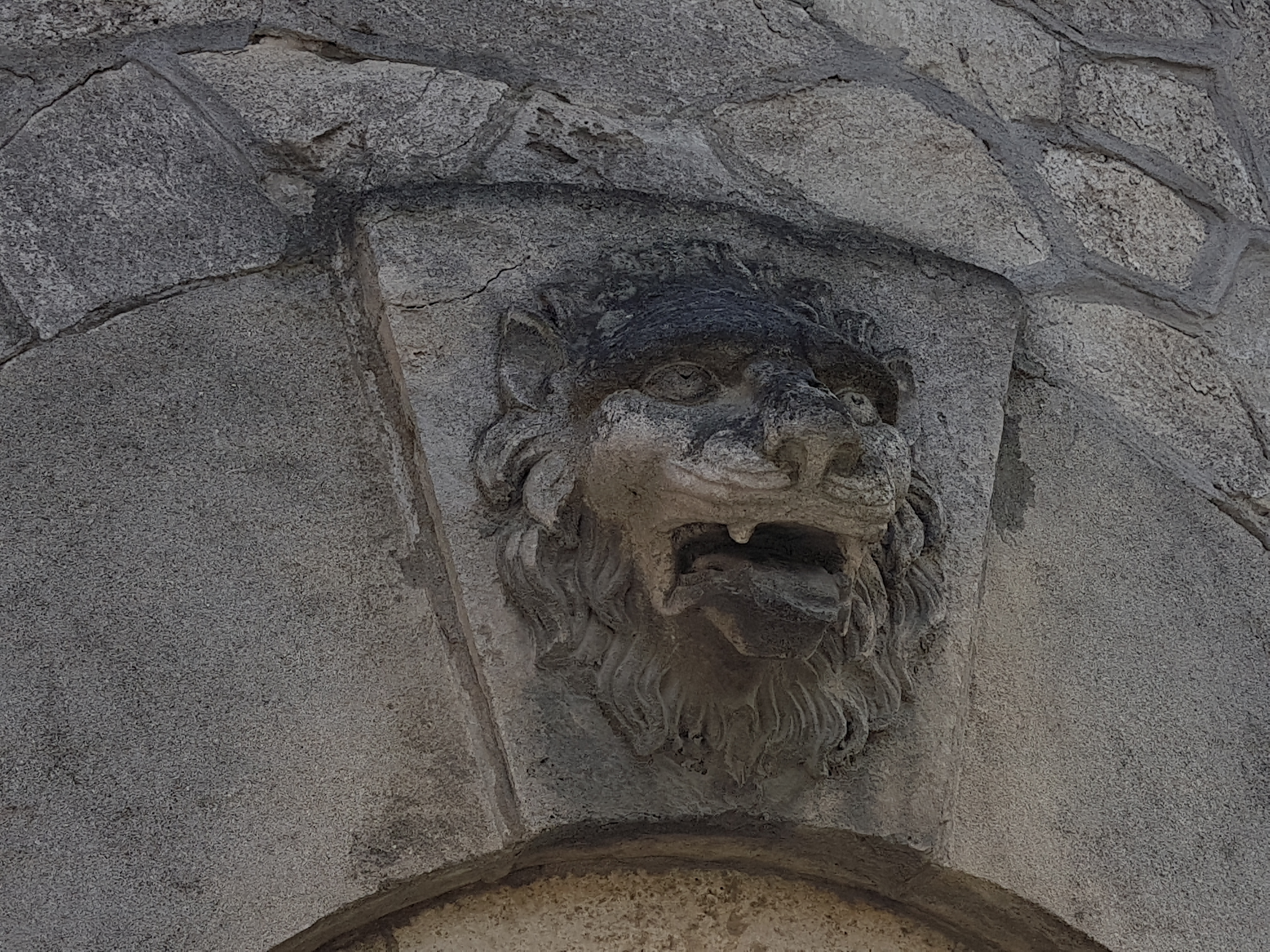
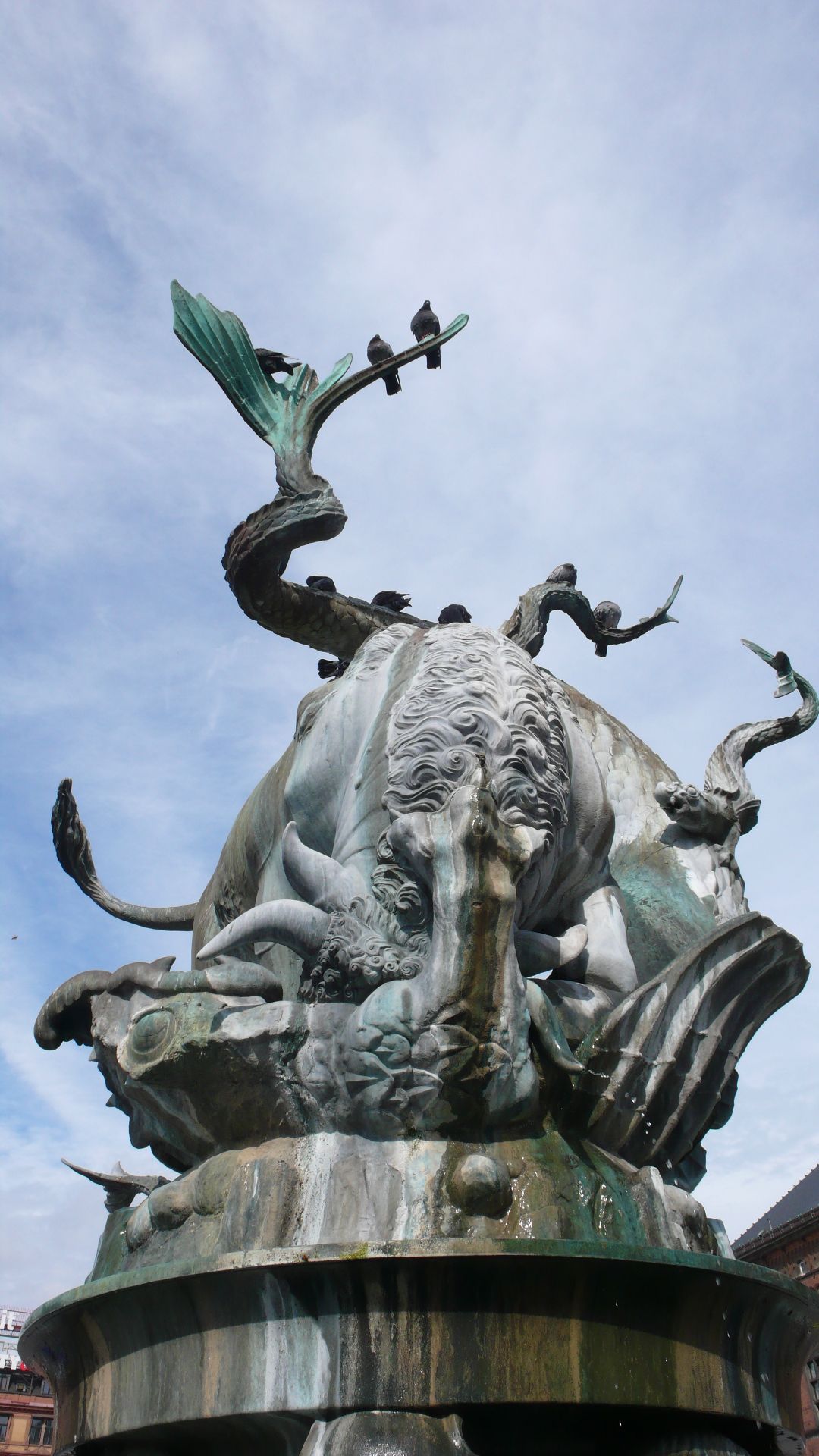
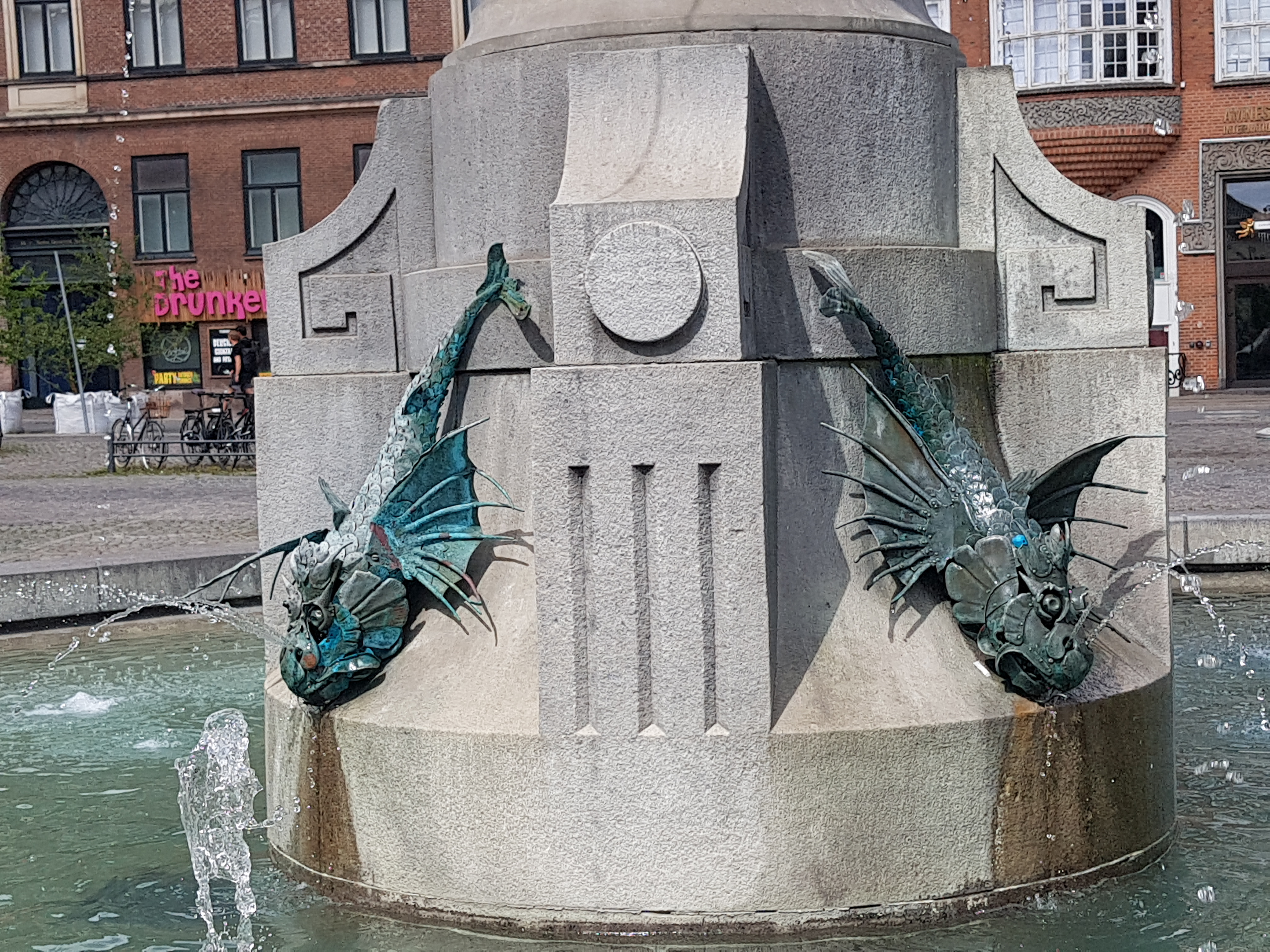
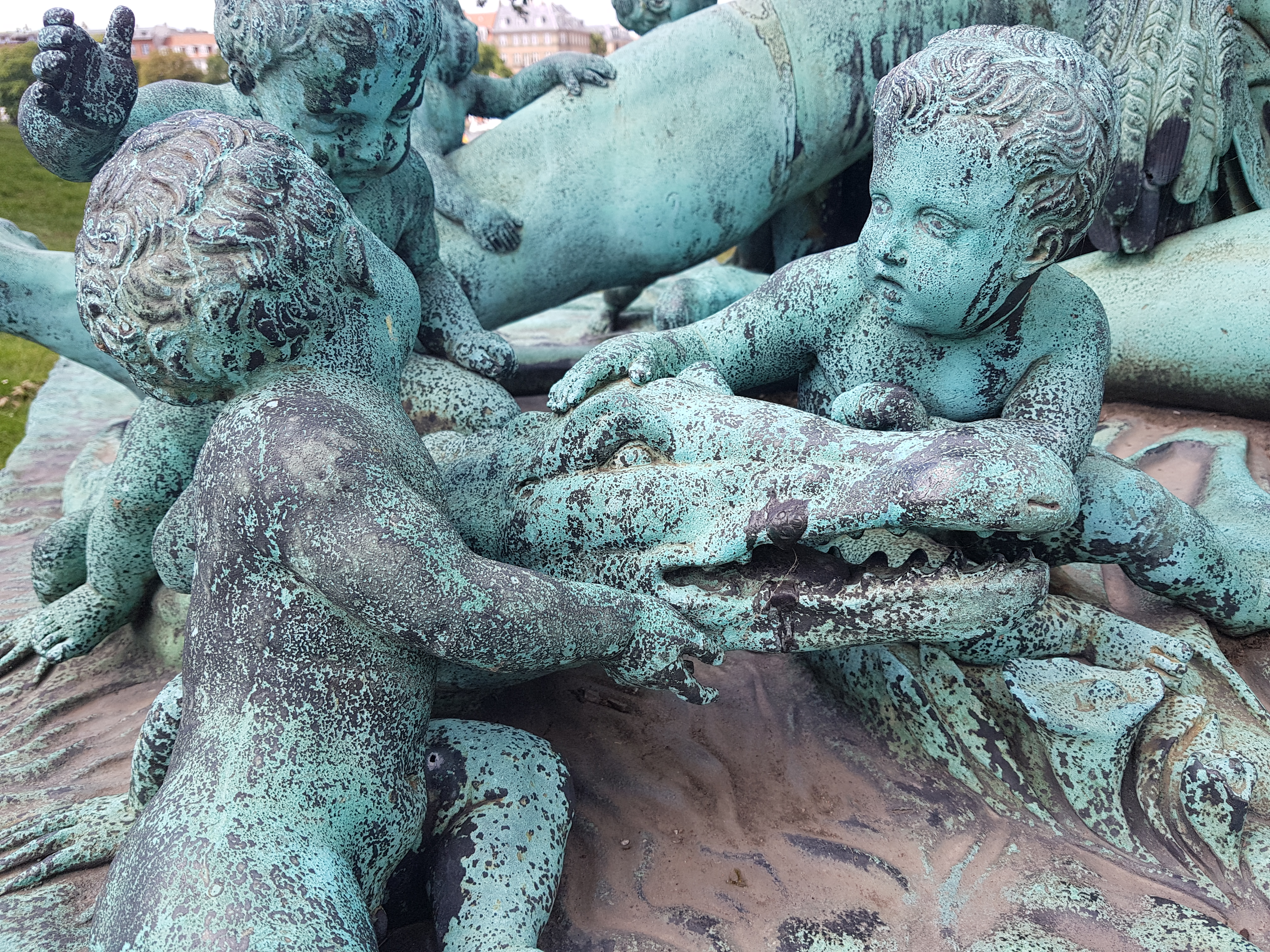
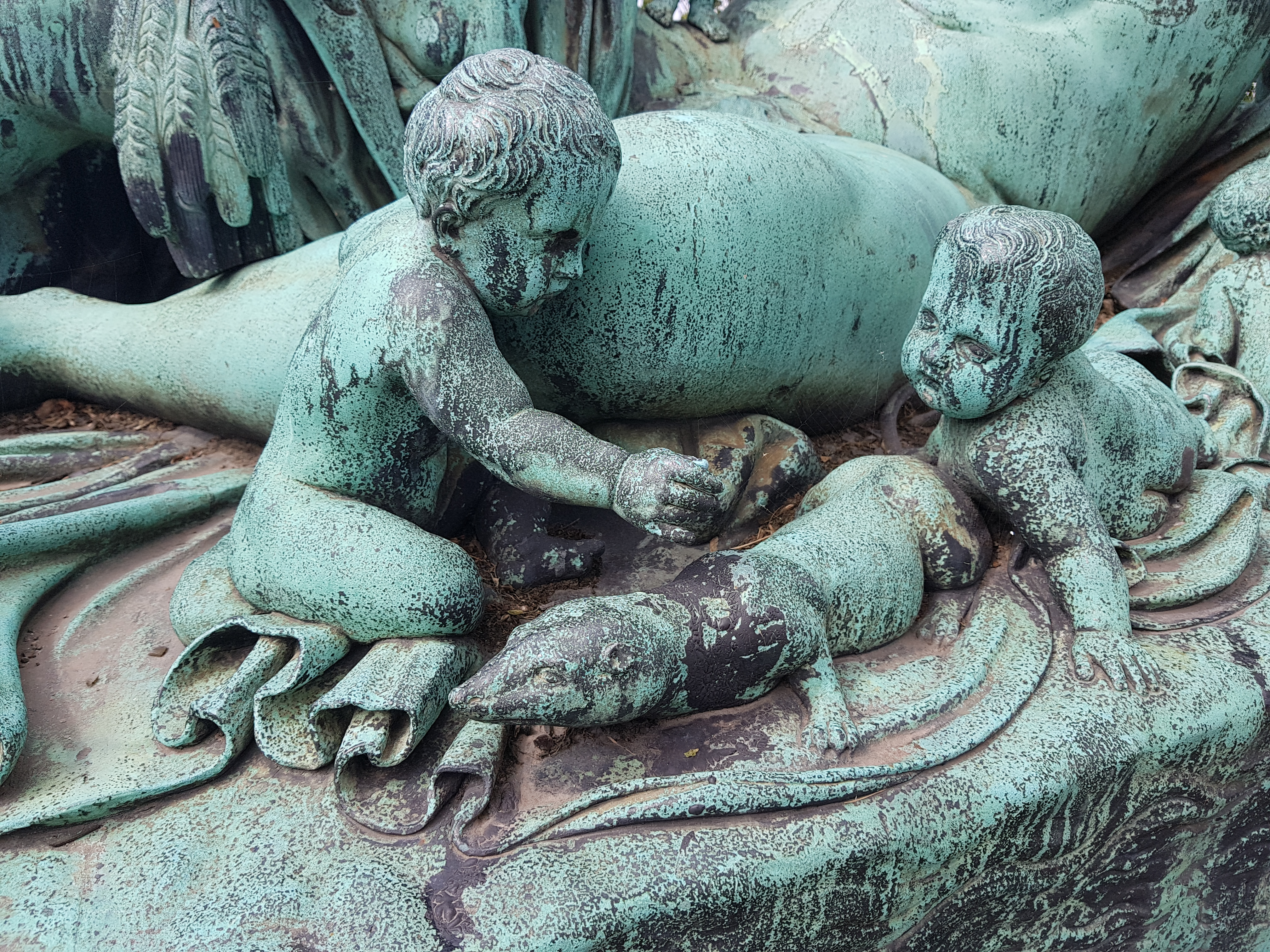
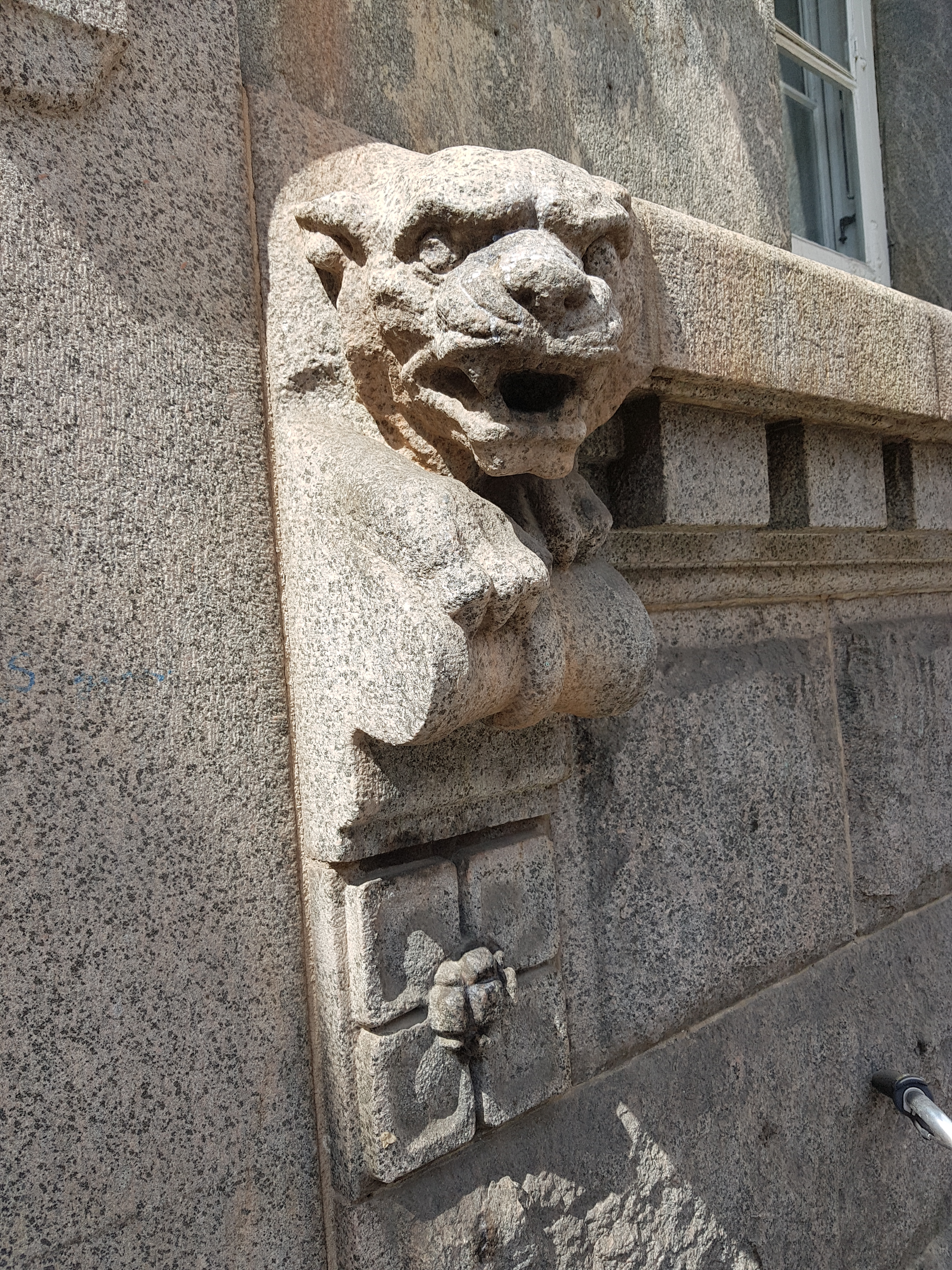
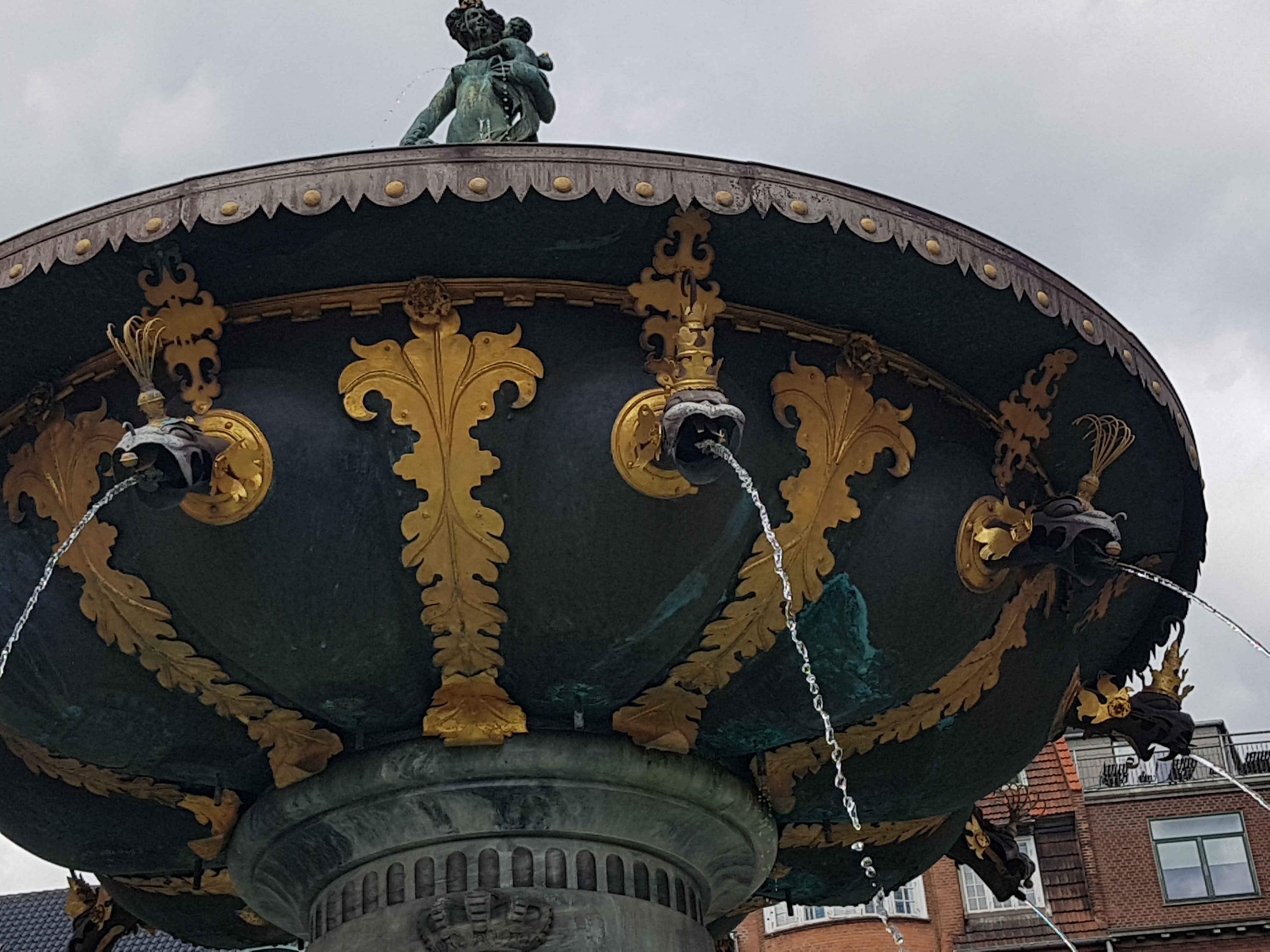
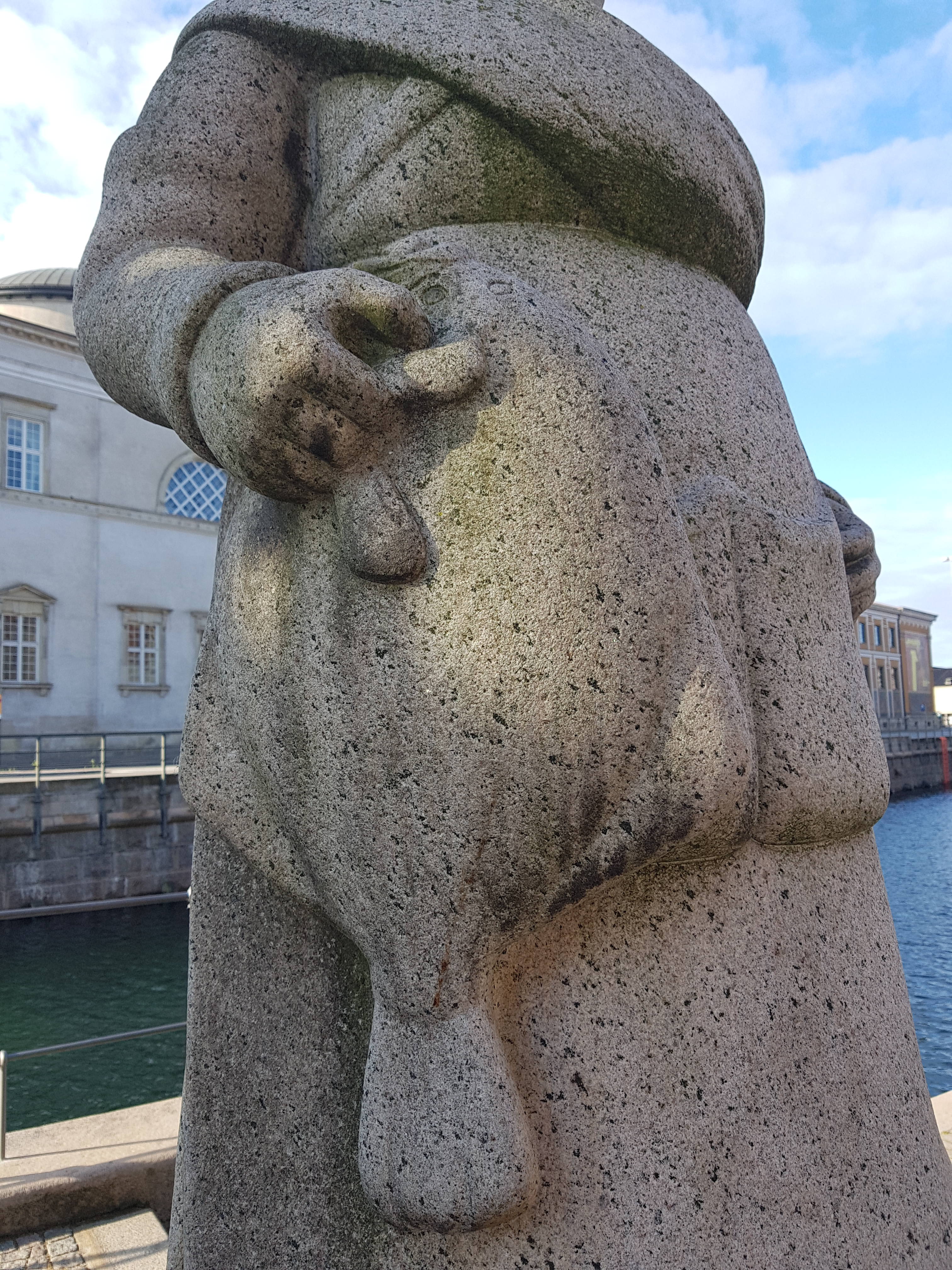
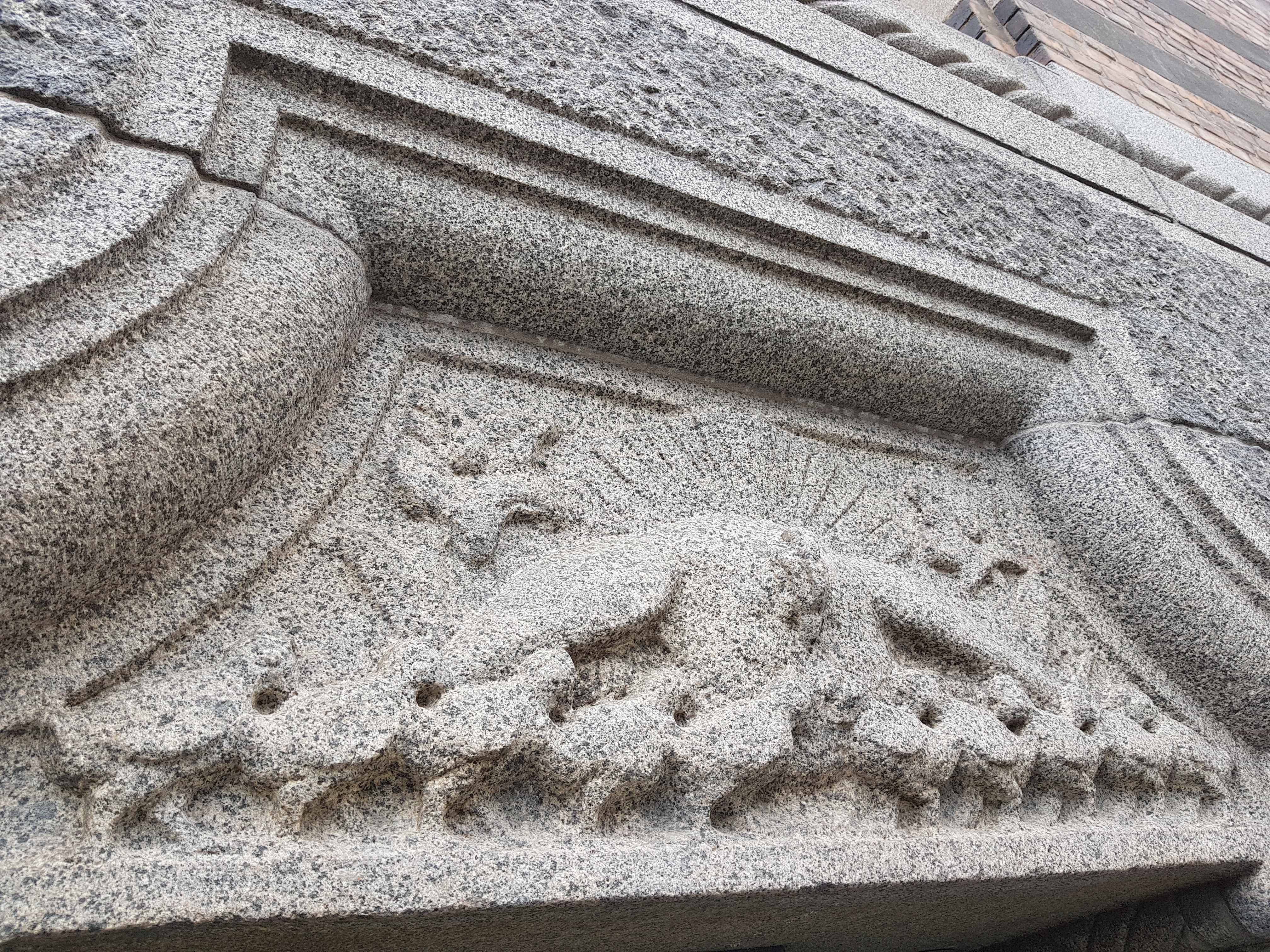
We have now left Copenhagen, taking a (very comfortable) train over to Silkeborg to catch up with Karin‘s family for a week. So this is the final installment of the Copenhagen Bestiary for now, but I’m sure that I will add to it as I return to the city and explore further. I suspect that there are many more creatures to discover adorning the architecture of that wonderful city. And then there’s Aarhus, Odense, Roskilde….
Since arriving in the city we seem to have settled into a pattern of waking very early, working through the morning (Karin on her second book, me on a large biodiversity report), then going out and exploring Copenhagen in the afternoon and early evening. So there’s been lots of opportunities to add to the Copenhagen Bestiary during these perambulations. Here’s a third set of pictures.
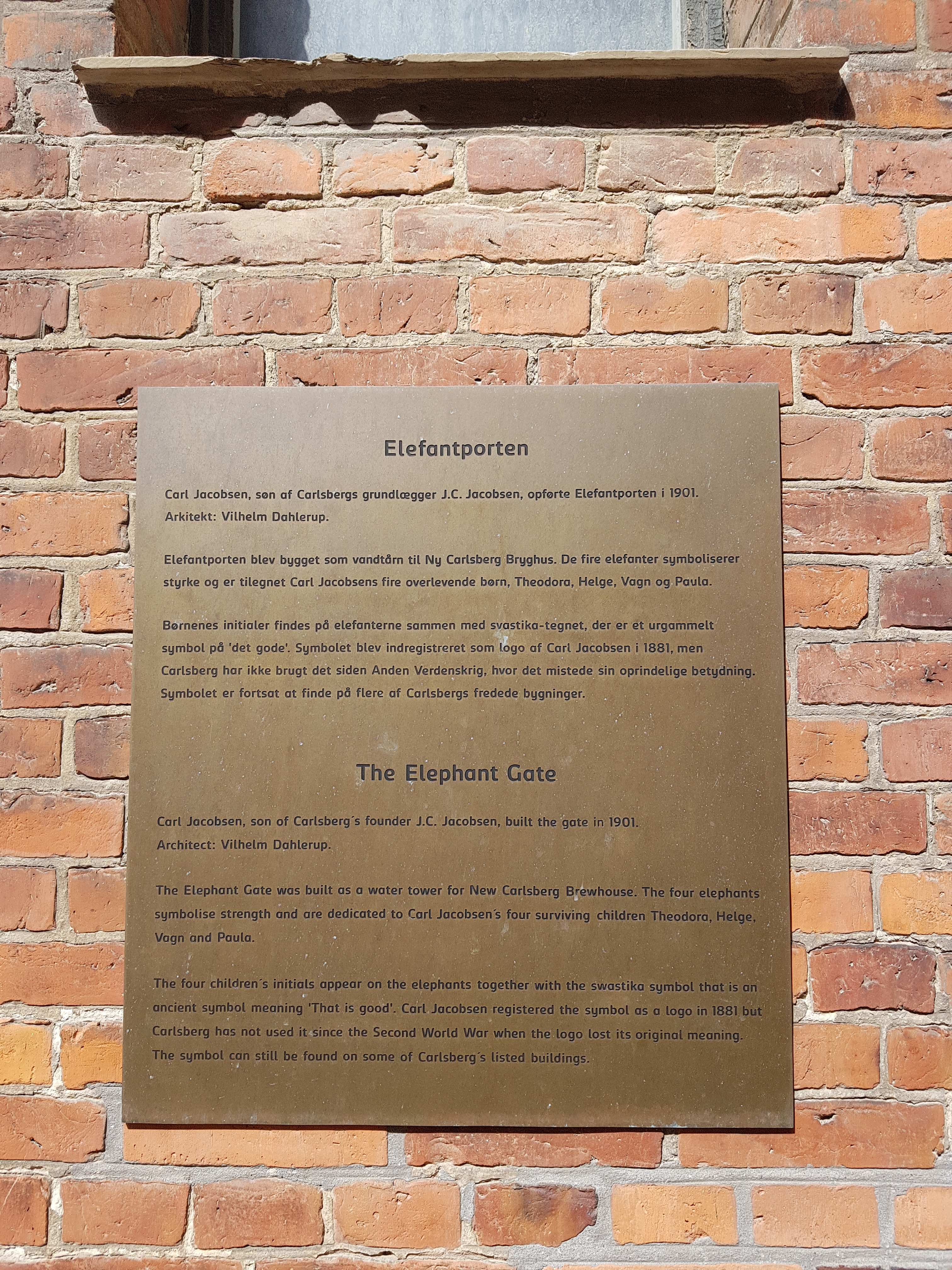
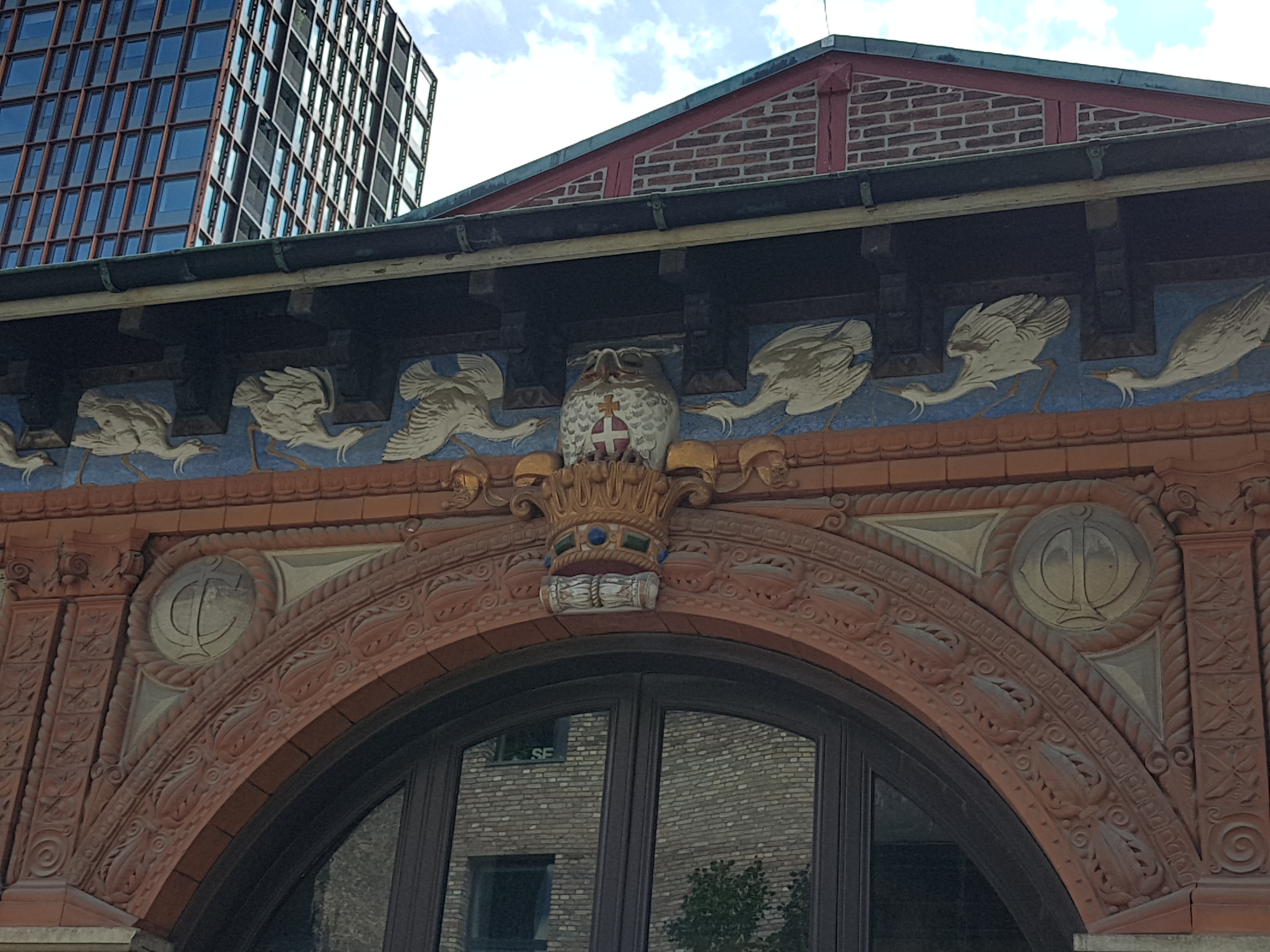
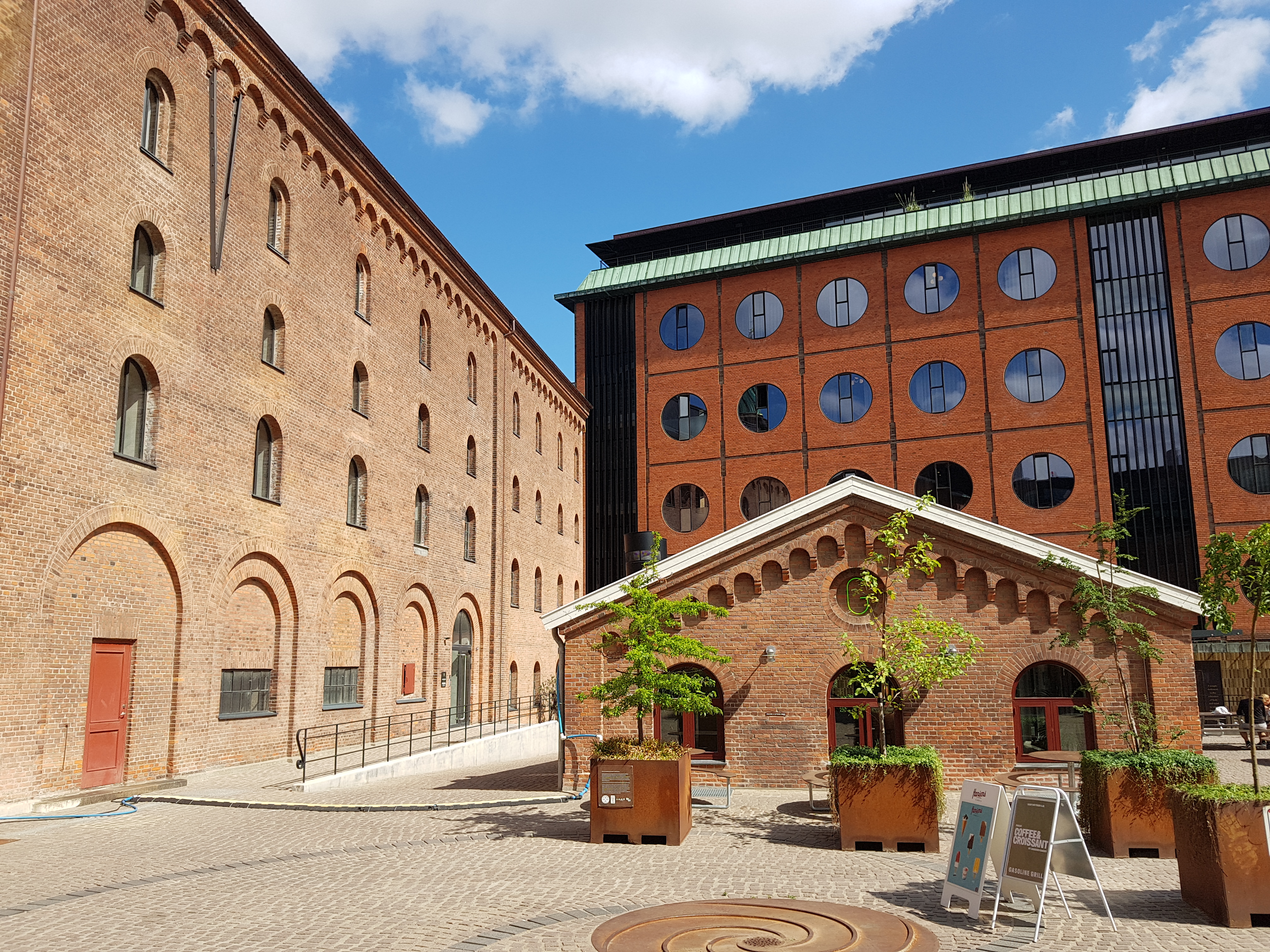
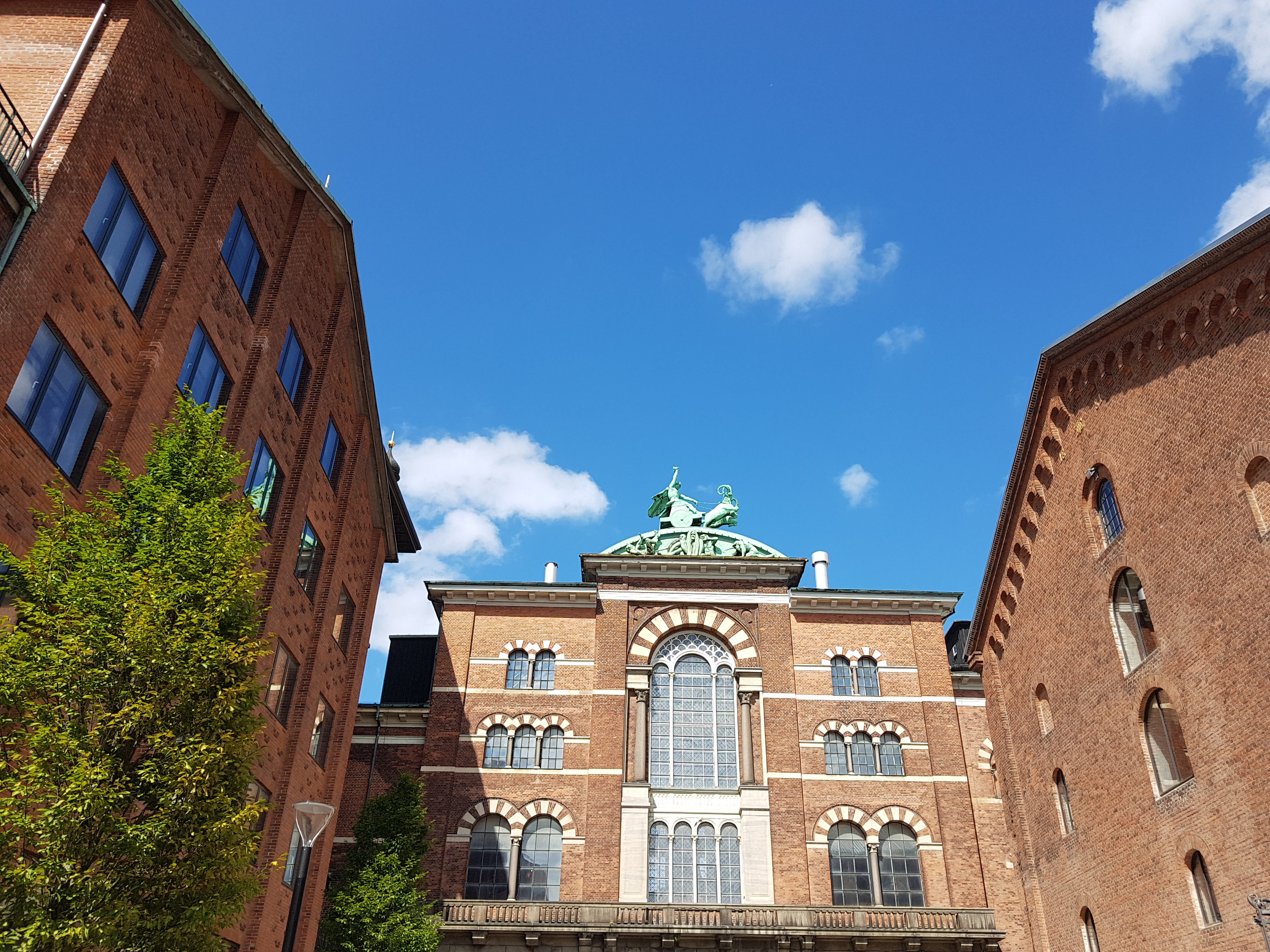
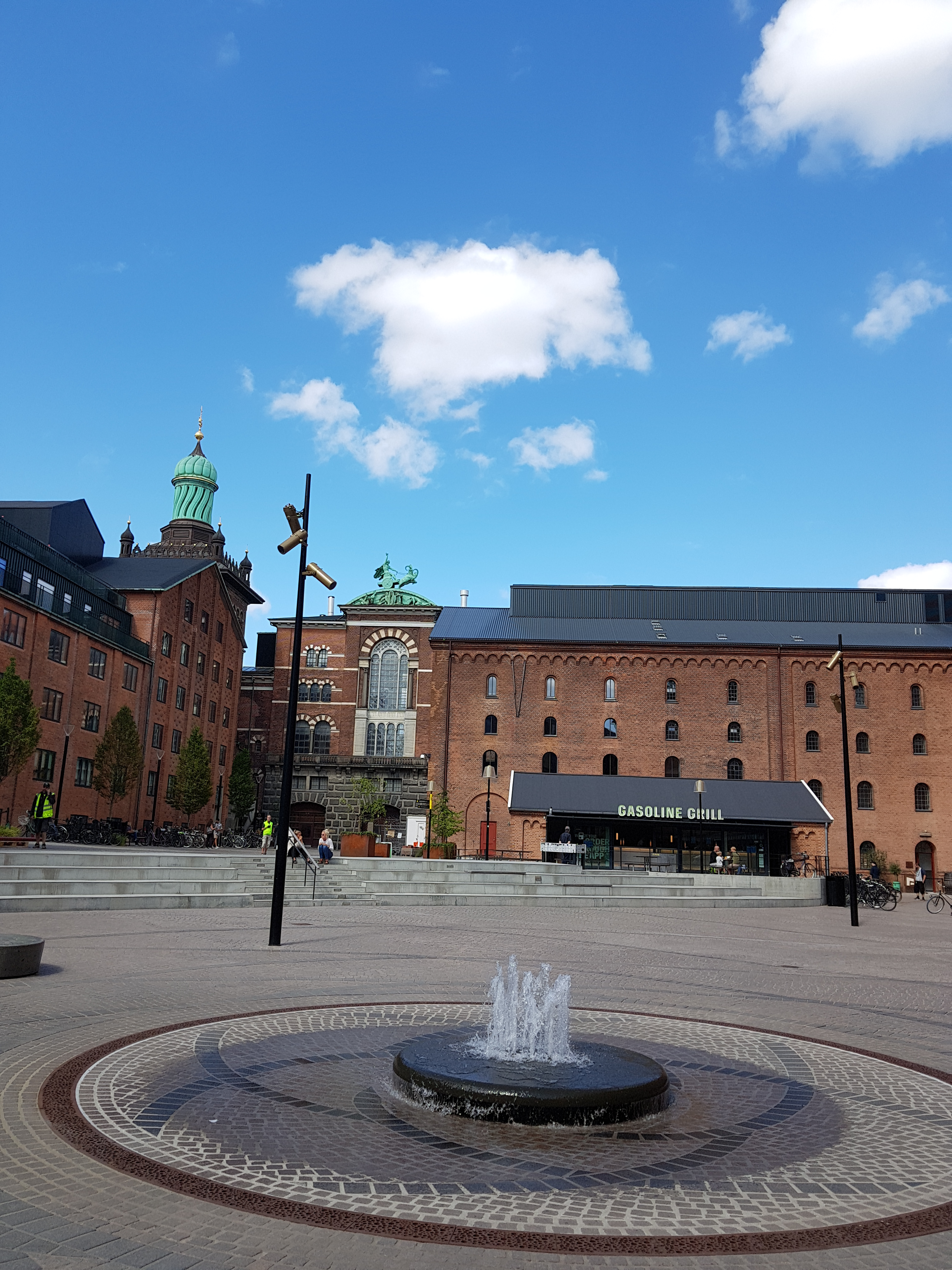
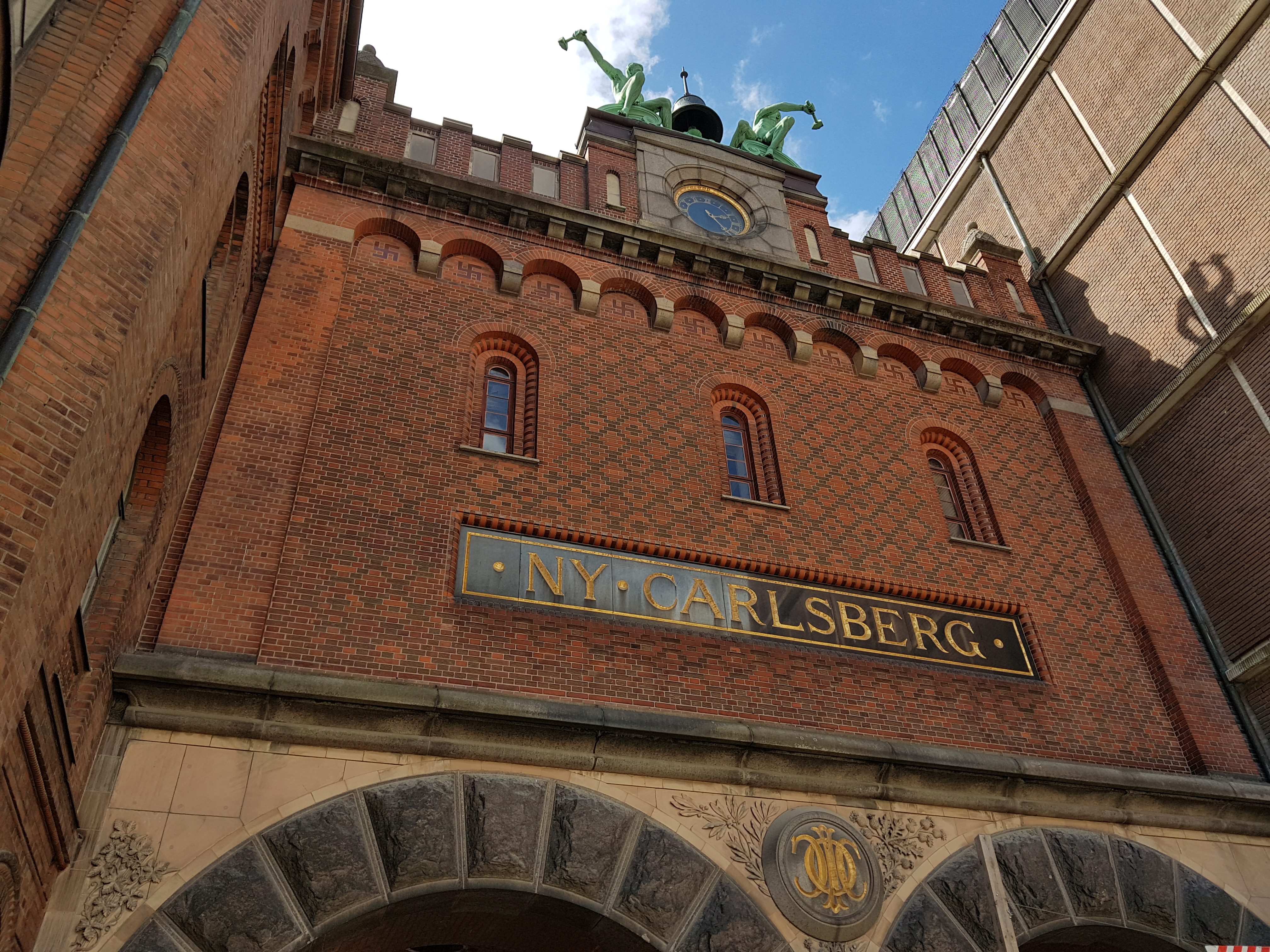
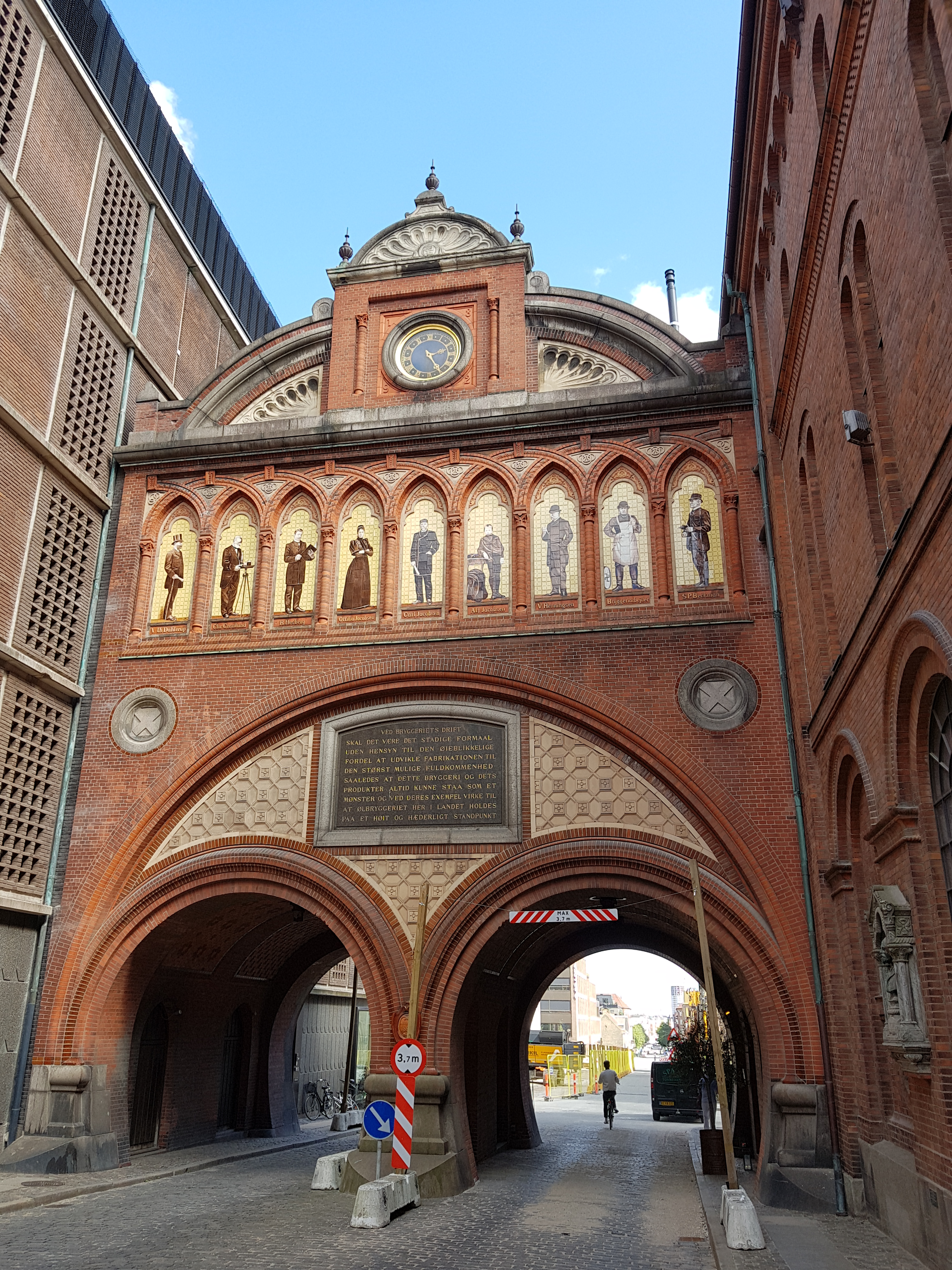
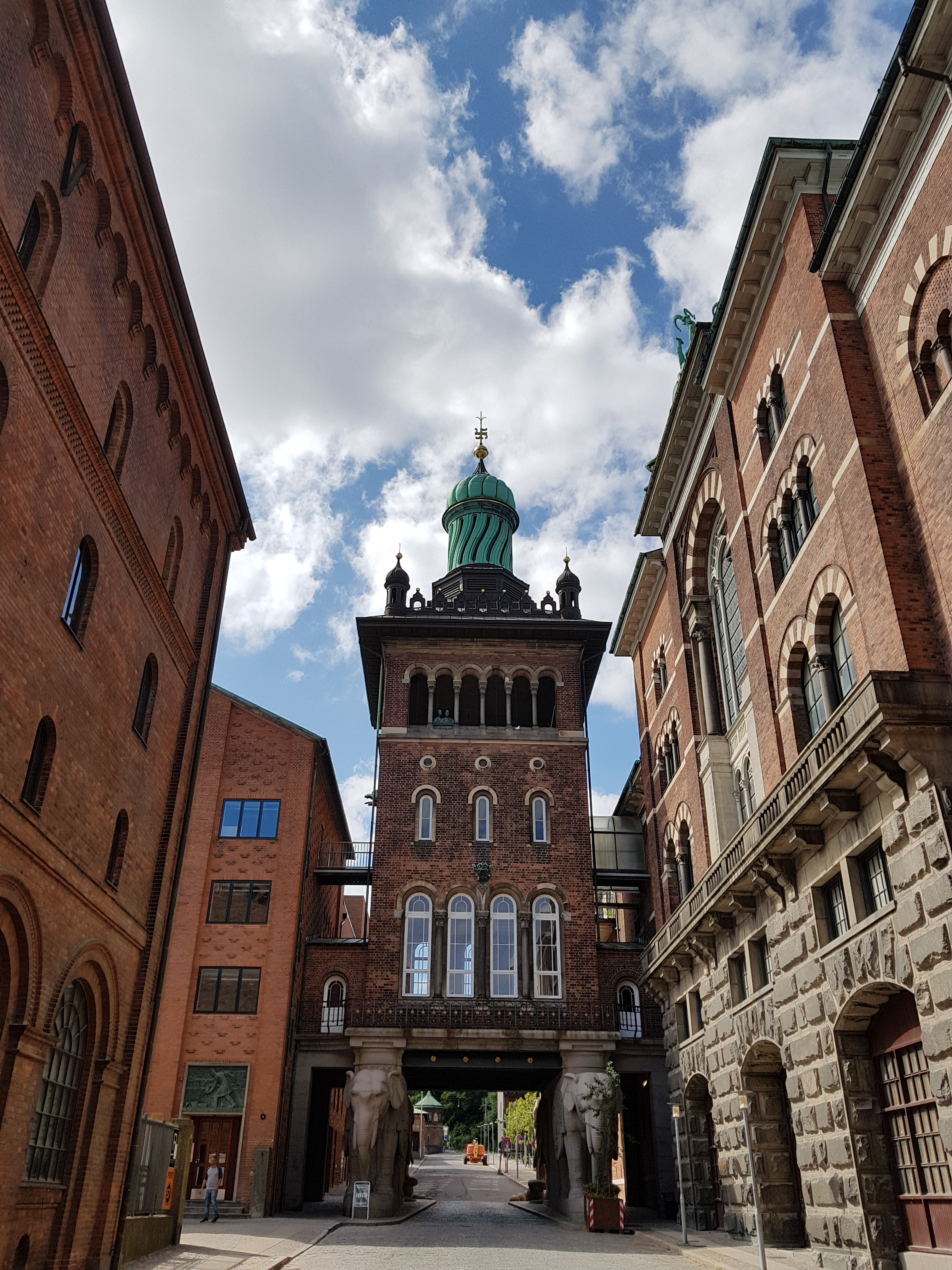
For the second part of my Copenhagen Bestiary series I’m devoting the post to our visit last week to the old Carlsberg Brewery site, and specifically its Elephant Gate. I’ve included some images that aren’t of beasts because I really enjoyed seeing how the old brewery buildings have been renovated and incorporated into a new living and working neighborhood called Carlsberg Byen. It’s the best example of regeneration of culturally important post-industrial buildings in the world. Probably….
Since my first visit to Sweden in 1991 I’ve frequently traveled to Scandinavia for conferences, PhD defences, grant review panels, to catch up with friends, and to see my wife Karin‘s family in Denmark. So arriving in Copenhagen almost two weeks ago felt familiar and welcoming. There’s much that I love about Scandinavia, from the landscapes to the history and the peoples, but I am particularly enamoured by the city architecture of the early 19th to mid-20th centuries.
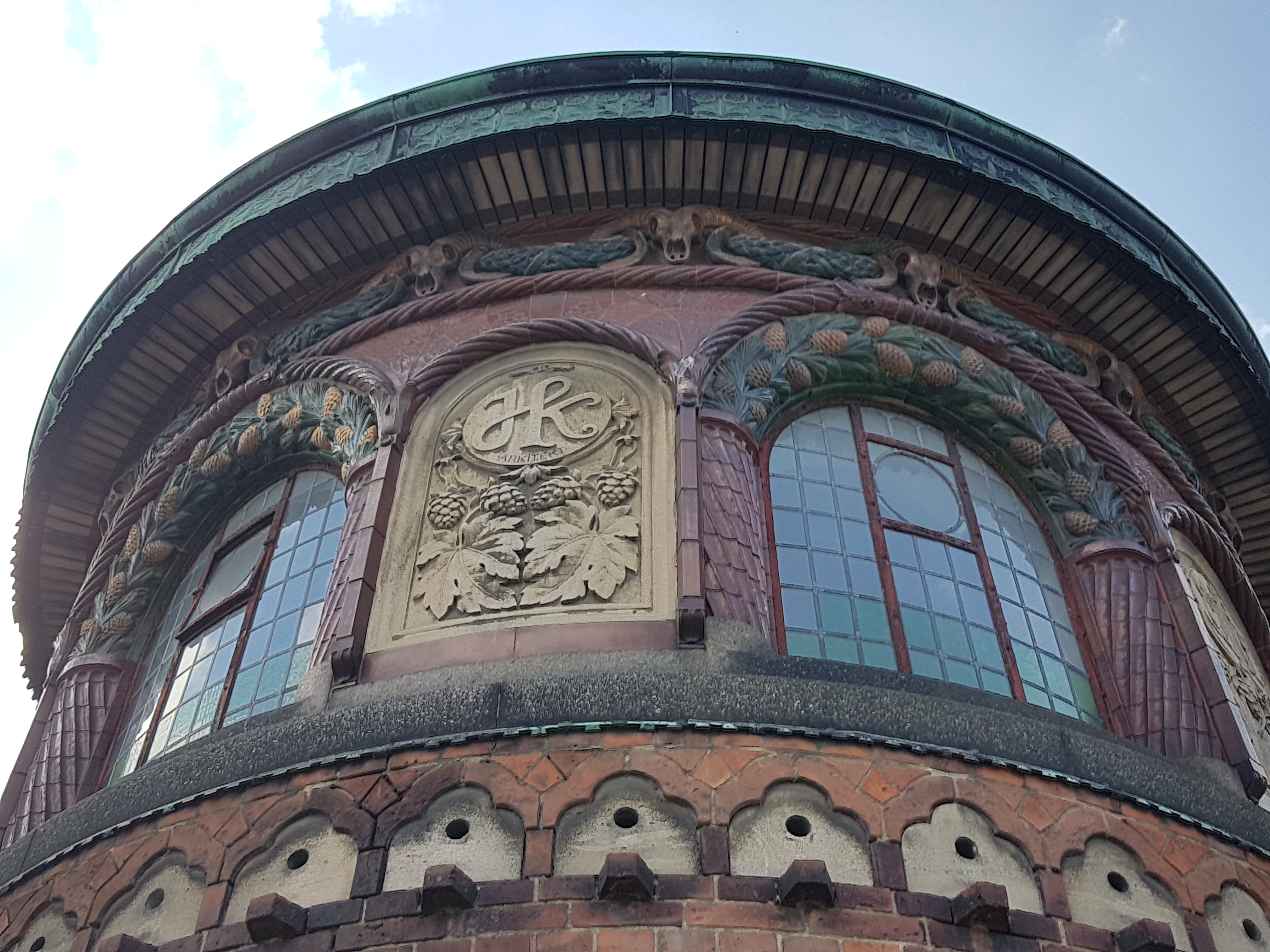
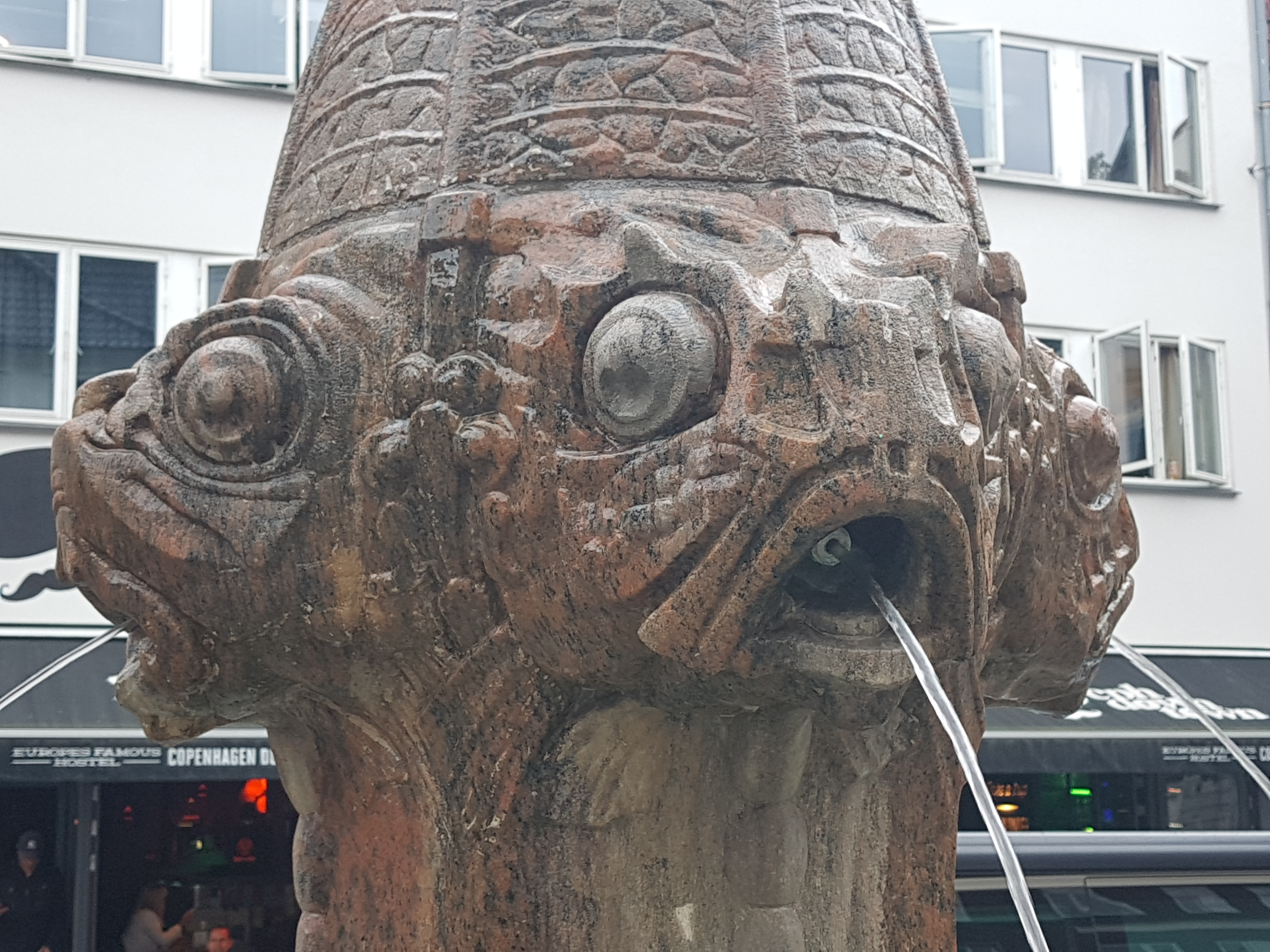
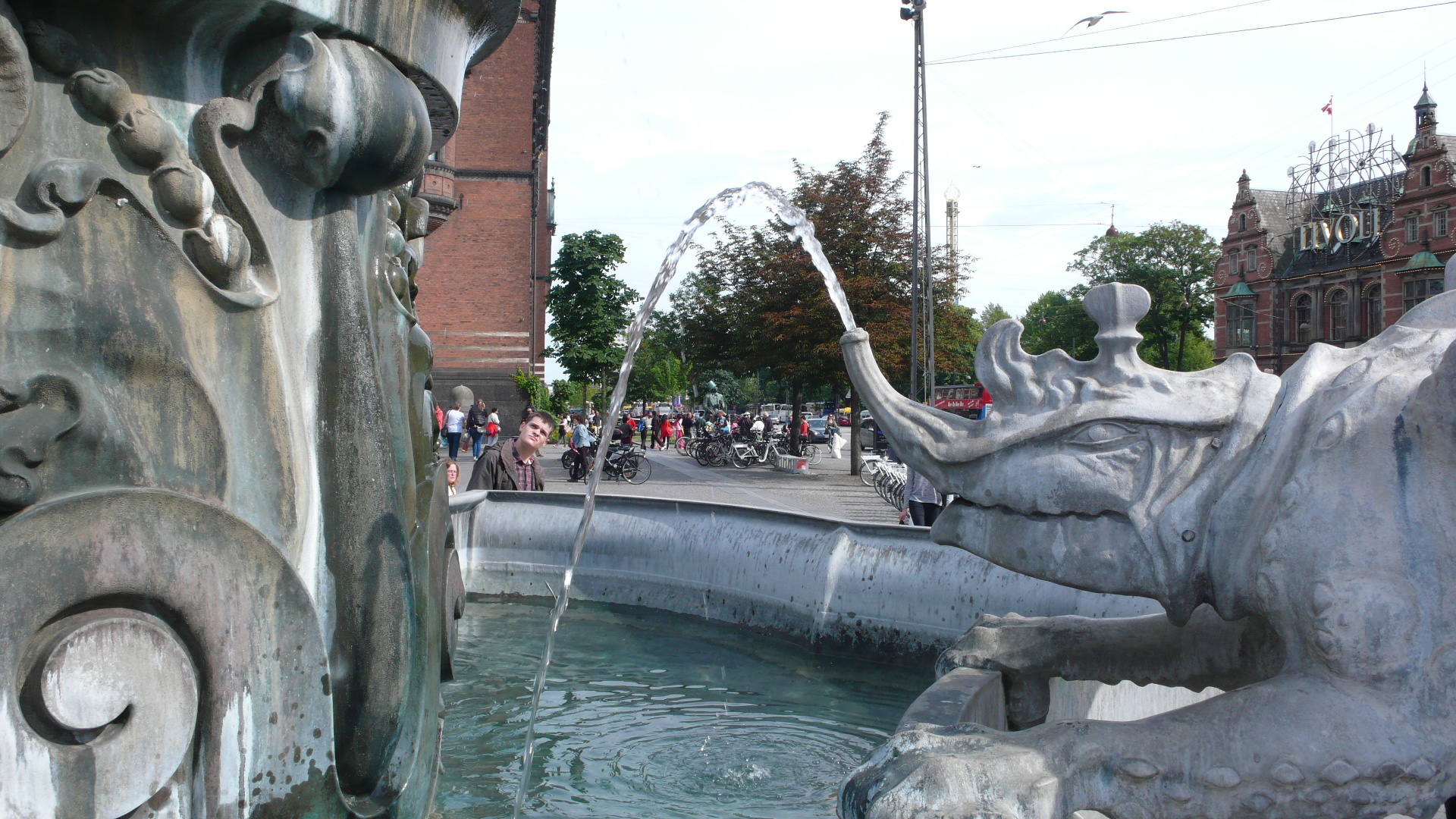
The old buildings of Copenhagen, where we are based for a few weeks, are at once familiar and yet alien, with respect to buildings of similar age in Britain. In particular, the unconstrained use of animals as ornamental adornments is fascinating, inventive and often bizarre. Some of these are real creatures, especially fish which represent the fishing industry on which the city was founded. Others are mythical beasts of traditional Scandinavian fables. And there’s a subset that are clearly the products of the (deranged? drugged?) minds of the sculptors.
Finland’s capital Helsinki tops the league when it comes to animals on buildings, but Copenhagen also has its fair share. I’ve taken to snapping these creatures as I encounter them so it seemed fitting to collect them into a bestiary – a compendium of beasts. Here’s the first set, presented with no commentary – the animals speak for themselves.
The blog has been very quiet during June and July as it’s been quite a couple of months! At the very end of June the sale of our house was completed. Since then Karin and I have been staying with family and friends, doing some house-sitting and living in Air BnBs as we completed work commitments, and traveled around the country seeing people, prior to our departure to Denmark.
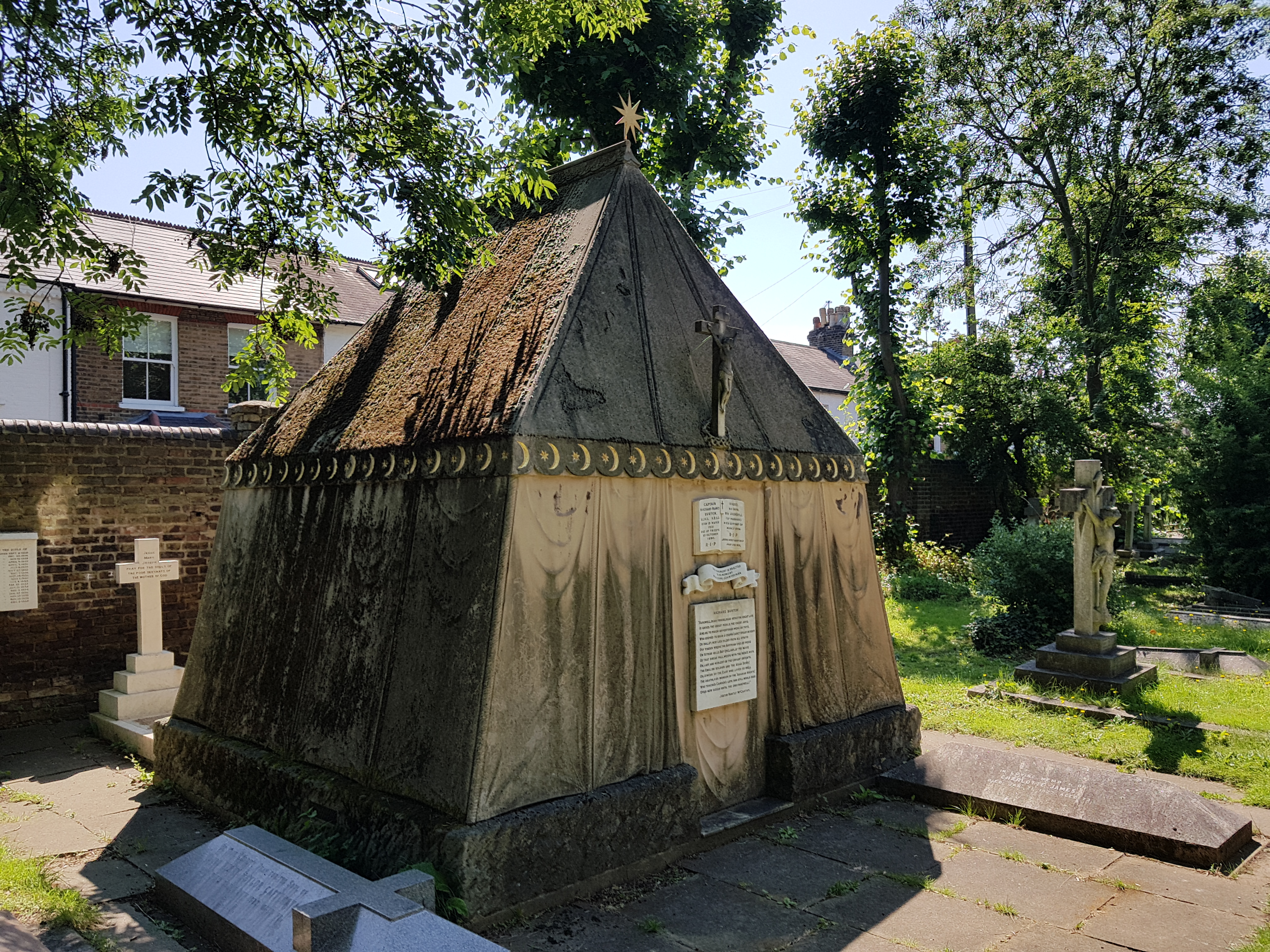
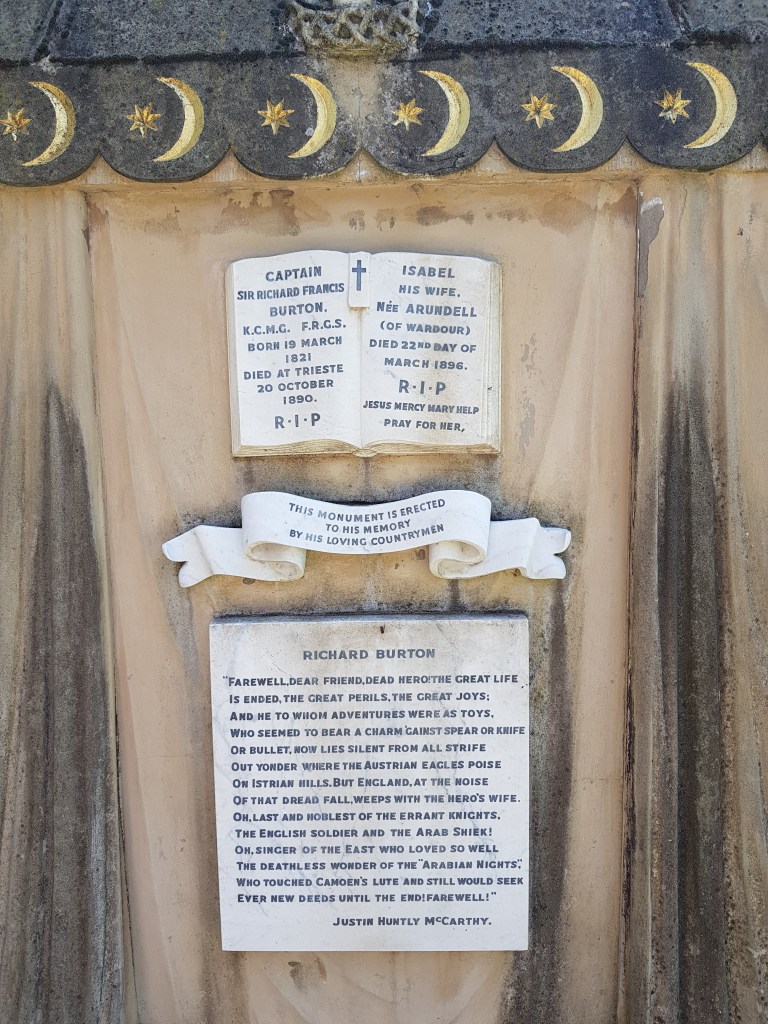
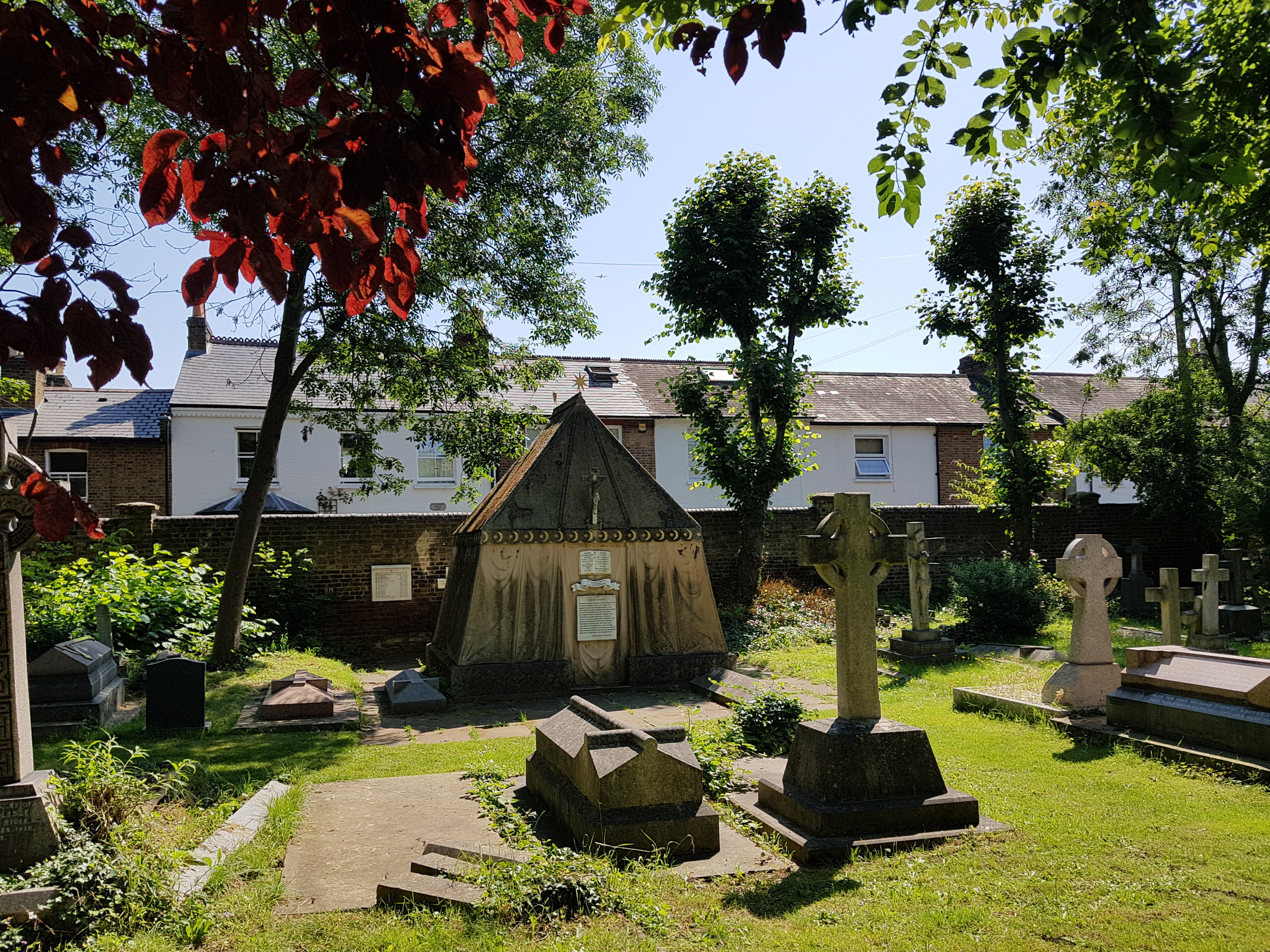
During a trip to London last week we managed to squeeze in a side trip to a place that I have longed to visit for over 30 years: the tomb of Captain Sir Richard Francis Burton and his wife Lady Isabel Burton. As I recounted in a post a few years ago, Burton’s life and exploits have long been a subject of fascination for me – see: Sex and drugs and the source of the Nile.
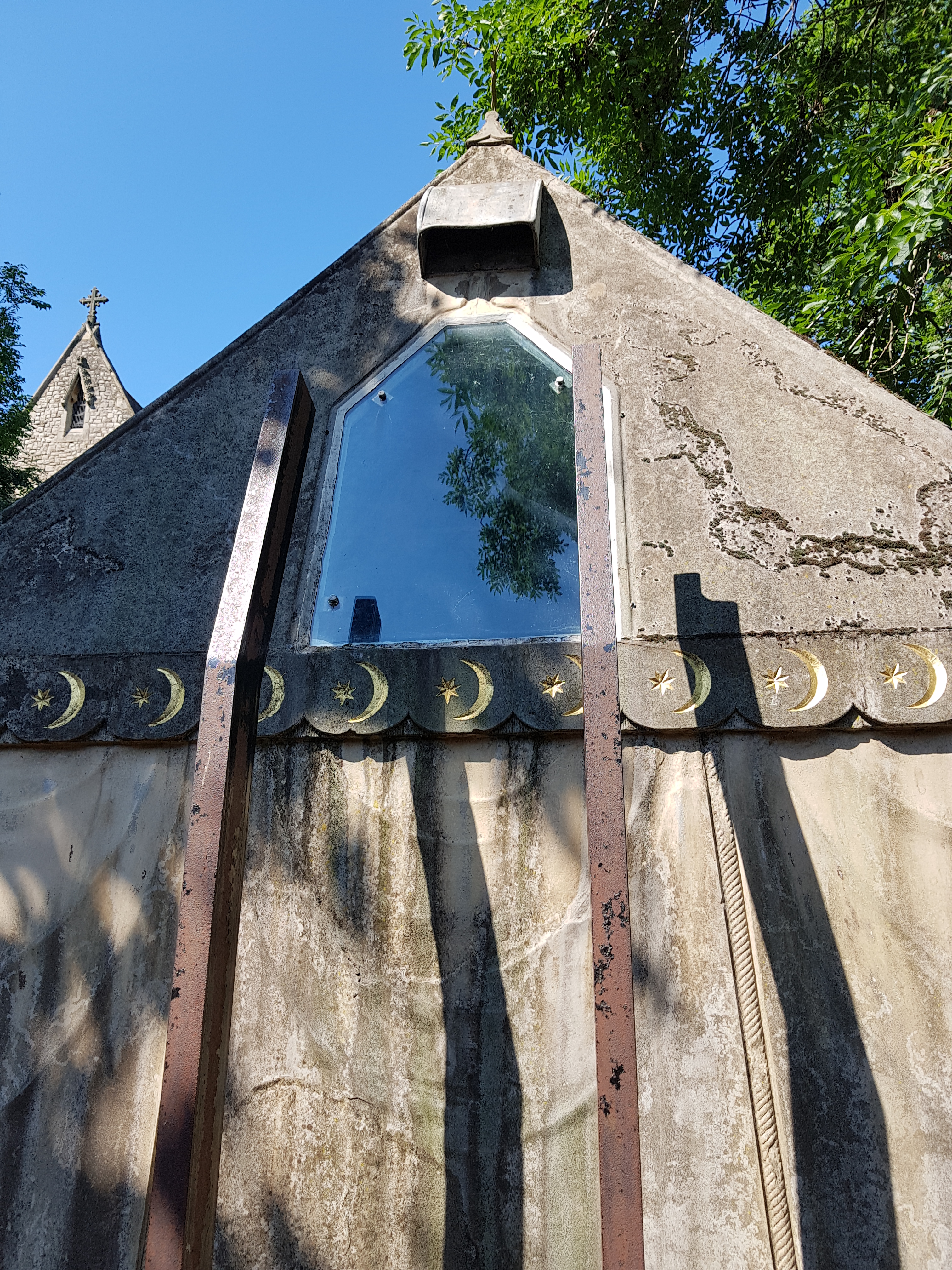
The couple’s burial place is in Mortlake – check out the Burtonia website for details. The mausoleum, designed by Lady Isabel, is in the form of an Arabian tent, and features both Christian and Islamic imagery – very fitting for a man who converted to Islam and was given Catholic last rights on his death bed at the insistence of his wife.
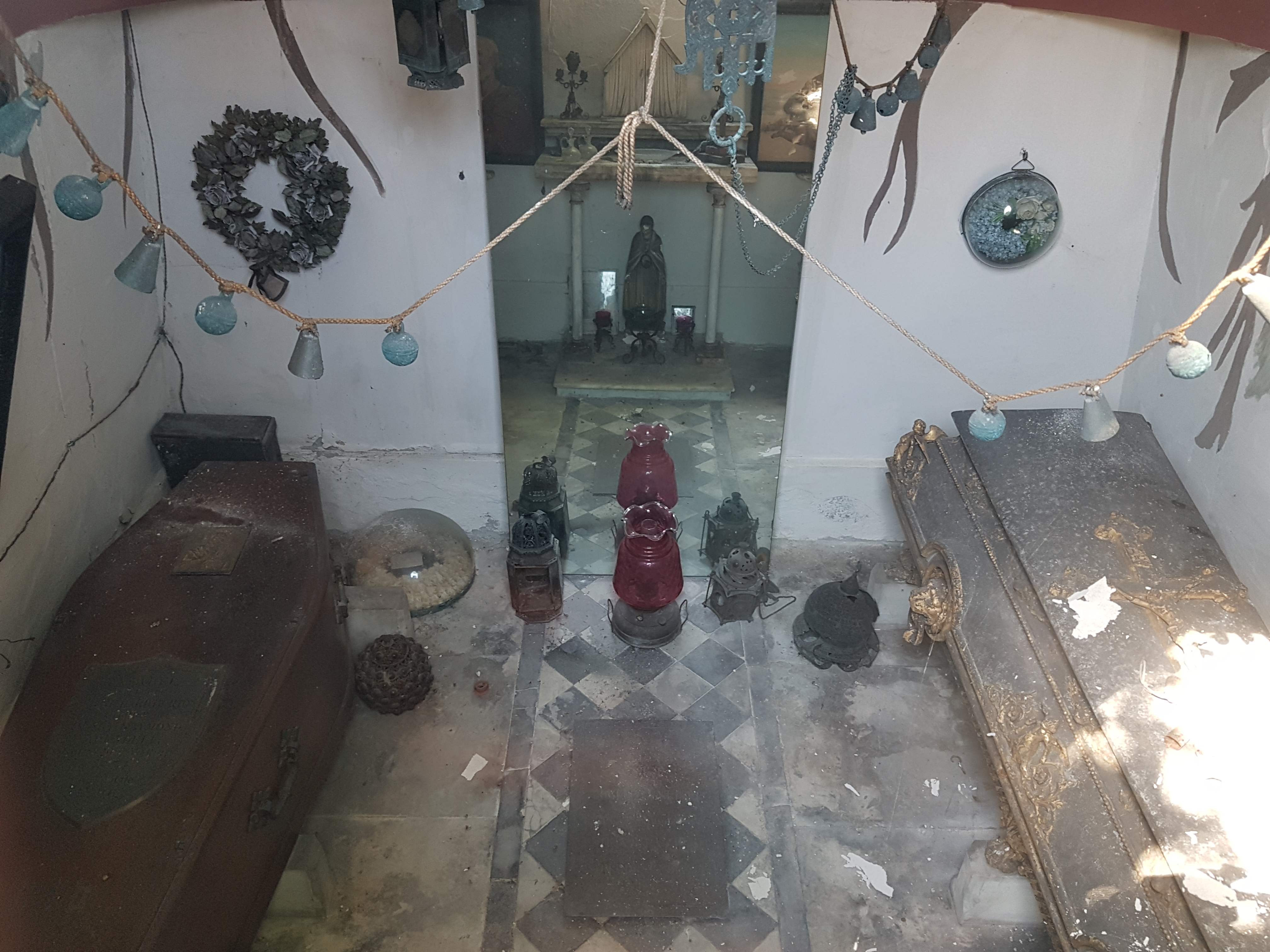
An unusual feature of the tomb is that there is a set of steel steps leading to a glass window at the rear, through which one can view the devoted couple’s coffins and grave goods. It’s a poignant and touching experience. Below are some photographs that we took on the day.
Following on from the really successful SCAPE 2020 meeting that I hosted back in October, the Journal of Pollination Ecology and the Nordic Journal of Botany have devoted joint special issues to write ups of some of the talks – here’s the link to the JPE issue and here’s the link to the NJB issue. All of the papers in JPE and most of those in NJB are open-access.
The summer issue of Bees & Other Pollinators Quarterly is out, packed full of interesting information and amazing photographs – and I have two short articles in it! The first is a summary of the recent paper by Callan Cohen and colleagues showing, for the first time, sexual deception of a beetle pollinator by a flower; the second is about the mechanical fit between pollinators and flowers. I’ve added details to my publications page (they are numbers 129 and 130).
Likewise, the summer issue of 2 Million Blossoms is also due to ship shortly – and I have an article in that one too! This one is rather longer and is a much extended version of my recent New Scientist commentary about the role of pollinators in combating climate change. The magazine has titled it ‘Pollinators flit back against climate change’. Again, it’s on the publications page, number 128.
This month I was appointed to the editorial board of the Turkish Journal of Botany and I’m looking forward to working with the team at the journal to enhance the international profile of this publication. The journal has a long track record: it’s been published continuously since the 1970s and currently has a 5-year impact factor of 1.165.
The Turkish Journal of Botany is one of the official publications of TÜBİTAK (the Scientific and Technological Research Council of Turkey) and is fully open access, with no page charges. All papers are published in English. Although it’s a ‘regional’ journal, the scope of what it publishes is not limited to just Turkey. Looking over the last couple of volumes I see authors from Russia, India, Egypt, Lebanon, Pakistan, USA and China, as well as a new species of lichen from Antarctica!
The journal is particularly keen to publish more papers in the area of pollination, floral evolution, plant reproductive ecology, and related topics. So if you’re working in that area and looking for an outlet for your latest paper, please take a look at the Instructions for Authors and consider the Turkish Journal of Botany.
If you have any questions, please write a comment below or send me a message via the Contact page.
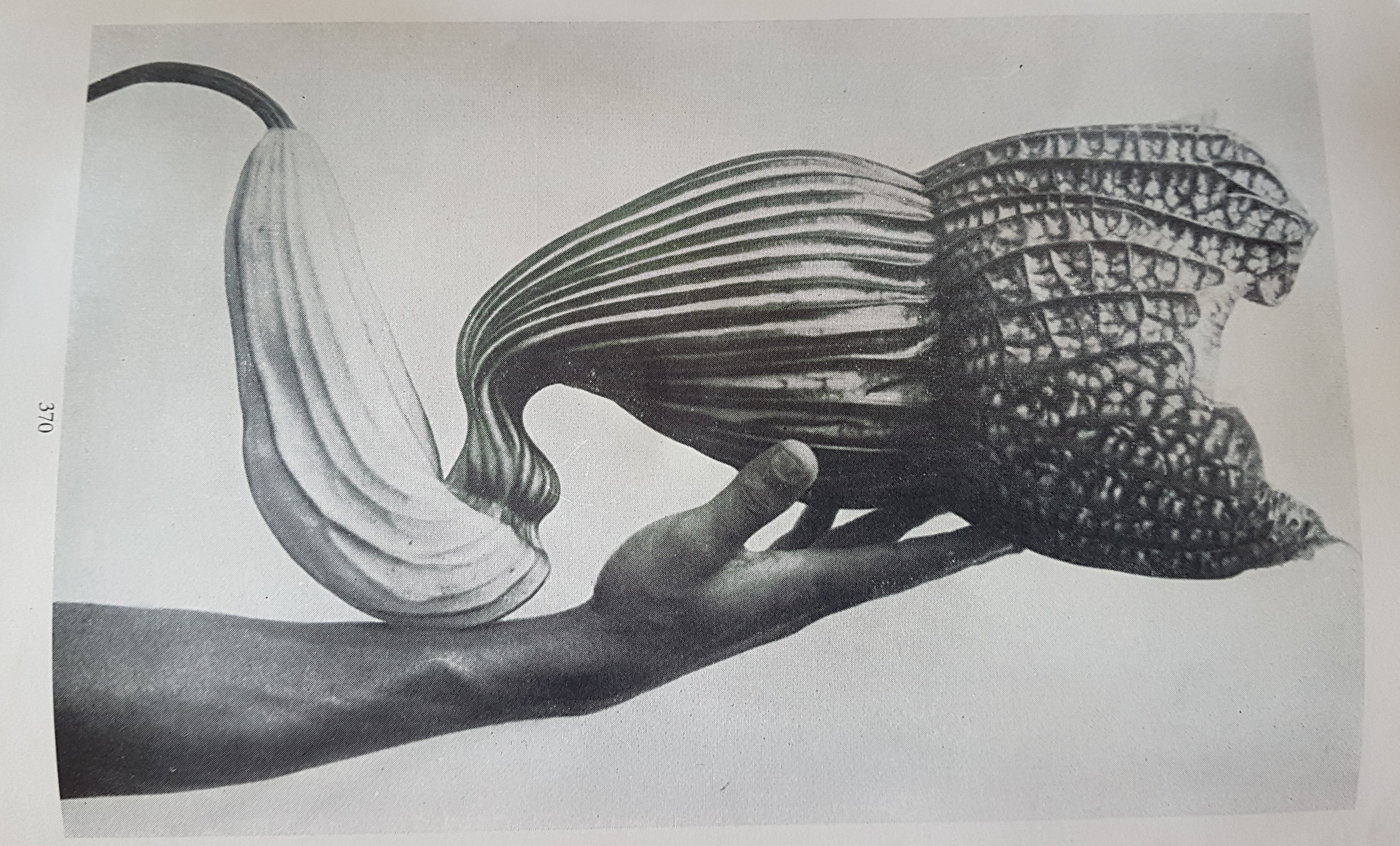
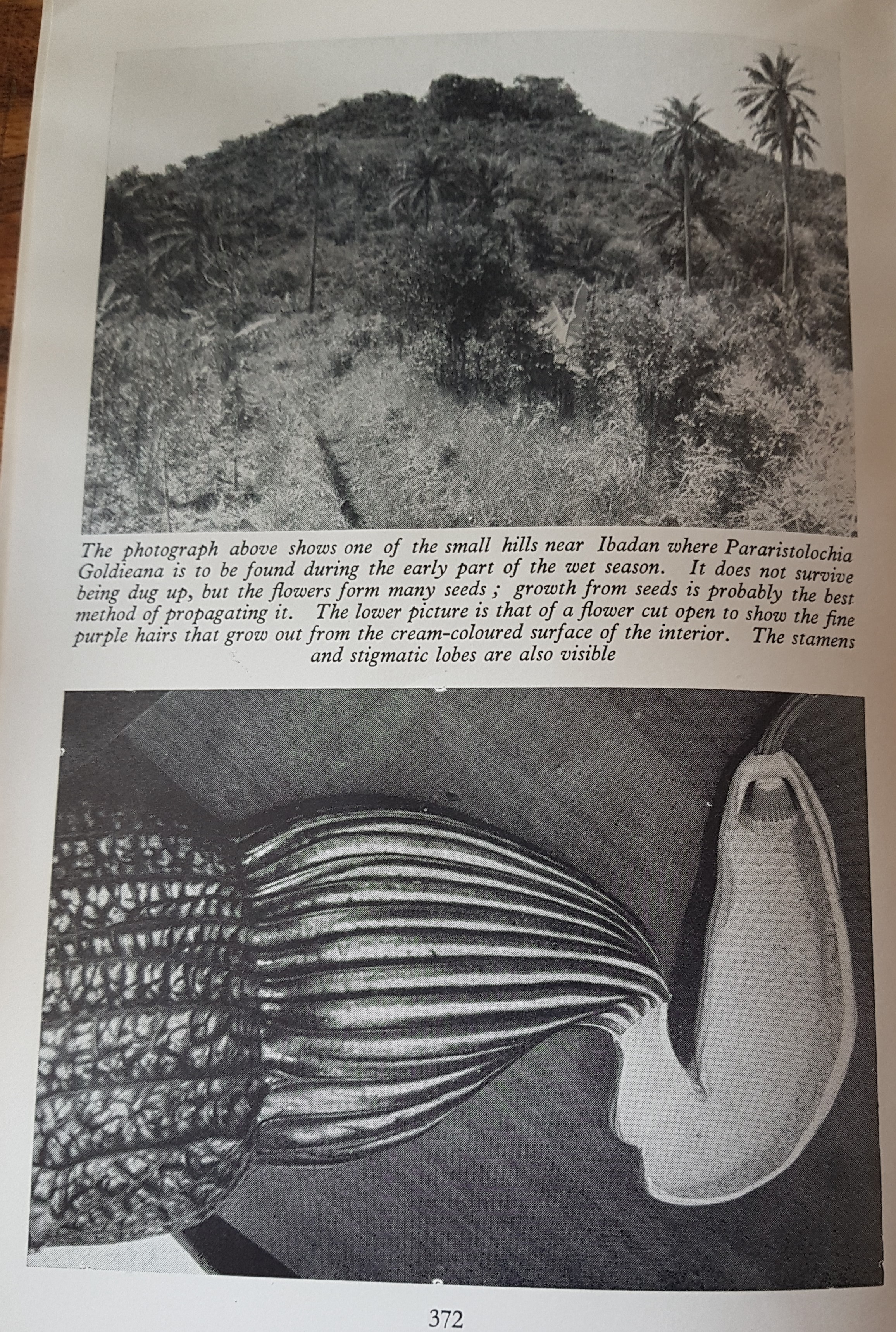
Some years ago, browsing in a second hand bookshop, I happened across a copy of an old magazine from 1950 called Nigeria. Published by the then colonial government, it was a miscellaneous collection of articles about the culture, geography and natural history of that fascinating West African country. Although aspects of the contents are problematical by modern standards, I bought it because of a short article about a wild plant with enormous flowers and a remarkable pollination strategy. In particular, the spectacular photograph of a man holding a flower that’s the length of his forearm grabbed my attention: who couldn’t love a flower like that?!
The plant is Pararistolochia goldieana, a vine found in the forests of this region, as described in the introductory text:
These types of flowers are pollinated by flies, a common strategy in the Birthwort family (Aristolochiaceae) to which the plant belongs. This strategy of fly pollination in which flies are deceived into visiting the flowers by their stink and colour, and temporarily trapped in the enclosed chamber, is something that I explore in detail in my book Pollinators & Pollination: Nature and Society, particularly in the genus Ceropegia. Those plants show convergent evolution with the pollination systems of Aristolochiaceae, though they are unrelated.
Pararistolochia goldieana has a wide distribution across West Africa, including Cameroon, Equatorial Guinea, Nigeria, and Sierra Leone. The IUCN Red List categorises it as ‘Vulnerable’ due to habitat loss. The population where these photographs were taken is described on the final page of the article:
The city of Ibadan is one of the largest in Nigeria and has grown enormously, ‘from 40 km2 in the 1950s to 250 km2 in the 1990s‘. I wonder if this forest, and its botanical treasures, still exists?
During field work in Gabon in the 1990s I was fortunate enough to encounter a species of Pararistolochia in the rainforest of Lopé National Park. It was a different species to P. goldieana, with rather smaller but no less spectacular flowers, and it stank to high heaven! We knew it was there long before we saw it. I collected some flies from the flowers and had them identified, though I’ve never published the data: it’s available if anyone is working on a review of pollination in the family.
This 1950 article is anonymous, so I don’t know who to acknowledge for the amazing images. However the botanist R.W.J. Keay was working on a revision of the family for the Flora of West Tropical Africa project at the time, so it may have been written by him.
As I mentioned in my previous post, it’s currently Invasive Species Week in the UK. Non-native species which have negative environmental impacts and disrupt infrastructure are a global phenomenon, of course, and almost all regions of the world have been impacted by species that originated elsewhere. One alien species that is of growing concern in Australia is the western honey bee Apis mellifera. We often think of bees as being relatively benign organisms, but a number of species have been introduced around the world and may compete with native species for nectar and pollen, and nesting sites.
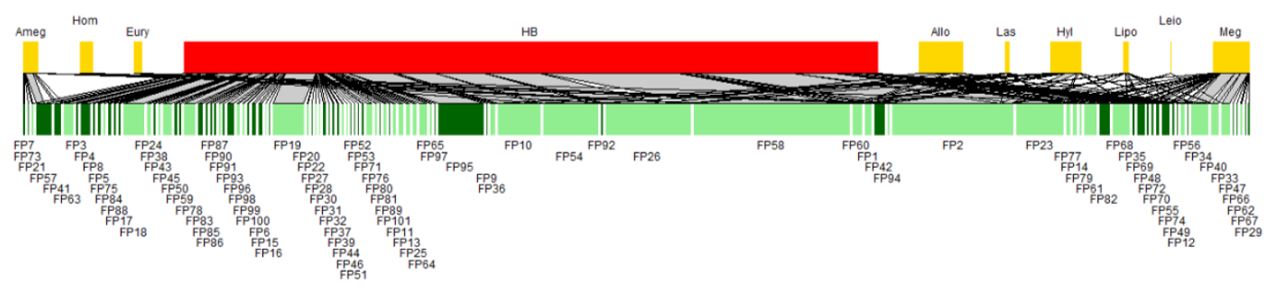
In the second paper from my collaboration with Dr Kit Prendergast, we’ve assessed how introduced honey bees change the structure of bee-flower visitation networks in Australian urban habitats. The main finding is that when honey bees are common, they dominate these networks in ways that indicate significant competition with native bee species. You can get a sense of that from the figure above: the honey bees are in red, native bees in yellow, native plants in light green, and non-native plants in dark green. The length of the bars is proportional to the abundance of these plants and bees.
To say that honey bees ‘dominate’ these networks is an understatement: not only are they vastly more abundant than the other bees, but they visit almost all of the different types of flowers in the network, regardless of whether they are native or introduced.
Although the honey bee bullshit machine often claims that western honey bees are dying out, the exact opposite is true: across the world, managed Apis mellifera numbers are higher than ever, as you can see from the following chart based on figures from the United Nations Food and Agriculture Organization (UN-FAO):
Whilst the growth in honey bee numbers is a good thing for honey producers, bee farmers, and small-scale subsistence farmers, there are environmental consequences to the increase in hives, as we have shown.
If anyone wants a PDF of the paper, please use the Contactform. The full reference for the study and the abstract is:
The European honeybee Apis mellifera is a highly successful, abundant species and has been introduced into habitats across the globe. As a supergeneralist species, the European honeybee has the potential to disrupt pollination networks, especially in Australia, whose flora and fauna have co-evolved for millions of years. The role of honeybees in pollination networks in Australia has been little explored and has never been characterised in urban areas, which may favour this exotic species due to the proliferation of similarly exotic plant species which this hyper-generalist can utilise, unlike many native bee taxa. Here, we use a bipartite network approach to compare the roles, in terms of species-level properties, of honeybees with native bee taxa in bee-flower (‘pollination’) networks in an urbanised biodiversity hotspot. We also assessed whether the abundance of honeybees influences overall network structure. Pollination networks were created from surveys across seven residential gardens and seven urban native vegetation remnants conducted monthly during the spring-summer period over two years. There were consistent differences in species-level properties between bee taxa, with honeybees often differing from all other native bees. Honeybees had significant impacts on network properties, being associated with higher nestedness, extinction slopes of plants, functional complementarity and niche overlap (year two), as well as lower weighted connectance and generalisation. These associations all are indicative that competition is occurring between the introduced honeybee and the native bee taxa in bee-flower networks. In conclusion, the introduced honeybee occupies a dominant, distinct position in bee-flower networks in urban habitats in the southwest Western Australian biodiversity hotspot
This is a guest post by Helen Tedds who is currently researching for a PhD at the University of Northampton. Although Helen’s work is far removed from my usual research and consultancy interests of plant-pollinator interactions, I’m proud to be part of her supervisory team! Amphibians were one of my early natural history obsessions, and invasive plants and pollinators are a long standing interest of mine. In this post Helen discusses her research on the UK reptile and amphibian pet trade.
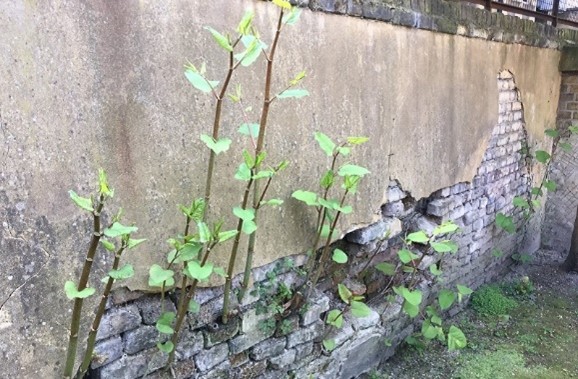
This week (24th-30th May 2021) is Invasive Species Week, an annual event led by the GB NNSS (Non-Native Species Secretariat) to raise awareness of invasive species and how we can help prevent their spread. Generally, the term ‘invasive species’ is defined as an introduced organism that has an adverse impact on its environment by causing ecological and economic damage. They are one of the top five causes of worldwide biodiversity loss through habitat damage, preying on or out-competing other species. They can also spread disease to other species, including humans. The estimated cost of invasive species to the UK’s economy is more than £1.7 billion [1] which is caused by things like damage to buildings [e.g. from the dreaded Japanese Knotweed (Fallopia japonica – fig. 1)], interference with food production, delays on work projects, and the expense of dealing with them. The number of new species being introduced to the UK is rapidly on the increase and can be exacerbated by climate change. This is an urgent problem that without intervention will continue to escalate!
Fig. 1: Japanese knotweed (Fallopia japonica) damaging a brick wall
In 2015 I embarked on a PhD that aimed to quantify the pet herpetofauna (reptile and amphibian) trade across England, mainly to understand the associated socio-economic factors and animal welfare consequences of this. Investigating invasive species was low on my already-full agenda, however, it has been a rabbit hole I ended up going down (pun intended: rabbits were named Britain’s most costly invasive species in 2010 according to The Guardian[2])!
The exotic pet trade has long been known to be a means of new species entering an environment (either through escape or deliberate release), but according to a recent study in Frontiers of Ecology it now ranks as a primary cause of invasive species[3]. It has long been illegal to release any non-native species into the wild under the Wildlife and Countryside Act 1981, however more recent legislation has been enacted to prohibit the trade of invasive species. Whilst the term ‘invasive’ can be subjective, in the UK a species officially considered to be invasive is listed in retained EU law: Invasive non-native (alien) animal species: rules in England and Wales. That’s not to say that other ‘feral’ pets are not ‘invasive’. There are concerns that Indian ring-necked parakeets (Psittacula krameria – fig. 2) that have spread across the UK are potentially out-competing some of our native birds for nesting sites in tree hollows[4]. However there needs to be a body of evidence built to support these claims before a species is added to the legislation.
Fig. 2: Indian ring-necked parakeet (Psittacula krameria)
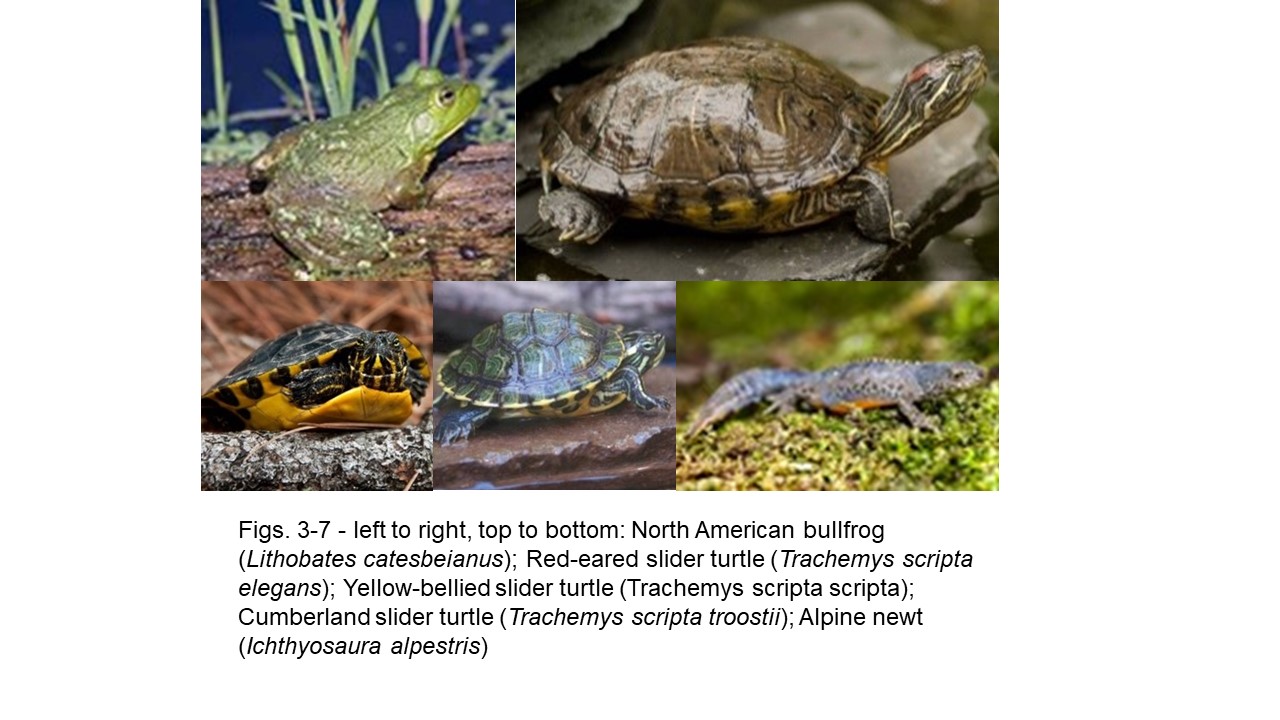
In terms of herpetofauna, there is only one invasive species of amphibian listed in the legislation, the North American bullfrog (Lithobates catesbeianus- fig. 3), and one species of reptile, the common slider turtle (Trachemys scripta) along with all sub-species, including T. s. elegans, T. s. scripta, and T. s. troostii -fig. 4-6)[5]. North American bullfrogs pose a threat to our already vulnerable native amphibians as they will eat frogs, newts, and other similar sized animals[6], and slider turtles threaten our waterfowl as they will eat bird eggs, as well as insect larvae[7].
The law has prohibited anyone from keeping, breeding, and selling these species since August 2016. If you owned one before the law came into force (turtles can be very long-lived) then you have what are called ‘grandfather rights’ where the animal can remain in your possession until the end of its days. If an owner can no longer take care of the turtle they cannot re-sell it- it is best to relinquish them to a rehoming centre that has the relevant license where they can live out the rest of their lives[8], such as The National Turtle Sanctuary at Lincolnshire Wildlife Park[9].
Part of my research into quantifying the herpetofauna trade has involved sampling from pet shops and online classified adverts as to what species are for sale. So far, I have officially documented 431 different reptile species, and 122 different amphibian species[10], and this number is set to grow as I continue to analyse four years’ worth of data. All these species are non-native, and whilst most of them would not survive in our British climate, there are some causes for concern.
In October 2020 a fellow PhD student, Ali North, got in touch with me as she is currently investigating the drivers of establishment and spread of a non-native amphibian in the UK, the alpine newt (Ichthyosaura alpestris- fig. 7). Her project uses distribution data of alpine newts in their native range across mid-Europe with an aim to predict the invasion risk of this species in the UK[11]. I was interested to learn from her that these newts have established various populations in the UK but most concerningly are known to be a vector of chytridiomycosis which can be transmitted to our native amphibians[12]. As part of her research at the University of Plymouth, ZSL Institute of Zoology, and the ARC Trust, Ali wanted to know how often alpine newts had occurred in my data sampling seeing as the pet trade is a potential route for non-native species entering the wild. It turns out that my data set had only 16 records of alpine newts (out of tens of thousands of records) which is not very many, however, do not be fooled by small numbers! It does not take many individual pets being released into the wild for a potentially invasive species to wreak havoc on an ecosystem. Whilst the understanding of alpine newts as an invader is in its infancy, I was delighted to be able to assist Ali with this part of her research and I look forward to reading her final thesis. If you have spotted an alpine newt in the UK you can also help towards her project by reporting it here: https://www.arc-trust.org/news/have-you-seen-an-alpine-newt-in-the-uk
Another interesting thing that my data collection has highlighted is that despite slider turtles being banned from sale for over four years now, they are still appearing on online classified websites such as Preloved, Pets4Homes, and Gumtree. Not only is this illegal, but it is also against the minimum standards set out by the Pet Advertising Advisory Group (PAAG) which these websites agree to adhere to as voluntary members[13]. Since I started collecting data in July 2017 to the time of publishing this blog there have been at least 102 adverts selling slider turtles, and these were the more obvious ones. On deeper investigation some adverts selling yellow-bellied sliders listed them as just the letters ‘YBS’ meaning that they would not be flagged when searching using key words. These adverts have consistently appeared in my data set at a rate of about two per month, with a noticeable spike in Oct-Dec 2020 at a rate of five per month, so there does not appear to be a downward trend since the legislation came into force. Also, some other adverts just listed animals using the word ‘turtle’ or ‘terrapin’; not only does this allow the potential for slider adverts to slip through the net but it also further violates PAAG minimum standards by not advising potential buyers what the species is. How can someone research the correct care information if they don’t know what species they are buying?
Another invasive species that I came into close contact with recently, coincidentally whilst in the process of writing this blog, was in my local park- Elmdon Park in Solihull. An invasive water weed, Azolla filiculoides, or red water fern (fig. 8), had suddenly appeared in one of the park’s ponds. This weed is believed to have entered UK water systems from the ornamental pond and aquarium trade either by spreading via birds’ legs between ponds or from people emptying fish tanks into wild water bodies. It spreads on the surface of water bodies, blocking out sunlight and decreasing oxygen, thereby killing native wildlife[14].
Fig. 8: Red water fern (Azolla filiculoides) in Elmdon Park, Solihull
I sit as Secretary on Elmdon Park Support Group’s[15] committee and run their social media pages, so I found myself reading more about this weed and treatments used to control it, in order to inform the local community on what would happen. The Warwickshire Wildlife Trust lease the land and therefore must foot the treatment bill, which turns out to be the use of a weevil (Stenopelmus rufinasus- fig. 9), affectionately known as ‘Weevil Knievel’ The weevil eats the weed but doesn’t come cheap at a cost of a few hundred pounds for just one container of them[16]. So here we have another casualty to our native wildlife because of the pet trade.
Fig 9: ‘Weevil Knievel’ (Stenopelmus rufinasus)
So, what can we do? Further research into identifying potentially invasive species will help in raising public awareness, whilst initiatives such as Invasive Species Week will spread the message on the consequences of releasing non-native species into our UK ecosystems. But there persists a deeper problem whereby some people fail to properly research the needs of the pets they buy, or fully understand how big they will grow, and feel that it’s easier to release them into the wild rather than to relinquish them via more responsible methods. This is perhaps the area of human-animal interactions that needs more attention and research.
Tedds, H.L., Sneddon, S., Ollerton, J., Clubb, R., and McCormick, W.D., Herps across England: investigating the scale of the reptile and amphibian trade: UFAW Recent Advances in Animal Welfare Science VII Conference Poster, 30th June- 1st July 2020, online.